
 Wenzhou Lita Electric Co., Ltd.
Do Swiss Type J Sockets Require Child Safety Shutters?
When a parent in Basel encountered an accessible outlet beside a toddler’s play area, its recessed face initially seemed reassuring. In this hypothetical example, the replacement shortlist described Swiss compatibility but said nothing about shutters, so the purchase was paused. The overlooked distinction was between a recessed socket and a documented barrier protecting access to its contacts.
Resumen: A Type J description does not establish that a socket has child safety shutters, and the sources reviewed do not justify a blanket claim that every Swiss socket must have them. Swiss accident-prevention authority BFU recommends enhanced-contact-protection sockets and suitable keyed socket protectors. Buyers should verify the exact model and keep supervision and installation condition in view.
The practical aim is to choose appropriate protection for the household, not to infer safety features from a country label. Child safety socket shutters are one feature within a wider approach to electrical safety.
What evidence establishes that a socket has shutters?
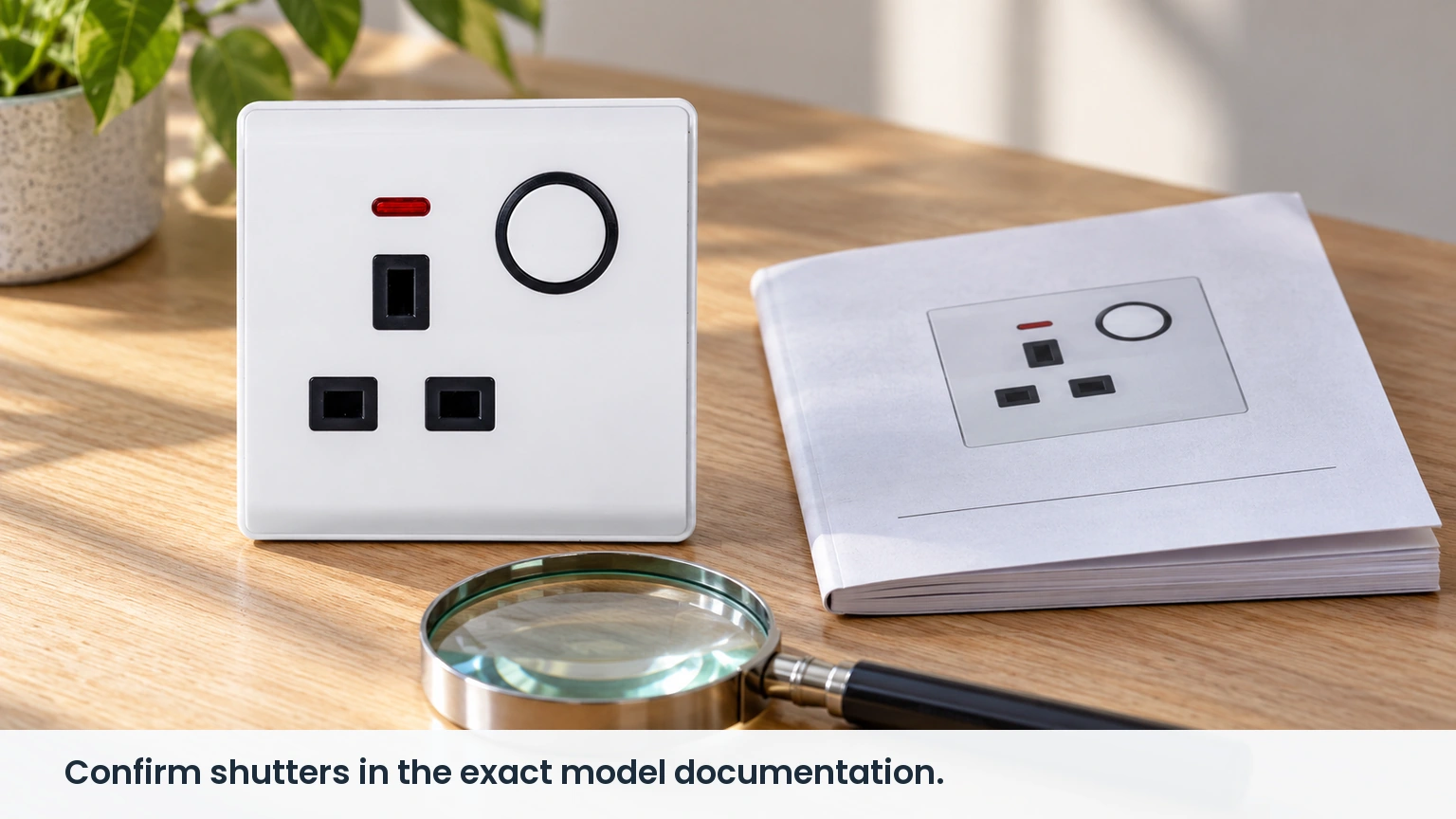
The exact model’s documentation should explicitly identify enhanced contact protection or shutters. A recessed face, three openings or a Enchufe tipo J suizo description is not enough. BFU describes sockets with an internal barrier; that barrier is a different feature from the recess that surrounds an inserted plug.
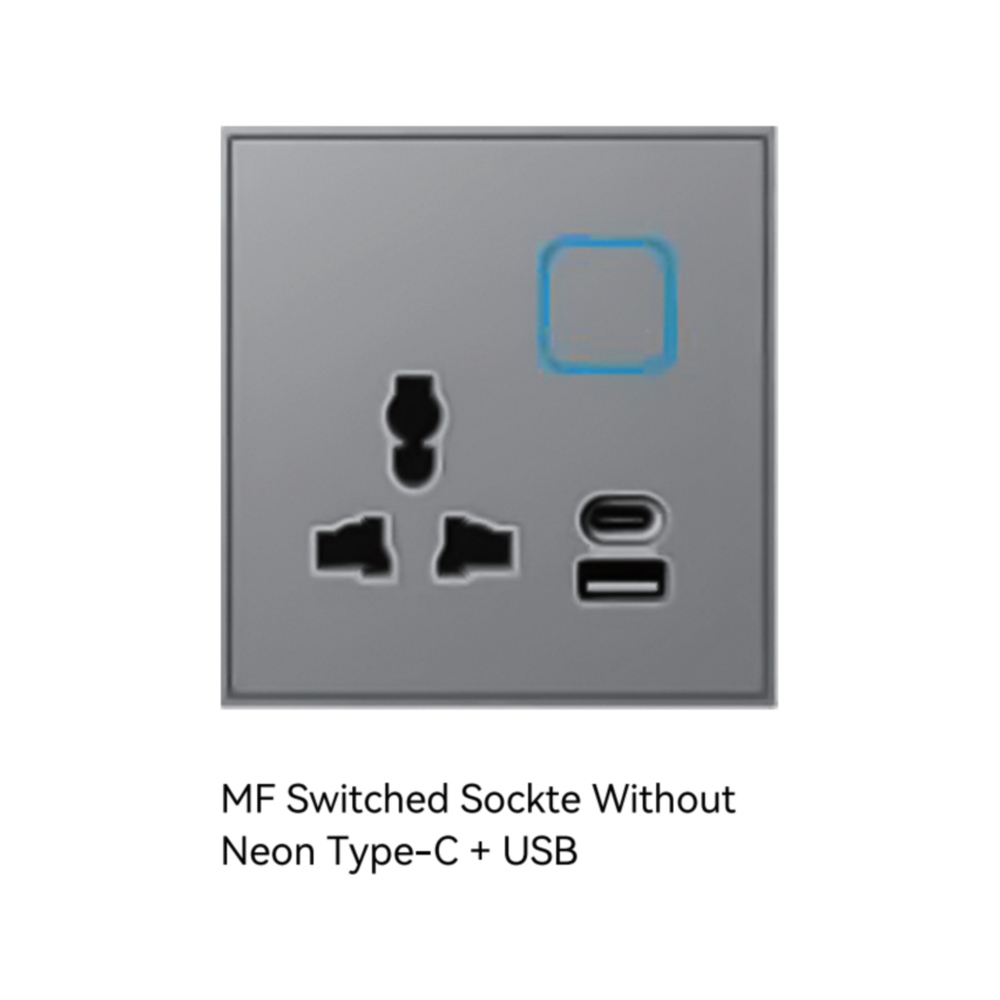
A concrete example is Feller model 87003.F.K.35, whose catalogue specifies a T13 socket with shutters, rated 10A at 250V AC and IP20. Those are the characteristics of that particular model, not a description of every T13 socket or of the product samples illustrated here.
Procurement teams should keep the feature attached to the full order code. A shuttered variant and a similar-looking variant without that feature can share a product family name. If a distributor substitutes a code, the buyer should reconfirm the protection feature rather than rely on a catalogue image.
How do shutters restrict access without switching off the socket?
Shutters provide a mechanical barrier in front of contacts, opening through the intended plug-insertion mechanism. They do not generally make the internal electrical parts dead. BFU’s explanation concerns restricting access; it should not be read as saying that an unused socket has no live parts.
Mechanisms differ by design. It is inaccurate to claim that every Swiss shutter is opened only by an earth pin: compatible two-pin Type C Europlugs have no earth pin. Buyers should rely on the manufacturer’s stated plug compatibility and mechanism, without testing it using loose pins, tools or other objects.
The EN 50075 Europlug is rated 2.5A and is intended for suitable unearthed equipment. Its compatibility with a documented shuttered socket does not remove that rating or turn it into a connection for an appliance that needs protective earth.
Are removable socket covers recommended in Switzerland?
BFU specifically describes keyed socket protectors suitable for Swiss sockets and recommends following their instructions. That is a reason to avoid copying blanket advice from another country into a Swiss buying guide. National connector systems and the accessories designed for them differ.
An integrated shutter and a removable protector solve related tasks in different ways. The removable device depends on correct fit, correct handling and being replaced after the socket is used. The integrated barrier depends on the socket’s design and condition. Neither justifies leaving damaged wiring or broken accessories in service.
BFU also makes the limitation clear: these products do not provide 100% protection, and adults still need to supervise children. A cover bought online without a clear Swiss compatibility statement should not be treated as equivalent to a suitable product identified by the manufacturer.
What should families inspect around accessible sockets?
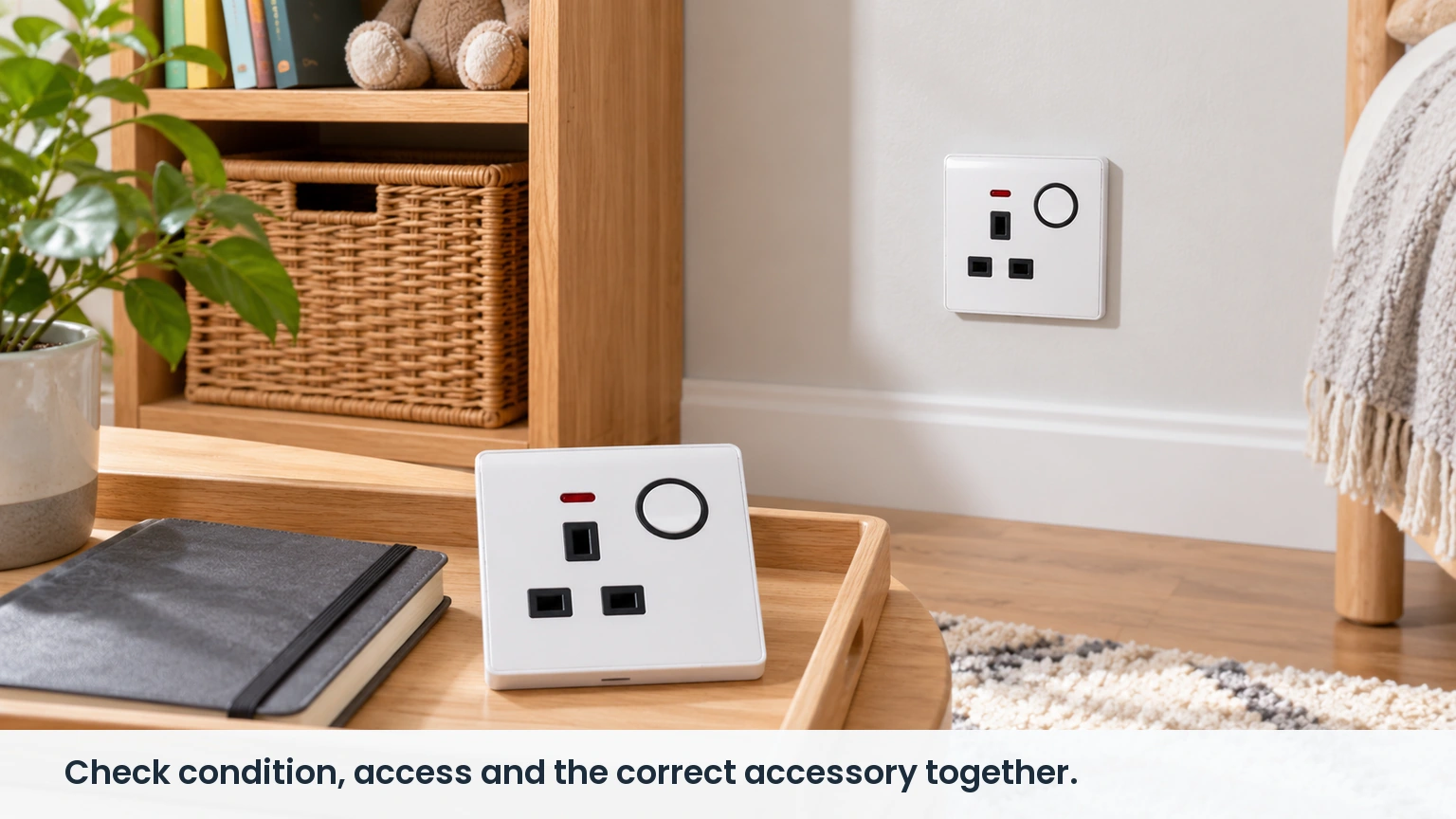
Start with the complete situation: socket condition, accessibility, connected cords and the suitability of any protector. A shuttered outlet does not stop a child pulling a cable, touching a damaged plug or reaching an unsafe extension lead. BFU’s product guidance belongs alongside supervision and sensible placement of equipment.
Visible cracking, looseness, scorching or an unusual smell warrants competent assessment. Do not remove a faceplate to inspect the shutter mechanism while the installation is energized. The guide to water-damaged electrical sockets addresses another situation where an added protector cannot remedy the underlying problem.
Rental and childcare settings also need an agreed maintenance responsibility. An inspection after furniture changes can reveal a newly accessible outlet, while a replacement accessory can introduce a different model. Recording the specified protection feature helps prevent it disappearing during an otherwise routine repair.
How do the available protection measures compare?
| Measure | What it addresses | Lo que no establece |
|---|---|---|
| Recessed socket face | Part of the intended plug interface | Presence of an internal shutter |
| Integrated shutters | Restricted access through the contact openings | De-energized internal contacts or absolute child protection |
| Suitable keyed protector | Access to an unused compatible socket | Correct fit for every national socket system |
| Supervision and maintenance | Changing behavior, damage and surrounding hazards | A substitute for appropriate electrical accessories |
Which details matter in different rooms?
| Configuración | Priority | Maintenance question |
|---|---|---|
| Family living room | Accessible outlets and trailing cords | Has furniture movement exposed a previously hidden socket? |
| Child’s bedroom | Consistent protection and intact accessories | Are removable protectors replaced after use? |
| Rental property | Clear model specification and responsibilities | Does a replacement retain the documented protection? |
| Childcare premises | Professional review of the setting’s requirements | Who records defects and arranges corrective work? |
Whole-life cost includes the initial accessory, installation where needed, inspection and ongoing handling. Integrated shutters may reduce reliance on replacing a removable cover after every use; that is an operational distinction, not a quantified accident-reduction claim. The best choice depends on the premises and the documented product.
What do Swiss standards establish about shutters?
ESTI identifies SN 441011 as the Swiss household plug-and-socket system. Its public system overview and the BFU pages reviewed here do not establish a universal legal requirement that every existing Swiss socket must have shutters. Particular projects, standards editions or settings may impose additional requirements; a qualified local professional should confirm those for the installation.
CE, RoHS or GCC documents cannot establish a Swiss child-protection feature on their own. Likewise, an IP20 description is not evidence that a socket has enhanced child protection. The feature needs to be stated and supported for the exact model.
What should buyers ask before choosing a child-safer socket?
- Does the exact order code explicitly include shutters or enhanced contact protection?
- Which Swiss plugs and other permitted connectors does the manufacturer identify?
- If a removable protector is used, is it intended for this socket and supplied with clear instructions?
- Who will install, inspect and maintain the accessory in the actual premises?
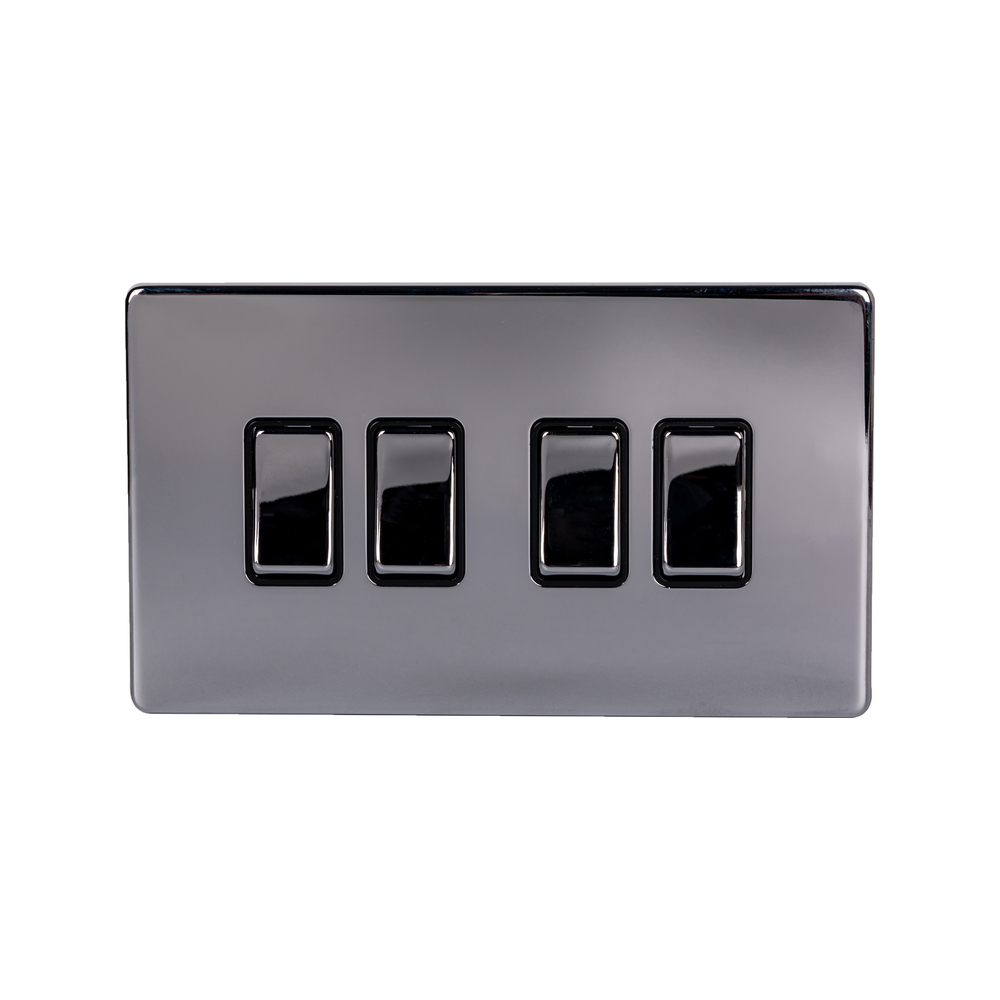
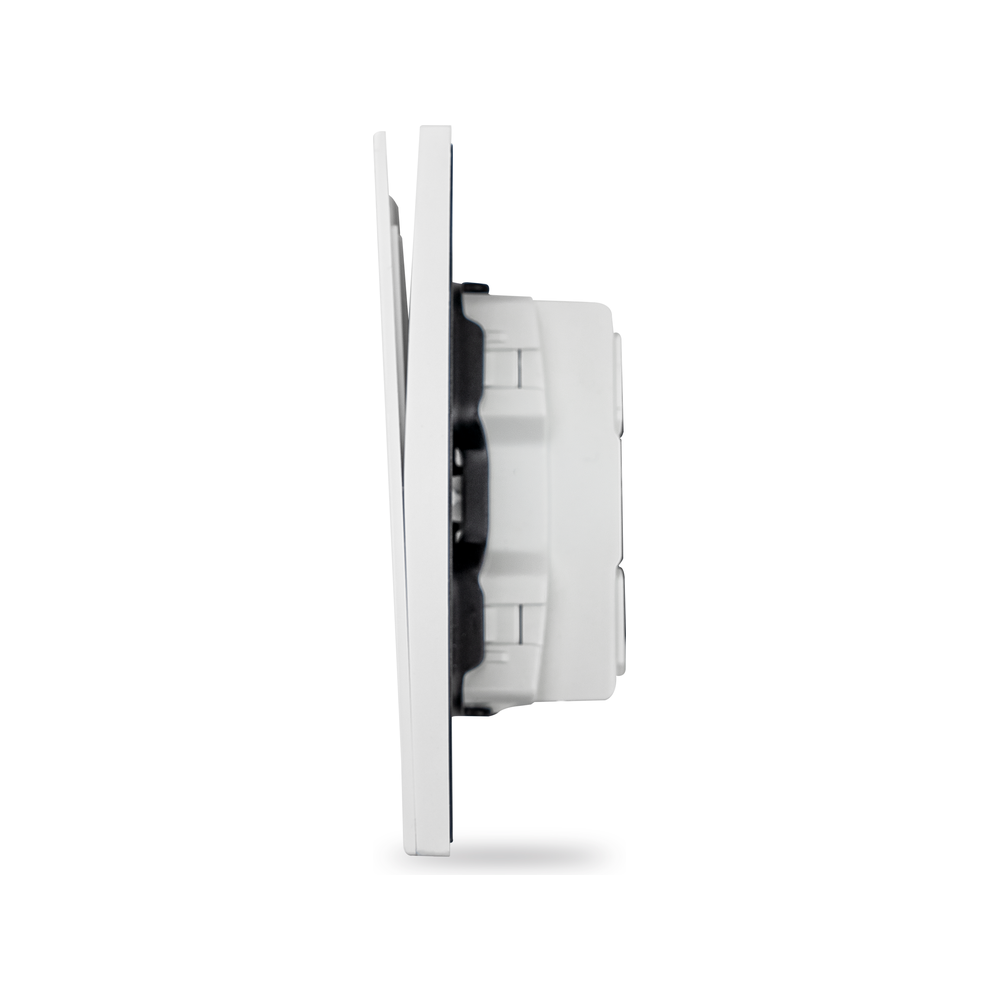
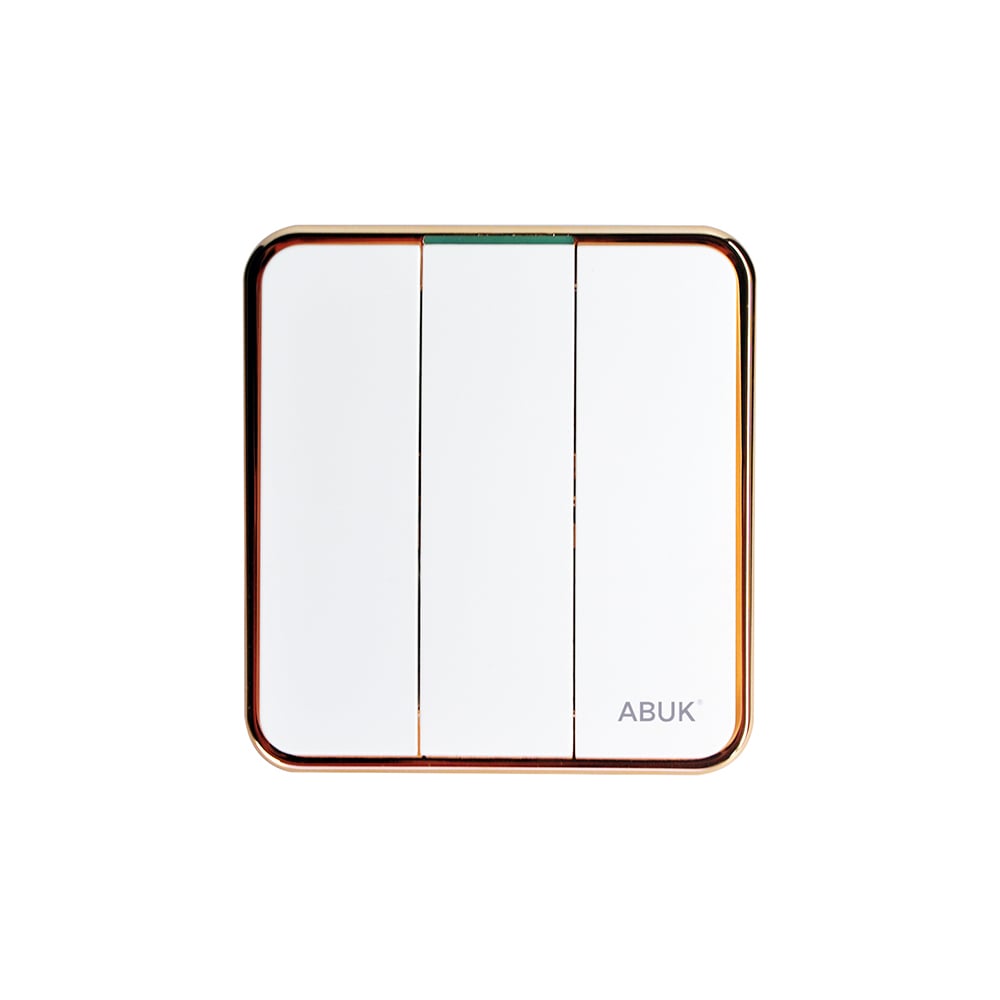
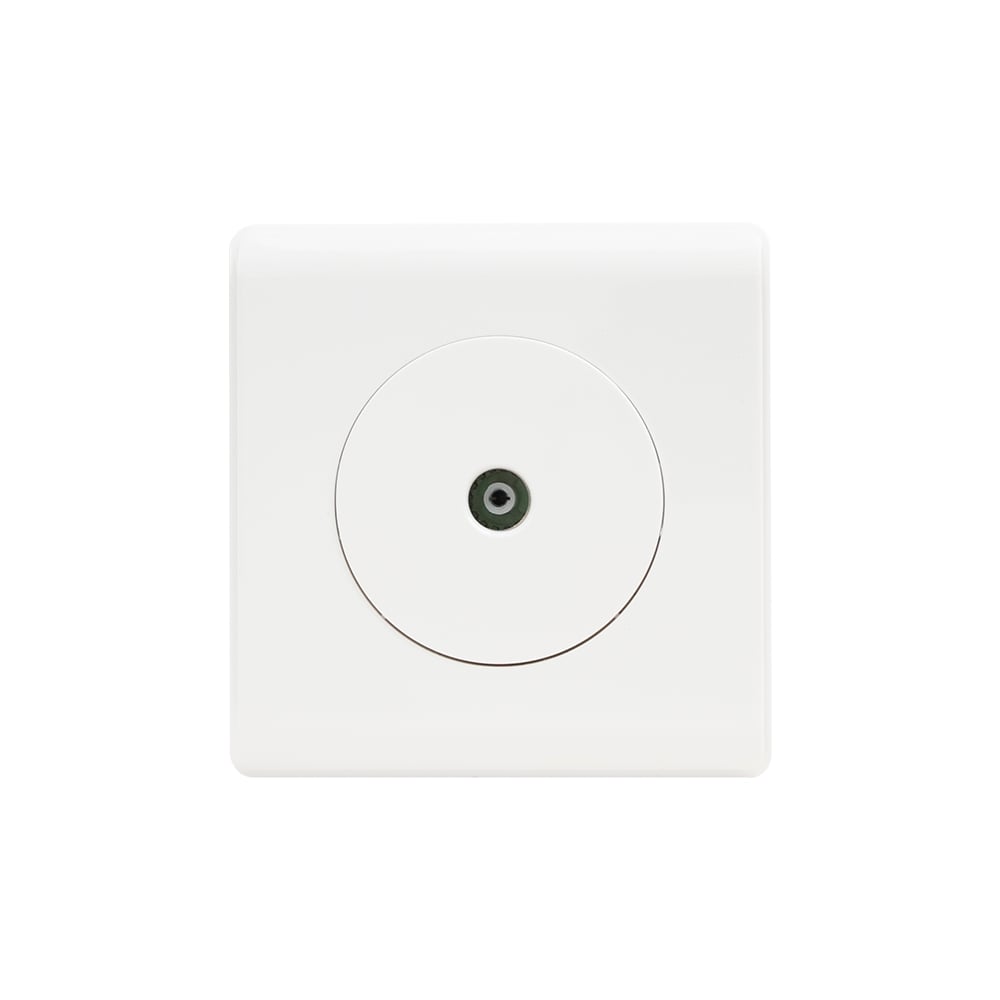
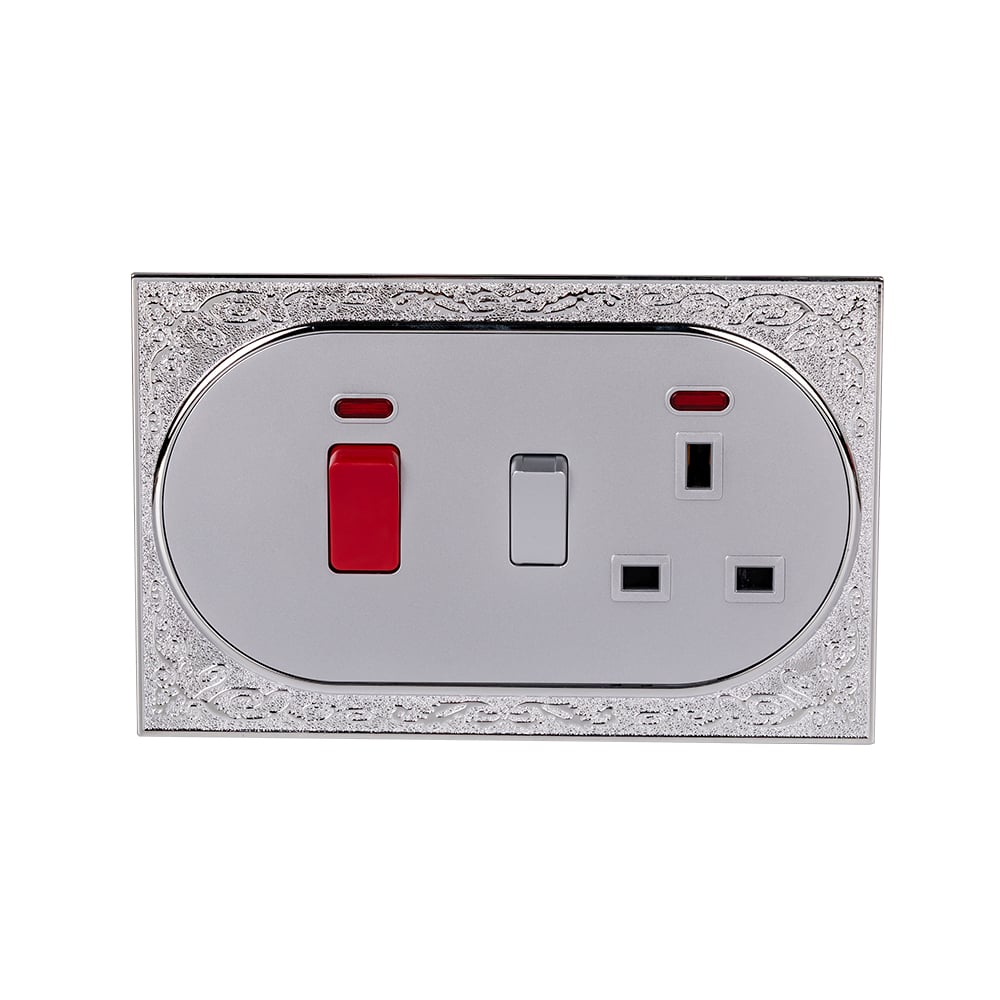
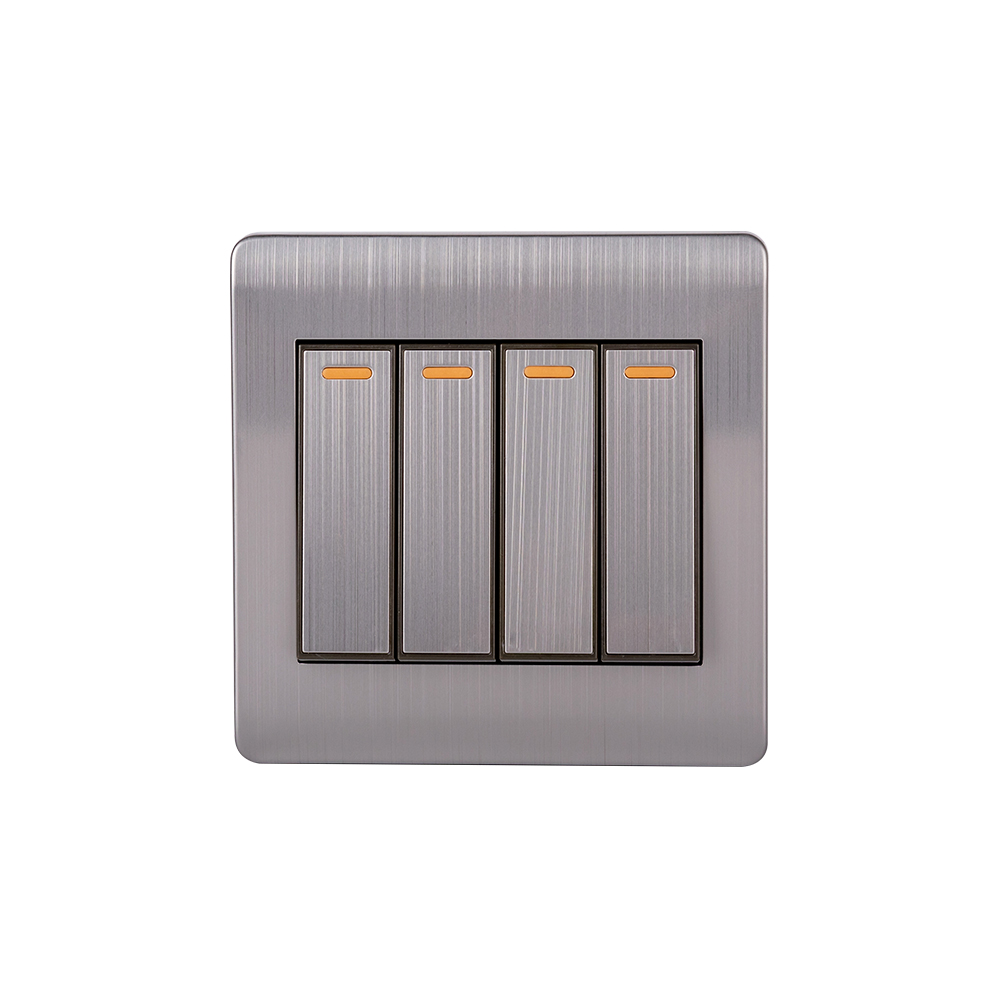
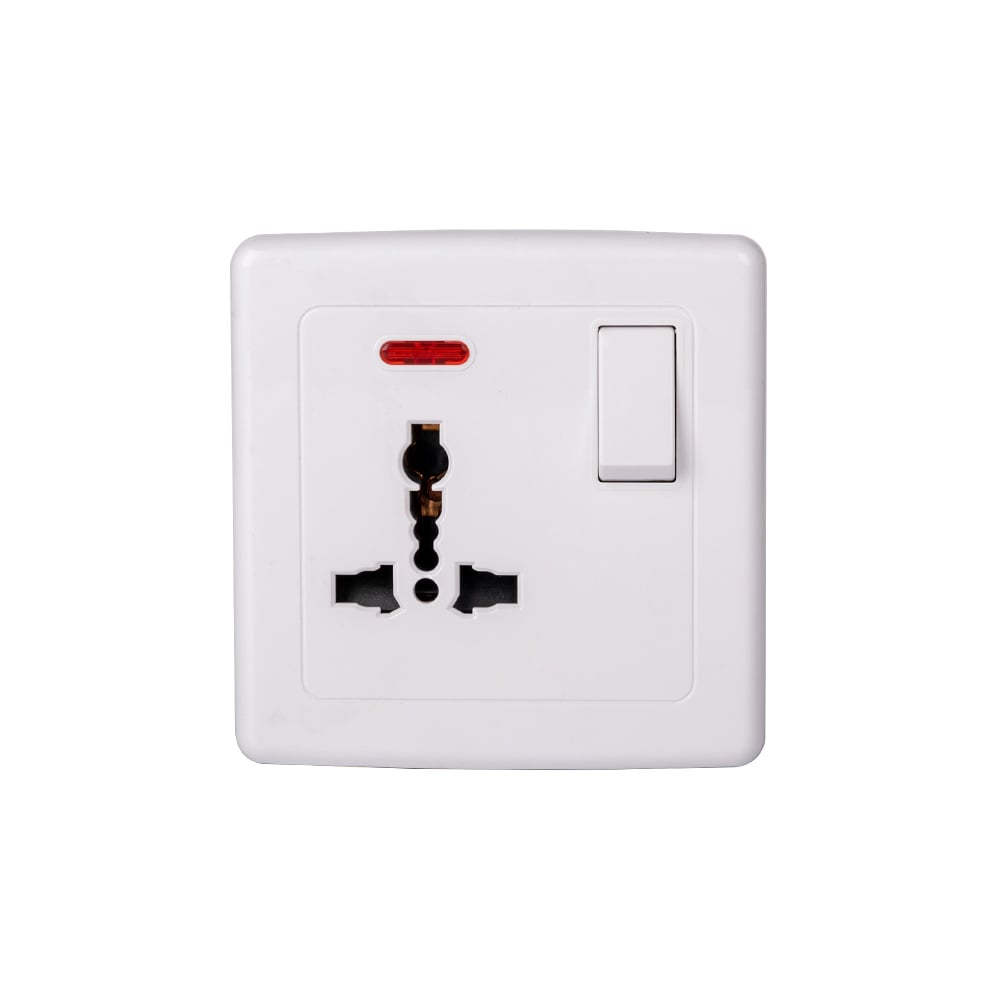
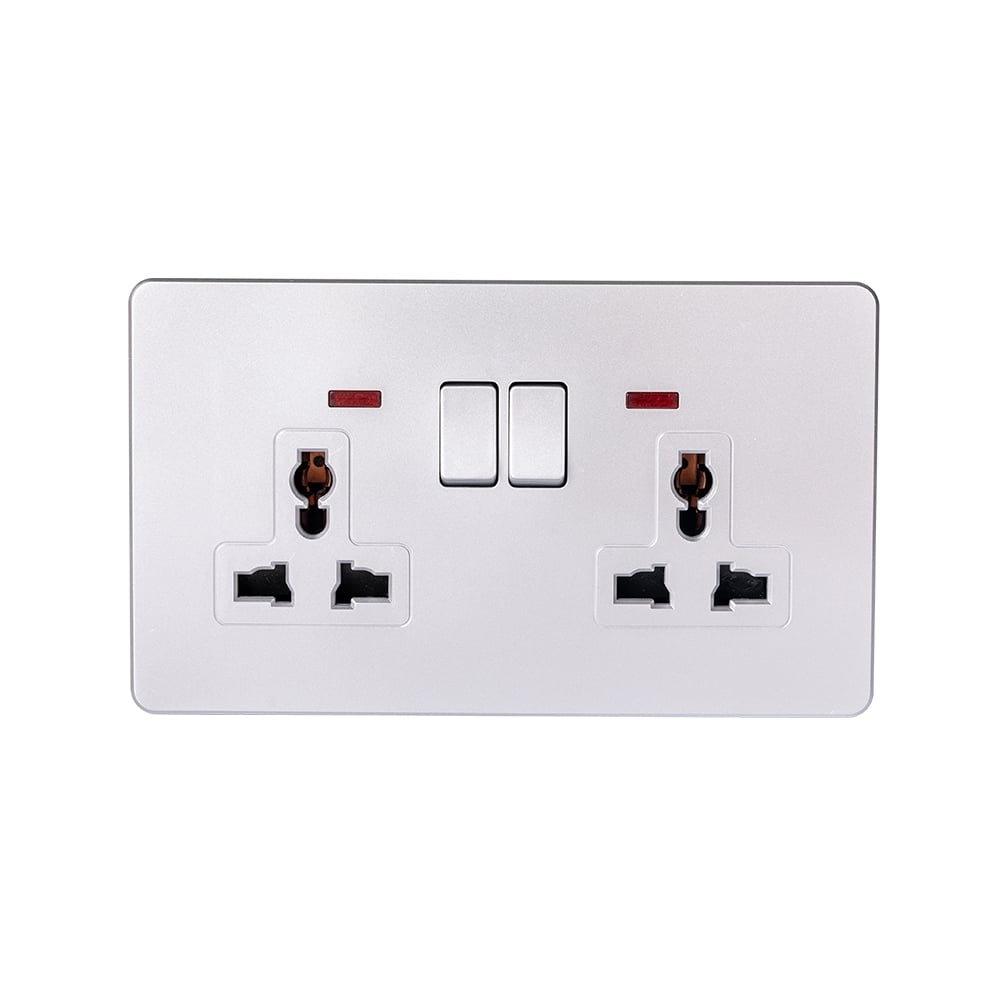
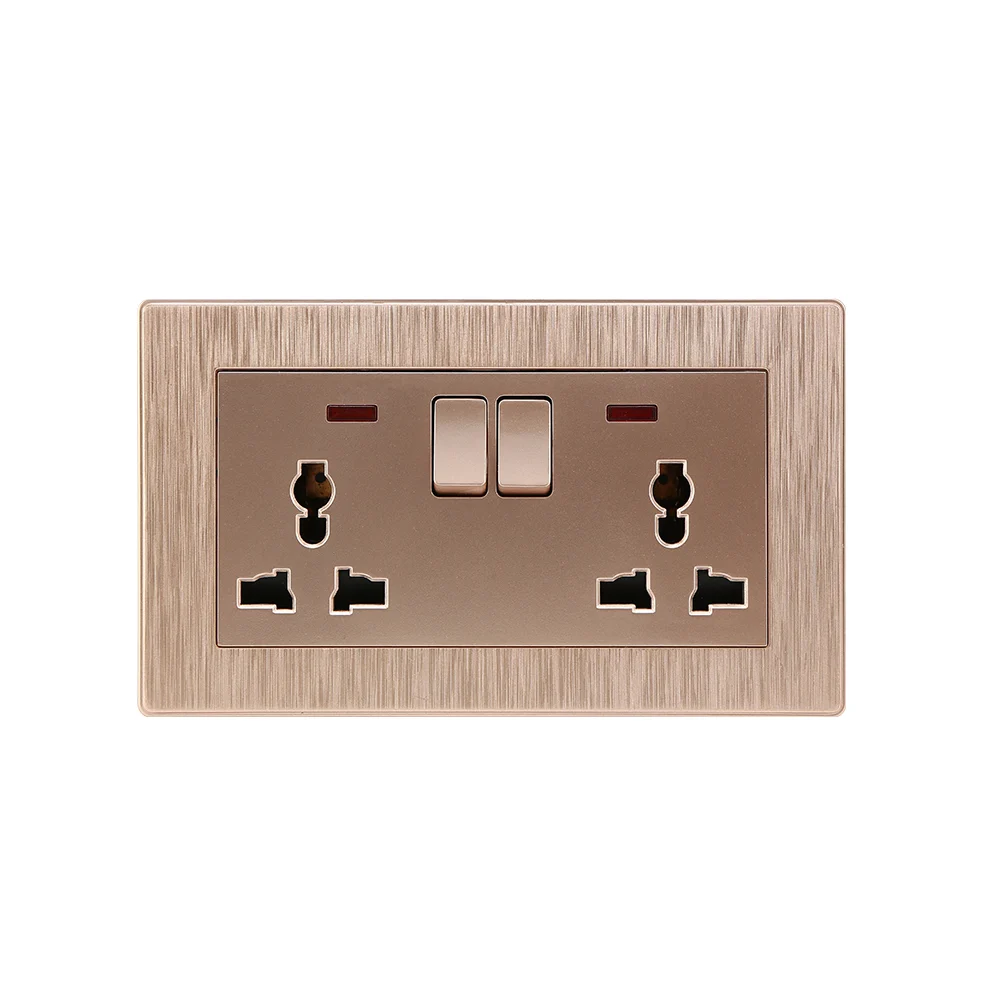
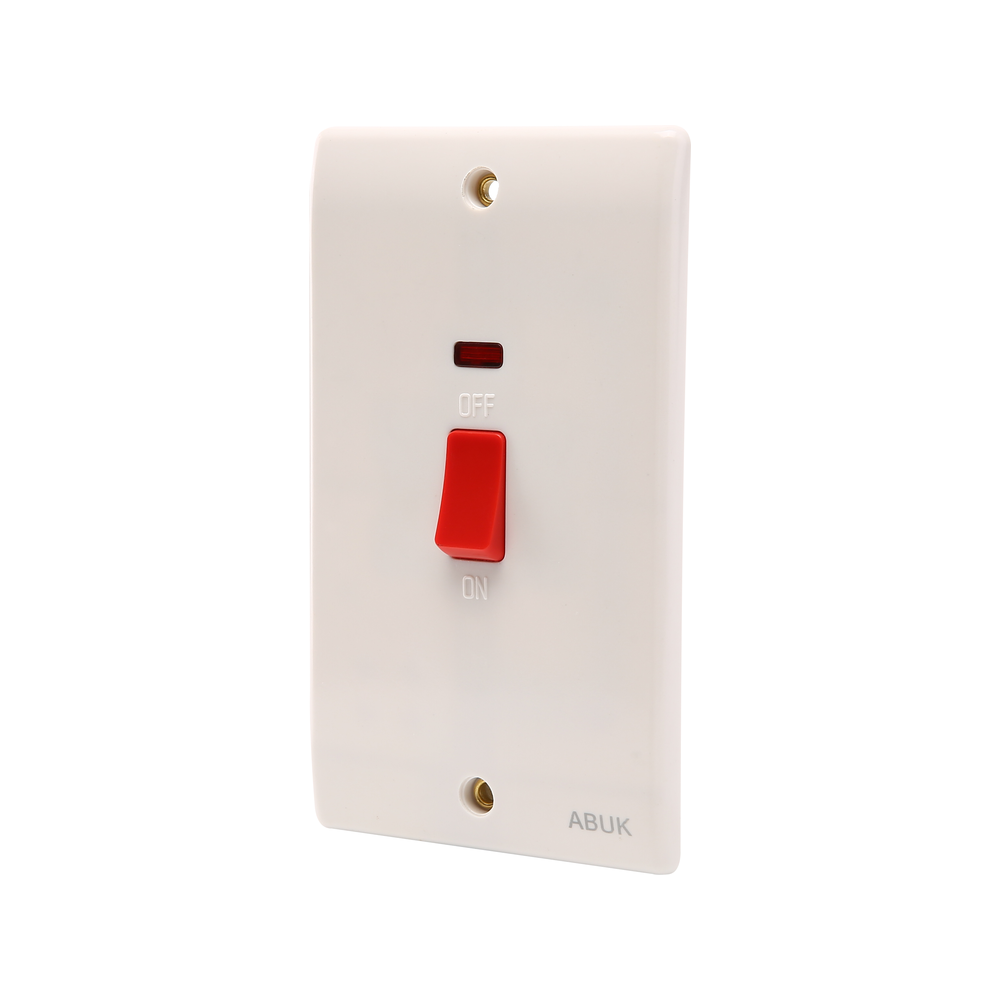
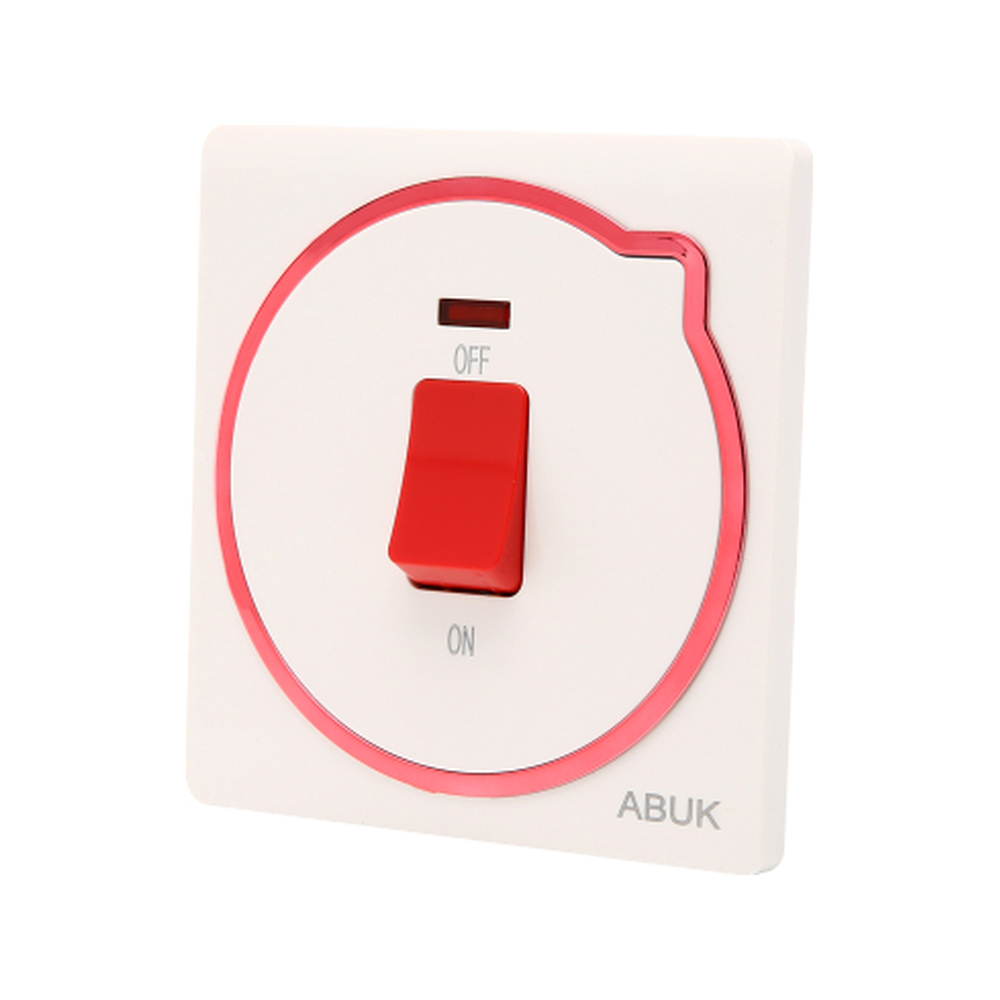
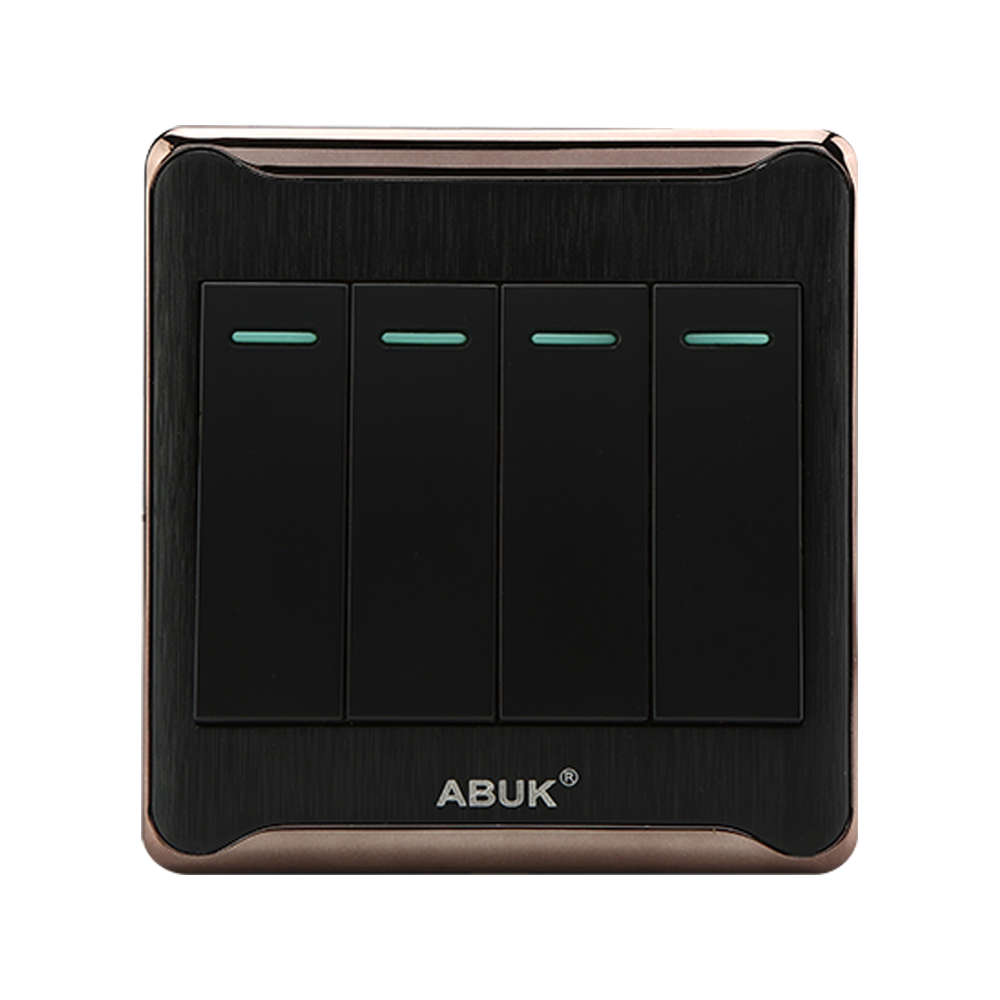
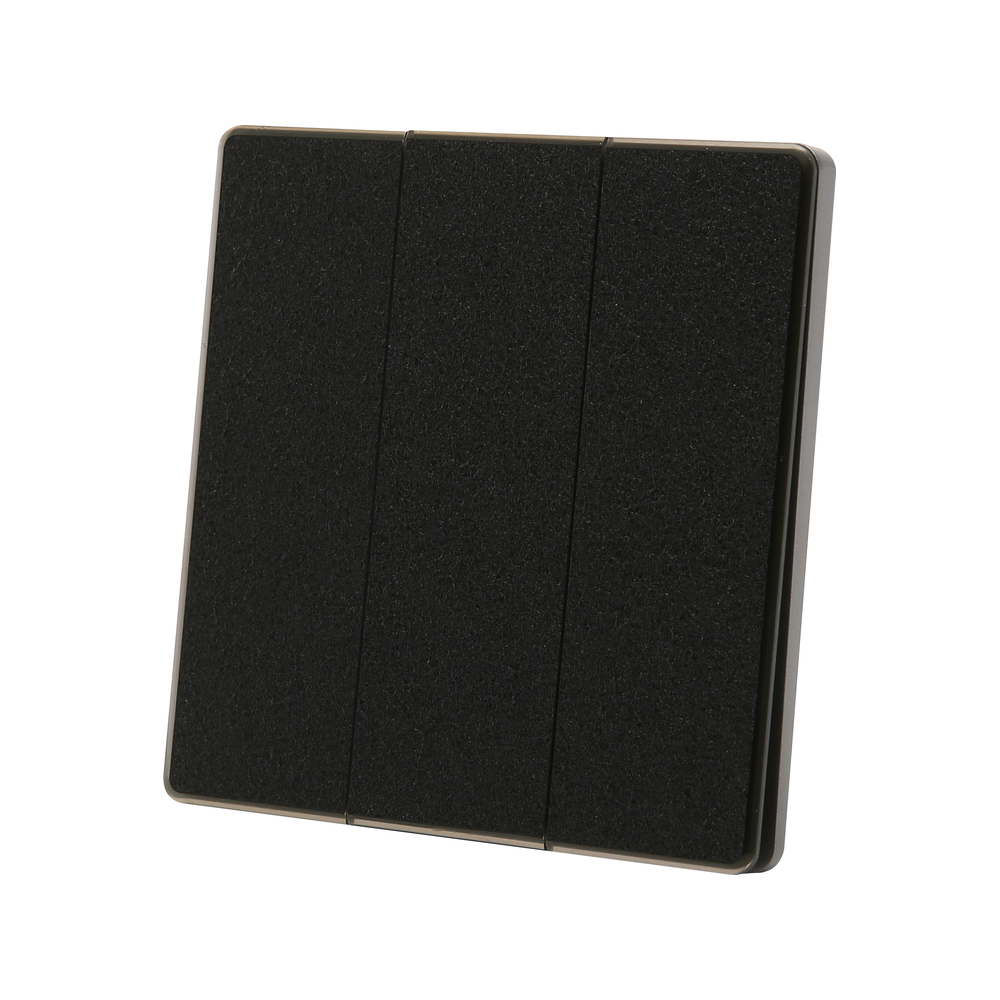
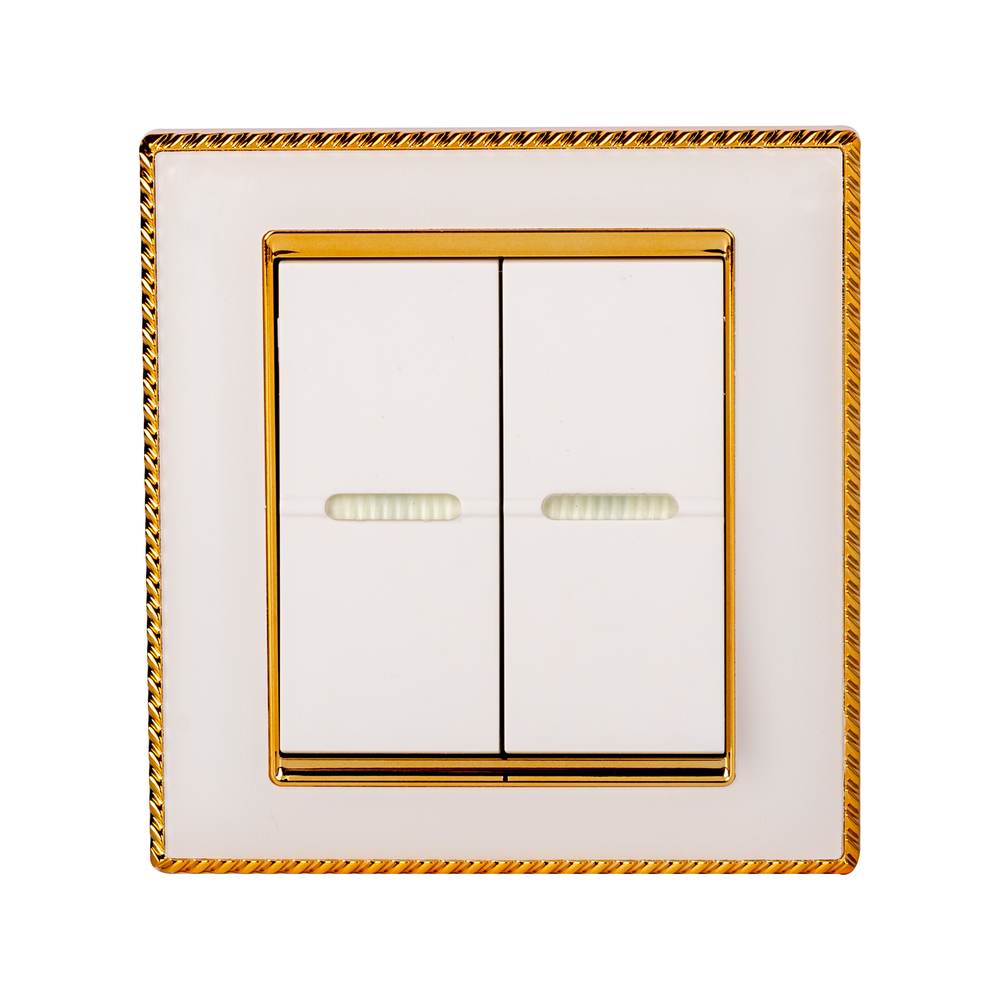
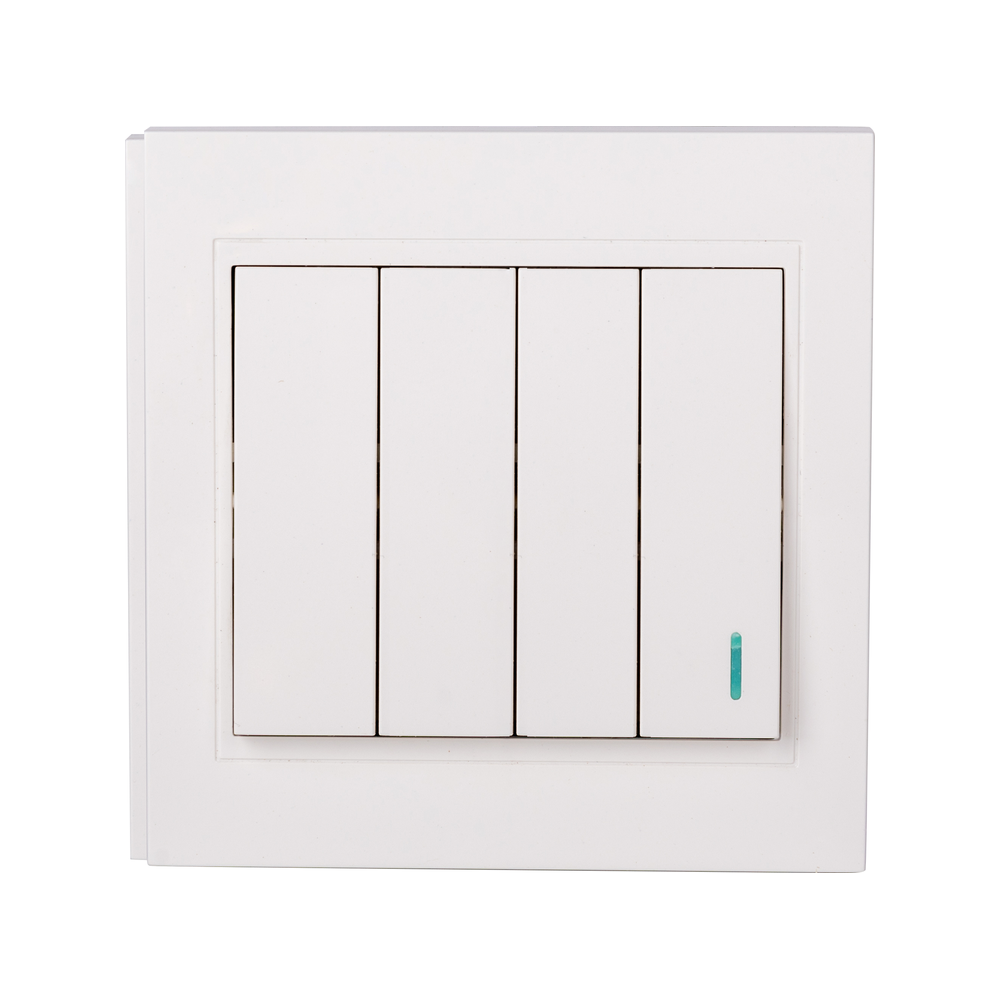
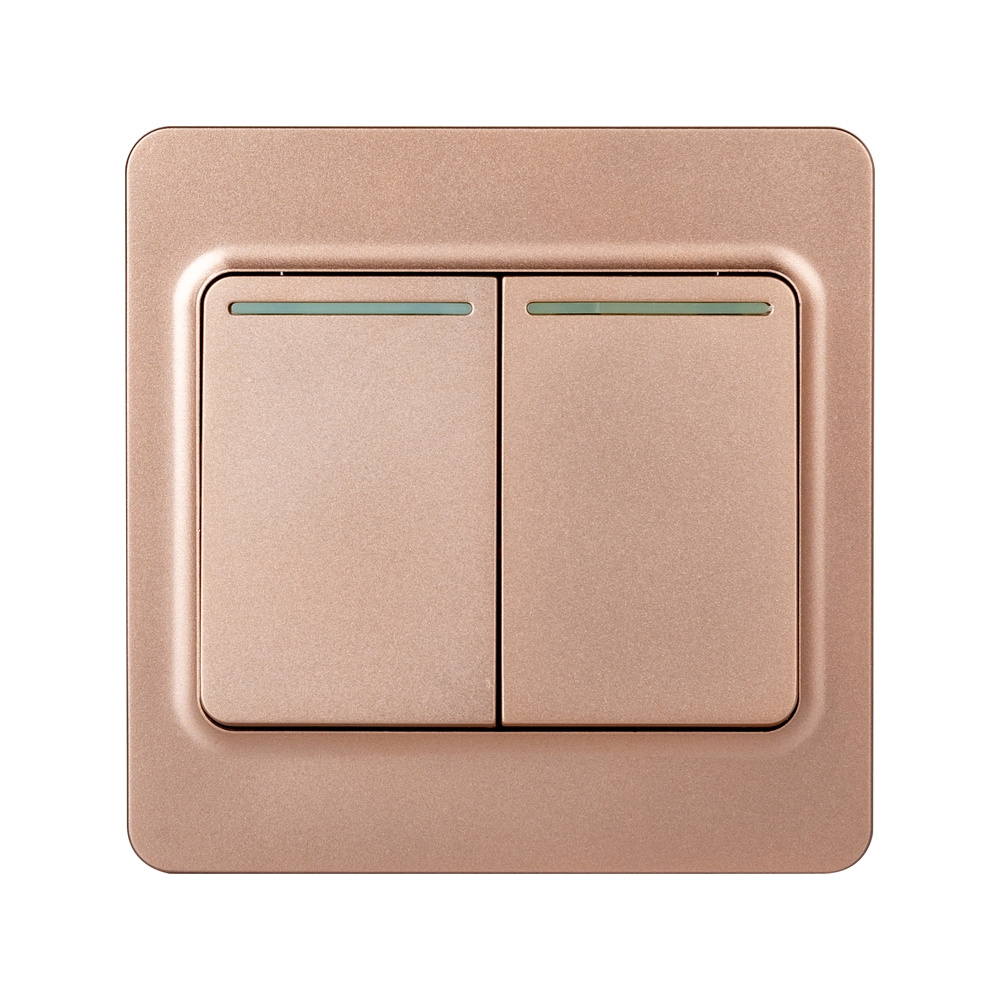
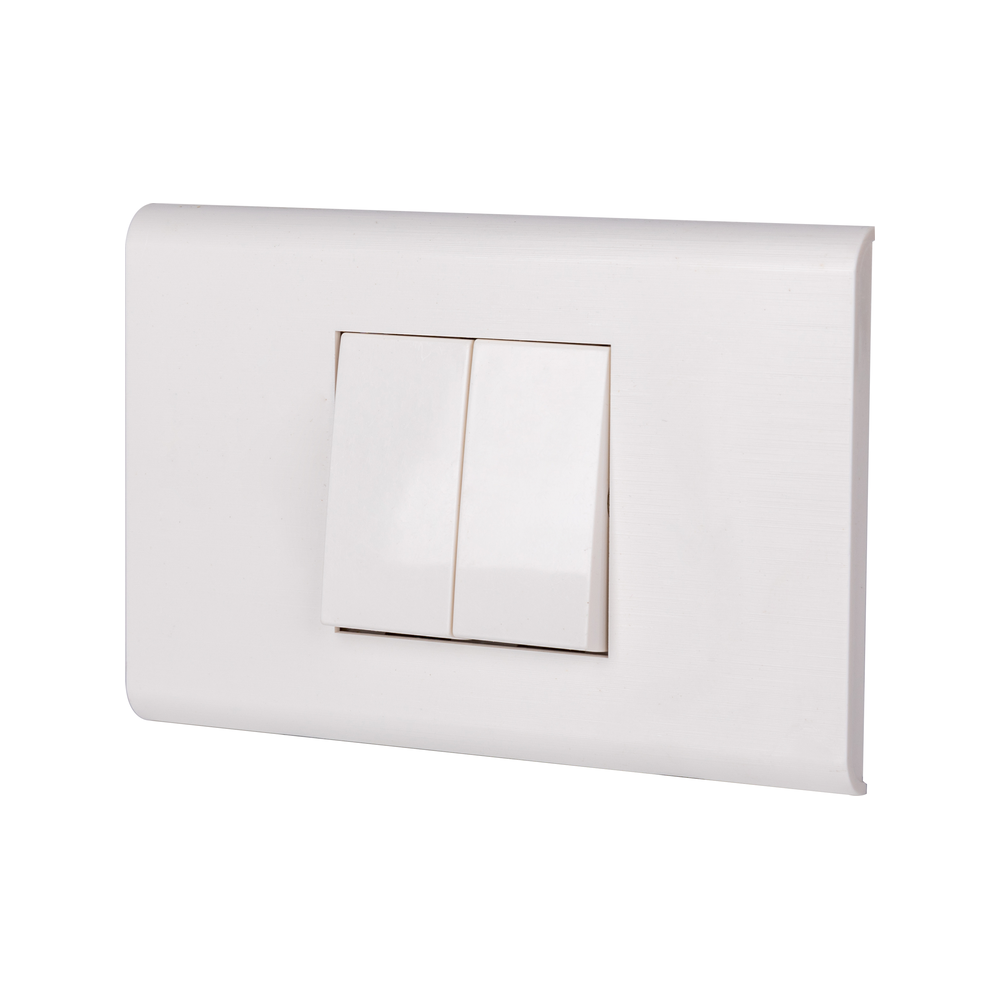
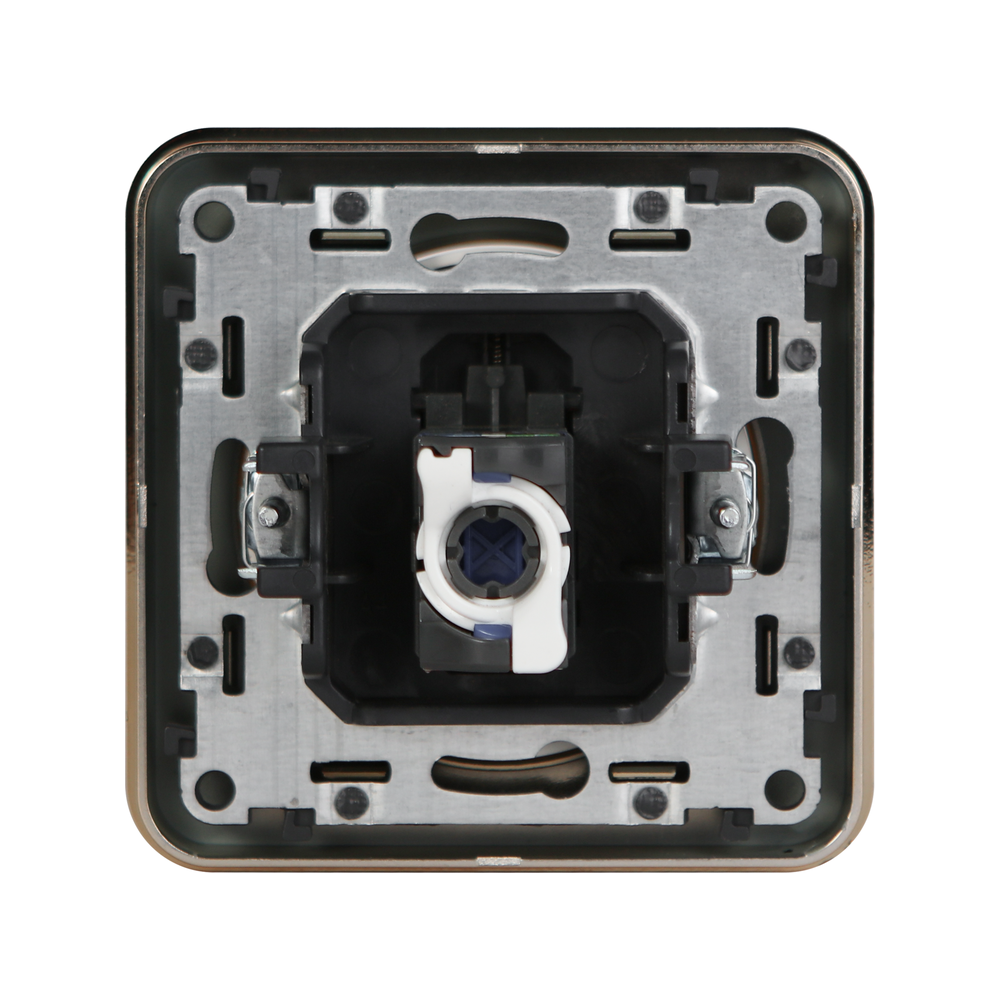
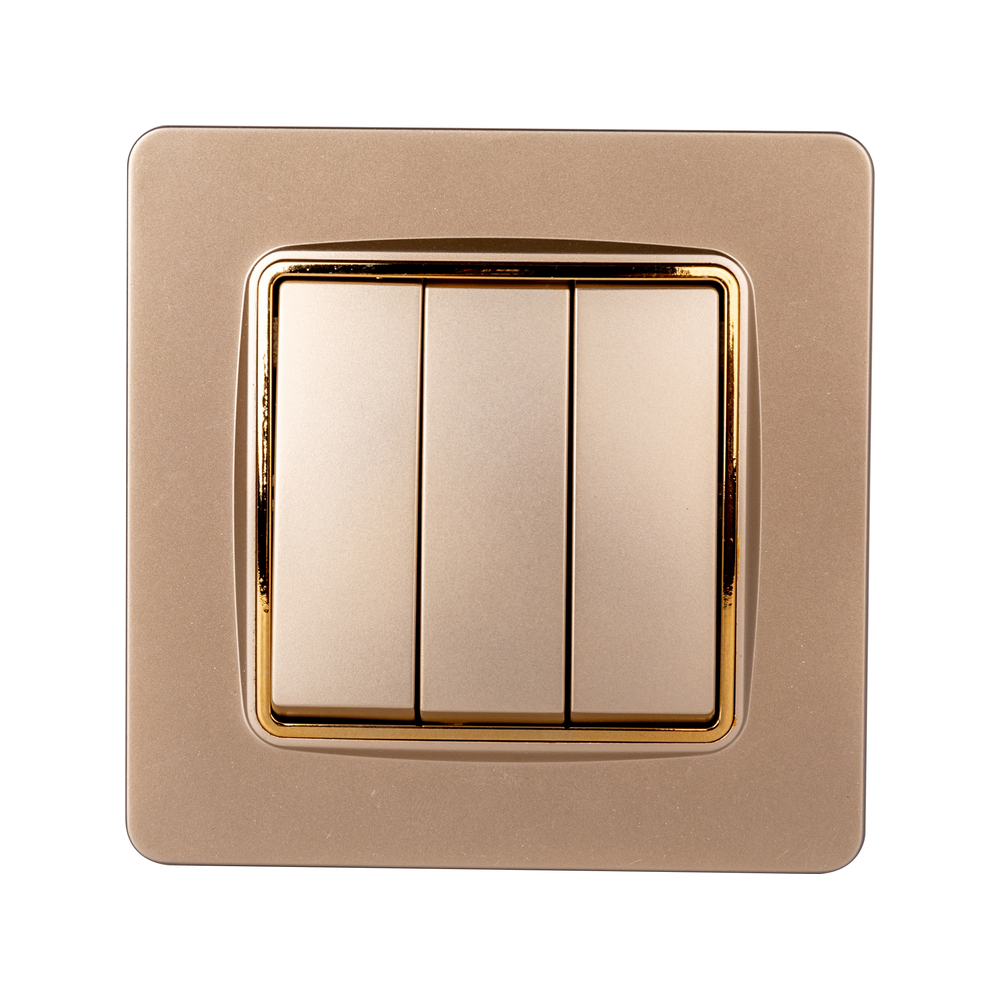
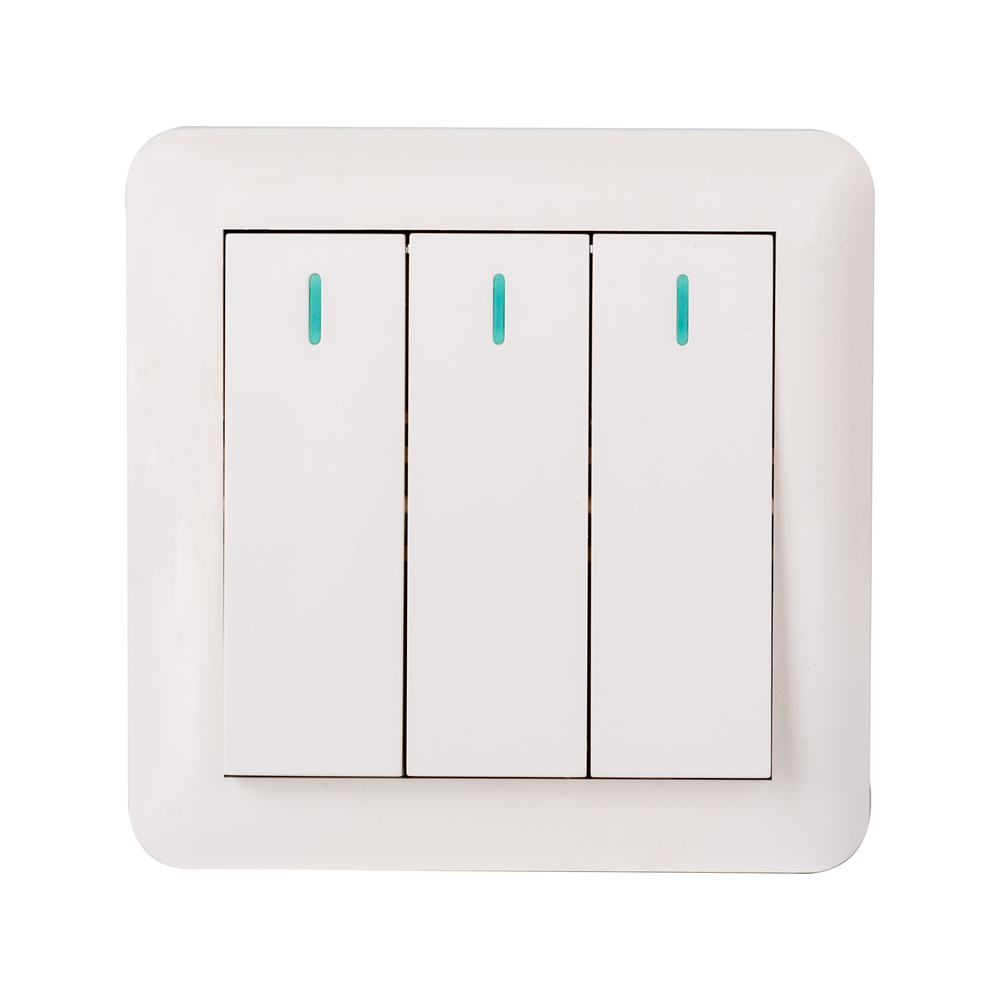
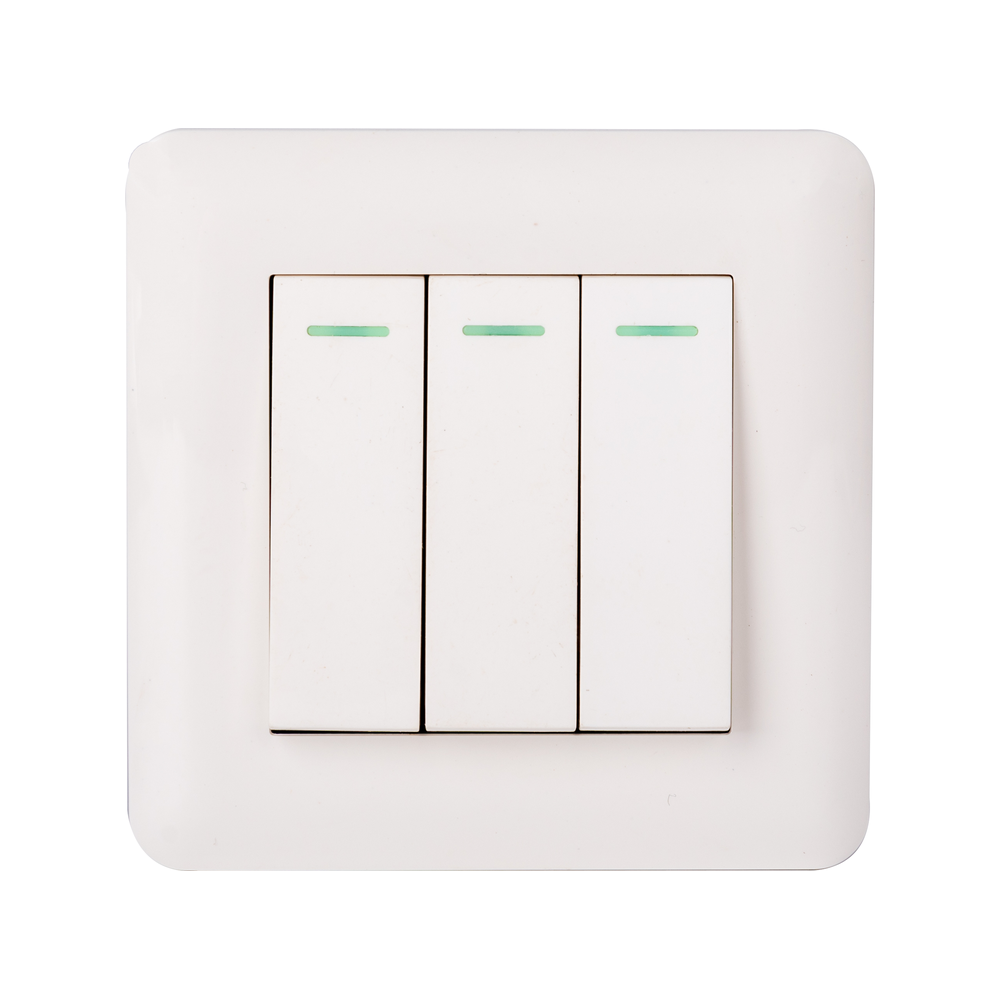
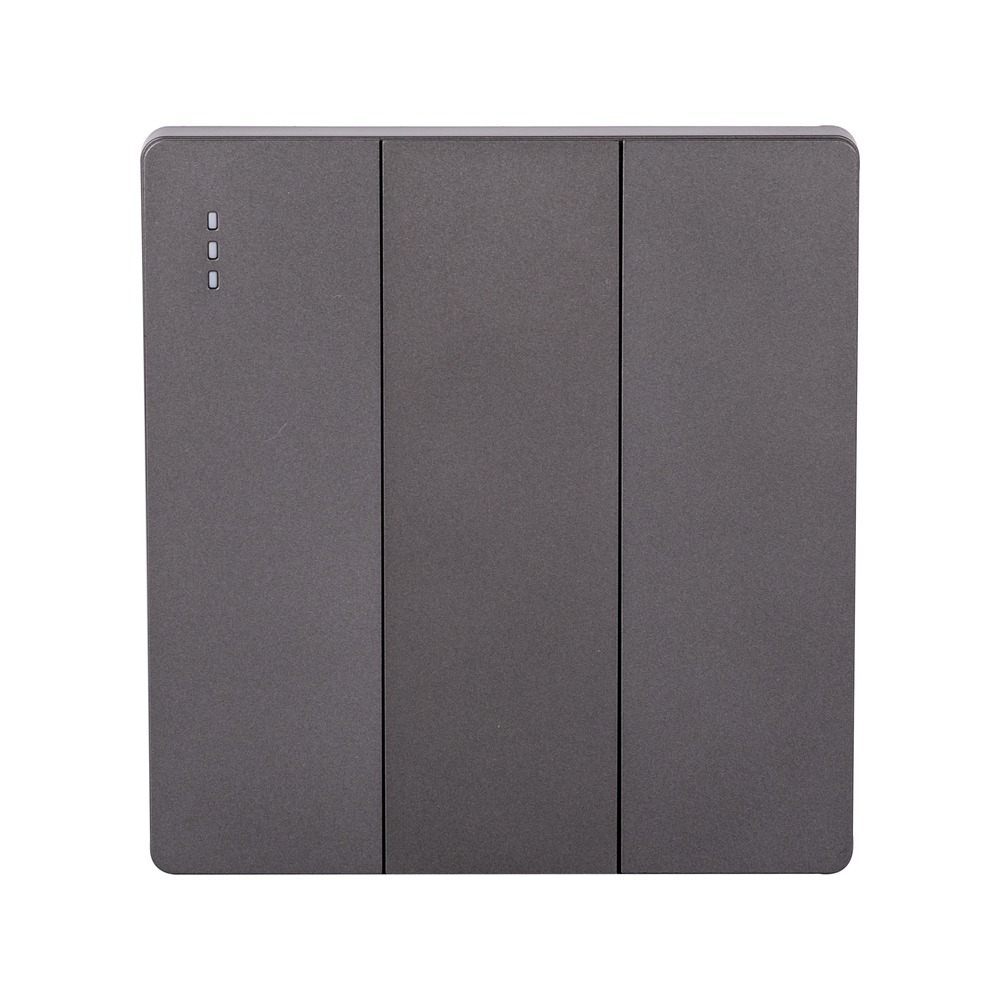
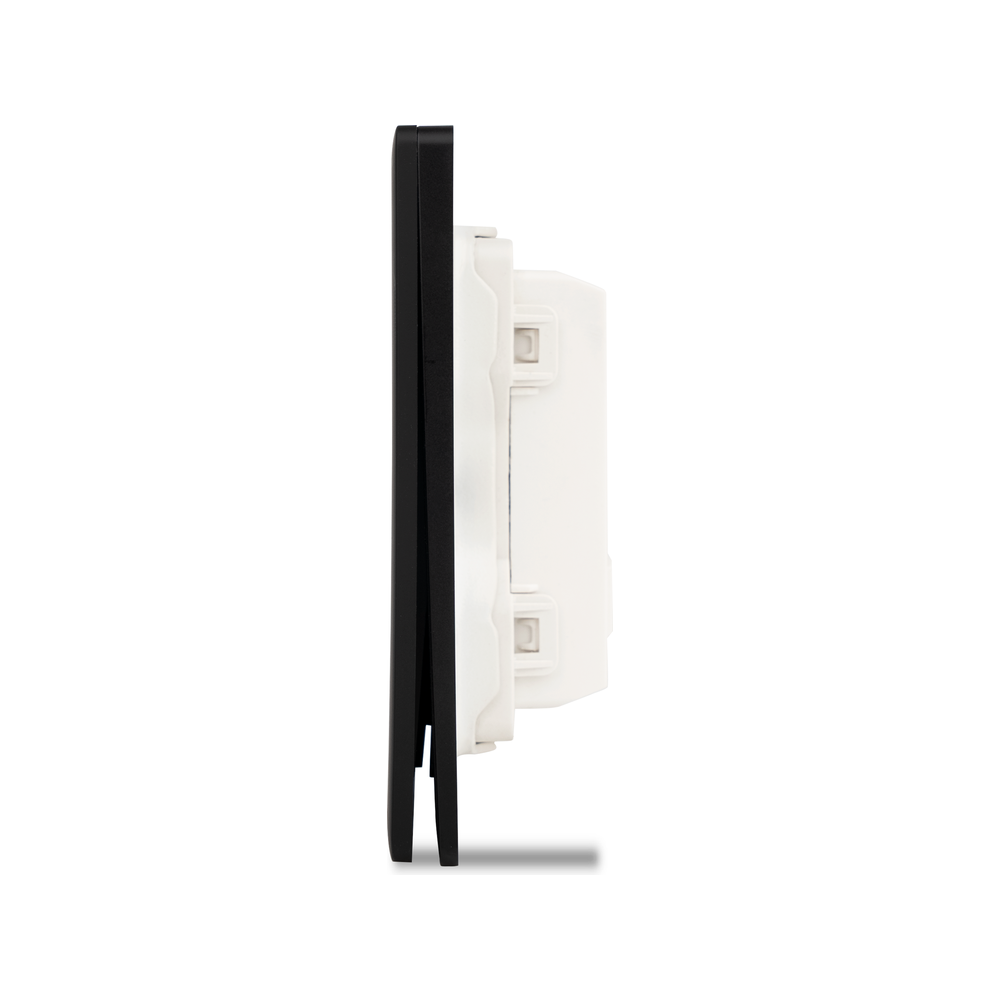
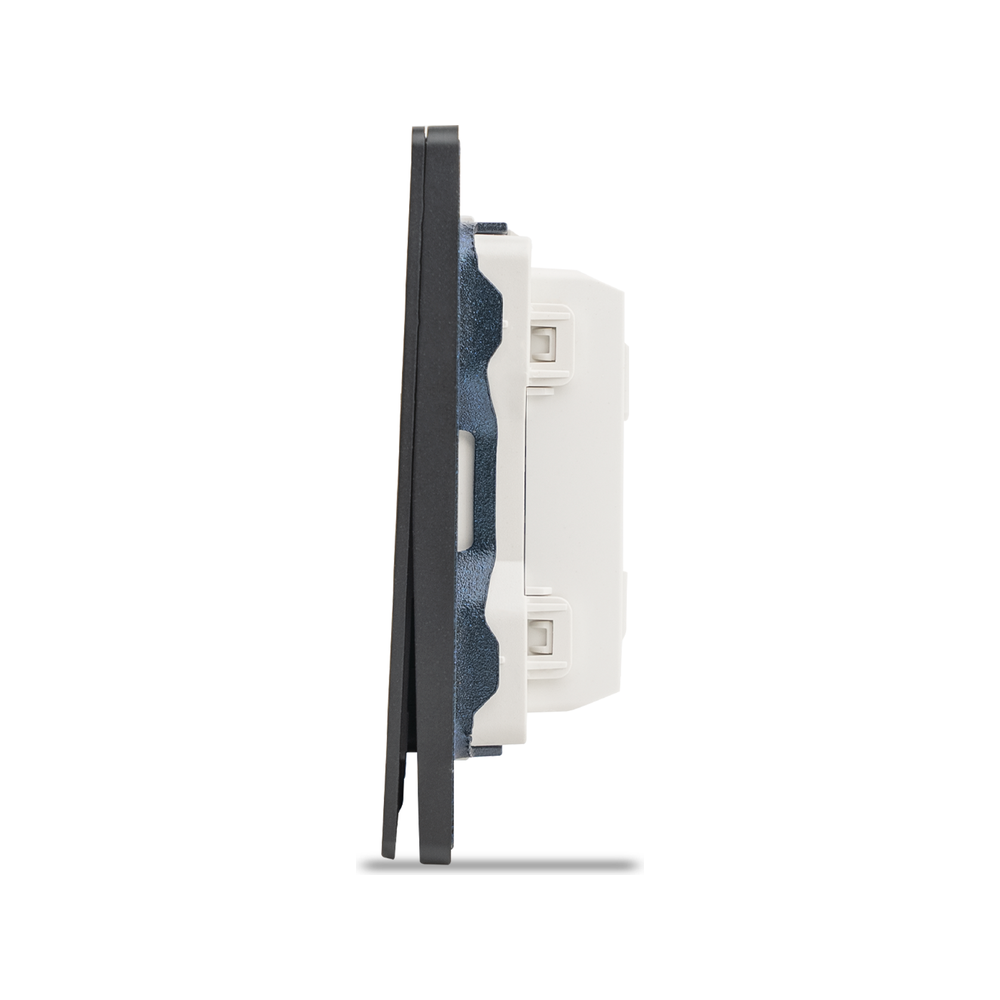
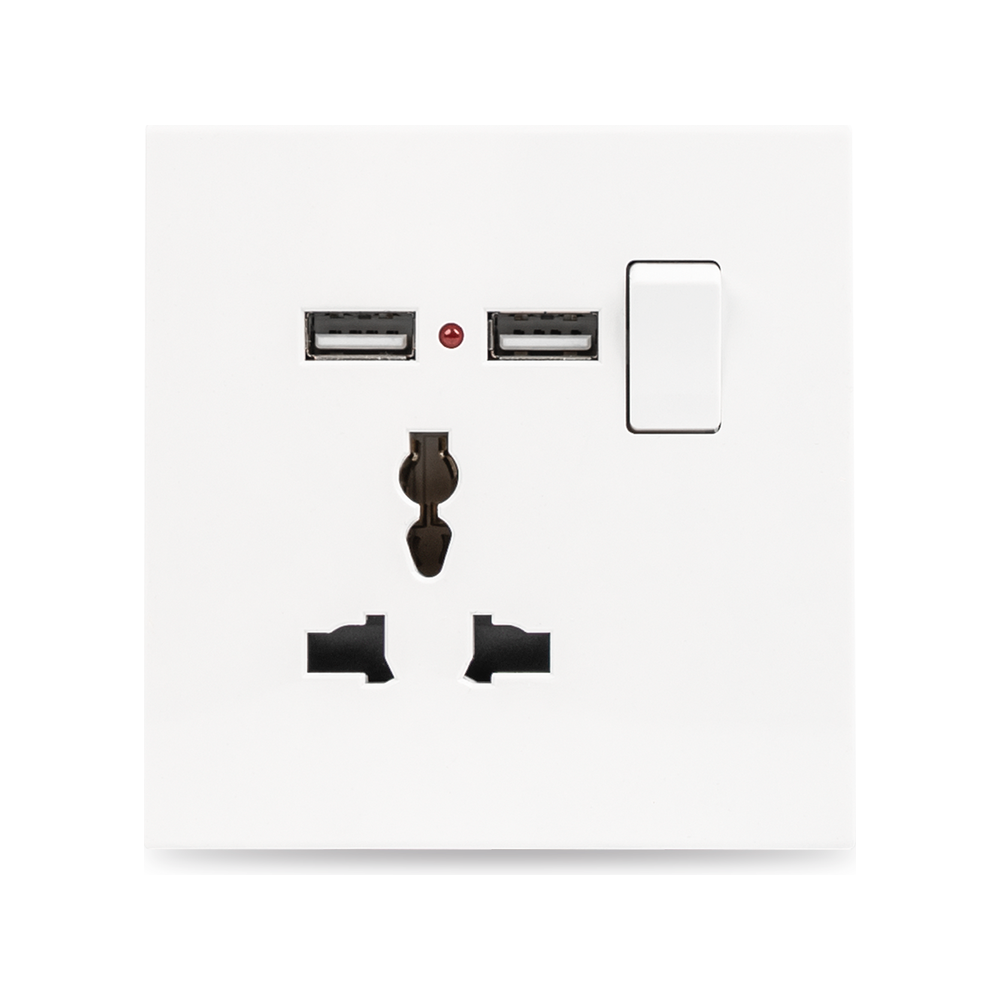
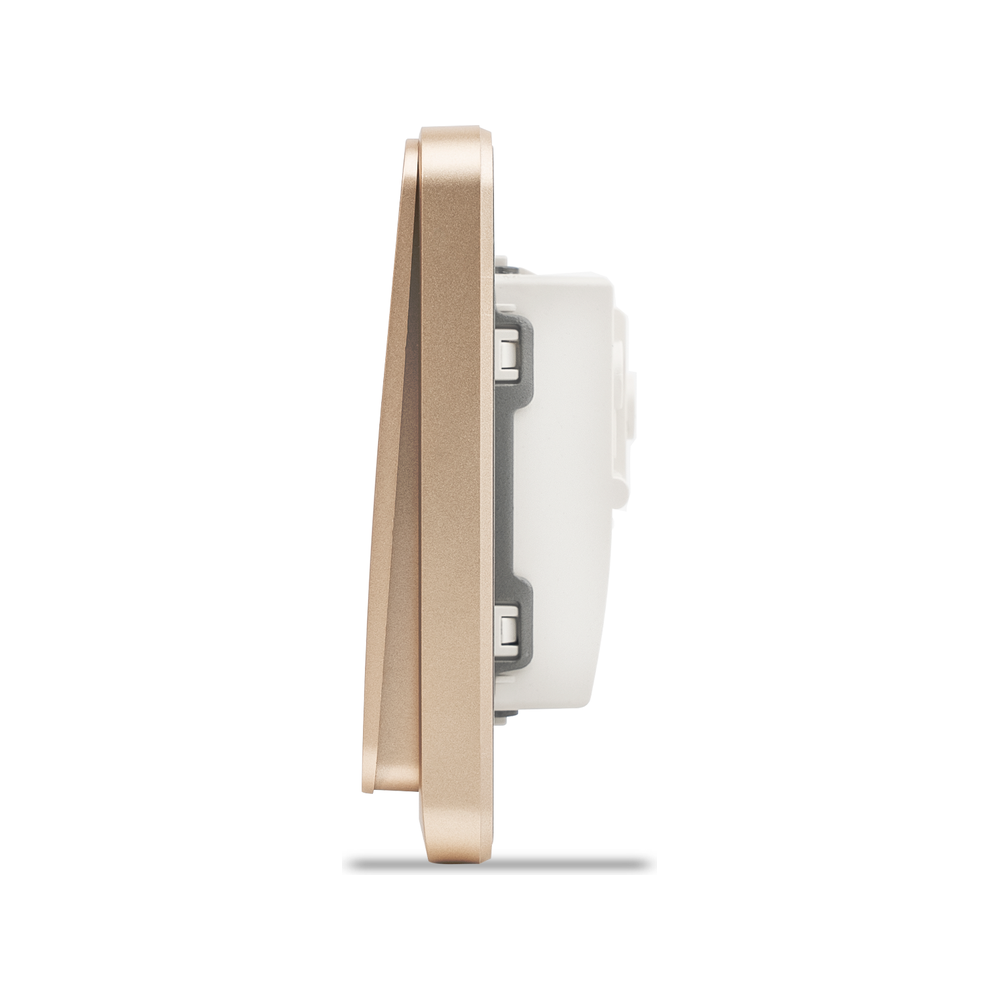
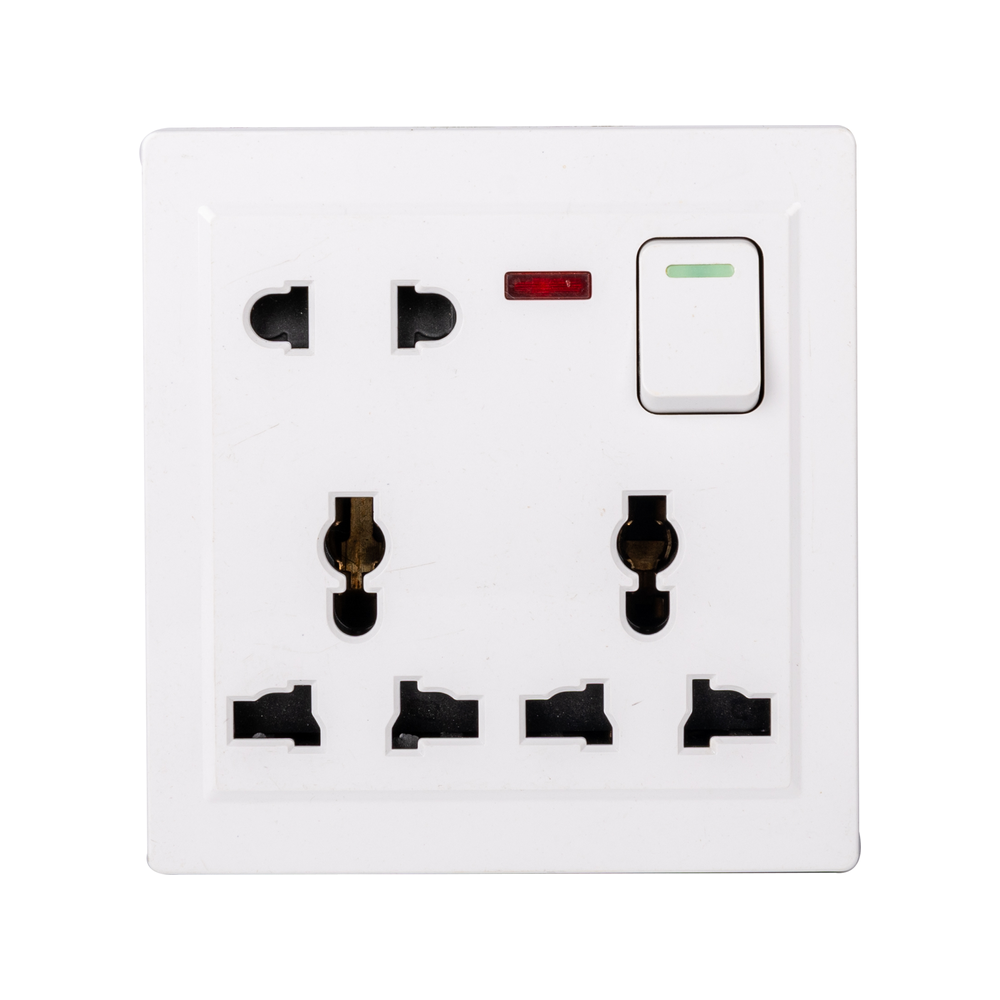
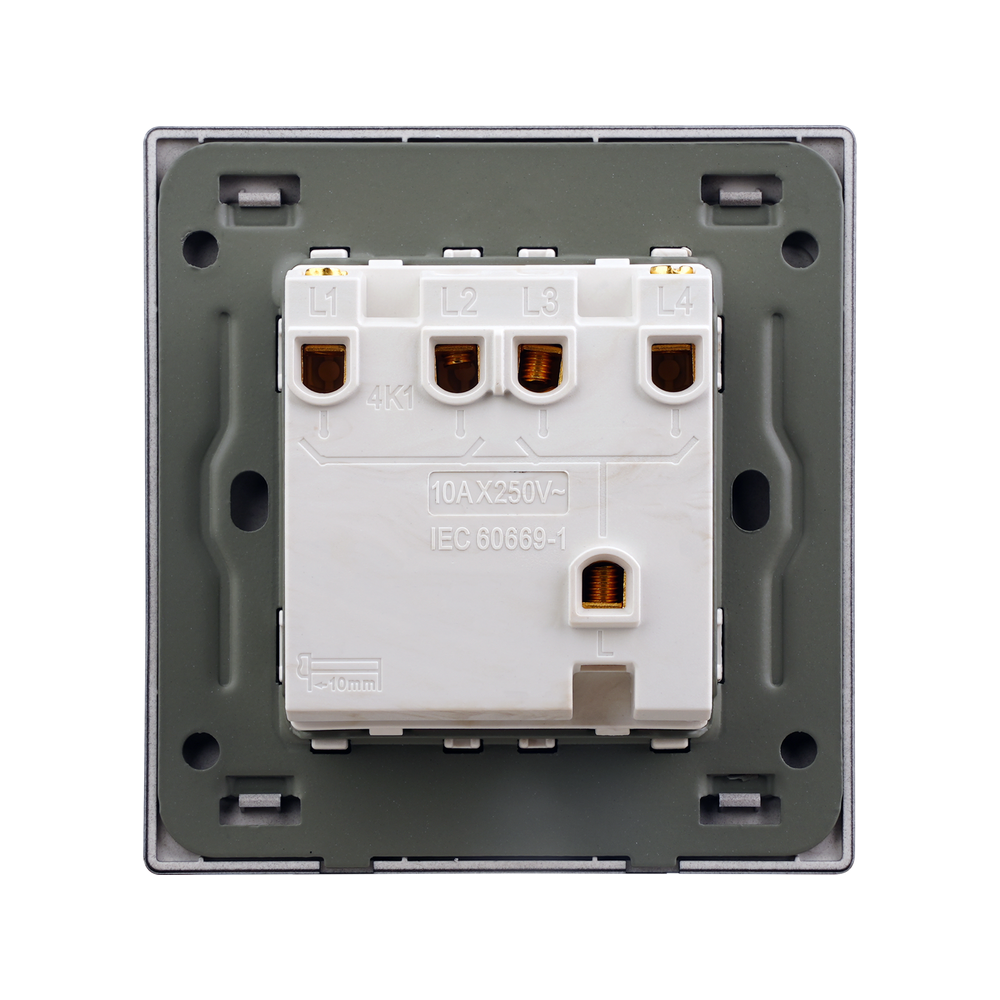
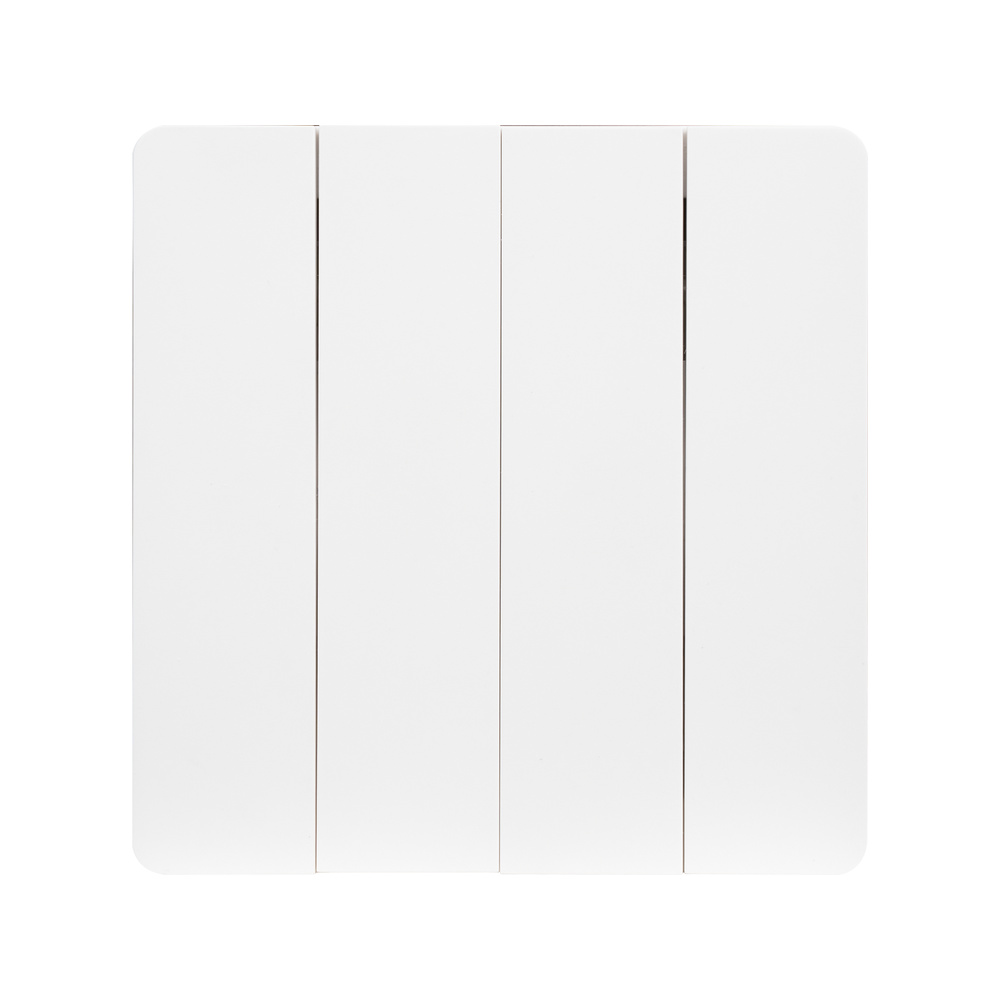
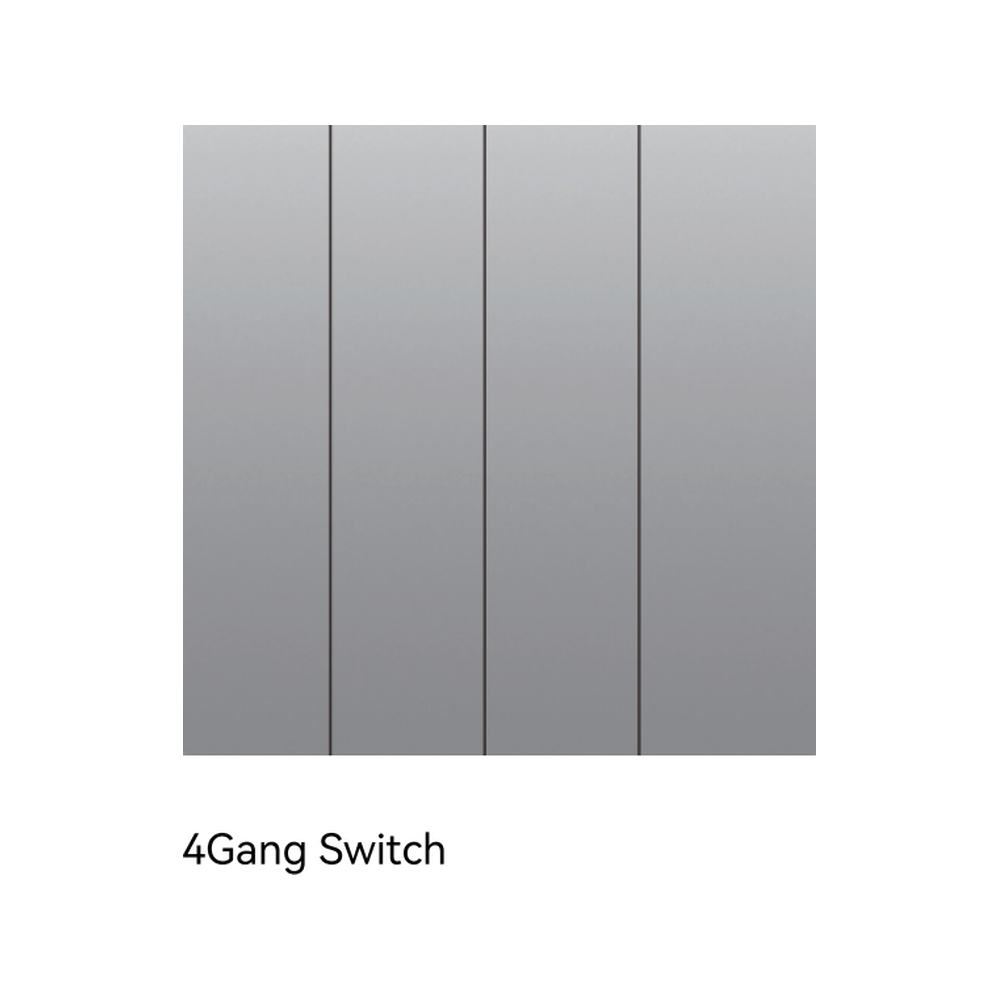
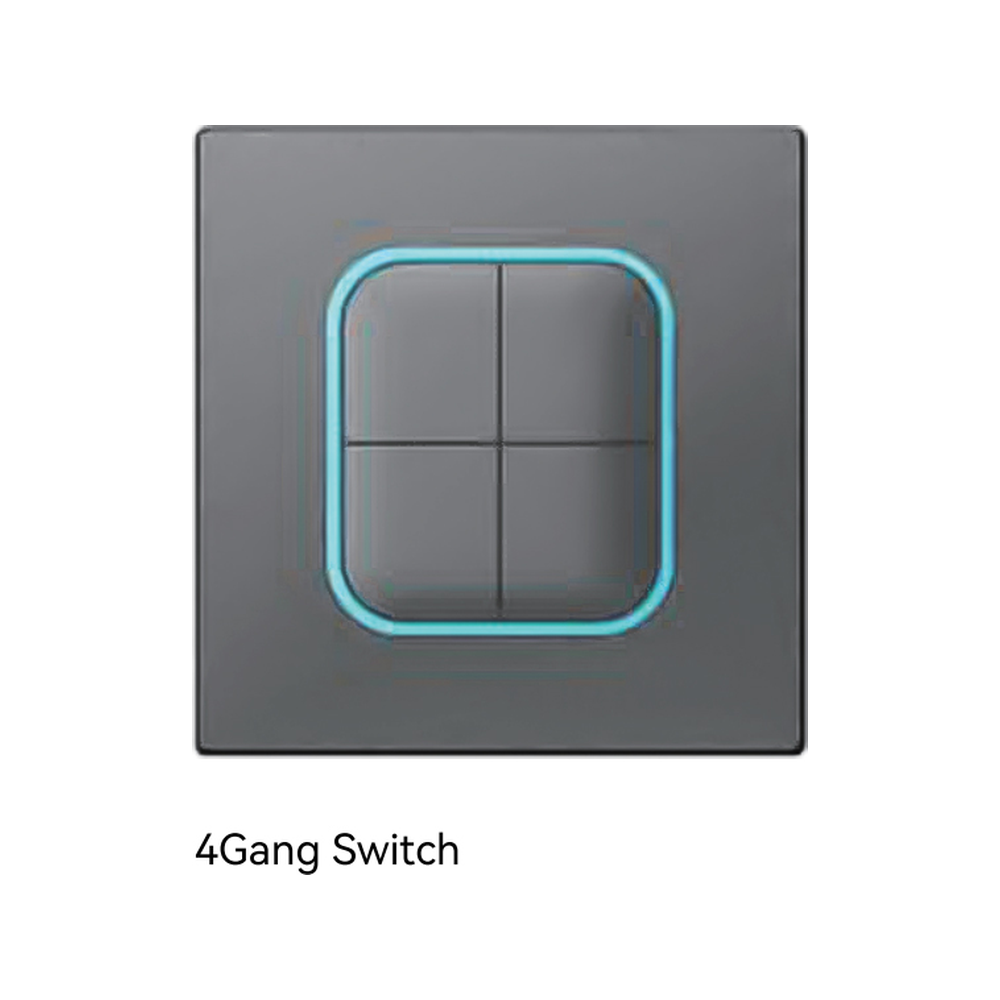
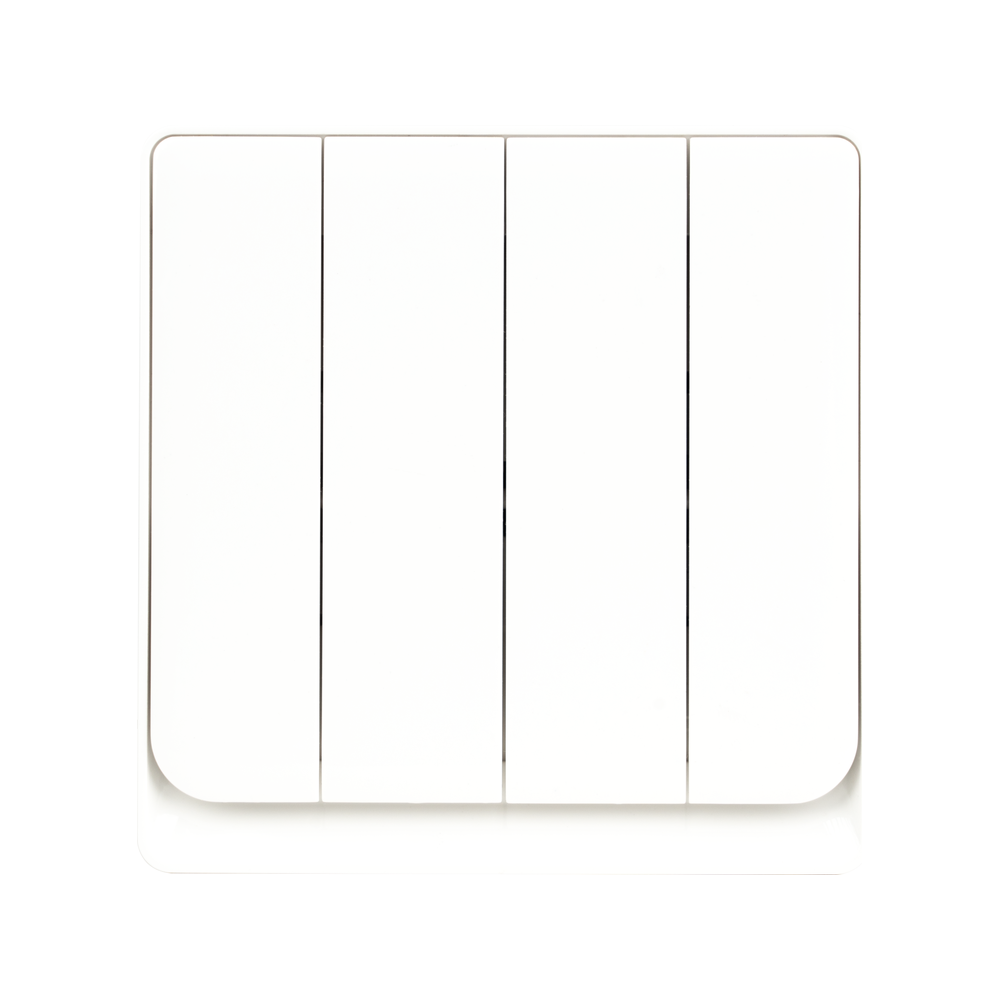
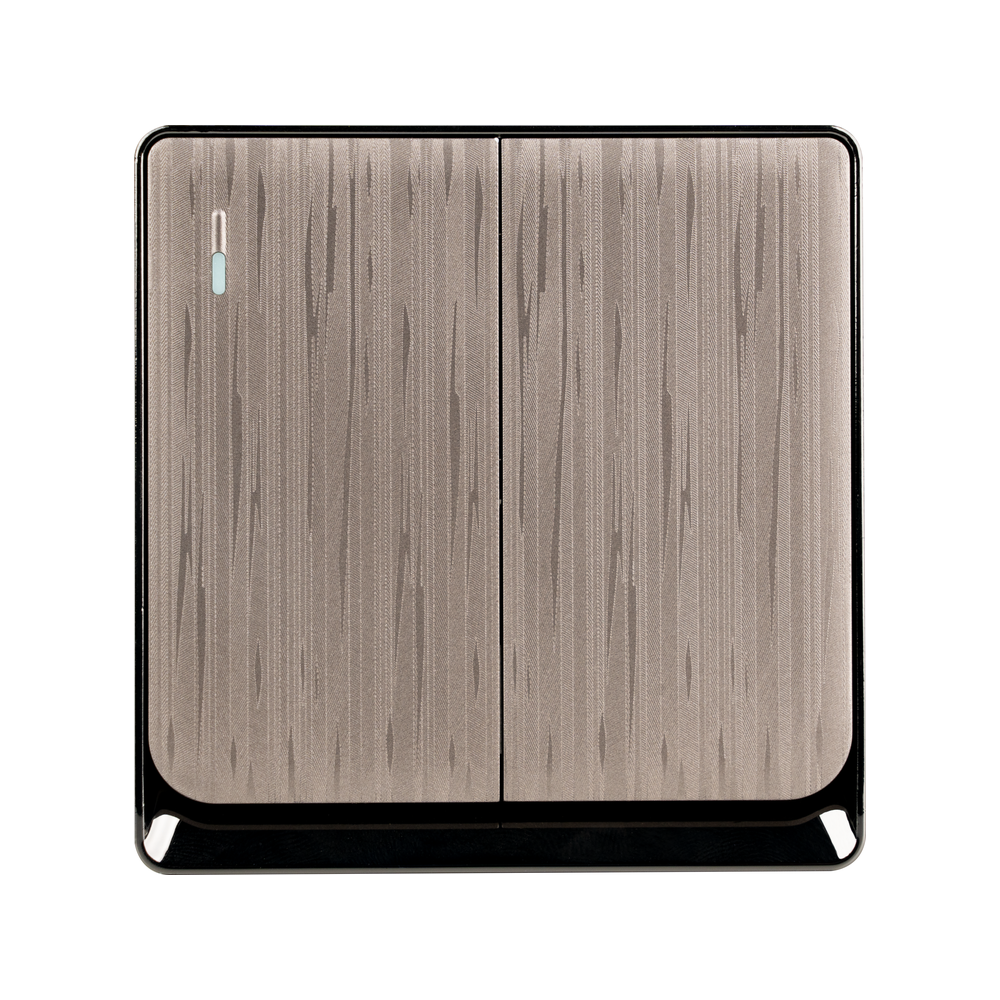
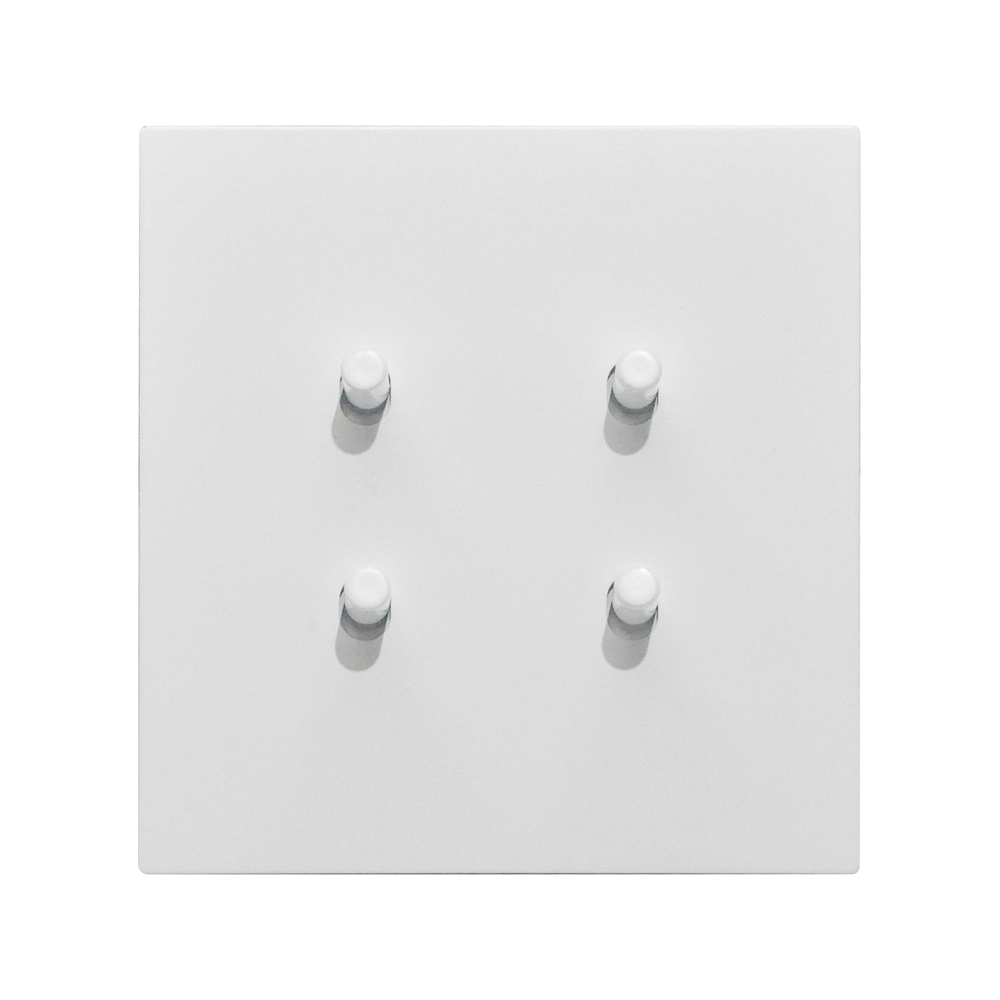
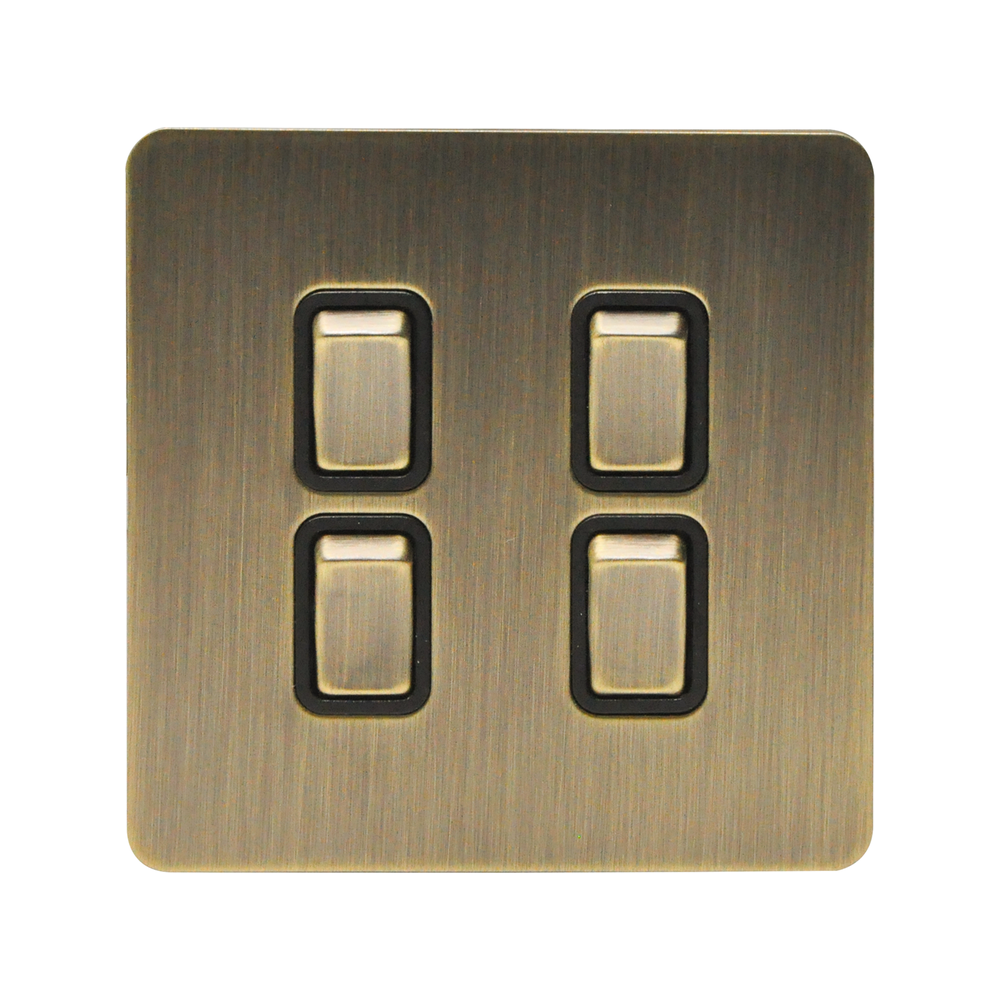
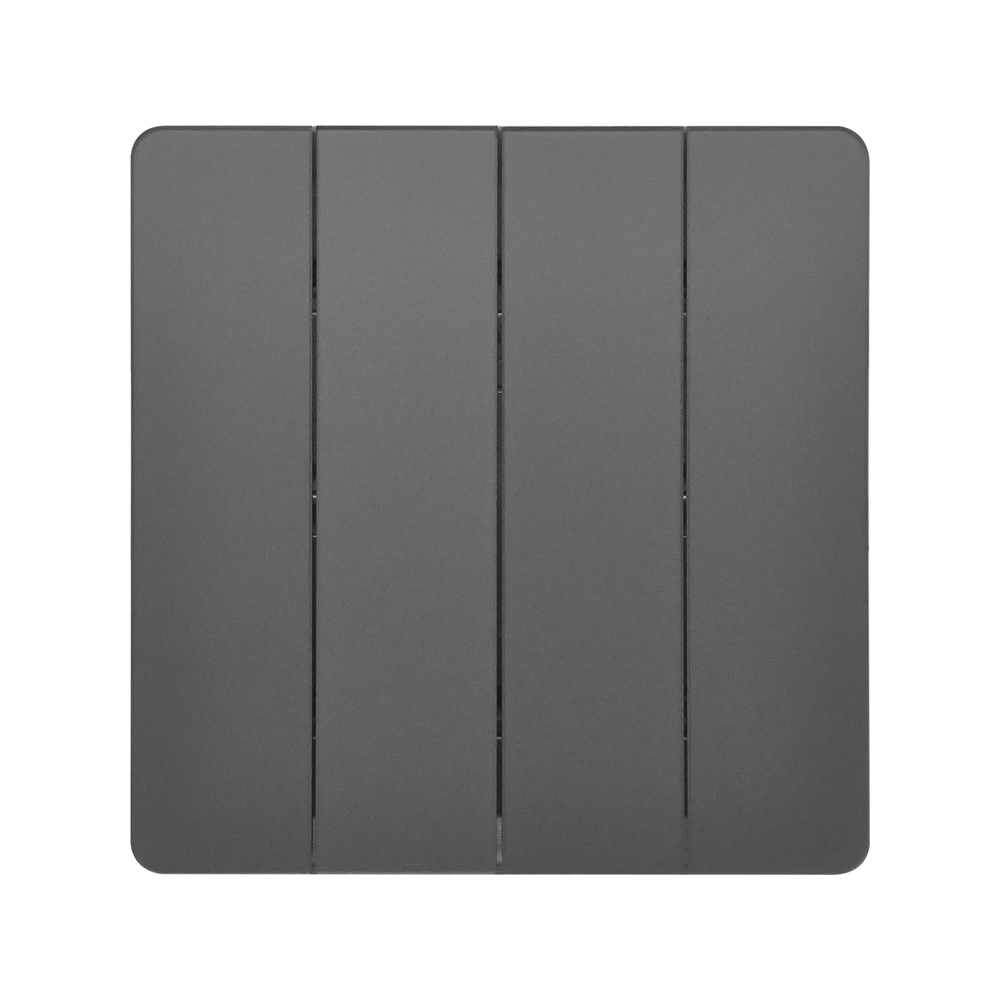
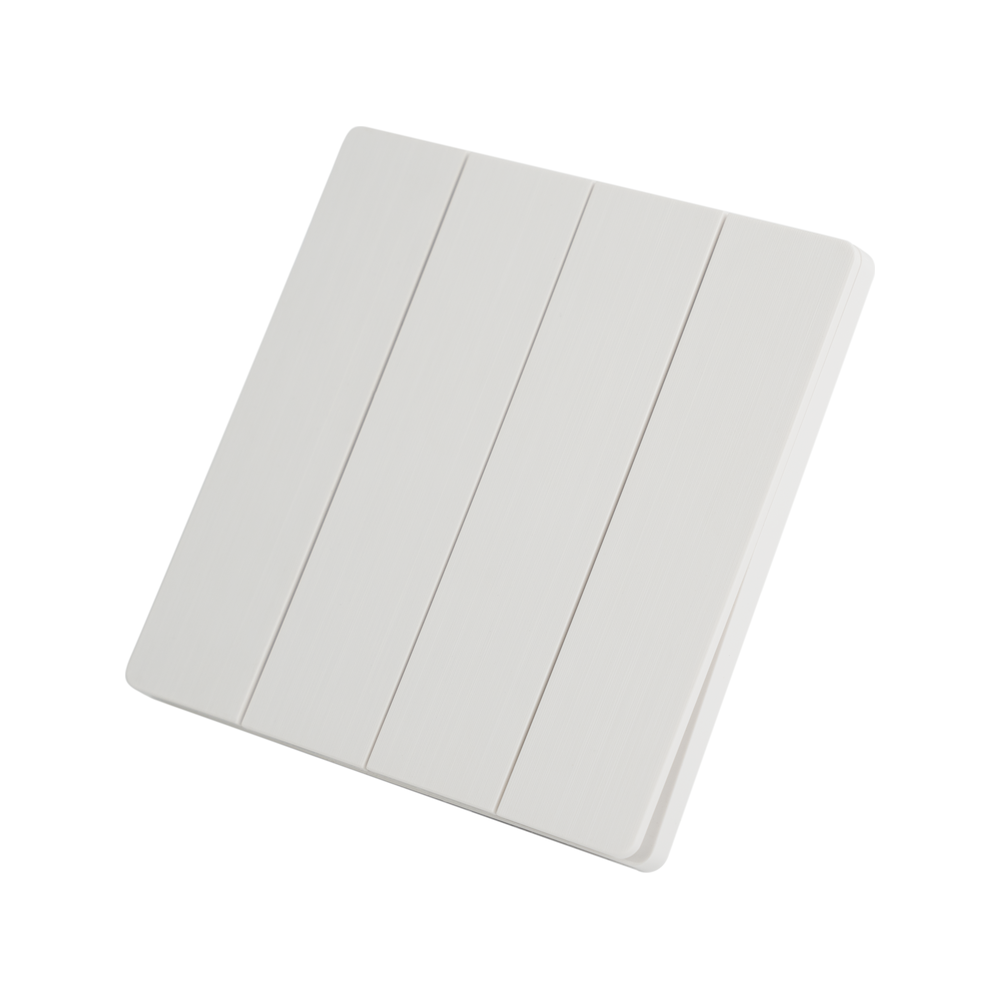
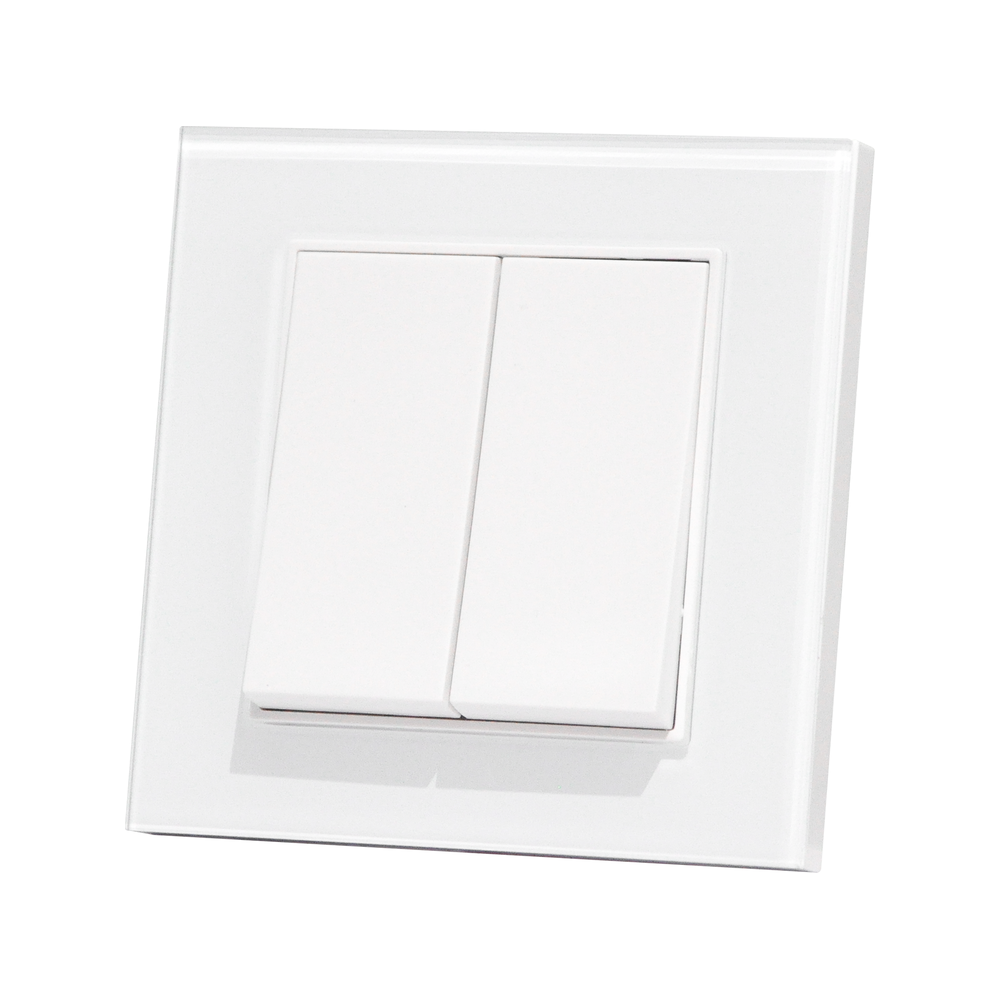
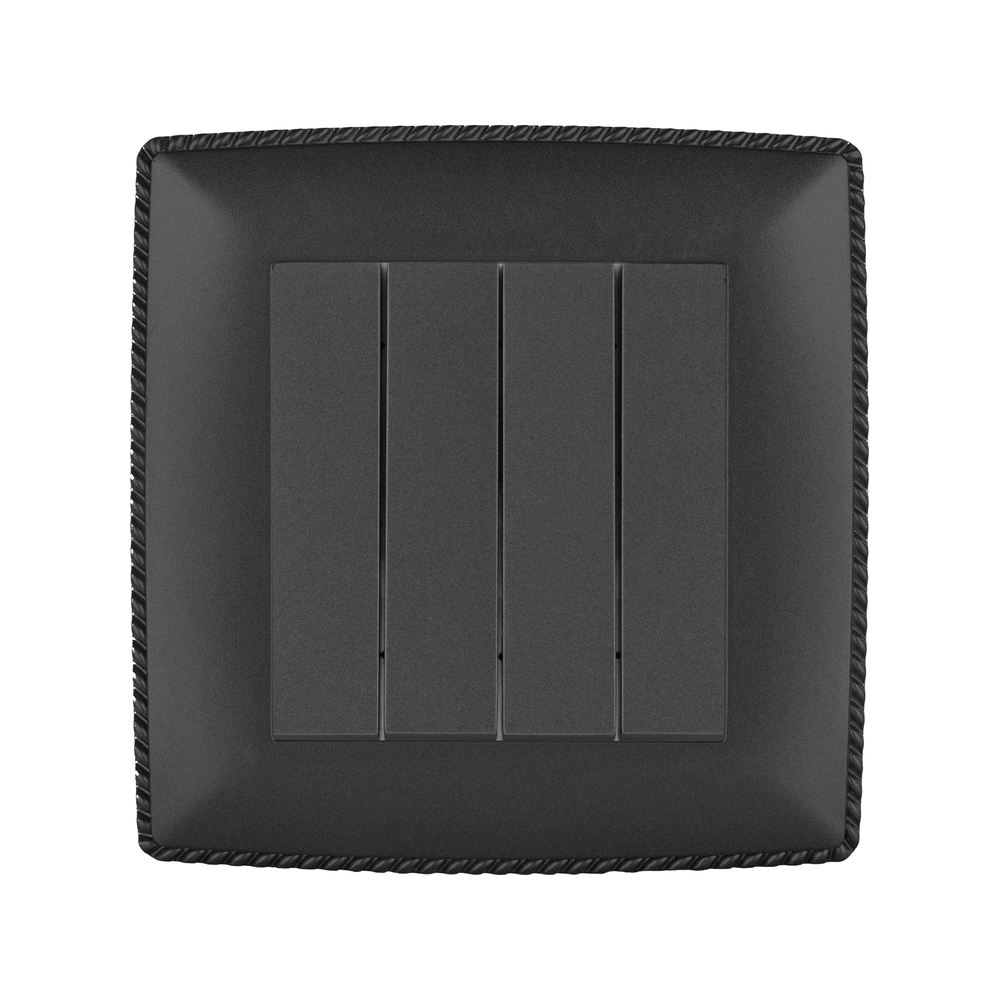
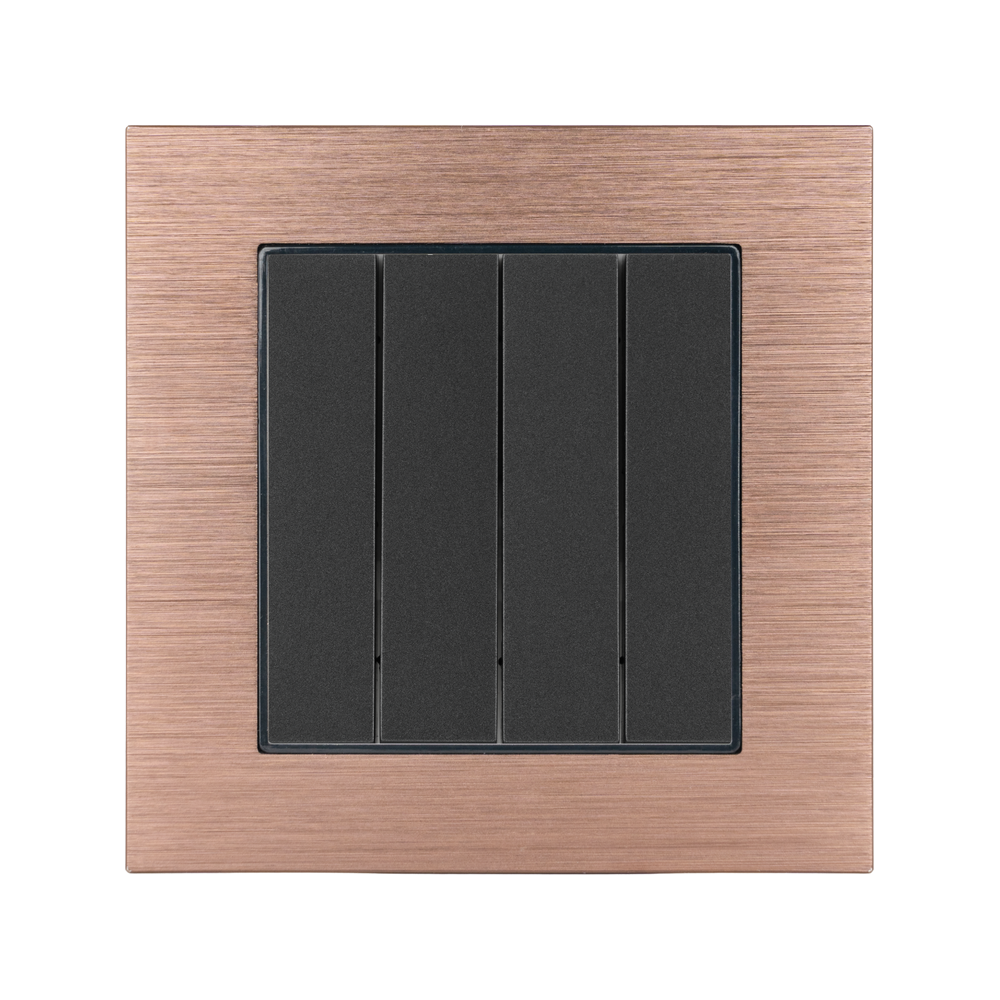
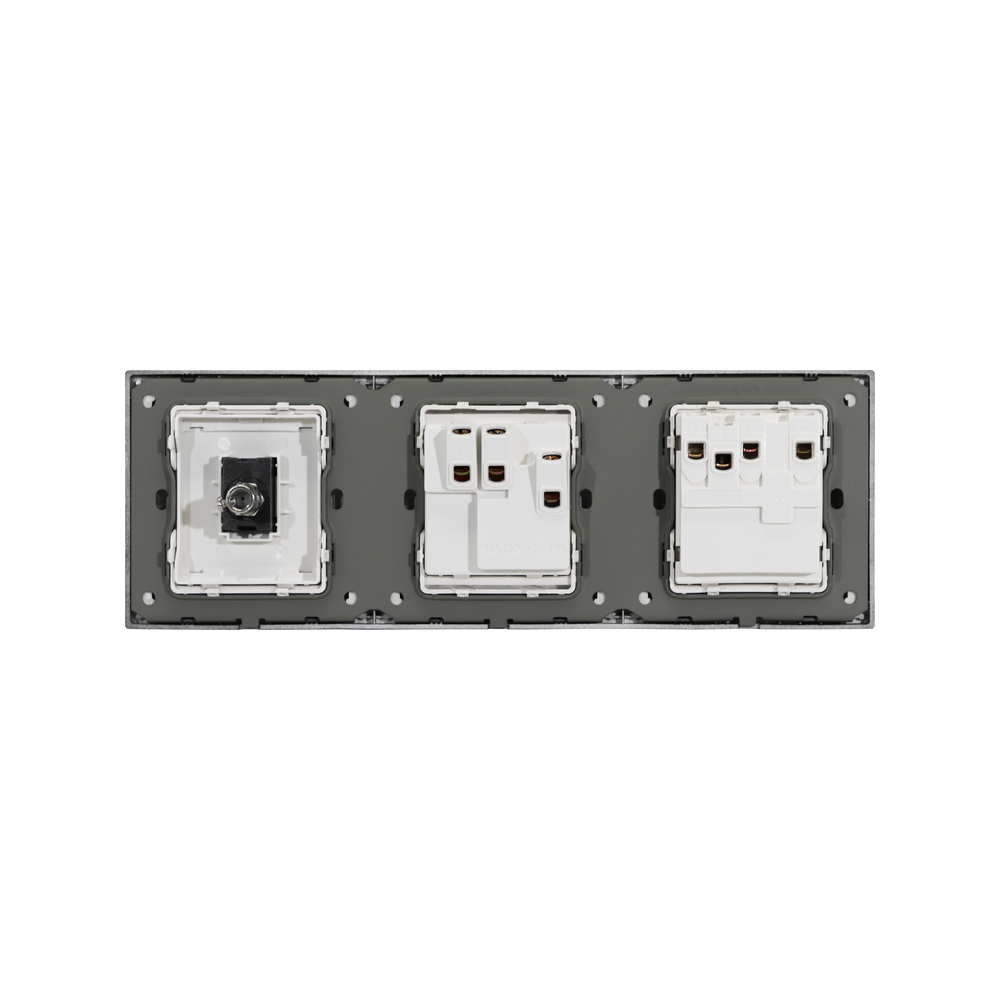
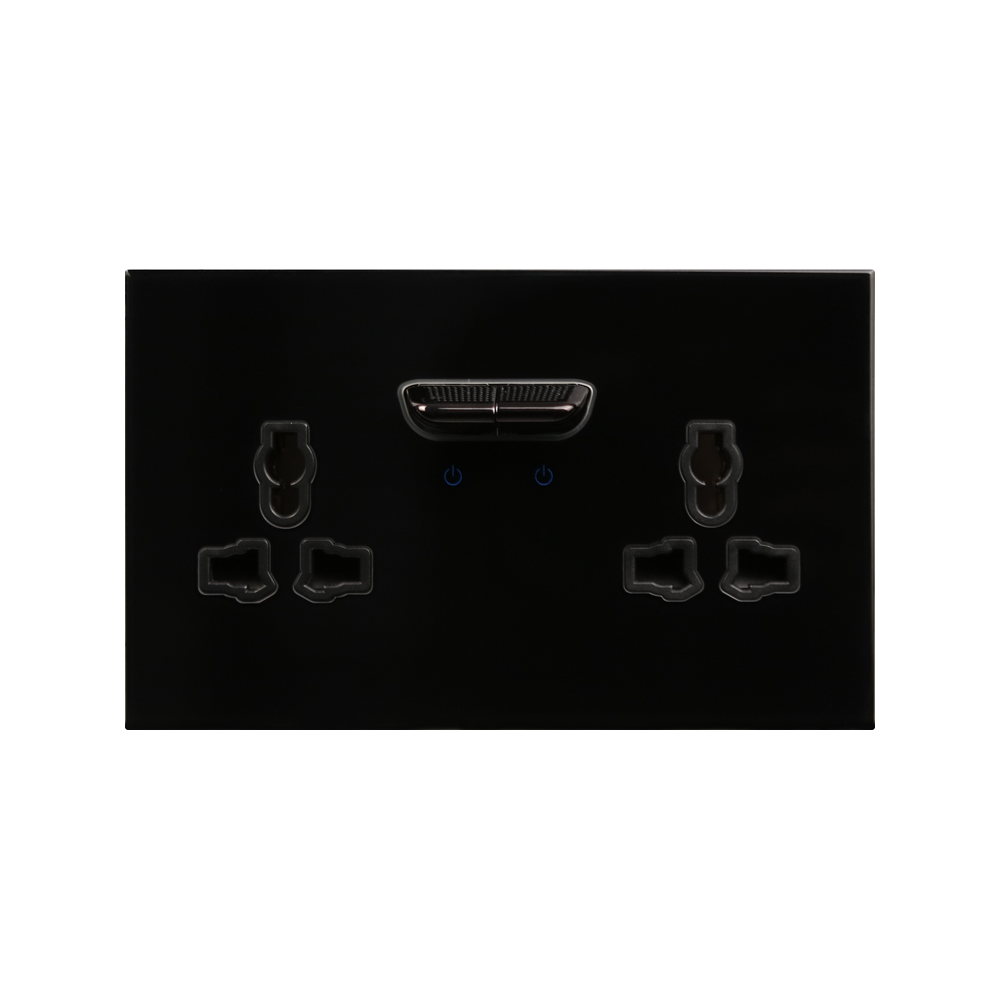
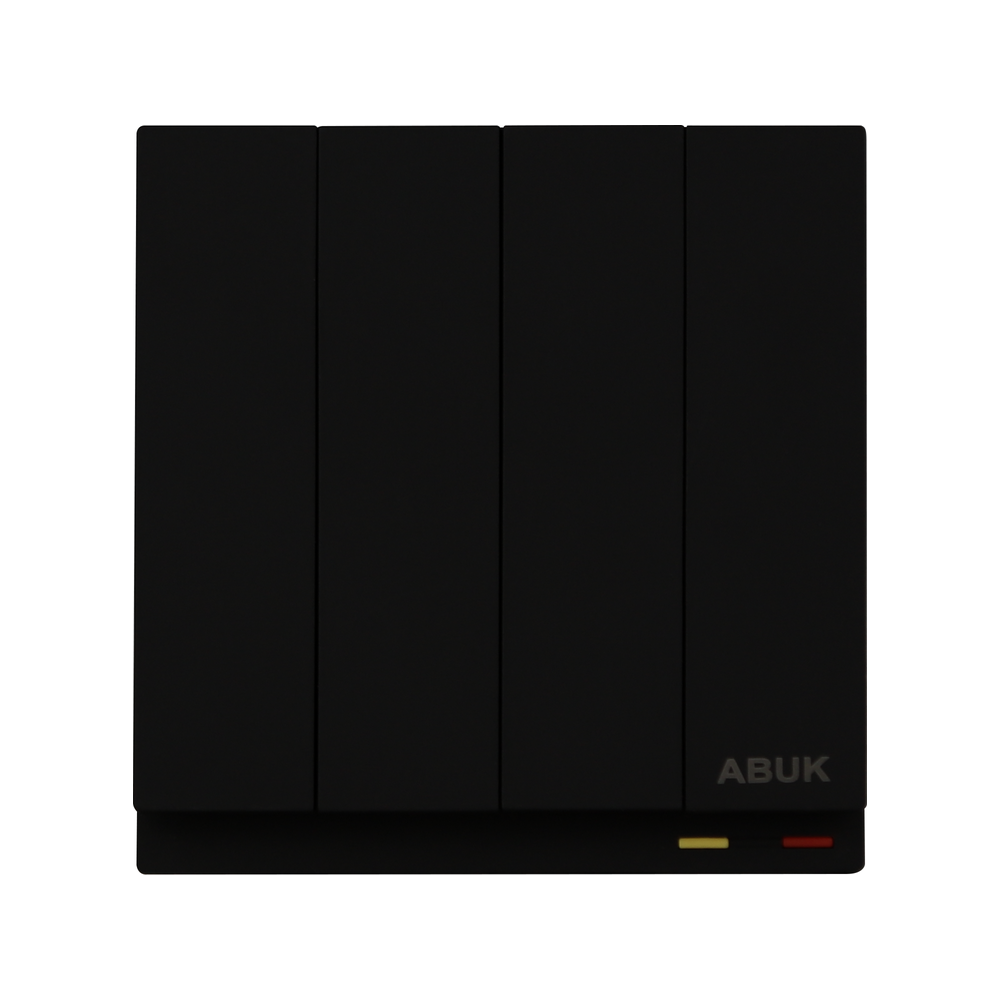
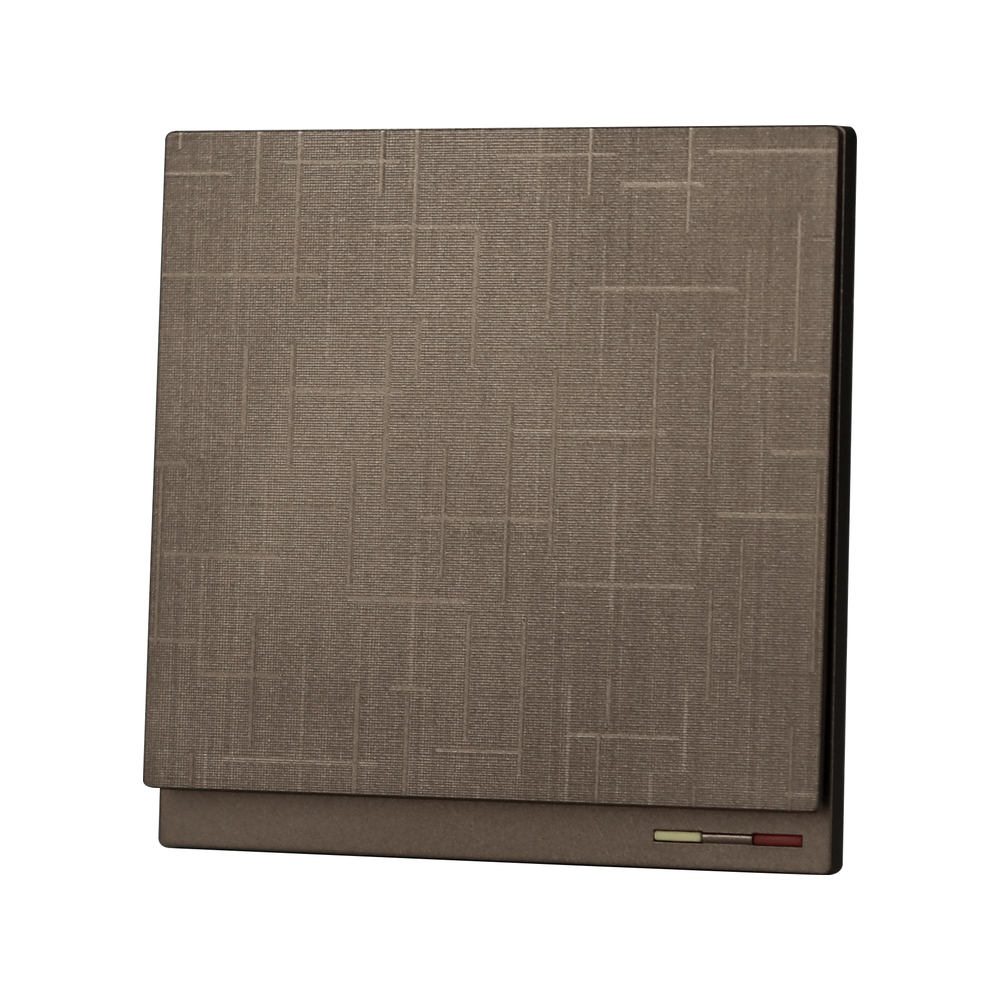
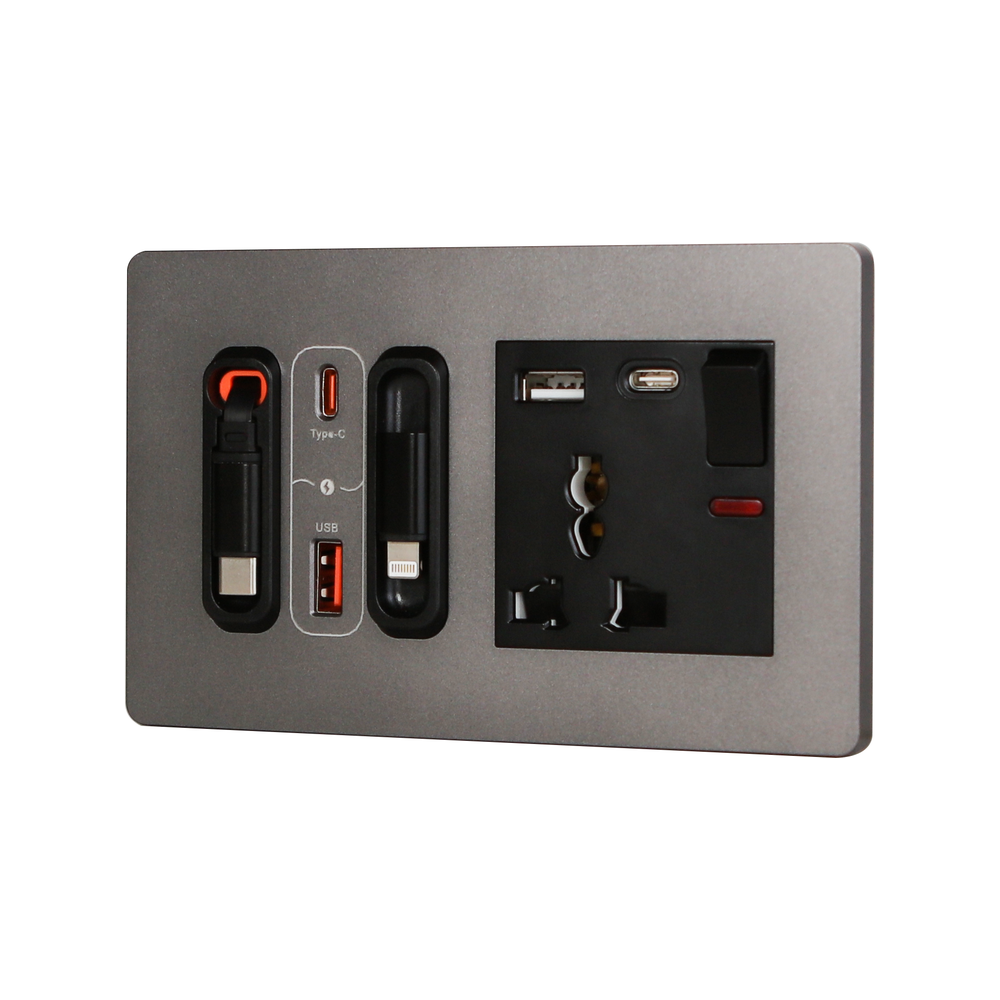
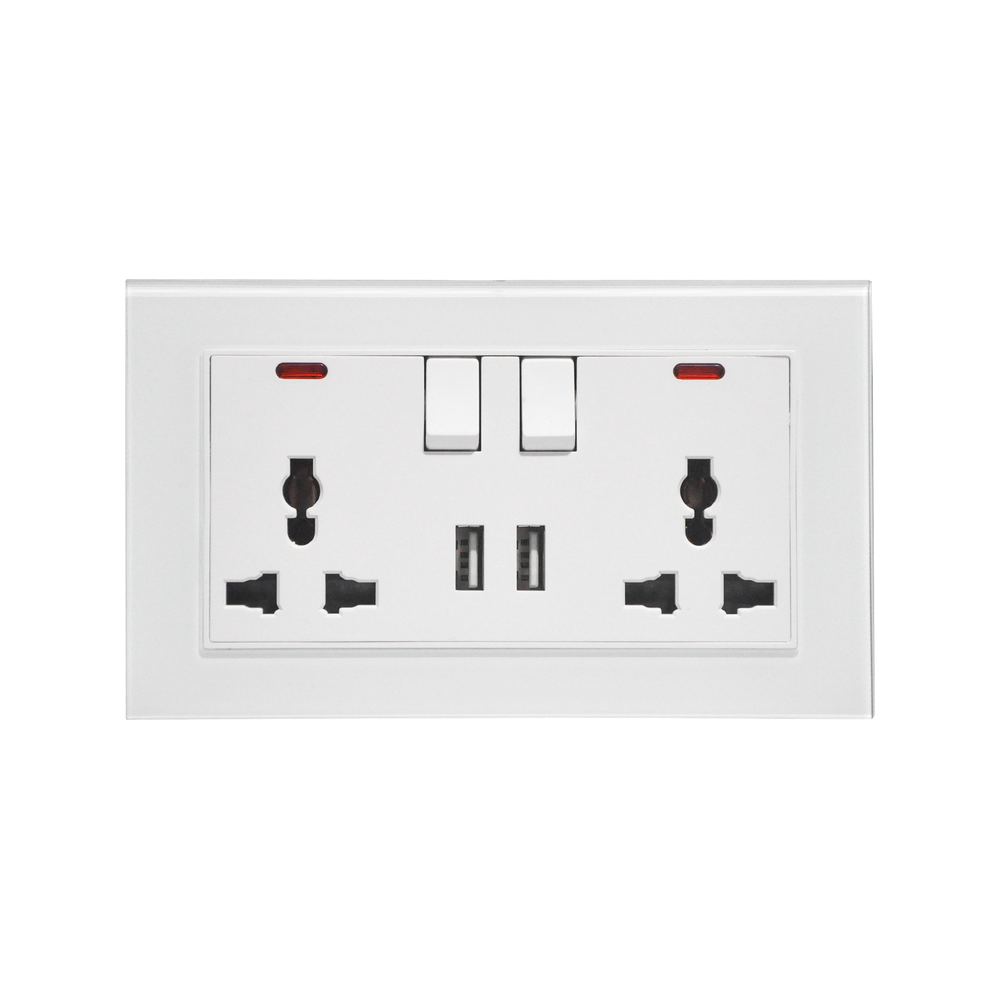
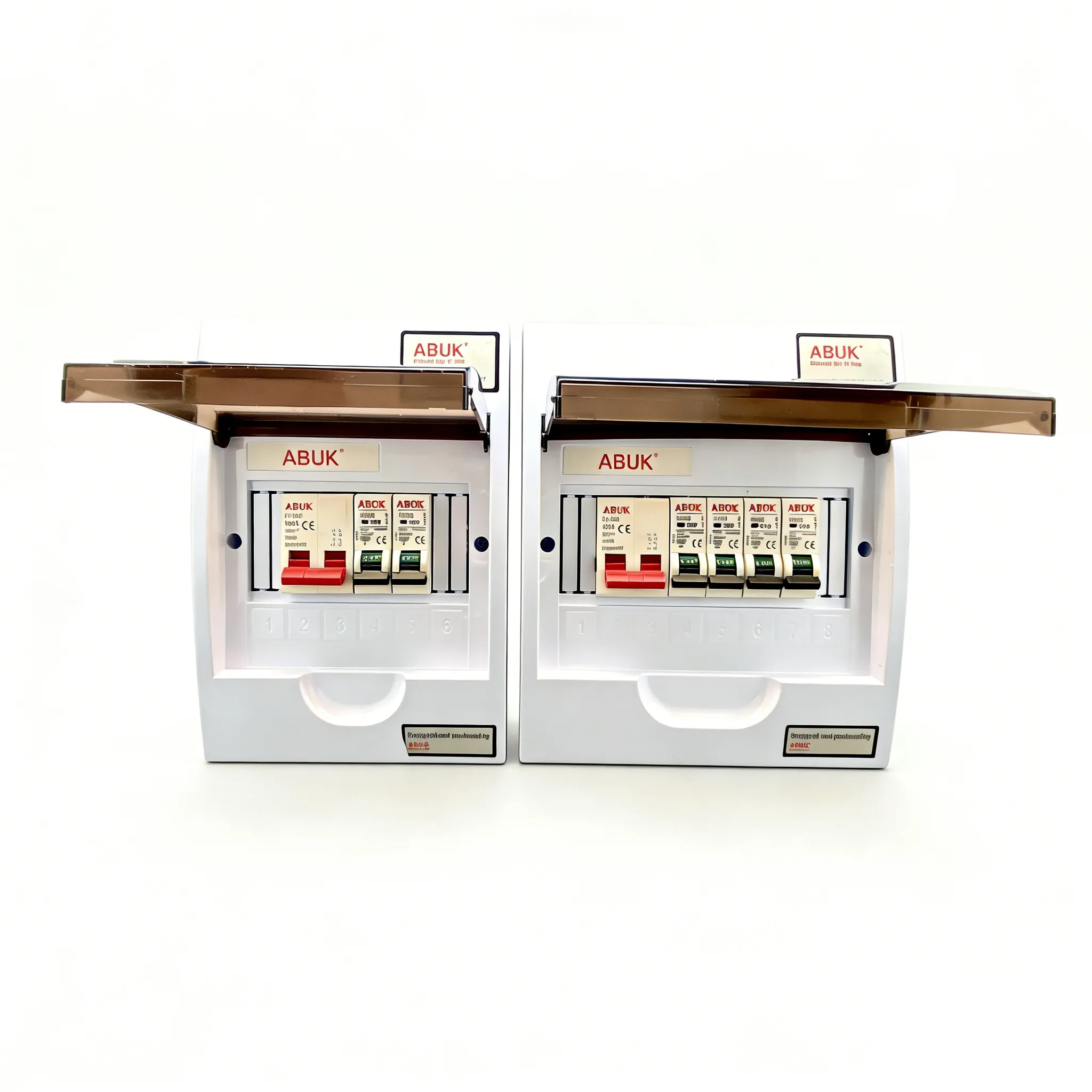
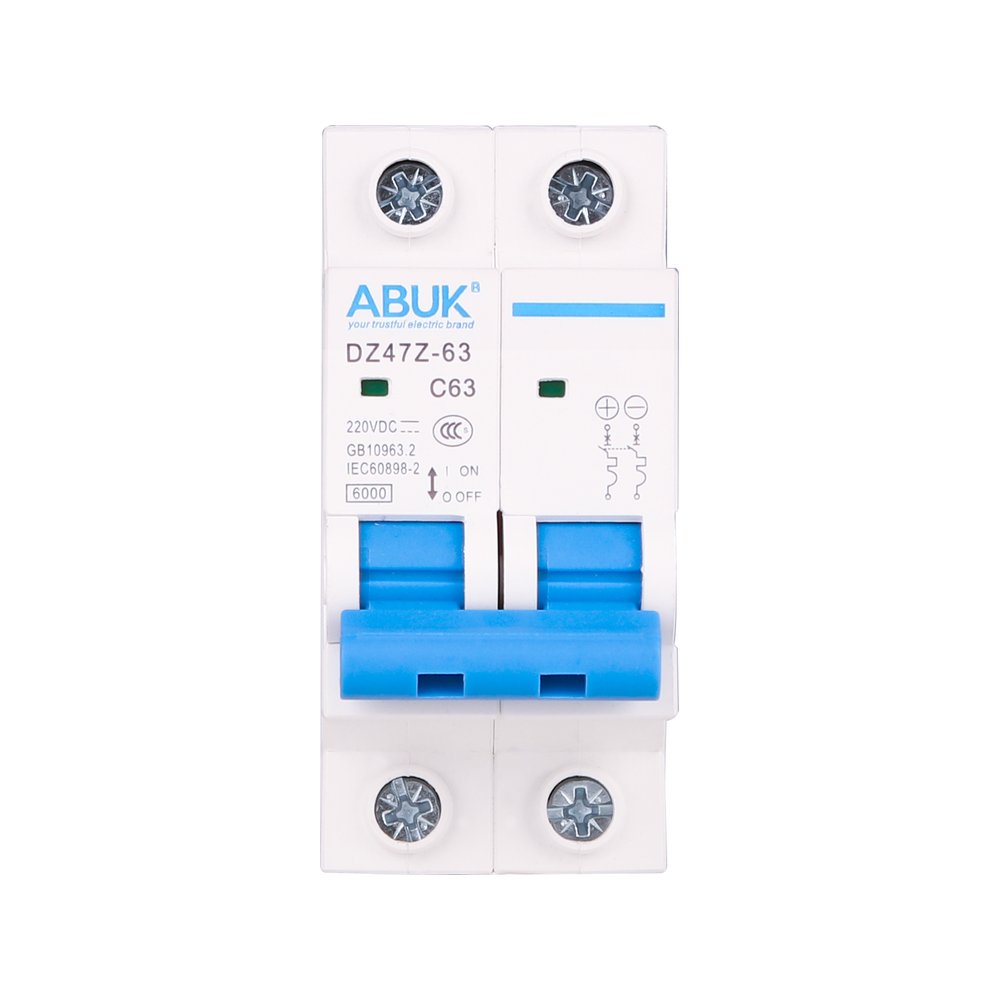
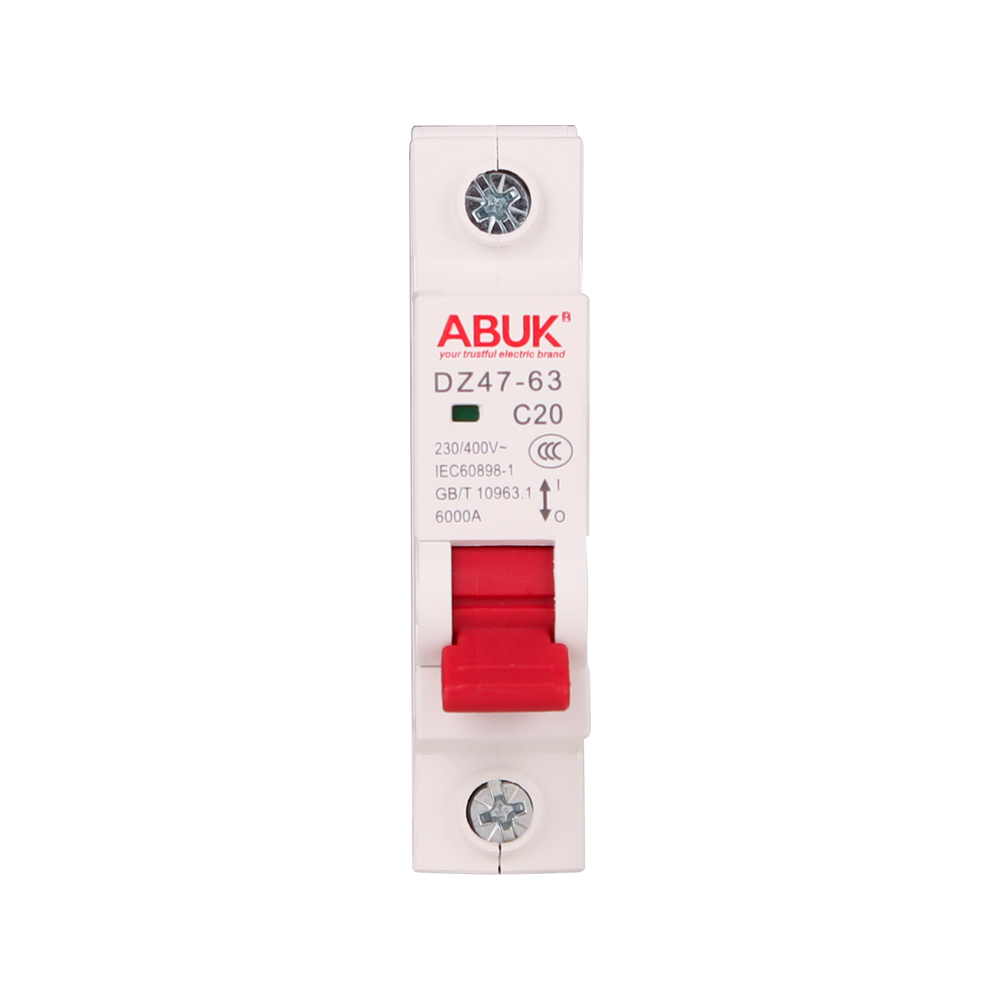
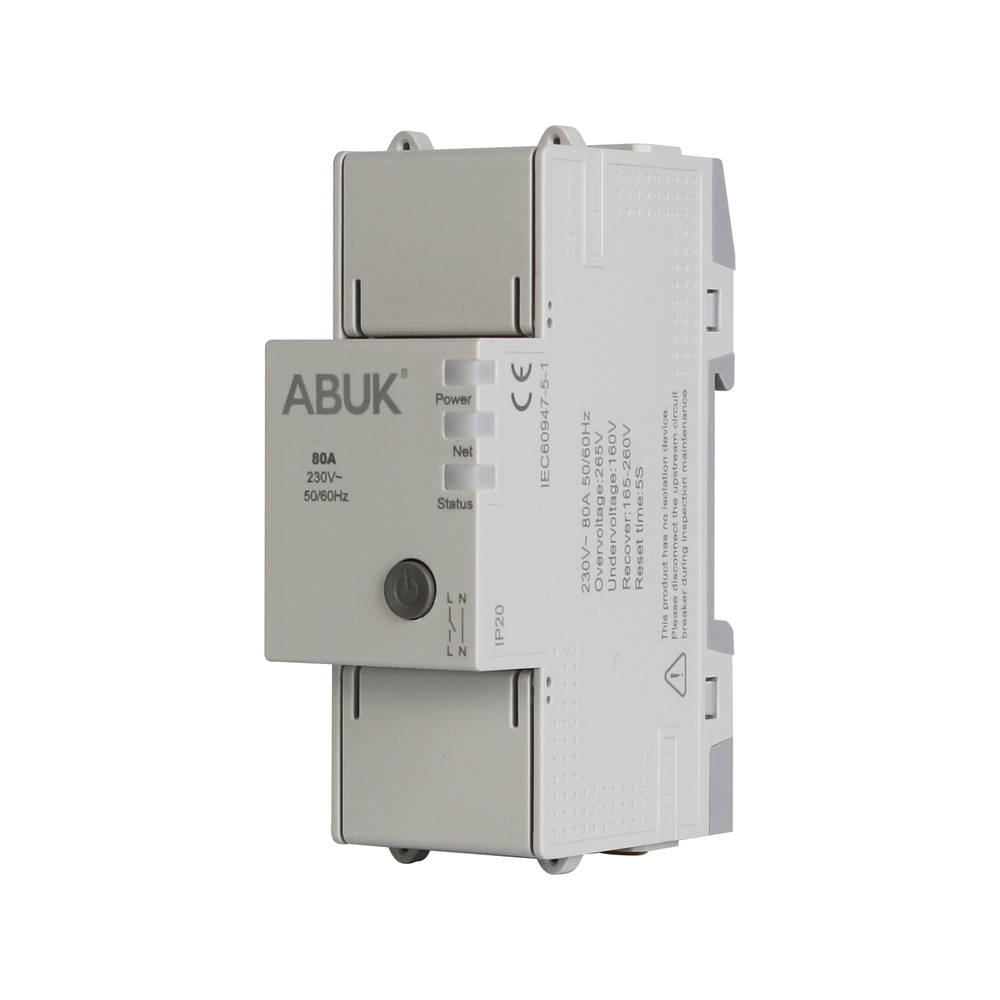
ABUK wall socket products should be evaluated using exact-model documentation. An exterior product sample cannot prove the presence of shutters or Swiss approval; those claims must come from verified product information.
Preguntas frecuentes
Do Swiss Type J sockets have child safety shutters?
Some documented models do. The Type J or T13 description alone does not establish the feature; check the complete model specification.
Are child safety shutters required on sockets in Switzerland?
The public sources reviewed do not establish a blanket requirement for every socket. Confirm the applicable current requirements for the premises and project with a qualified Swiss professional.
Are plug socket covers safe for children?
BFU recommends suitable keyed protectors for Swiss sockets, used according to instructions. Incorrectly matched products should not be assumed safe, and supervision remains necessary.
How do safety shutters in a Type J outlet work?
They form a mechanical barrier that opens through the intended insertion mechanism. Designs vary; the shutter does not normally switch off the supply behind it.
Can a Type C plug open the shutters in a Swiss Type J socket?
A compatible shuttered model should accept its documented permitted plugs, including a Type C Europlug where specified. Do not force a plug or defeat the barrier.
What should parents check when choosing a child-safe Swiss socket?
Check the exact shutter specification, Swiss suitability, condition, permitted plugs and installation requirements. Then consider accessible cords, removable protectors and ongoing supervision around the socket.
Referencias
- BFU: sockets with enhanced contact protection
- BFU: keyed socket protectors
- ESTI: Swiss household connector system
- Feller: documented shuttered T13 model
Useful child protection starts with a verified feature and continues with everyday attention. ABUK’s electrical outlets and accessories can be reviewed against a clear family or property specification. Request model-specific evidence before relying on a protection claim.