
 Wenzhou Lita Electric Co., Ltd.


Los mejores puntos de venta y tiendas de cambio para viviendas modernas: una guía para 2026
Cuando una gerente de instalaciones en Toronto se encontró con repetidos disparos del circuito de la cocina durante la entrega de una casa adosada, reemplazó un tomacorriente visiblemente dañado; sin embargo, el nuevo dispositivo volvió a calentarse bajo un electrodoméstico de encimera en cuestión de días. La solución llegó después de revisar el diagrama del panel y la clasificación de los circuitos derivados: el problema no era simplemente un producto defectuoso, sino una especificación del tomacorriente que no se correspondía con el lugar protegido, la carga conectada ni el plan de instalación.
Resumen: Los mejores tomacorrientes e interruptores para una vivienda moderna se eligen primero en función de la clasificación de corriente y la ubicación, y luego se complementan con funciones de protección y comodidad. En instalaciones residenciales en Norteamérica, los circuitos derivados de 15 A y 20 A son referencias de diseño habituales, mientras que la protección mediante dispositivos de interrupción por falla a tierra (GFCI) es obligatoria según la norma NFPA 70/NEC en determinados lugares; los compradores deben verificar la edición adoptada localmente y especificar dispositivos certificados conforme a dicha norma. Antes de realizar el pedido, elaborar un cuadro detallado por estancia, separando los tomacorrientes estándar, la protección GFCI, las tomas de carga USB, el control inteligente y las cargas conmutadas.
Ajuste la protección del tomacorriente a la sala y al circuito.
Un tomacorriente convencional proporciona un punto de conexión práctico, pero no detecta por sí mismo una falla a tierra. Un interruptor de protección contra fallas a tierra (GFCI) compara la corriente en los conductores sin conexión a tierra y conectados a tierra, y abre el circuito cuando se detecta un desequilibrio; UL 943 es la norma de seguridad estadounidense aplicable a los interruptores de protección contra fallas a tierra. Esta diferencia es importante en las proximidades de lavabos, equipos de lavandería, garajes, espacios exteriores y otras áreas sujetas al código eléctrico localmente adoptado.
El artículo 210.8 de la NFPA 70/Código Eléctrico Nacional (NEC) establece las ubicaciones requeridas para los dispositivos de protección por corriente diferencial residual (GFCI) dentro de su ámbito de aplicación en los Estados Unidos. La protección puede proporcionarse mediante un Recipiente GFCI o en otro dispositivo permitido, pero el cableado de línea/carga, el acceso de prueba y la cobertura aguas abajo deben estar diseñados correctamente. El requisito depende del lugar y de la edición, por lo que no se debe asumir que un dispositivo seleccionado para un país sea adecuado para otro.
Planifique las actualizaciones sin sobrecargar los tomacorrientes de los hogares modernos.
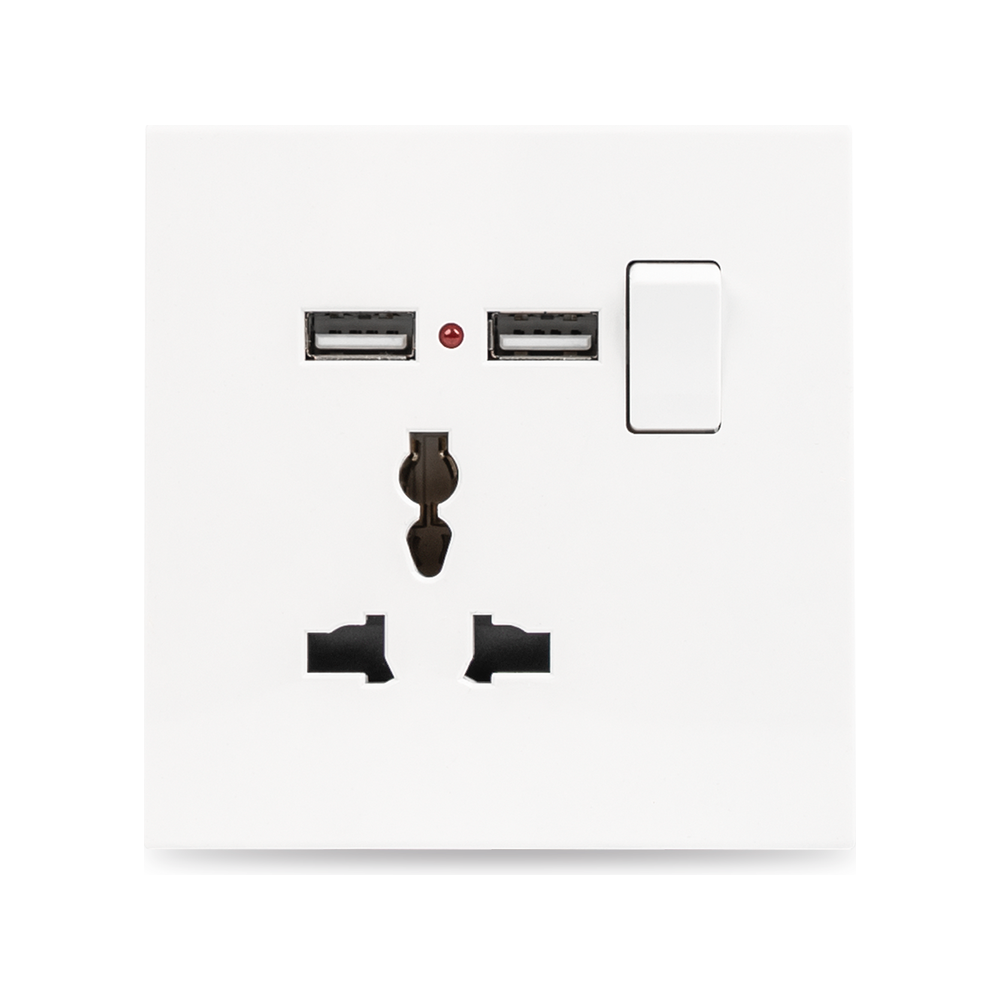
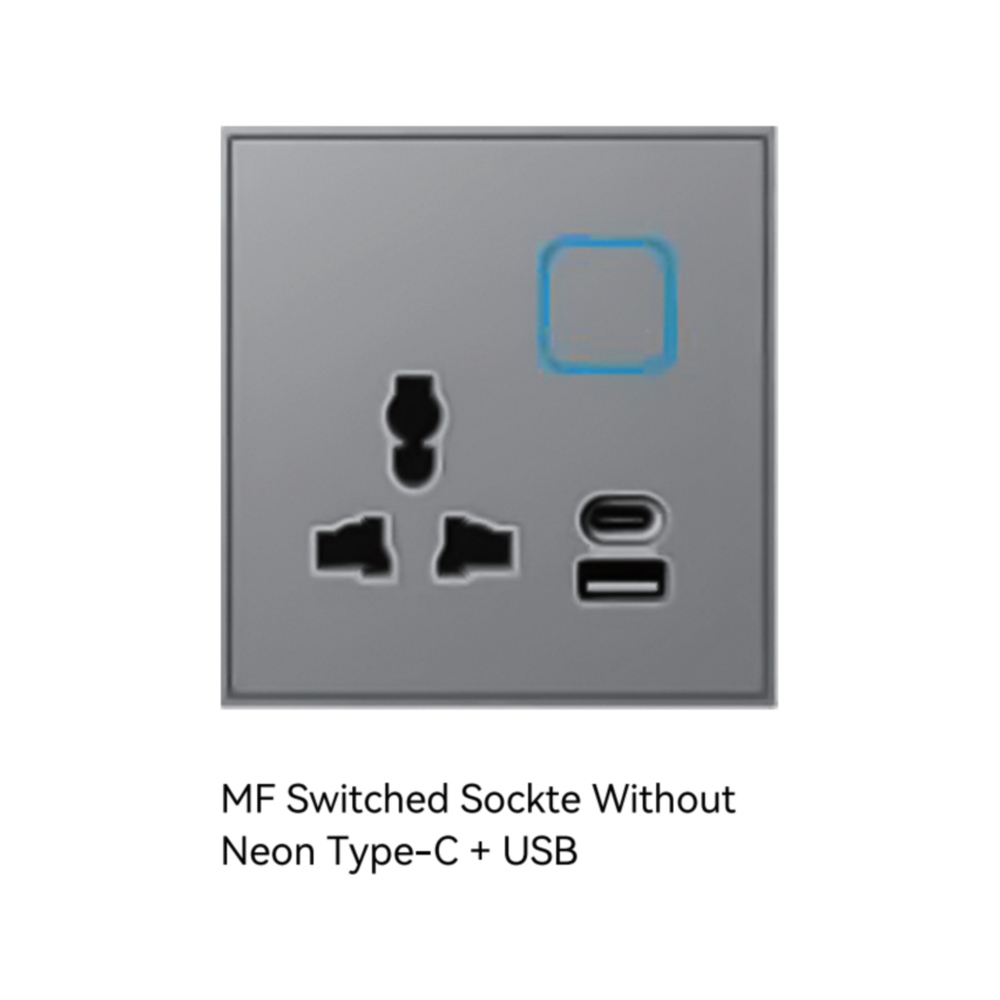
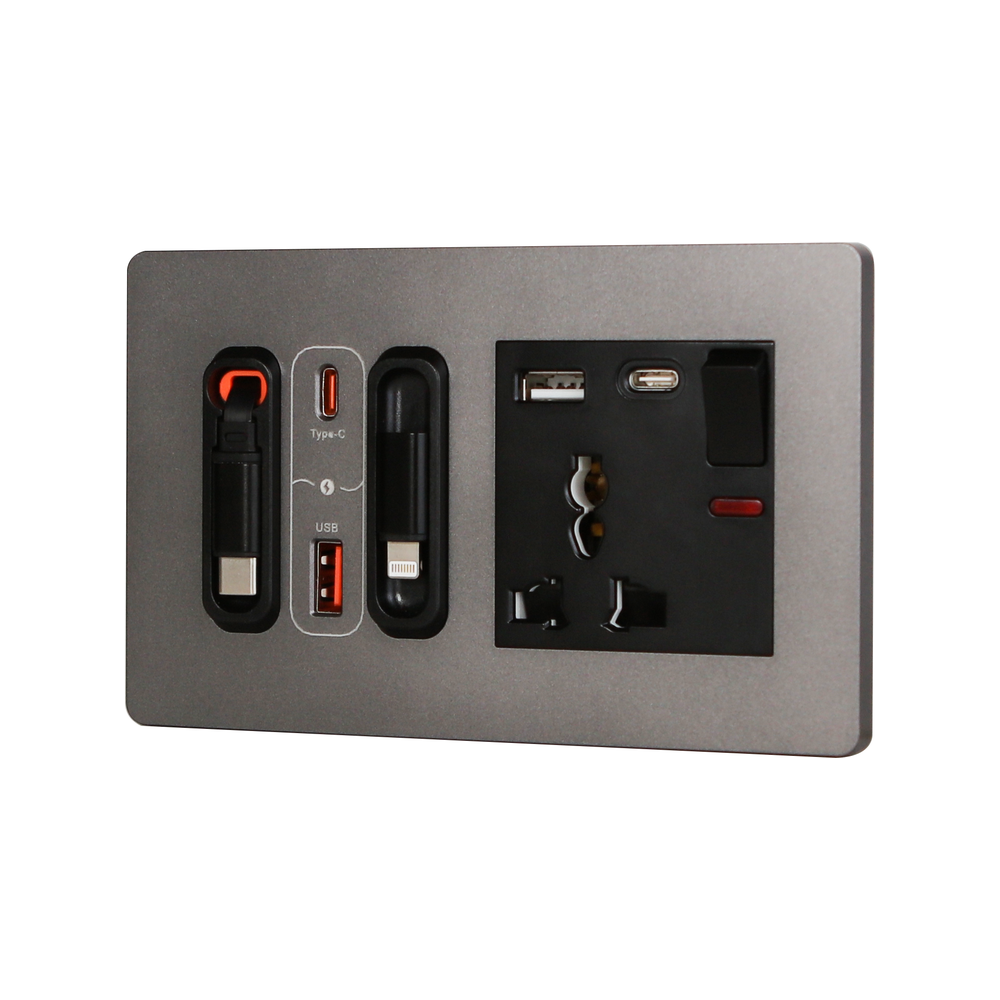
Receptáculos USB Se pueden reducir los cargadores enchufables en las ubicaciones junto a la cama y en los escritorios, mientras que los tomacorrientes inteligentes pueden admitir la programación, la supervisión o el control remoto. Estas funciones no aumentan la capacidad del circuito derivado; la clasificación, el calibre de los conductores, la protección contra sobrecorriente y la carga aún deben estar coordinadas.
Un circuito de 20 A no es una autorización general para conectar una carga continua de 20 A de forma indefinida. Obtenga los datos de la placa de características del aparato y pida al diseñador eléctrico que confirme el programa de circuitos; ello puede evitar el costo oculto de tener que volver a abrir paredes ya terminadas tras realizar una auditoría de cargas. Considere los dispositivos de carga como un elemento de comodidad, no como un sustituto de un circuito dimensionado correctamente.
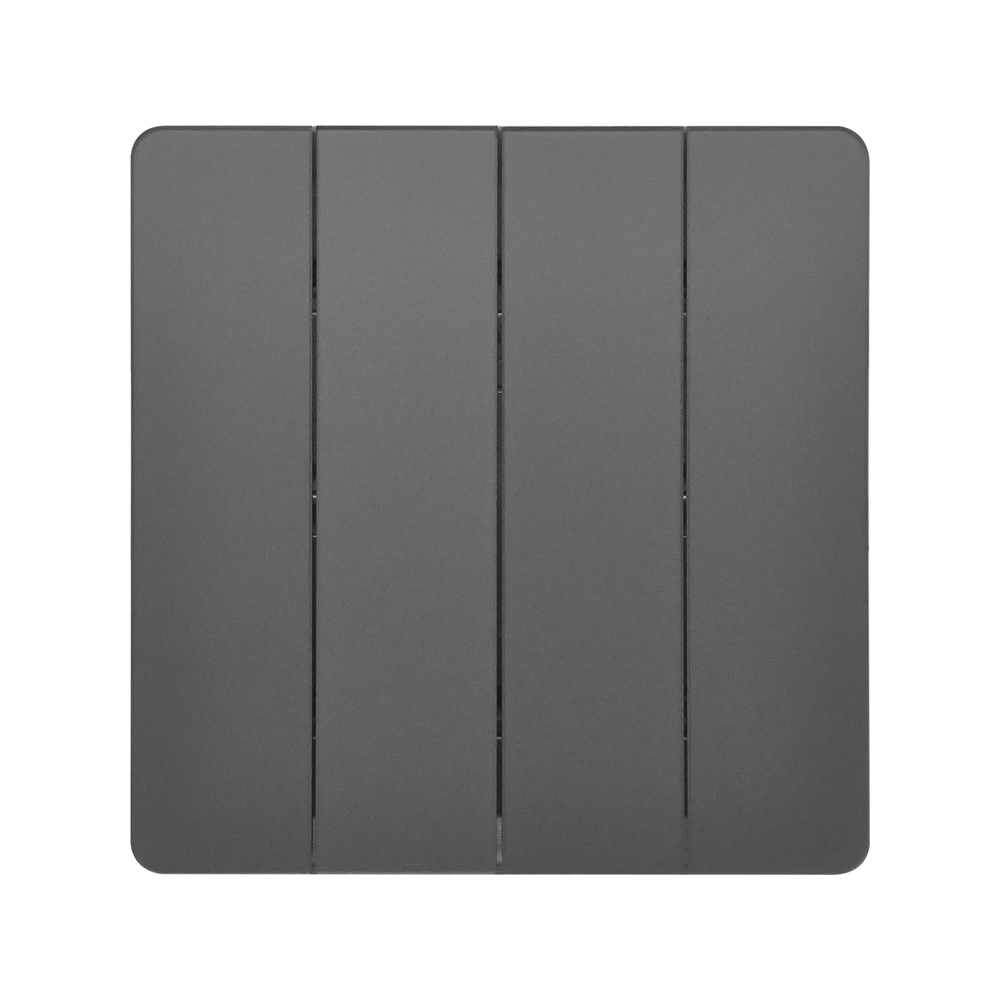
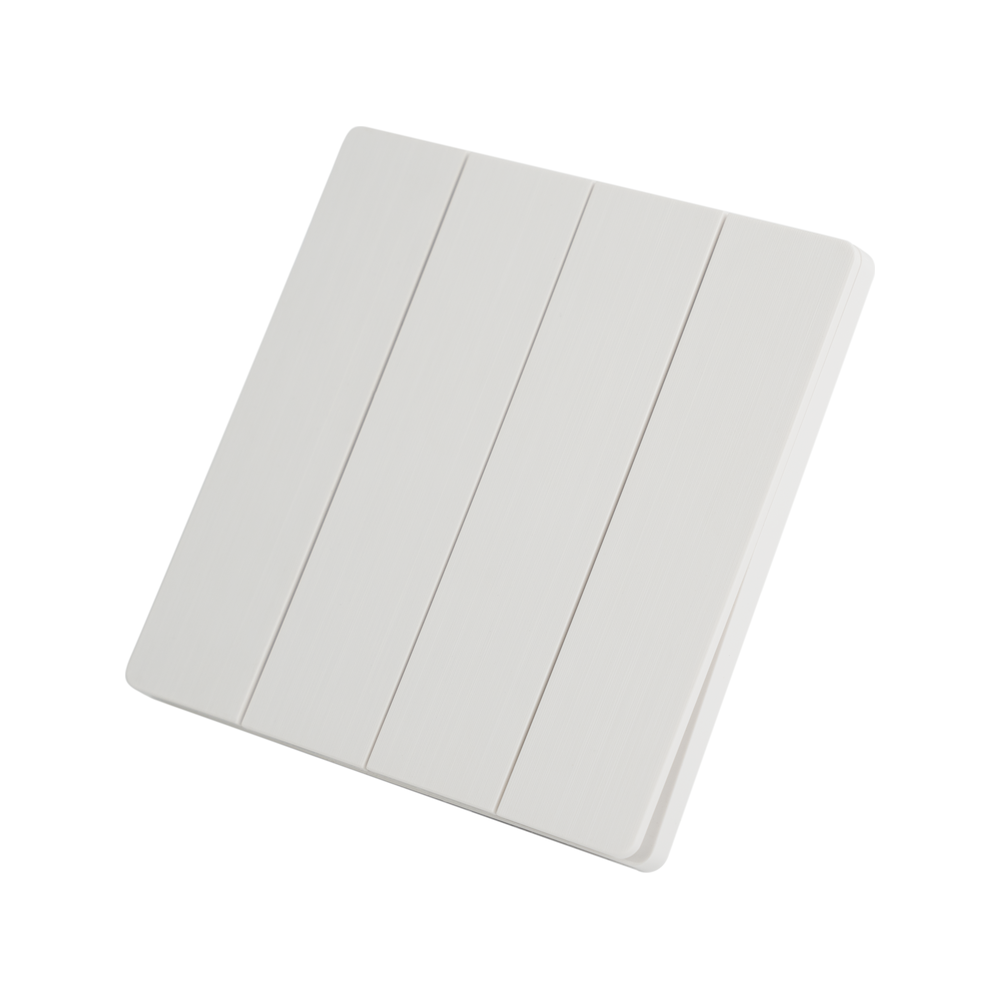
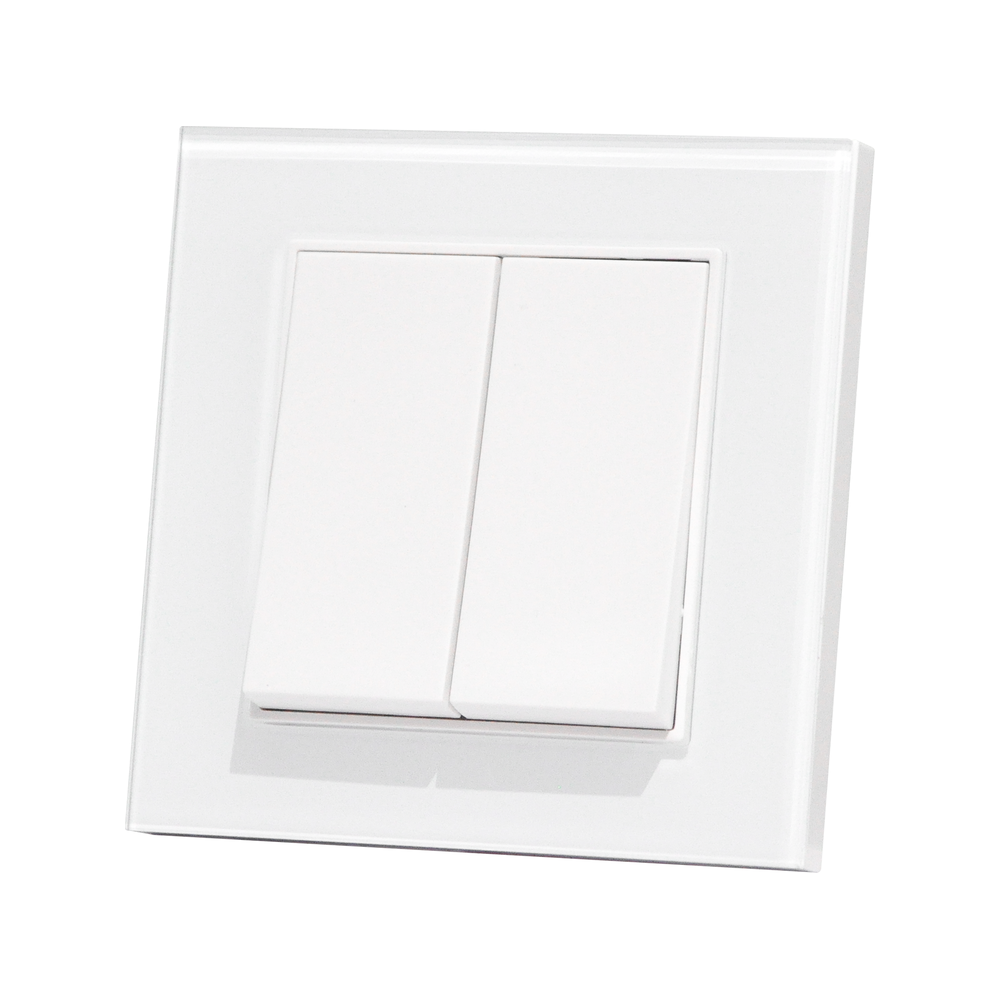
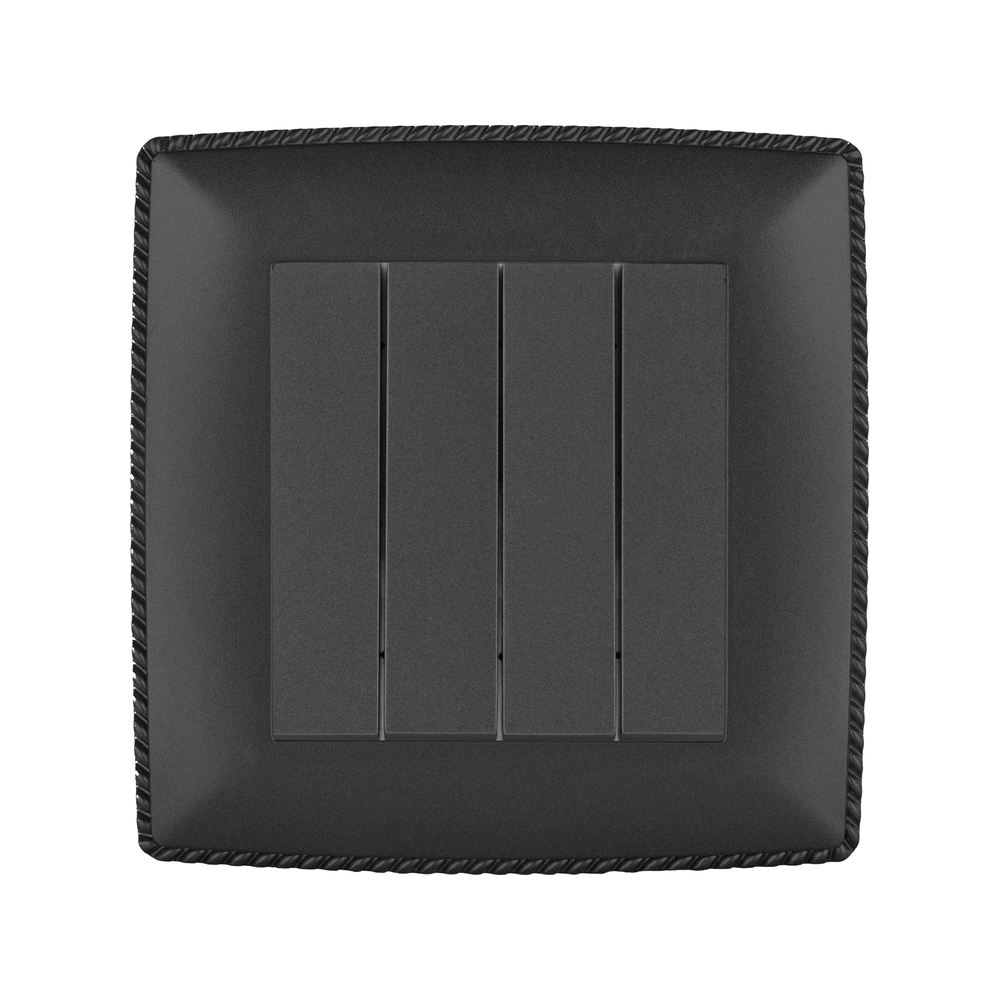
Elija estilos de interruptores que se adapten al interior y a la función de control.
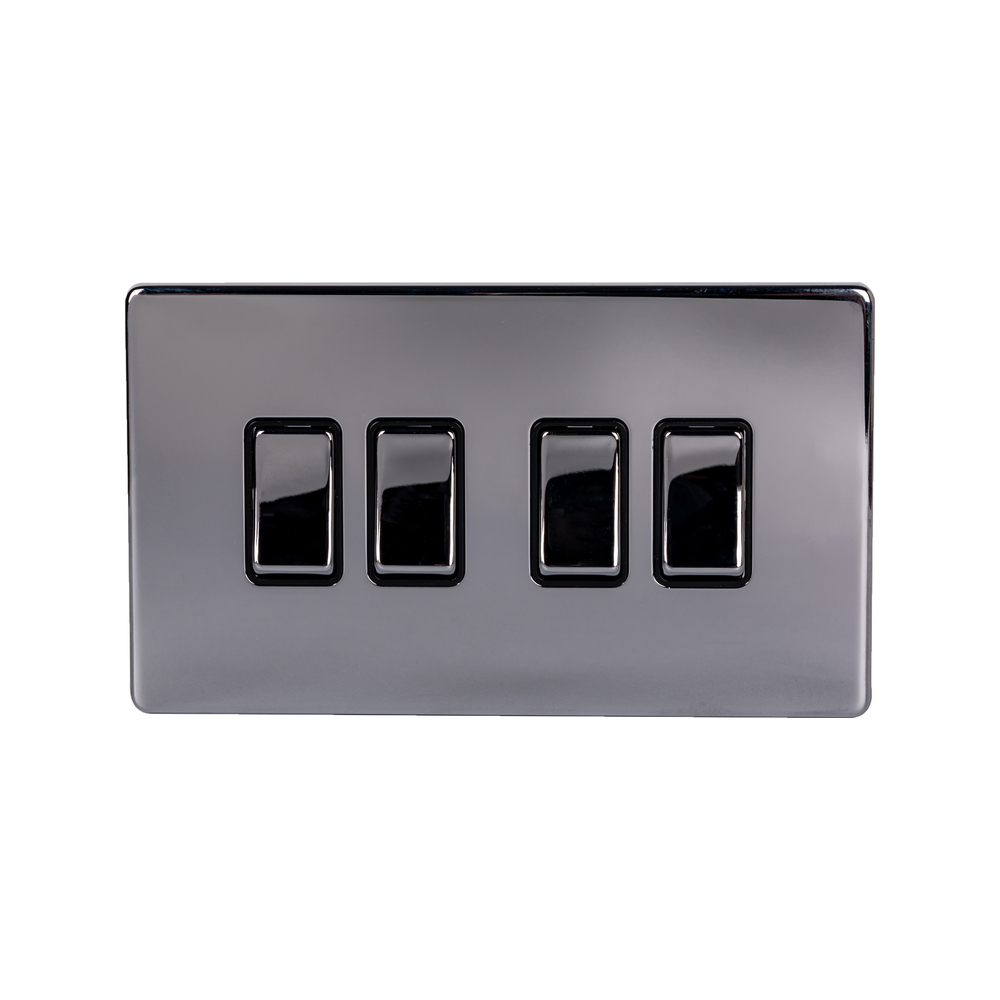
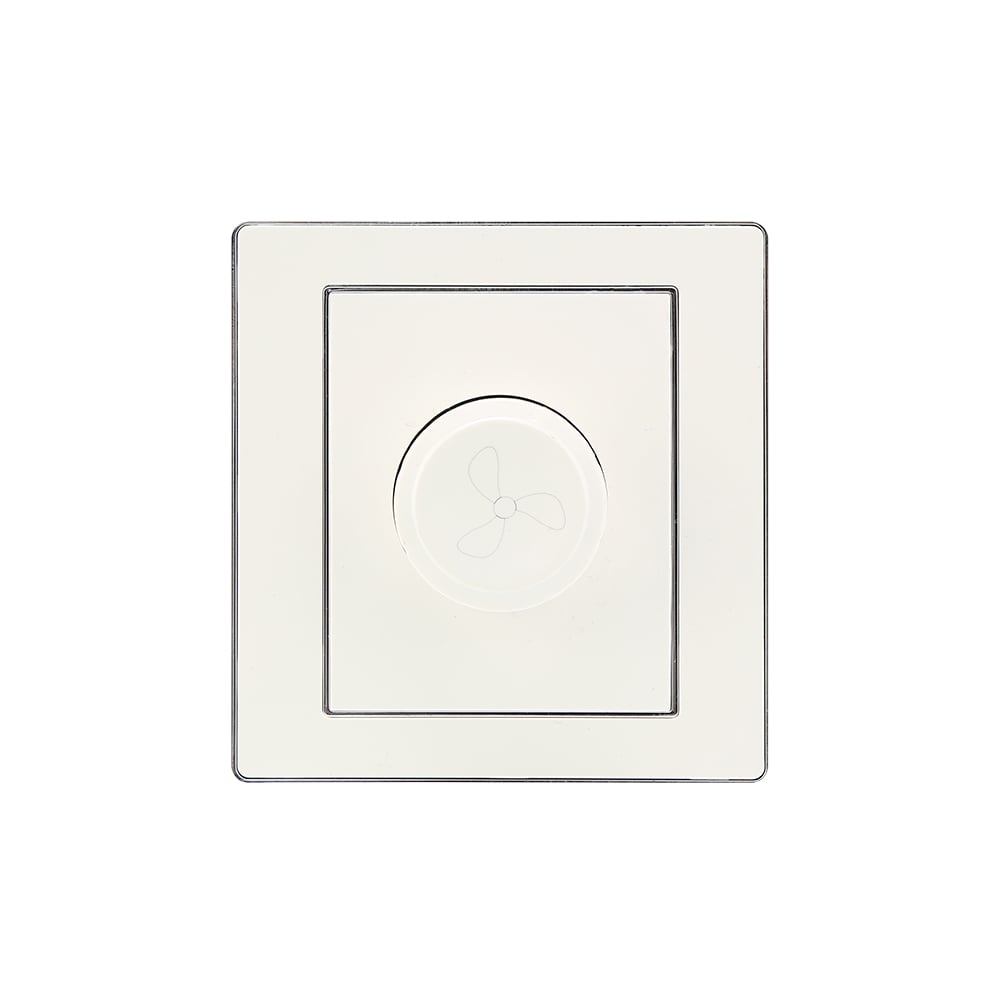
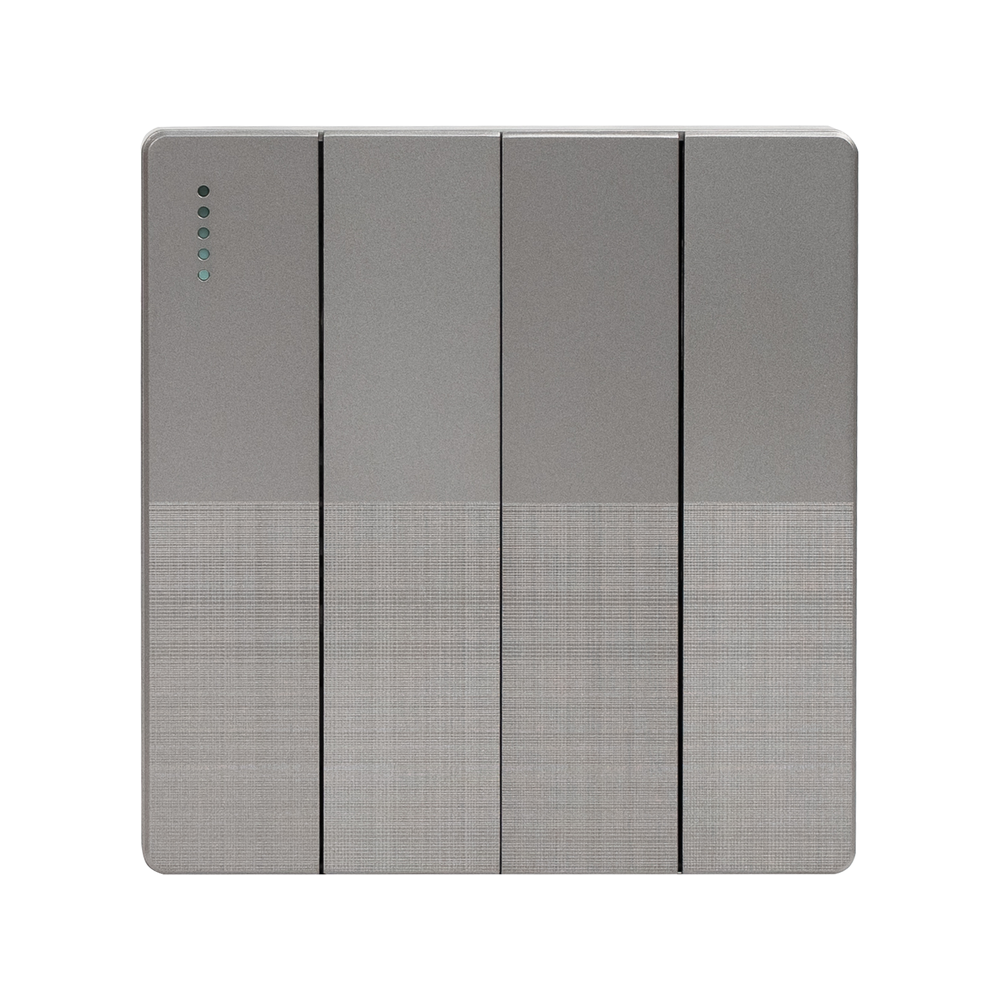
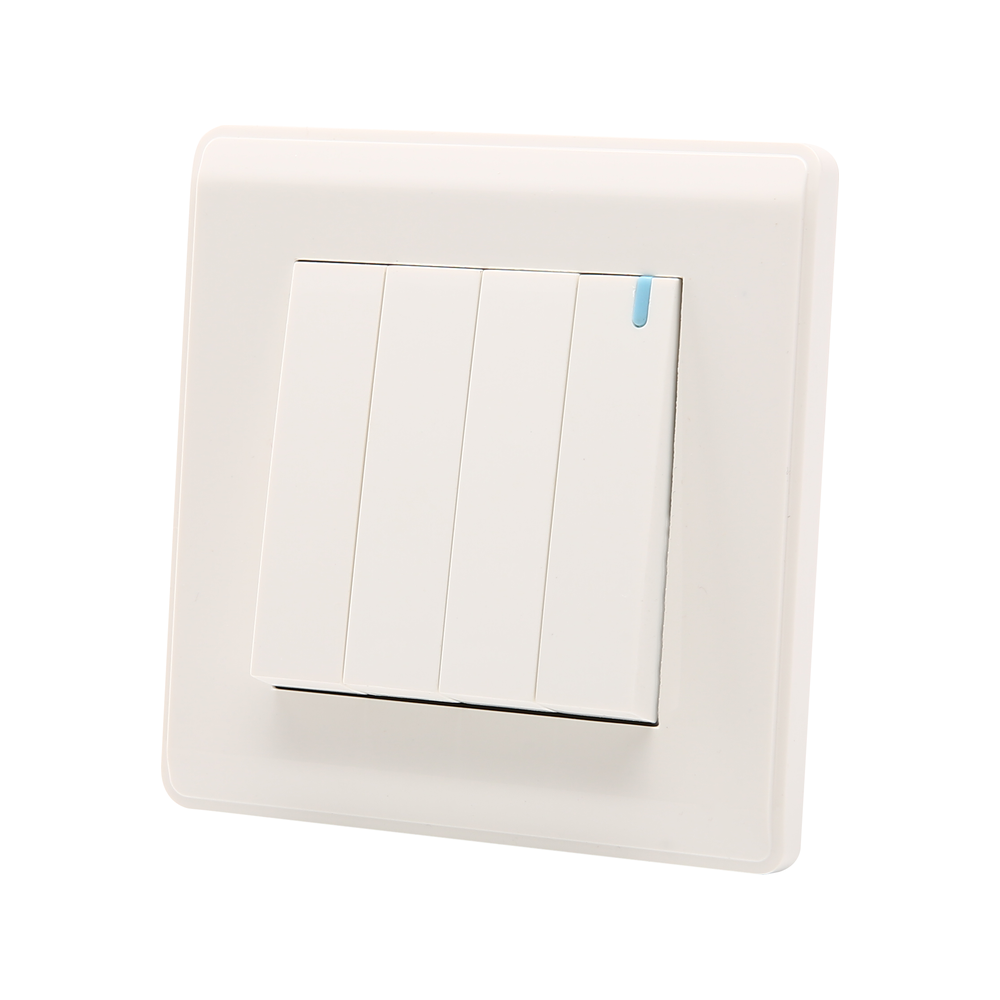
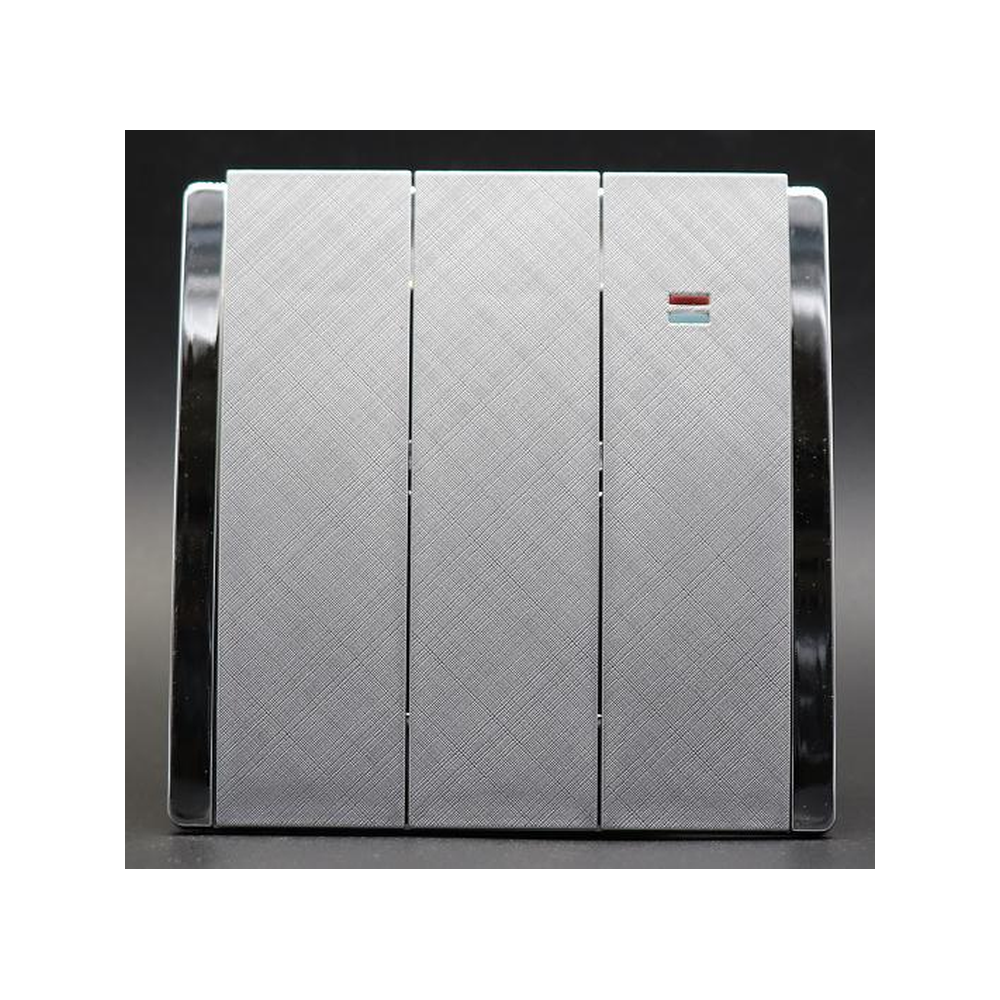
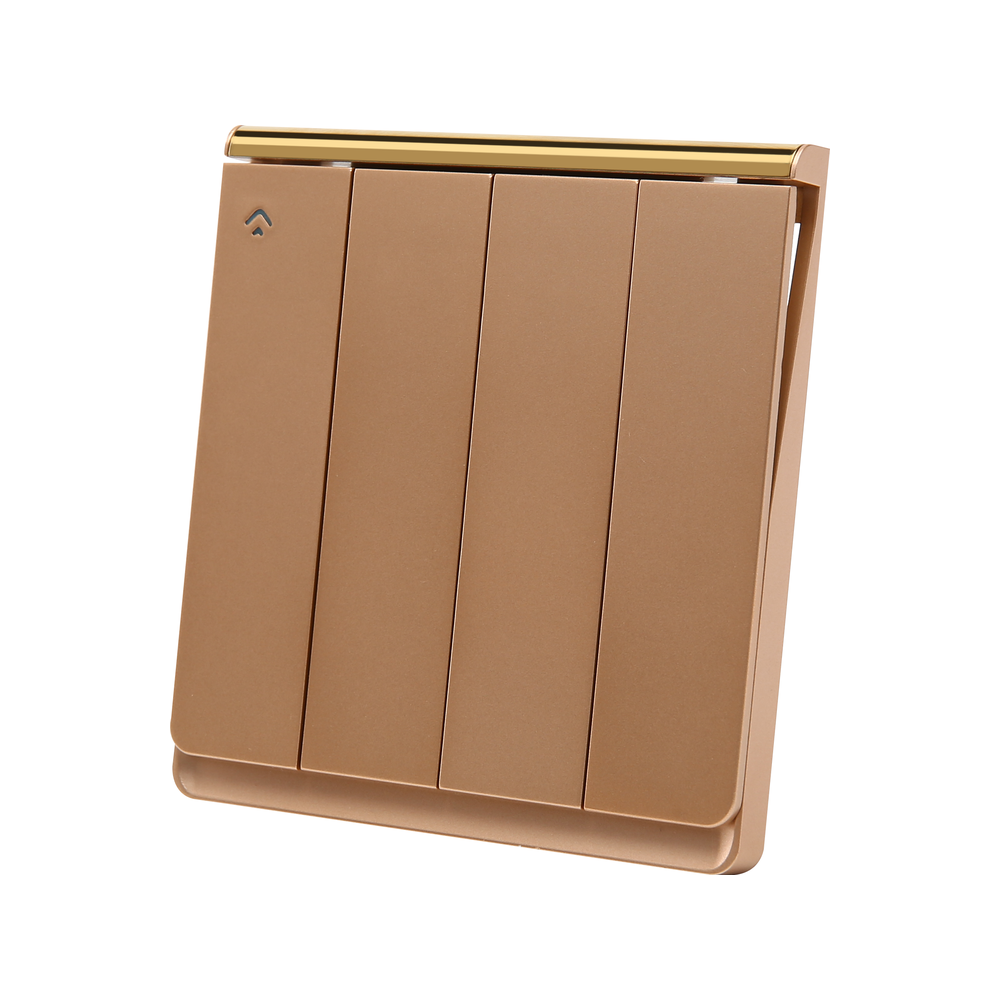
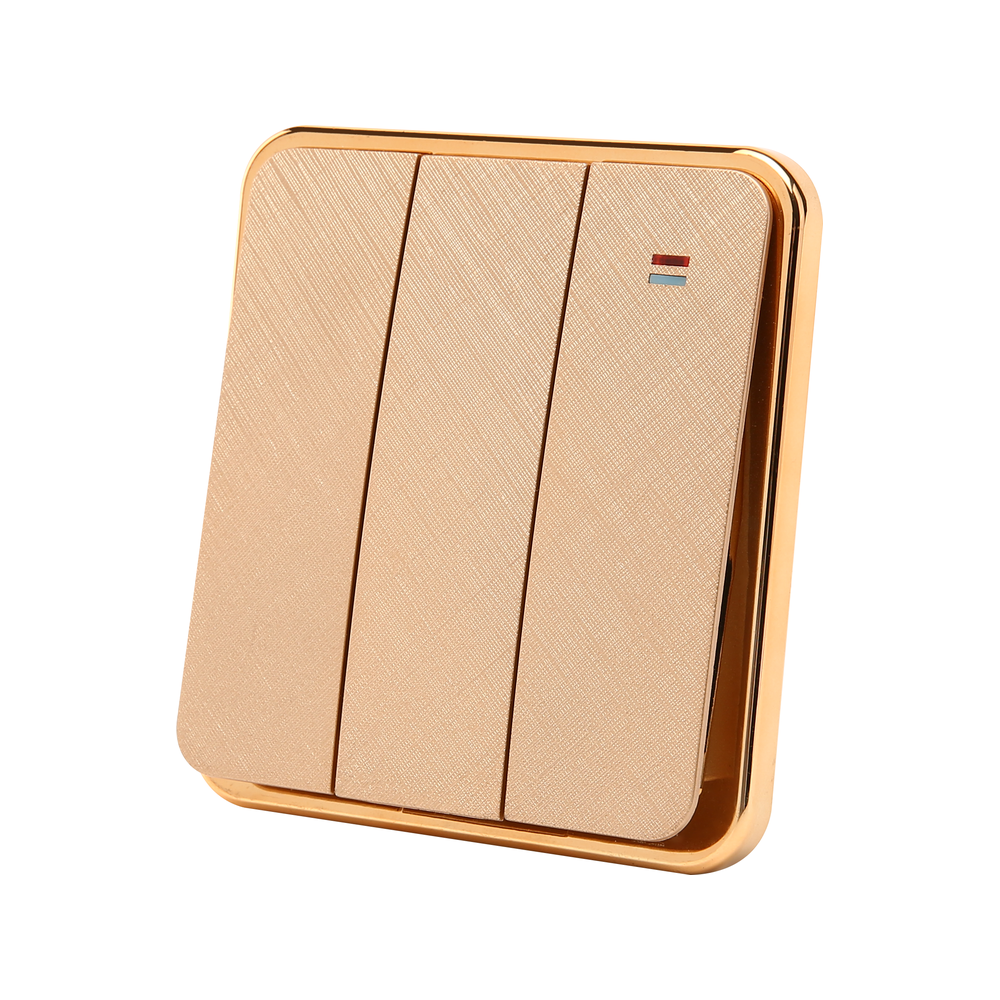
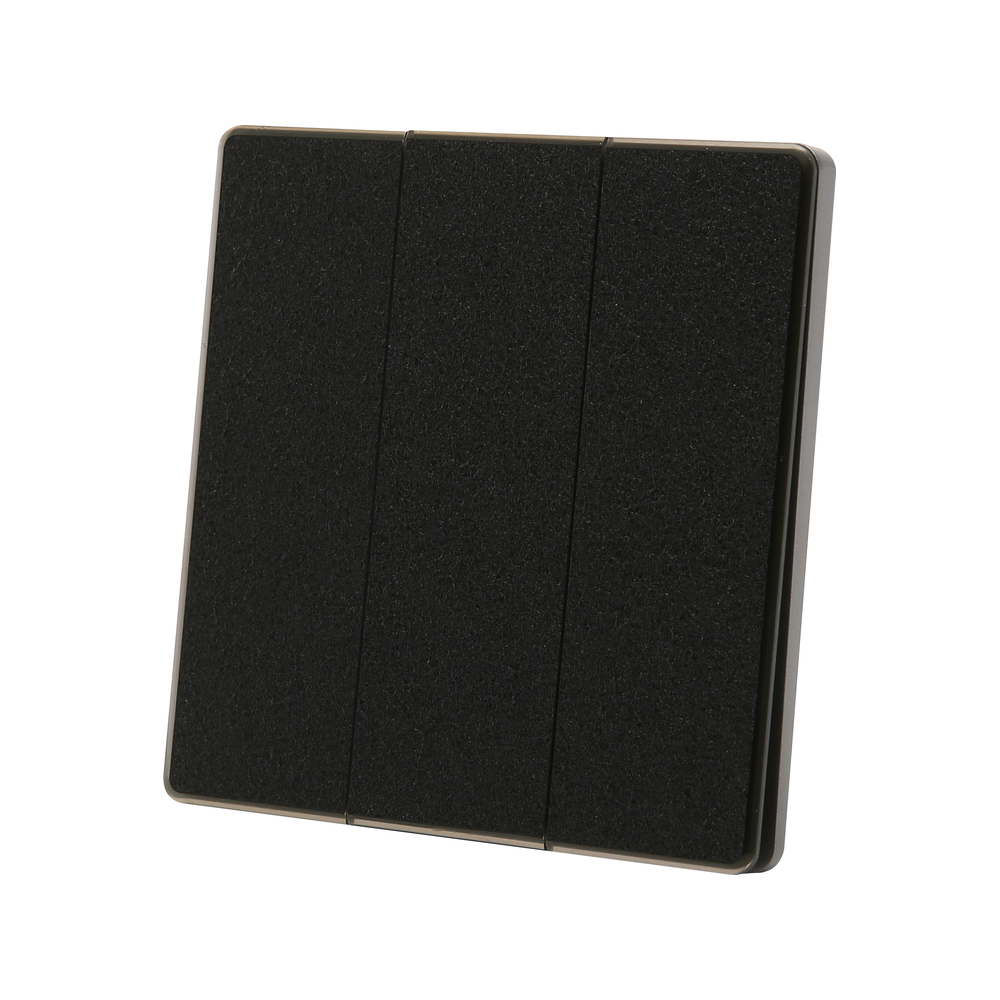
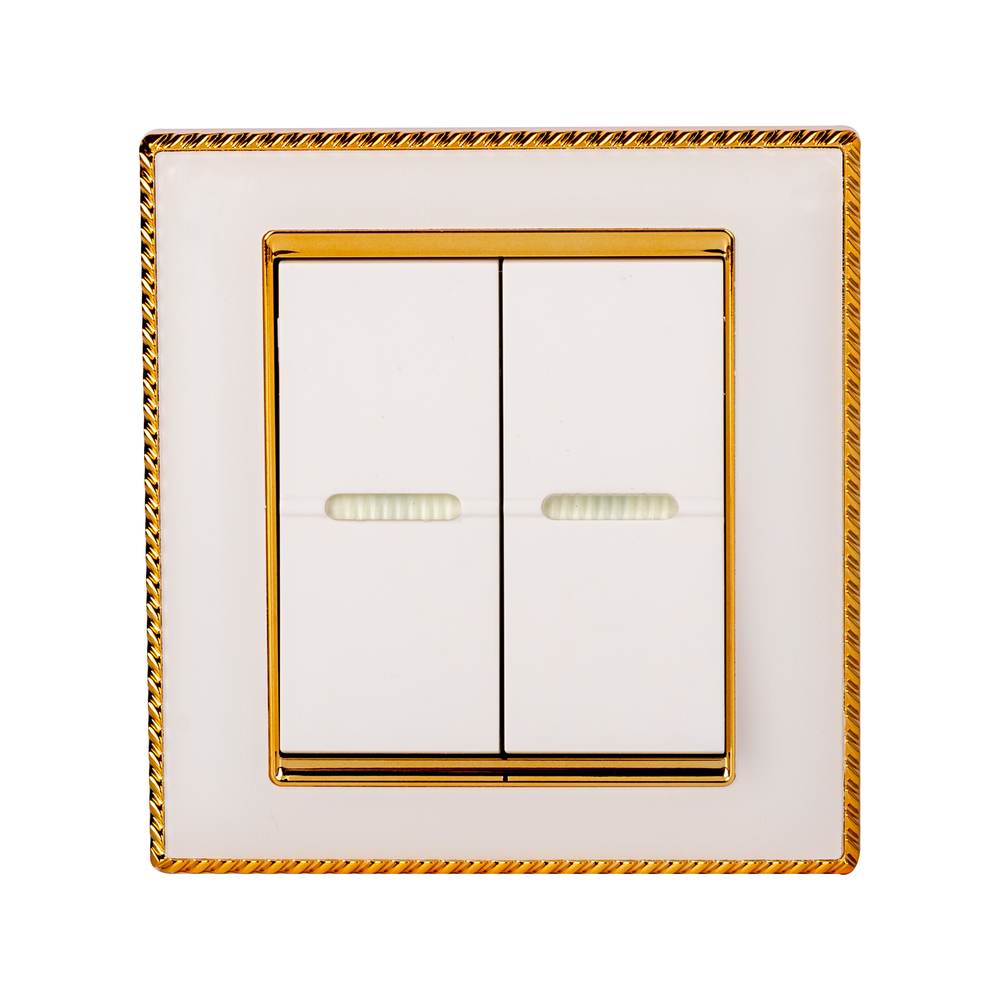
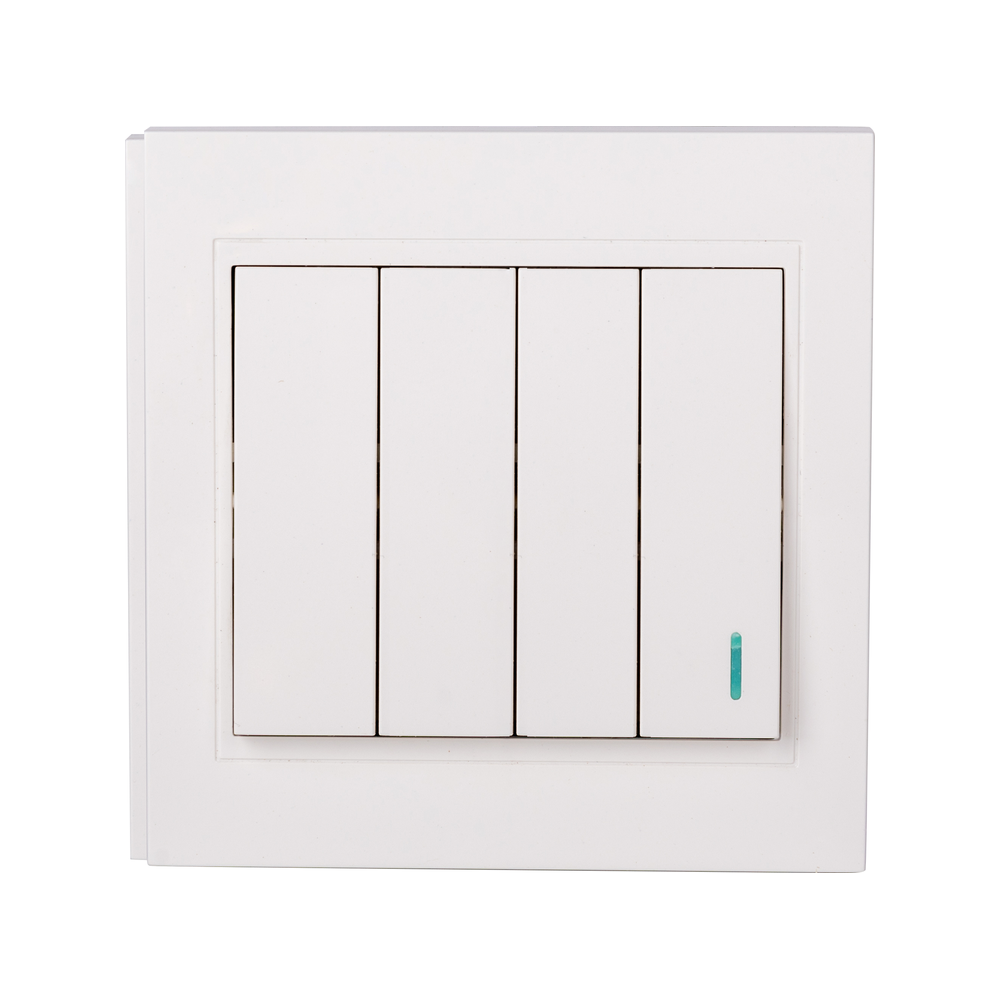
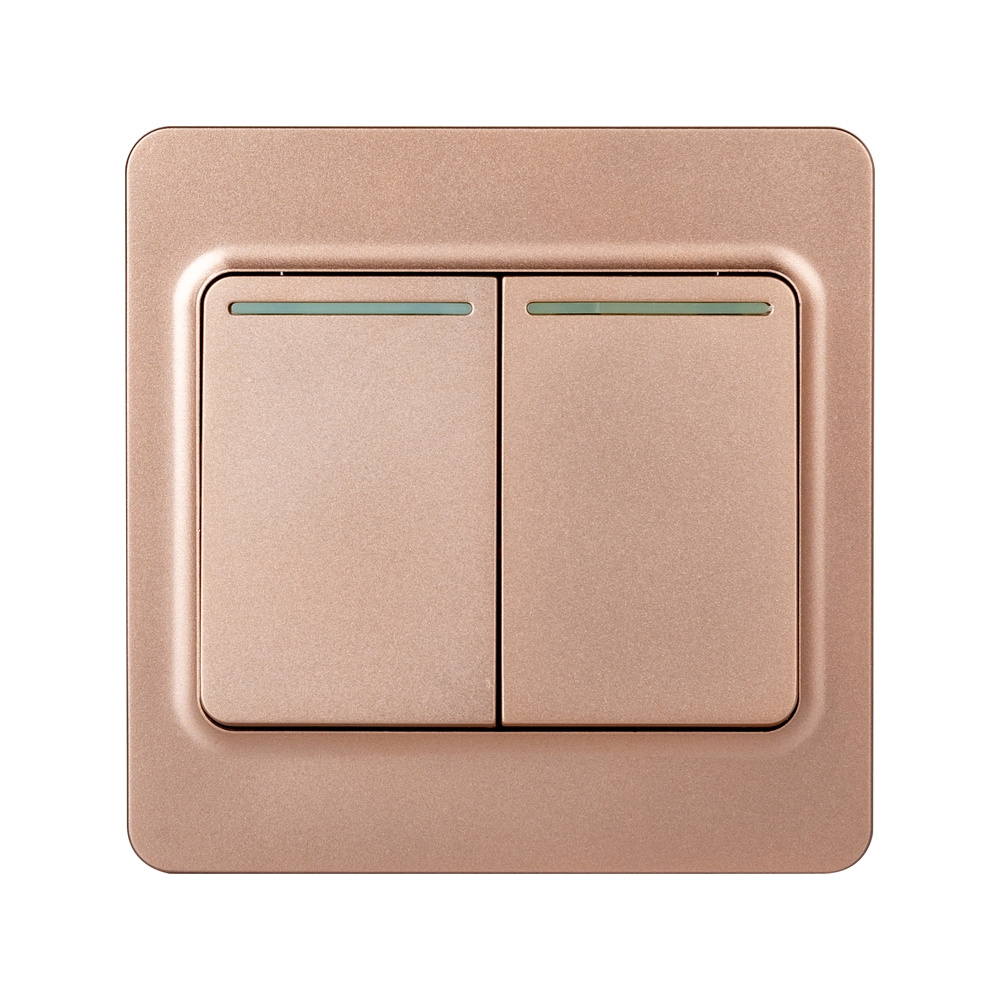
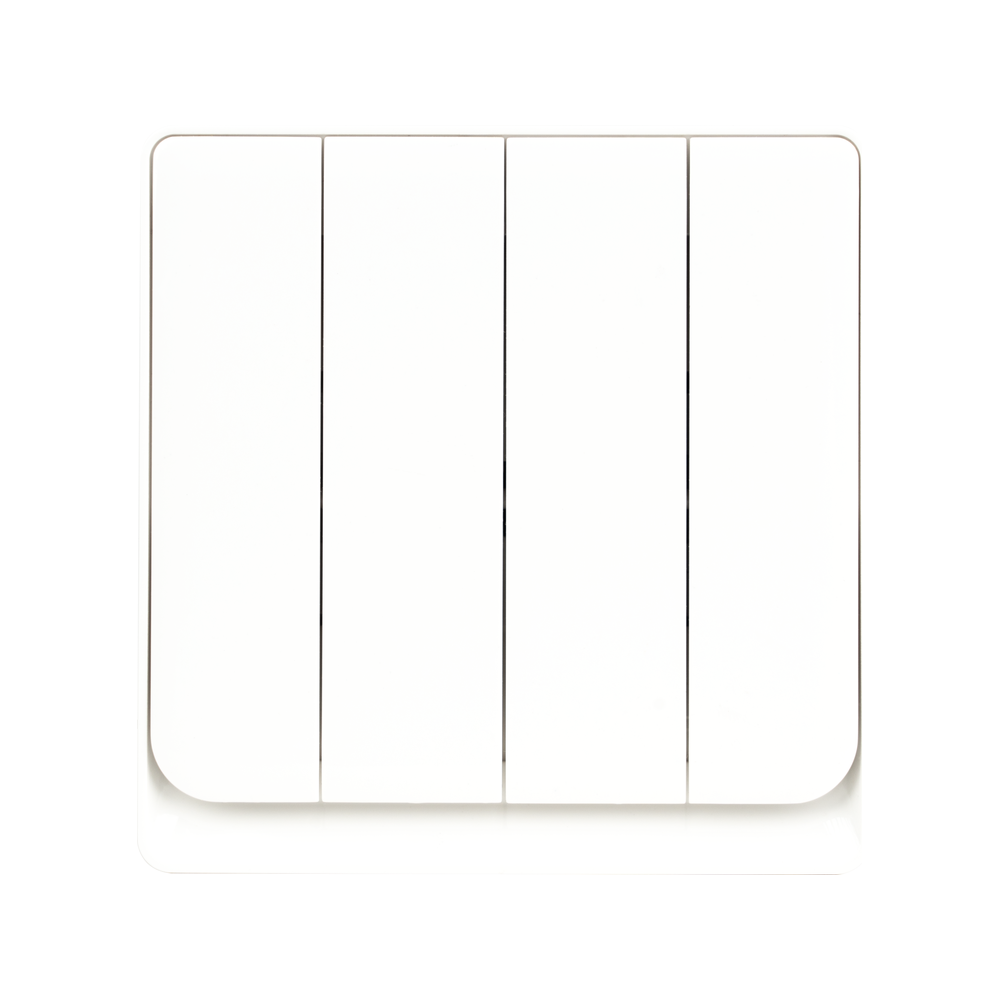
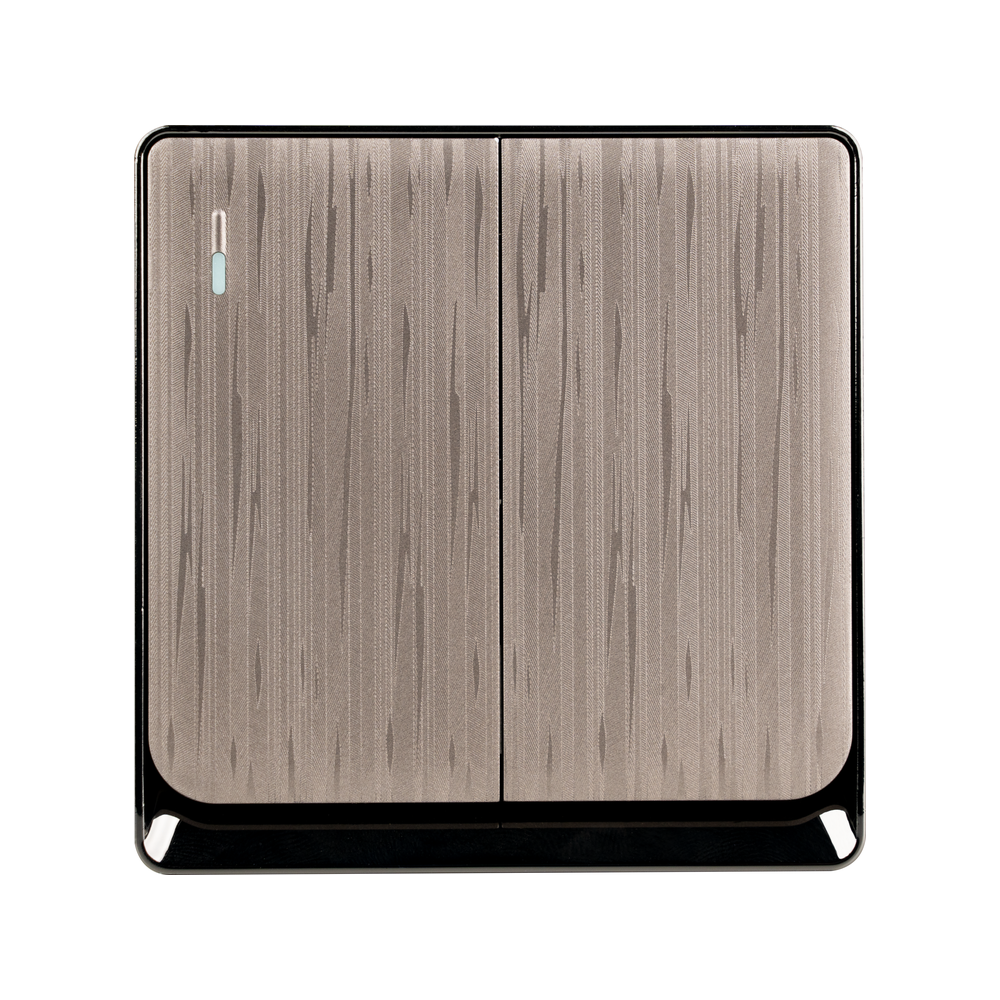
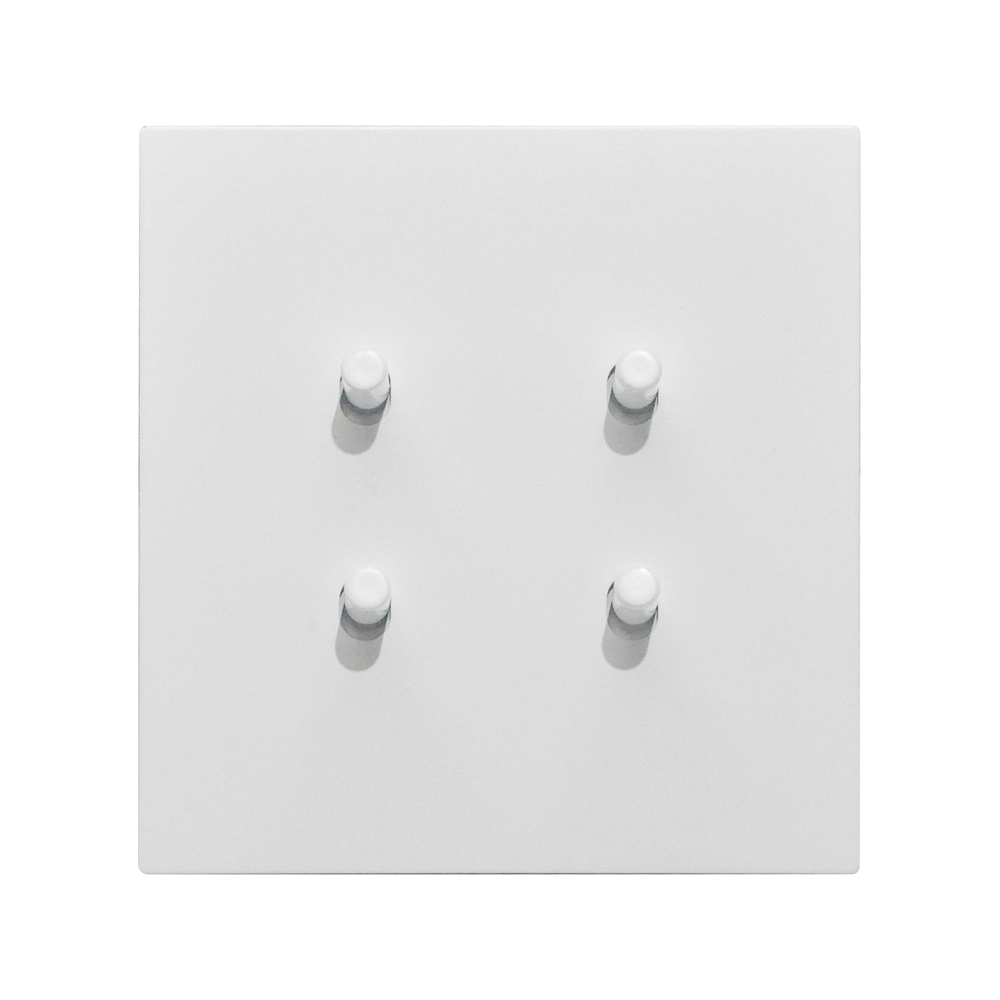
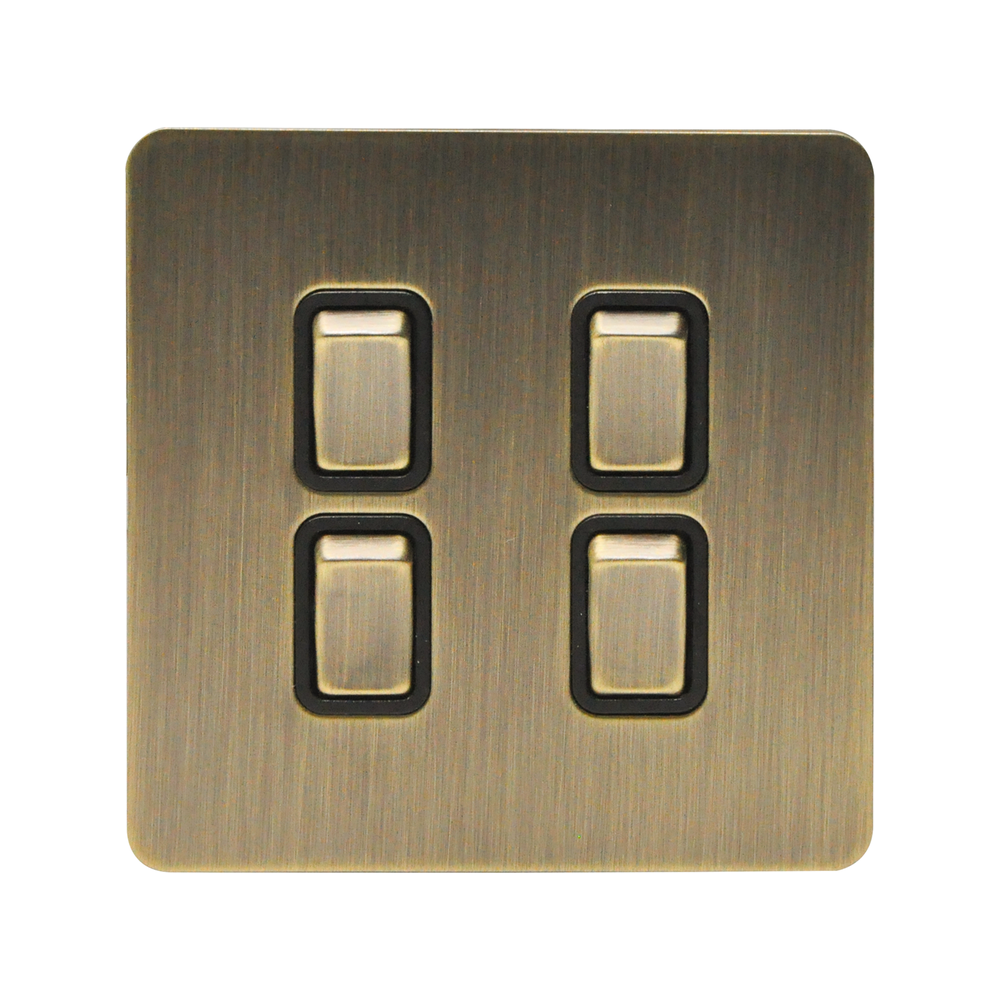
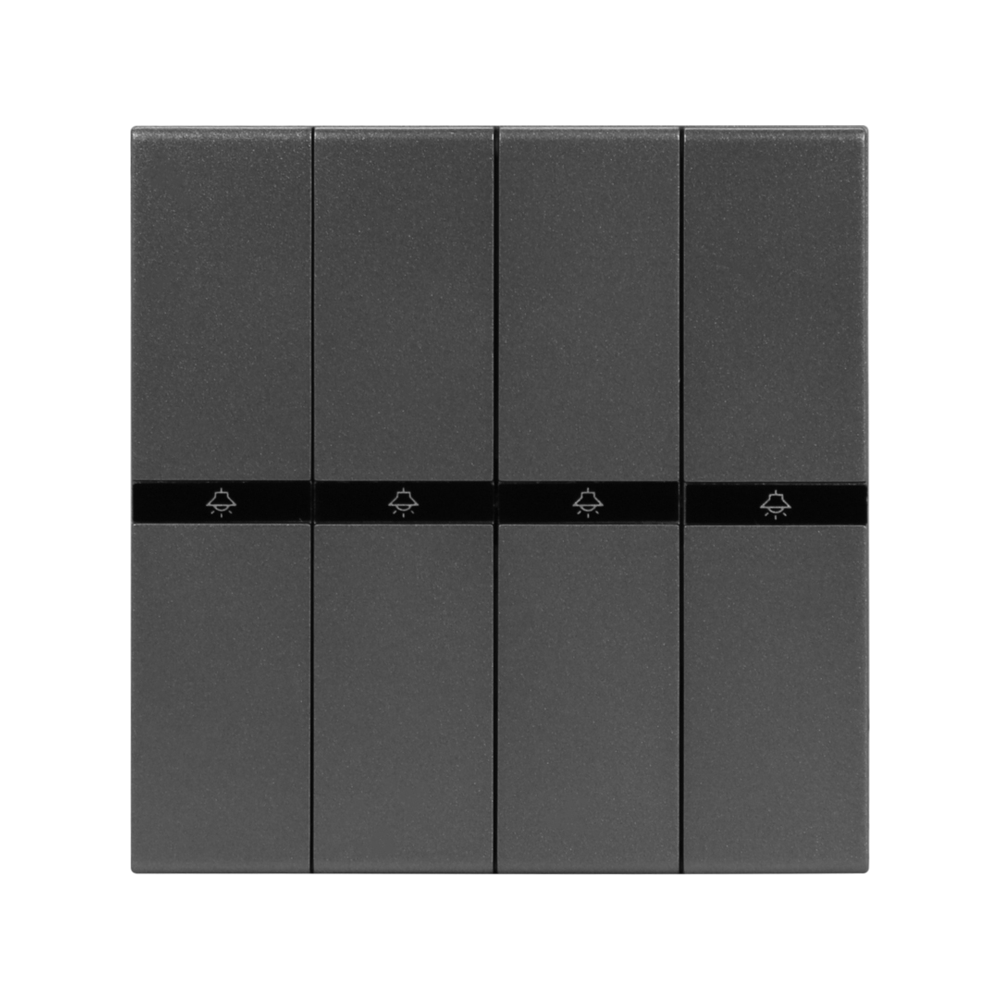
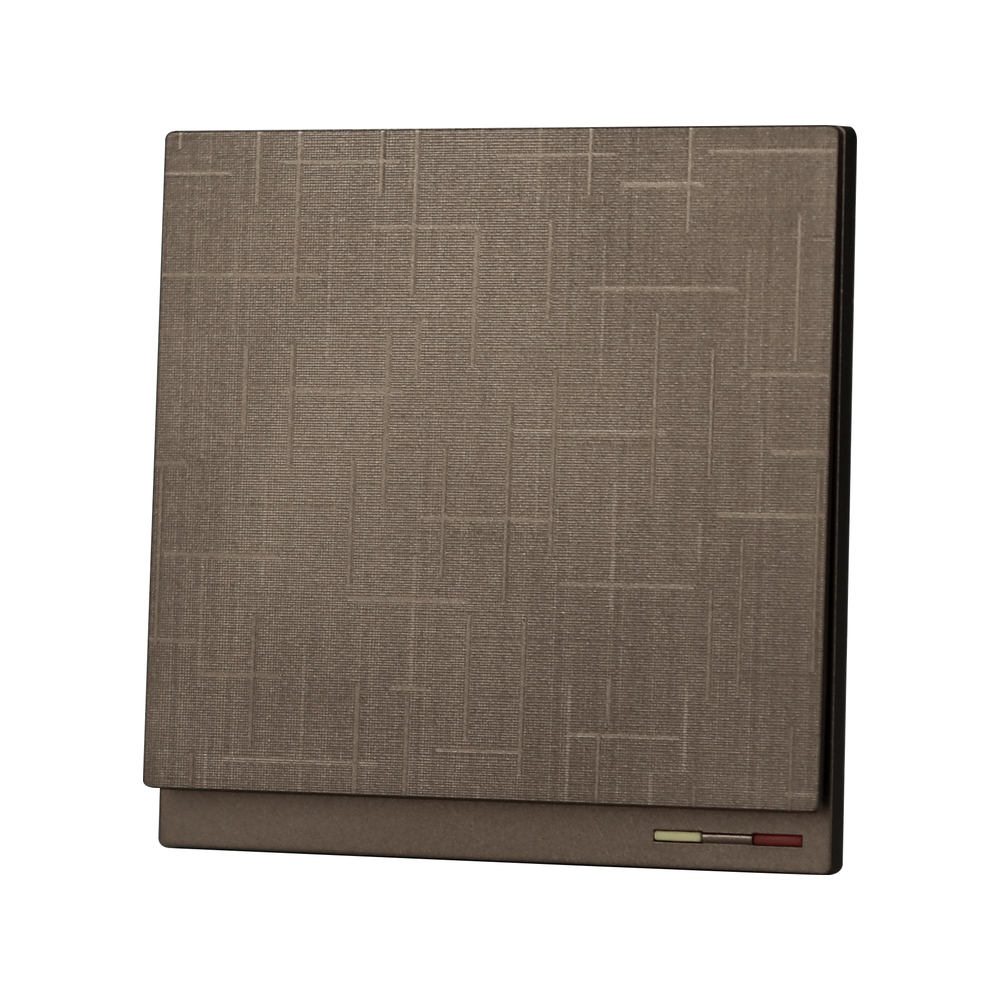
Los interruptores de palanca, basculantes, pulsadores, atenuadores y los sistemas de control inteligente pueden adaptarse a interiores contemporáneos, pero la selección debe comenzar por la carga que se va a controlar. La atenuación de luces LED requiere una compatibilidad documentada con las lámparas; el control multidireccional exige la configuración adecuada. La norma IEC 60669-1 establece los requisitos generales para interruptores eléctricos fijos de uso doméstico y análogos, dentro del ámbito de aplicación especificado.
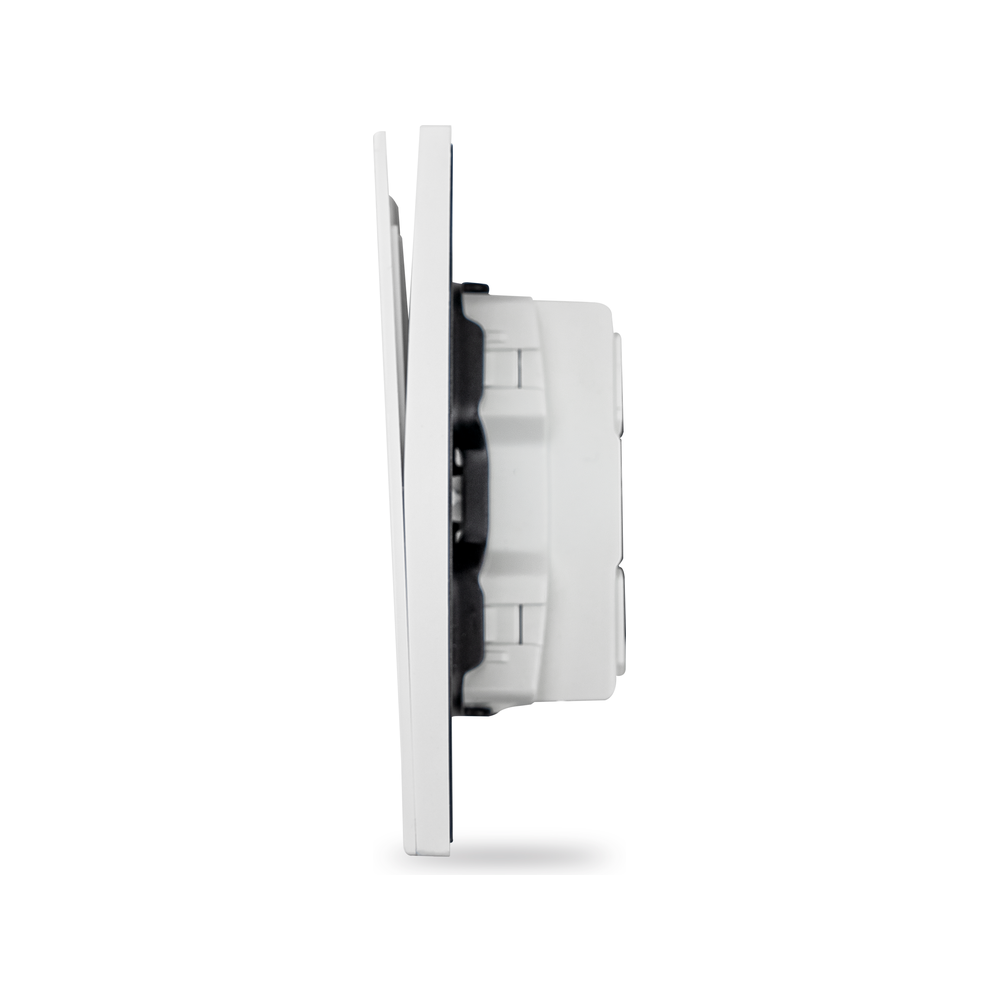
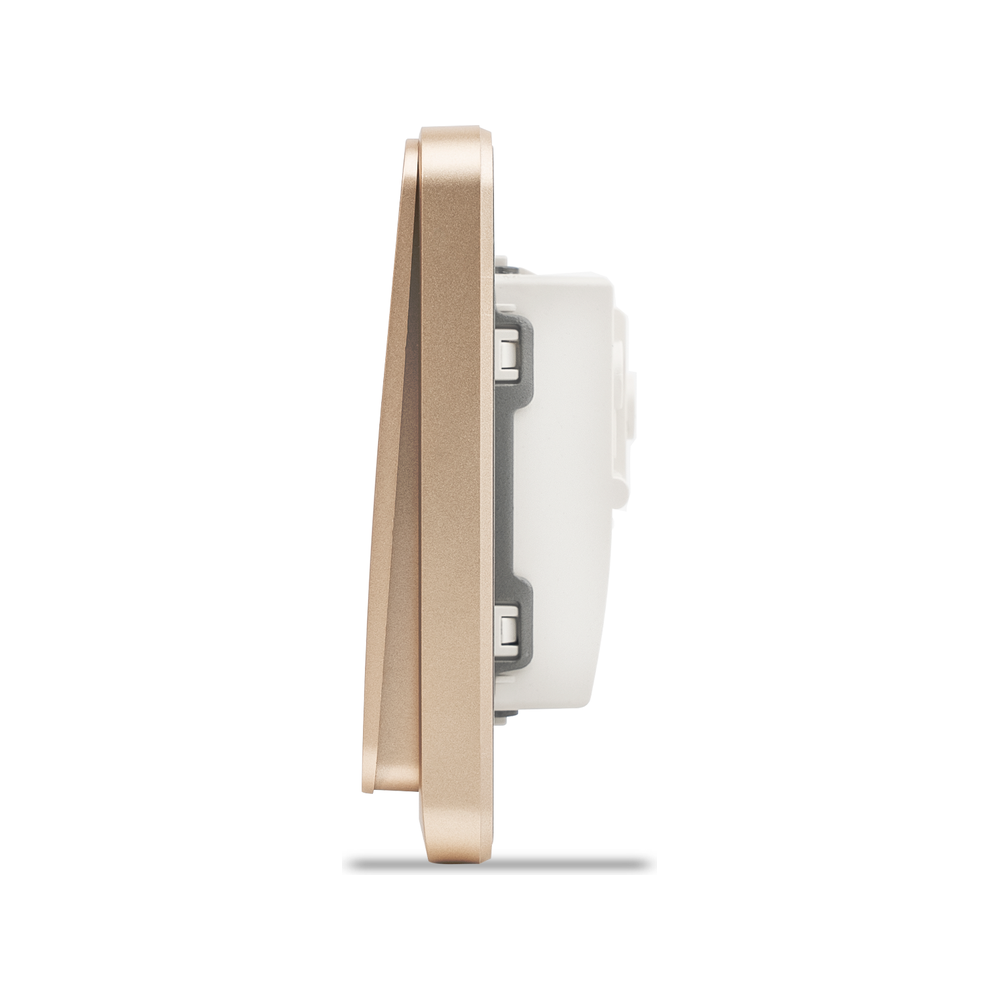
Mantenga los módulos de dispositivos, las placas y los sistemas de montaje dentro de una misma familia homologada; esto hace que el reemplazo sea predecible y evita la existencia de componentes similares que no sean compatibles. Verifique los requisitos de cable neutro, la profundidad de la caja, las instrucciones de reducción de carga y las expectativas respecto a la operación manual de emergencia antes de incluir un interruptor inteligente en la lista de licitación.
Comparar el valor práctico del dispositivo
| Opción | El mejor uso | Impulsor de valor | Procurement watchpoint |
|---|---|---|---|
| Standard receptacle | Dry, ordinary-use locations | Simple replacement and broad accessory compatibility | Confirm rating, grounding and local code requirements |
| Recipiente GFCI | Locations requiring personnel protection | Local test/reset access and downstream protection capability | Verify line/load wiring and applicable code location |
| USB receptacle | Bedrooms, desks, and hospitality-style charging points | Fewer external chargers at predictable charging zones | Check output specification, heat management, and box depth |
| Smart outlet or switch | Defined automation use cases | Control and monitoring functions | Review network, manual override, firmware policy, and interoperability |
Unit cost is only one part of total cost of ownership. A device that triggers a second visit or a compatibility complaint can cost more than a clearly documented option; this is an illustrative procurement principle, not a service-life claim.
Shortlist brands without treating a list as a ranking
The following Top 4 shortlist is a starting point for modern-home procurement, not an independent ranking or market-share claim. Each company sells multiple series and regional variants; compare the exact model, installation method, documentation, and channel support for the destination market.
| Marca | Core strengths | Compradores típicos | Price positioning |
|---|---|---|---|
| Schneider Electric | Broad electrical and wiring-device portfolios that can support coordinated project schedules | Residential developers, contractors, and distributors seeking an established multi-category supplier | Indicative/quote-dependent; verify series, market, volume, and distributor terms |
| Legrand | Wide range of wiring devices and finish-oriented options for coordinated room designs | Design-led residential projects, contractors, and electrical wholesalers | Indicative/quote-dependent; compare the complete device-and-plate package |
| ABB | Building and electrical product coverage that may suit projects already standardised on ABB systems | Engineering-led developments, contractors, and buyers with an existing ABB specification | Indicative/quote-dependent; confirm local availability and project quotation |
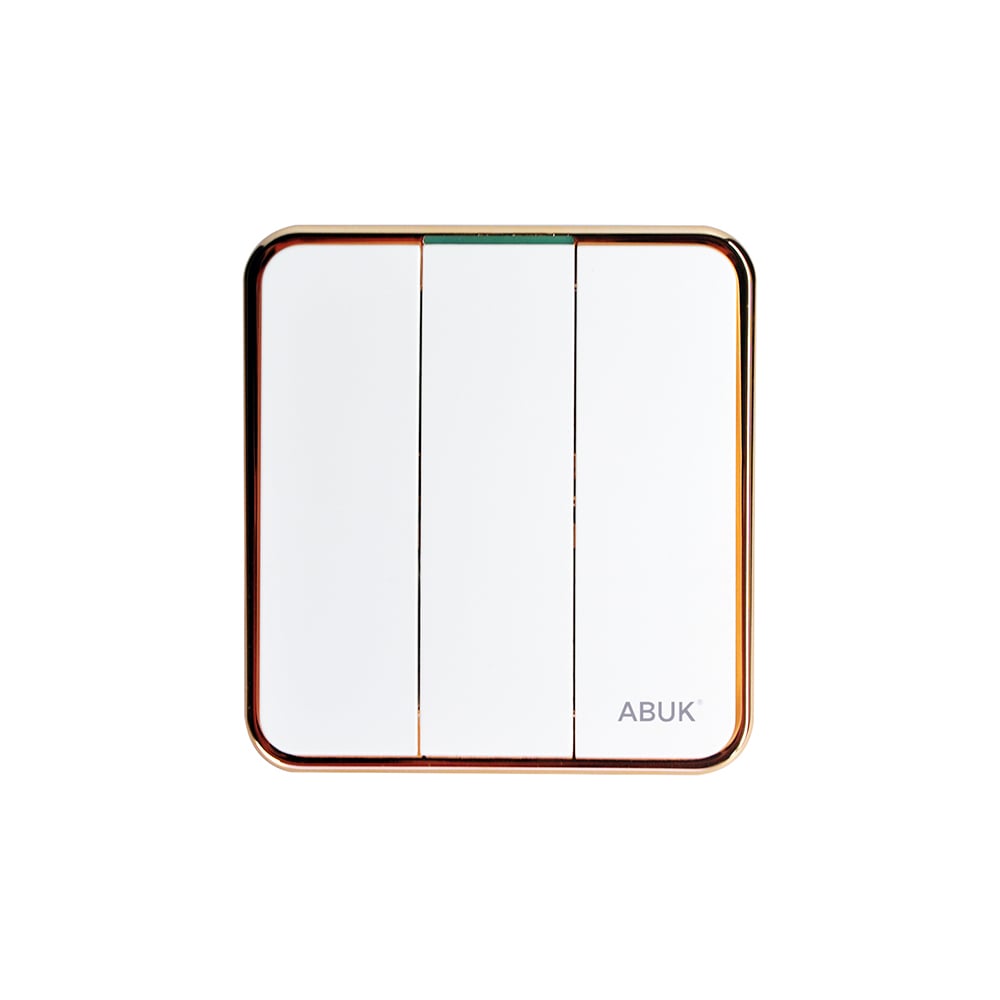
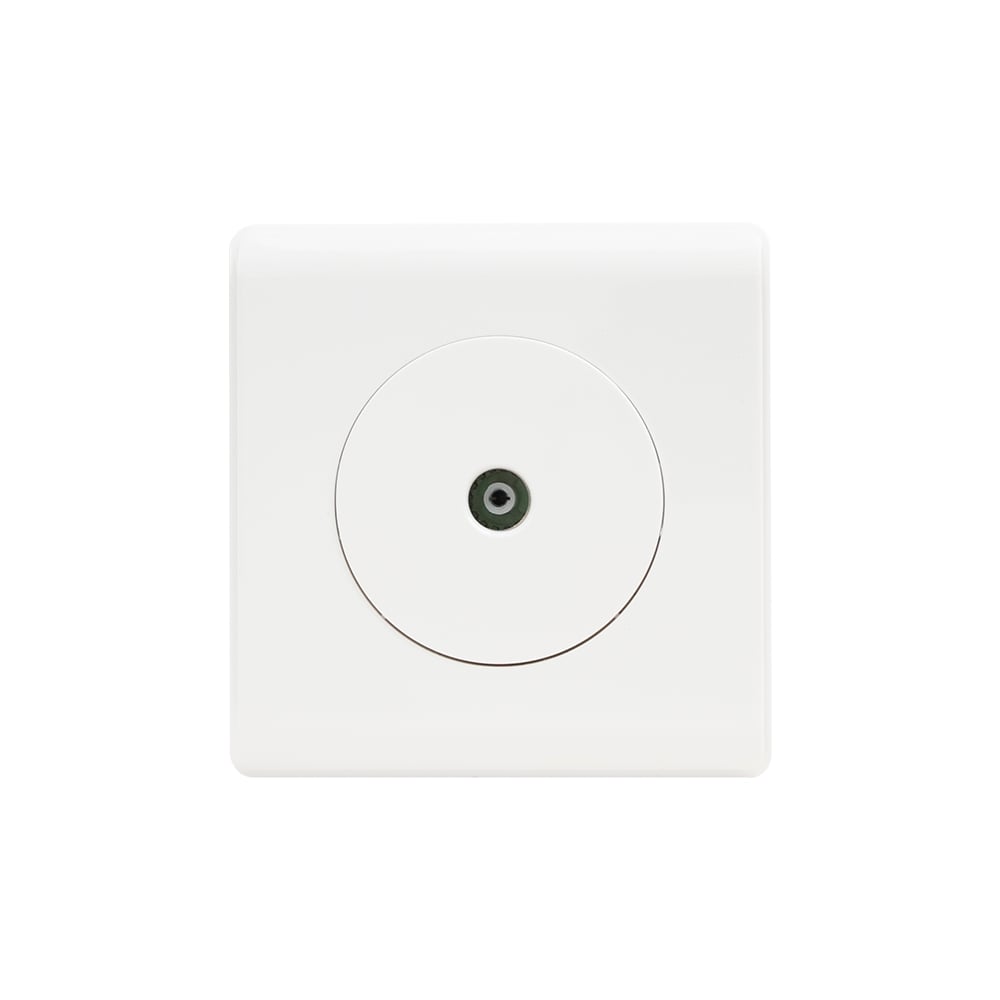
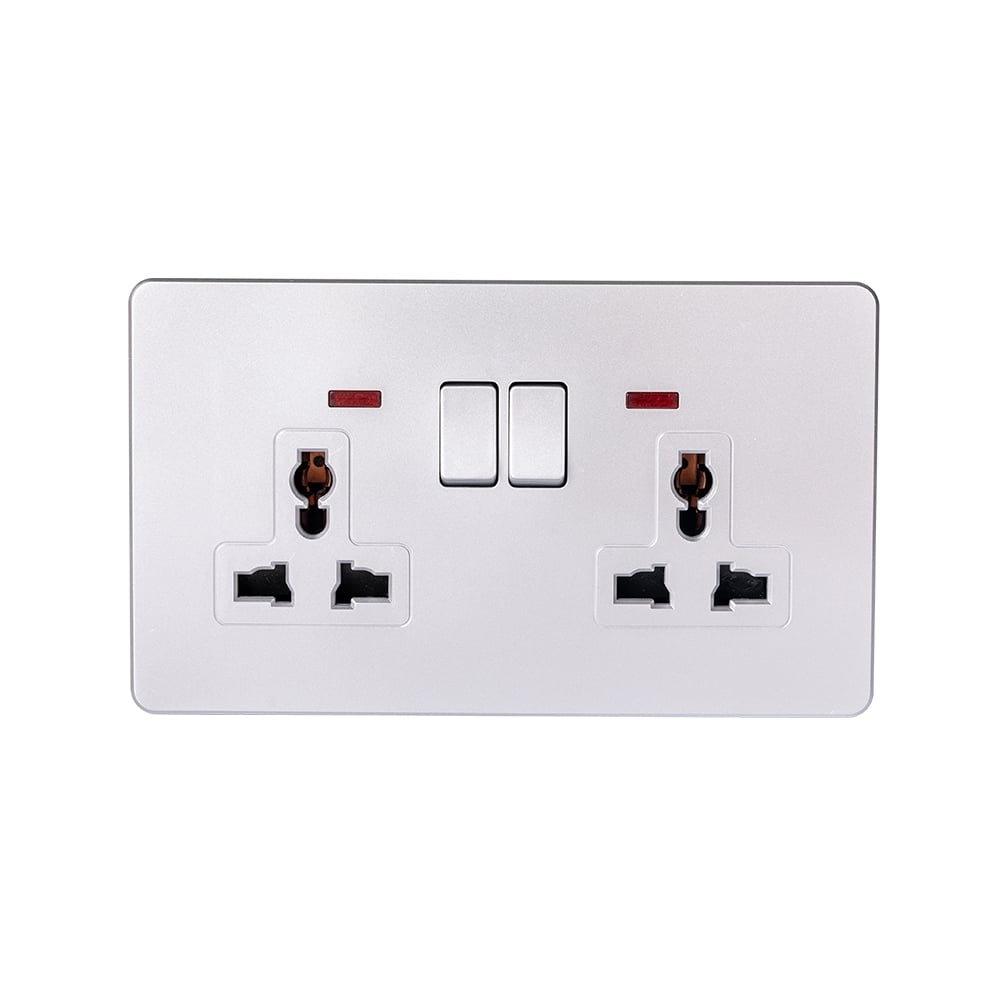
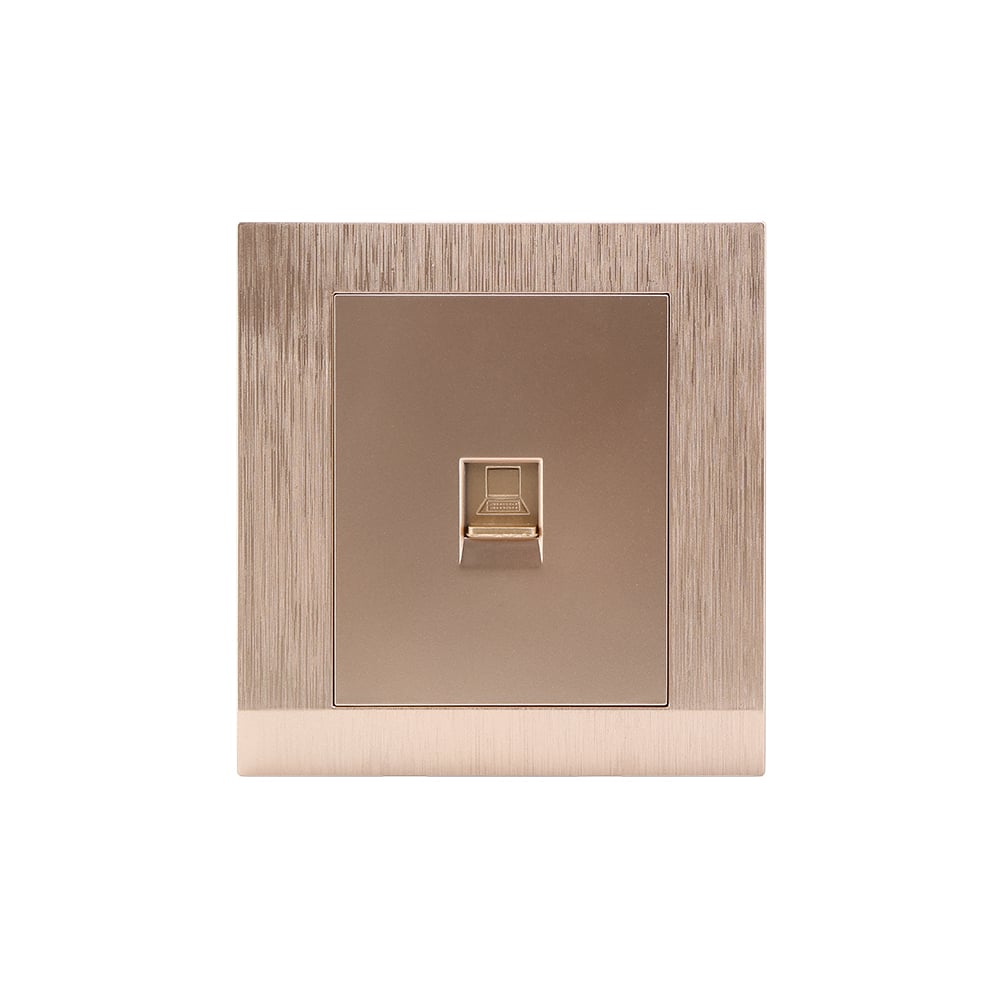
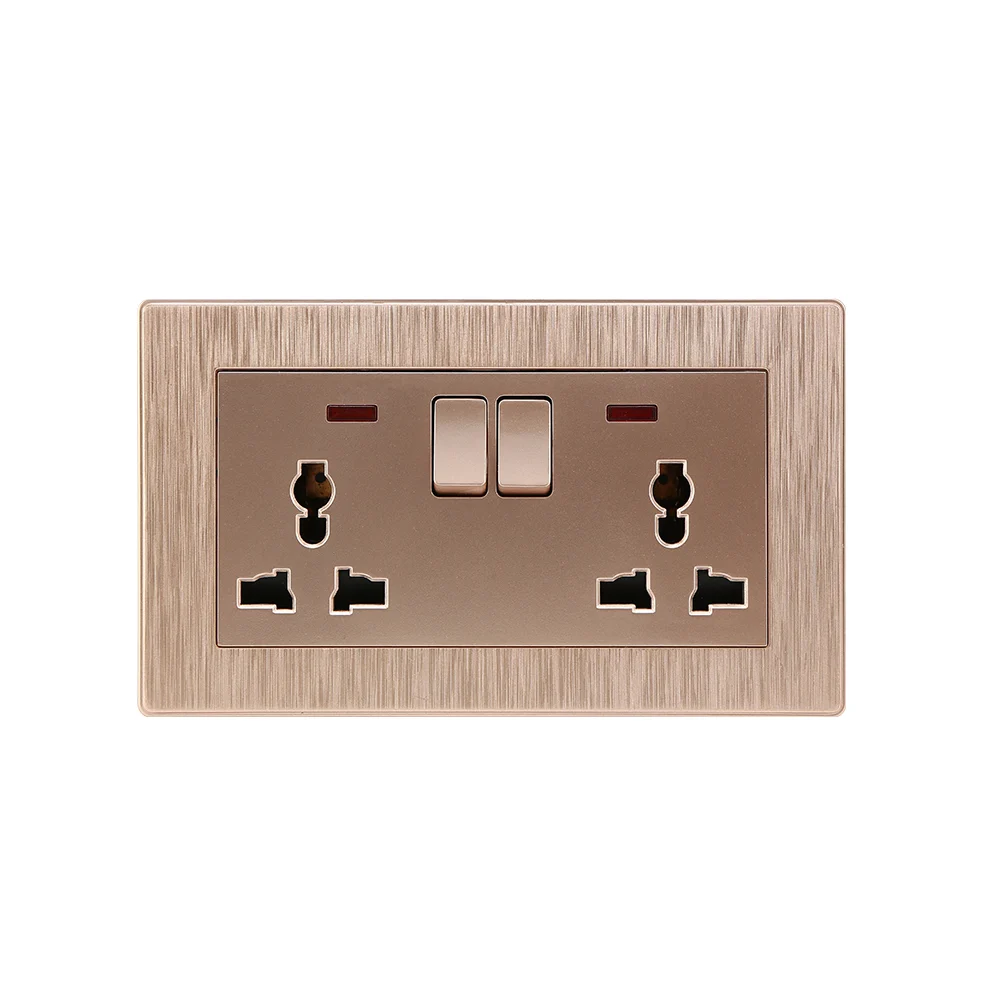
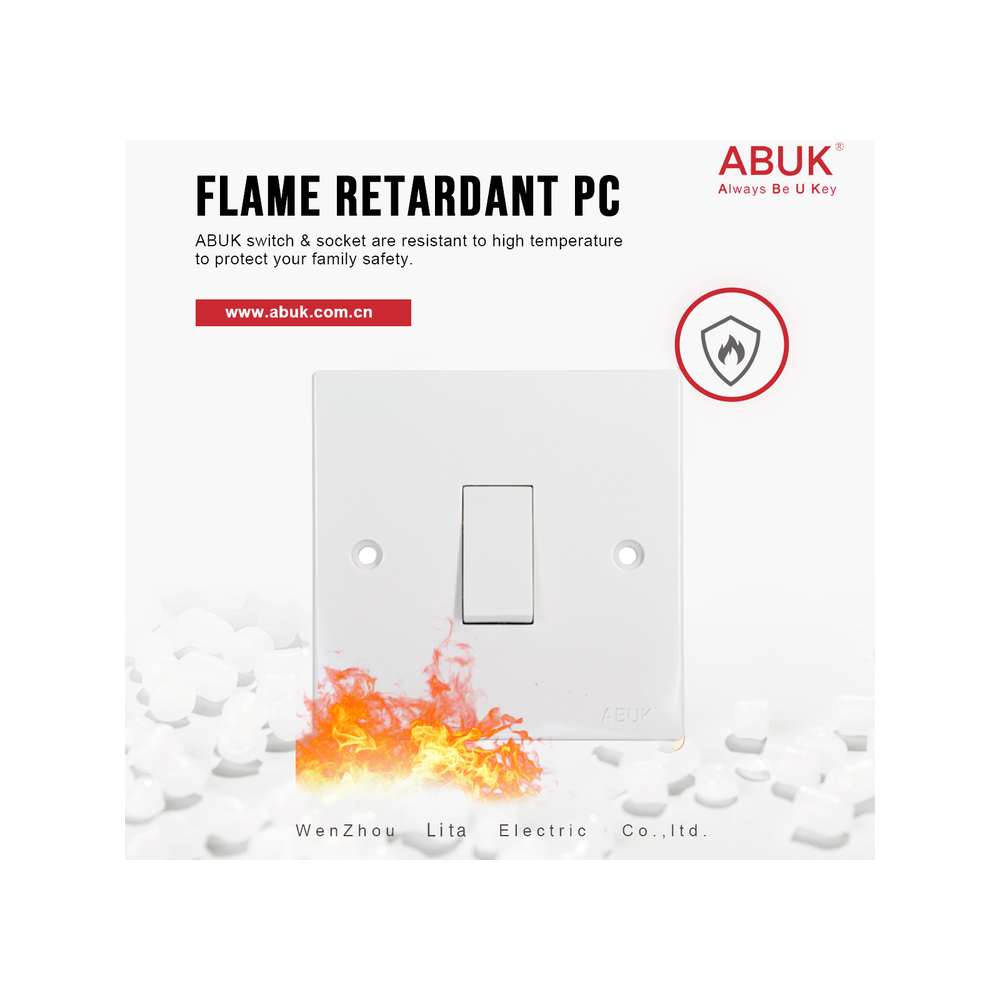
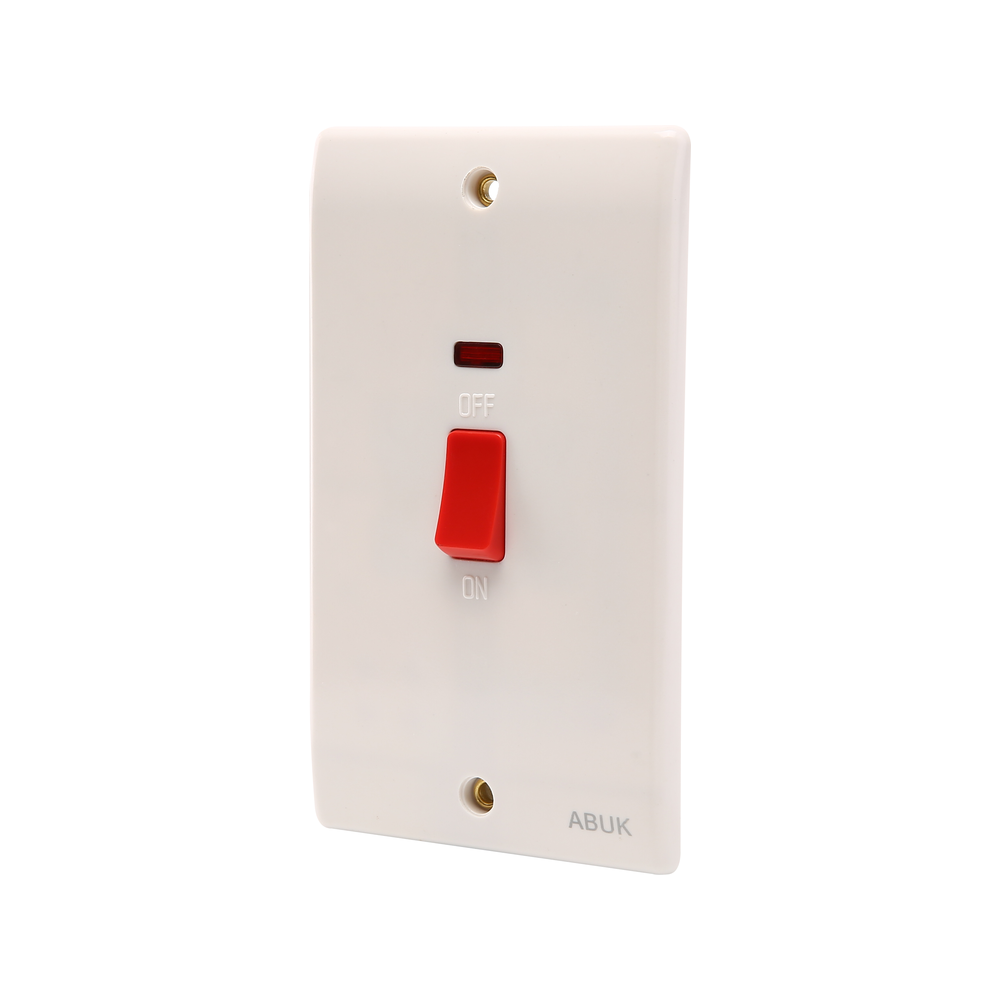
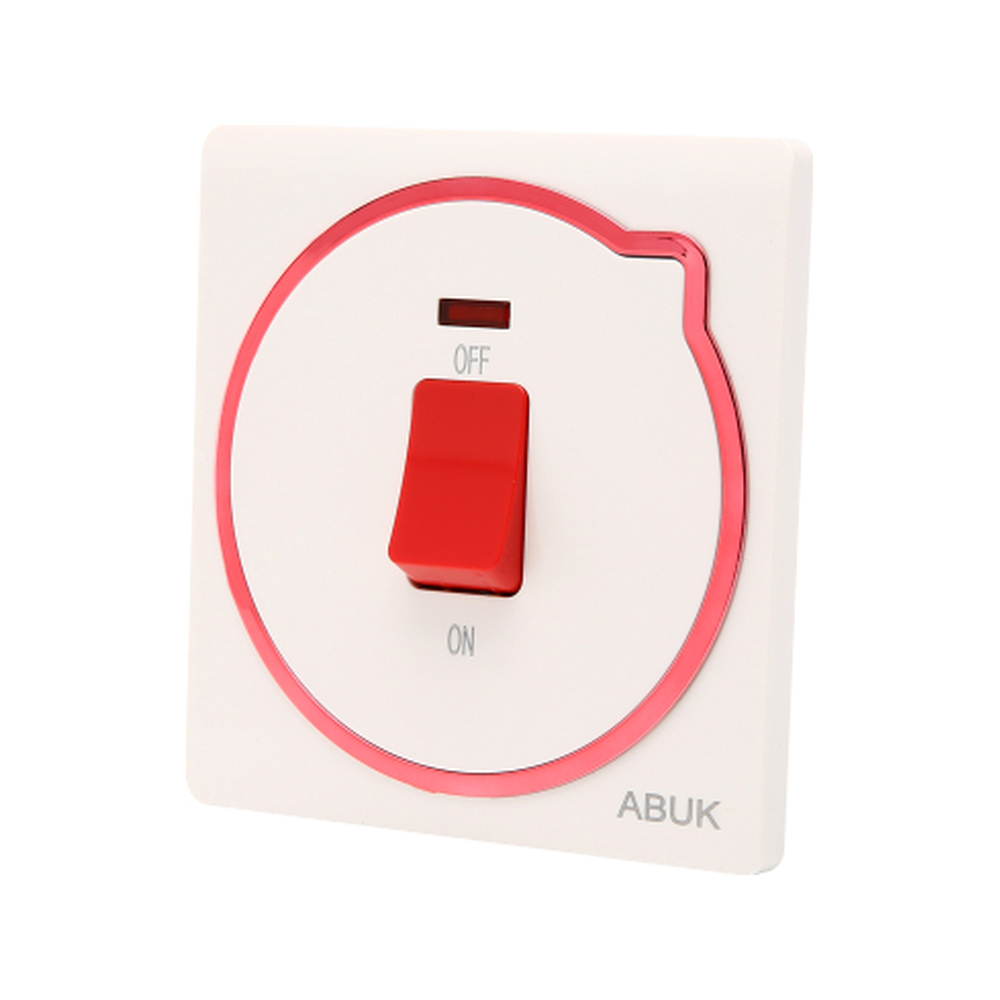
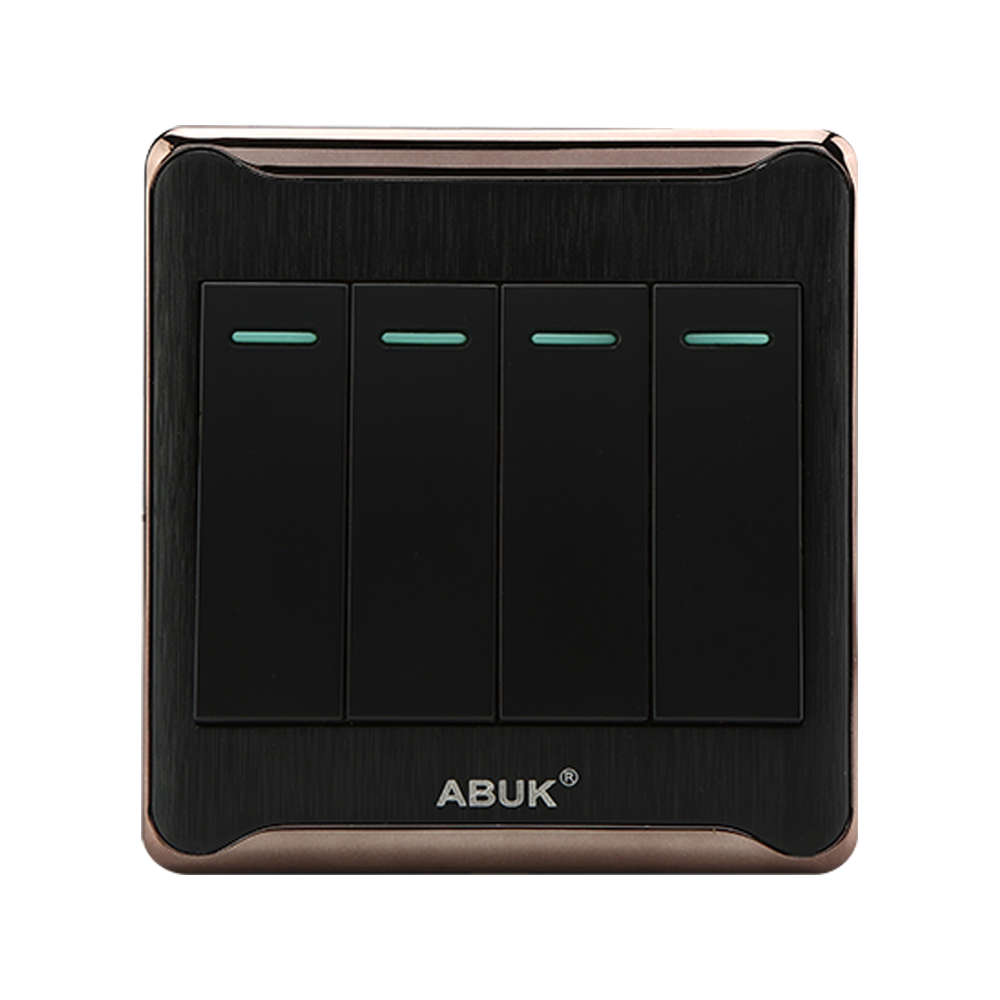
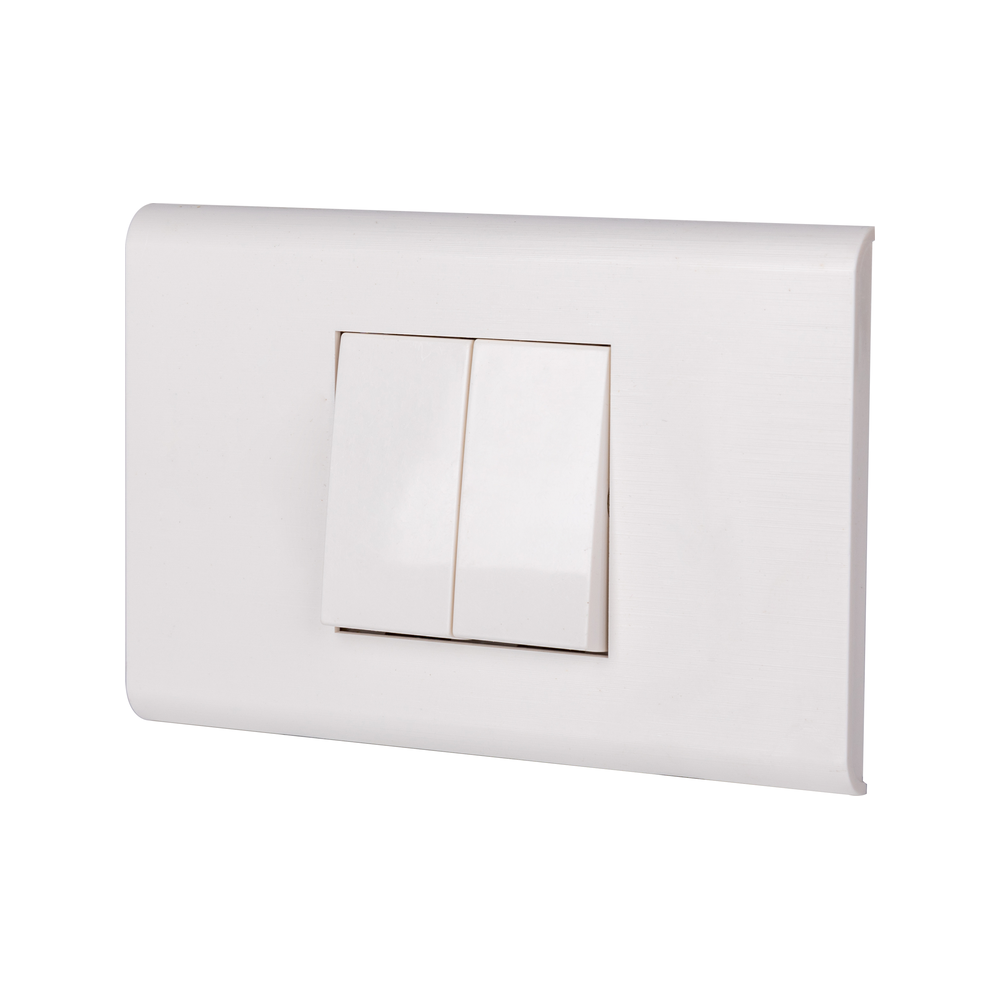
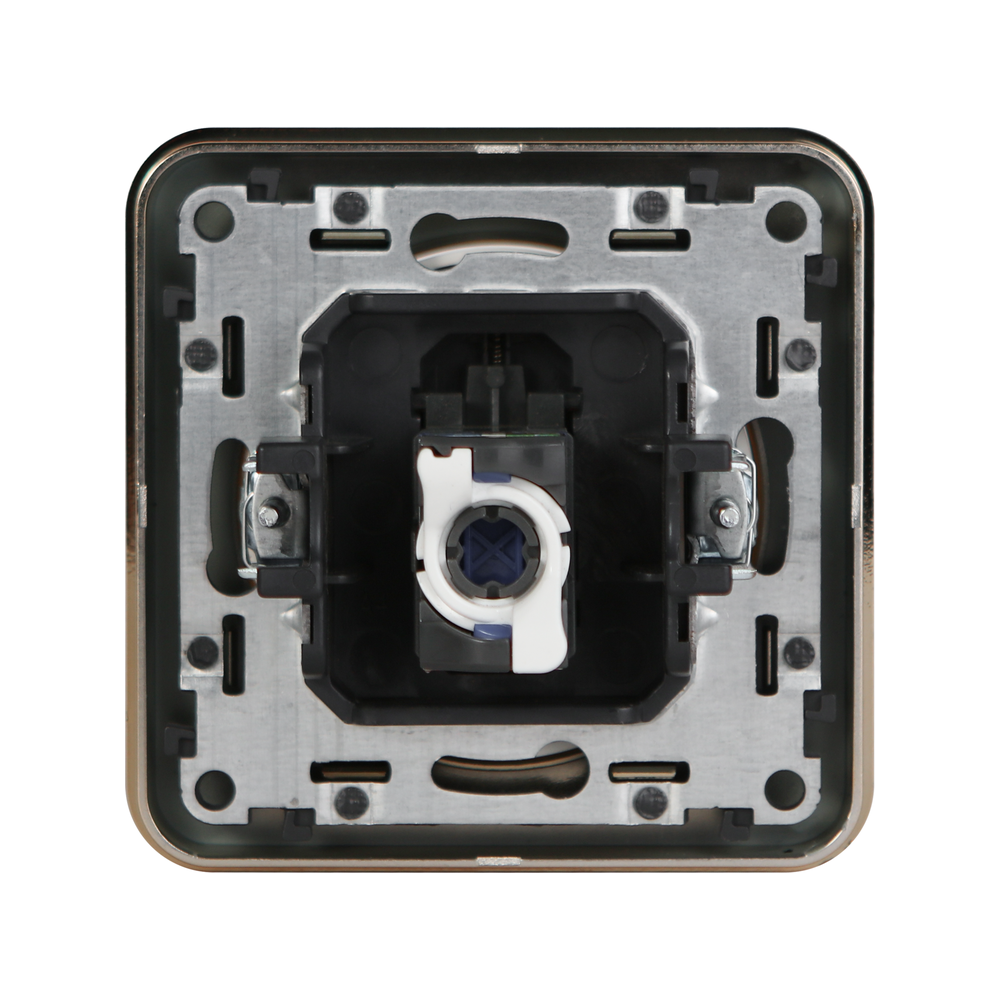
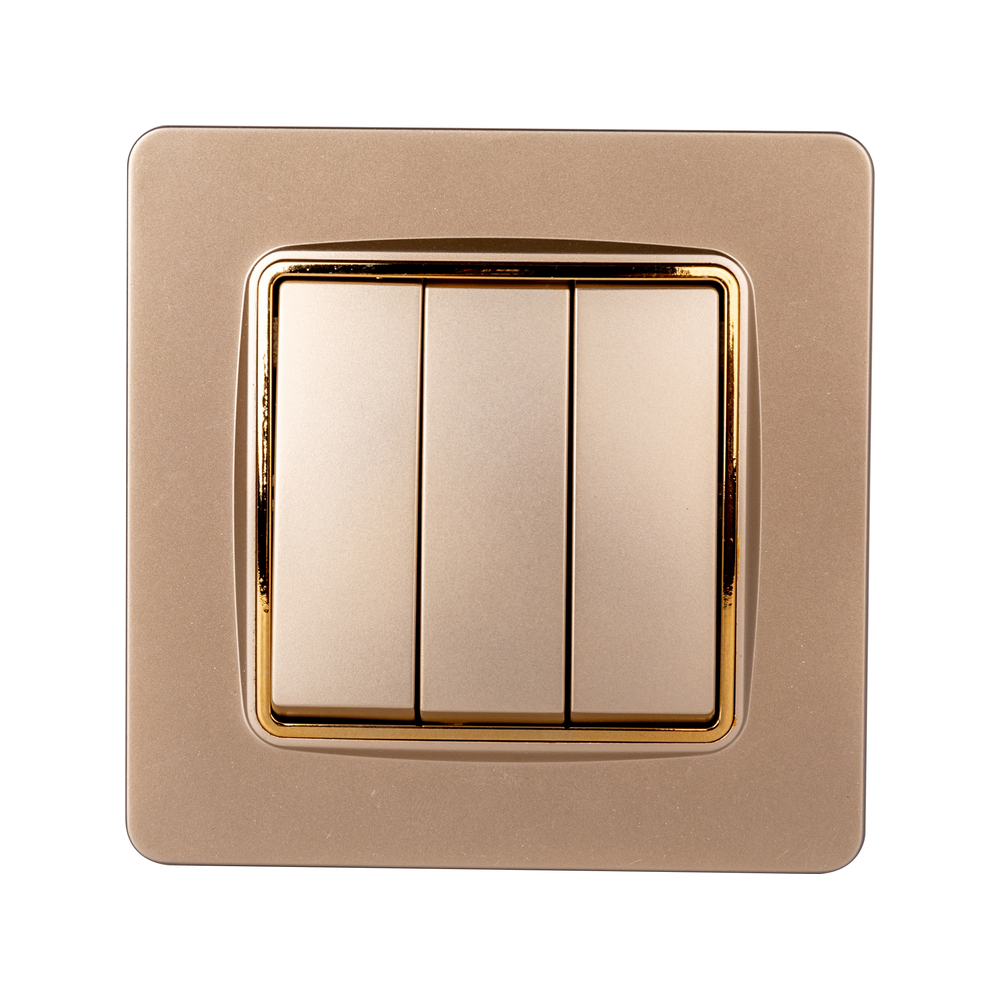
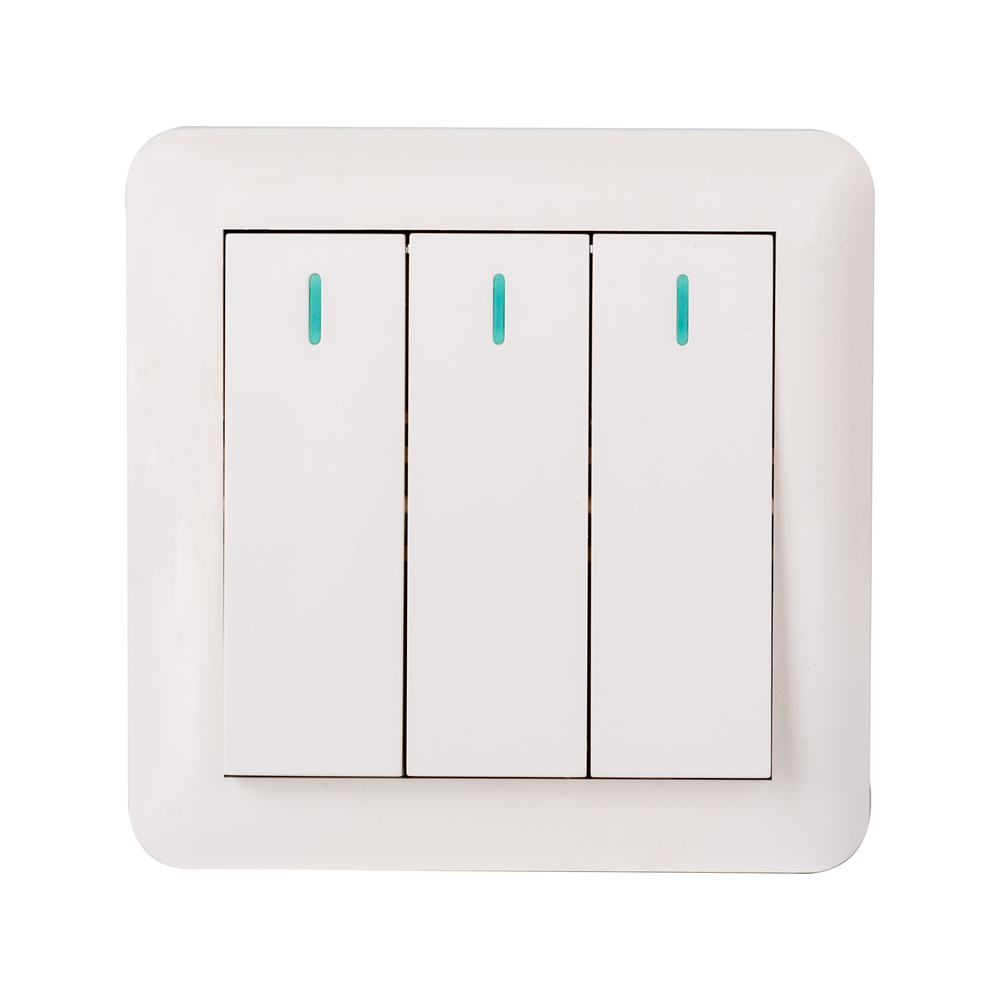
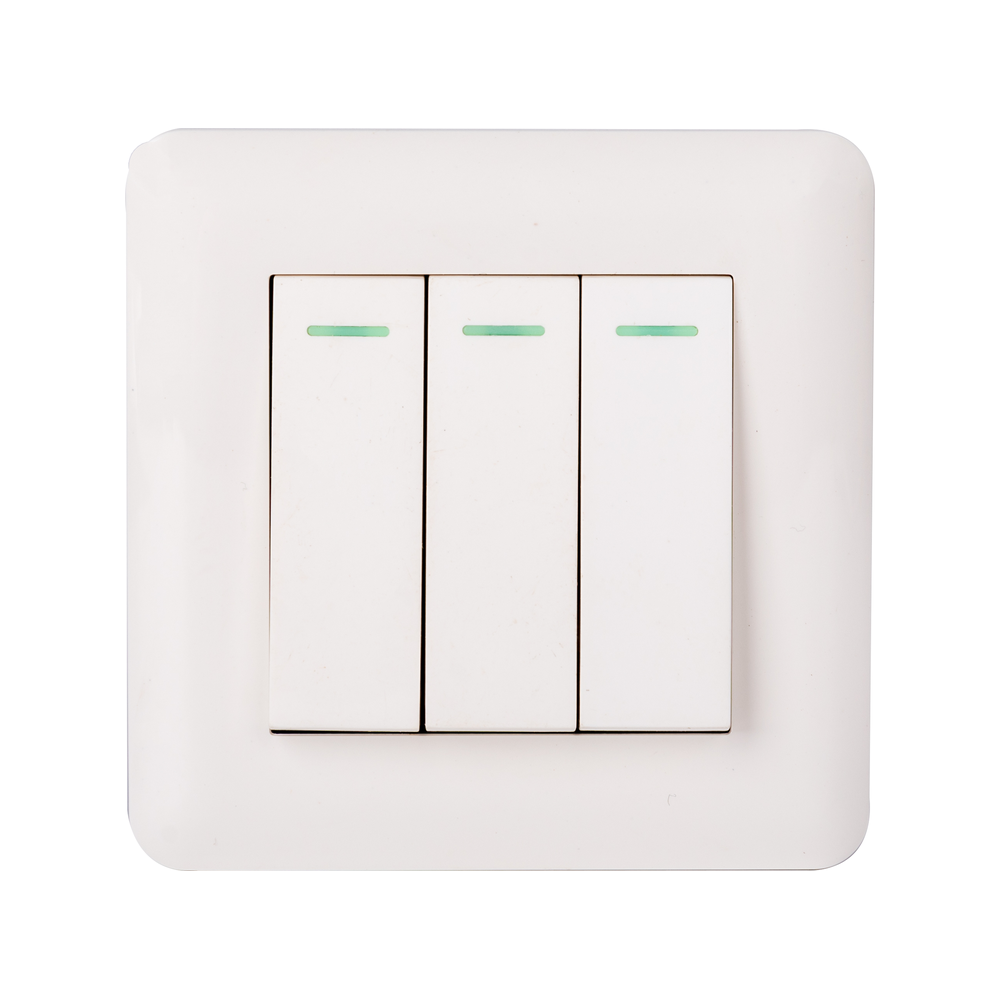
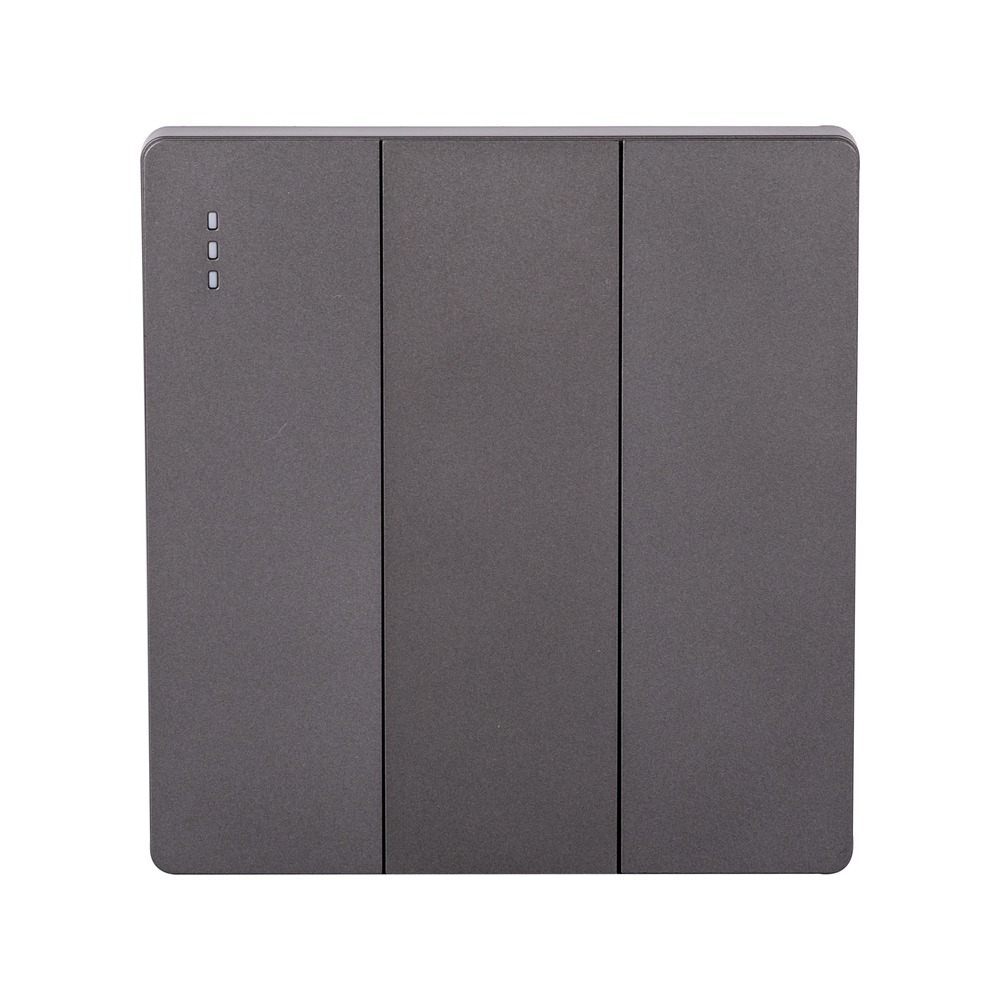
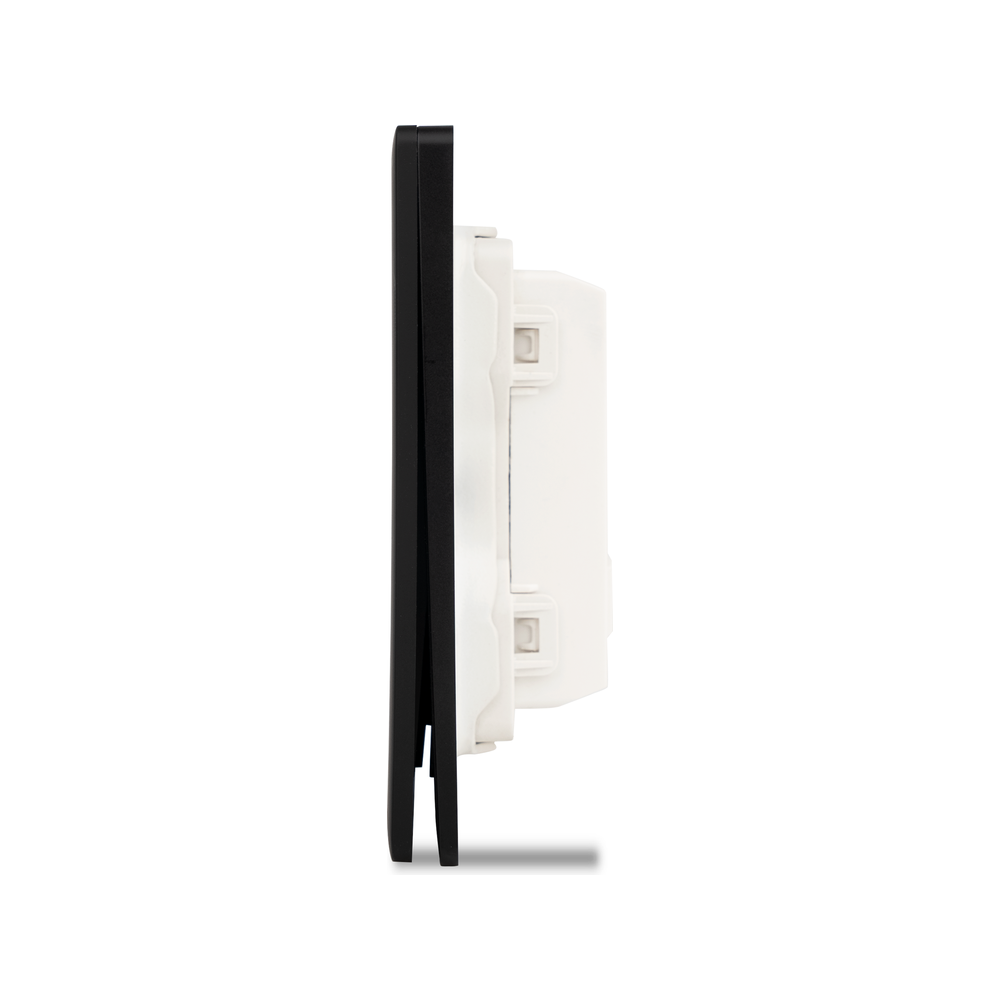
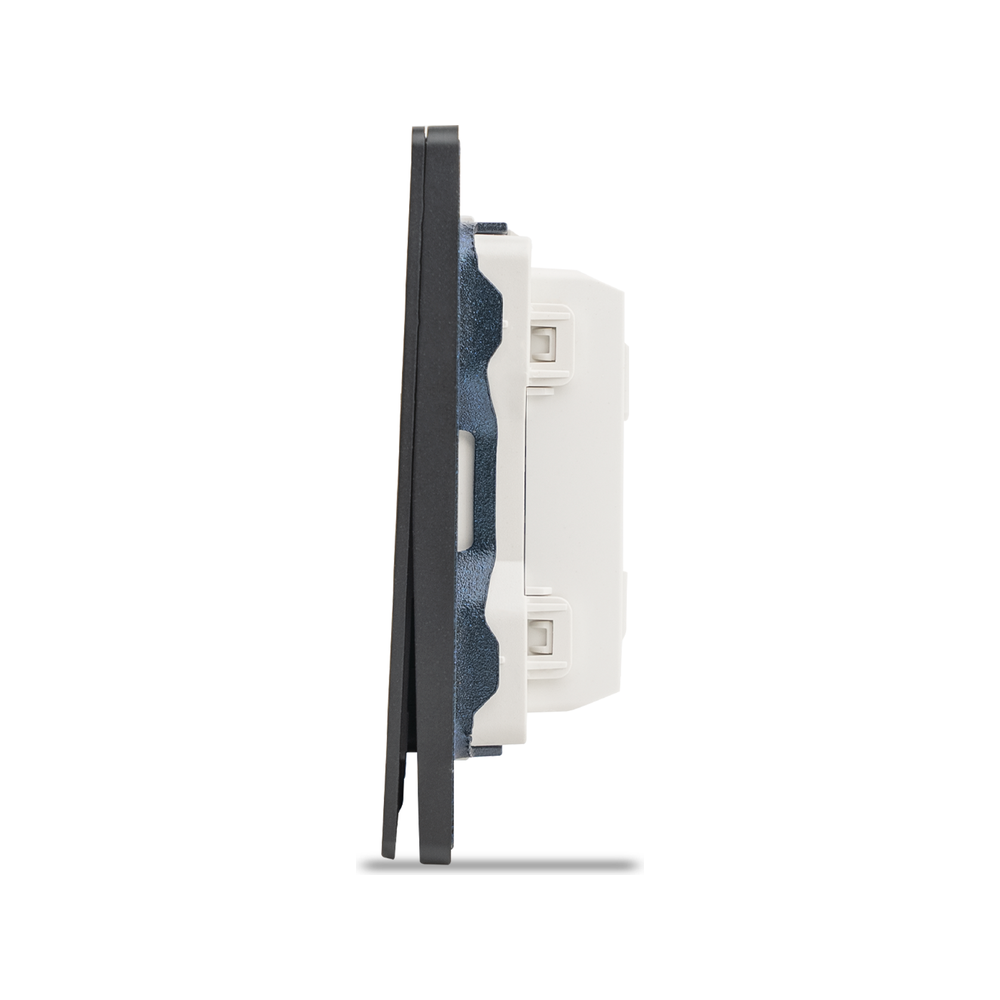
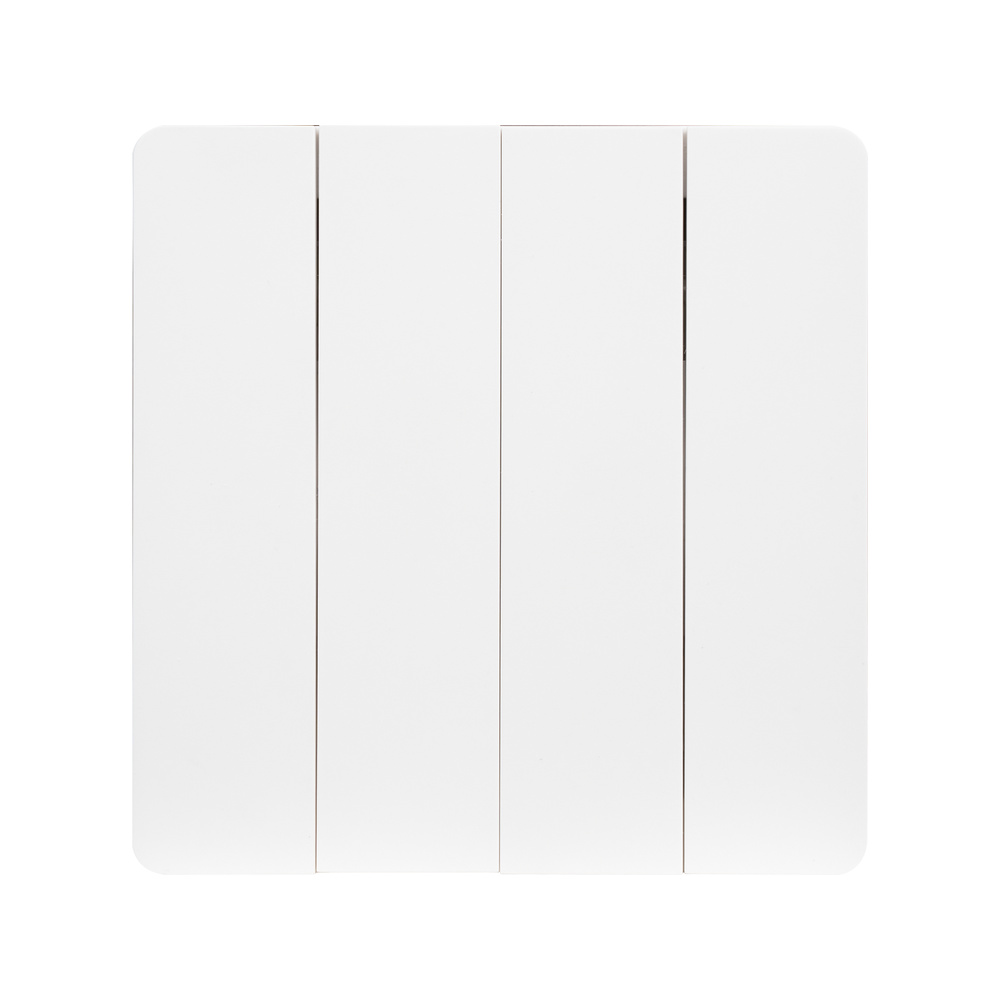
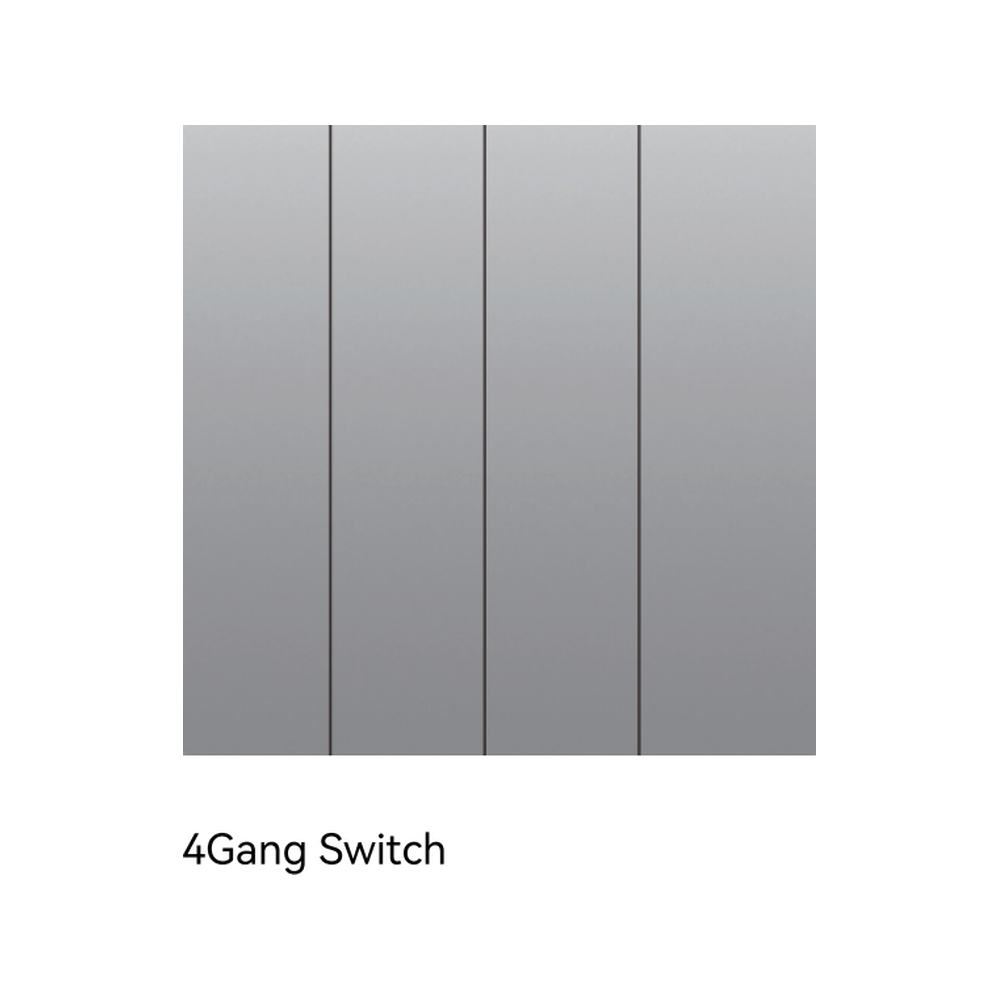
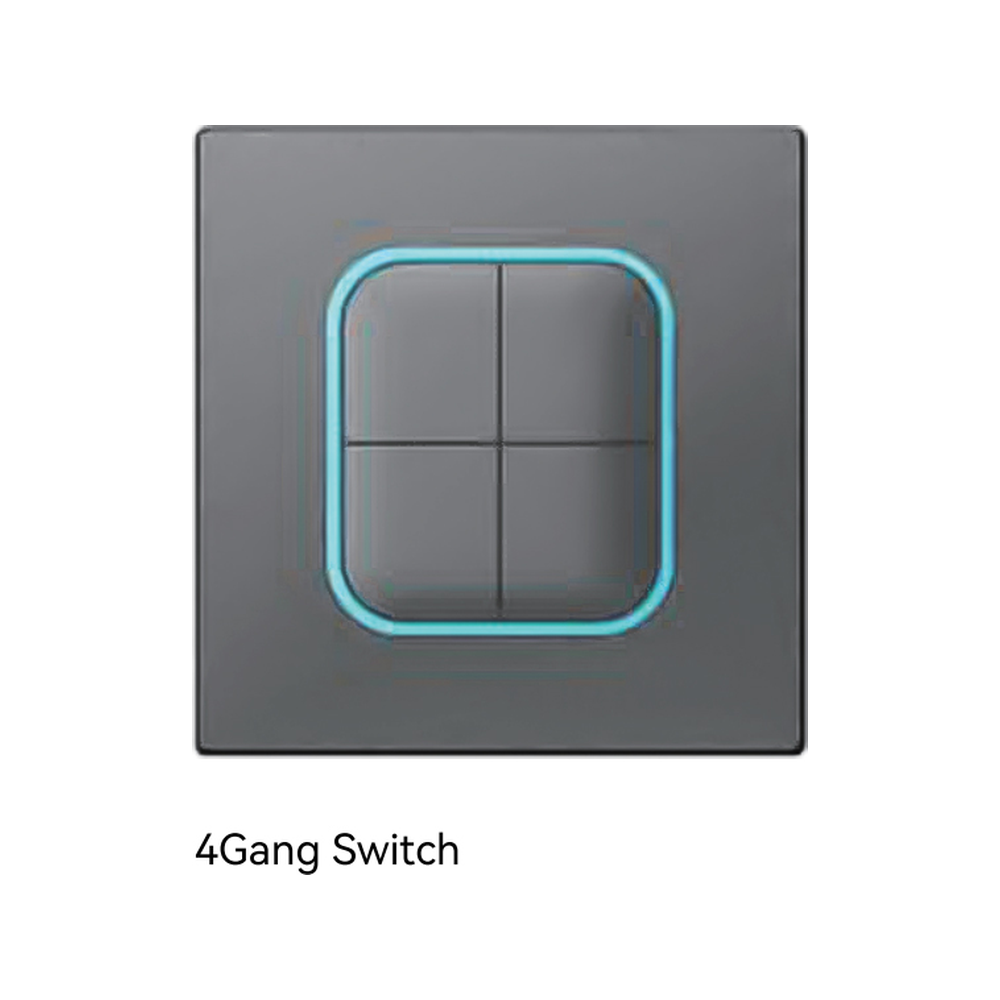
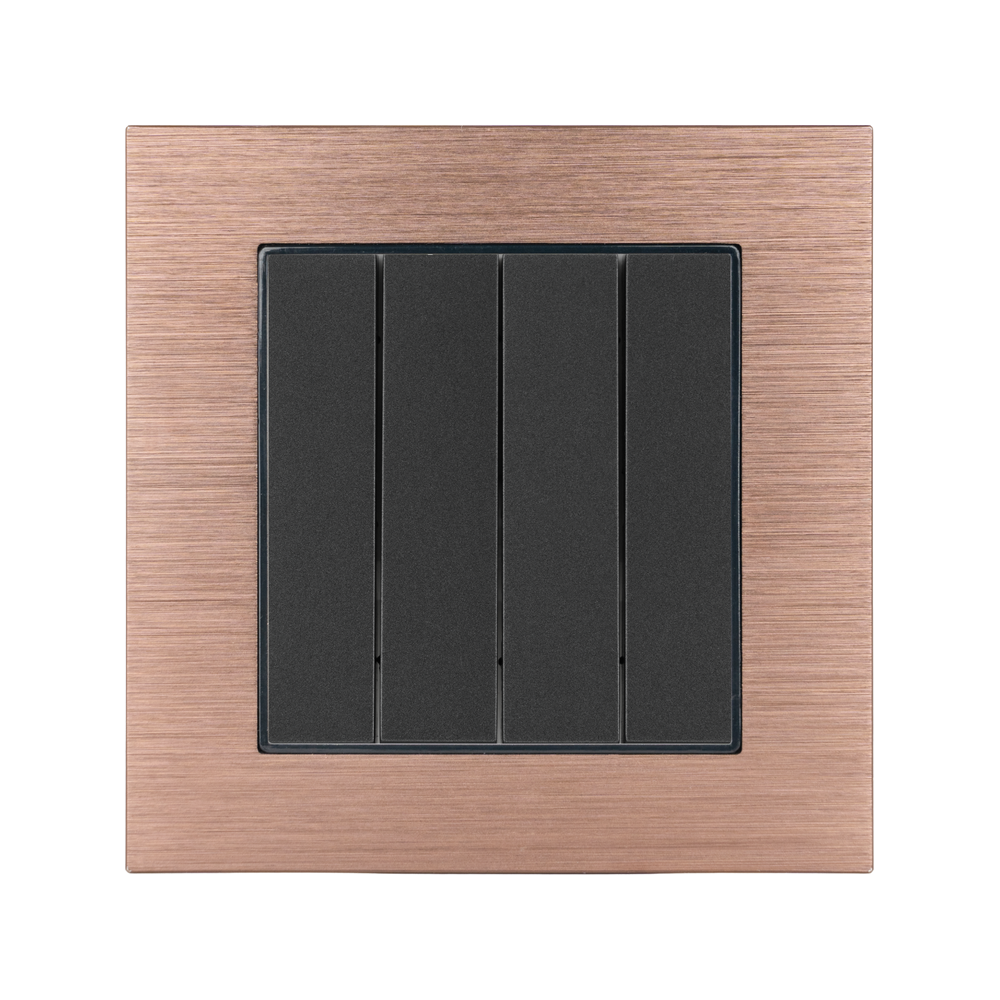
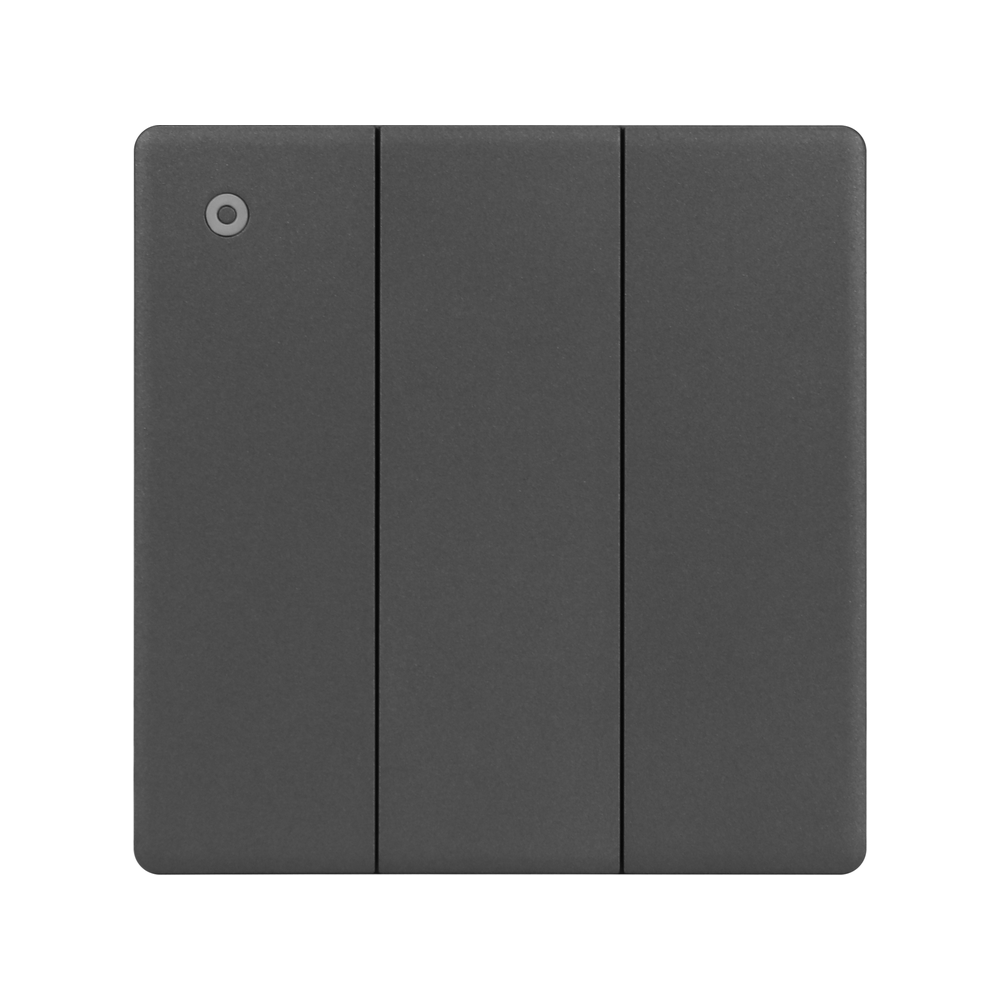
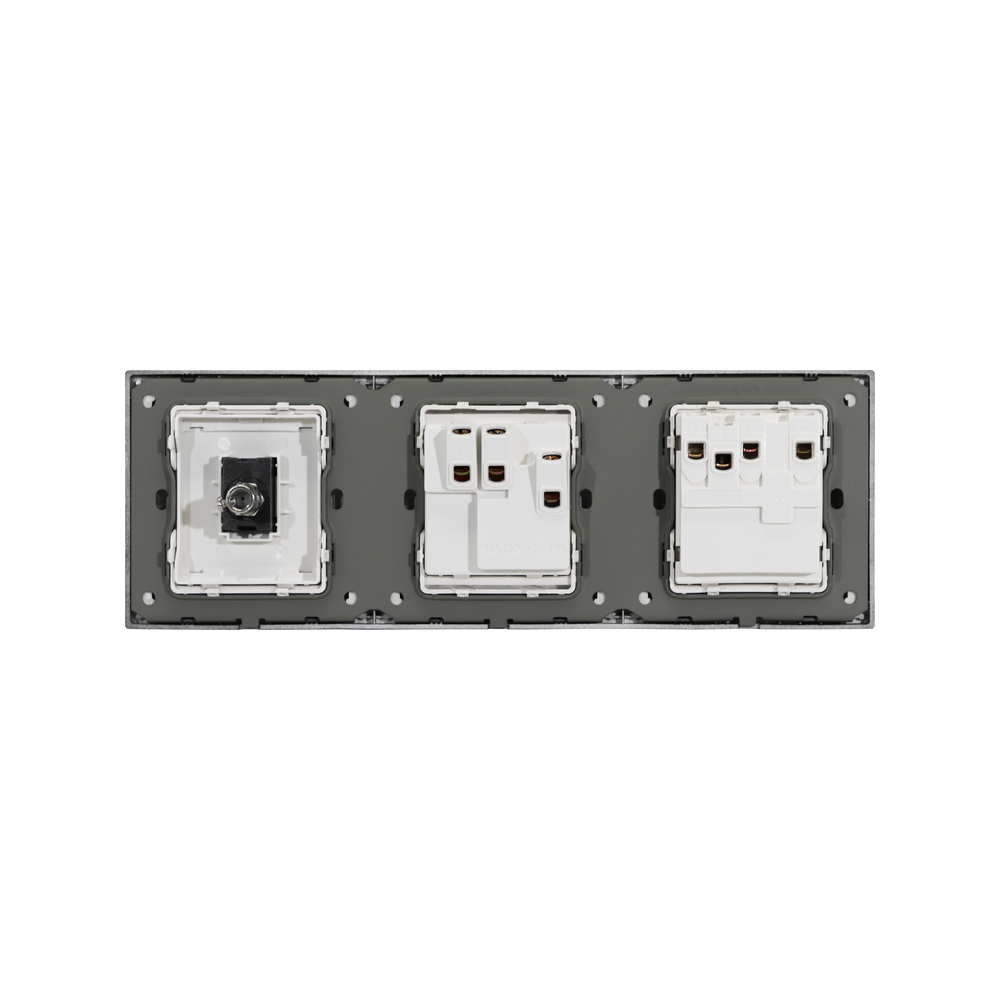
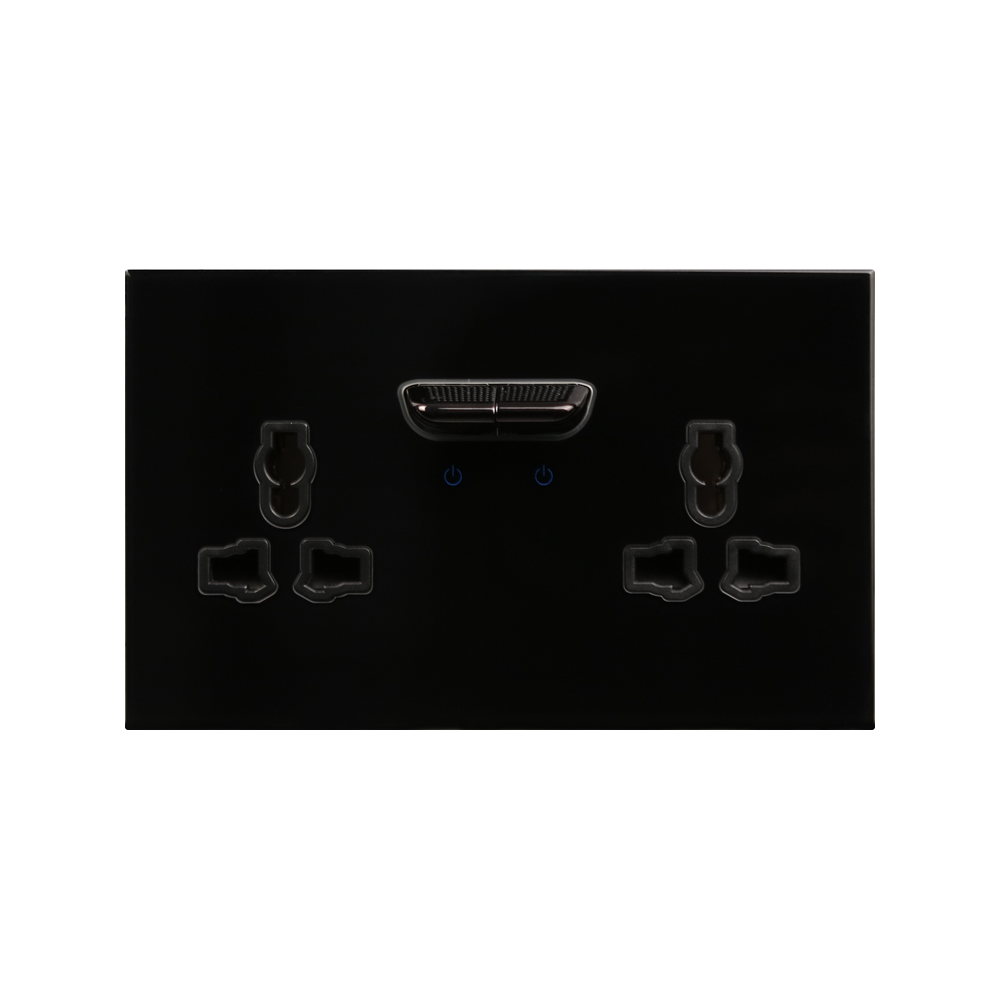
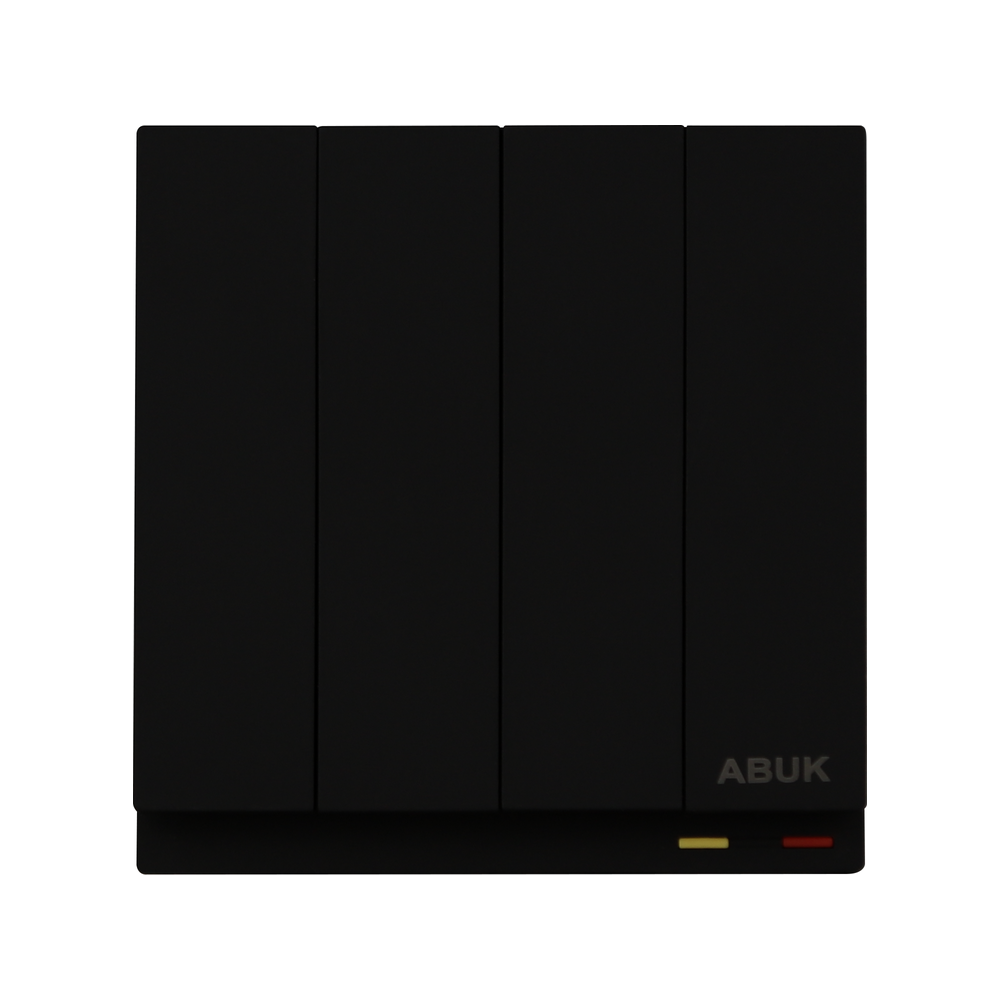
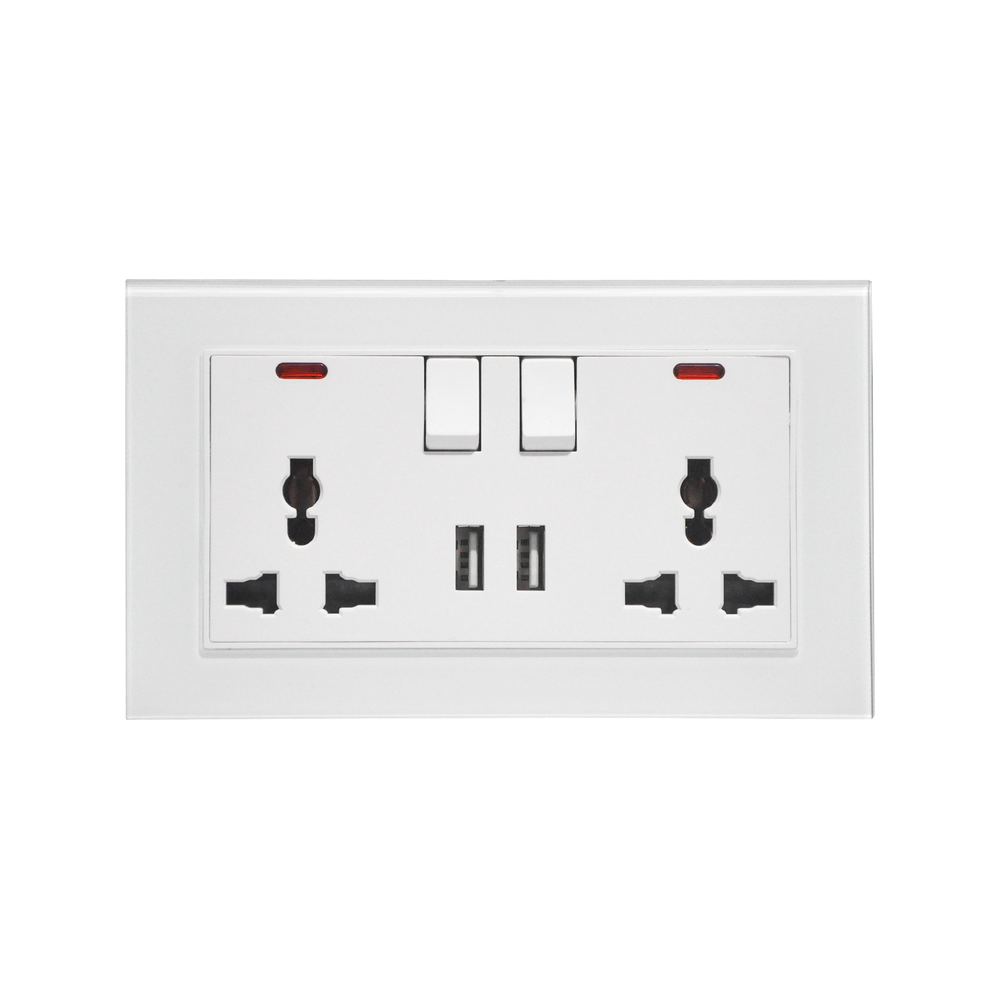
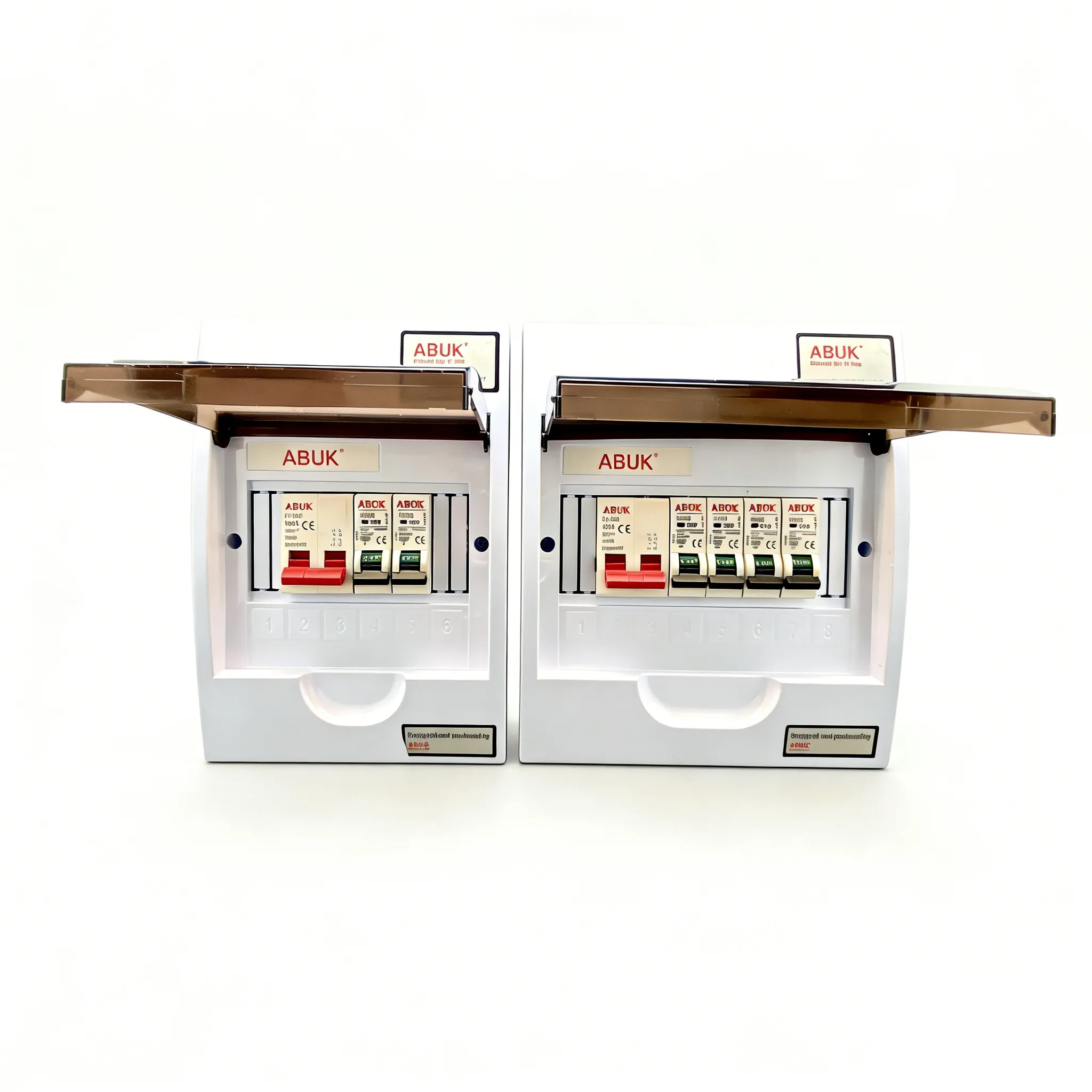
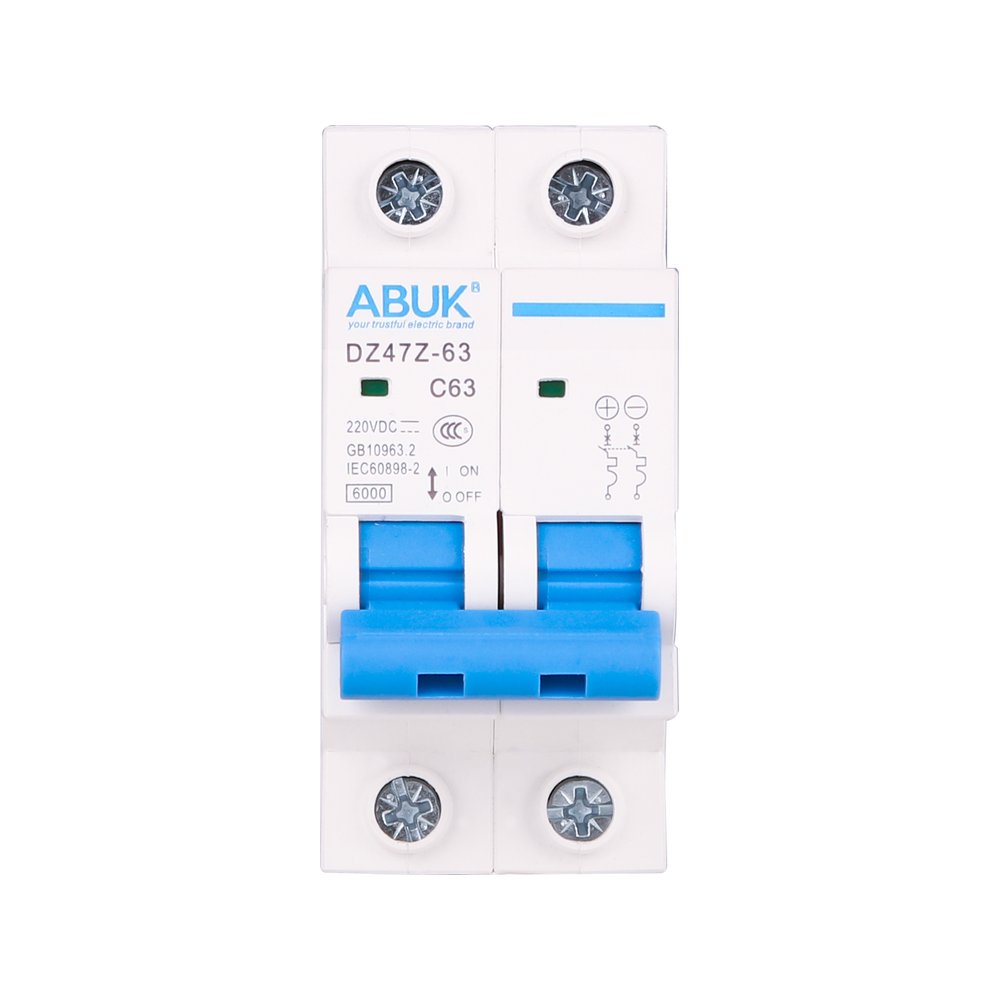
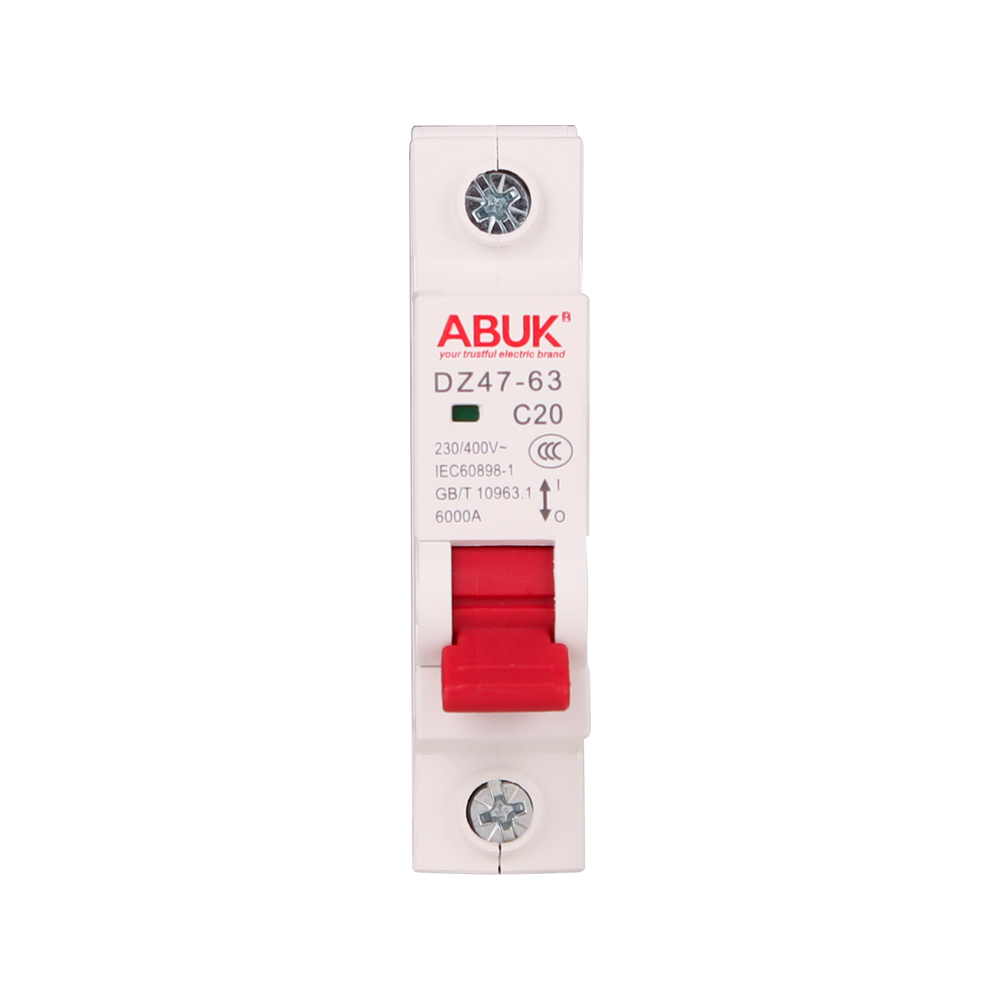
| ABUK | Wall-switch and socket options that can be reviewed against a buyer’s schedule, finish, and documentation brief | OEMs, importers, project buyers, and distributors evaluating configurable supply | Indicative/quote-dependent; request a model-specific quotation for the destination market |
Price positioning in this table is directional only; it is not a published price comparison. Exact models, destination standards, markings, test scope, lead time, and availability must be verified before approval. A lower unit quote can be offset by adapter changes, non-matching plates, special packaging, re-testing, or a second installation visit.
Build a room-by-room application schedule
| Solicitud | Typical device decision | Verificación de clave |
|---|---|---|
| Living room | Standard receptacles plus selected dimming or smart control | Furniture plan, multi-way switching, and LED compatibility |
| Cocina | Code-appropriate protected receptacles and task-lighting controls | Adopted GFCI rules, appliance load, and splash-zone layout |
| Bathroom or laundry | Protected receptacles suited to the location | Local protection rules and accessible testing |
| Home office | Standard and USB charging points; optional smart control | Desk layout, data-equipment loads, and network policy |
This turns “modern” from a finish preference into an installable brief and lets buyers rationalize modern home outlets by use case. It also gives the installer a controlled basis for counting boxes, plates, modules, and spare units.
Use standards and documentation in the correct scope
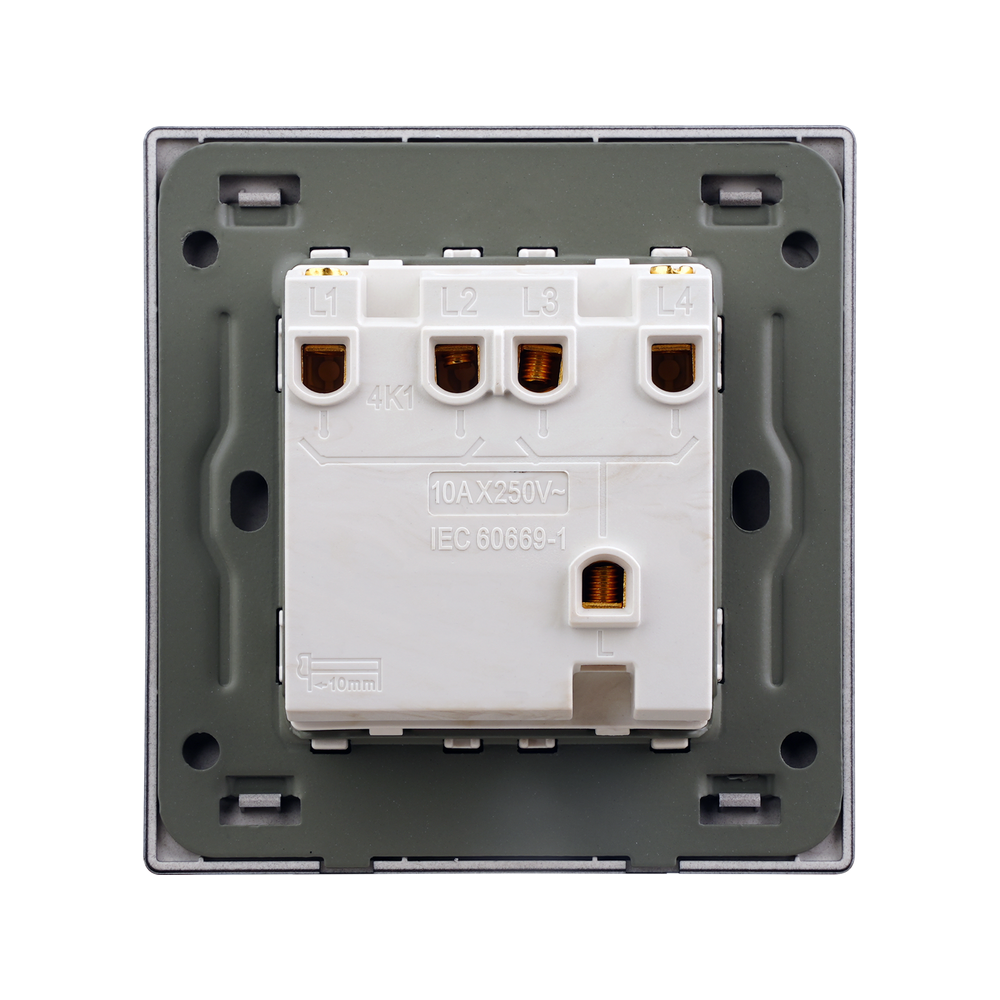
IEC 60884-1 addresses household plugs and socket-outlets, and IEC 60669-1 household fixed switches. In the United States, NFPA 70/NEC is an installation code adopted by jurisdictions, while UL 498 covers attachment plugs and receptacles and UL 943 covers GFCIs. A standard is not automatically a certificate; approval depends on market, construction, installation, and claims.
For cross-border supply, request model-specific documentation, markings, test scope, and destination-market suitability. Unsupported CE, RoHS, GCC, UL, or code-compliance claims can delay a project and create corrective work. Ask who is responsible for final installation approval and whether the supplied configuration matches the adopted standard, rather than relying on a generic catalogue statement.
How to specify the right devices
- Use a circuit and room schedule to compare electrical switches and outlets by voltage, amperage, grounding, location, and controlled load.
- Separate mandatory safety protection from optional USB, smart, and aesthetic features.
- Confirm plate format, box depth, termination, neutral availability, and multi-way requirements before tender.
- Request model-specific documentation for the intended market, including applicable test scope and markings.
- Order a sample or first article where appearance, fit, or smart-control interoperability could affect handover.
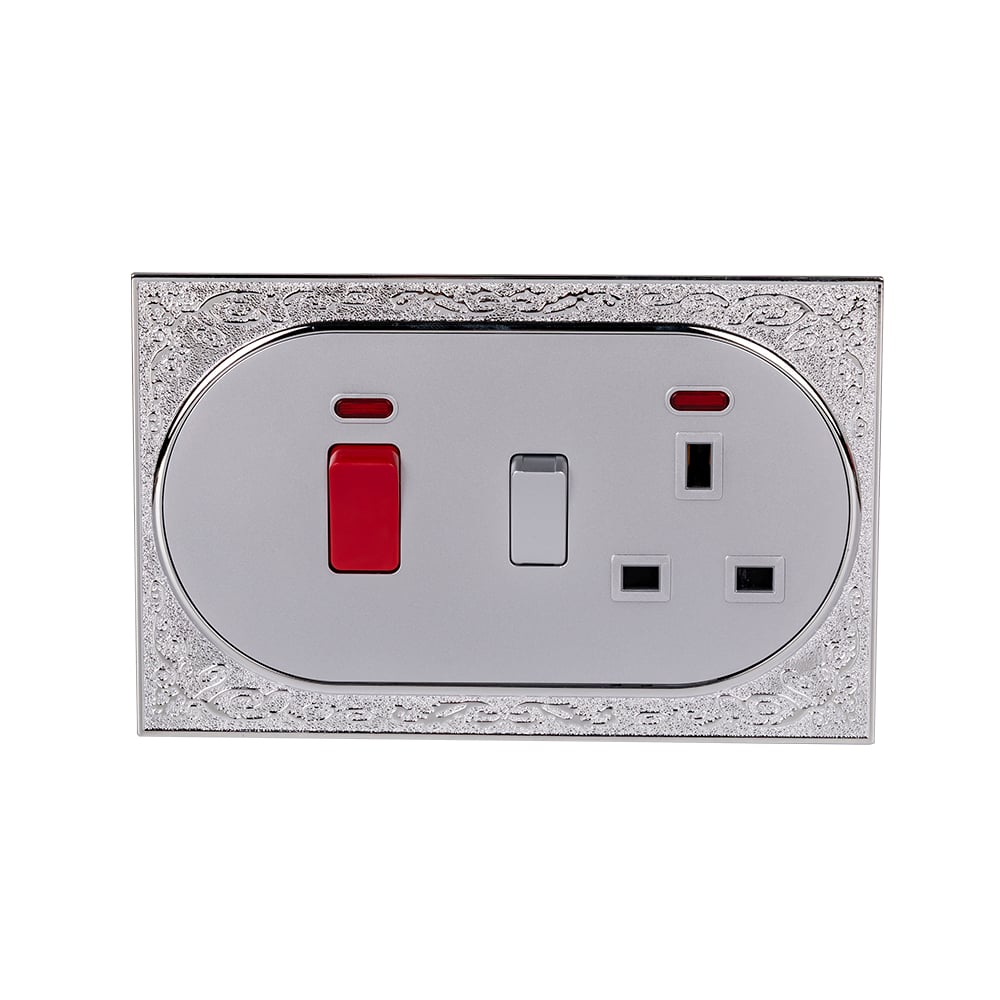
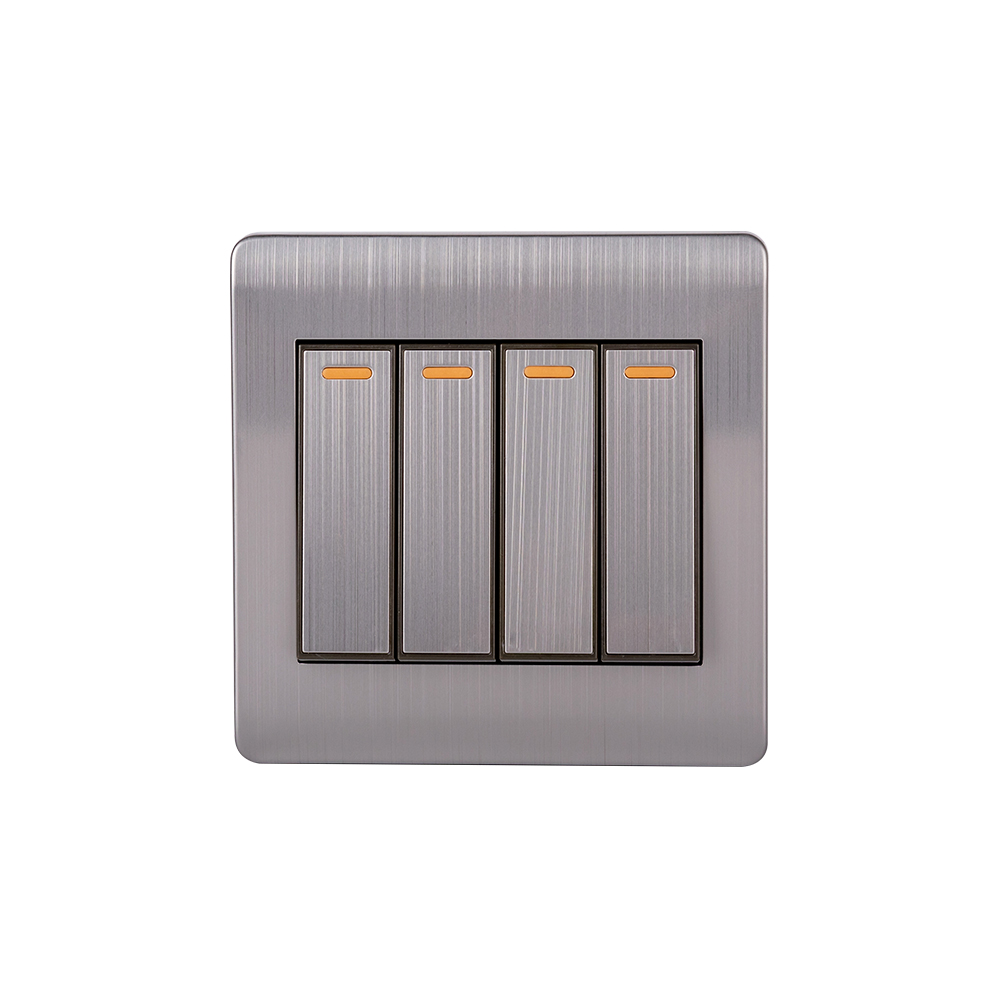
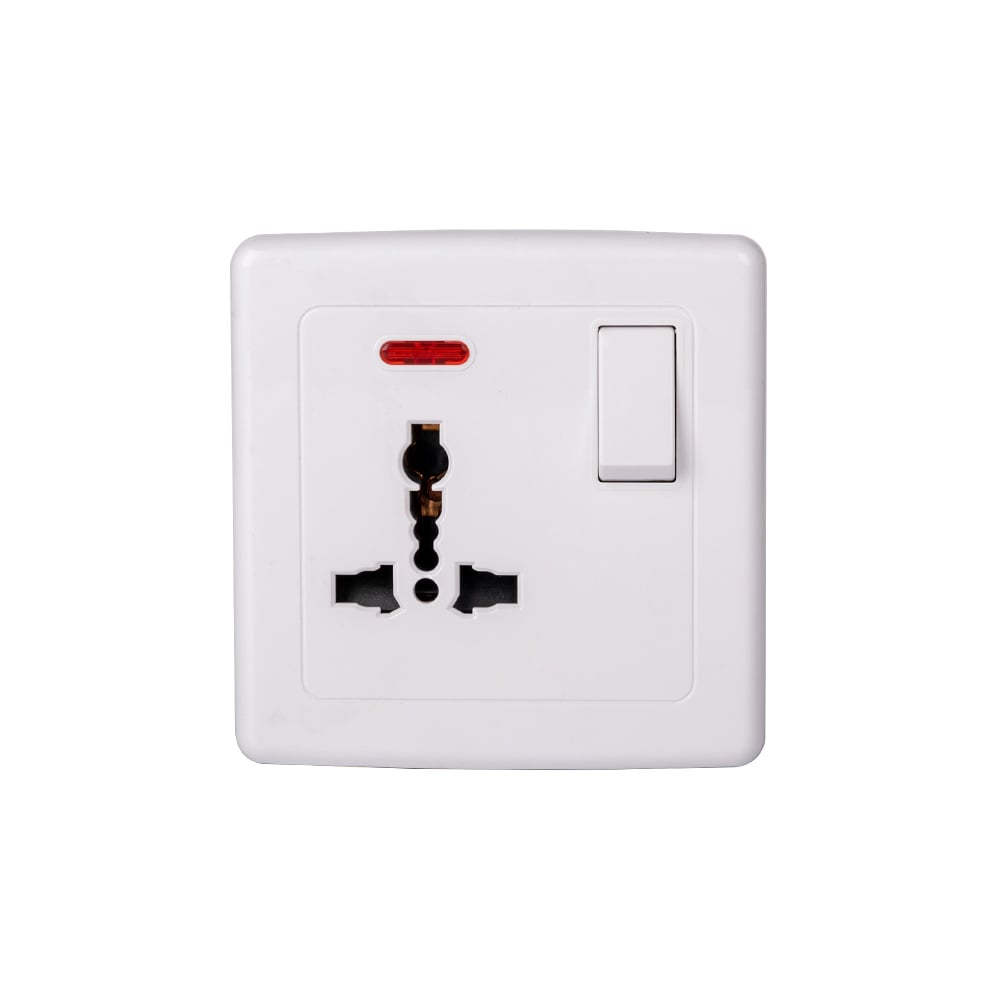
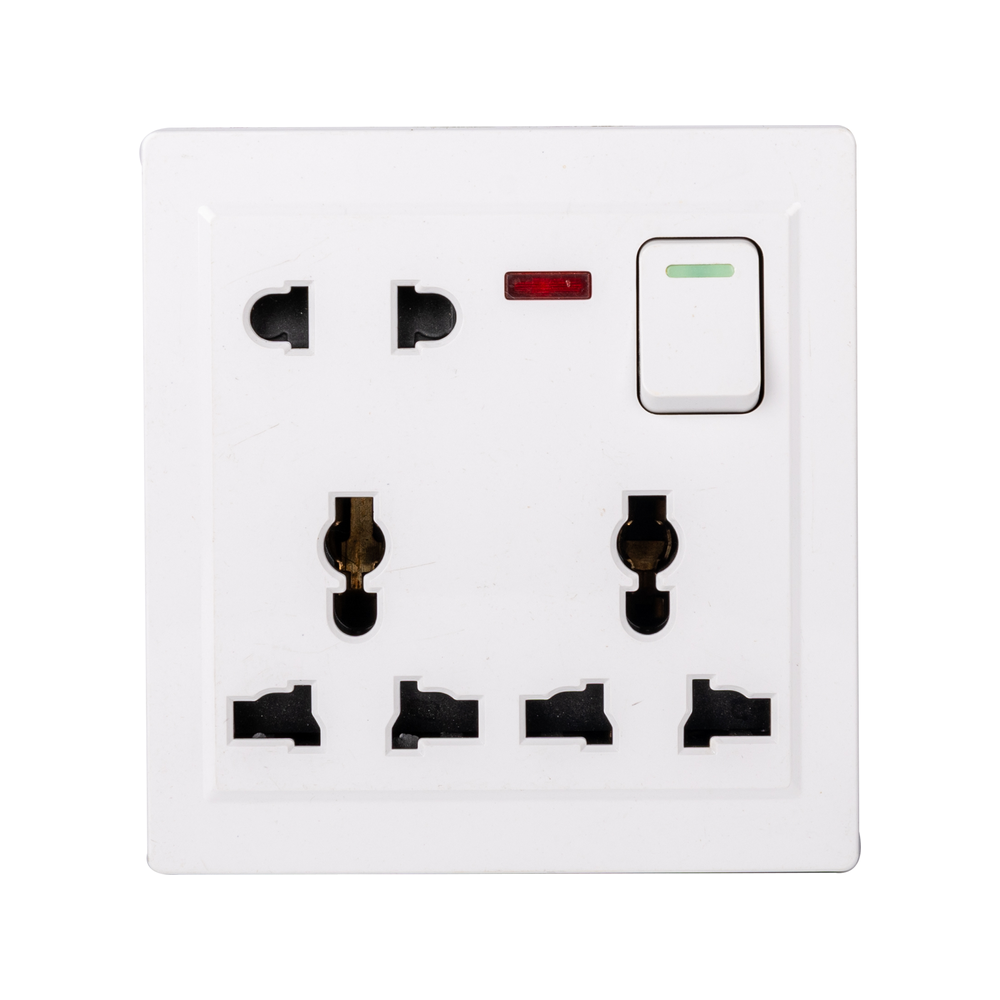
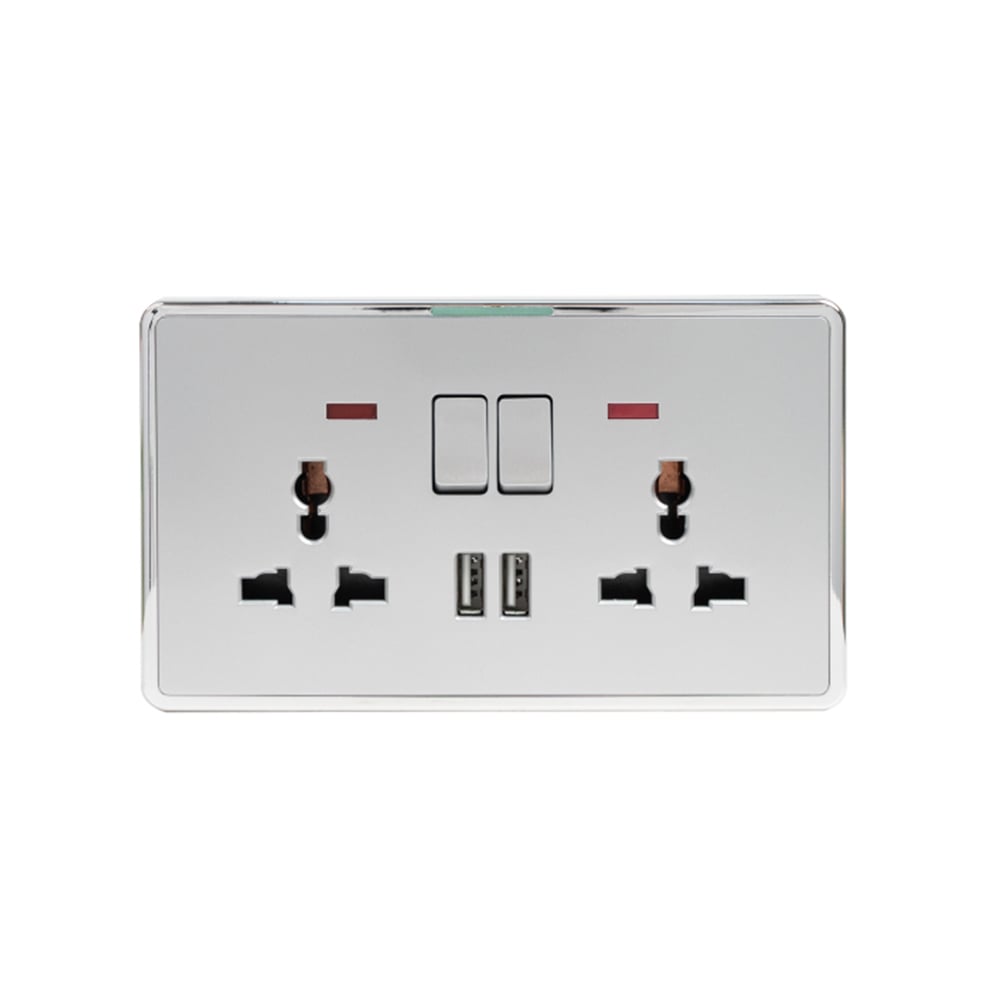
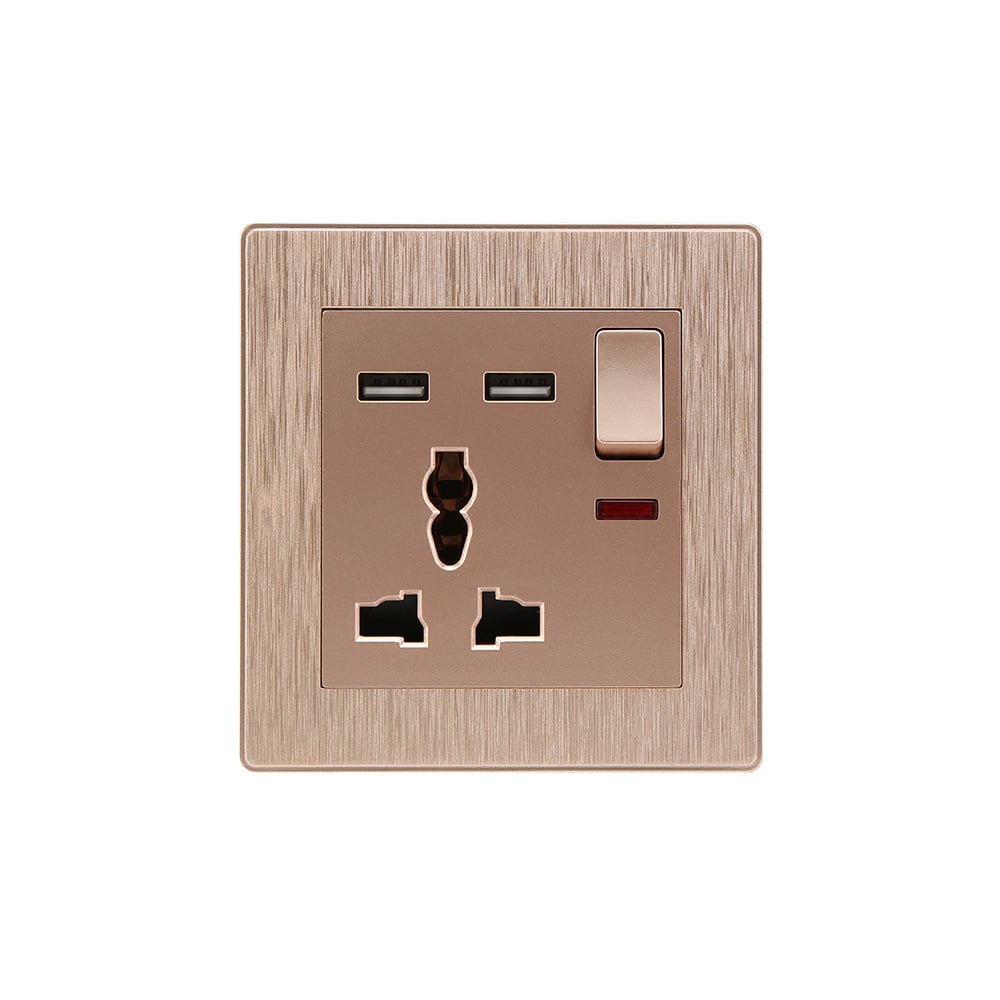
For buyers seeking configurable wall-device options, ABUK wall switches and sockets can be reviewed against the project schedule after the electrical requirements are fixed. Ask for the exact model documentation and confirm destination standards, availability, and lead time; CE, RoHS, and GCC references should be verified for the applicable model rather than assumed across a range.
Preguntas frecuentes
What are the different types of electrical switches and outlets?
Common switches include toggle, rocker, push-button, dimmer, multi-way, timer, and smart-control types. Receptacles include standard grounding, GFCI, USB charging, and application-specific configurations. Select electrical switches and outlets by circuit, location, load, and adopted code, then verify the exact regional format.
Which outlet is best for a modern home?
There is no single best outlet for every room. A mix of standard, protected, USB, and selectively smart devices serves modern home outlets better than a one-type specification. Start with safety and ratings, then add predictable convenience that matches furniture, appliance, and network plans.
Should every home have GFCI outlets?
Homes should have GFCI protection where the locally adopted electrical code requires it, especially in higher-risk locations. Exact locations and permitted protection methods depend on jurisdiction and code edition; a qualified electrician should verify the plan and test access.
How often should wall outlets be replaced?
Replace a receptacle when it is damaged, loose, discolored, cracked, fails testing, or no longer holds a plug securely. There is no universal interval; heat damage or repeated tripping calls for a circuit assessment, not only a face-device replacement.
How should a buyer compare outlet and switch brands?
Compare the exact model and system, not the logo alone: check fit, circuit rating, protection function, plate compatibility, documentation, destination-market requirements, and supply continuity. Request a quote and technical file for the intended volume, because indicative price positioning and availability can change by region and project.
Referencias
- NFPA 70: Código Nacional de Electricidad
- UL electrical receptacles and attachment plugs
- IEC 60884-1
- IEC 60669-1
The durable choice is the one that makes the circuit, the room, and the next service call equally straightforward.
When your schedule is ready, explore ABUK’s electrical product range y Contáctese con el equipo to discuss the applicable device configuration and documentation for your market.