
 Wenzhou Lita Electric Co., Ltd.
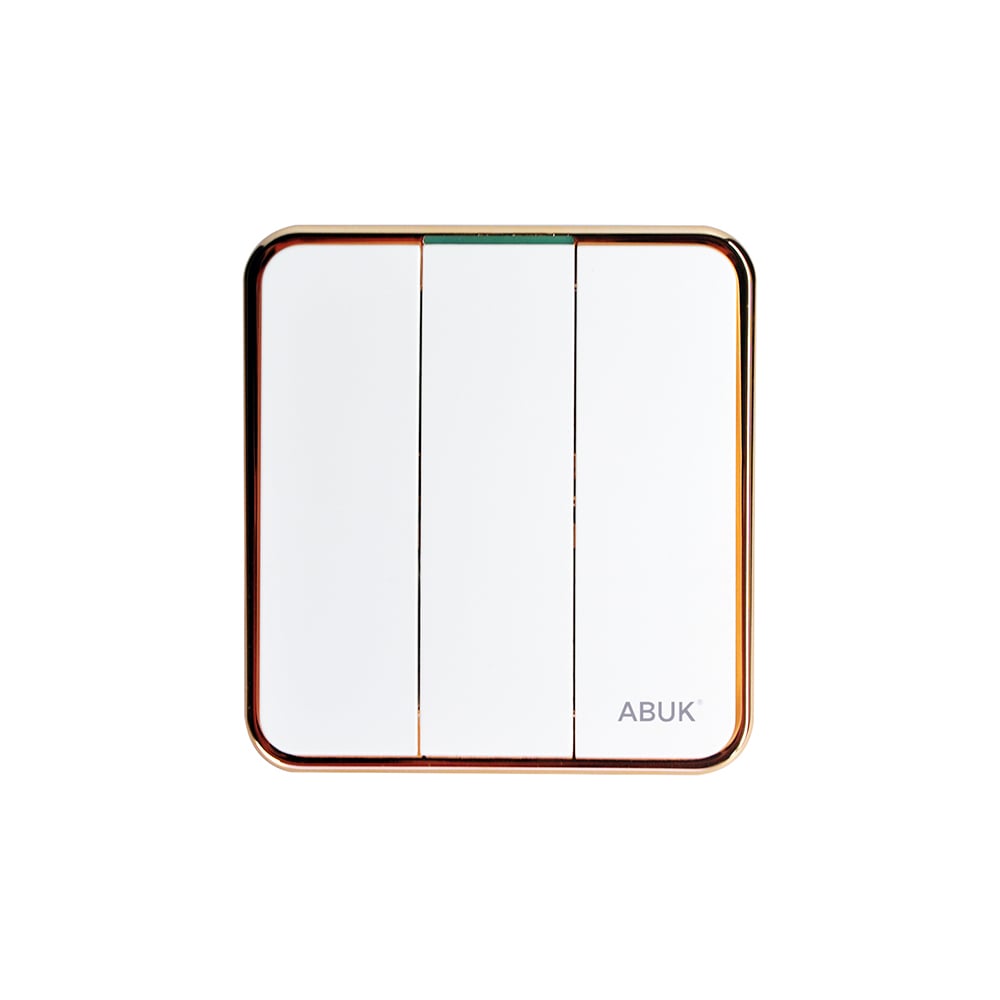
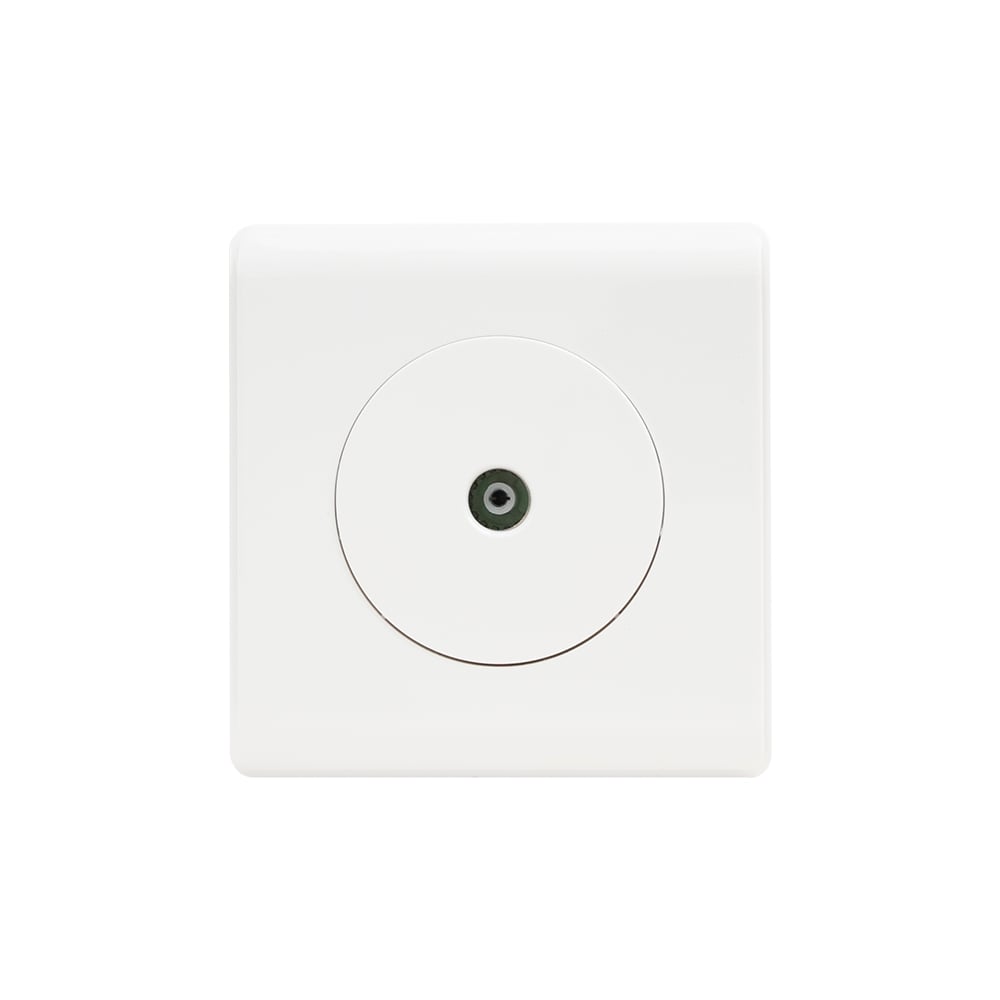
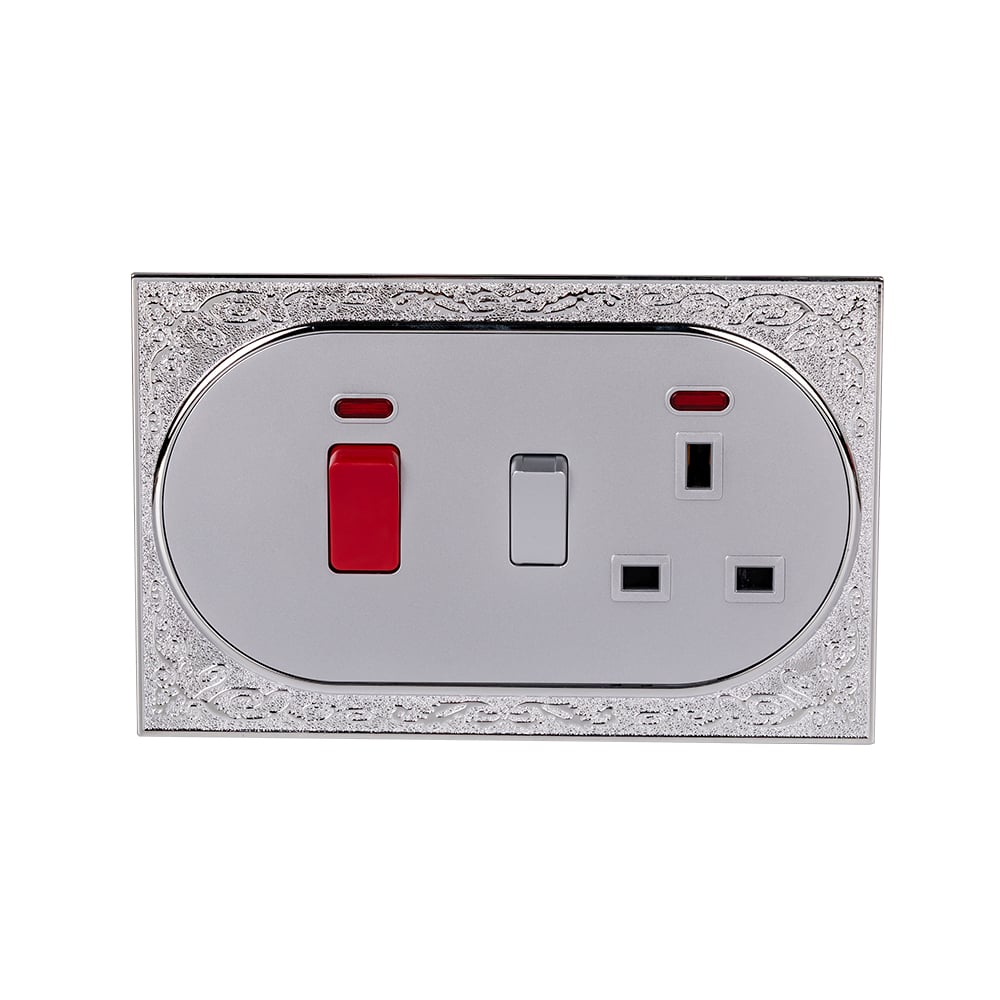
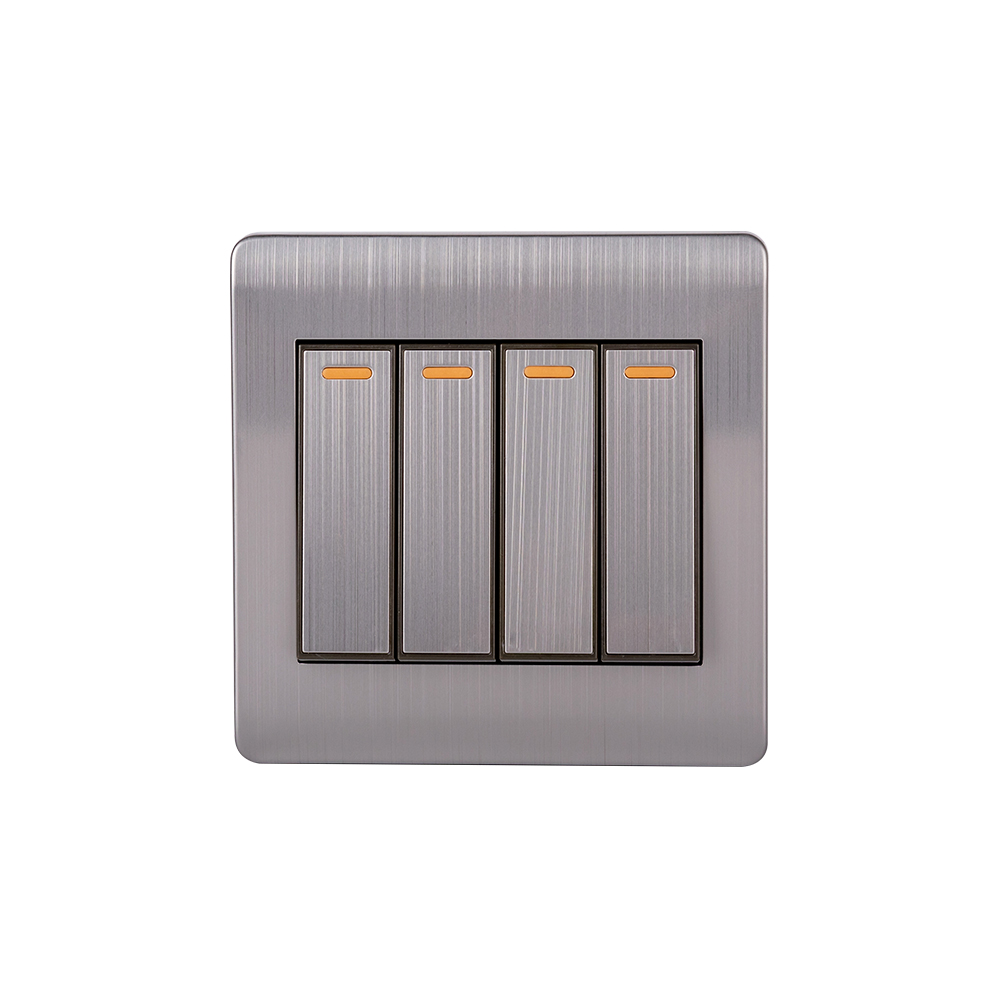

A importância do posicionamento do soquete super: proporcionando conveniência e segurança à sua casa
Running out of charging points is frustrating, but adding more faceplates does not automatically produce a better installation. Two adapters can block each other on a twin socket; a switched outlet may be unreachable behind furniture; a USB port may not provide the output a laptop needs. Good localização dos interruptores e tomadas starts with those ordinary details. For a homeowner, they determine whether a room works comfortably. For a contractor or buyer, they determine whether the installation is accepted or needs changes after decoration. The useful question is how the connections will be used, checked and maintained once the room is occupied.
The short answer is to review access, connection capacity and electrical capacity separately. Count the equipment that will be connected at the same time, test plug clearance, and make sure the required controls remain reachable. Then have the circuit and protective arrangements checked against local rules. An extra socket position provides another place to connect equipment; it does not create extra circuit capacity. Accessibility requirements are also more than a mounting-height number: the U.S. Access Board’s guidance, for example, considers clear approach space, reach over obstructions and operation for covered controls. A practical layout needs all of those decisions to fit together.
Why can a room have plenty of sockets and still be inconvenient?
The total count hides where the useful connections are. Four points behind a television do little for a desk on the opposite wall. A point below a cabinet may be technically present but awkward to reach. Review the room by activity rather than adding up symbols around its perimeter.
For each activity, identify the equipment, how often it is connected and who will use it. A bedside charger is handled frequently; a fixed network device may remain connected for months. The first needs easy everyday access, while the second also needs a sensible maintenance route. Neither should force cables through a walking path.
A separate socket placement guide explains room-by-room positioning. This article focuses on checking whether the proposed arrangement will work in practice.
How should the number of connections be calculated?
Make an equipment list for each use area and separate simultaneous use from occasional use. For example, an illustrative desk setup with a monitor, laptop power supply and task light needs three plug connections if each item uses a separate supply. A phone charger could require a fourth, unless an appropriate integrated charging arrangement is provided.
Do not turn that count into an assumed electrical demand. Equipment ratings, duty and the circuit design determine the load assessment. Several low-power chargers and a heating appliance can occupy the same number of sockets while placing very different demands on the installation.
Discuss future use in concrete terms. “Allow for a possible second monitor” is more useful than “add some spare sockets.” It gives the designer a reason for the reserve and a way to check whether its location will remain useful after the furniture changes.
Will the intended plugs actually fit beside each other?
Check the plug body, cable exit and any external power supply, not just the pin pattern. A large charger can obstruct a neighboring position or prevent access to a switch. An angled plug can be convenient in one orientation and unsuitable in another.
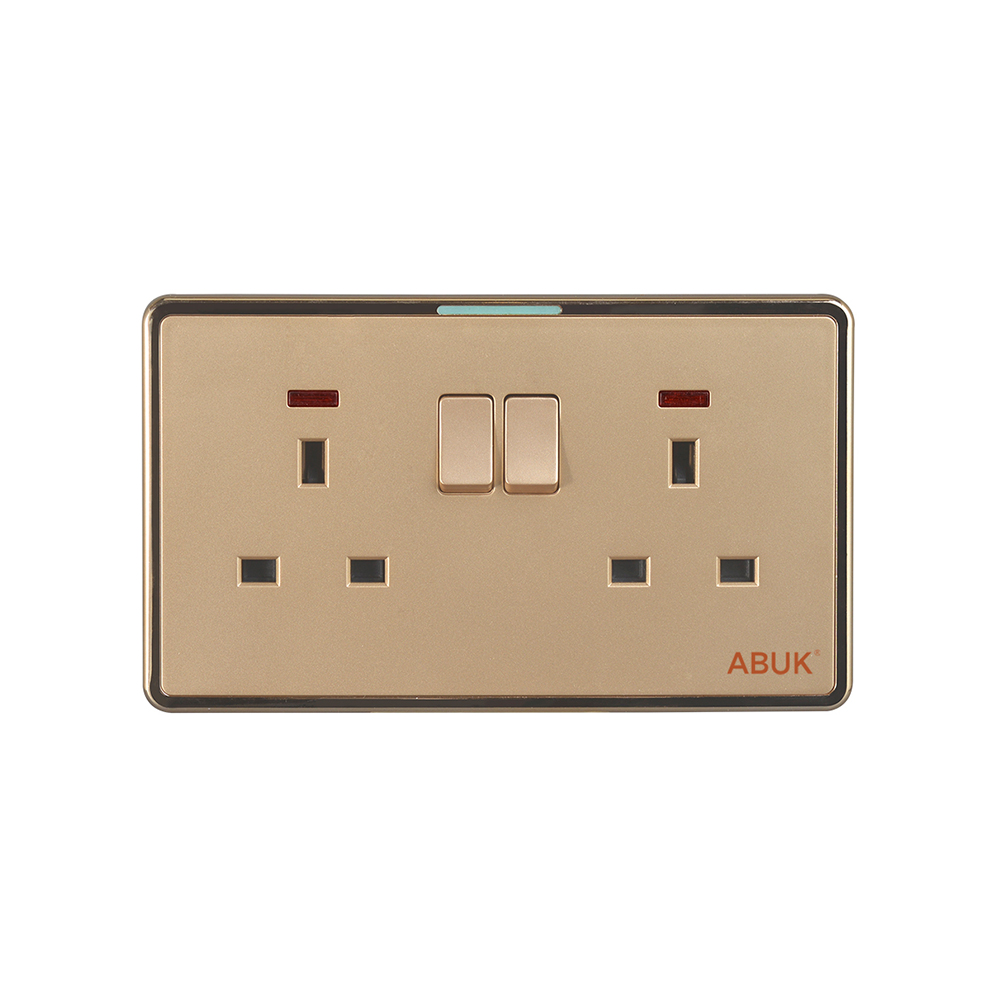
For a repeat project, test representative plugs with the proposed faceplate and mounting location. Include the largest adapter, the furniture opening and any cable-management cover. This simple coordination exercise can prevent an entire group of sockets from being selected on a drawing that overlooks the actual equipment.
When does an integrated USB socket make sense?
Integrated charging can keep a bedside table or reception desk tidy, but the USB connector shape is only the starting point. Confirm the supported charging protocol, power available to each port and the output when several ports are used together. A phone charging successfully does not prove that the same port can power a laptop.
Also consider replacement. A separate charger can be exchanged without changing the fixed wiring accessory. An integrated charging module may require product replacement and competent electrical work if its electronics fail or its charging capability becomes unsuitable. Compare those maintenance implications before choosing the cleaner appearance.
Remote scheduling brings a different set of decisions. The guide to interruptores e tomadas inteligentes covers control features and wiring considerations; a smart function should not be treated as a substitute for the required isolation or protection.
Which socket arrangement is easier to live with and maintain?
| Organização | Useful when | Check before selection | Maintenance consideration |
|---|---|---|---|
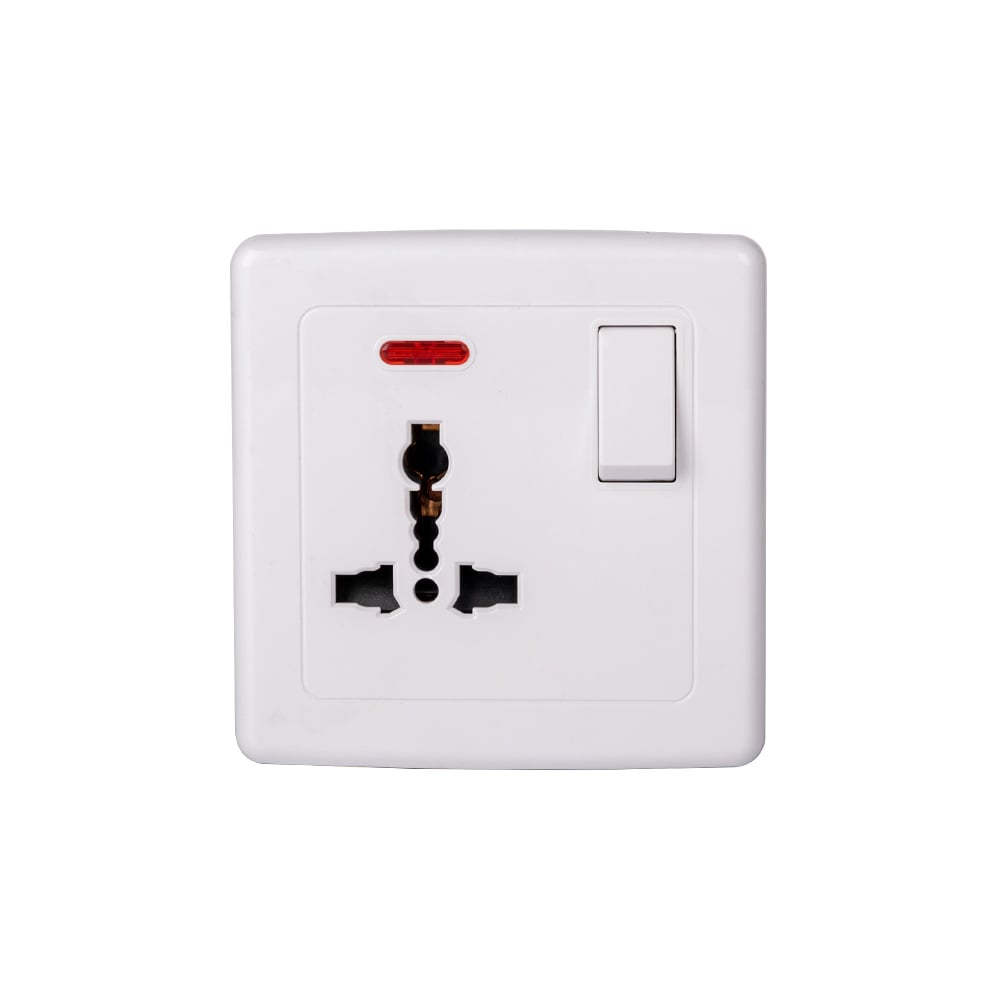
| Single switched socket | One defined connection is needed | Plug access and available switching arrangement | Confirm replacement model and finish |
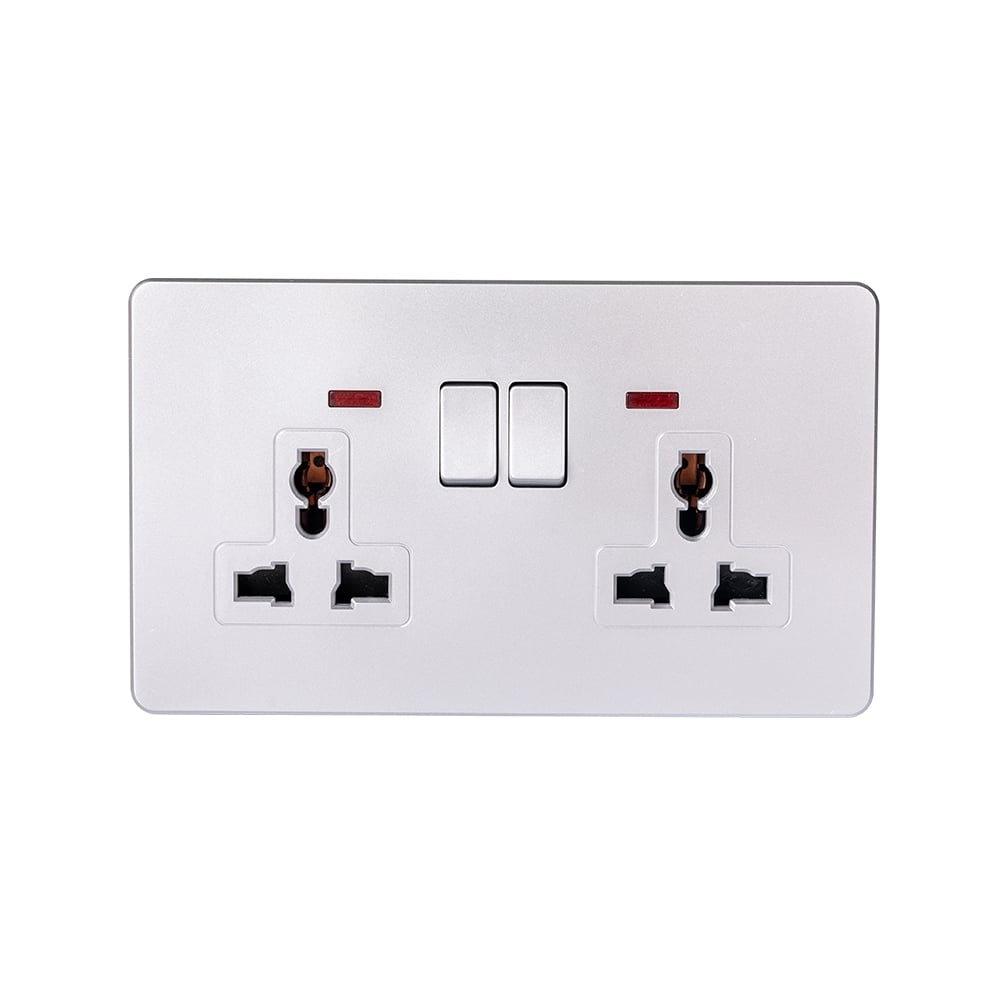
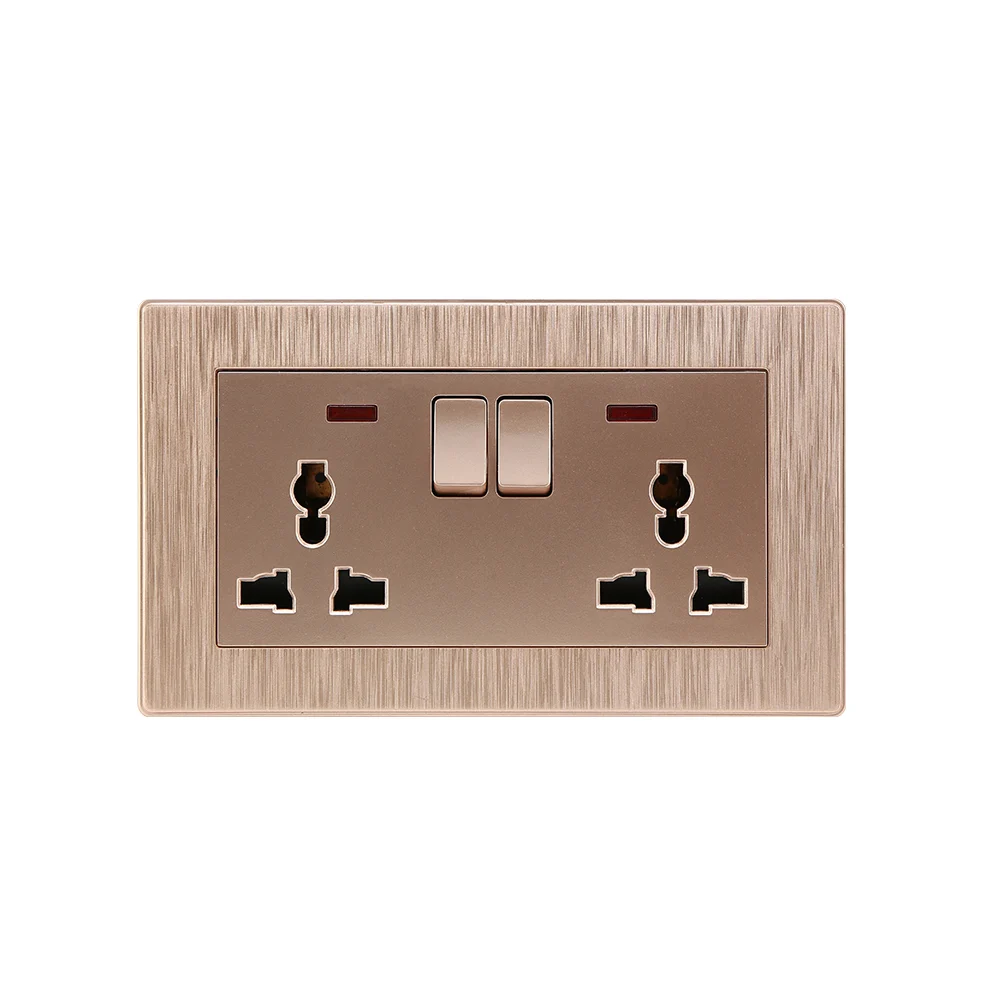
| Twin switched socket | Two connections share a location | Adapter clearance and circuit suitability | A blocked position may defeat the intended benefit |
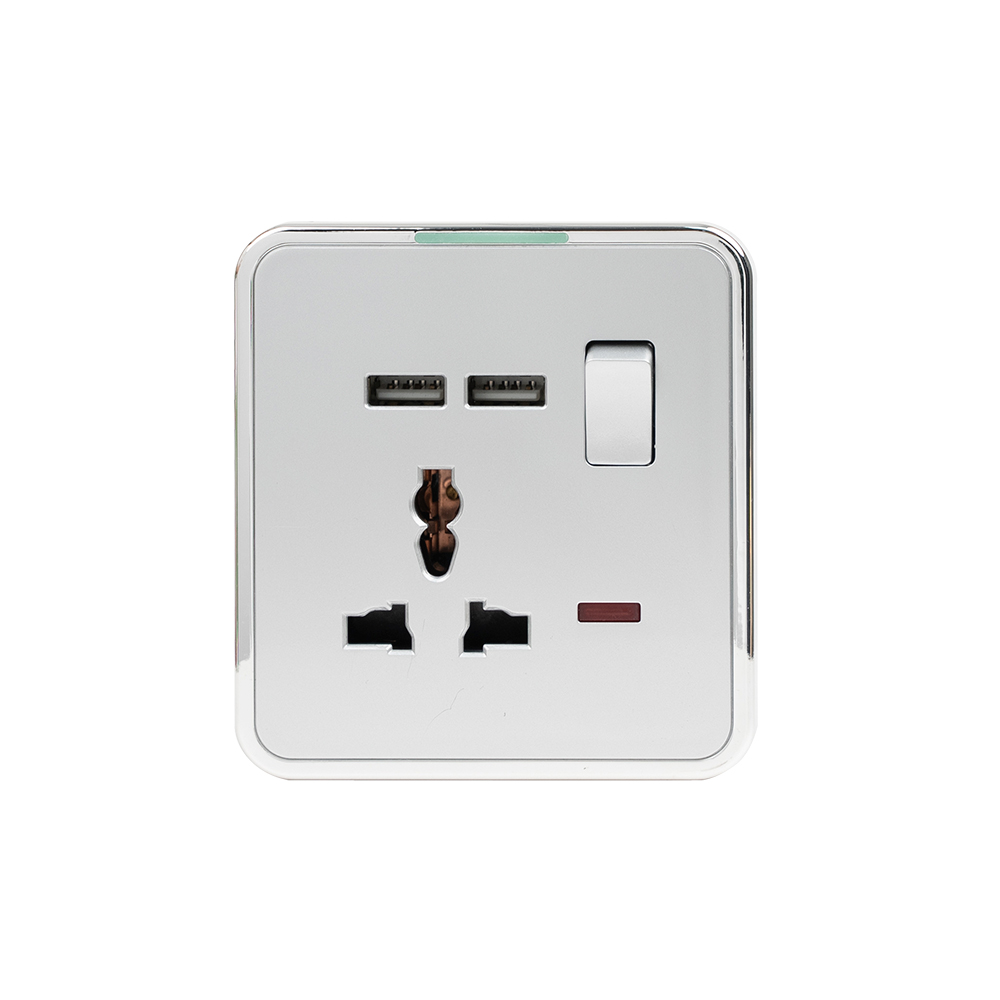
| Socket with USB charging | Compatible portable devices are charged regularly | Protocol, per-port and shared output | Consider replacement of integrated electronics |
| Smart accessory | Remote control has a clear operating purpose | Load compatibility, wiring and control behavior | Document setup, reset and loss-of-network behavior |
These are functional choices, not a ranking. A simple accessory can be the better fit where reliable manual operation and straightforward replacement matter more than additional features.
How does access change for different users and rooms?
Check approach space as well as height. A socket that can be reached while standing may be awkward from a seated position or behind deep furniture. The U.S. Access Board’s operable-parts guide explains the conditional 15–48 inch unobstructed reach range and the changes caused by obstructions in covered U.S. facilities. It also describes operation requirements; a height within the range is not the whole assessment.
| Use area | Pergunta a perguntar | Practical check |
|---|---|---|
| Bedside | Can the user reach the connection without moving furniture? | Test the finished bed and bedside-table arrangement |
| Desk | Do plugs and cables remain clear during normal use? | Check adapters, chair movement and adjustable-desk travel |
| Cozinha | Can appliances be used without unsafe cable routing? | Review the final cabinets, equipment and electrical design together |
| Accessible room | Is there an appropriate approach and operating position? | Apply the relevant local accessibility requirements |
| Hotel or rented room | Can an unfamiliar user identify the intended connection? | Check visibility, control purpose and maintenance information |
For projects in England, Approved Document M distinguishes relevant dwelling and non-dwelling guidance. Do not combine a dimension from one jurisdiction with exceptions from another and describe the result as a standard layout.
Which safety problems cannot be solved by changing position?
Moving a socket does not repair damaged wiring, correct an unsuitable protective device or create additional capacity. Heat marks, loose connections, repeated tripping or water ingress need assessment of the cause. Covering the evidence with a new faceplate can leave the original problem in place.
O HSE electrical-safety FAQ recommends competent inspection and testing and explains the limitations of simple socket testers. Its guidance is useful here because visual neatness is not evidence that the installation is sound.
If moisture has entered an accessory, use the guidance on Água em uma tomada elétrica: medidas de segurança e reparos. A damp location needs the correct equipment, protection and installation assessment; placing an ordinary socket higher is not a substitute.
What should a project team approve before ordering?
- Confirm equipment, simultaneous connections and anticipated changes for each room type.
- Approve the faceplate layout using actual plugs, furniture clearances and the finished-floor reference.
- Have the electrical designer confirm ratings, circuits, protection and destination-market requirements.
- Record the exact model, charging features, finish and mounting arrangement in the schedule.
- Agree the sample-room review, inspection records and replacement information before repeating the installation.
The main cost advantage is avoiding late changes. Moving a point after tiling or fitting cabinets can involve several trades, while resolving the same clash on a coordinated drawing may require only a design revision. The saving depends on the project; there is no credible universal return-on-investment percentage.
What else should be considered before adding sockets?
Does a double socket allow twice as much power?
No. It offers two connection positions. The accessory’s ratings, manufacturer instructions and circuit design still limit how it may be used.
Are USB wall sockets always better than separate chargers?
No. They can simplify charging where their output suits the devices. Separate chargers offer a different replacement route, so the better choice depends on charging requirements and maintenance expectations.
Can extra sockets remove the need for extension leads?
A well-positioned installation can reduce routine reliance on extension leads. Extra points in inaccessible locations may not help, and adding them still requires a suitable circuit design.
How can the final layout be judged fairly?
The useful test is what happens after furniture and equipment are in place. Can the intended users reach the controls, can the plugs fit together, and can the equipment be disconnected or serviced as required? Answer those questions before approving appearance or additional features. Then check the electrical design and inspection requirements separately, because convenient access does not establish circuit capacity or safety. For a repeated installation, keep the accepted sample-room details and exact product references with the handover records so later rooms and replacements follow the same decision. ABUK’s 13A tomadas com interruptor único provide one model-specific starting point for procurement; confirm the interface, drawings, finish and required market documents before treating any accessory as an equivalent.