
 Wenzhou Lita Electric Co., Ltd.
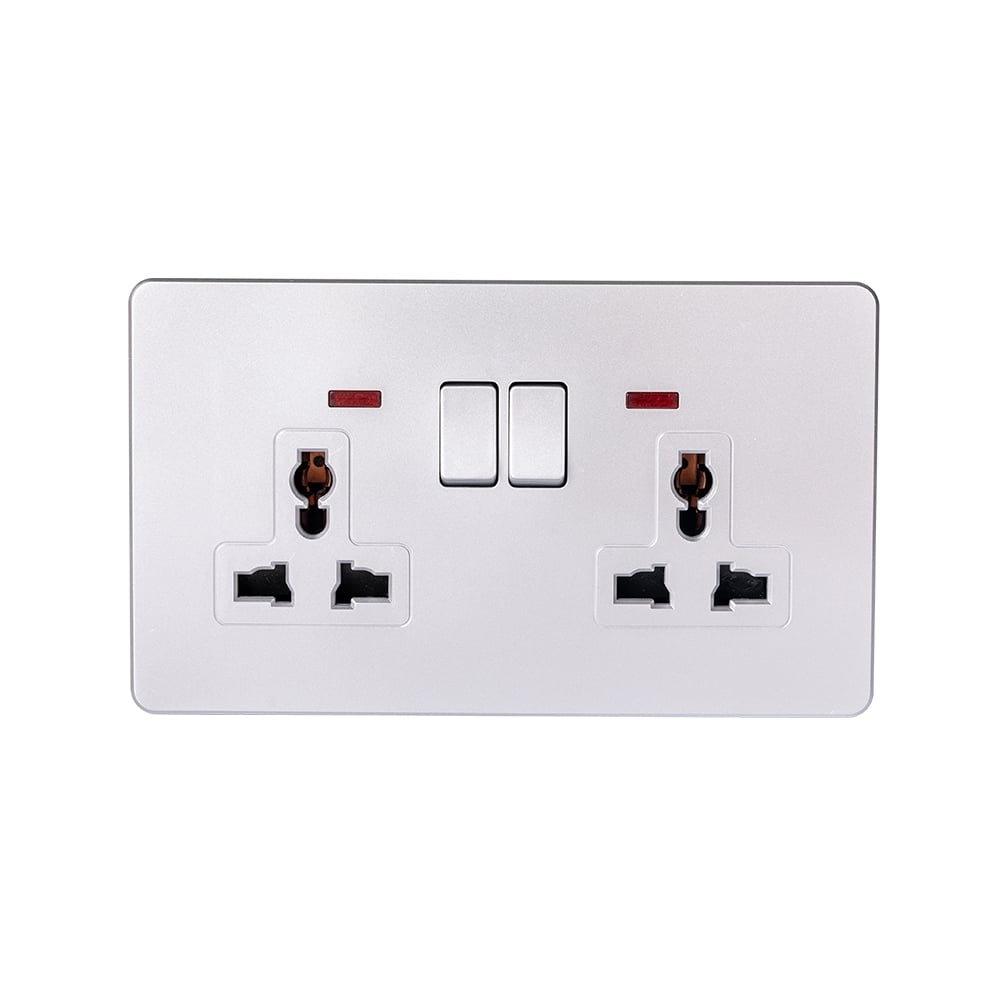
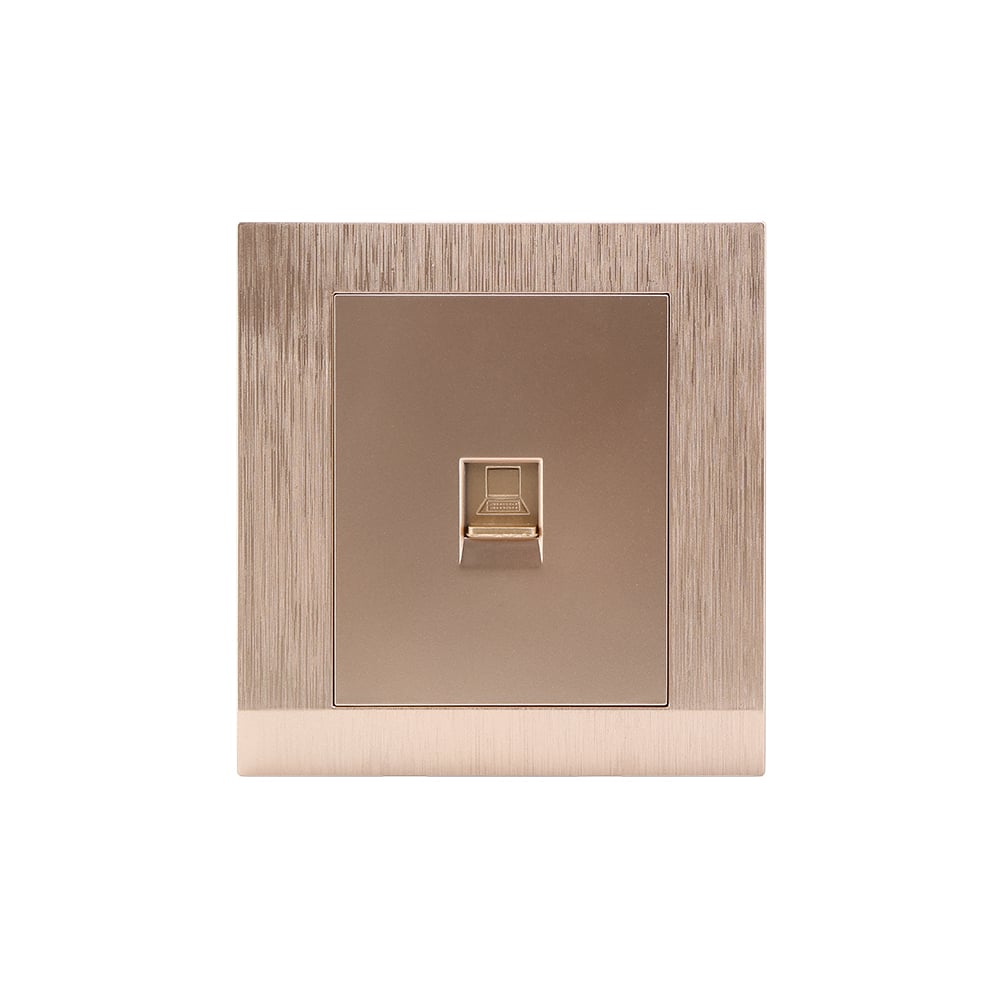
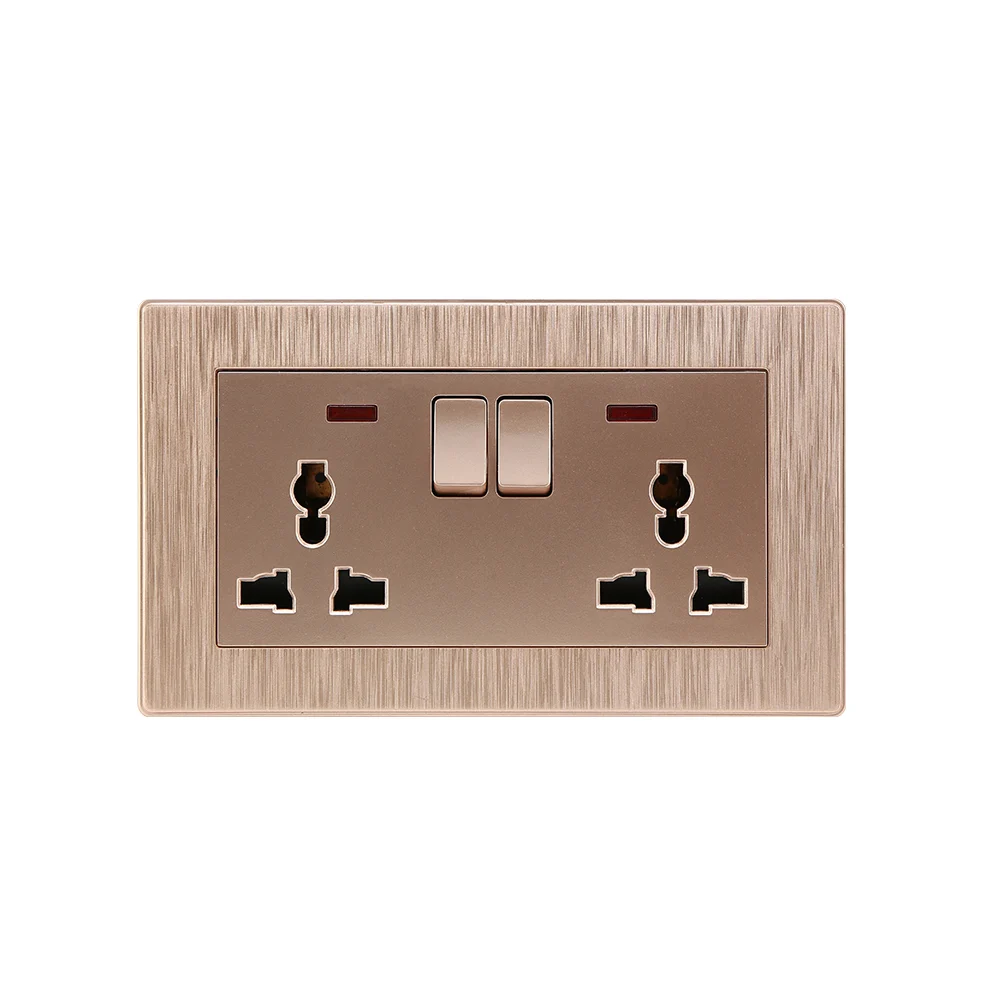
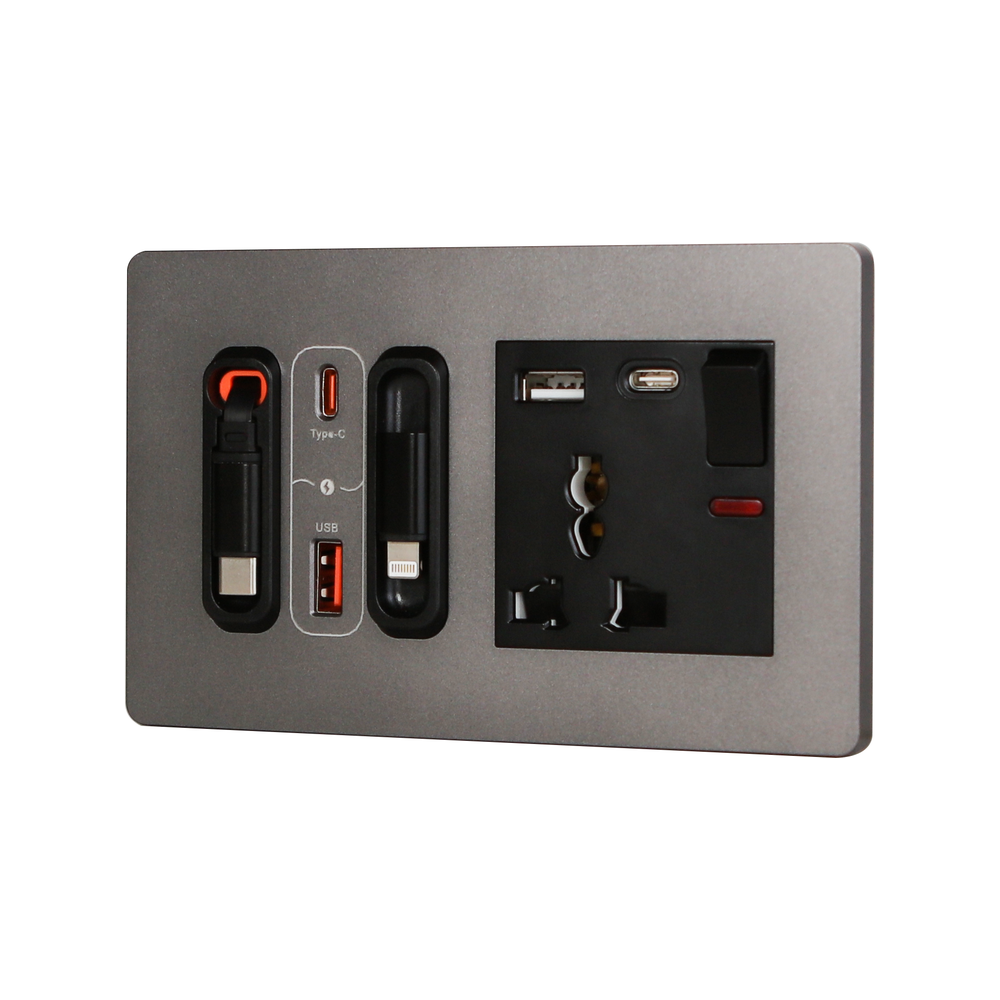
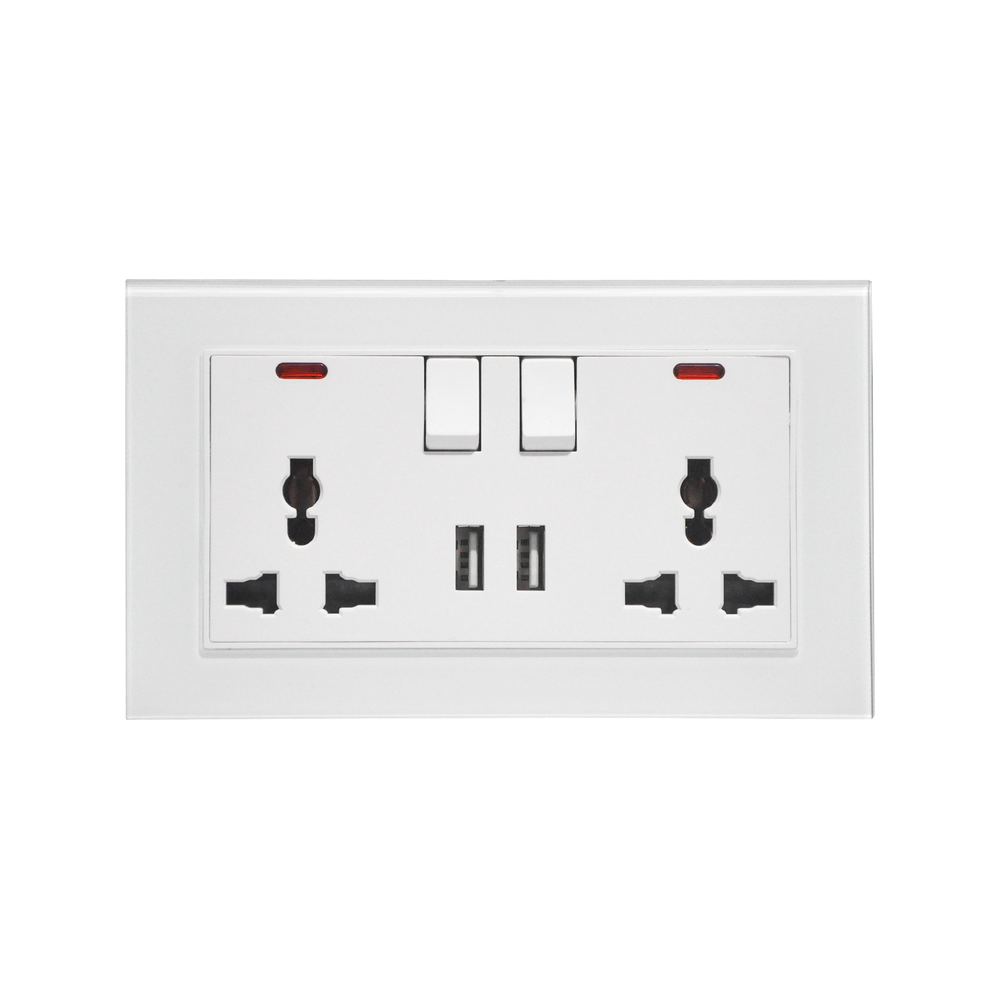
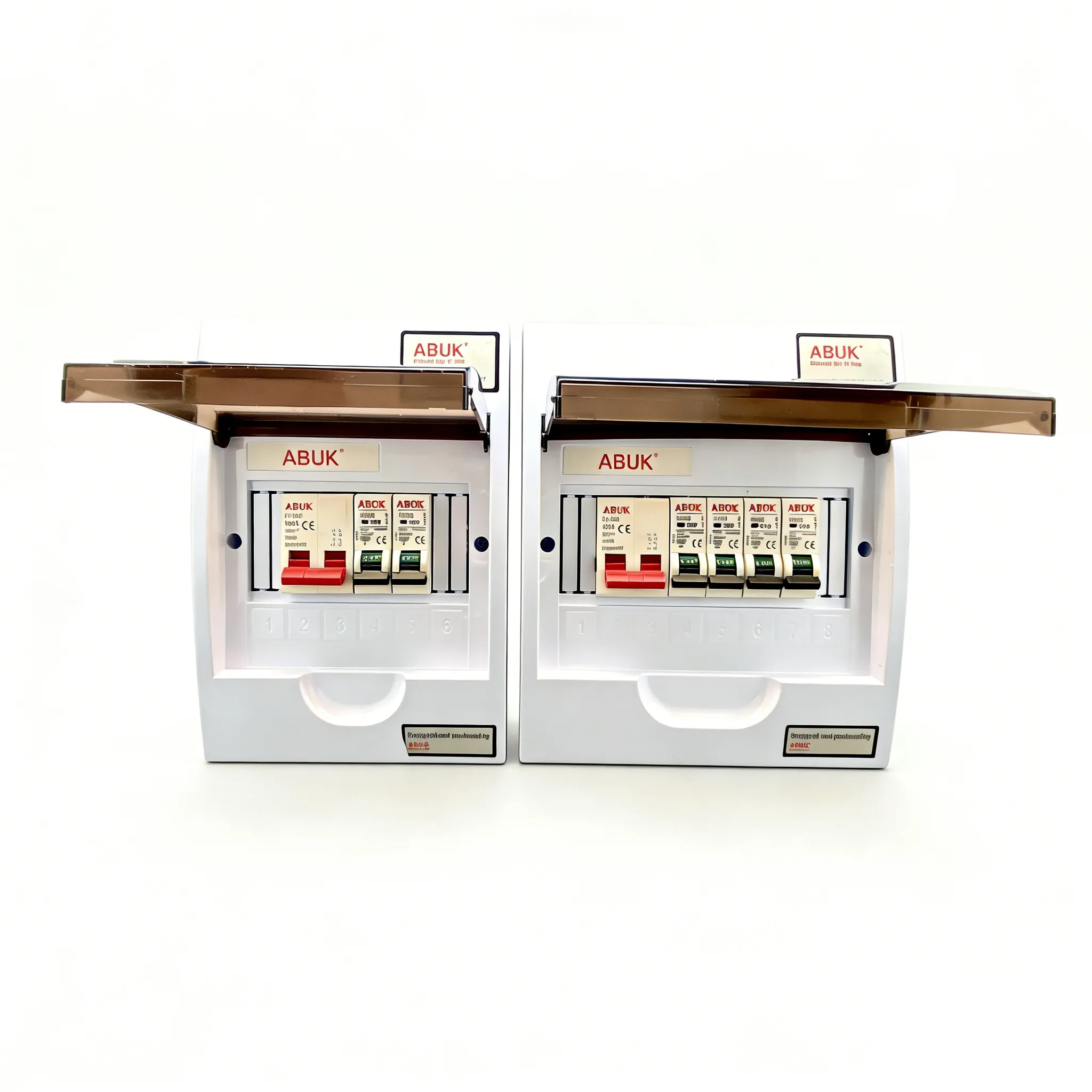
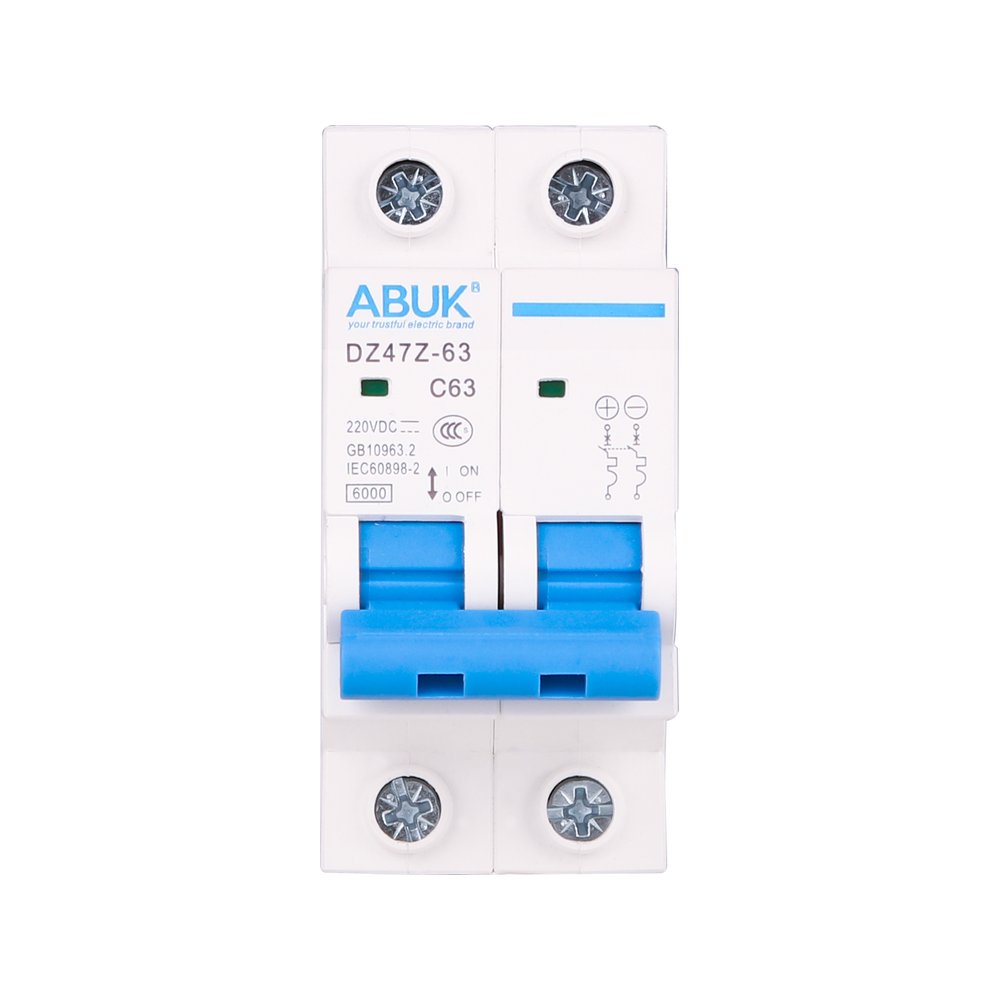
Sri Lanka: Tipo de tomada e voltagem: Guia de plugues para viajantes
Quando uma coordenadora de acabamentos hoteleiros em Colombo verificou que o carregamento dos dispositivos estava bloqueado ao chegar ao local, ela já havia encomendado adaptadores com base em apenas uma foto do produto. Em vários quartos, não era possível conectar laptops e ferramentas de comissionamento, atrasando a entrega das instalações. Os adaptadores não eram de má qualidade; o verdadeiro problema residia na configuração mista das tomadas e em pressuposições não verificadas sobre as entradas dos dispositivos — duas questões que uma única foto do produto não poderia esclarecer.
Resumo: A loja de outlet do Sri Lanka is commonly associated with 230 V, 50 Hz supply and may present Type D, G or M socket options. Check the actual outlet face and every device label before travel; an adapter addresses pin geometry, while a converter is only relevant when the input rating does not cover 230 V/50 Hz.

Compatibility has five parts: pin geometry, protective earthing, plug fuse, voltage/frequency, and building condition. IEC 60038 provides nominal-voltage context, not approval of a hotel receptacle or appliance.
Technical breakdown: geometry is not electrical compatibility
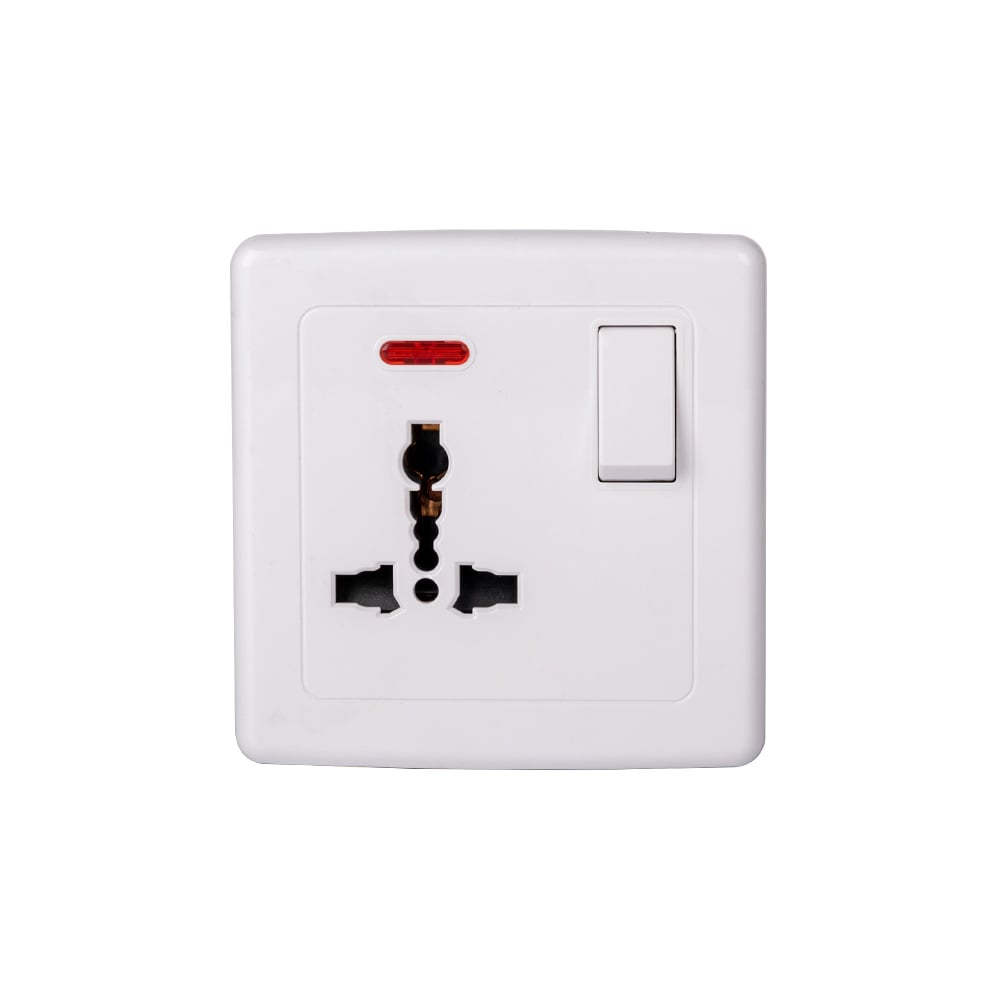
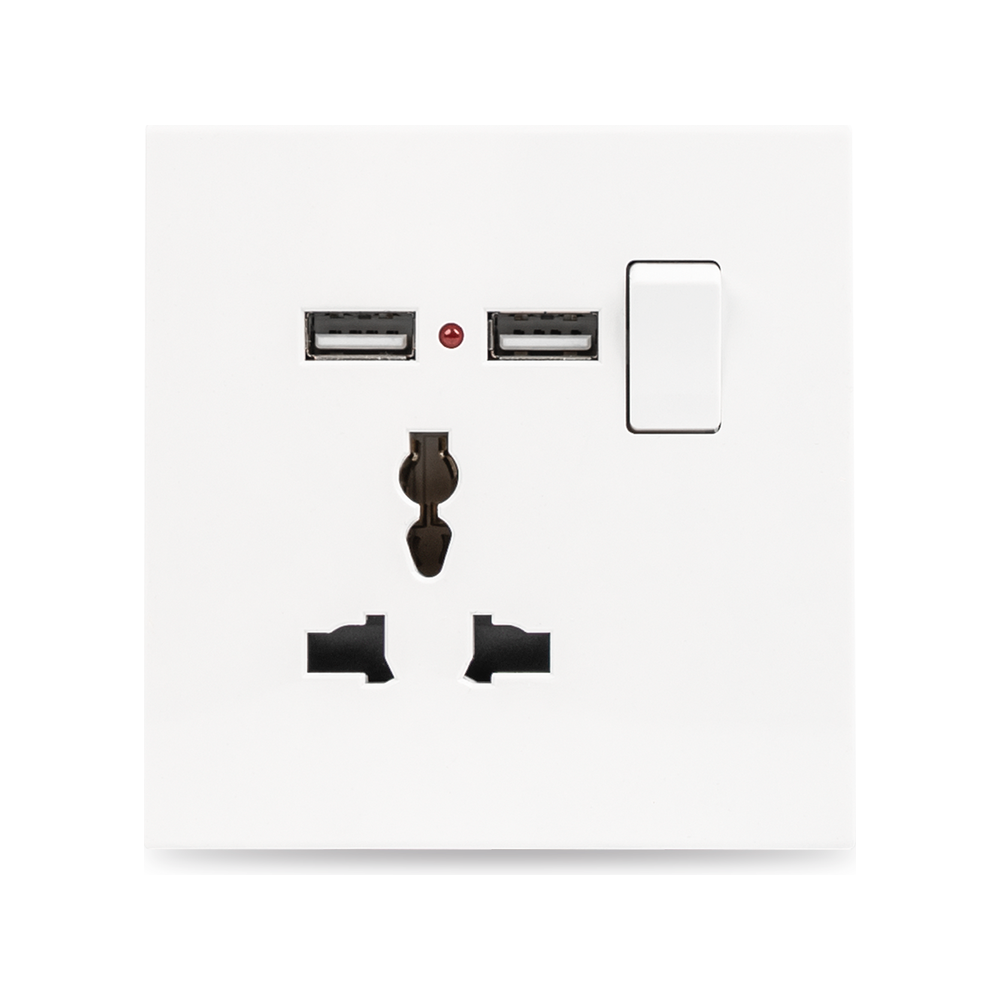
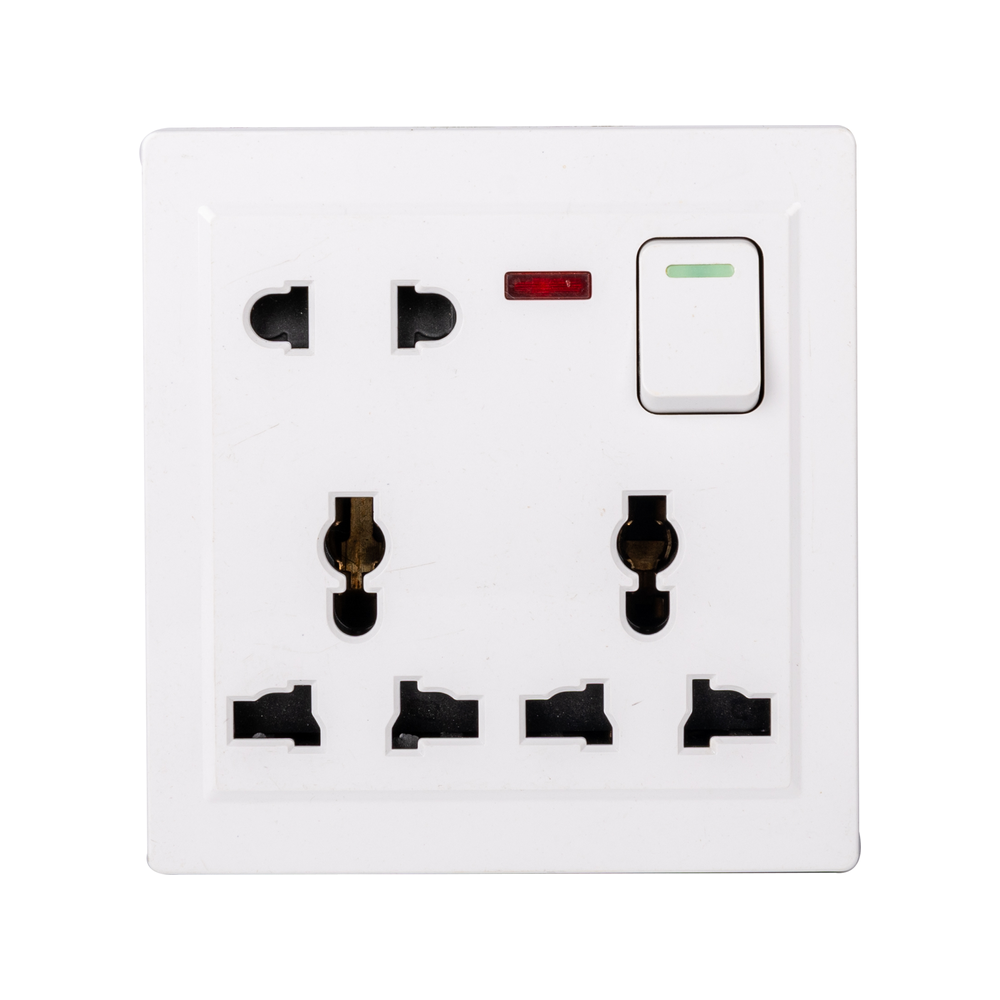
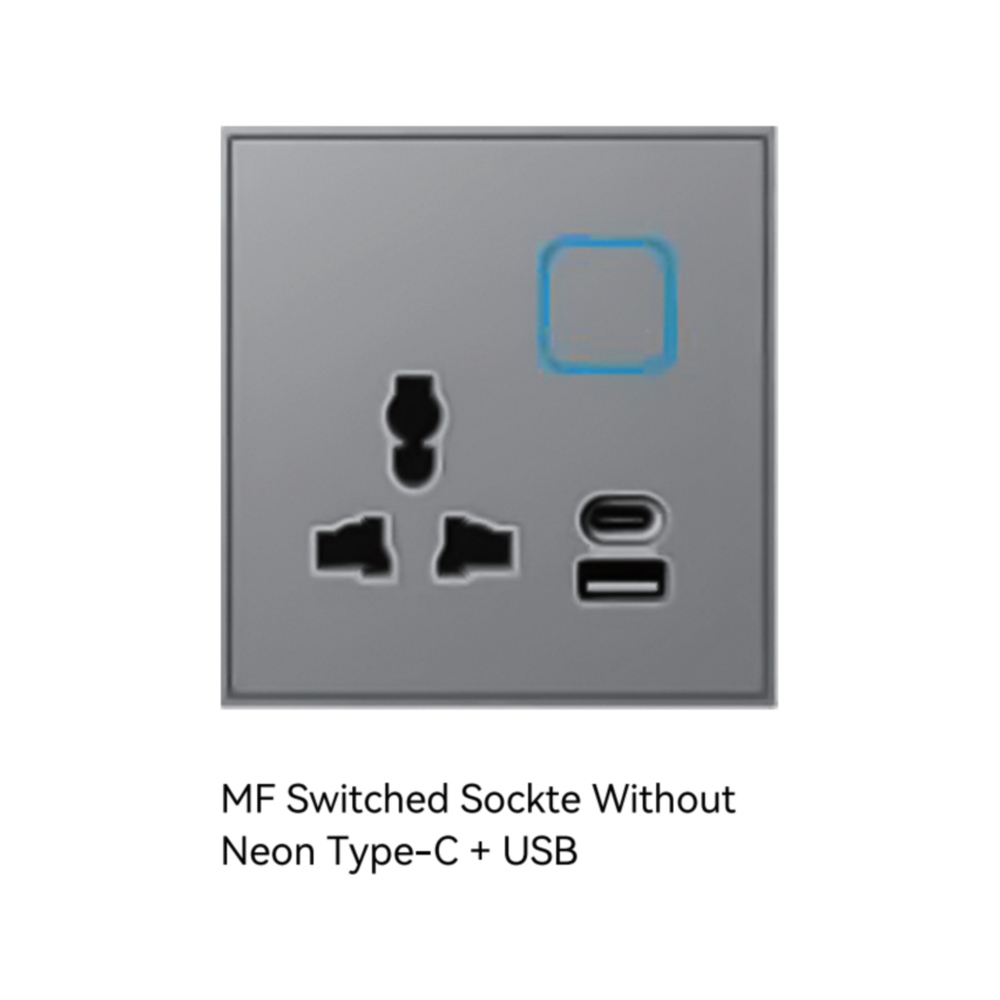
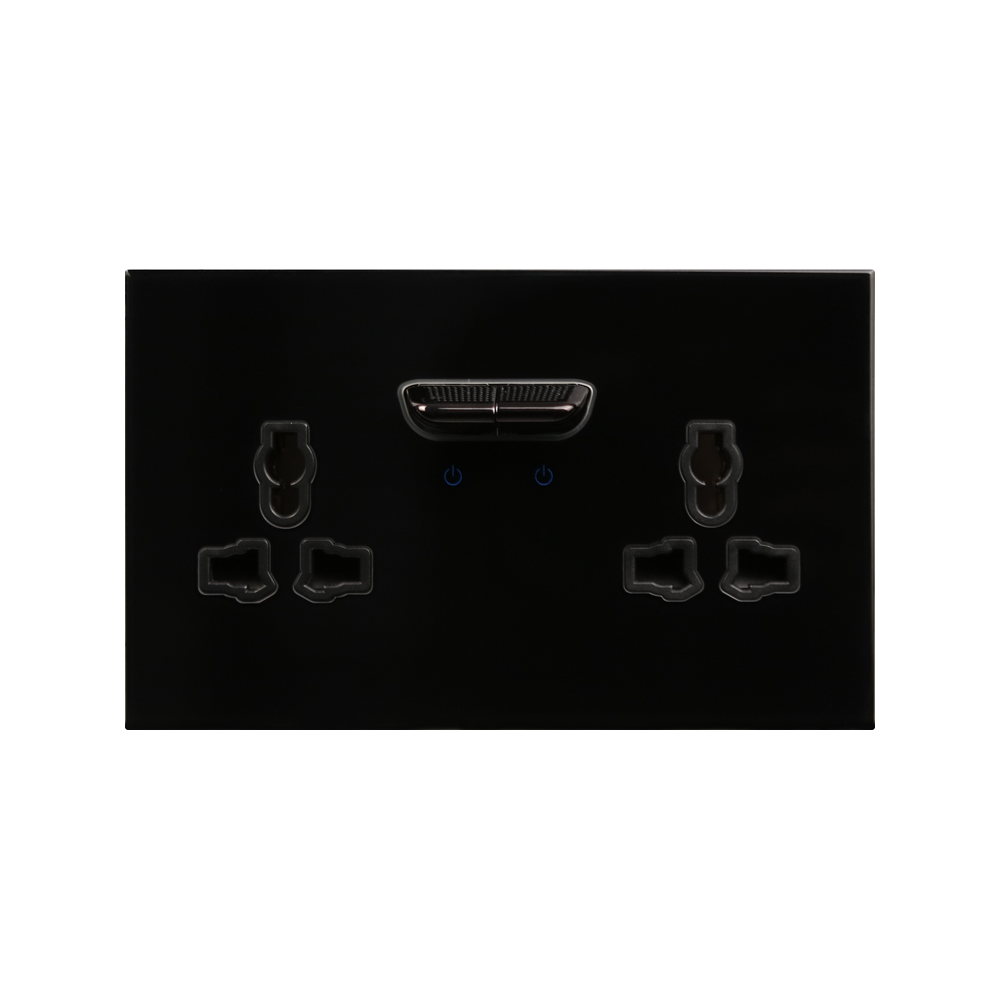
A Sri Lankan receptacle may be Type D, G or M. Type D has three round pins, Tipo G has three rectangular pins, and Type M has larger round pins; the layouts are not interchangeable. Inspect the receptacle face and any device or outlet label rather than assuming a country listing applies to every room.
Supply is separate from pin shape. Sri Lanka is commonly described as 230 V at 50 Hz, within IEC 60038 nominal-voltage context. A brick marked “100–240 V~, 50/60 Hz” generally covers that range; a “120 V, 60 Hz” device does not become compatible because an adapter enables physical entry.
Earthing is another check. An adapter can omit or interrupt a protective-earth path. Type G plugs commonly incorporate a fuse, but it does not validate the socket, circuit capacity or device input. See tensão padrão da tomada doméstica for related context.
Plug and voltage comparison matrix
Use this compatibility matrix for planning, not as a promise for every property. Compare the socket, device label and adapter rating before connection.

| Verifique | Typical Sri Lanka context | Decisão | O que ainda pode variar |
|---|---|---|---|
| Classificação de fornecimento | 230 V, 50 Hz | Match the device input range | Condição do circuito e carga disponível |
| Tipo D | Três pinos redondos | Confirmar geometria correspondente | Classificação do soquete e continuidade de terra |
| Tipo G | Três pinos retangulares; plugue com fusível integrado | Verifique o fusível e a classificação do adaptador indicada. | Se este soquete está instalado |
| Tipo M | Formato maior com três pinos em cada rodada | Use um adaptador especificamente compatível. | Tamanho do pino e condição do receptáculo |
| Adaptador universal | Changes plug geometry | Stay within its marked limits | Voltage conversion or earth retention |
Travel-device checklist
A short intake checklist separates low-load charging from equipment needing a confirmed earth path or assessed circuit.
| Dispositivo ou situação | Check before connection | Ação adequada | Não presuma |
|---|---|---|---|
| Carregador de laptop ou USB | Input voltage and Hz on label | Adapt only if 230 V/50 Hz is covered | Every charger is dual-voltage |
| Aparelho 120 apenas para vídeo | “120 V” or limited-range marking | Use a correctly rated converter or do not connect | An adapter changes voltage |
| Equipamento de TI aterrado | Earth pin, adapter path and socket contacts | Maintain a compatible earth path | A two-pin fit proves grounding |
| High-load heater or tool | Wattage, plug rating and outlet condition | Use an appropriate circuit or local assessment | All hotel outlets carry the same load |
| Loose or damaged socket | Heat marks, damage or poor grip | Do not use; report or replace through qualified personnel | Physical insertion is safe |
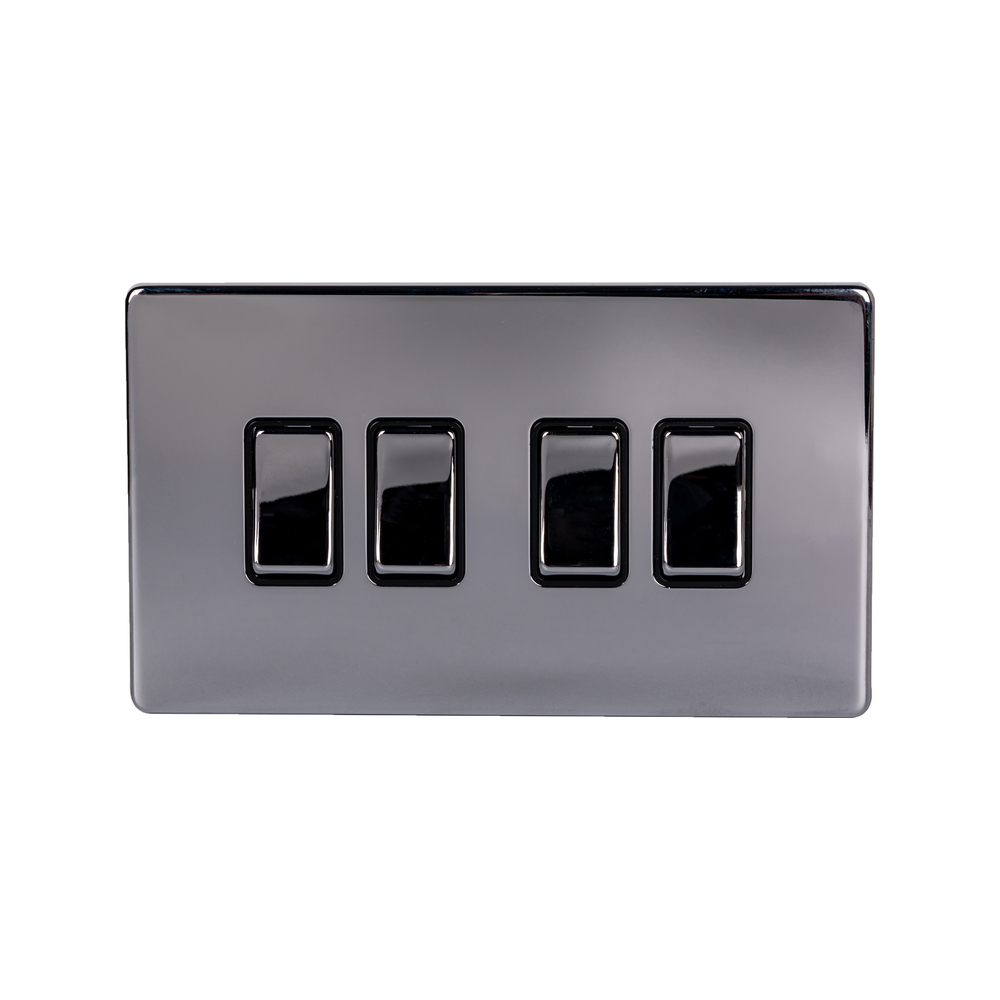
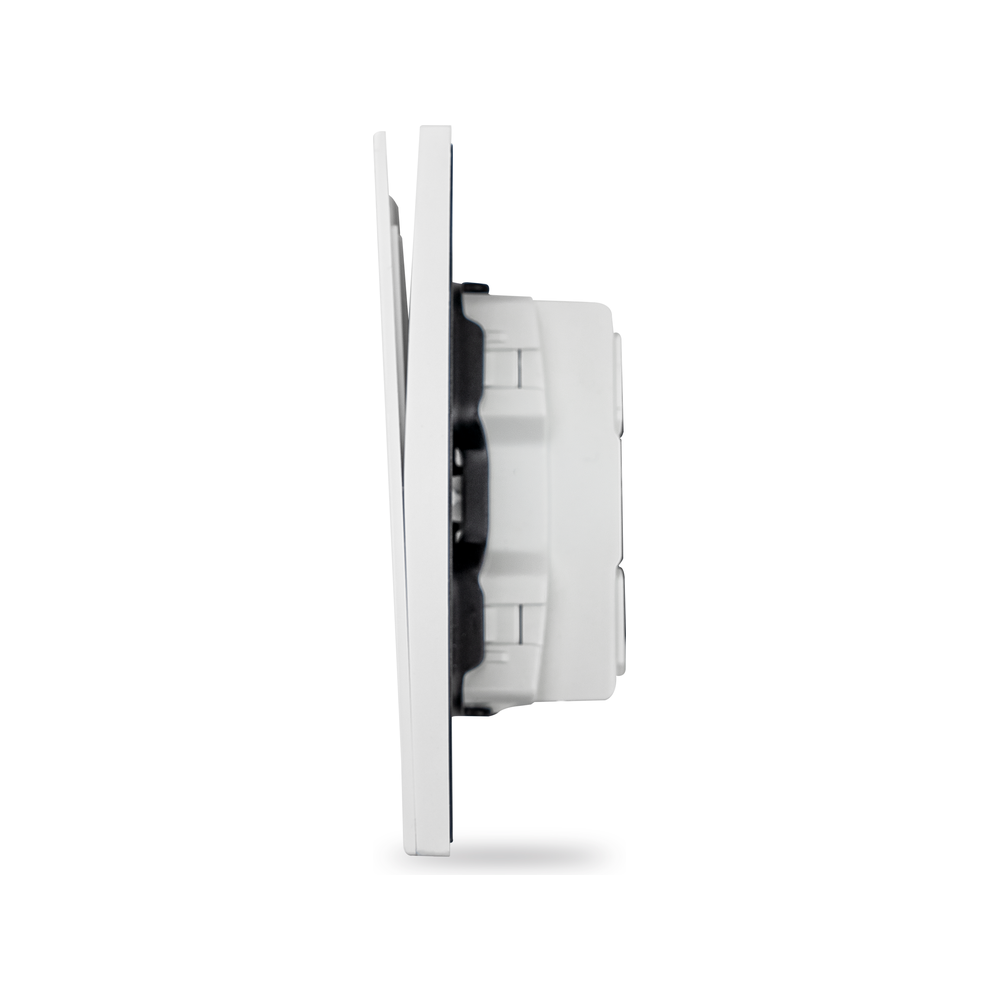
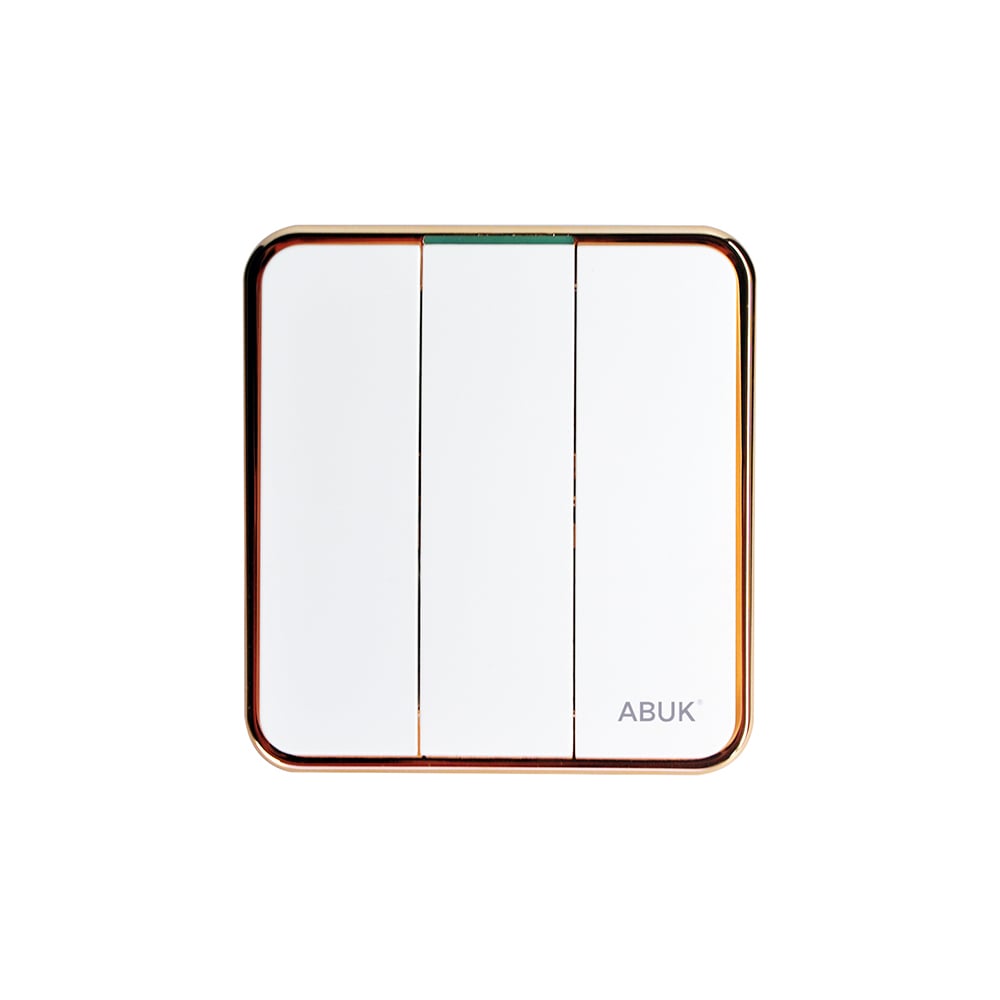
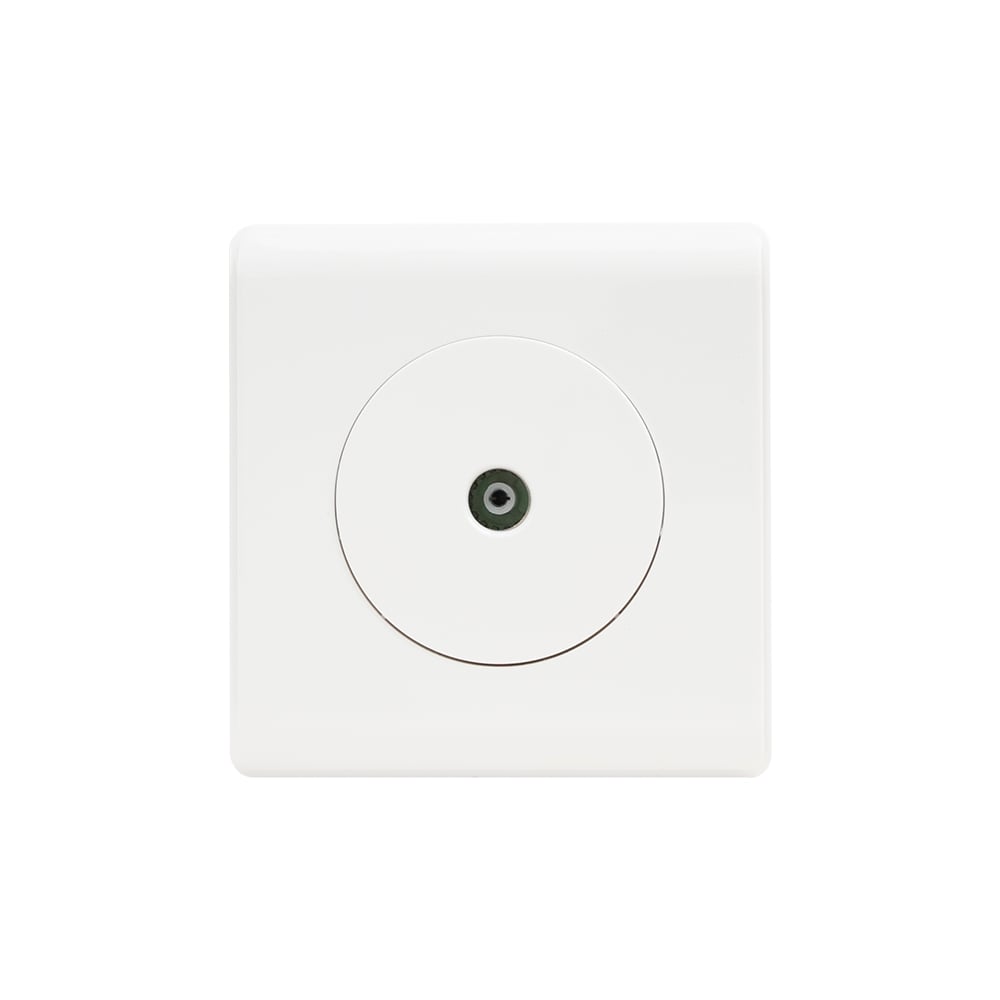
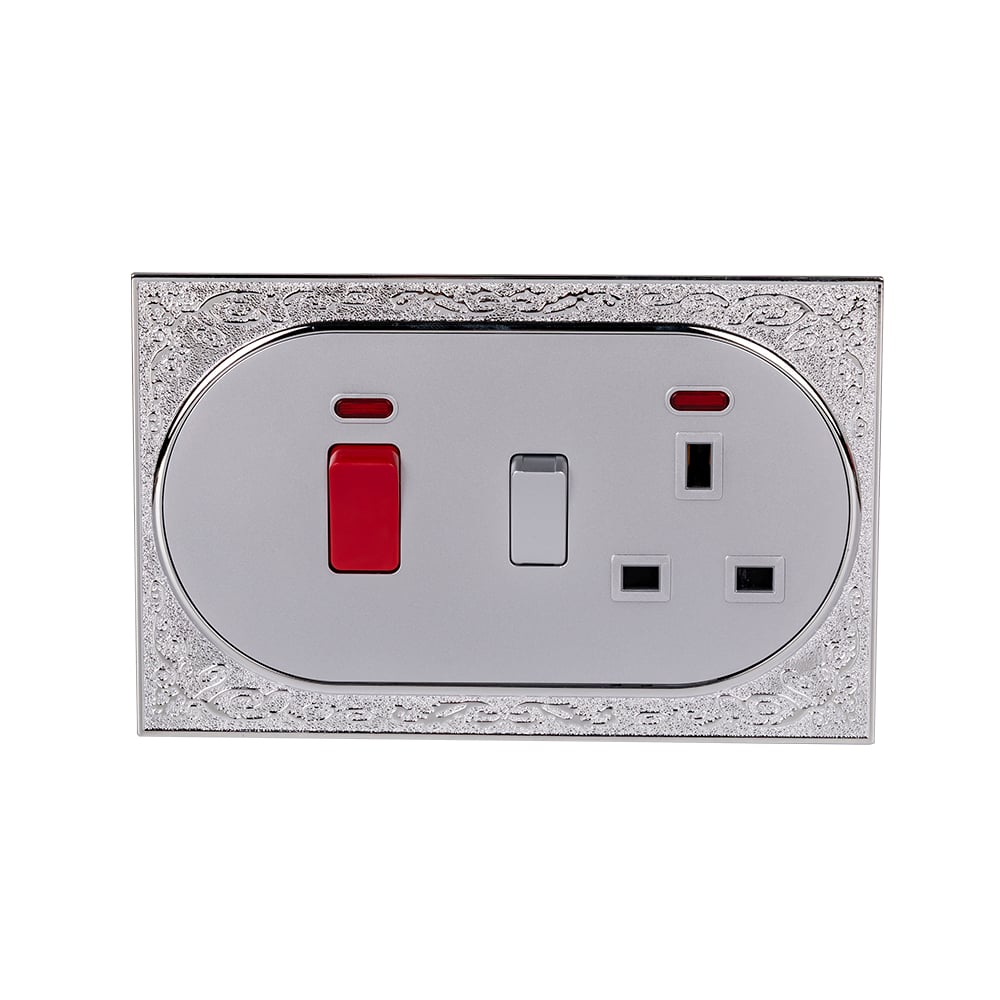
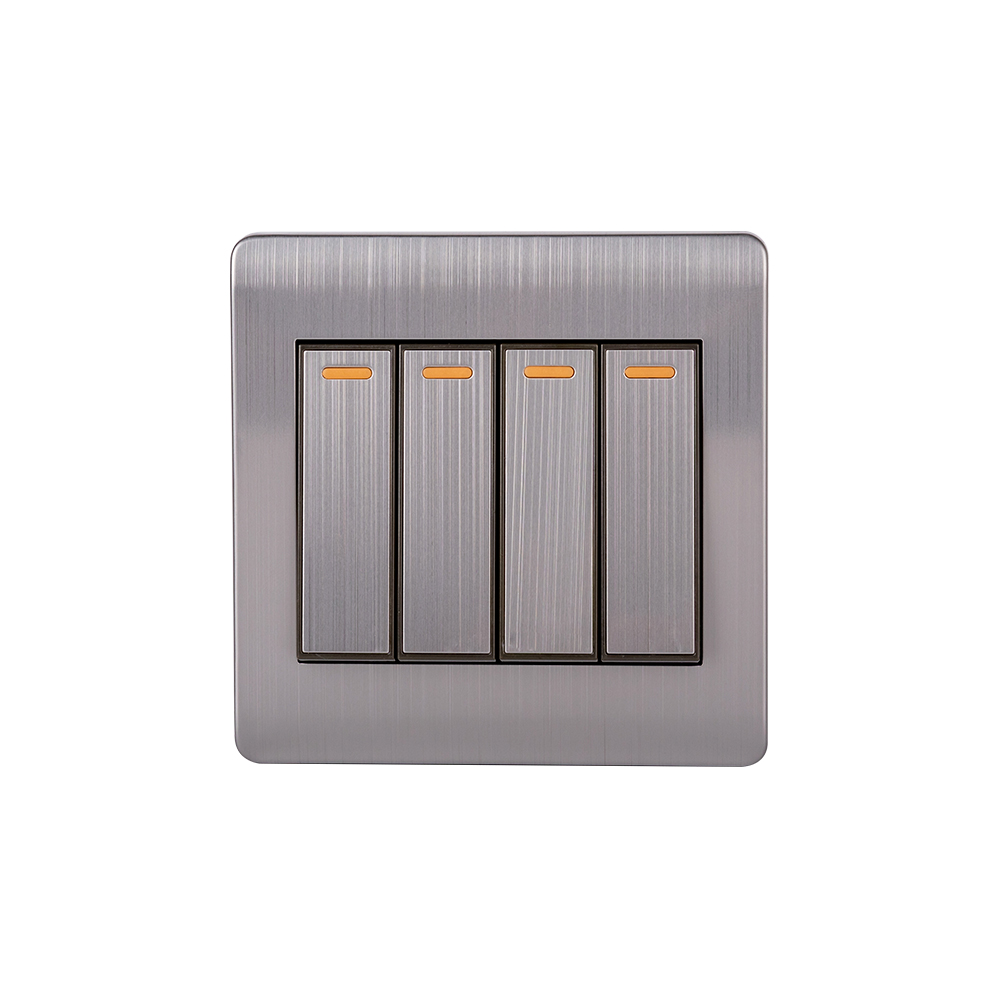
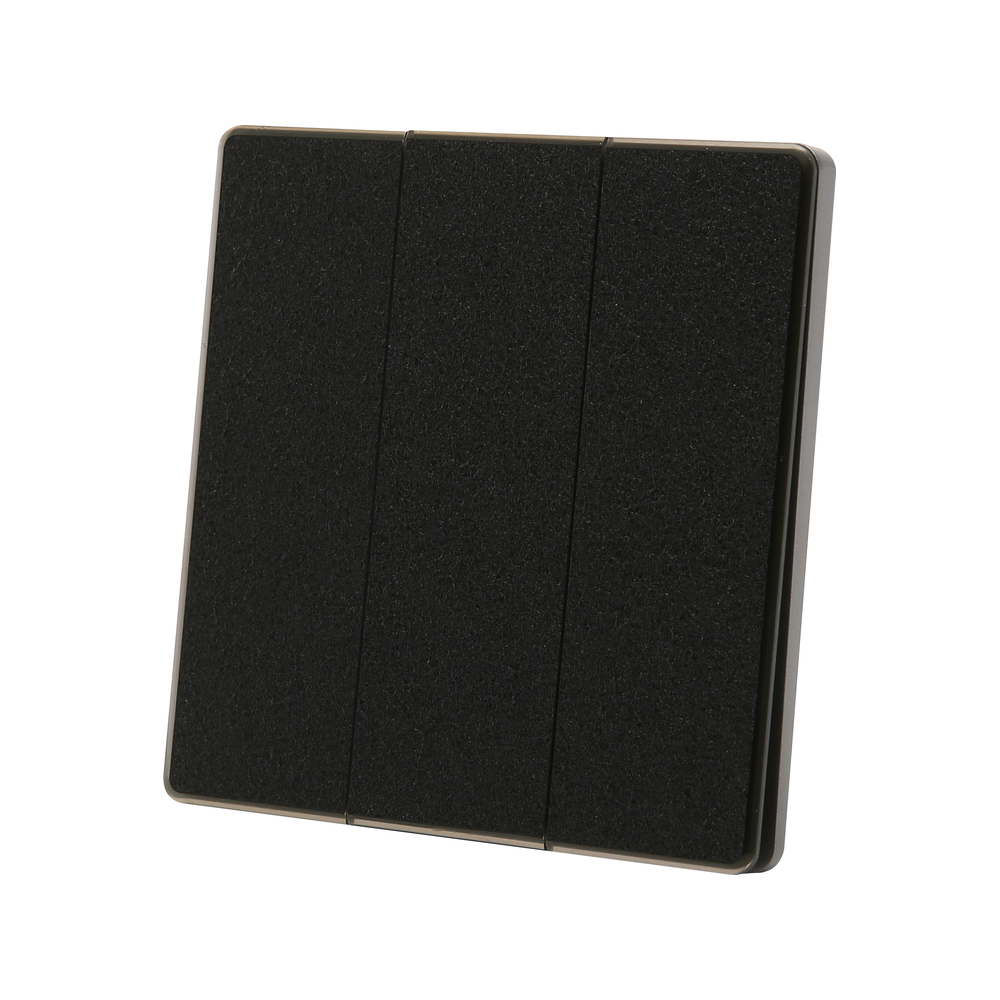
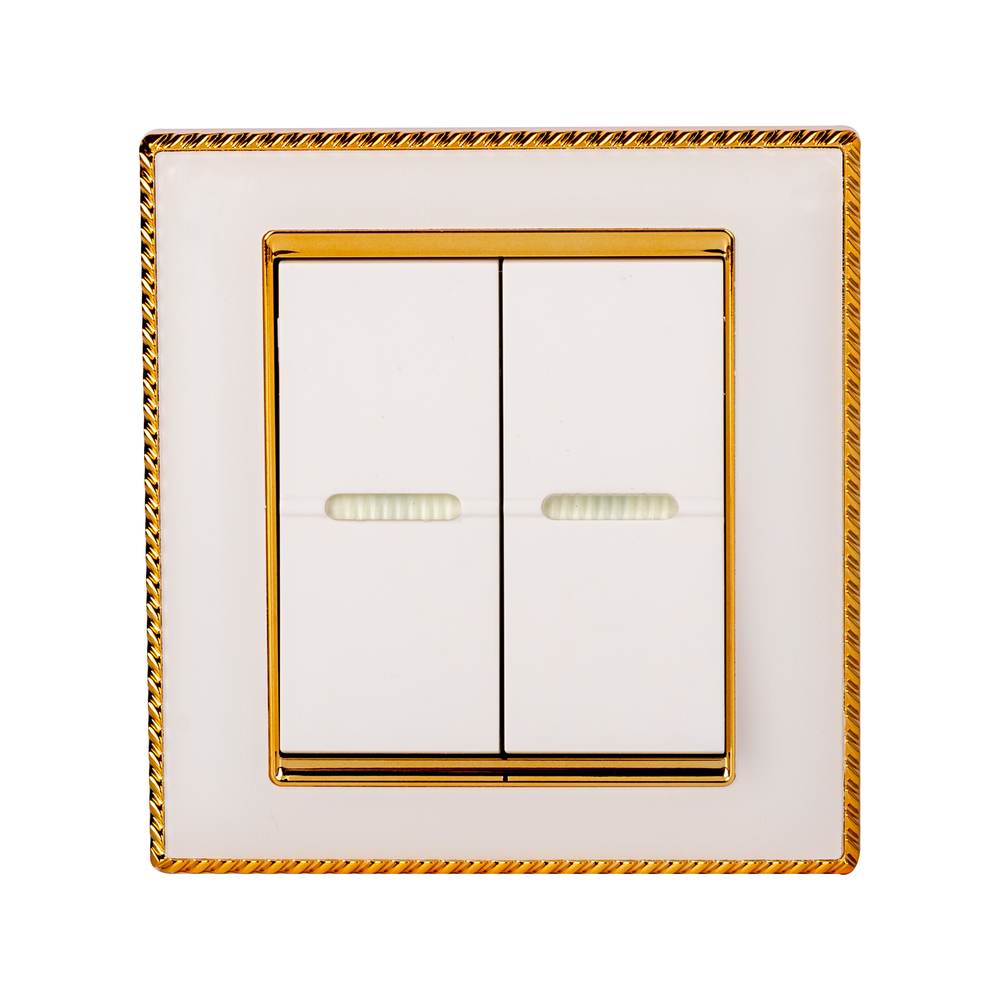
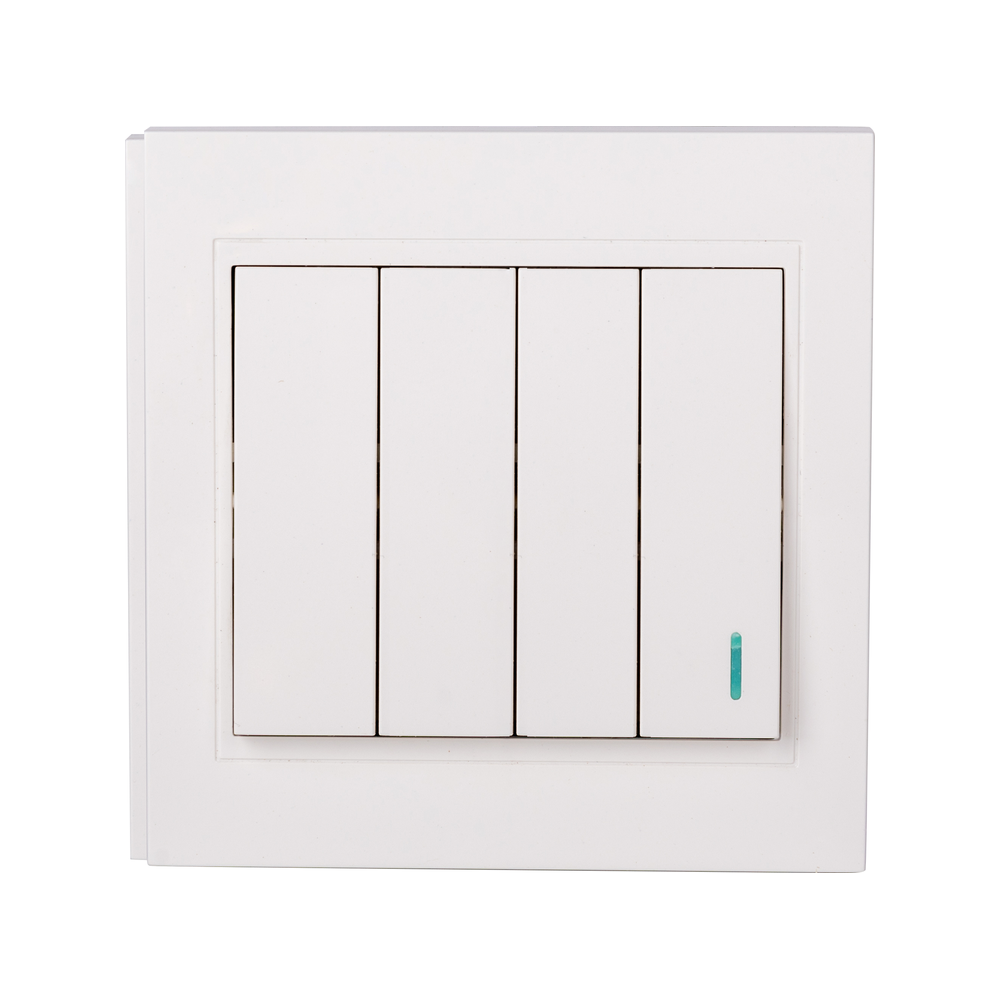
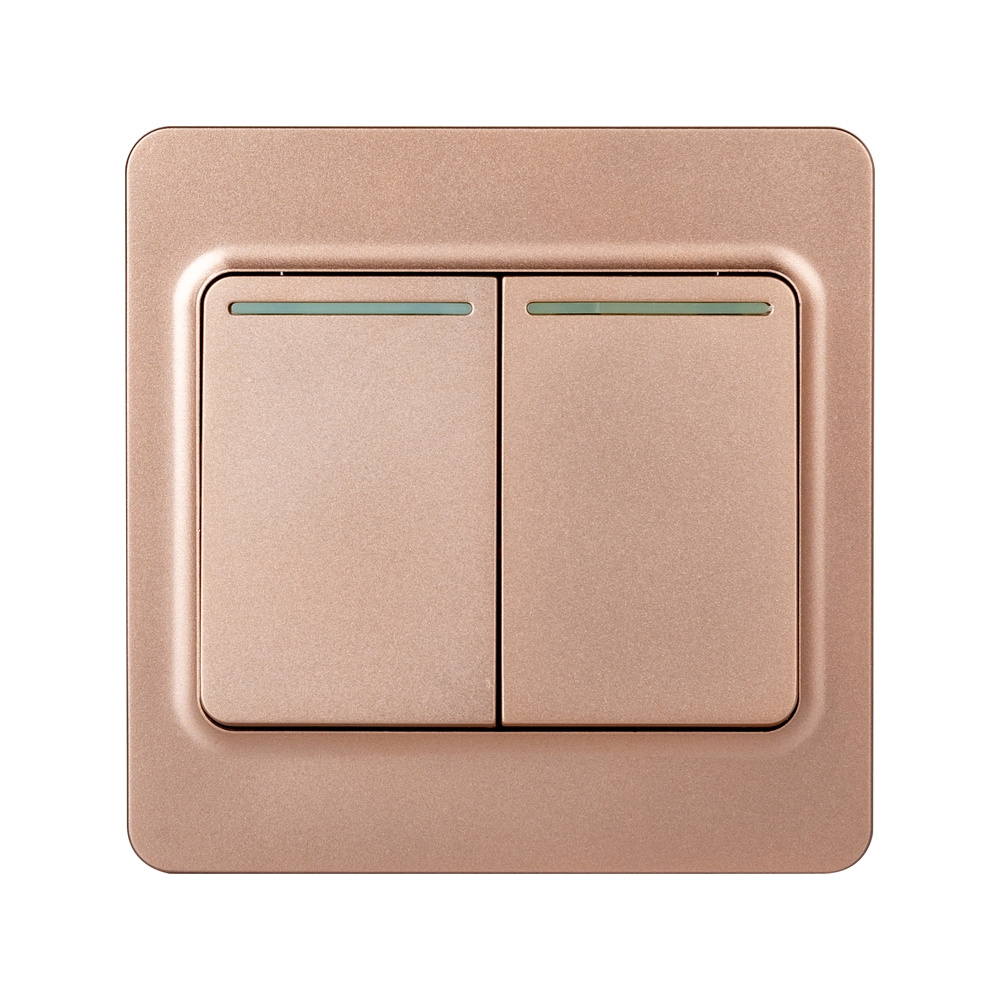
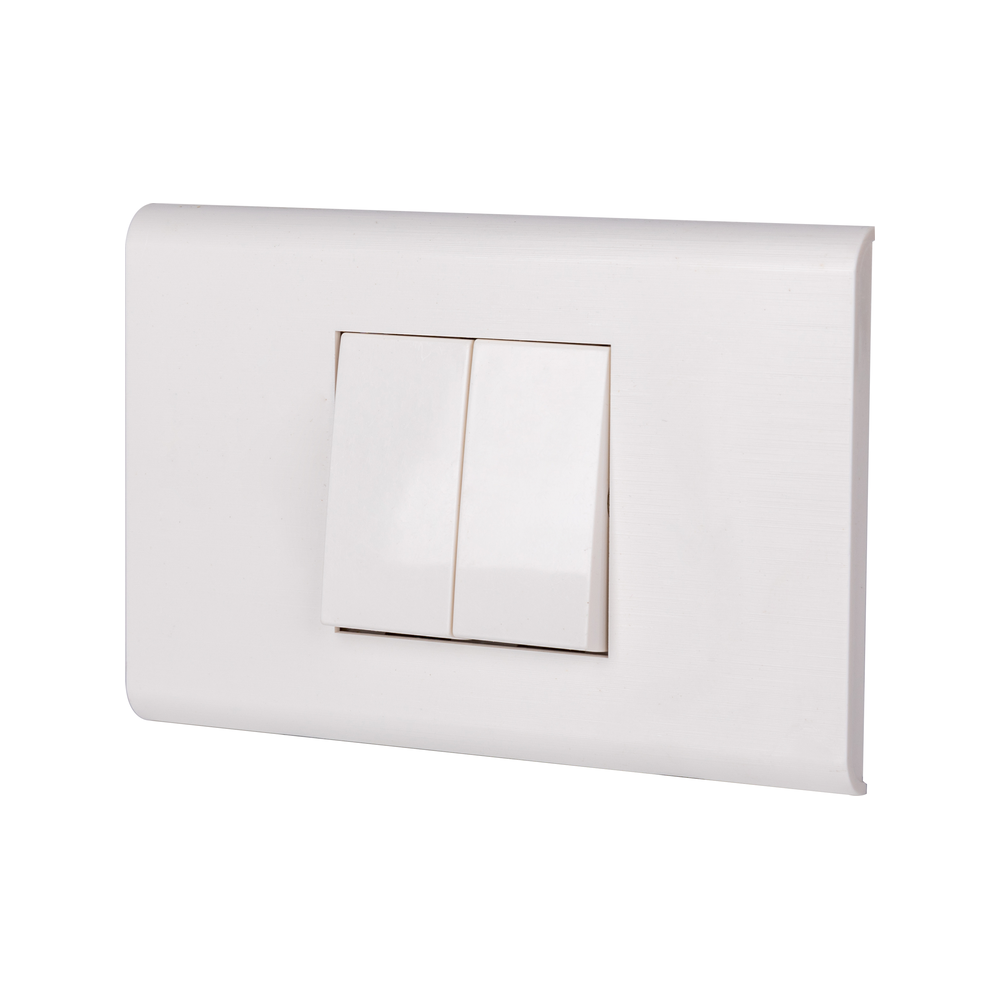
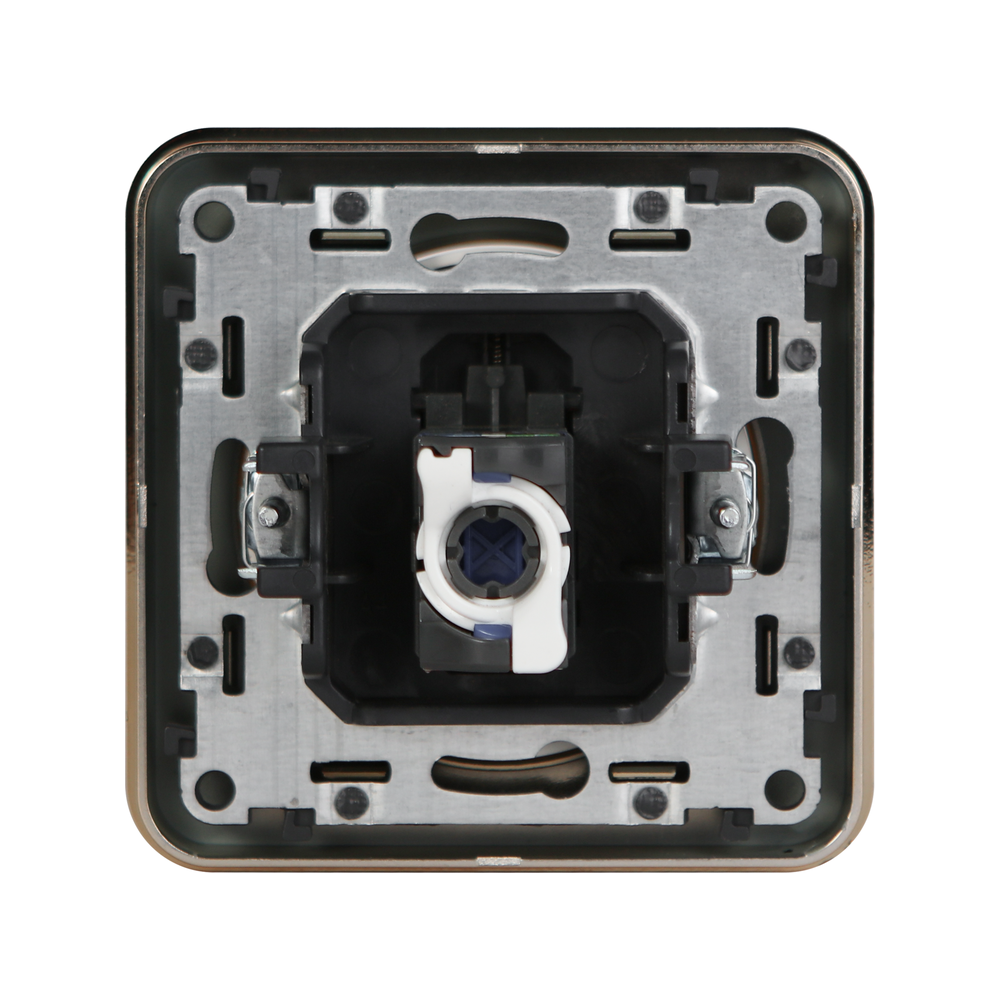
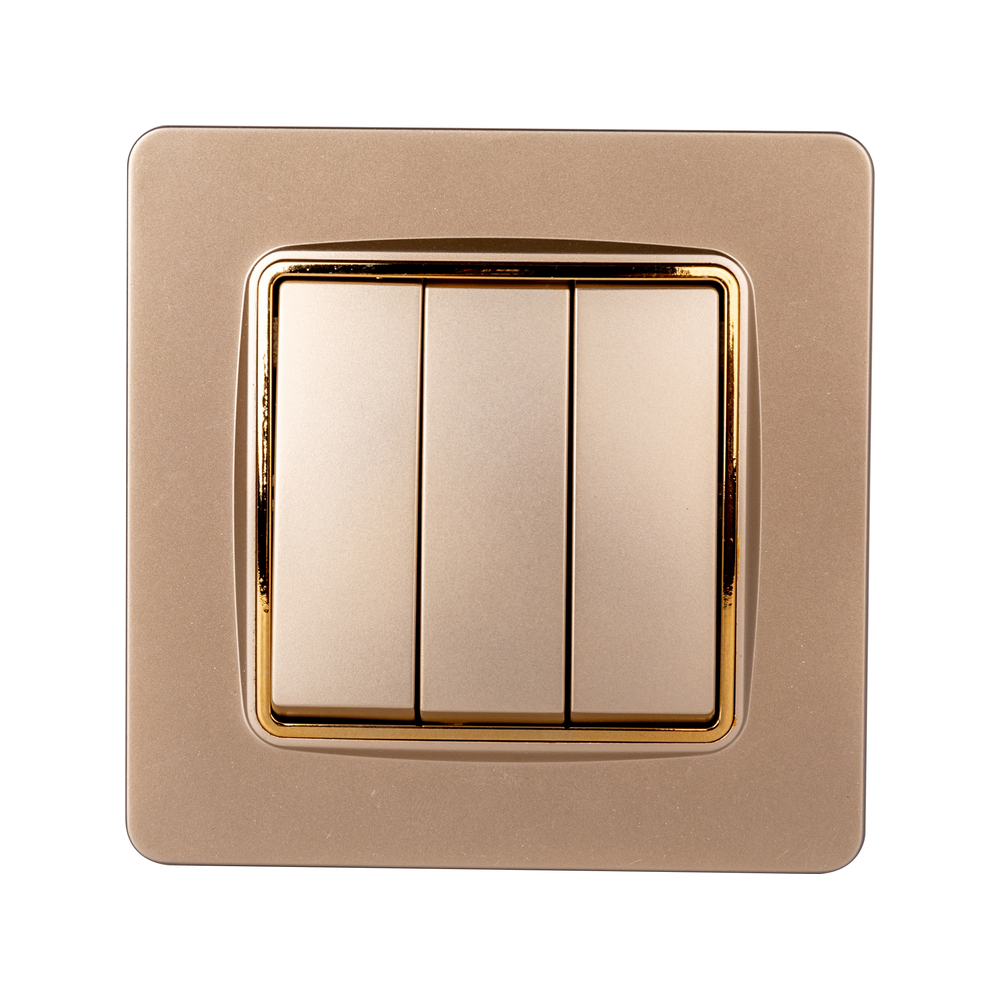
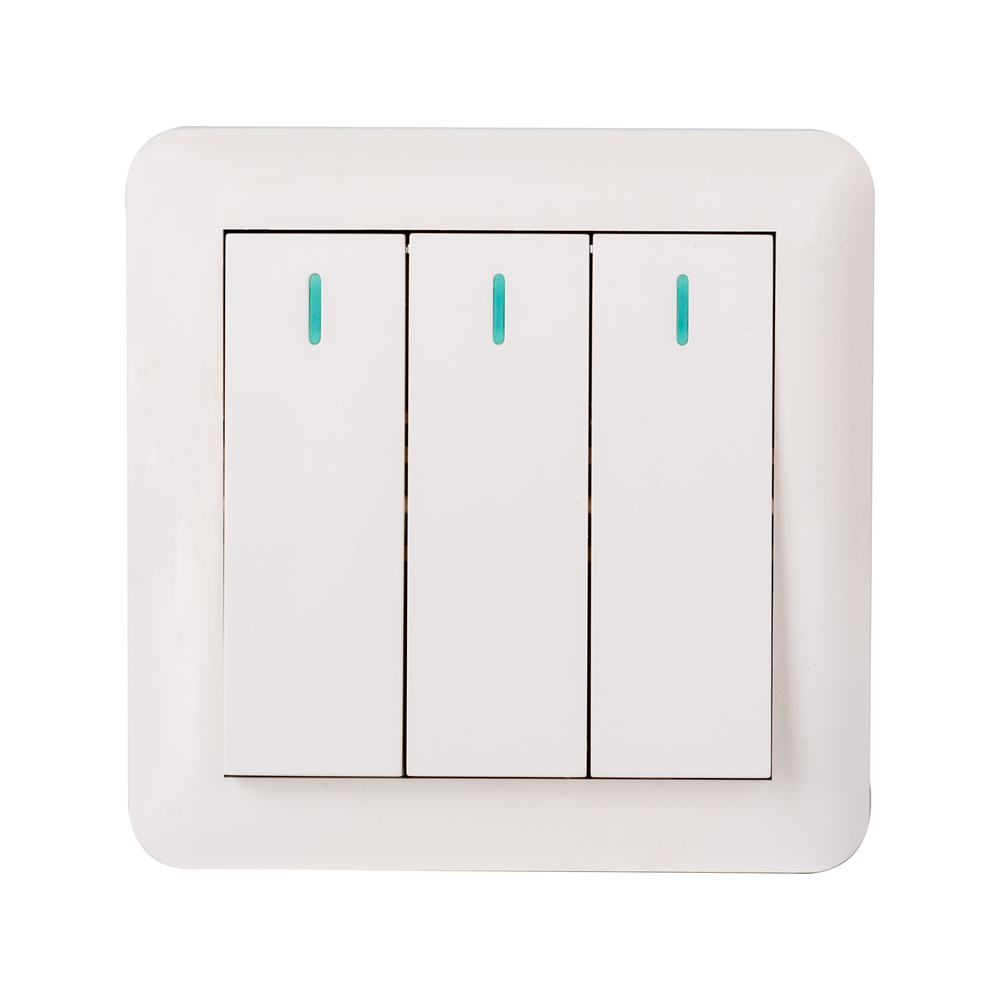
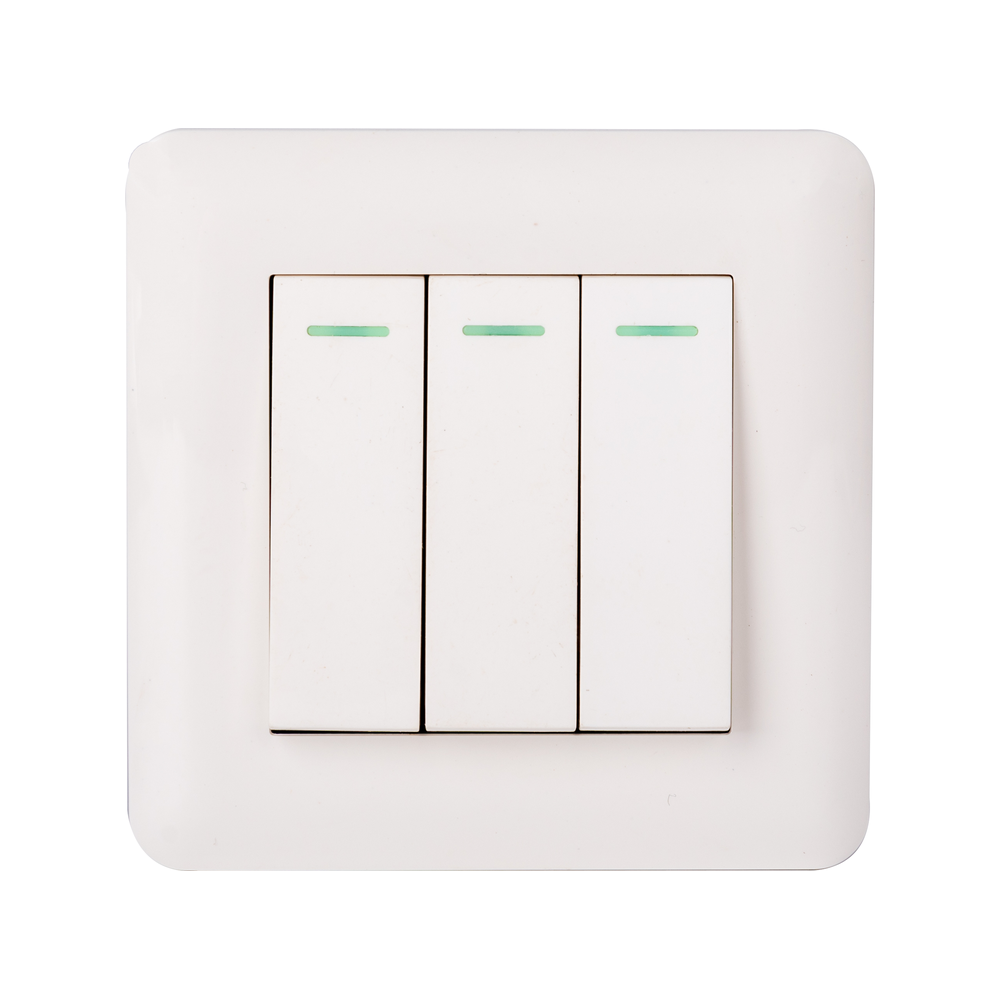
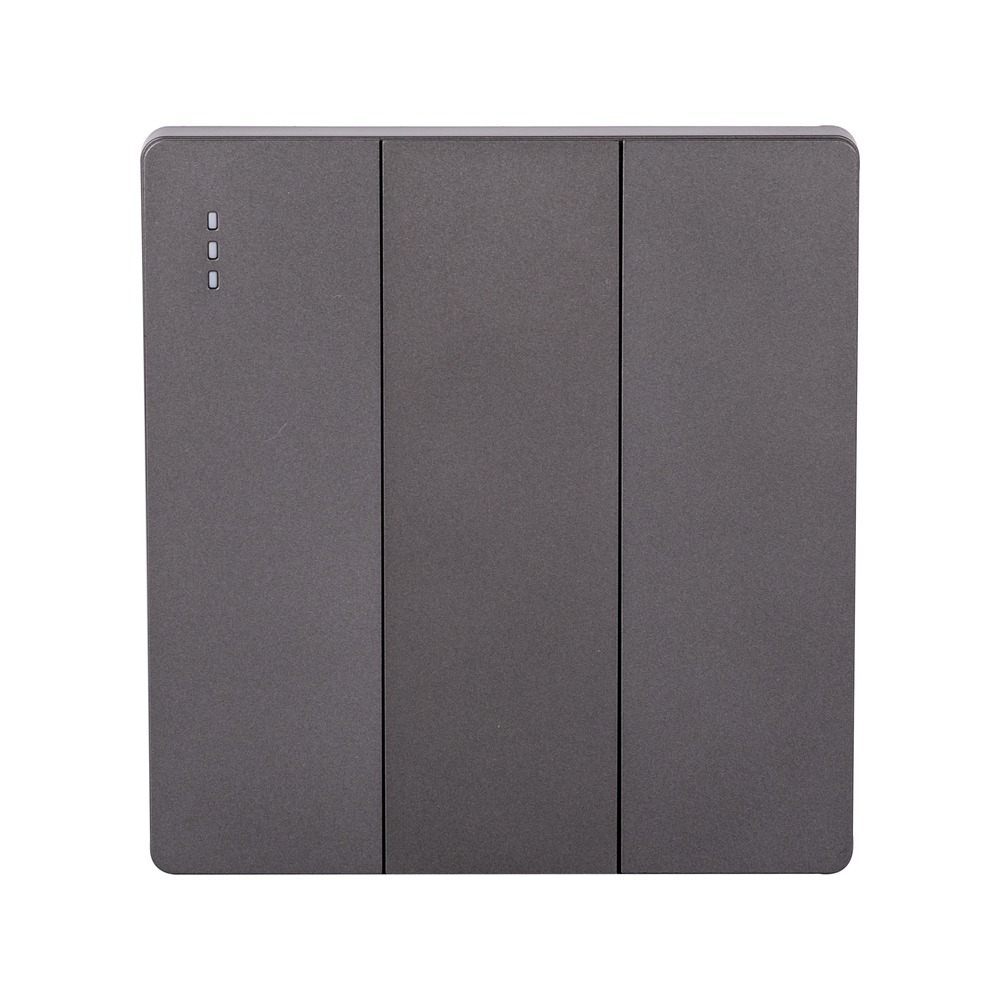
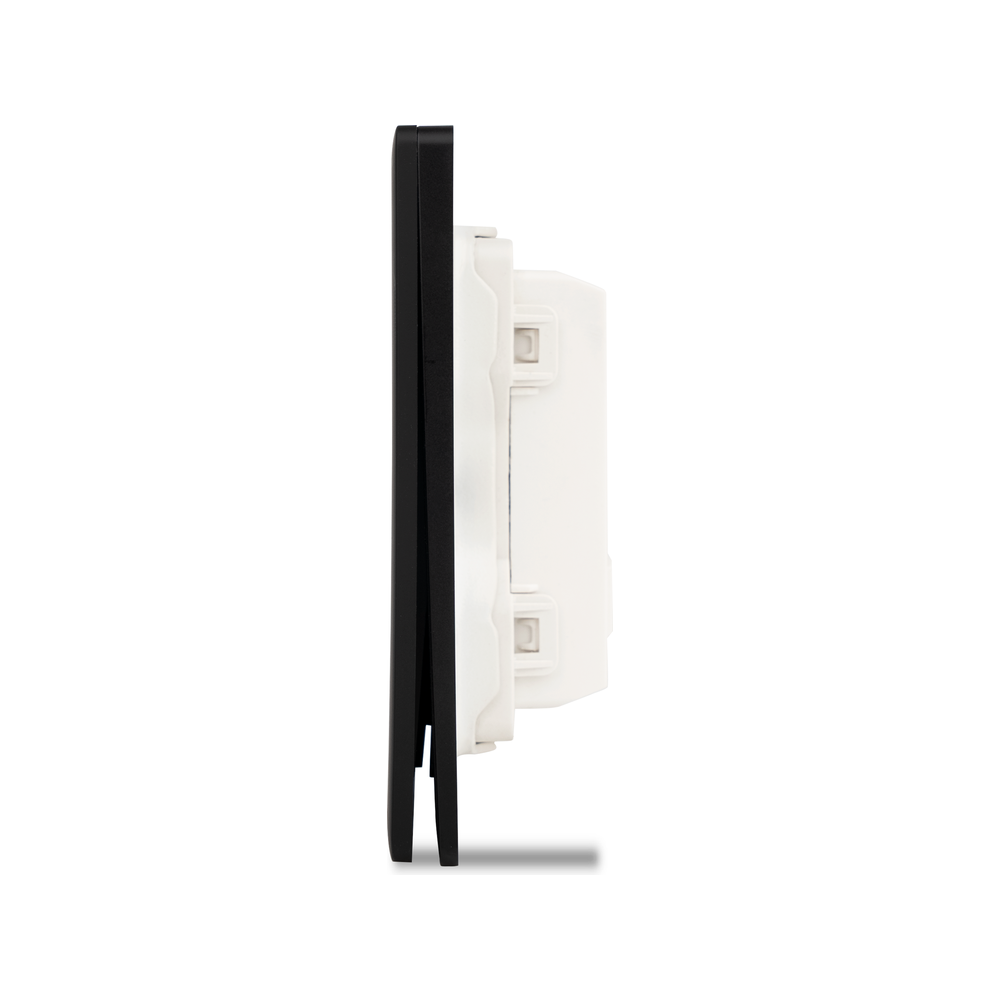
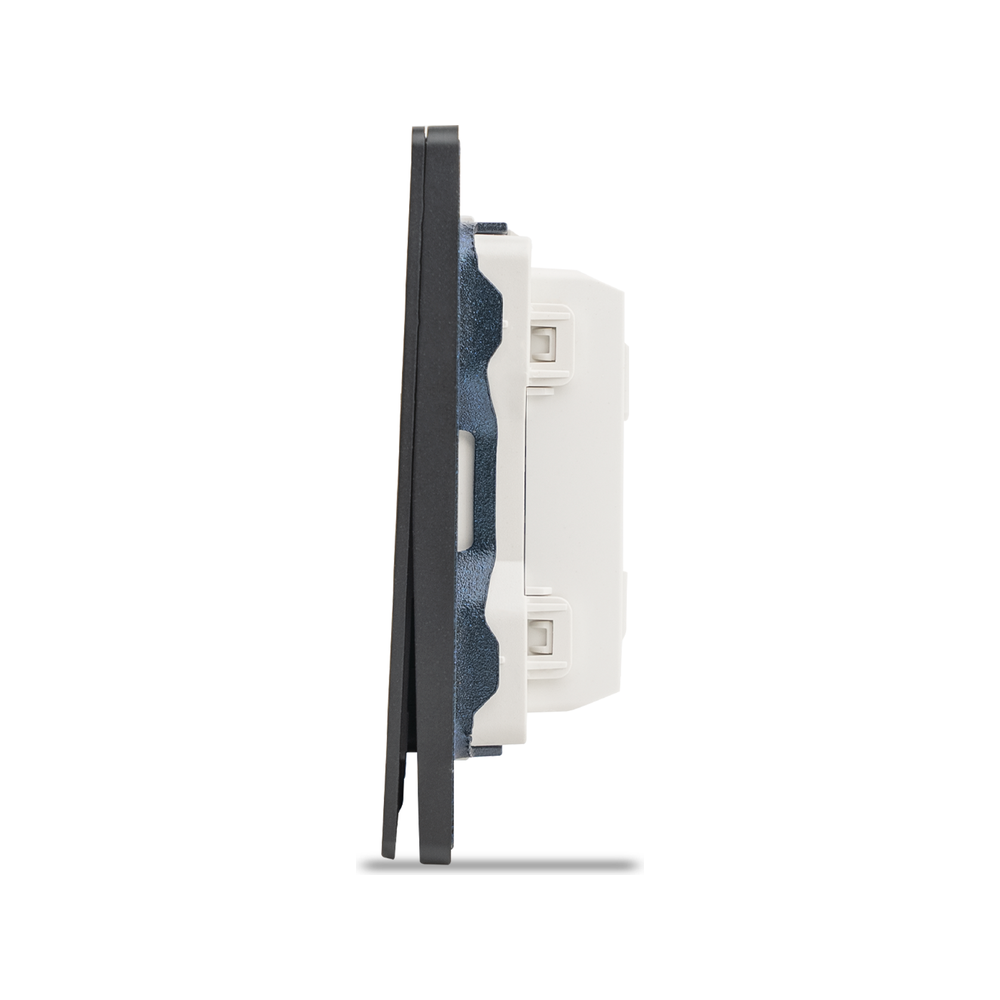
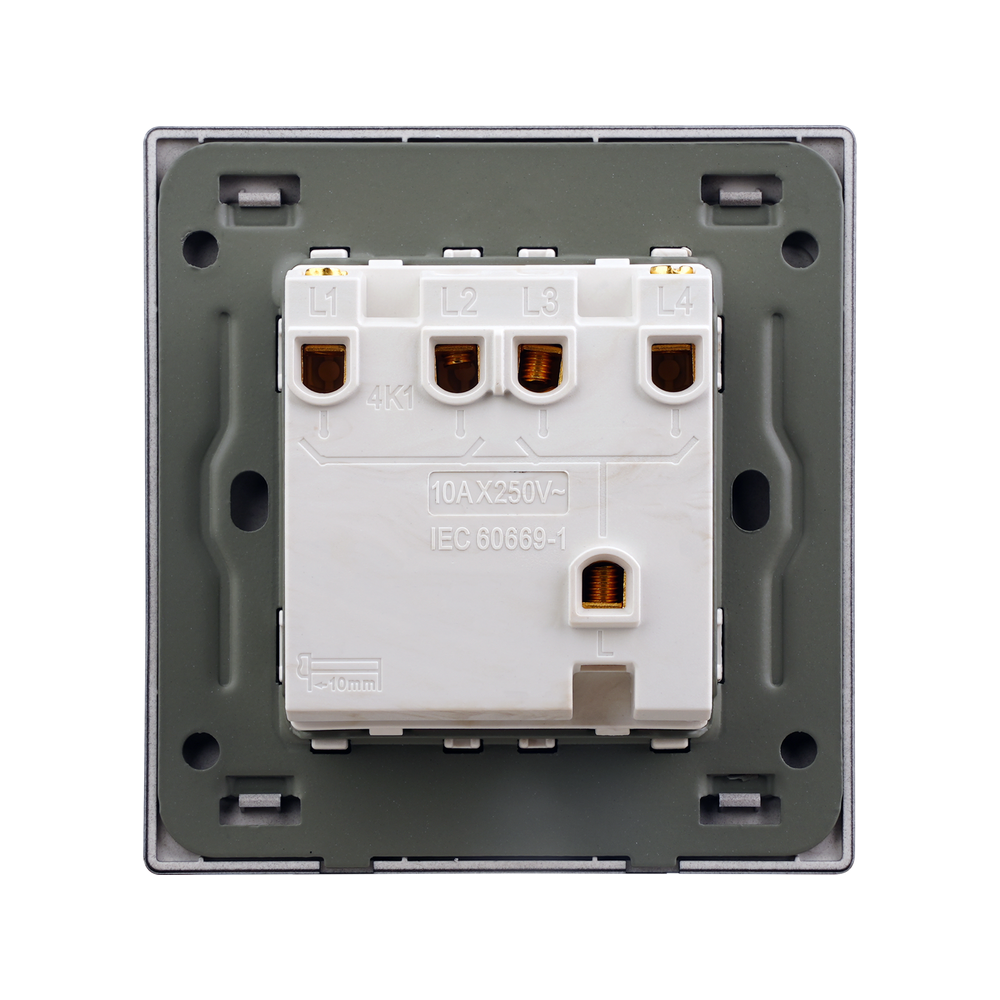
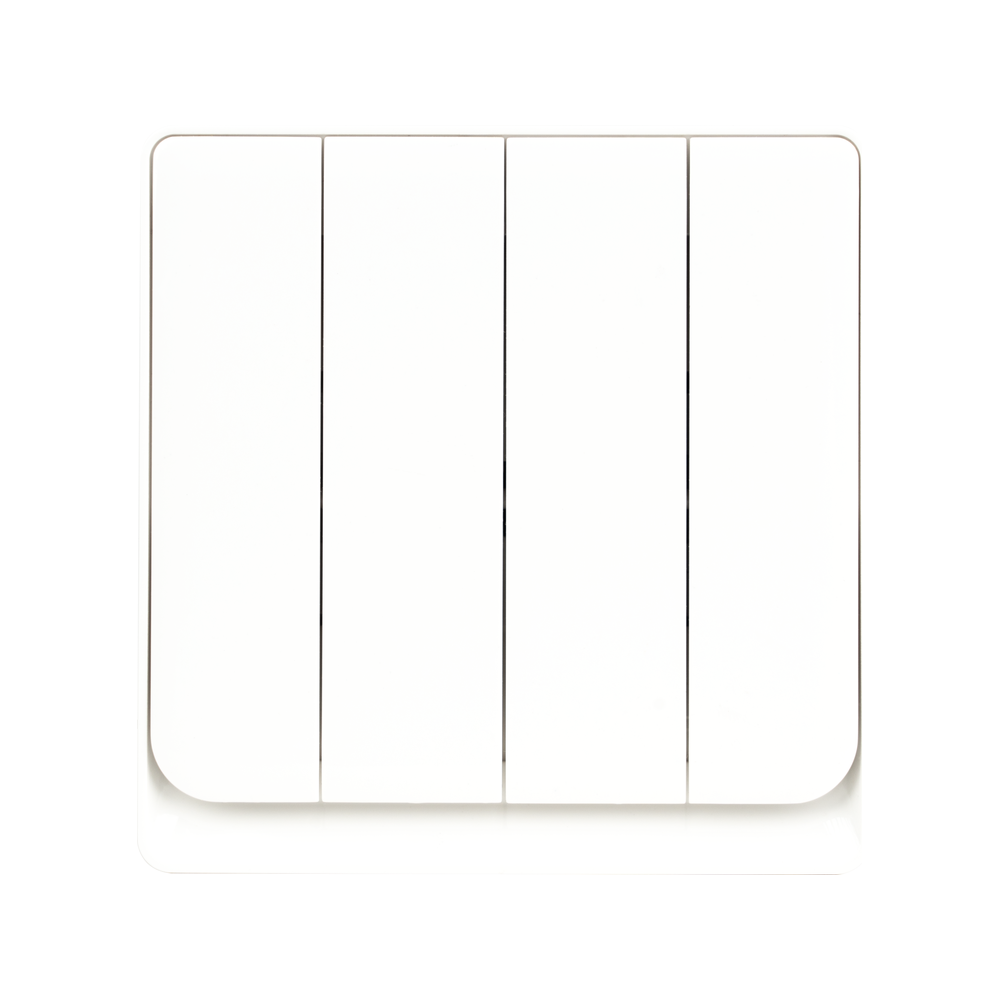
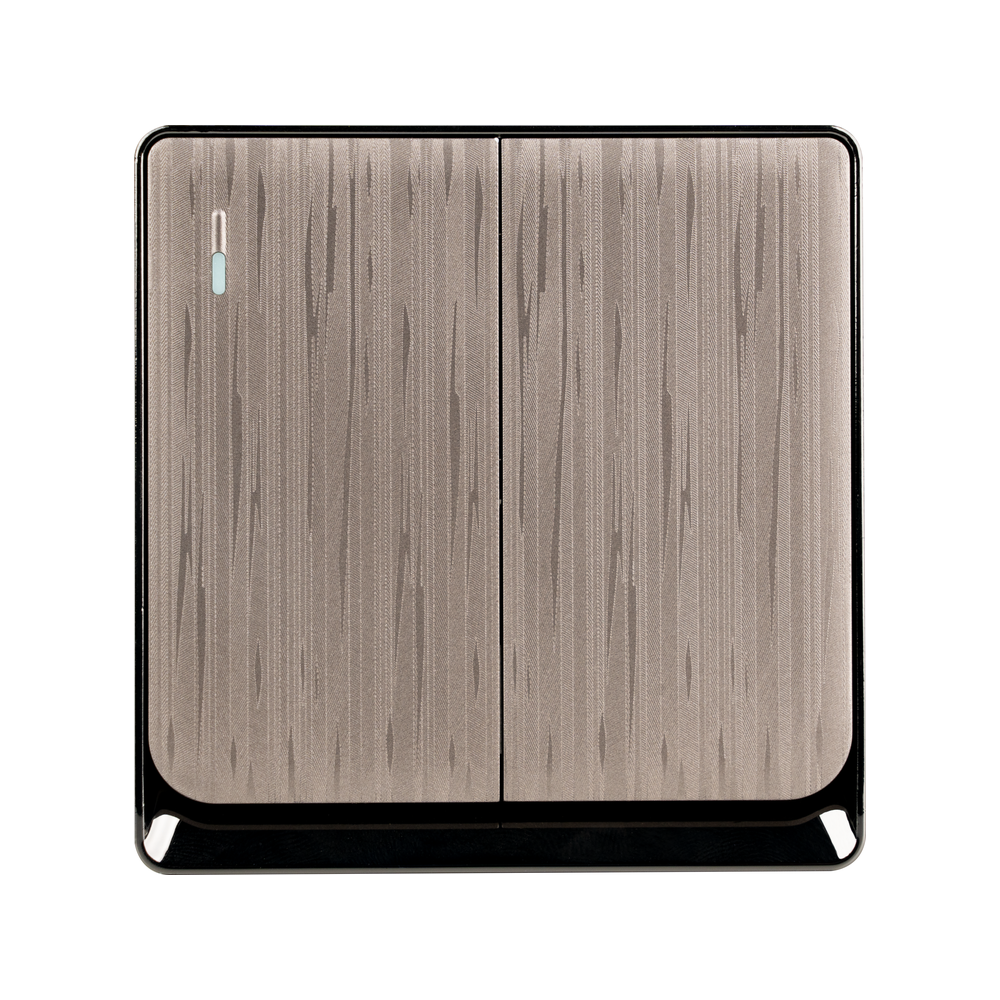
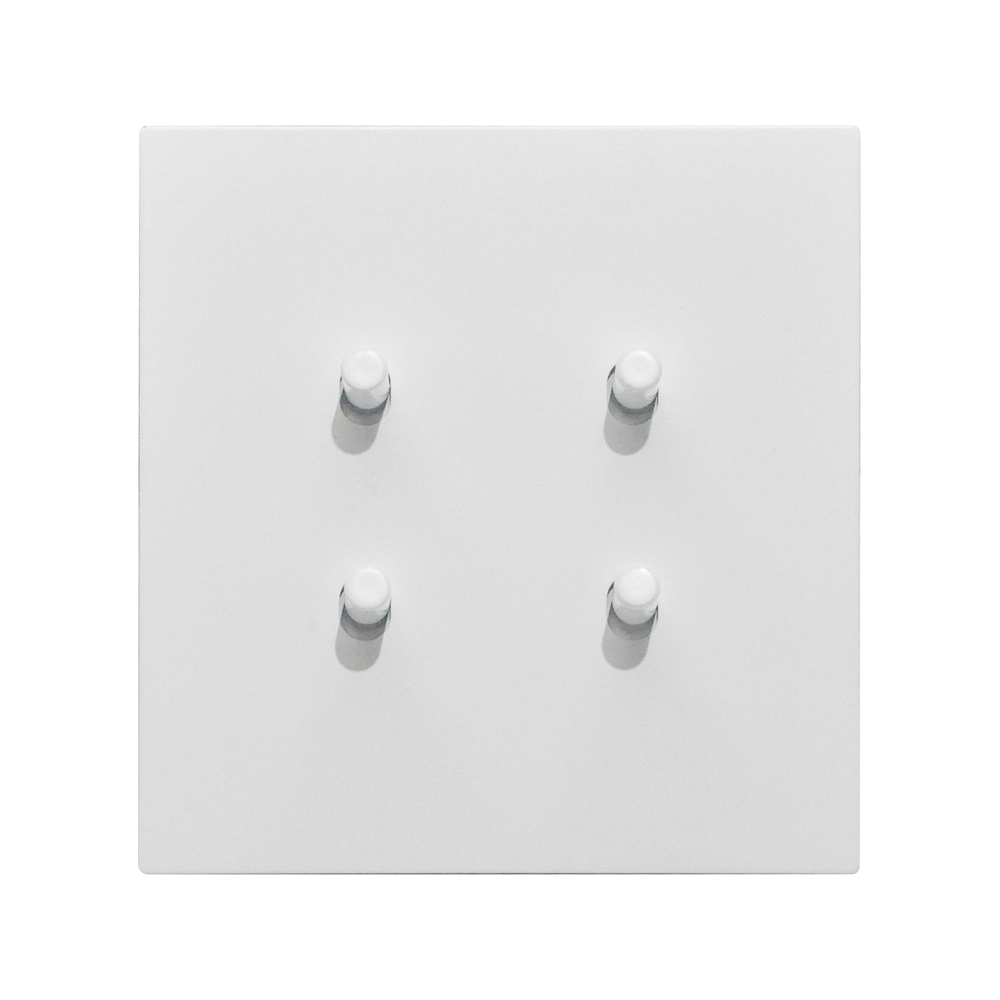
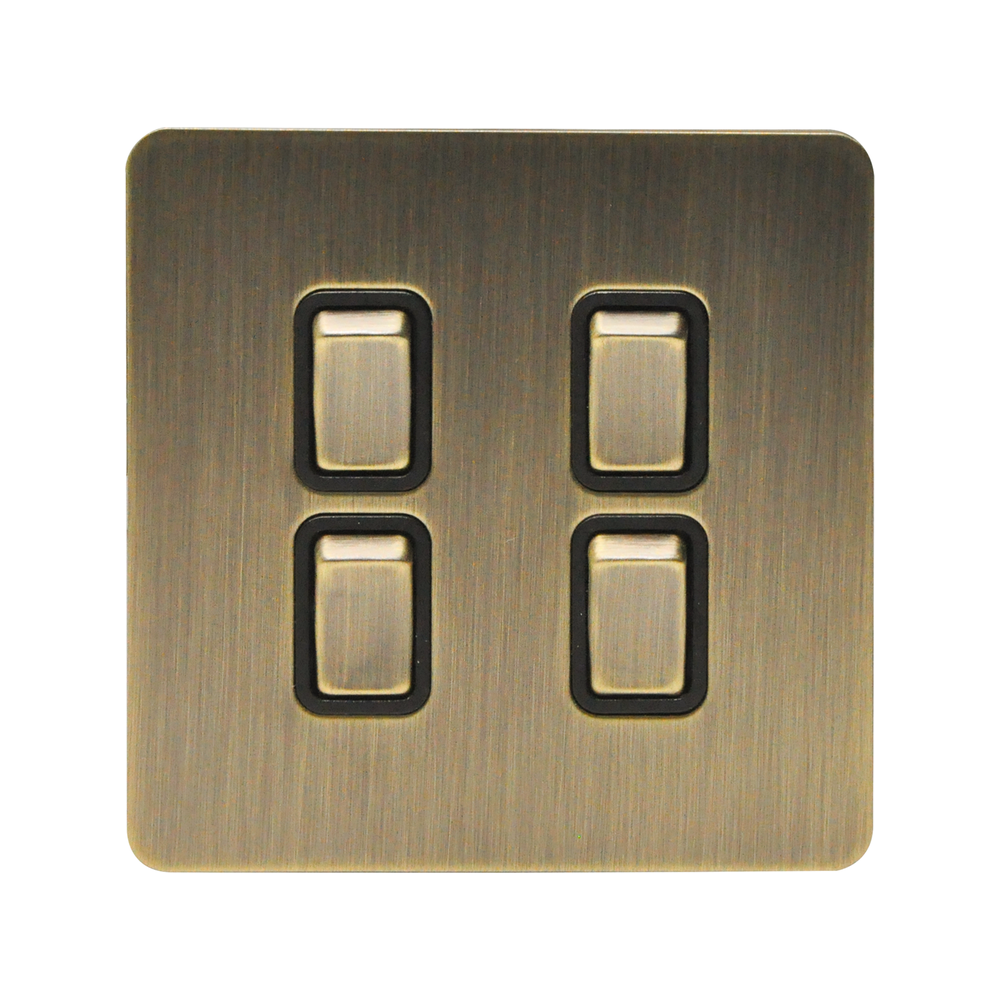
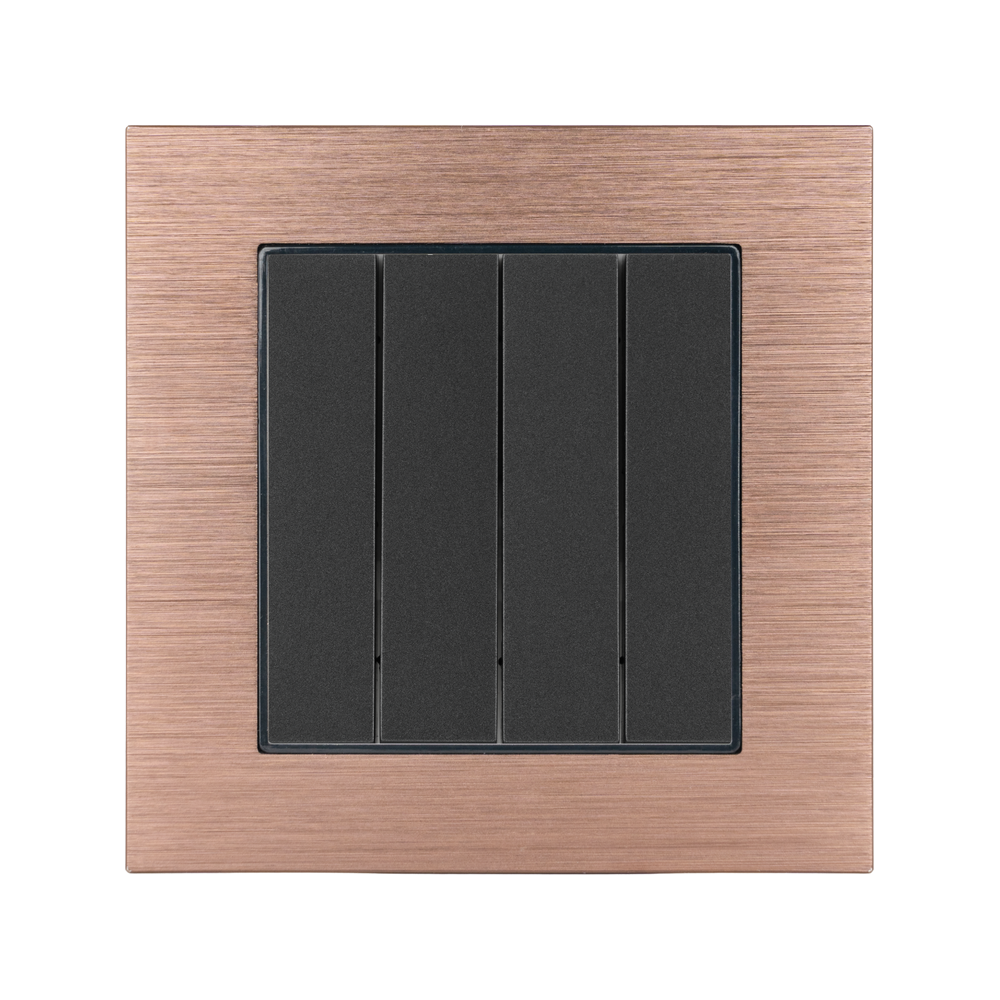
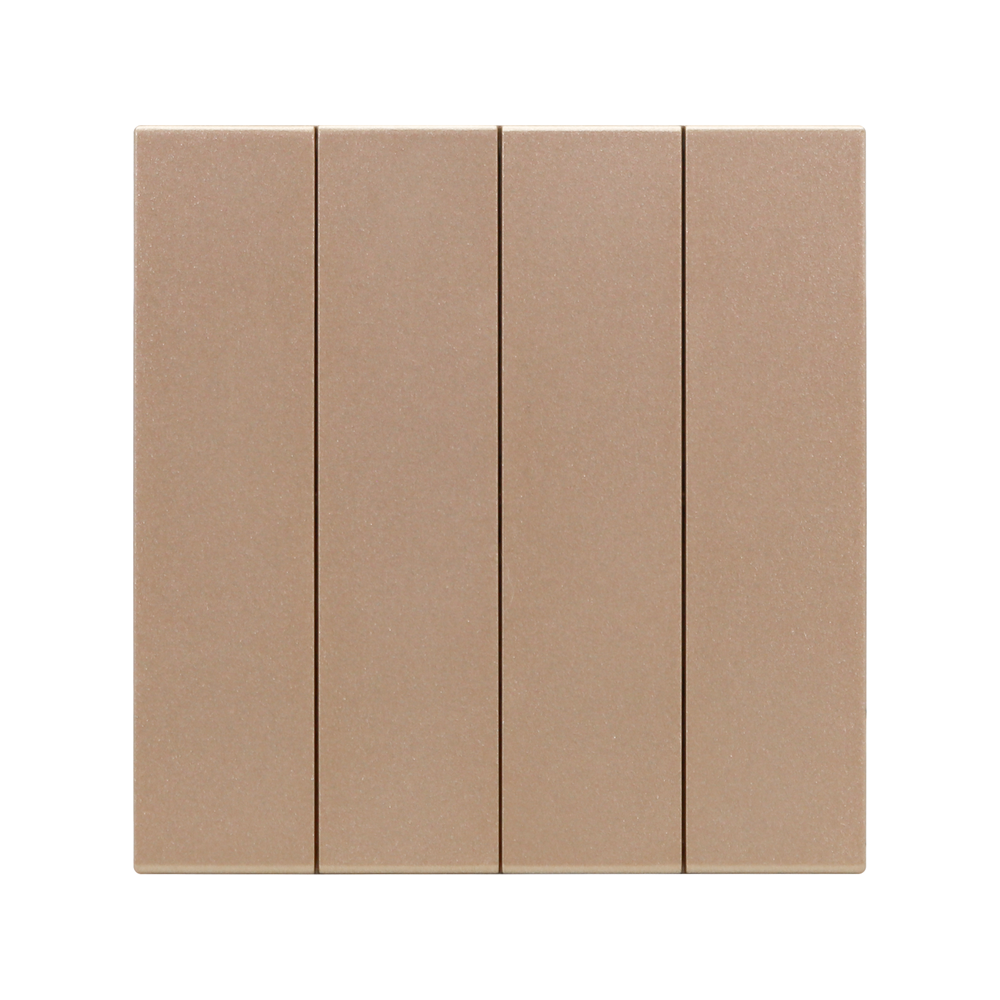
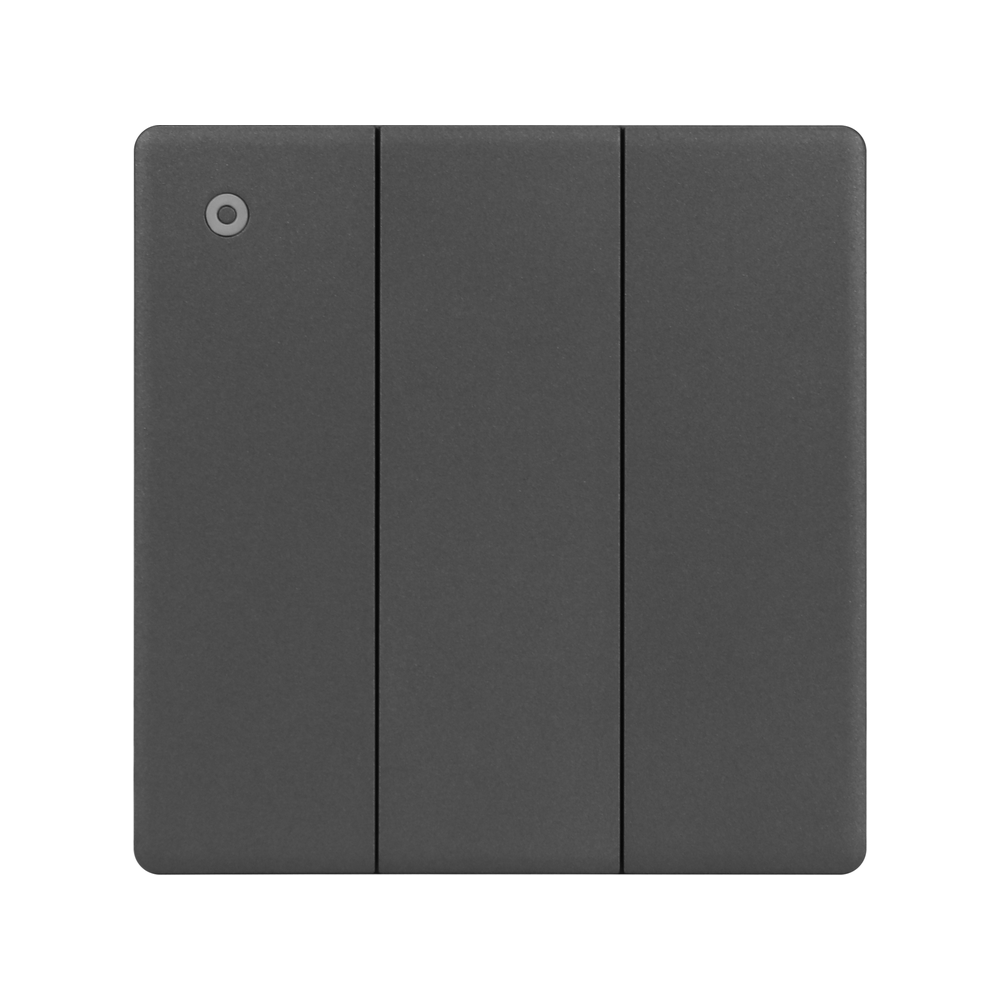
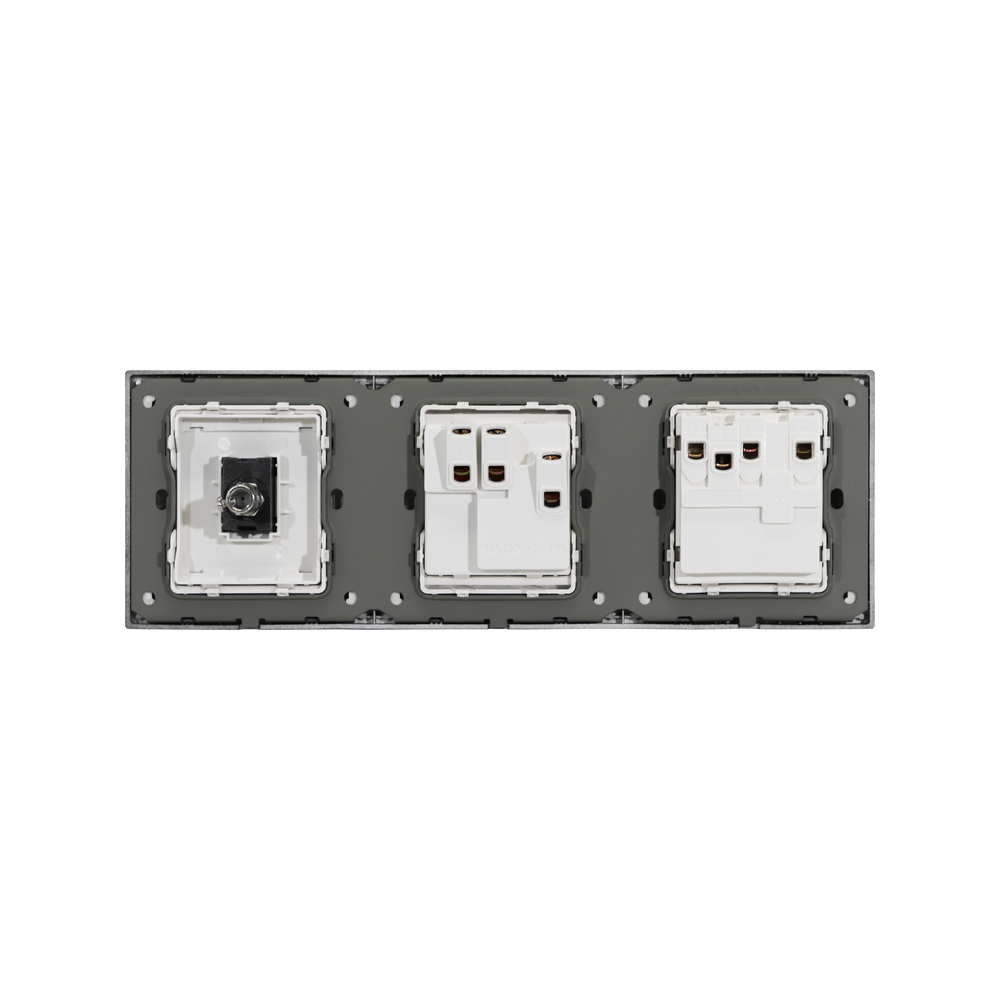
For a project specification, record the outlet family, rated current, local installation requirement and appliance load. Review relevant interruptores e tomadas de parede alongside drawings and destination-market requirements.
Padrões e verificação do mercado de destino
IEC 60038 addresses standard nominal supply voltages. IEC 60884-1 covers household and similar plugs and socket-outlets within its scope, including safety requirements and tests. IEC 60083 documents plugs and socket-outlets standardized in IEC member countries; it distinguishes configurations but does not certify an installation or guarantee cross-type fit.
For any loja de outlet do Sri Lanka decision, verify destination-market rules, client specification and installed markings. Pin geometry, earthing, plug fuse, voltage/frequency and building condition are separate checks. A standard can define dimensions or tests without being a product certificate; CE, RoHS or GCC documentation does not determine Sri Lankan installation compliance.
Selection guide for travel, fit-outs and procurement
- Photograph or inspect the actual socket faces across representative rooms before buying adapters in volume.
- Create a device register with input voltage, frequency, wattage, plug type and earth requirement.
- Choose adapters with clear ratings; where Type G is used, verify the fuse rating is appropriate to the cord and equipment.
- Escalate damaged, hot, loose or unmarked outlets to qualified local personnel rather than forcing a plug to fit.
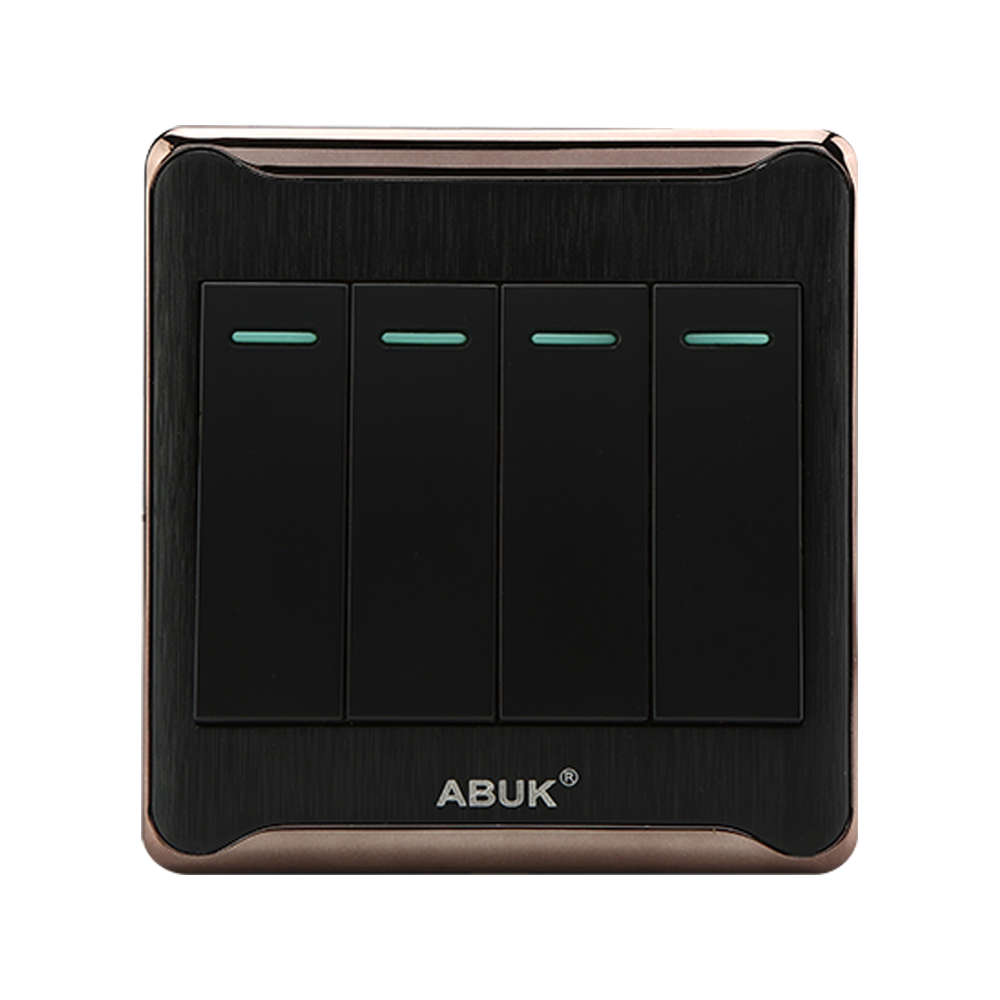
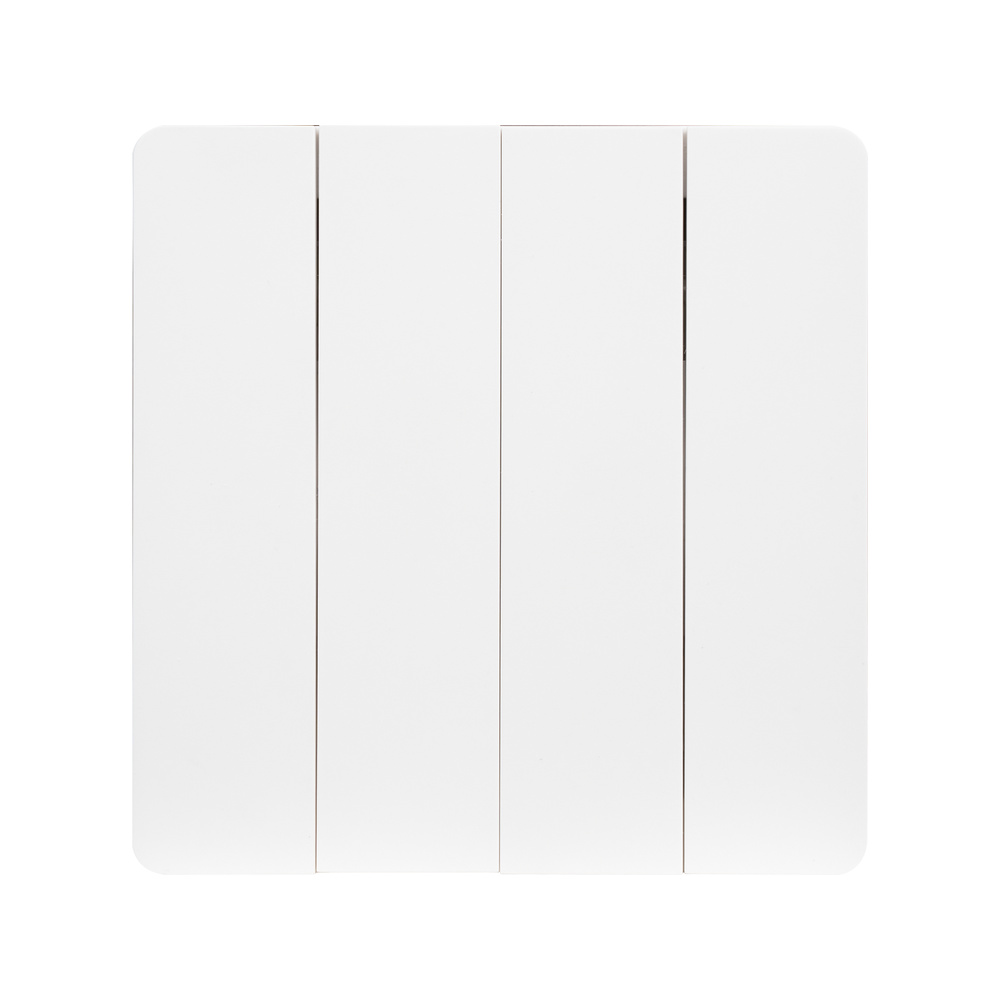
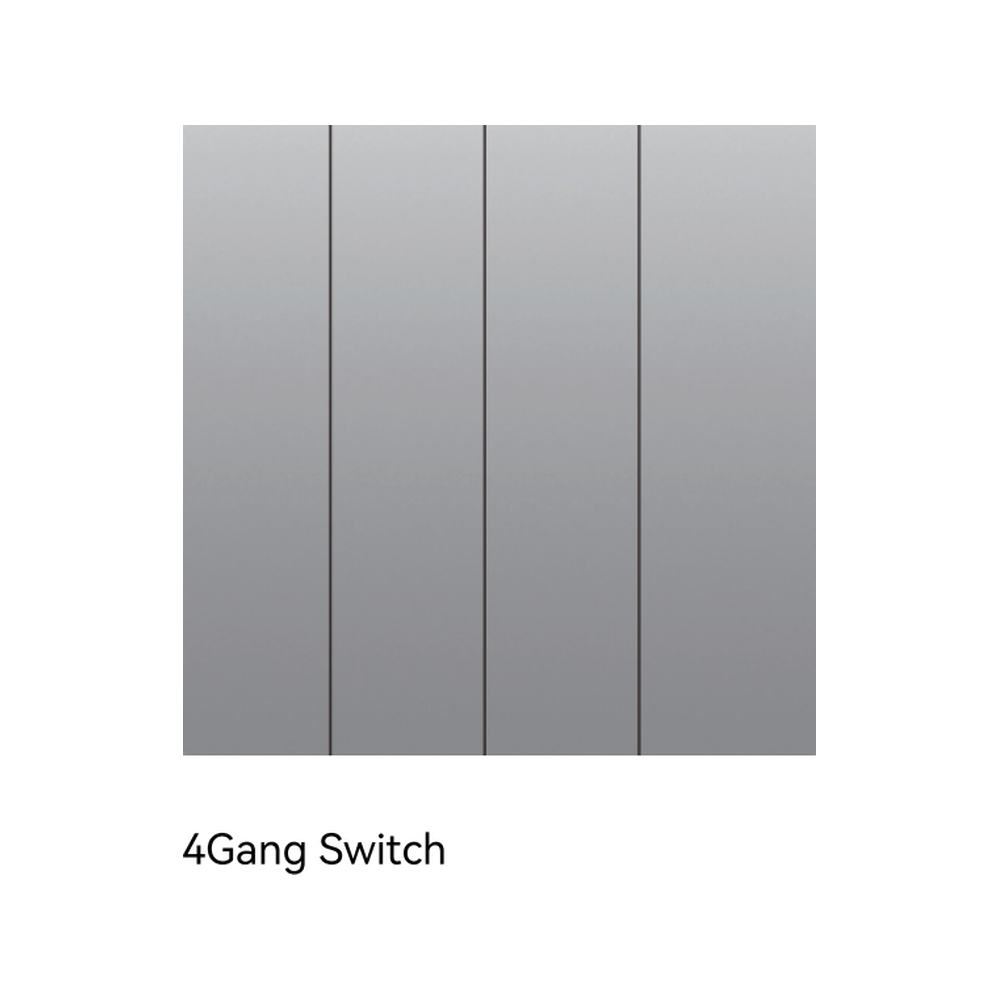
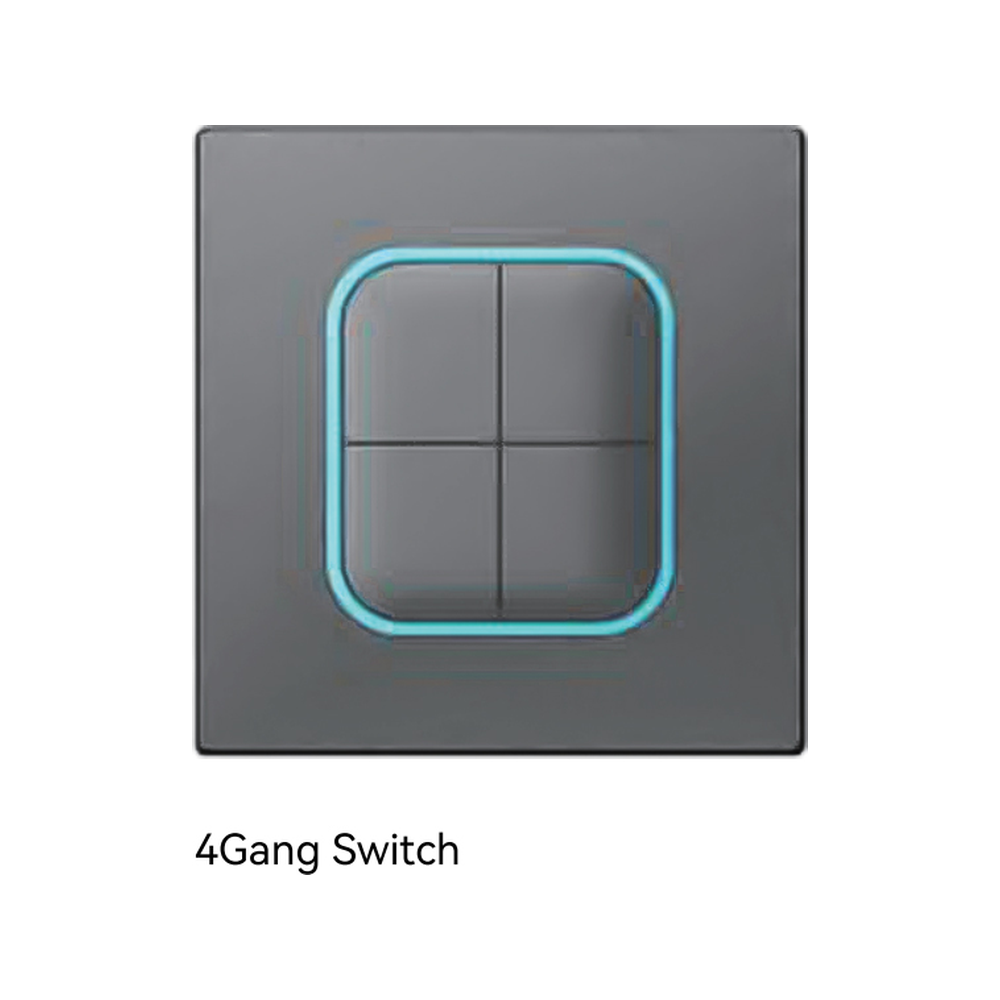
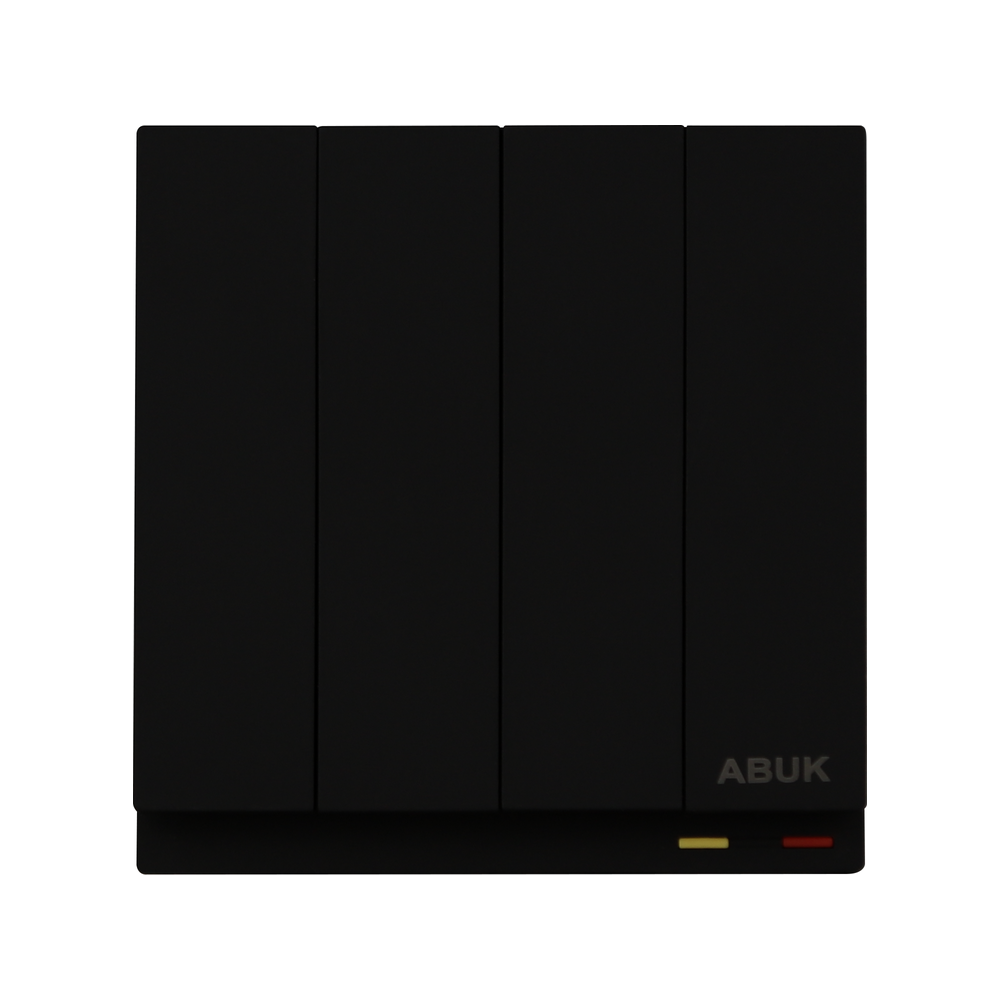
ABUK provides configurable wiring-device solutions with CE, RoHS and GCC documentation where applicable. For buyers planning a loja de outlet do Sri Lanka requirement, request drawings, ratings and destination-market verification that align with the installed system.
Perguntas frequentes
Which plug type is used in Sri Lanka?
Travel references commonly describe Type D, Type G and Tipo M socket options in Sri Lanka. The exact socket varies by building, so check the installed receptacle and device label instead of treating the country list as a guarantee of fit or earth continuity.
Is Sri Lanka electricity 230V?
Sri Lanka is commonly described as 230 V at 50 Hz. Confirm the device input marking before use: a plug adapter does not change voltage or frequency, and equipment outside that range needs a correctly rated solution or should remain disconnected.
Can British plugs be used in Sri Lanka?
A British Type G plug may work where a Type G socket is actually installed, but it will not fit every socket option. Check the receptacle face, the plug fuse and the equipment input rating; a physical fit alone does not prove circuit condition or electrical suitability.
What adapter should I take to Sri Lanka?
Take an adapter compatible with the Type D, G or M sockets you expect to encounter, while allowing for actual outlet variation. For charging, first confirm the device is marked for 230 V/50 Hz; for grounded or higher-load equipment, confirm the adapter’s rating and protective-earth arrangement as well.
Referências, frase de encerramento e próximo passo
- Comissão Eletrotécnica Internacional: IEC 60038, tensões padrão da IEC
- Comissão Internacional de Eletrotécnica: IEC 60884-1, tomadas e tomadas de força para uso doméstico e semelhantes
- Comissão Internacional de Eletrotécnica: IEC 60083, tomadas e tomadas de força padronizadas nos países membros da IEC
The dependable travel rule is to match the device, plug and installation—not merely the adapter. Review ABUK’s wiring-device products when planning a fit-out, and Entre em contato com a equipe para discussões sobre configuração e documentação.