
 Wenzhou Lita Electric Co., Ltd.


Can You Change a Wall Socket Without Turning Off Power?
When a property manager in Bristol encountered a cracked socket before a tenant handover, switching the accessory off seemed a convenient way to avoid interrupting the room. In this hypothetical case, the electrician stopped the planned removal because the faceplate switch did not establish that every relevant conductor was dead. The error was treating an operating control as safe isolation.
Summary: A wall socket should not be changed while energized. The supply must be safely isolated, secured against reconnection and proved dead by someone competent. HSE’s GS38 guidance identifies suitable voltage-indicating equipment and warns against relying on non-contact indicators for proving dead. An unlit appliance, a breaker label or an accessory switch is not sufficient evidence.
This is a planning guide for homeowners and maintenance buyers, not a procedure for live work. A routine socket replacement should be organized around a safe interruption of supply.
Why does the socket switch not make replacement safe?
The switch on an accessory controls its intended function; it does not necessarily disconnect every conductor inside the box. Wiring may remain live at supply terminals, and an installation may contain arrangements that cannot be established from the front. Even a two-pole switch is not a substitute for the full isolation and verification process.
HSE’s electrical safety guidance prioritizes working dead. For a wall socket replacement, the important question is whether the relevant supply has been identified and reliably disconnected—not whether a plugged-in lamp has gone out.
Turning the room lights off is equally inconclusive. Lighting and socket circuits can be different, while additions and alterations can make labels unreliable. The visible response of one appliance tests only that appliance’s operation at that moment; it does not establish the condition of every conductor the worker might encounter.
Why is a non-contact tester not proof of isolation?
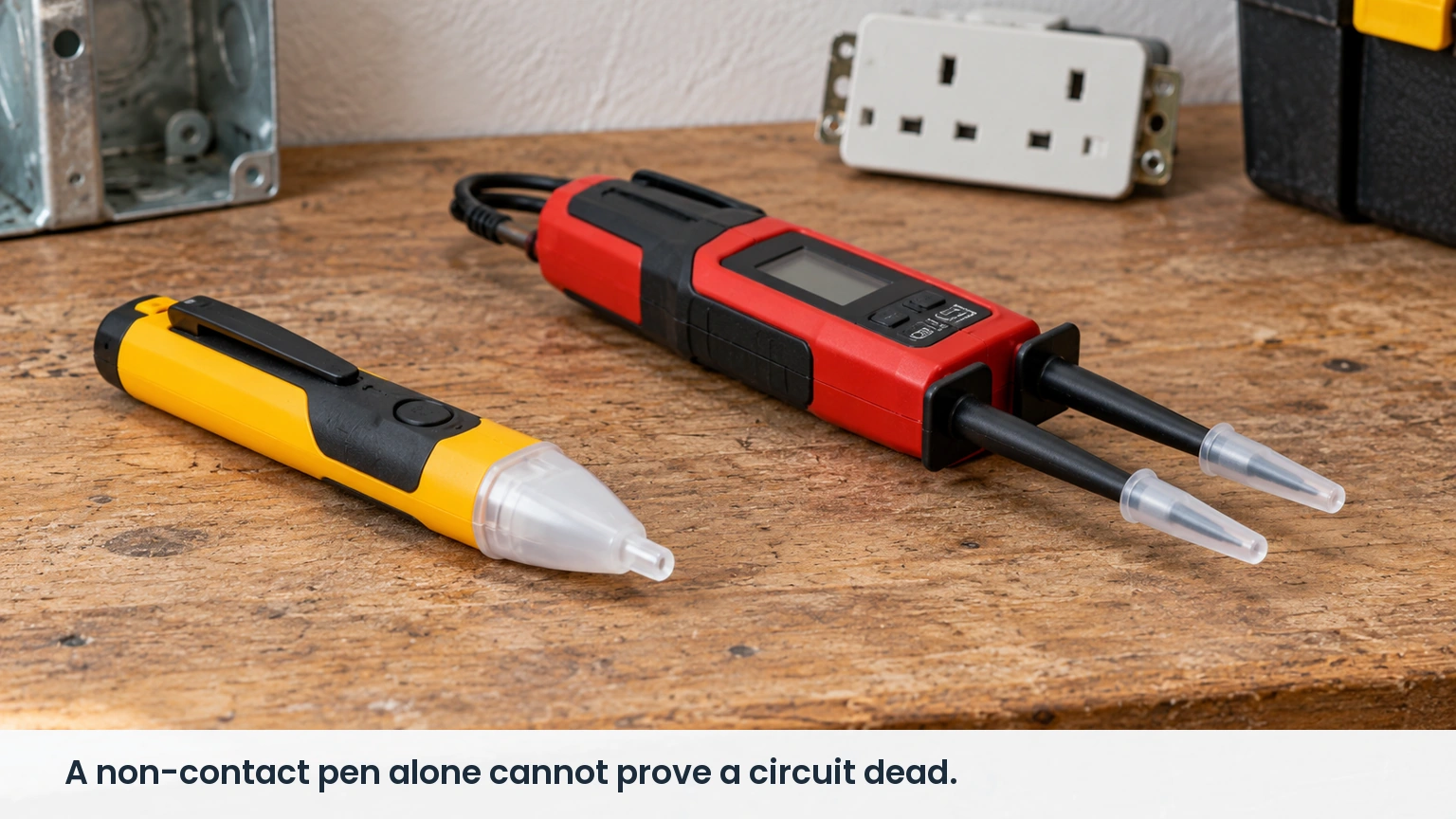
A non-contact pen senses an electric field under conditions that depend on its design and surroundings. It can be useful for preliminary indication, but HSE GS38 does not treat it as suitable for proving a circuit dead. Silence from the pen is not a sufficient basis for touching conductors.
GS38 discusses suitable two-pole voltage indicators, including equipment to BS EN 61243-3, and checking the indicator before and after use. The purpose is to avoid mistaking an instrument failure for absence of voltage. Instrument selection, condition and competent use all belong to the process.
A multimeter also needs appropriate selection and use; its presence in a toolbox does not make the work safe. The existing guide to wall socket voltage testing explains why a reading is not a complete installation assessment.
What if the breaker label is wrong?
The replacement stops until the correct source and isolation point are established. HSE guidance supports identifying hazards and preventing re-energization; a handwritten label is useful information, but it is not a test result. Older properties, divided premises and circuits altered over time deserve particular care.
Alternative supplies must also be considered. A property with a generator, battery system or other source may require more than one isolation decision. The electrician should assess the actual system rather than assume a single switch controls everything relevant to the work.
If a tenant cannot identify a breaker, the safe response is not to remove the plate for a closer look. Leave the accessory intact, restrict use if it is damaged, and arrange competent attendance. Where there is smoke, active burning or another immediate danger, follow emergency procedures rather than continue diagnosis.
How can the power interruption be planned without disrupting the property?
A planned outage usually costs less than an emergency caused by rushed work. The person coordinating maintenance should identify affected occupants and equipment, agree a suitable time and arrange authorized shutdowns where necessary. HSE’s emphasis on safe systems of work applies to this planning as much as to the test instrument.
For example, a 30-minute booking is only a scheduling assumption, not a guaranteed replacement time. Damaged wiring, an unsuitable box or failed verification can extend the job. Quotations should distinguish a straightforward replacement from diagnosis and remedial work instead of promising a fixed duration regardless of findings.
Medical equipment, alarms, refrigeration and network equipment may require continuity arrangements. Those arrangements should be agreed with the responsible people and equipment providers; they must not become a reason to improvise a live replacement. A convenient appointment is negotiable; safe isolation is not.
Which observations actually establish safe conditions?
| Observation or action | What it tells the worker | What it does not establish |
|---|---|---|
| Socket switch is off | The control has been operated | All relevant conductors are dead |
| Appliance does not run | That appliance is not operating | Isolation and absence of voltage |
| Non-contact pen gives no indication | No field was detected under those conditions | Proof that conductors can be touched |
| Competent safe-isolation process | Relevant sources and dead condition have been addressed | That unrelated installation defects are automatically absent |
How should maintenance teams respond to different situations?
| Situation | Planning response | Likely cost driver |
|---|---|---|
| Known circuit, intact installation | Book isolation, replacement and verification | Labor and accessory suitability |
| Unclear breaker identification | Allow circuit tracing before replacement | Diagnostic time |
| Multiple supplies | Obtain system information and competent assessment | Isolation complexity |
| Heat damage or recurring tripping | Investigate the cause, not only the faceplate | Repairs beyond the accessory |
Which standards and legal duties are relevant?
In the UK workplace context, HSE guidance and the Electricity at Work Regulations underpin the approach to electrical danger. GS38 addresses test equipment and safe use; it is not a universal homeowner license or a replacement for the applicable wiring requirements.
For dwelling work in England, Approved Document P explains building-regulation requirements. Notification, competence and safe testing are distinct questions. Other countries and UK jurisdictions have their own arrangements, so a rule encountered on a foreign DIY forum should not be transferred automatically.
Product markings such as CE, where applicable, and RoHS documentation do not authorize live replacement. Conformity of the accessory cannot compensate for an unsafe installation method.
What should be agreed before the electrician arrives?
- Confirm which rooms and essential equipment may be affected by the interruption.
- Provide existing circuit records and details of alternative supplies, where available.
- Agree that uncertain wiring or damage will be assessed before proceeding.
- Request appropriate verification and documentation after the work.
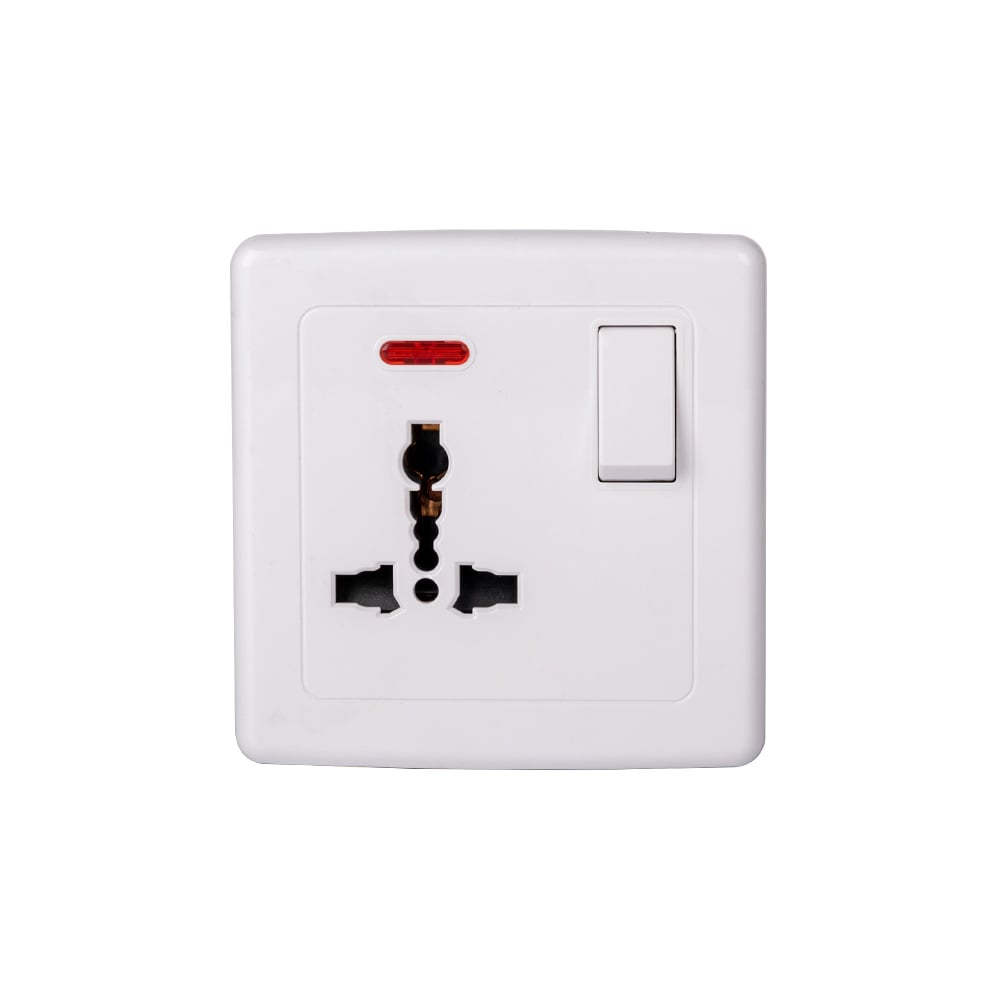
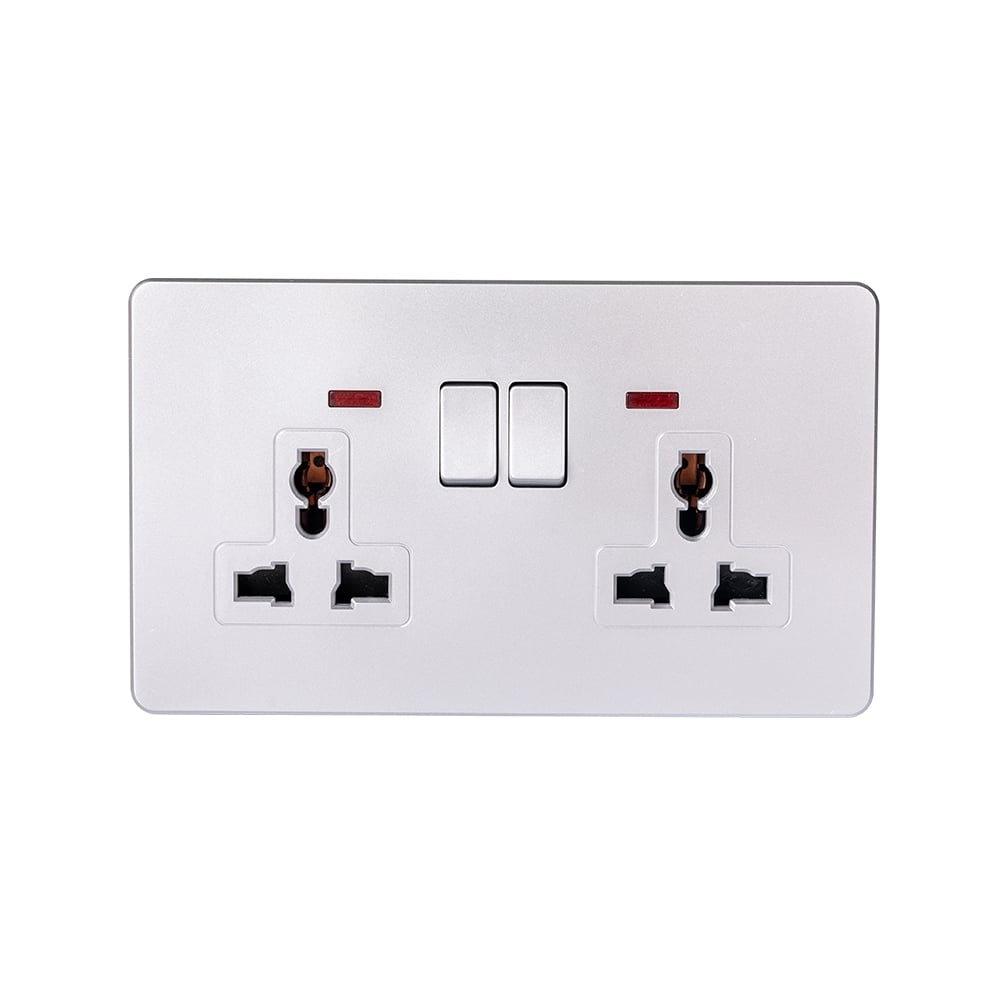
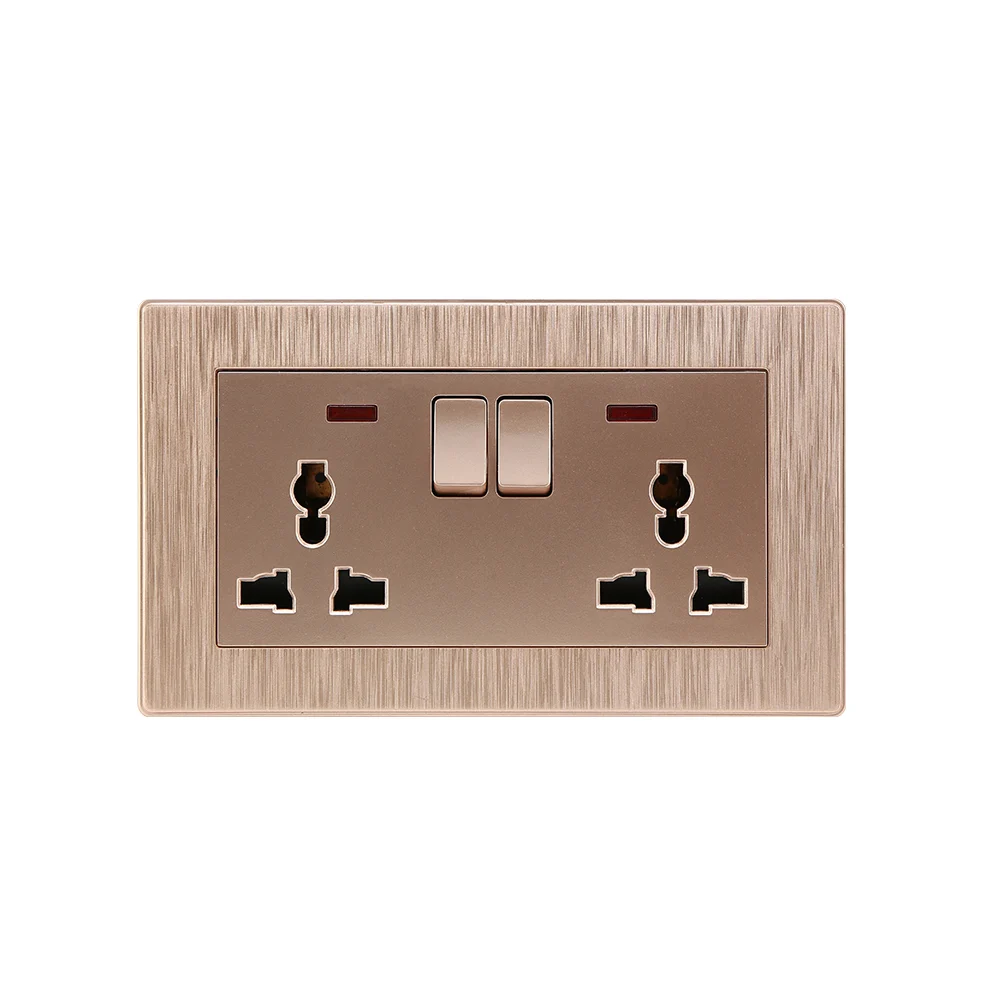
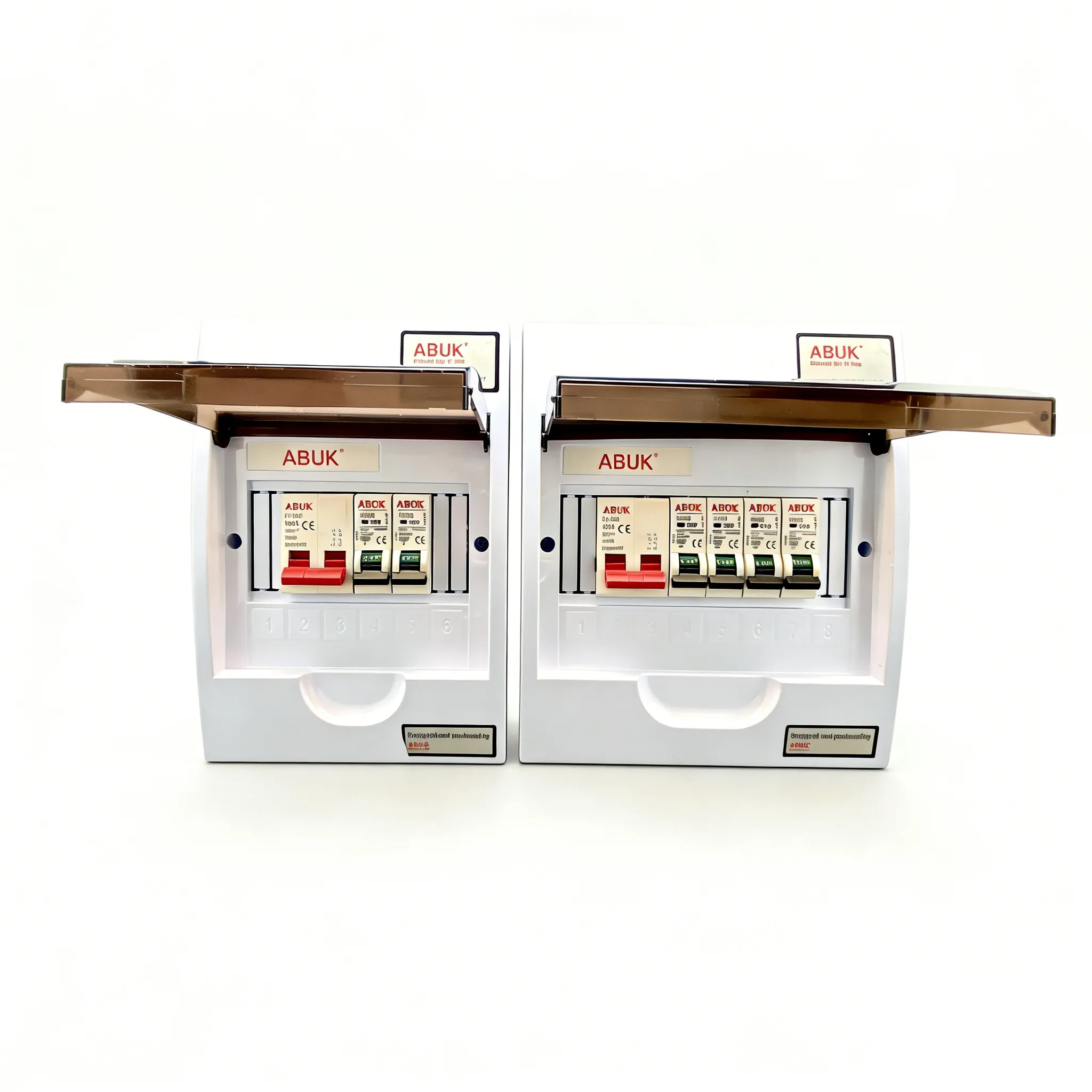
ABUK supplies electrical socket outlets for specification-led projects. The model should be selected for the actual installation and destination, with the required documentation; its appearance should not determine how the work is carried out.
Frequently asked questions
Can you change a wall socket without turning off power?
A routine replacement should not be performed energized. Arrange safe isolation and proving dead by a competent person before any work on conductors.
Why must power be isolated before changing a socket?
Removing the accessory can expose live parts and create shock, short-circuit and burn hazards. Isolation and verification address those hazards before access.
Is a non-contact voltage tester enough for socket work?
No. A non-contact indicator alone cannot prove dead. HSE GS38 describes suitable equipment and the need to verify the indicator’s operation.
What should I do if I cannot find the correct breaker?
Leave the socket intact and arrange competent circuit identification. Do not assume a nearby breaker or an unlit appliance identifies a safe working condition.
References
- HSE: electrical safety questions
- HSE GS38: electrical test equipment
- Approved Document P: electrical safety in England
A well-planned interruption protects both the person doing the work and the people relying on the installation afterward. ABUK’s home electrical outlets and accessories can be selected once the installation requirements are known. Request model information with the destination and project specification.