
 Wenzhou Lita Electric Co., Ltd.
Can You Change a Wall Socket Yourself?
When a homeowner in Leeds encountered a yellowed socket during redecorating, a replacement with the same outline seemed straightforward. In this hypothetical example, the new accessory arrived before anyone checked the box depth or the condition of the circuit; the planned quick improvement became a postponed job. Matching the faceplate had answered only one part of the replacement question.
Summary: Whether a homeowner may replace a socket depends on local law, competence and the installation’s condition. Safe isolation, inspection and verification are essential even for a visually simple change. In England, Approved Document P addresses dwelling electrical safety; Switzerland’s NIV Article 16 contains narrower conditional exceptions and inspection duties. Permission in one country is not permission everywhere.
The practical question is therefore not just “Can you change a wall socket yourself?” It is whether the person can recognize when an apparently ordinary replacement has become work beyond their competence.
What does a like-for-like replacement actually involve?
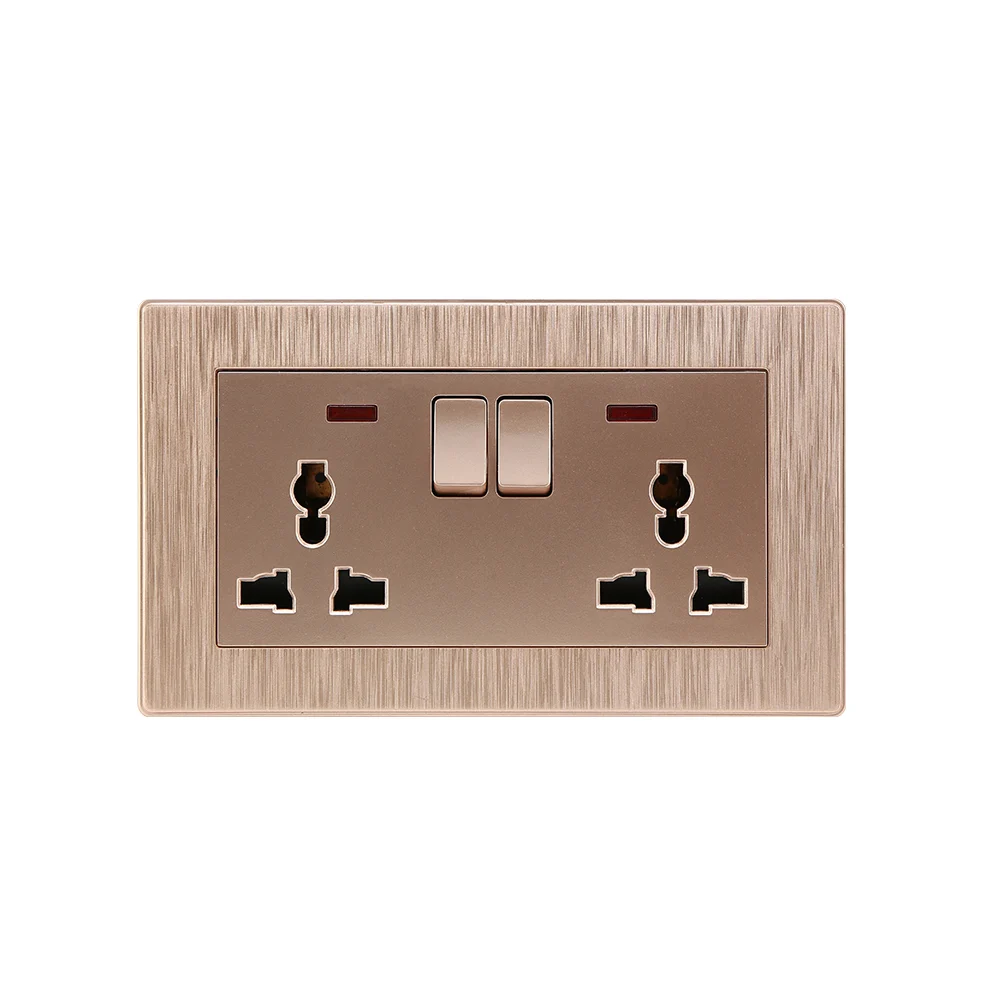
A genuine like-for-like change preserves the intended electrical function and remains suitable for the existing installation. The same color or number of socket openings is not enough. The rating, terminal capacity, earthing provisions, box compatibility and environmental suitability all need consideration.
Adding USB charging, changing to a metal accessory or fitting a deeper mechanism can introduce different requirements. A model designed for a 35mm box, for example, cannot be assumed suitable for a shallower one; that number is an illustrative installation requirement, not a universal socket dimension. The actual manufacturer’s instructions control.
HSE’s electrical guidance emphasizes competence and suitable equipment. A person who can remove screws but cannot assess the installation or verify the completed work has not demonstrated the skills needed for a safe wall socket replacement.
What turns a simple replacement into electrical diagnosis?
Heat damage, brittle insulation, unclear conductor identification, missing protective conductors or recurring tripping all change the job. Replacing the visible accessory may leave the underlying fault untouched. HSE advises withdrawing unsafe equipment from use and ensuring electrical work is carried out by competent people.
The condition of the circuit matters as much as the accessory. A new faceplate cannot establish continuity of a protective conductor or prove that every connection elsewhere is satisfactory. A plug-in tester may help identify some faults, but HSE warns that such testers can miss others.
One useful stop rule is uncertainty about any safety-critical detail. If the person cannot identify the circuit, establish safe isolation or explain how the completed work will be verified, an electrician should take over. The article on wall socket replacement provides wider context; it should not be read as permission to work outside local rules or personal competence.
How do local rules change the answer?
In England, Approved Document P concerns electrical safety in dwellings, including design, installation and inspection. Whether a particular task requires notification is a separate question from whether it must be done safely. Advice saying “not notifiable” should never be interpreted as “no knowledge or testing required.”
Switzerland illustrates why a global yes-or-no answer fails. NIV Article 16(2)(a) provides a conditional exception for individual sockets and switches in existing installations in the person’s own occupied rooms and associated ancillary rooms, on specified single-phase final circuits protected by an RCD rated no more than 30mA. Article 16(3) requires inspection by a permit holder and a safety certificate for that work.
That exception is not general permission for any homeowner to alter any installation. A rental property may also involve owner permission and contractual responsibilities. Before ordering accessories, the person responsible should establish the jurisdiction, property context and required inspection route.
What should a homeowner prepare for the electrician?
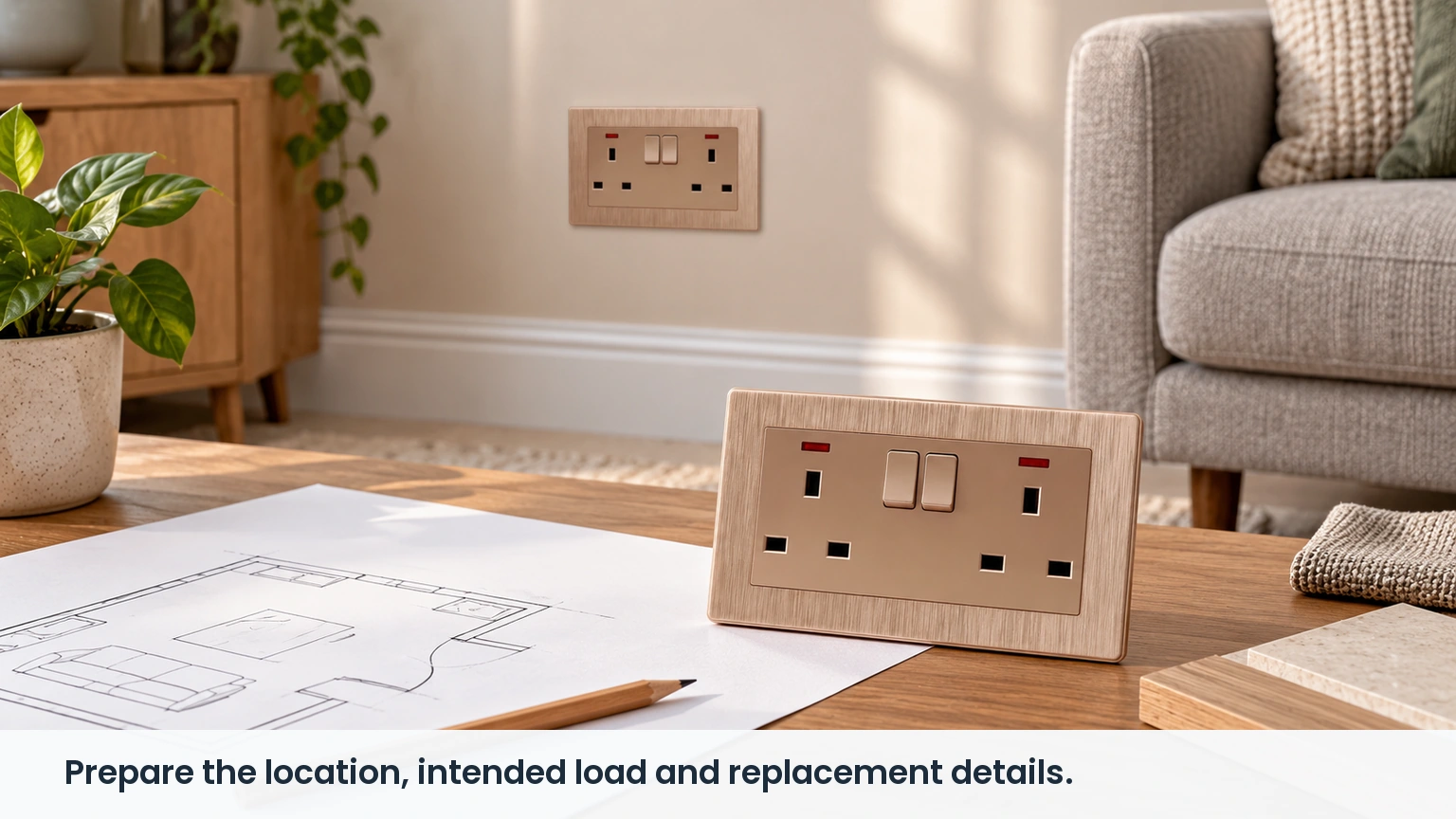
The most useful preparation does not involve opening a live accessory. Record the location, the intended use, the visible model information and the reason for replacement. Photographs of the intact front and accessible labels can help with a quotation; hidden wiring should be left for the competent person to assess safely.
State whether the change is cosmetic or functional. Replacing one damaged outlet differs from upgrading six rooms to USB charging or adding sockets for high-load appliances. A clear scope helps separate accessory costs from investigation, circuit alterations and verification.
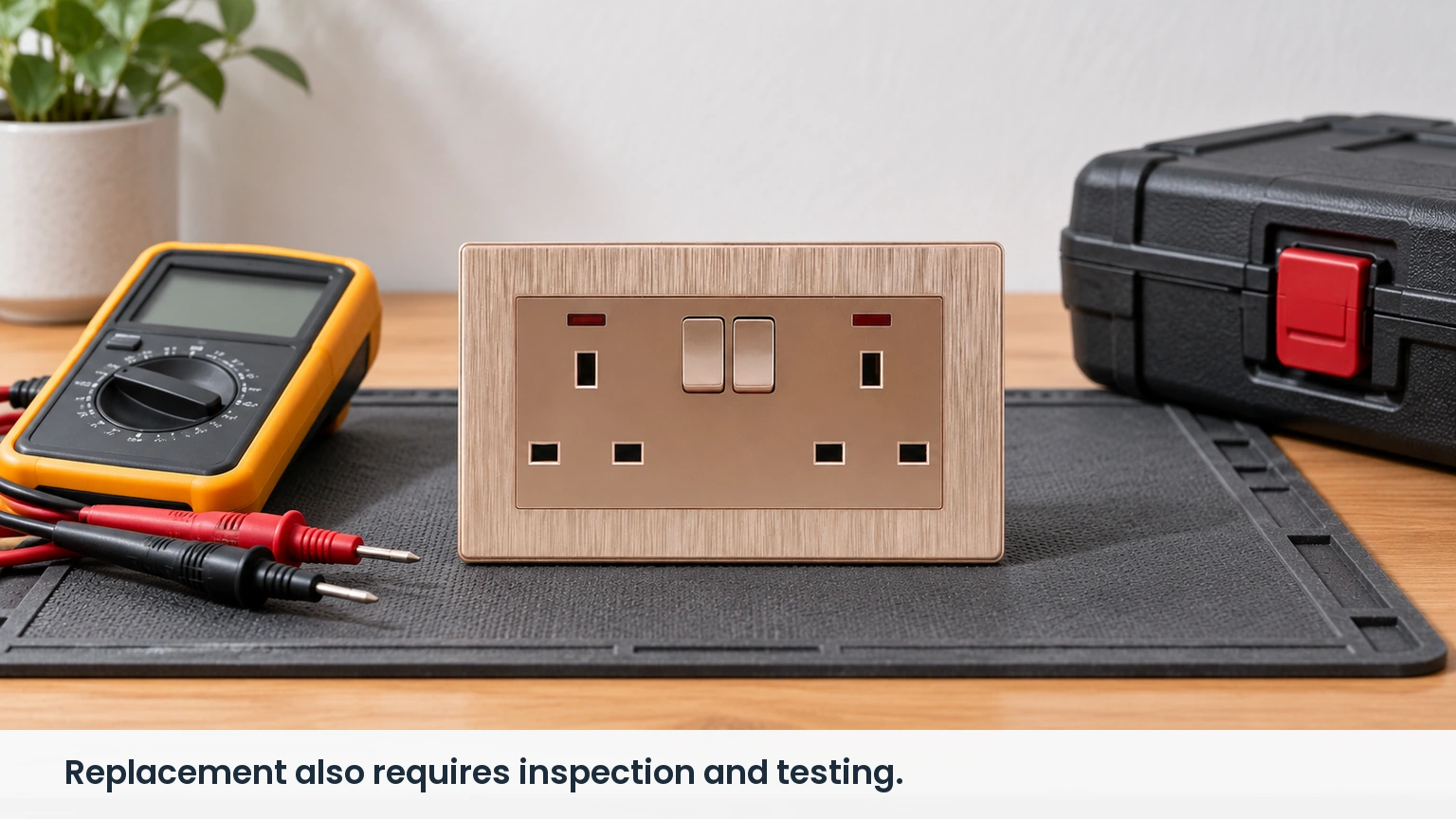
HSE’s GS38 guidance explains why suitable test equipment matters. Buyers do not need to choose the electrician’s instruments, but they can ask what inspection and testing are included and what record will be supplied. A quotation that includes only “fit new plate” may leave an important scope gap.
When is professional replacement the sensible choice?
| Situation | Decision factor | Practical response |
|---|---|---|
| Competent person, permitted task, known sound installation | All legal and verification conditions can be met | Proceed only within that defined scope |
| Uncertain wiring or missing test capability | Safety cannot be established | Use an electrician |
| Scorching, crackling or repeated trips | A fault may extend beyond the socket | Arrange diagnosis before replacement |
| Changed function, location or circuit | The work may no longer be like-for-like | Reassess design and regulatory requirements |
Which costs are easy to overlook?
| Cost item | Why it arises | How to reduce avoidable expense |
|---|---|---|
| Return visit | The ordered accessory does not fit | Confirm model and installation requirements first |
| Box or wiring repair | Existing conditions are unsuitable | Allow assessment before fixing the final scope |
| Inspection and documentation | Completed work needs verification | Include it explicitly in the quotation |
| Occupant disruption | The circuit needs a planned interruption | Coordinate access and essential equipment |
DIY savings should not be calculated as labor price minus accessory price. Tools, knowledge, verification and the cost of correcting a mistake belong in the comparison. For a landlord or small hotel, a documented repair completed during one visit can be worth more than the cheapest initial quote.
Which product documents and installation records matter?
The selected accessory needs documentation appropriate to the destination and its exact configuration. A CE marking, where applicable, or RoHS statement does not establish that the existing circuit is suitable. GCC-market documentation is likewise not a substitute for local installation requirements.
Keep the model instructions and the relevant work records together. A future maintainer should be able to identify what was fitted, why it was selected and what checks were completed. This is particularly useful when several visually similar socket variants are used across a property.
How can the replacement be specified clearly?
- Define whether the task is repair, cosmetic replacement or a functional upgrade.
- Confirm local permissions, competence and inspection requirements before starting.
- Select the accessory against the circuit and installation conditions, not its faceplate alone.
- Agree how unexpected damage will be handled and documented.
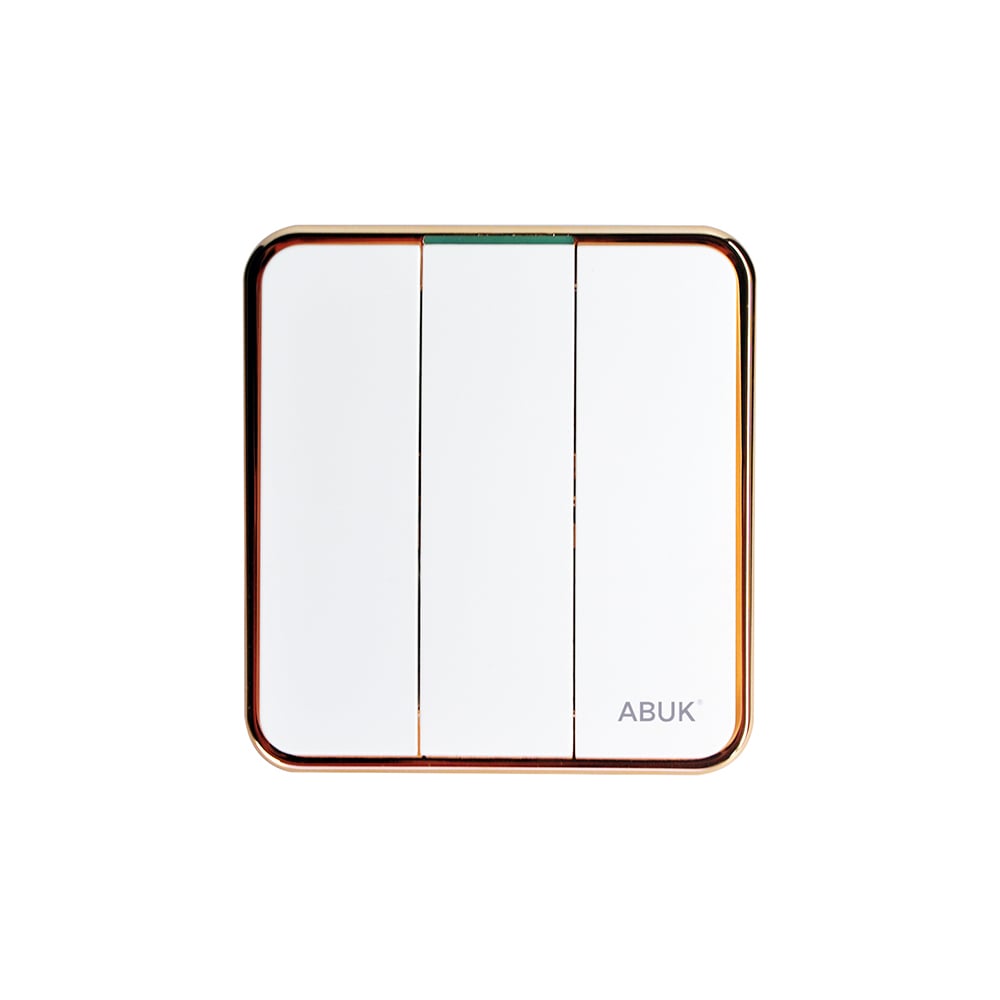
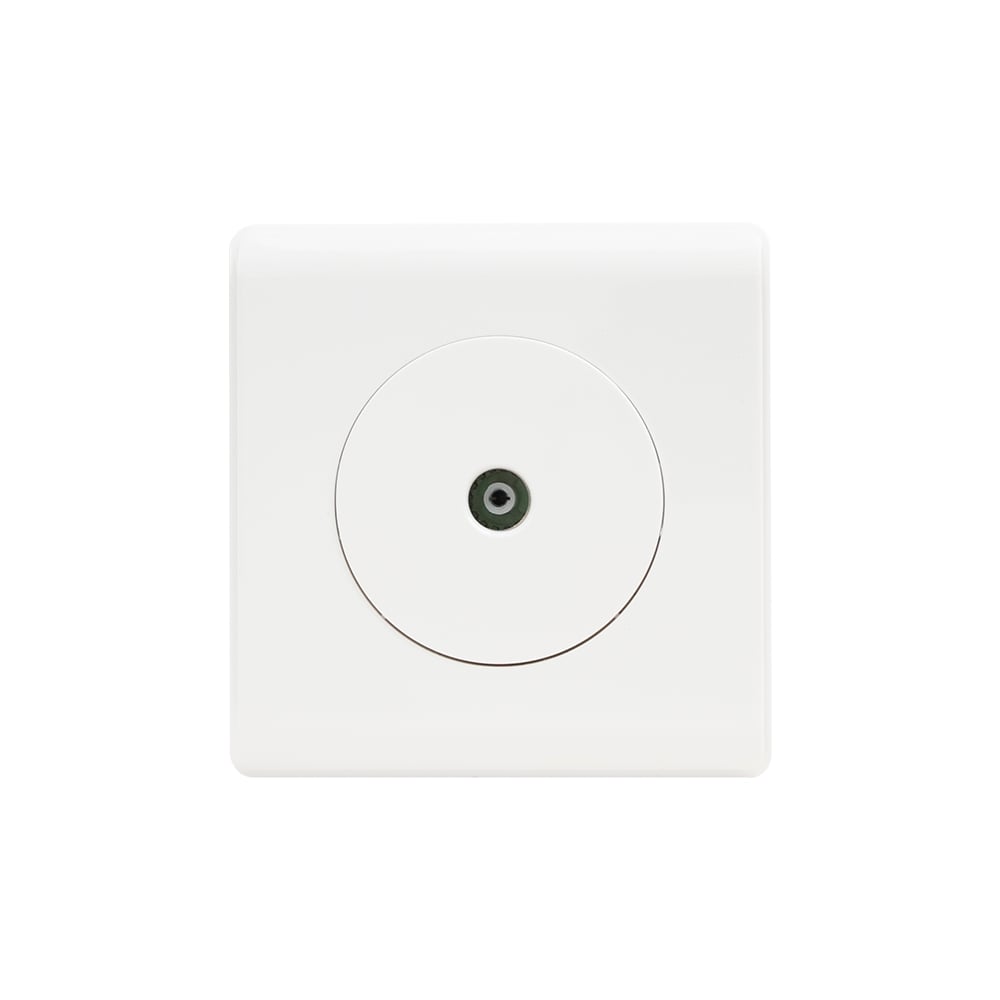
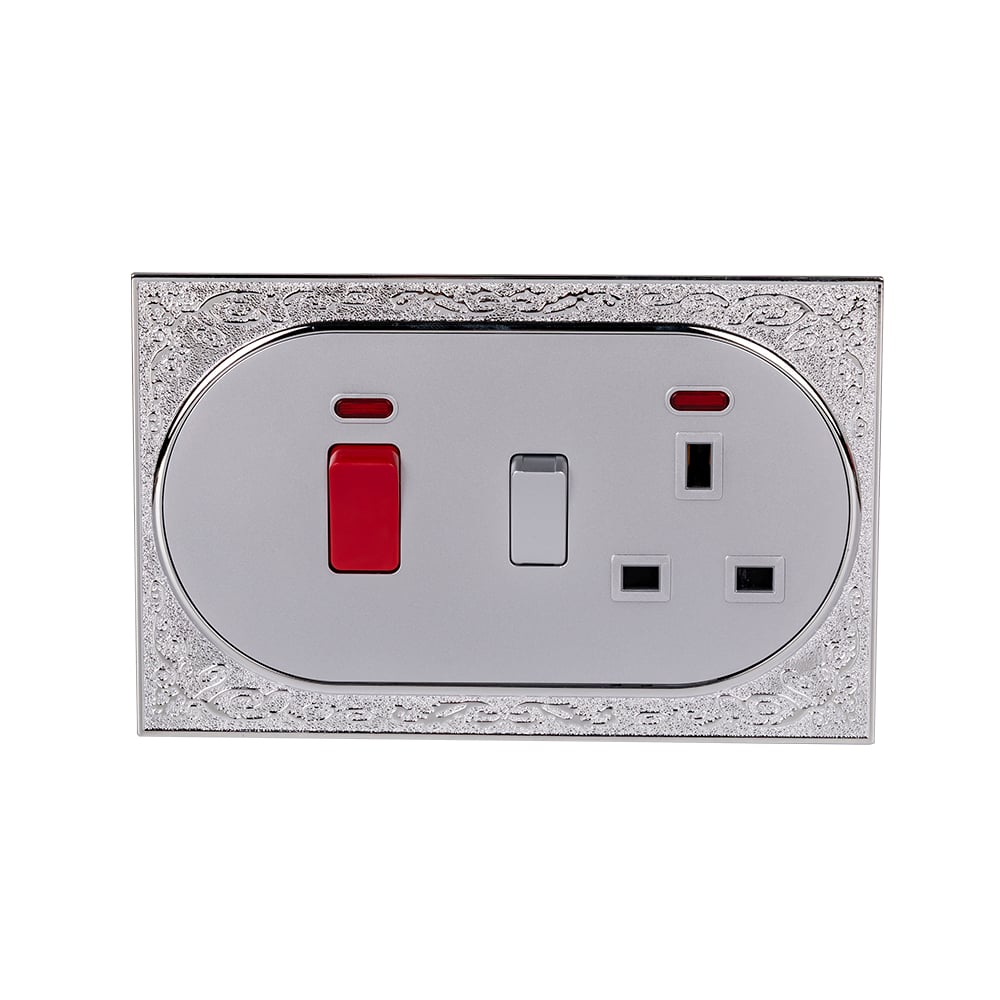
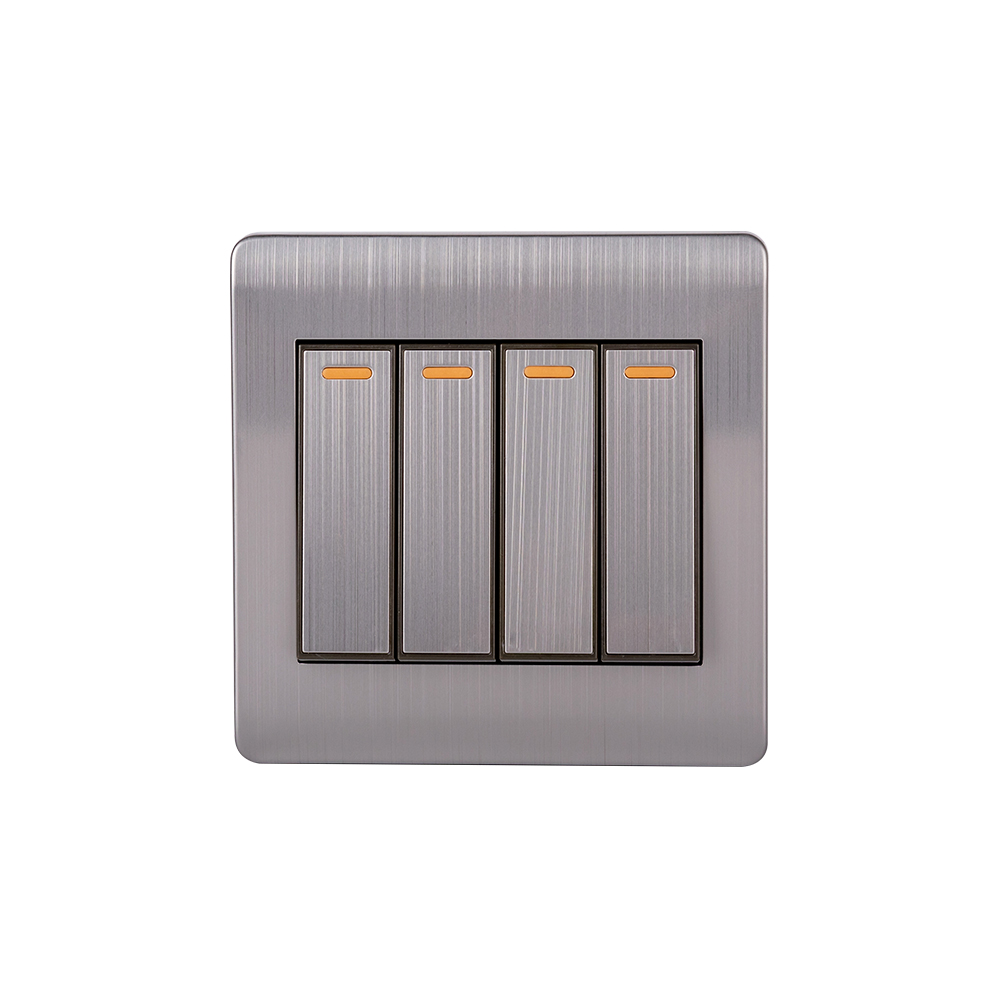
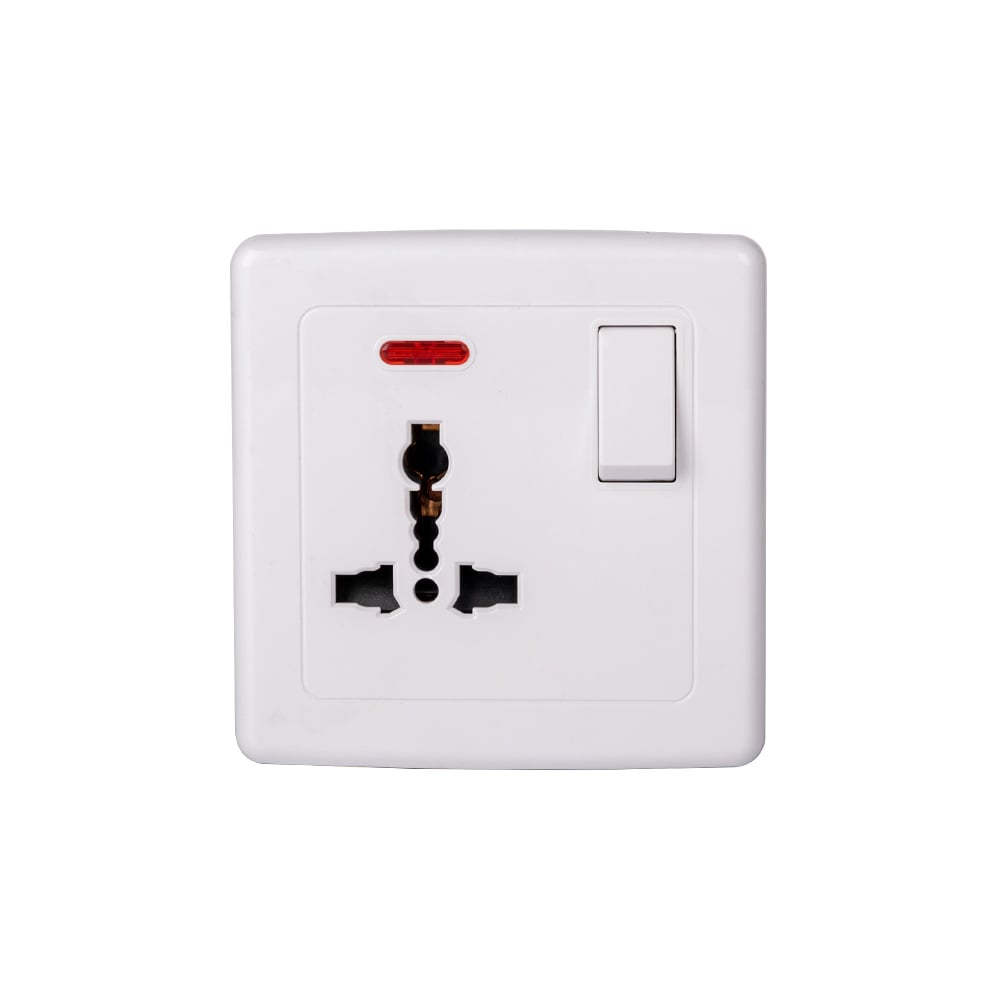
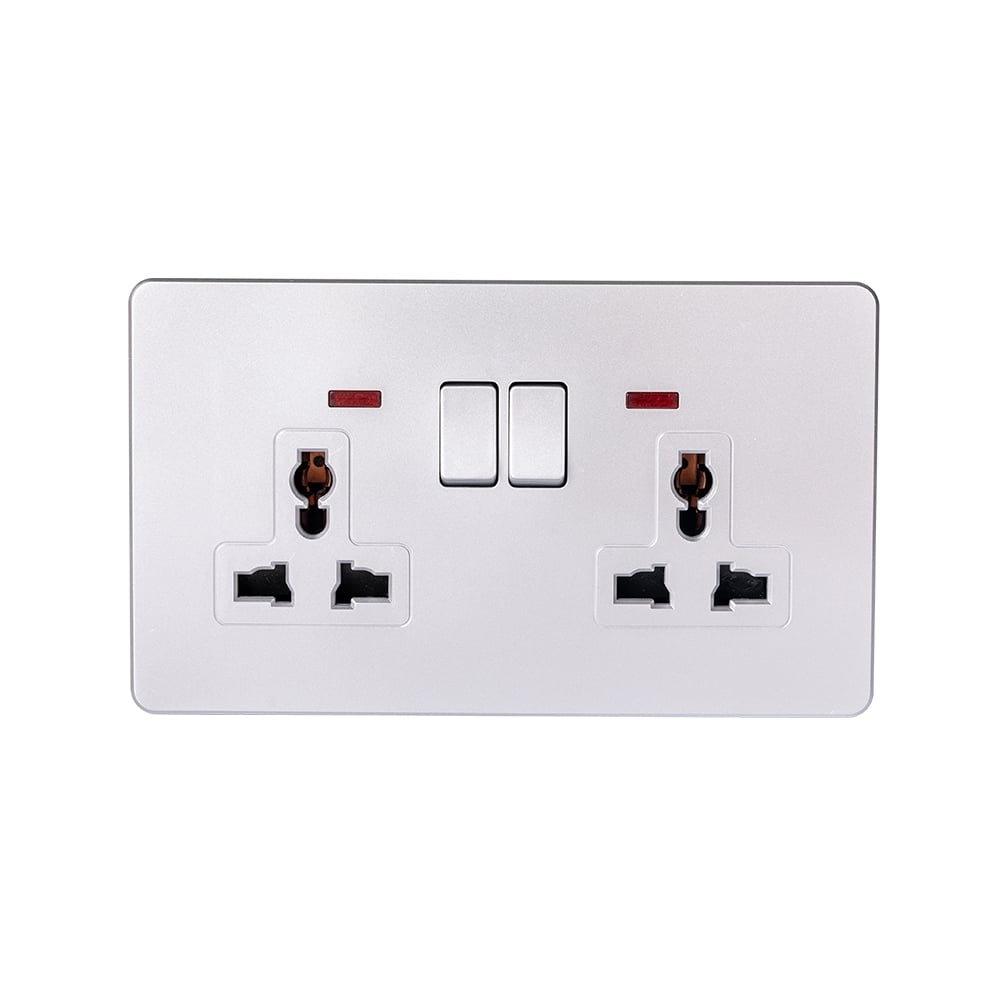
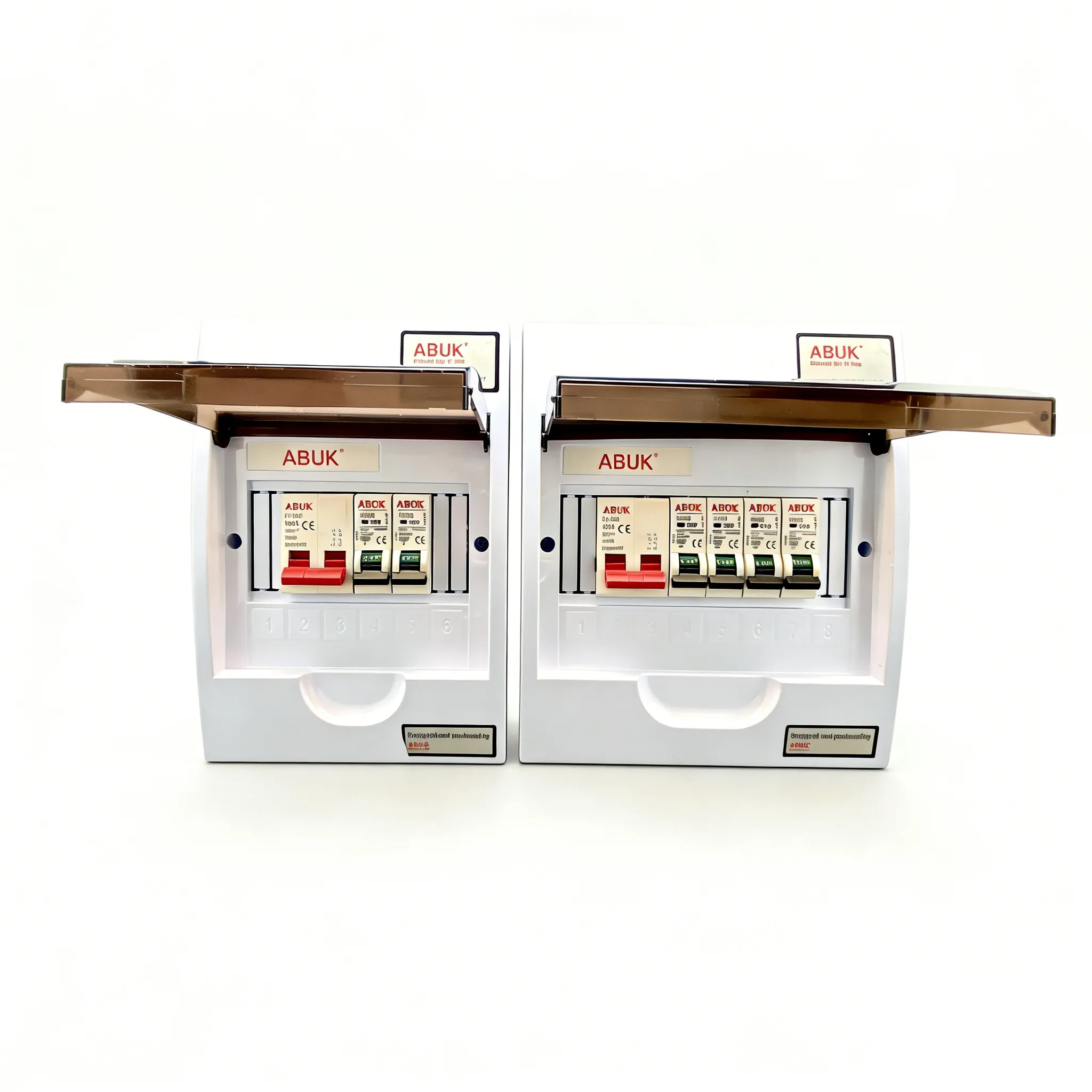
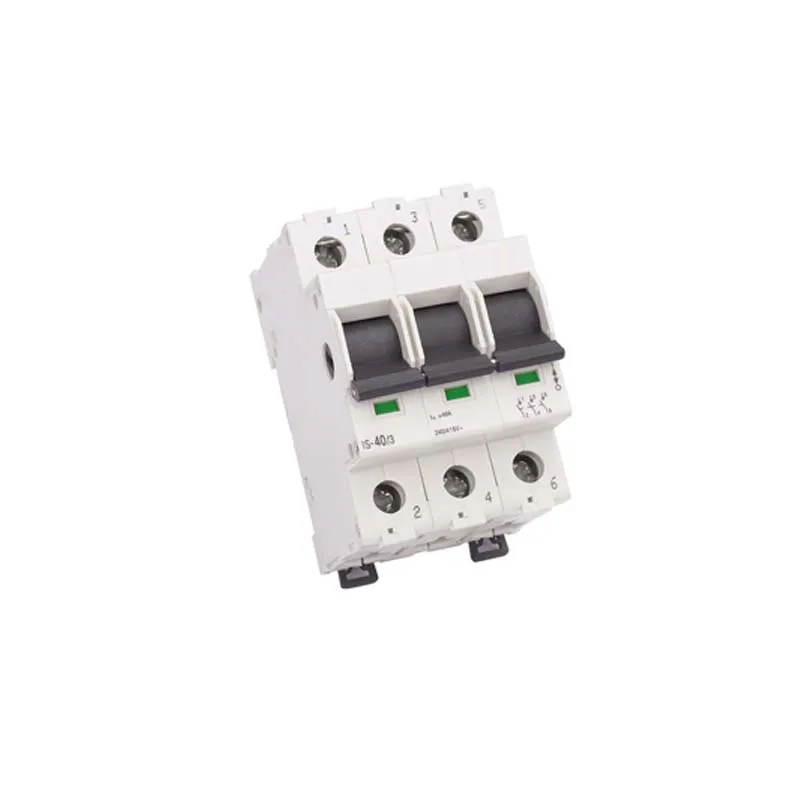
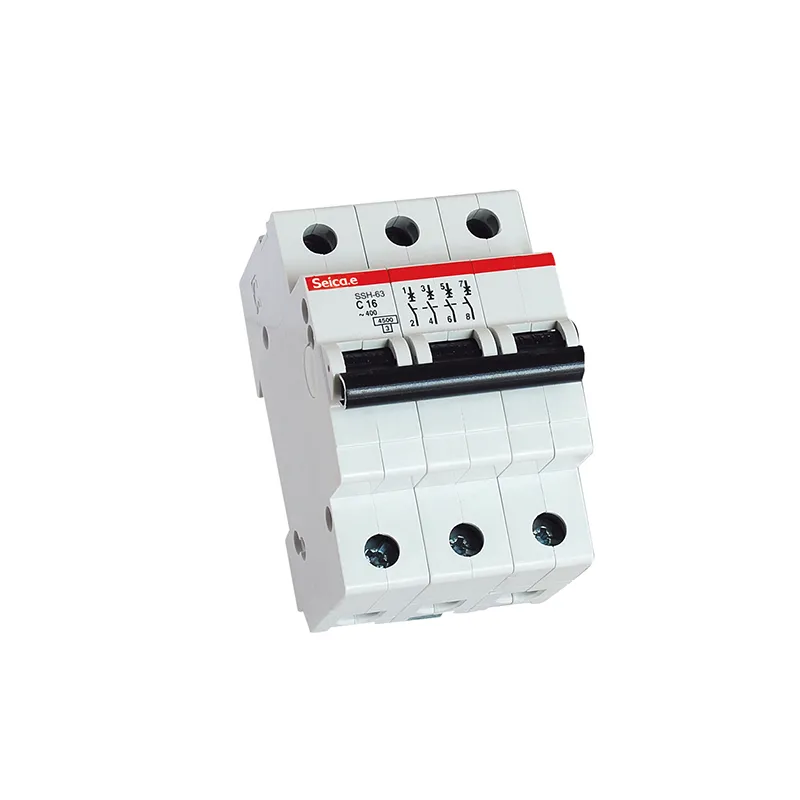
ABUK’s electrical socket outlets can be shortlisted against a prepared specification. Exact-model ratings and destination documentation should accompany the selection; no product claim can replace assessment of the existing property.
Frequently asked questions
Can you change a wall socket yourself?
Sometimes, where local law permits and the person has the required competence and verification arrangements. If those conditions are uncertain, an electrician is the appropriate choice.
What electrical skills are needed to replace a wall socket?
They include safe isolation, understanding the installation, selecting a suitable accessory, recognizing defects and verifying the completed work. Mechanical fitting alone is insufficient.
When is a socket replacement unsafe for DIY work?
When isolation is uncertain, wiring is damaged or unidentified, required testing cannot be performed, or the work exceeds legal permissions or personal competence. Burning or recurring faults need diagnosis.
Do local regulations require a licensed electrician?
Some do, while others permit limited work under specific conditions. Check the actual jurisdiction and inspection requirements; a foreign tutorial cannot answer that question for every property.
References
- England: Approved Document P
- HSE: electrical safety and competence
- HSE GS38: electrical test equipment
- Swiss NIV, especially Articles 6 and 16
A successful replacement leaves more than a clean faceplate: it leaves a suitable, verified installation. ABUK provides home electrical outlets and related products for specification-led procurement. Share the project requirements to request the relevant model information.