
 Wenzhou Lita Electric Co., Ltd.
How to Replace a Wall Socket?
A new faceplate will not fix a wall box that moves, and a tighter mounting screw will not repair worn contacts that no longer grip a plug. Before replacing a socket, it helps to establish what has failed. That determines whether the job is a straightforward accessory change or needs cable, box or circuit repairs as well.
Replacing a wall socket involves identifying the circuit, securely isolating it, proving it dead, inspecting the existing wiring and fitting a compatible replacement. The electrician then completes the relevant inspection and tests before returning it to use. A matching front plate is only part of the specification: plug format, ratings, terminal capacity and box fit matter too. IEC 60884-1:2022 provides a household socket-product reference, while local installation rules govern the work. Heat-damaged cable, an insecure box or an unidentified supply must be dealt with before the new socket goes into service.
Does the socket need replacing, or is the wall box loose?
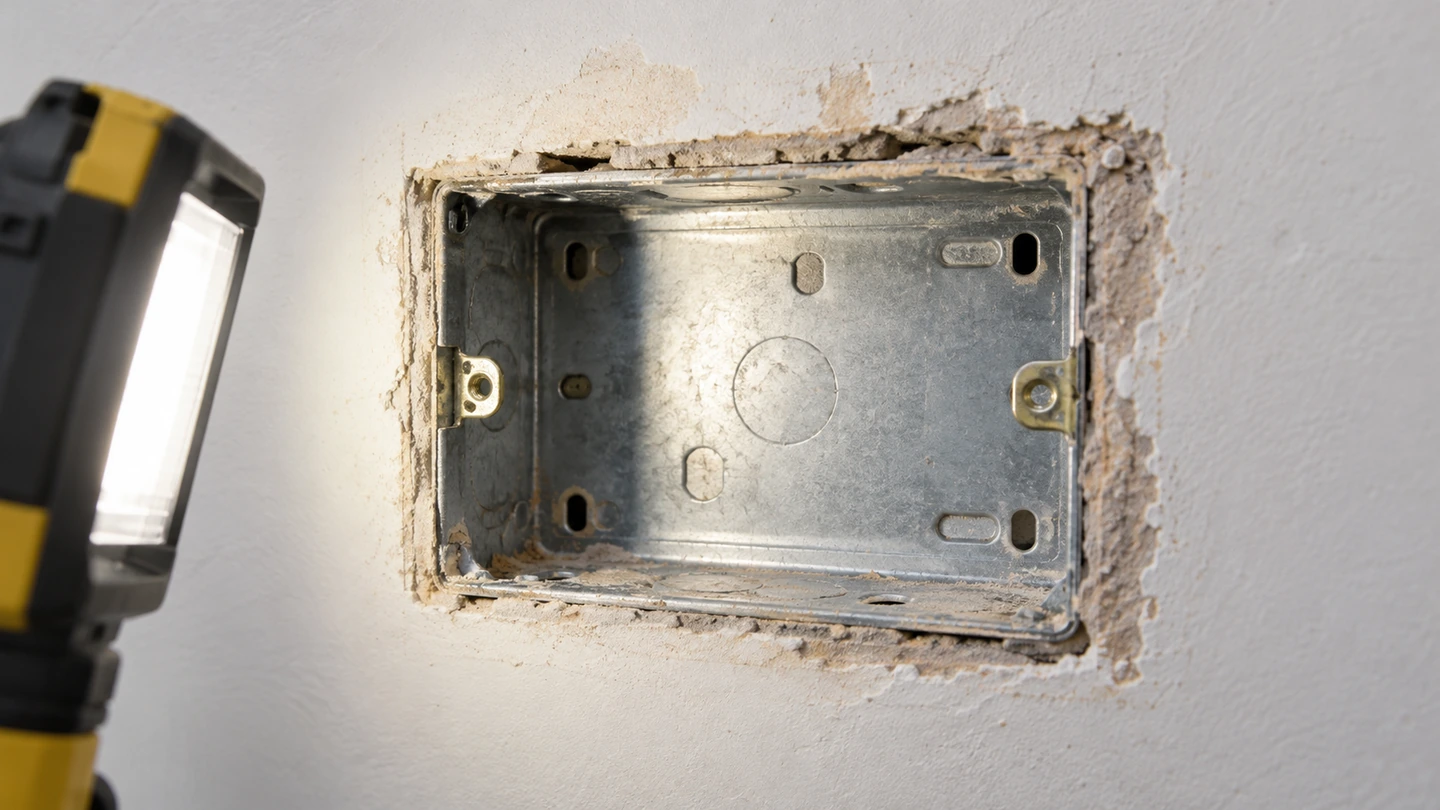
Movement at the wall usually points attention toward the fixings, box or surrounding plaster. Poor plug retention points toward the socket contacts. Cracks, brown marks, distorted plastic, a burning smell or crackling need more urgent assessment. The front view alone cannot establish the condition of the terminals or cable.
With a loose wall socket, tightening the visible screws may leave the underlying problem untouched. Broken box lugs or crumbling support need repair. Repeated movement can also strain the conductors behind the plate, so the electrician needs to inspect more than the fixings.
Why is turning the socket switch off not enough?
The rocker may disconnect the appliance while leaving incoming terminals energized. The circuit must be identified, isolated and secured against reconnection, then proved dead with suitable equipment. Labels can be wrong, and some boxes contain more than one supply.
HSE’s electrical safety FAQs explain the need for secure isolation and warn that simple socket testers cannot detect every dangerous fault. A non-contact pen or a lamp that no longer lights is not an adequate substitute for the electrician’s proving procedure.
Which details must match the replacement socket?
The replacement needs to suit the existing supply, plug system, intended load and earthing arrangement. Choosing an accessory with a higher marked current does not increase the capacity of the cable or breaker. Matching the plate dimensions does not establish electrical compatibility either.
| Detail | What needs checking? | Why it matters |
|---|---|---|
| Plug and electrical format | Supply, rating and required switching function | A similar plate may accept a different plug or operate differently |
| Terminals | Permitted conductor material, size and number | The existing wires must fit and clamp correctly |
| Back box | Depth, fixing centres and sound mounting lugs | The socket must mount without trapping or straining conductors |
| Protection | Earthing and applicable circuit protection | A replacement cannot conceal an unresolved circuit defect |
The control function should be recorded before removal. Some outlets are controlled by a separate wall switch; others have independently supplied sections. The switched outlet guide explains why those arrangements cannot be identified from the front plate alone.
What does an electrician do after the supply is isolated?
- Inspect the old socket, conductors, terminals and box for the cause of the fault.
- Confirm conductor functions and the intended switching arrangement.
- Prepare and connect the conductors to the replacement’s instructions, including strip length and terminal tightening.
- Seat and secure the accessory without pinching insulation or forcing the wires into an undersized box.
- Complete the required inspection, electrical tests and functional checks.
A photo of the old connections can help record what was there, but it cannot establish that those connections were correct. Terminal positions and clamping methods can also change between models. The replacement’s markings and instructions take precedence over a remembered screw position.
When is replacing the faceplate only part of the repair?
A burnt terminal can leave damaged copper or insulation behind it. A damp box may point to water ingress elsewhere in the building. These faults need investigation; fitting a clean socket over them can lead to another failure.
| Condition found | What else needs attention? | What to allow for |
|---|---|---|
| Broken mounting lug or loose box | Box support and cable condition | Box repair and making good |
| Heat damage at a terminal | Connection, conductor damage and load | Possible cable repair and further testing |
| Moisture or recurring tripping | Underlying building or circuit fault | Diagnosis before reconnecting |
| Damaged decorative part only | Availability of an approved compatible replacement | Correct parts rather than mixed frames and mechanisms |
What should be checked before the replacement is used?
The electrician checks the connections, mounting and relevant protective measures, including the required continuity, polarity and protective-device tests. The record should identify the model fitted and any additional repairs. A working appliance is a useful functional check, but it does not prove that all electrical tests have passed.
For dwellings in England, Approved Document P provides the building-regulation context. It does not make every replacement notifiable; the scope and location of the work determine the requirements. Product conformity paperwork and the installation test record answer different questions.
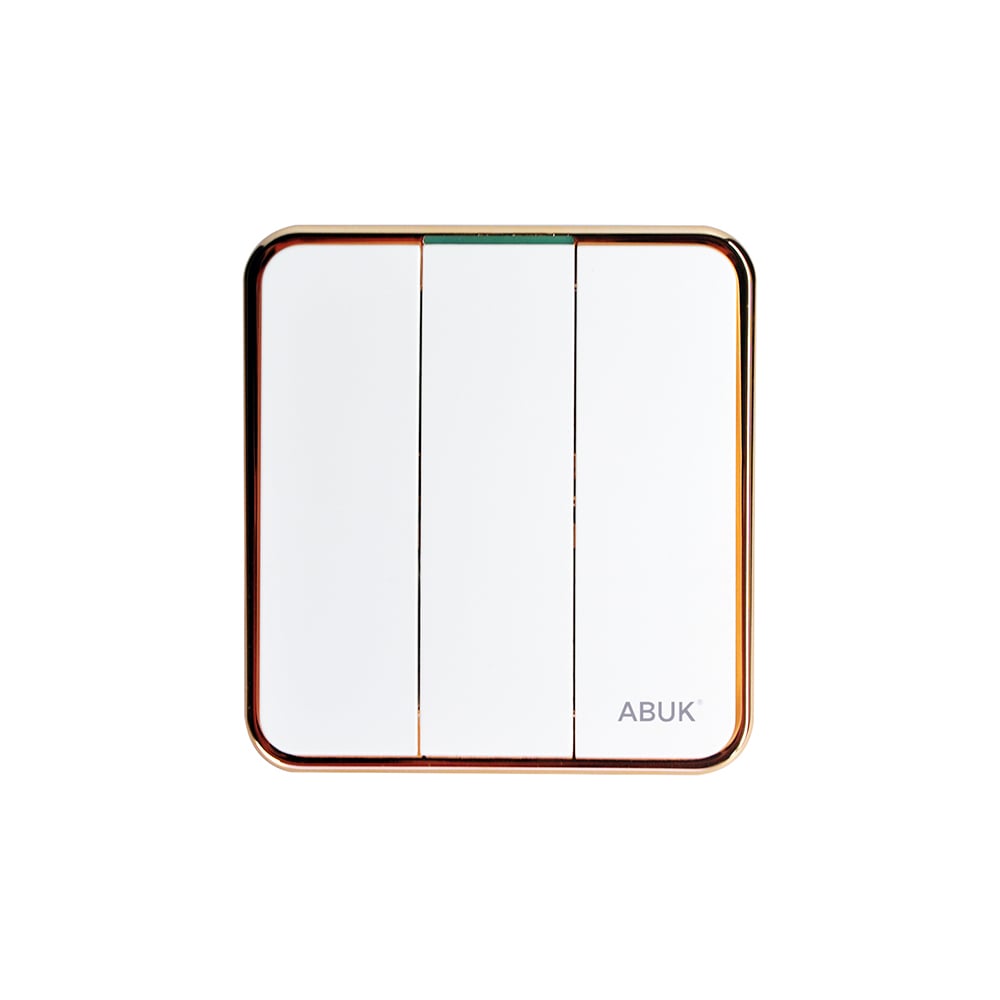
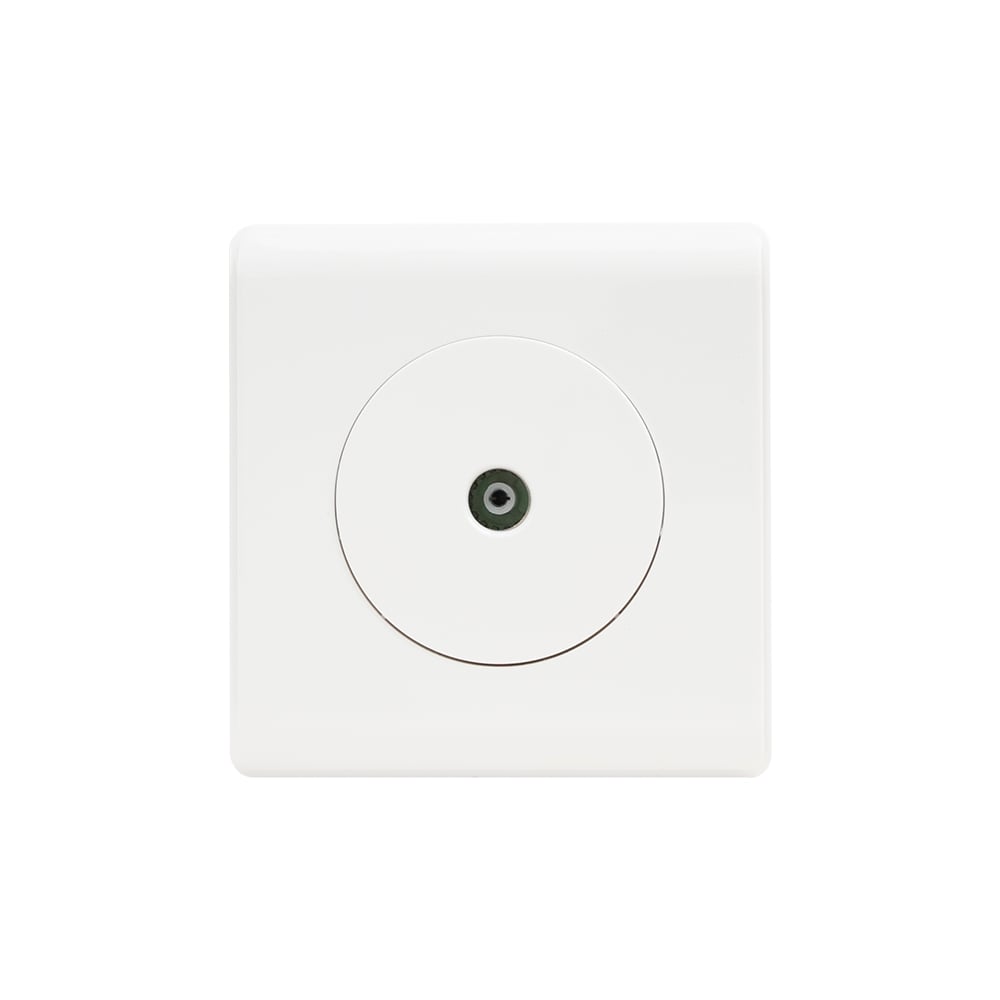
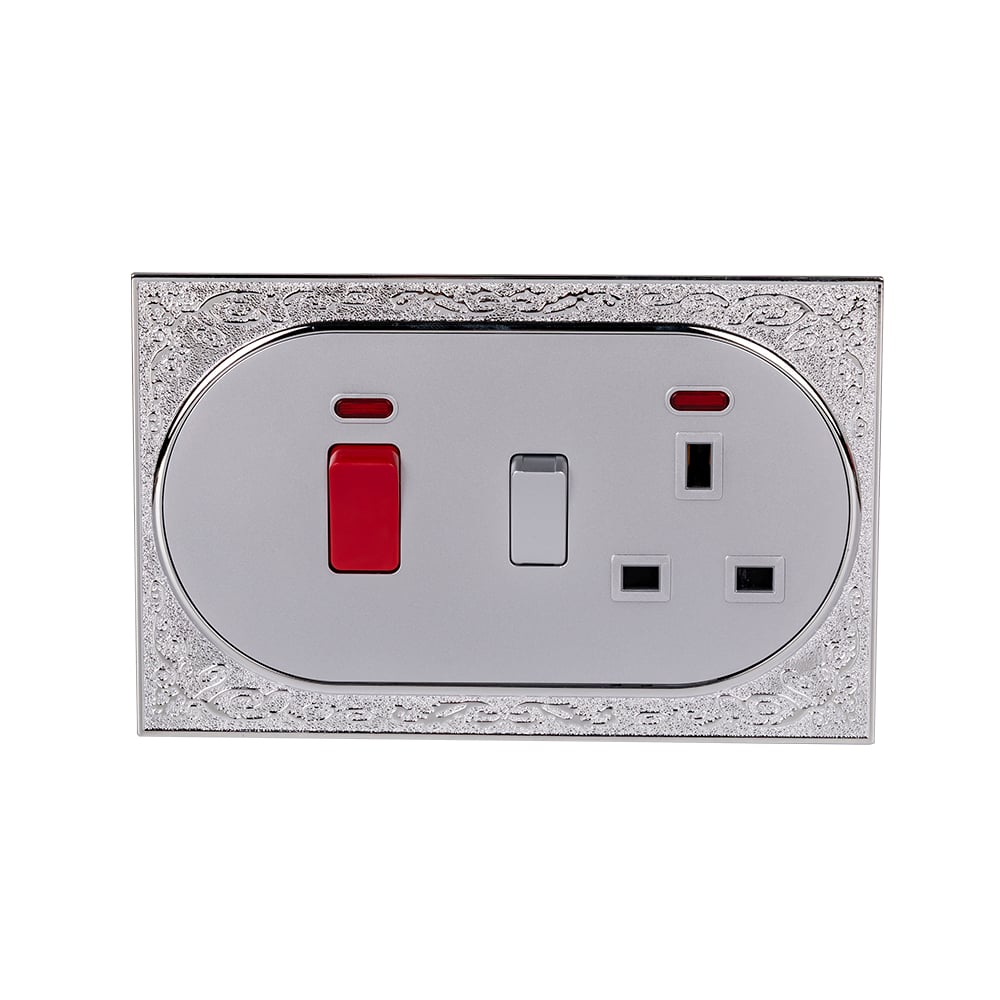
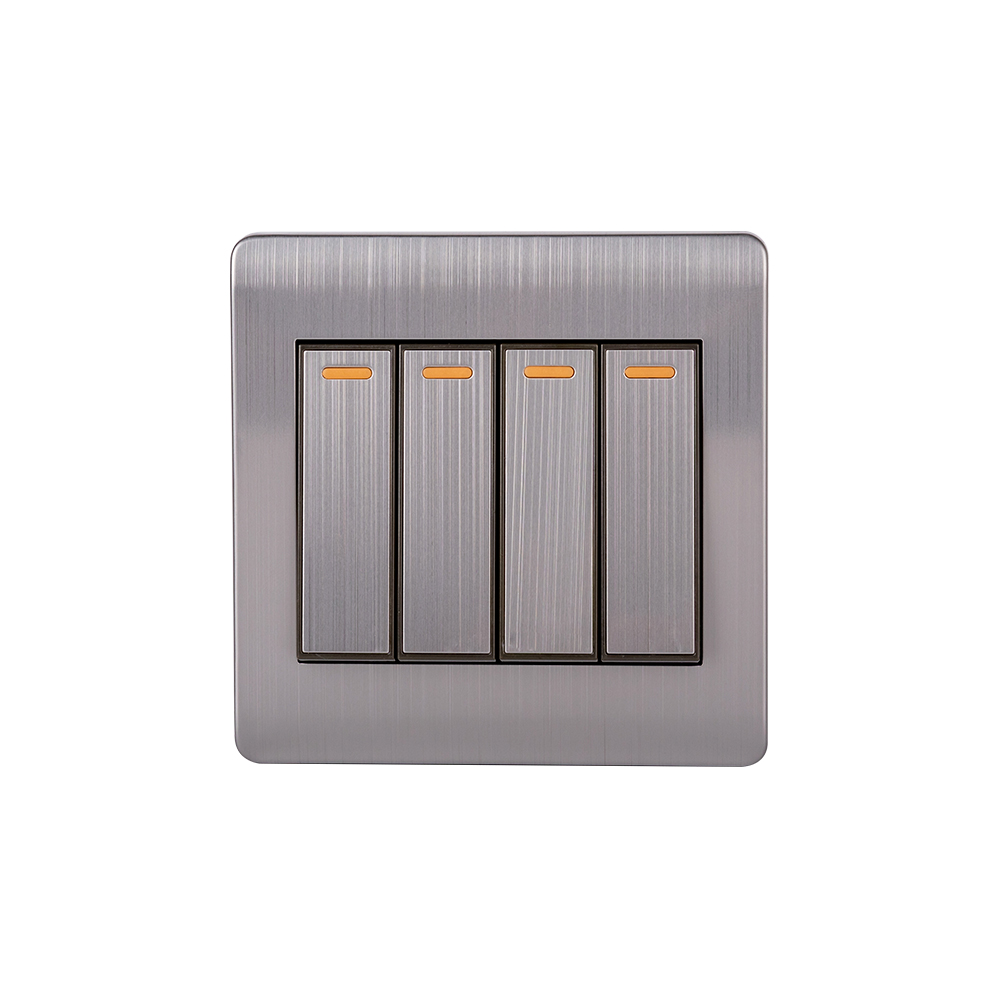
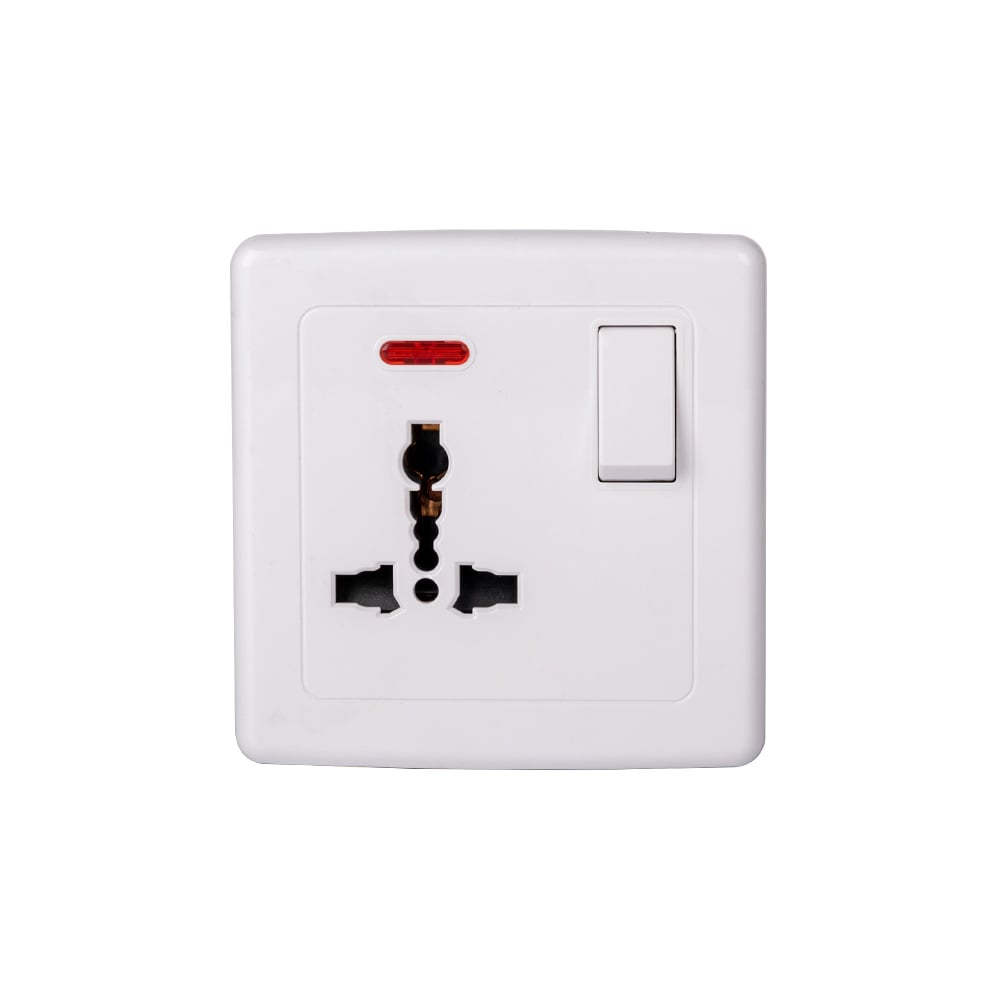
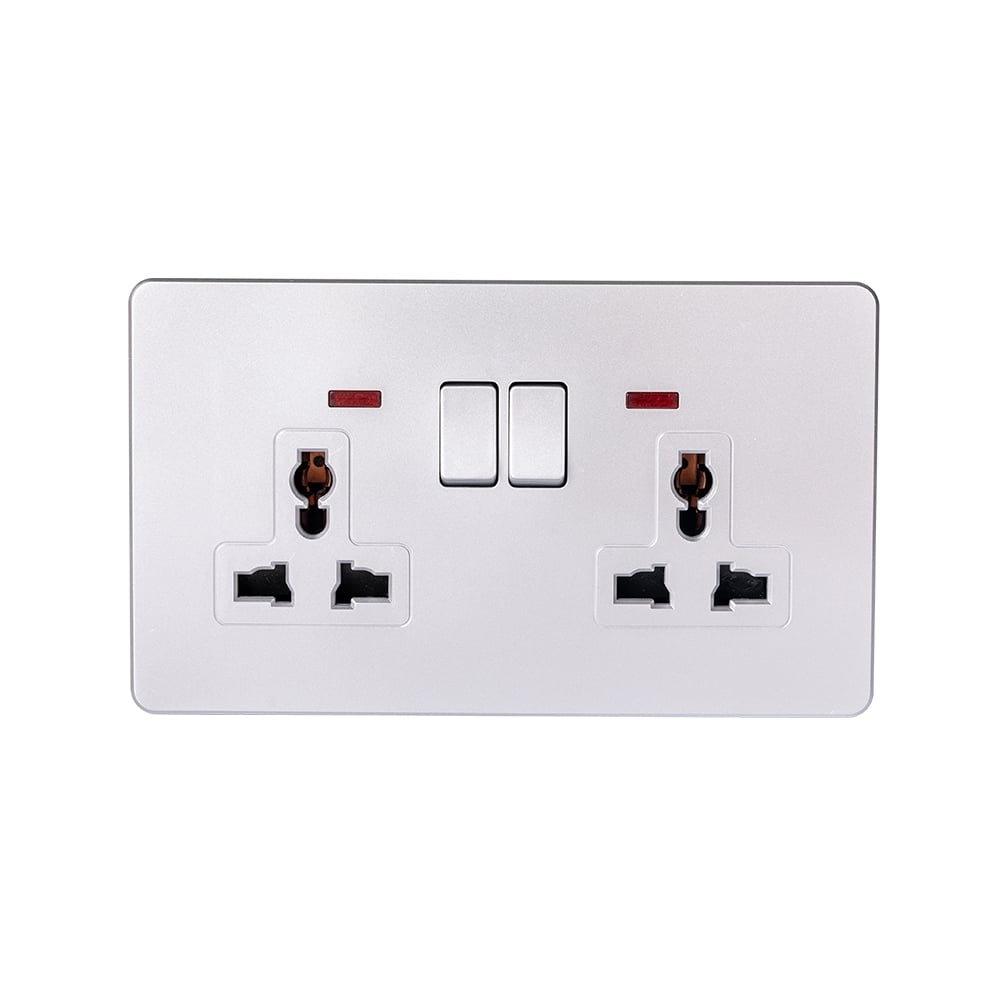
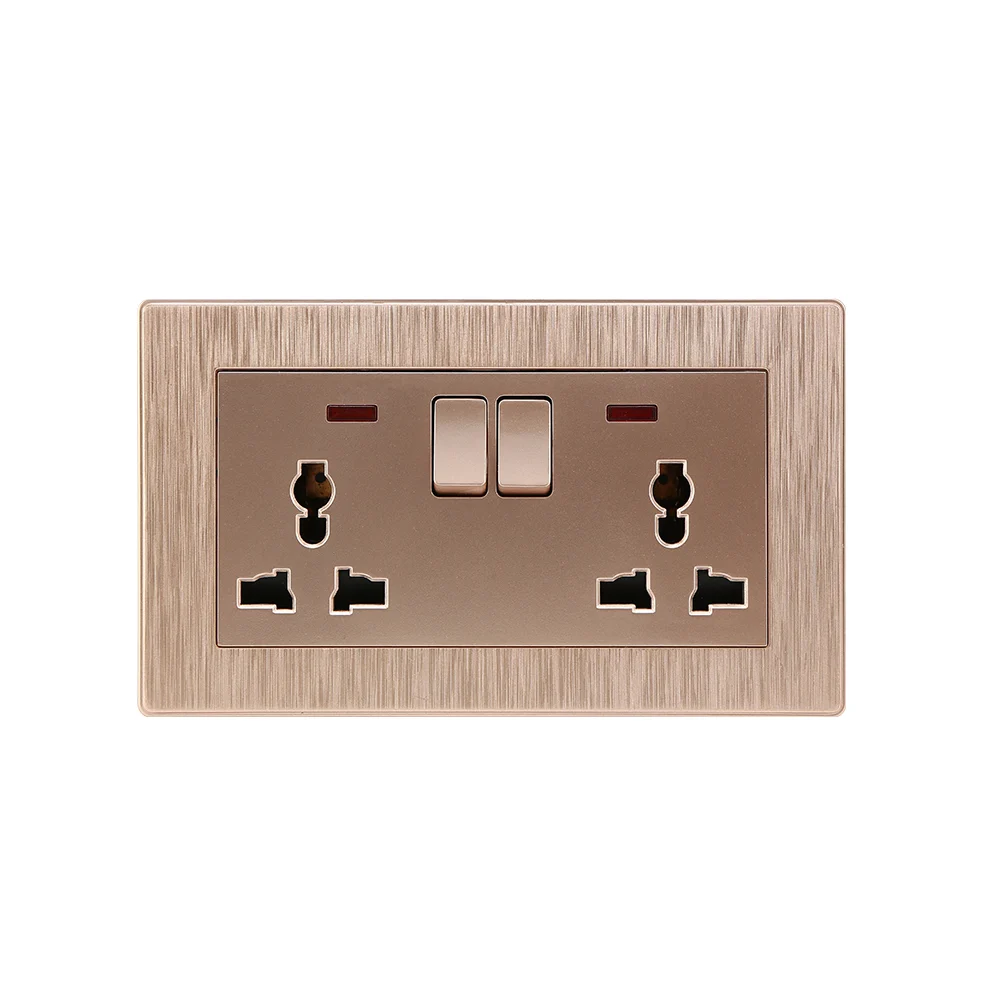
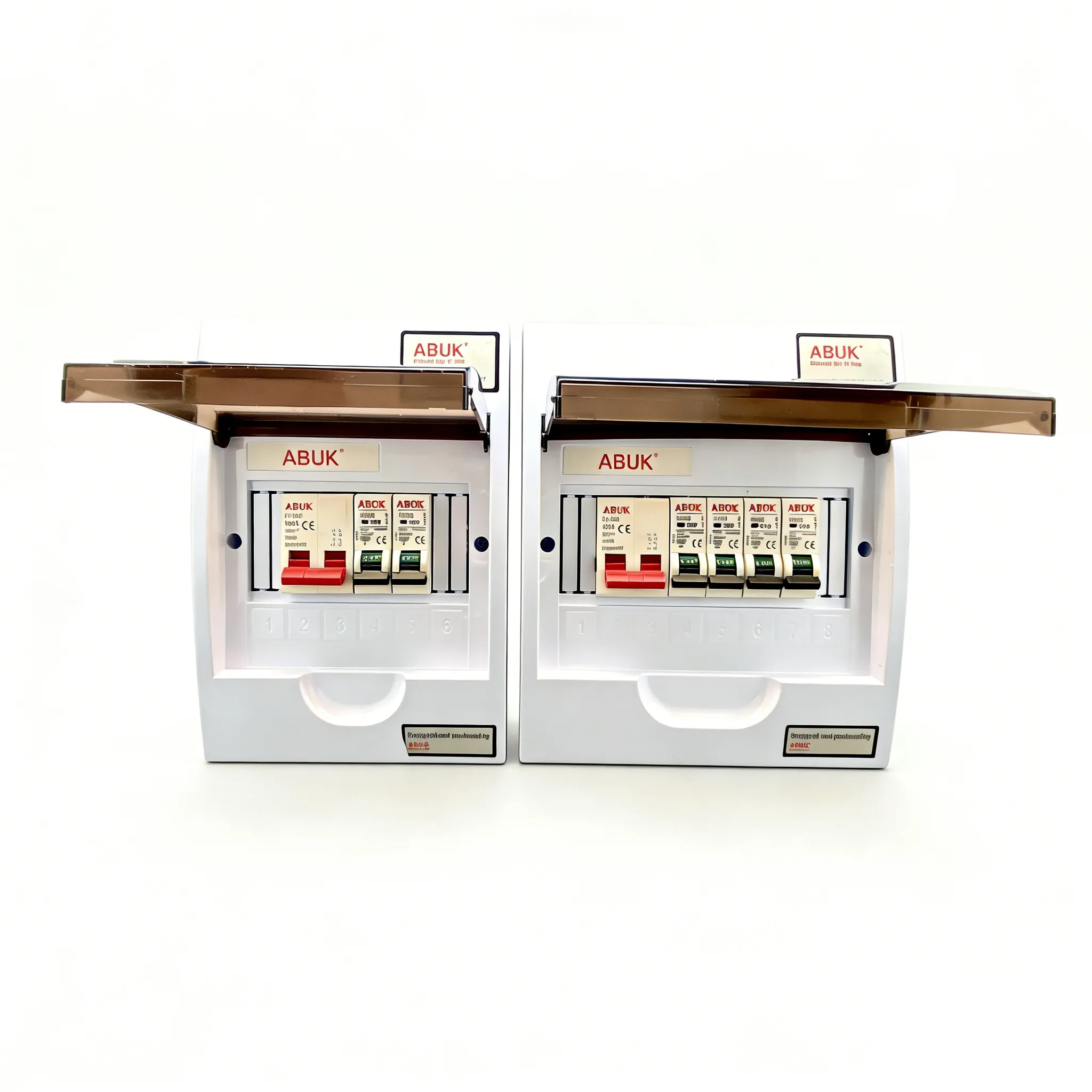
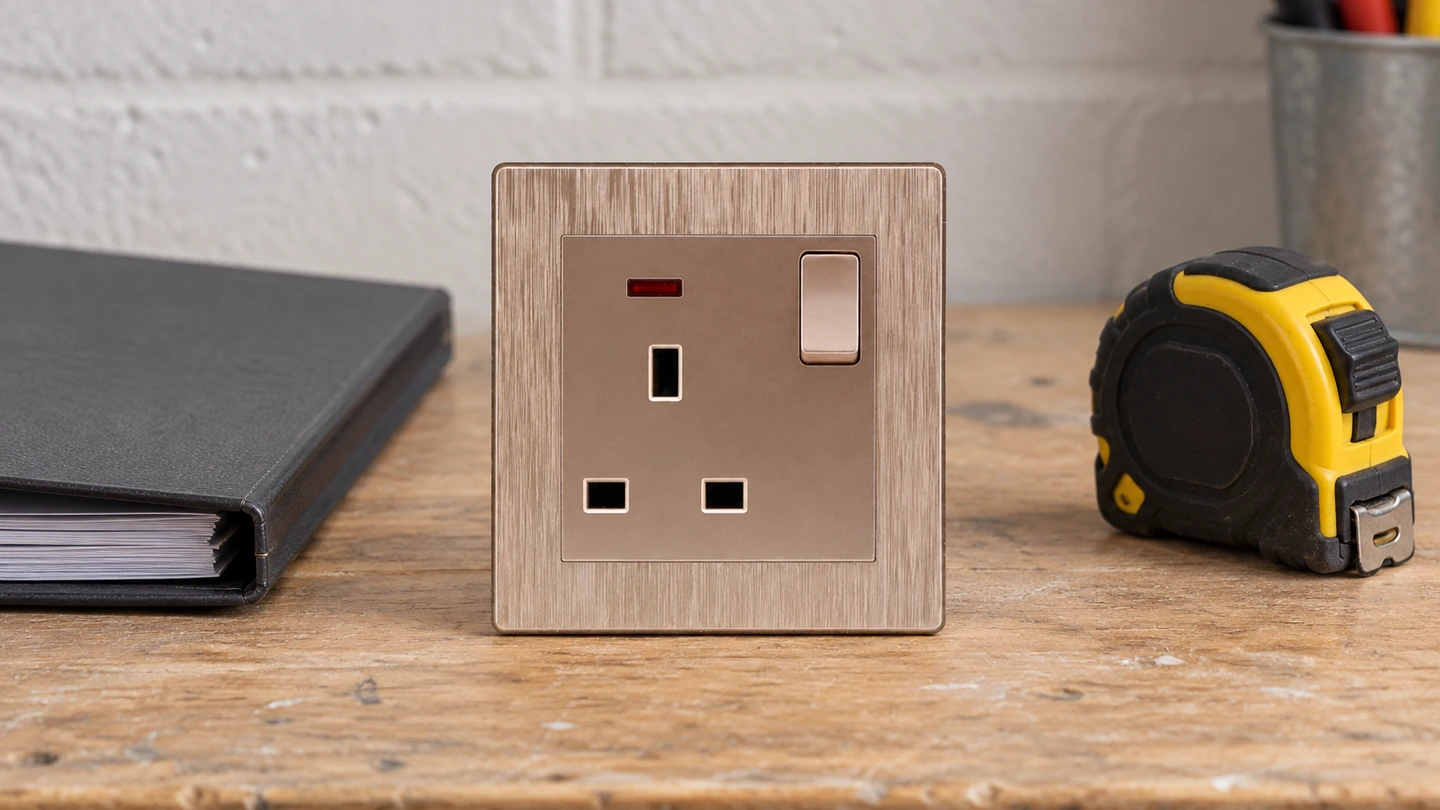
For sourcing replacement wall electrical sockets, ABUK lists a 13A single switched Series 10 model and a separate twin switched socket. The electrician should confirm the required format and mounting details before either is ordered.
What else comes up during socket replacement?
How do you replace a wall socket safely?
Have a competent person identify and isolate the supply, prove it dead, inspect the existing installation and fit the correct accessory. The work needs appropriate inspection and testing before use.
What tools are needed to replace a wall electrical socket?
The job can require isolation equipment, a suitable voltage indicator and proving method, insulated hand tools and the specified tightening tool. The circuit and required tests determine the full equipment list.
How can I tell whether a wall socket is loose or damaged?
Look for movement, cracking, discolouration or a plug that will not stay securely seated. Heat, a burning smell or arcing means the point should be taken out of service safely and inspected.
Should a new socket match the existing circuit rating?
It must be suitable for the circuit under local rules. The accessory rating alone is not enough to establish compatibility, and a higher-rated socket cannot upgrade existing wiring.
Sources
- HSE: isolation, competence and socket-tester limitations.
- IEC 60884-1:2022: household plug and socket-outlet requirements.
- GOV.UK: Approved Document P.
The replacement is finished when the original fault has been corrected and the new socket has passed the required checks. If the inspection finds damaged cable, insecure mounting or missing earthing, those repairs belong in the job rather than on a later visit. Once the electrician has confirmed the specification, ABUK’s replacement switch and socket range can help with model selection. Keep the product reference and repair record together so a future replacement does not start from guesswork.