
 Wenzhou Lita Electric Co., Ltd.

How to Install a Wall Socket?
The best place for a socket on an empty-room drawing may be the worst place once the desk, bed or cabinet arrives. Installation planning needs to answer both questions: will the point be useful, and can it be supplied safely? Choosing the faceplate first can leave the cable route, box depth and circuit assessment until the wall has already been decorated.
A wall socket installation starts with the intended appliance and available circuit. A competent electrician chooses a suitable location and cable route, checks the protective arrangements, installs the box and accessory under safe isolation, and tests the finished work. There is no single mounting height, cable size or breaker rating that suits every installation. IEC 60884-1:2022 addresses household socket products; local wiring and building rules govern the installation. Establishing the circuit and route before opening the wall helps avoid an attractive new socket that is inaccessible, unsuitable for its load or expensive to finish around.
Can the nearest circuit supply the new socket?
Not necessarily. The electrician needs to identify the circuit, protective device, conductor size and installation conditions, then assess the existing demand. A nearby outlet is not automatically a suitable connection point. Spare space in a distribution board also says nothing by itself about spare electrical capacity.
The appliance list is the useful starting point. For illustration, a 2,000W resistive load at 230V draws about 8.7A. That calculation describes one assumed appliance, not the capacity of the circuit. Other equipment may operate at the same time, and motors or electronic supplies introduce different load characteristics.
Where should the socket go once the room is furnished?
Check the finished floor level, furniture dimensions, door movement and the length and position of appliance leads. A charging point hidden behind a headboard or a workstation outlet blocked by a cabinet can be compliant in other respects and still be inconvenient.
Mounting height also depends on local rules, accessibility and room use. The switch and outlet height guide discusses these differences. Drawings should state the measurement datum, such as the accessory centre measured from the finished floor, so the installer and designer are working to the same dimension.
What needs checking before drilling or chasing the wall?
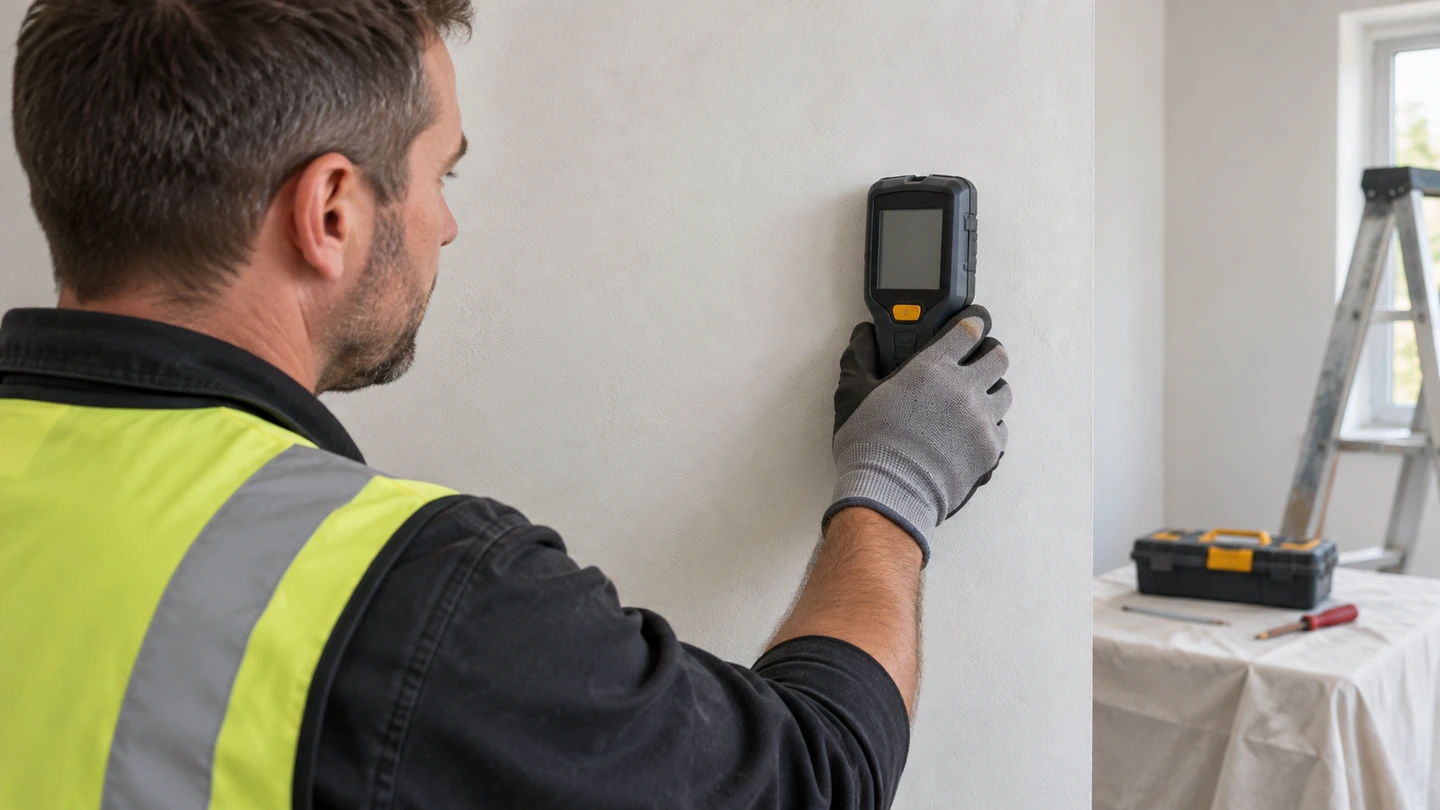
The installer needs to consider concealed wiring, pipes, structural restrictions and the permitted cable route. A route through masonry differs from one through a partition or floor. Fire-resisting and acoustic construction may also need specific reinstatement details.
A quotation should identify access, cable routing, box installation and making good. Otherwise, the apparent price of “one extra socket” may exclude the work that causes most of the disruption. Kitchens, bathrooms and outdoor positions need their own location-specific assessment.
How are the socket’s conductors identified and connected?
In many single-phase installations, the functions are line, neutral and protective earth. Line supplies the load, neutral completes its normal circuit, and protective earth serves the protective arrangement. The electrician verifies these functions in the actual installation rather than relying only on wire colour or a previous connection.
The exact socket determines terminal markings, conductor capacity, preparation and tightening. These details are especially important when replacing a mechanical accessory with USB electronics or a combination unit. Protective earth must not be used as a normal load conductor, and a neutral must not be borrowed from an unrelated circuit.
| Connection check | What must be known? | What can be misleading? |
|---|---|---|
| Conductor functions | Verified line, neutral and protective connections | Colour alone, particularly in altered wiring |
| Terminal capacity | Permitted wire type, size and number | A terminal that looks similar to the old one |
| Preparation and tightening | Instructions for the selected model | A familiar screw position or generic torque value |
| Protective arrangements | Required circuit protection and earthing | A rocker switch mistaken for a protective device |
Why can a socket fit the wall but not the back box?
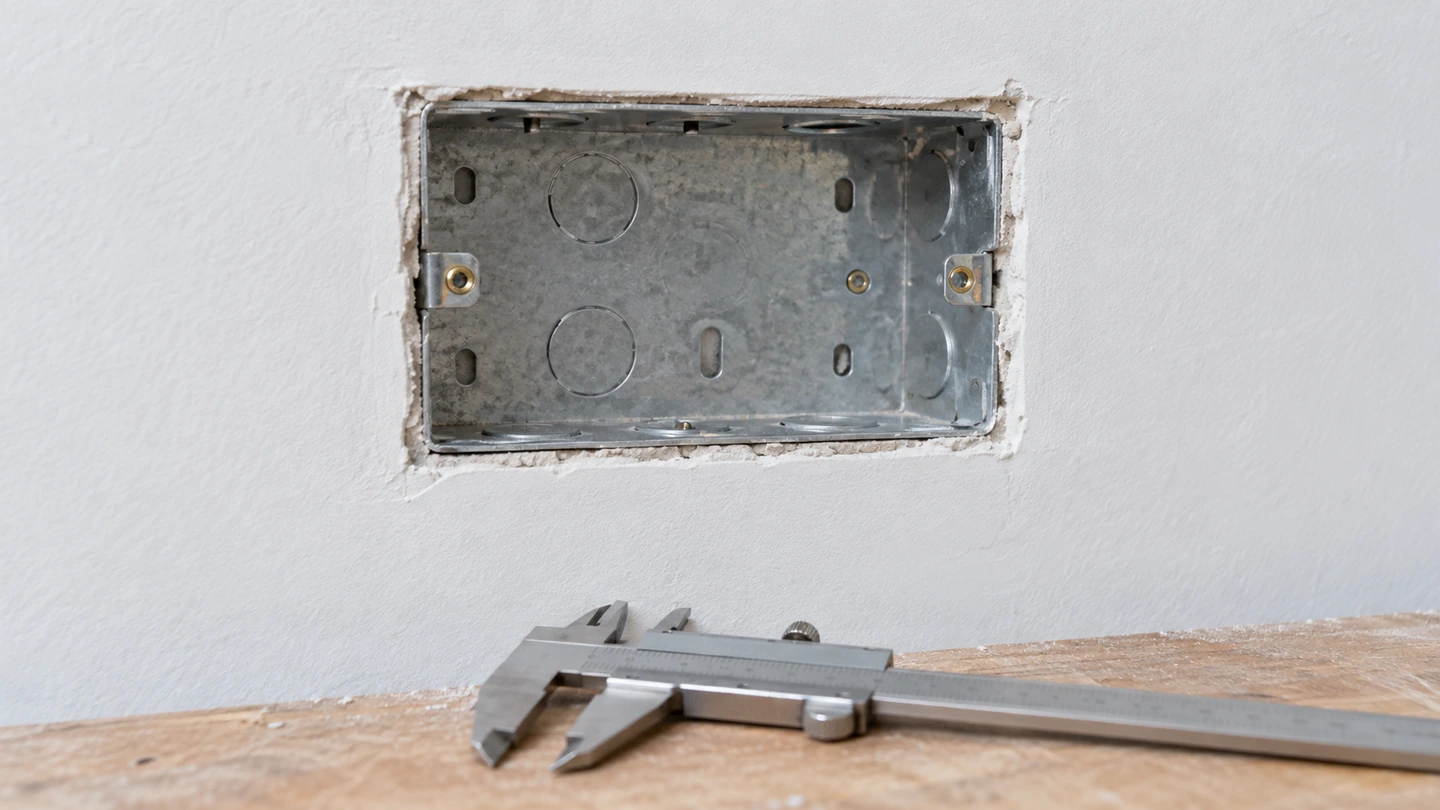
The plate may cover the opening while the mechanism leaves too little room for conductors and connectors. A deeper USB accessory can make this particularly apparent. Fixing centres, supports and the position of the finished wall surface matter as well.
Use the model drawing to check the complete assembly. A nominal box reference does not establish depth or available wiring space. Forcing the accessory into place can trap insulation or strain terminations.
| Installation | What needs planning? | Work easily left out of the budget |
|---|---|---|
| Finished masonry | Route and recess for a suitable box | Dust control, chasing and decoration |
| Partition wall | Box support and wall-barrier details | Opening and reinstating the partition |
| USB charging point | Space for the exact electronic accessory | Changing the box and checking charging requirements |
| Office workstations | Simultaneous demand and accessible positions | Circuit assessment, identification and commissioning |
What tests are needed before the socket is used?
The electrician carries out the applicable inspection and electrical tests, including the relevant continuity, insulation, polarity and protective-device checks. A lamp working proves only that it works at that point. HSE warns that simple socket testers cannot identify every dangerous condition.
The contractor also needs to establish the local certification or notification requirements. In England, Approved Documents P and M provide electrical-safety and accessibility guidance for their respective scopes. Product conformity documents do not certify the building installation.
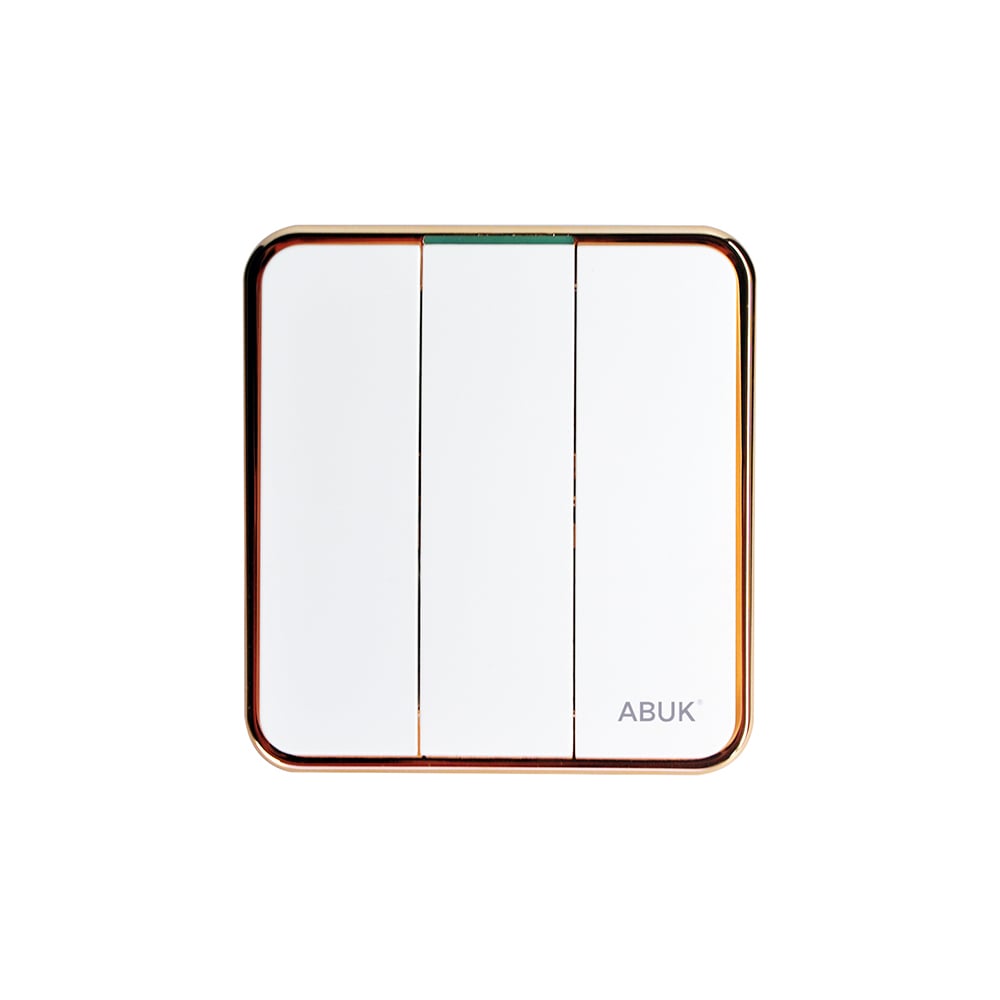
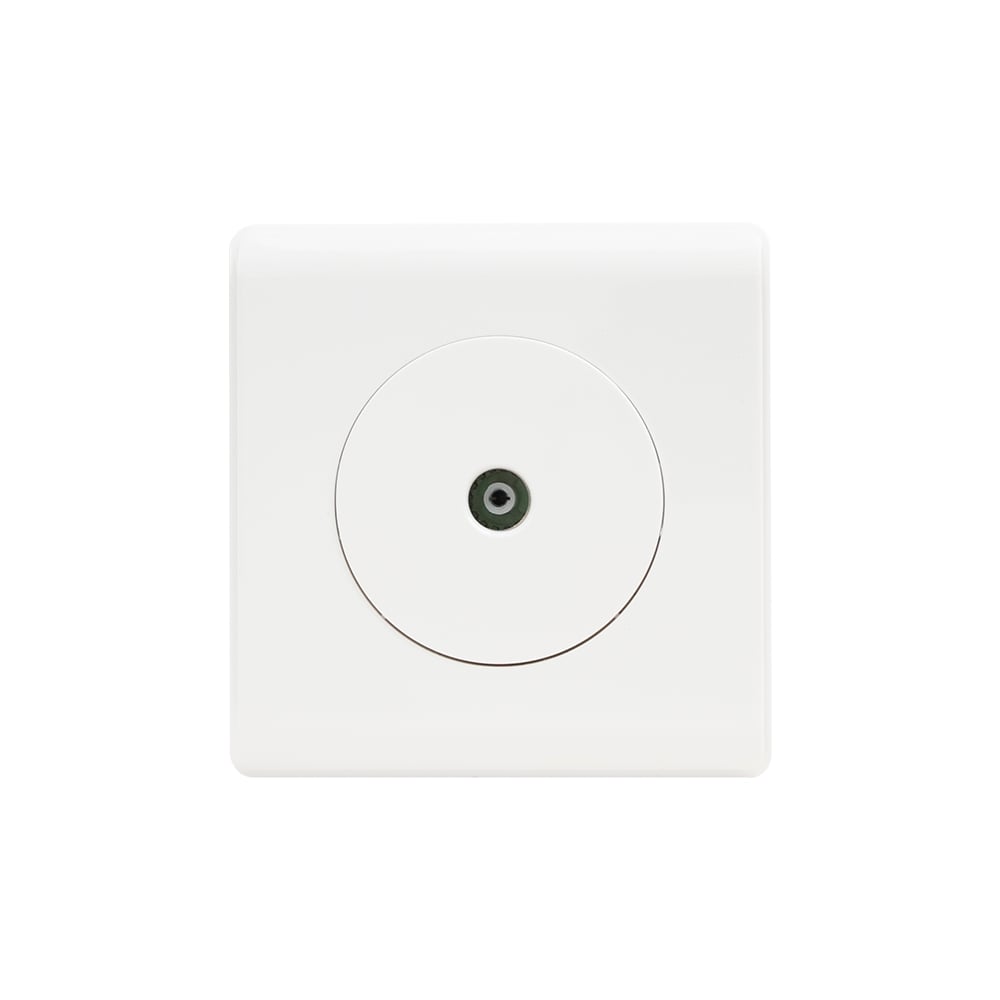
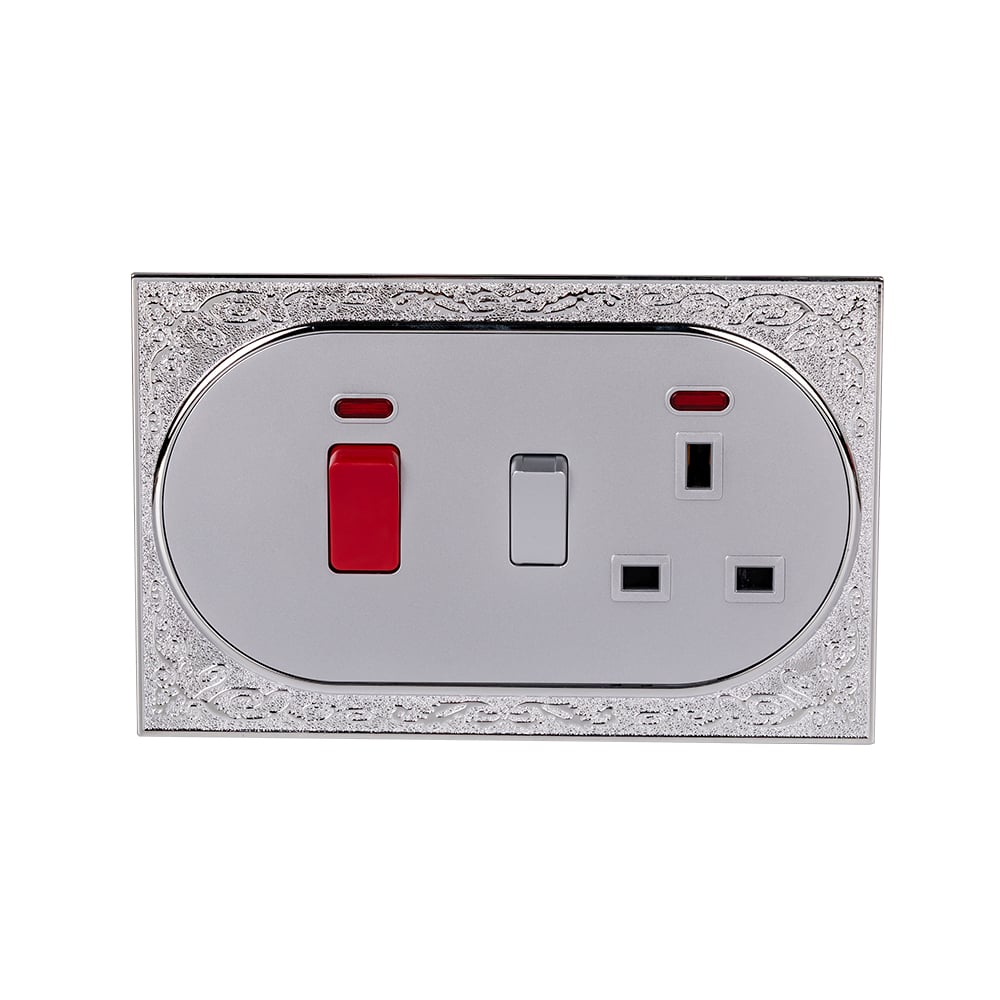
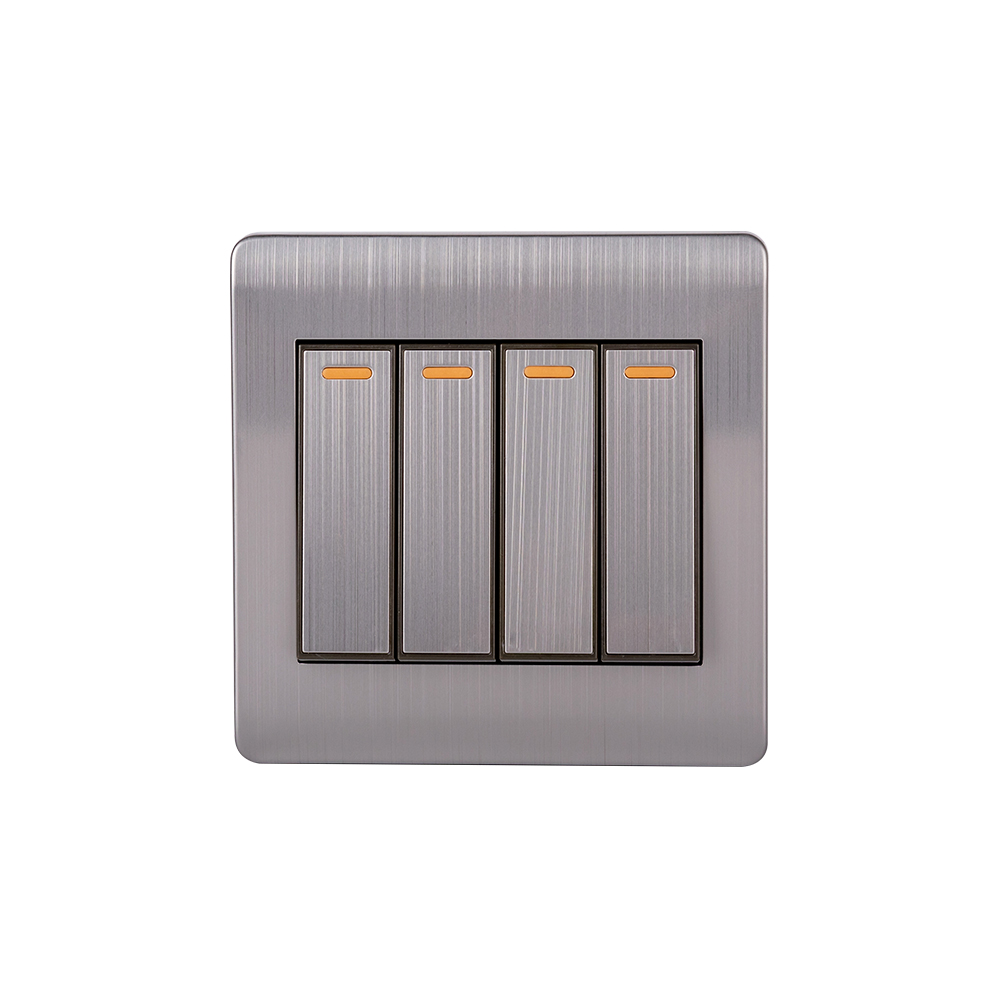
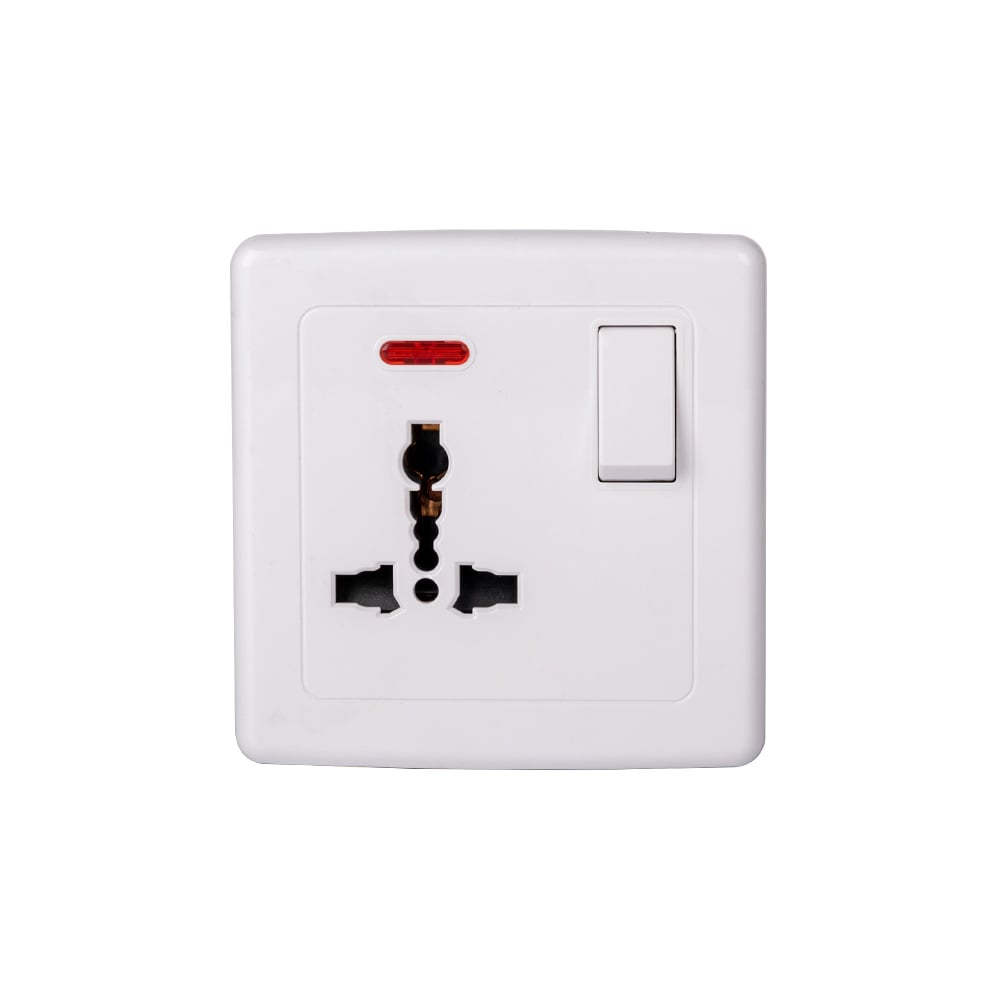
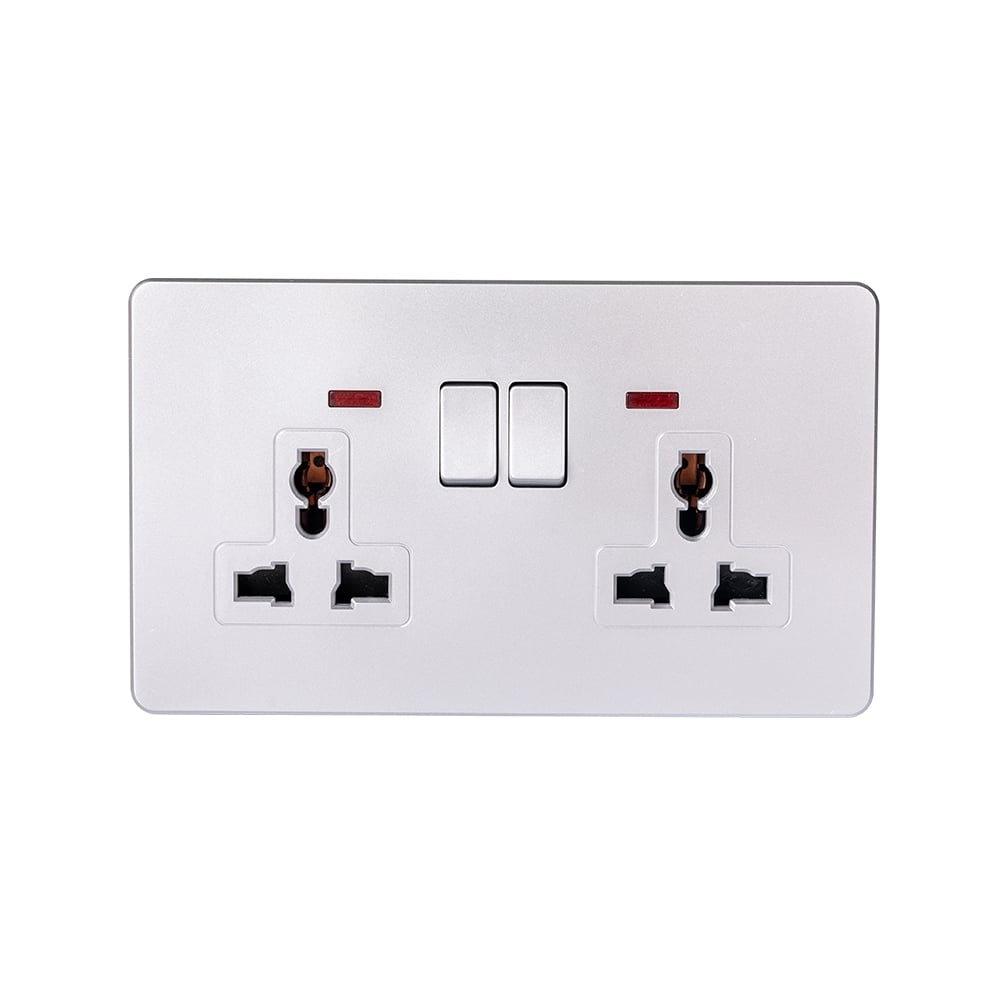
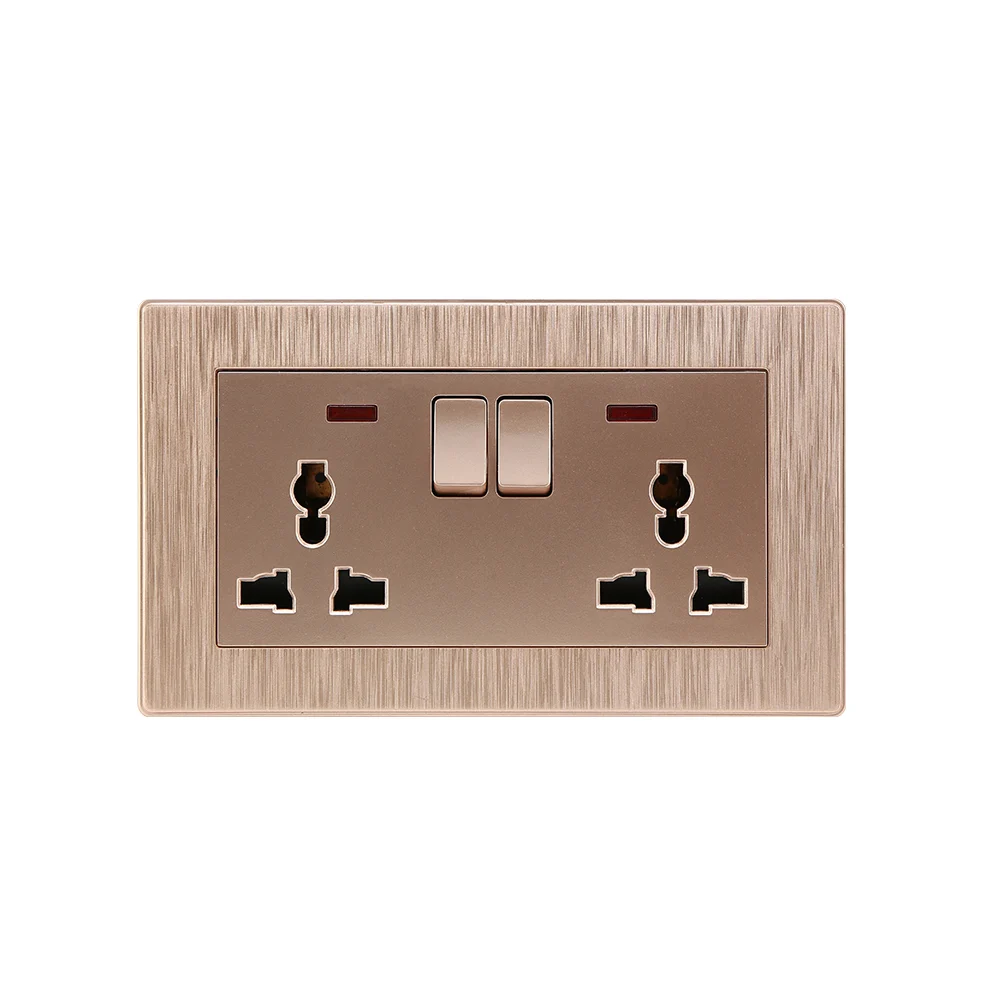
For product selection, first confirm the required plug format using the wall socket types guide. ABUK’s Series 10 pages show a single electrical outlet socket and twin electrical socket outlets. Those options can be compared once the load, location and box requirements are known; their appearance cannot establish whether the existing circuit is suitable.
What else should be settled before installing a socket?
How do you install a wall socket?
A competent electrician assesses the circuit, plans the location and route, isolates the work, and fits a compatible box and accessory. The installation is inspected and tested before use.
What wires connect to an electrical outlet socket?
Many single-phase sockets use line, neutral and protective earth. The actual functions and terminal positions must be verified for the installation and exact model.
How high should a new wall socket be installed?
Use the applicable local requirements, accessibility needs and room layout. Specify both the height and its measurement datum on the drawing.
Does a new outlet need its own circuit?
Not always. A suitable existing circuit may be extendable, while a particular load, location or code requirement may call for a dedicated circuit.
Sources
- IEC 60884-1:2022: household plugs and socket-outlets.
- HSE electrical safety FAQs.
- GOV.UK: Approved Document P.
- GOV.UK: Approved Document M.
Plan the room and supply before choosing the faceplate. A useful socket needs a position people can reach, a circuit suited to the expected load and enough space for sound connections. Agree the routing and making-good work before decoration, then retain the electrician’s test and circuit records after installation. ABUK’s socket range can support the product choice once those conditions are settled. The exact drawing and installation instructions should accompany the approved model.