
 Wenzhou Lita Electric Co., Ltd.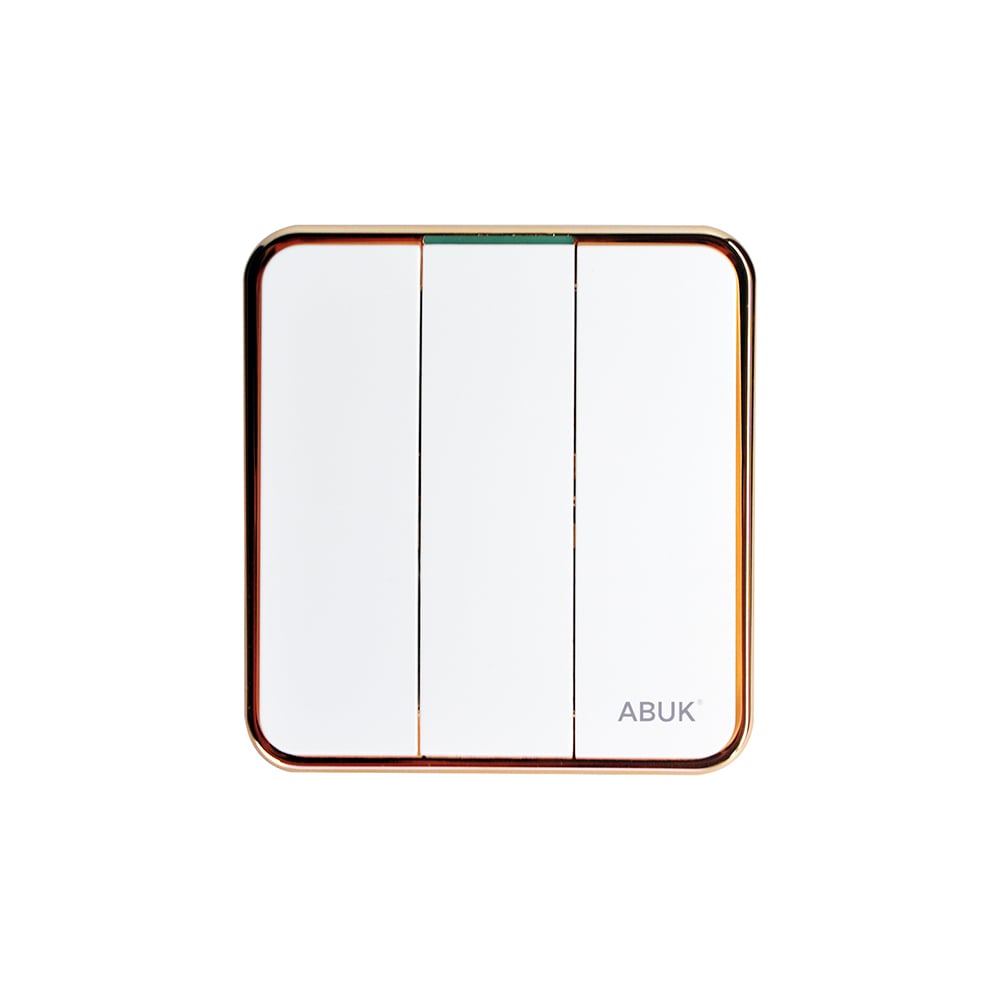
Why Do Plug Sockets Have Switches?
A socket switch is handy when the alternative is reaching behind a desk to unplug a lamp. It lets the user leave the plug in place and turn the appliance’s supply off at the wall. That convenience explains much of its appeal. It also raises two reasonable questions: does switching off save electricity, and does the off position make the socket safe to work on? The answers depend on what the switch disconnects.
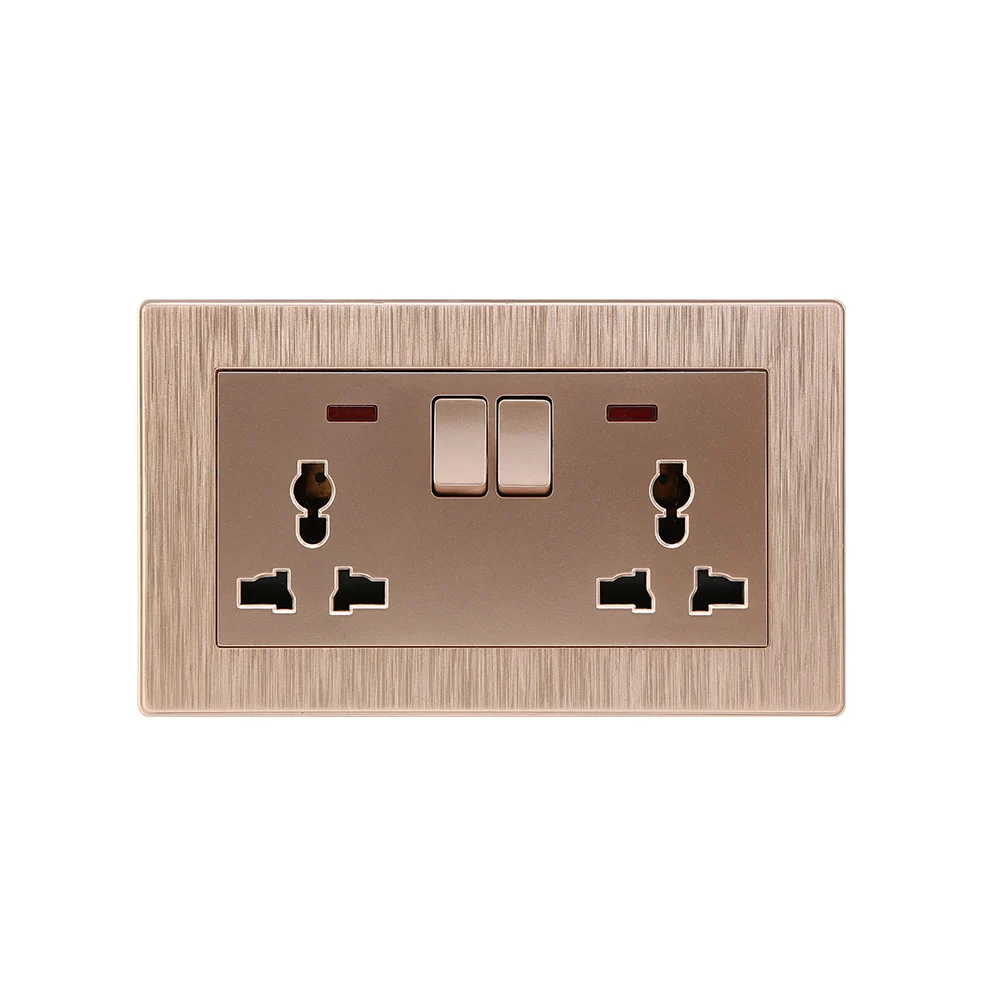
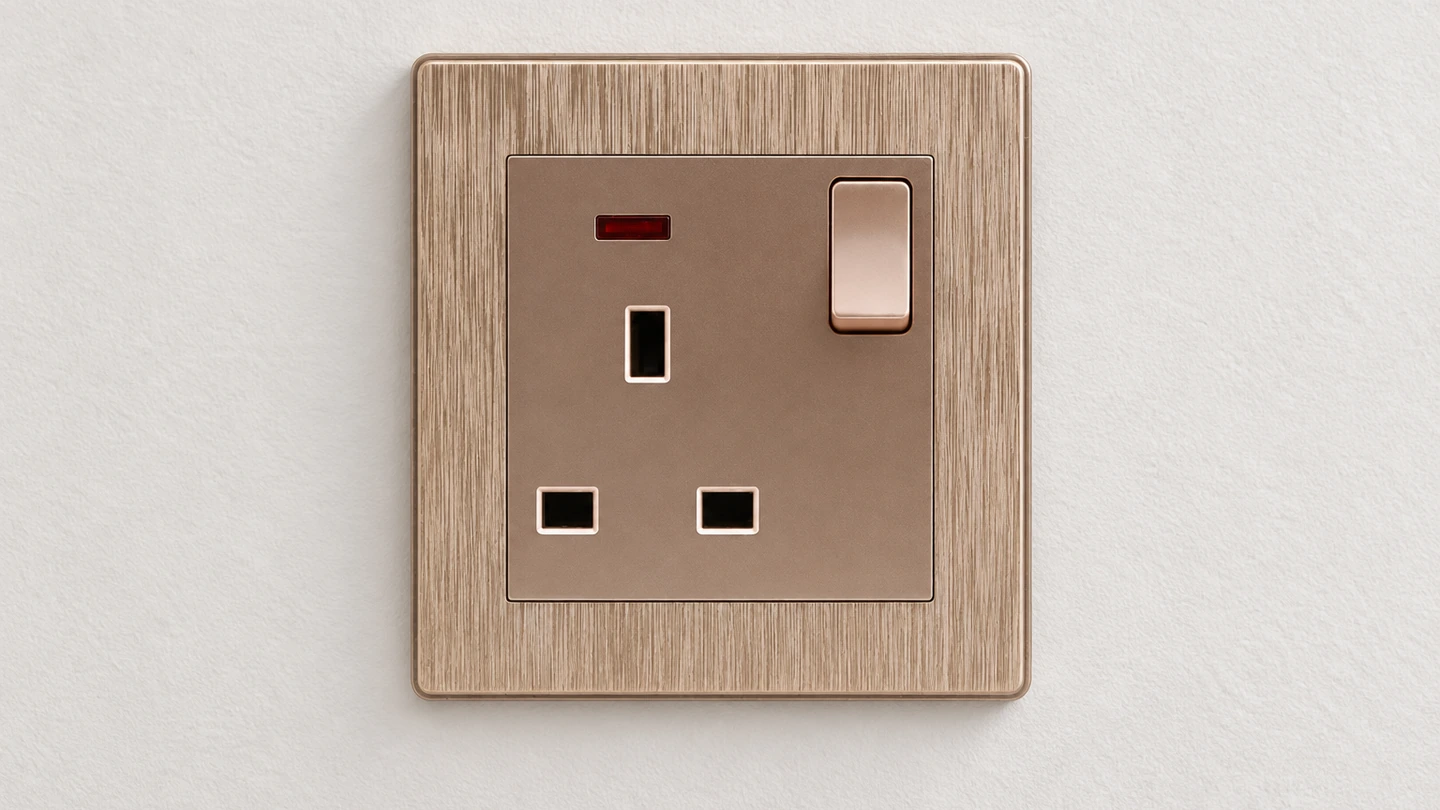
Plug sockets have switches primarily for local power control. In the UK, switched sockets are a familiar option in the BS 1363 13A plug-and-socket system, although unswitched sockets also exist. An outlet with power switch can disconnect an appliance that would otherwise remain on standby. It does not replace the plug fuse, socket shutters or circuit protection, and it is not proof that the wiring behind the faceplate is dead. For everyday use, the important choice is whether the connected equipment should be easy to turn off or should keep running.
What happens inside a socket when the switch is turned off?
The rocker opens electrical contacts and interrupts the supply path to the appliance. A single-pole design normally switches line; a double-pole design opens line and neutral. Protective earth keeps its protective function. The rocker looks much the same from the front, so the number of poles has to be checked in the manufacturer’s information.
A rocker on the socket is also different from a wall switch controlling an outlet across the room. The latter uses a separate control arrangement, covered in the switched outlet wiring guide. Having a switch nearby does not establish which outlet it controls.
Does switching off a socket save electricity?
Only if it stops something consuming power. A plain mechanical socket uses no electricity just because its rocker is on. The connected television, charger or other appliance may draw standby power; an indicator or built-in USB supply may use energy too.
Consider an illustrative 1W standby load that is genuinely disconnected for 24 hours each day. Over 365 days, that avoids 8.76kWh. The actual saving depends on measured consumption, hours switched off and the electricity tariff. An appliance with no standby draw offers no saving from turning off the socket.
Integrated USB sockets need a separate check. Their charging electronics may be supplied independently of the rocker that controls the plug outlet. Turning that rocker off therefore does not necessarily turn off every function on the plate.
Why does the socket still need shutters, a fuse and circuit protection?
The switch controls normal use. The other components deal with different risks. None makes the others redundant.
| Component | What it does | Important limit |
|---|---|---|
| Socket switch | Turns the connected supply path on or off | Supply terminals behind it may still be live |
| Shutters | Restrict access to socket contacts | They do not isolate the circuit |
| Plug fuse | Provides overcurrent protection associated with the appliance flex | It does not prevent every electric shock |
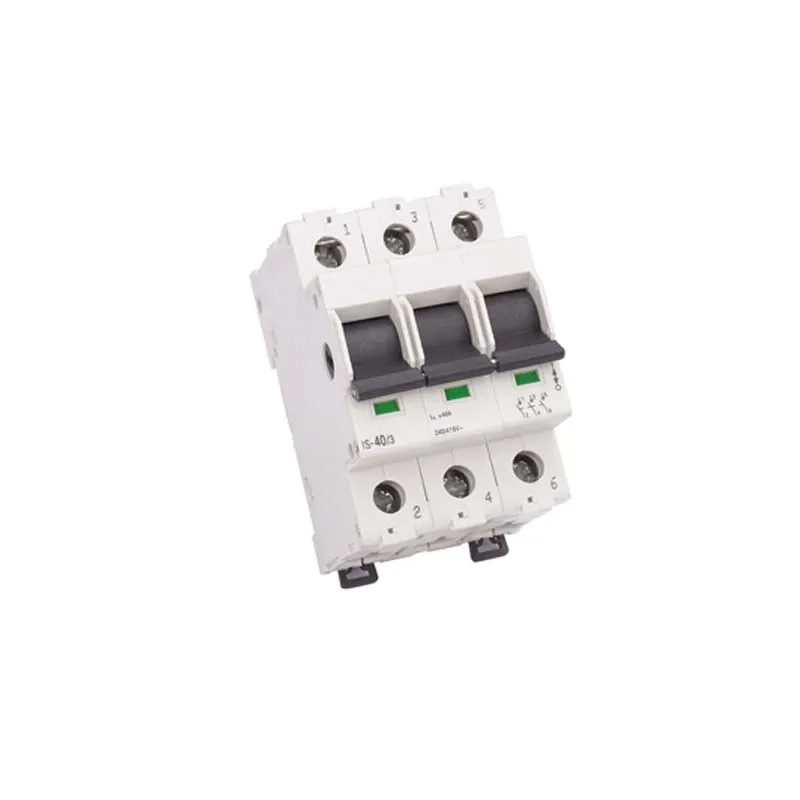
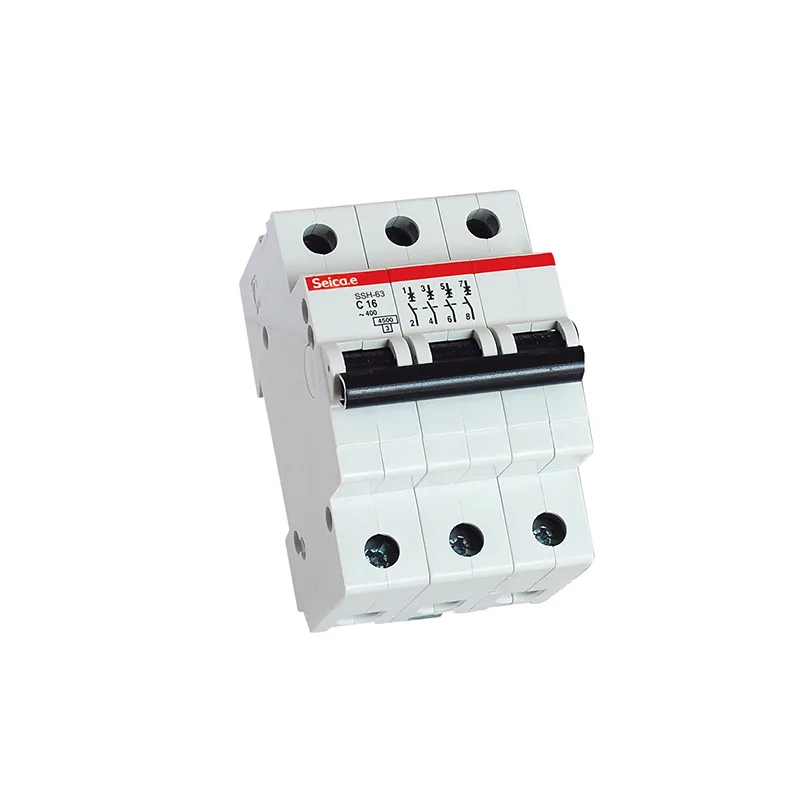
| Residual-current device, or RCD | Responds to specified current-imbalance faults | It does not replace safe isolation or, by itself, overload protection |
This matters during repairs. An appliance stopping when the rocker is pressed says nothing about the incoming terminals. HSE advises secure isolation and proving dead before electrical work, including where RCD protection is fitted.
Which appliances benefit from a switched socket?
A desk lamp or occasionally used appliance can benefit from an accessible off control. A refrigerator or network device creates a different problem: someone may turn it off while cleaning and leave it off unnoticed. For these loads, preventing accidental interruption can matter more than convenient switching.
| Use | What makes the switch useful? | What can go wrong? |
|---|---|---|
| Desk or reading lamp | It offers a reachable off control | A switch behind furniture is awkward to use |
| Guest-room charging point | The user can control a connected charger | An unfamiliar off switch may be mistaken for a faulty socket |
| Office workstation | Nonessential accessories can be disconnected | The same action may interrupt essential IT equipment |
| Refrigeration or security equipment | Its role depends on the operating policy | An accidental shutdown may remain unnoticed |
Socket layout matters as much as socket count. A rocker that will end up behind a wardrobe offers little everyday convenience. The wall socket types guide also helps distinguish the plug format from features such as local switching and USB charging.
What should be checked before buying a switched socket?
Start with the appliance and destination market. Then check the exact product’s current rating, pole arrangement, terminal instructions and mounting-box requirements. For a USB version, add port type, output and which functions remain powered when the rocker is off.
IEC 60884-1:2022 covers general household plug and socket requirements; IEC 60669-1:2017 concerns fixed-installation switches. The relevant standard and destination documents must match the selected accessory. CE or RoHS paperwork alone does not establish that a socket suits a UK installation.
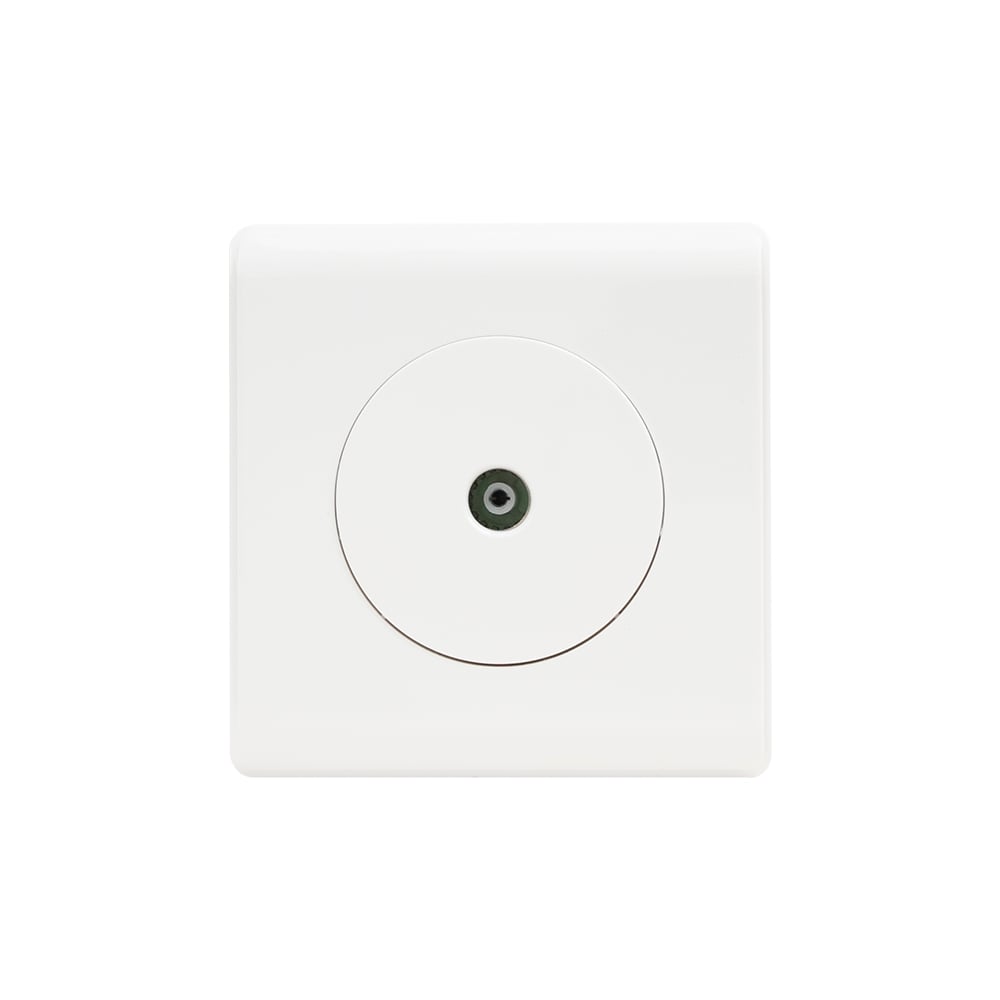
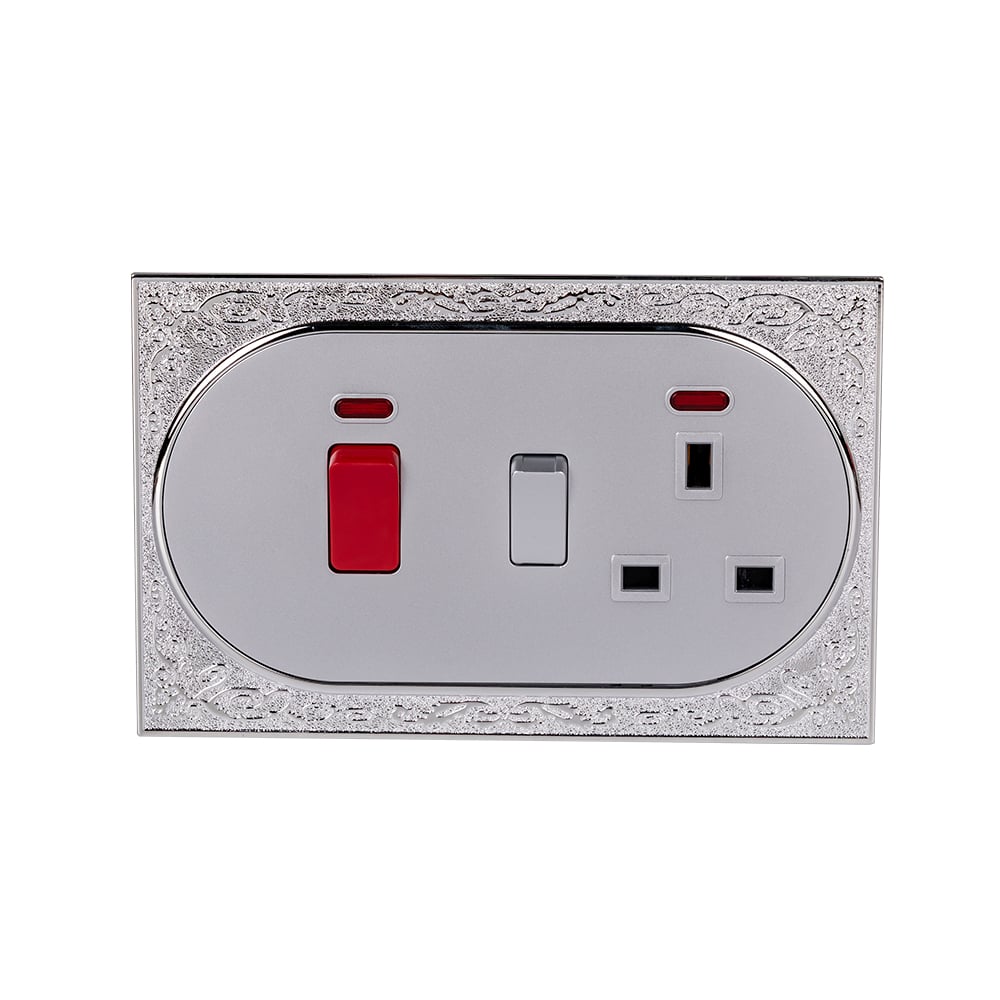
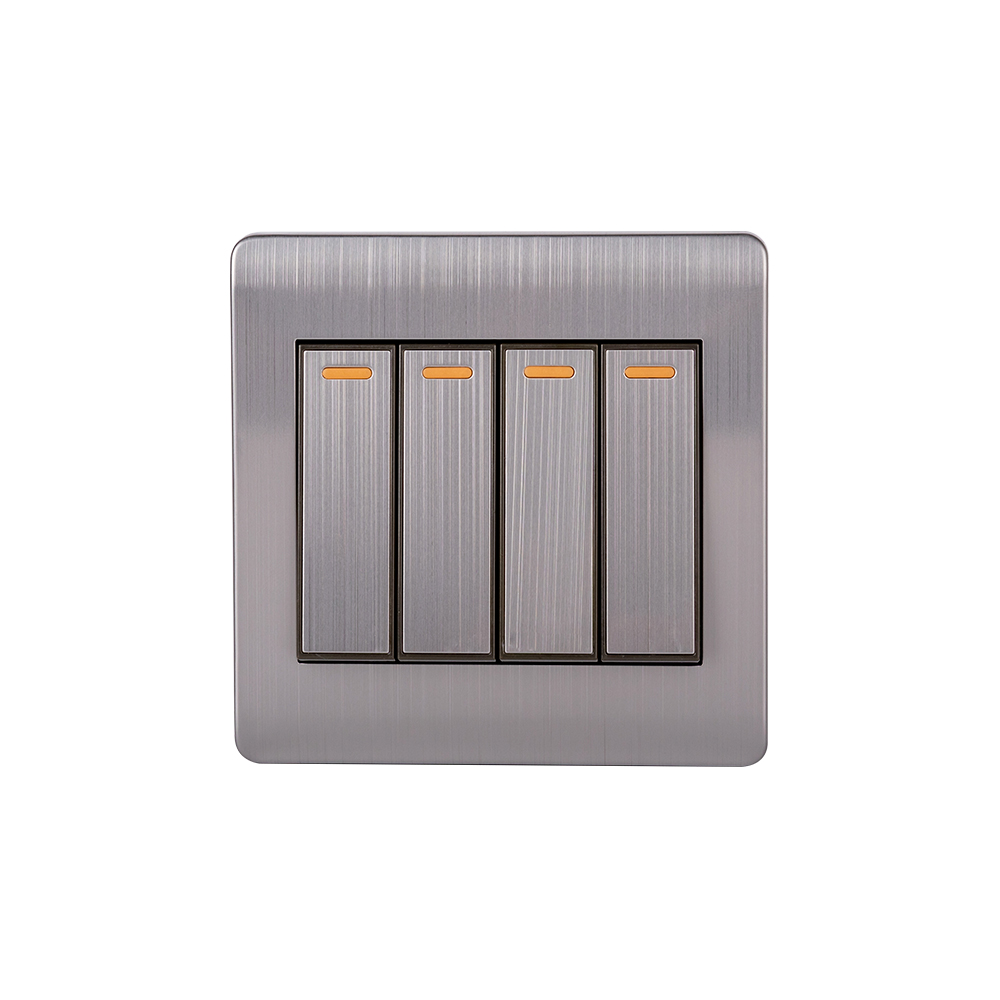
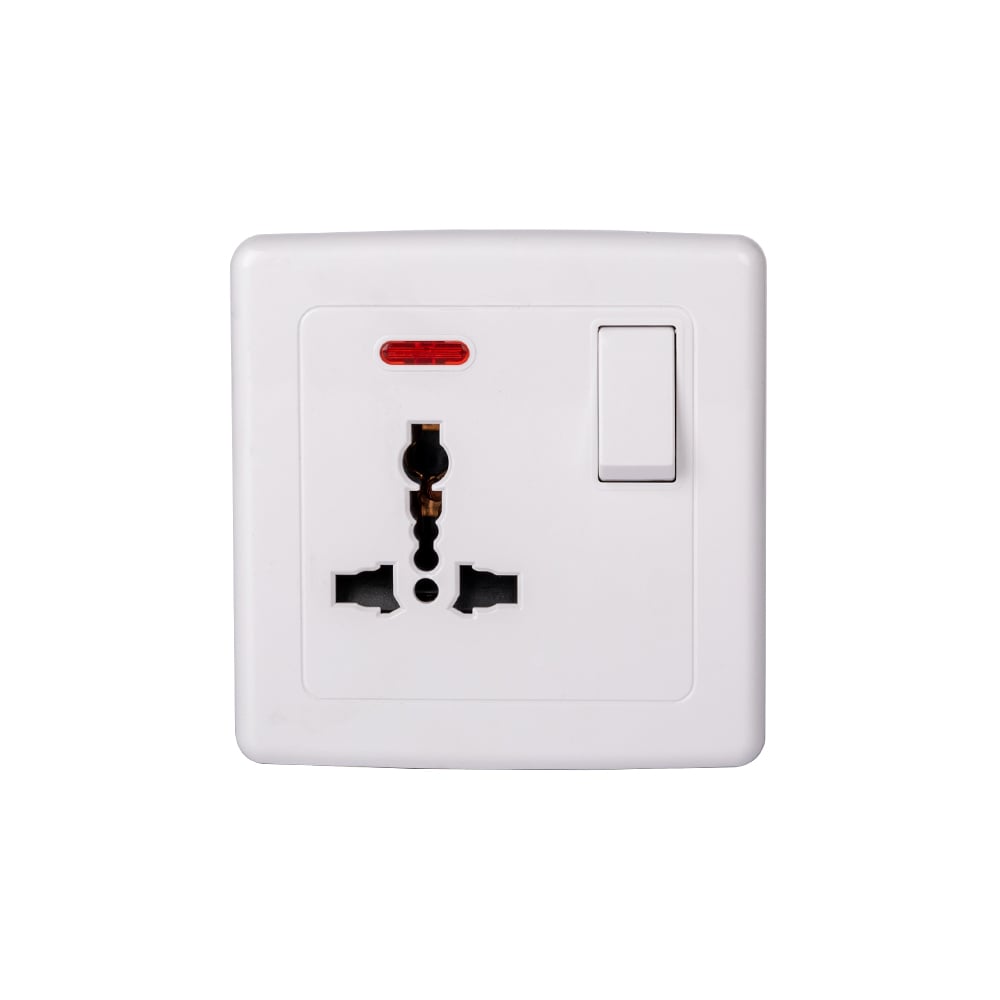
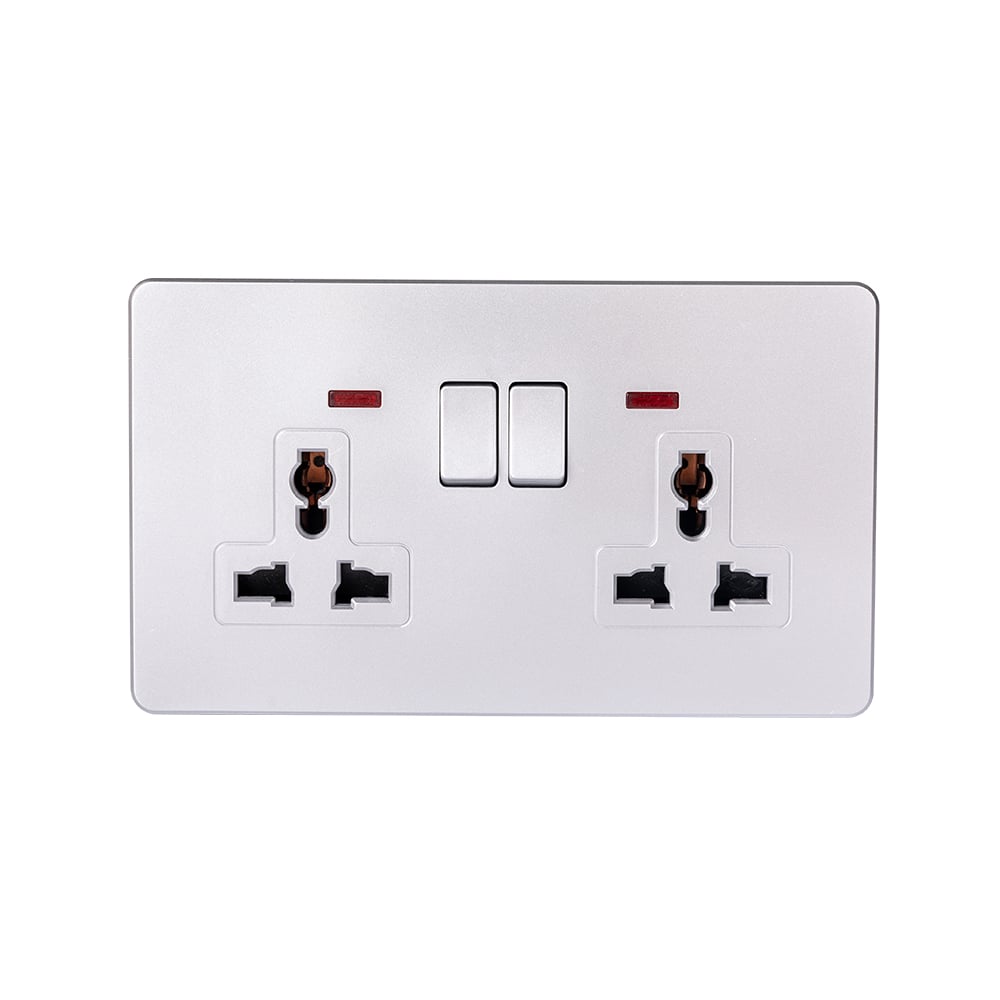
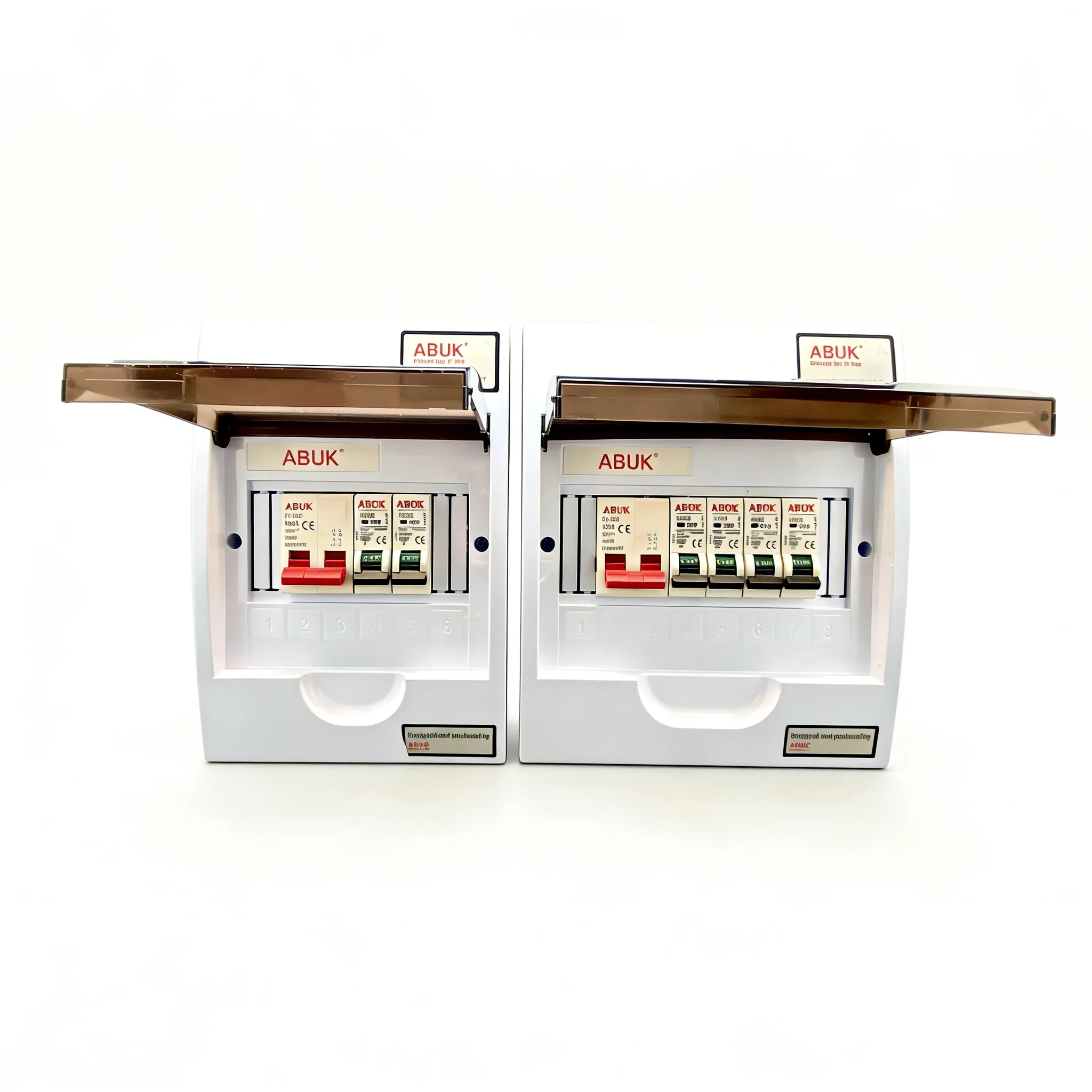
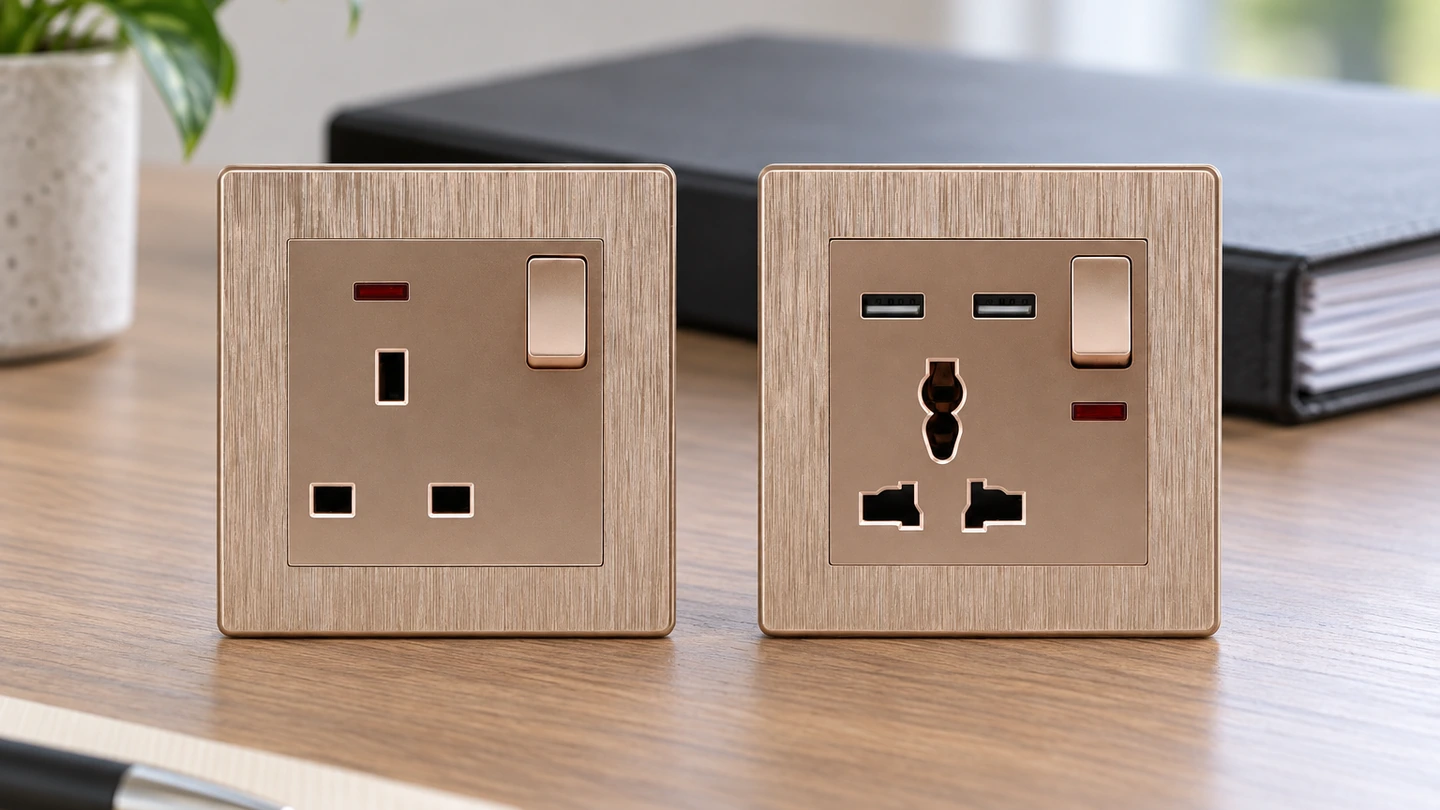
ABUK’s single switched socket and twin switched socket show two Series 10 formats. The useful comparison is the number of connection points and controls needed in the room, followed by the model’s installation and market documentation.
What else do users ask about socket switches?
Why do plug sockets have switches?
They let the user turn off a connected appliance at the wall without removing its plug. This is useful for routine control and for disconnecting suitable standby loads.
Do switched outlets improve electrical safety?
They provide an accessible off control, but safety still depends on the socket’s condition and the complete installation. An off rocker does not make the wiring behind the plate safe to touch.
Does turning off a socket switch save energy?
It can stop standby consumption if the rocker actually disconnects that load. There is no saving from a disconnected appliance or one that draws no standby power.
Why are switched sockets common in the UK?
They are an established option in the UK plug-and-socket system and offer convenient local control. Unswitched sockets are also available; the choice depends on the equipment and its use.
Sources
- IEC 60884-1:2022: household plugs and socket-outlets.
- IEC 60669-1:2017: household fixed-installation switches.
- HSE electrical safety FAQs.
- Electrical Safety First: socket loading and warning signs.
A socket switch earns its place when it makes an appliance easier to use without inviting an unwanted shutdown. For a lamp, that may be a reachable rocker. For equipment that must run continuously, it may mean a different outlet arrangement or a clearly defined operating policy. Energy savings depend on the load being disconnected; electrical maintenance still requires proper isolation. ABUK’s switch and socket range provides product options once those everyday requirements are clear.