
 Wenzhou Lita Electric Co., Ltd.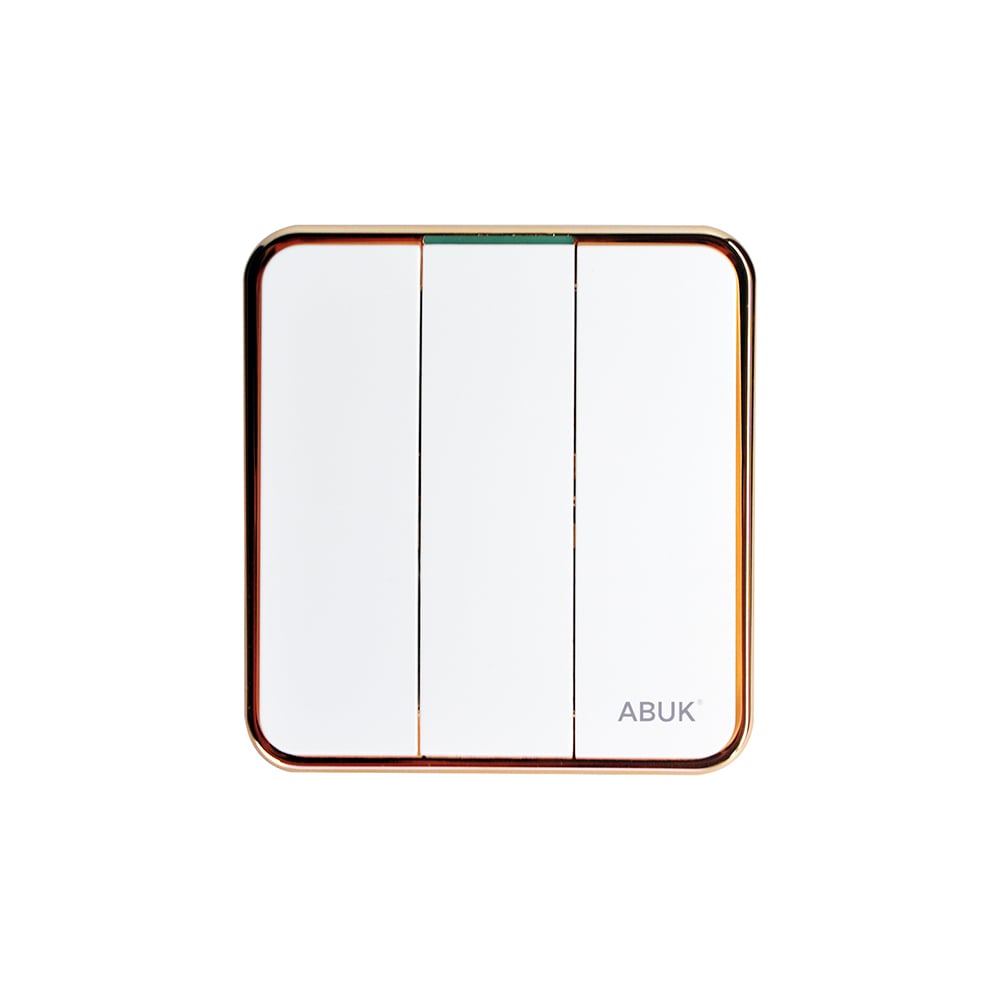
What Is the Difference Between Switch and Socket Outlet?
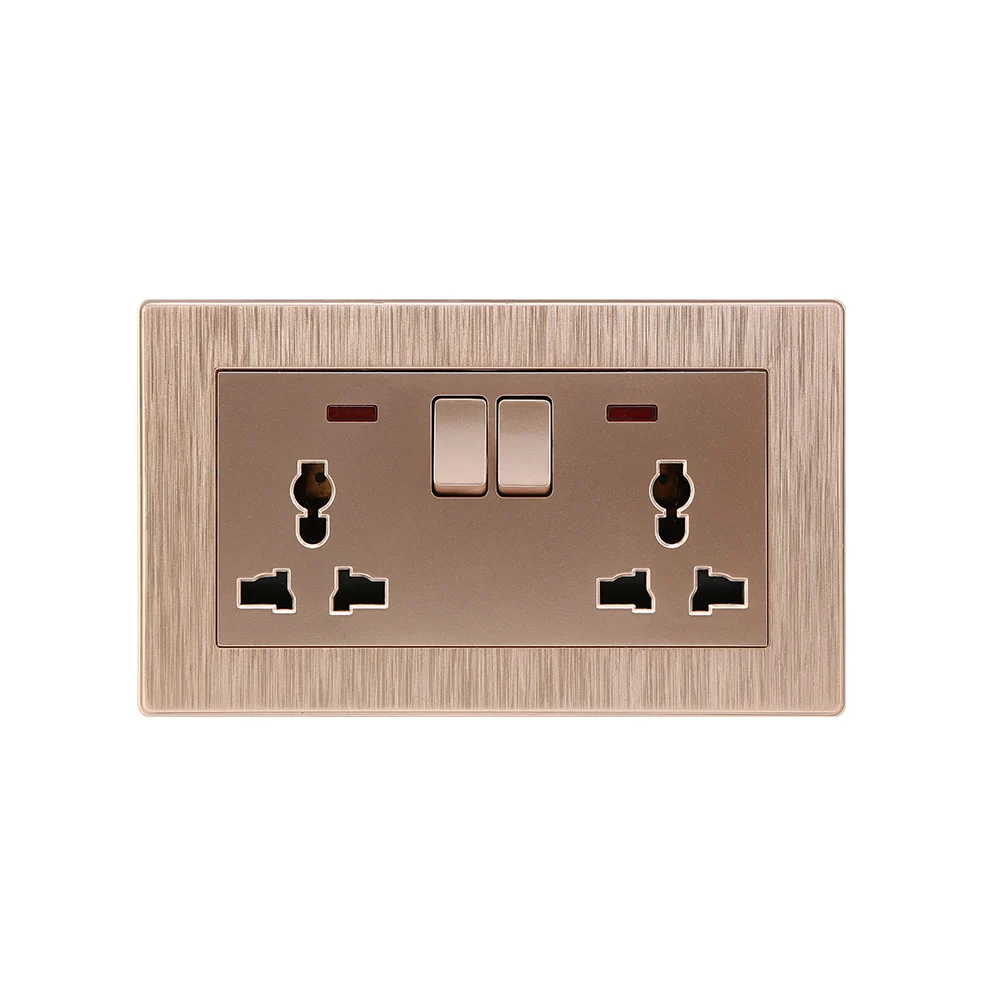
A wall plate with a rocker beside a plug opening can make a switch and a socket outlet look like one device. The practical question is whether the rocker controls that socket, a separate light, or another circuit entirely. Confusing these functions can lead to an unsuitable purchase, an appliance losing power unexpectedly, or someone treating an off position as proof that wiring is safe to touch. The standards also distinguish functional switches from plug-and-socket accessories. This guide compares plug sockets and switches by what they do in the current path, then explains switched outlets, load ratings and the checks that matter before choosing or replacing one.
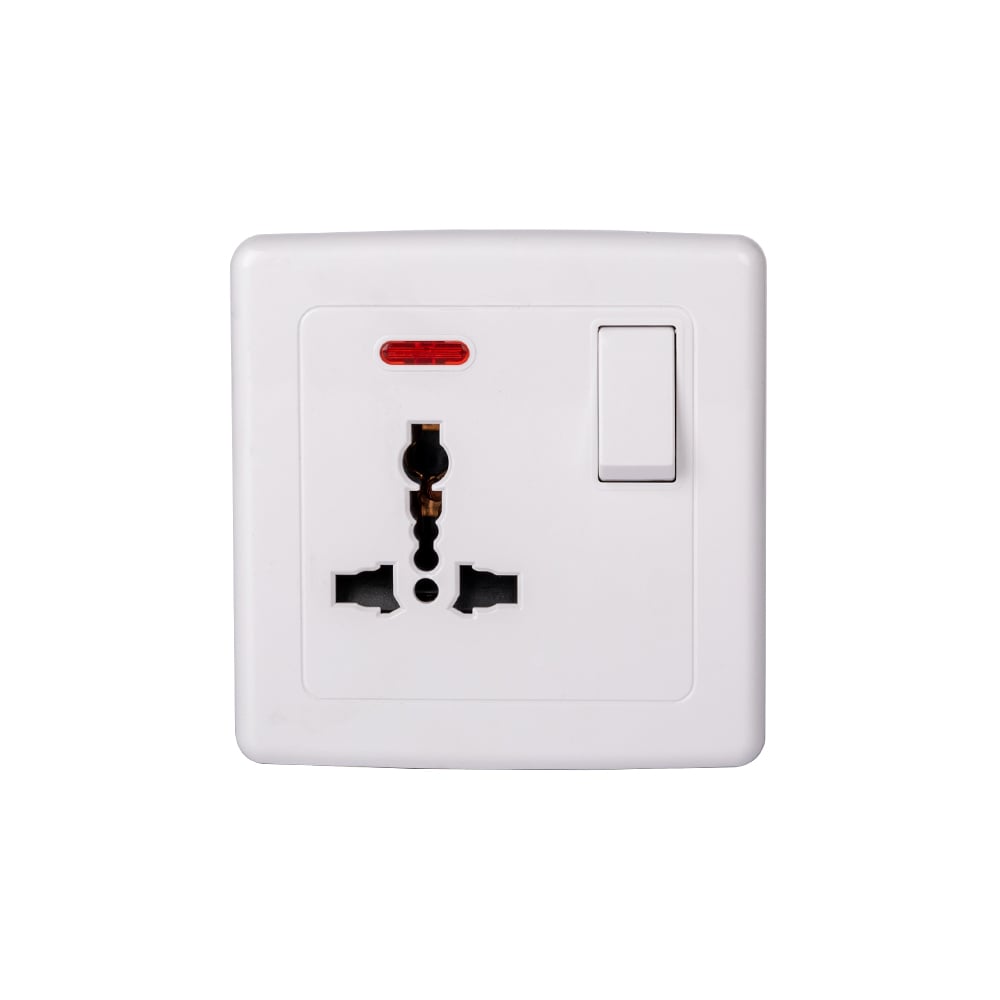
The short answer is that a switch opens, closes or changes a current path; a socket outlet provides contacts for a removable plug connection. A switched socket combines those functions, while an unswitched socket has no integral on/off control. IEC 60669-1:2017 addresses manually operated functional switches, whereas IEC 60884-1:2022 addresses household plugs and socket outlets. A table lamp can use either outlet type if its supply and controls are suitable. Before specifying electrical sockets and switches, verify the exact function, voltage, current, load type, plug system and installation requirements. An off rocker alone does not establish safe isolation.
For a replacement project, the how to replace a light switch guide shows how the functional distinction affects isolation, box fit and commissioning records.
How does a switch differ from a socket in the current path?
A basic mechanical switch changes whether a conducting path is complete. Closing its contacts permits current to flow when a connected load and the rest of the circuit provide a complete path; opening them interrupts that path. In ordinary single-pole lighting arrangements, the switch controls the line conductor feeding the light. Other switching arrangements exist, so the actual terminal diagram and circuit design matter more than the front appearance.
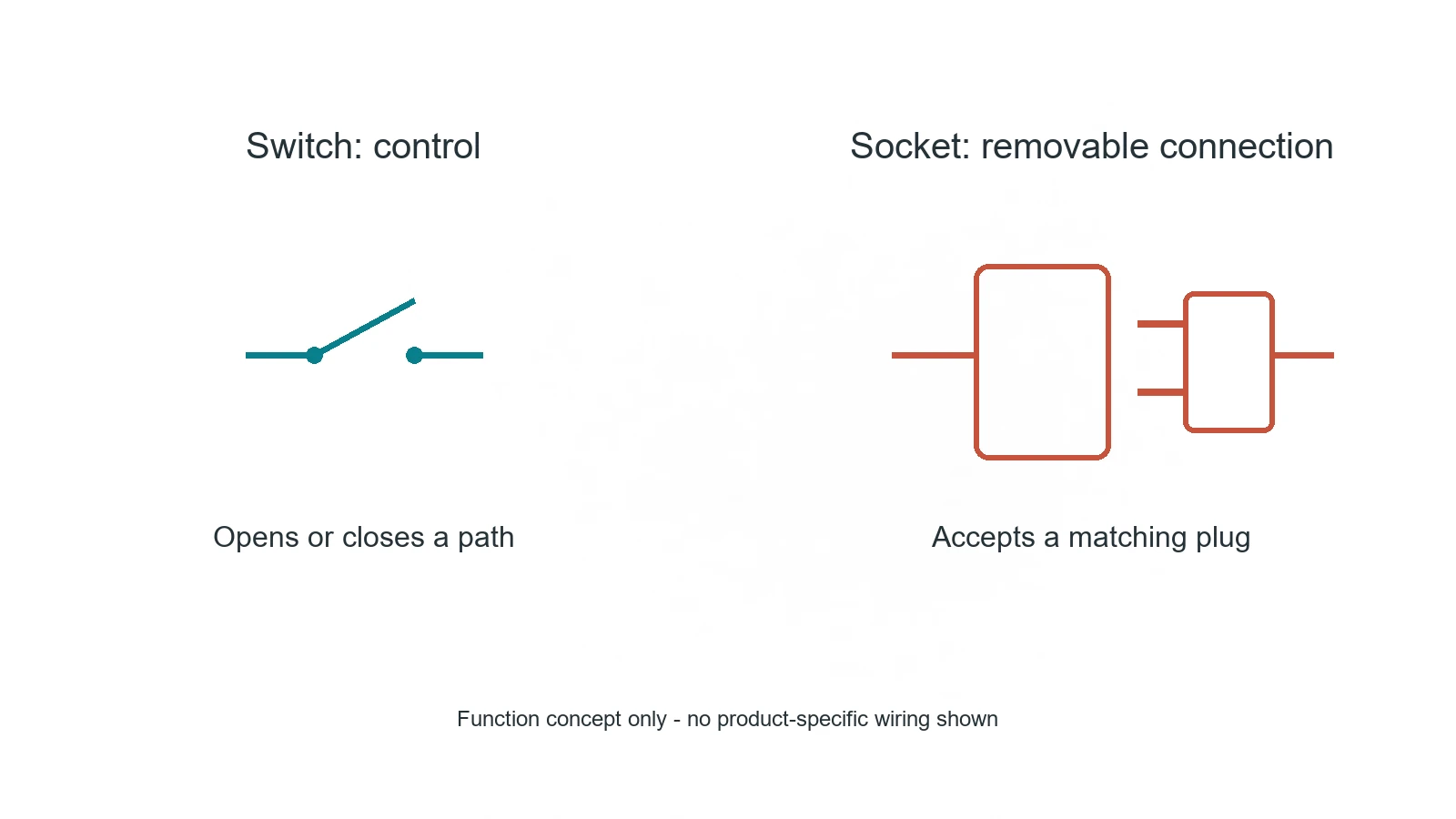
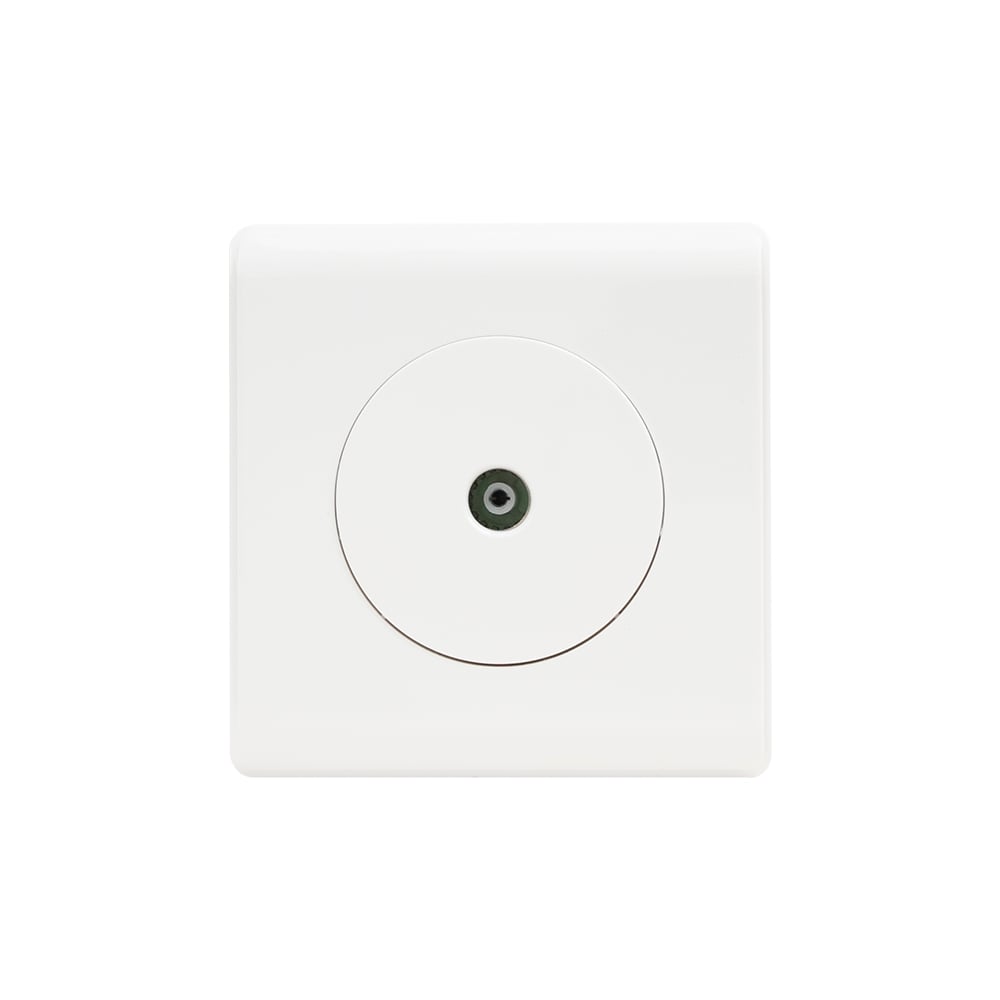
A socket outlet is the fixed or portable contact assembly into which a matching plug is inserted. It supplies a removable electrical connection rather than inherently providing an on/off command. The appliance draws current according to its operating state and characteristics; a socket’s marked current rating is not the amount of current it continuously consumes. Comparing wall switches and sockets therefore starts with control versus connection, not their shared plate style.
The public scope of IEC 60669-1:2017 calls these devices manually operated general-purpose functional switches. The public scope of IEC 60884-1:2022 separately describes compatible plugs and socket outlets as a plug-and-socket system. These product categories explain the functional distinction without establishing the suitability of any particular model.
| Accessory | Main function | Typical household example | What must not be assumed |
|---|---|---|---|
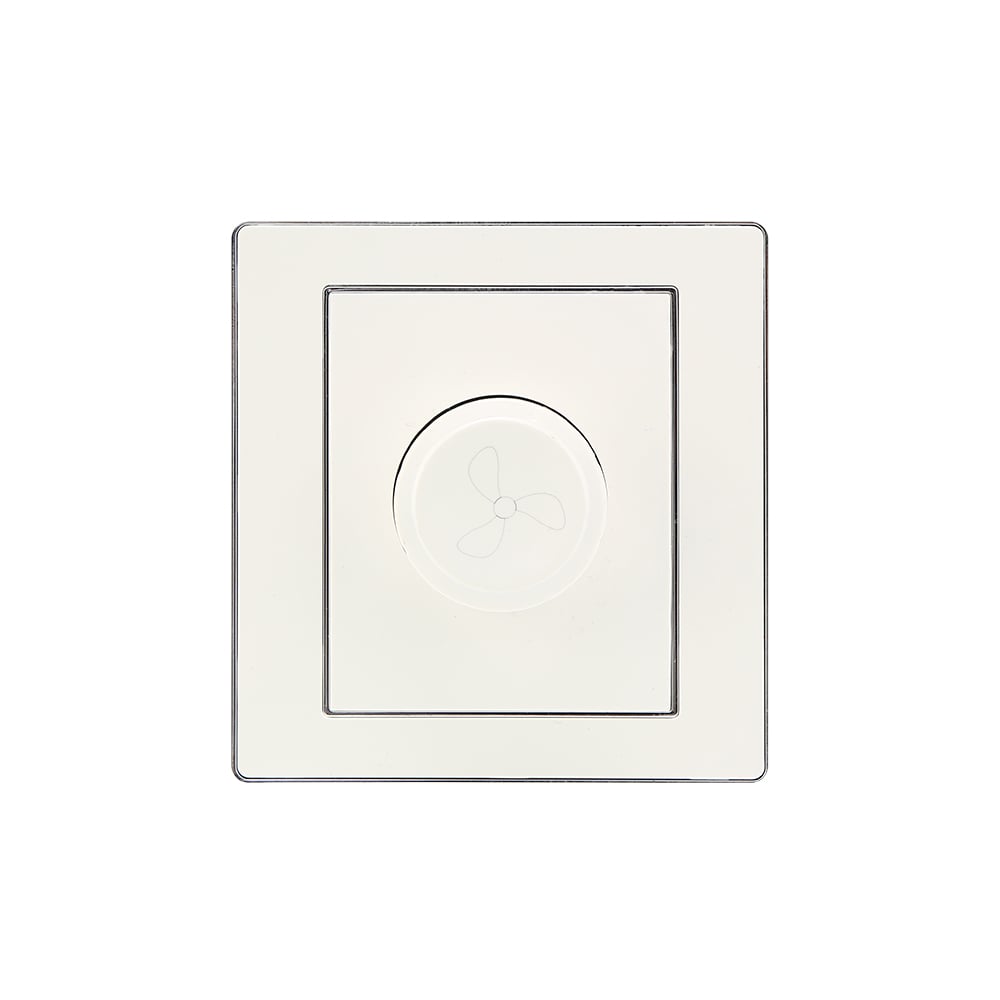
| Standalone wall switch | Controls a current path to a connected load. | Rocker operating a ceiling light. | That it supplies a plug connection or automatically trips on a fault. |
| Unswitched socket outlet | Provides a removable plug connection without integral switching. | Outlet supplying a router with its own power adapter. | That inserting an appliance means it is operating, or that unplugging one load isolates the outlet wiring. |
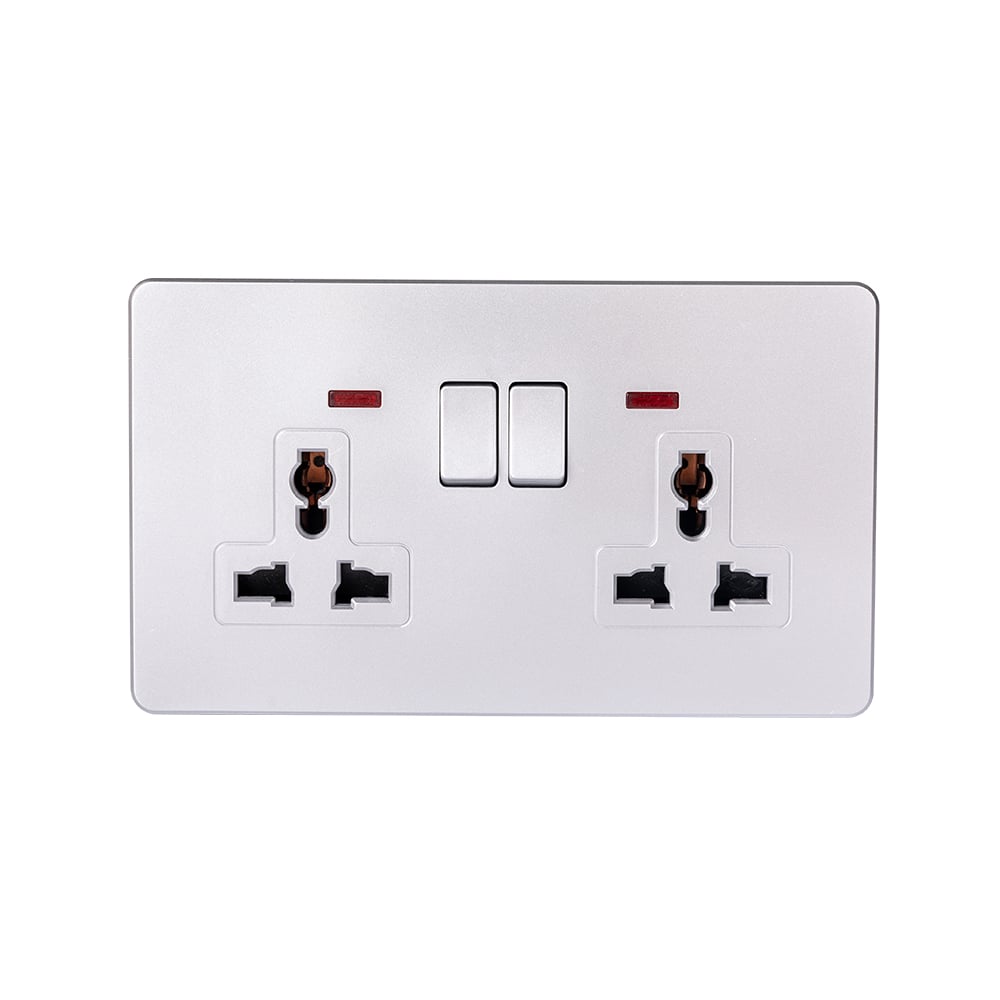
| Switched socket outlet | Combines plug contacts with a switch controlling the outlet supply. | Table-lamp outlet with an adjacent on/off rocker. | That the switch opens every live conductor or is suitable for maintenance isolation. |
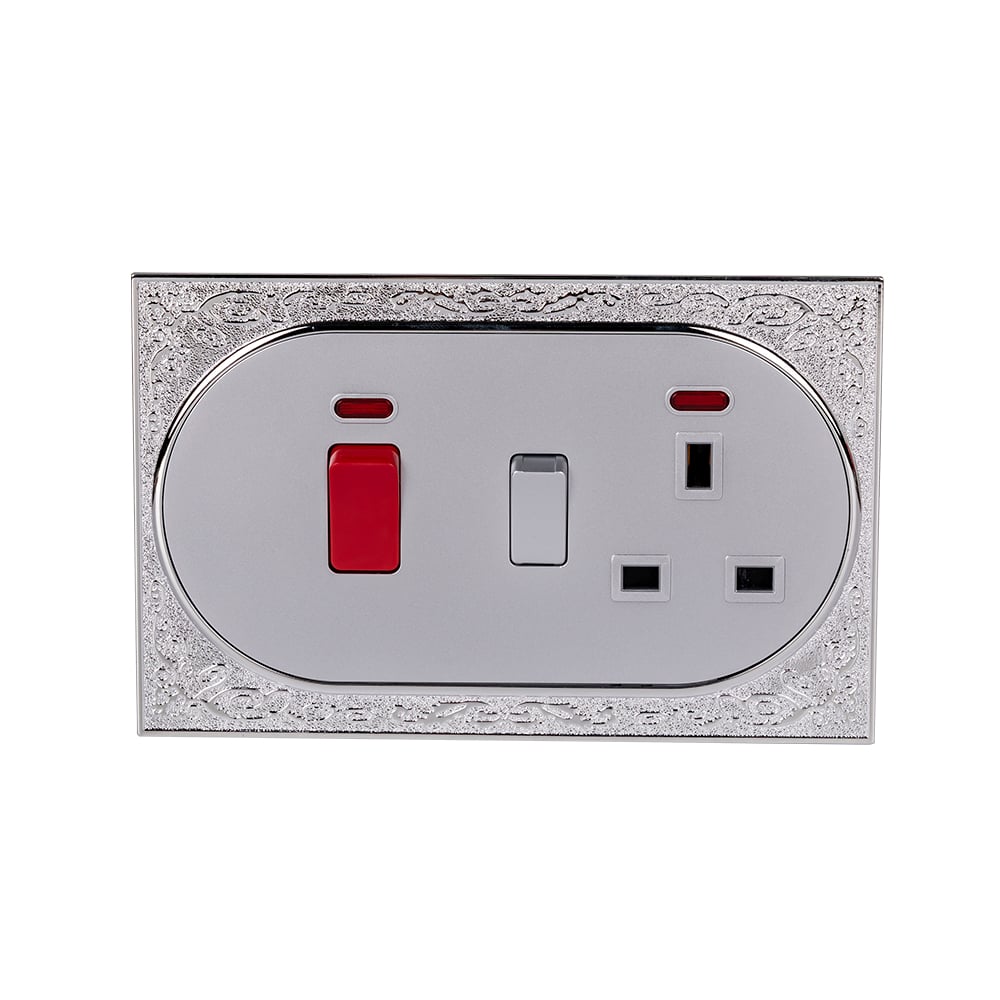
| Switch-and-socket combination plate | Places switching and plug connection functions on one accessory. | Socket beside a control for a separate light. | That the nearby switch necessarily controls the socket. |
When is a switched outlet more useful than an unswitched outlet?
A switched outlet offers a local way to stop supplying a connected appliance without removing its plug. It can be convenient for a lamp or an accessible charger, provided the switch actually controls that outlet. An unswitched outlet relies on the appliance’s own control, unplugging, or an appropriate upstream arrangement. Neither version is universally better; the question is where routine control should occur and whether an accidental interruption would matter.
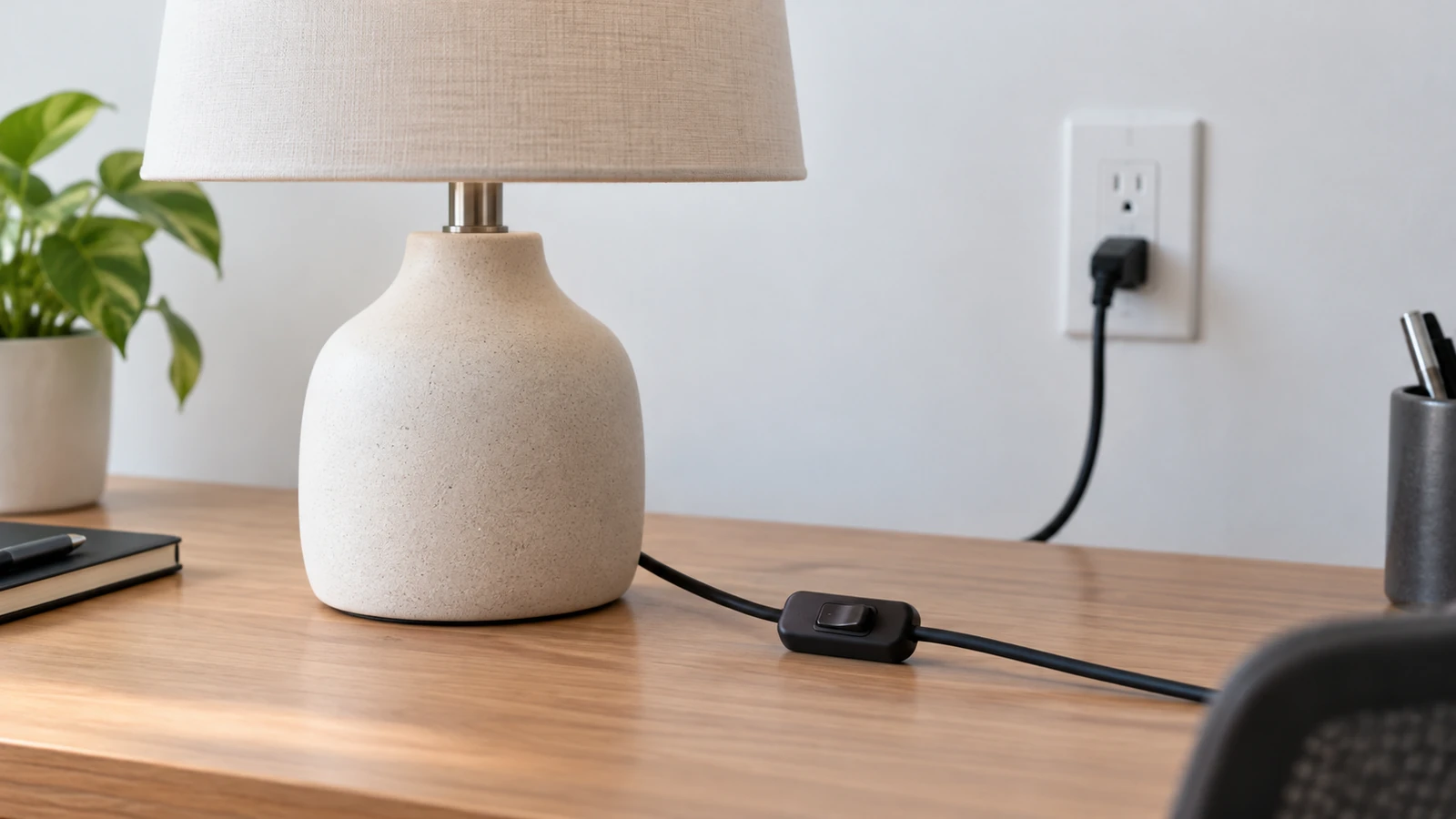
A lamp with a straightforward on/off control often works with either arrangement. A smart lamp may need a continuous supply to receive commands, so turning its outlet off defeats that function. Similarly, a refrigerator or network device may benefit from avoiding an easily operated local switch, subject to its manufacturer’s instructions and local installation rules. These are application examples, not recommendations to bypass required disconnection provisions.
| Application | Potential value of a switched outlet | Reason to consider an unswitched outlet | Selection check |
|---|---|---|---|
| Ordinary table lamp | Accessible local on/off control. | The lamp already has a convenient cord or body switch. | Confirm lamp supply requirements and the accessory’s lighting-load suitability. |
| Smart lamp or connected lighting | Manual power interruption when intentionally required. | Helps maintain supply for remote commands. | Check the lamp’s required powered state and approved control method. |
| Plug-in charger | Can disconnect the adapter input when not needed. | No extra control is necessary if the adapter is routinely unplugged. | Check whether the outlet includes separately supplied USB or smart electronics. |
| Router or refrigerator | Useful only when interruption is intentional and permitted. | Reduces one opportunity for accidental local switching. | Follow appliance instructions and retain the required means of disconnection. |
| Portable resistive heater | Local control if the accessory is rated for the intended load. | The heater already has controls; unswitched does not mean higher capacity. | Verify the whole connection path and circuit, not just the faceplate marking. |
Does switching off an outlet stop consumption and make it safe?
Can an off socket still have standby consumption?
A basic passive socket with an open mechanical switch does not need standby power to remain off. If that switch disconnects the appliance’s supply, the appliance cannot draw operating or standby power through that disconnected path. An unused, plain unswitched socket also does not consume electricity merely because voltage is available at its contacts.
Electronic accessories are different. A smart control, indicator circuit or integrated USB power supply may remain powered independently of the switched receptacle; some electronic switching designs also allow small off-state currents. Whether these exceptions apply to particular plug sockets and switches must be established from their circuit description and standby specification. The off position on a rocker is not evidence that every function on the plate has lost power.
Why is an off rocker not proof of safe isolation?
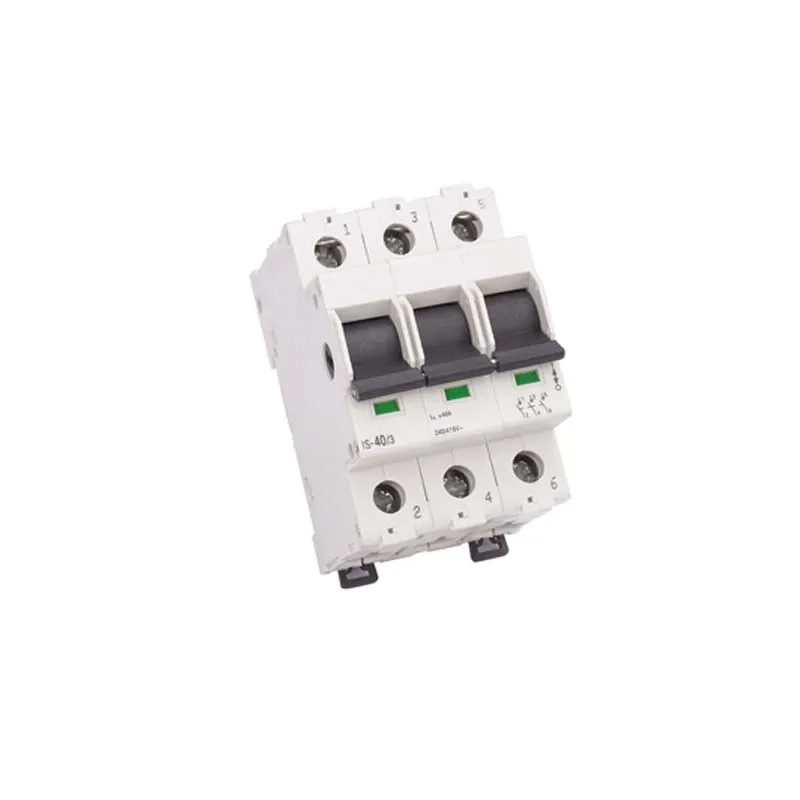
Opening a functional switch can stop a load without disconnecting every relevant source of energy. Supply-side terminals remain energized, a single-pole device does not open both line and neutral, and a combination accessory may have more than one feed. Even a double-pole marking does not by itself establish that an accessory is suitable as an isolating device.
The HSE electrical safety FAQ, updated 7 May 2026, requires secure isolation and appropriate verification before work on exposed conductors. It also emphasizes preventing deliberate or accidental reconnection. A qualified person should identify all supplies, use suitable isolation arrangements and prove dead with appropriate test equipment; switching the lamp off or unplugging it does not make the socket’s fixed wiring safe to work on.
Is a wall switch a circuit-protection device?
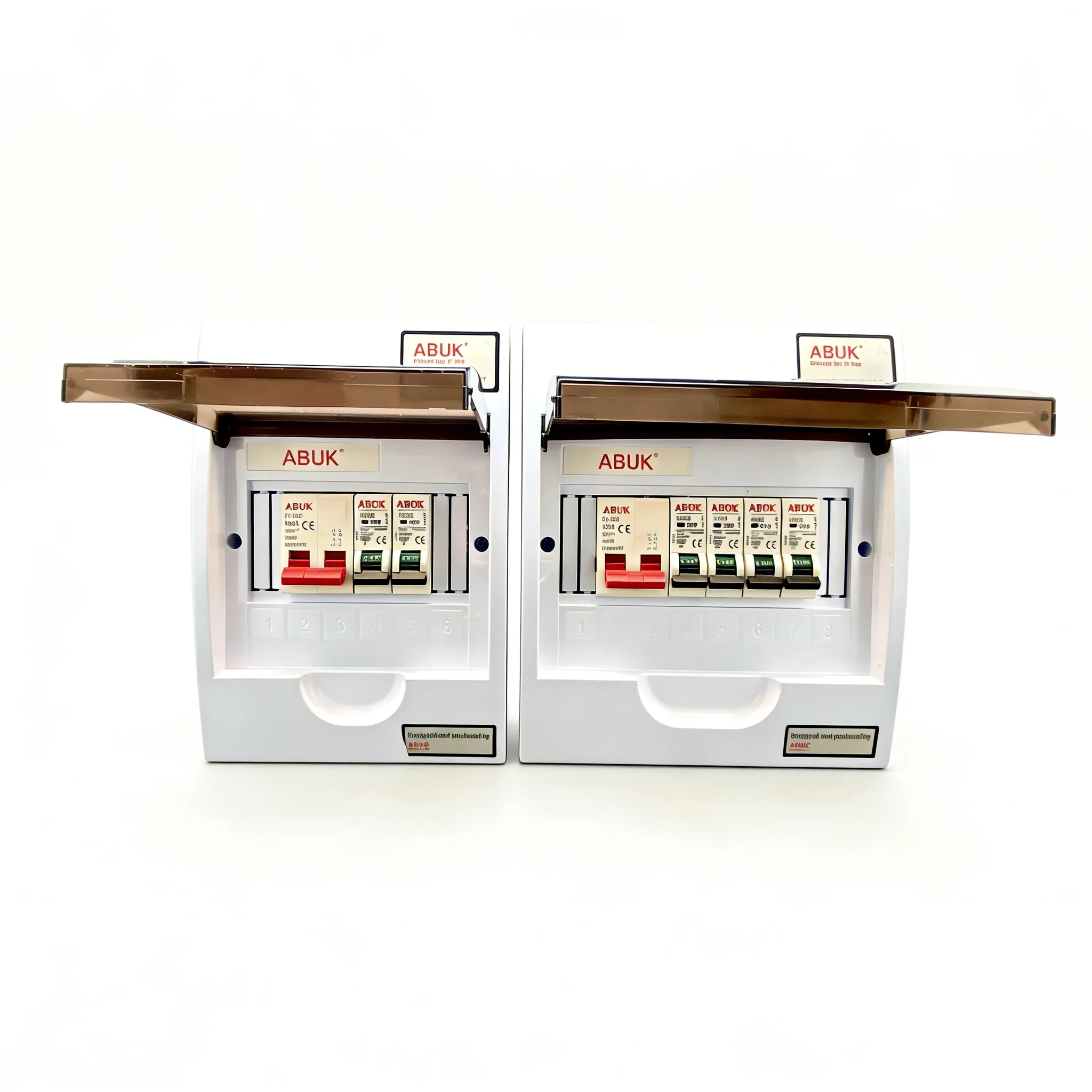
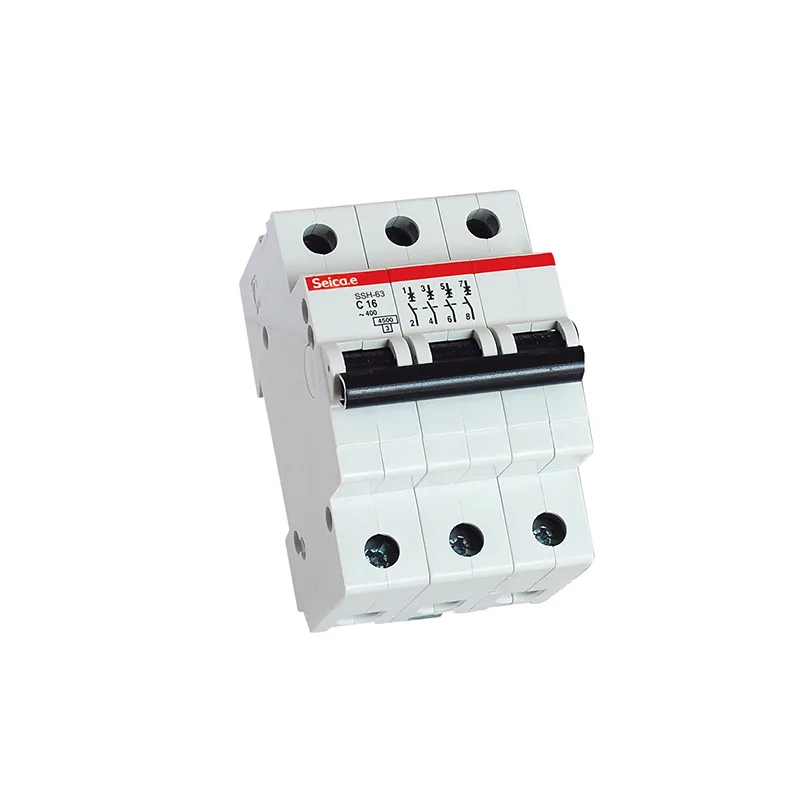
An ordinary rocker switch does not automatically provide overload, short-circuit or residual-current protection. Those functions belong to appropriately selected protective devices; they are not implied by a switch’s current rating. HSE states that an RCD rated at no more than 30 mA can limit energy in a particular type of electric shock, but cannot protect against every shock. Protective devices do not remove the need for secure isolation.
How should switch and outlet ratings be compared?
A socket rating concerns its intended voltage and current under the applicable product requirements. A switch must also be suitable for making and breaking the particular load. Matching ampere figures on two accessories does not prove identical switching duty, nor does it establish the capacity of the cable, terminals, plug, adapter or upstream circuit. For electrical sockets and switches, selection is constrained by the complete installation, not its largest printed number.
The scope of IEC 60669-1:2017 covers AC functional switches with rated voltage not exceeding 440 V and rated current not exceeding 63 A, with a 16 A limit for switches using screwless terminals. IEC 60884-1:2022 covers household AC plugs and socket outlets above 50 V and up to 440 V, with rated current not exceeding 32 A and a 16 A limit for screwless-type terminals. These are standard scope limits, not recommended ratings for every home and not ABUK model specifications.
Load type changes the assessment. A resistive load and an LED driver with the same steady-state current can impose different demands when switched on. The IEC 60669-1:2017 public description specifically identifies testing for self-ballasted lamp loads. Buyers should therefore request the documented LED or lamp-load limit and any inrush restrictions rather than translate a resistive-load rating directly into an LED lighting capacity.
As an illustrative arithmetic check, a 2,300 W resistive load at 230 V draws approximately 10 A because current equals power divided by voltage. This does not establish that a nominally 10 A accessory, any extension lead or a lighting switch is suitable for that appliance. The duty, installation conditions and manufacturer’s instructions still govern. For an electronic load, real input current and starting behavior need separate consideration.
Does a fitting plug or a CE mark establish compatibility?
Physical insertion proves only that a plug can enter an opening. It does not establish correct contact engagement, protective-earthing continuity, supply voltage, frequency, current capacity or compliance with the destination’s plug system. A travel adapter normally changes the connection geometry, not the supply voltage. A visually matching set of wall switches and sockets can therefore be unsuitable for the appliance or market even when the plate dimensions are convenient.
IEC 60884-1:2022 provides general product requirements, while national plug-system standards and installation rules determine the relevant local details. Procurement should identify the required system and model documentation rather than treating an international standard reference as universal interchangeability. Wrong-system returns, replacement labor and interrupted commissioning are avoidable costs even when no unit-price comparison is available.
The European Commission’s CE marking guidance explains that marking applies to products covered by relevant EU harmonization legislation; it is not an EU-issued quality approval or a general compatibility certificate. Applicable legislation and conformity documentation must be assessed for the specific accessory, especially where electronics are incorporated. A standards reference alone does not justify blanket CE claims across a range.
The Commission’s RoHS Directive guidance addresses restrictions on hazardous substances in electrical and electronic equipment within its scope. RoHS evidence does not replace load-rating, plug-system or isolation checks. Importers should request model-specific evidence and confirm the obligations for the intended destination rather than assume one declaration covers all related accessories.
What should buyers confirm before selecting an accessory?
- Specify the function: standalone lighting switch, unswitched socket, switched socket, or combination accessory with a separate controlled load.
- Verify the supply and plug system, including voltage, frequency and protective-earth requirements; do not approve a sample by geometry alone.
- Match the documented current and load duty, including LED-driver or motor behavior where relevant, to the complete circuit and intended appliance.
- Confirm switching poles, electronic standby behavior and the means of safe isolation; these are separate questions.
- Check model-specific installation instructions, terminal suitability, back-box space and destination-market conformity evidence before ordering.
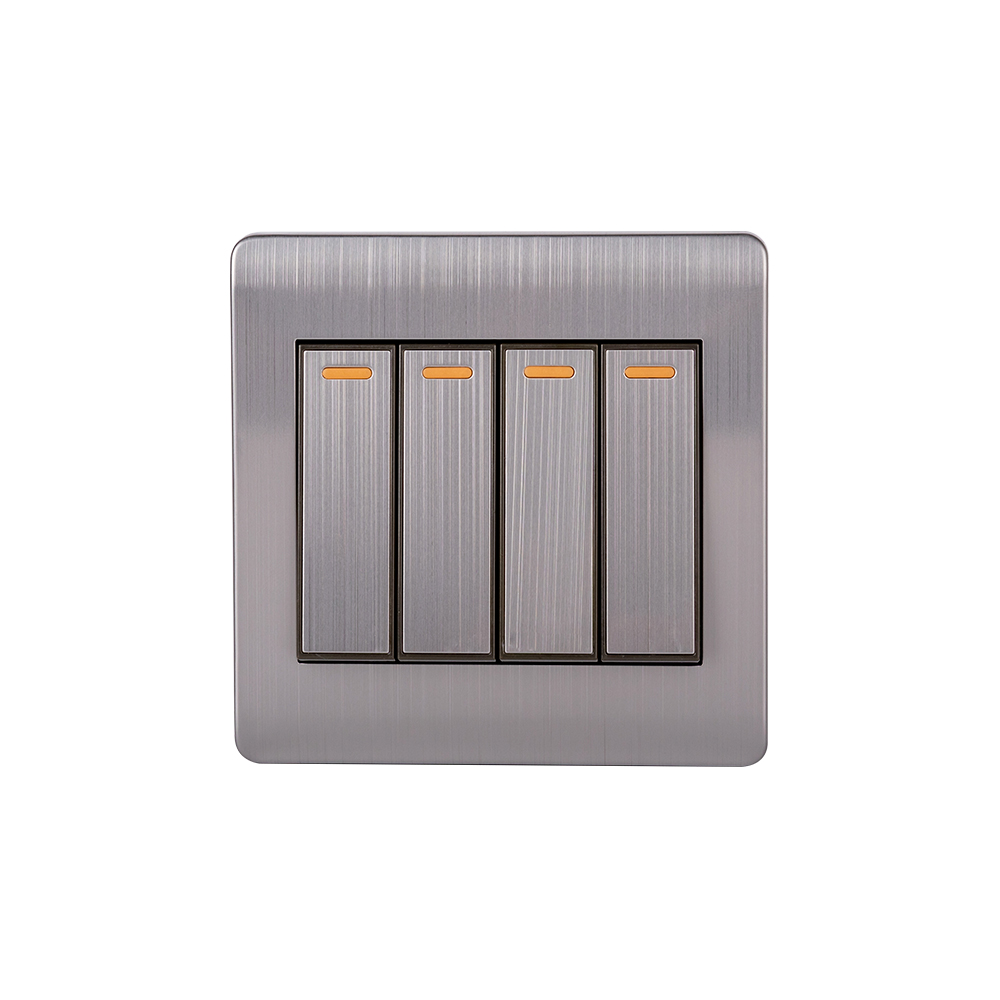
For an ABUK comparison, the published one-gang rocker switch page is a relevant starting point for the switch function. Buyers comparing wall switches and sockets in S10 with electrical sockets and switches in S08 should select the exact accessory before asking for ratings and installation documentation. A series page is a discovery route, not evidence that every accessory has the same poles, capacity or compliance status.
This comparison concerns functions and selection criteria, not a tested ranking of brands. Official source pages were checked on 8 October 2026. No independent product testing or customer performance claims are asserted; the linked ABUK pages are commercial product references.
What are the common questions about switches and socket outlets?
What is the difference between a switch and a socket outlet?
A switch changes a conducting path to control a load, while a socket outlet provides contacts for a removable plug connection. A switched outlet combines both functions. When comparing plug sockets and switches, confirm what the switch controls rather than infer it from the adjacent socket opening.
Does a switch socket use electricity when it is off?
A plain mechanical switched socket does not require standby power, and a correctly disconnected appliance cannot consume power through the opened supply path. Smart electronics, indicators or integrated USB supplies may remain energized, depending on the design. Check the exact model’s standby information instead of assuming that one rocker disconnects everything.
Which is better for a lamp: a switched or unswitched outlet?
A switched outlet is useful when its control is more accessible than the lamp’s own switch. An unswitched outlet can be preferable when a smart lamp needs continuous power or an ordinary lamp already has convenient control. In either case, the outlet and any switching device must suit the lamp’s electrical requirements.
How are switch and socket ratings different?
A socket rating establishes its intended connection capacity under the relevant product requirements; a switch rating also needs interpretation against its switching duty and load category. Equal ampere markings do not establish equal LED, motor or resistive-load capability. Consult the exact model documentation and the limits of the whole circuit.
Which official references support this distinction?
- HSE, Frequently asked questions on electrical safety, updated 7 May 2026: secure isolation, proving dead and RCD limitations.
- IEC 60669-1:2017, edition 4.0: general requirements for household functional switches and the published scope and revision description.
- IEC 60884-1:2022, edition 4.0, corrected version July 2026: general requirements and published scope for household plugs and socket outlets.
- European Commission, CE marking guidance: applicability and meaning of CE marking.
- European Commission, RoHS Directive guidance: hazardous-substance restrictions and regulatory scope.
What is the practical decision rule?
Choose a switch for the control function and a socket outlet for the removable connection, then decide whether local switching belongs at that connection. The sensible sequence is to identify the appliance and supply, confirm the plug system, check current and switching duty, and finally verify installation and conformity documentation. Do not substitute a convenient off button for safe isolation, a fitting plug for electrical compatibility, or a resistive-load figure for an LED rating. ABUK’s product catalogue can help identify candidate accessories once those conditions are clear. Contact ABUK with the intended market, appliance type and required switching function to request documentation for the exact model before specification or purchase.