
 Wenzhou Lita Electric Co., Ltd.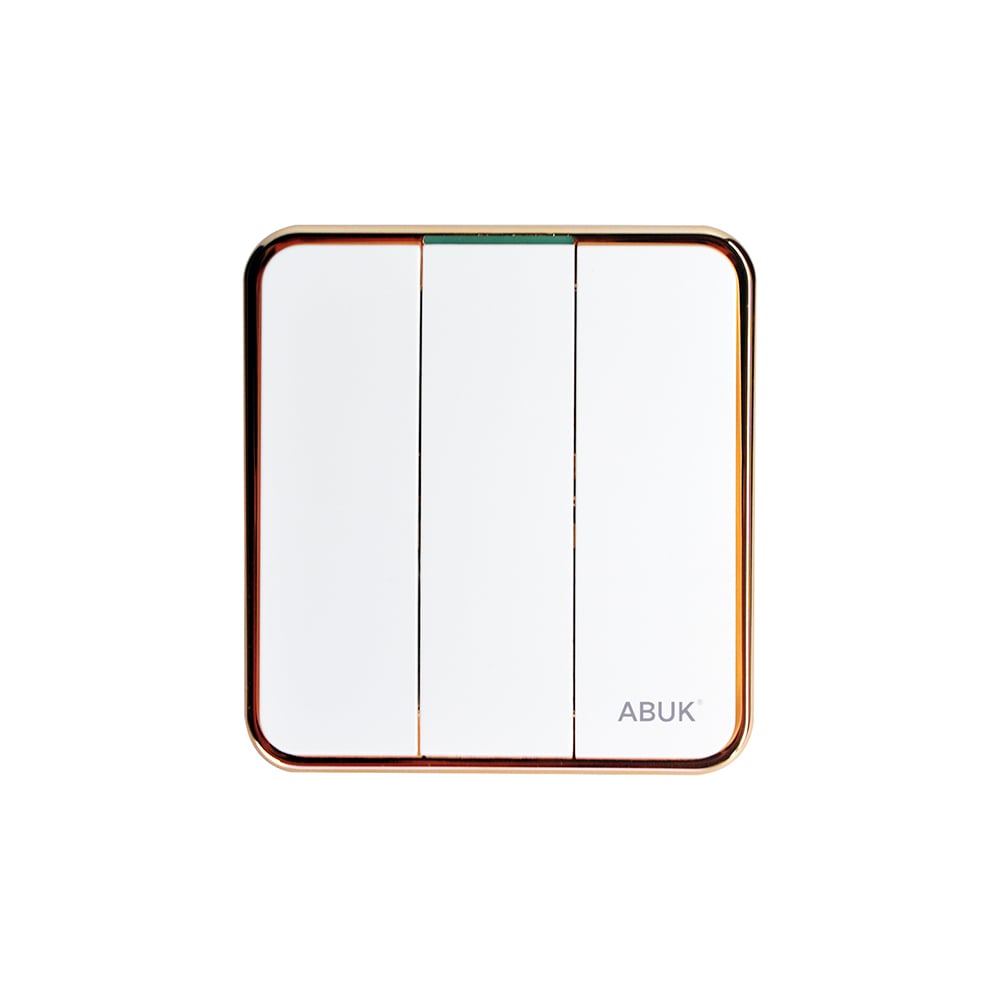

How to Fix Socket Switch?
A socket switch that moves in the wall, fails to operate, or becomes unusually hot can present similar complaints but require very different repairs. The important distinction is between a loose mounting arrangement and a fault in the current-carrying connection or switch mechanism. Tightening the faceplate does not repair a damaged terminal, and fitting a new accessory does not correct an underlying circuit problem. For facilities teams, the consequence is not just an inconvenient outlet: an incomplete repair can mean repeat call-outs, equipment downtime, and continued exposure to an electrical hazard. This guide separates observable symptoms from possible causes, explains when replacement is appropriate, and sets the boundary between reporting a fault and carrying out electrical work.
The short answer is to stop using the affected socket, arrange safe isolation, and have a competent electrician establish the cause before deciding on repair or replacement. There are two separate fastening systems to distinguish: mounting screws secure the accessory to its box, while terminal screws, where fitted, secure electrical conductors. Neither should be adjusted by an unqualified person with the accessory energized. A cracked housing, damaged contacts, or heat-damaged terminal requires more than cosmetic tightening. The HSE electricity FAQs explain competence and electrical precautions; the next step is to identify the circuit and provide the electrician with the symptoms, connected load, and product details.
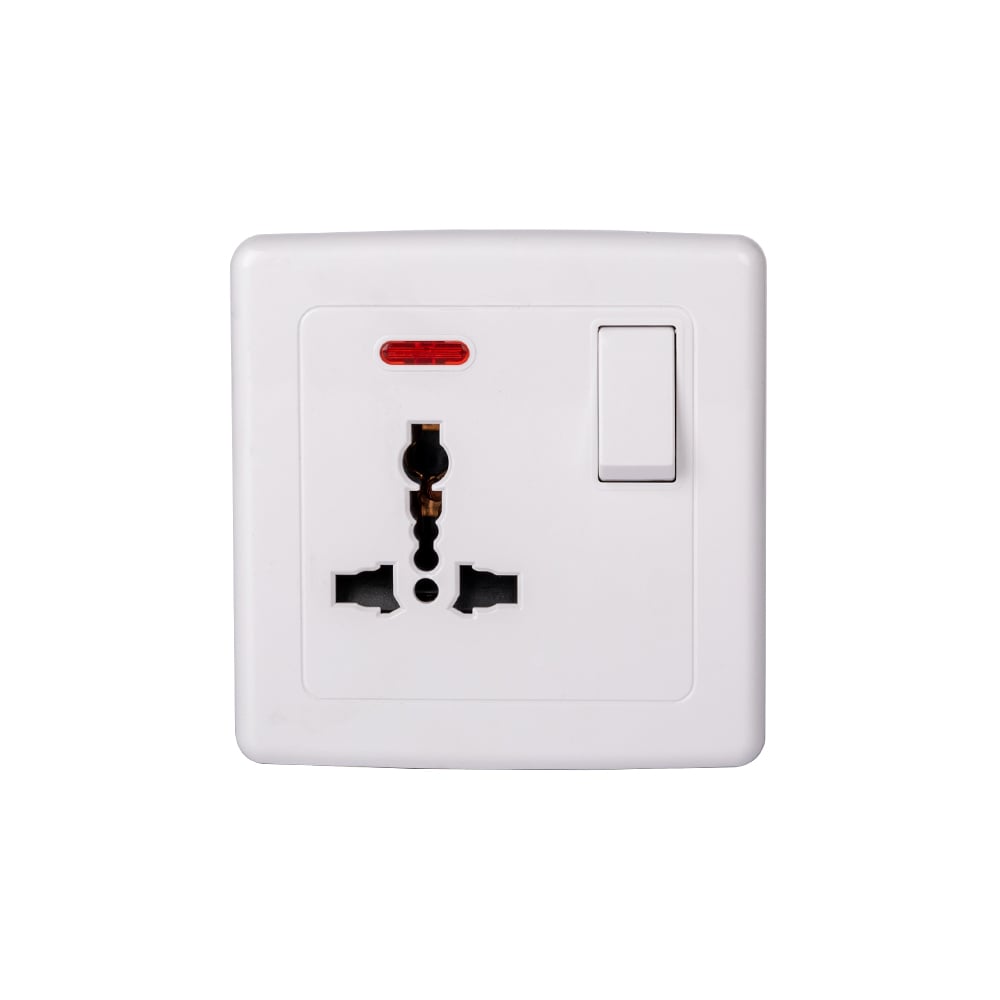
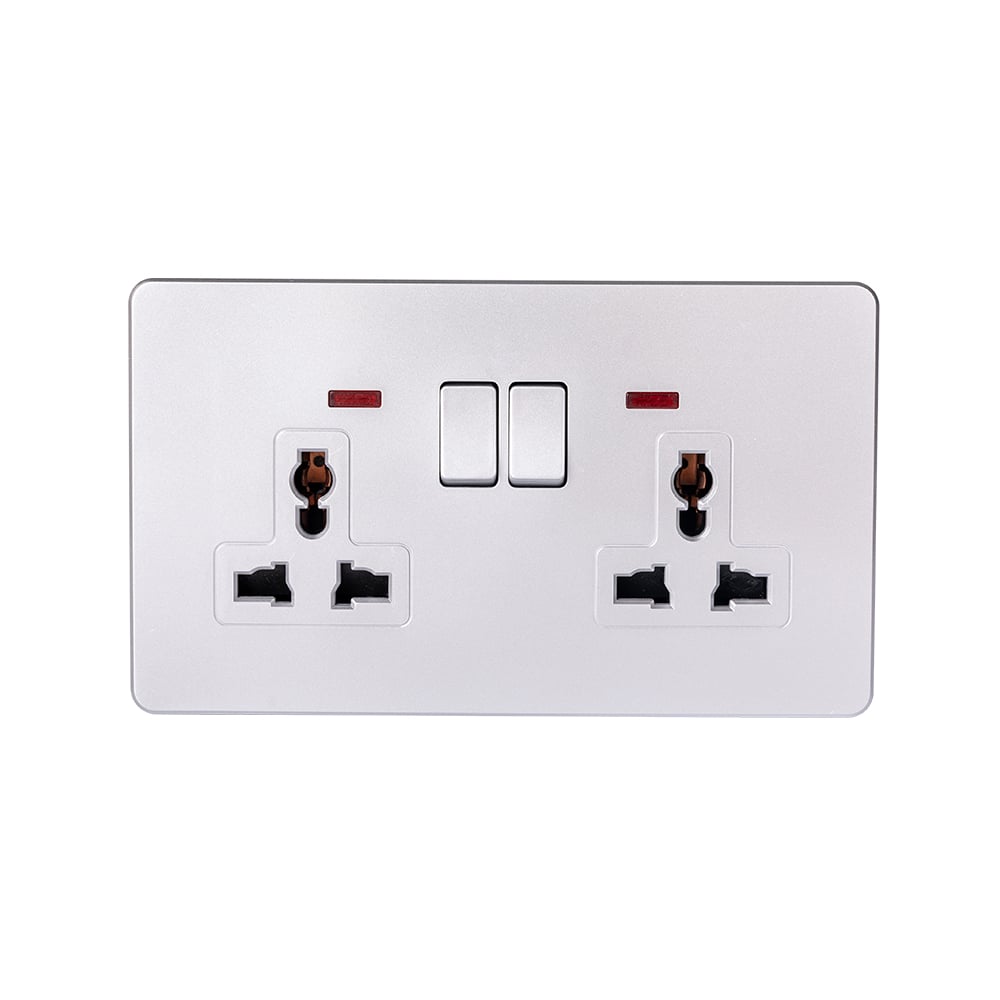
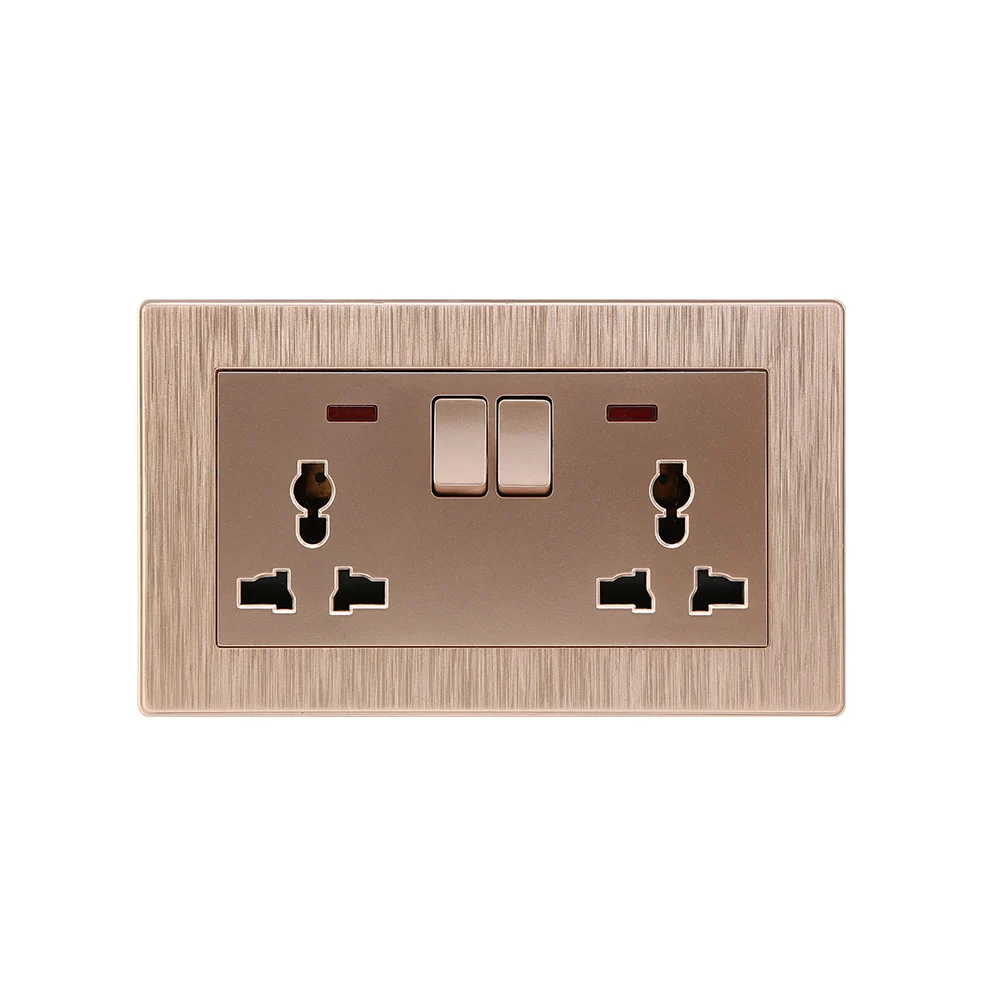
Here, socket switches means the switching mechanism associated with a socket outlet, including a switched receptacle. A separate wall switch controlling an outlet is a related but different arrangement. The fault may be in the accessory, plug, wiring, or circuit, so the visible switch alone does not establish the repair scope.
Is the socket loose, or is the electrical connection faulty?
A faceplate that moves when a plug is inserted may have loose mounting screws, damaged box threads, an unsuitable fixing arrangement, or a broken housing. A loose conductor termination can instead create an unreliable electrical connection; it cannot be confirmed from faceplate movement alone. Both faults may coexist. The electrician must distinguish them after safe isolation rather than assuming that the most visible defect is the only defect.
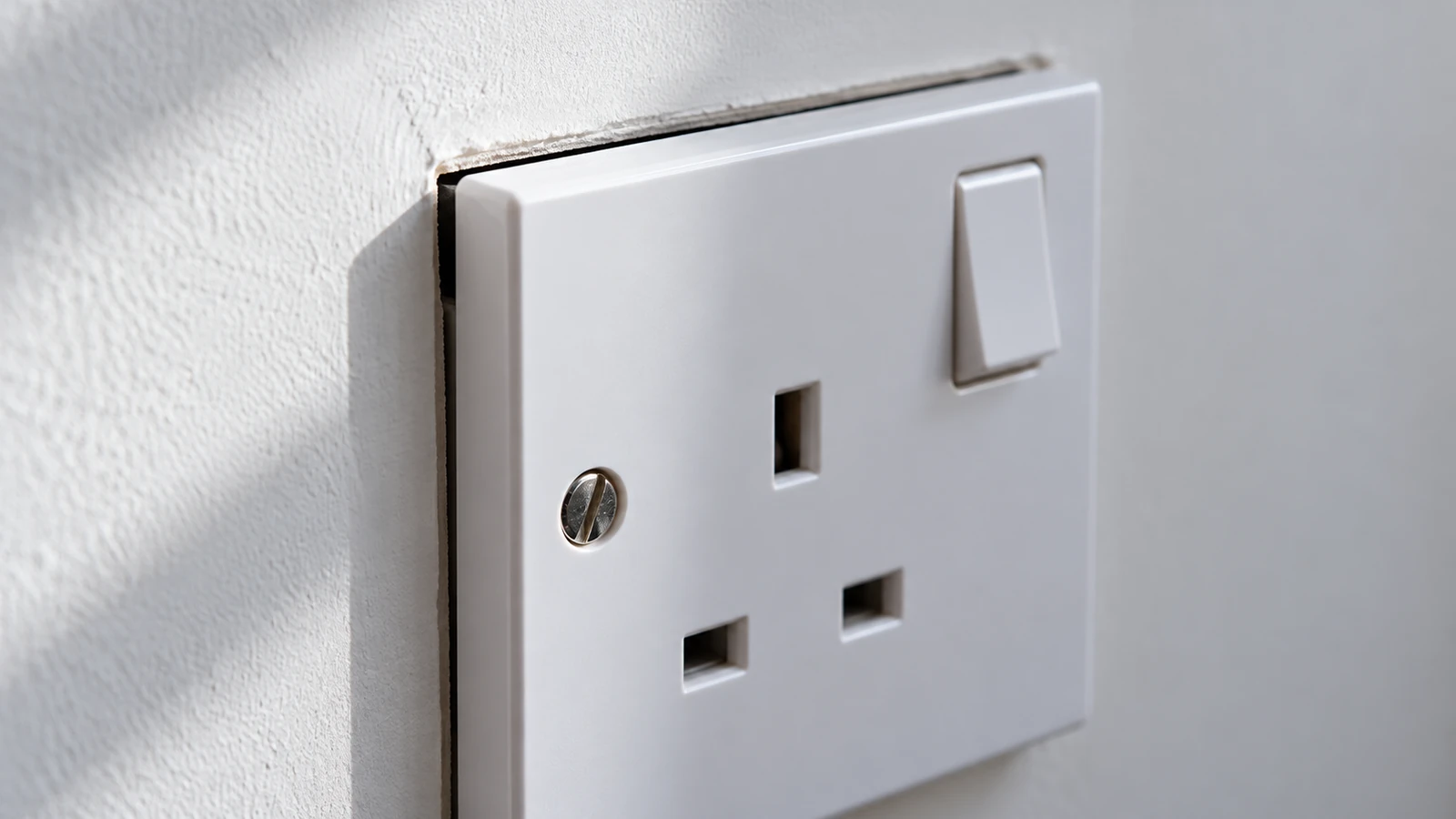
For receptacle switches, an intermittent supply can also arise from worn contacts, poor plug engagement, or a fault elsewhere in the circuit. Repeatedly operating the switch, moving the plug, or holding the faceplate in position is not a diagnostic method. Record when the problem occurred and which equipment was connected, then keep the accessory out of service until assessed.
| Observed symptom | Possible cause, not a diagnosis | Immediate non-specialist action | Qualified electrician’s decision |
|---|---|---|---|
| Faceplate moves or sits unevenly | Loose mounting, damaged box threads, cracked housing, or unsuitable box fit | Stop using it; do not remove the plate to investigate | After isolation, assess the accessory, box, and fixings; restore sound mounting or replace damaged parts |
| Power is intermittent or the switch does not operate consistently | Faulty mechanism, damaged connection, poor plug contact, or another circuit fault | Do not wiggle the plug or repeatedly cycle the switch; report the conditions | Inspect and test to locate the fault before deciding whether the accessory alone needs replacement |
| Crackling, burning smell, discoloration, or unusual heat | Arcing, connection resistance, overload, damaged contacts, or plug-related damage | Stop use immediately; isolate the circuit if this can be done safely without approaching the damaged accessory | Assess the socket, plug, conductors, and load; replace damaged components and address the cause |
| Circuit protection trips | A fault in the connected appliance, accessory, wiring, or protective arrangement | Do not keep resetting the protective device to continue operation | Investigate the circuit; a new socket is not automatically the solution |
The decision boundaries above are conservative triage guidance, not a remote diagnosis. HSE HSG85, Electricity at work: Safe working practices, provides the safety framework for work on electrical equipment. It does not replace the accessory manufacturer’s installation instructions.
Why do heat, discoloration, and crackling change the repair decision?
Unexpected heat, scorching, melting, or crackling can indicate a current-carrying fault. A poor connection can generate localized heat even where a circuit protective device has not operated. A switch that still supplies power is therefore not necessarily safe to keep using. There is no universal touch-temperature threshold in this guide: accessory design, load, ambient conditions, and manufacturer limits differ, and touching a suspect accessory is not an appropriate way to establish safety.
Arcing or overheating may damage contacts, terminal metal, conductor insulation, and the housing. Simply tightening a terminal does not restore material already damaged by heat. After isolation, the electrician must assess the extent of damage and the cause, including the condition of the plug and conductors. The required action can extend beyond replacing the socket to repairing affected wiring or correcting the load arrangement.
If there is smoke, visible burning, or an immediate danger, keep people clear and follow the site’s emergency procedure; contact emergency services where necessary. Do not reach toward the accessory or attempt to pull out a hot or damaged plug. HSE’s electricity guidance supports avoiding exposure and using competent people for the work, not trial-and-error operation of a suspect fitting.
How should a faulty socket be isolated and handed to an electrician?
The switch on an electric socket with switch is not proof that the accessory is safe to open. Parts of its wiring may remain energized with the local switch off. Removing a plug also does not isolate the fixed wiring. Circuit identification, disconnection, prevention of unintended re-energization, and confirmation that the relevant conductors are dead belong to the safe-isolation process carried out by a competent person.
HSG85 describes precautions for electrical work, including proving dead with suitable equipment and checking that the test instrument functions correctly. This is not an invitation for a layperson to put meter probes into a socket or expose its terminals. A non-contact indicator, the position of a switch, or a lamp that has gone out is not sufficient evidence that every relevant conductor is safe.
Facilities staff can make the handoff more useful without opening the accessory. Record its location, circuit label if known, visible model information, fault timing, connected equipment, any tripping, and photographs taken from a safe position. State whether the defect is recurring and whether nearby outlets are affected. Avoid attributing the problem to a terminal or switch mechanism before it has been inspected.
The electrician should document the defect, the work performed, and the inspection and testing appropriate to that work and the local installation rules. Any necessary energized testing must be justified and controlled by qualified personnel; it is not a routine user check. Never create a neutral-to-earth link as a troubleshooting shortcut or replacement for a protective conductor.
When is repair appropriate, and what must a replacement match?
Restoring mounting may be appropriate when the box, accessory, wiring, and electrical operation are sound and only the fixing arrangement is defective. Replacement is the appropriate direction when the accessory has a damaged housing, unreliable integral mechanism, damaged contacts, or heat damage that cannot be corrected under the manufacturer’s approved instructions. Sealed mechanisms should not be improvised into serviceable assemblies.
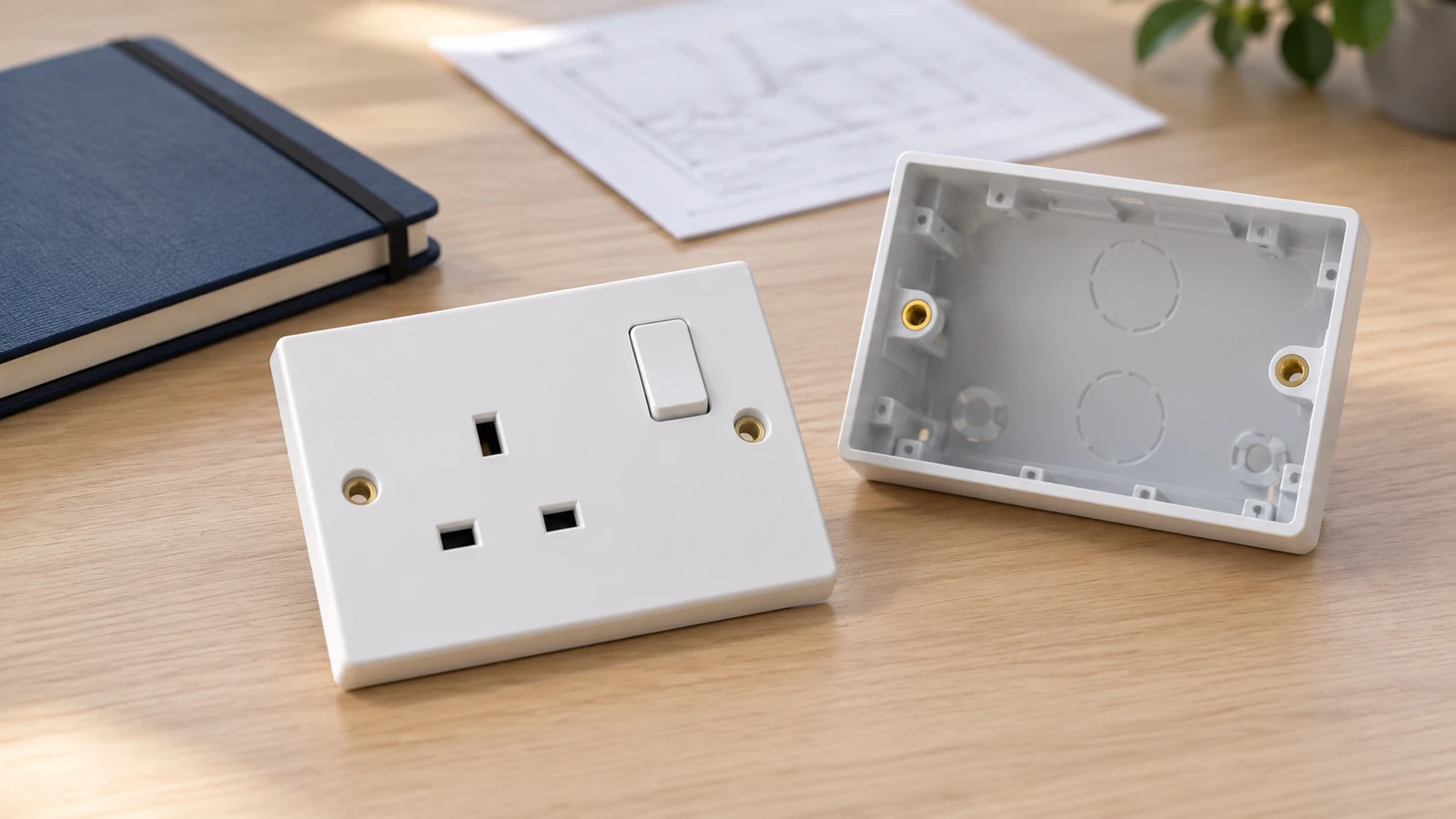
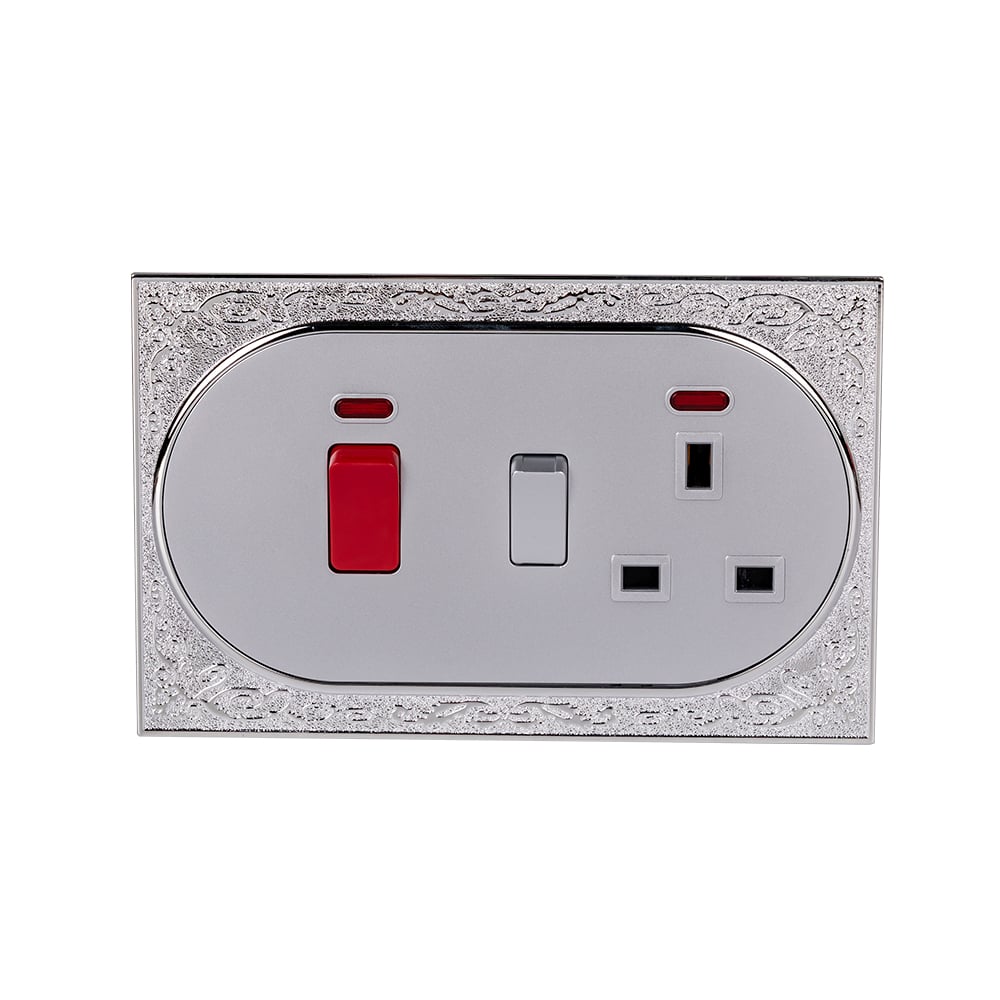
A replacement electric socket with switch must match the installation requirements, not merely the faceplate dimensions. Confirm rated voltage and current, socket and plug system, switching arrangement, conductor material and permitted size, terminal capacity, mounting box fit, environmental suitability, and local product and installation requirements. A higher marked current rating does not authorize a higher circuit load or a change to protective-device settings.
| Decision | Suitable boundary | Required verification | Cost driver and repeat-fault risk |
|---|---|---|---|
| Restore mounting | Only mounting is defective; the accessory and electrical connections remain sound | Sound box and threads, appropriate fixings, intact housing, and inspection appropriate to the intervention | Limited material cost, but electrical assessment is still necessary; ignoring box damage can cause recurrence |
| Correct a conductor termination | An approved termination can be restored without retaining heat-damaged or otherwise defective parts | Manufacturer’s conductor preparation, terminal capacity, and specified tightening method; assess conductor condition | Labour and access dominate; guessing torque or retaining damaged conductors can create a repeat fault |
| Replace the accessory | The mechanism, housing, contacts, or terminals are defective | Compatible ratings, plug system, switching, terminals, mounting, and relevant documentation | Purchase cost plus installation and testing; replacing without finding the cause may waste the new accessory |
| Repair the circuit or connected equipment | The fault extends beyond the socket or involves the load or protective arrangement | Qualified investigation and verification of the affected system | Wider downtime and repair scope; a faceplate-only replacement cannot resolve an upstream or appliance fault |
Terminal torque must come from the instructions for the actual accessory and terminal, using the specified method and suitable tools. There is no reliable universal torque figure for all socket terminals. Under-tightening can leave a poor connection; over-tightening can damage the terminal or conductor. Mounting-screw instructions are separate and must not be substituted for terminal requirements.
For procurement, total repair cost includes investigation, shutdown coordination, installation, testing, and repeat attendance, not just the unit price. No payback or service-life claim can be calculated here without site records. A useful comparison is the documented cost of a complete, verified repair against the cost of replacing an accessory without resolving its cause.
Which compliance documents and product details should buyers request?
For products subject to EU CE-marking requirements, CE marking indicates the manufacturer’s responsibility for conformity with applicable legislation; it is not an EU authority’s approval of an individual installation. The European Commission’s CE-marking guidance explains the conformity assessment and EU declaration of conformity. Buyers should confirm the exact model, applicable legislation, relevant standards, and supporting documents rather than relying on a catalogue badge.
The EU RoHS Directive 2011/65/EU restricts specified hazardous substances in electrical and electronic equipment within its scope. RoHS evidence does not establish correct circuit wiring, contact condition, or mounting suitability. Destination-market requirements must be checked separately; CE and RoHS documentation should not be treated as substitutes for another market’s required approvals.
Before ordering replacement receptacle switches, buyers should complete these checks:
- Identify the existing accessory and installation requirements from markings, drawings, and the electrician’s findings; do not infer them from appearance alone.
- Match the electrical and mechanical specification, including the plug system, terminal requirements, box fit, and intended environment.
- Request the exact model’s installation instructions and applicable compliance documentation, checking that the supplied item is covered.
- Plan isolation, installation, and verification with the electrician, and record the defect and completed work for future maintenance.
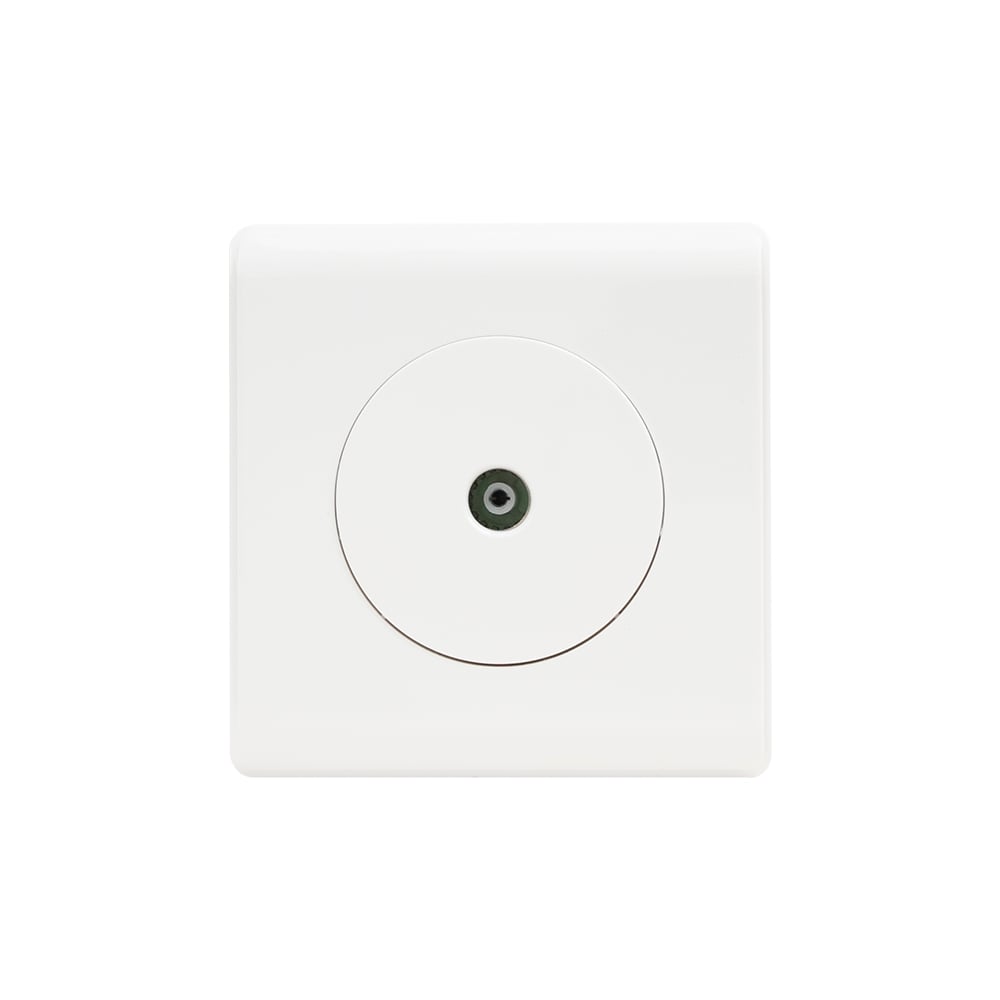
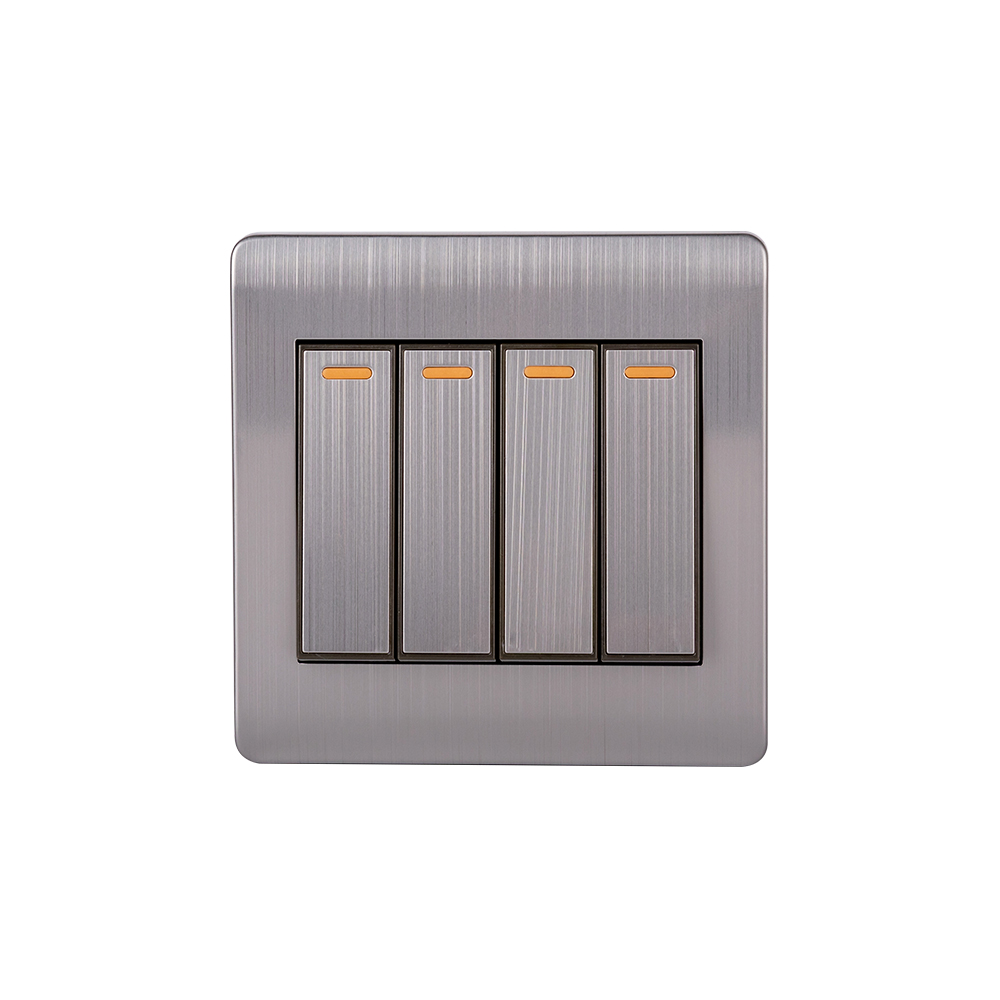
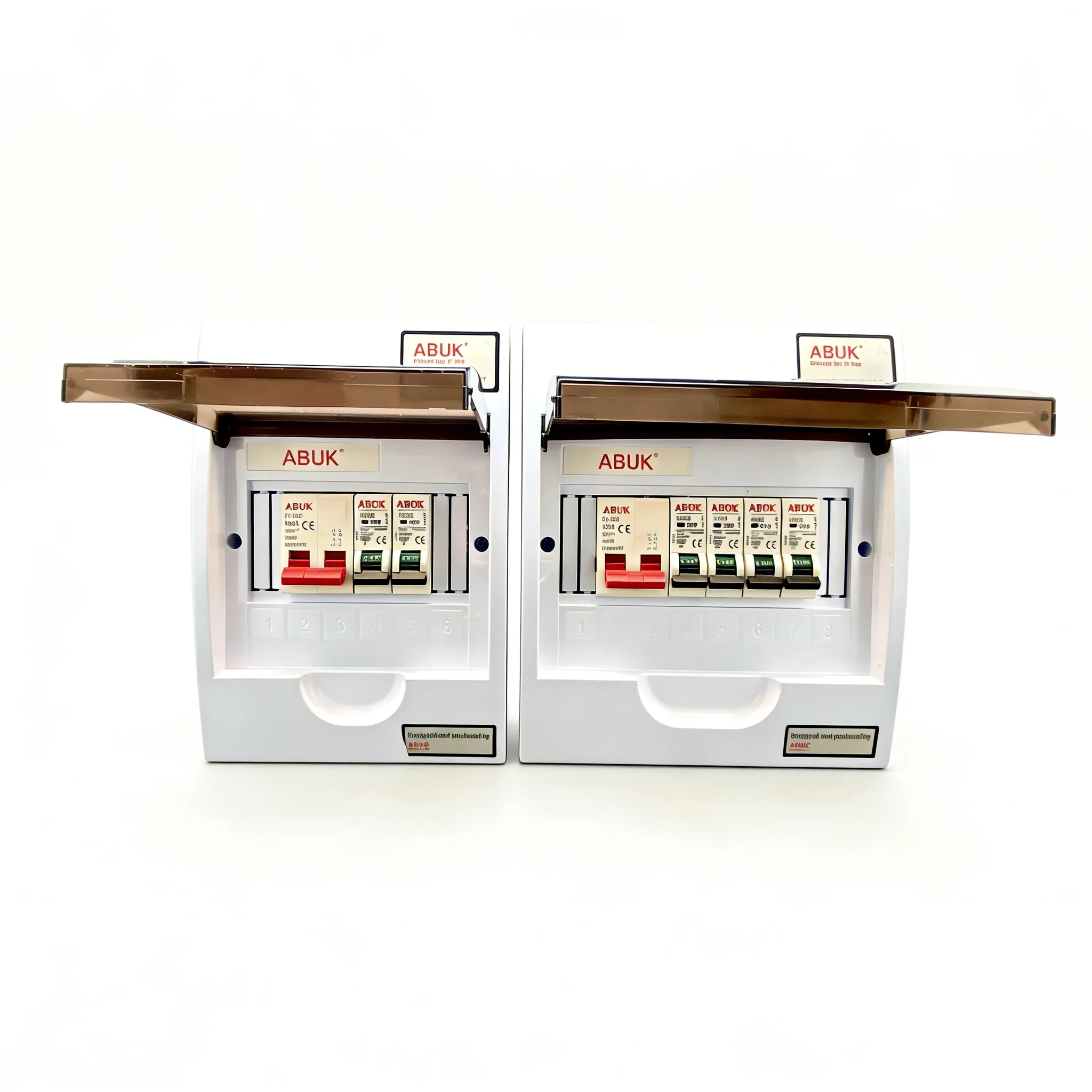
ABUK’s socket switches and electric socket with switch product listings are starting points for a product enquiry, not evidence that either is a direct replacement for the faulty accessory. Listings grouped as “sockets wall switches” still require model-specific confirmation. Ask the supplier for the selected item’s ratings, terminal and mounting details, instructions, and destination-market documentation before approving it.
What questions arise before repairing a socket switch?
How do you fix a socket switch that is loose or faulty?
Stop using it and have a competent electrician distinguish loose mounting from a faulty terminal or switch mechanism after safe isolation. A sound accessory may need its mounting restored, while a damaged housing, contact, or integral mechanism may require replacement. Tightening visible screws without assessing the electrical condition is not a complete repair.
Why does a socket switch feel hot or crackle?
Possible causes include a resistive connection, arcing, damaged contacts, an unsuitable load, or a problem with the plug. The symptom alone does not identify which cause is present, and the absence of tripping does not establish safety. Stop use and arrange qualified inspection; do not continue operating it to reproduce the noise or heat.
When should a socket switch be replaced?
Replacement is appropriate when the housing is cracked, the mechanism is unreliable, or contacts and terminals are damaged and cannot be restored under approved manufacturer instructions. Heat damage requires assessment of the connected conductors and plug as well as the accessory. Replacement socket switches must match the installation specification, and the underlying cause must be corrected.
How do I test a receptacle switch safely?
For a non-specialist, safe testing of receptacle switches means arranging an assessment by a competent electrician and reporting observable symptoms, not probing an energized socket or removing its cover. The electrician selects appropriate instruments, applies safe isolation for dead inspection and testing, and verifies the repair under the applicable installation rules. A plug-in indicator cannot establish that every connection and safety condition is correct.
Which official sources support these repair boundaries?
- HSE: Frequently asked questions about electricity, official guidance on electrical risks and competence.
- HSE: Electricity at work: Safe working practices, HSG85, third edition, 2013; guidance for safe work on or near electrical equipment.
- European Commission, Your Europe: CE marking, official guidance on manufacturer responsibilities and conformity assessment.
- European Commission: RoHS Directive, official overview of Directive 2011/65/EU and its substance-restriction scope.
What is the most important rule for a reliable repair?
A reliable repair starts by identifying which part has failed, not by choosing the quickest adjustment. First remove the suspect accessory from use, then arrange safe isolation and qualified assessment. Only after the condition of the mounting, terminals, contacts, conductors, plug, and circuit is understood should the electrician decide whether to restore a fixing, correct an approved termination, replace the accessory, or repair a wider fault. Neither a working switch nor a compliance mark removes the need to verify the completed installation. For replacement procurement, ABUK’s electrical product catalogue provides a starting point; contact ABUK with the electrician’s confirmed specification and request the exact model’s instructions and relevant documentation before placing an order.