
 Wenzhou Lita Electric Co., Ltd.

Difference Between 120V and 240V Outlets
When a technical engineer in Dubai encountered a selection problem for a mixed-use commercial building, he reviewed an online wiring tutorial, approved a socket layout based mainly on outlet appearance, and expected the installation team to move quickly. Within two days, the first sample area failed inspection: several appliance points required higher-voltage dedicated circuits, while some wall-mounted devices had been selected as if every socket followed the same electrical rule. The issue was not a defective product; it was a misunderstanding of outlet voltage, receptacle type, appliance load, grounding, and local wiring requirements.
What Is the Electrical Difference Between a 120 Volt Outlet and a 240V Outlet?
A 120V outlet and a 240V outlet differ mainly in supplied voltage, but the engineering decision is broader than voltage alone. It includes current, wattage, grounding, overcurrent protection, receptacle configuration, installation practice, and local compliance.
The basic electrical relationship is:
Watts = Volts × Amps
This means a higher voltage circuit can deliver more power at the same current.
| Circuit Example | Voltage | Current | Approximate Power |
|---|---|---|---|
| Standard light-load circuit | 120V | 15A | 1,800W |
| Higher-capacity 120V circuit | 120V | 20A | 2,400W |
| Common 240V appliance circuit | 240V | 30A | 7,200W |
| Heavy appliance circuit | 240V | 50A | 12,000W |
That is why many dryers, ovens, HVAC units, workshop tools, and EV charging circuits use 240 volt Outlets. At the same amperage, 240V can deliver roughly twice the wattage of 120V.
In North American usage, the phrase 110 vs 120 outlet is common because many users still say “110V” when referring to modern nominal 120V supply. The honest answer is that “110V,” “115V,” and “120V” are often used conversationally for the same general outlet class. However, engineering documents, purchase orders, and appliance labels should follow the rated voltage shown on the equipment.
From a standards perspective, NEC/NFPA installation practice requires branch circuits, overcurrent protection, conductor sizing, grounding, and receptacles to be matched to the intended load. NEMA configuration guidance further helps distinguish plug and receptacle patterns by voltage and current class.
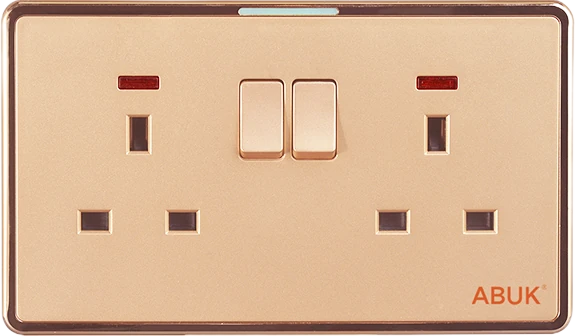
How to Identify a 120V Outlet vs. a 240V Outlet
Identifying a 120V outlet versus a 240V outlet begins with visual inspection, but appearance alone is not enough. We recommend checking four factors together: receptacle shape, circuit breaker type, appliance nameplate, and verified voltage measurement by qualified personnel.
A common 120 volt outlet in the U.S. is typically used for lower-power devices such as lamps, phone chargers, routers, office equipment, and small appliances. Many are rated 15A or 20A. By contrast, a US 240v outlet is usually installed for larger loads such as electric dryers, ranges, HVAC equipment, welders, compressors, or EV charging circuits.
Practical Identification Checklist
- Check the slot pattern: A standard 120V receptacle commonly has two vertical slots and one grounding opening. A 240V receptacle usually has a different blade pattern to prevent the wrong plug from being inserted.
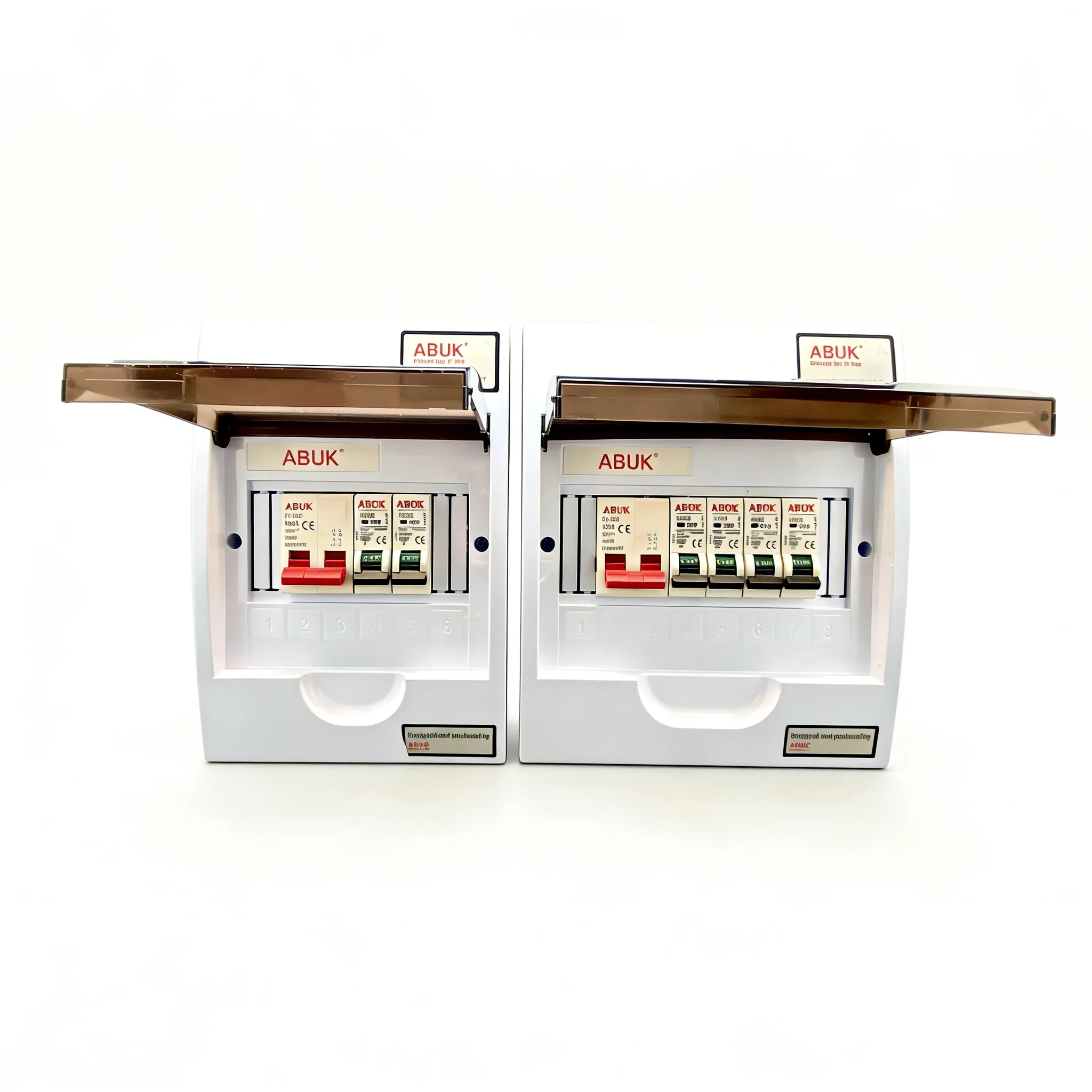
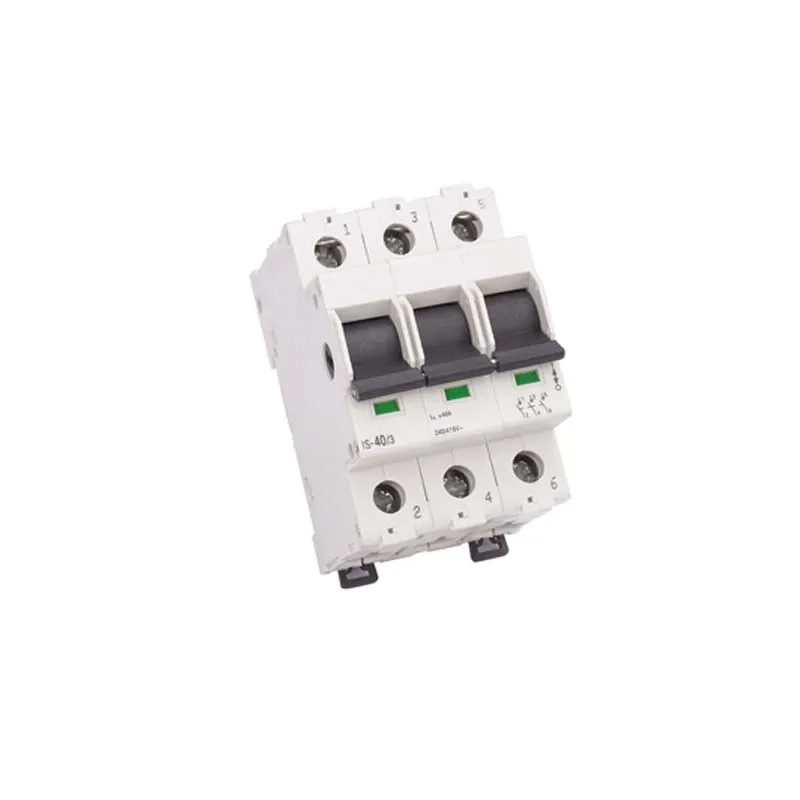
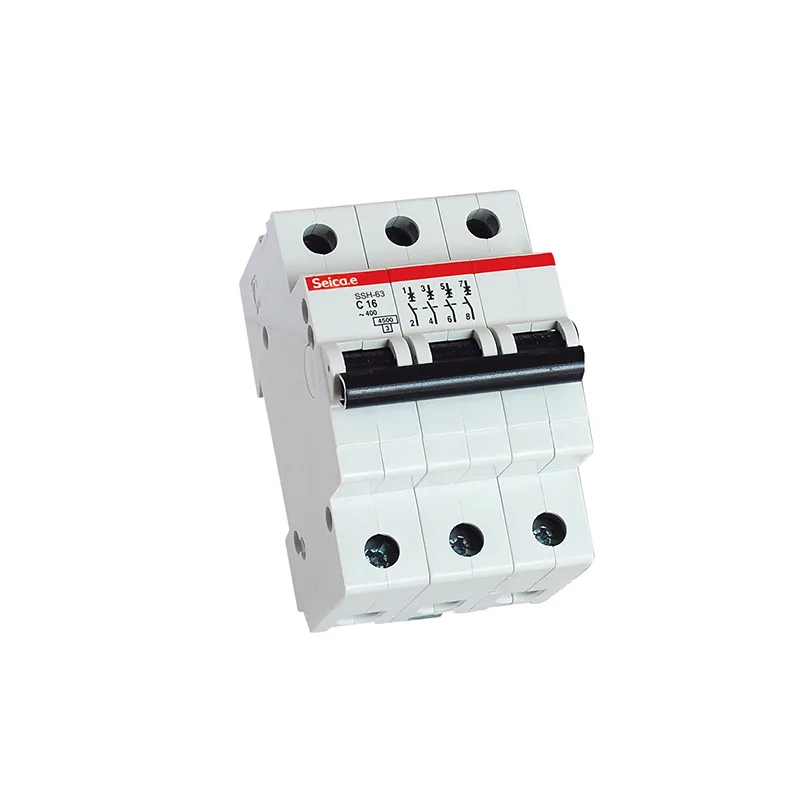
- Check the circuit breaker: A 120V branch circuit in North American systems often uses a single-pole breaker. A 240V circuit commonly uses a double-pole breaker. Only qualified electricians should inspect electrical panels.
- Read the appliance nameplate: Appliances usually state voltage, frequency, wattage, and current, such as “120V 60Hz” or “240V 30A.”
- Use approved testing equipment when qualified: Voltage should be confirmed using appropriate measuring tools and safety procedures. ESFI and OSHA electrical safety guidance emphasize that electrical verification should be performed with suitable training and protective measures.
For procurement teams, visual identification can help with early review, but it should never replace electrical documentation. A Wall Socket selected only by faceplate appearance can look correct in a catalog yet still be wrong for the circuit, appliance, or market.
How to Know Which Voltage You Need for a Specific Appliance
The correct voltage for an appliance is determined by the appliance nameplate, not by the buyer’s assumption or by the outlet already installed on site.
Most appliance labels show:
- Rated voltage, such as 120V, 220V, 230V, or 240V
- Rated current, such as 10A, 15A, 20A, 30A, or 50A
- Frequency, such as 50Hz or 60Hz
- Power consumption, shown in watts or kilowatts
- Plug or wiring method
- Certification markings where applicable
For example, a small office printer may require 120V and less than 10A. A commercial dryer may require 240V and 30A. An HVAC unit may require 240V with a dedicated circuit. In every case, receptacle configuration, breaker rating, conductor sizing, grounding, and local inspection requirements must match the load.
| Appliance Type | Typical Voltage Need | Typical Current Range | Selection Note |
|---|---|---|---|
| Desk lamp / phone charger | 120V | Below 15A | Standard light-load outlet may be suitable |
| Office equipment | 120V | 10A–20A | Confirm total connected load |
| Electric dryer | 240V | 30A | Requires matching receptacle and dedicated circuit |
| Electric range / oven | 240V | 40A–50A | Requires high-capacity circuit planning |
| HVAC equipment | 240V or project-specific | Varies | Follow nameplate and local code |
| Industrial small machine | 120V / 240V / other | Varies | Confirm voltage, phase, frequency, and plug type |
A common mistake is assuming higher voltage is always better. It is not. A 120V appliance connected to 240V can be damaged and may create a serious safety hazard. A 240V appliance connected to 120V may fail to start, overheat, or operate incorrectly.
In procurement terms, the safest process is:
- Read the appliance nameplate.
- Confirm local market voltage and frequency.
- Match receptacle type and current rating.
- Confirm grounding and circuit protection.
- Approve the correct wiring device and installation plan.
This is especially important for distributors serving multiple markets. A socket suitable for one country may not automatically fit another country, even if the faceplate design looks similar.
What Does a 240 Outlet Look Like?
A 240V outlet usually looks different from a standard 120V outlet because the receptacle pattern is designed to prevent mismatched plugs. However, there is no single universal 240V outlet appearance.
In the U.S., a 240v outlet may have:
- Slanted or angled slots
- A T-shaped slot
- Three or four openings
- A larger receptacle face
- A dedicated grounding position
- A configuration linked to a specific amperage rating
For example, a dryer outlet may look different from a range outlet, and both may look different from a receptacle used for a workshop tool or EV charging circuit. That is why 240v receptacle types should be checked by configuration, not guessed by appearance.
A US 240v outlet is not one universal socket. NEMA guidance identifies receptacle configurations according to voltage, current, grounding, and blade pattern. Common ratings can include 15A, 20A, 30A, and 50A, depending on application.
The practical answer is that a 240 outlet looks like the certified configuration required for that circuit. The visible shape is part of the safety design; it helps prevent users from connecting the wrong appliance to the wrong voltage or current supply.
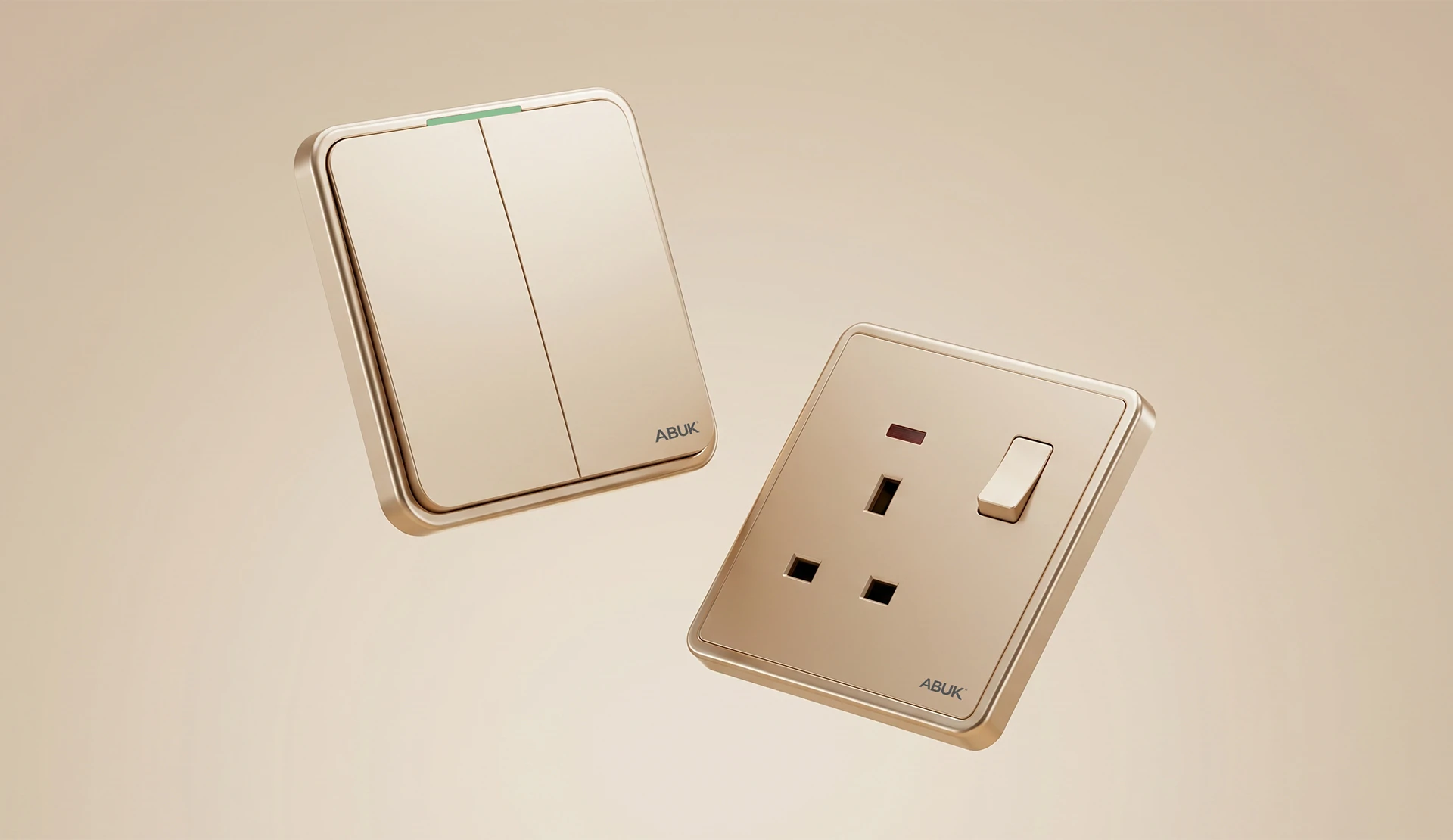
Types of 240V Outlets and Why Receptacle Configuration Matters
There are multiple types of 240v outlets, especially in North American applications. They differ by amperage, grounding method, blade pattern, and whether the appliance requires a neutral conductor.
| 240V Outlet Category | Common Use | Typical Current | Key Selection Issue |
|---|---|---|---|
| 240V 15A / 20A receptacles | Small tools or specific equipment | 15A–20A | Must match plug blade pattern |
| 240V 30A receptacles | Dryers and equipment | 30A | Often requires a dedicated circuit |
| 240V 40A–50A receptacles | Ranges, ovens, larger appliances | 40A–50A | Higher wiring and breaker requirements |
| 3-prong 240V outlets | Older or specific installations | Varies | Neutral and grounding rules must be verified |
| 4-prong 240V outlets | Many modern appliances | 30A–50A | Separate neutral and ground may be required |
NEMA configurations help prevent unsafe interchangeability. A 30A plug should not fit a receptacle intended for a different voltage or current class. UL and NEMA resources commonly distinguish receptacles by electrical rating and mechanical design.
For B2B projects, the wrong receptacle can create more than an installation inconvenience. It may cause:
- Failed inspection
- Equipment incompatibility
- Field rework
- Product returns
- Delayed handover
- Warranty disputes
- Safety liability
When evaluating 240v receptacle types, procurement teams should request drawings, ratings, certification documentation, packaging labels, and project-specific compatibility confirmation before bulk ordering.
Where Do Wall Switch Socket, Wall Socket and Light Control Switch Products Fit?
A Wall Switch Socket, a Wall Socket, and a Light Control Switch may appear in the same electrical project, but they do not perform the same function.
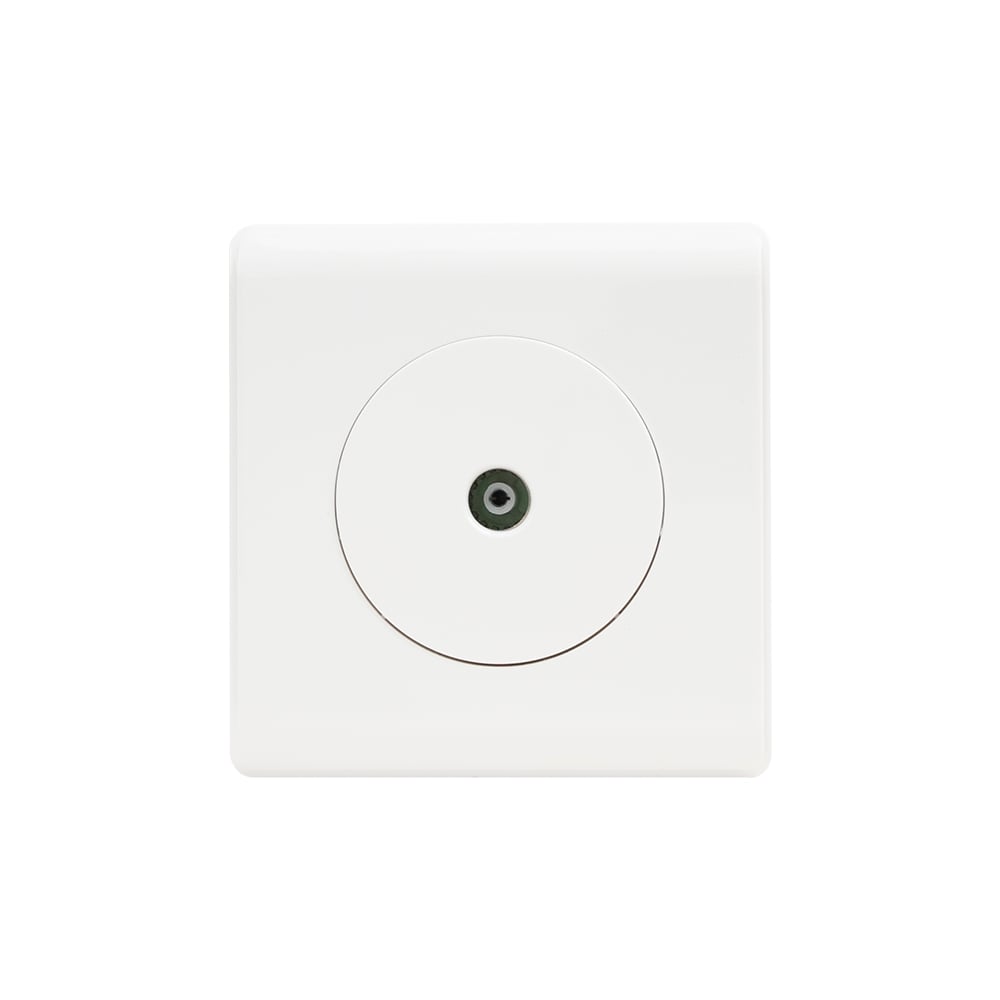
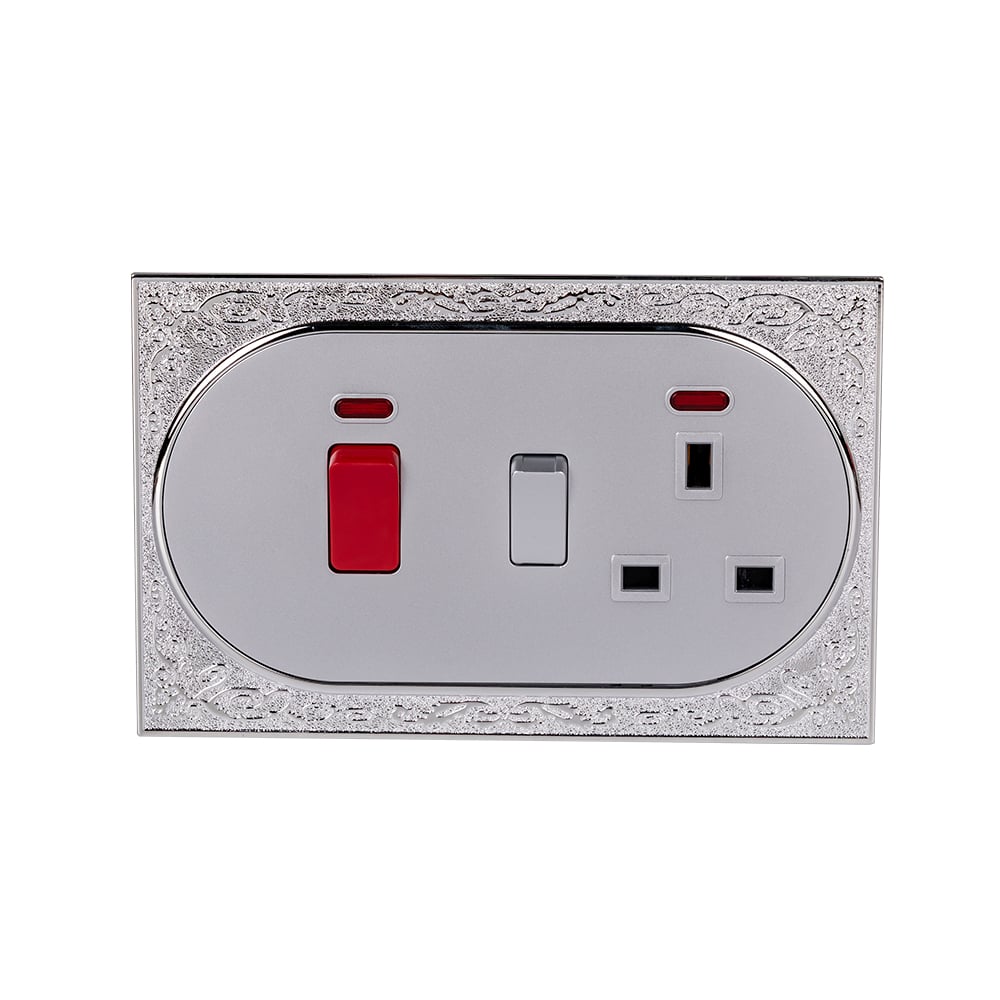
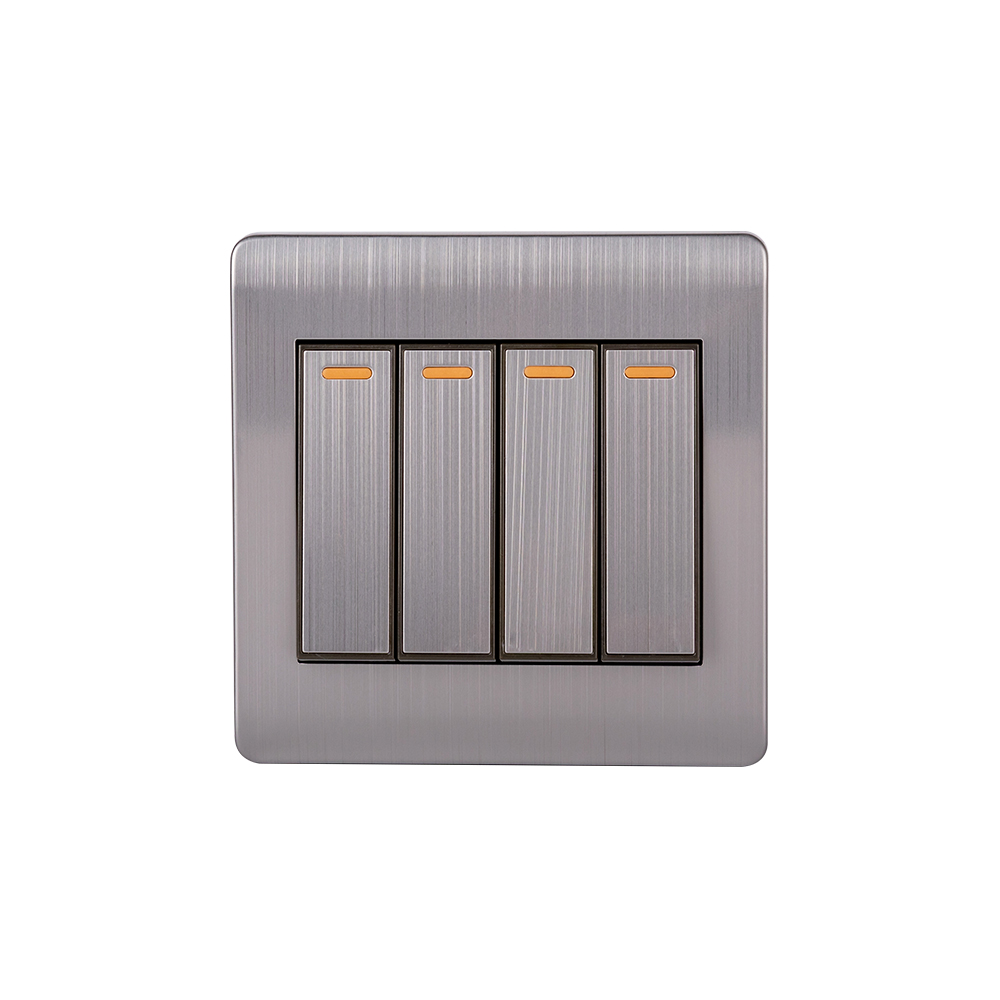
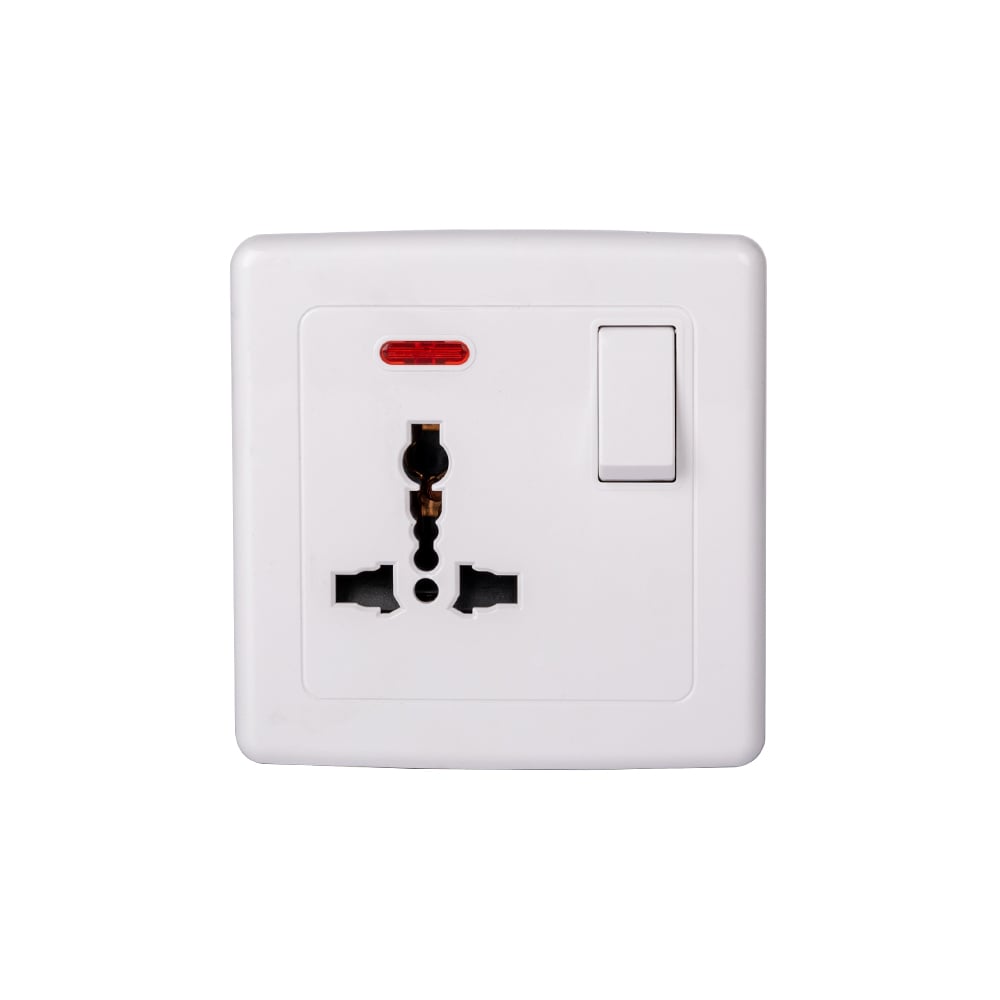
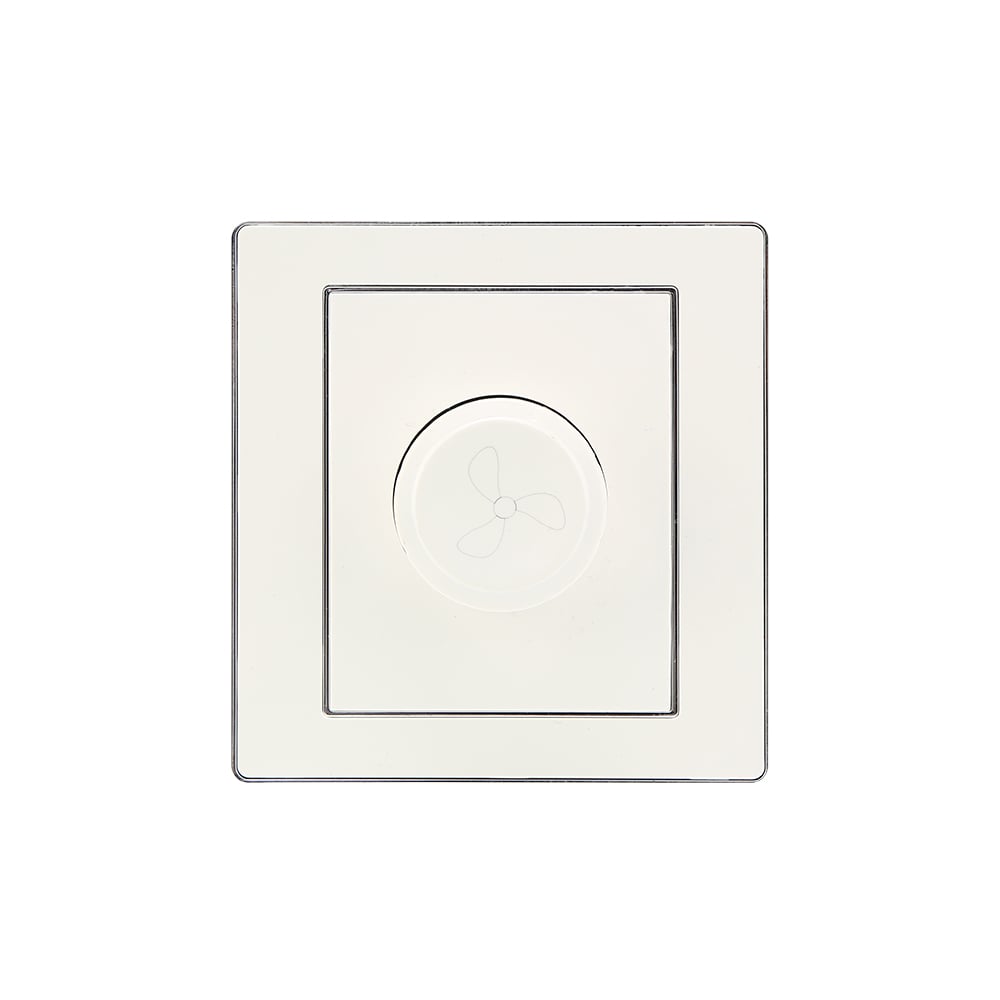
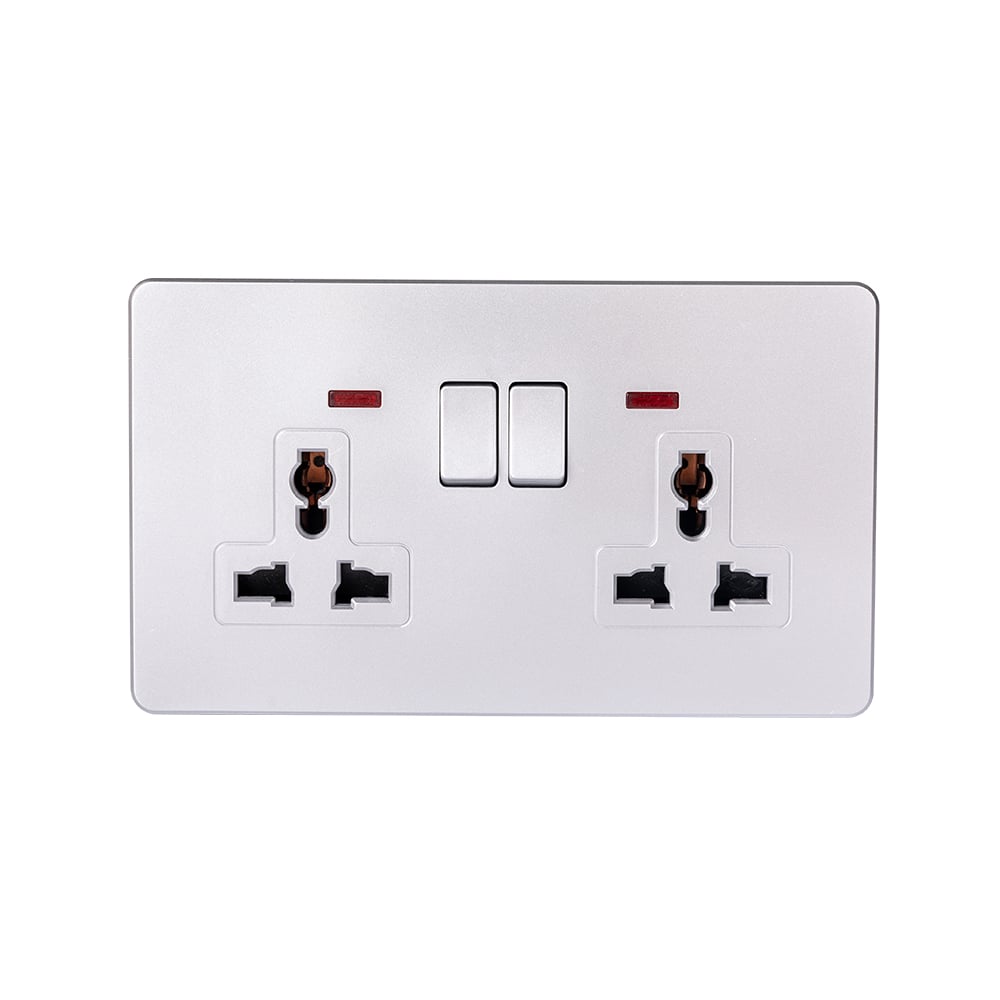
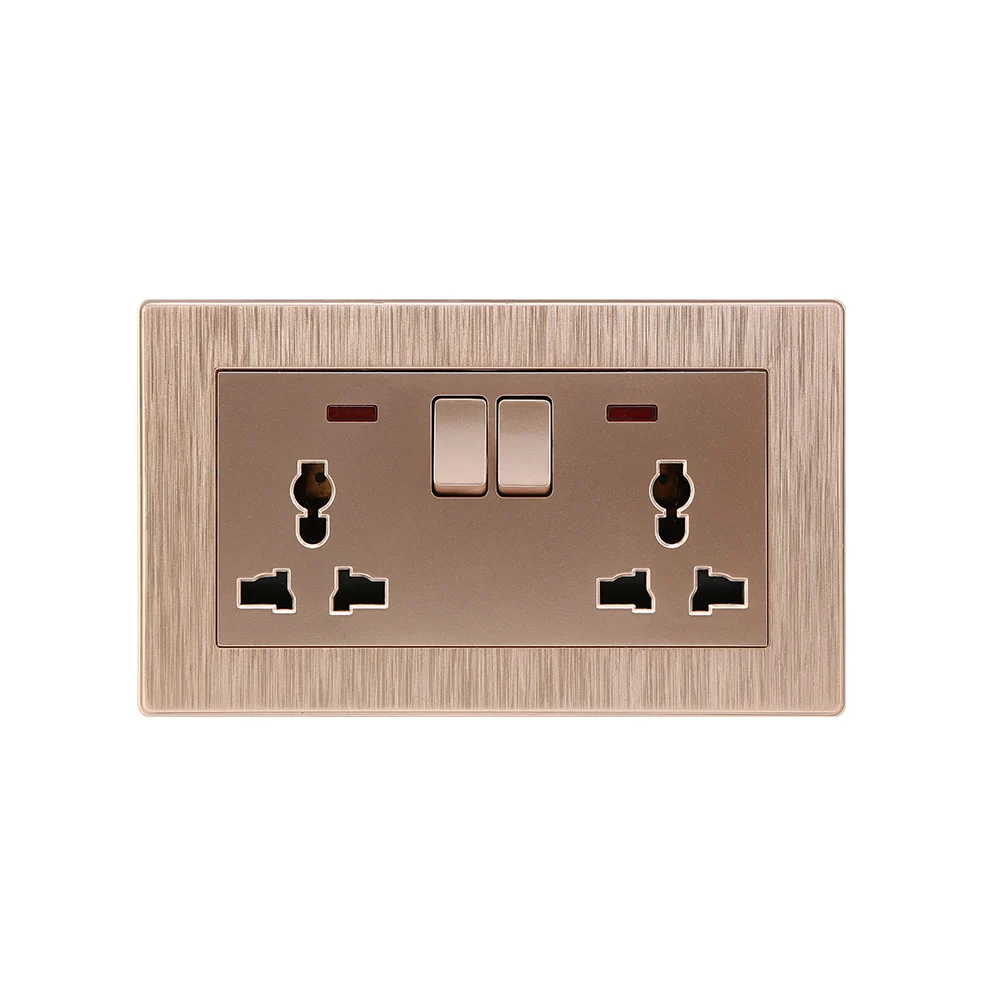
A wall socket provides a power outlet point for appliances or devices. A light control switch controls a lighting circuit. A wall switch socket may combine switching and socket functions depending on market design, product configuration, and local wiring practice.
From an engineering perspective, these devices should be separated by function:
| Product Type | Main Function | Typical Use | Selection Concern |
|---|---|---|---|
| Wall Socket | Provides power access | Appliances, chargers, equipment | Voltage, current, grounding, plug type |
| Light Control Switch | Controls lighting circuit | Residential or commercial lighting | Load type, switching capacity, wiring method |
| Wall Switch Socket | Combines or groups wall-mounted control and power functions | Homes, offices, hotels, commercial buildings | Layout, rating, certification, regional compatibility |
Mechanical durability also matters. A wall-mounted device may be operated thousands of times over its service life. Contact design, terminal strength, faceplate material, heat resistance, and enclosure quality affect both performance and user safety.
IEC-based international practice and local approval systems generally require products to be suitable for intended voltage, load, and installation environment. For distributors, it is safer to classify inventory by market, voltage, function, and certification rather than by appearance alone.
What Hidden Costs Appear When 120V and 240V Are Misunderstood?
The visible unit price of a socket is often small compared with the hidden cost of choosing the wrong voltage, current rating, or receptacle configuration.
Common hidden costs include:
- Rework labor: A wrong outlet may require removal, rewiring, replacement, and retesting.
- Failed inspection: Local authorities may reject installations that do not match code, drawings, or appliance specifications.
- Product returns: Distributors may receive returns if sockets do not fit local plug types or voltage expectations.
- Delayed commissioning: A hotel, apartment project, retail store, or factory line may lose revenue if electrical handover is delayed.
- Wrong inventory stocking: A wholesaler may hold slow-moving SKUs if it misunderstands regional voltage and receptacle demand.
- TCO impact: Total cost of ownership includes product cost, documentation cost, installation efficiency, replacement risk, and after-sales handling.
A practical ROI framework should compare:
Total Project Cost = Product Cost + Installation Cost + Inspection Risk + Rework Risk + Delay Cost
In other words, the lowest unit price may not be the lowest project cost. The correct receptacle, properly documented and matched to the appliance, often provides better commercial value than a cheaper but unsuitable alternative.
120V Outlets vs 240V Outlets: Comparison Table
| Dimension | 120V Outlet | 240V Outlet |
|---|---|---|
| Typical voltage | About 120V nominal in North America | About 240V in North American split-phase systems |
| Common applications | Lamps, chargers, office equipment, small appliances | Dryers, ovens, HVAC, EV charging, heavy equipment |
| Common current ratings | 15A, 20A | 15A, 20A, 30A, 50A depending on load |
| Receptacle type | Common household and commercial receptacles | Multiple NEMA configurations; not universal |
| Installation complexity | Usually simpler for light loads | Often dedicated circuit and higher planning requirement |
| Safety risk | Wrong load can overload circuit | Wrong match can damage equipment or create shock/fire risk |
| Inspection sensitivity | Moderate; depends on use and location | Higher for major appliances and dedicated circuits |
| Procurement risk | Confusing 110 vs 120 terminology | Confusing different 240V receptacle configurations |
| TCO impact | Usually lower if correctly specified | Higher rework cost if incorrectly specified |
A 120V outlet is not “lower quality,” and a 240V outlet is not automatically “better.” Correct selection depends on appliance load, electrical code, target market, receptacle configuration, and project documentation.
Application and Regional Selection Matrix
| Scenario / Region | Common Voltage Expectation | Typical Device or Load | Selection Note | Compliance Concern |
|---|---|---|---|---|
| U.S. residential light load | 120V | Lamps, chargers, small devices | A 120 volt outlet is common | NEC/NFPA and local inspection |
| U.S. heavy appliance | 240V | Dryer, oven, HVAC | Confirm US 240v outlet configuration | NEMA type, breaker, grounding |
| Middle East project supply | 220V–240V commonly expected | Residential and commercial devices | Verify GCC market requirements | GCC compliance and import approval |
| Commercial building lighting control | Market-specific | Lighting circuits | Use proper Light Control Switch ratings | Load type and local wiring practice |
| Distribution / wholesale inventory | Mixed by market | Wall devices and sockets | Classify Wall Socket SKUs by region | Avoid wrong stock and returns |
| International engineering project | 120V, 220V, 230V, 240V depending on market | Mixed equipment | Confirm each appliance nameplate | IEC/local authority requirements |
This matrix shows why international buyers should not rely on one universal socket strategy. Market, voltage, appliance load, plug type, and certification requirements must be aligned before purchase.
Standards and Compliance: Why Documentation Matters
For electrical equipment, compliance is not only a label. It is part of the buyer’s risk control system.
Relevant standards and compliance signals include:
- CE: Relevant for products placed in European Economic Area markets where applicable directives require conformity assessment.
- RoHS: Restricts certain hazardous substances in electrical and electronic equipment; important for importers, distributors, and brand owners.
- GCC: Relevant for Gulf market access where Gulf conformity requirements apply to specific product categories.
- NEC / NFPA: Important for U.S. wiring practices, branch circuits, grounding, protection, and installation rules.
- NEMA: Widely used for North American receptacle and plug configuration identification.
- UL: Important safety reference for product evaluation in North American contexts.
- IEC-based practices: Commonly used in international electrical design, product testing, and installation frameworks.
Non-compliance can create serious business consequences:
- Failed project inspection
- Product rejection by contractor or consultant
- Import clearance delays
- Liability exposure
- Warranty disputes
- Fire or shock risk
- Loss of distributor trust
For B2B buyers, documentation should be requested before bulk procurement, not after a field problem appears.
Selection Guide: How B2B Buyers Can Avoid Voltage and Outlet Mistakes
1. Start from the appliance nameplate, not the socket appearance
The appliance label usually gives the required voltage, current, frequency, and sometimes plug type. This is more reliable than guessing from outlet shape.
2. Confirm voltage, current, grounding, and receptacle type together
A 240V rating alone is incomplete. The buyer also needs amperage, grounding method, plug pattern, and circuit protection details.
3. Separate lighting control circuits from appliance power circuits
A Light Control Switch is not the same as a high-load appliance receptacle. Lighting control and power delivery should be reviewed as different design tasks.
4. Match products to regional compliance requirements
A product suitable for one market may need different labeling, documentation, or configuration for another market.
5. Build inventory by market and application
Distributors should avoid a “single universal SKU” mindset. Stock should be grouped by voltage, plug type, certification, market, and application.
ABUK provides mechanical wall switches, Wall Switch Socket products and related Wall Socket solutions with CE, RoHS and GCC certification for B2B projects that require consistent compliance documentation and market-ready product selection.
FAQs
What does 240V outlet mean?
A 240V outlet is a receptacle designed to supply approximately 240 volts to an appliance or piece of equipment. In North American systems, it is commonly used for higher-power loads such as electric dryers, ovens, HVAC units, workshop tools, and some EV charging circuits. A 240v outlet is not defined by voltage alone; current rating, grounding method, plug pattern, breaker size, and local electrical code must also match the appliance nameplate and installation requirements.
Is 240V the same as 220V?
240V and 220V are related but not always identical. Many people use 220V, 230V, and 240V casually to describe higher-voltage household or commercial power, especially across different countries. However, equipment selection should follow the appliance nameplate and local supply standard. For example, some devices are rated for a range such as 220–240V, while others require a narrower voltage. From a procurement perspective, the honest answer is: do not assume compatibility without checking voltage tolerance, frequency, plug type, and certification.
What are the different 240-volt outlets?
There are several types of 240 volt Outlets, especially in North American applications. They differ by amperage, blade pattern, grounding design, and whether a neutral conductor is required. Common categories include 15A, 20A, 30A, and 50A receptacles. Dryers, ranges, HVAC equipment, EV chargers, and workshop tools may all use different configurations. NEMA guidance helps distinguish 240v receptacle types so that appliances cannot easily be connected to the wrong voltage or current rating.
Can I plug 240V into a 220V outlet?
It depends on the appliance rating and the local electrical system. If the appliance nameplate states a range such as 220–240V, it may be designed to operate within that range, provided the plug type, current rating, grounding, frequency, and circuit protection are also correct. However, if the equipment specifically requires 240V only, or if the outlet is not rated for the required current, it should not be connected without review by a qualified electrician. Voltage compatibility is only one part of safe installation.
What is a 240V receptacle?
A 240V receptacle is the physical outlet device that accepts a matching plug and supplies 240V power to connected equipment. It is commonly used for high-load appliances and dedicated circuits. A 240V receptacle has a specific configuration based on voltage, amperage, grounding, and application. In the U.S., a US 240v outlet often follows NEMA-style patterns, but there is no single universal shape. The receptacle must match the appliance plug, circuit breaker, conductor size, and local code requirements.
Are 110 and 120 outlets the same?
In many North American contexts, 110V and 120V refer to the same general class of household outlet, but 120V is the more accurate modern nominal term. The phrase 110 vs 120 outlet usually comes from older terminology or casual usage. Appliances labeled 110V, 115V, or 120V may often operate on the same supply range, but buyers should still check the nameplate. For B2B projects, specifications should use rated voltage, current, frequency, and applicable standards rather than informal voltage names.
What does a US 240V outlet look like?
A US 240v outlet usually looks different from a standard 120V outlet because its slot pattern is designed for higher-voltage, higher-load appliances. It may have angled slots, a T-shaped slot, three or four openings, or a larger receptacle face depending on amperage and application. Dryer outlets, range outlets, EV charging outlets, and workshop tool outlets can all look different. This is why appearance alone is not enough; the exact NEMA configuration and appliance nameplate should be checked.
What do 120V outlets look like?
A typical 120 volt outlet in North America often has two vertical slots and a grounding opening, although 15A and 20A versions may look slightly different. The common household 15A receptacle has two parallel vertical slots plus a round or U-shaped ground. A 20A version may include a T-shaped neutral slot. In commercial or project environments, faceplate style can vary, so buyers should verify rating markings, certification, grounding, and wiring requirements instead of relying only on appearance.
Can I plug 120V to 110V?
In most North American practical usage, a 120V appliance can usually operate on what people casually call a 110V outlet, because these terms often refer to the same nominal supply class. However, the safest answer is to check the appliance nameplate. If the device is rated 110–120V or 120V 60Hz, it is generally intended for that supply range. For professional procurement, voltage, frequency, plug type, and certification should always be verified before purchase or installation.
{
“@context”: “https://schema.org”,
“@type”: “FAQPage”,
“mainEntity”: [
{
“@type”: “Question”,
“name”: “What does 240V outlet mean?”,
“acceptedAnswer”: {
“@type”: “Answer”,
“text”: “A 240V outlet is a receptacle designed to supply approximately 240 volts to an appliance or piece of equipment. In North American systems, it is commonly used for higher-power loads such as electric dryers, ovens, HVAC units, workshop tools, and some EV charging circuits. A 240v outlet is not defined by voltage alone; current rating, grounding method, plug pattern, breaker size, and local electrical code must also match the appliance nameplate and installation requirements.”
}
},
{
“@type”: “Question”,
“name”: “Is 240V the same as 220V?”,
“acceptedAnswer”: {
“@type”: “Answer”,
“text”: “240V and 220V are related but not always identical. Many people use 220V, 230V, and 240V casually to describe higher-voltage household or commercial power, especially across different countries. However, equipment selection should follow the appliance nameplate and local supply standard. For example, some devices are rated for a range such as 220–240V, while others require a narrower voltage. From a procurement perspective, the honest answer is: do not assume compatibility without checking voltage tolerance, frequency, plug type, and certification.”
}
},
{
“@type”: “Question”,
“name”: “What are the different 240-volt outlets?”,
“acceptedAnswer”: {
“@type”: “Answer”,
“text”: “There are several types of 240 volt Outlets, especially in North American applications. They differ by amperage, blade pattern, grounding design, and whether a neutral conductor is required. Common categories include 15A, 20A, 30A, and 50A receptacles. Dryers, ranges, HVAC equipment, EV chargers, and workshop tools may all use different configurations. NEMA guidance helps distinguish 240v receptacle types so that appliances cannot easily be connected to the wrong voltage or current rating.”
}
},
{
“@type”: “Question”,
“name”: “Can I plug 240V into a 220V outlet?”,
“acceptedAnswer”: {
“@type”: “Answer”,
“text”: “It depends on the appliance rating and the local electrical system. If the appliance nameplate states a range such as 220–240V, it may be designed to operate within that range, provided the plug type, current rating, grounding, frequency, and circuit protection are also correct. However, if the equipment specifically requires 240V only, or if the outlet is not rated for the required current, it should not be connected without review by a qualified electrician. Voltage compatibility is only one part of safe installation.”
}
},
{
“@type”: “Question”,
“name”: “What is a 240V receptacle?”,
“acceptedAnswer”: {
“@type”: “Answer”,
“text”: “A 240V receptacle is the physical outlet device that accepts a matching plug and supplies 240V power to connected equipment. It is commonly used for high-load appliances and dedicated circuits. A 240V receptacle has a specific configuration based on voltage, amperage, grounding, and application. In the U.S., a US 240v outlet often follows NEMA-style patterns, but there is no single universal shape. The receptacle must match the appliance plug, circuit breaker, conductor size, and local code requirements.”
}
},
{
“@type”: “Question”,
“name”: “Are 110 and 120 outlets the same?”,
“acceptedAnswer”: {
“@type”: “Answer”,
“text”: “In many North American contexts, 110V and 120V refer to the same general class of household outlet, but 120V is the more accurate modern nominal term. The phrase 110 vs 120 outlet usually comes from older terminology or casual usage. Appliances labeled 110V, 115V, or 120V may often operate on the same supply range, but buyers should still check the nameplate. For B2B projects, specifications should use rated voltage, current, frequency, and applicable standards rather than informal voltage names.”
}
},
{
“@type”: “Question”,
“name”: “What does a US 240V outlet look like?”,
“acceptedAnswer”: {
“@type”: “Answer”,
“text”: “A US 240v outlet usually looks different from a standard 120V outlet because its slot pattern is designed for higher-voltage, higher-load appliances. It may have angled slots, a T-shaped slot, three or four openings, or a larger receptacle face depending on amperage and application. Dryer outlets, range outlets, EV charging outlets, and workshop tool outlets can all look different. This is why appearance alone is not enough; the exact NEMA configuration and appliance nameplate should be checked.”
}
},
{
“@type”: “Question”,
“name”: “What do 120V outlets look like?”,
“acceptedAnswer”: {
“@type”: “Answer”,
“text”: “A typical 120 volt outlet in North America often has two vertical slots and a grounding opening, although 15A and 20A versions may look slightly different. The common household 15A receptacle has two parallel vertical slots plus a round or U-shaped ground. A 20A version may include a T-shaped neutral slot. In commercial or project environments, faceplate style can vary, so buyers should verify rating markings, certification, grounding, and wiring requirements instead of relying only on appearance.”
}
},
{
“@type”: “Question”,
“name”: “Can I plug 120V to 110V?”,
“acceptedAnswer”: {
“@type”: “Answer”,
“text”: “In most North American practical usage, a 120V appliance can usually operate on what people casually call a 110V outlet, because these terms often refer to the same nominal supply class. However, the safest answer is to check the appliance nameplate. If the device is rated 110–120V or 120V 60Hz, it is generally intended for that supply range. For professional procurement, voltage, frequency, plug type, and certification should always be verified before purchase or installation.”
}
}
]
}
References
- National Fire Protection Association — National Electrical Code Resources
NFPA 70, commonly known as the National Electrical Code, is a primary reference for electrical installation safety practices in the United States. - NEMA — Wiring Devices and Receptacle Configuration Resources
NEMA provides dimensional and configuration guidance for wiring devices, including plug and receptacle patterns used in North American applications. - UL Solutions — Electrical Products Safety Certification
UL provides product safety testing and certification services for electrical and electronic products, including wiring devices and related equipment. - Electrical Safety Foundation International — Electrical Safety Resources
ESFI offers electrical safety education and guidance for consumers, contractors, and businesses. - International Electrotechnical Commission — IEC Standards
IEC develops international standards for electrical, electronic, and related technologies used across global markets. - European Commission — RoHS Directive
The RoHS Directive restricts the use of certain hazardous substances in electrical and electronic equipment sold in applicable European markets. - GSO — Gulf Standardization Organization
GSO supports standardization and conformity frameworks for Gulf Cooperation Council markets, including product compliance requirements relevant to electrical goods.
Outlet selection is rarely about voltage alone. It is about load, configuration, grounding, local inspection, documentation, and long-term supply consistency. A socket that “looks right” can still be wrong if it does not match the appliance, circuit, certification requirement, and target market.
ABUK builds mechanical wall switches, Wall Switch Socket products and related Wall Socket solutions for the moment when technical selection has to become reliable project supply. To explore compliant options for B2B projects, visit: https://abukelec.com/wall-switch-socket/