
 Wenzhou Lita Electric Co., Ltd.

How to Replace a Light Switch: Safe B2B Planning Guide
When a facilities manager is asked how to replace a light switch, the visible job can look simple: a faceplate is worn, the control feels loose, or a renovation schedule calls for a new finish. The hidden risk is an incomplete circuit record, a two-way arrangement, or a smart light switch that needs a neutral conductor. A rushed change can create rework, failed inspection, callbacks, or an unsafe circuit. This guide gives buyers, contractors, and site managers a verification path; it is a B2B planning guide, not DIY live-wiring instructions.
Quick answer: To understand how to replace a light switch safely, first define the circuit and switching arrangement, isolate it through the approved site procedure, and have a qualified electrician prove the circuit dead with suitable test equipment. The project record should identify the incoming line, switched load, and protective earth at documentation level, without relying on conductor colour alone. Check the replacement against IEC 60669-1, local code, box and faceplate dimensions, and the manufacturer’s instructions. Smart products add neutral, minimum-load, network, and manual-fallback checks. The next action is a point-by-point survey before ordering.
How to Change a Light Switch
A light switch is part of a circuit, not an isolated trim component. The specification should state whether the point is single-pole, two-way, intermediate, momentary, dimming, occupancy-controlled, or integrated with another control system. Record the nominal supply, circuit protection, lamp or driver, gang count, plate dimensions, box depth, and destination market. These details determine whether a like-for-like replacement is possible.
IEC 60669-1 sets general requirements for switches for household and similar fixed-electrical installations; it is a product standard, not permission to bypass national installation rules. A tender or work order should therefore request the applicable edition, model-specific declaration or test evidence, and installation instructions. The local electrical code remains the authority for conductor identification, protective measures, enclosure work, and inspection.
How to Safely Change a Light Switch
Isolation should follow the site’s electrical safety procedure and be performed by a competent person. Record the distribution-board circuit, isolation point, responsible person, lockout or tagout status where required, and release time. HSE guidance and OSHA’s hazardous-energy requirements emphasise preventing unexpected energisation and verifying the de-energised state before work begins.
“The breaker is off” is not, by itself, sufficient. The electrician should use an approved proving-and-testing process: confirm the tester on a known source, test relevant conductors, and re-prove the tester. Probe placement, terminal handling, and live measurements belong in the method statement and local rules. A buyer can require the signed isolation and test record as a deliverable.
How to Replace a Light Switch with 3 Wires
“Line” is the incoming supply; “load” is the switched conductor toward the lamp or control gear; “earth” is the protective conductor for bonding and fault protection. Labels should follow circuit drawings and verified identification, not colour assumptions. Older installations and rework can make colours misleading. Record a neutral separately because an electronic switch may need it, but it is not interchangeable with protective earth.
How to Replace a Light Switch with a Dimmer Switch
Procurement teams should compare the whole installed solution: electrical function, enclosure fit, load behaviour, documentation, and ongoing support. The cheapest faceplate can become the expensive option if it forces a second visit, a box alteration, or a change to the lamp driver. The table below is a decision framework; it does not replace the product’s ratings or local code review.
| Replacement approach | Typical fit | Key verification | Project cost and risk tendency |
|---|---|---|---|
| Like-for-like mechanical switch | Existing circuit and control function are unchanged | Rated voltage/current, pole arrangement, terminal layout, plate and box fit | Usually the simplest change; risk rises when records or dimensions are uncertain |
| Dimming switch | Lighting levels need controlled adjustment | Driver and lamp compatibility, minimum load, heat dissipation, and required neutral | More commissioning and compatibility work; returns often follow an unverified LED load |
| Smart light switch | Remote, scheduled, or integrated control is required | Neutral or no-neutral design, network ecosystem, minimum load, firmware, and local override | Higher total coordination cost; value depends on commissioning and support ownership |
| Scene keypad or low-voltage control | Control logic is separated from the line-voltage switching point | Correct interface, power method, bus or gateway, and separation from mains wiring | Can simplify user control but is not a drop-in substitute for a line-voltage switch |

For an illustrative total-cost calculation, compare device price with survey time, electrician labour, access, commissioning, documentation, and likely callback costs. A quick selection is not economical if it causes a revisit across 40 rooms. Record the assumptions and update them after the first approved installation.
How to Replace a Light Switch with 2 Wires
Before ordering or scheduling a light switch replacement, the site team should close the following information gaps. For teams documenting how to replace a light switch across multiple points, the checklist provides a consistent handover record rather than a wiring procedure.
| Check | Evidence to retain | Escalate when |
|---|---|---|
| Circuit identity and isolation process | Updated circuit schedule, method statement, isolation and prove-dead record | The circuit cannot be uniquely identified or other supplies may feed the box |
| Switching arrangement | Drawing or point schedule showing single-pole, two-way, intermediate, dimming, or control-system function | The observed point differs from drawings or multiple controls interact |
| Conductor roles | Electrician-verified line, load, neutral (if present), and protective-earth record | Colours conflict with records, conductors are damaged, or earth continuity is unresolved |
| Product and load compatibility | Model datasheet, rated supply, lamp/driver details, minimum load, and installation instructions | The load is unknown, inductive, motor-driven, or outside the stated range |
| Mechanical fit | Faceplate dimensions, gang count, box depth, fixing centres, and clearance review | The new plate covers poorly, fouls the box, or requires masonry changes |
| Acceptance and handover | Functional test, labels, updated drawings, user instructions, and warranty record | Manual operation, protective measures, or smart commissioning cannot be demonstrated |
Can I Replace a Light Switch with a Dimmer?
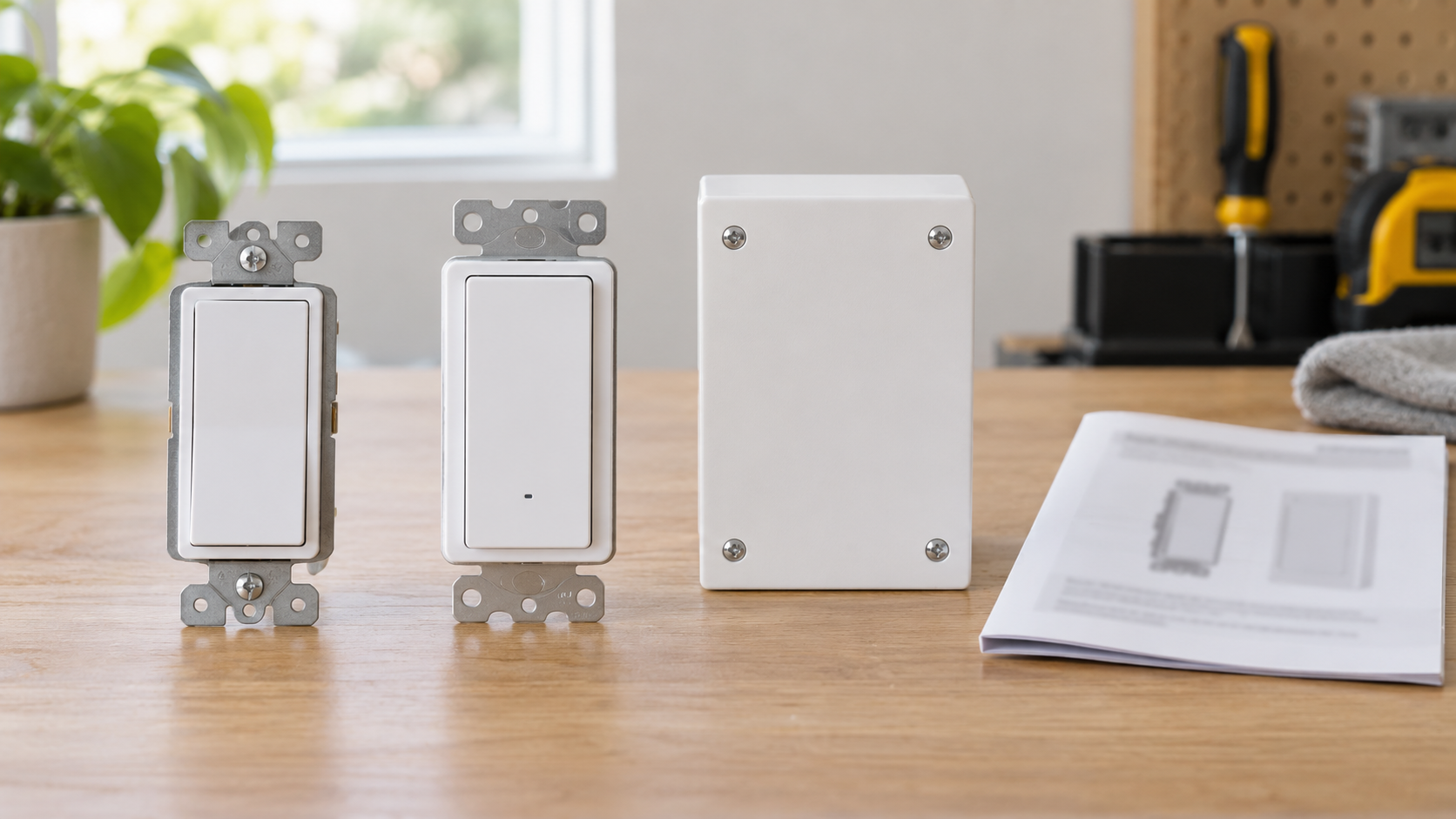
Sometimes, but compatibility must be established before the order. Many smart switches need a neutral conductor to power their electronics; no-neutral models may specify a minimum load, a bypass component, or a restricted lamp list. A smart switch also needs a confirmed control ecosystem, network coverage, account ownership, update path, and a manual fallback if connectivity is unavailable.
Check the manufacturer’s wiring diagram and limits for the exact model, then have the electrician confirm the circuit and enclosure conditions. Do not infer compatibility from the word “smart,” a nominal ampere marking, or a similar-looking faceplate. For a broader planning reference, see this guide to smart switches and outlets, while keeping the project decision tied to the selected model’s documentation.
Light Switch Wiring Diagram
Use the standard and regulator that match the destination market and claim being made:
- IEC 60669-1 addresses general requirements for switches for household and similar fixed electrical installations. Confirm the applicable edition and product category; it does not replace local installation rules.
- HSE electrical safety guidance explains safe systems of work, competence, isolation, and proving dead in Great Britain. Other jurisdictions may use equivalent regulator requirements.
- OSHA control of hazardous energy (lockout/tagout) provides a US framework for preventing unexpected energisation during servicing. It is not a product certification.
- Manufacturer documentation supplies model-specific ratings, terminal diagrams, compatibility limits, clearances, and commissioning conditions. Retain the exact revision supplied for the project.
Unsupported claims can create inspection delays, rejected submittals, warranty disputes, or unsafe substitutions. Ask for the model number, revision, declaration or test evidence, and destination-market applicability rather than accepting a generic catalogue statement.
How to Replace or Install a Light Switch
- Freeze the point schedule and switching functions before requesting quotations; separate mechanical, dimming, smart, and low-voltage controls.
- Require a conductor and box survey by a qualified electrician, with isolation and prove-dead records retained in the job file.
- Check every model against the actual lamp or driver, plate dimensions, local code, and the manufacturer’s latest instructions.
- Define acceptance tests: safe restoration, manual operation, correct multi-way behaviour, smart recovery where applicable, labels, and updated drawings.
- Plan spares and support by model revision so a future replace light switch request does not trigger an unapproved substitute.
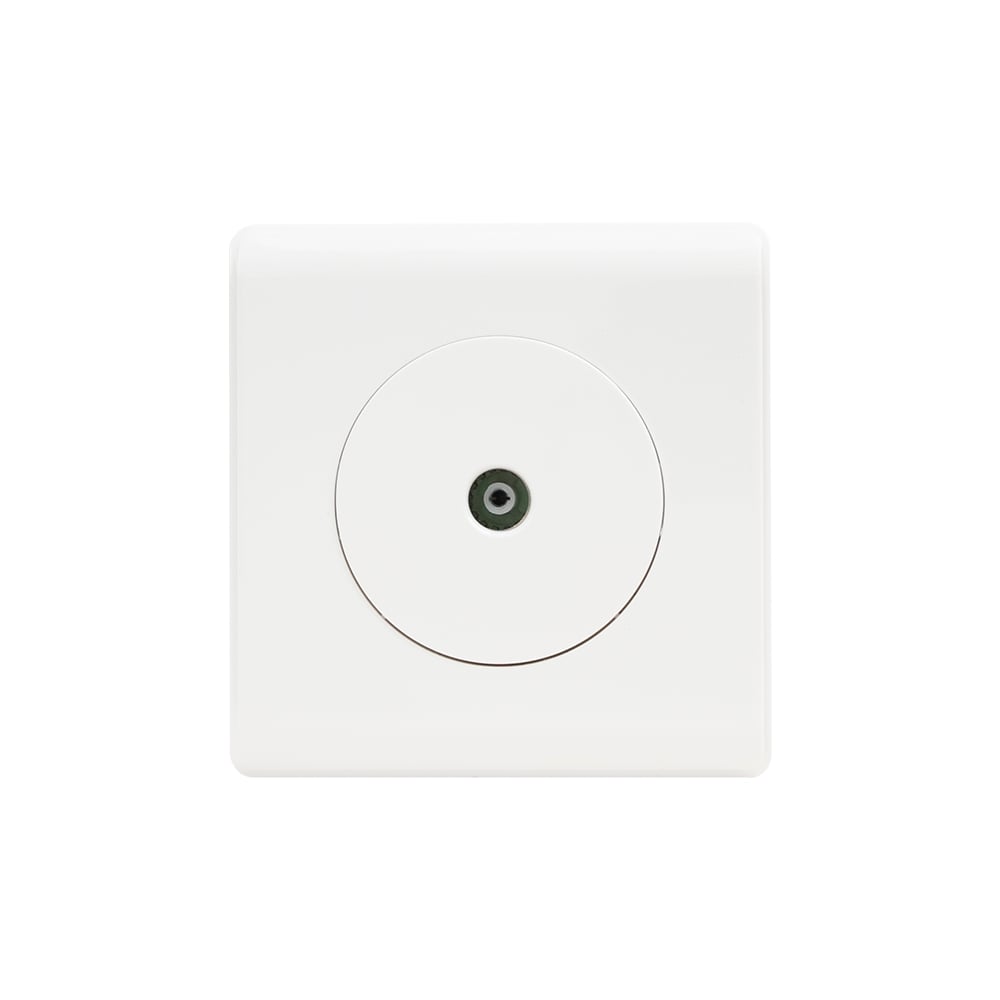
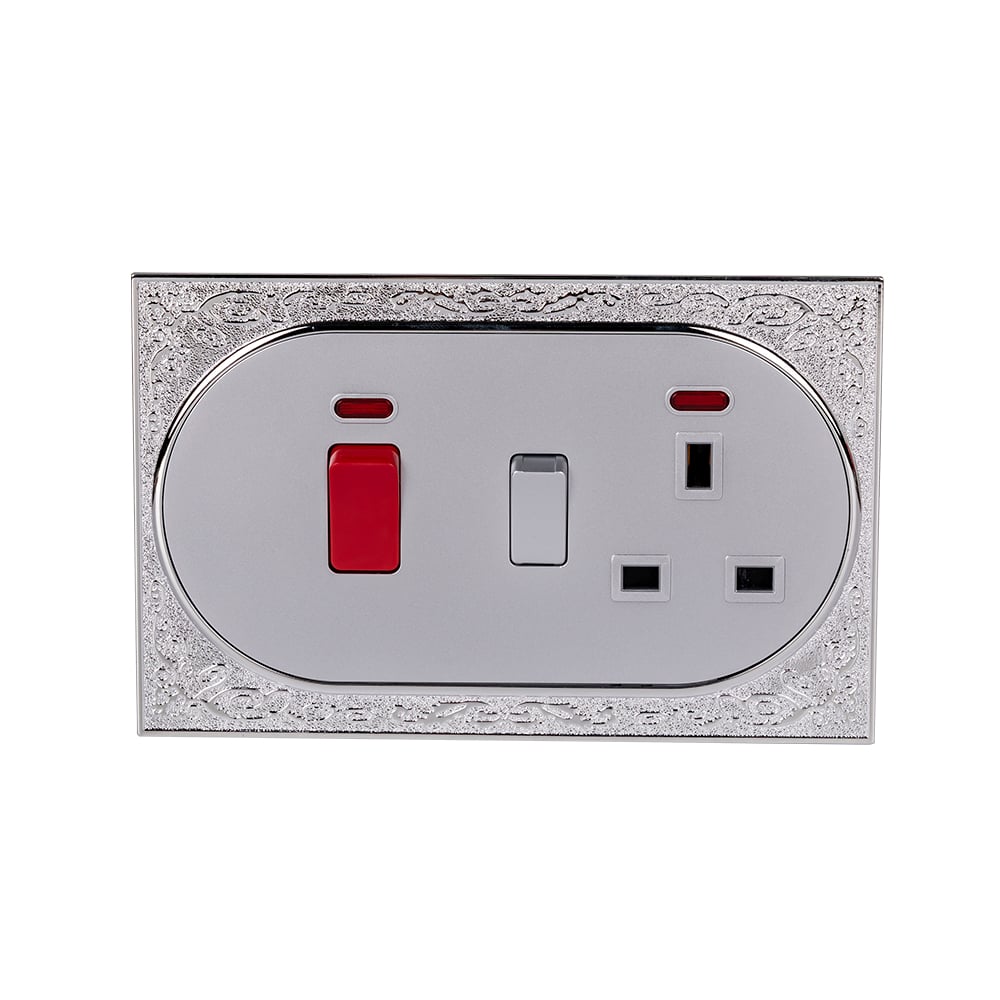
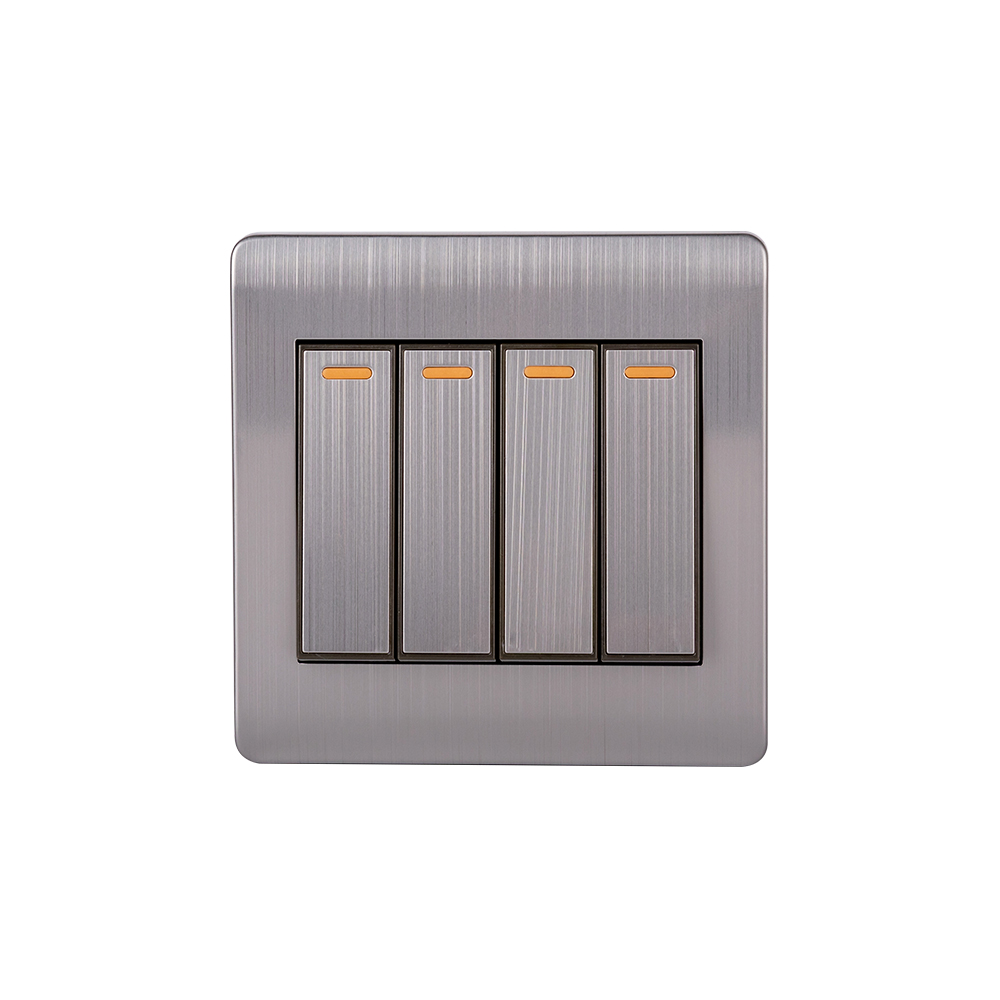
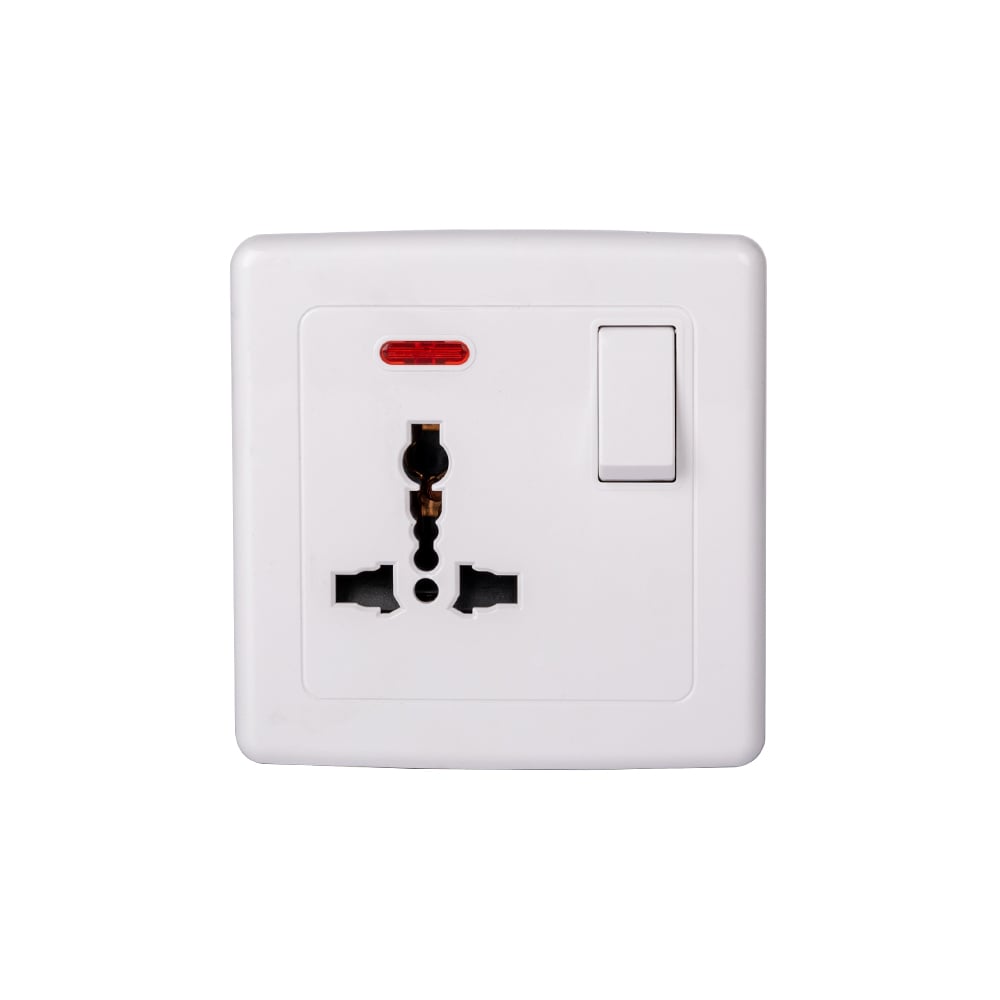
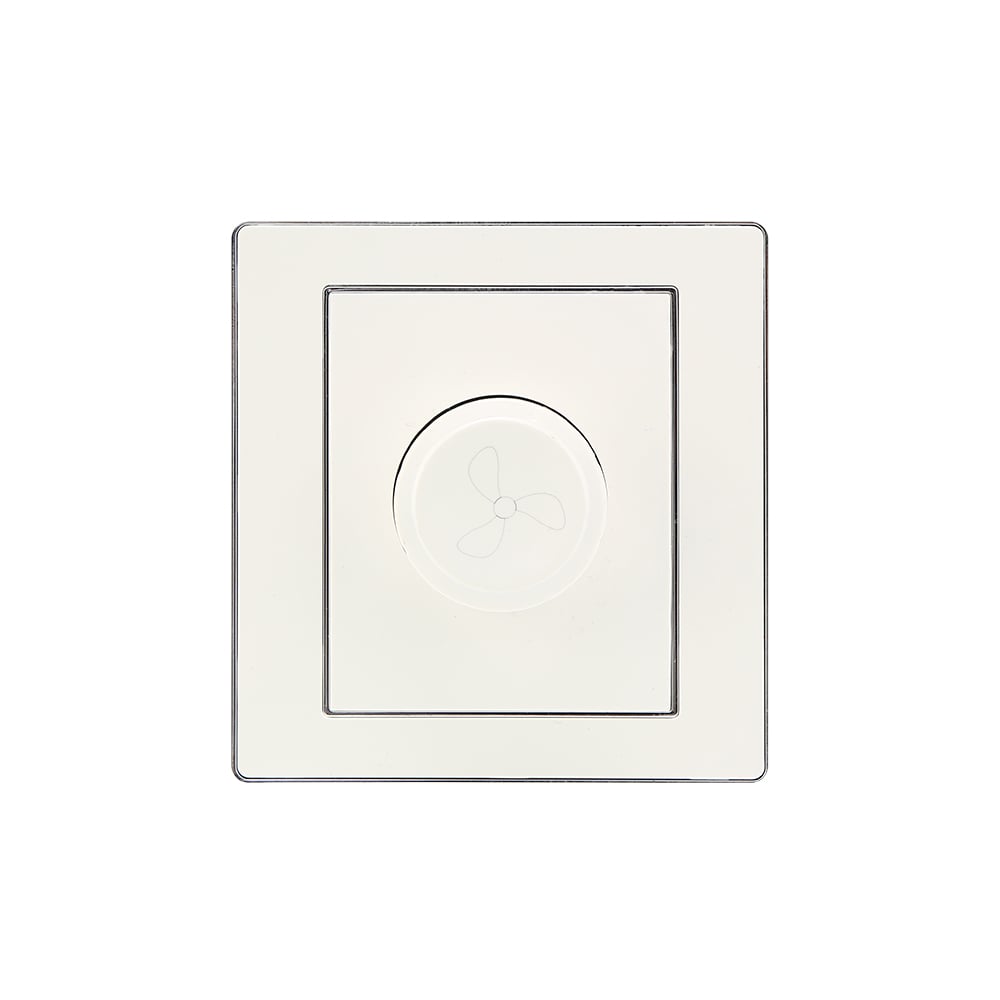
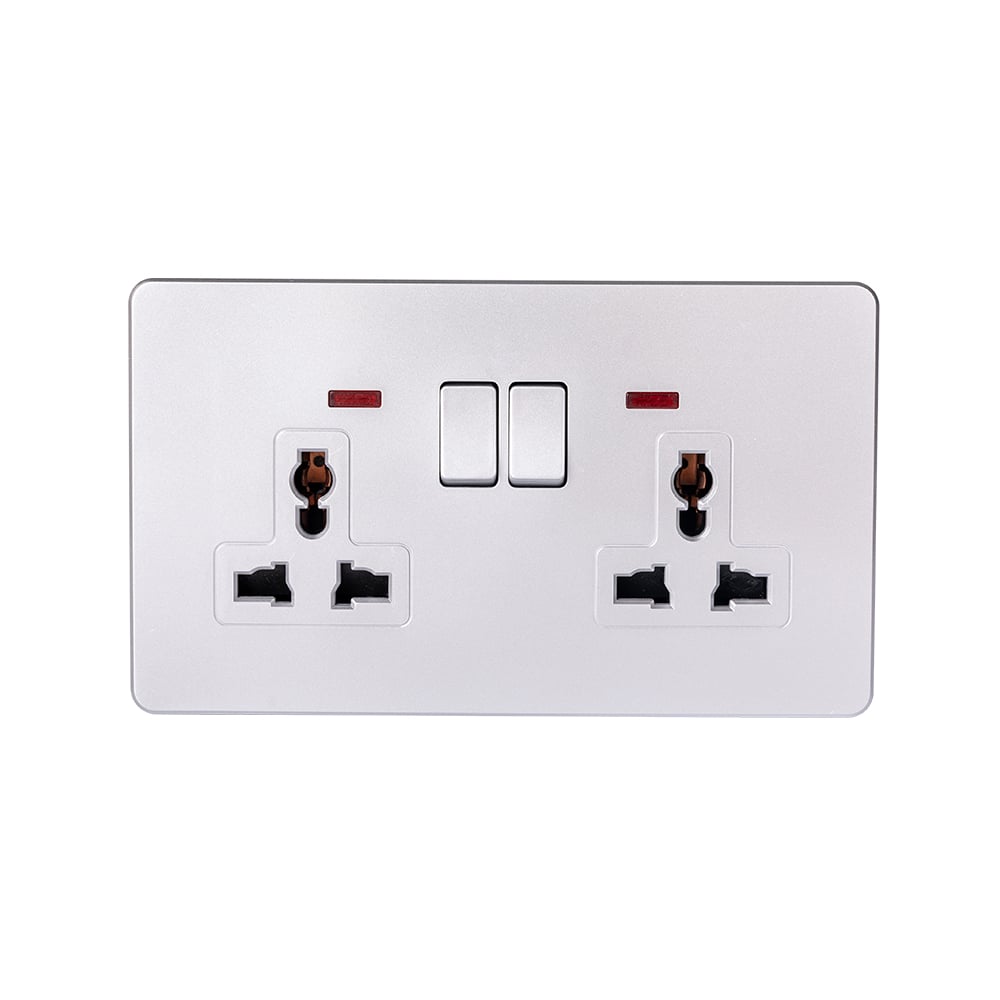
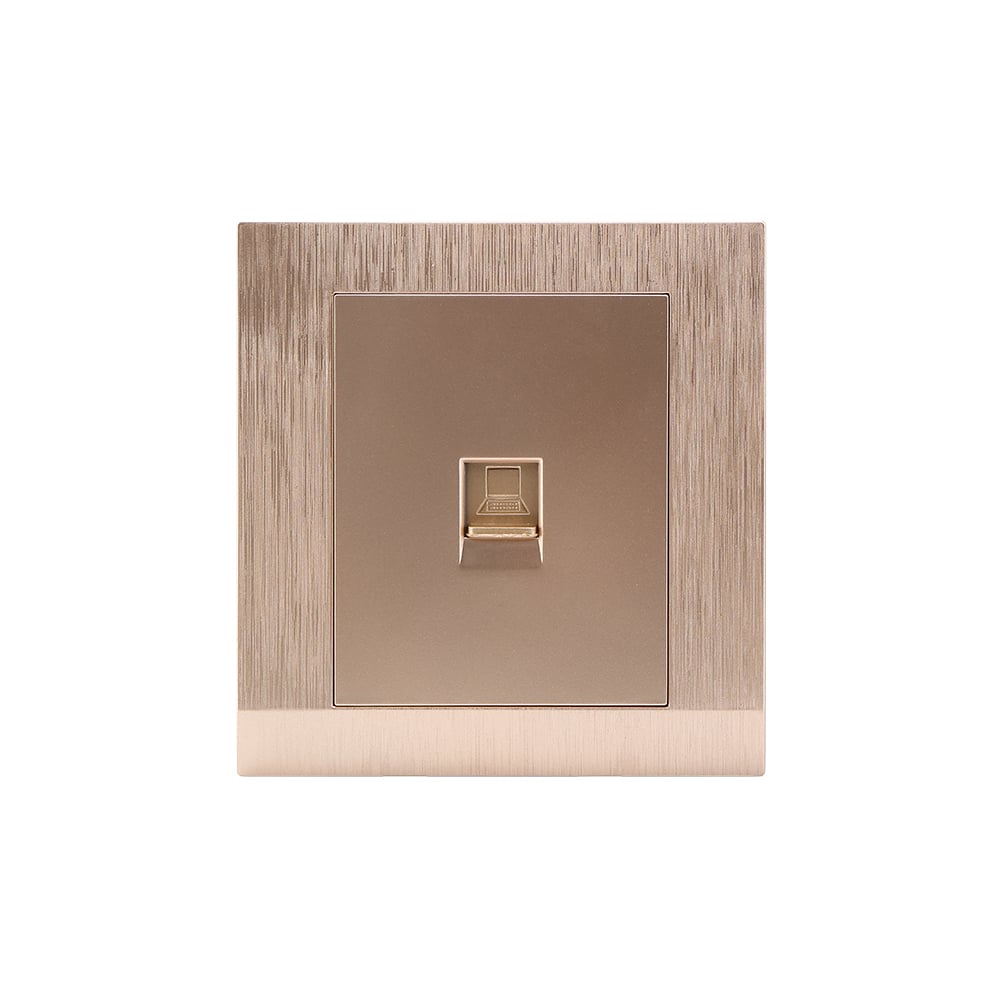
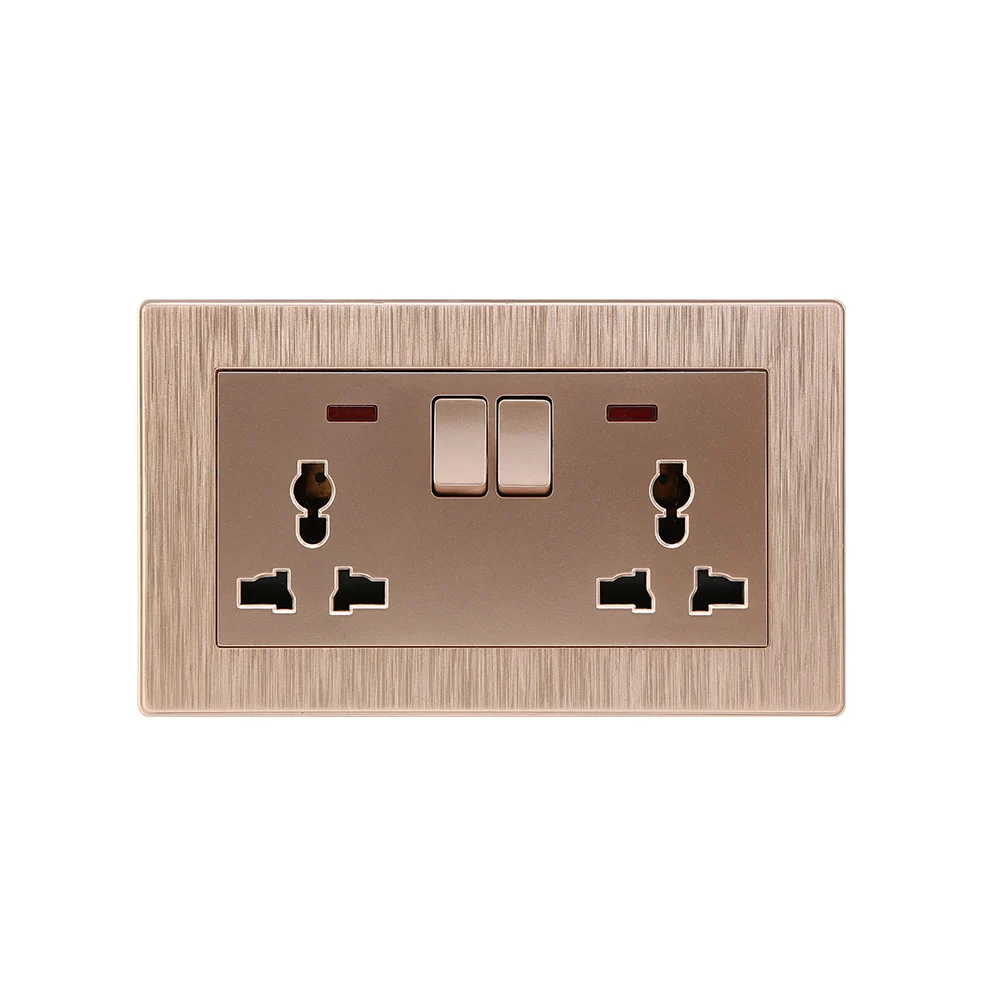
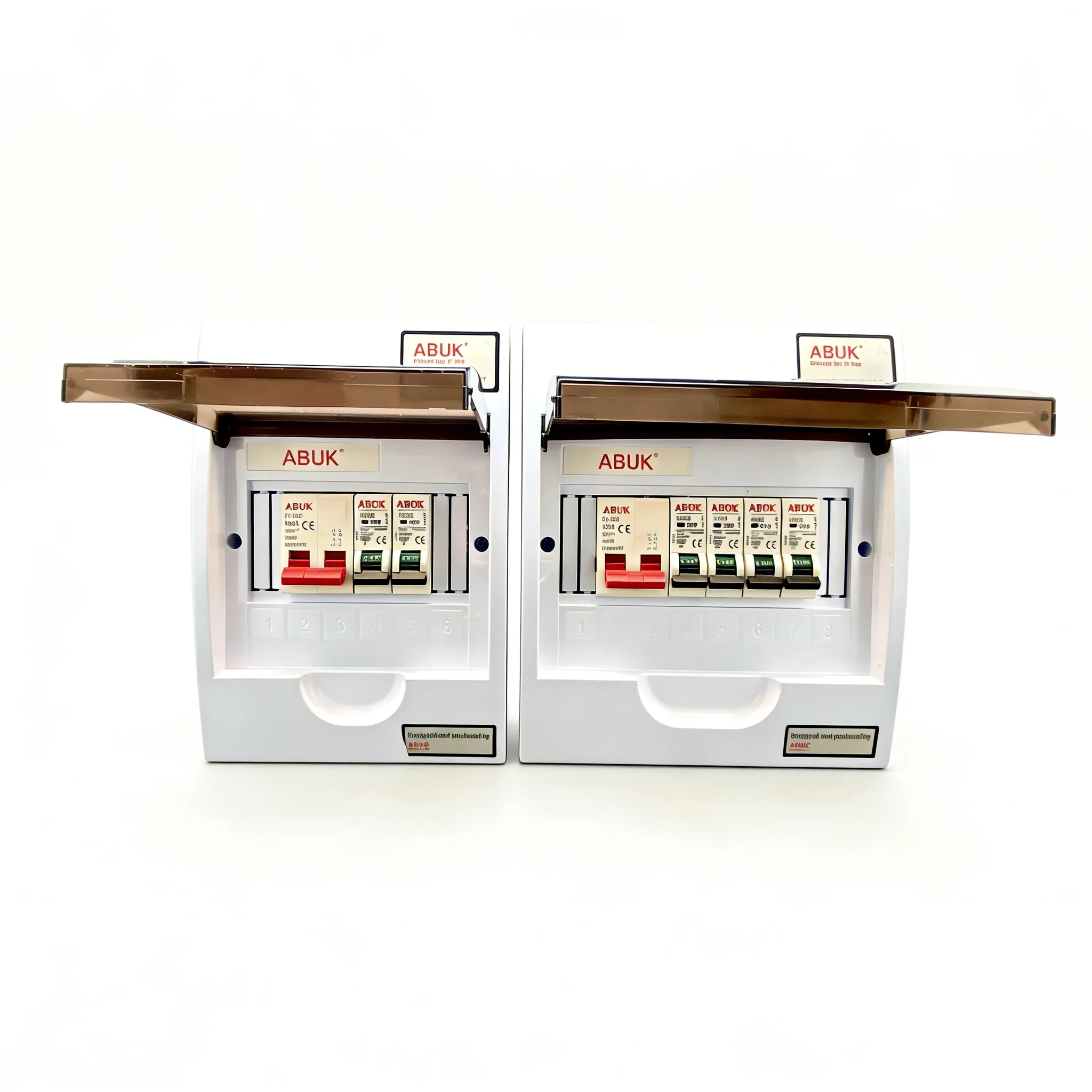
ABUK’s wall switch and socket range can be reviewed as part of a documented sourcing process, with model-specific technical and conformity documents checked against the destination market. The wider product catalogue is useful when a switch change exposes adjacent socket, protection, or distribution-board requirements; it should not be treated as a substitute for the electrician’s site verification.
Frequently asked questions
How to Safely Change a Light Switch
Define the circuit and switching arrangement, isolate it under the approved site procedure, and have a qualified electrician prove the circuit dead before any enclosure work. Verify the replacement’s ratings, fit, conductor requirements, and local-code suitability, then document testing and handover. This guide intentionally does not provide live-wiring or terminal-by-terminal instructions.
How to Replace a Light Switch with 2 Wires
Check circuit identity, isolation records, switching type, verified line/load/earth roles, neutral availability, lamp or driver load, back-box dimensions, faceplate fit, and the exact manufacturer instructions. Escalate damaged conductors, uncertain earth continuity, conflicting drawings, or an unknown load to the responsible electrician before procurement.
Can I Replace a Light Switch with a Dimmer?
Only after confirming the smart model’s neutral or no-neutral requirements, minimum load, lamp compatibility, network ecosystem, enclosure space, and manual fallback. A qualified electrician should validate the circuit, while the project team confirms commissioning ownership and data or account handover.
How to Replace a Light Switch with 3 Wires
Use the verified circuit drawings and the electrician’s approved test and identification process; do not rely on colour, position, or an online diagram. The project record should label the incoming line, switched load, neutral where present, and protective earth after they have been verified under the applicable local rules.
References
- International Electrotechnical Commission, IEC 60669-1 search and publication records
- UK Health and Safety Executive, Electrical safety at work
- US OSHA, Control of hazardous energy (lockout/tagout)
- Schneider Electric, technical documentation and support resources
Conclusion
Replacing a light switch is a controlled circuit-change decision, not simply a faceplate swap. The reliable order is to define the switching function, verify isolation and conductor roles through a qualified electrician, confirm load and enclosure compatibility, and then accept the installed model against IEC 60669-1, local code, and its current manufacturer instructions. Smart products add neutral, minimum-load, network, and fallback checks; they do not remove the need for safe isolation or prove-dead evidence. Do not trade a short installation window for an undocumented assumption about colour, wiring, or compatibility. For buyers building a traceable bill of materials, ABUK can support a review of the relevant switch and socket category; send the point schedule and destination market through the contact team before approving a substitute.