
 Wenzhou Lita Electric Co., Ltd.

Types of Light Switches: Functions, Wiring and Selection
A light-switch schedule can look complete and still be wrong. “Rocker switch” identifies the operating form, not whether the device controls one circuit from one point, supports multi-location control, switches two poles, or suits an LED driver. That ambiguity can cause late substitutions, unstable dimming, or controls that cannot work with the available conductors. Compare types of light switch by circuit function first, load and control method second, and physical style last. This guide separates those layers, translates regional terminology, and gives specifiers a safe verification workflow.
Quick answer: The main types of light switch are one-way/single-pole, two-way/three-way, intermediate/four-way, and double-pole, plus dimmers, sensors, photocontrols, fan controls, and smart devices. A two-way switch in much IEC/UK terminology serves the same two-control-point purpose as a three-way switch in North America; the labels are not globally interchangeable. IEC 60669-1 covers many household and similar fixed-installation switches up to 440 V and 63 A, but local code, load data, the manufacturer diagram, and required approvals still govern. Confirm control logic, load, conductors, box space, environment, and destination market.
Which switching function does the circuit require?
First distinguish circuit paths and control points, not faceplate shape. The terminal concepts below are typical only; markings, colors, and internal arrangements vary by market and manufacturer.
| Functional type | Control purpose | Typical terminal concept | Common regional wording | Key selection caution |
|---|---|---|---|---|
| Single-pole / one-way | One load or circuit from one location | Line and switched line, plus protective-earth provision where required | “Single-pole” in North America; “one-way” in many IEC/UK markets | Do not confuse pole count with the number of gangs on the plate. |
| Two-way / three-way | One load from two locations | One common and two transfer paths, often called travelers or strappers | “Two-way” in many IEC/UK markets; “three-way” in North America | Specify function and market terminology together. |
| Intermediate / four-way | Adds control points between two end switches | Two pairs of transfer-path terminals | “Intermediate” in many IEC/UK markets; “four-way” in North America | It is not a substitute for either end switch. |
| Double-pole | Simultaneously switches two conductors or circuit paths | Two mechanically linked poles | Often “DP,” but application rules differ | Not the same as a two-gang plate containing two independent switches. |
| Maintained / momentary | Maintained stays selected; momentary returns after release | Contacts remain changed or return by spring action | Also described by contact state, such as normally open or normally closed | Momentary devices generally require a relay, controller, or compatible control input. |
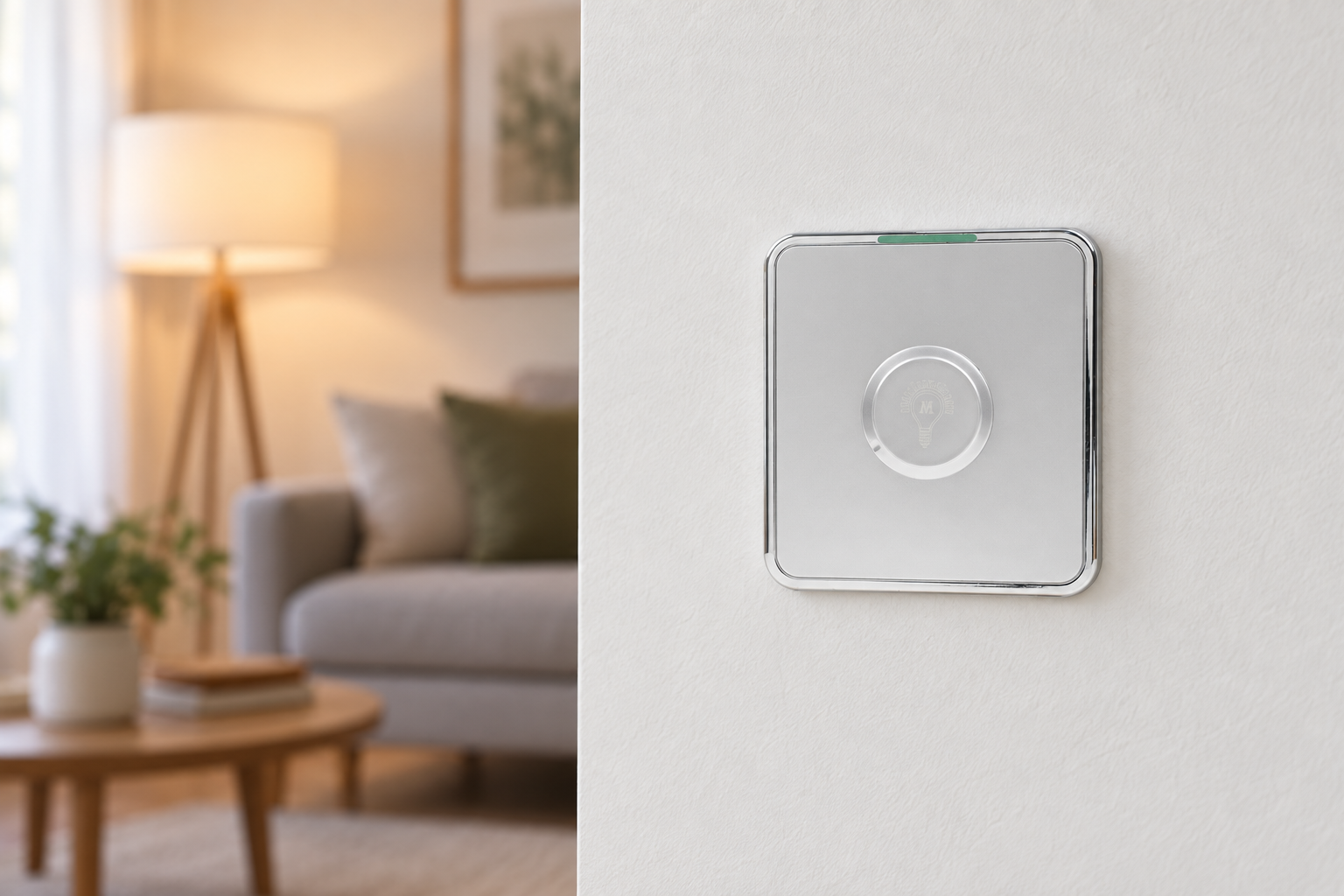
Across these light switch types, rocker, toggle, push-button, and rotary describe operation—not the circuit. A rocker may be one-way or two-way; a push-button maintained or momentary; a rotary device a selector, dimmer, or fan control. State both mechanism and electrical function.
How do dimmers, sensors and smart controls differ from basic switches?
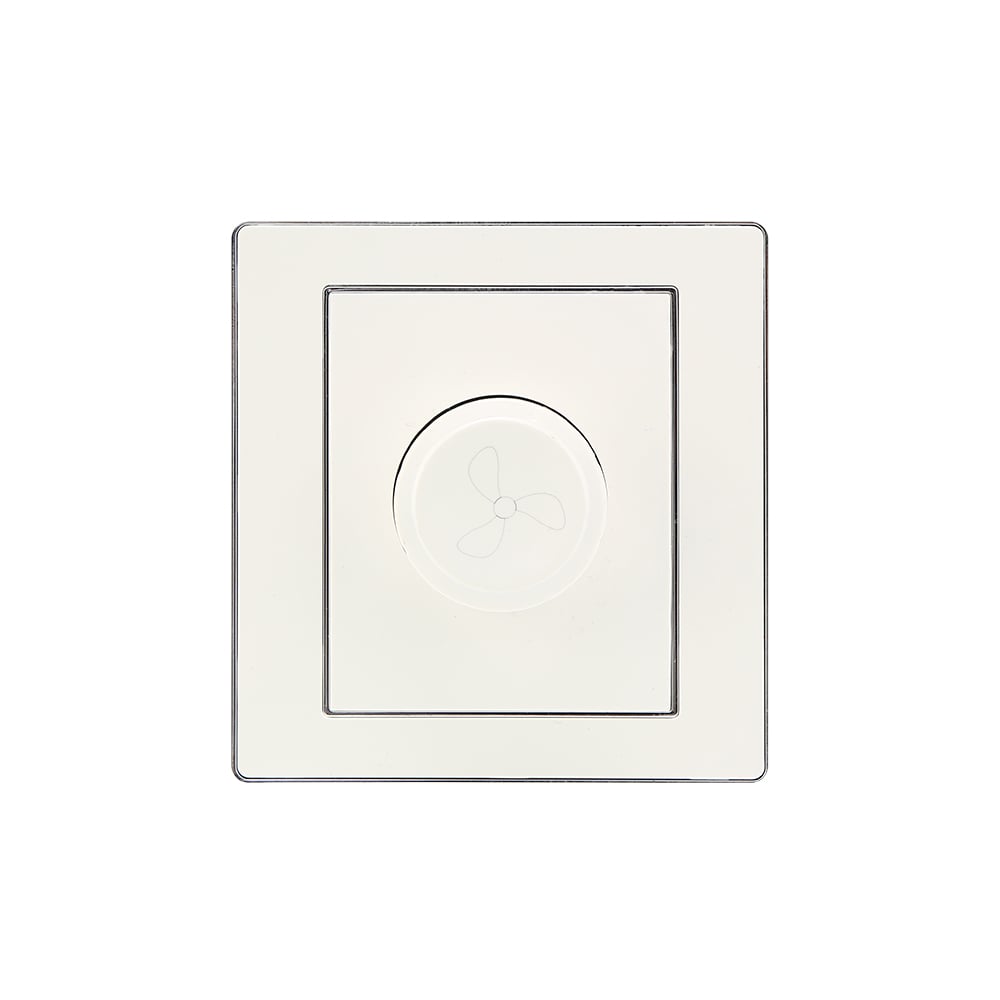
A standard switch makes or breaks a circuit. A dimmer electronically regulates power for a defined load family, while a fan-speed control is designed around motor behavior. For LEDs, compatibility depends on the lamp or driver, dimming method, connected-load range, quantity, and sometimes low-end adjustment. A manufacturer tool such as Lutron’s LED database provides product-specific evidence, not a universal pairing rule.
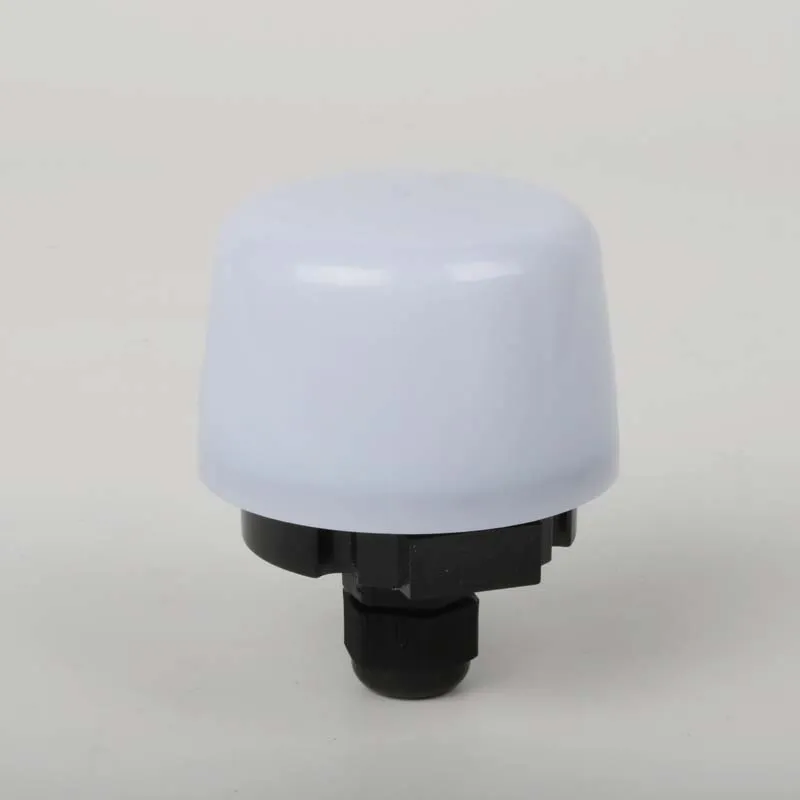
Occupancy and vacancy sensors detect presence; photocontrols respond to ambient light; timers follow a schedule or duration. A smart light switch adds digital control through a radio, wired bus, app, gateway, or building interface. Buyers must still confirm load type, neutral needs, protocol, commissioning, cybersecurity policy, and wall-box space and heat limits.
| Application | Likely control family | Conditions to verify | Lifecycle / TCO consideration |
|---|---|---|---|
| Small room, one entrance | One-way / single-pole maintained switch | Voltage, load rating, plate system, terminal capacity | Simple replacement and low commissioning burden |
| Corridor or stair with two control points | Two-way / three-way pair | Regional naming, end-switch function, conductor arrangement | Common platform can simplify spares and training |
| Three or more control points | End switches plus intermediate / four-way devices, or a control system | System topology, device roles, box capacity | Compare field wiring with commissioning and support |
| Dimmable LED lighting | Compatible LED dimmer | Driver compatibility, dimming protocol, load window, derating | Flicker callbacks and driver replacements can outweigh unit-price savings |
| External or daylight-responsive lighting | Photocontrol or managed lighting control | Supply, switching capacity, sensor placement, IP rating, temperature range | Cleaning, sensor drift, access, and replacement availability |
| Connected building or retrofit automation | Smart or bus-connected switch | Neutral availability, box depth, protocol, gateway, updates, local fallback | Commissioning, platform continuity, firmware support, and spares |
What must be checked in light-switch wiring and installation conditions?
For electrical wiring light switch specifications, terminal marking is device-specific. Common, COM, L, L1, L2, line, load, arrows, traveler, and numbered terminals can differ across families. A qualified electrician should identify the model, read its diagram, trace the isolated circuit, and verify conductors with suitable instruments. Position, color, or a label remembered from another brand is not evidence.
Neutral and protective ground/earth require separate review. Some electronic controls need a neutral; no-neutral designs may impose load or lamp constraints. Protective earth is not a neutral substitute. The box must accommodate the body, terminals, conductor bends, connectors, and required clearance.
IEC 60529 defines the IP code classification, but a rating must match the exposure and does not replace location-specific installation rules. Verify the complete assembly—device, gasket, box, cover, cable entries, orientation, and surface—because one rated component does not rate the assembly.
Which standards and approval evidence matter?
IEC 60669-1:2017 sets requirements and tests for switches within its household and similar fixed-installation scope; it is not blanket approval for every market. North American projects remain subject to the adopted electrical code and accepted product requirements, while other markets may require national deviations, declarations, conformity marks, or third-party listings.
Request model-traceable evidence: standard edition, certificate or declaration where required, report scope, marked voltage/current, load category, environmental rating, and market acceptance. A catalogue logo is insufficient when its holder, product family, standard, or validity cannot be matched. CE, RoHS, GCC, and other market documents are not interchangeable.
How should a B2B buyer select the right switch?
When comparing types of light switch, use five gates. A smart light switch passes the same electrical checks as a basic device, plus protocol and support checks.
- Draw the control intent. Record the number of loads, control points, poles, gangs, and whether the action is maintained or momentary. Resolve regional naming in the schedule rather than on site.
- Define the load. Capture supply, connected load, inrush characteristics, LED driver or motor type, dimming protocol, and any manufacturer compatibility evidence.
- Audit the installation envelope. Confirm conductors, neutral and ground/earth provision, box dimensions, plate standard, ambient conditions, IP need, and accessibility for replacement.
- Verify compliance documents. Match approvals and reports to the exact ordering code, intended market, and claim. Require a qualified electrician to review the final electrical wiring light switch documentation.
- Compare lifecycle cost. Include commissioning, spares, callbacks, cleaning, firmware support, platform dependency, and replacement lead time—not only purchase price.
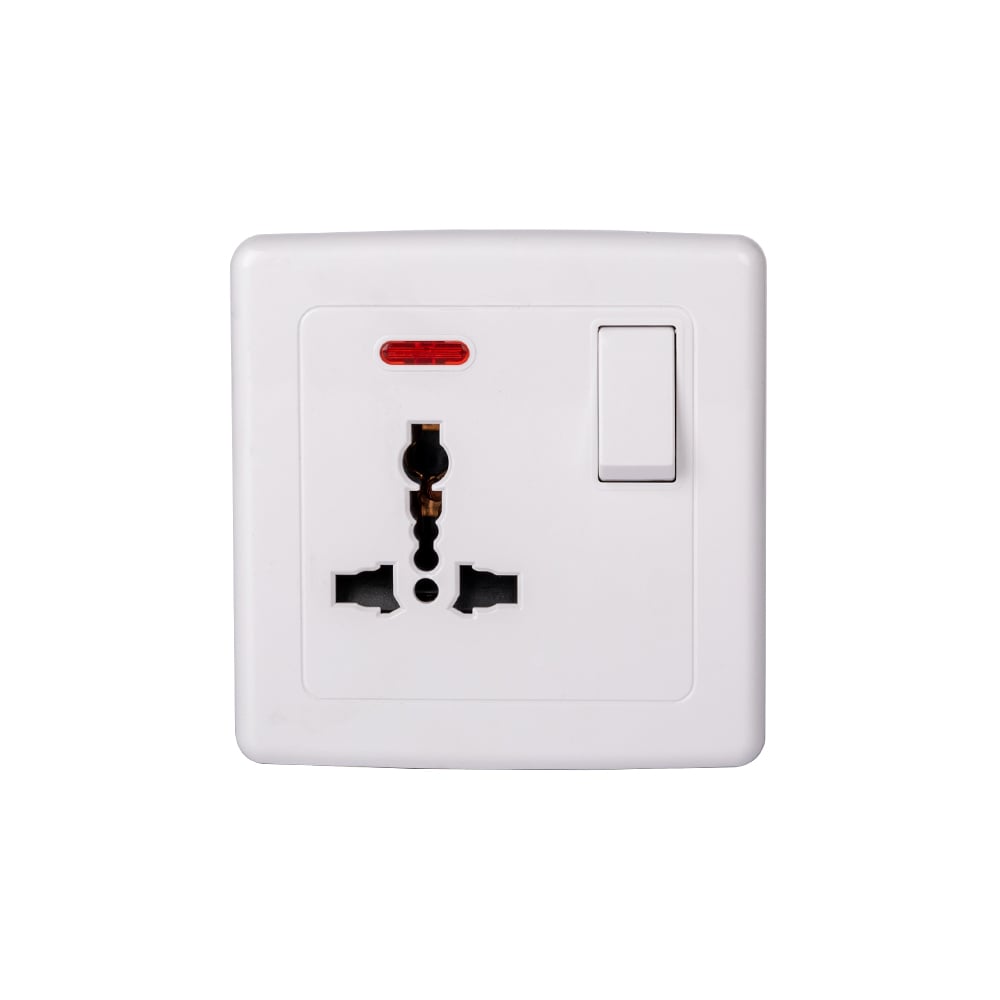
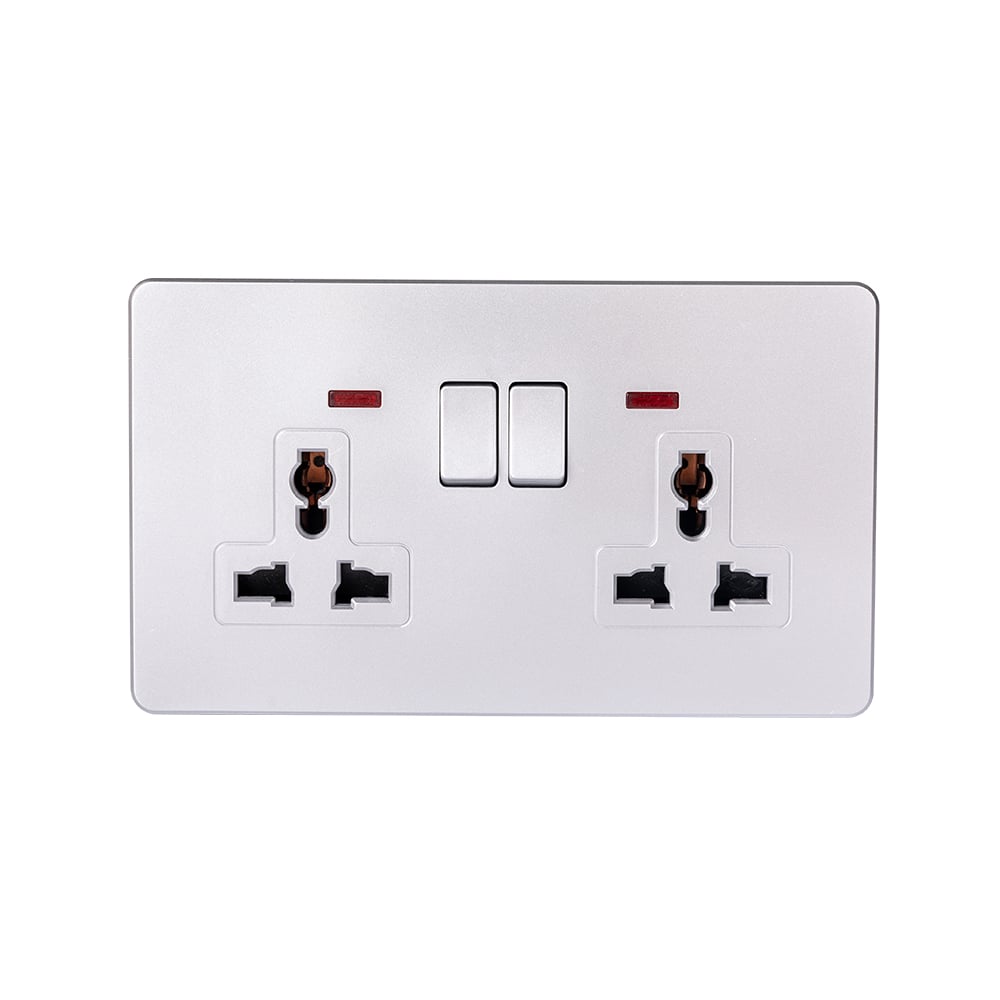
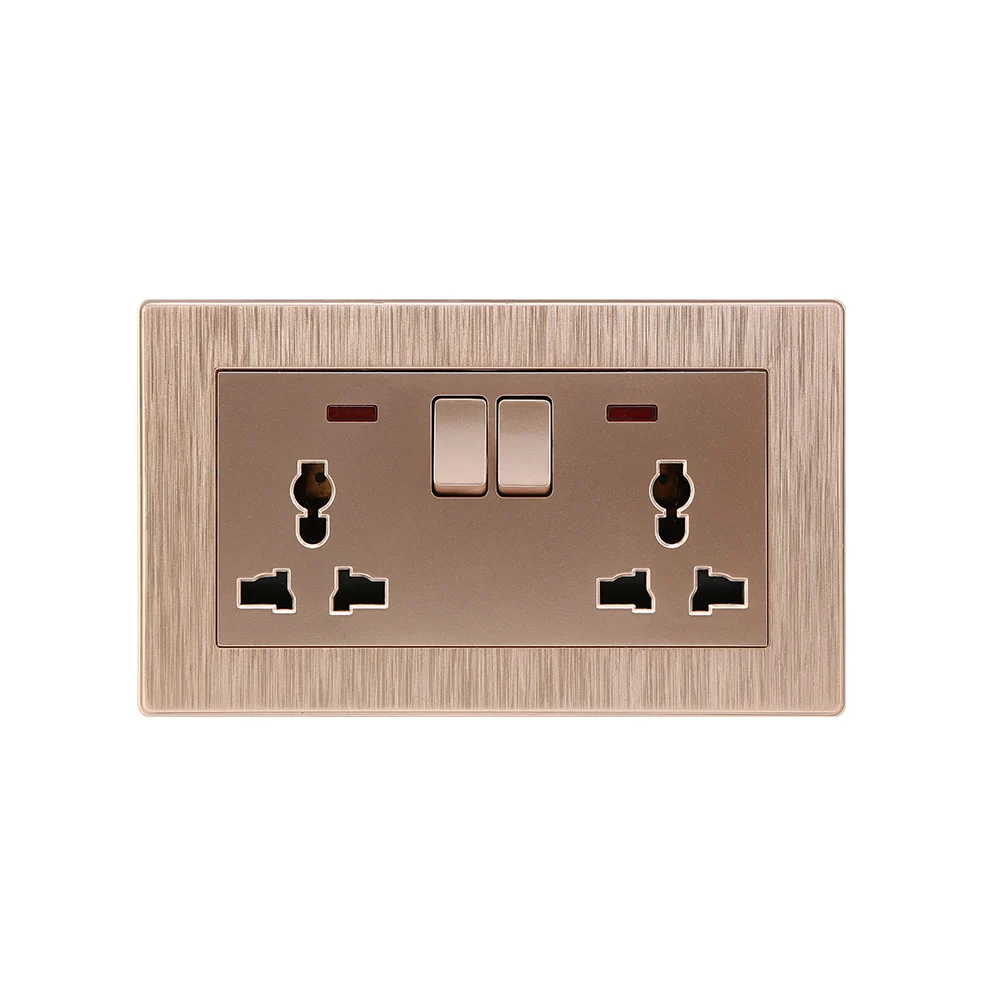
ABUK enters at this evidence-checking stage. Buyers can compare a 1-gang 2-way rocker switch, a dimmer-switch range, or an automatic photocontrol. Treat each page as a verification starting point, not a substitute for project-specific documents and approval checks.
Frequently asked questions
What are the different types of light switches?
The principal light switch types are one-way/single-pole, two-way/three-way, intermediate/four-way, double-pole, maintained, and momentary. Control variants include dimmers, fan controls, sensors, photocontrols, timers, and smart switches, while rocker, toggle, push, and rotary describe the operating form.
Which light switch is best for a two-way circuit?
Use a device explicitly designed for two-location control and described in the terminology of the destination market: typically a two-way switch in IEC/UK usage or a three-way switch in North American usage. The exact rating, terminal arrangement, plate format, and approvals must match the project; the name alone is not enough.
What is the difference between a dimmer and a standard switch?
A standard switch generally provides on/off control, while a dimmer electronically varies light output. The dimmer must be compatible with the lamp or driver, load range, dimming method, and thermal conditions; it should not be used as a fan controller unless the manufacturer expressly lists that application.
How do I identify light switch wiring terminals?
For an electrical wiring light switch review, identify the model and use its diagram, datasheet, and molded markings; a qualified electrician must verify the isolated circuit. Never assume COM, L1, L2, arrows, positions, or conductor colors mean the same worldwide, and never identify terminals on an energized circuit.
References
- IEC 60669-1:2017, Switches for household and similar fixed-electrical installations—Part 1: General requirements, International Electrotechnical Commission.
- IEC 60529, Degrees of protection provided by enclosures (IP Code), International Electrotechnical Commission.
- Electrical safety and National Electrical Code resources, National Fire Protection Association.
- Home Electrical Safety Checklist, U.S. Consumer Product Safety Commission.
- LED Compatibility Tool, Lutron Electronics; manufacturer-specific compatibility resource.
Conclusion
The right choice among light switch types is defined by what must be controlled, not by the face style. Begin with control points and poles, confirm the load and control method, then verify conductors, box space, environment, approvals, and maintenance support. Pair regional terms such as two-way and three-way with a functional description. No convenience feature, including a smart light switch, removes the need for isolation, a manufacturer-specific diagram, local-code review, and qualified installation. For project sourcing, buyers can review ABUK’s wall-switch and socket portfolio and contact the team with the destination market, load schedule, control logic, and required evidence.