
 Wenzhou Lita Electric Co., Ltd.
Why Does a US Plug Feel Loose in a Mexican Outlet?
When a business traveller in Guadalajara encountered a charger that sagged out of a hotel outlet, a travel adapter seemed like a way to improve the fit. In this hypothetical stay, the extra weight made the connection less stable and charging repeatedly stopped. The problem was not necessarily a special Mexican plug size; it was a connection that needed assessment.
Summary: Mexico commonly uses Type A and Type B interfaces similar to those in the United States. A loose fit can result from worn contacts, a damaged plug, an unsuitable interface or mechanical strain. Mexico’s nominal 127V, 60Hz supply does not explain looseness. Stop using an unstable connection and ask the property to provide a verified alternative.
Asking whether Mexico electrical outlets are the same as US outlets mixes several issues. World Standards lists familiar NEMA 1-15 and 5-15 configurations for Mexico, but connector type, supply voltage and physical condition are independent checks. A plug that once fitted securely can become loose as an accessory deteriorates.
Is the problem a different plug standard or worn contacts?
A matching Type A or Type B plug should not need bent blades or improvised packing to stay in its intended outlet. If the connector is actually different, a suitable approved adapter may address that interface mismatch. It cannot repair an outlet whose contacts no longer retain a compatible plug properly.
World Standards describes the familiar Type A two-blade arrangement and Type B’s additional grounding pin. Polarized versions also distinguish blade widths. A traveller should check the intended configuration without forcing insertion or modifying the plug; visible similarity is not permission to bypass a wider blade or earth pin.
Other causes include damaged appliance pins, a cracked body or a heavy adapter projecting from the wall. Hotel staff should assess the reported location and equipment rather than assume every loose connection needs the same replacement. A guest should not perform repeated insertion tests on an outlet that is hot, discoloured or sparking.
Why can a loose connection become hot?
Poor contact can increase local electrical resistance. Heating at that resistance follows P = I²R: for the same resistance, doubling current produces four times the heating. This is an explanatory relationship, not a temperature forecast for a particular socket.
The circuit breaker may remain on because overall current has not reached its operating threshold. It does not measure temperature at every plug contact. London Fire Brigade identifies hot plugs and scorch marks as warning signs; a connection should not be kept in use simply because a breaker has not tripped.
High-current equipment can expose a poor connection more quickly than a small charger, but low demand is not a repair. Crackling, intermittent supply, burning smells, softened plastic or visible damage require prompt attention. Smoke or fire calls for the property’s emergency procedure, not a closer inspection by the guest.
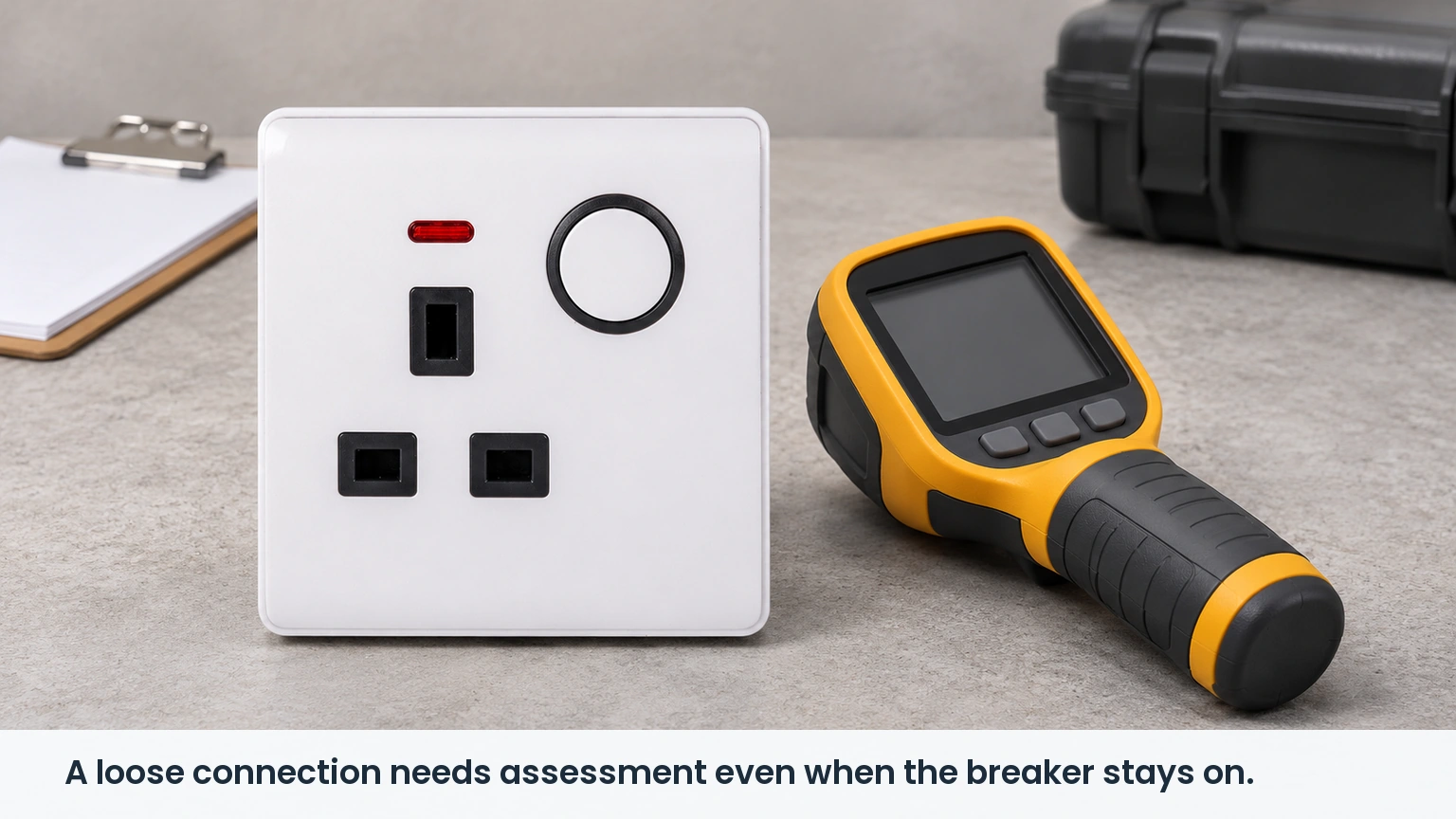
Why should an adapter not be used to hold a loose plug in place?
An additional adapter introduces more contacts and can increase leverage on the wall connection. A bulky charger at the end of that stack may pull farther away from the wall. It may appear to work briefly without addressing the underlying retention or contact problem.
The familiar Type A and Type B pins are not a reason to improvise with tape, wedges, bent blades or removed grounding pins. Such changes can defeat the intended interface or leave exposed conductive surfaces. HSE’s general electrical guidance emphasizes suitable equipment and competent assessment rather than continued use of damaged connections.
An adapter is appropriate only for a genuine, permitted interface mismatch, with the correct ratings and required protective connections. A loose compatible outlet is a maintenance problem. That distinction should be clear in a hotel’s guest instructions and at its front desk.
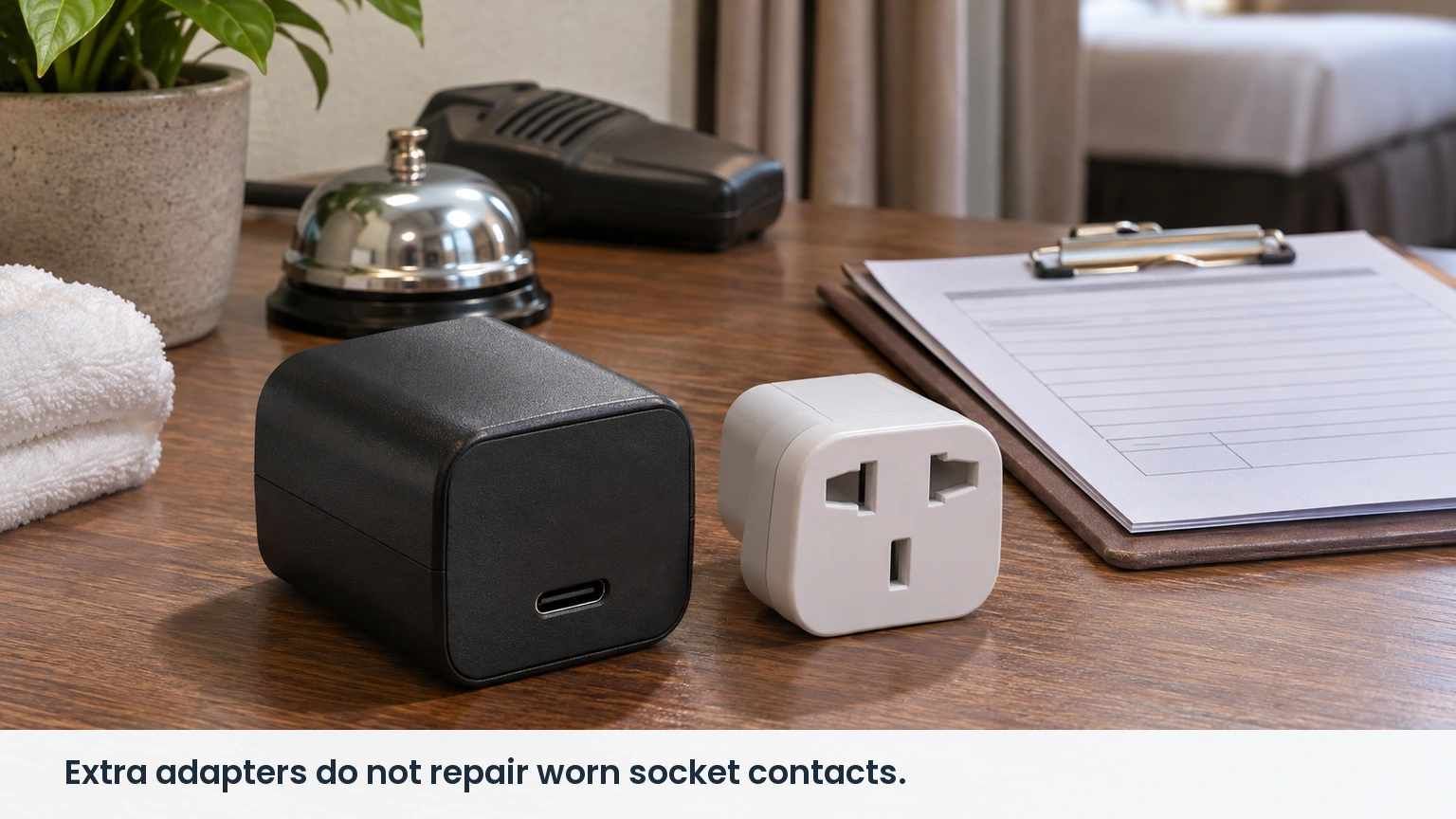
What should a hotel guest do when a plug will not stay in?
Stop using that connection and notify the property. If the equipment can be switched off and disconnected safely, follow the hotel and appliance instructions; do not touch damaged, smoking or unusually hot parts. Staff should arrange safe isolation and competent assessment where required.
Provide the room number, outlet location and observed symptoms. “The bedside charger loses power when its body sags” is more useful than “the electricity is bad.” A photograph taken without touching or opening the outlet can document the location, but no guest should remove a faceplate or probe live contacts.
Use an alternative supplied or confirmed by the hotel. For phone charging, the charger still needs an input range suitable for nominal 127V, 60Hz. The US plug in Mexico compatibility guide explains why voltage and plug fit should be checked separately.
Which symptoms point to different maintenance questions?
| Observed symptom | Possible issue to investigate | Appropriate response |
|---|---|---|
| Plug sags or falls out | Retention, fit or excessive mechanical load | Stop use and report the connection |
| Supply cuts in and out | Poor connection or equipment fault | Have both outlet and appliance assessed |
| Heat, smell or discoloration | Local heating or damage | Take out of service safely; arrange prompt assessment |
| Correct plug will not enter | Different configuration, obstruction or damage | Do not force or alter the pins |
These are investigation prompts, not remote diagnoses. A photograph cannot determine contact pressure or rule out damage behind the accessory. Maintenance should record the finding and completed corrective work rather than close the report because another charger happened to stay connected.
What changes between charging a phone and using a heater?
| Equipment | Additional concern | Check beyond physical fit |
|---|---|---|
| Phone charger | Heavy body or adapter stack | Input range and sound connection |
| Laptop power supply | Grounding requirement on some models | Correct earth provision where required |
| Hair dryer | High current and bathroom use | Voltage range and designated outlet purpose |
| Portable heater | Sustained loading and hotel restrictions | Property permission and suitable circuit |
For illustration, a 1,500W resistive load at 127V corresponds to approximately 11.8A. This assumes the stated power at that voltage; it is not approval for a specific appliance. An unstable outlet is unsuitable for continued experimentation regardless of the calculation.
What should be verified when the outlet is replaced?
The responsible technician should establish the actual fault and assess the plug, accessory, terminations and circuit as needed. A new decorative faceplate does not repair a damaged connection behind it. Applicable Mexican installation and product requirements govern the replacement; NEMA configuration describes the interface, not the complete installation’s conformity.
For purchasing, obtain exact-model ratings and relevant Mexican documentation. CE, RoHS or GCC records do not substitute for destination acceptance. The full repair cost includes diagnosis, access, testing and room downtime; choosing a cheap substitute without matching the specification can lead to another service visit.
How can hotels reduce repeat complaints?
- Give staff a clear way to remove suspect outlets from use and escalate reports.
- Record the actual location, appliance and symptoms.
- Avoid issuing adapters as repairs for worn connections.
- Keep approved replacement models and completed maintenance records.
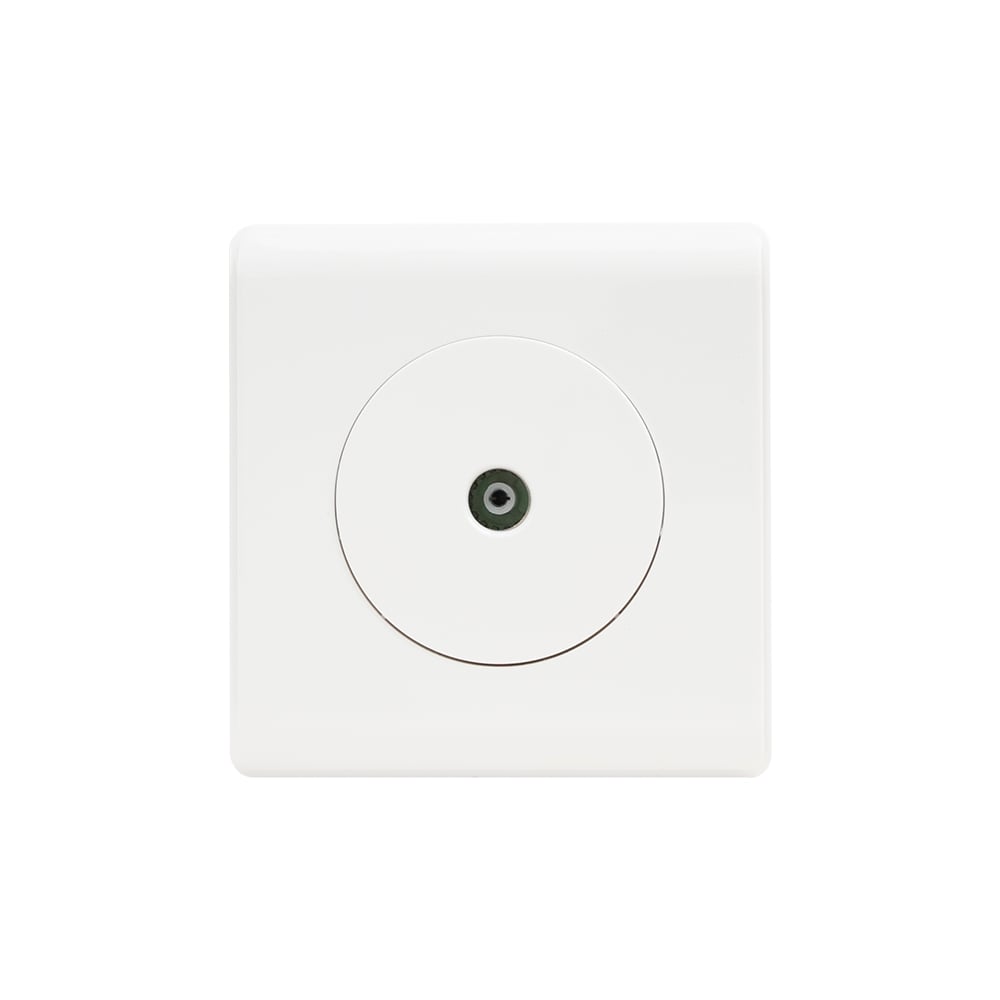
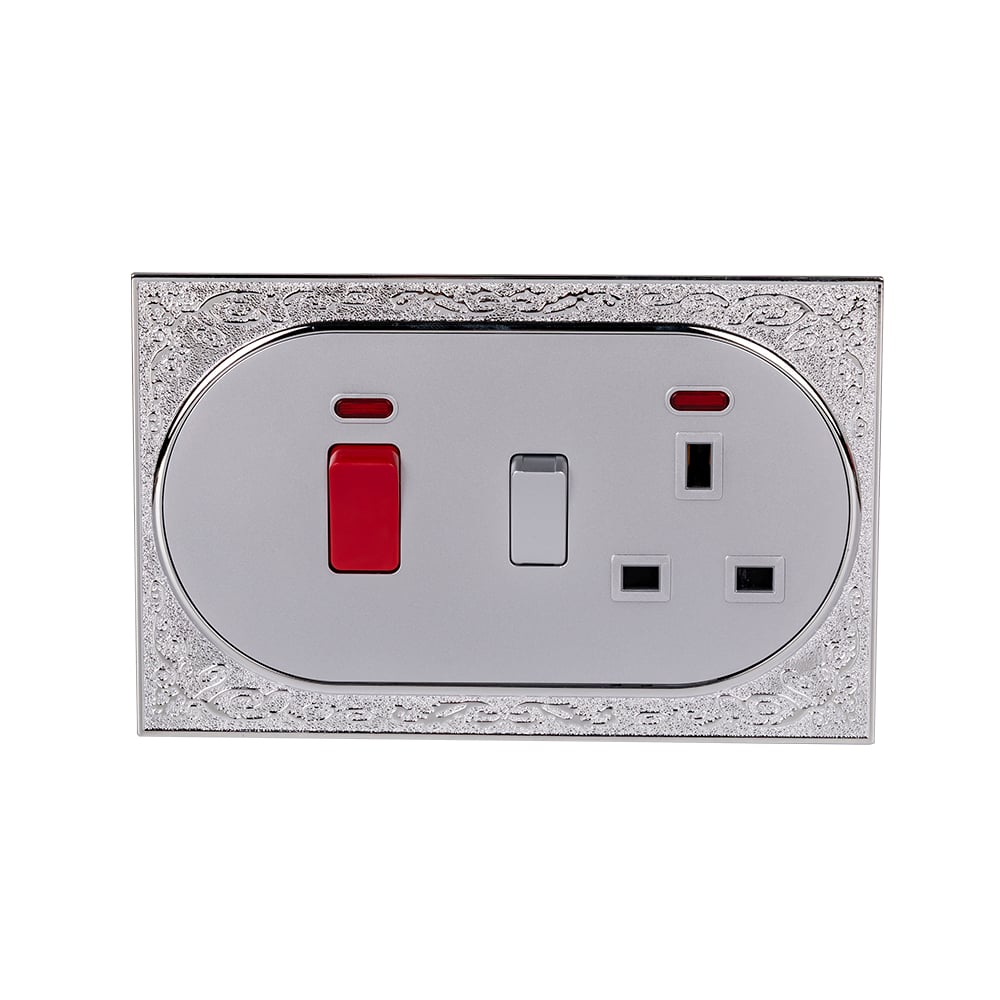
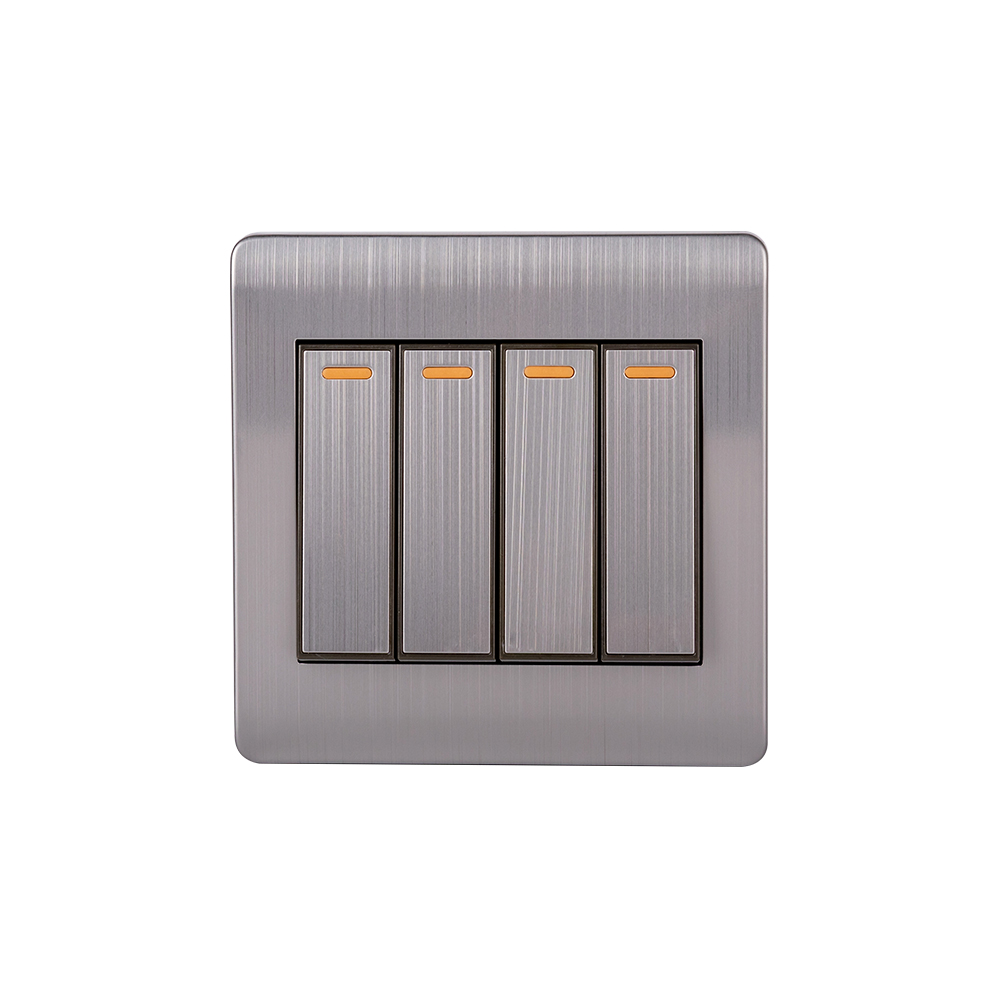
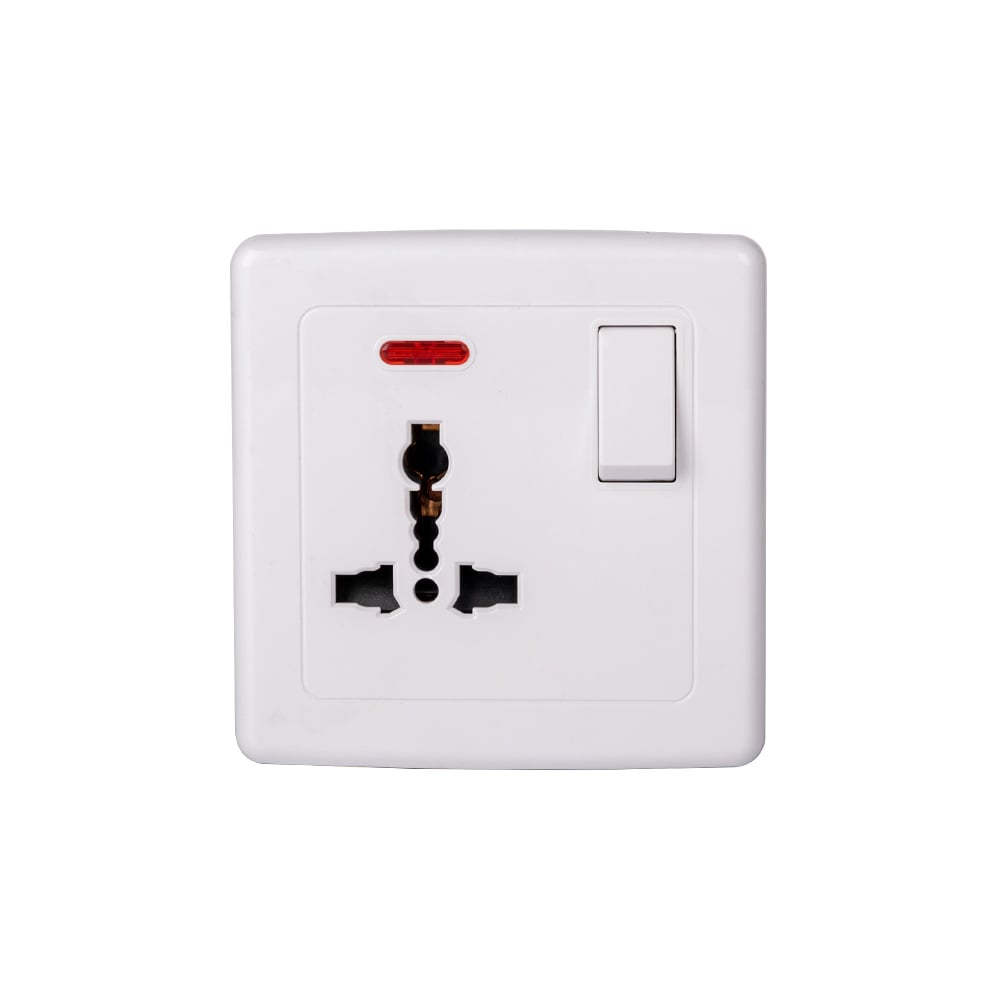
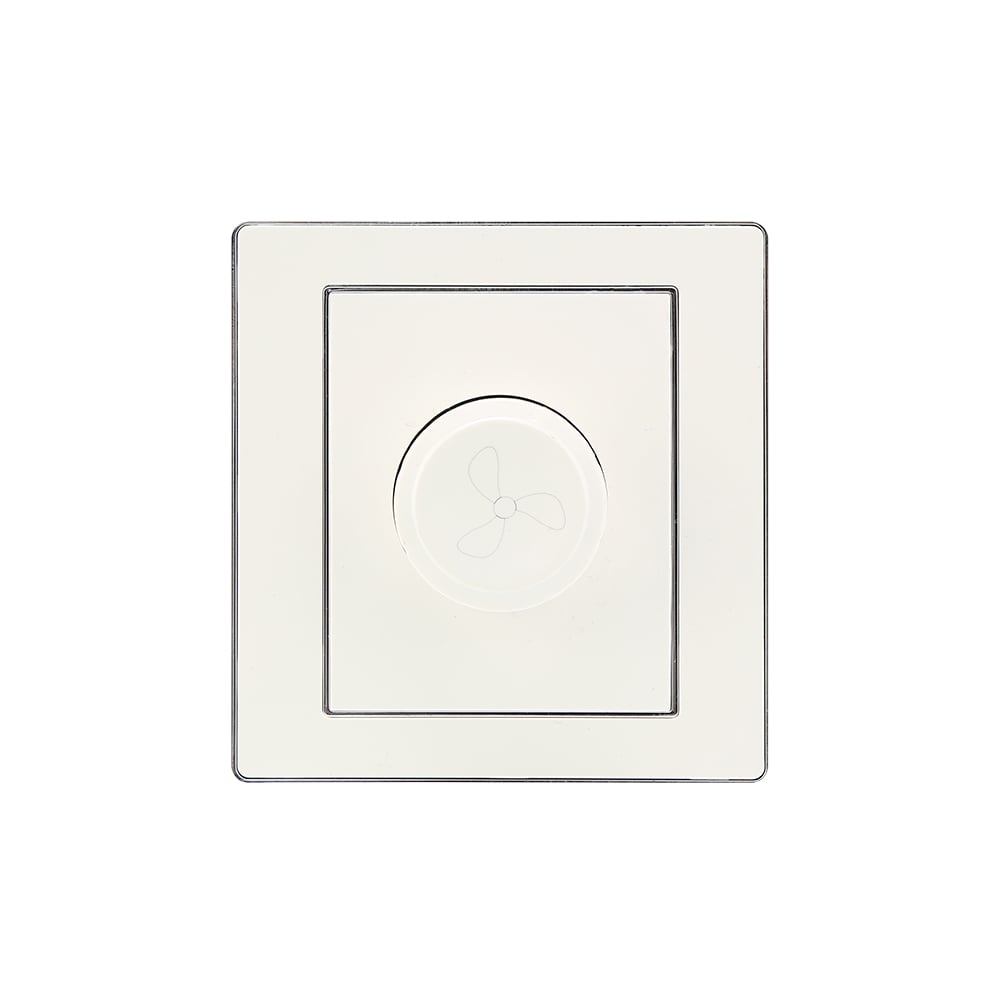
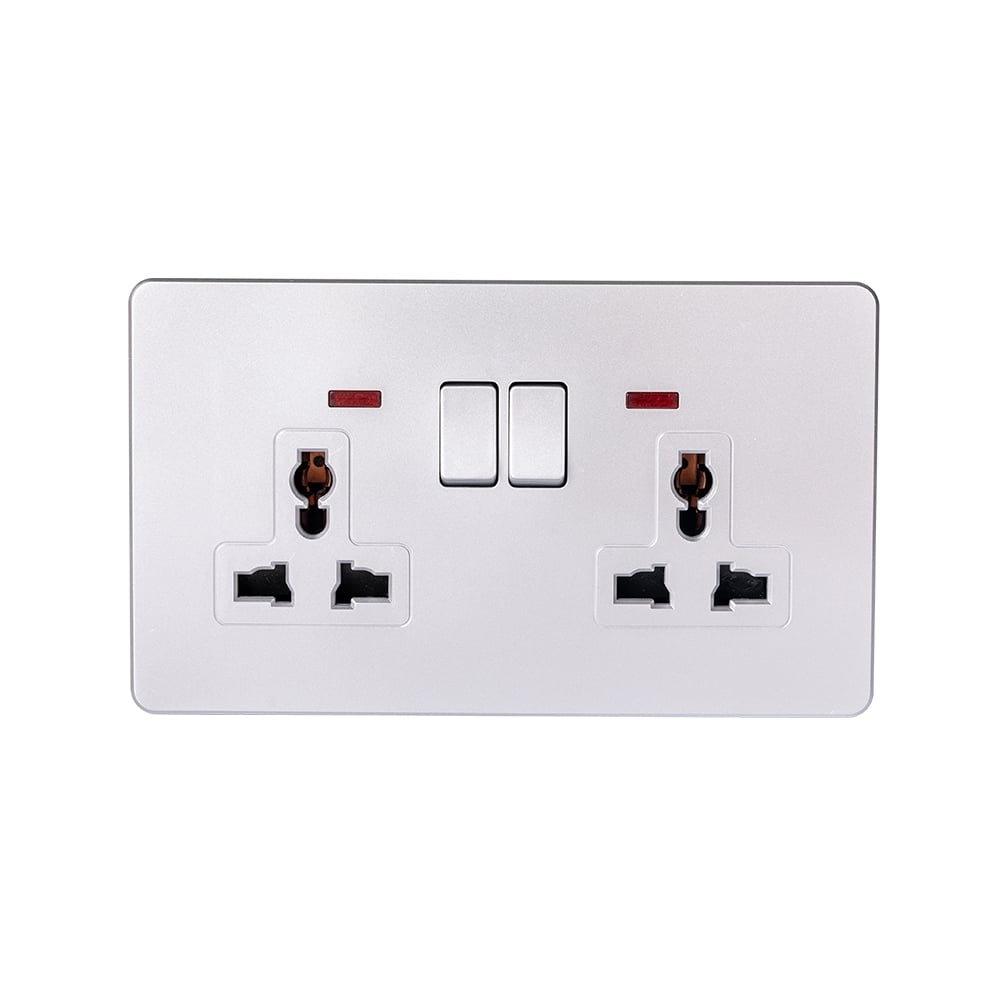
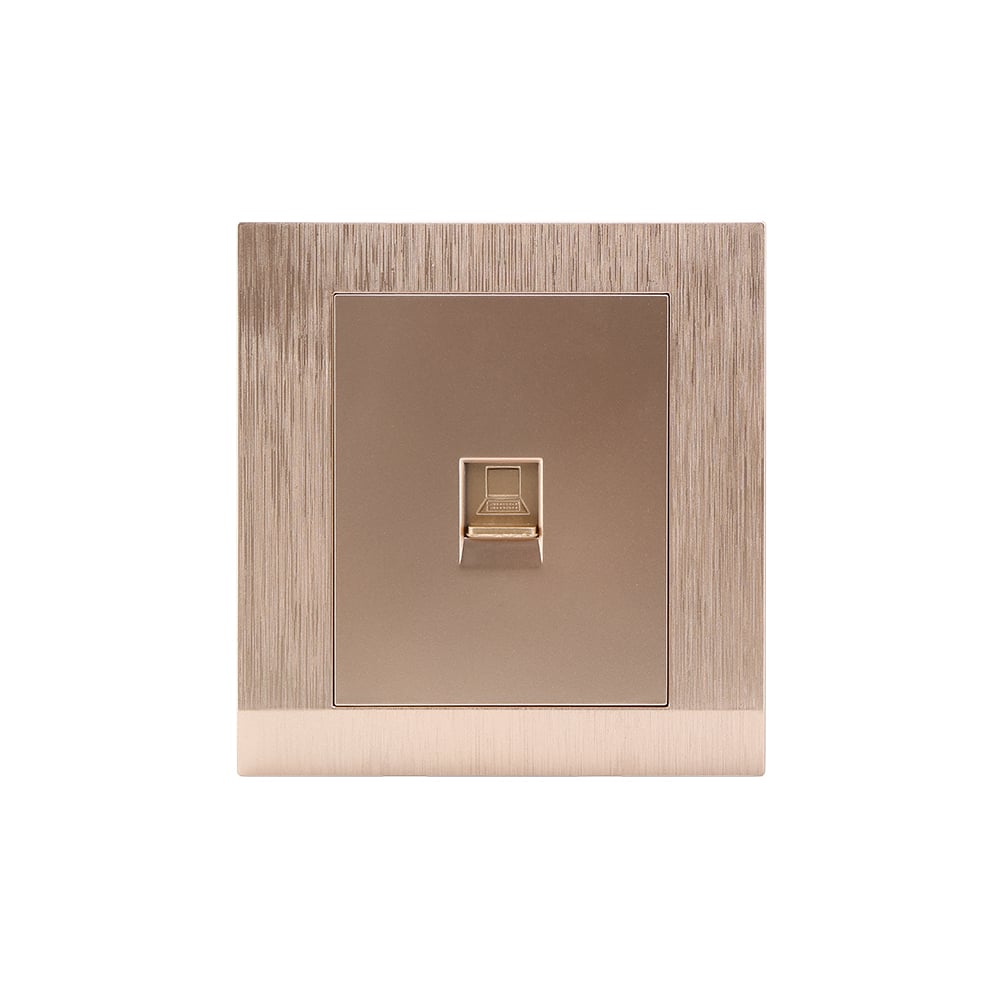
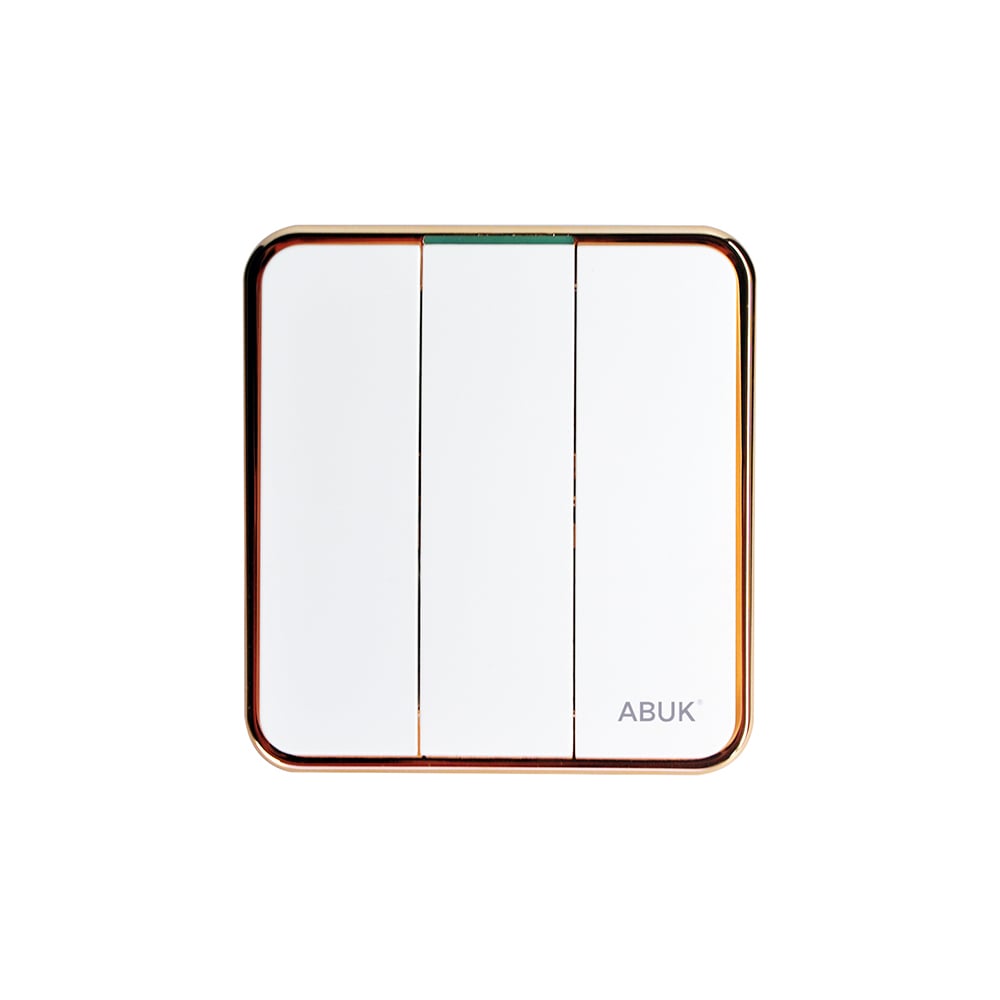
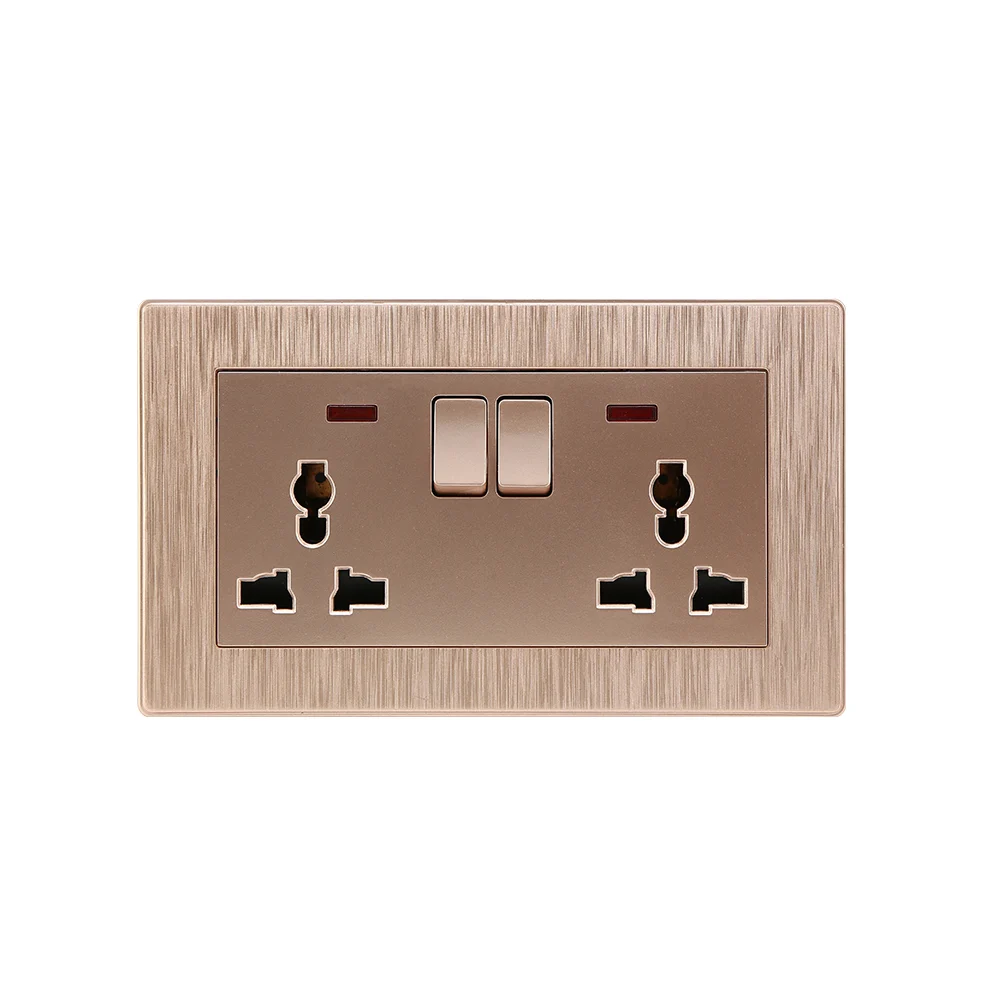
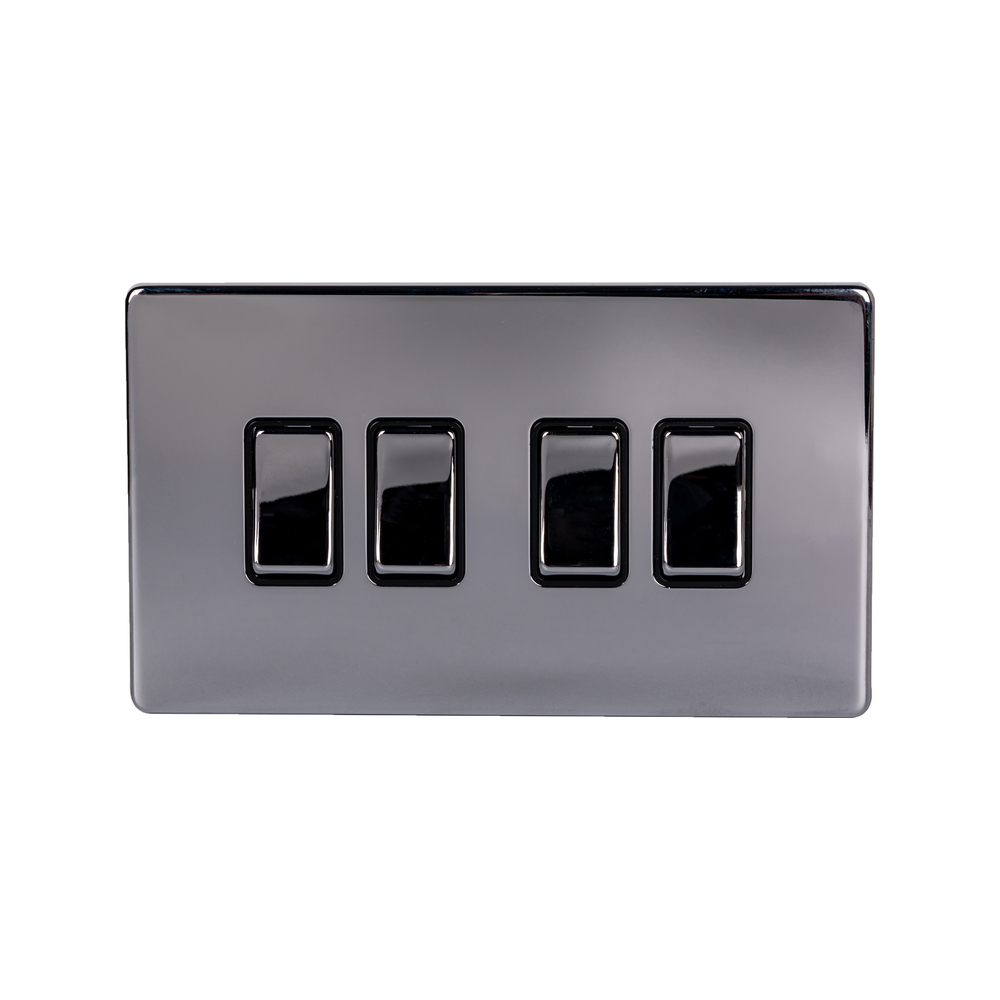
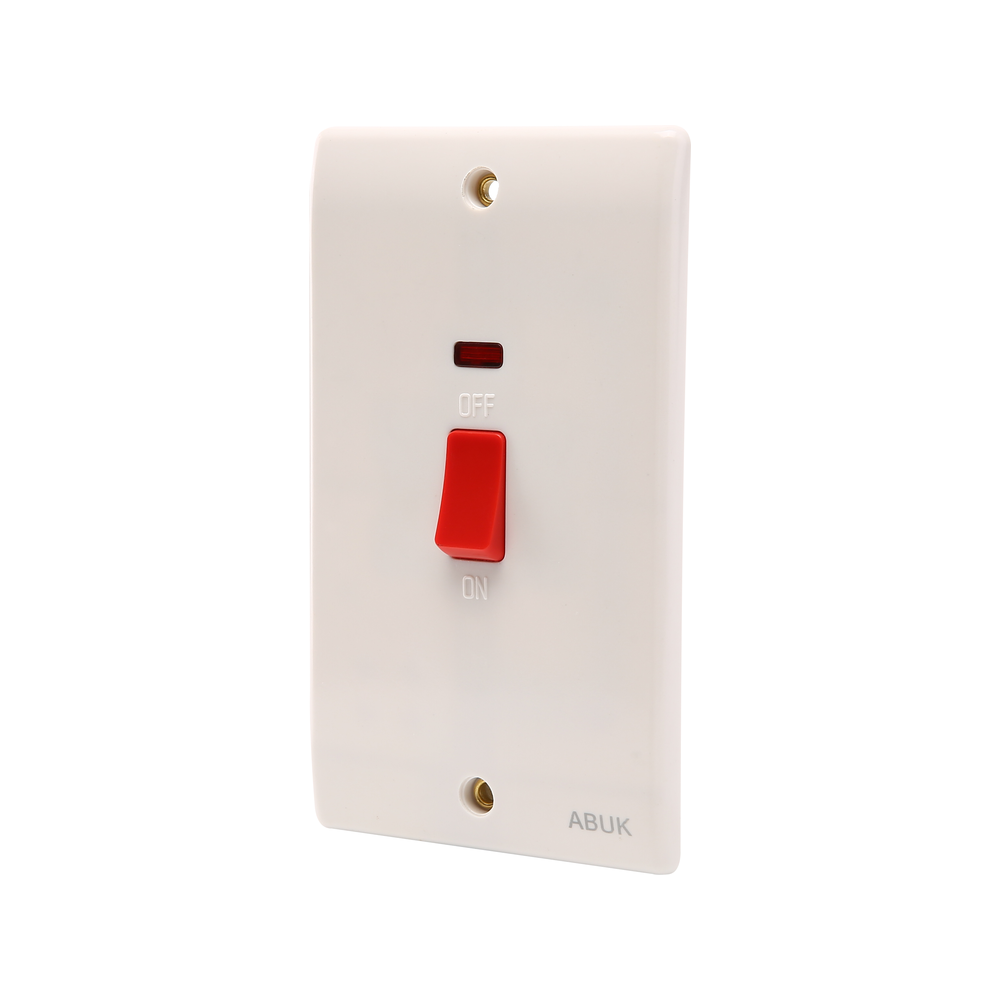
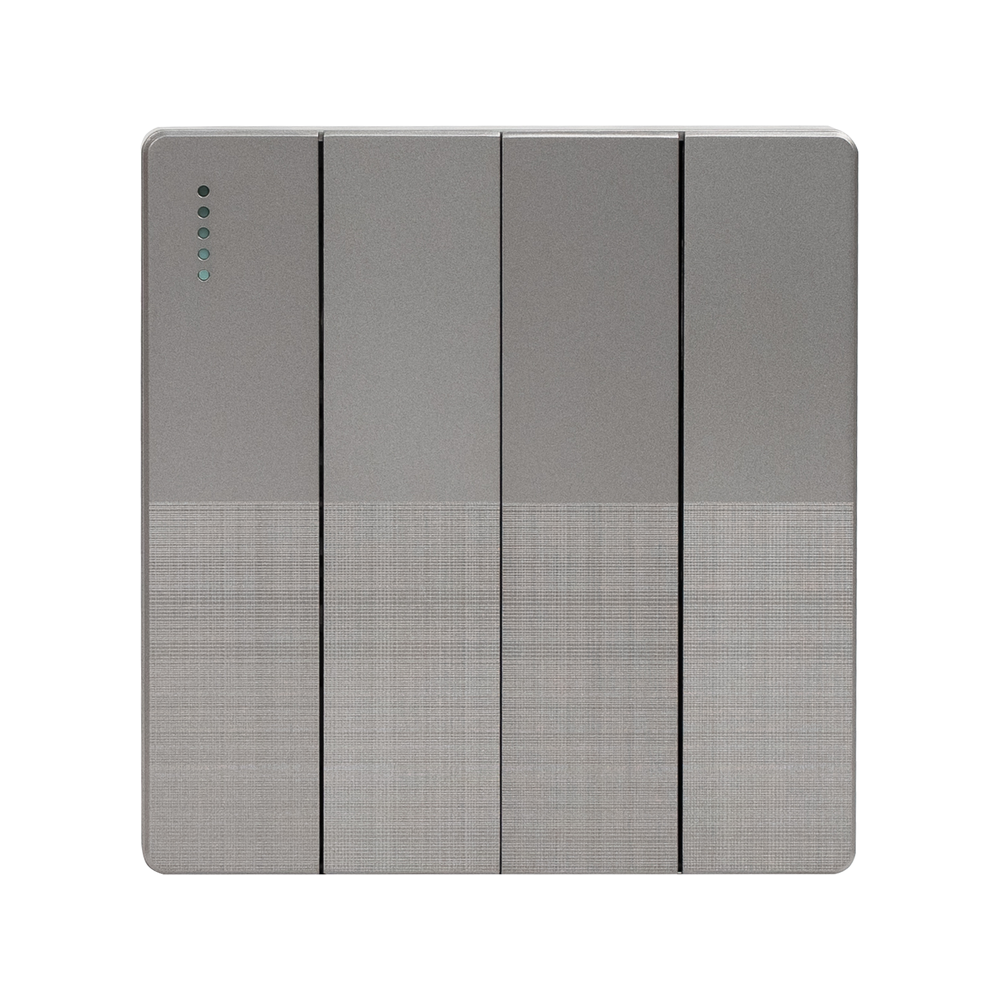
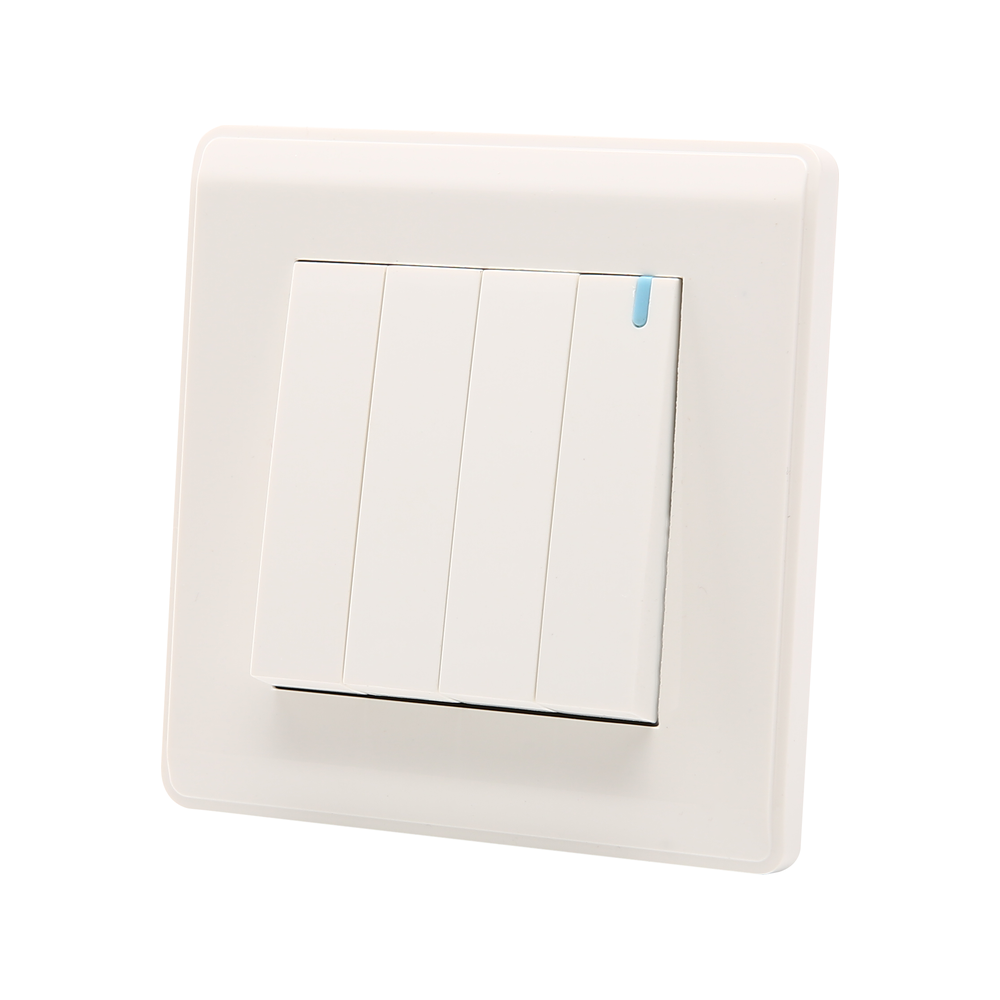
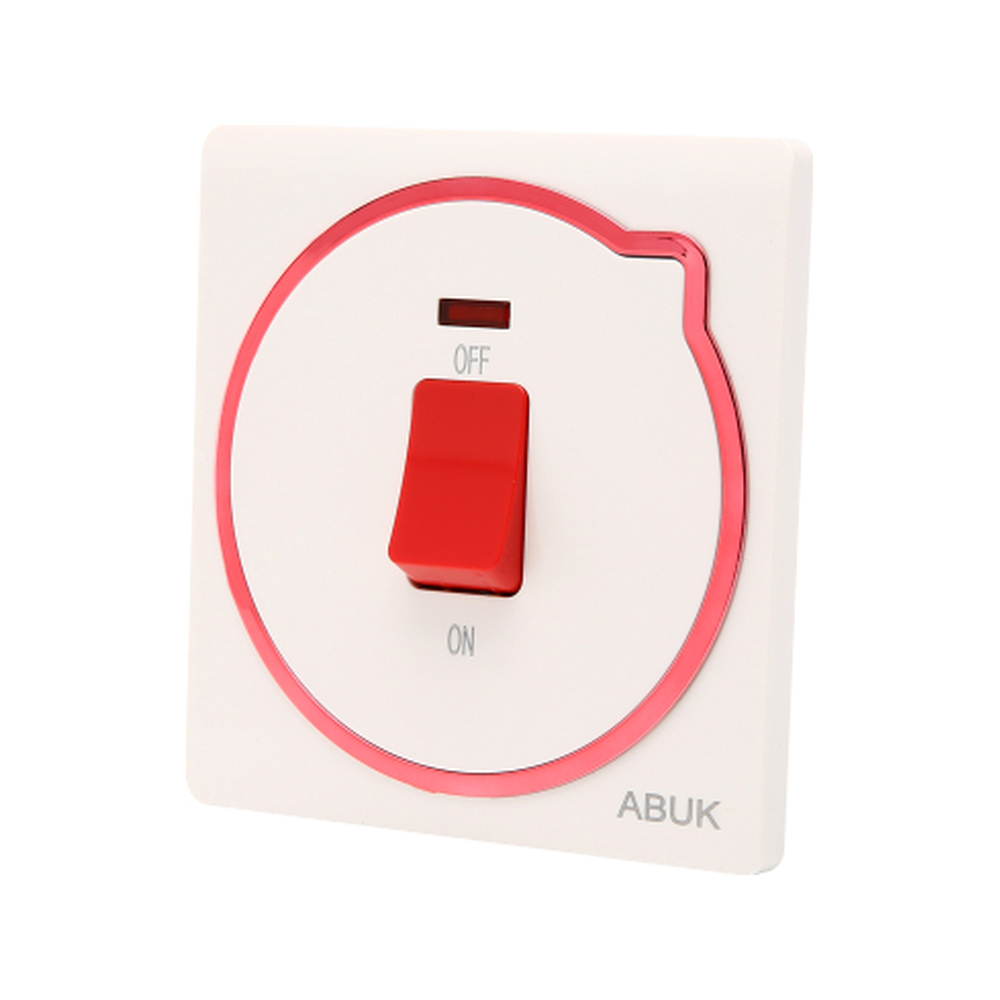
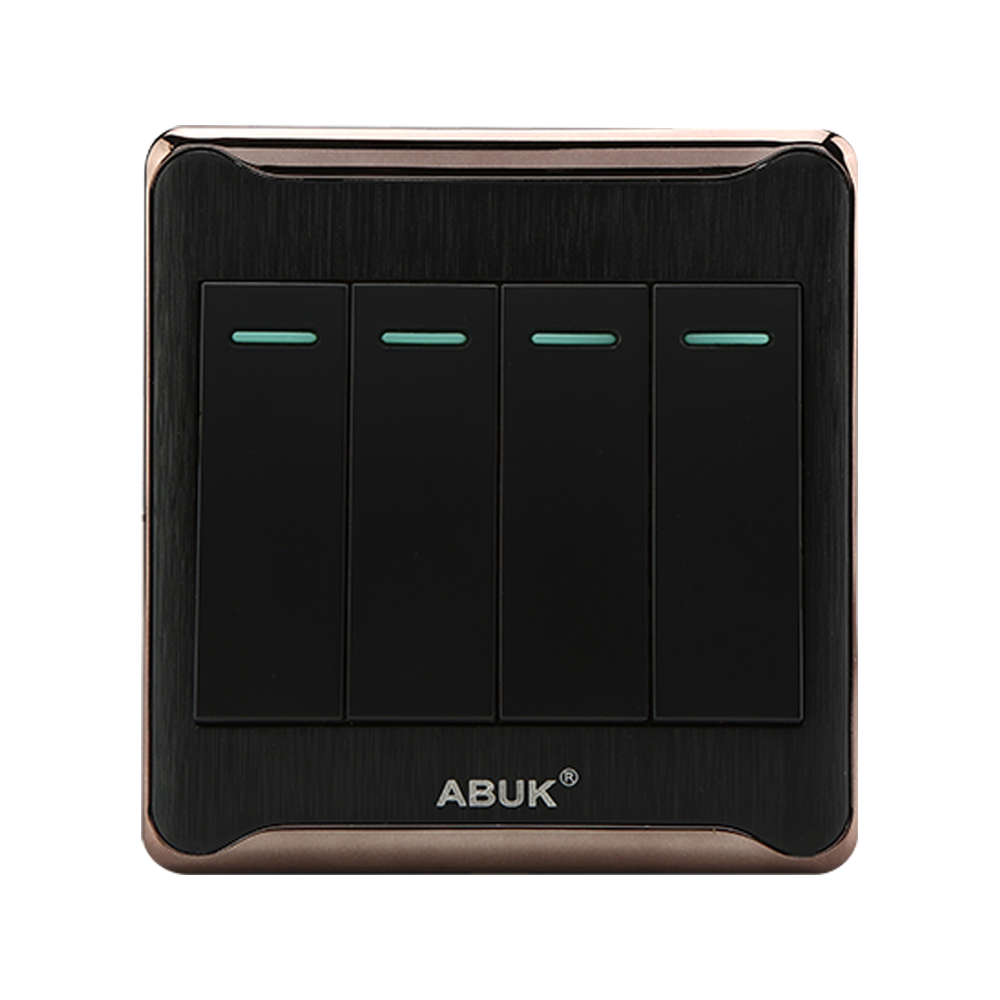
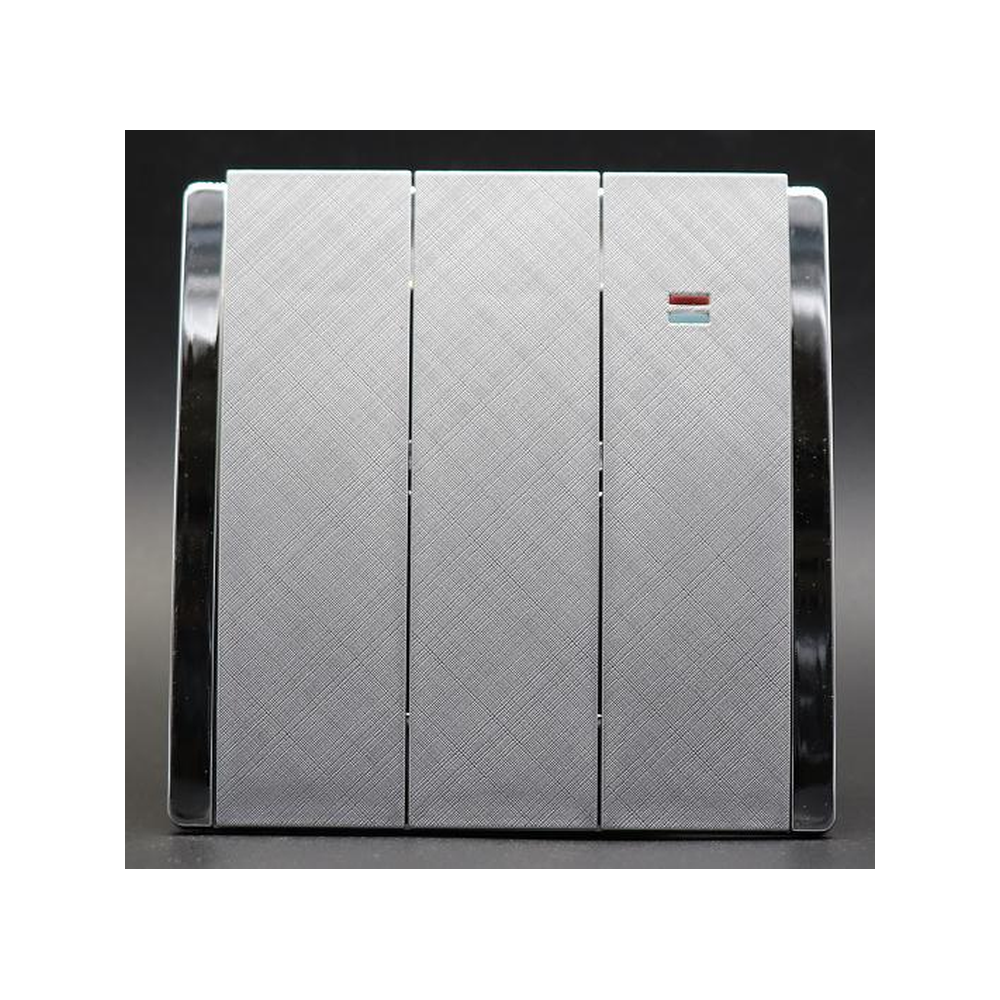
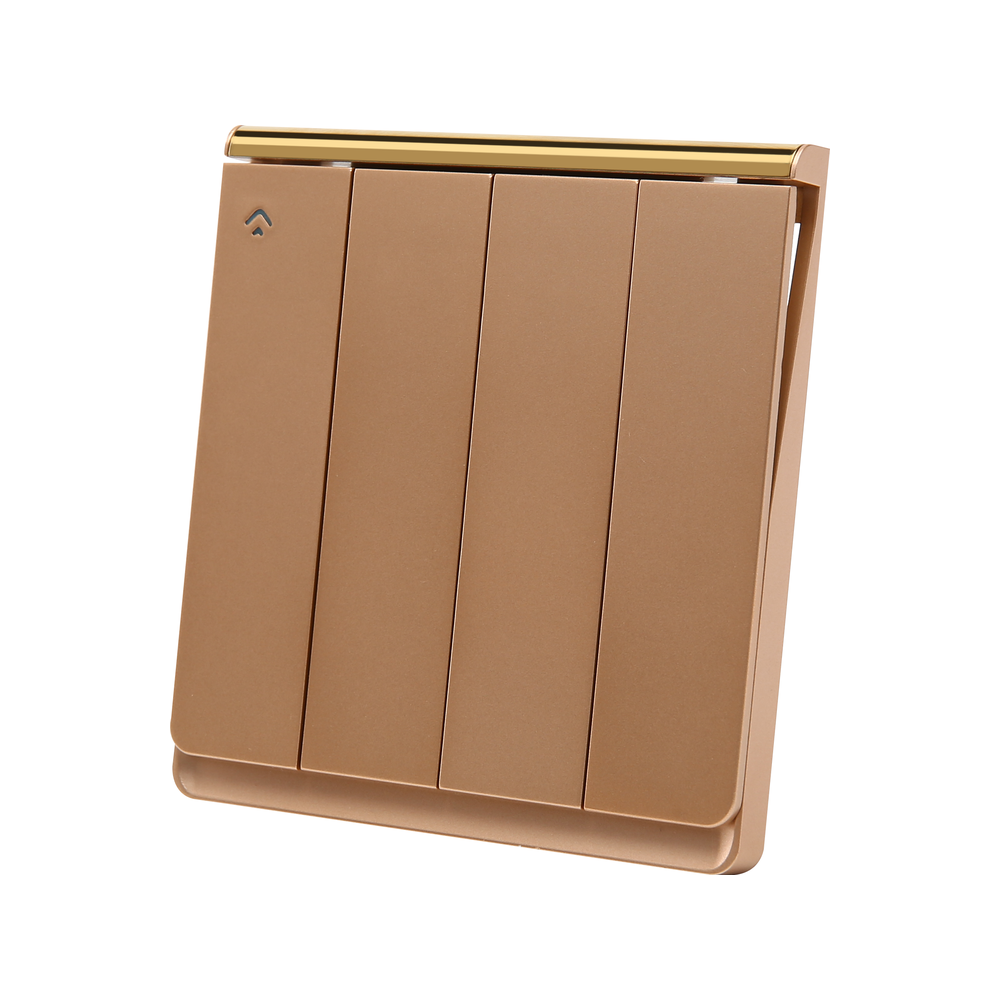
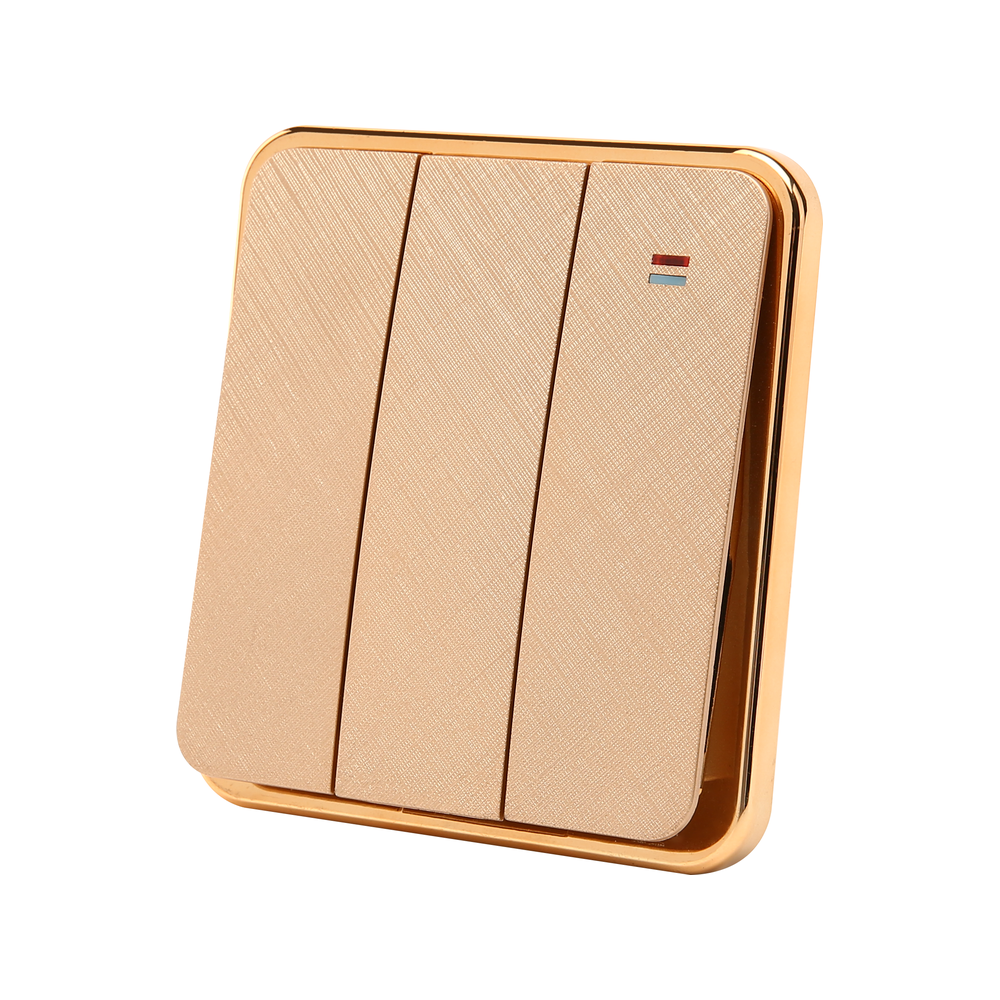
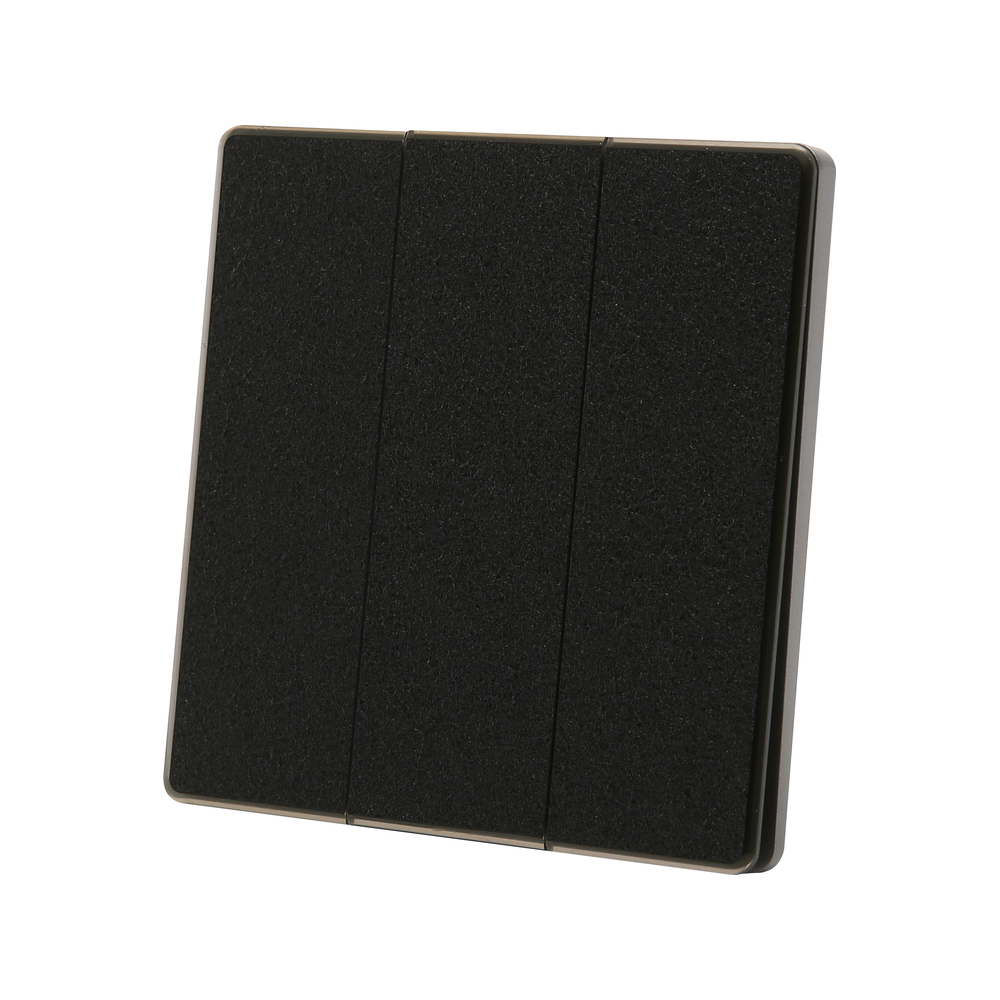
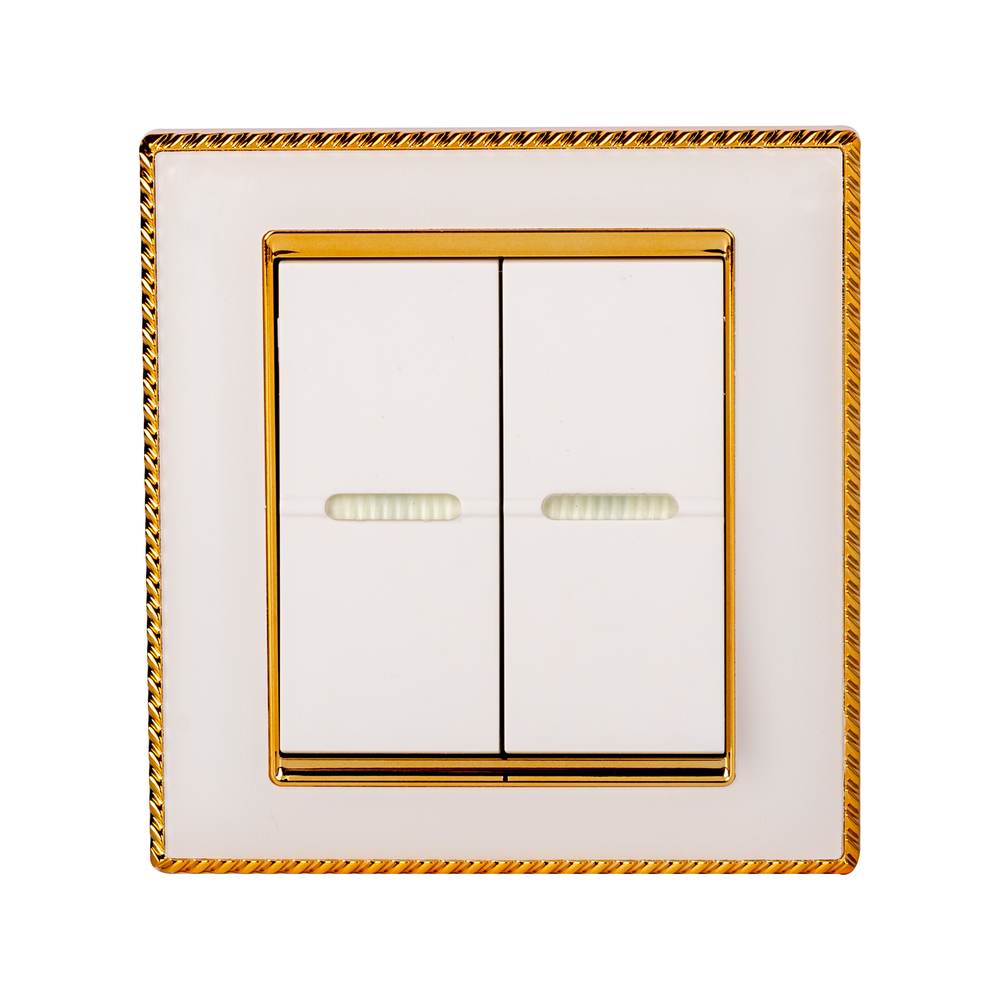
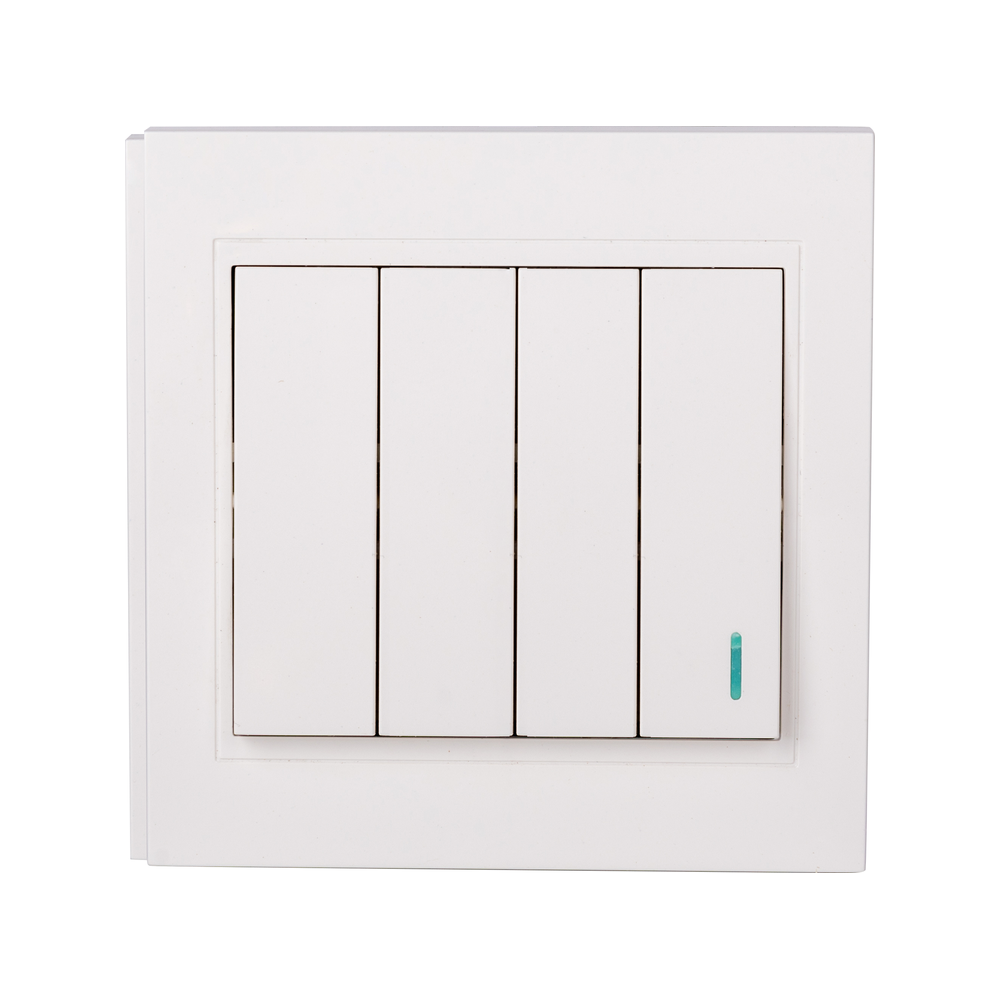
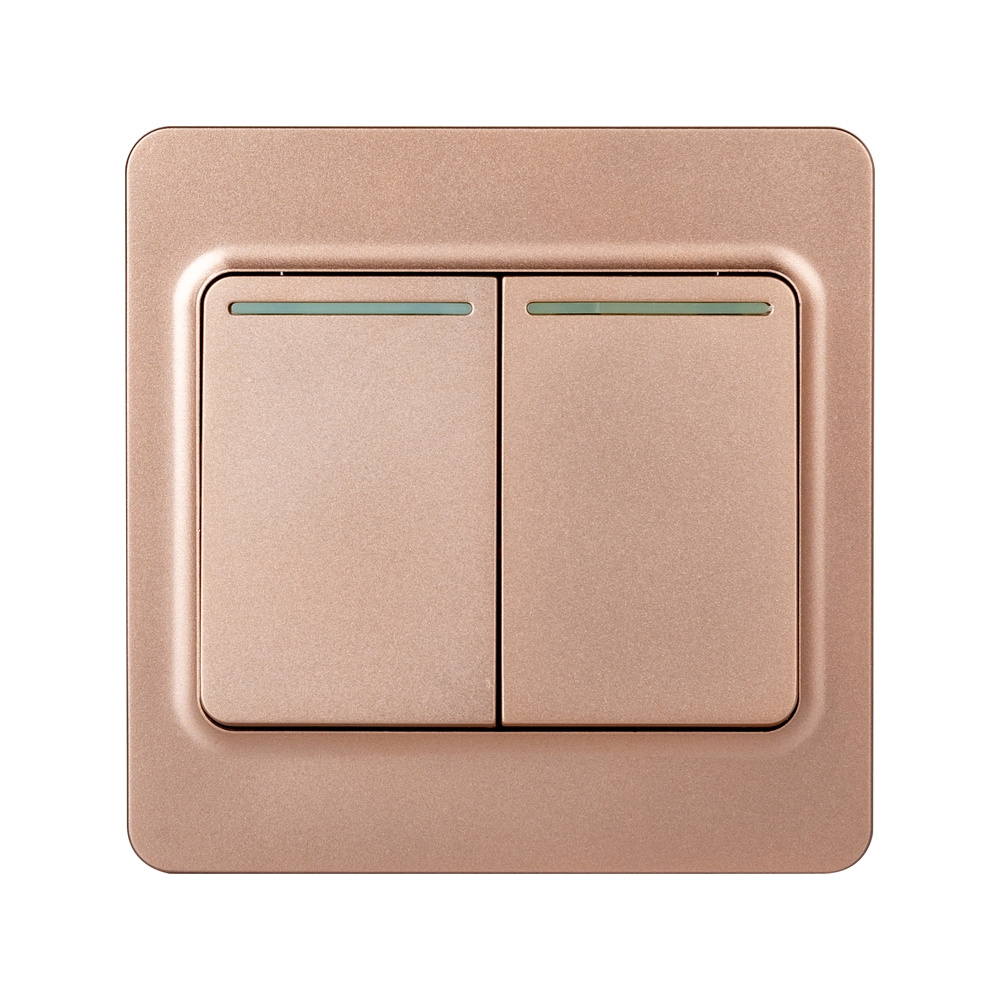
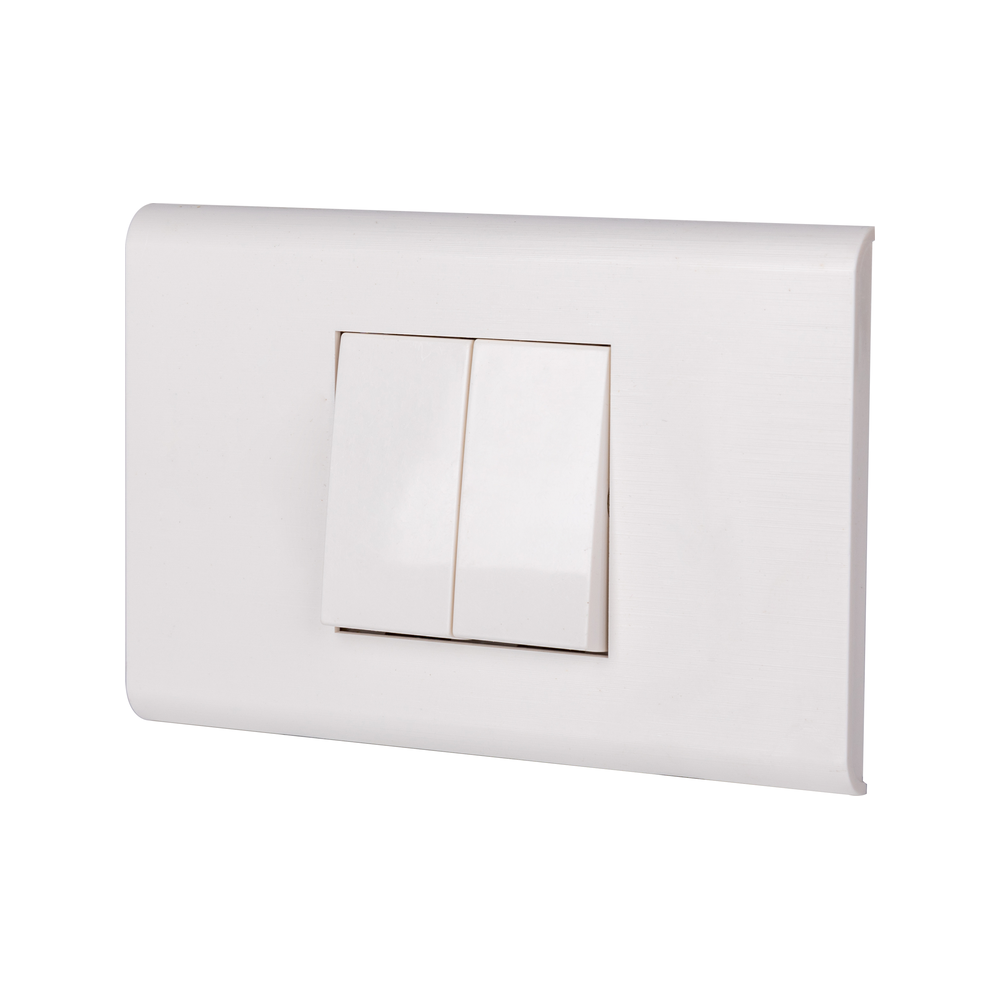
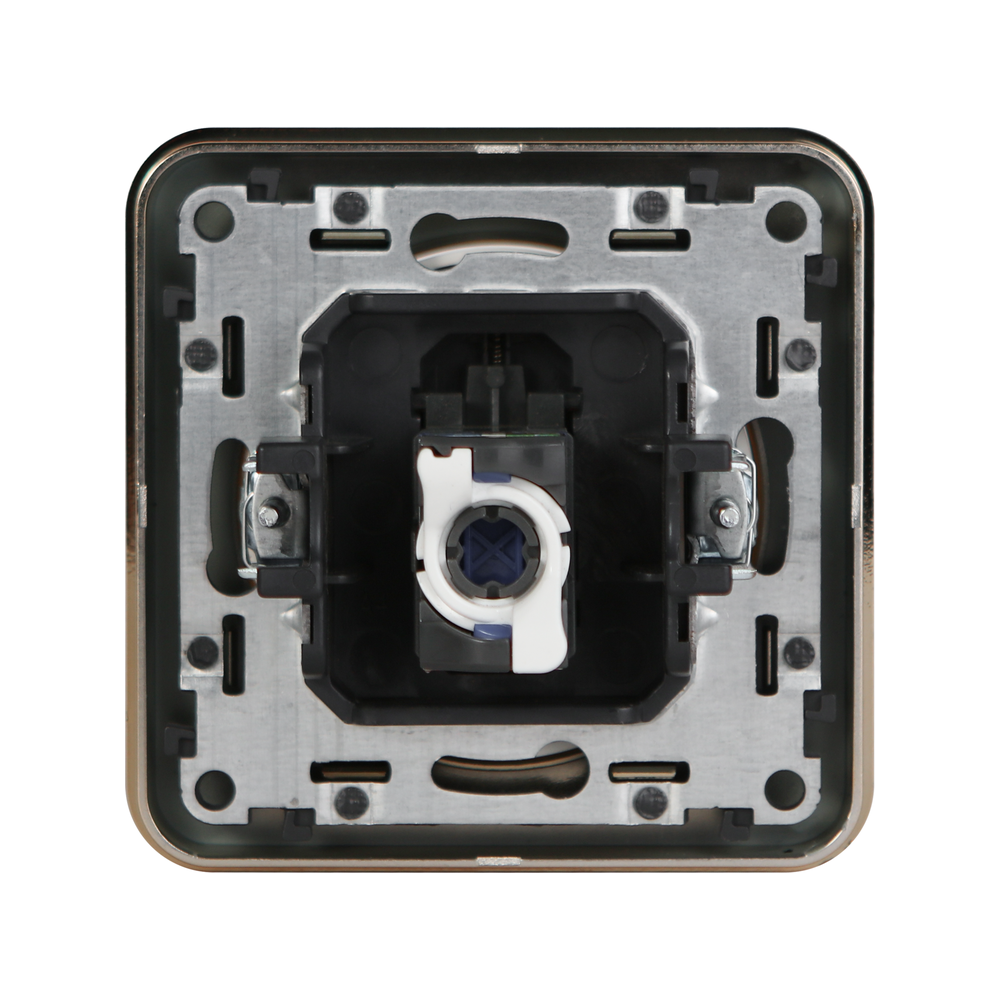
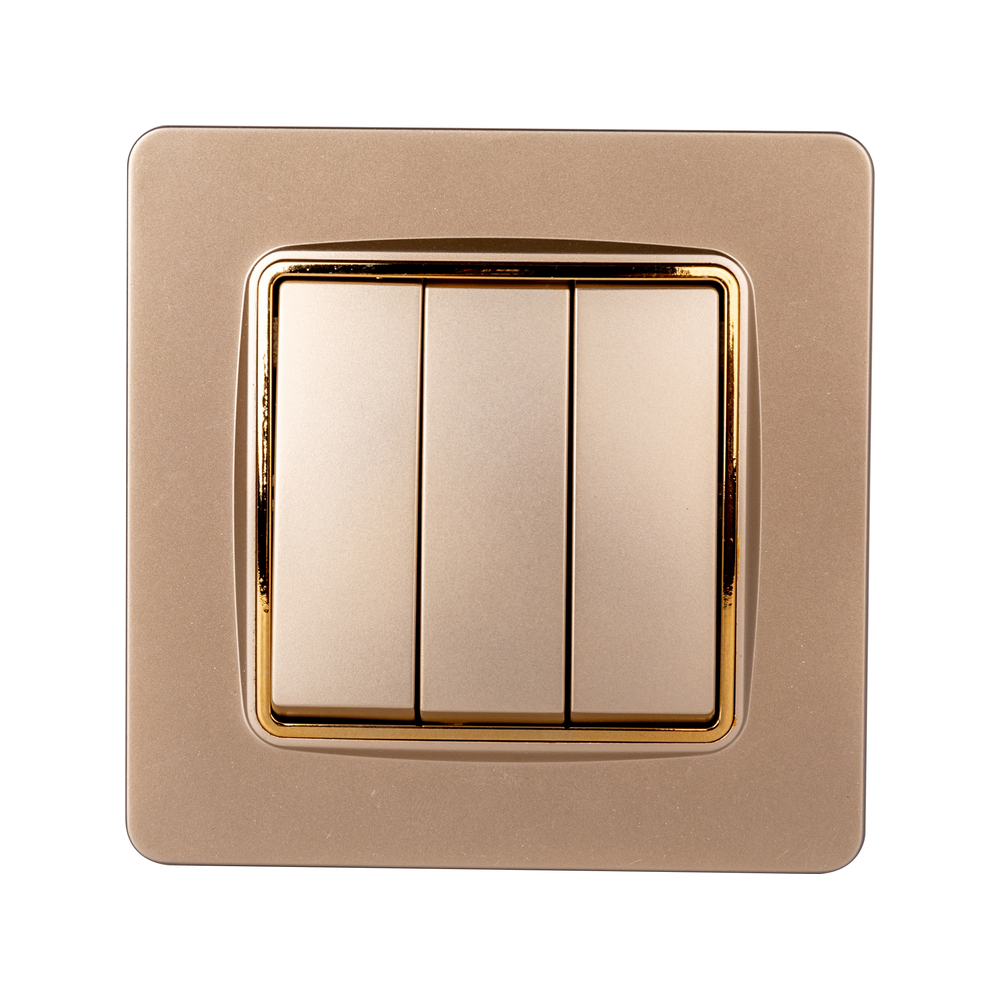
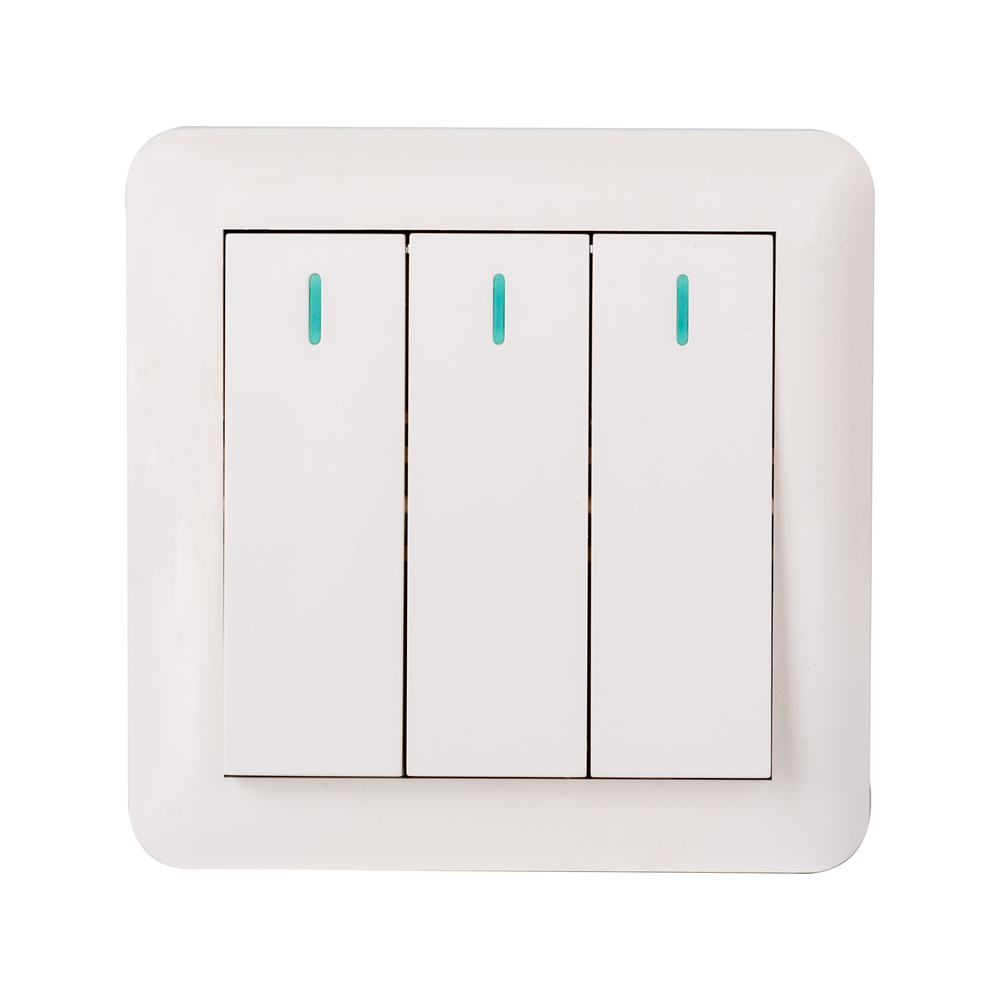
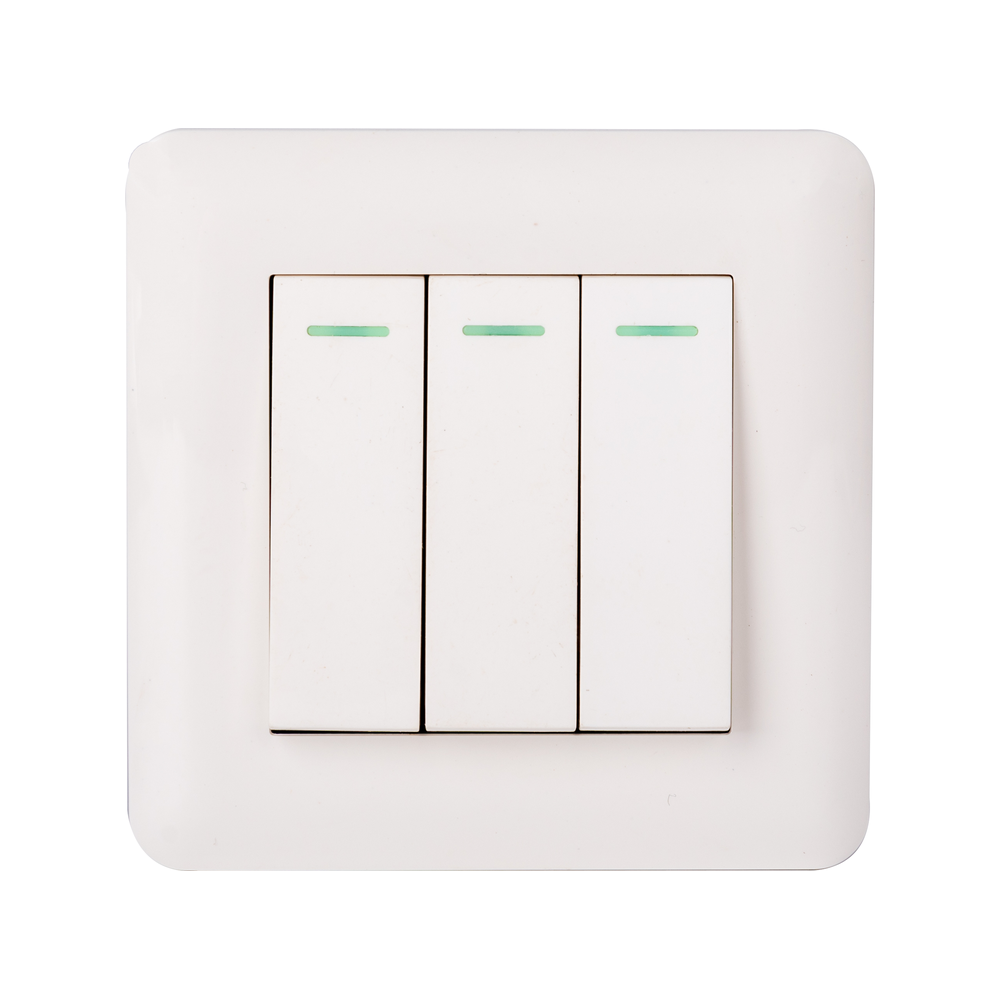
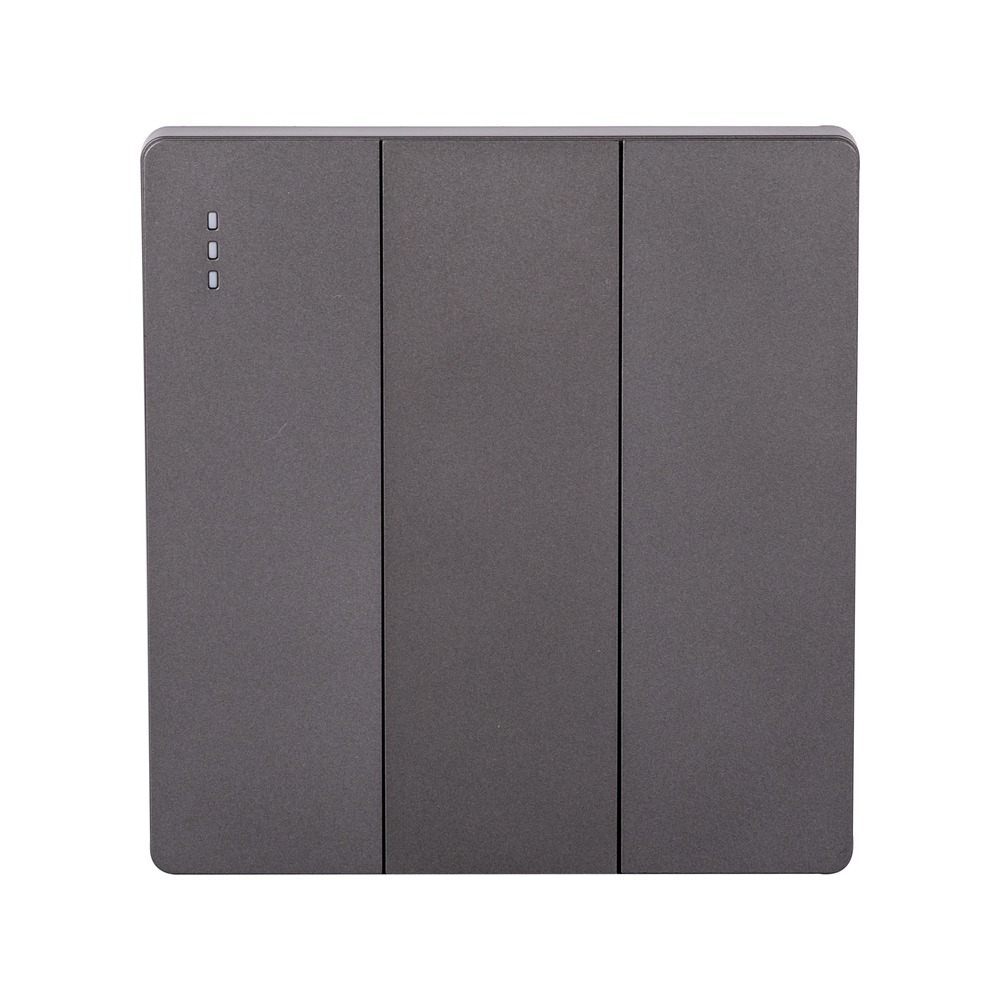
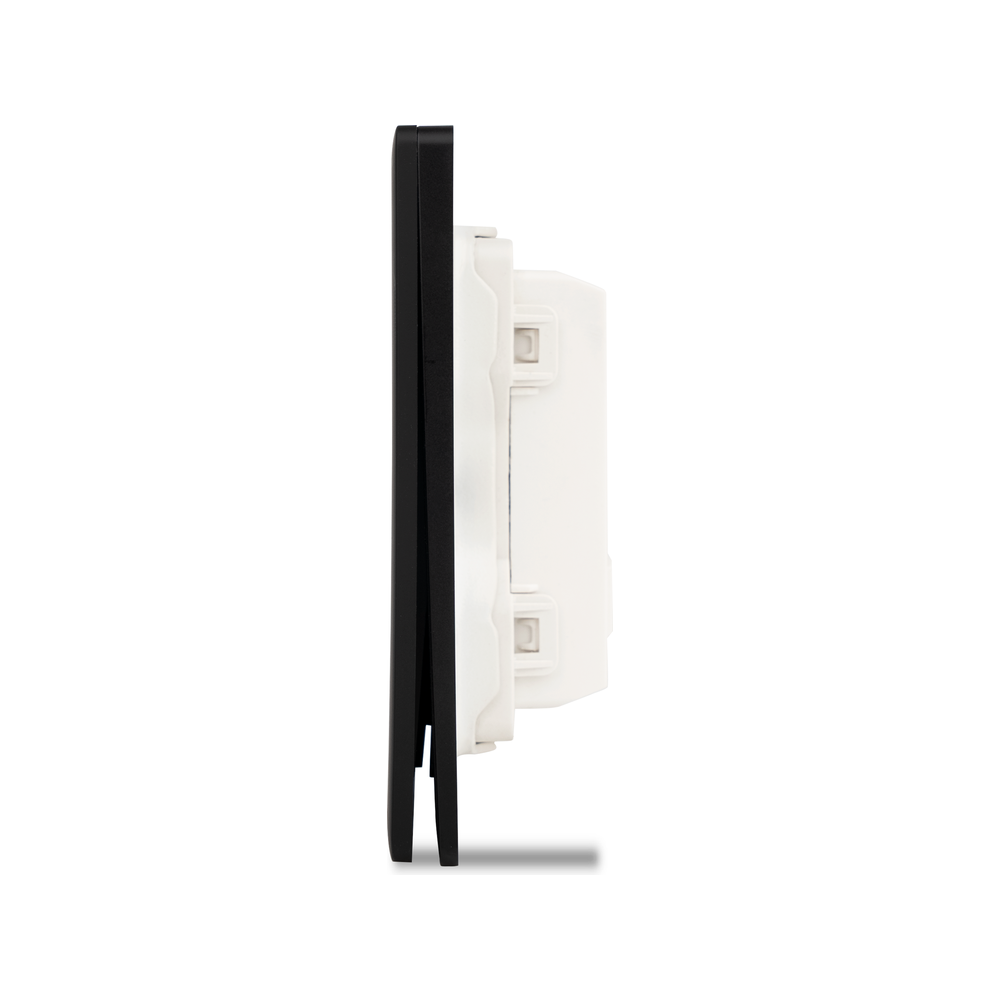
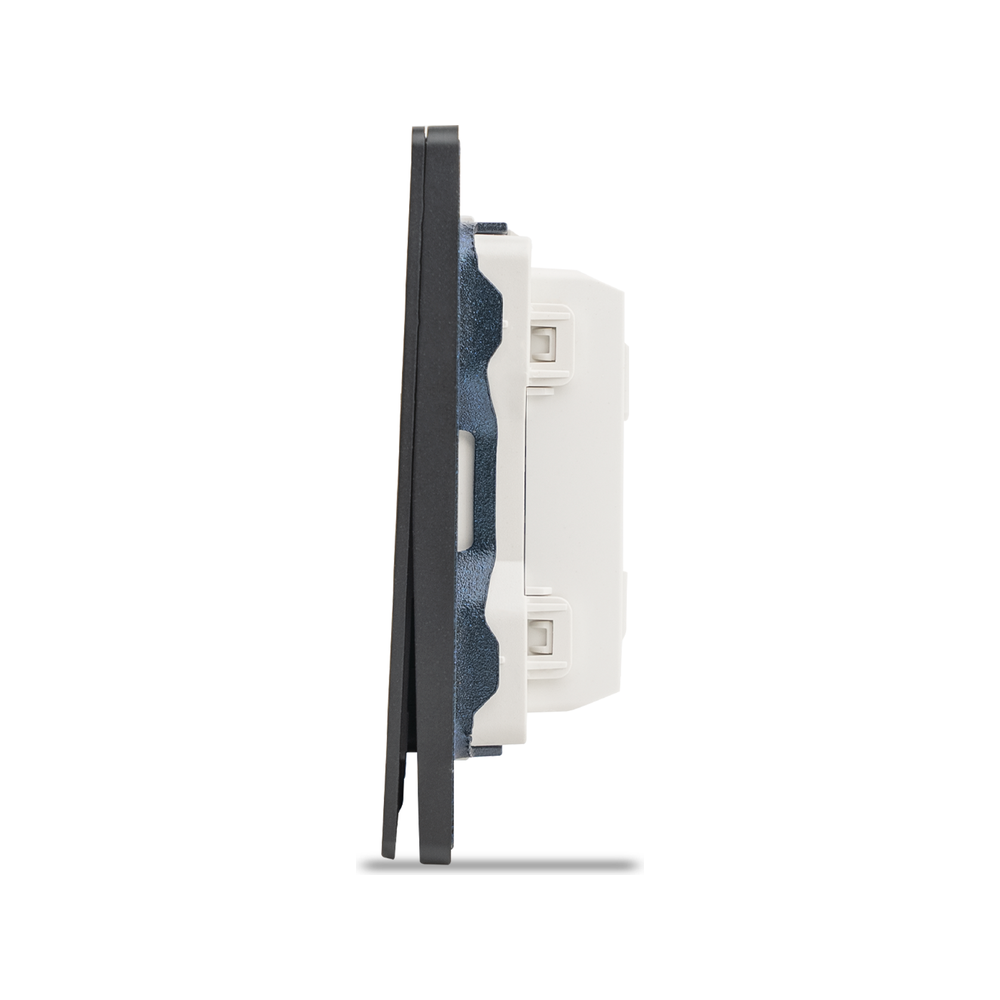
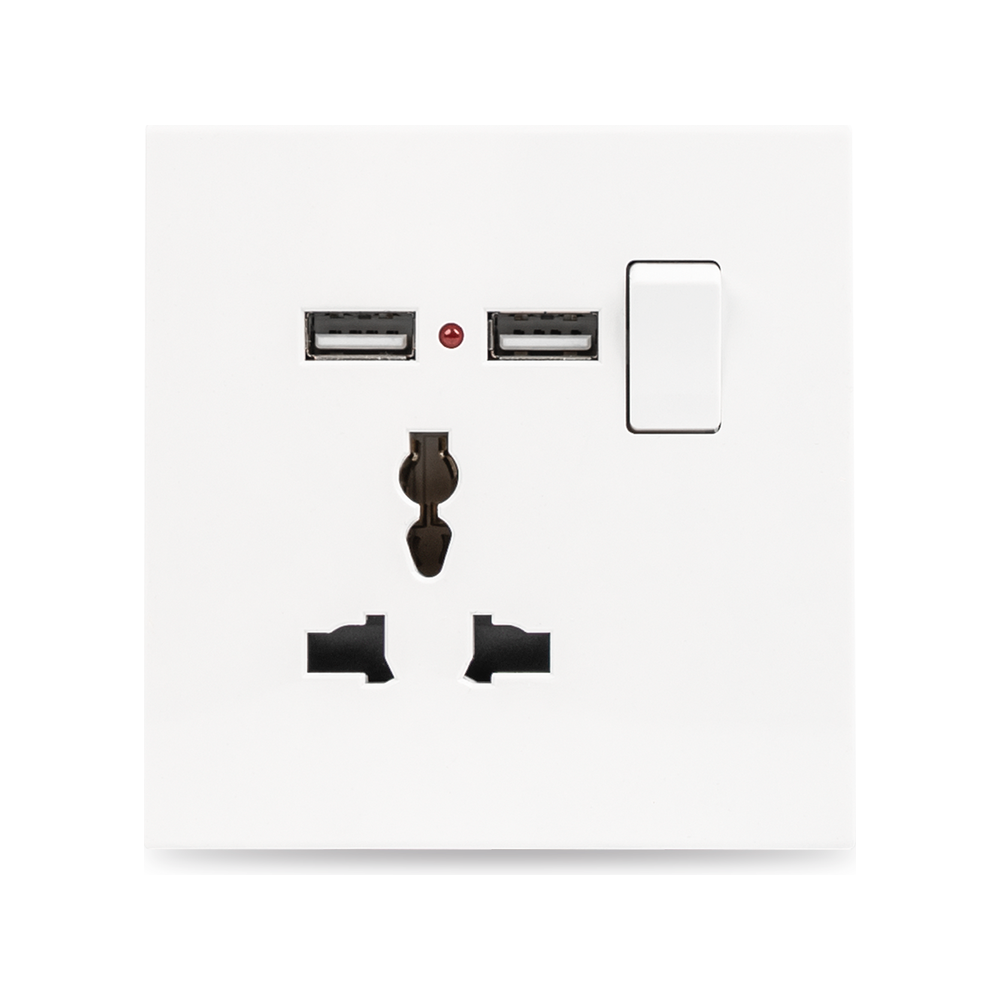
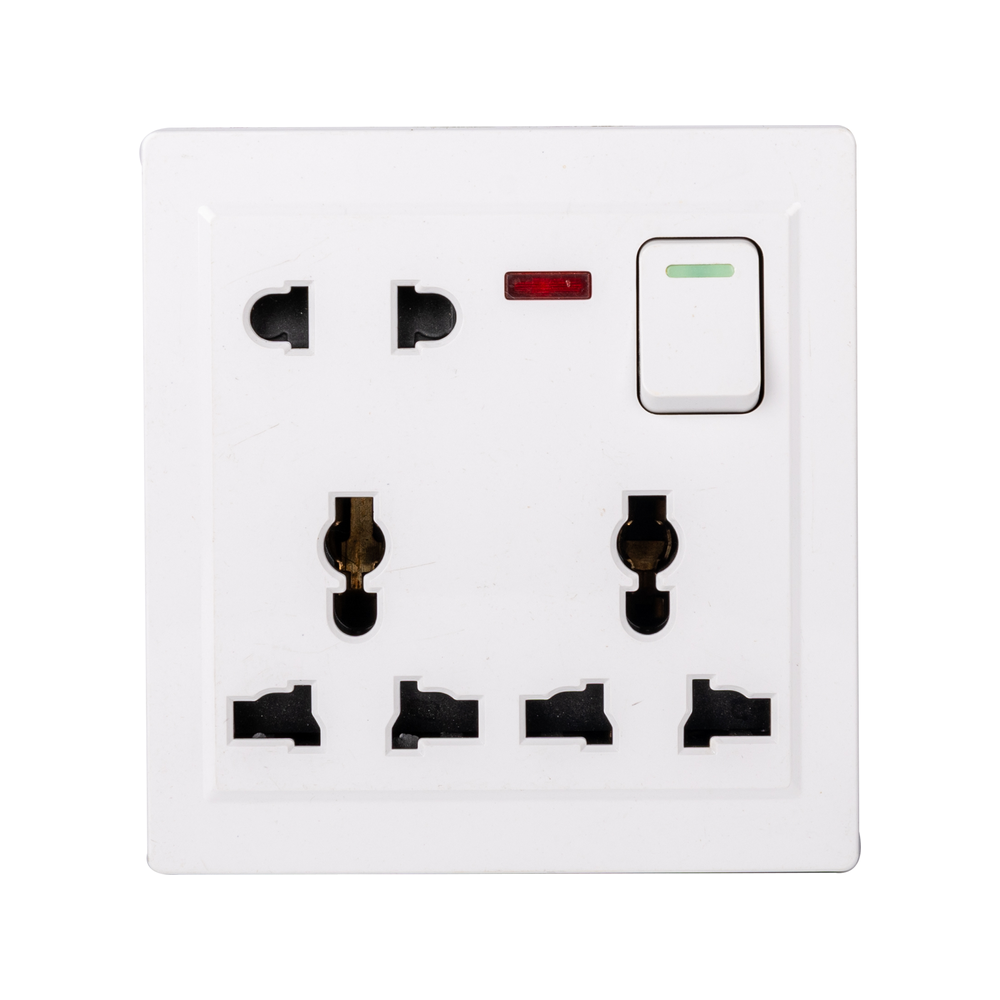
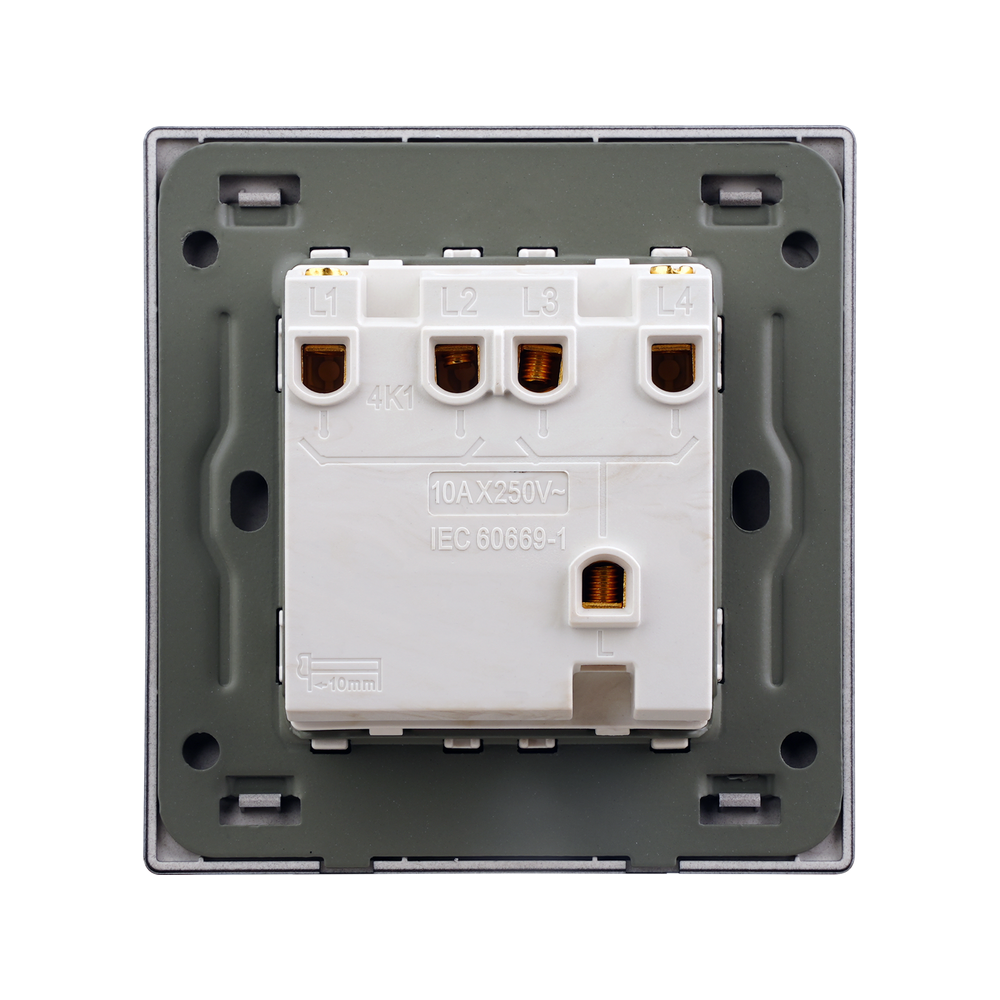
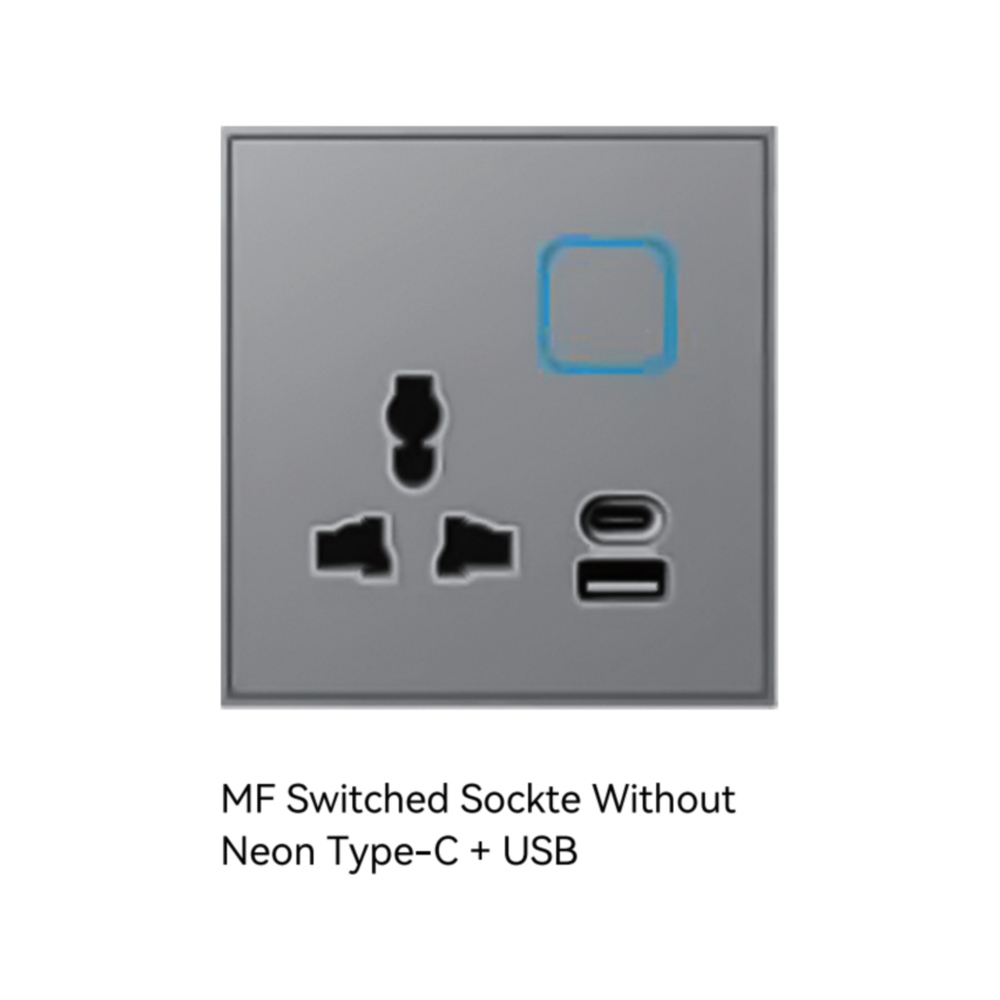
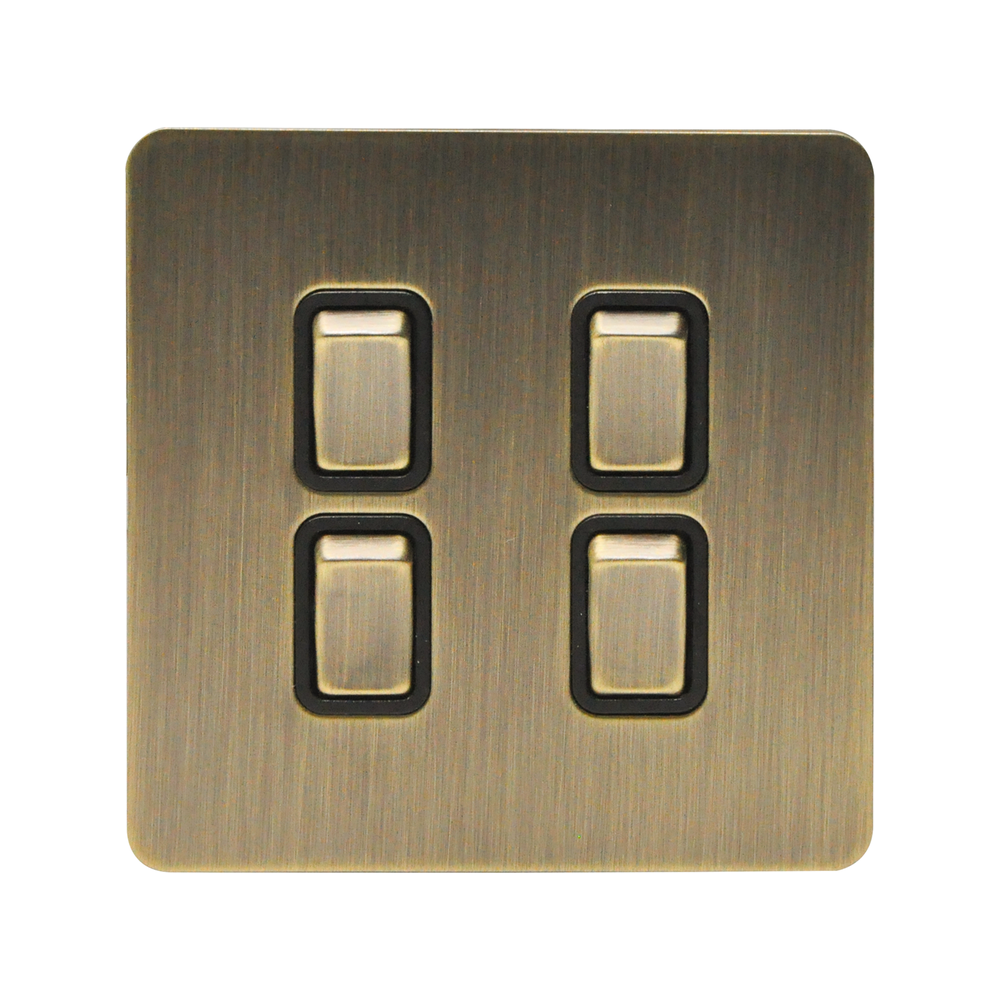
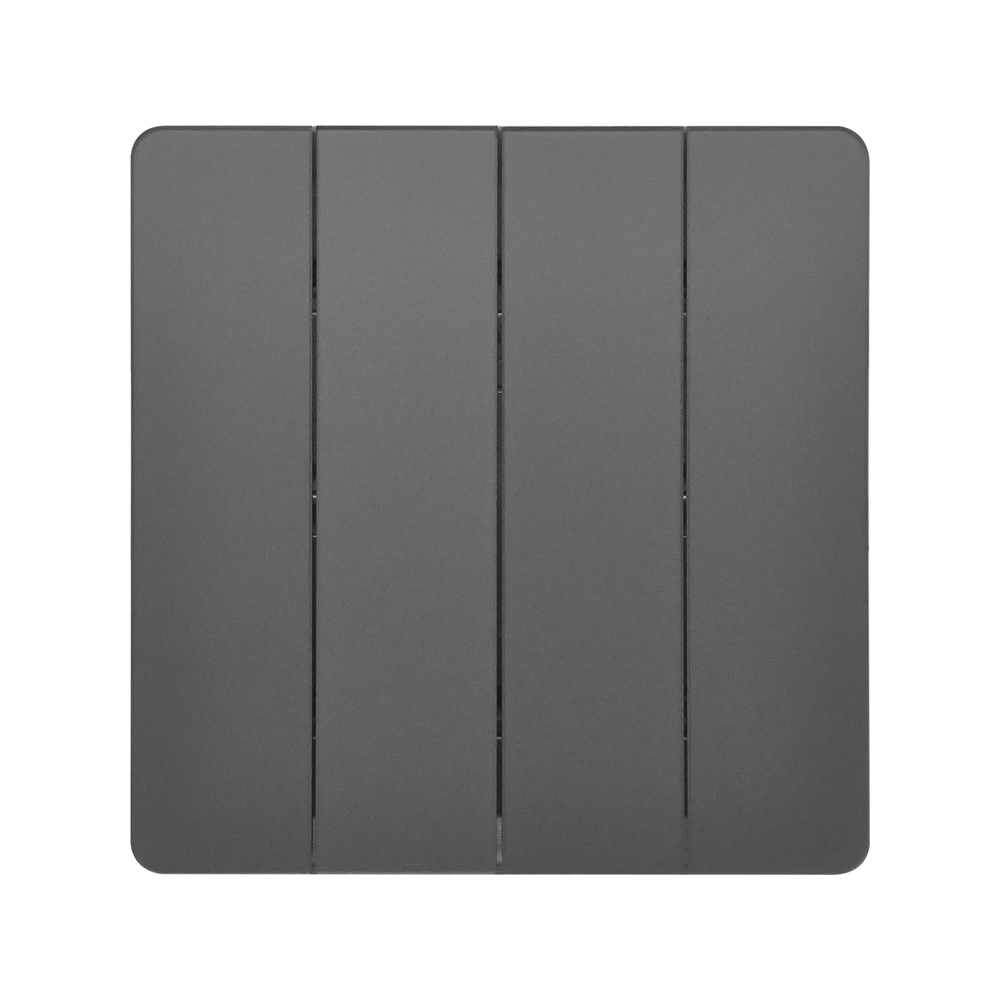
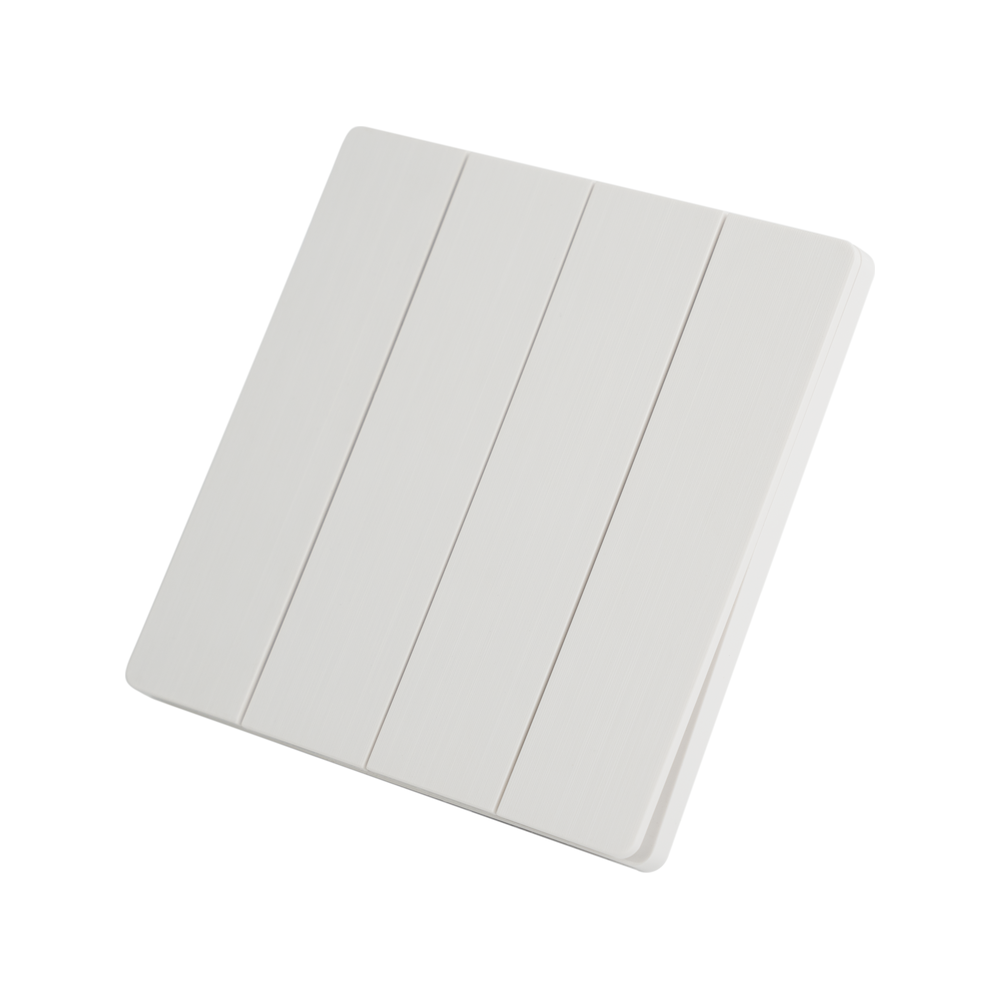
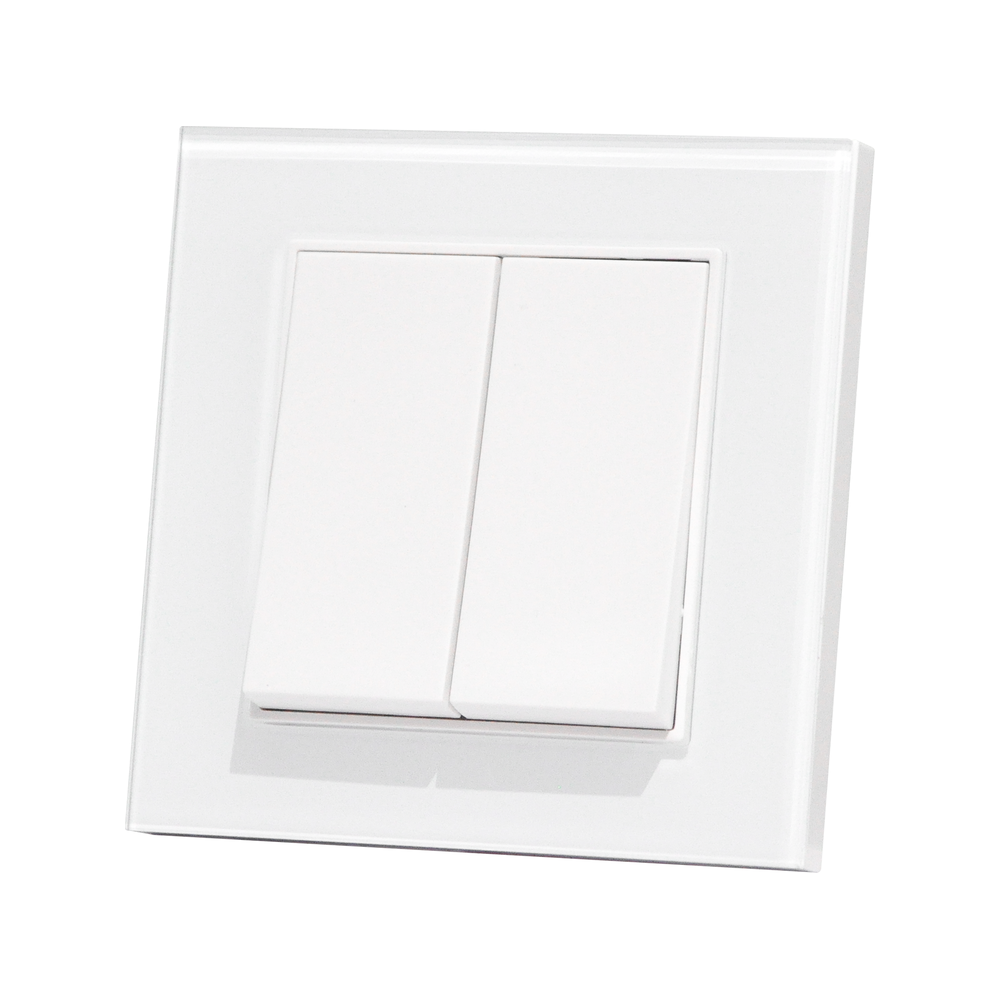
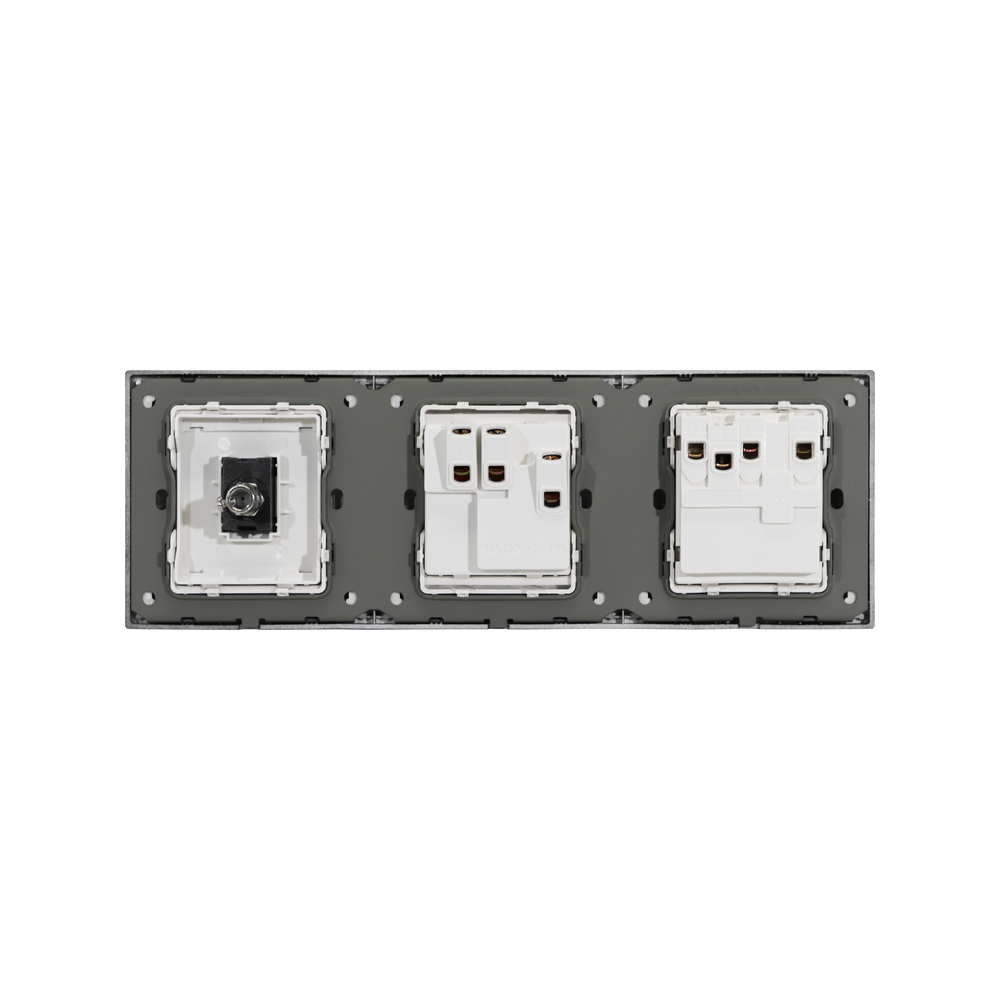
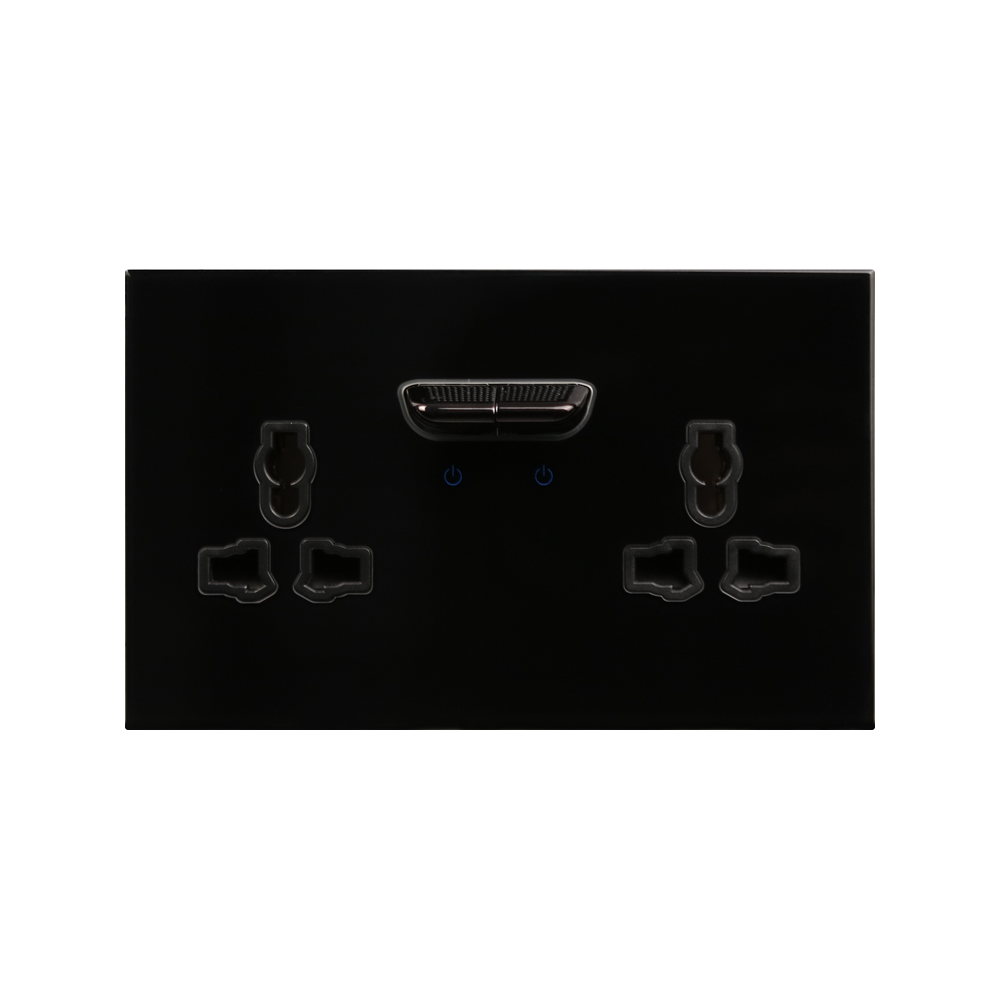
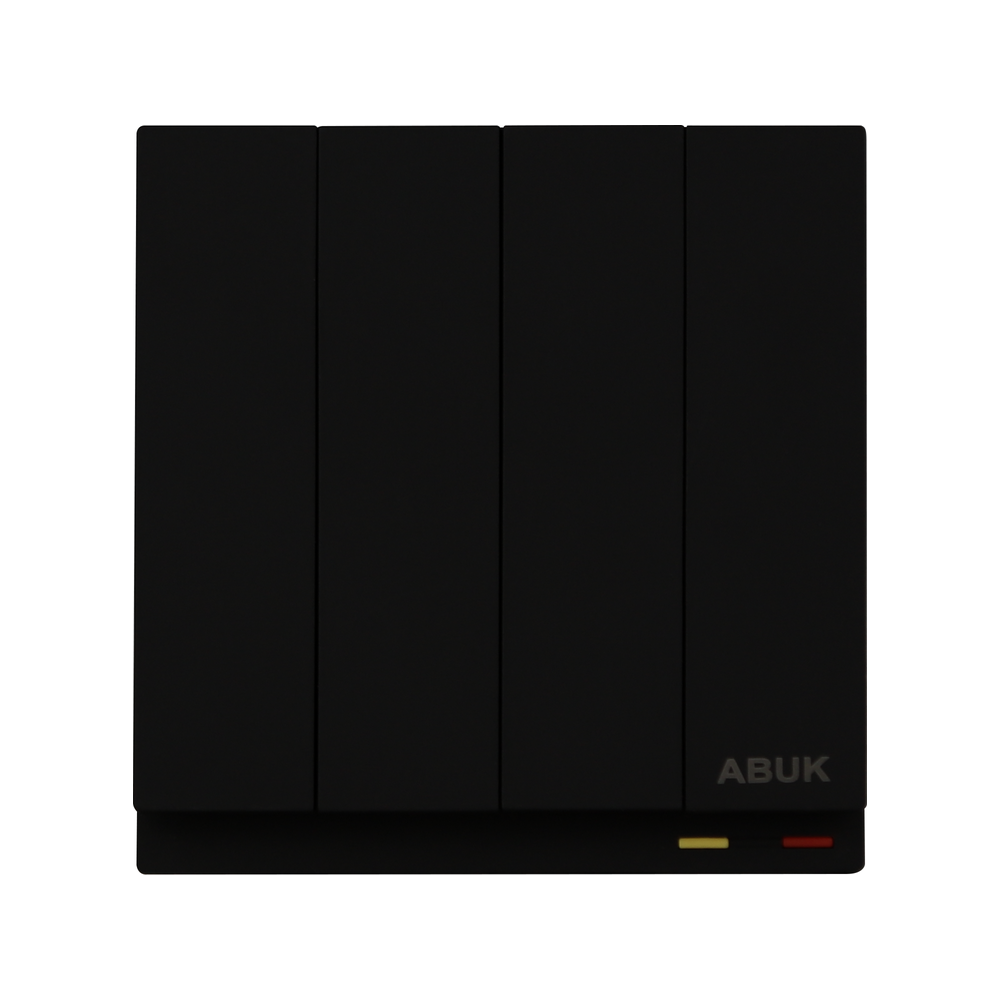
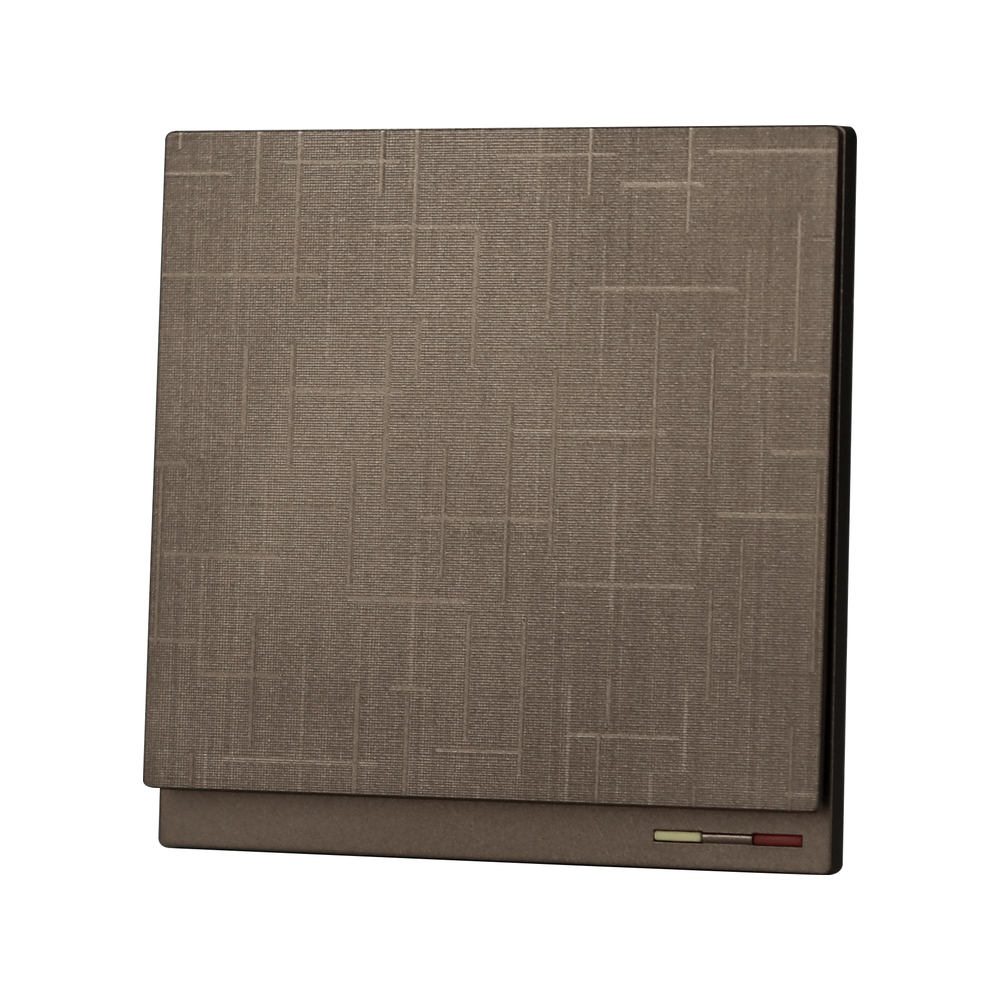
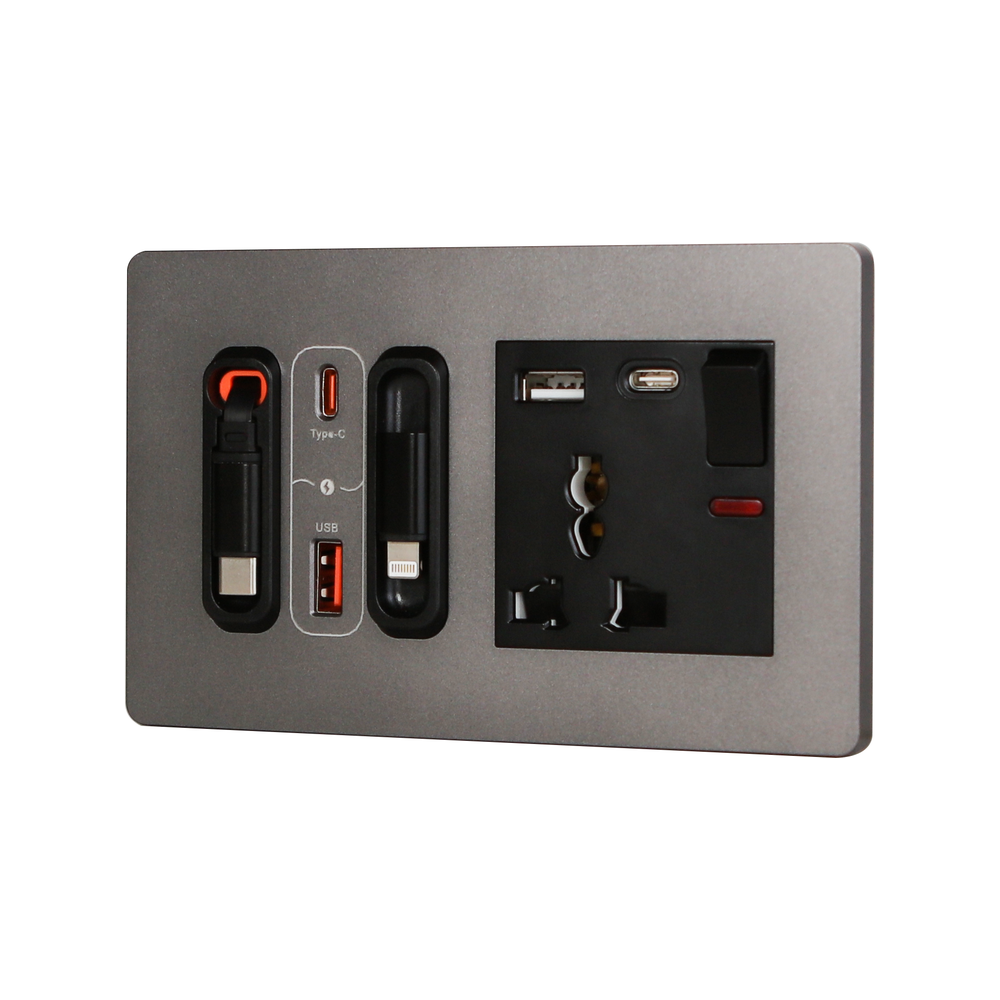
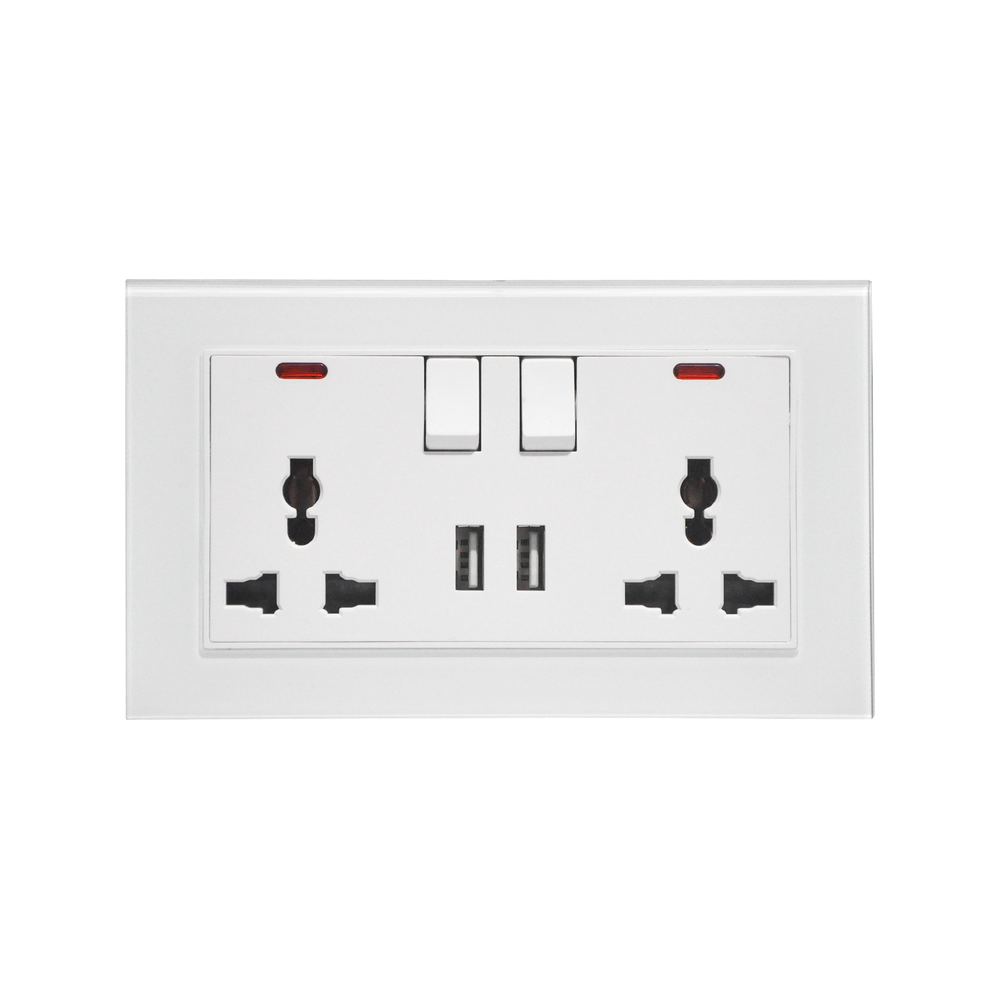
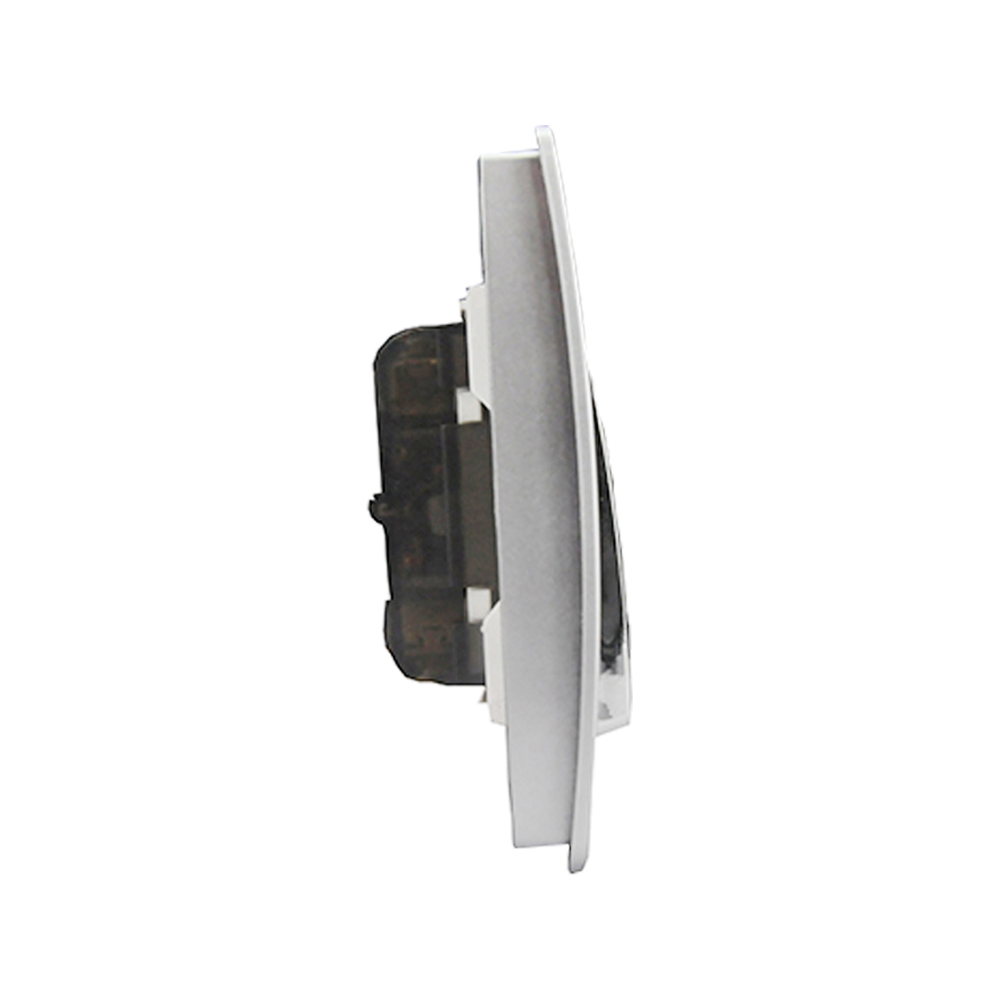
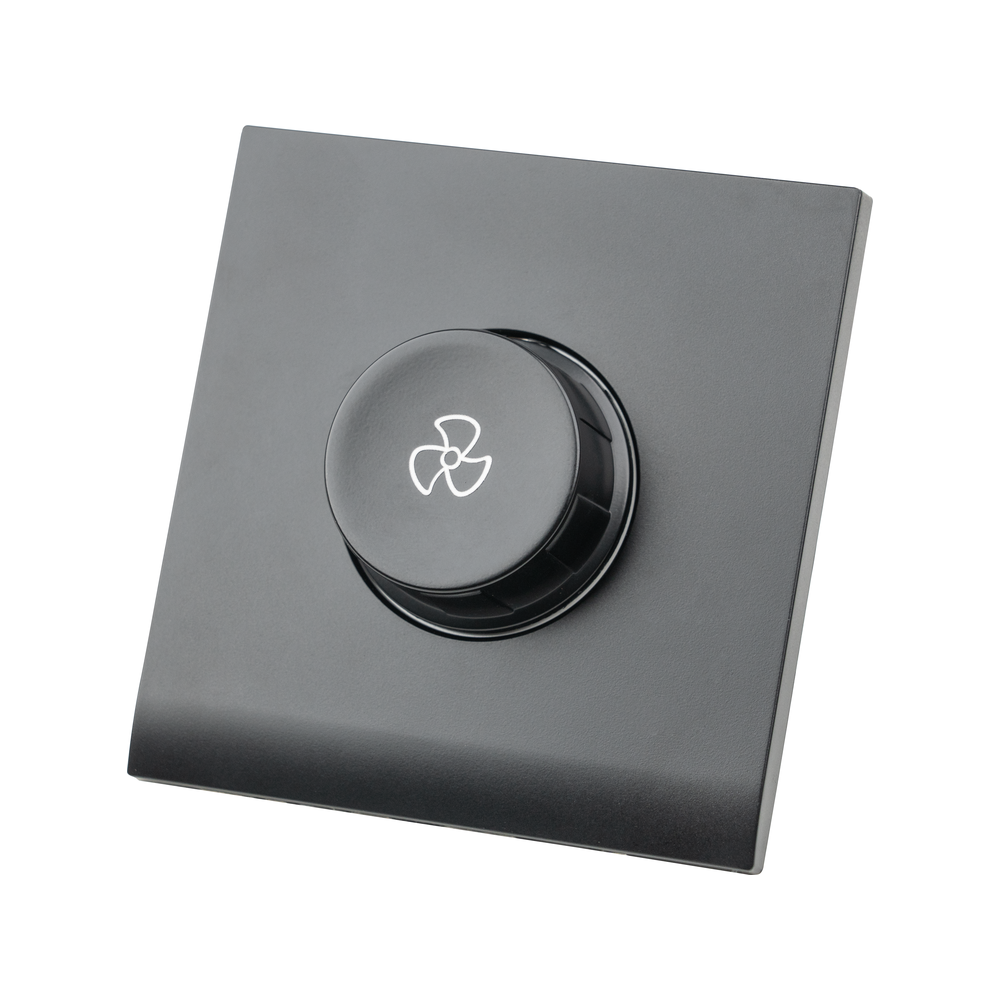
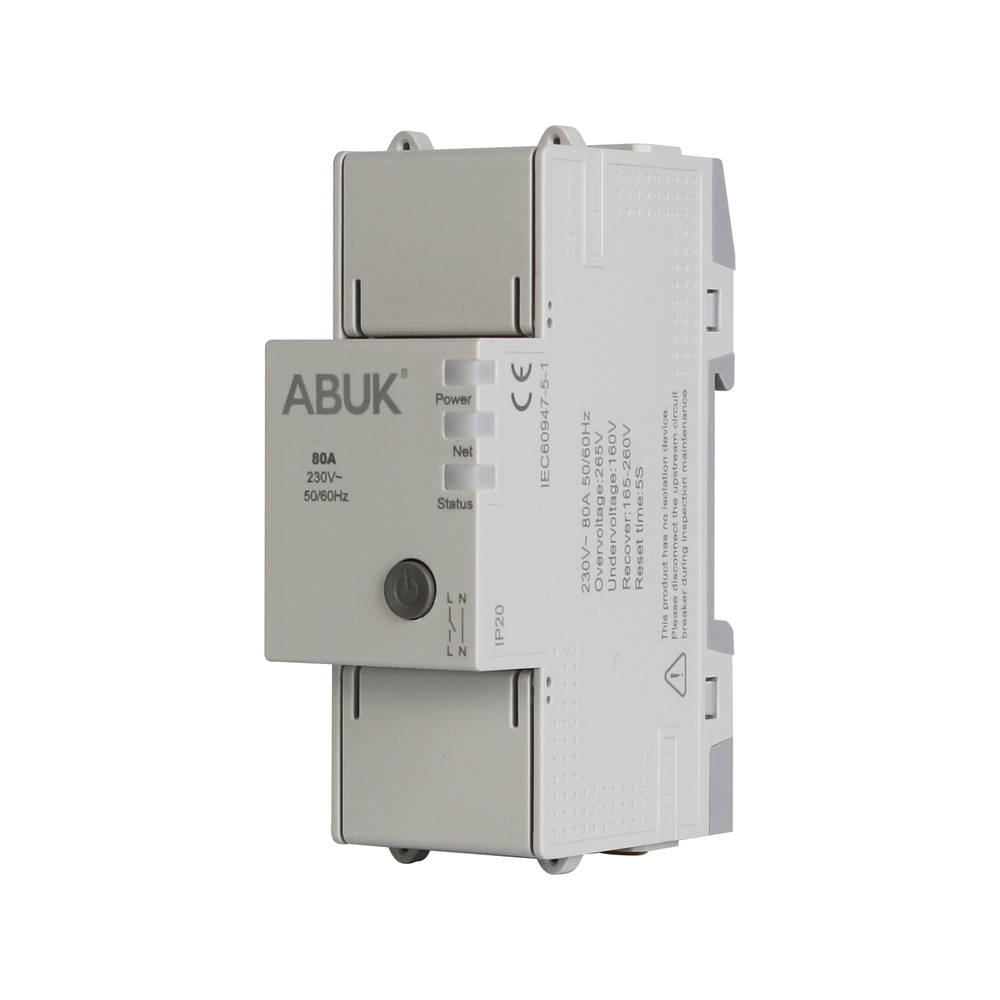
ABUK’s wall socket accessory range can be reviewed against the repair specification; an illustrated sample does not establish Mexican connector approval. The faulty wall socket guide covers the boundary between reporting symptoms and electrical repair.
Frequently asked questions
Why does a US plug feel loose in a Mexican outlet?
Possible causes include worn contacts, plug damage, an incompatible interface or mechanical strain. It is not explained by Mexico’s voltage alone.
Do the United States and Mexico use the same voltage?
The commonly cited nominal values are 120V and 127V respectively, both at 60Hz. Check the appliance’s approved input range.
Do you need a special adapter to charge a phone in Mexico?
Often not when the charger’s plug is compatible and its input range covers the supply. An adapter should not be used to repair a loose outlet.
Does Mexico use 110V or 220V electricity?
The usual nominal general supply is 127V, 60Hz. Other supplies can serve particular equipment, so the actual outlet and appliance requirements matter.
What type of electrical plug is used in Mexico?
Type A and Type B are common. Correct configuration does not establish that an individual socket is undamaged or properly grounded.
Can a travel adapter fix a plug that keeps falling out of an outlet?
No. It can address a permitted shape mismatch, but it does not restore worn contacts and may add mechanical strain.
References
- World Standards: Mexico’s plugs and supply
- London Fire Brigade: electrical warning signs
- HSE: electrical equipment safety
A plug that stays powered is not necessarily a sound connection. For planned replacements, send ABUK the verified accessory requirements and destination documentation needs.