
 Wenzhou Lita Electric Co., Ltd.
What to Do When a Wall Socket Blows
When a property manager in Birmingham encountered a socket that popped and stopped powering a kettle, he ordered a new front plate immediately. In this hypothetical case, the electrician later found that the fault investigation needed to include the plug, appliance and circuit. “The socket blew” described the event; it did not identify the failed component.
Summary: After a wall socket pops, smells burnt, becomes hot or trips protection, stop using it and isolate the affected circuit if that can be done safely. Do not repeatedly reset the breaker. Electrical Safety First identifies overload and warning signs as reasons for action. A 13A marking does not explain a fault; an electrician must distinguish overload, short circuit, leakage and connection damage before repair.
If there is smoke, fire or an immediate danger, occupants should move away, evacuate as needed and contact emergency services. They should not touch damaged equipment, attempt live repairs or use water on an electrical fire. Diagnosis comes after people are safe.
What should happen immediately after a socket fails?
Leave the affected wall socket unused. Keep others away and switch off the relevant circuit only if the distribution board can be reached safely and the circuit can be identified. Do not pull at a fused, distorted or hot plug; damaged parts may expose live components or break apart.
HSE advises keeping people away from suspected unsafe installations, switching off the supply if it is safe to do so and arranging competent attention. A tripped protective device is evidence that something needs investigation, not an instruction to try the same appliance repeatedly.
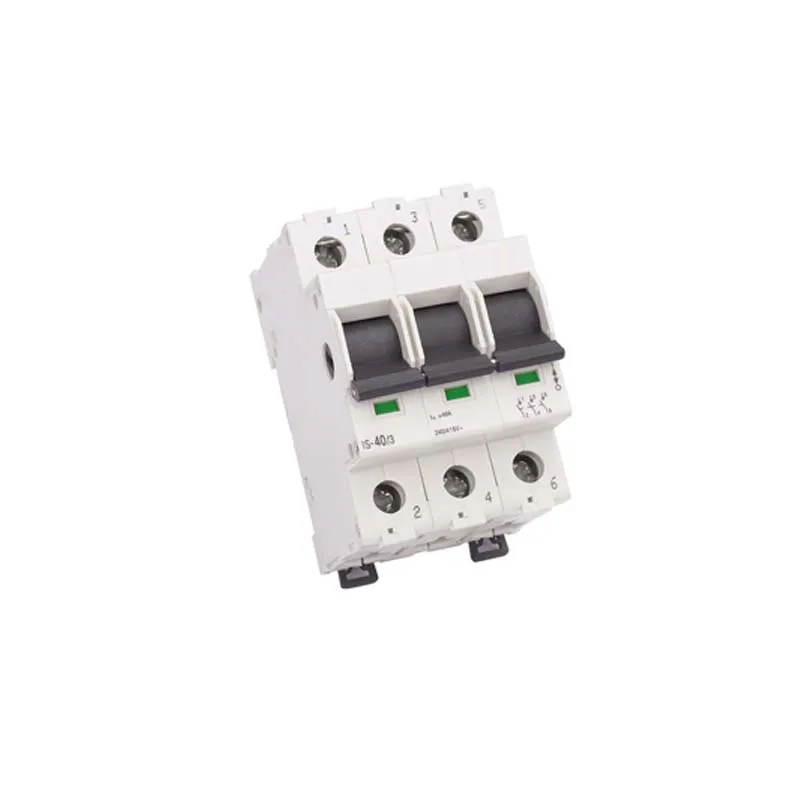
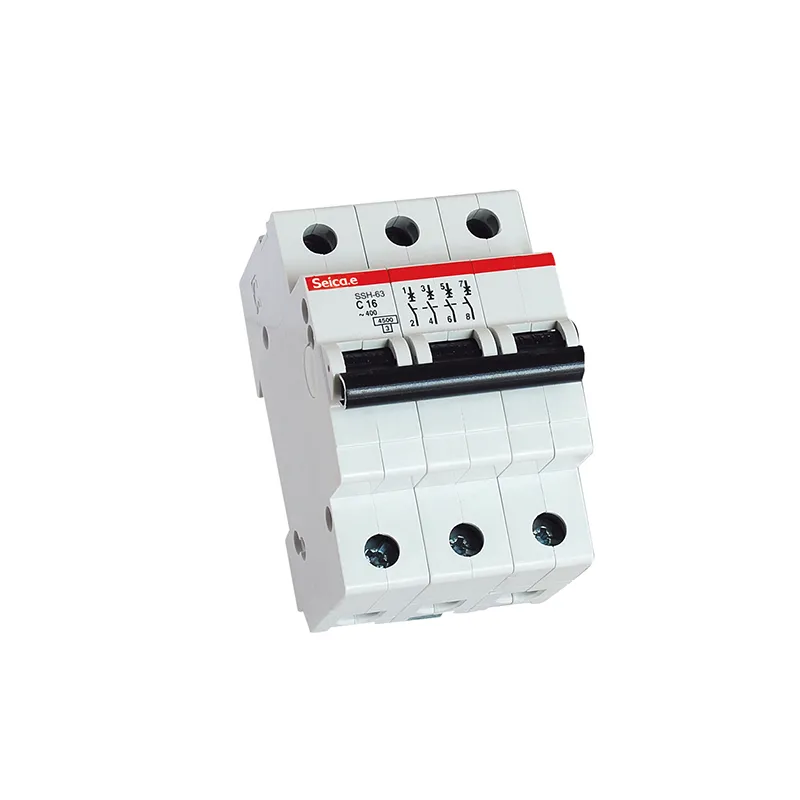
A UK plug may contain a BS 1362 fuse; the circuit may also have overcurrent and residual-current protection. These devices have different jobs. Replacing a plug fuse with a higher rating or holding a breaker on defeats the intended protection and does not repair the cause.
Does a tripped breaker mean an overload or a short circuit?
An overload means the current exceeds what the circuit or accessory can carry under its intended conditions. A short circuit creates an unintended low-impedance path between conductors. A residual-current device responds to an imbalance associated with current taking an unintended path; an RCBO combines residual-current and overcurrent functions.
The timing can provide clues, but not a final diagnosis. A trip immediately after plugging in one appliance may point toward that appliance, its lead or a circuit fault revealed by use. A trip after several loads run together may suggest overload, but neither pattern is exclusive.
For simple resistive loads, current is approximately power divided by voltage. A 3,000W heater at 230V draws about 13A; adding another large load through an unsuitable extension arrangement can exceed its rating. This calculation is an illustration, not permission to load every socket or extension to that level; appliance characteristics and accessory ratings still govern.
Can a socket overheat without the breaker tripping?
Yes. A poor contact or loose termination can generate localized heat while total circuit current remains below an overcurrent device’s operating threshold. A breaker protects against specified circuit conditions; it is not a temperature sensor for every contact inside every accessory.
Electrical Safety First lists warning signs such as scorching, hot plugs or sockets, buzzing and repeated fuse operation. A loose-fitting plug or discolored face deserves investigation even when appliances continue to run. A normal voltage reading does not eliminate a high-resistance connection.
The affected device may be rated 13A or 16A according to its system, but that marking assumes proper connections and appropriate use. Heat damage can extend into conductor insulation or the box. Painting over a mark or replacing only the visible front can conceal the evidence without correcting the defect.
What information helps an electrician find the cause?
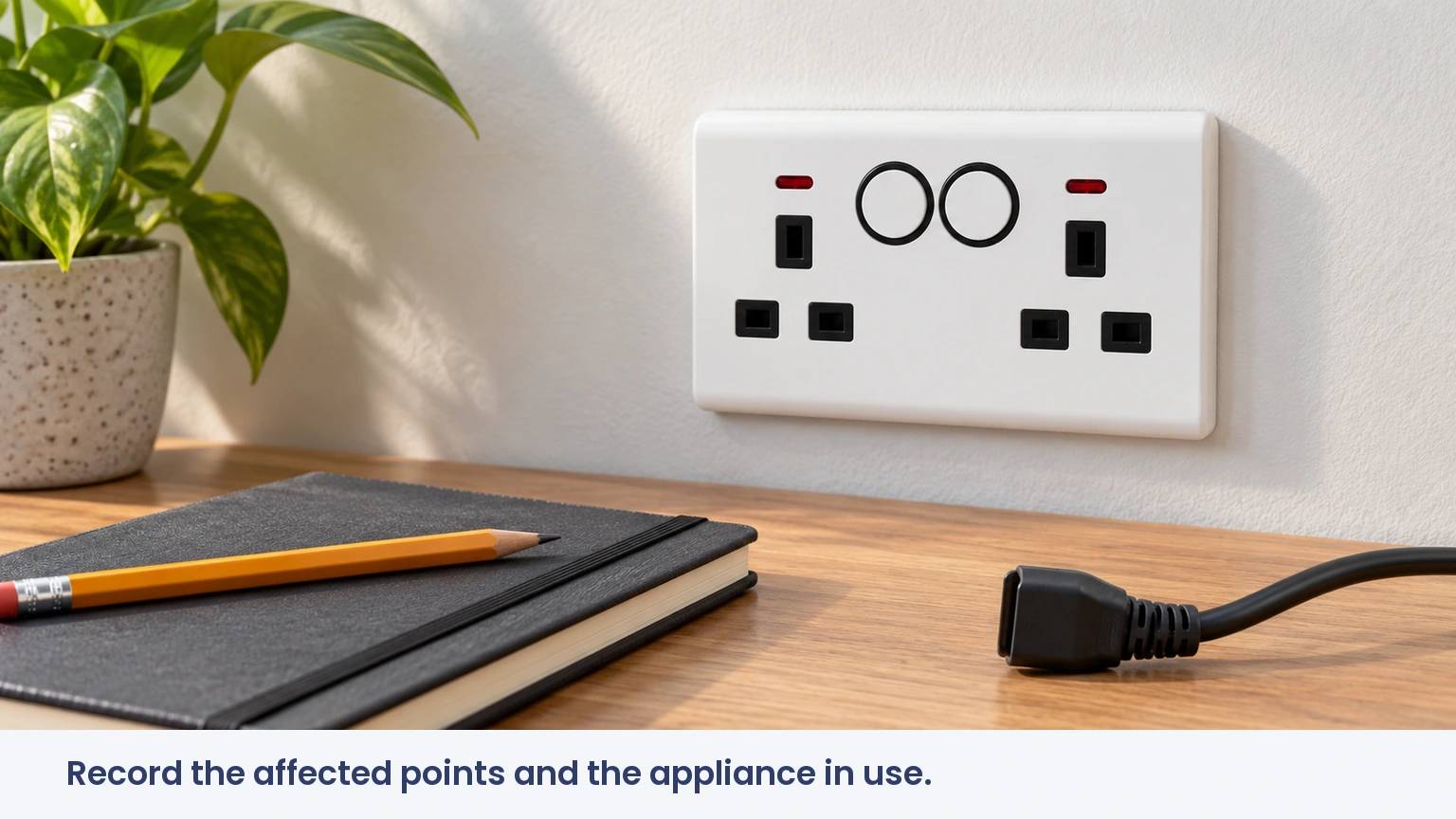
The useful record starts with what happened before the failure: which appliance was operating, whether other outlets stopped working, which protective device operated and whether there was heat, sound or smell. Occupants can record these observations without opening the socket.
Under HSE GS38, testing should use suitable instruments and a controlled procedure; live testing is not the default when dead tests can answer the question. The electrician may inspect the plug and appliance, examine terminals after isolation, assess insulation damage and verify the applicable protective measures.
Recreating the fault by repeatedly powering the appliance is not an appropriate occupant test. The original symptoms and circuit information are usually more valuable than another trip. Where several rooms are affected, the investigation may need to follow an upstream connection rather than focus on the first socket noticed.
How do the symptoms change the investigation?
| Symptom | Possible causes | Immediate response |
|---|---|---|
| One socket dead, others working | Accessory, local connection or upstream feed problem | Leave unused and arrange investigation |
| Trip associated with one appliance | Appliance, lead, plug or circuit fault | Keep appliance and affected outlet out of use |
| Heat, discoloration or buzzing | Poor contact, overloaded accessory or damage | Isolate safely; do not continue using it |
| Several outlets lose power | Protective-device operation or common feed failure | Record the affected points for the electrician |
| Failure after water exposure | Moisture and insulation deterioration | Keep isolated; drying the surface is not clearance to reuse |
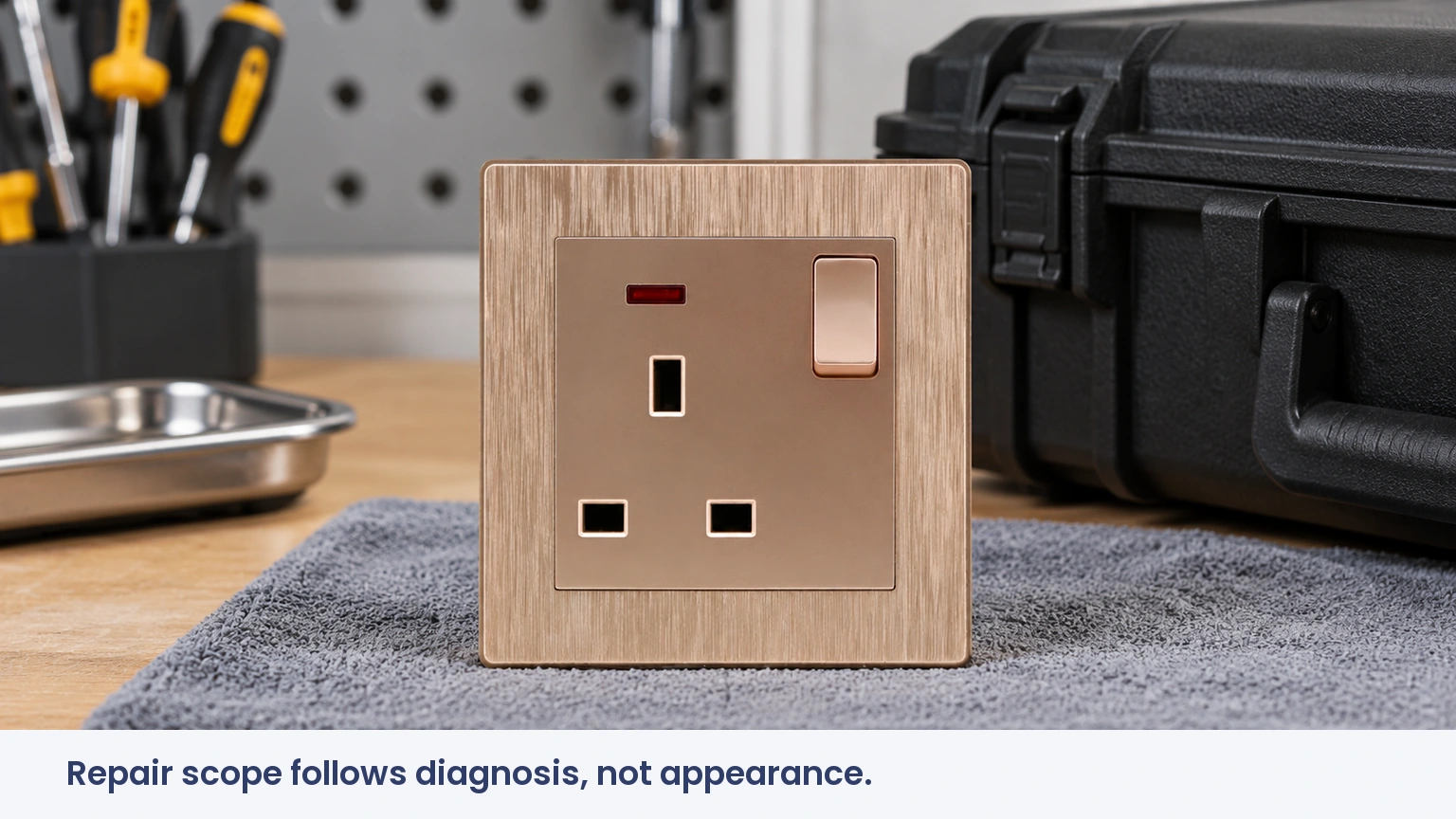
The table gives possible causes, not a remote diagnosis. Similar symptoms can result from different faults, and replacing a visibly damaged accessory does not prove that the remaining circuit is sound.
When is socket replacement only part of the repair?
| Finding after isolation | Potential repair scope | Handover evidence |
|---|---|---|
| Damaged accessory, sound wiring | Correct replacement and termination | Inspection and relevant test results |
| Heat-damaged conductor insulation | Repair or replacement of affected wiring | Extent of damage and circuit verification |
| Unsuitable load arrangement | Revised load distribution or circuit provision | Documented intended use |
| Faulty appliance or plug | Appliance-side repair or replacement | Confirmation before returning it to service |
The total cost includes diagnosis, access, repair, testing and any downtime. Replacing several electrical socket outlets speculatively can cost more than finding one upstream defect. For landlords and facilities teams, a clear diagnosis also helps prevent the same fault being reported as a series of unrelated call-outs.
Which standards and records matter after a repair?
In UK work, the relevant BS 7671 requirements and product instructions govern installation verification; BS 1363 and BS 1362 relate to the applicable socket/plug system and plug fuses. Other markets use different systems. A replacement should match the local requirements rather than simply accept the same plug shape.
CE, RoHS and GCC-market documents are not a substitute for the repair record or proof of correct installation. Keep the accessory model, diagnosed cause, replaced parts and appropriate test documentation together. That record is more useful at the next maintenance visit than an invoice saying only “socket changed.”
How can replacement sourcing reduce repeat failures?
- Choose the replacement only after the circuit and damage are assessed.
- Match the plug system, load, mounting arrangement and environment.
- Obtain model-specific instructions and applicable compliance documents.
- Review the load arrangement if high-power appliances or extensions were involved.
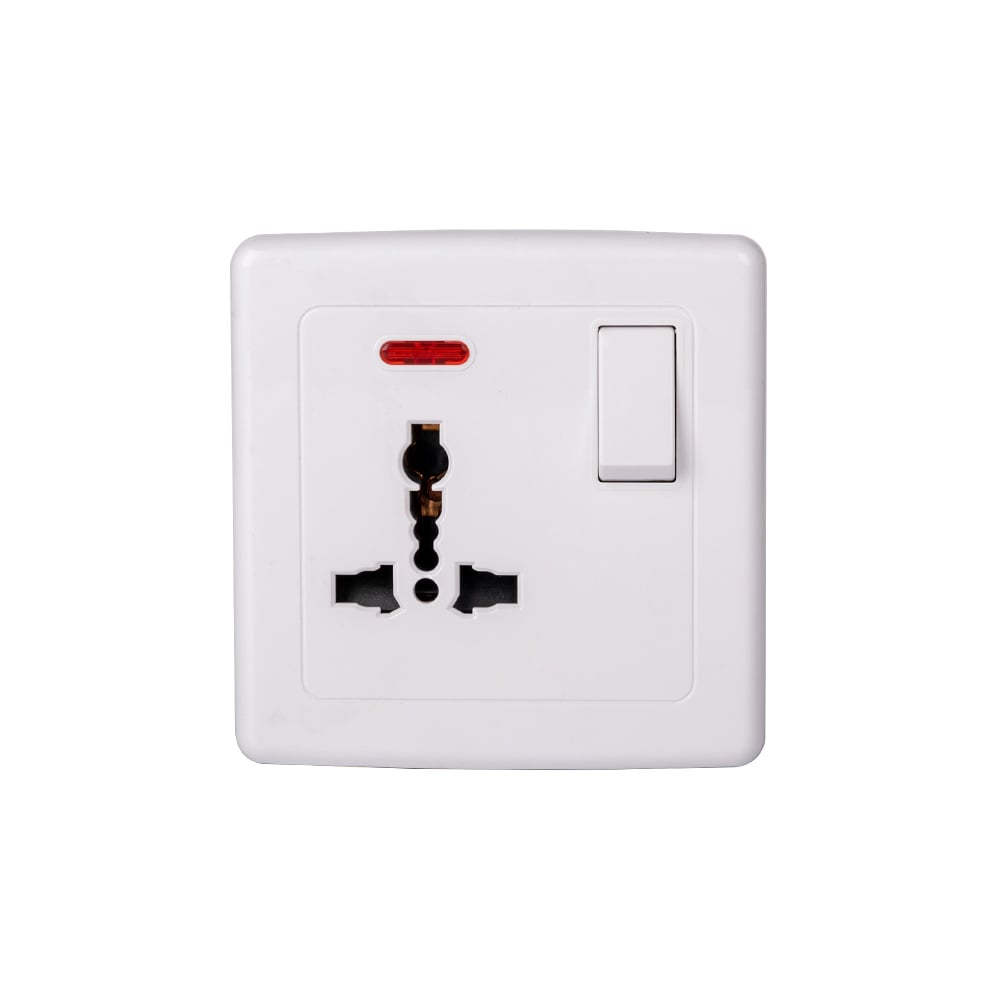
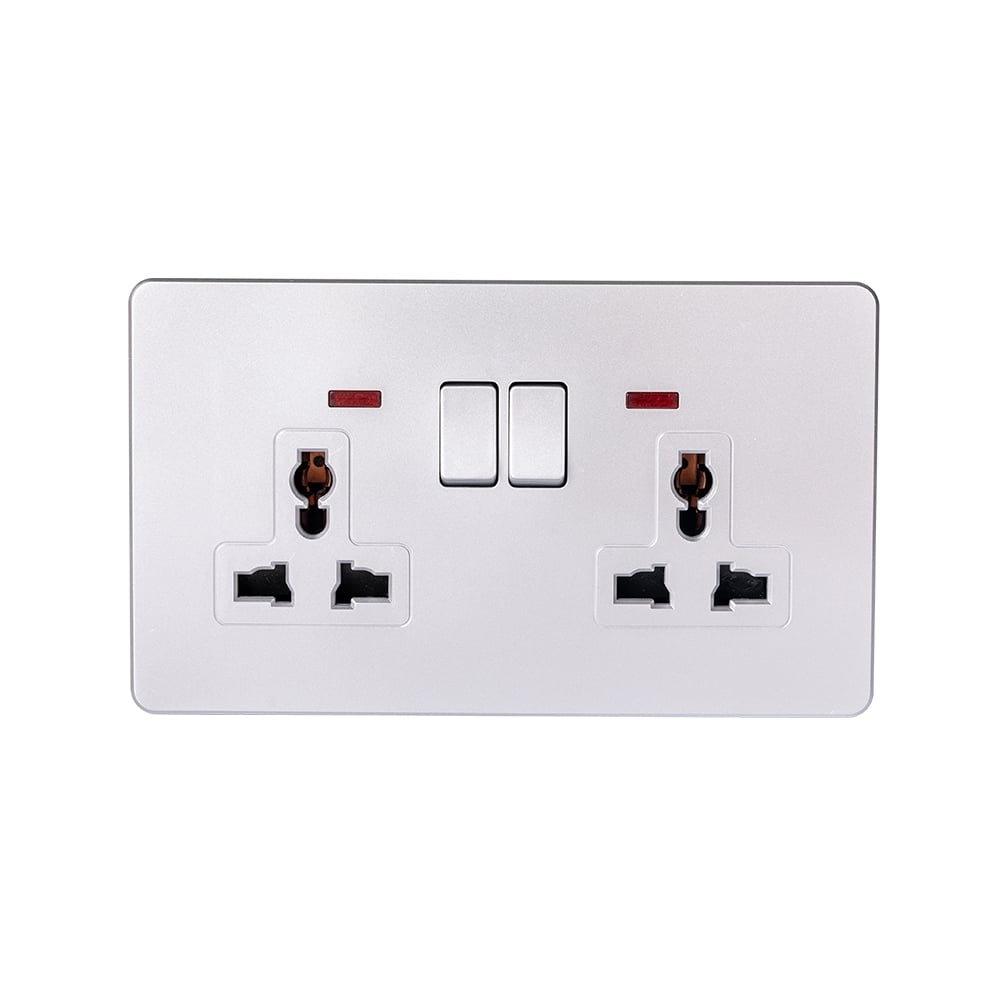
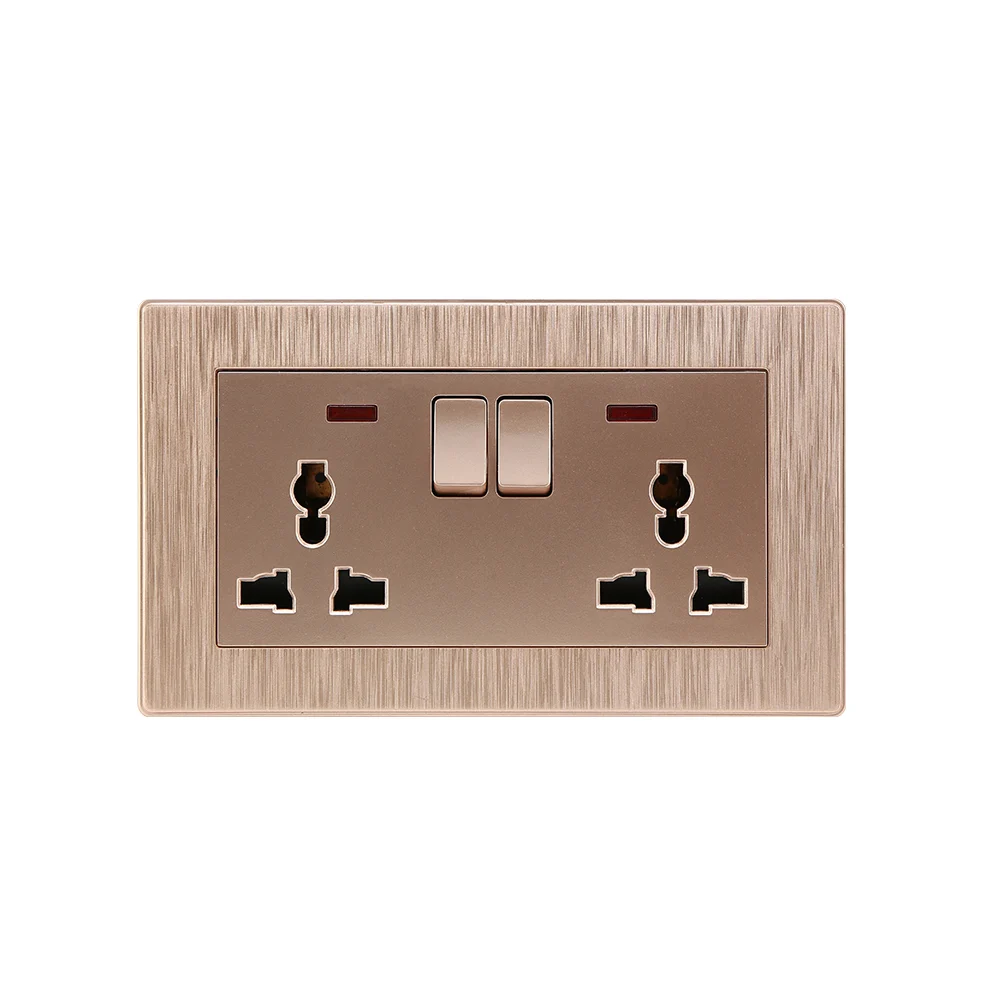
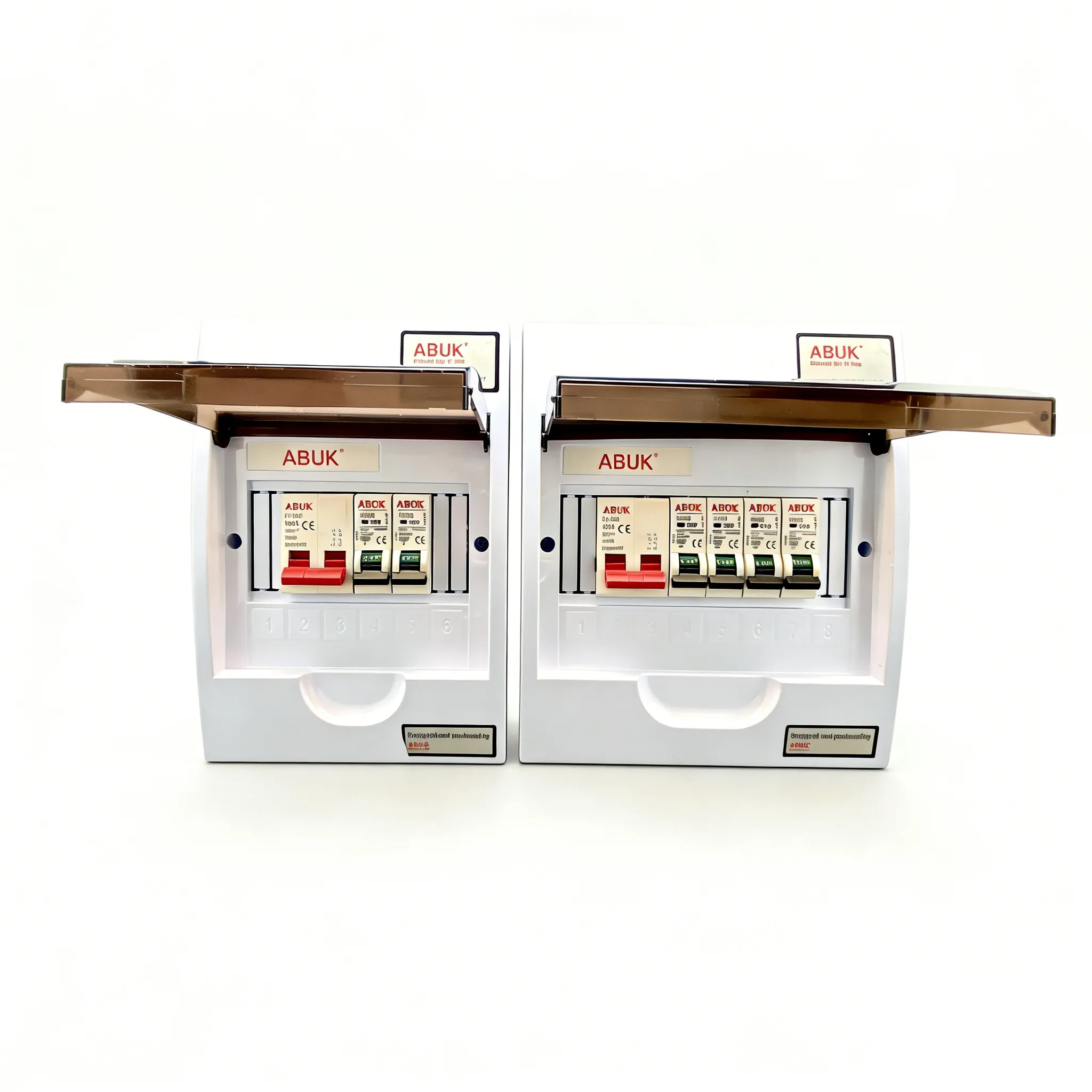
ABUK’s socket and switch products can be assessed for a defined replacement specification. For home electrical outlets, the related guides to sparking sockets and water-damaged sockets explain why the surrounding conditions matter.
Frequently asked questions
What should you do when a wall socket blows?
Stop using it, keep people away and isolate the circuit if safe. Arrange a competent electrician; smoke or fire requires emergency action rather than routine troubleshooting.
Why does a wall socket trip the breaker?
The cause may be overload, a short circuit, earth leakage or an appliance fault. Which protective device operated and the test findings determine the explanation.
Is a blown outlet caused by overload or a short circuit?
Either is possible, but loose connections and appliance faults can produce similar symptoms. The word “blown” does not identify a fault mechanism.
When should a blown socket be replaced?
When investigation finds damage or an unsuitable accessory. Replacement must be accompanied by correction of the cause and any affected wiring, followed by the required verification.
References
- Electrical Safety First: overloading sockets and warning signs
- HSE: responding to unsafe electrical installations
- HSE GS38: safe electrical testing
The lasting repair addresses why the socket failed, not just what looks damaged. Contact ABUK for replacement accessory sourcing once the electrician has established the required specification.