
 Wenzhou Lita Electric Co., Ltd.
Water in a Plug Socket: Fire Risk, Safety Steps and Repairs
When a facilities supervisor in Leeds encountered water in a plug socket beneath a leaking kitchenette sink, he first reached for the plug to clear the area; a sharp crackle and a tripped protective device stopped him. The incident was not simply a bad receptacle: an ordinary device had been selected for a location with foreseeable moisture exposure, while the leak-control and inspection process had not caught the risk.
Summary: Treat any moisture-exposed outlet as an energized hazard until the affected circuit is isolated and a competent person has assessed it. Water can bridge conductive paths, leave corrosion after it evaporates, and create tracking that later overheats. In U.S. locations covered by NFPA 70/NEC Article 210.8, ground-fault circuit-interrupter protection is required in specified damp or wet areas; it is a protective measure, not permission to dry out and reuse a questionable device. Shut off the affected circuit, prevent access, correct the water source, and arrange inspection before restoration.
How moisture at an outlet can become a fire risk
A socket face may look dry while moisture remains around contacts, terminals, or the box. Minerals in tap water can leave conductive residue; humidity and contaminants can support surface tracking, a failure path that produces heat and carbonized insulation. The visible risk ranges from a shock hazard to arcing, heat damage, and ignition of nearby material.
There is no reliable “drying time” that proves a device is sound, because water composition, ingress depth, load, and enclosure design vary. UL 498 covers attachment plugs and receptacles, including construction and performance requirements, but it does not turn a water-exposed, field-installed device into a self-certifying repair. A qualified inspection should examine the device, box, conductors, grounding path, and upstream protection rather than relying on appearance alone.
Immediate response: isolate, protect, and document
Do not touch the outlet or connected equipment
Keep people away from the wet electrical outlet. Do not unplug equipment, insert towels, use a hair dryer, or remove a cover plate while the circuit may be live. OSHA electrical-safety guidance emphasizes de-energizing equipment before work; building operators should apply their site lockout/tagout or electrical-safety procedure.
Shut off the affected circuit from a safe, dry position
If the panel can be reached without standing in water or touching wet surfaces, identify and turn off the branch circuit. Mark it to prevent re-energization and confirm the area is controlled. If circuit identification is uncertain, water has reached the panel, or there is smoke, buzzing, heat, or a burning smell, evacuate the immediate area and contact emergency services or a licensed electrician as appropriate.
Record the exposure before repairs begin
For a contractor or facilities team, note the source, duration, devices affected, tripped protective devices, and any load that was connected. This supports a proper corrective action: repair the leak, inspect adjacent outlets on the same wall or circuit, and decide whether a water damaged outlet requires replacement. It also avoids the hidden cost of repeat visits, unplanned shutdowns, damage claims, and unsafe informal repairs.
Inspection signs that change drying into replacement
A licensed electrician should inspect moisture-exposed equipment before it is returned to service. Replace rather than reuse a device with discoloration, pitting, green or white corrosion, softened or cracked plastic, loose contacts, heat marks, melted insulation, a persistent odor, or evidence that water entered the box or cable. A water damaged outlet should not be accepted back into service on a visual check alone. A tripped breaker or GFCI is a warning to investigate the fault, not a reset instruction.
After moisture exposure and corrective work, a qualified person can perform the manufacturer-specified GFCI test and verify operation using suitable test equipment. UL 943 applies to ground-fault circuit interrupters; for Class A devices, its ground-fault trip range is commonly 4–6 mA. That functional check confirms protective-device behavior, but it cannot prove that a corroded receptacle or compromised conductor is safe to retain.
Choose the response by exposure and condition
| Condition | Likely concern | Appropriate action | Cost and continuity effect |
|---|---|---|---|
| Brief splash; no entry into device confirmed | Unknown residual moisture | Isolate and have a competent person assess before use | Short interruption may prevent a larger failure |
| Leak reached faceplate, box, or connected plug | Contamination, corrosion, tracking | Repair source; inspect device and wiring; replace affected parts when indicated | Planned repair is usually easier to schedule than a fault outage |
| Heat, smell, arcing, repeated trip, or visible damage | Active fault or insulation damage | Keep isolated; arrange urgent licensed-electrician inspection | Priority safety response; do not estimate from appearance |
Specify controls at the point of use
| Application condition | Specification question | Procurement action |
|---|---|---|
| Dry interior area | Can the outlet location remain outside spill paths? | Confirm load rating, local code, and enclosure arrangement. |
| Kitchen, wash area, or cleaning zone | Is GFCI/RCD protection and suitable location protection required? | Coordinate electrical design with local installation rules and inspector requirements. |
| Frequent washdown or outdoor exposure | What enclosure, ingress protection, and installation system are required? | Use a project-specific solution; do not substitute an indoor socket based on visual similarity. |
Standards and compliance: use the right scope
- NFPA 70/NEC: U.S. installation code; Article 210.8 addresses GFCI requirements in specified locations. Local adoption and amendments control.
- OSHA electrical safety: workplace safety requirements and guidance; it supports de-energization and qualified work practices, rather than certifying a socket product.
- UL 498 and UL 943: product safety standards for attachment plugs/receptacles and GFCIs respectively; a standard’s test scope is not evidence that every installed assembly is certified.
- IEC 60884-1: an international standard for plugs and socket-outlets for household and similar purposes; applicability depends on product type and destination-market rules.
Unsupported compliance claims can delay approvals, create rejected deliveries, and expose buyers to rework. Specify the destination market, intended environment, wiring system, and required documentation before purchase.
A procurement checklist for moisture-prone projects
- Map sinks, washdown routes, cleaning practices, and likely spill paths before selecting locations.
- Confirm local code, voltage, plug system, load rating, protective device, and enclosure requirements with the project’s qualified electrical professional.
- Request model-specific technical documentation and make it part of the submittal review.
- Define who tests protection after installation and who records moisture incidents and replacements.
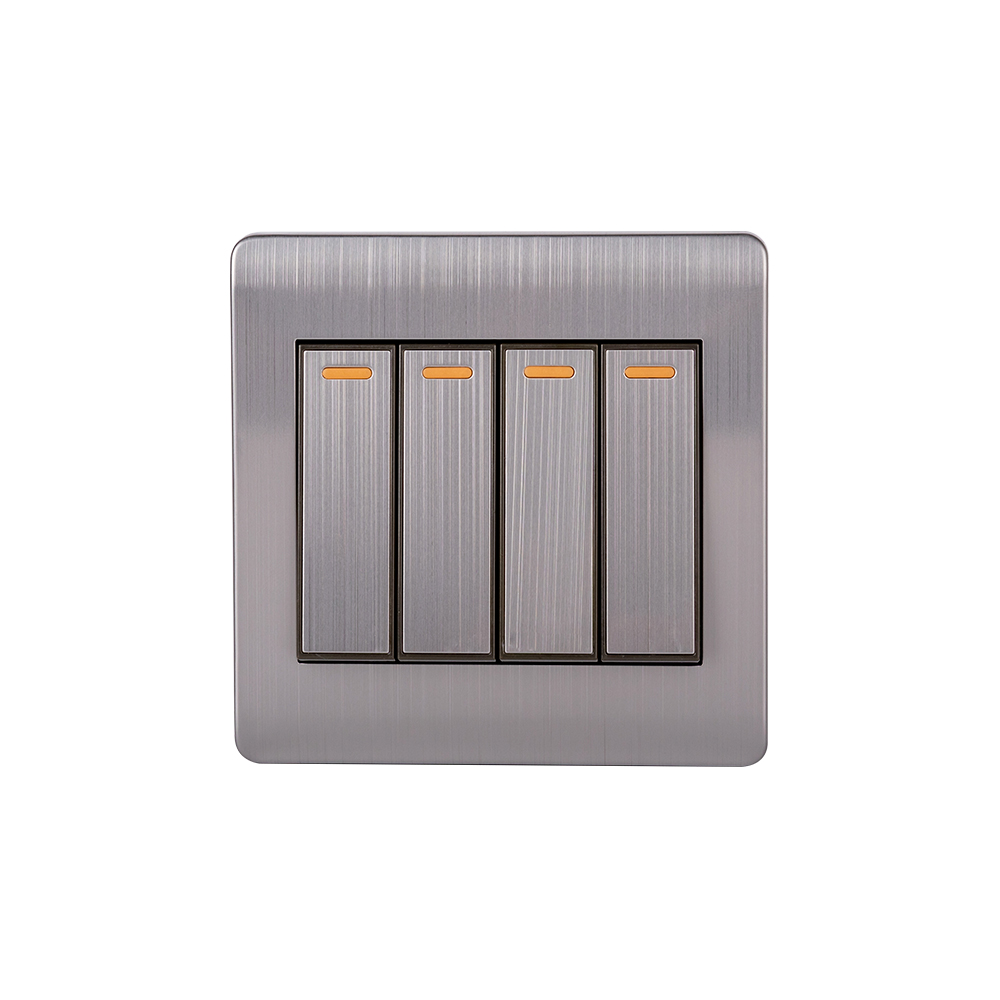
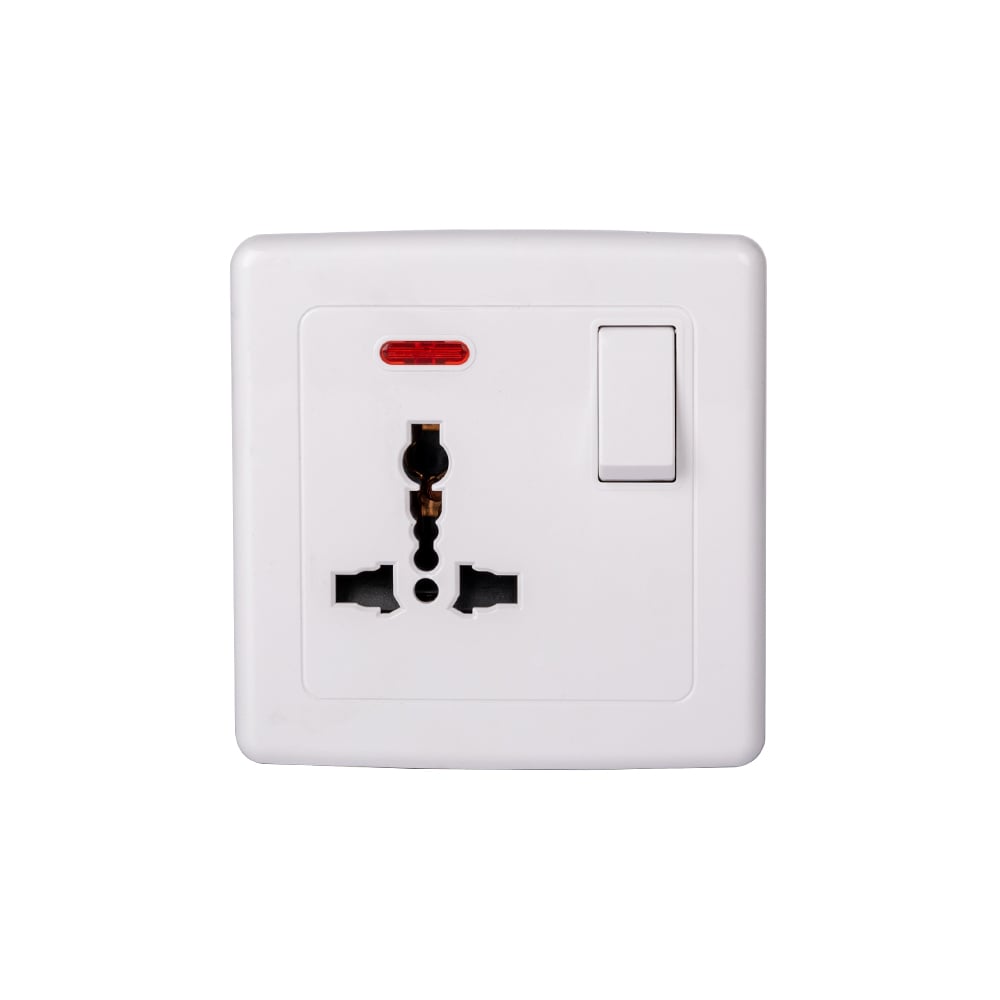
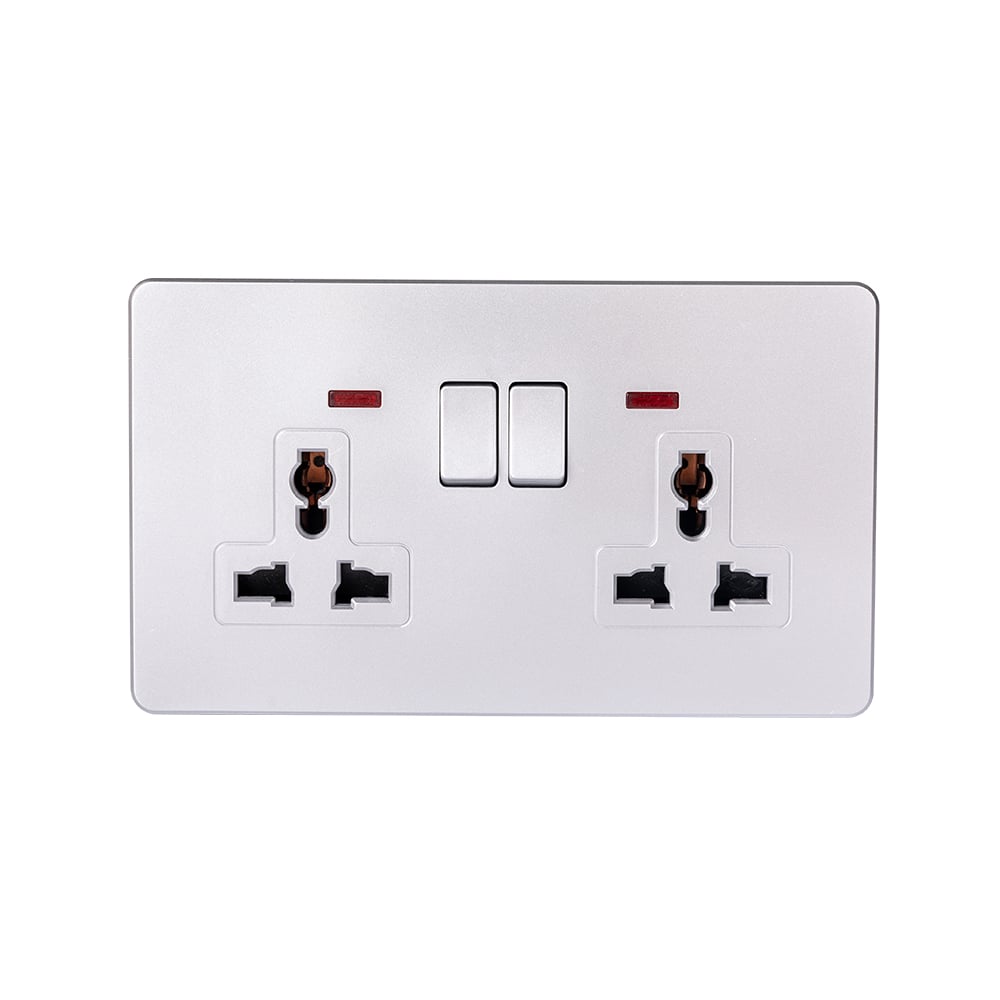
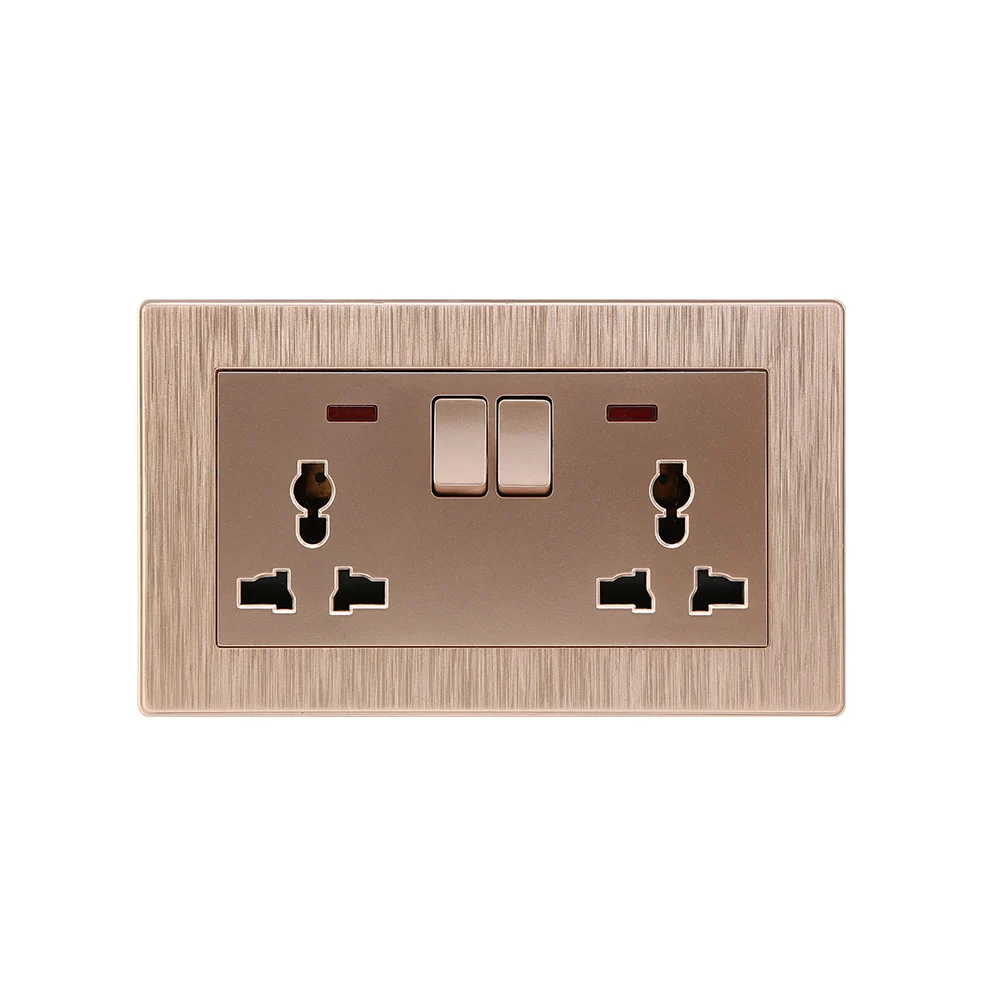
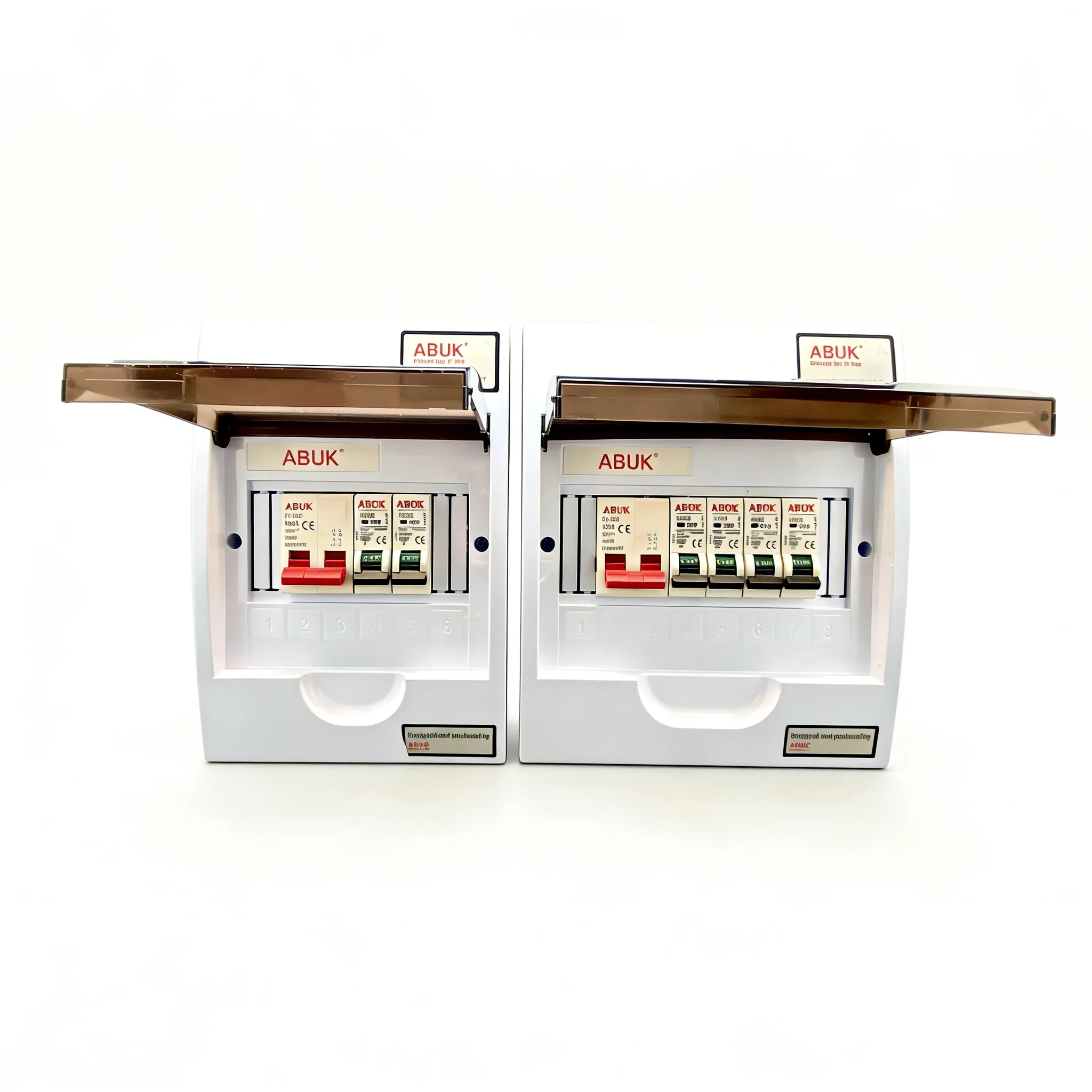
For projects needing mechanical wall switches and sockets, ABUK can support product discussions and provide CE, RoHS, and GCC documentation for applicable models and destination markets. Buyers investigating water in a plug socket can review relevant wall switch and socket options against the project specification; documentation does not replace local installation approval.
Frequently asked questions
Can water in a plug socket cause a fire?
Yes. Water and residue can create leakage paths, arcing, or overheating, especially if the device or wiring is damaged. Isolate the circuit and have a licensed electrician assess any outlet that may have taken in water.
Should I turn off power if an outlet gets wet?
Yes—if you can do so from a safe, dry location and can identify the circuit without uncertainty. Do not approach a wet panel or touch the outlet to investigate; seek qualified help when conditions are unsafe.
Can a wet electrical outlet be safely dried?
Surface drying is not a safety test. Do not energize, disassemble, or reuse a wet electrical outlet based only on drying; a qualified electrician must determine whether moisture reached internal parts or wiring.
When does water damage require outlet replacement?
Replacement is normally indicated when there is corrosion, heat damage, arcing, looseness, contamination inside the box, or uncertain internal exposure. A water damaged outlet with any of those signs should stay out of service pending licensed inspection.
Primary references
- NFPA 70: National Electrical Code
- OSHA Electrical Safety
- UL 498, Attachment Plugs and Receptacles
- UL 943, Ground-Fault Circuit-Interrupters
- IEC 60884-1
Water at an outlet is not a drying chore; it is a decision point for isolation, inspection, and correct specification.
When your project needs documented options for the next installation or replacement cycle, explore ABUK products and contact the team with the destination market and application details.