
 Wenzhou Lita Electric Co., Ltd.
Can Mexican Hotel Outlets Power Hair Dryers, Heaters, and Other High-Wattage Appliances?
When a hotel operations manager in Cancún encountered a guest’s hair dryer that fitted the room outlet, the matching plug seemed to settle the question. In this hypothetical case, the guest then connected it to a bathroom outlet intended only for shavers; the appliance would not operate normally, and the room needed a maintenance visit. The overlooked detail was the outlet’s purpose, not simply its shape.
Summary: Mexico’s nominal supply is 127V, 60Hz, commonly using Type A and Type B outlets. High-wattage appliances need a compatible voltage range, adequate connection rating and hotel permission. A travel adapter changes fit, not voltage or capacity; a shaver-only outlet is not a general-purpose hair-dryer supply.
World Standards lists Mexico at 127V and 60Hz. Descriptions such as “110V” or “120V” sometimes appear in travel discussions, but they should not replace an appliance-label check. For electrical outlets in Mexico, the practical question is whether the specific appliance and connection are suitable together, especially when a heating element draws substantial current.
Why does a matching US plug not settle appliance compatibility?
Type A has two flat blades; Type B adds a grounding pin. Their familiar appearance explains why many US travel devices connect without a shape adapter. NEMA connector designations describe particular configurations and ratings, however; visual resemblance alone does not confirm the rating or condition of an installed hotel accessory.
A charger labelled for 100–240V, 50/60Hz is a different proposition from a hair dryer labelled only for 120V. A 120V-only rating should not be treated as permission for every supply casually described as “North American.” The manufacturer should confirm the allowed input range where the label and instructions do not resolve the question.
For an ideal fixed-resistance heating element, power varies with the square of voltage: changing from 120V to 127V would increase power by approximately 12%. This is an illustrative calculation, not a prediction for a complete hair dryer with a motor, controls and thermal protection. It explains why a small-looking voltage difference can matter.
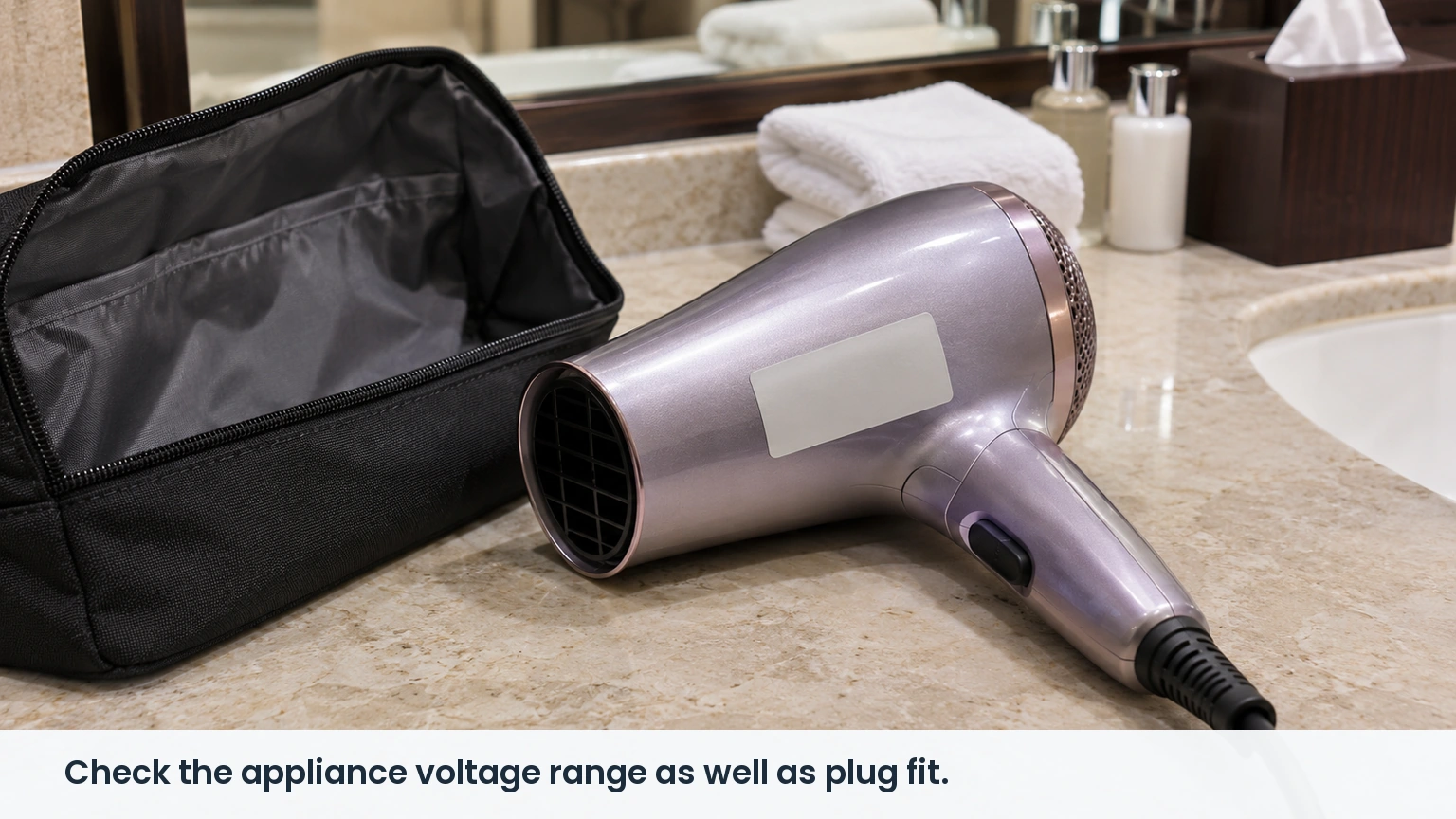
How much current does a high-wattage appliance require?
At 127V, a resistive 1,500W load corresponds to about 11.8A; a 1,875W load corresponds to about 14.8A. These figures assume the stated power is drawn at that voltage. If the wattage was specified at another voltage, dividing that number by 127V does not necessarily predict the appliance’s real operating current.
A nominal 15A connection therefore does not offer unlimited headroom for a powerful dryer plus other equipment. The installed accessory, branch circuit, other connected loads and manufacturer’s instructions all matter. NEMA configuration information and applicable Mexican installation requirements should be checked by the responsible technical team, rather than inferred from a travel adapter’s packaging.
Duration matters to the operating decision too. A heater left running and a dryer used briefly create different usage patterns, even when their headline wattages look similar. Neither duration makes an overrated, damaged or incompatible connection acceptable. Hotel policy may prohibit portable heaters regardless of whether a suitable-looking outlet is available.
Why can a bathroom socket have a different power limit?
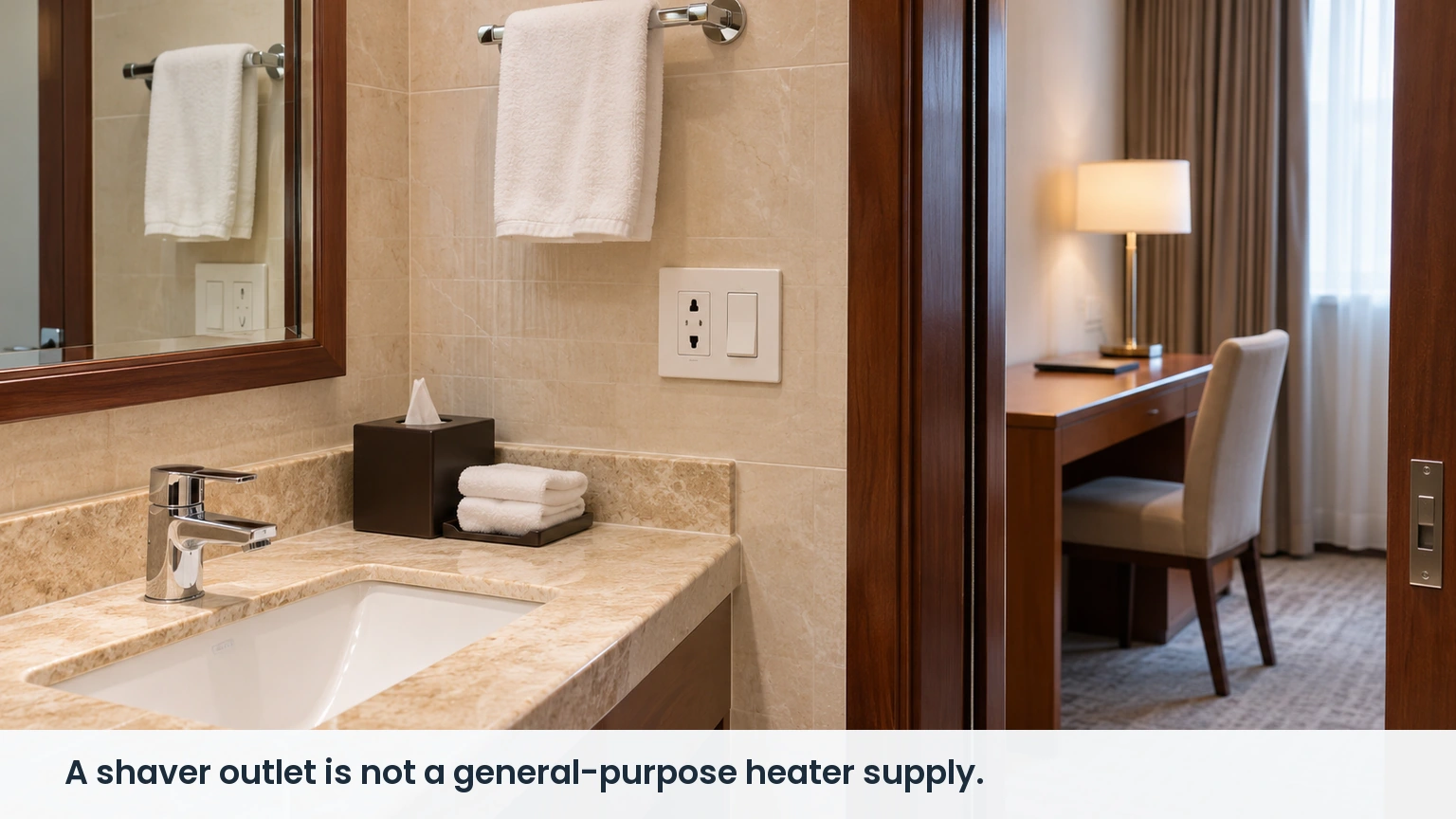
A marked shaver supply may contain a separating transformer and have a much lower output rating than a normal wall outlet. Some offer 115V and 230V selections, but those voltage markings do not make them suitable for a 1,500W hair dryer. The stated output rating and intended use remain decisive.
IEC 61558-2-5 addresses shaver transformers and shaver supply units; the actual unit’s documentation establishes its capability. A guest should use only the appliance types permitted by the outlet marking and hotel instructions. An unmarked or unfamiliar bathroom connection needs clarification from the hotel rather than an experiment.
A general-purpose bathroom outlet with ground-fault protection is different from a shaver-only unit. Ground-fault protection addresses shock risk; it neither increases available wattage nor makes a hair dryer safe near water. The water in a plug socket safety guide explains why a wet connection must be taken out of use.
Can a converter or extension lead solve the problem?
A physical adapter cannot convert 127V into 230V. A voltage converter must be explicitly suitable for the appliance type, required output, continuous load and operating duration. A 2,000W label alone is insufficient when a converter’s instructions exclude motor-driven appliances or restrict use time; a hair dryer includes more than a heating element.
Equipment conformity and connector requirements, including applicable NEMA configurations, still apply to the complete connection. A converter does not increase the capacity of the hotel circuit. A high-output transformer also draws substantial current at its input, with losses added to the appliance demand; it is not a compact way around a limited supply.
For many guests, using the hotel’s supplied dryer is simpler than carrying an uncertain converter. For hotel buyers, supplying compatible equipment and clear room instructions can reduce repeat enquiries. The cost comparison includes staff time, replacement appliances and interrupted room availability, not only the purchase price of adapters.
Which option is practical for a hotel guest?
| Option | Suitable starting condition | Unresolved limitation |
|---|---|---|
| Hotel-supplied hair dryer | Used at the designated location as instructed | Condition and hotel instructions still matter |
| Guest’s dual-voltage appliance | Input range and selector setting suit the supply | Plug, current and outlet purpose still need checking |
| Physical plug adapter | Only a permitted shape mismatch exists | No voltage conversion or capacity increase |
| Voltage converter | Manufacturer explicitly permits the exact load | Input current, losses, weight and operating restrictions |
Which room locations need different instructions?
| Location or equipment | Information guests need | Operational concern |
|---|---|---|
| Shaver-only supply | Permitted appliance types and marked output | Hair dryers mistaken for grooming-device equivalents |
| Desk charging outlet | Approved use and any local restrictions | Assuming a convenient outlet suits a heater |
| Bathroom dryer location | Designated appliance and safe use instructions | Water exposure and damaged cords |
| Portable room heater | Whether hotel policy permits it | Long operation, nearby fabrics and shared loads |
What compliance evidence should a hotel purchaser request?
Mexico has its own applicable NOM requirements for products and electrical installations. A buyer should obtain the exact model’s destination-market evidence and have the installation reviewed locally; CE, RoHS and GCC documents do not substitute for Mexican acceptance. Type A or B appearance is also not a certification. The Mexico outlet voltage and plug guide supplies general context, while the property documentation must establish site-specific suitability.
What belongs in a hotel socket procurement brief?
- List the intended guest appliances and their verified input ranges.
- Separate charging, general-purpose and shaver-only connection needs.
- Request exact accessory ratings and applicable Mexican conformity evidence.
- Agree replacement access, inspection responsibilities and room instructions.
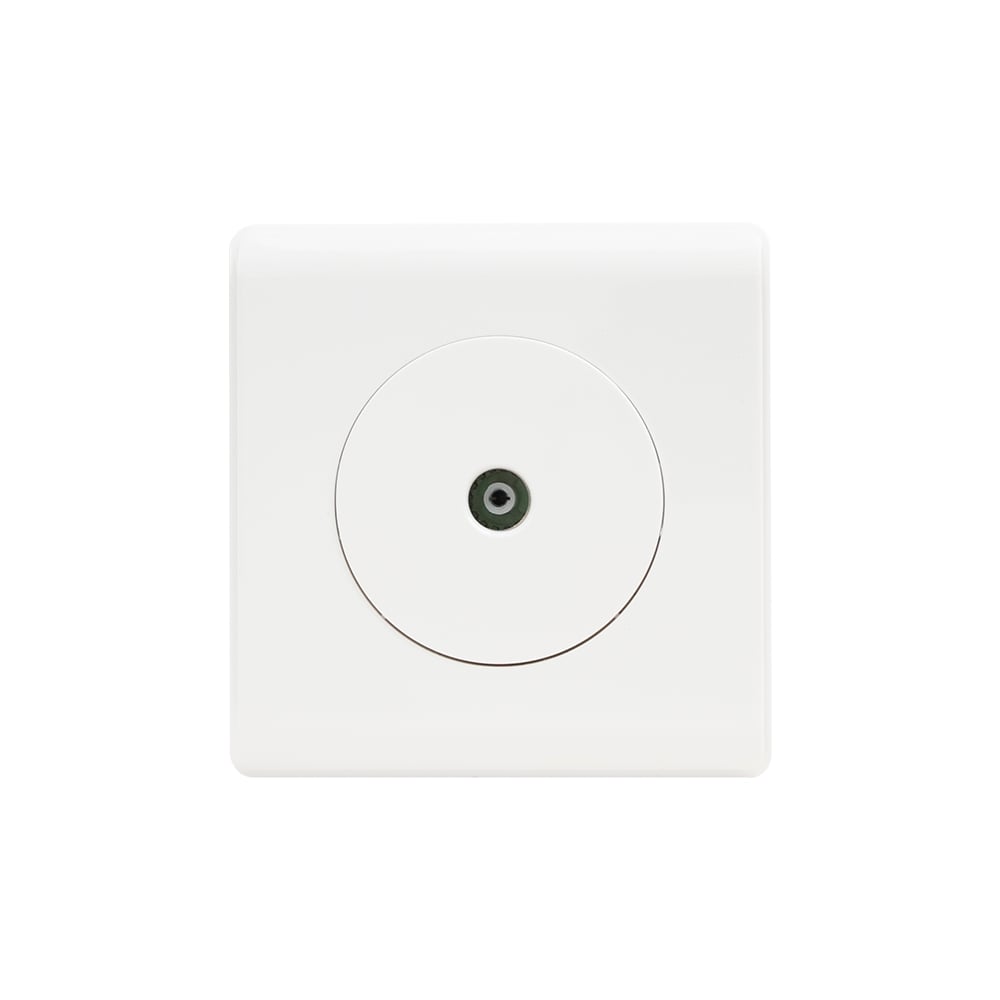
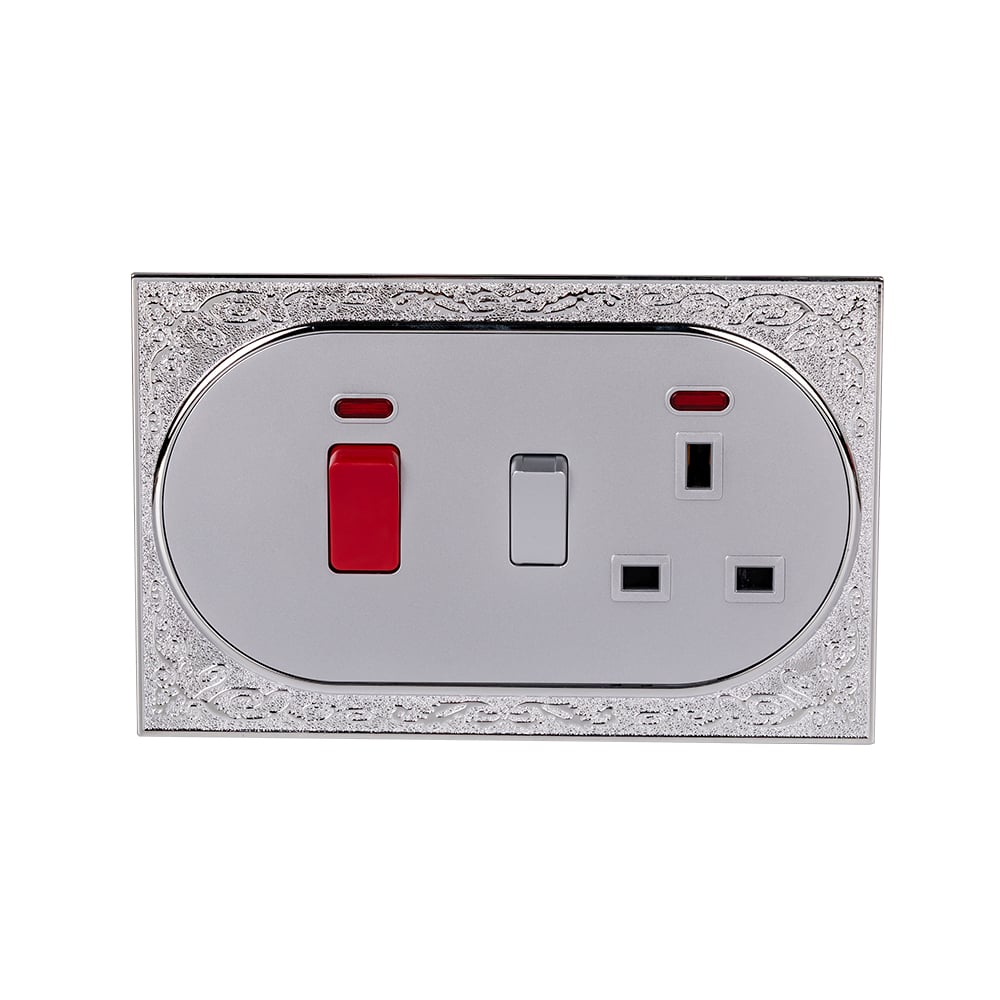
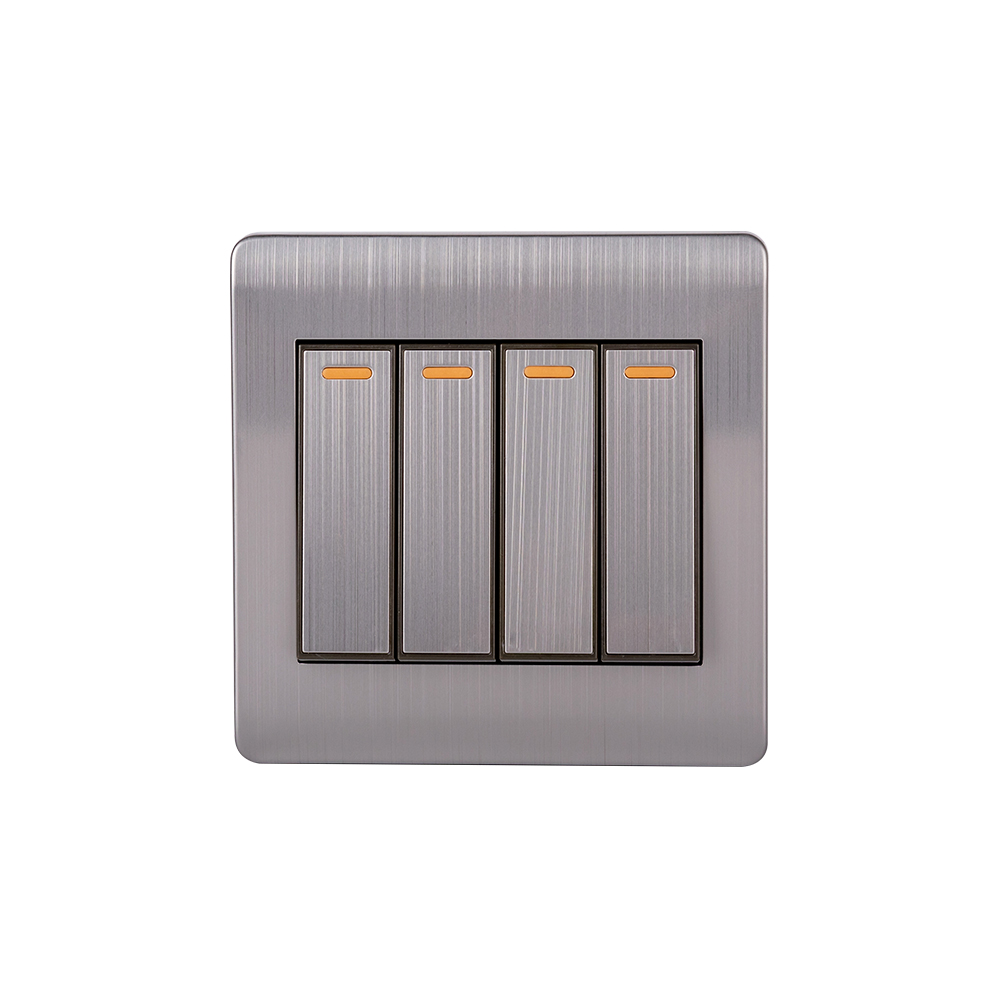
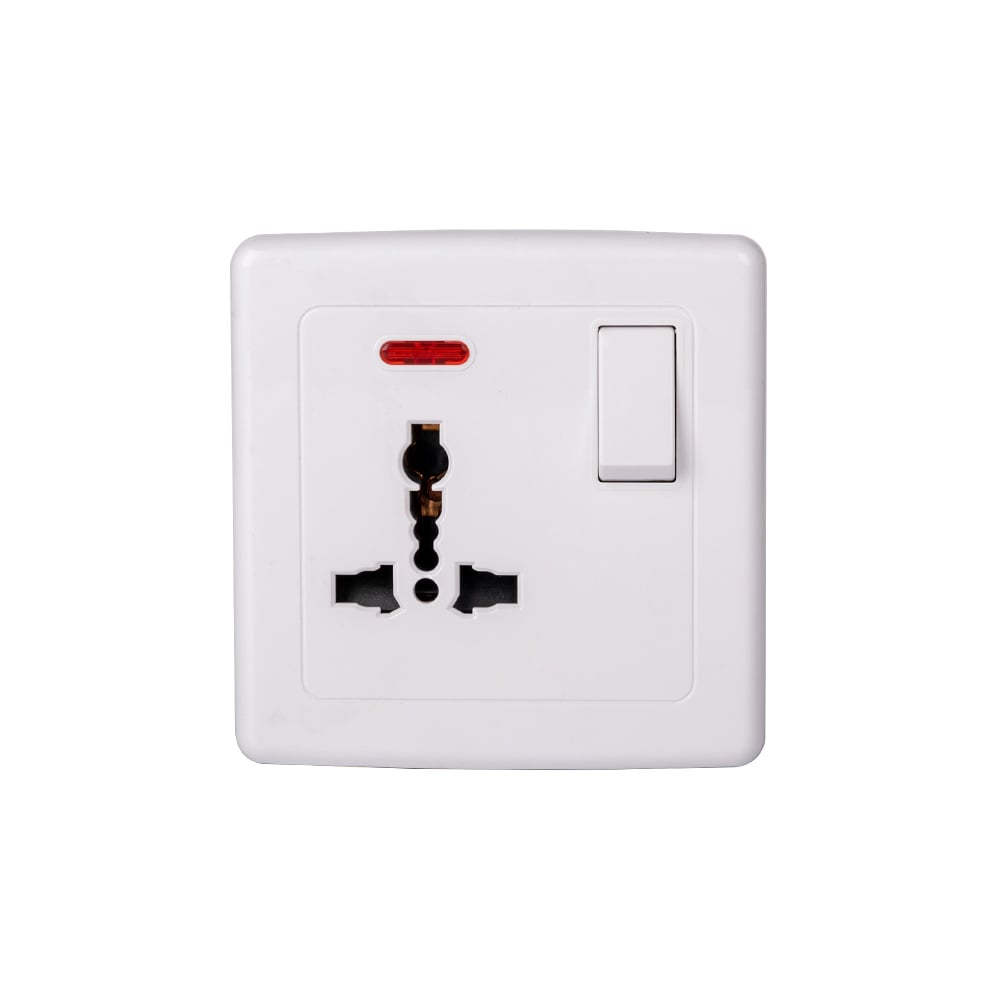
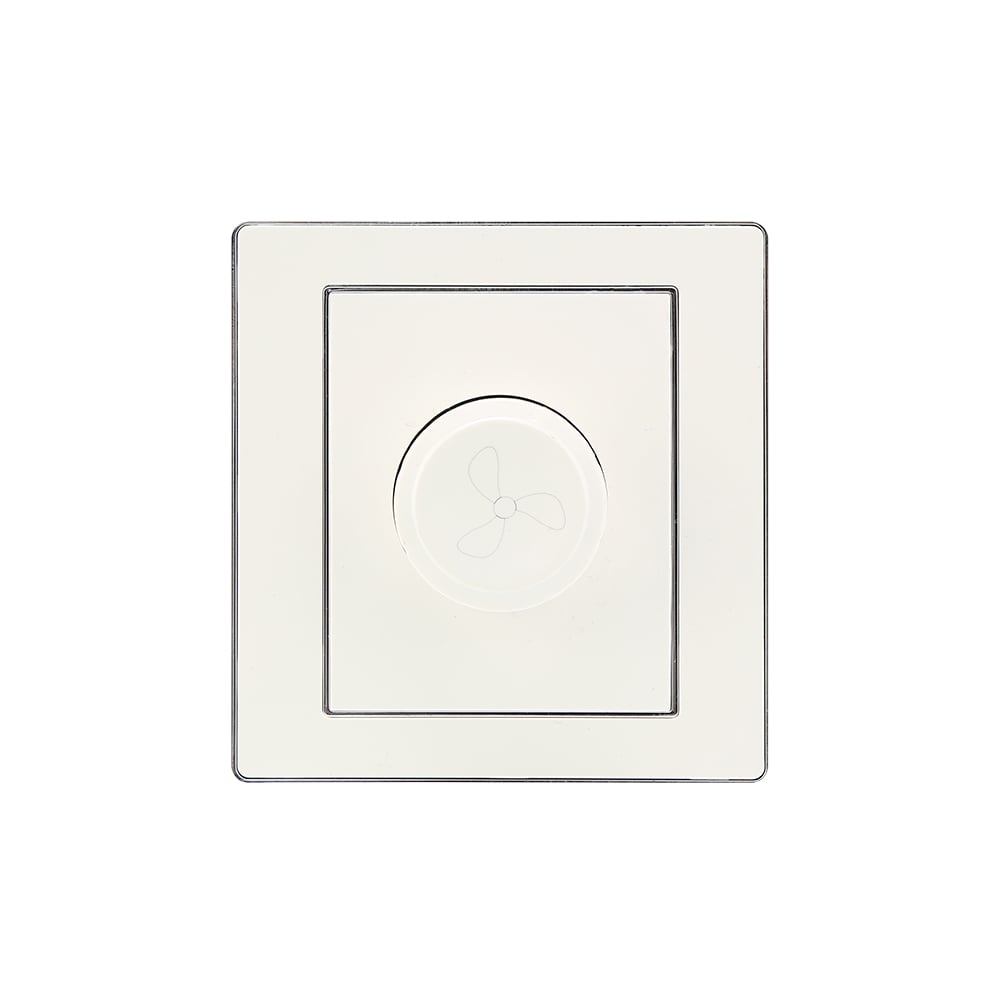
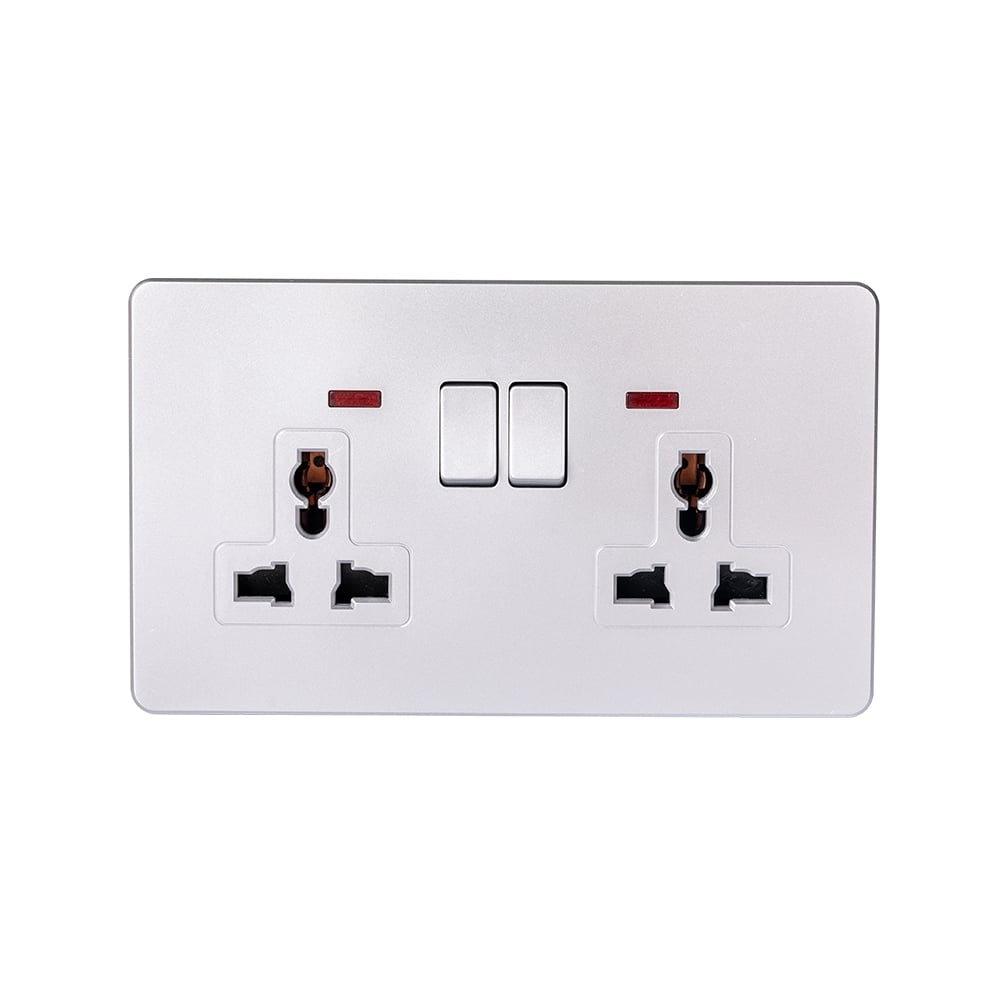
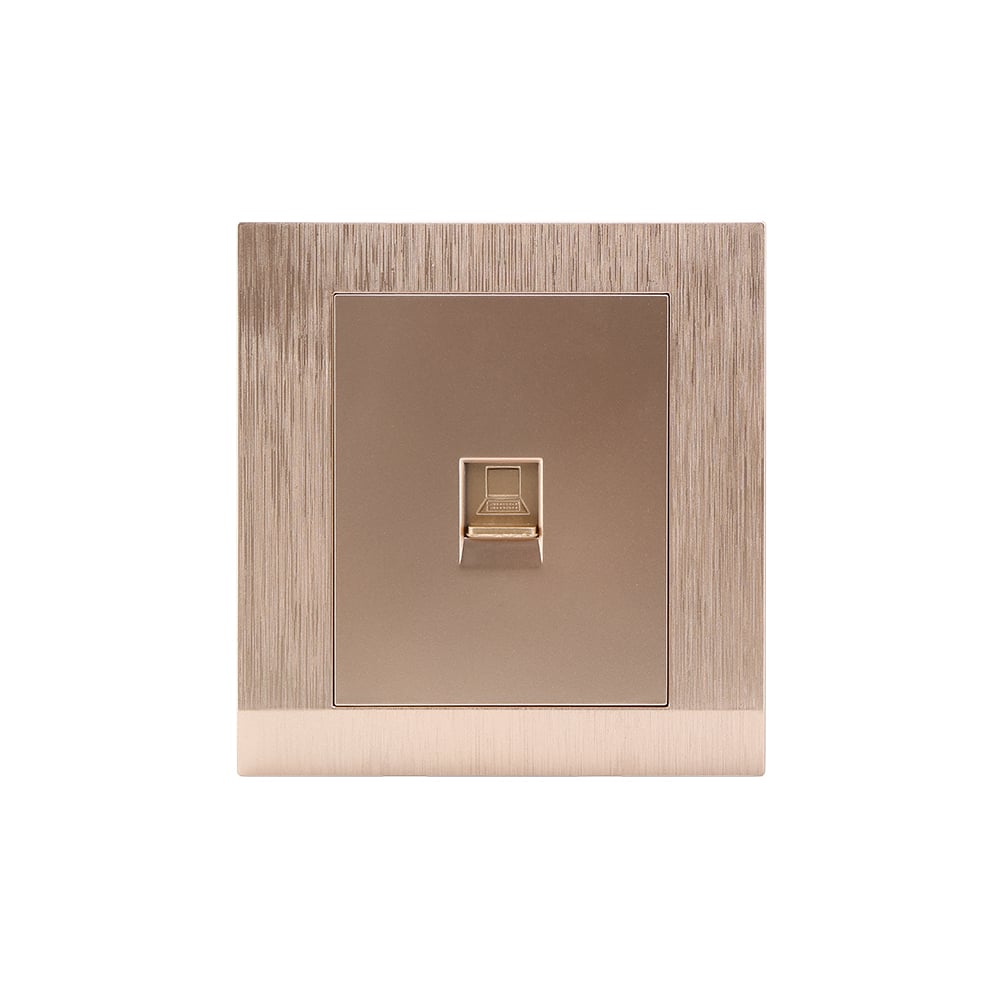
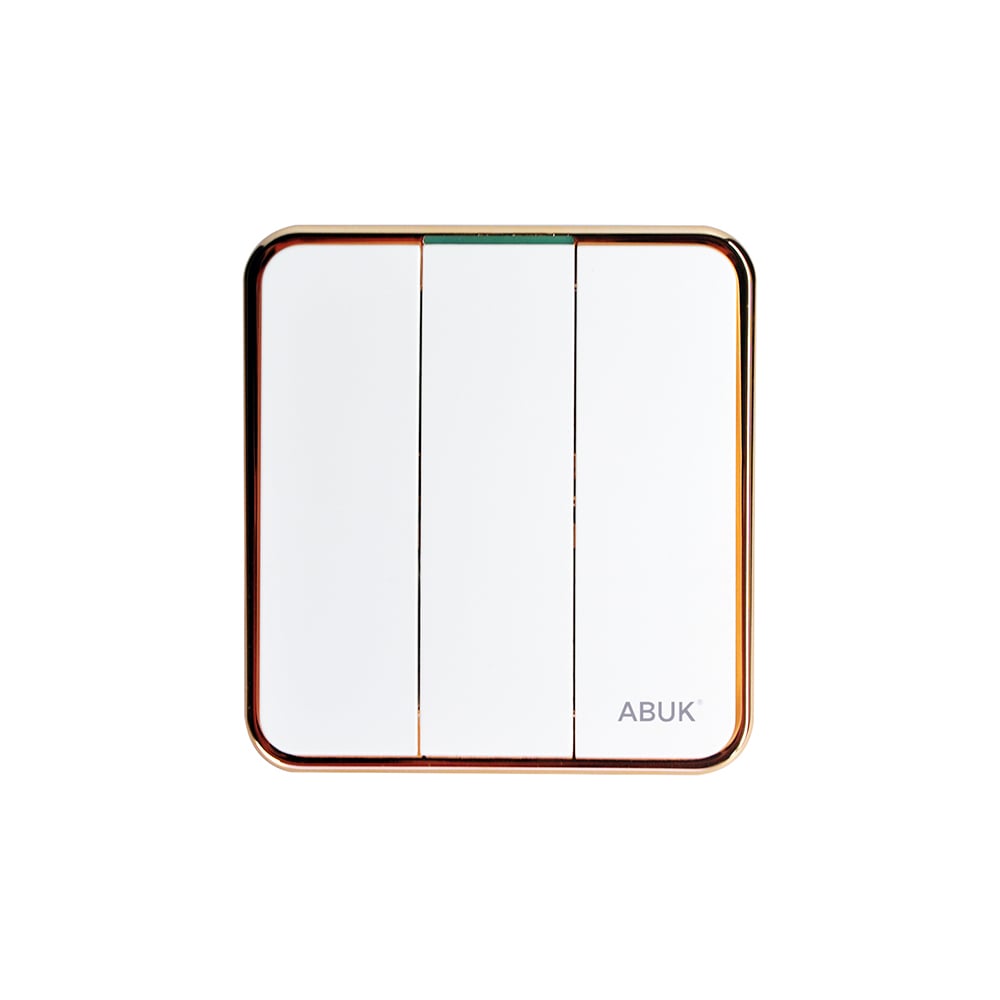
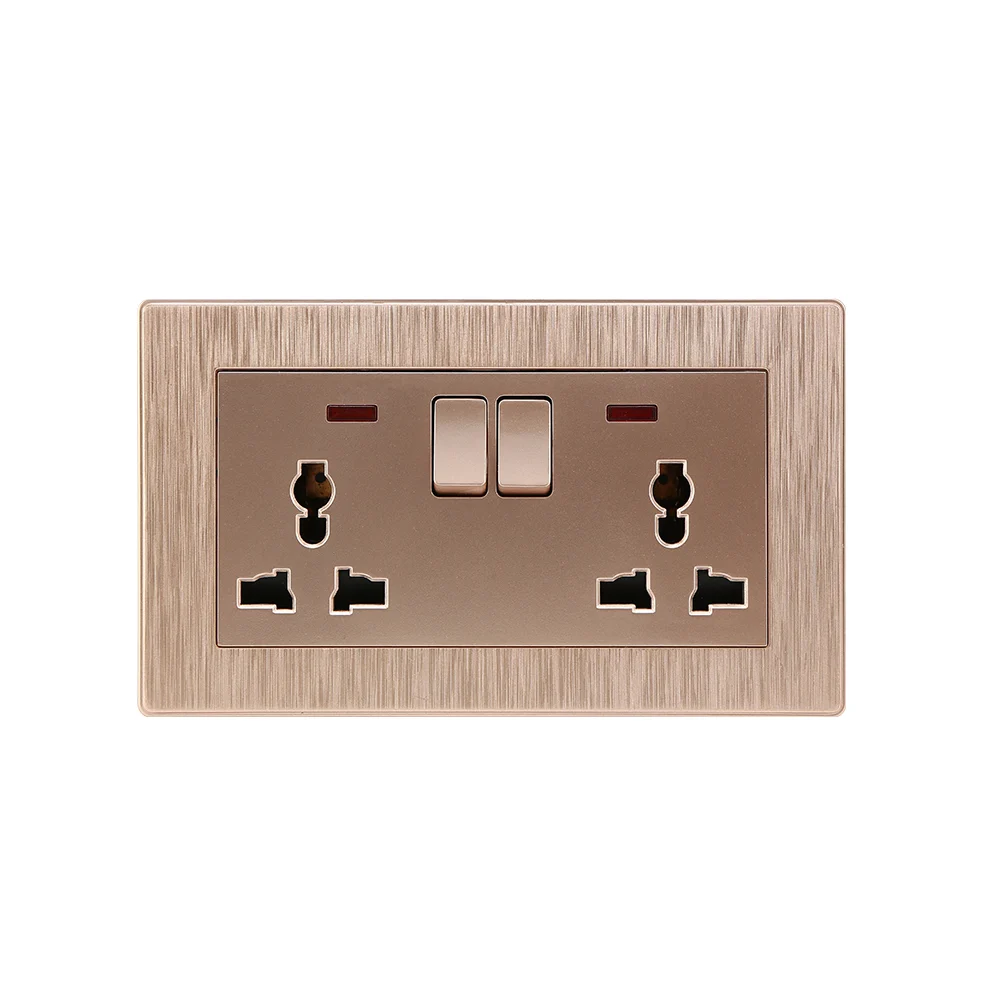
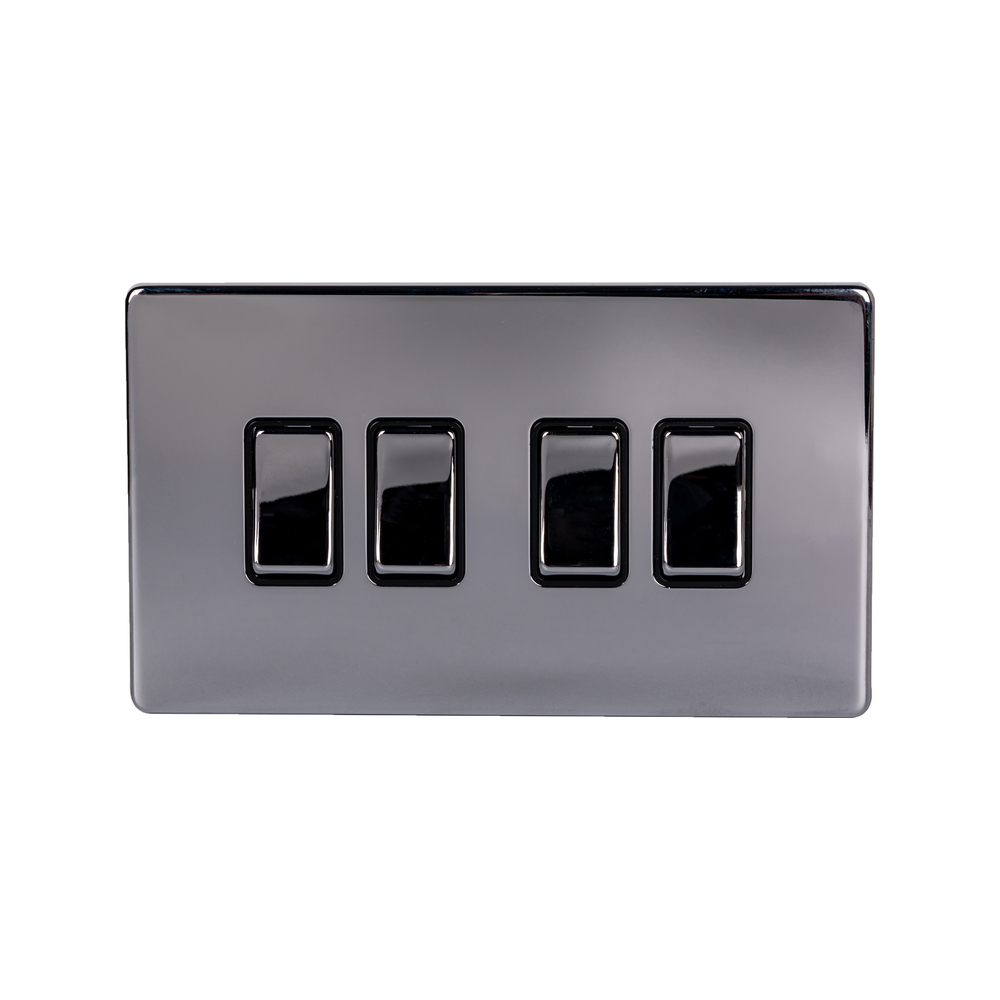
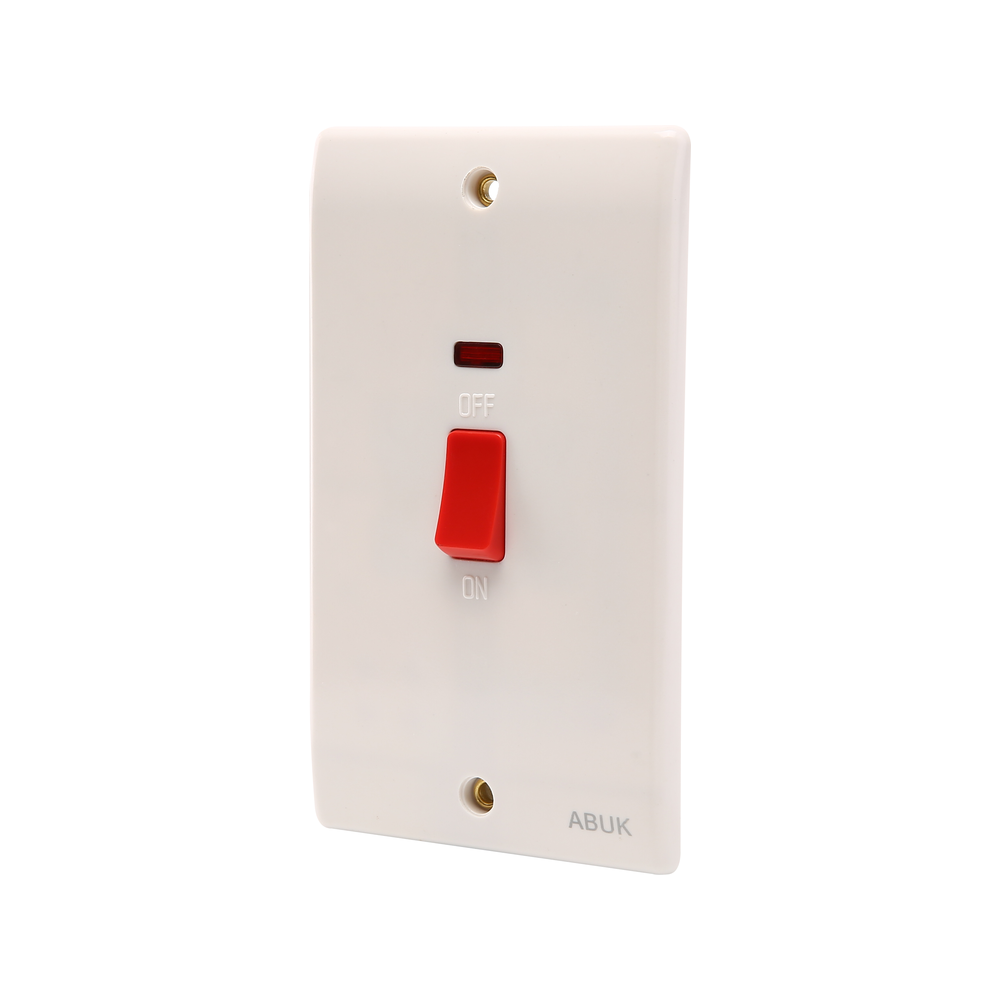
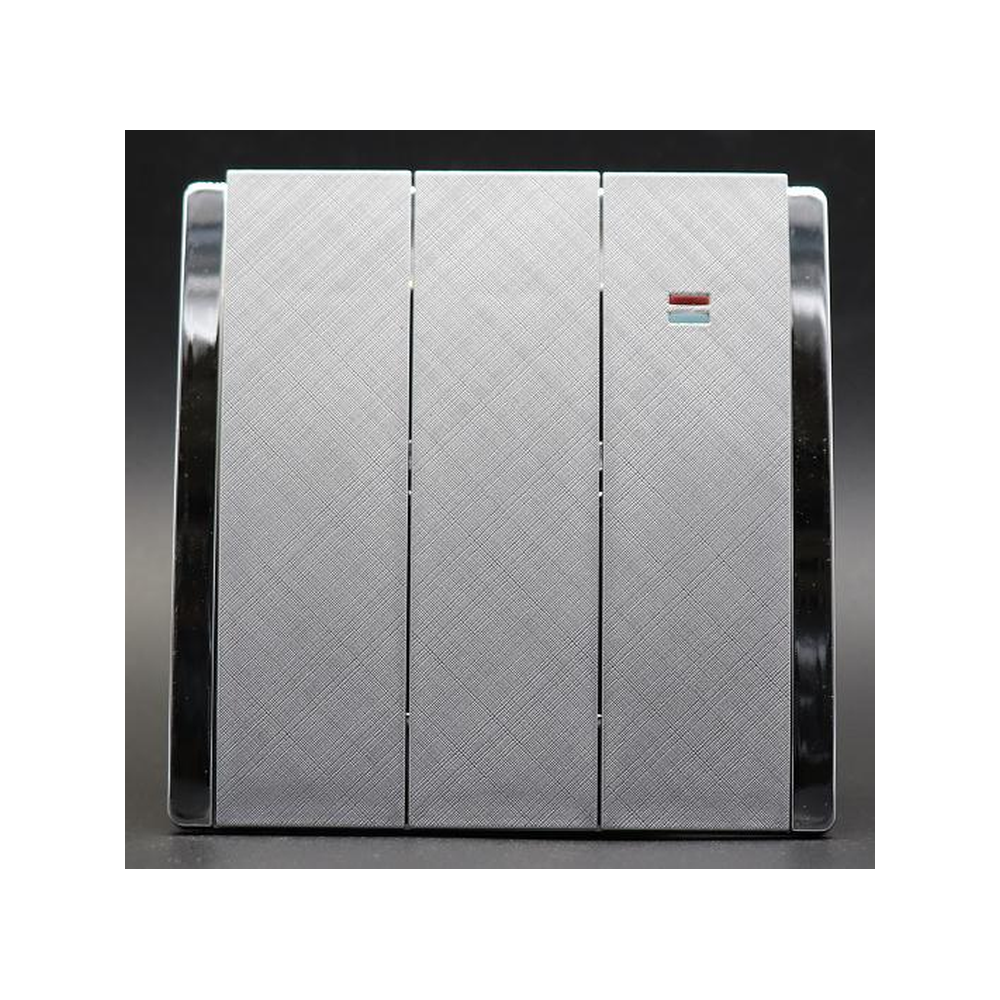
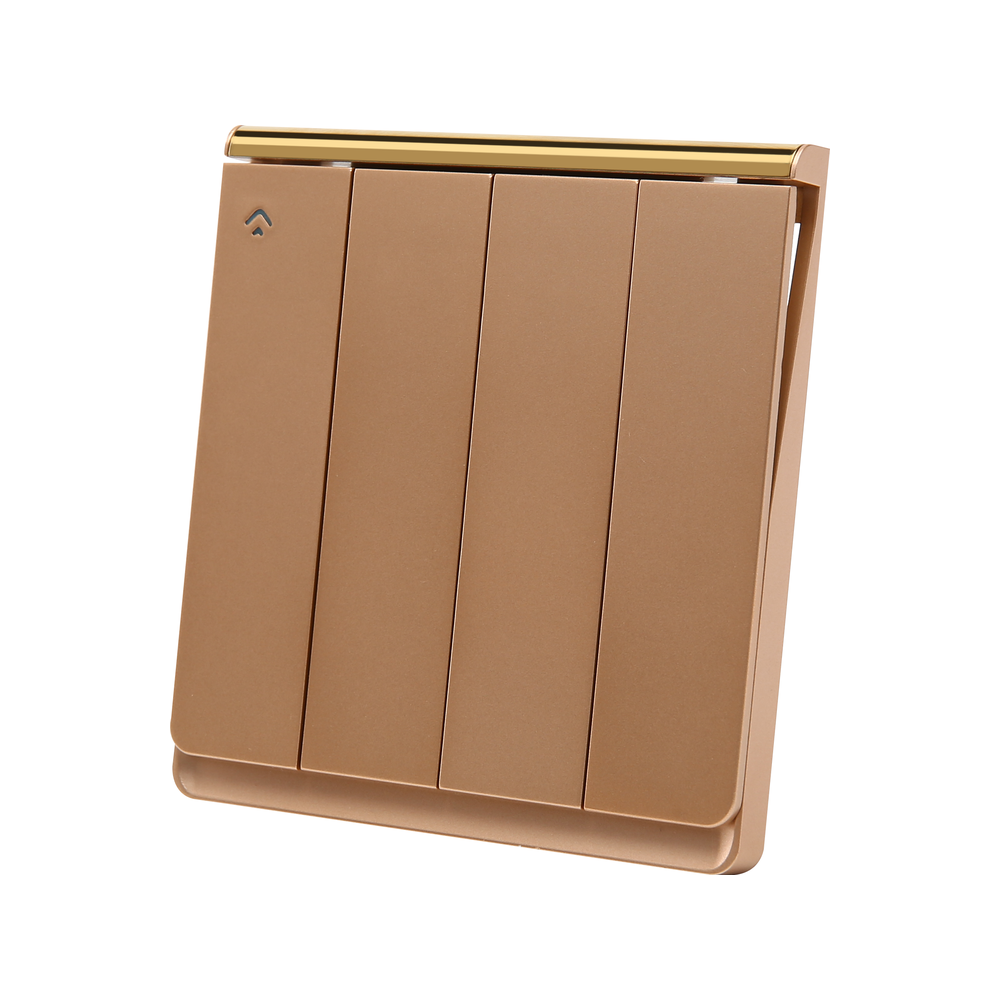
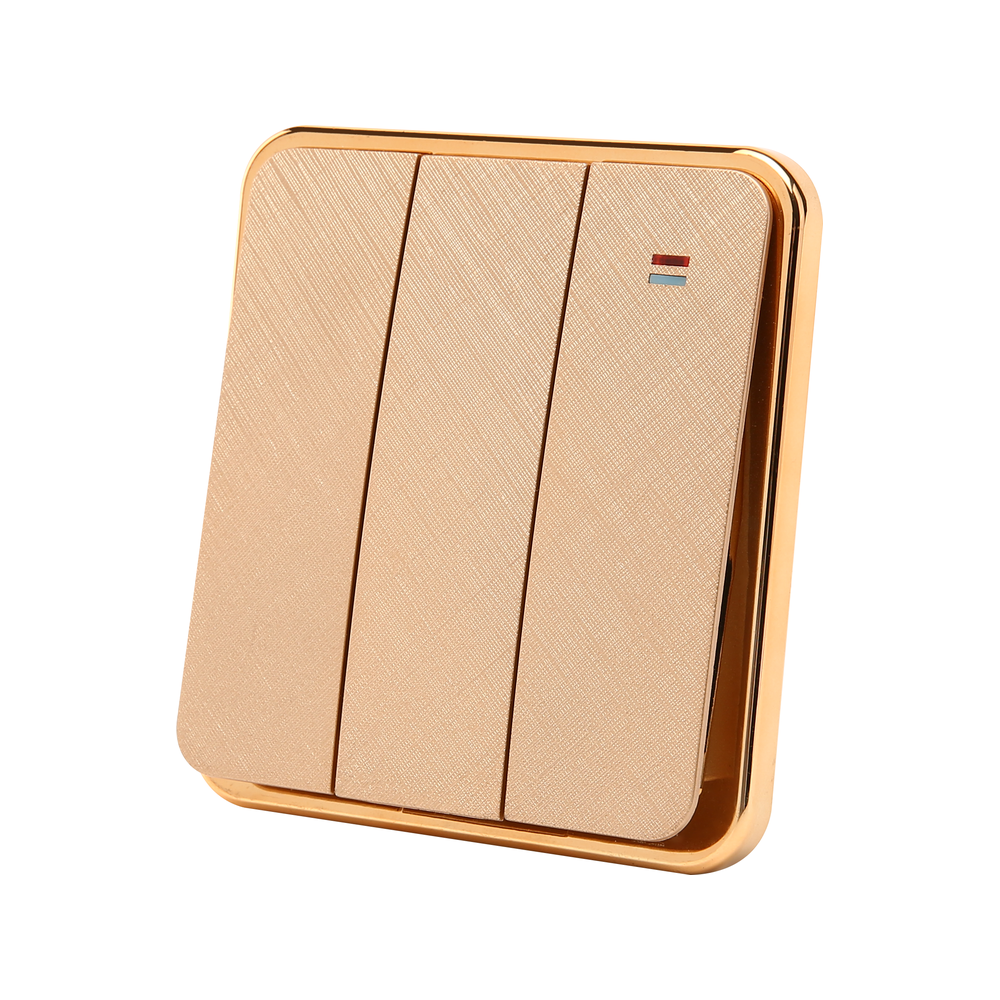
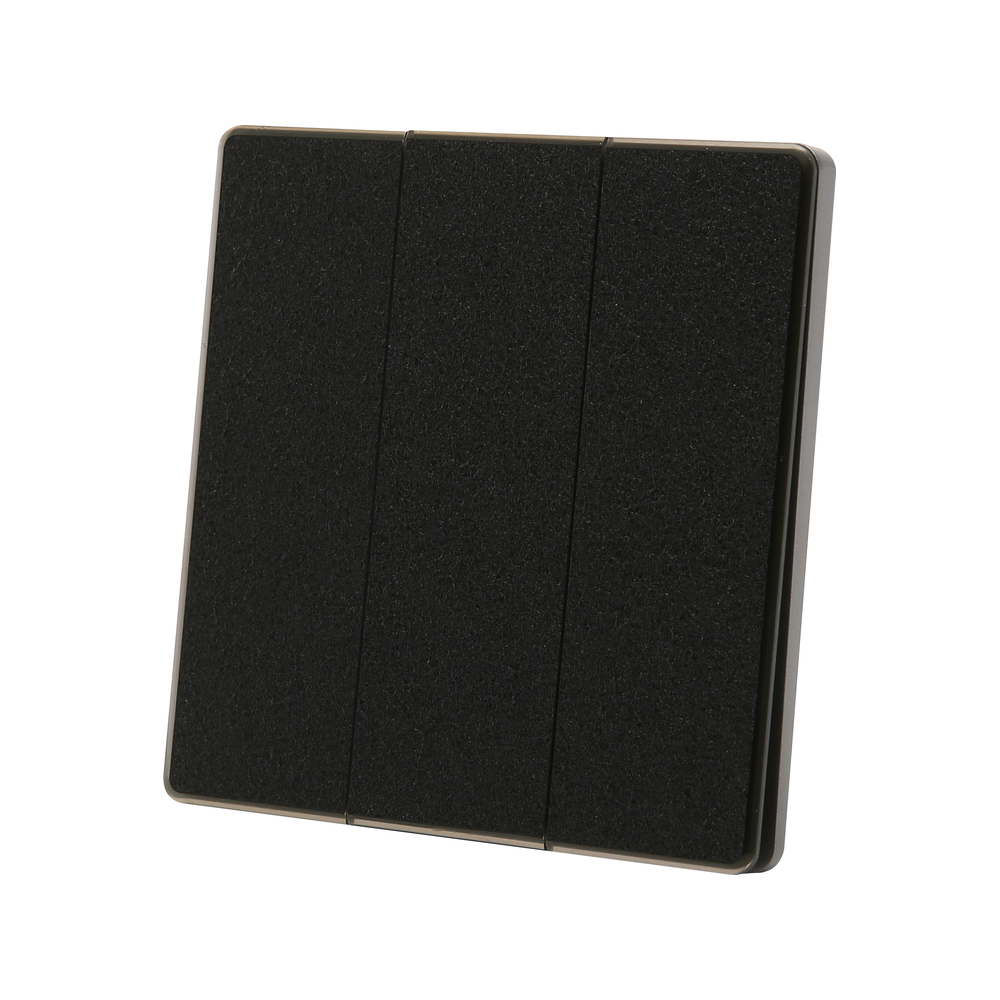
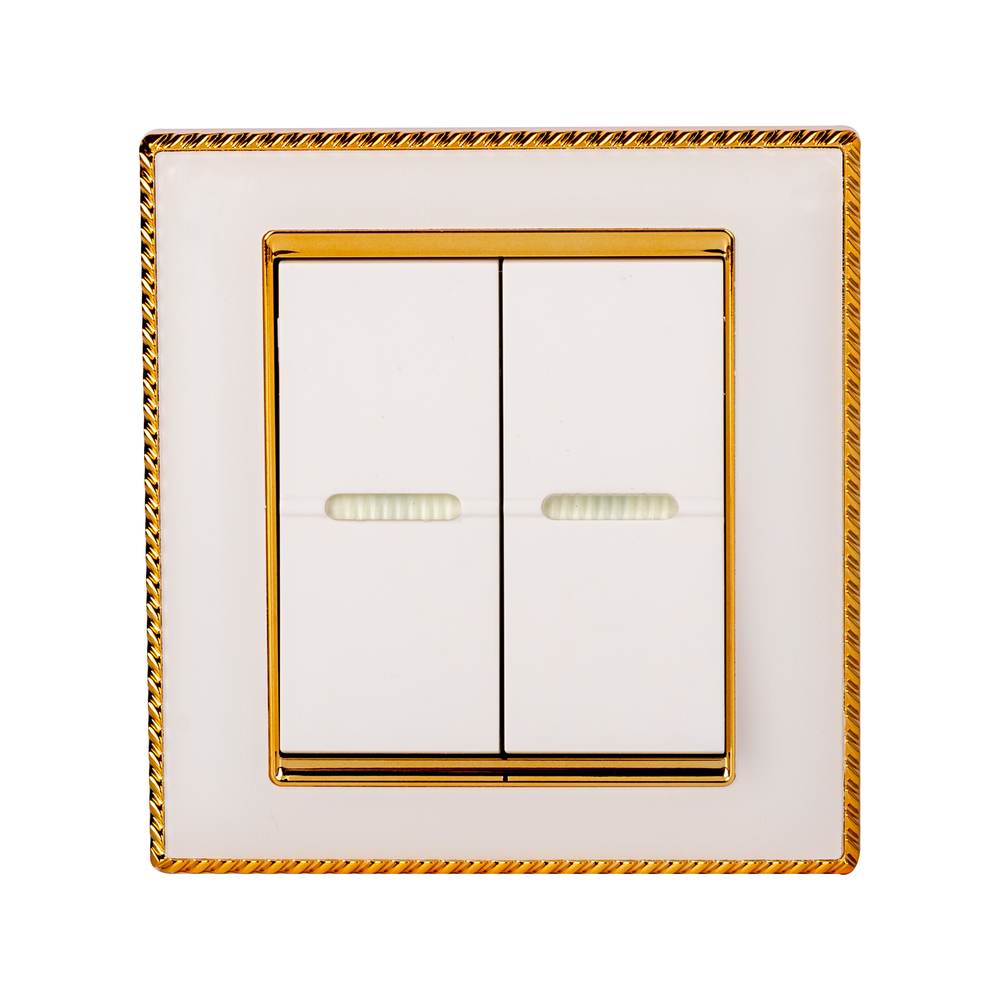
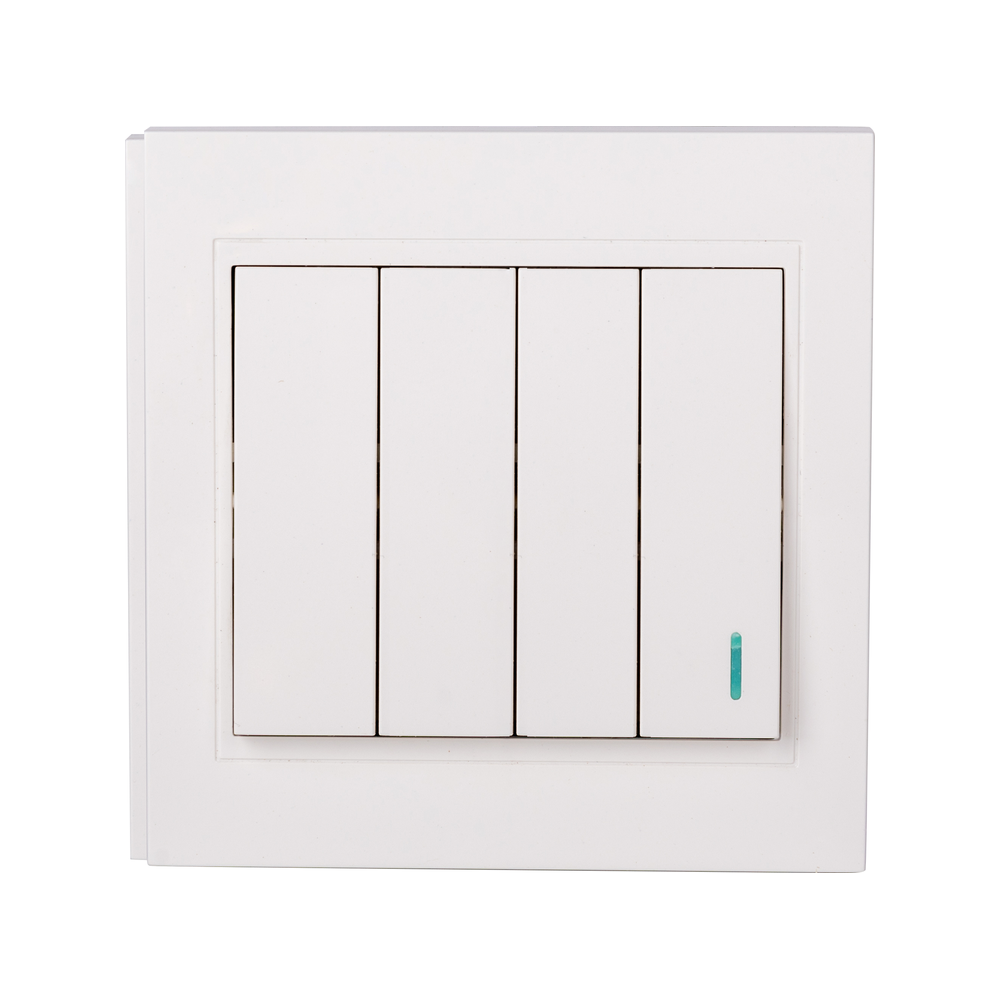
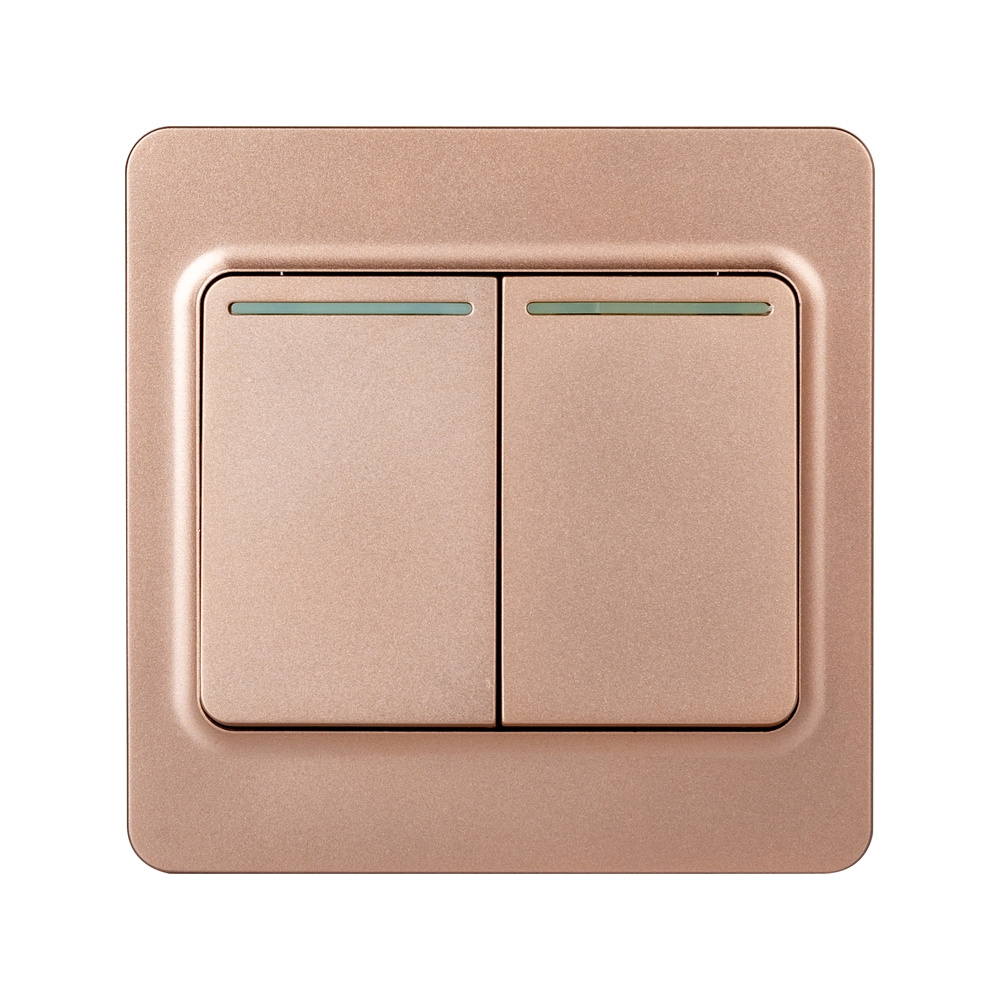
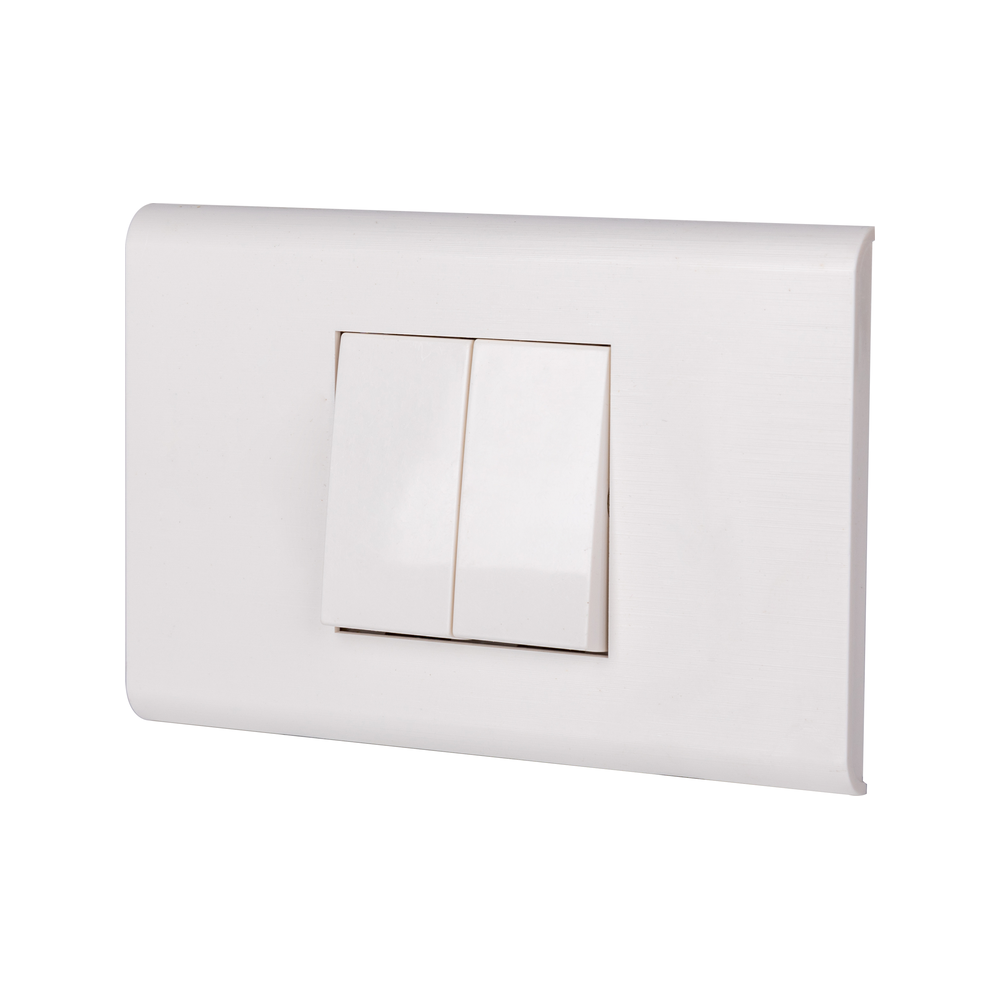
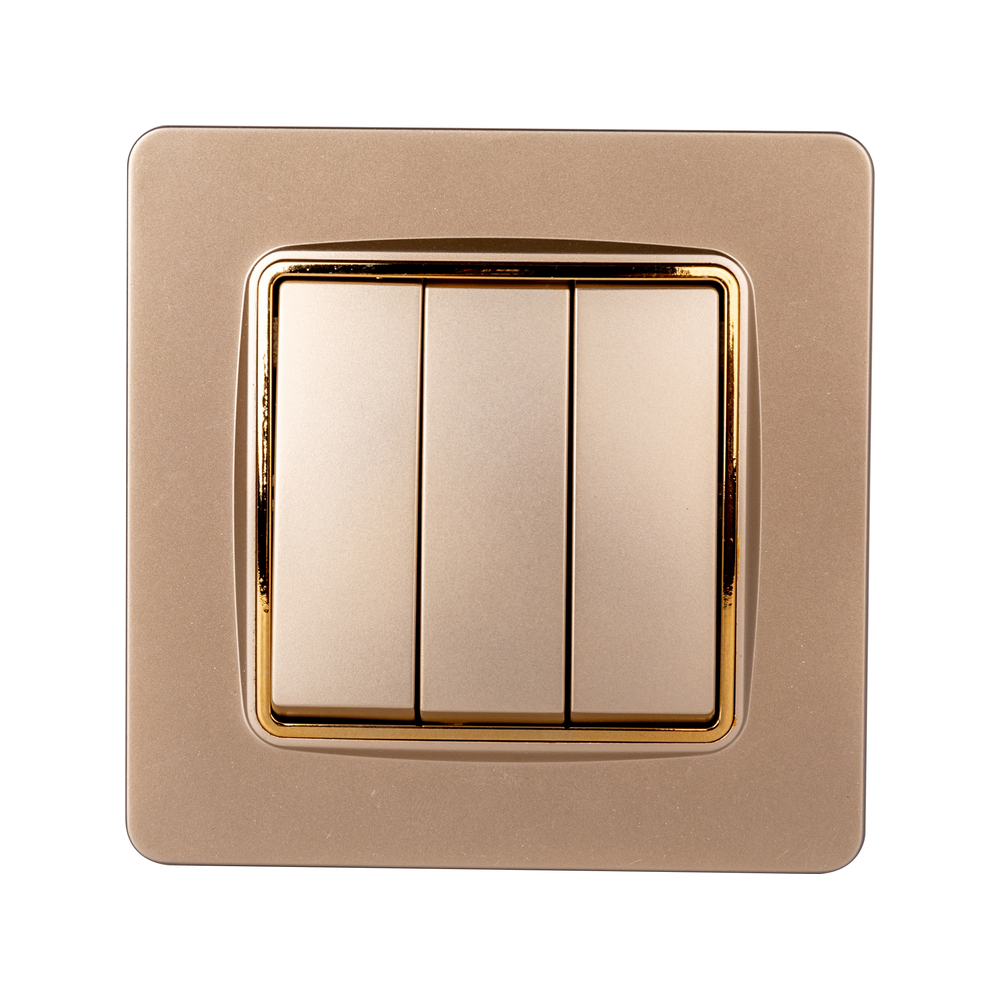
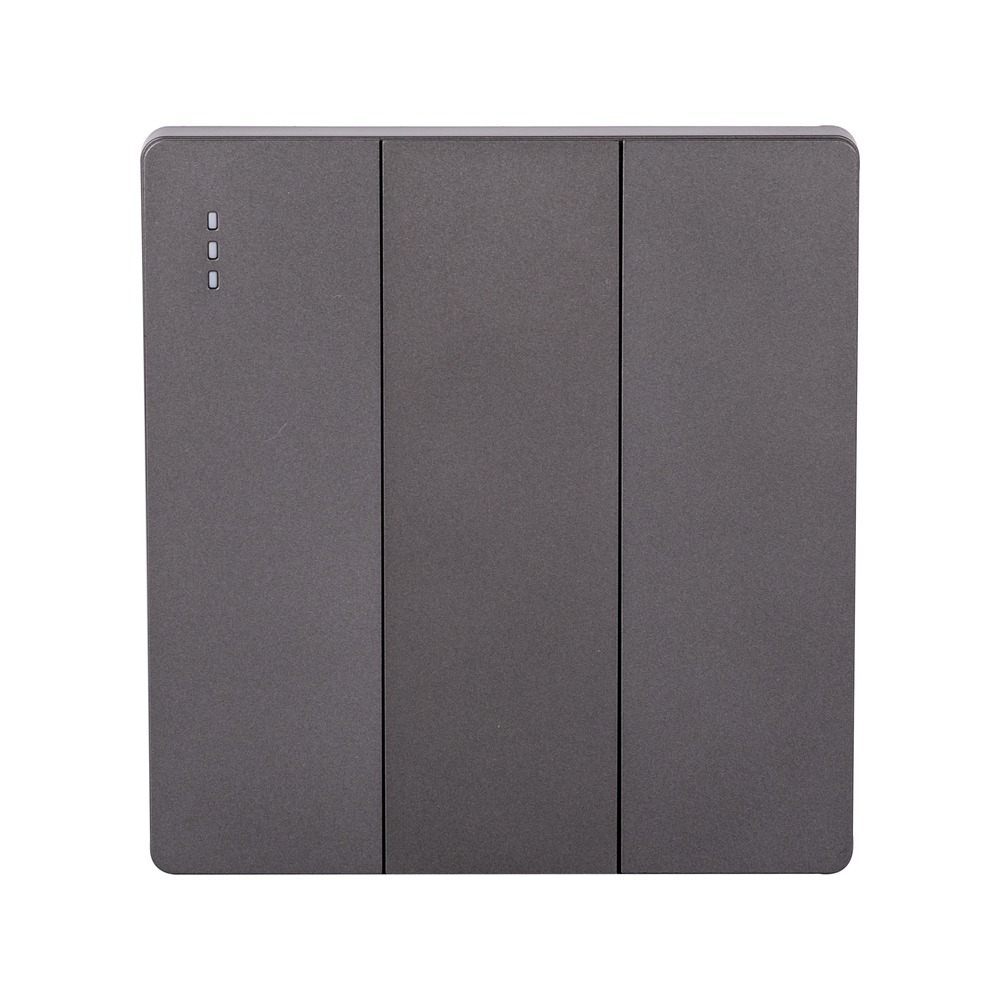
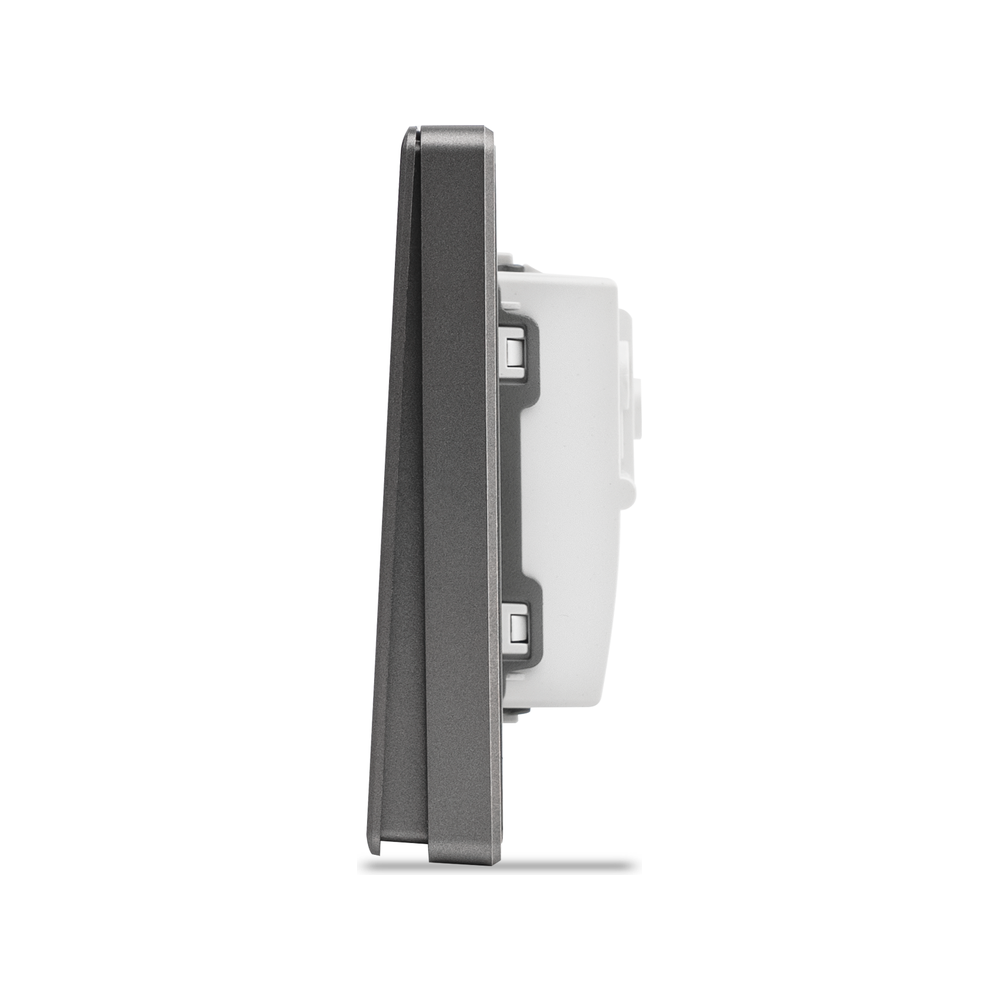
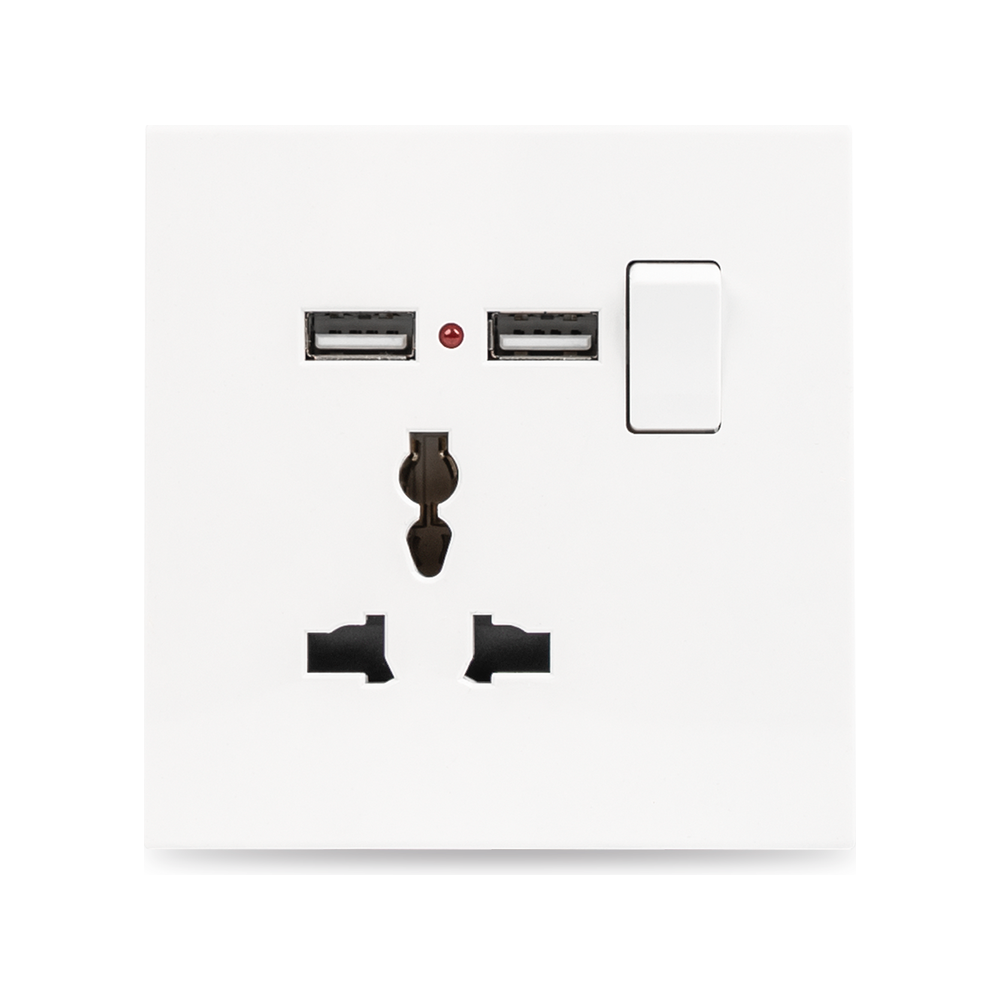
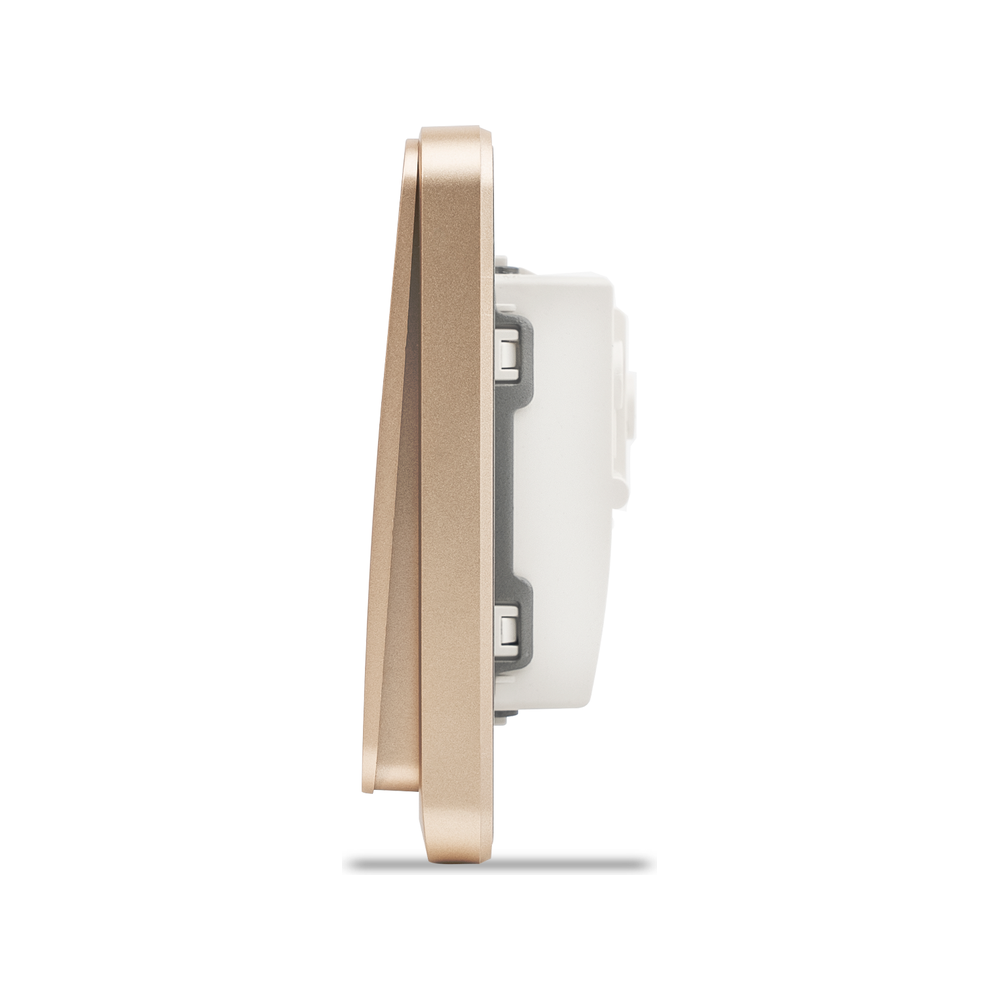
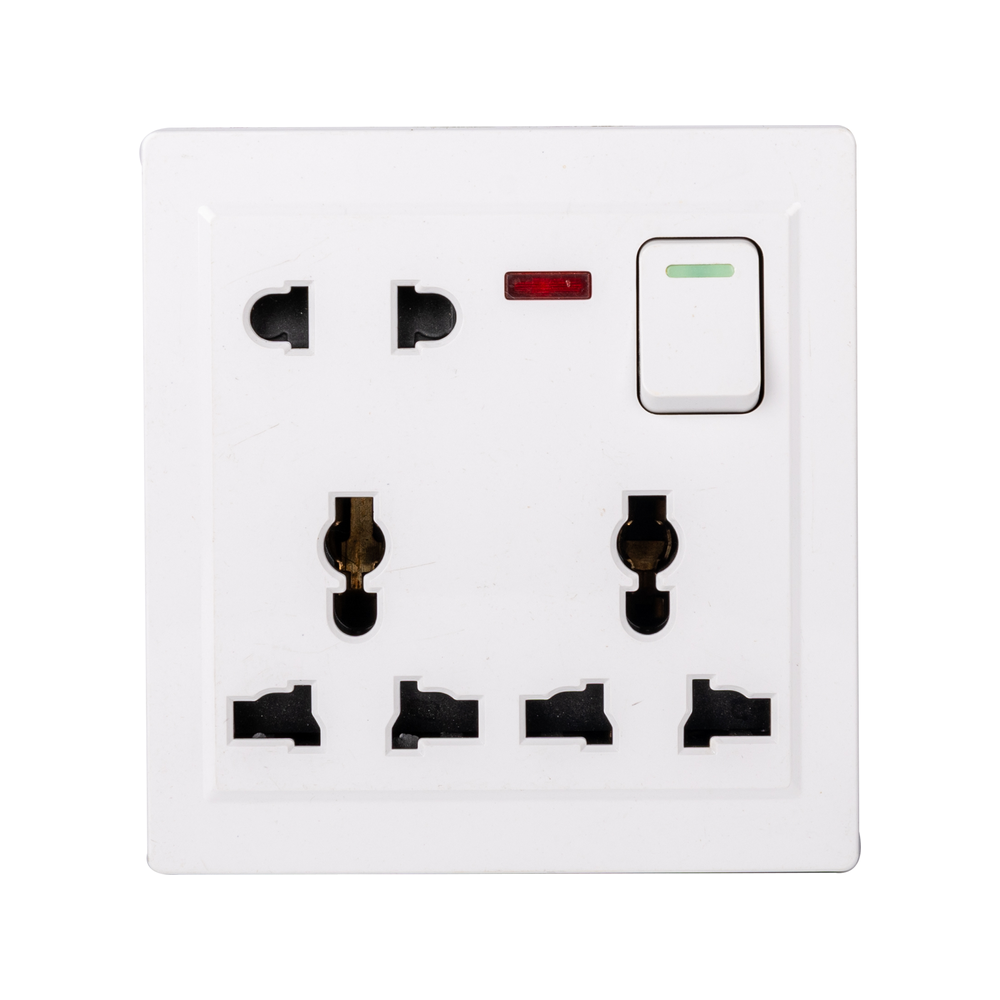
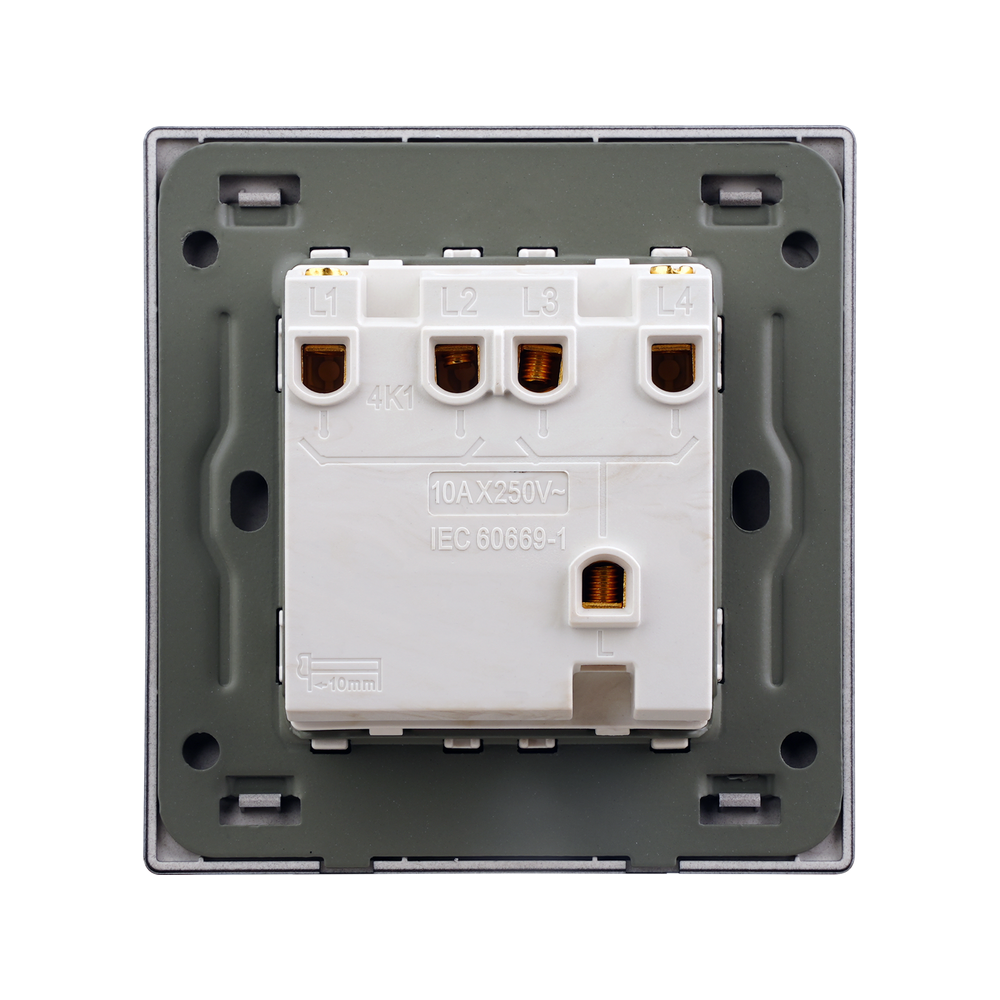
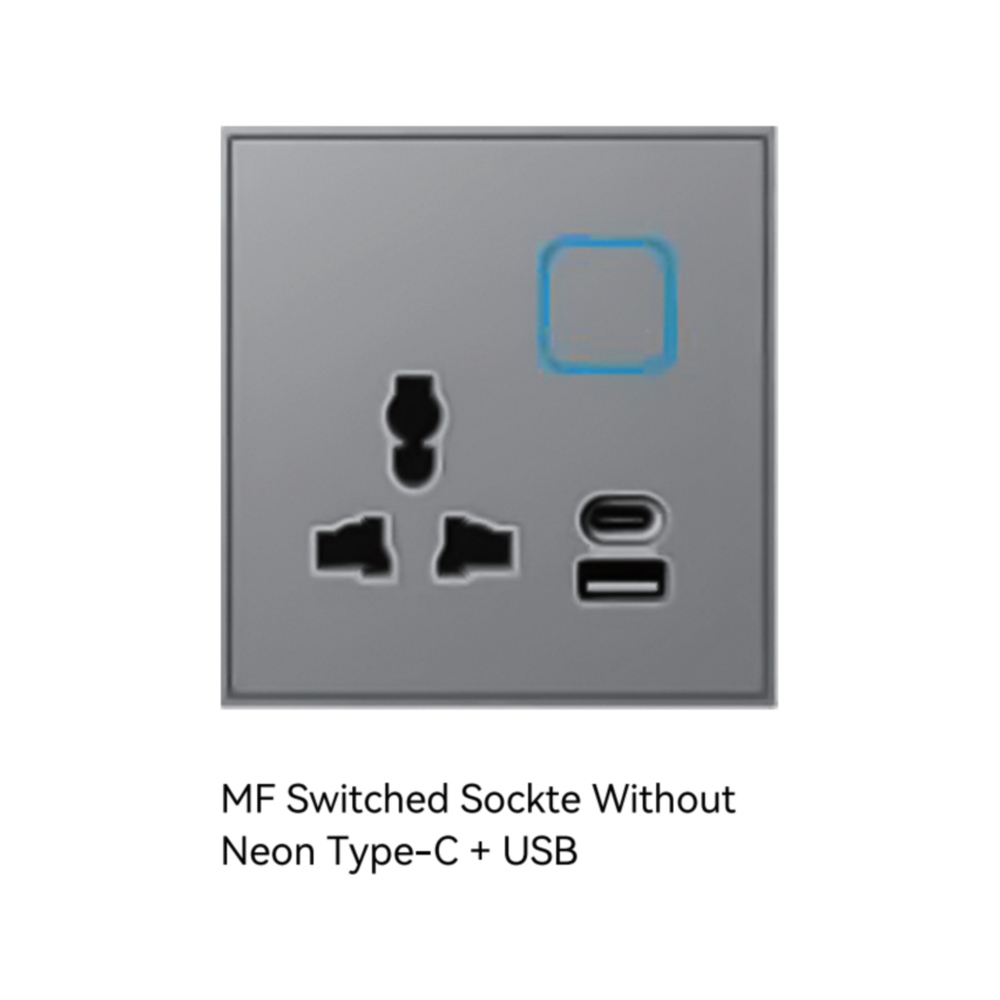
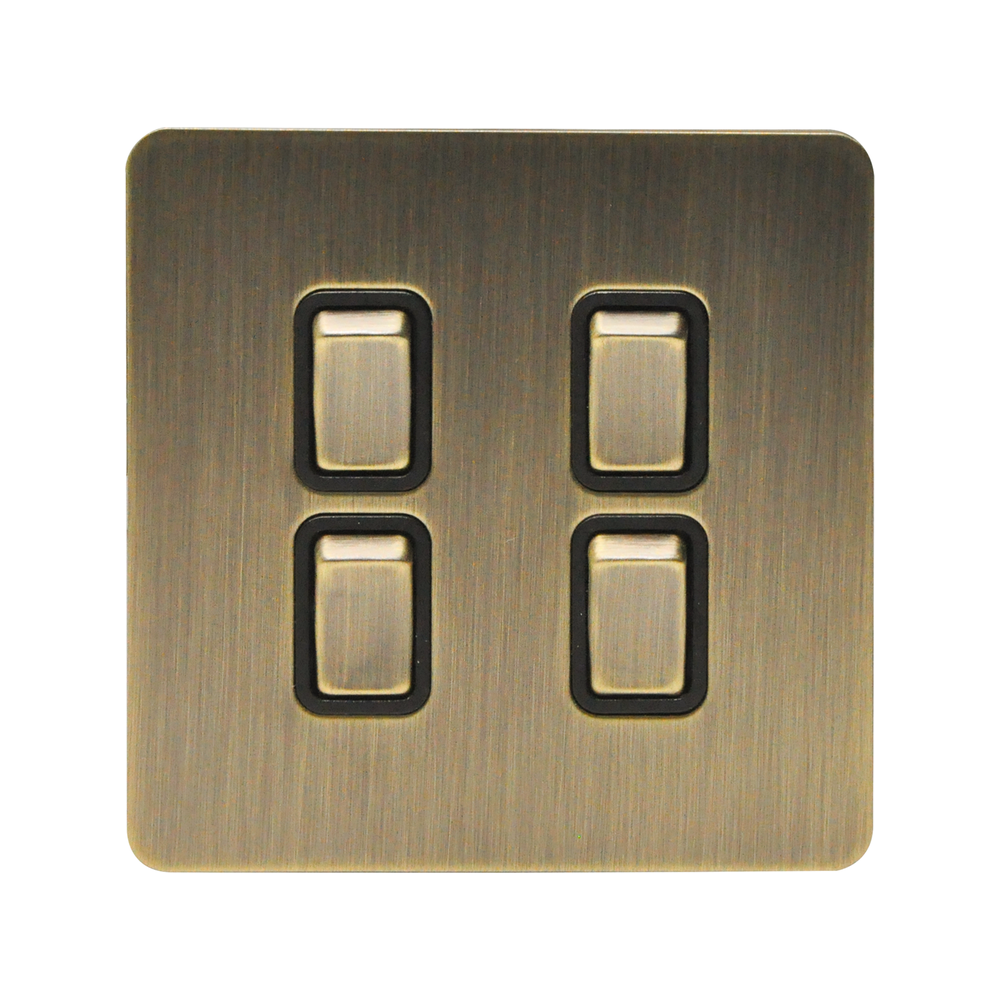
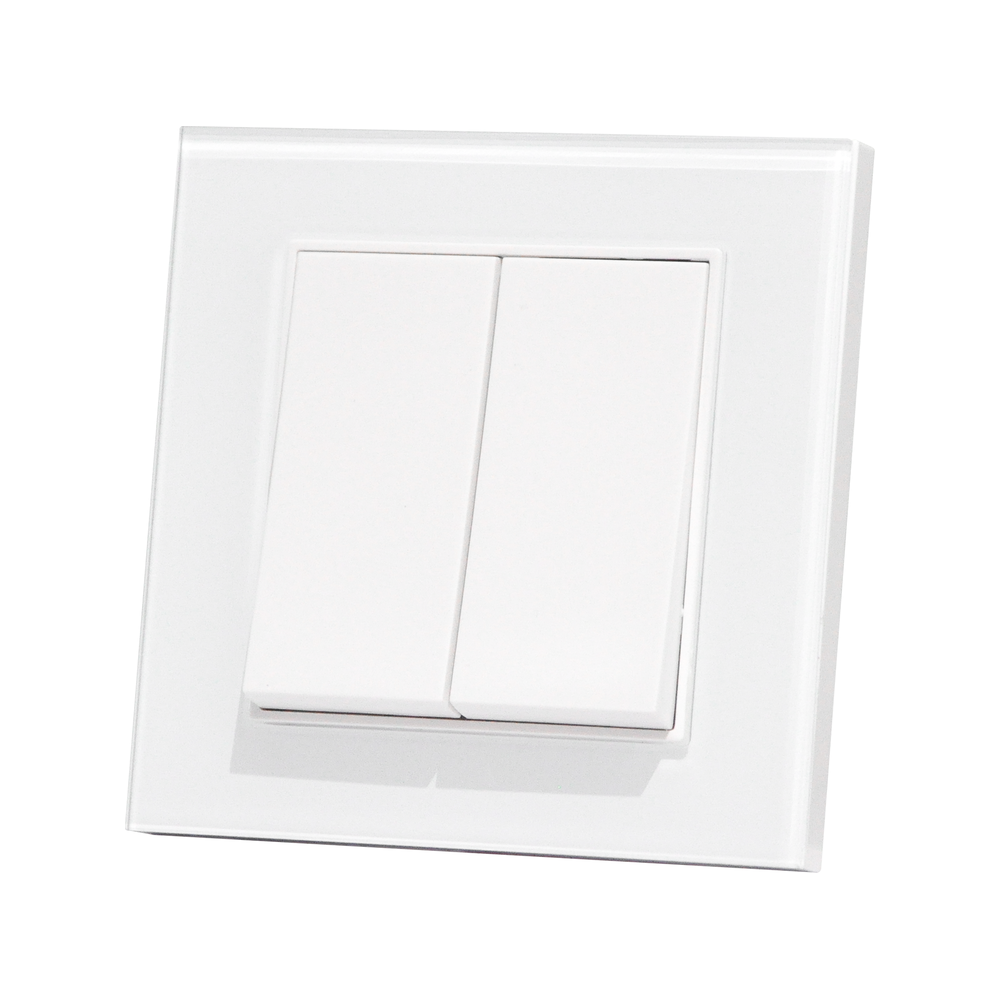
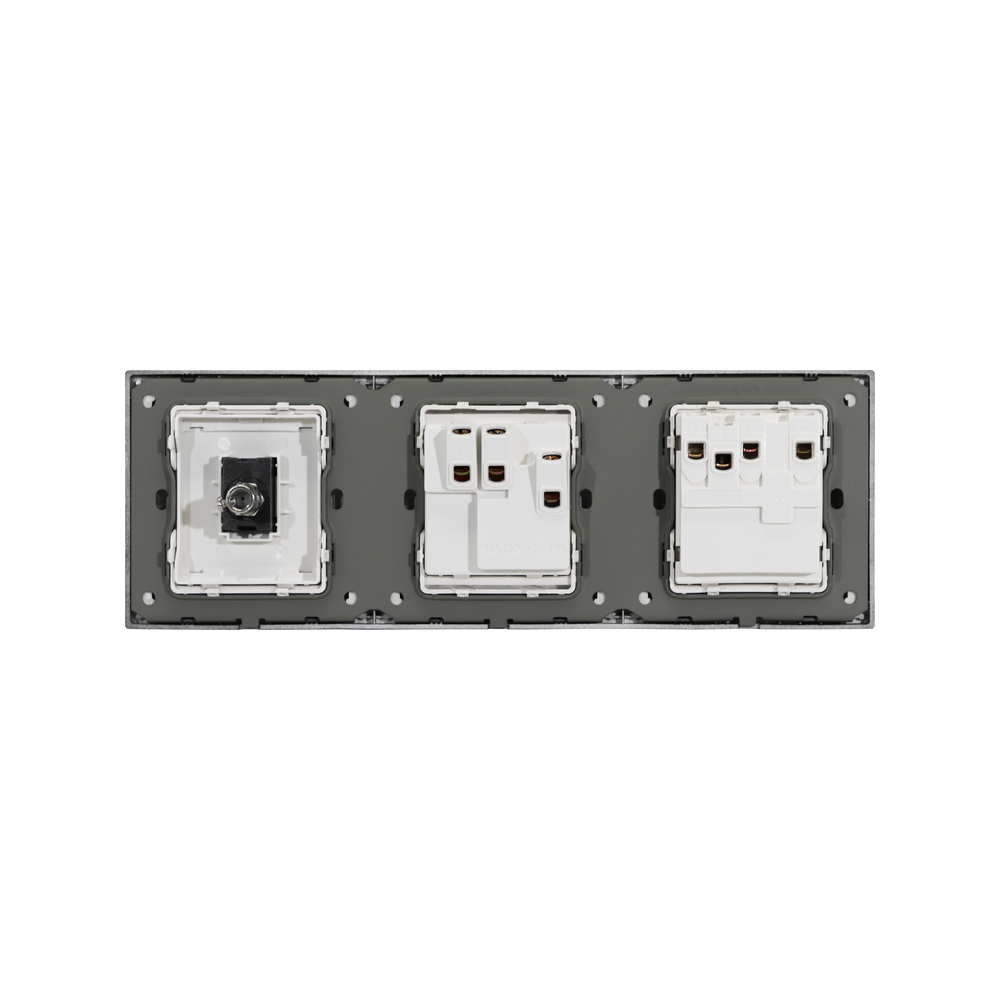
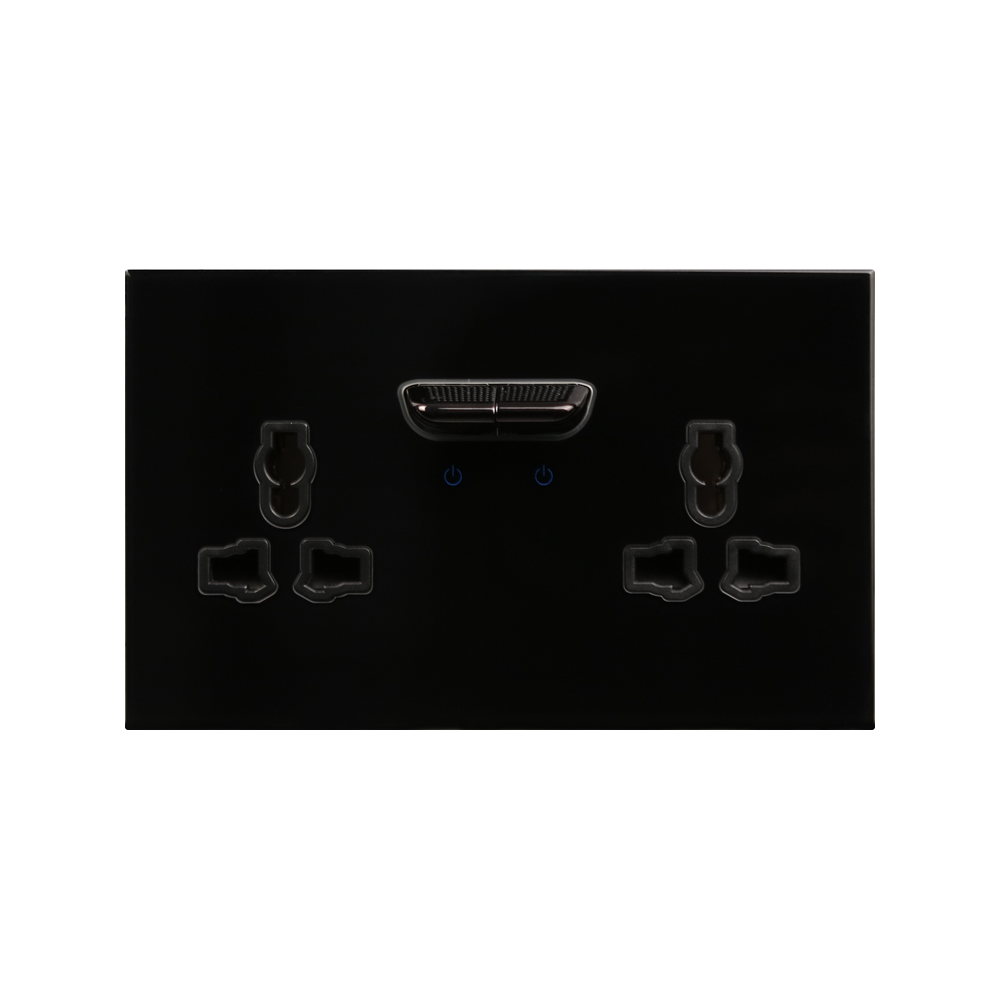
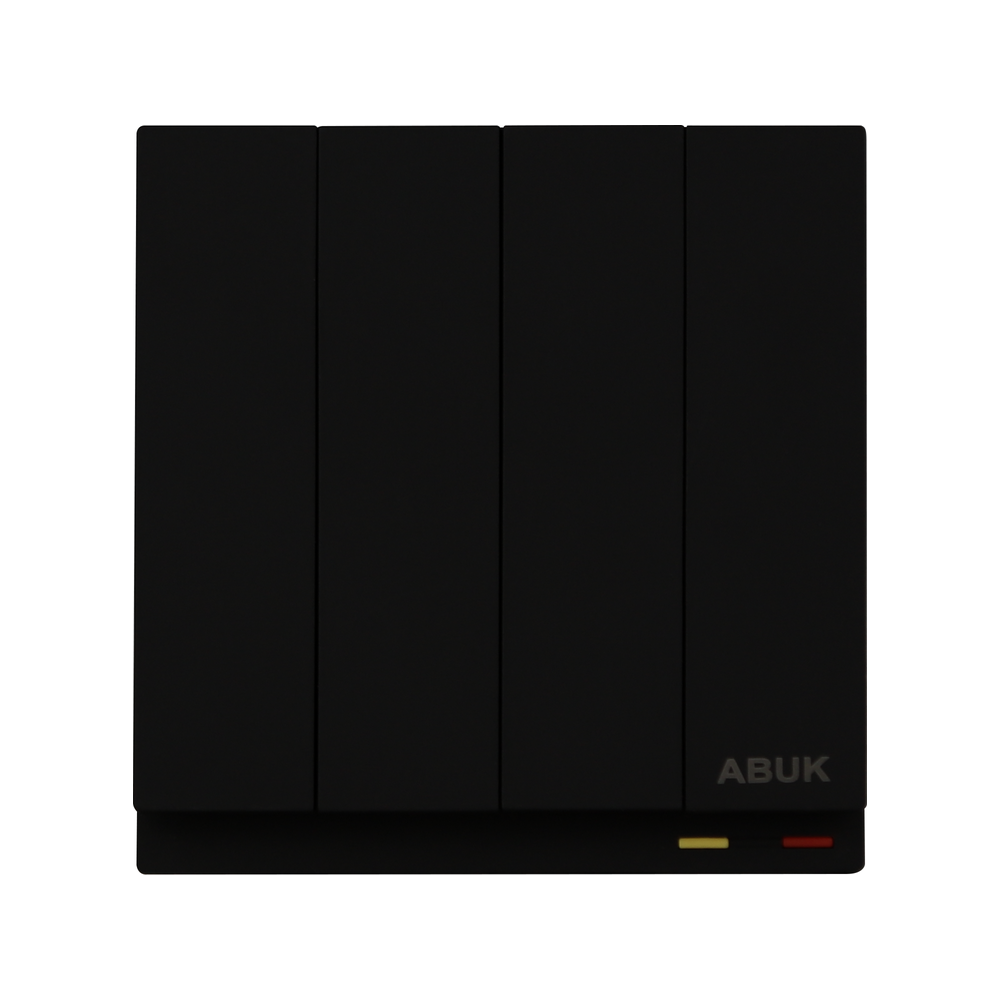
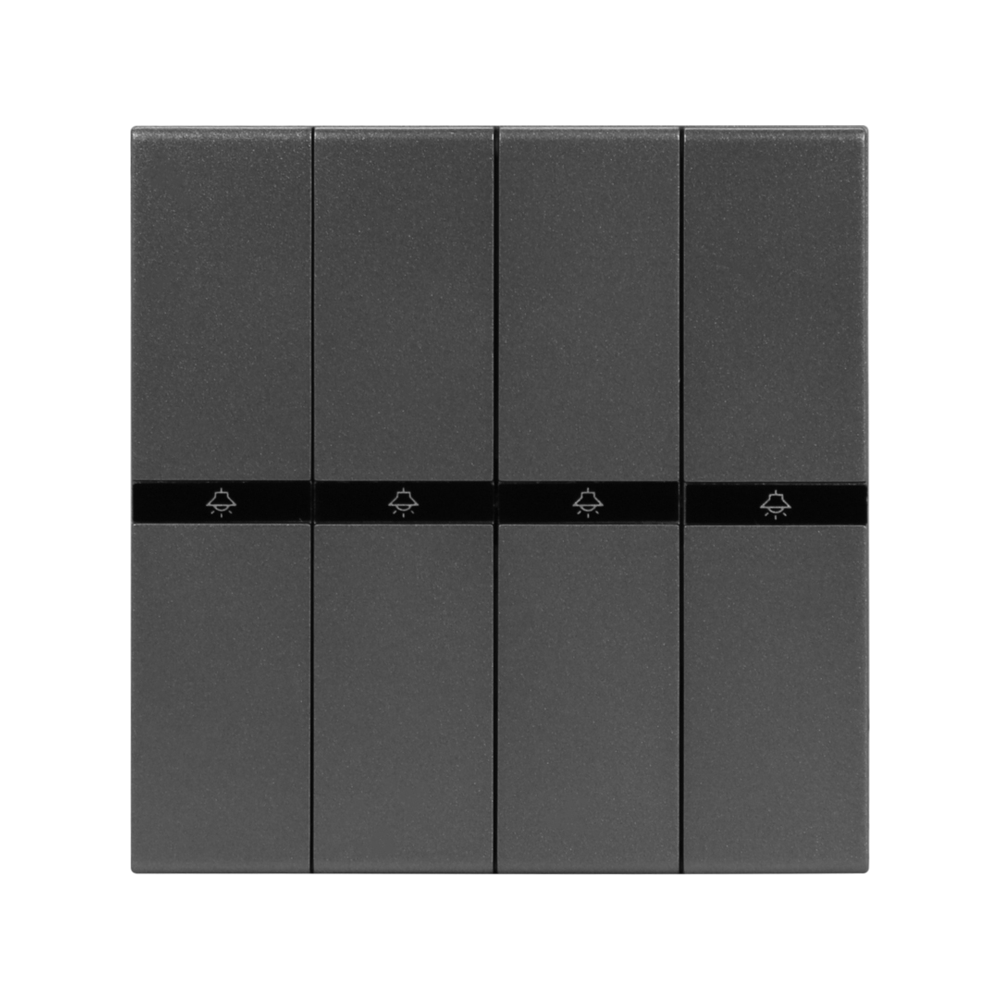
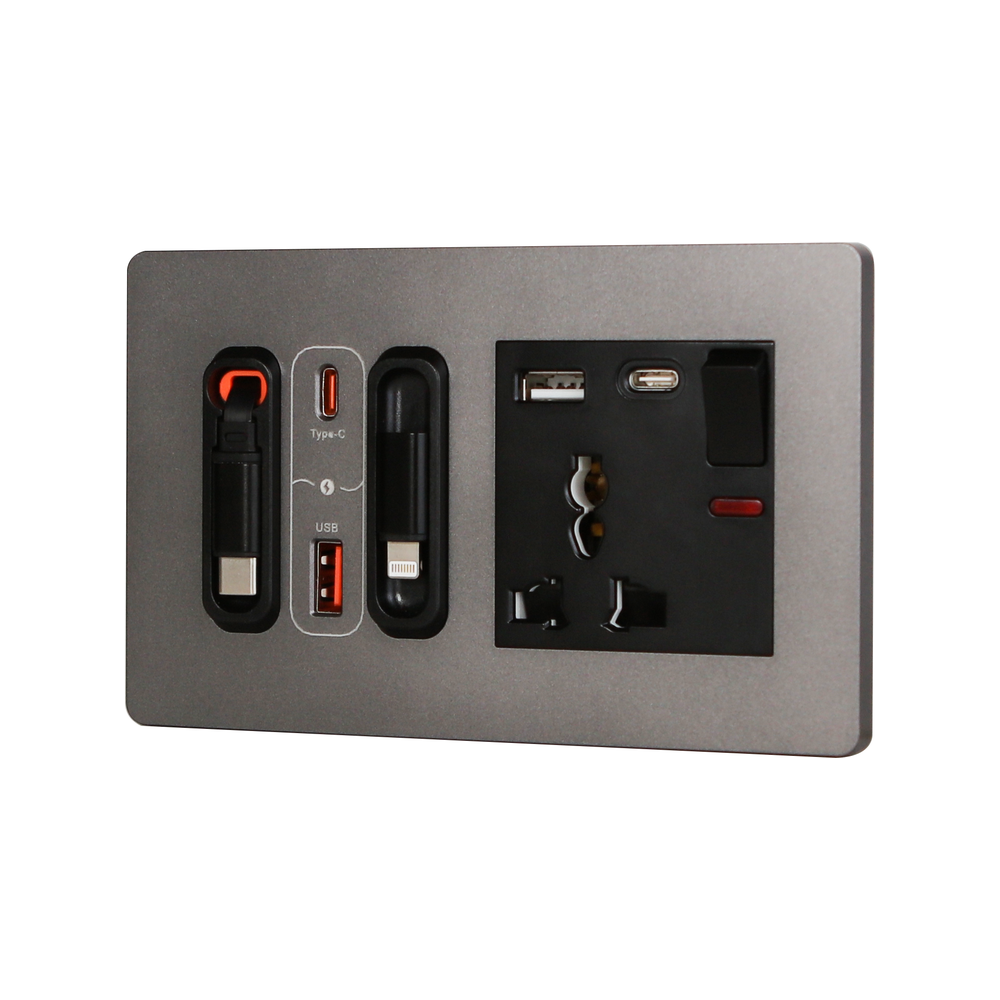
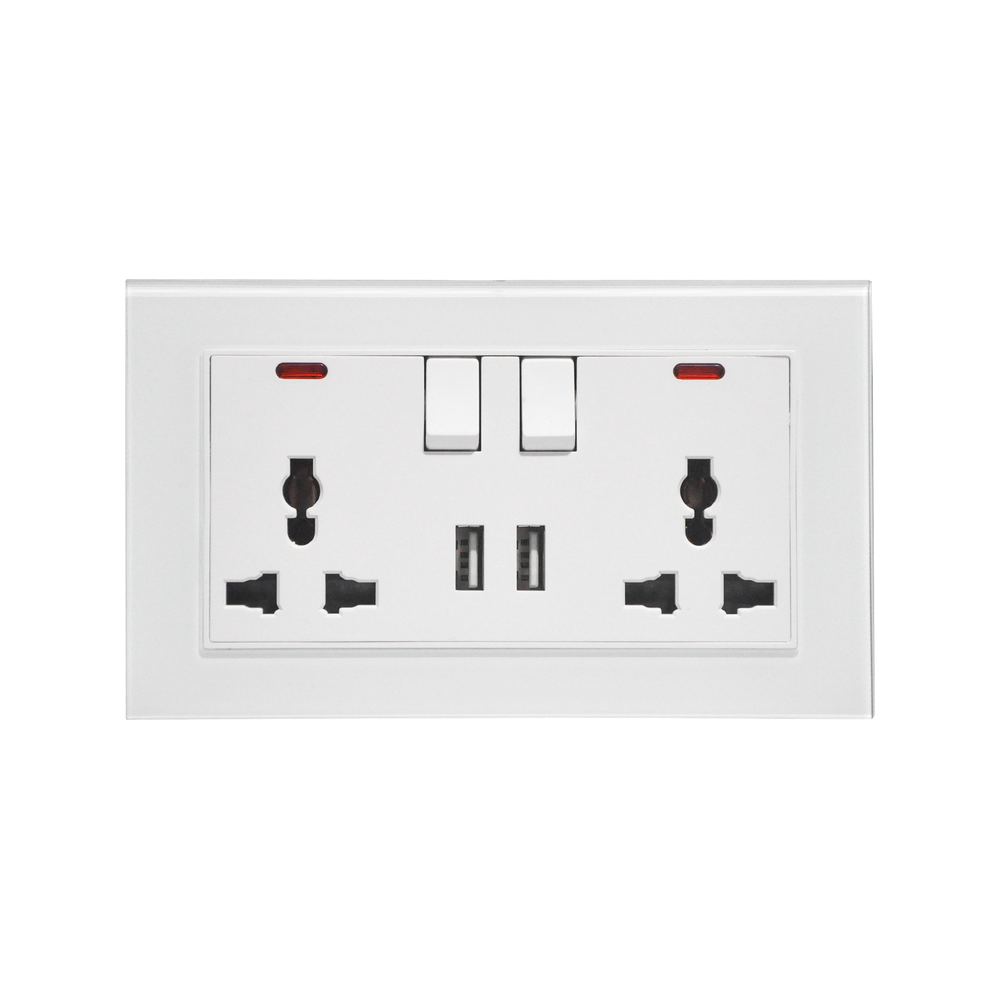
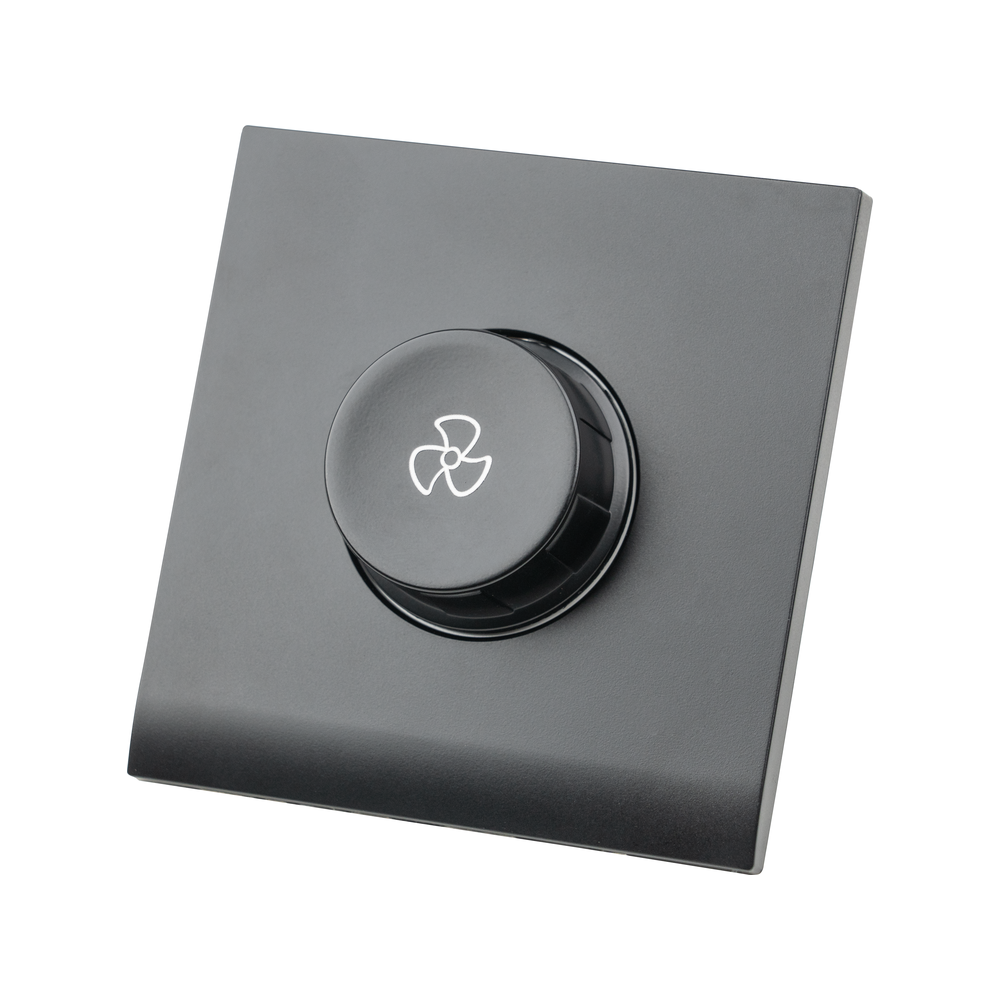
ABUK’s hotel wall socket and switch options can be considered against this brief. A decorative sample establishes appearance only; buyers should not infer NEMA compatibility or Mexican approval from it. Selecting a hair dryer in Mexico also requires checking the appliance itself, not just its wall connection.
Frequently asked questions
Does Mexico use 110V or 220V electricity?
Mexico’s nominal general supply is 127V, 60Hz. Other supplies may serve specific equipment; the actual connection and appliance input range need checking.
Do US hair dryers work in Mexico?
Some do, but matching pins are not sufficient. Check the model’s permitted voltage range, hotel outlet and usage instructions.
How many watts does a hair dryer use on its highest setting?
It depends on the model. Read its input label; a quoted 1,500W or 1,875W rating is not a universal hair-dryer specification.
Do you need a voltage converter for a hair dryer in Mexico?
Only if the appliance requires conversion and a suitable converter is explicitly approved for it. A compatible hotel-supplied dryer is often more practical.
What plug type is used in Mexican hotels?
Type A and Type B are common. The outlet’s purpose, marked rating and condition still require attention.
Can a hotel outlet safely power a portable heater?
Only when the appliance, connection and circuit are suitable and hotel policy permits it. A guest should ask the property rather than assume permission.
References
- World Standards: country voltage, frequency and plug types
- HSE: electrical safety and competent assessment
- London Fire Brigade: portable heater precautions
A useful hotel connection is one whose purpose is clear before a guest plugs anything in. ABUK welcomes hotel accessory enquiries with destination requirements and the intended appliance schedule.