
 Wenzhou Lita Electric Co., Ltd.



















Can a French Type E Socket Be Used for EV Charging?
When an EV owner in Nantes encountered unexpectedly slow overnight charging, the garage’s 16A socket appeared to offer a simple answer: raise the charging current. In this hypothetical example, the installer stopped that change because the existing outlet and circuit had never been assessed for the proposed duty. The socket marking alone did not establish a suitable EV charging installation.
Summary: A suitable French domestic socket may support limited EV charging with the correct equipment, but regular charging requires an assessed installation. Legrand’s French guidance identifies an 8A limit for conventional domestic-socket charging and up to 16A for its compatible reinforced system under specified conditions. A Type E socket’s 16A marking is not an automatic 16A charging permission.
The distinction matters because EV charging from a domestic socket can continue for many hours. The connector, mobile charging equipment, wiring, earthing and protection all need to support that use.
What are the practical limits of an ordinary Type E socket?
Type E describes a mains connection commonly used in France; it is not the vehicle-side Type 2 charging connector. The domestic socket has an earth pin and accepts suitable mating plugs. The French Type E socket guide explains that national interface.
Legrand’s published guidance states that conventional domestic-socket EV charging is limited to 8A by the charging equipment. At nominal 230V, that corresponds to about 1.84kW of input power. The battery receives less after conversion losses and any vehicle overhead.
An existing socket protected by a 16A or 20A circuit breaker should not therefore be treated as a ready-made high-current charging point. Its condition, wiring and use history matter. Legrand strongly discourages relying on an unadapted existing installation and recommends an appropriate charging solution.
How do a domestic socket, reinforced socket and wallbox differ?
A reinforced socket is a product specifically designed and documented for the charging application; it is not an ordinary outlet with a stronger-looking cover. Legrand states that its Green’up Access arrangement can provide up to 16A under the specified conditions, including a dedicated circuit, appropriate protection and compatible vehicle and charging cable.
At 230V, 16A corresponds to about 3.68kW, commonly rounded to 3.7kW. Not every cable offered with an EV will draw that current from every reinforced socket. The complete compatibility statement matters, including any recognition method used by the charging equipment.
A wallbox provides a purpose-designed EV charging interface and control arrangement. Its usable output depends on the supply, the unit and the vehicle’s onboard charger. Paying for a higher advertised power does not guarantee that the vehicle or property can use it.
What should be checked before charging becomes a daily routine?
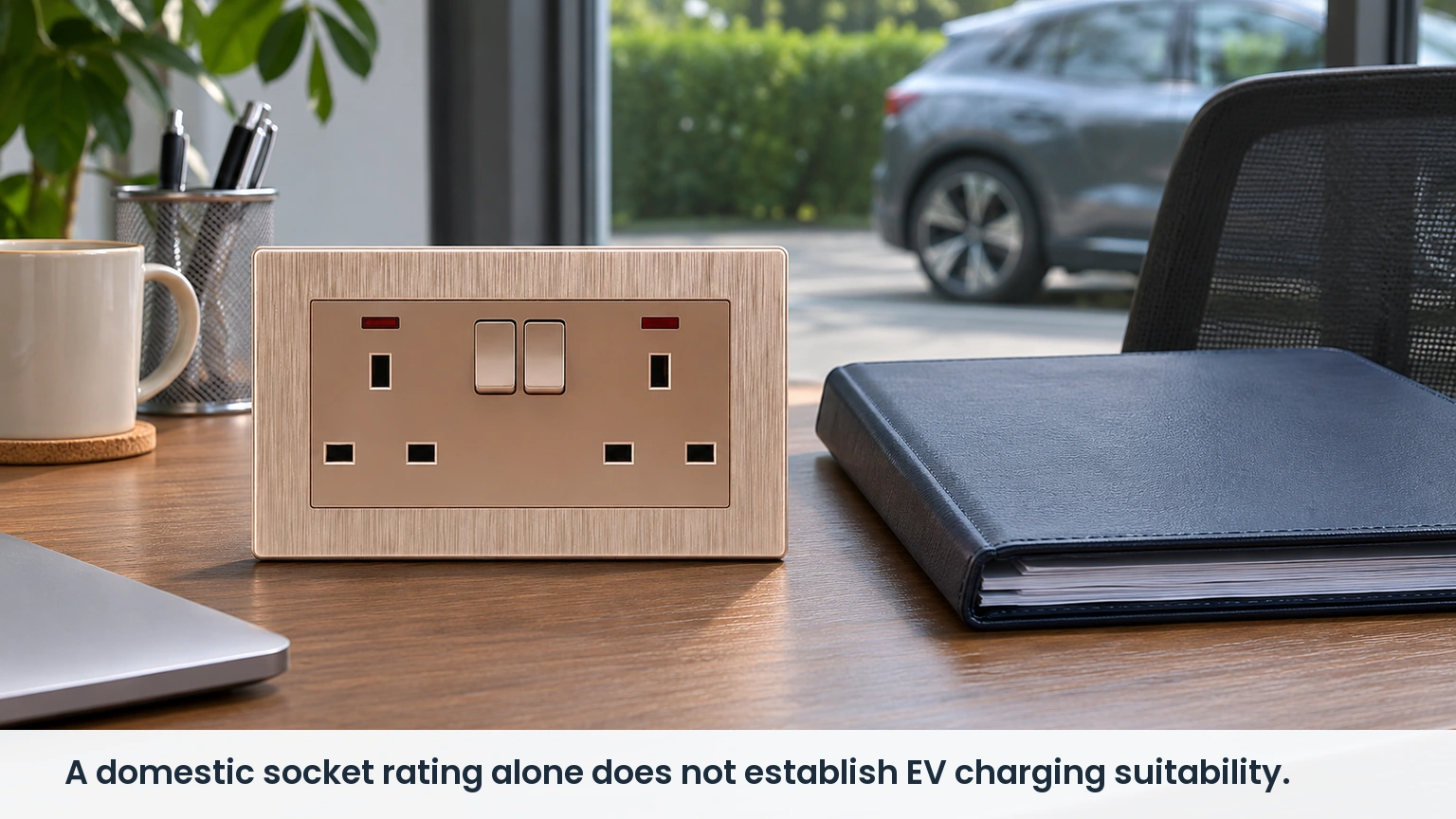
An electrician should assess circuit suitability, protective earthing, accessory condition, cable routing and the required protective devices. Residual-current protection must suit the charging equipment, including its handling of possible DC residual current. A generic statement that “there is an RCD somewhere” is insufficient.
Mode 2 charging equipment includes control and protection functions in the cable assembly, within the relevant IEC 62752 framework. It does not repair poor building wiring or transform any available outlet into a suitable dedicated point. IEC 61851 provides a broader EV conductive-charging framework; the exact product and installation requirements still govern.
Avoid extension leads, multiway adapters and improvised connectors for vehicle charging. The charging cable should be used as instructed, with its control box supported where required rather than hanging from the socket. Procurement should include cable reach and storage so that a correctly specified point remains practical to use.
How long will charging from a domestic socket take?
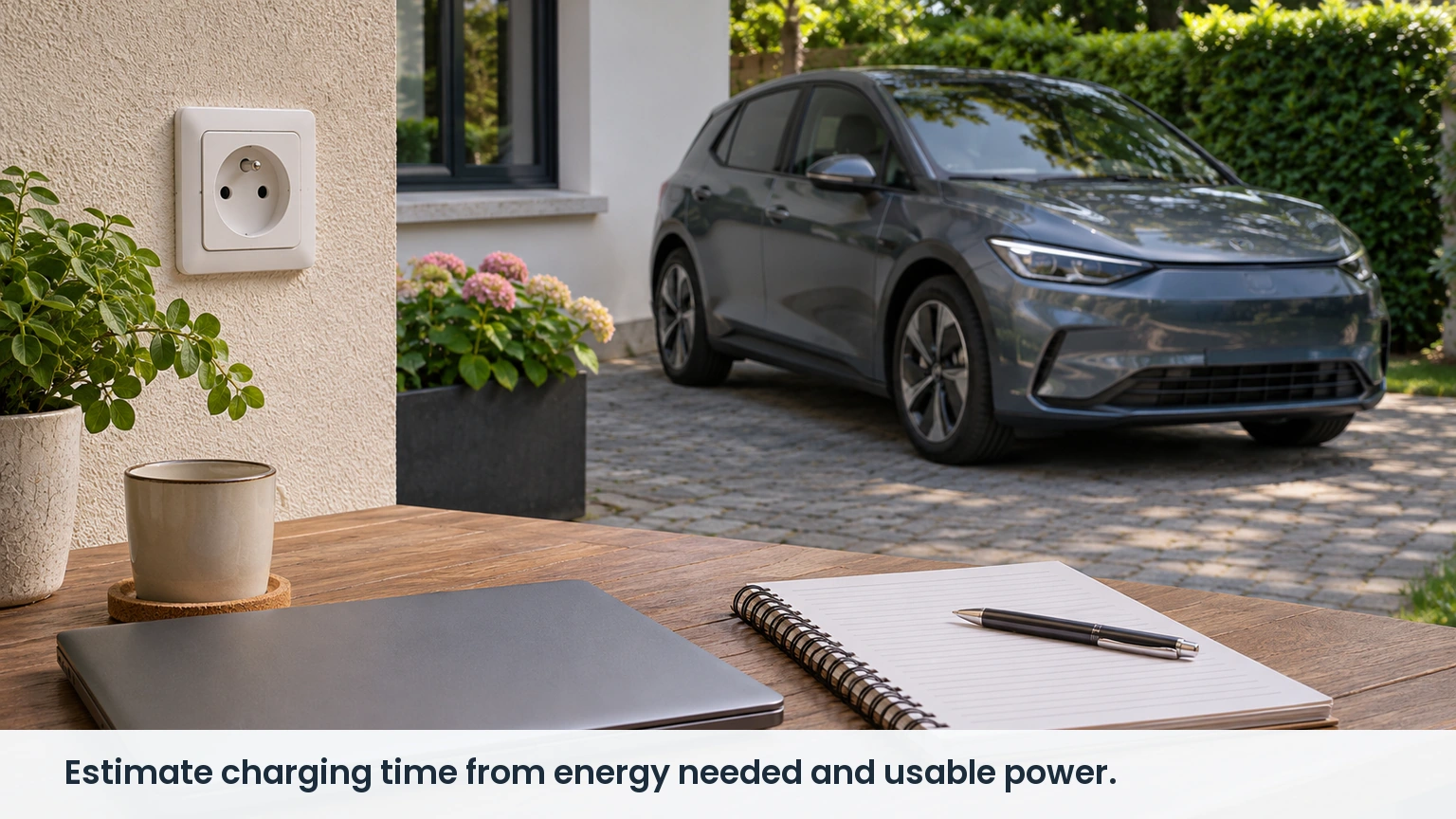
Start with the energy that needs replacing, not necessarily the full battery capacity. As a hypothetical example, adding 12kWh at a constant 1.84kW would take about 6.5 hours before losses. At 3.68kW, the corresponding ideal calculation is about 3.3 hours.
Real charging takes longer when usable battery power is lower than socket input, the vehicle limits current or charging conditions change. Legrand’s 8A and 16A examples provide input-power context; they are not promises of battery charging time for every vehicle.
A driver with a modest daily energy requirement and long parking window may not need the highest available wallbox power. Conversely, repeated short overnight windows or several vehicles may justify a different arrangement. The useful specification records daily energy, available hours and other household loads.
Which charging option fits the expected duty?
| Option | Typical planning role | Condition to verify |
|---|---|---|
| Assessed conventional domestic socket | Limited charging at the permitted setting | Existing installation and compatible Mode 2 equipment |
| Documented reinforced socket system | Purpose-designed lower-power home charging | Dedicated circuit, protection and cable compatibility |
| Wallbox | Regular charging with a suitable control arrangement | Vehicle limit, supply capacity and installation requirements |
| Unverified socket plus adapter | No reliable basis for regular charging | Physical fit is not an approval |
What drives the installed cost of home charging?
| Project detail | Why it matters | Information for the quote |
|---|---|---|
| Distance from distribution board | Affects cable route and building work | Parking position and route constraints |
| Existing circuit condition | May require repairs or a new circuit | Inspection findings |
| Other household demand | Can constrain available charging power | Supply details and simultaneous loads |
| Shared parking | Adds permissions and billing considerations | Ownership, access and responsibility |
Compare complete installed quotations, including verification and any load-management provision. A cheaper accessory may not save money if the cable route and circuit work dominate the project. Avoid invented payback claims; use actual driving needs, energy tariffs and installation prices.
Which French requirements should the installer address?
The applicable NF C 15-100 requirements, EV charging rules, equipment instructions and installer-qualification obligations need to be considered together. Legrand’s professional guidance refers to the French charging framework and the distinction between ordinary and reinforced connections. A local qualified professional should confirm the requirements for the exact project.
CE and RoHS documentation does not establish that an ordinary socket is approved for continuous EV charging. A GCC document is also not a substitute for French installation requirements. Product conformity and acceptance of the finished installation are separate questions.
What should an owner send with a charging-point enquiry?
- Vehicle model and charging-cable specifications.
- Daily energy requirement and usual parking duration.
- Supply details, parking position and cable-route constraints.
- Requirements for access control, load management and documentation.
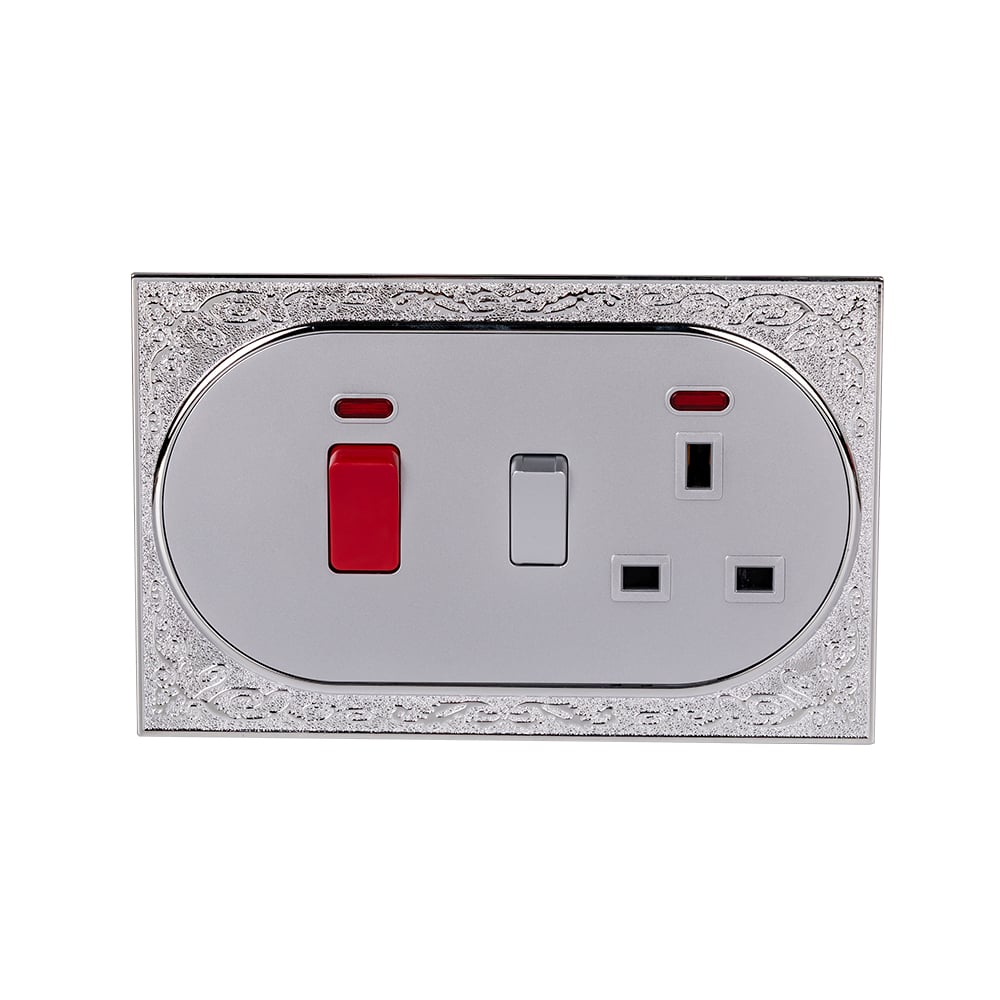
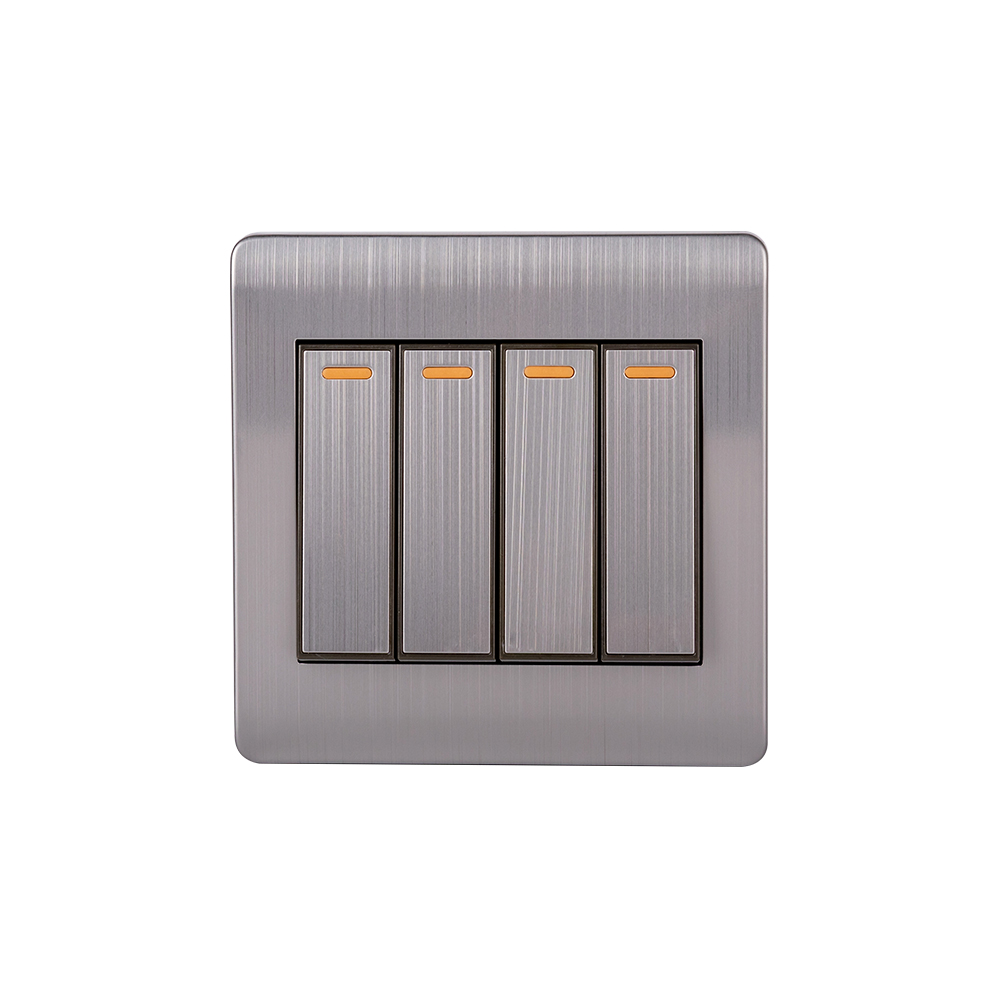
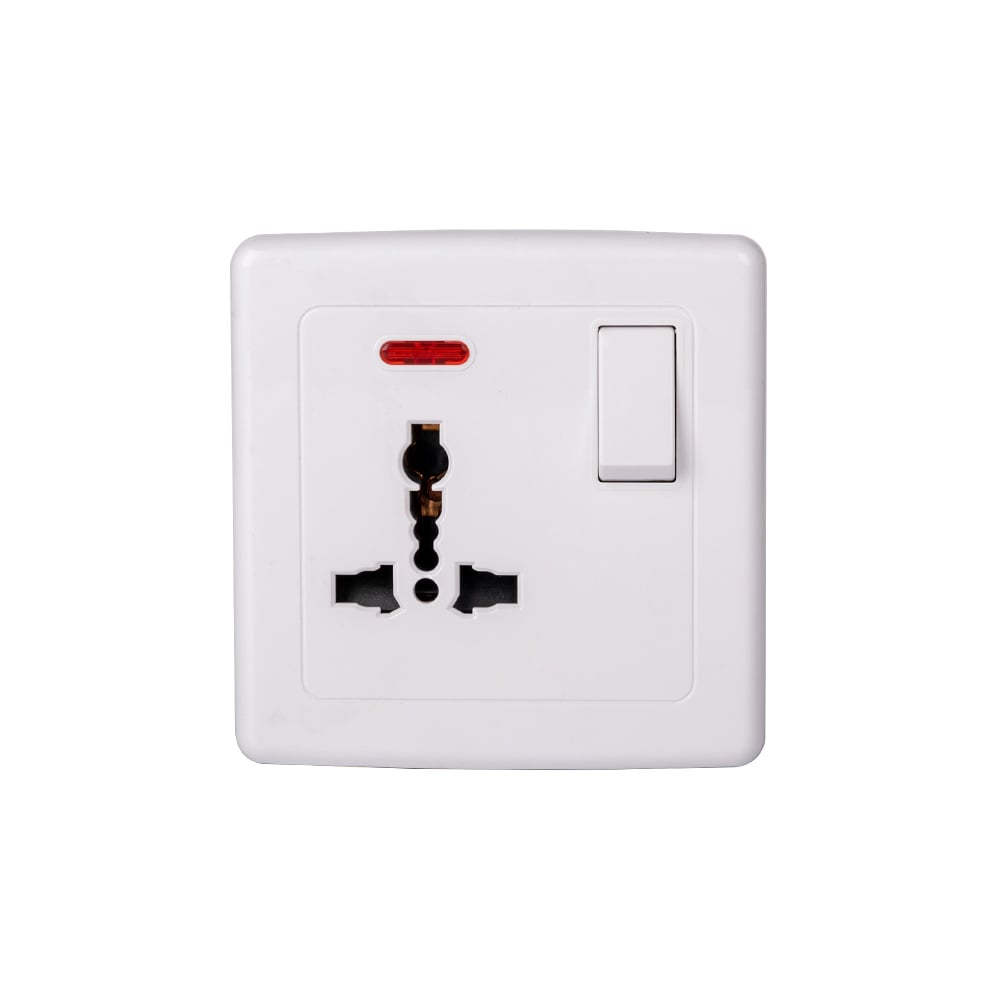
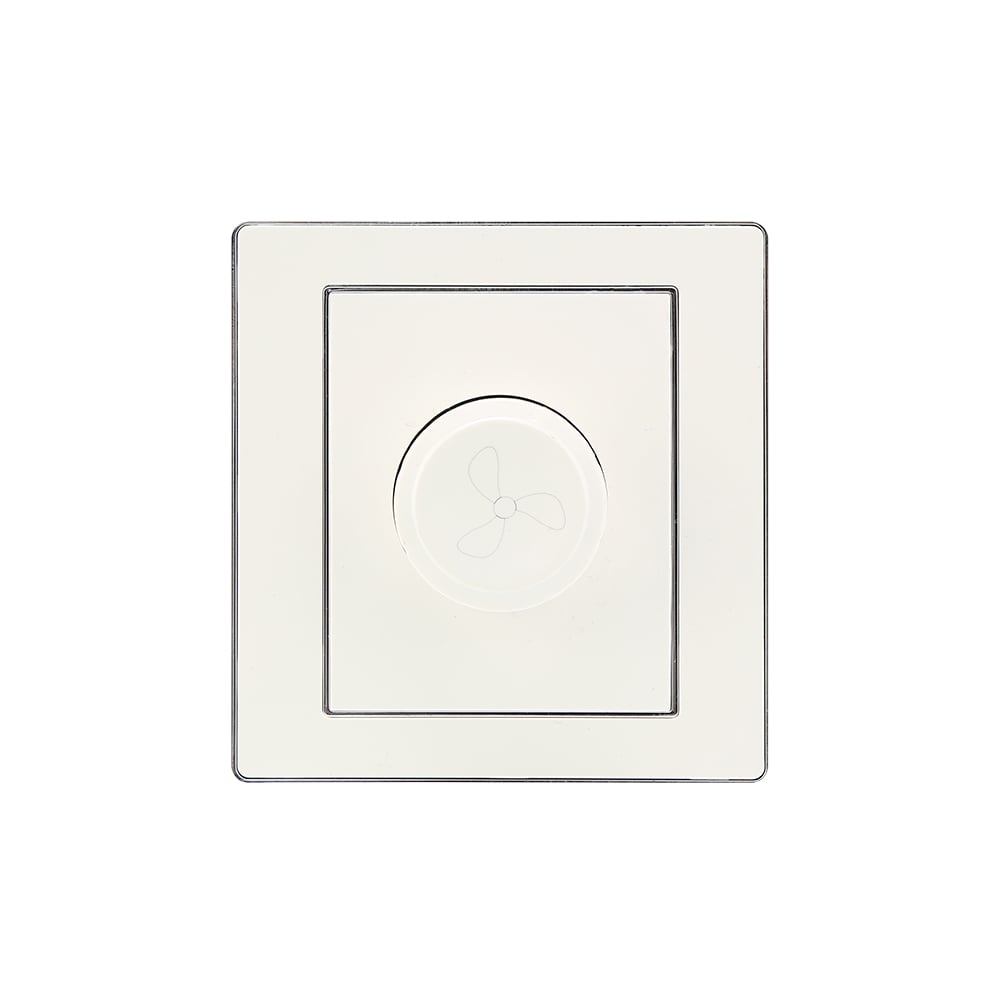
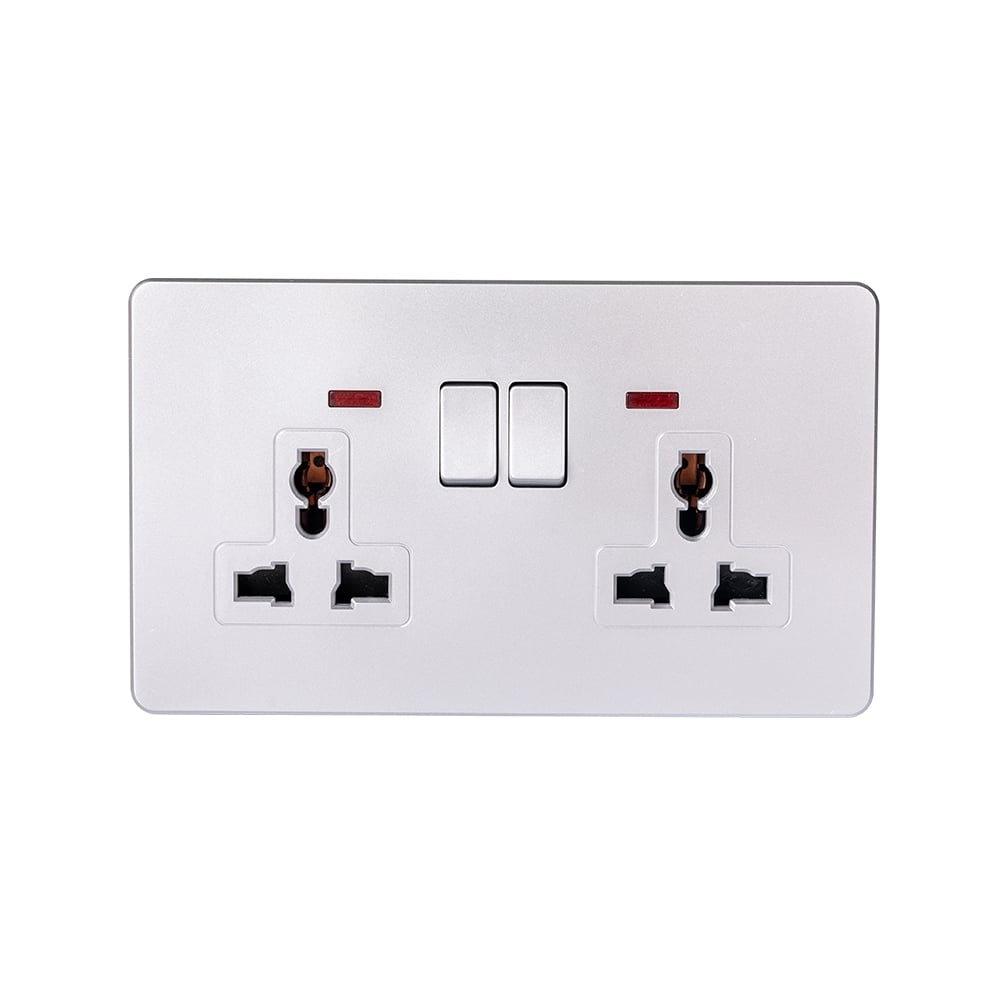
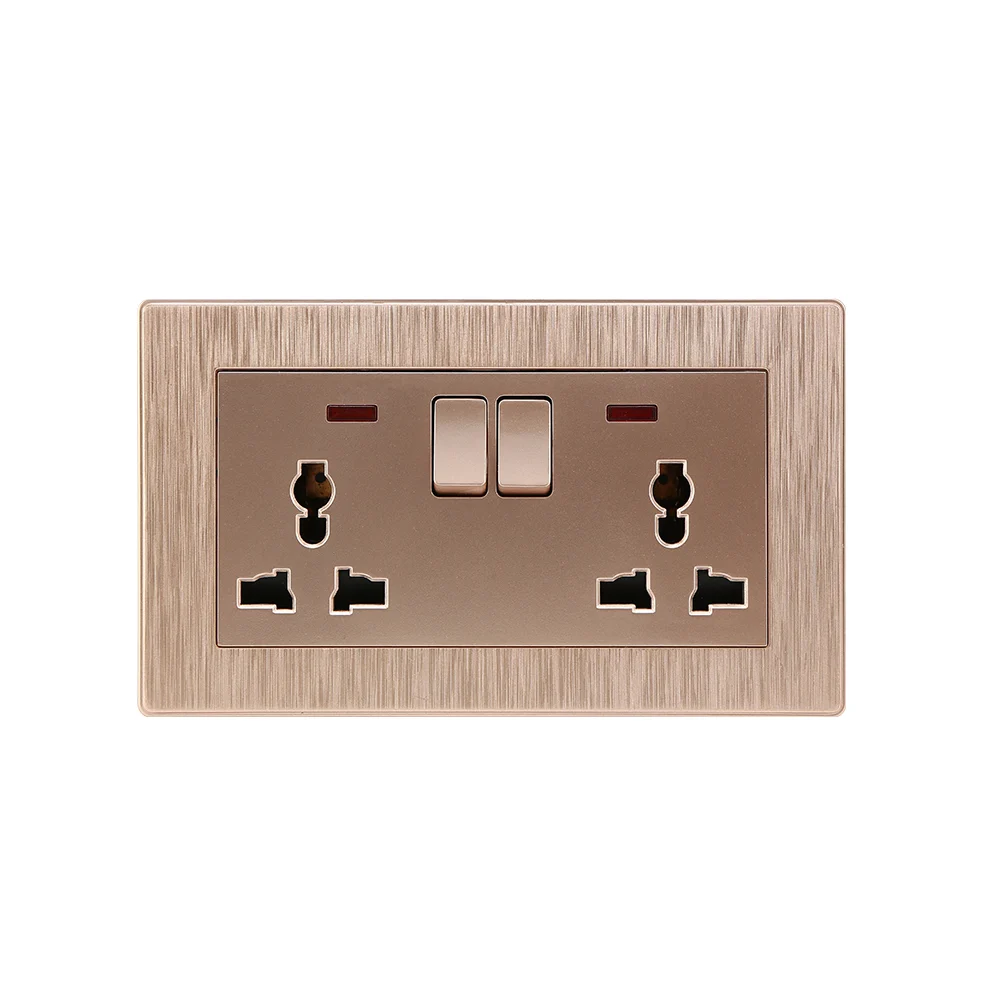
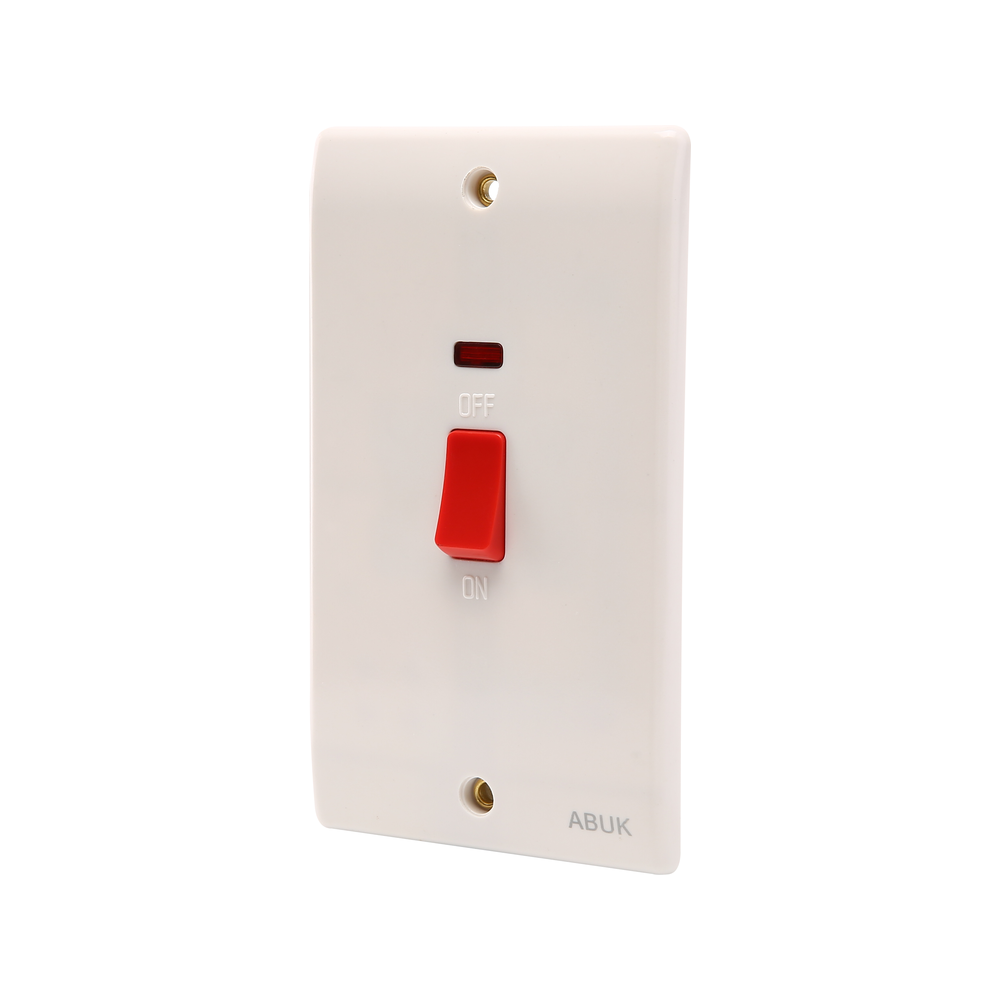
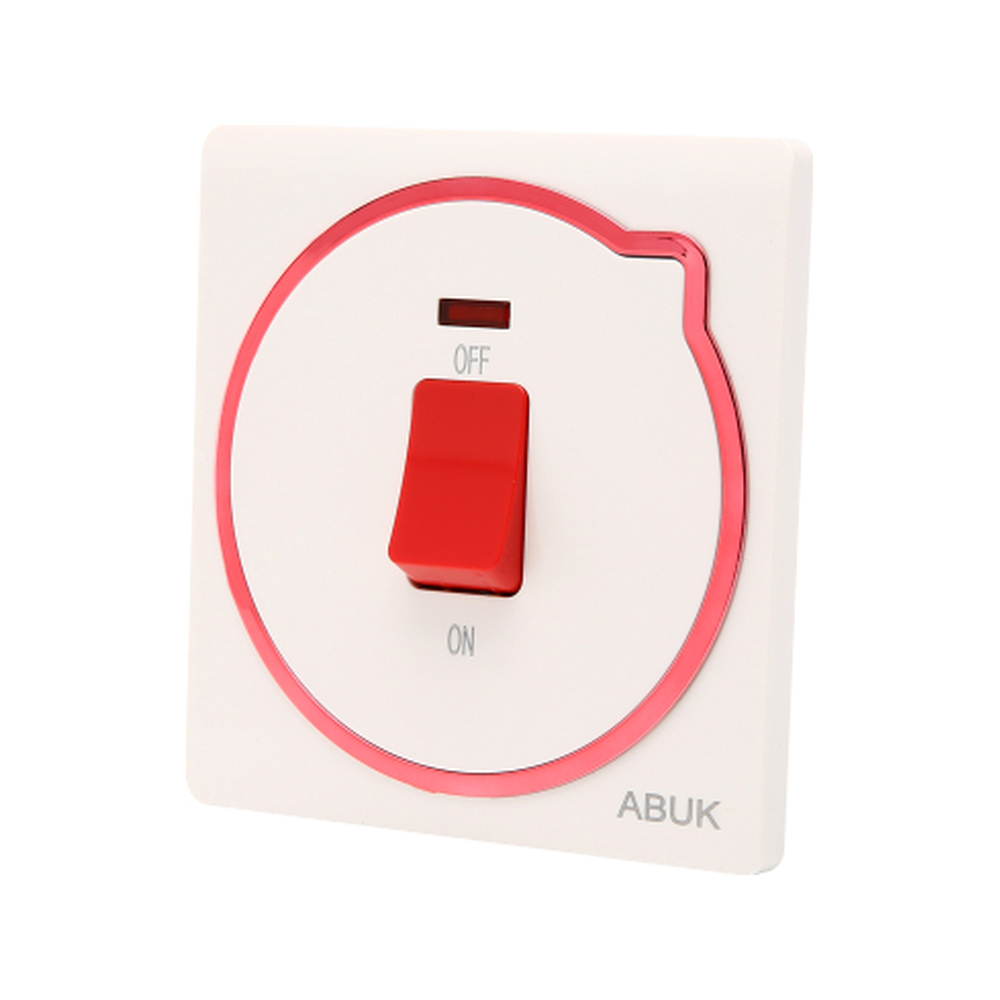
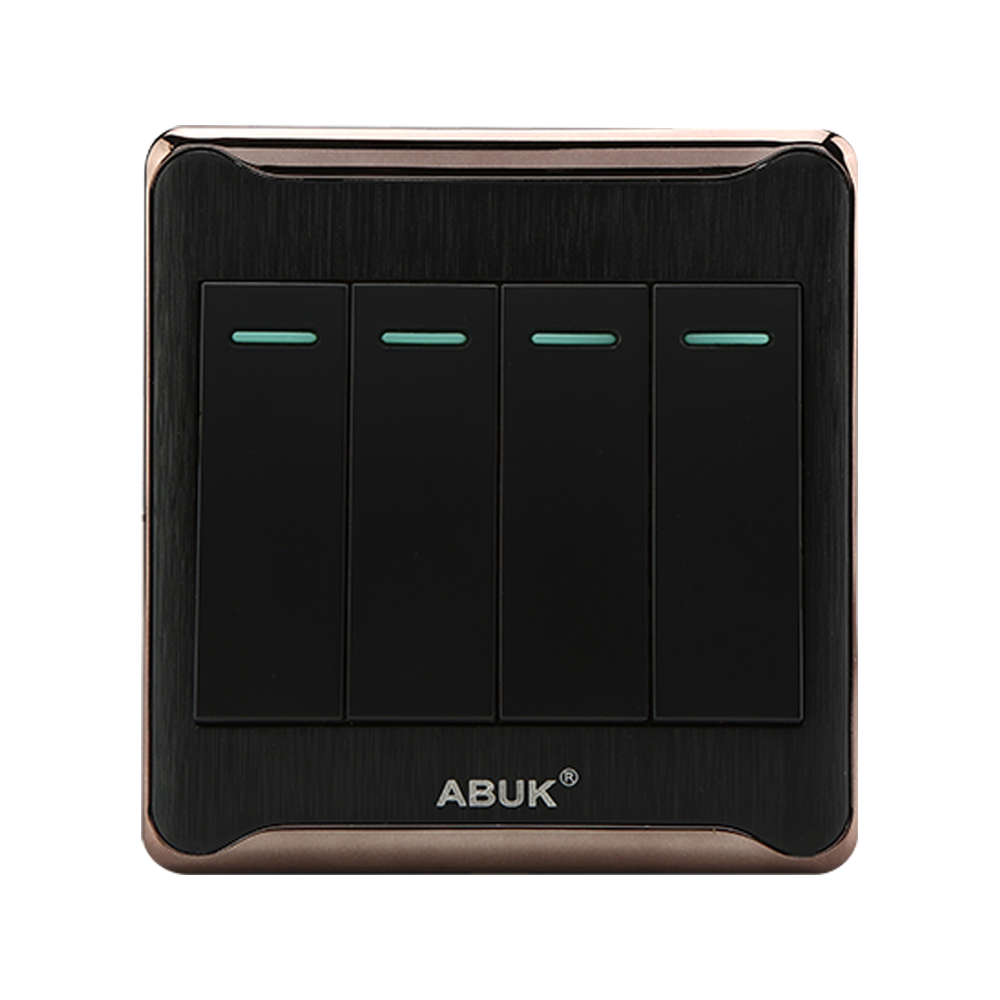
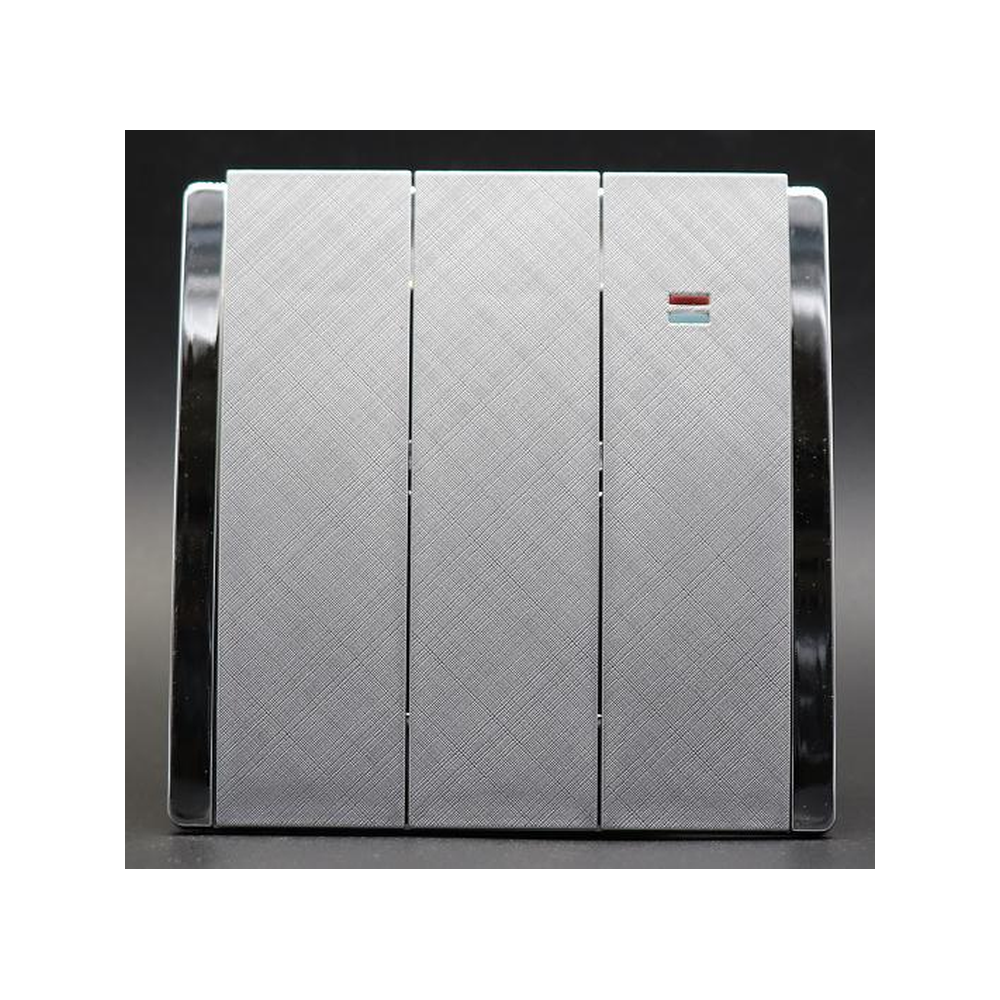
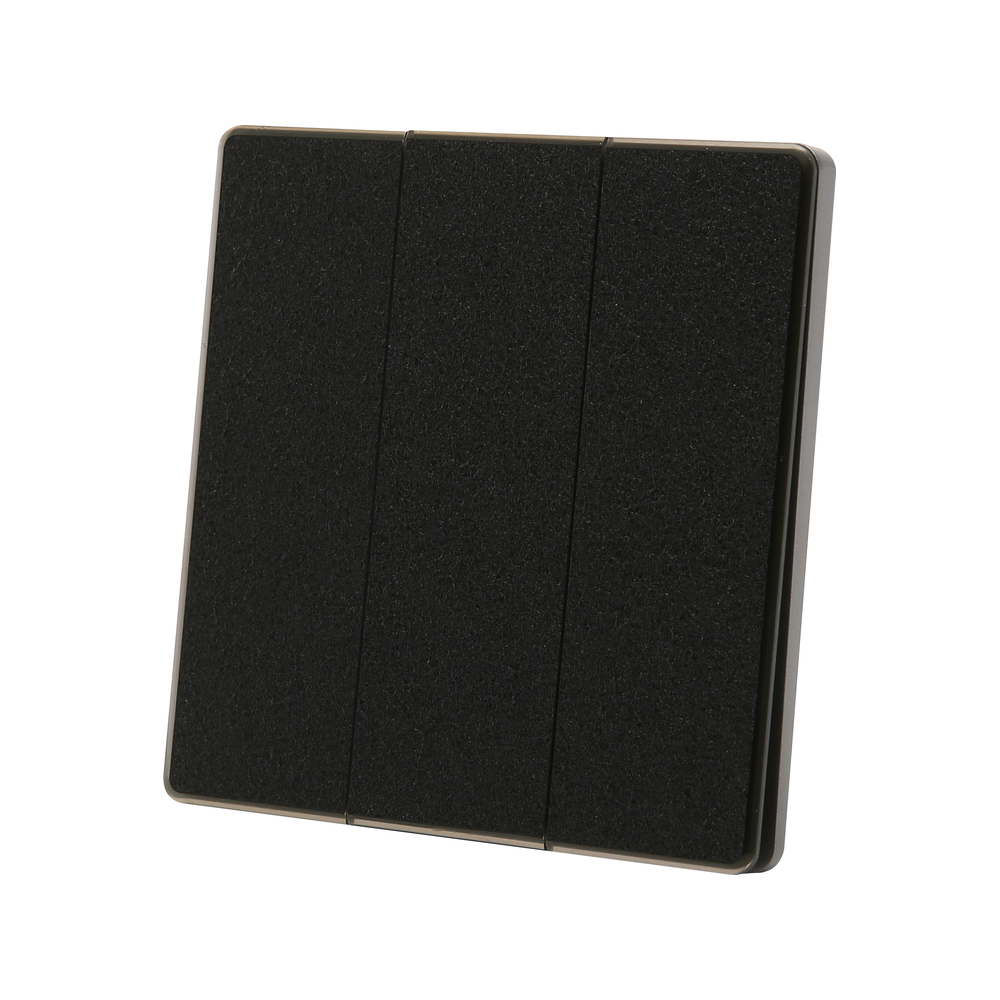
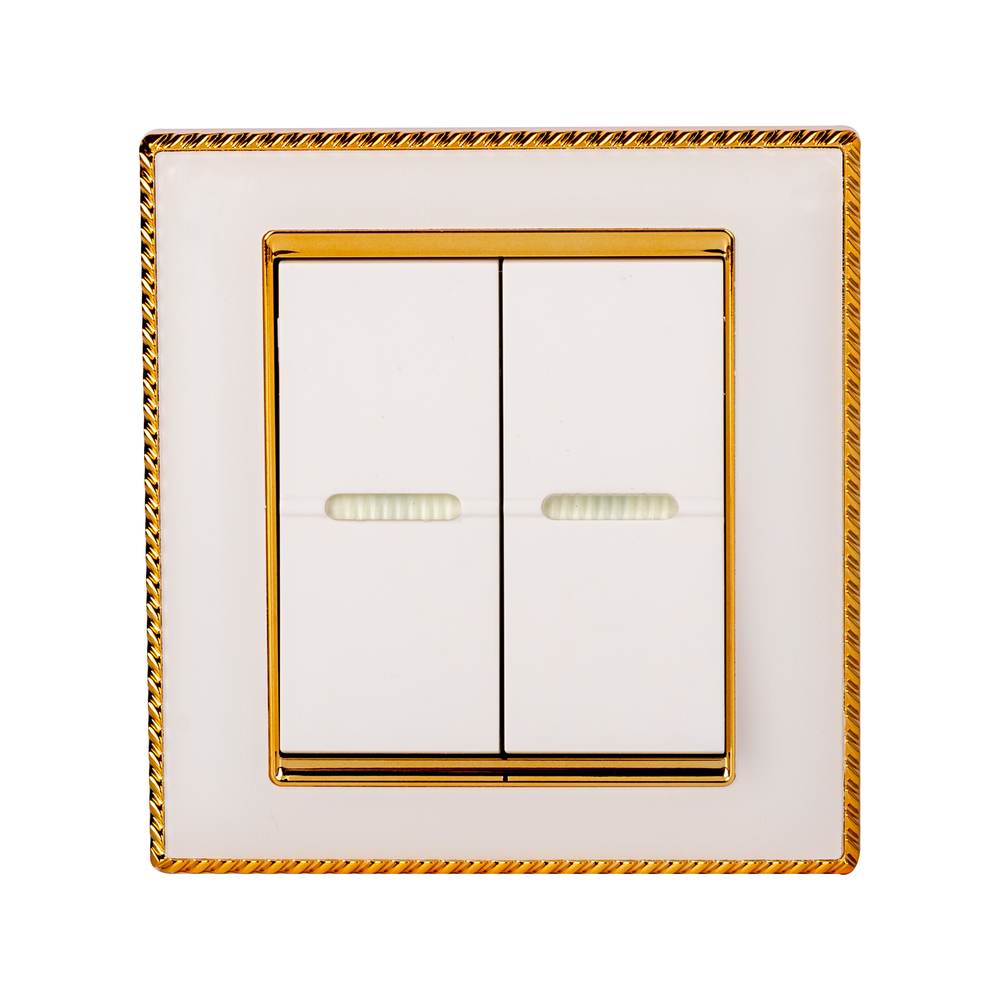
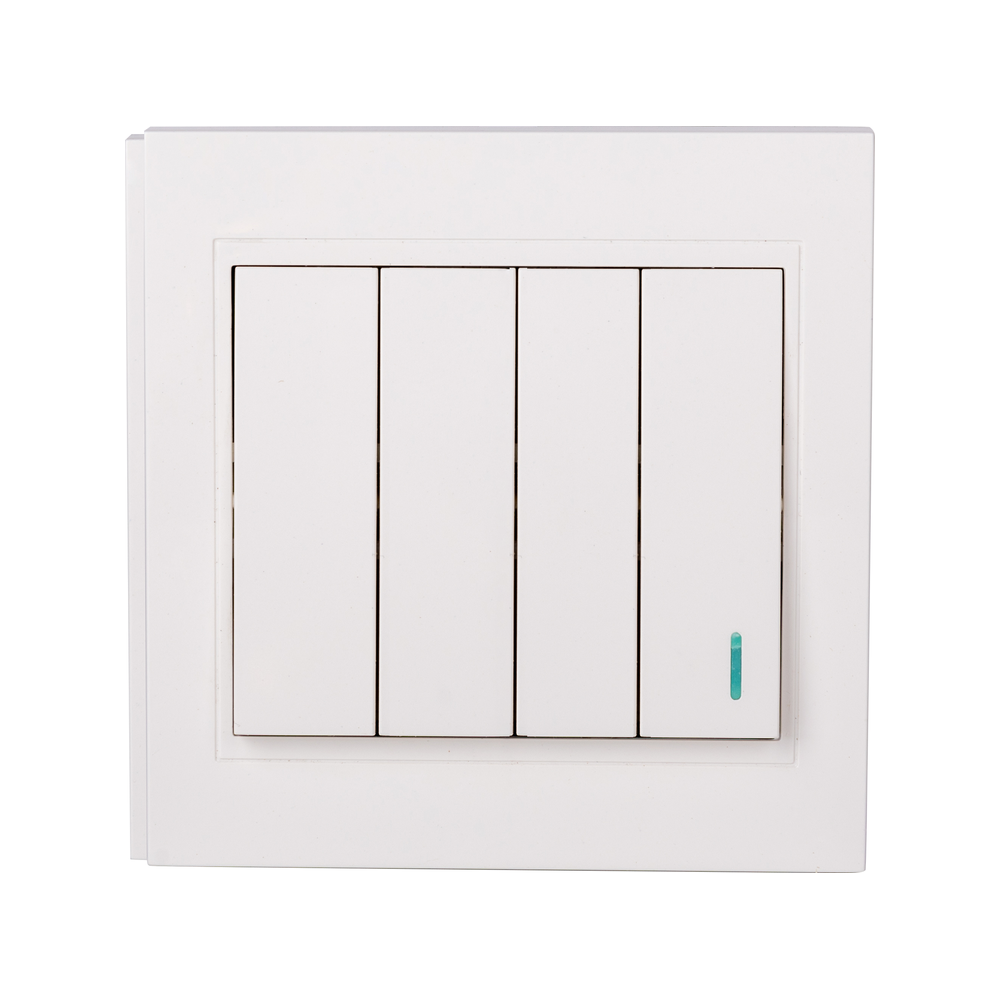
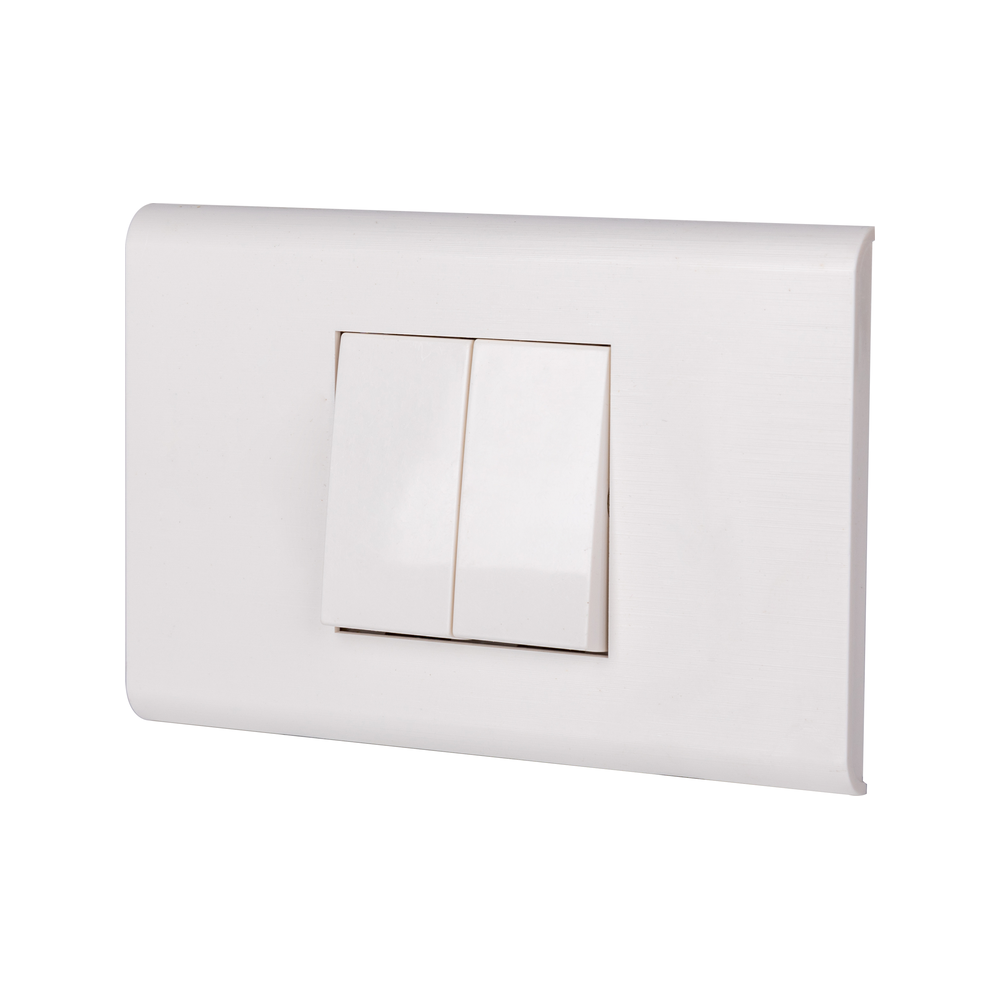
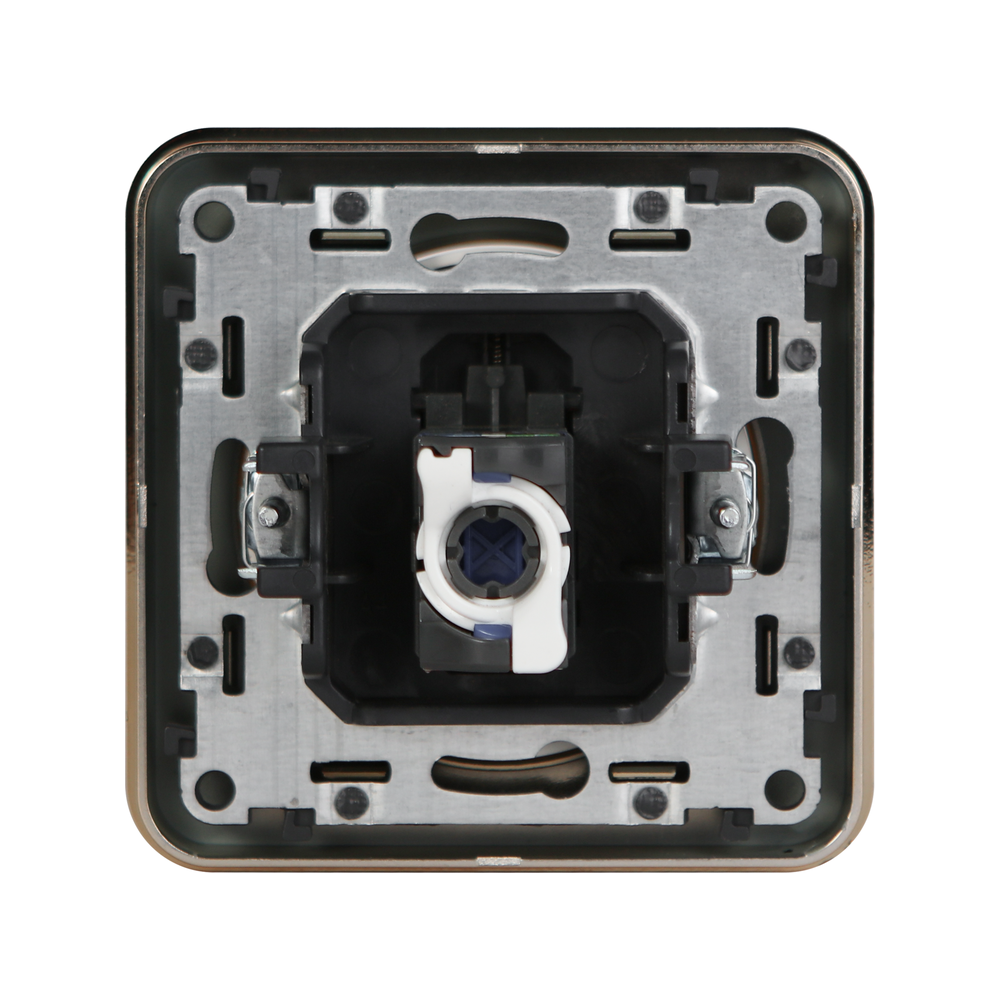
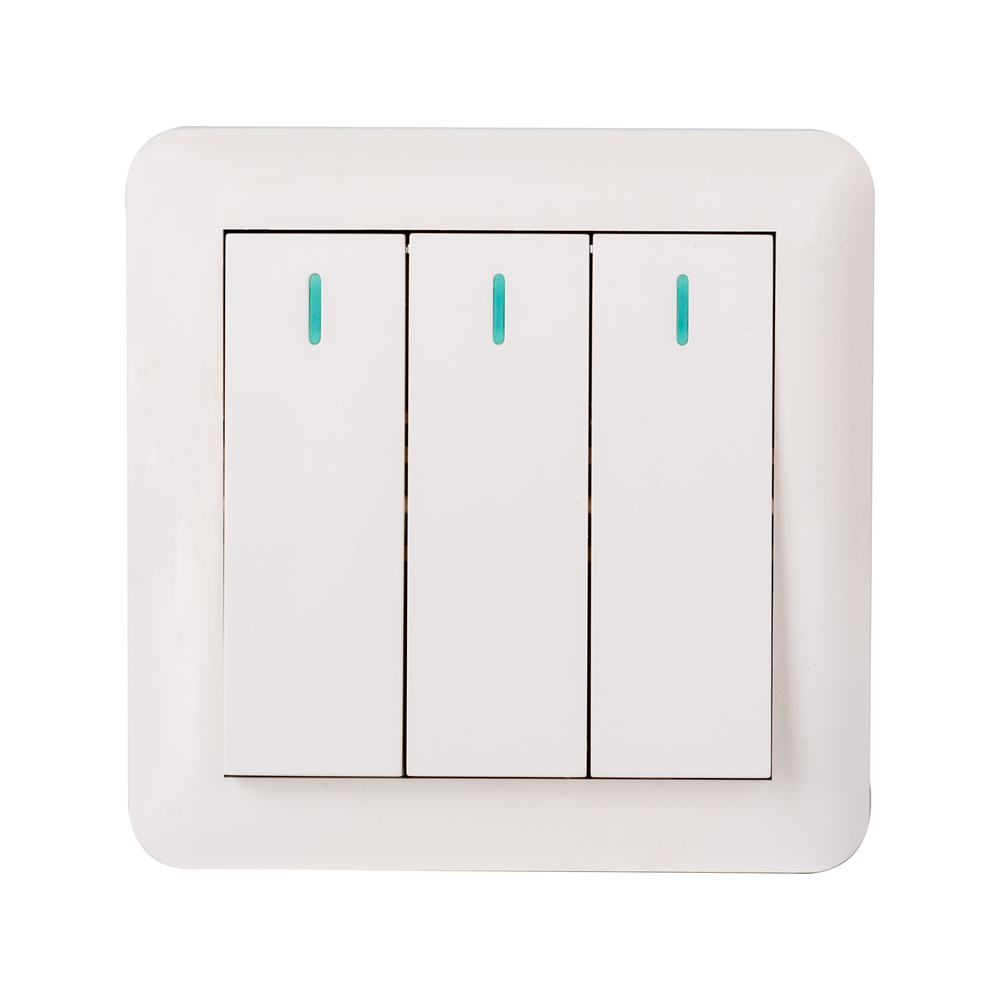
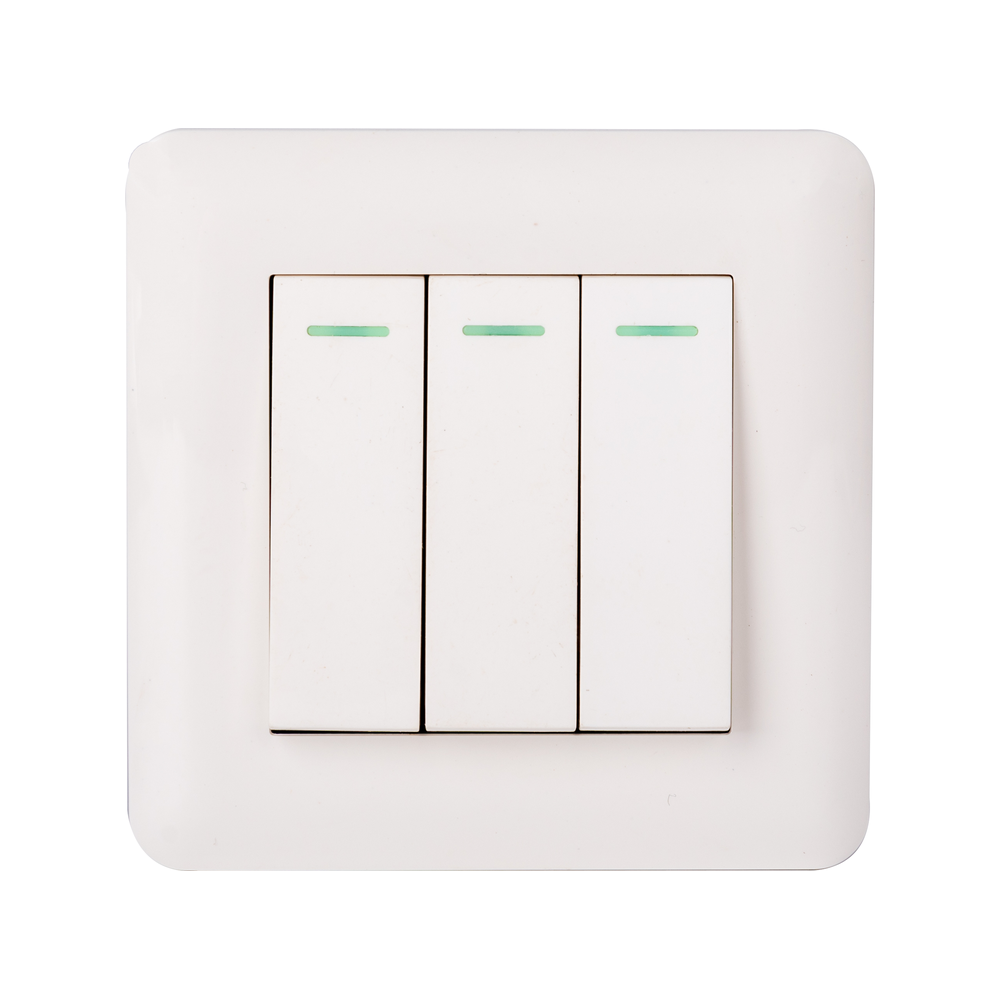
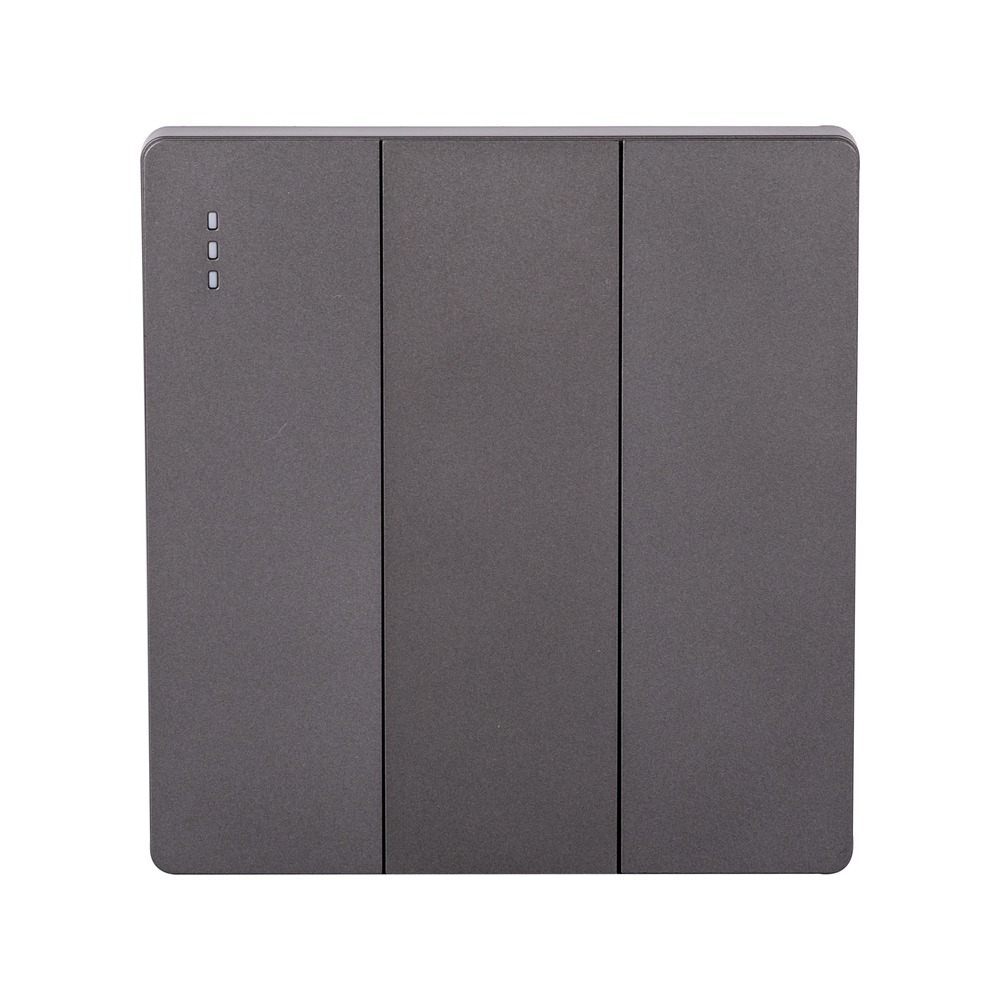
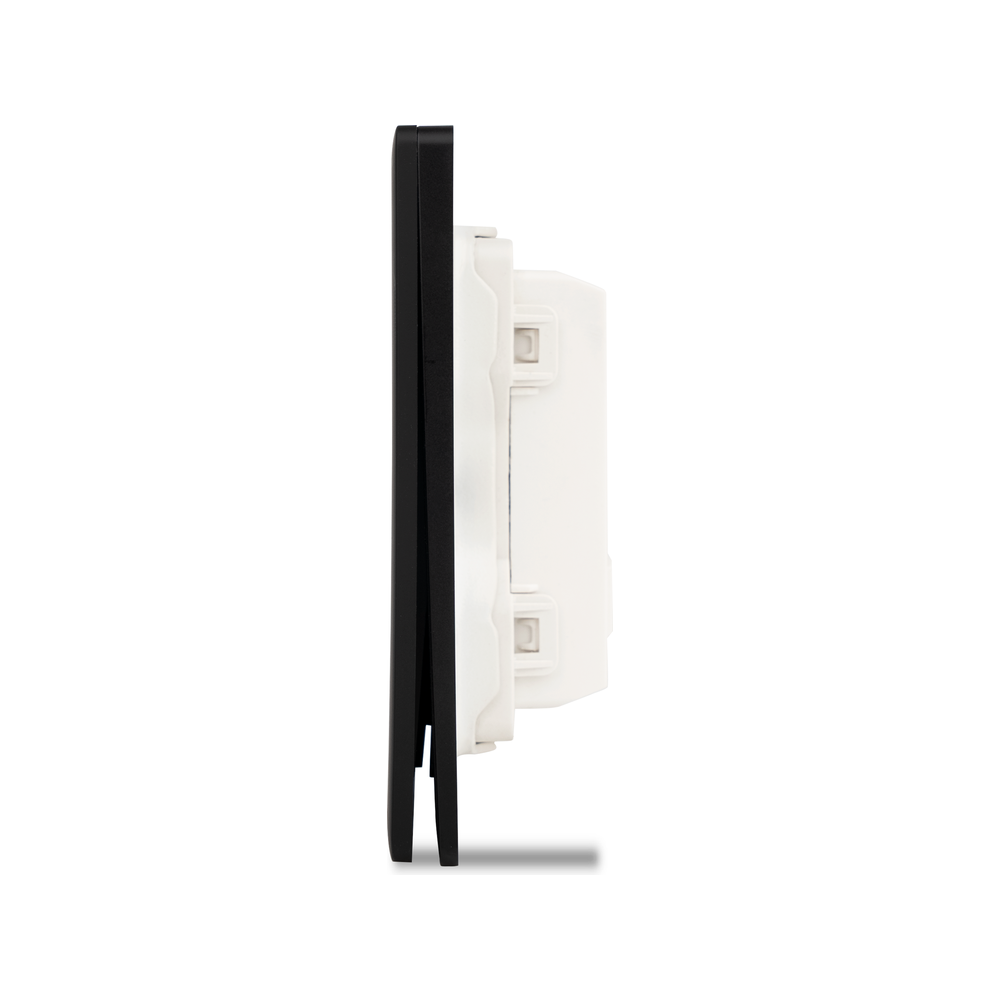
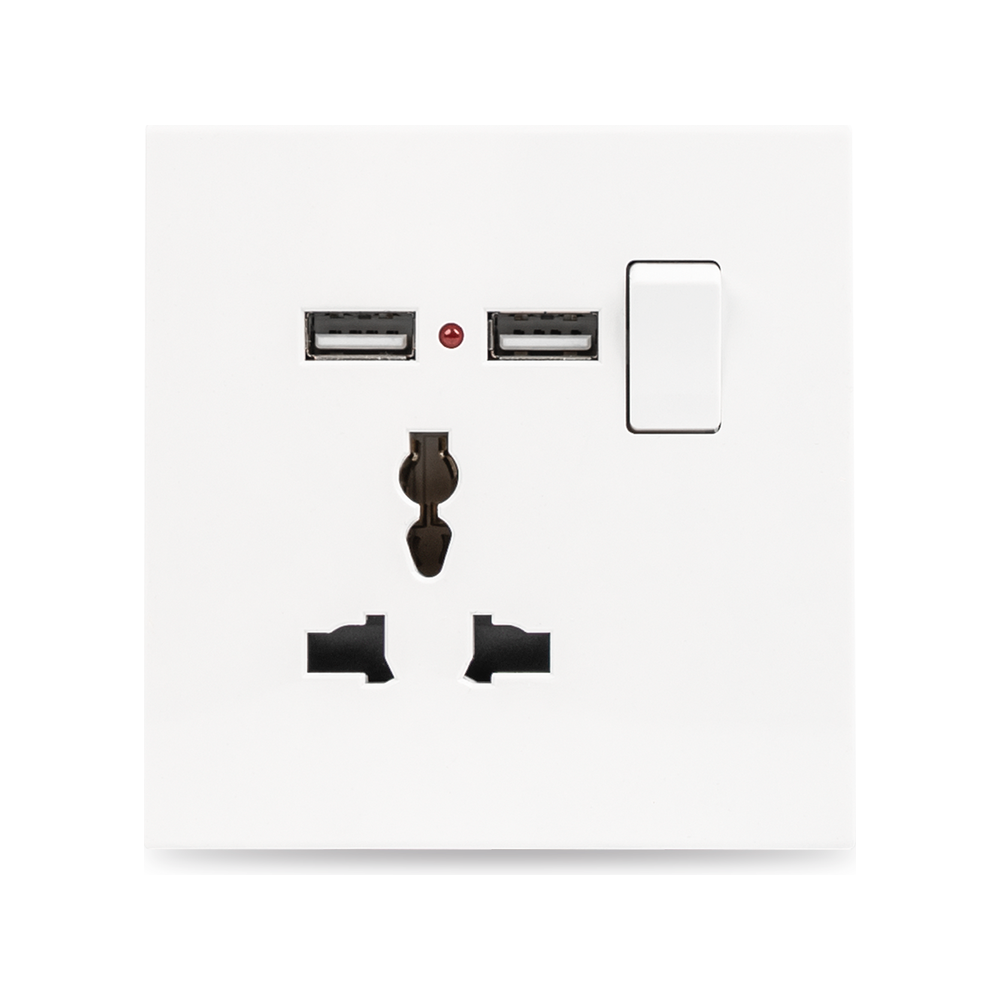
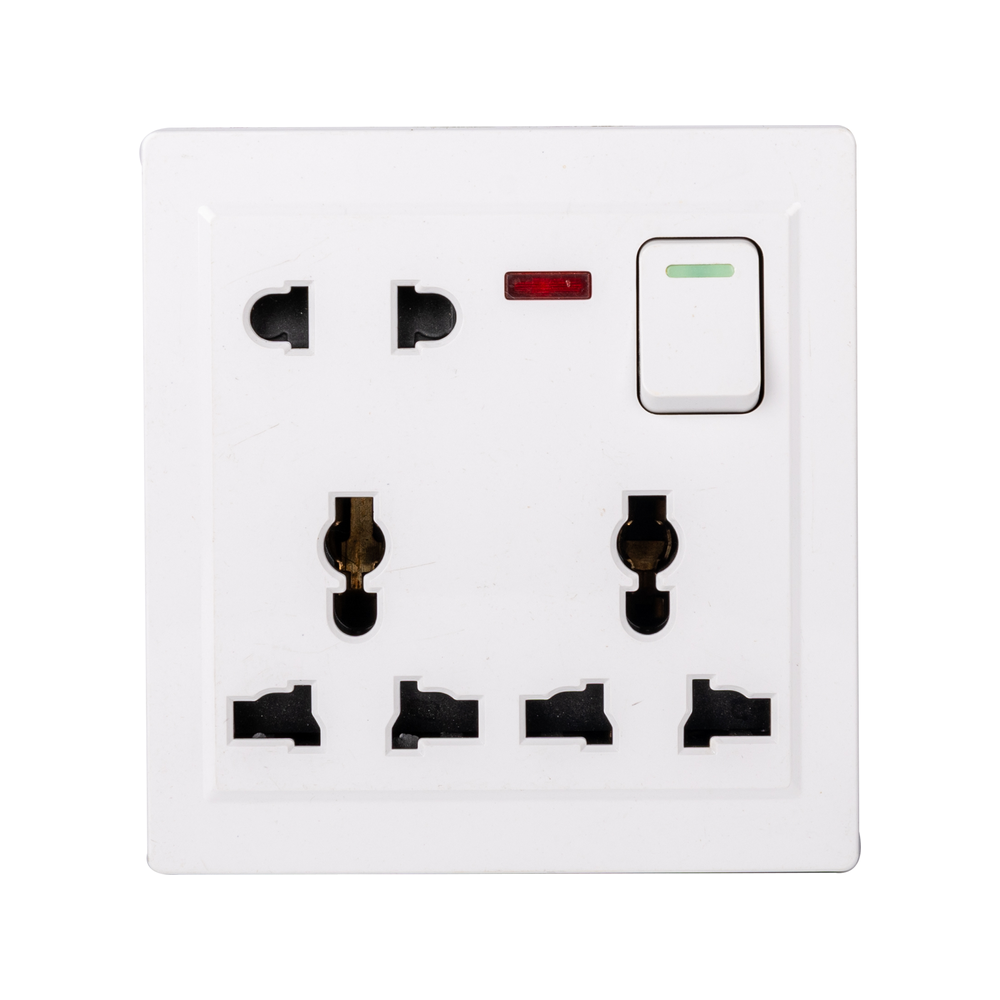
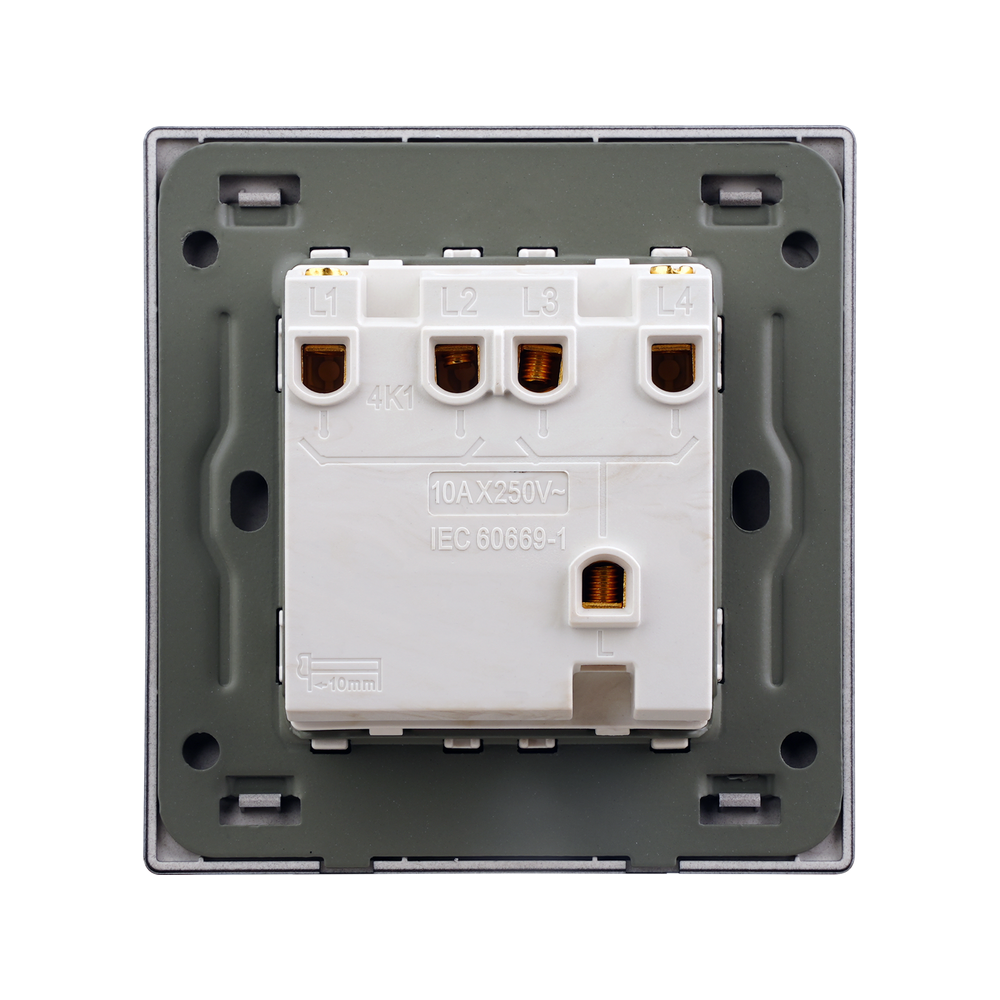
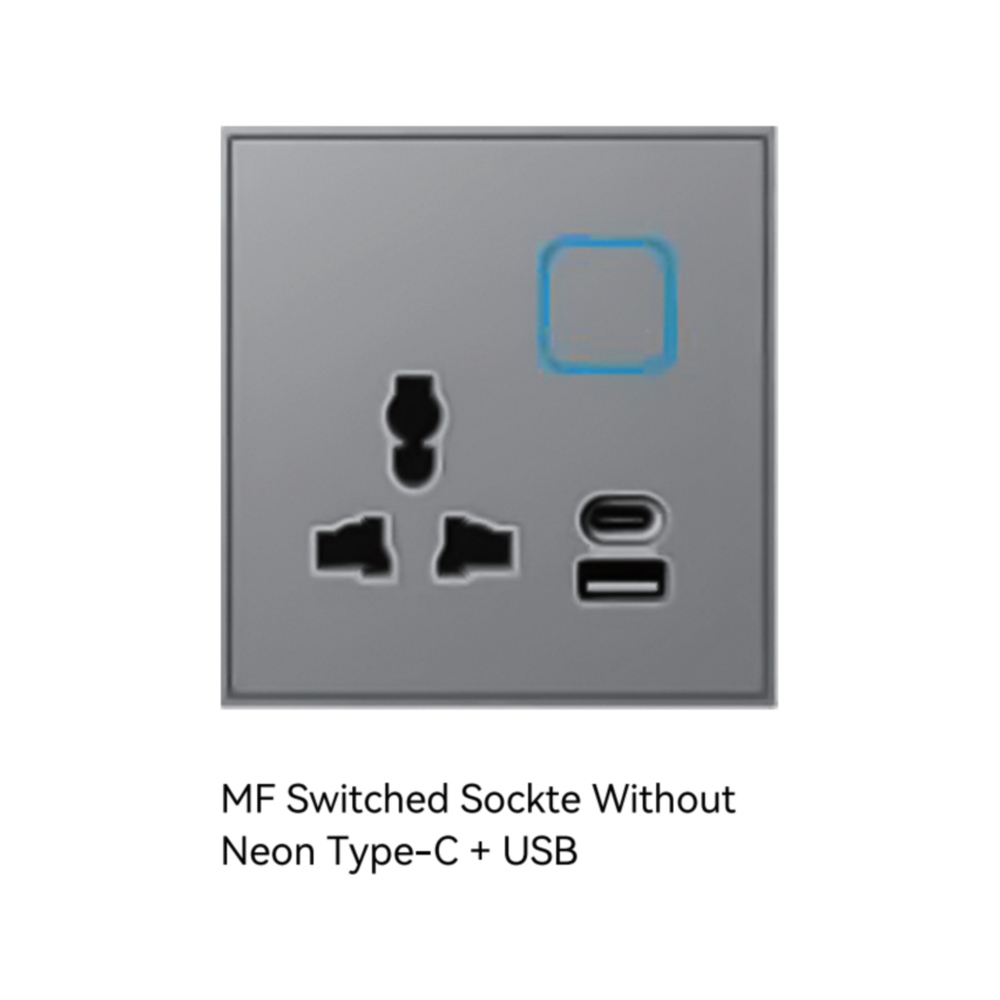
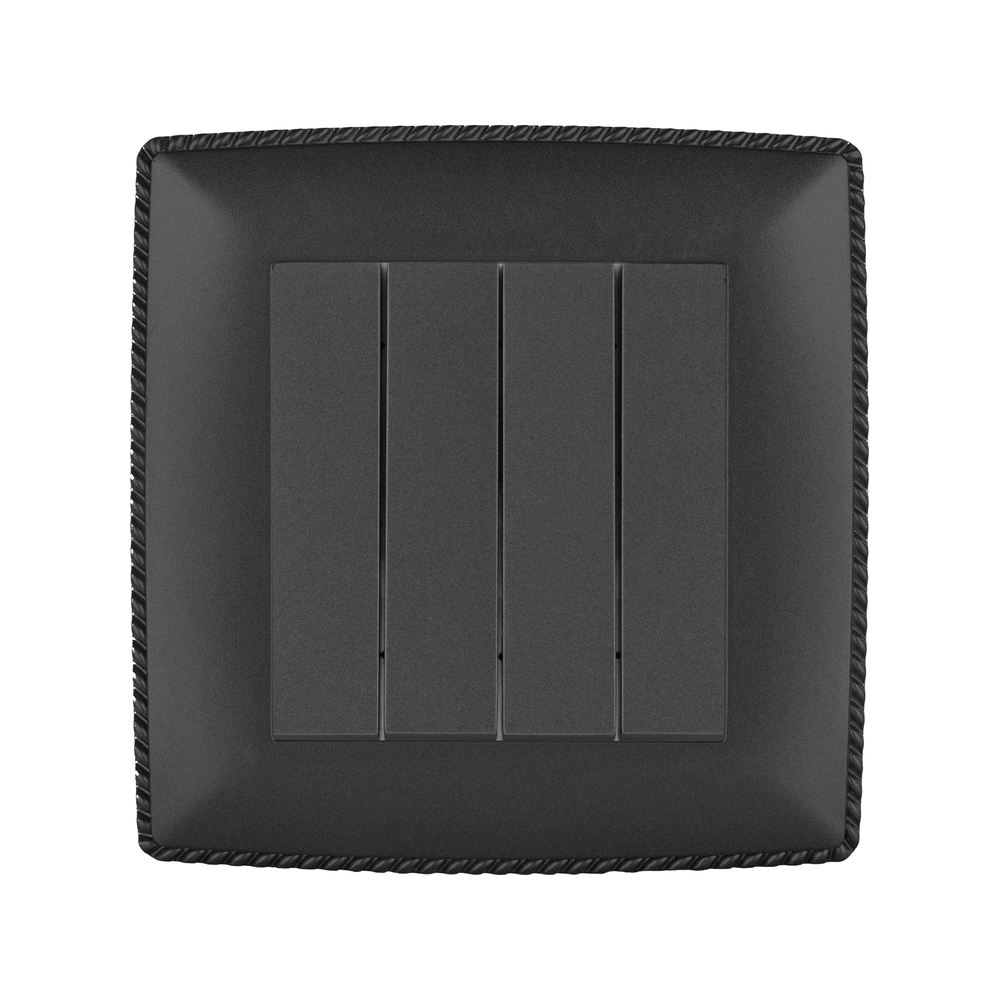
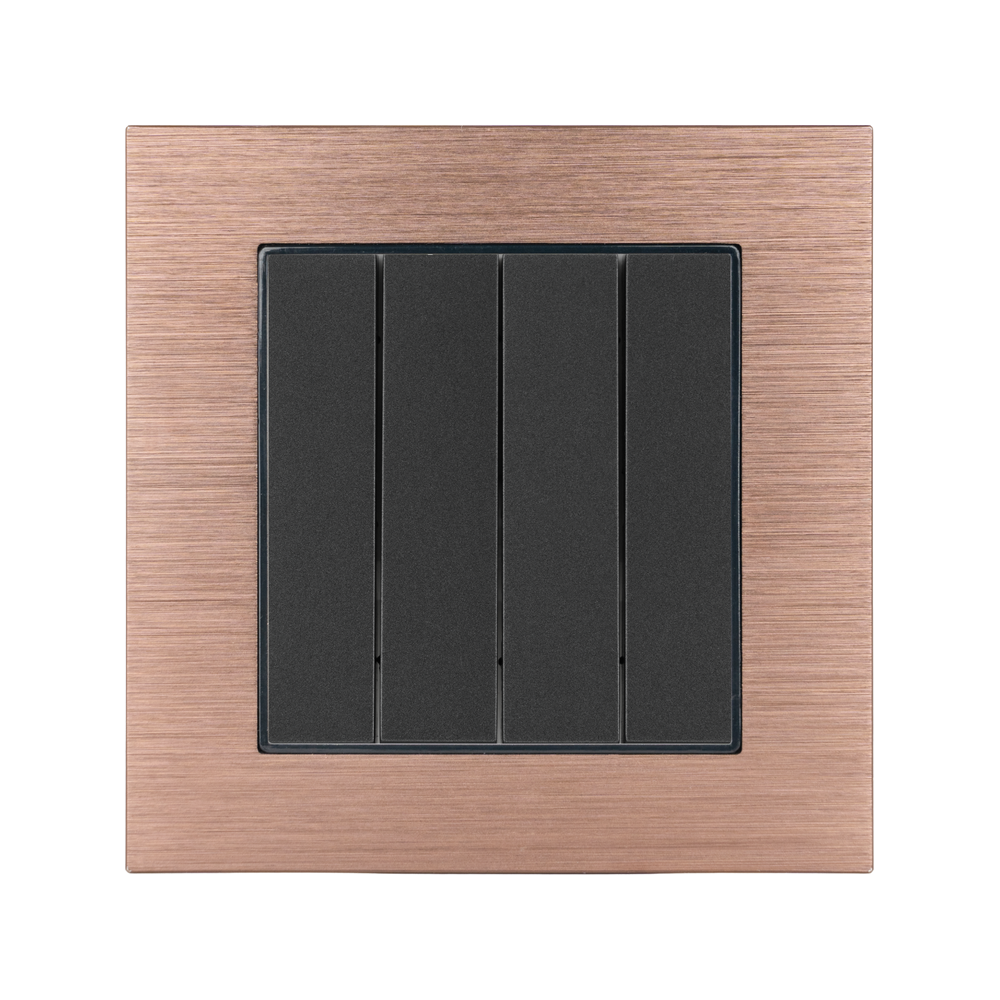
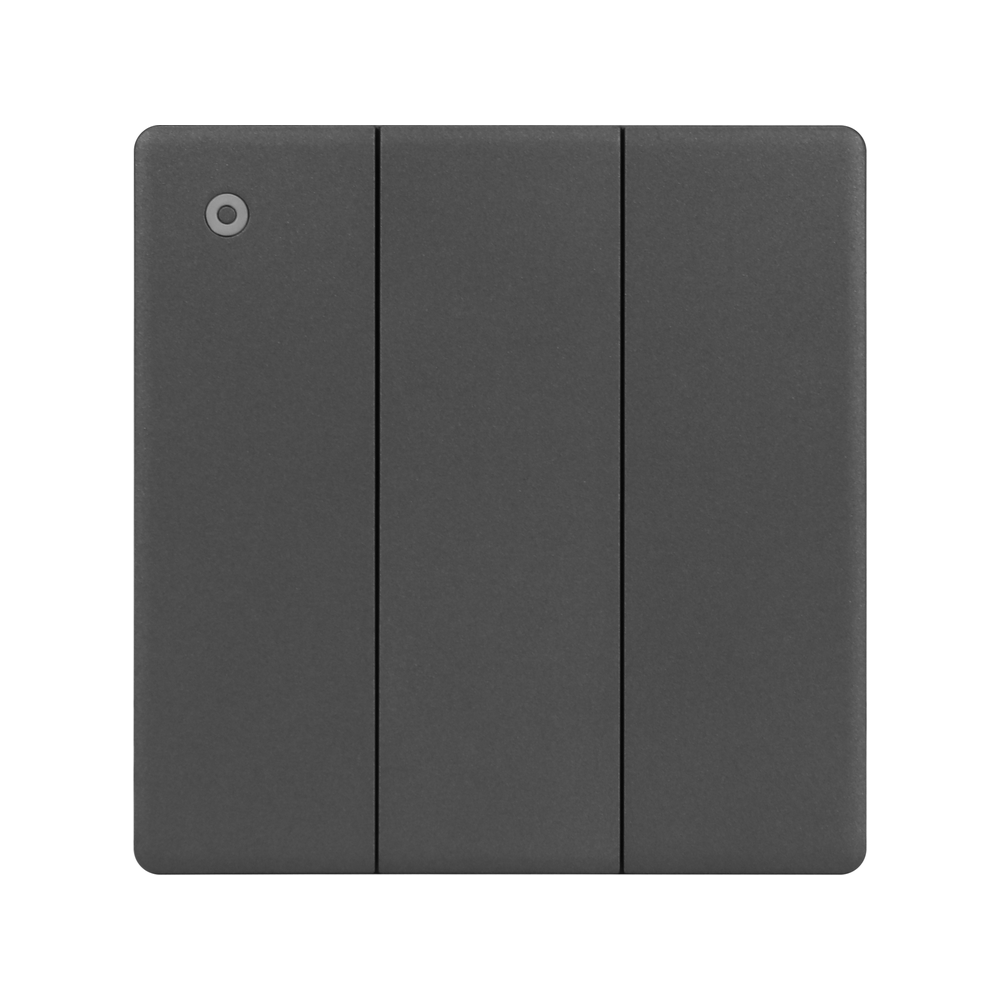
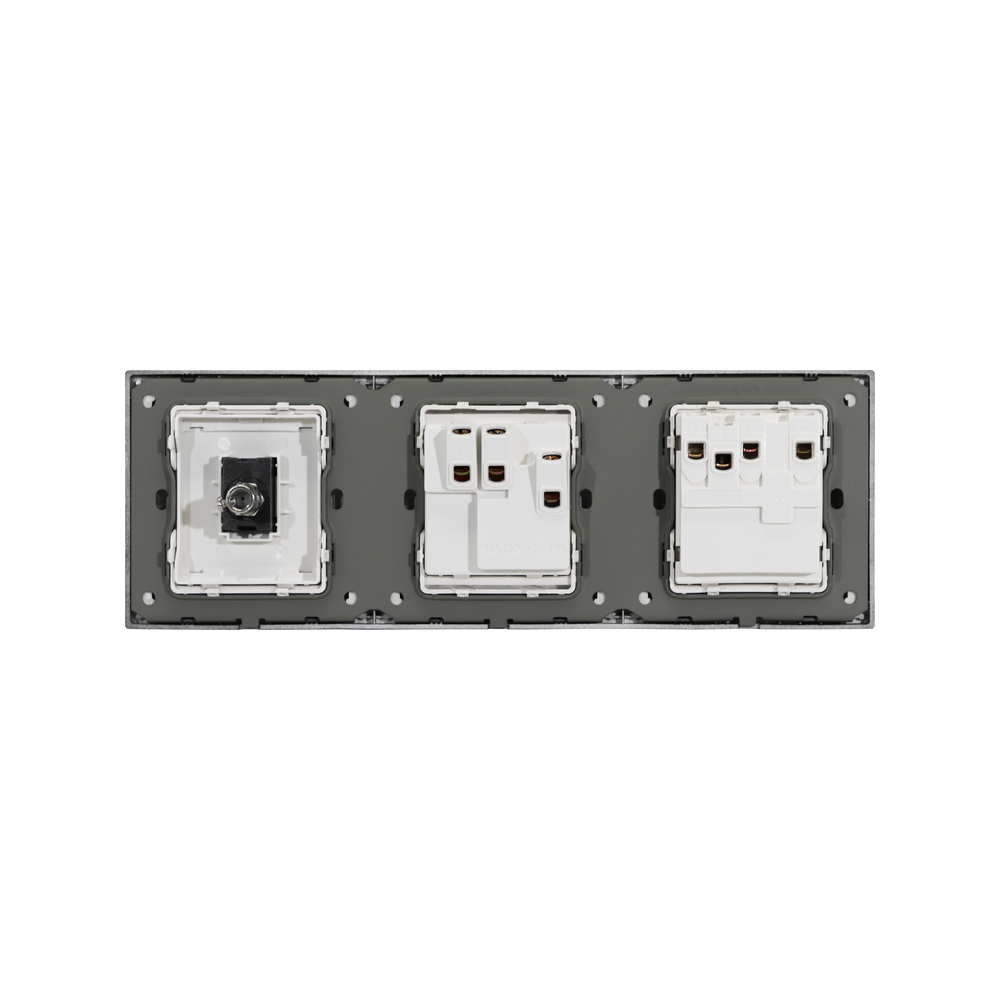
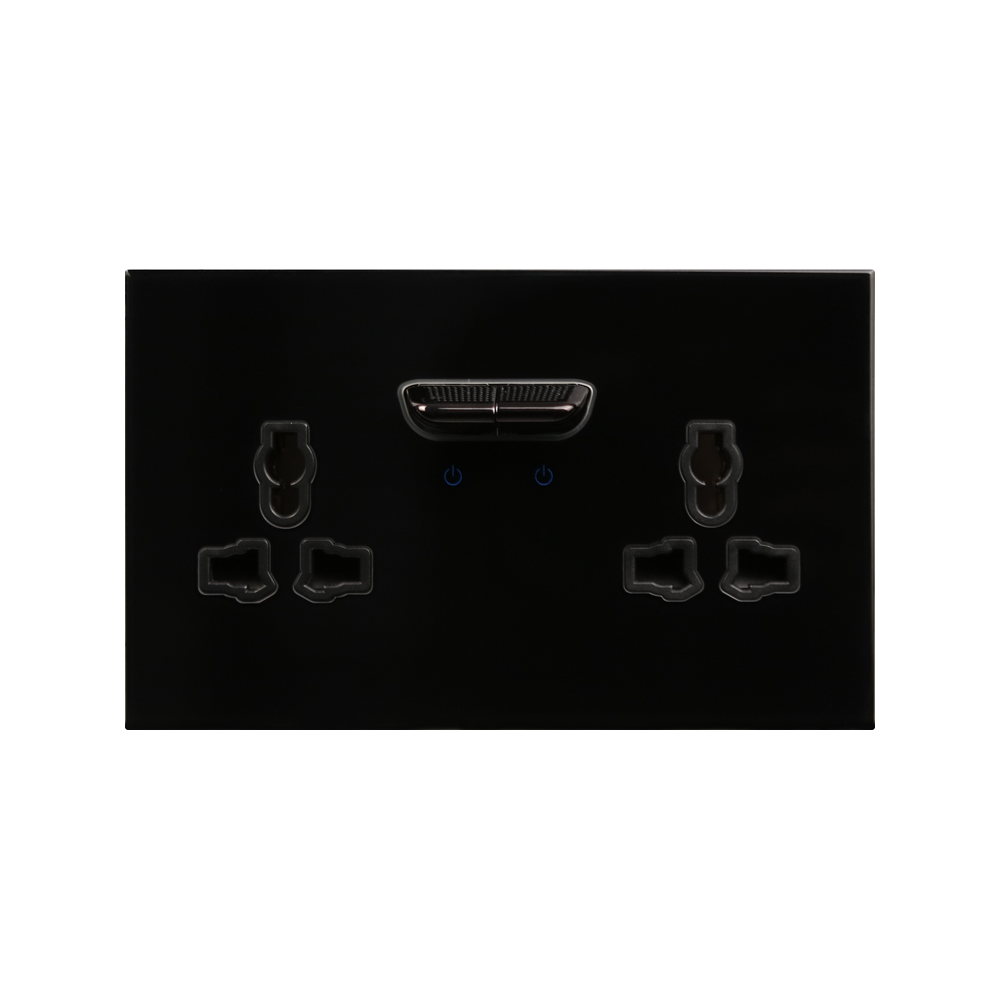
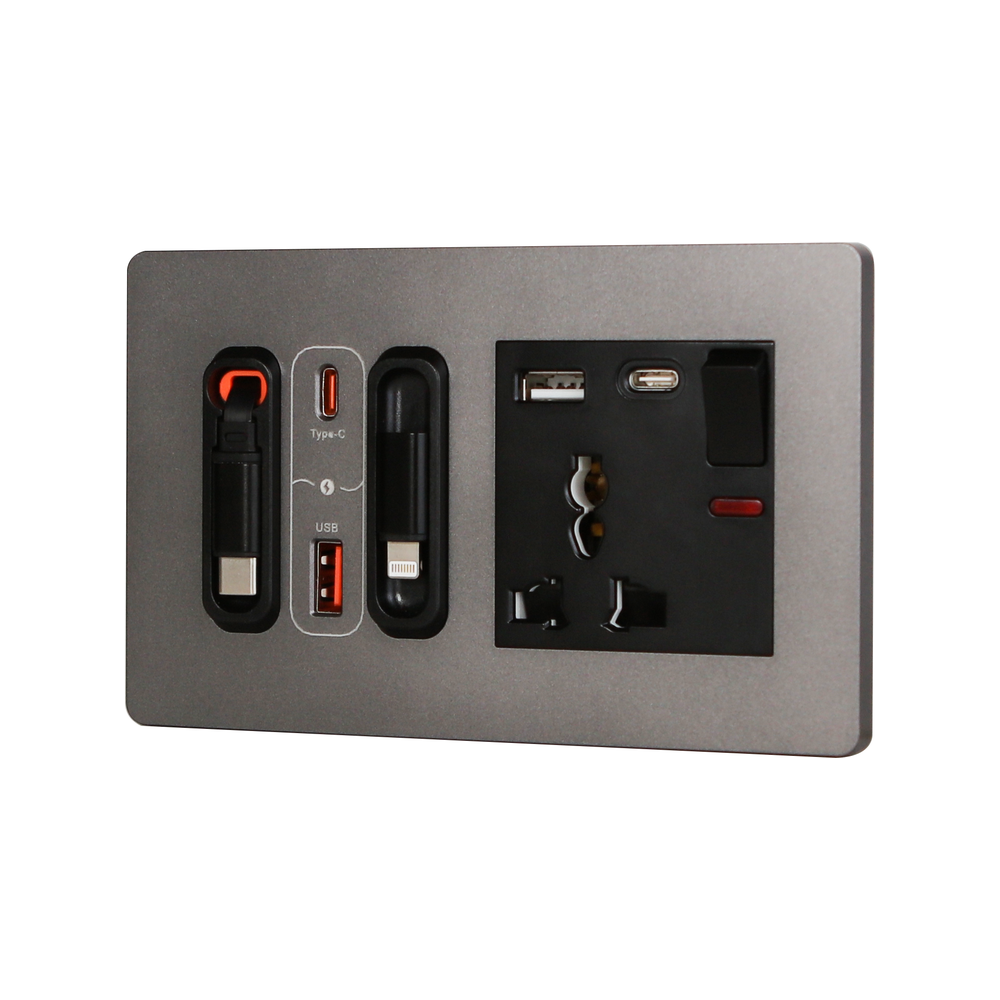
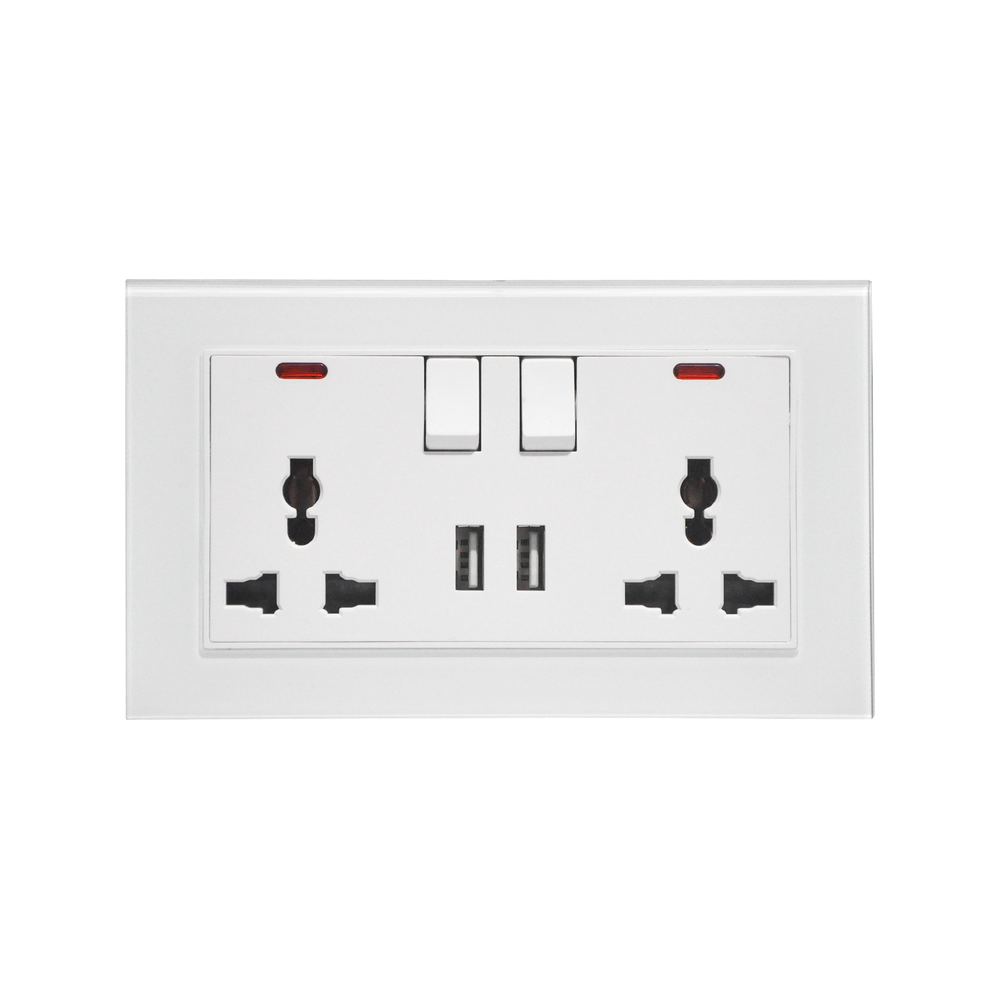
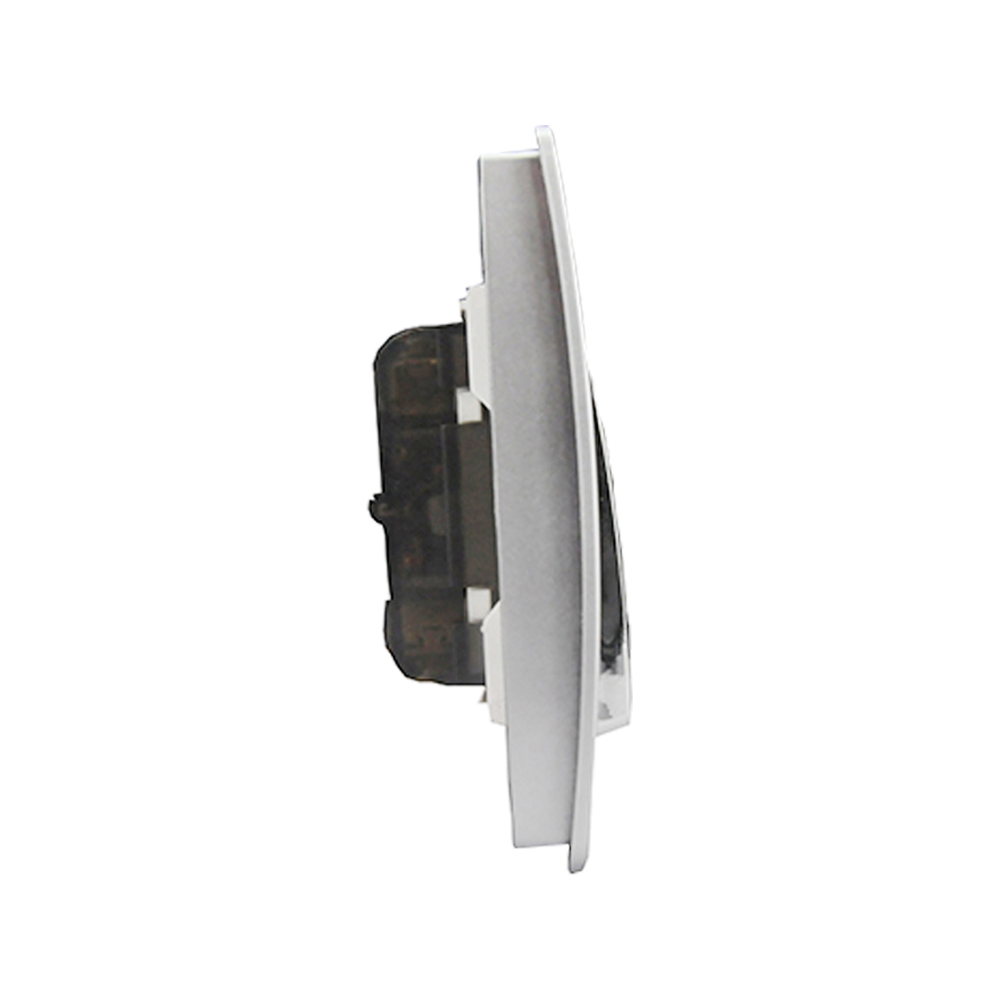
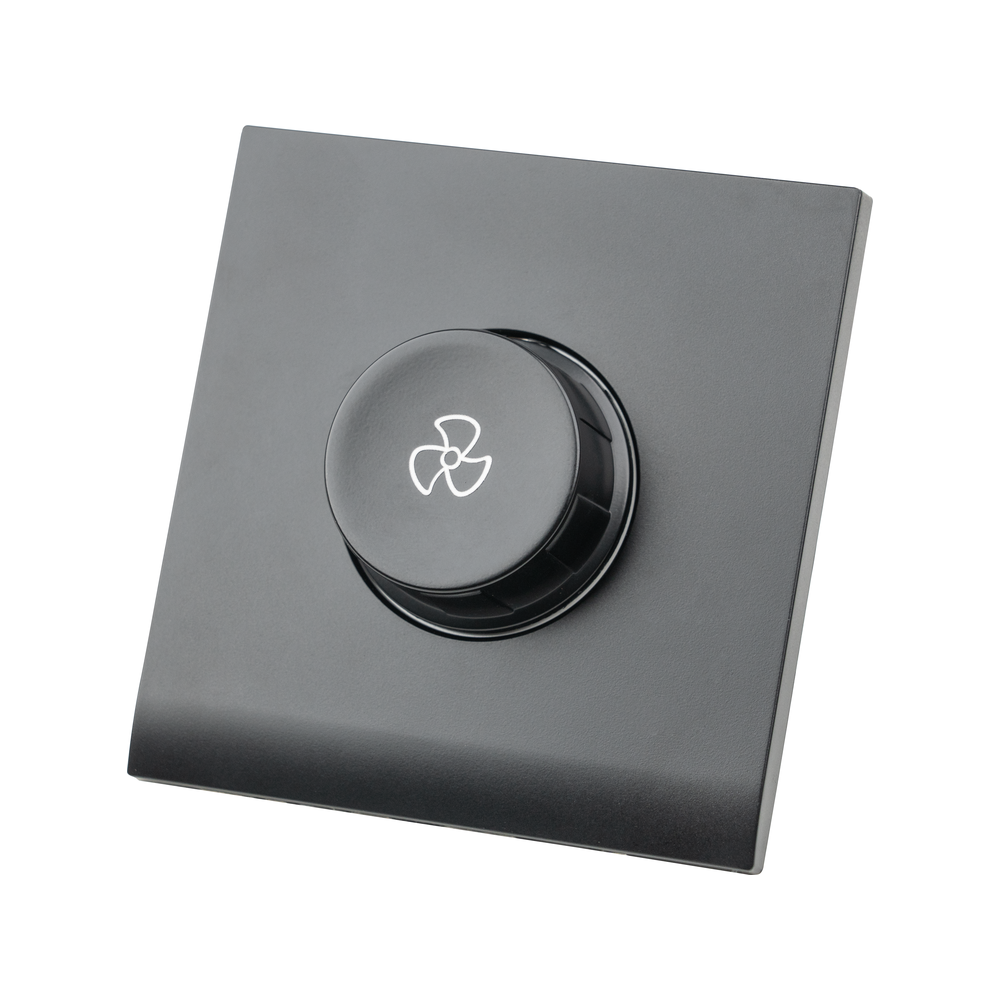
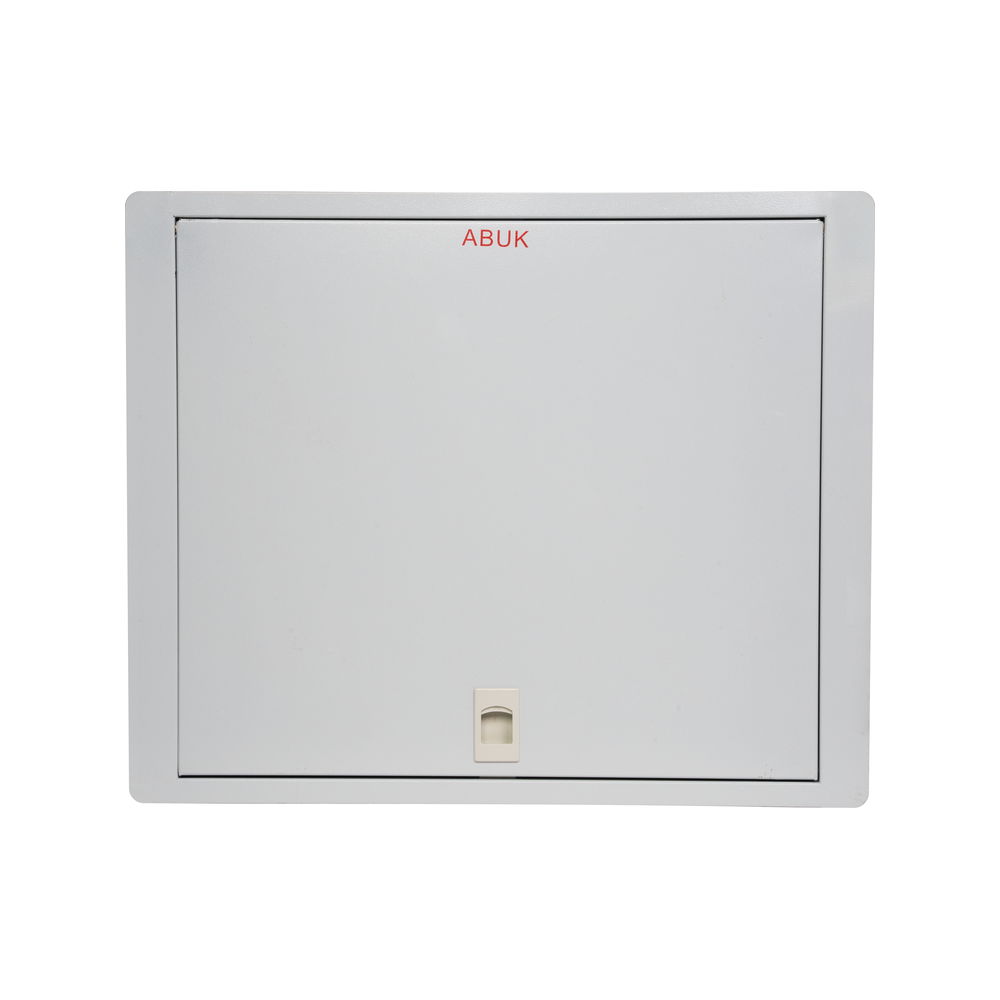
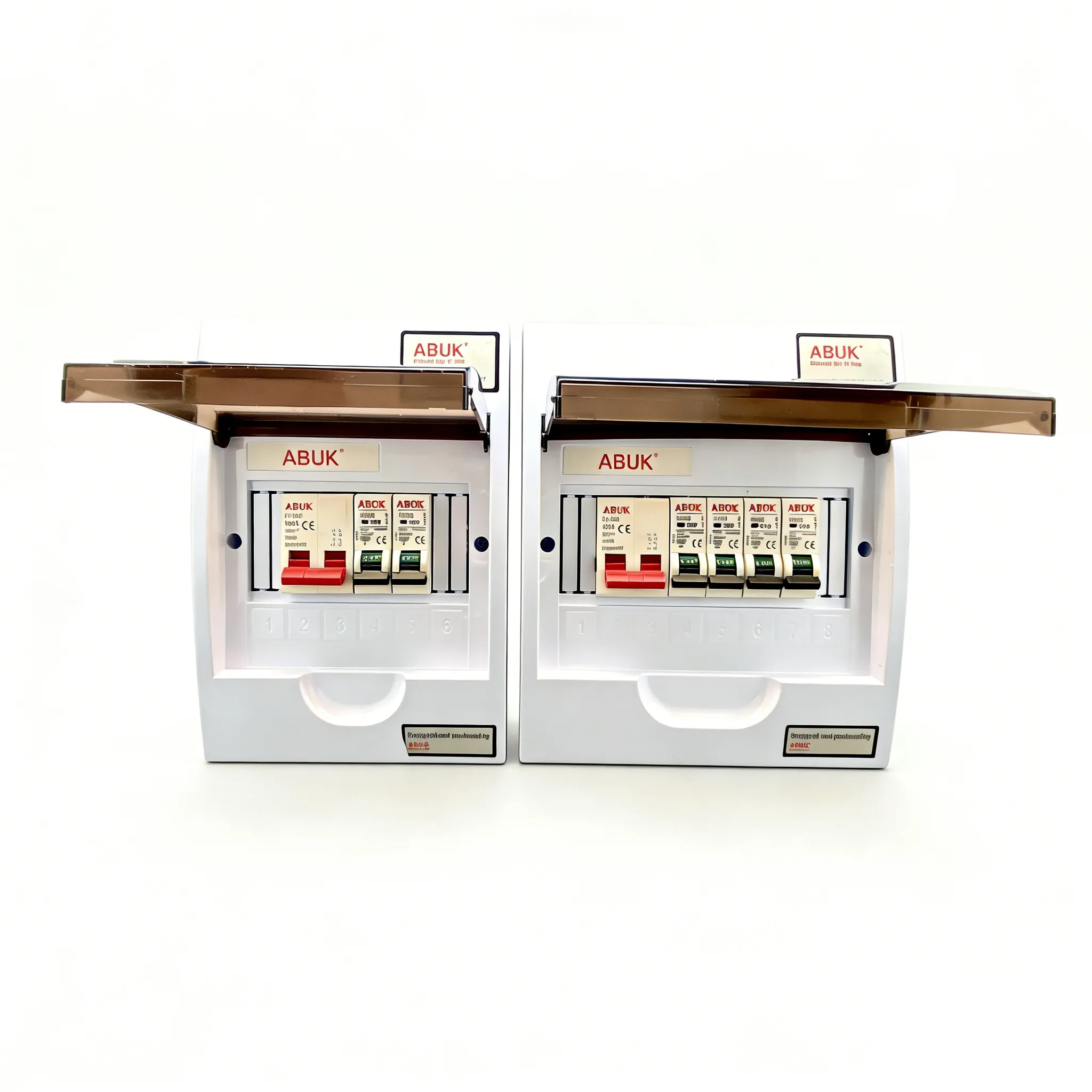
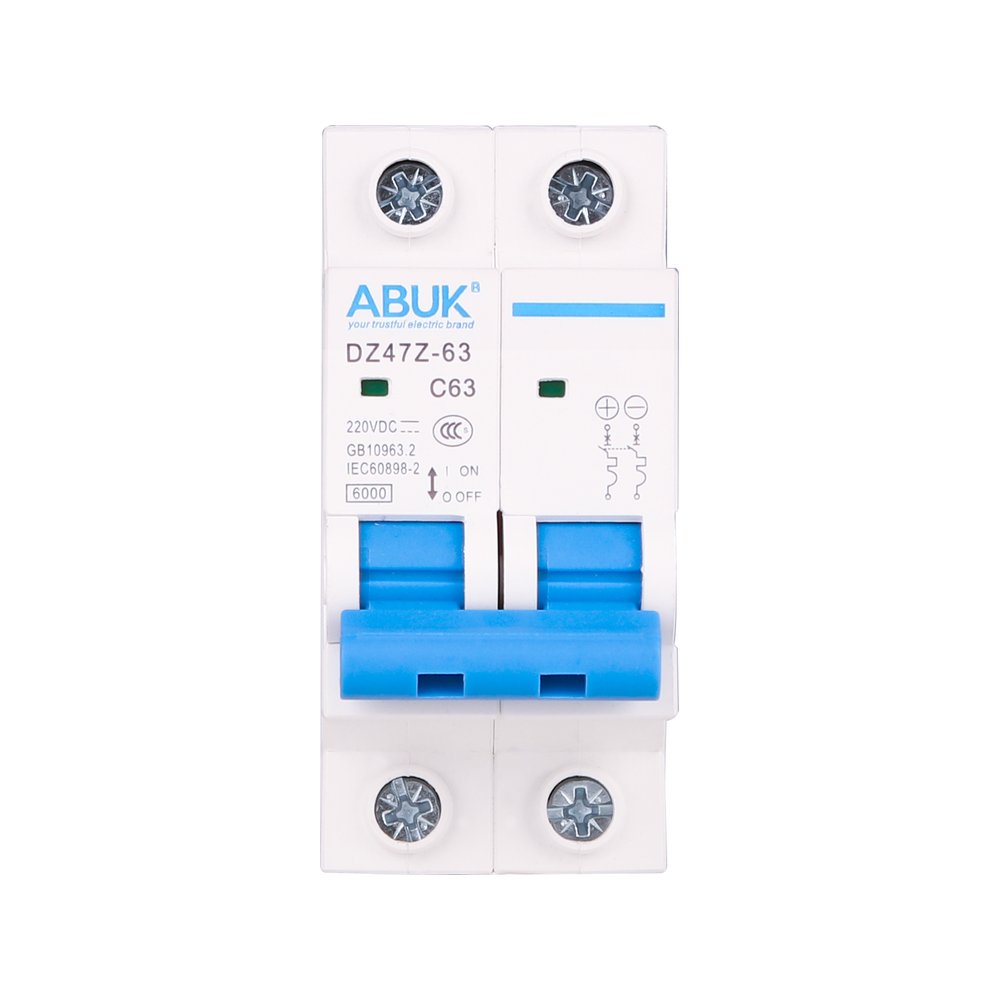
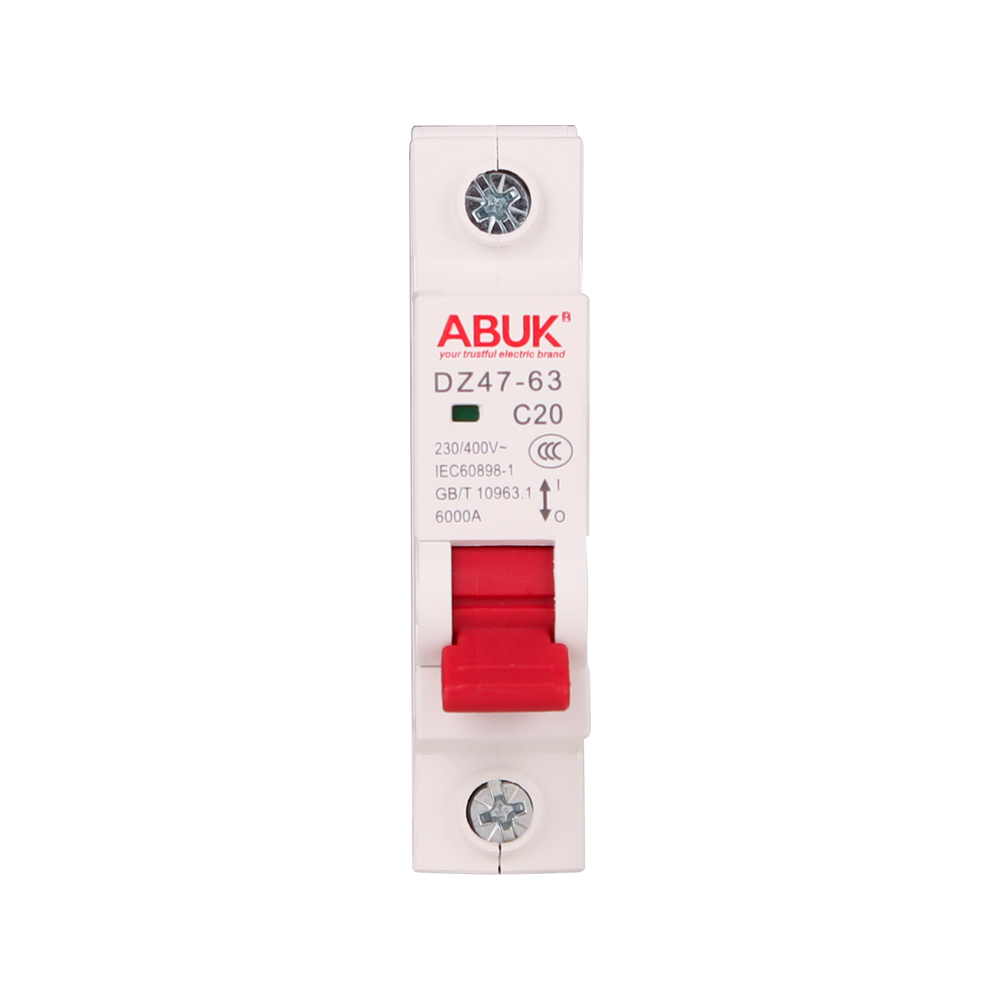
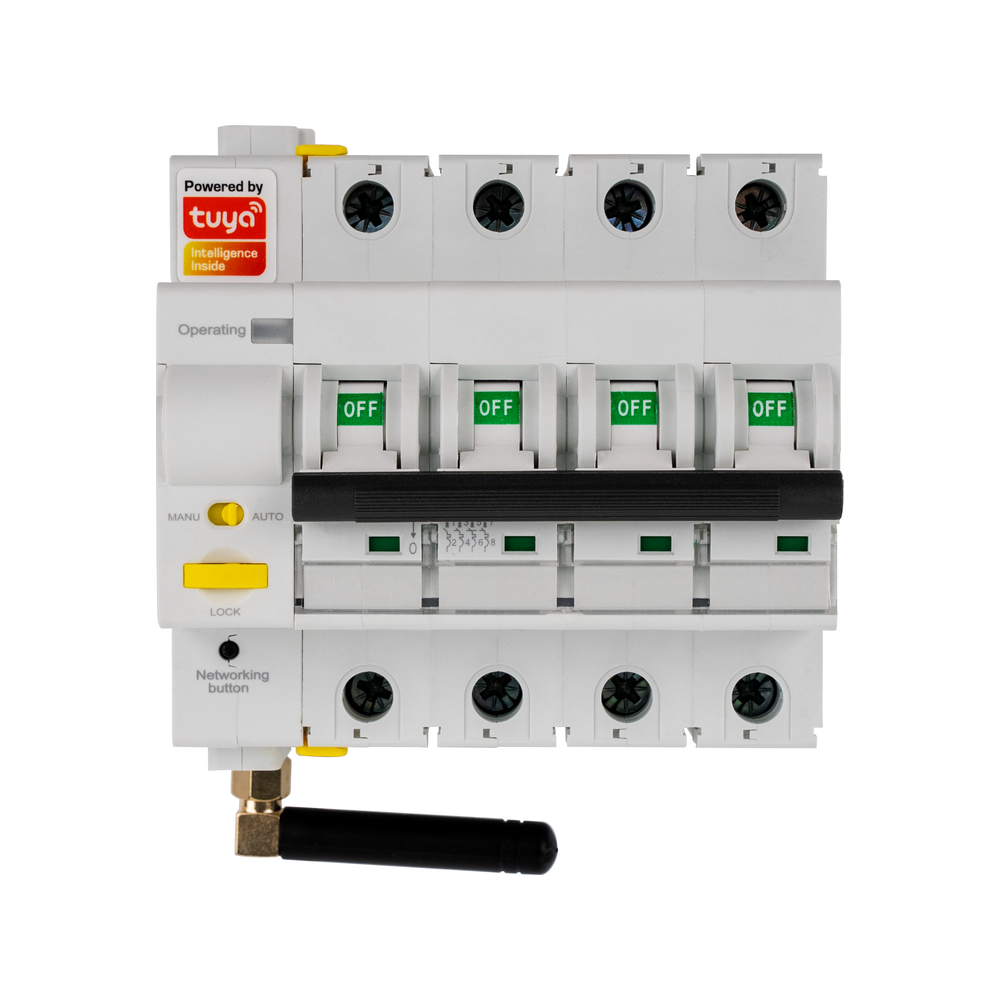
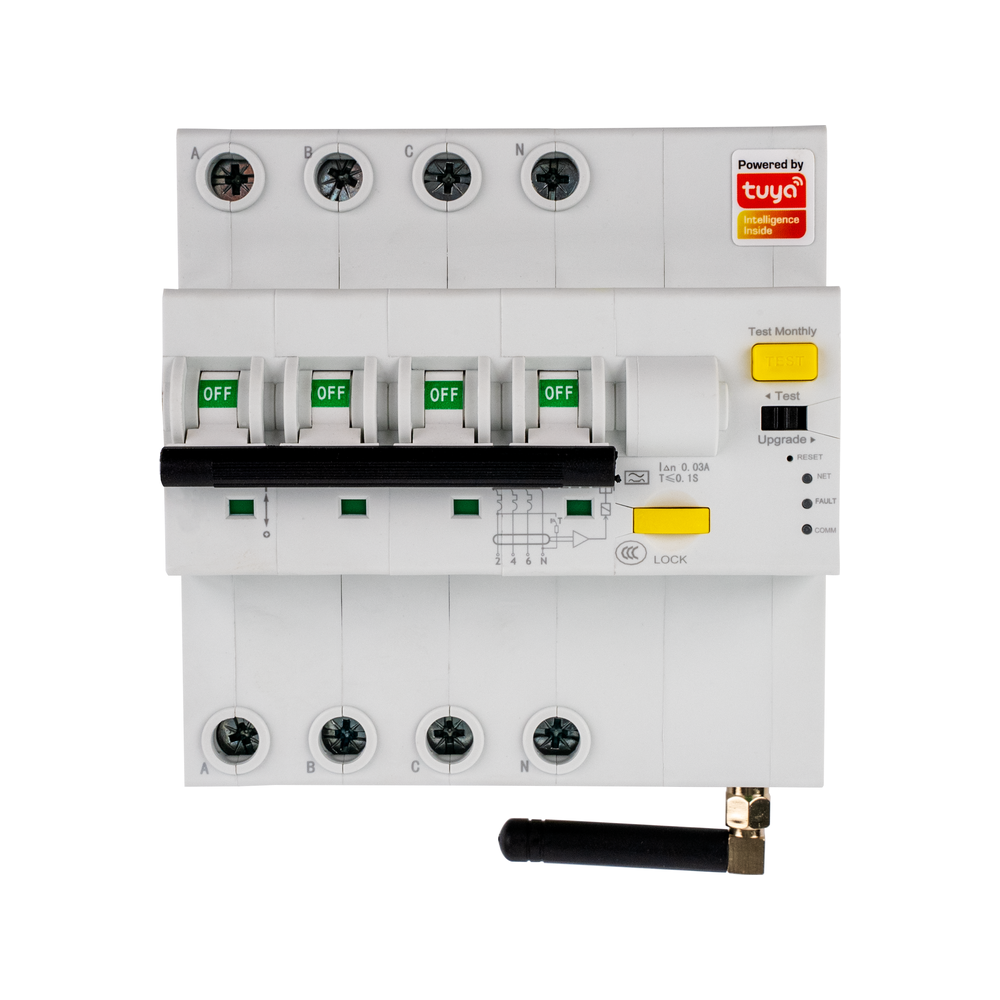
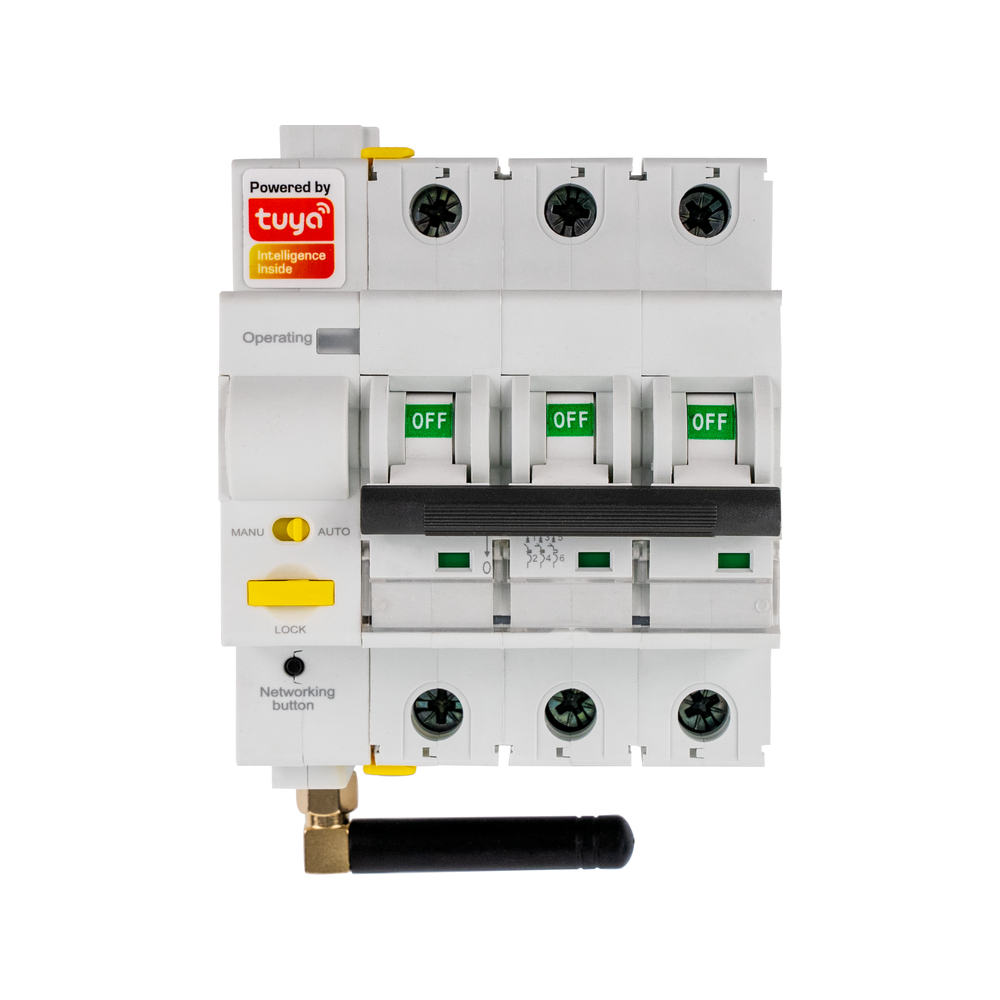
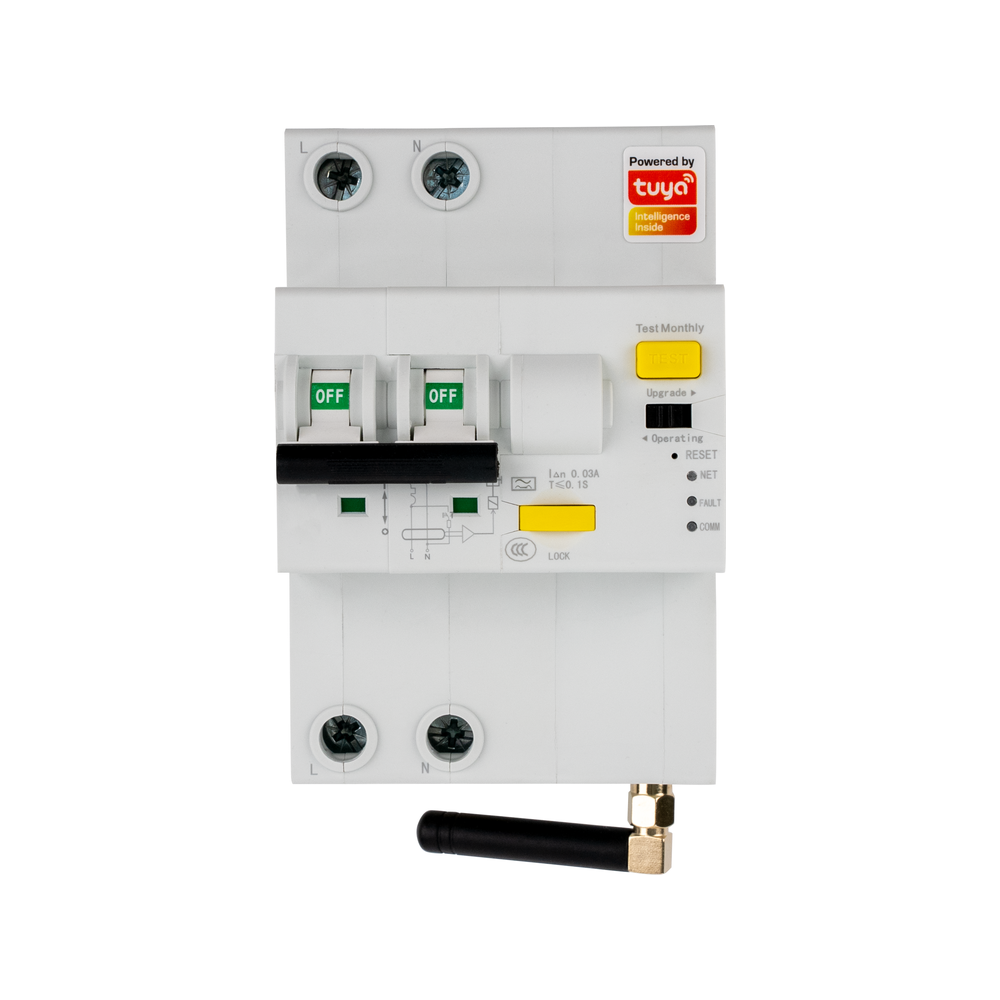
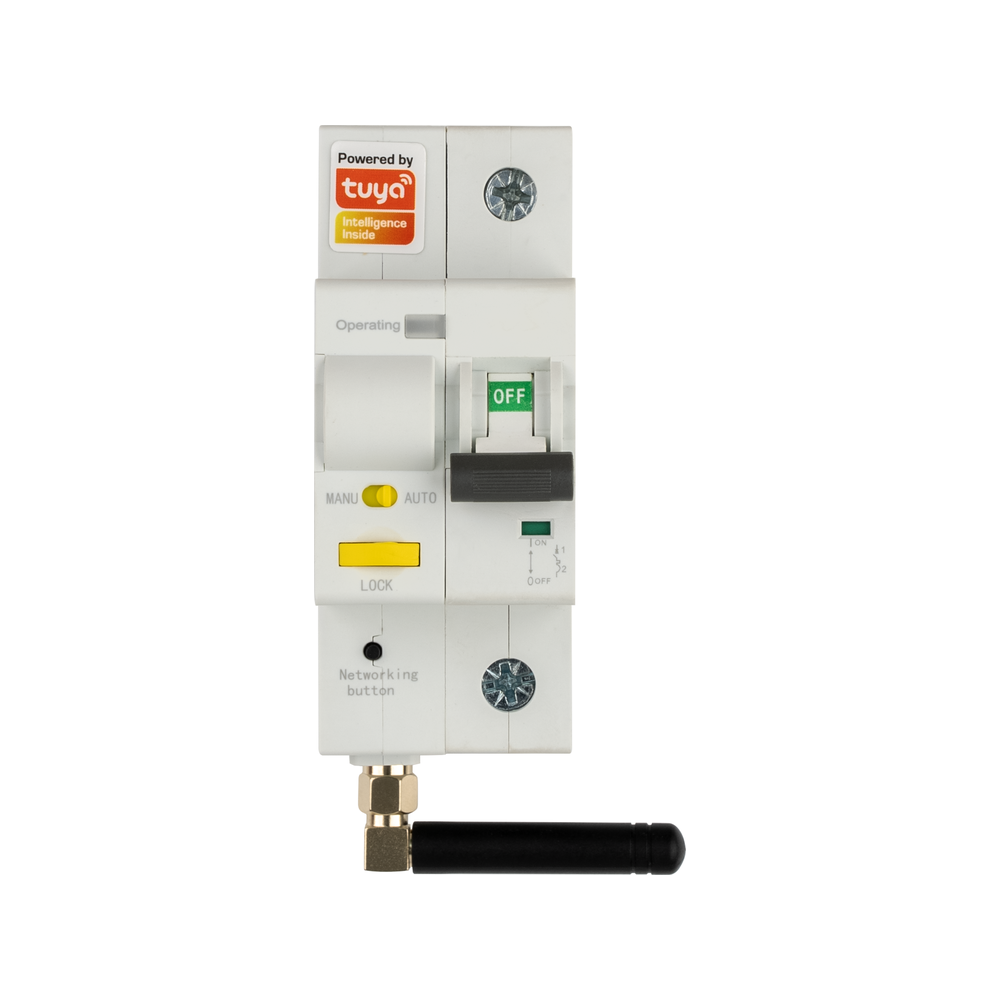
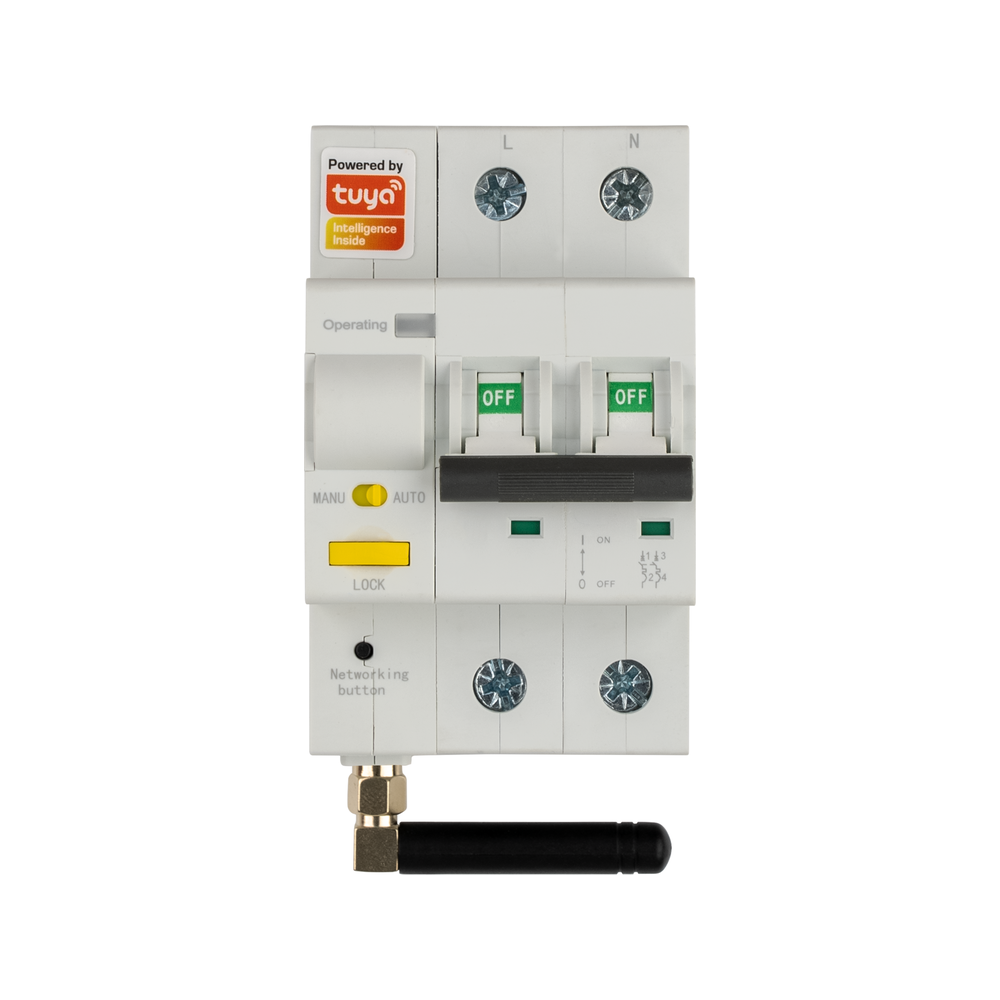
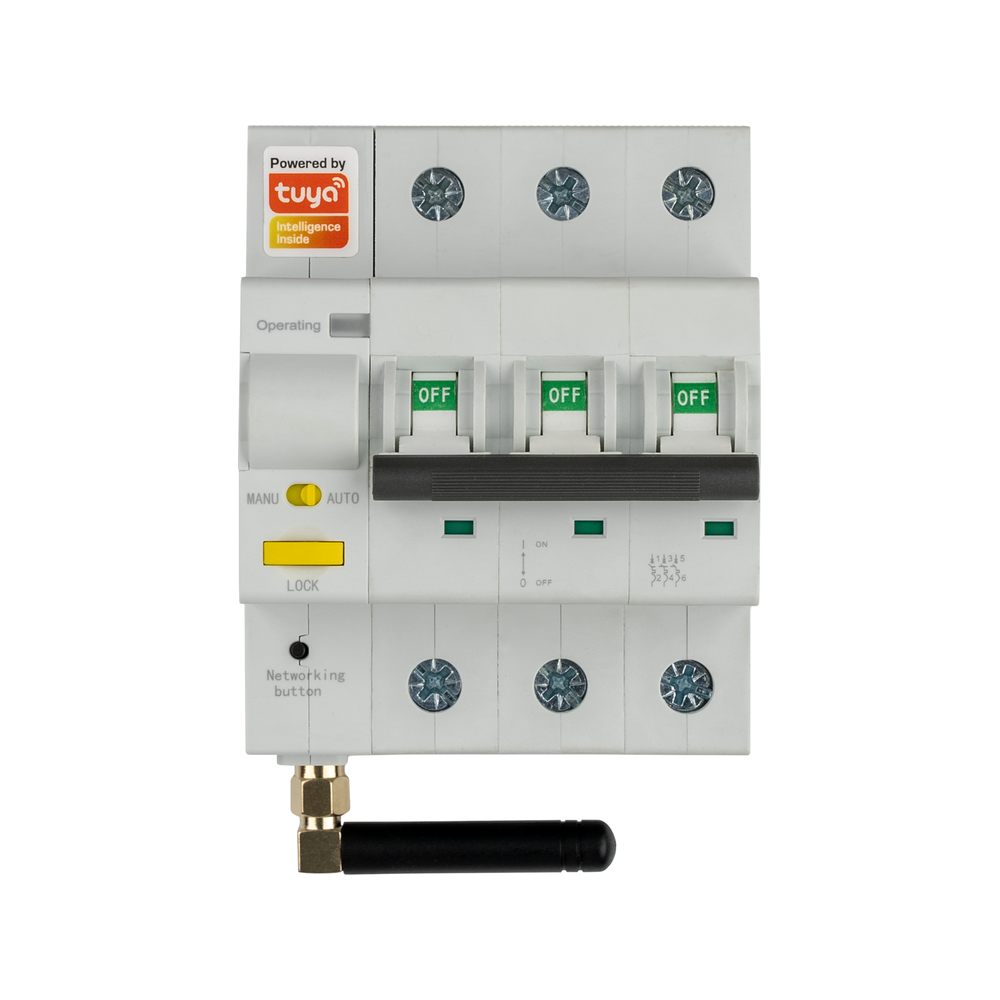
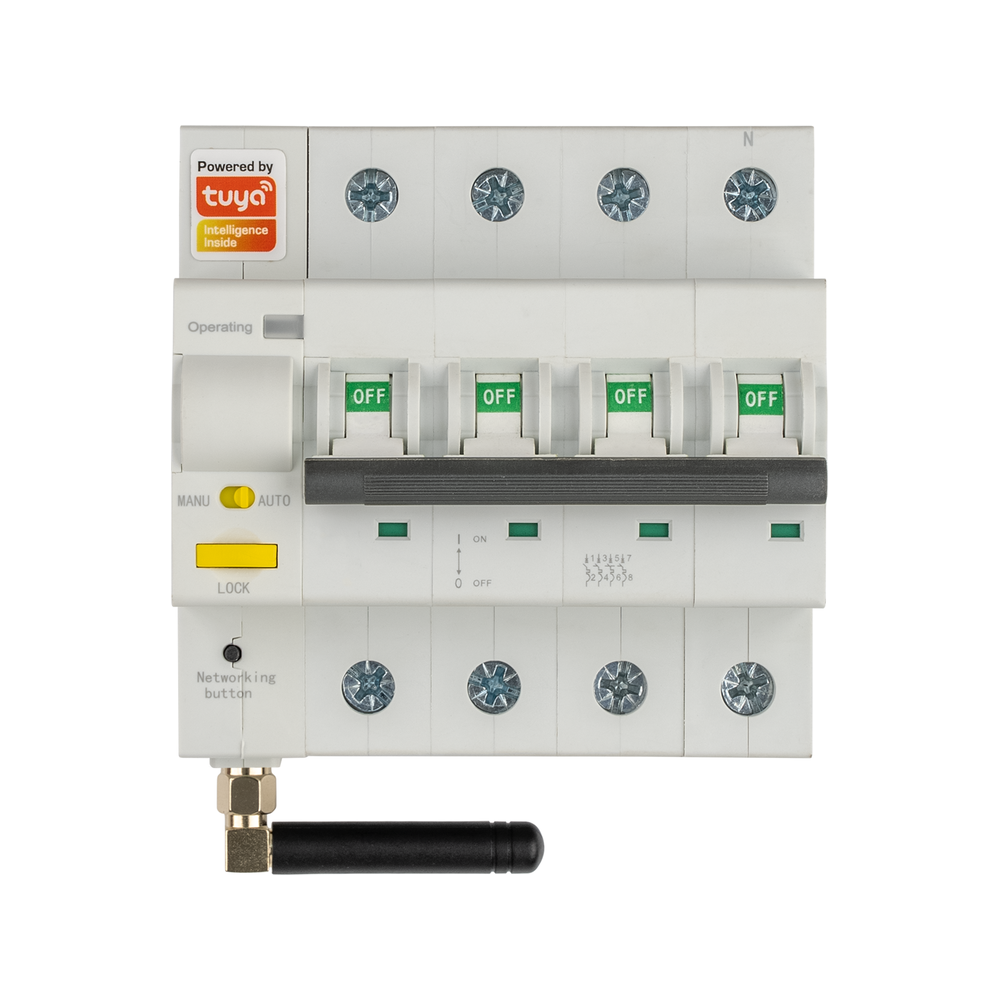
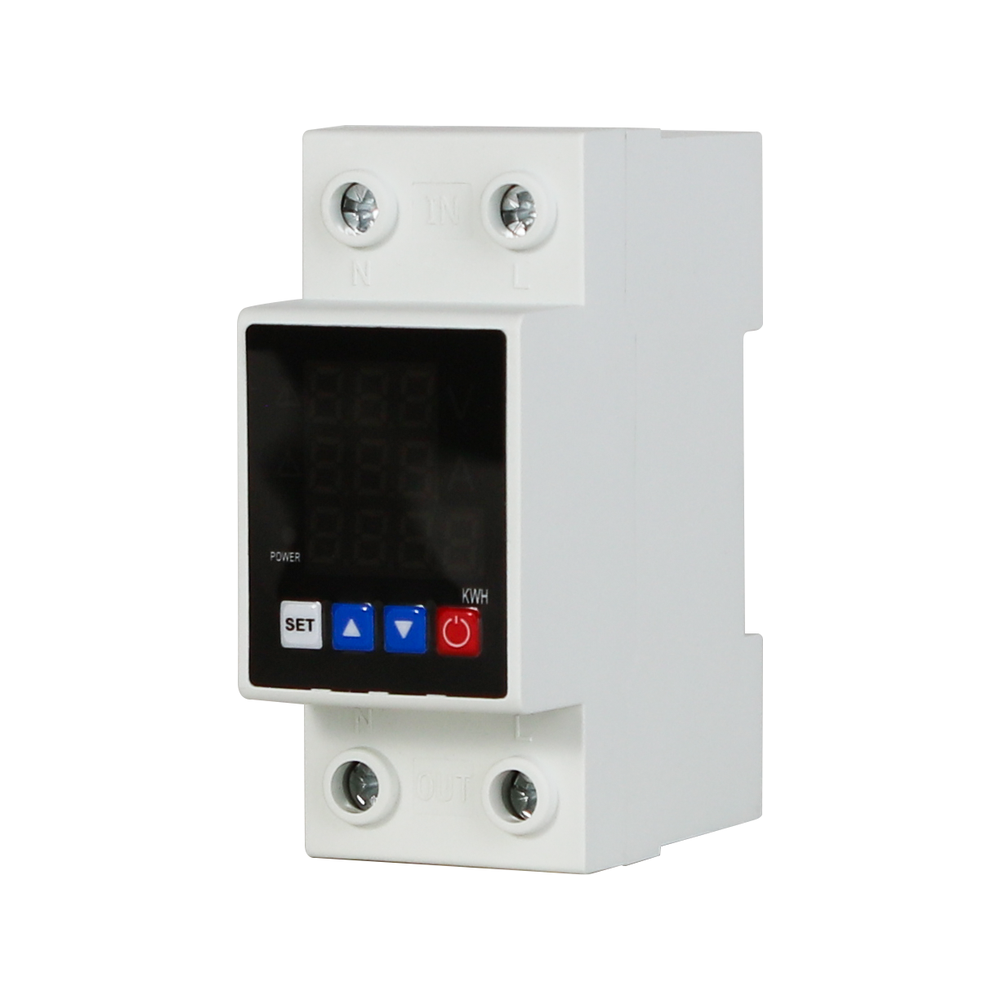
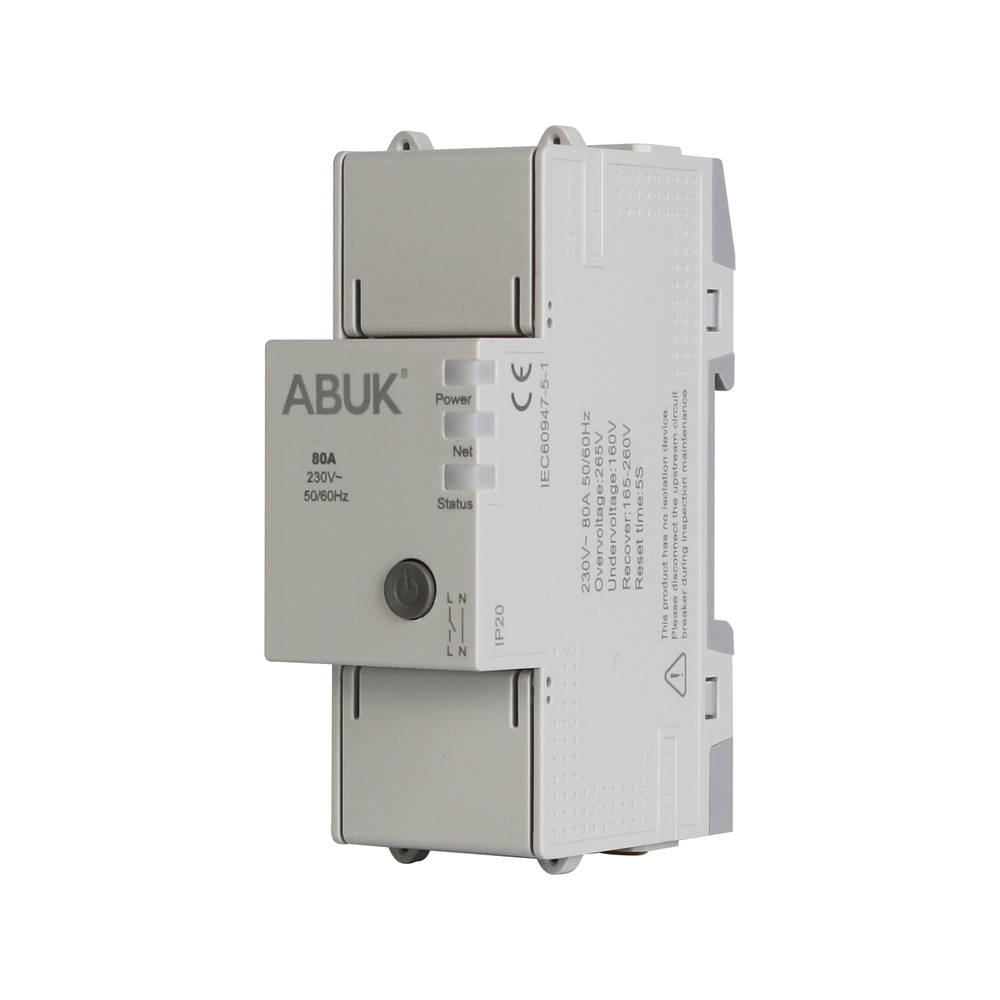
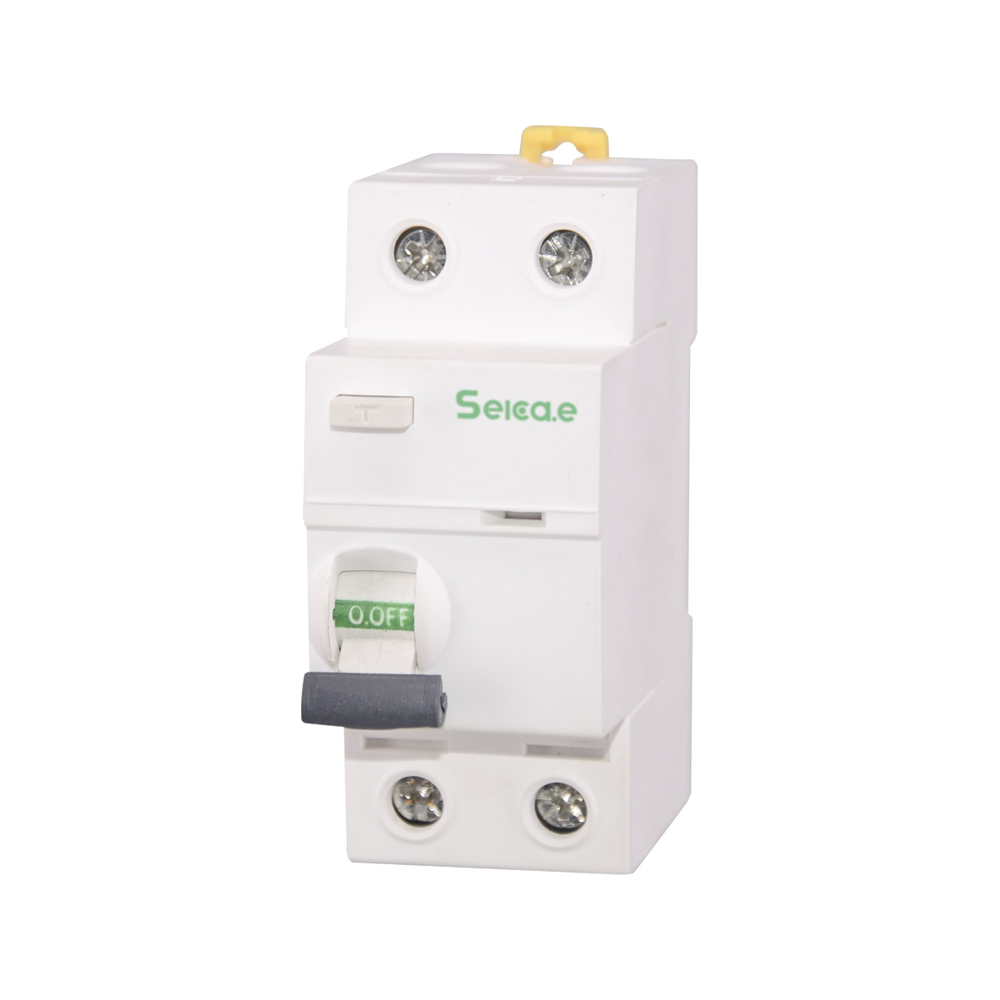
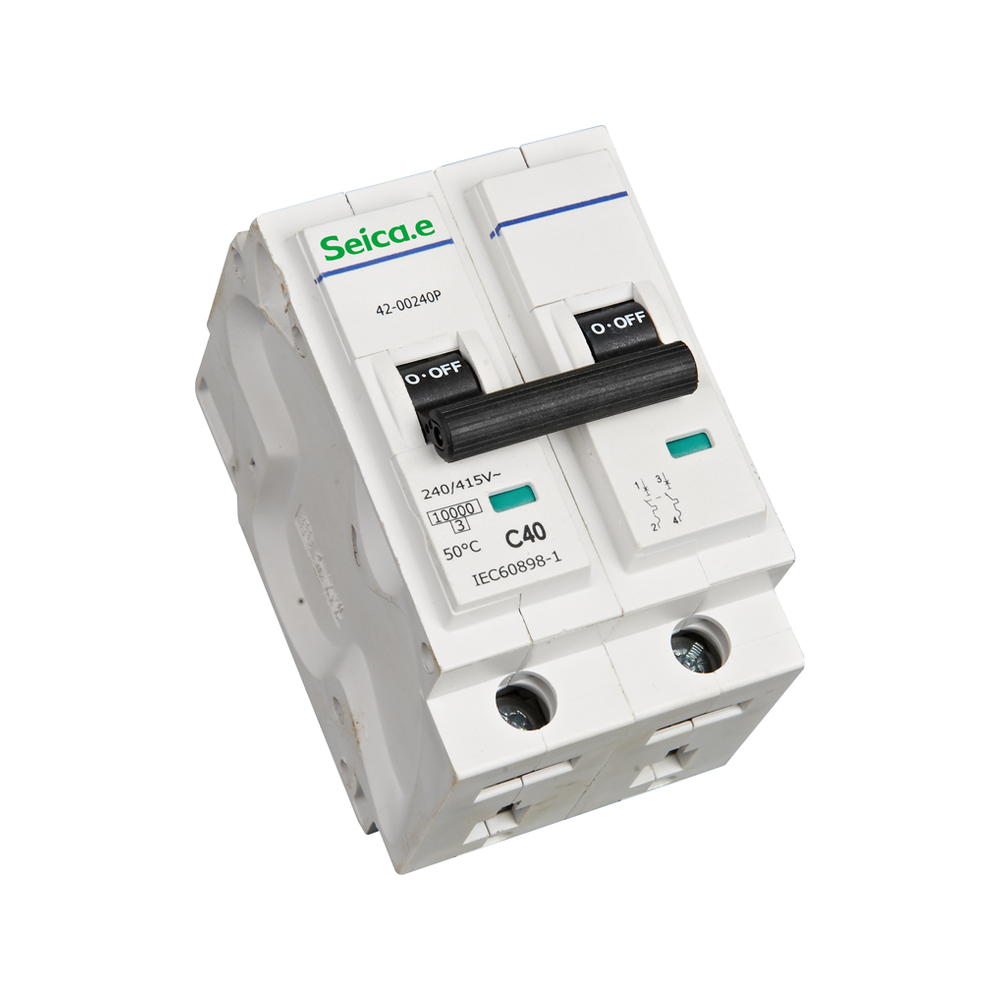
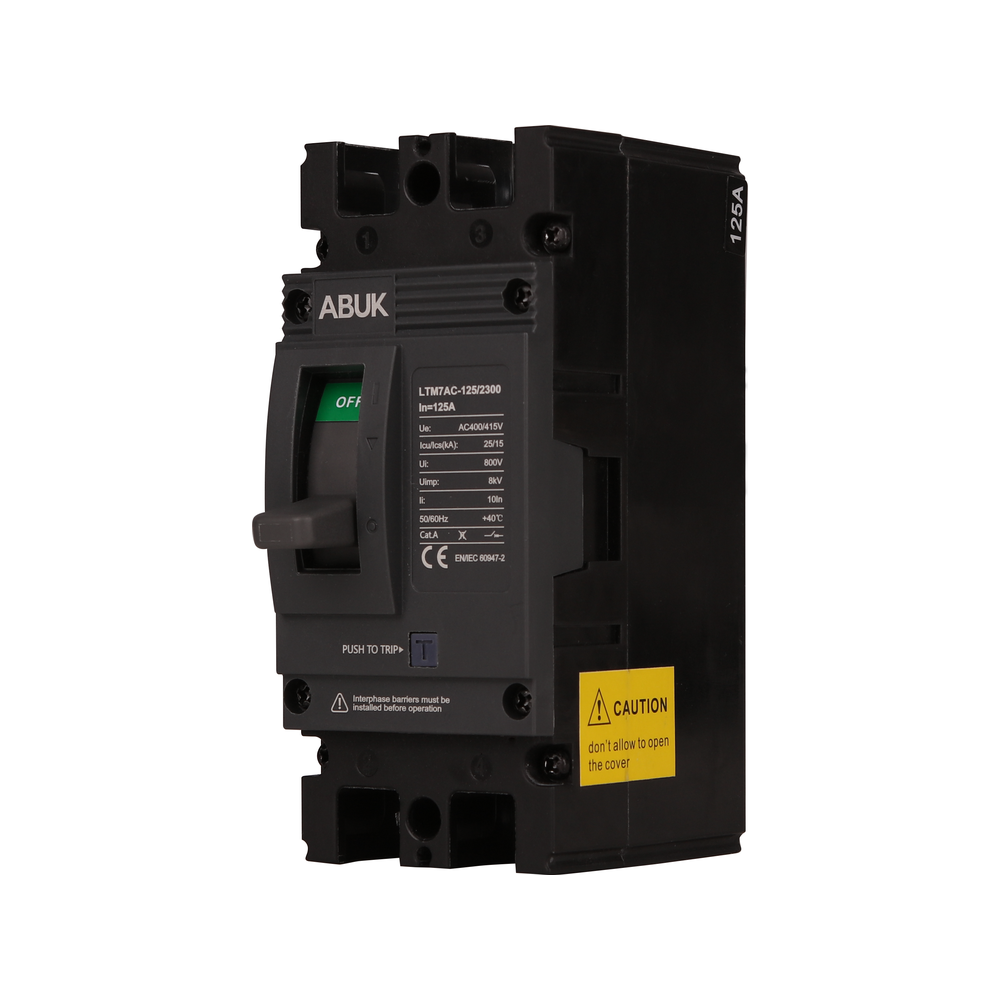
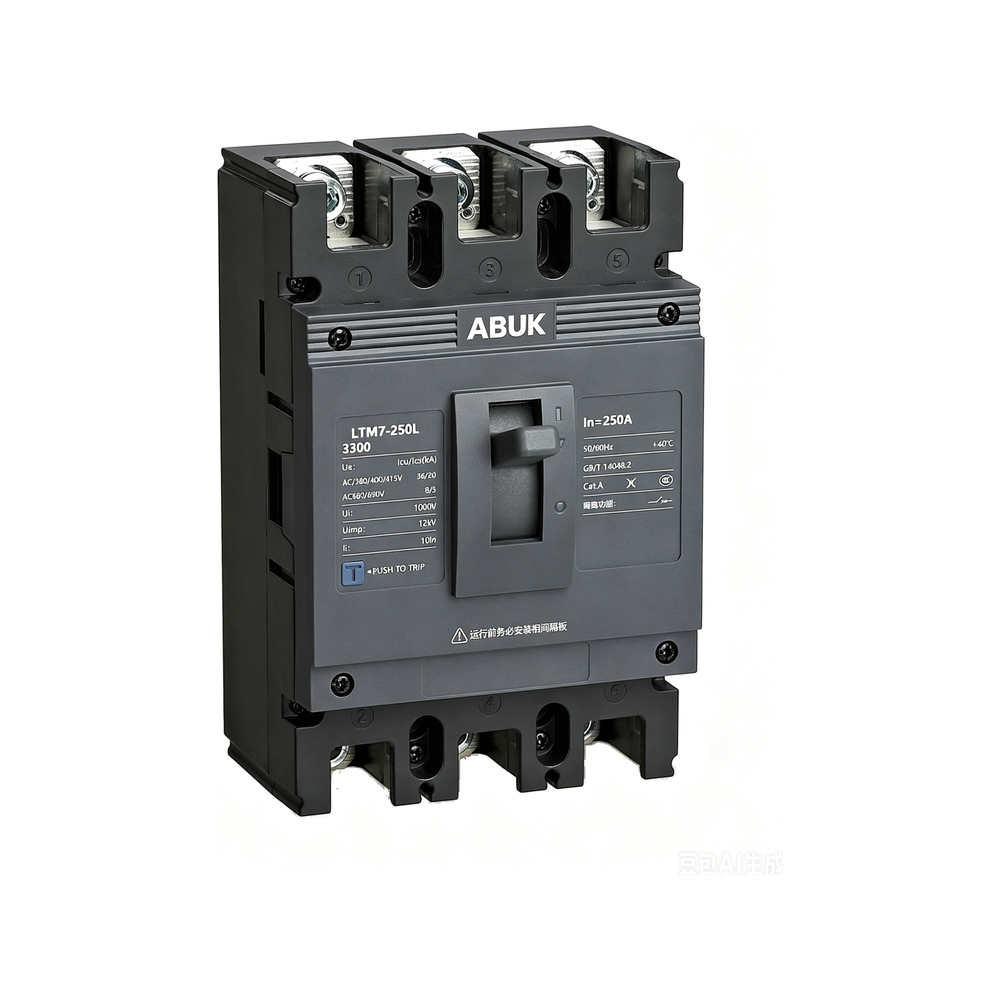
ABUK supplies electrical socket accessories; an ordinary accessory should not be presented as an EV charging product without exact-model evidence. The product samples shown illustrate procurement review, not a verified charging installation.
Any hot, loose or discolored outlet needs attention before further charging. The guide to faulty wall sockets explains why continued use is not an appropriate way to test a suspected defect.
Frequently asked questions
Can you charge an EV from a standard French plug socket?
Limited charging may be possible with suitable equipment and an assessed installation. Legrand identifies an 8A limit for conventional domestic-socket charging; regular use deserves a dedicated solution assessment.
What is a Type E plug?
It is part of the earthed mains connector system used in France. It is different from the vehicle-side Type 2 charging interface.
Can you charge an electric car in France?
Yes, using compatible public or private charging equipment. At home, the vehicle, charging equipment and installation must be suitable for one another.
Are Type C and Type E plugs interchangeable?
A compatible Type C Europlug can fit a Type E socket, but it lacks protective earth and has a lower rating. It is not an EV charging substitute.
How long does EV charging take from a domestic socket?
Divide the required energy by the usable charging power, then allow for losses and vehicle limits. At 1.84kW input, 12kWh requires at least about 6.5 hours in an ideal calculation.
When should a wallbox be used instead of a Type E socket?
Consider one for regular use, shorter charging windows, greater energy needs or load-management requirements. The right choice follows a vehicle and installation assessment.
References
- Legrand: charging from a domestic socket
- Legrand: conventional and reinforced charging-current limits
- Legrand: reinforced sockets and wallbox product distinctions
- HSE: general electrical condition and protection guidance
A reliable charging routine starts with an assessed system, not a convenient empty socket. ABUK can provide information for the accessory portion of a defined project; send the approved requirements when requesting suitable product documentation.