
 Wenzhou Lita Electric Co., Ltd.

Can an Irish Type G Socket Safely Power a High-Wattage Heater?
When a guesthouse manager in Galway encountered a warm extension block during a cold weekend, the heater seemed an obvious suspect. In this hypothetical example, staff had added a portable heater beside a kettle because both plugs fitted the block; a hot-plastic smell soon stopped the arrangement. The mistake was counting available openings instead of checking the combined electrical load.
Summary: A suitable Irish Type G socket can supply a compatible heater within the limits of the complete installation. At 230V, a 2,000W resistive heater draws approximately 8.7A; 3,000W draws about 13A. The familiar 13A plug rating is not permission to overload an adapter, extension or shared circuit. Check the appliance instructions and socket condition before use.
Ireland plug sockets normally use the Type G format on a nominal 230V, 50Hz supply. A heater adds a sustained load, which makes contact condition and the rest of the circuit particularly important.
How does heater wattage translate into socket current?
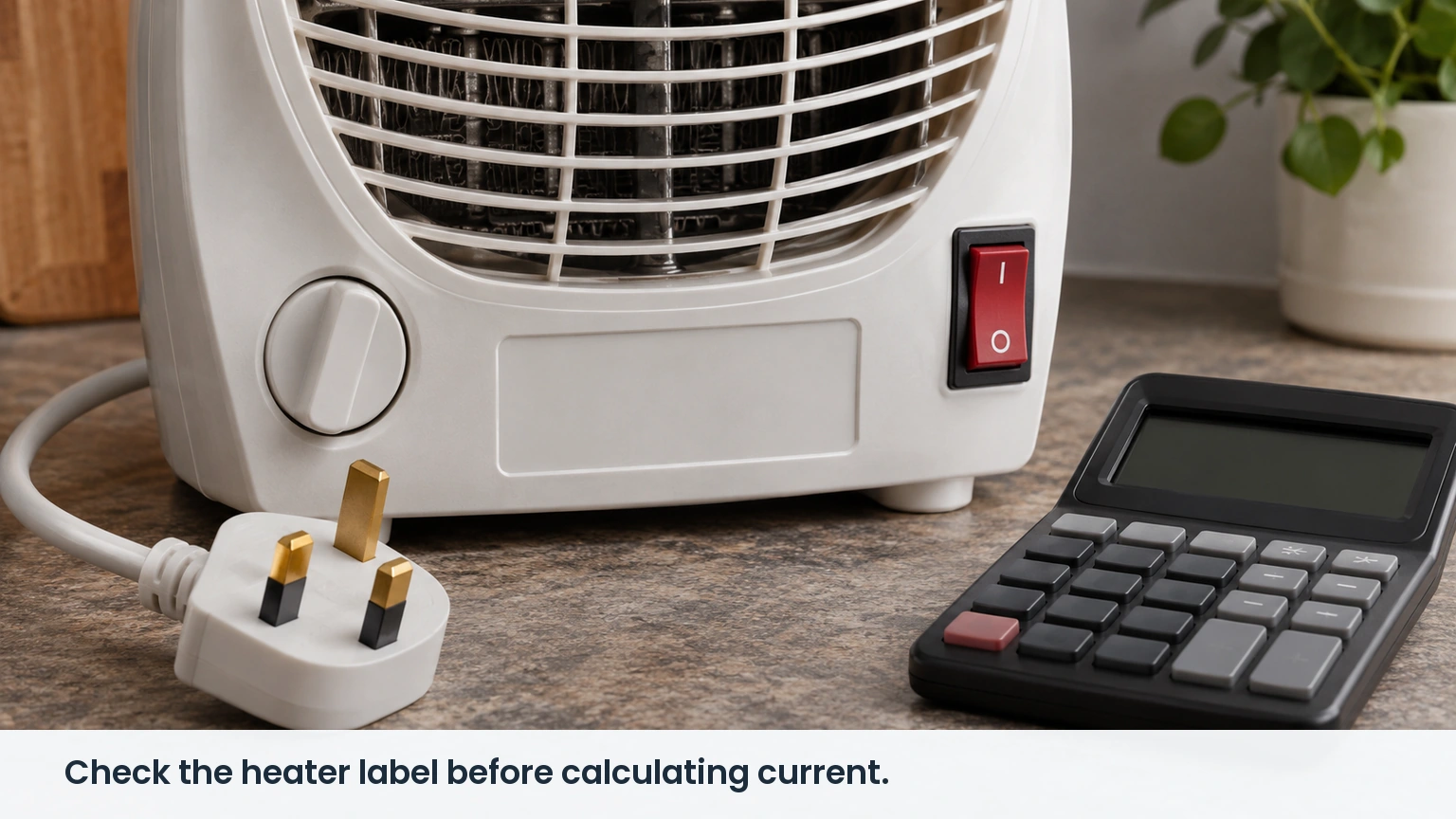
For a substantially resistive heater, current is approximately power divided by voltage. A 1,500W heater at 230V draws about 6.5A; a 2,000W model draws about 8.7A. The calculation should use the actual appliance rating and intended supply, not a retailer’s description such as “small room heater.”
BSI’s BS 1363-1 specification concerns 13A fused plugs. Multiplying 13A by 230V gives 2,990W, often rounded to 3kW. That arithmetic describes the nominal relationship; it does not establish a safe working limit for every old socket, double socket assembly or extension lead.
The high-wattage heater thermostat does not make an excessive connected load acceptable. It may cycle the appliance off after the room warms, but the installation must safely carry the current while the heating element is on. A cold room can keep that element energized for a substantial period.
Why can an extension lead become the weak point?
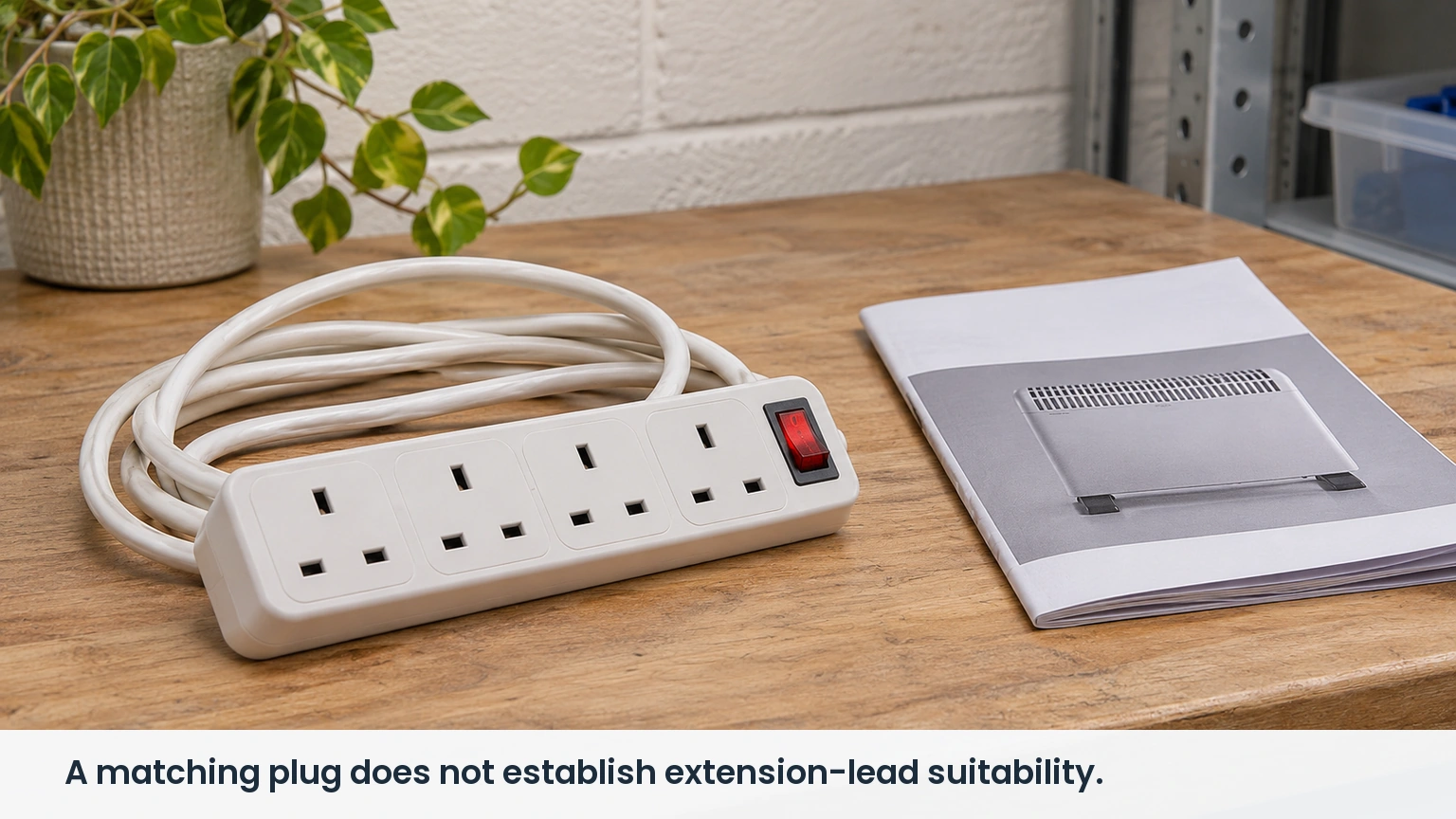
An extension adds a plug, flexible cable and more contacts to the supply path. Its permitted load may be lower than the wall socket’s rating, and several connected appliances share its total capacity. London Fire Brigade specifically warns against overloaded extensions and advises checking the appliance’s requirements.
A hypothetical 2,000W heater and 2,000W kettle together draw about 17.4A at 230V. They exceed a 13A extension’s rating even though two sockets are available. Plugging each into a different opening on the same block does not divide the load between independent supplies.
Portable heaters are best connected directly to a suitable wall socket, following their instructions. Avoid multiway adapters and extension arrangements for this high sustained load. Where an extension is expressly permitted, its documented rating and conditions still govern; a coiled reel may have a different permissible load from an unwound reel.
Can a plug overheat without blowing its fuse?
Yes. A loose or deteriorated contact can create localized resistance and heating while the overall current remains below the fuse rating. The relationship is I²R: doubling current through the same resistance produces four times the heating at that resistance. This explains why a connection that appeared acceptable with a phone charger can become troublesome with a heater.
The plug fuse is selected to protect the appliance flex in the intended arrangement; it is not a thermostat monitoring each contact. Follow the appliance manufacturer’s fuse specification and use the correct fuse type. Fitting a larger fuse to stop repeated failures is not a repair.
London Fire Brigade identifies hot plugs, scorch marks and unexplained protective-device operation as warning signs. The guide to damaged electrical sockets explains why replacing only the visible faceplate may leave the cause unresolved.
Will a heater marked 240V work on Ireland’s supply?
Check the approved input range in its instructions. Many appliances intended for the regional mains system are suitable for 220–240V or 230–240V operation, but a single “240V” marking should not be treated as a universal compatibility statement. A travel adapter changes plug fit, not voltage or frequency.
For an ideal fixed-resistance element rated at 240V, operation at 230V would produce approximately (230 ÷ 240)², or 92%, of its rated heating power. That is an explanatory calculation, not approval for a specific appliance: electronic controls, motors and manufacturer restrictions must also be considered.
Imported 120V heaters are a different case. They must not be connected to a 230V Irish socket through a passive adapter. For accommodation operators, a locally suitable heater supplied and maintained by the property is usually a simpler solution than managing guests’ high-power converters.
Which heater connection arrangements deserve a closer check?
| Arrangement | What matters | Practical decision |
|---|---|---|
| Suitable heater directly in a sound wall socket | Appliance, accessory and circuit ratings | Use according to the heater instructions |
| Heater sharing a multiway block | Total simultaneous current | Avoid; available openings do not establish capacity |
| Heater through a travel adapter | Voltage, sustained-load rating and earthing | Do not assume suitability from fit |
| Heater with a discolored plug or loose socket | Possible contact damage | Stop use and arrange assessment |
What should different property owners plan for?
| Setting | Likely concern | Often overlooked cost |
|---|---|---|
| Guesthouse bedroom | Guest kettle and heater used together | Callouts and unavailable rooms |
| Rental property | Unknown socket condition and occupant appliances | Diagnosis beyond a damaged accessory |
| Office supplement heating | Several heaters on shared circuits | Disruption to other equipment |
| Seasonal accommodation | Equipment returned to service after storage | Inspection and replacement before opening |
A useful procurement budget includes condition checks, suitable accessories and any necessary circuit work. The cost of a heater is only part of the decision; frequent emergency replacements may indicate a supply arrangement that needs redesign.
Which standards and documents matter in Ireland?
The BS 1363 family describes the familiar 13A plug-and-socket system; Irish installation requirements must be assessed under the applicable Irish rules, including I.S. 10101 where relevant. BSI’s plug specification is not, by itself, evidence that an entire installation complies with Irish requirements.
CE or RoHS documentation must be relevant to the actual product and applicable legislation. Neither proves that an aged socket is suitable for a heater, and GCC documentation does not replace Irish requirements. Buyers should retain model instructions and relevant conformity records.
What should be checked before a heater is issued to a room?
- Confirm the heater’s input range, rated power and manufacturer-specified fuse.
- Check the intended socket and circuit rather than relying on appearance.
- Keep the heater clear of bedding, curtains and furniture; follow its placement instructions.
- Give occupants a clear way to report hot plugs, odors or repeated tripping.
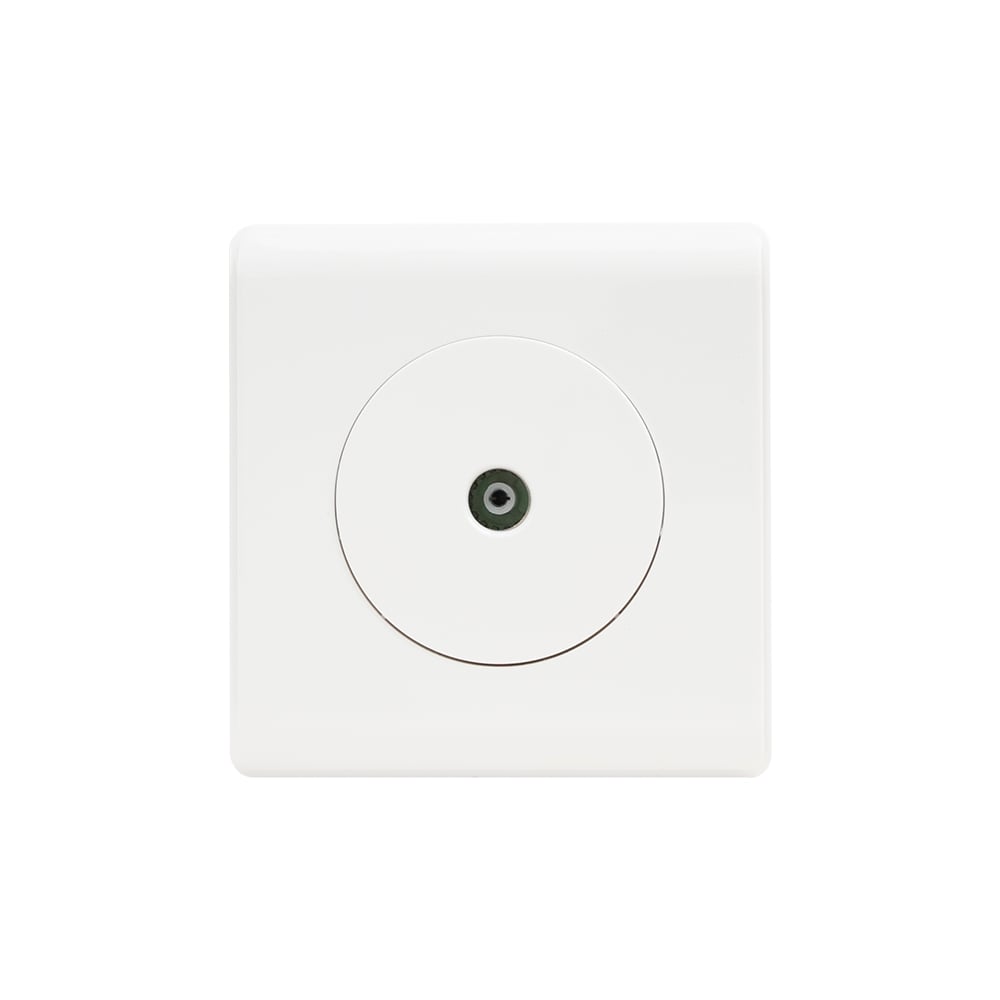
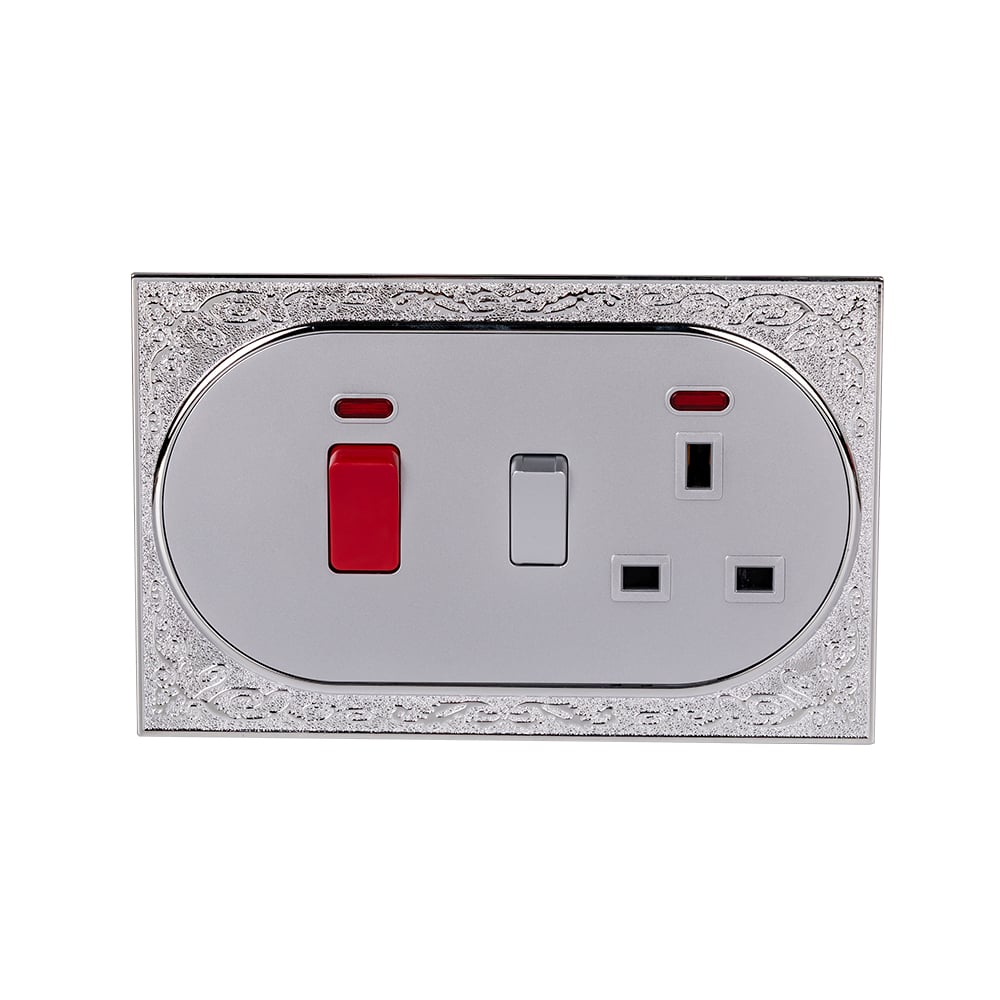
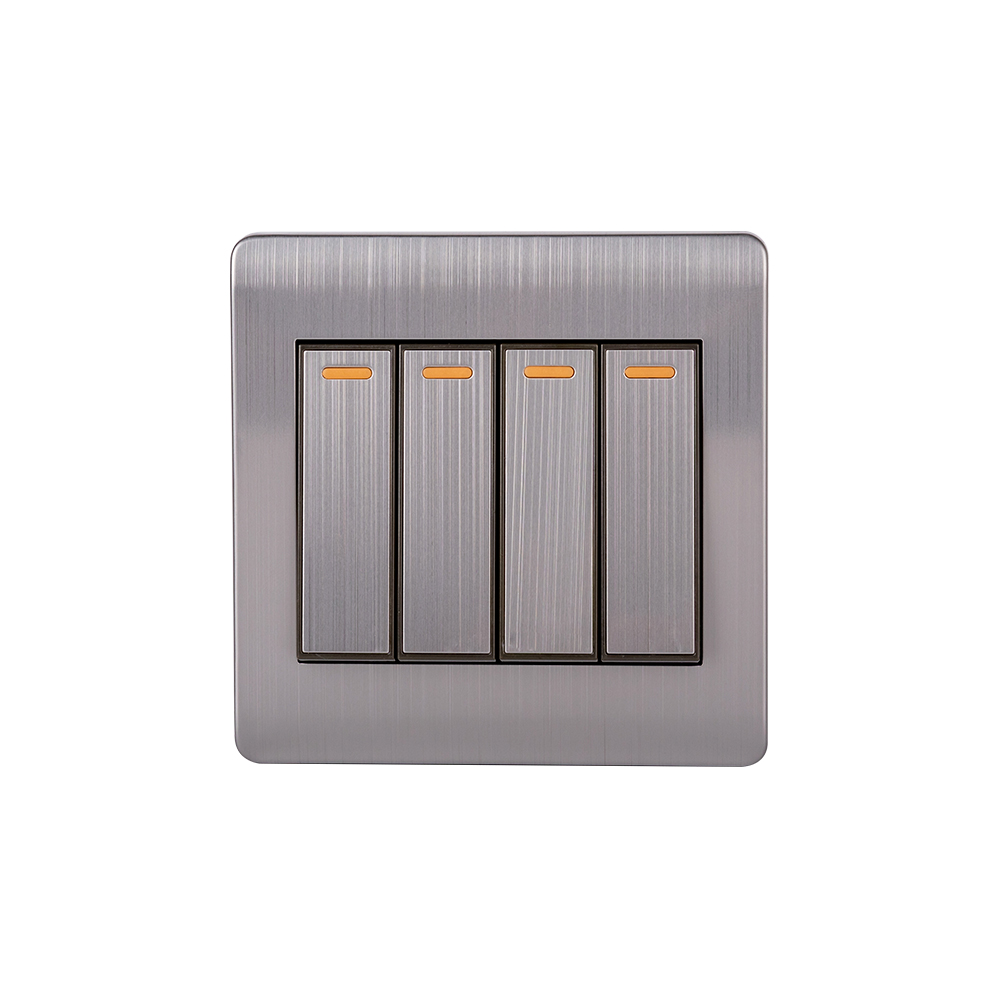
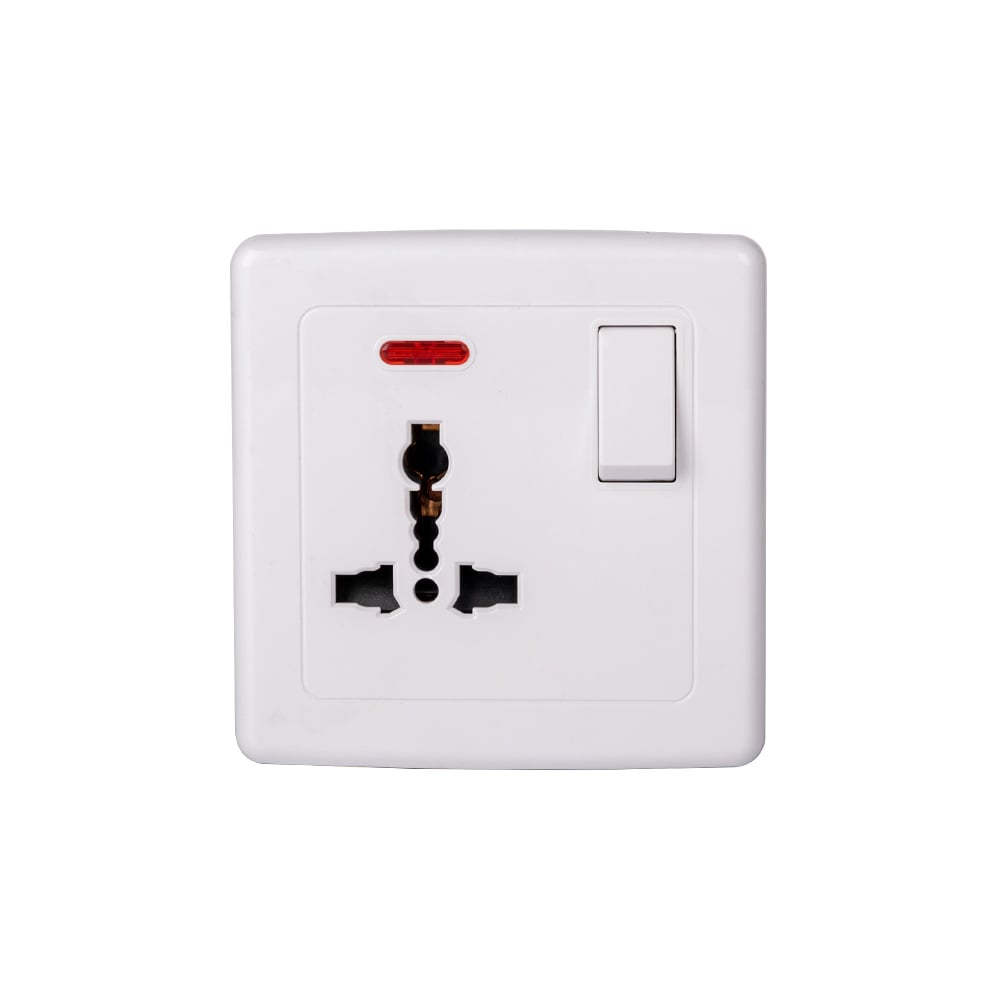
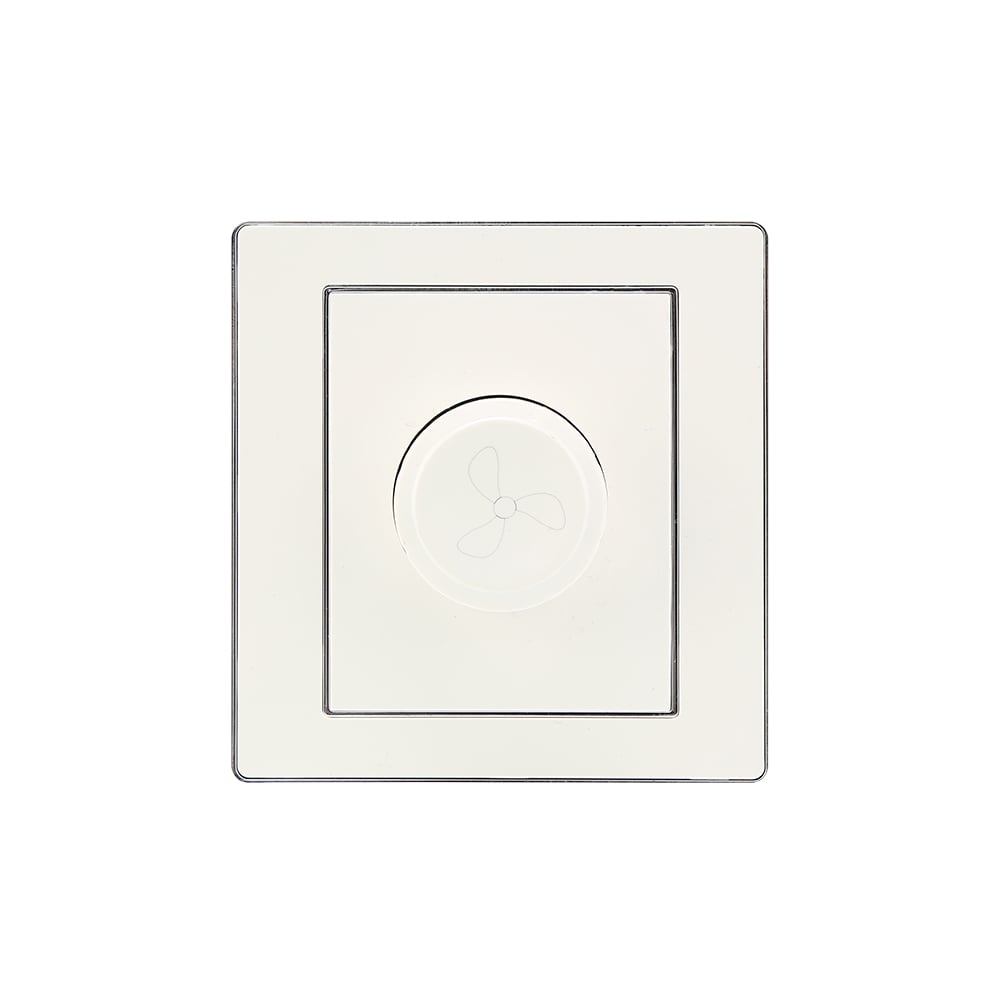
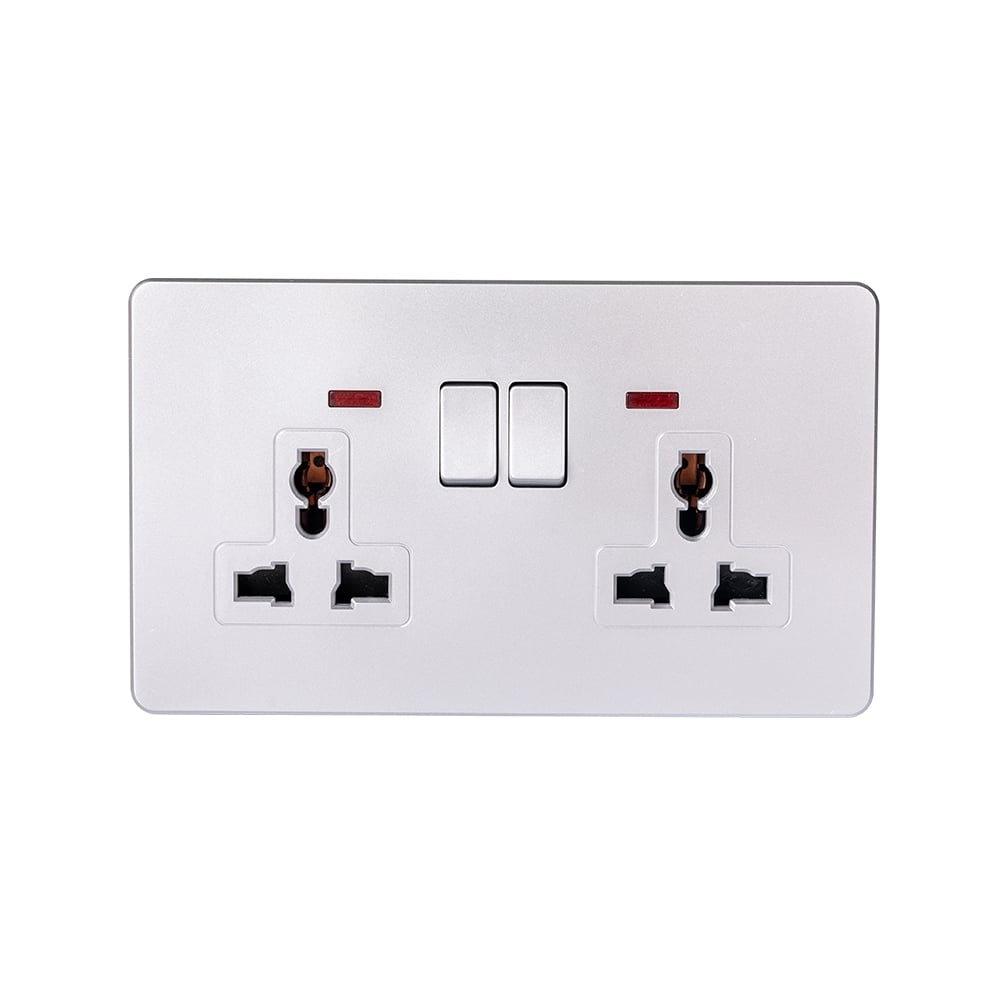
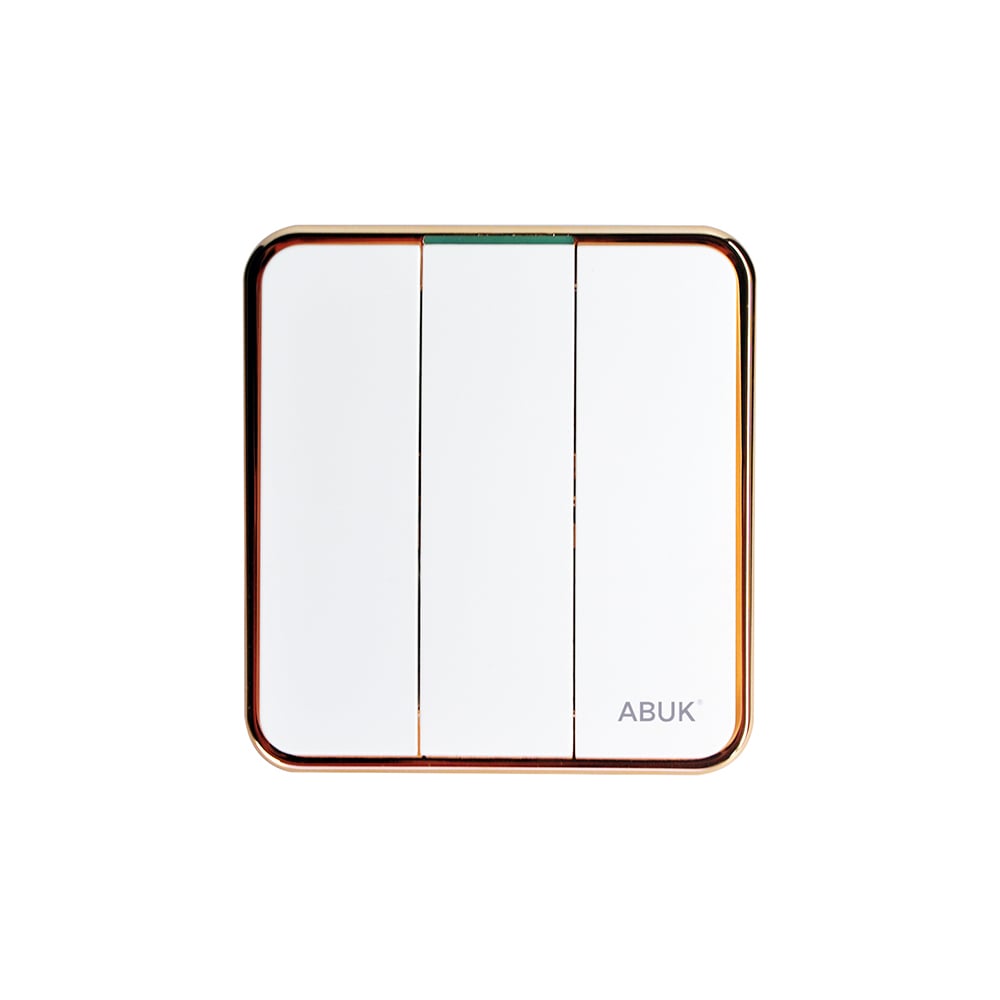
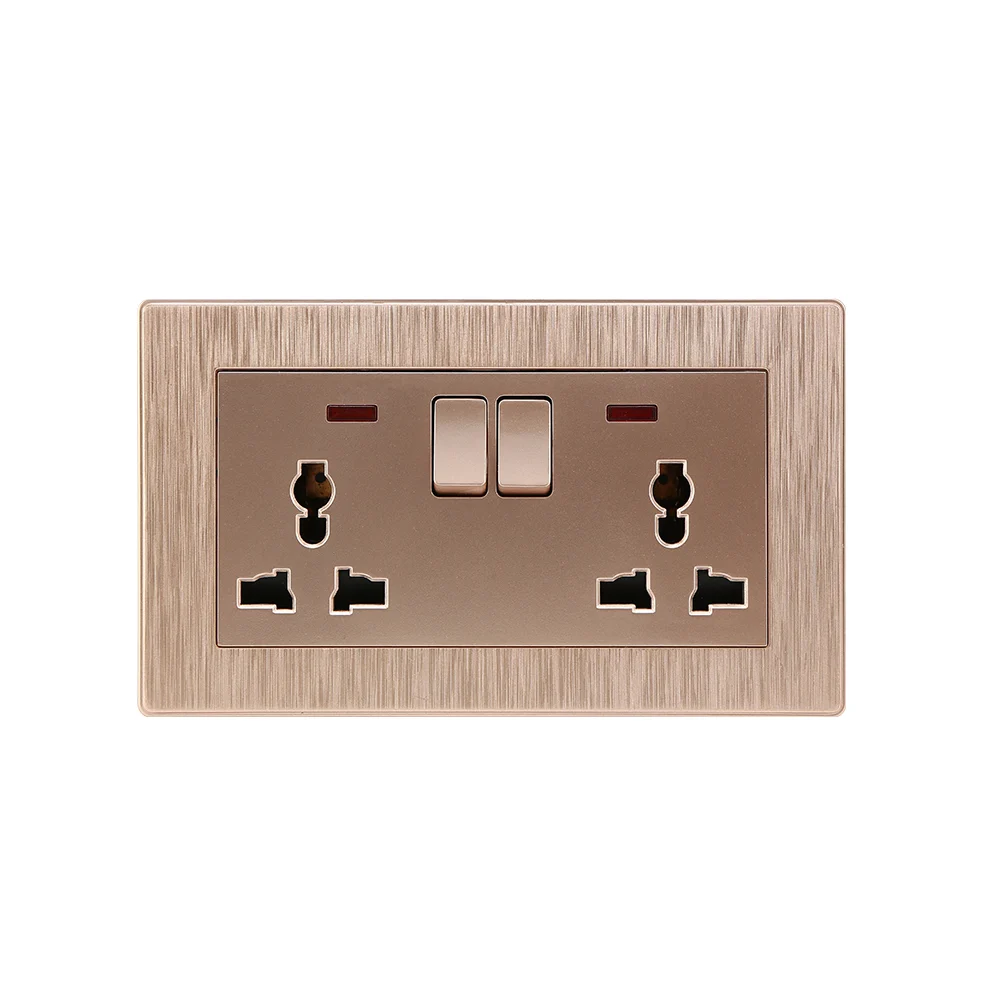
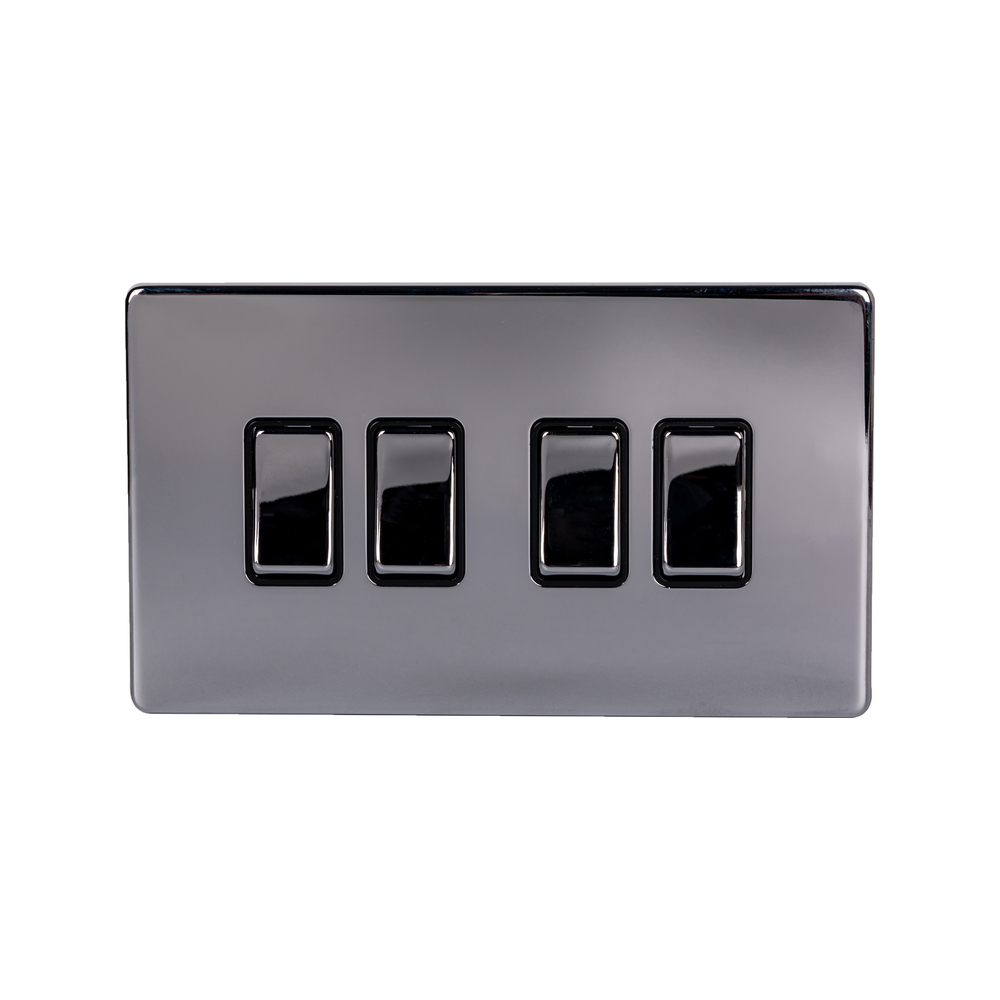
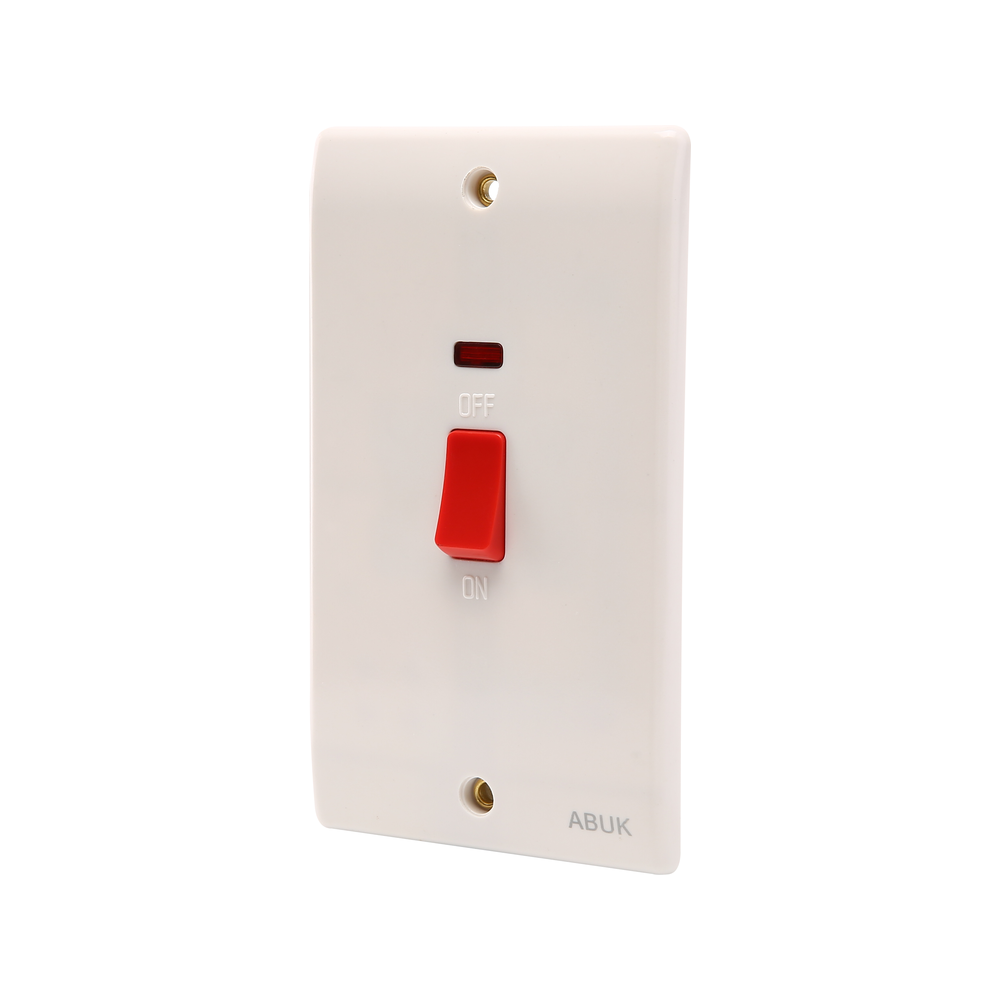
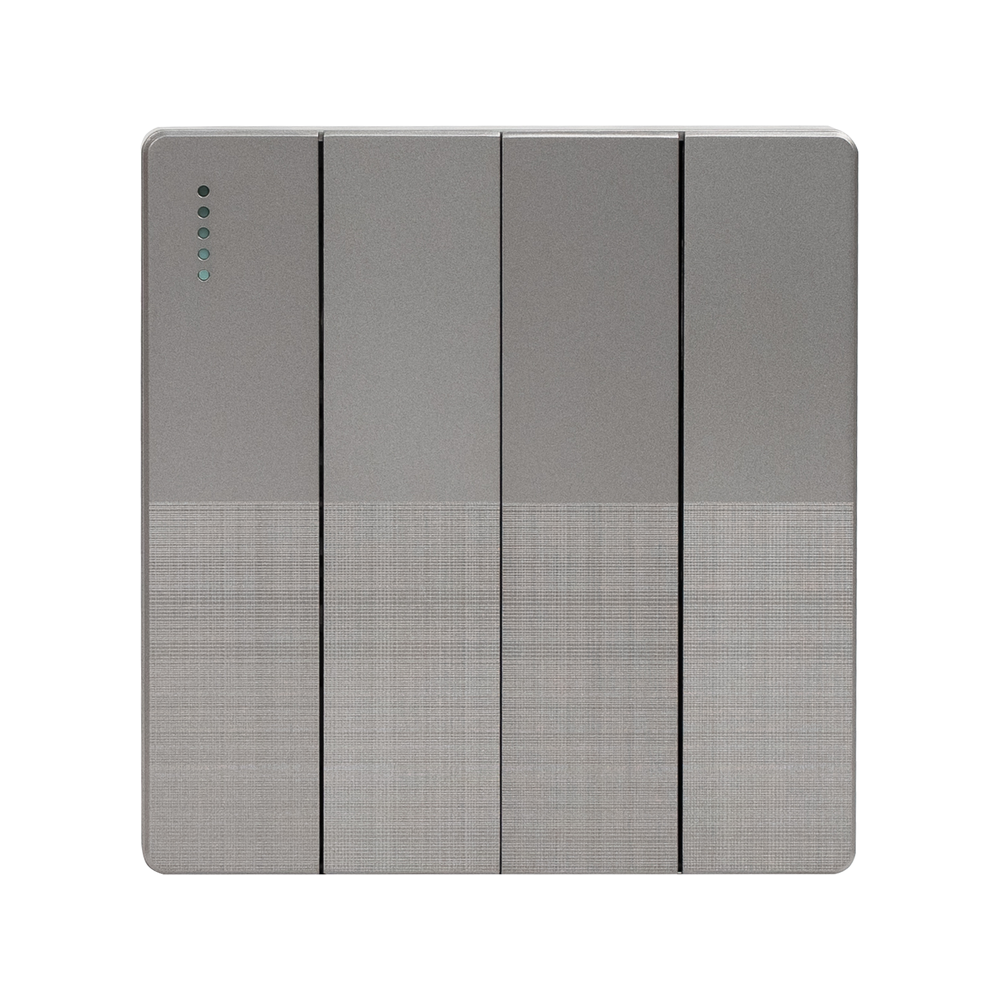
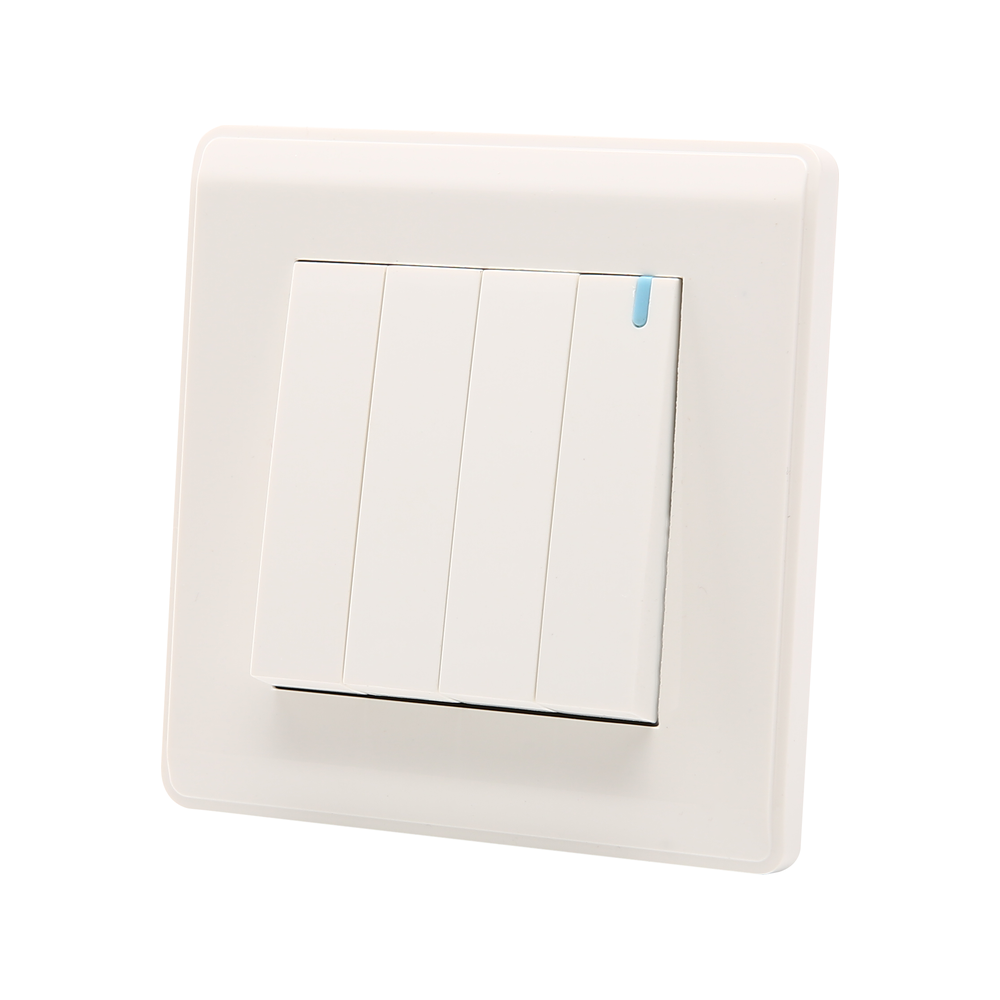
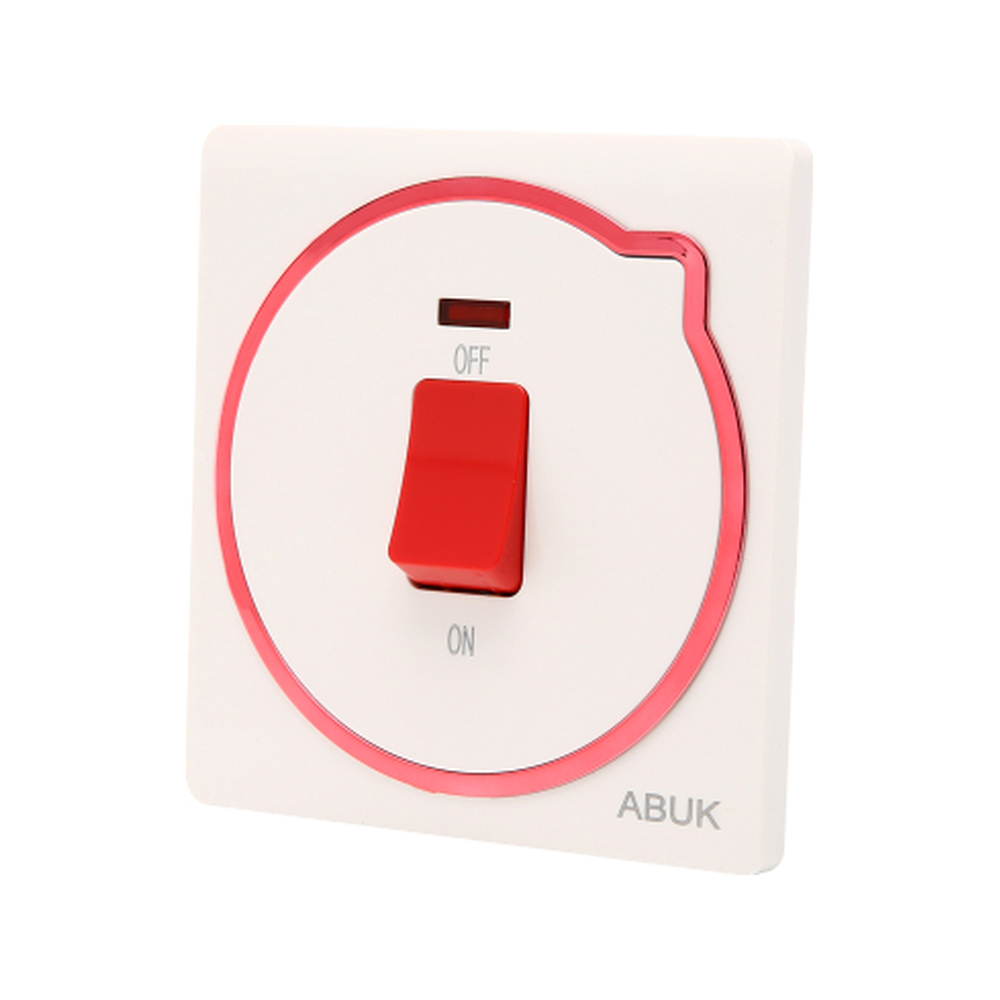
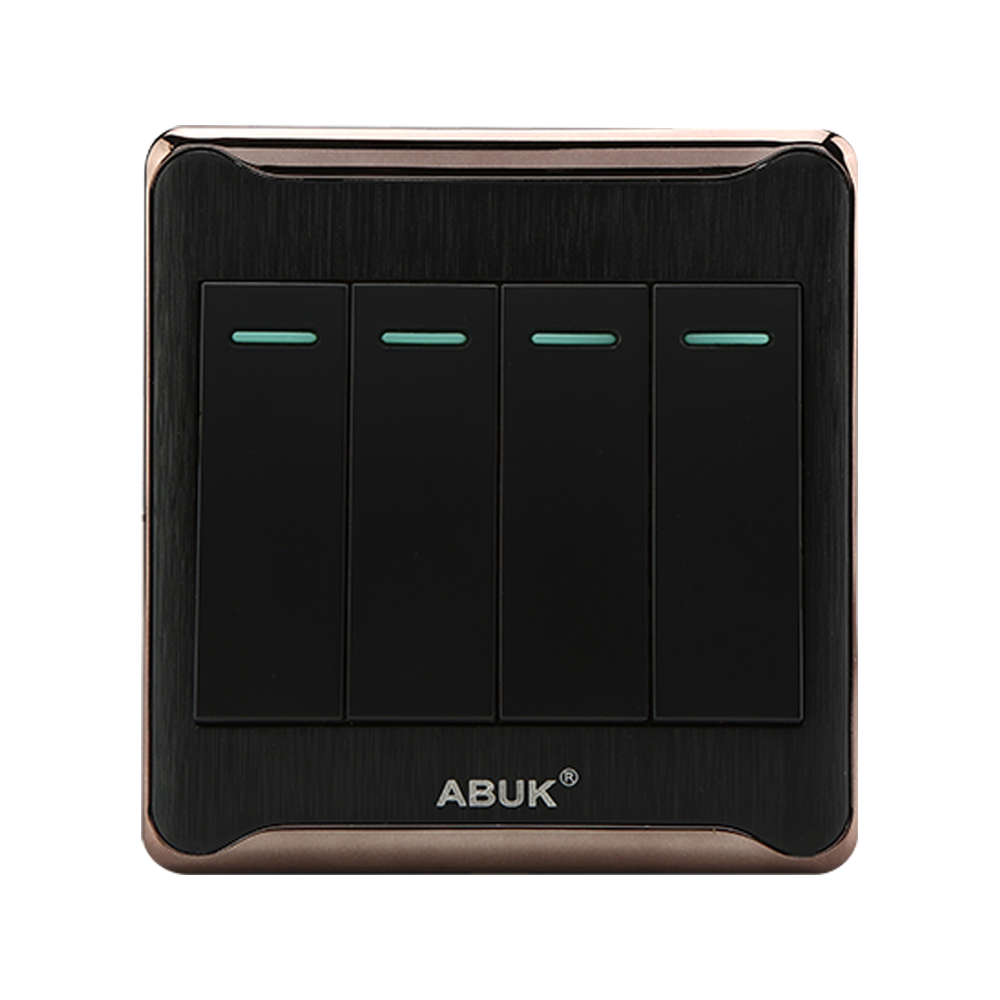
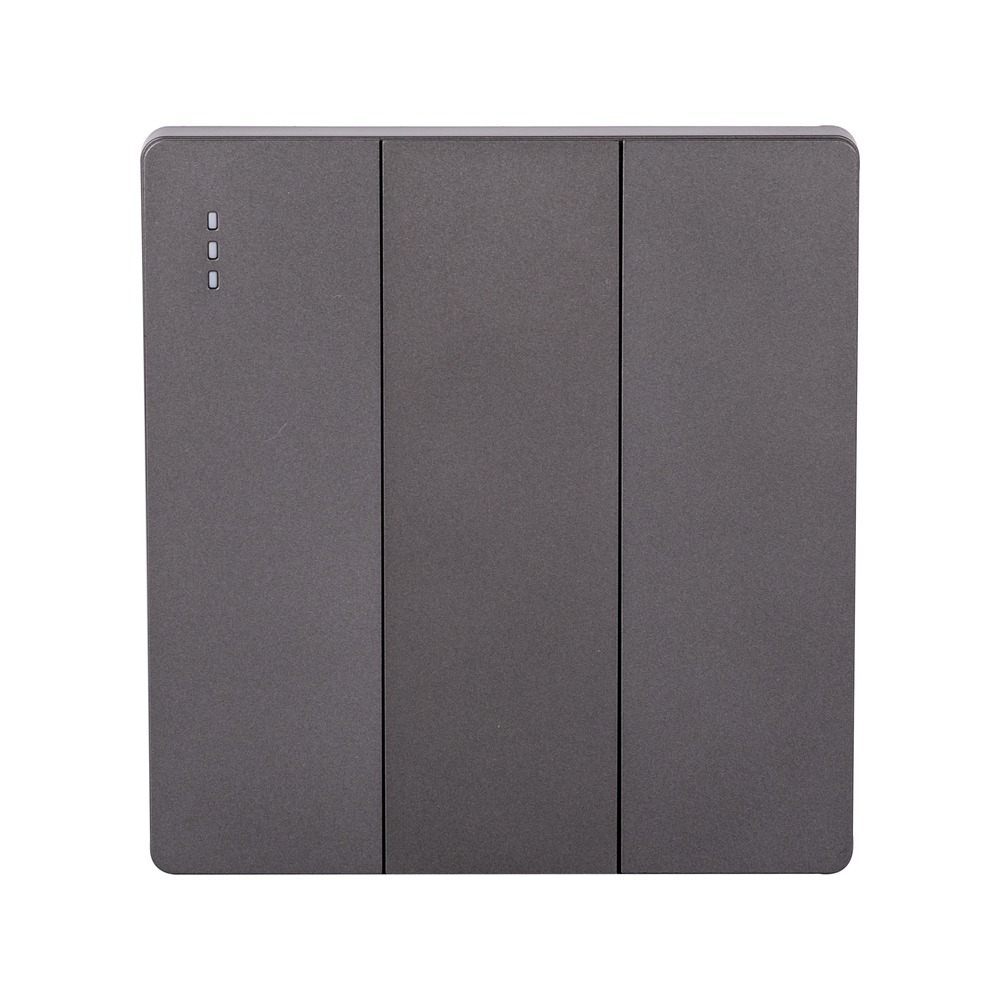
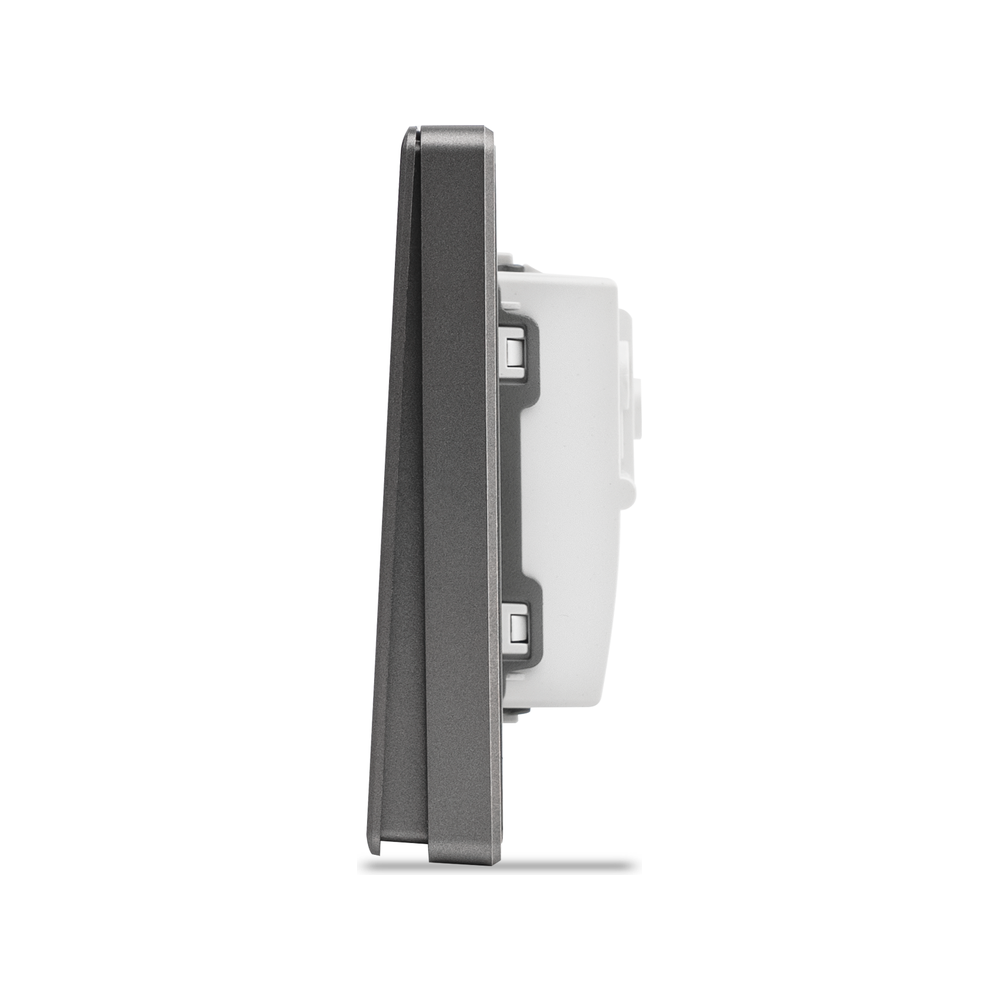
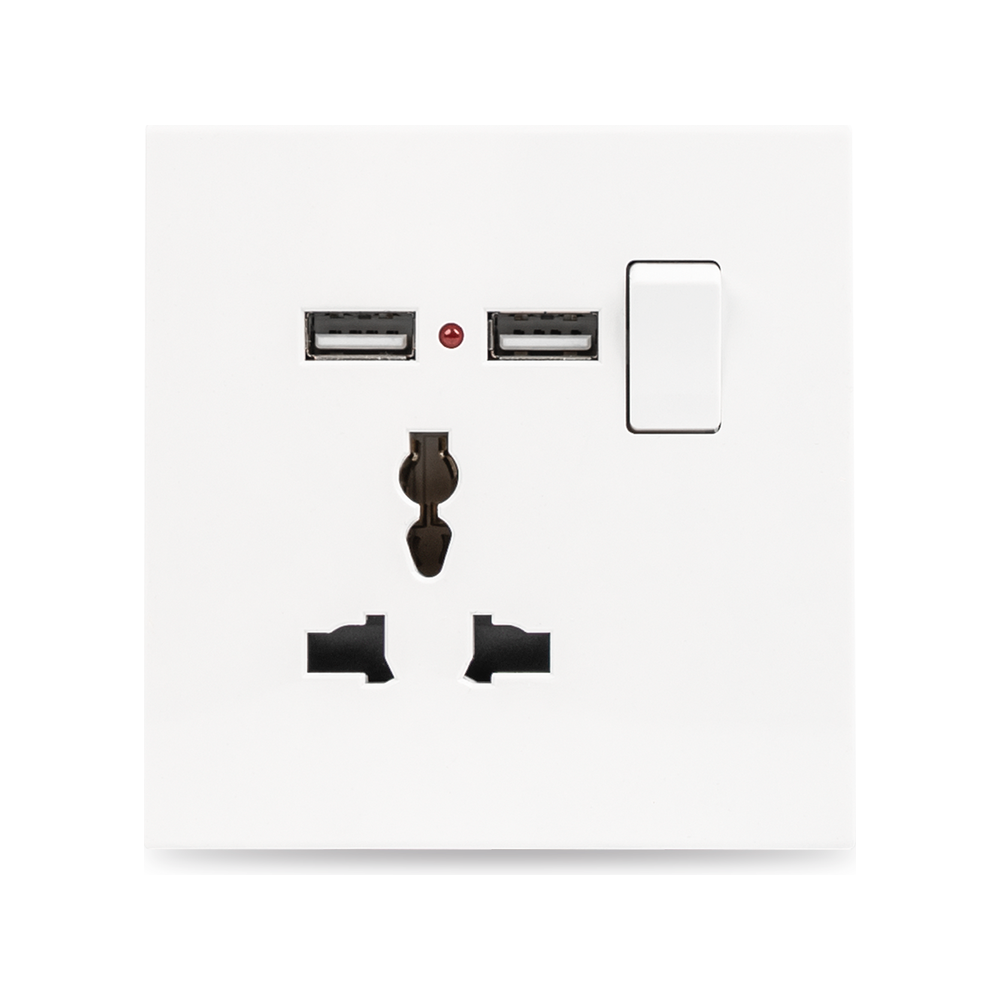
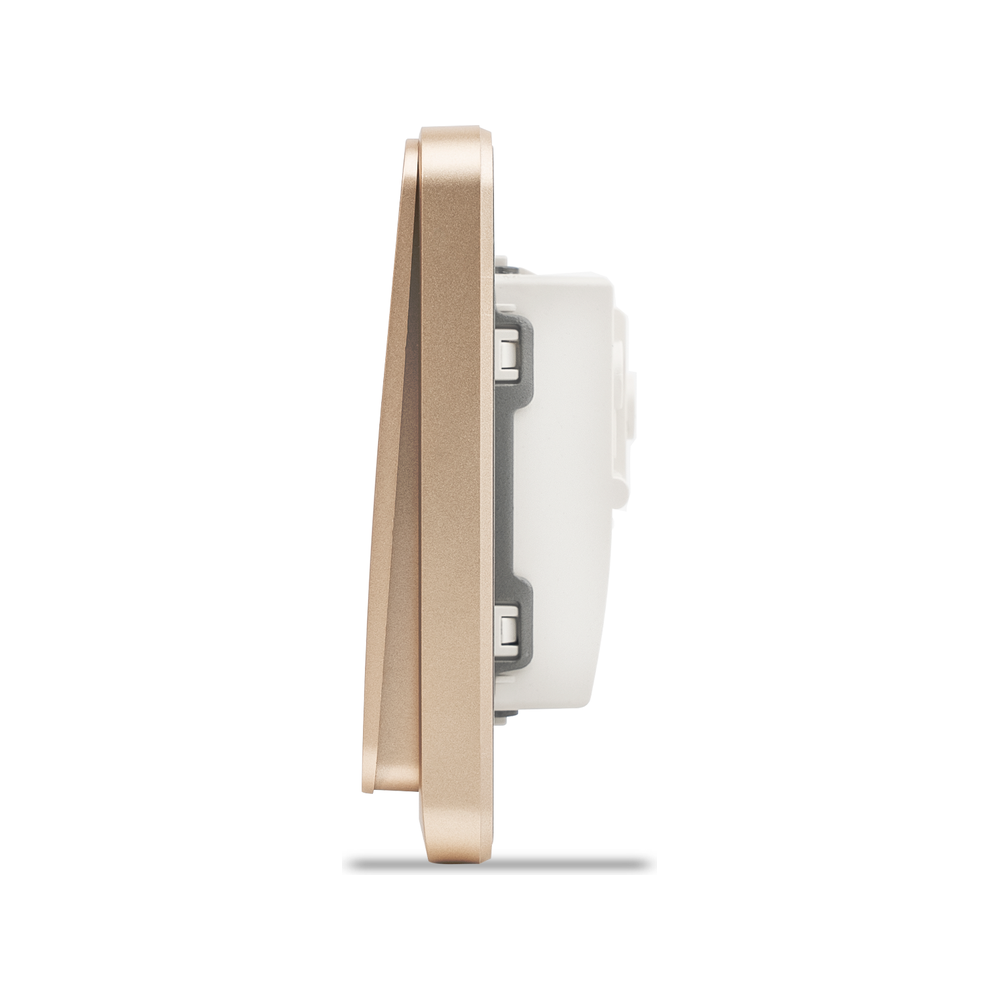
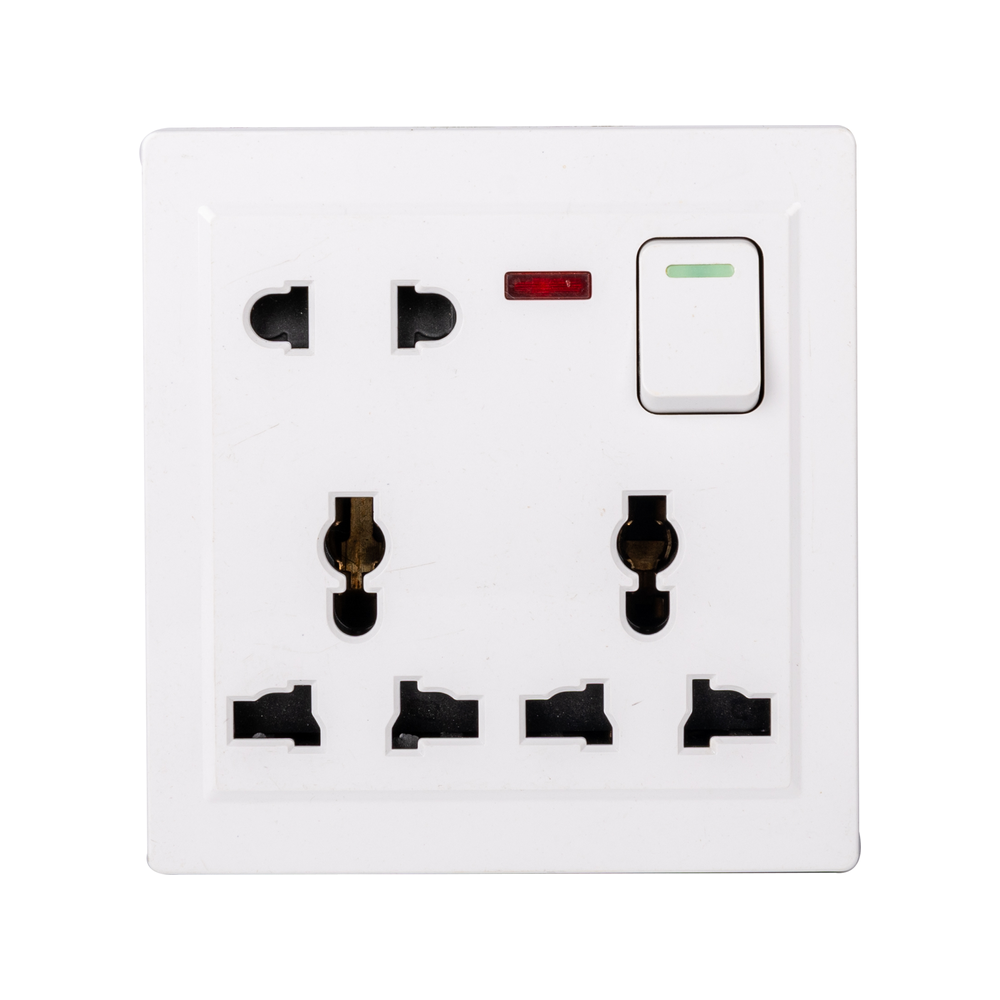
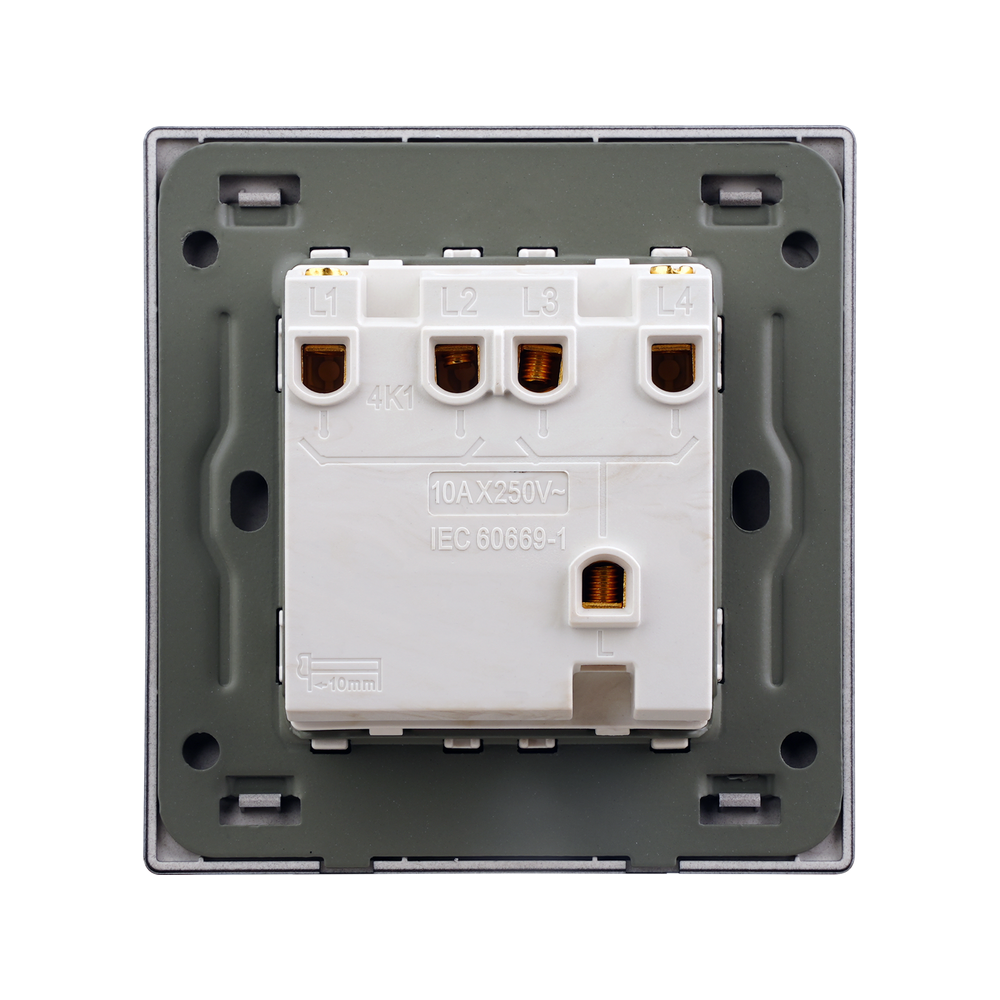
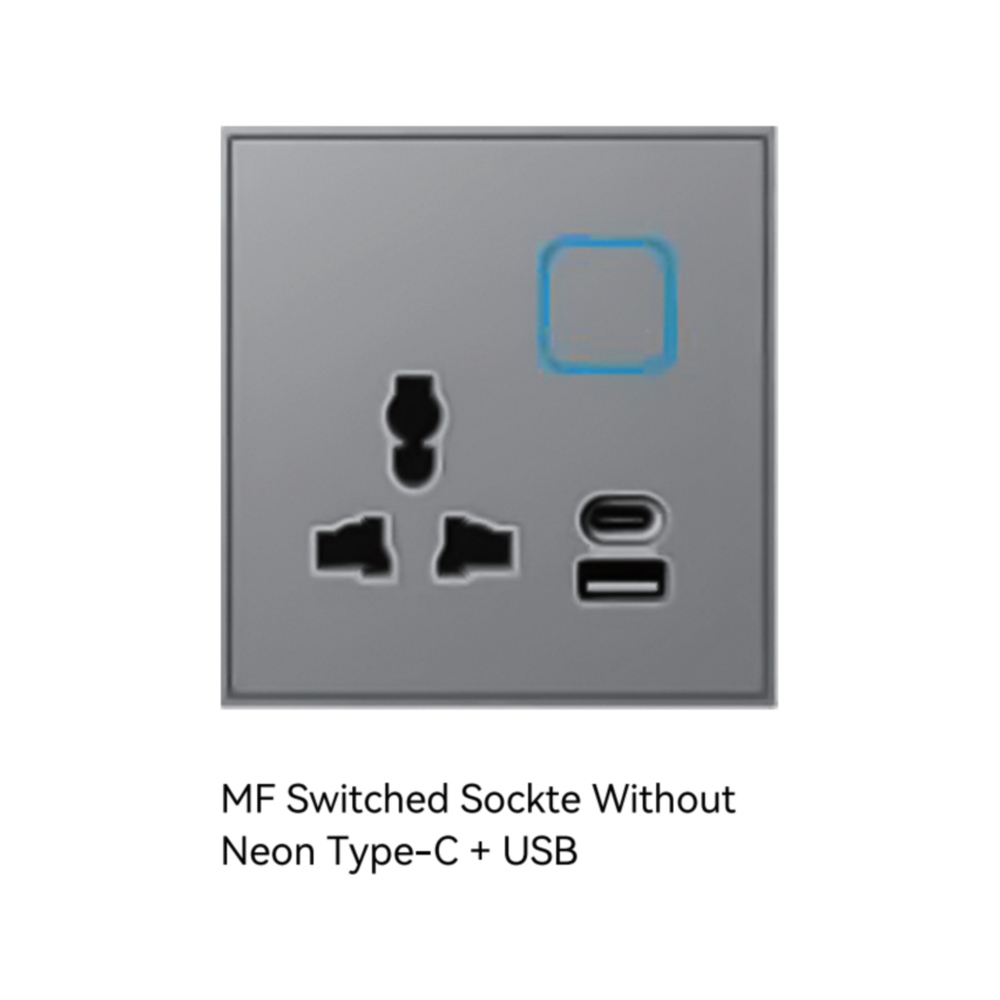
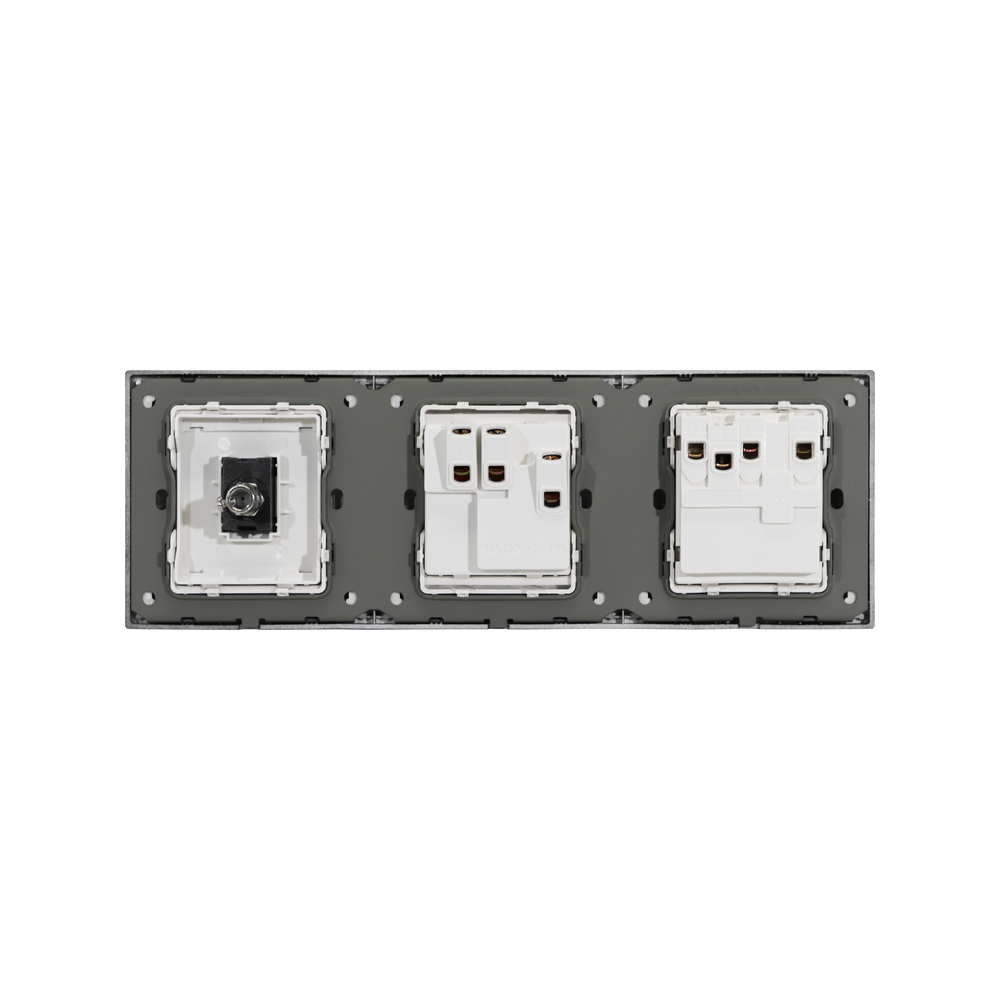
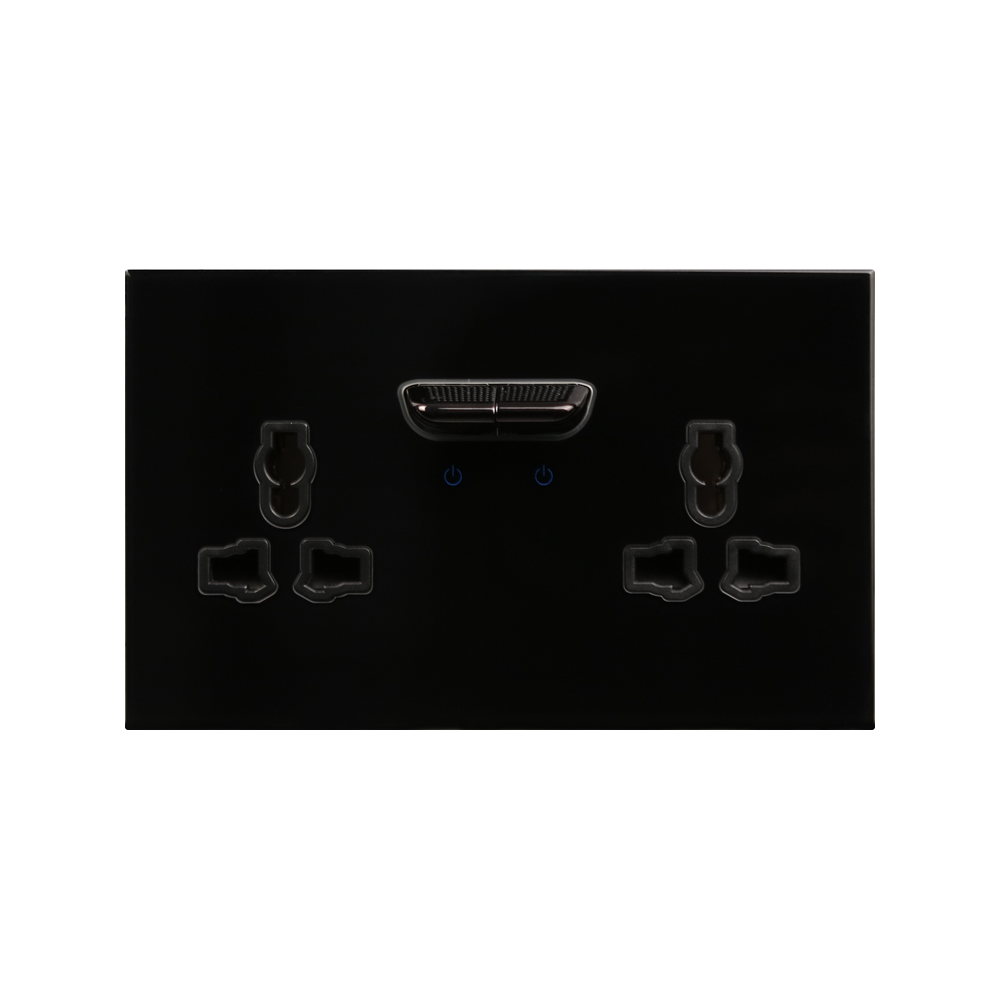
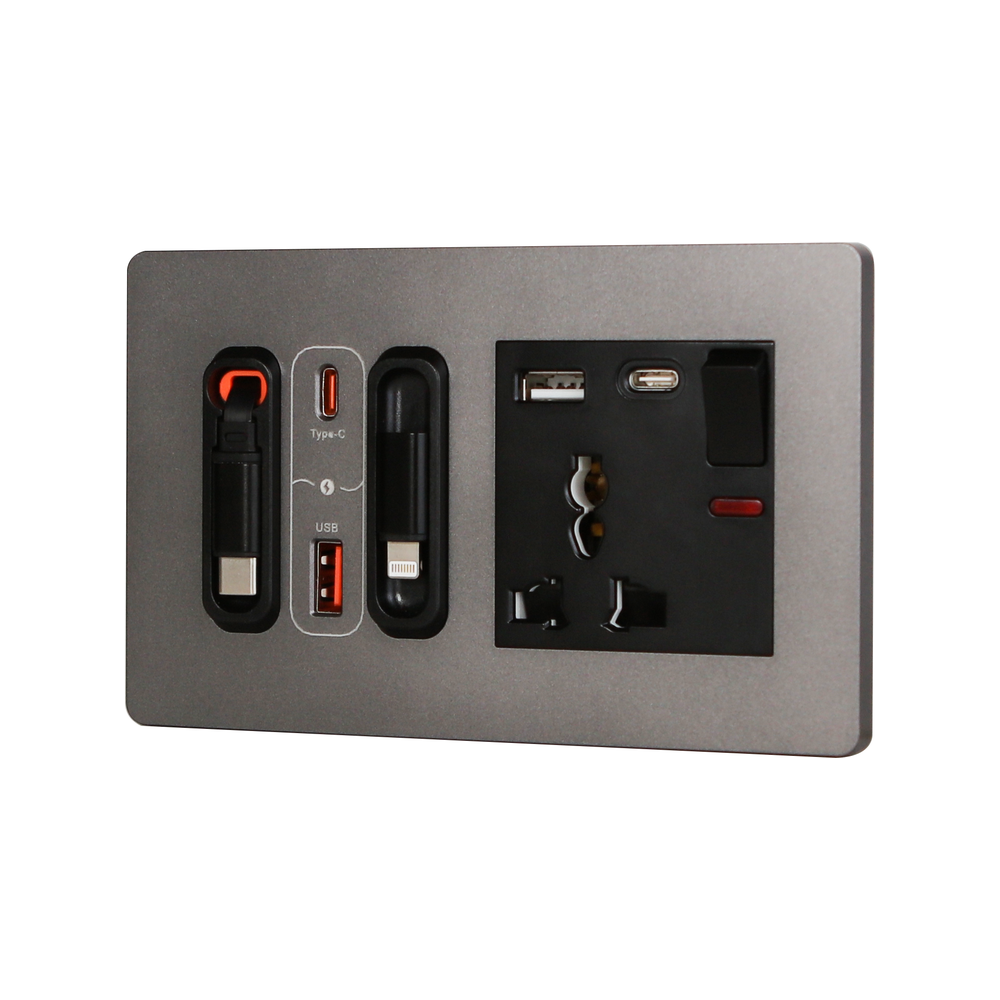
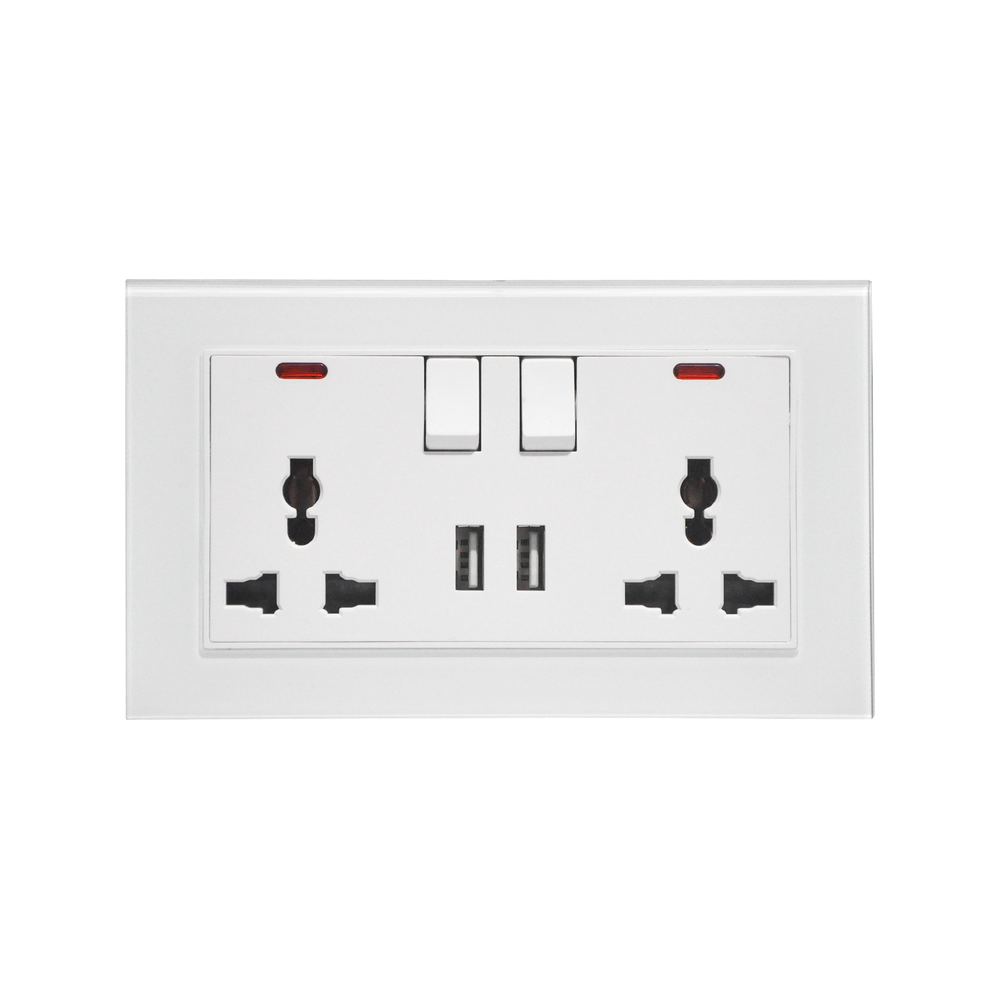
ABUK supplies Type G plug and socket accessories for specification-led procurement. Selection should be tied to an exact model and documented destination requirements; the scene illustrations do not certify a particular heater connection.
Frequently asked questions
What type of electric sockets are used in Ireland?
Type G is the usual household format, with a nominal 230V, 50Hz supply. Check the actual installation and appliance requirements.
Can a Type G socket safely power a high-wattage heater?
It can supply a suitable heater within the ratings of the plug, socket and circuit. Condition, sustained loading and the manufacturer’s instructions remain important.
Will a 240V heater work in Ireland?
Often, if its approved input range includes the Irish supply. Check the instructions; a passive adapter does not resolve an incompatible voltage rating.
How many watts can an Irish Type G socket supply?
13A × 230V is approximately 2,990W for a resistive load. This is not a blanket allowance for every accessory or shared installation.
Should a portable heater be plugged into an extension lead?
A direct connection to a suitable wall socket is preferable. Follow the heater instructions and avoid multiway or improvised extension arrangements.
What signs indicate that a heater plug or socket is overheating?
Discoloration, a burning smell, softening plastic, crackling or unusual heat need attention. Stop use safely and arrange competent assessment rather than repeatedly reconnecting it.
References
- BSI: BS 1363-1, 13A fused plugs
- London Fire Brigade: electrical-item safety
- London Fire Brigade: portable-heater precautions
- WorldStandards: national supply reference
Reliable room heating begins with a suitable connection and a sensible load plan. ABUK can provide accessory information for that specification; send the heater load, destination and project requirements when requesting a model.