
 Wenzhou Lita Electric Co., Ltd.

Ireland Plug Sockets and Voltage: Complete Travel Adapter Guide
When a conference coordinator in Cork encountered a last-minute equipment request from a US team, she unpacked a 120 V-only garment steamer, fitted a pin adapter, and saw it stop working almost immediately. The reversal was simple: the accessory had solved the plug shape, not the voltage mismatch. For business travellers, travel managers and hotel buyers, selection starts with the device label—not with the attractive end of an adapter.
Summary: Ireland plug sockets normally use the three-rectangular-pin Type G arrangement on a nominal 230 V, 50 Hz supply. A device marked “Input 100–240 V, 50/60 Hz” usually needs only a mechanically suitable adapter; a 120 V-only appliance needs a correctly rated converter or should not be used. Check the label before packing, choose a fused and earthed option where the equipment needs it, and do not assume a USB port, surge label or plug fuse changes voltage.
This is a decision guide for temporary connections rather than a guide to the internal mechanics of British-style plugs. For shutters, pin geometry and deeper Type G safety considerations, read our Irish socket and Type G safety guide.
What Ireland’s Type G sockets mean for incoming equipment
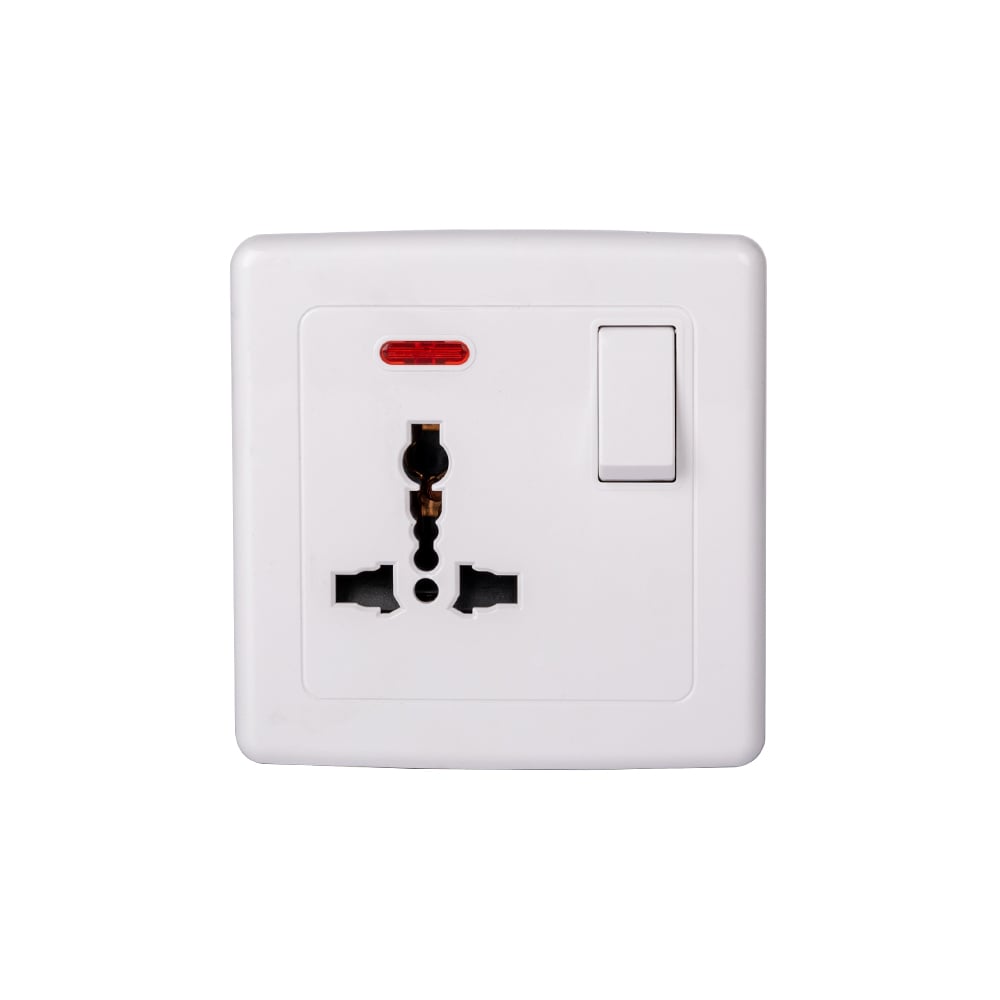
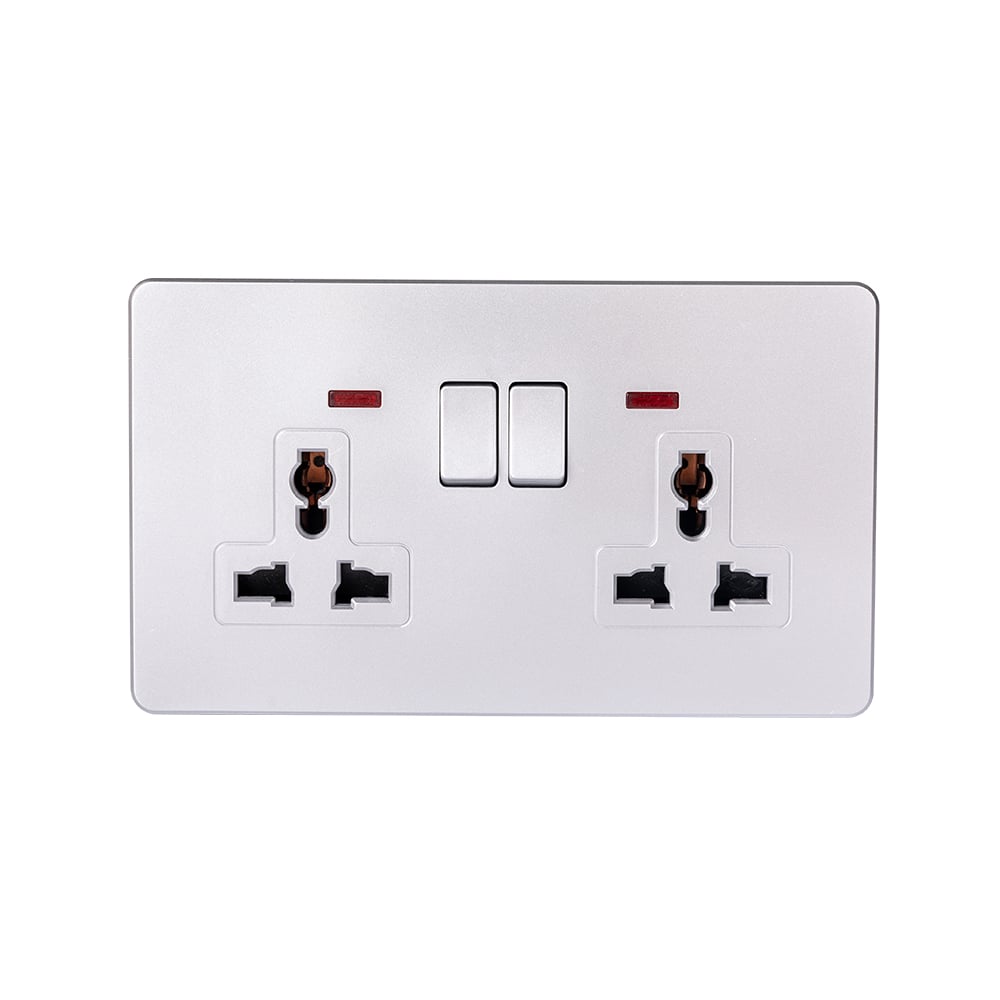
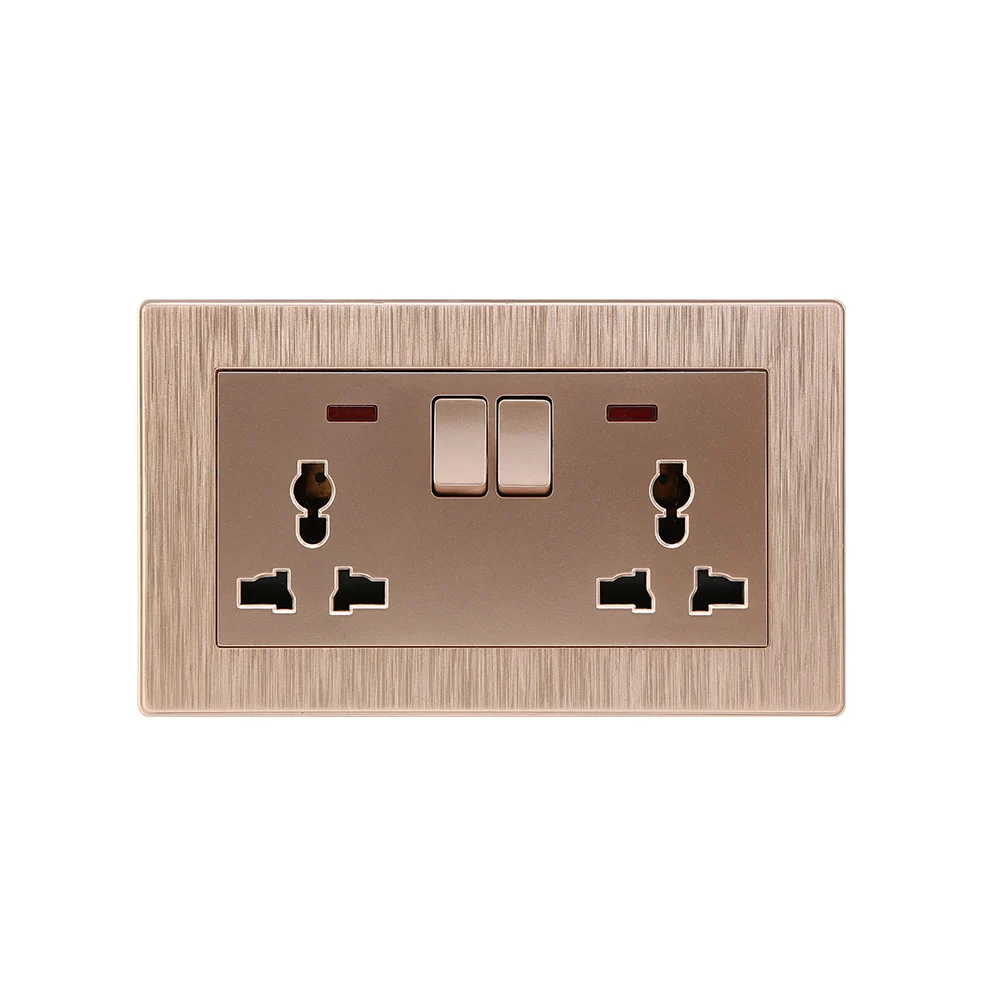
Ireland uses a nominal 230 V, 50 Hz public low-voltage supply, the voltage family addressed by IEC 60038. The usual pattern is the three-pin British Standard form: a longer earth pin above live and neutral pins. In normal travel planning, the practical answer is that a Type G socket accepts a Type G plug; a foreign plug needs a properly designed travel interface.
The Republic of Ireland and Northern Ireland use the same Type G plug format and the same 230 V, 50 Hz nominal supply for ordinary visitor equipment. They are different jurisdictions, however. A hotel, venue or worksite may set its own temporary-equipment rules, and a commercial importer must confirm the local product and installation requirements rather than treating travel familiarity as approval.
| Question | Ireland planning answer | What to verify |
|---|---|---|
| Socket pattern | Type G socket, three rectangular pins | Plug fit, shutter operation and contact condition |
| Nominal mains | 230 V AC, 50 Hz | Device input range and frequency limitation |
| Protective earth | Available through the earthed plug/socket system where installed correctly | Earth continuity for Class I equipment; do not infer it from pin shape |
| Visitor accessory | Mechanical adapter, or adapter plus converter when required | Rated current, fuse arrangement, load type and instructions |
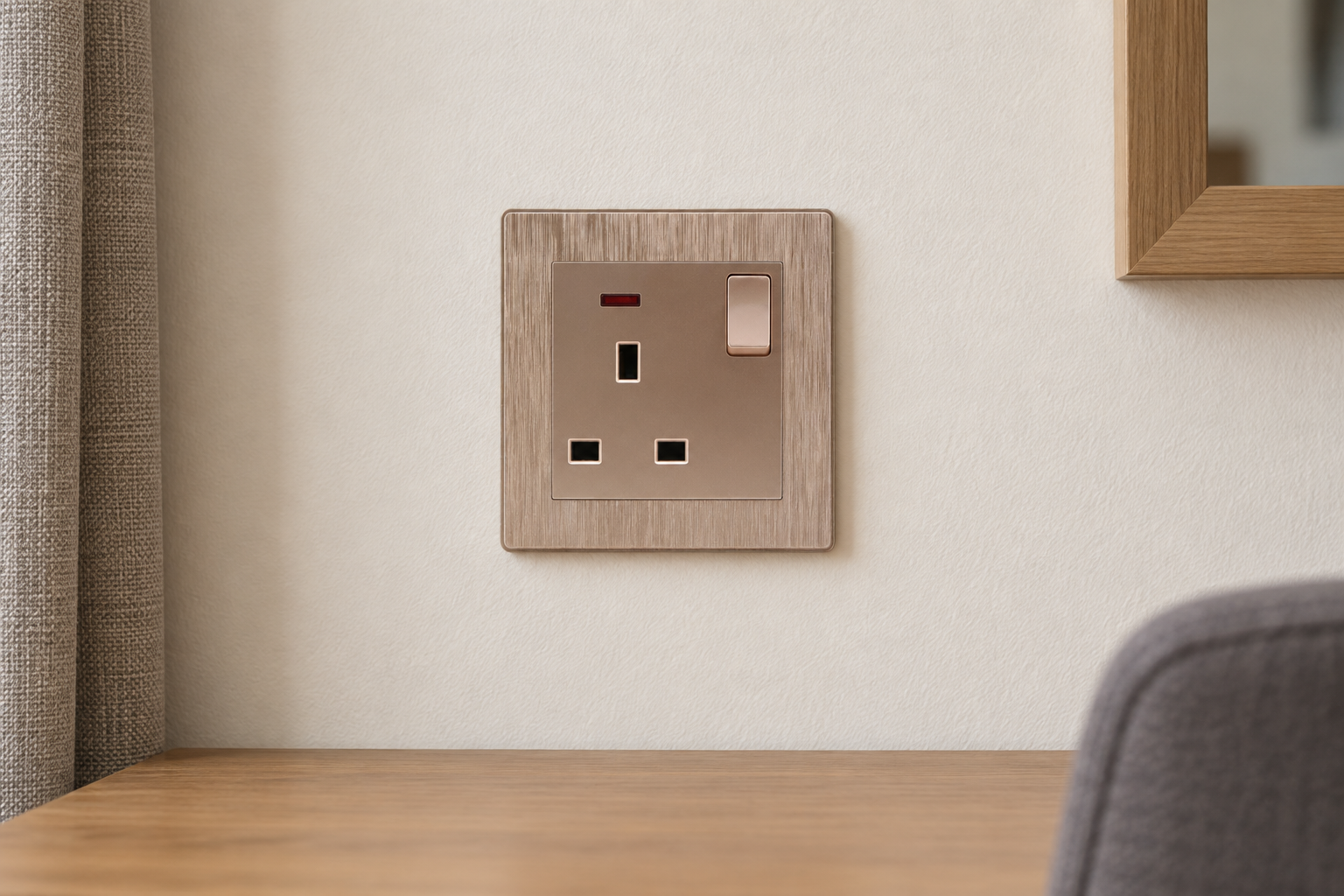
The words “Ireland plug sockets” describe the connection interface, not a guarantee that every device is compatible. A Type G socket that feels loose, a damaged room outlet, or an unearthed temporary setup still needs attention from the property operator or a qualified person.
Why Ireland and continental Europe are not plug-compatible by default
Ireland and the United Kingdom share the Type G plug format and nominal 230 V, 50 Hz supply for ordinary equipment. Continental Europe commonly uses different physical interfaces, including Type C, E and F patterns; their similar voltage does not make their plugs fit a Type G socket. A visitor or buyer therefore needs to separate the electrical-input decision from the mechanical-interface decision.
For a recurring deployment, a UK/Ireland cord option is generally easier to inspect than a stack of regional adapters. The purchasing record should identify the Type G plug, whether the load is Class I or Class II, the accessory’s rated current and the appliance input range. A fuse in a Type G plug is an overcurrent-protection component; it does not change 230 V to 120 V or make an unsuitable device compatible.
How to read an appliance label before choosing an Ireland adapter
The fastest decision tree is printed on the device or its power supply. Look for the input rating, not the marketing label on the front.
- Input 100–240 V, 50/60 Hz: a laptop charger, phone charger or many camera chargers with this marking can normally use an Ireland travel adapter only. Confirm the plug, current rating and any manufacturer restriction.
- Input 220–240 V, 50 Hz: it is voltage-compatible; use an adapter only if its plug is not Type G.
- Input 110–120 V only: do not connect it directly. Use a converter or transformer only when the appliance maker permits it and its rating covers the appliance’s watts, duty cycle and inrush; otherwise source a 230 V version.
- No readable label: treat compatibility as unknown. Do not guess from the country of purchase or a USB connector.
A USB charger creates a frequent false positive. “Output 5 V ⎓ 3 A” or a USB-C Power Delivery output profile describes what the charger supplies to the phone; it does not say the charger can accept 230 V. Find the separate line beginning “Input.” Similarly, a surge-protected travel strip may limit specified transient events, but surge protection does not convert voltage or make a 120 V appliance suitable for a 230 V supply.
For a fuller comparison of American branch-circuit ratings and appliance labels, see the US outlet voltage guide. It is useful context when a US-labelled device is being packed for Ireland, but it does not replace the individual product instructions.
Why adapters, converters, fuses and protective earth solve different risks
An Ireland travel adapter is primarily a mechanical interface. It should hold the incoming plug securely, have a stated voltage/current rating, and provide an earth path when the connected equipment relies on protective earth. A two-pin, double-insulated charger may not need earth; a metal-cased Class I appliance may. The adapter’s physical earth contact is only a path—continuity through the building installation is a separate condition.
Do not equate a plug fuse with universal protection. A BS 1363 plug fuse is selected to protect the flexible cord and equipment arrangement in its intended use; it does not compensate for wrong voltage, failed earthing, an overloaded hotel circuit, or a defective appliance. Some compact adapters contain a fuse and some do not; an “adapter fuse” can be a replaceable fuse, an internal protective component, or merely a claim that needs the instructions. Check the marking and never fit a higher-rated fuse merely to stop it operating.
| Accessory or feature | What it does | What it cannot do | Best use |
|---|---|---|---|
| Type G travel adapter | Changes plug geometry | Change 230 V to 120 V | Dual-voltage charger with a foreign plug |
| Voltage converter/transformer | Changes supply voltage within its rating | Guarantee motor performance or earth continuity | Permitted single-voltage load with confirmed wattage |
| BS 1363 plug fuse | Provides overcurrent protection in the plug arrangement | Fix a wrong-voltage connection or overload upstream wiring | Correctly specified fused plug/lead |
| Surge protective feature | Limits defined transient overvoltage when correctly coordinated | Convert voltage or regulate a sustained supply problem | Sensitive equipment, subject to its stated rating |
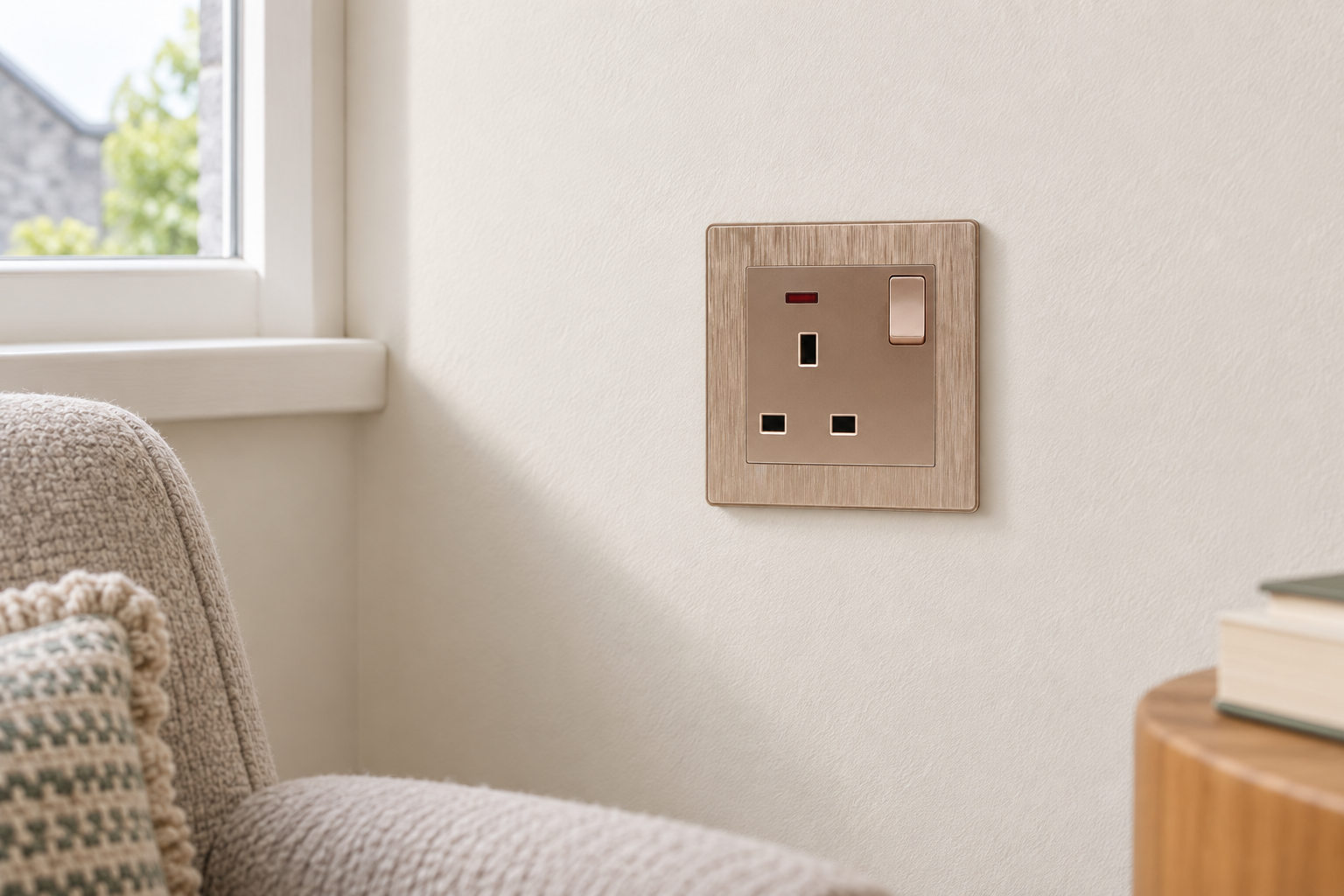
Power strips deserve the same discipline. Do not daisy-chain hotel extensions or load a strip with kettles, heaters, irons and chargers simply because several outlets are visible. Add the equipment load, use the strip’s stated limit, keep leads uncoiled and undamaged, and preserve the protective-earth path. A row of outlets does not increase the room circuit’s capacity; a qualified person should investigate heat, loose contacts or repeated tripping.
Which standards define the boundaries for Ireland-bound equipment
IEC 60038 provides the international standard-voltage context; it does not approve a particular travel adapter. IEC 60083 covers plugs and socket-outlets for domestic and similar general use and is useful for configuration reference. BS 1363 is the relevant British Standard family for 13 A plugs, socket-outlets, adaptors and connection units; its requirements and tests apply to products in their defined scope, not to a claim that any hotel connection is safe.
Electrical Safety First advises users to use suitable travel adaptors and to avoid overloading sockets and extension leads. For a buyer, the practical evidence request is a model-specific rating label, instructions, applicable test evidence and destination-market documentation. A standard named in a listing is not itself a certificate, and a fuse marking is not proof of whole-system compliance.
How travel managers and buyers can select Ireland-ready equipment
- Inventory every device by input voltage, frequency, watts/VA, plug type and whether it needs protective earth.
- Separate dual-voltage chargers from single-voltage appliances before booking or shipping; plan the converter load from the nameplate, not an assumed “travel” category.
- Select an Ireland travel adapter with appropriate ratings, solid plug retention and an earth arrangement where required; avoid loose multi-format adapters for sustained or high-power loads.
- For guest rooms, exhibitions and temporary work areas, limit extension use, inspect leads, and report a damaged Type G socket rather than improvising a connection.
- For a fixed project rather than a journey, specify the intended circuit, country and applicable standard. ABUK can help buyers compare wall switch and socket options against documented project requirements; model-level verification remains essential.
Frequently asked questions
What plug sockets are used in Ireland?
Ireland plug sockets ordinarily use the Type G three-rectangular-pin format on a nominal 230 V, 50 Hz supply. A foreign plug needs an adapter that matches the socket and the connected device’s electrical requirements.
Do US chargers need a converter in Ireland?
Usually not if the charger label says input 100–240 V, 50/60 Hz; it needs a Type G mechanical adapter. A charger marked 120 V only needs a suitable converter if its manufacturer permits that use, because the adapter alone does not change voltage.
Are Ireland and Northern Ireland plug types the same?
Yes. Ireland and Northern Ireland commonly use Type G socket arrangements and nominal 230 V, 50 Hz supplies. Site rules and legal responsibilities can differ, so commercial temporary installations should still be checked locally.
What is the safest adapter for Ireland?
The safest choice is an Ireland travel adapter whose stated rating, plug format, earth provision and instructions match the actual device. For a 120 V-only appliance, the safer decision may be not to use it, or to use a correctly sized manufacturer-permitted converter; no plug fuse or surge label changes that rule.
References
- Electrical Safety First, Extension leads and adaptors guidance
- IEC 60038, IEC standard voltages
- IEC 60083, Plugs and socket-outlets for domestic and similar general use
- BSI, BS 1363-1, 13 A fused plugs specification
The lasting rule is simple: make the label, the supply and the connection agree before the plug enters the socket. When a travel policy or property specification needs destination-market electrical products, review ABUK’s product range and contact ABUK with the device schedule and intended use.