
 Wenzhou Lita Electric Co., Ltd.
France Electric Socket Type: Plugs, 230V Power and Adapters
When a facilities buyer in Lyon connected an imported countertop appliance during a showroom fit-out, its plug appeared to seat but the adapter ran hot within minutes. The failure looked like a defective accessory; the root cause was a specification that treated plug shape as the whole requirement, overlooking earth continuity, current rating, recess clearance and input rating.
Summary: The France electric socket type is principally Type E, with Type C two-pin plugs also common; supply is nominally 230 V at 50 Hz under IEC 60038. Specify a Type E socket-compatible, rated French plug adapter only for matching-voltage equipment, and use a transformer or converter only where the equipment rating requires it.
For importers and project buyers, the question is whether a plug can be inserted safely. The assembly must make protective-earth contact, fit a recessed outlet, carry the intended load and match its declared French-market use. Electrical Safety First’s France guidance is a cross-check; IEC documents provide formal technical vocabulary.
How French Type E and Type C interfaces differ in real installations
A Type E socket has two round current-contact apertures and a protruding male earth pin. The usual French arrangement is recessed, so the plug face and adapter body must clear the surrounding well before the pins are fully engaged. Type C Europlugs have two round pins and no protective-earth provision; they are widely used on suitable double-insulated, lower-current appliances.
IEC 60083 sets out plugs and socket-outlets for domestic and similar general use, including these interface conventions. It is not blanket approval for every product that resembles a listed plug; the manufacturer must still select an assembly suitable for the appliance and intended market.
| Interface | Earth arrangement | Typical use | Procurement check |
|---|---|---|---|
| Type E socket | Protruding central earth pin | Grounded appliances and general outlets | Confirm the plug or adapter accepts the pin and clears the recess. |
| Type C Europlug | None | Appropriate double-insulated, low-load equipment | Check the appliance class and the plug’s marked current limit. |
| Type F (Schuko) | Side earth contacts | Common in several continental markets | Do not assume side contacts alone establish earth in a French outlet. |
| E/F hybrid plug | Pin receptacle plus side contacts | Some grounded European equipment | Verify the actual plug construction, not a catalogue label. |
How to choose between Type C and Type E connections for France
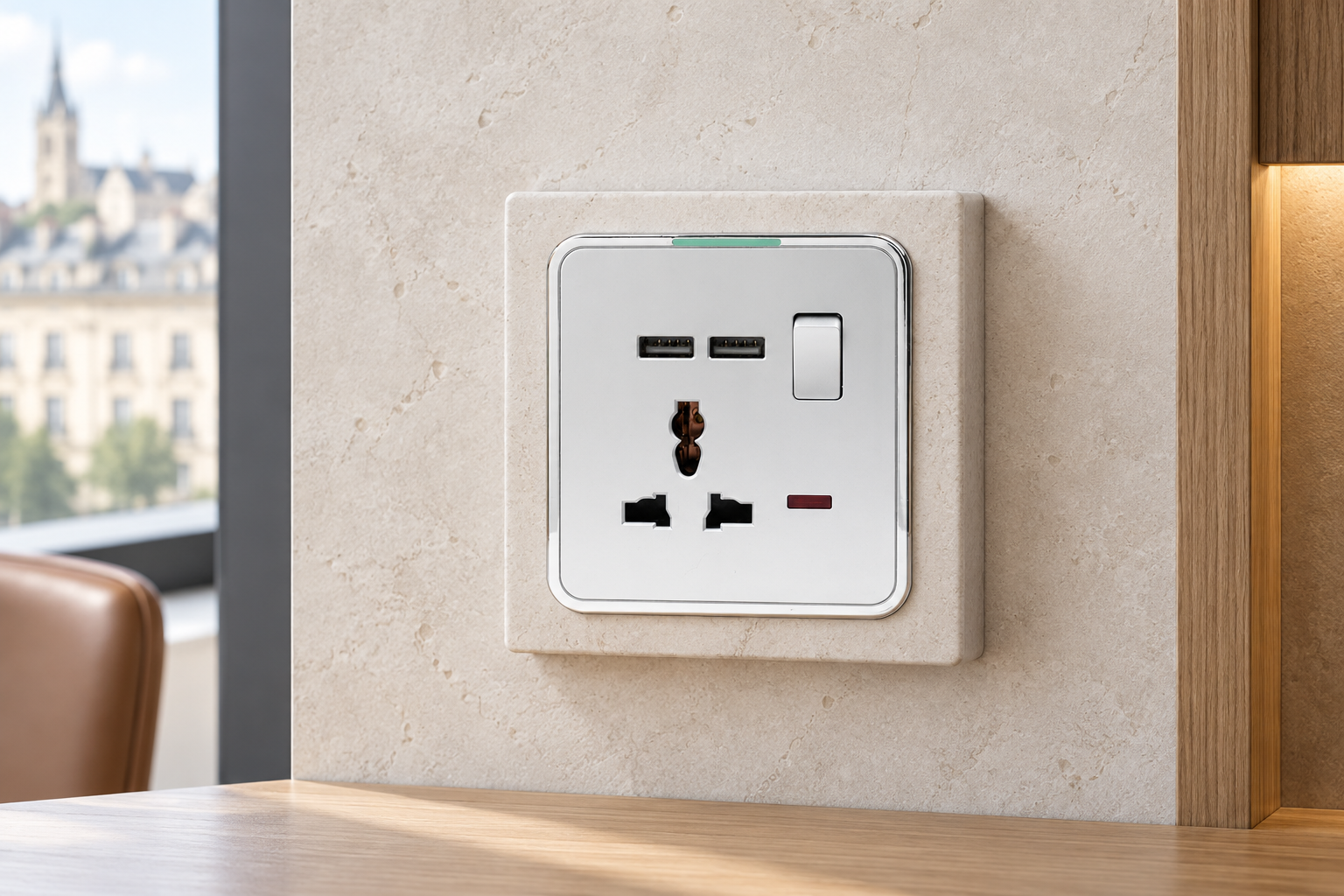
The common question “Do I need a Type C or Type E adapter in France?” is really an appliance-class question. A two-pin Type C connection has no protective-earth provision, so it is appropriate only where the appliance design and marked current limit permit an unearthed connection. A Class I appliance needs a continuous protective-earth path and a plug or adapter constructed to receive the French Type E earth pin.
Some E/F hybrid plugs are designed for both Type E and Type F systems, but a Type F-only side-earth arrangement should not be treated as proof of a French earth connection. For a repeat deployment, request the plug-face drawing and a sample fit in the recessed target outlet; this is more reliable than choosing an item from a generic “Europe adapter” category.
Why a Type E earth pin changes the Type C-versus-Type F decision
The Type E socket relies on a projecting earth pin, whereas Type F commonly uses side earth contacts. Many hybrid E/F plugs accept the French pin and touch Schuko contacts. A plug with Type F side contacts alone, however, can enter some French outlets without a reliable protective-earth connection. That is a safety boundary, not a minor convenience issue.
For grounded Class I equipment, specify the earth path in incoming inspection. Confirm it by documentation and, where a competent arrangement is available, by protective-conductor continuity testing under the relevant plan. IEC 60884-1 provides requirements and tests for accessories; it is not evidence that an unrelated appliance or travel adapter is certified.
Recess depth also matters. A bulky French plug adapter may contact the wall before its pins and earth features fully mate, or may lever a loose outlet. Check body diameter, face profile and cable exit direction against an installed sample before shipment.
When a France-bound device needs an adapter rather than a converter
France uses nominal 230 V, 50 Hz public low-voltage supply; IEC 60038 is the principal voltage reference. Read the rating plate: “100–240 V, 50/60 Hz” normally means a suitably rated plug adapter is sufficient, whereas a 100–120 V-only product needs a correctly specified transformer or converter.
A French plug adapter changes the physical interface; it does not change voltage, frequency, insulation class or protective-earth capability. It is not a residual-current device (RCD), and an RCD is not a substitute for a missing earth conductor. Use an RCD where the site assessment or local rules call for one.
Current rating is equally important. The two-pin Europlug convention is limited to 2.5 A; it is not for grounded or higher-current equipment. At 230 V, 2.5 A corresponds to 575 VA in an illustrative calculation (230 × 2.5), before power factor, duty cycle or heat. Use the appliance’s marked input and accessory rating, not that figure as a universal limit.
How to choose an adapter that remains secure under normal use
A French plug adapter is appropriate only when voltage matches French supply, the load is within its marked rating, and any required protective earth is maintained. Avoid stacking adapters, extension blocks and USB chargers; each interface adds resistance, leverage and a possible heat point. After energisation, check for abnormal warmth, loose seating and cable strain.
| Equipment condition | Suitable solution | Main risk to control | Total-cost implication |
|---|---|---|---|
| 100–240 V, double-insulated, within 2.5 A plug limit | Rated two-pin adapter where fit is confirmed | Heat and recess clearance | Low accessory cost; inspect receiving samples. |
| 230 V Class I appliance | Type E-compatible grounded connection | Verified protective-earth path | Higher upfront checking can reduce replacement and service calls. |
| 100–120 V-only equipment | Correctly specified transformer/converter or replacement equipment | Voltage and frequency suitability | Assess conversion losses, bulk and maintenance before deployment. |
| Portable equipment in a managed work area | Connection matched to the site electrical plan; RCD where required | Installation and site-use controls | Factor inspection, training and incident prevention into TCO. |
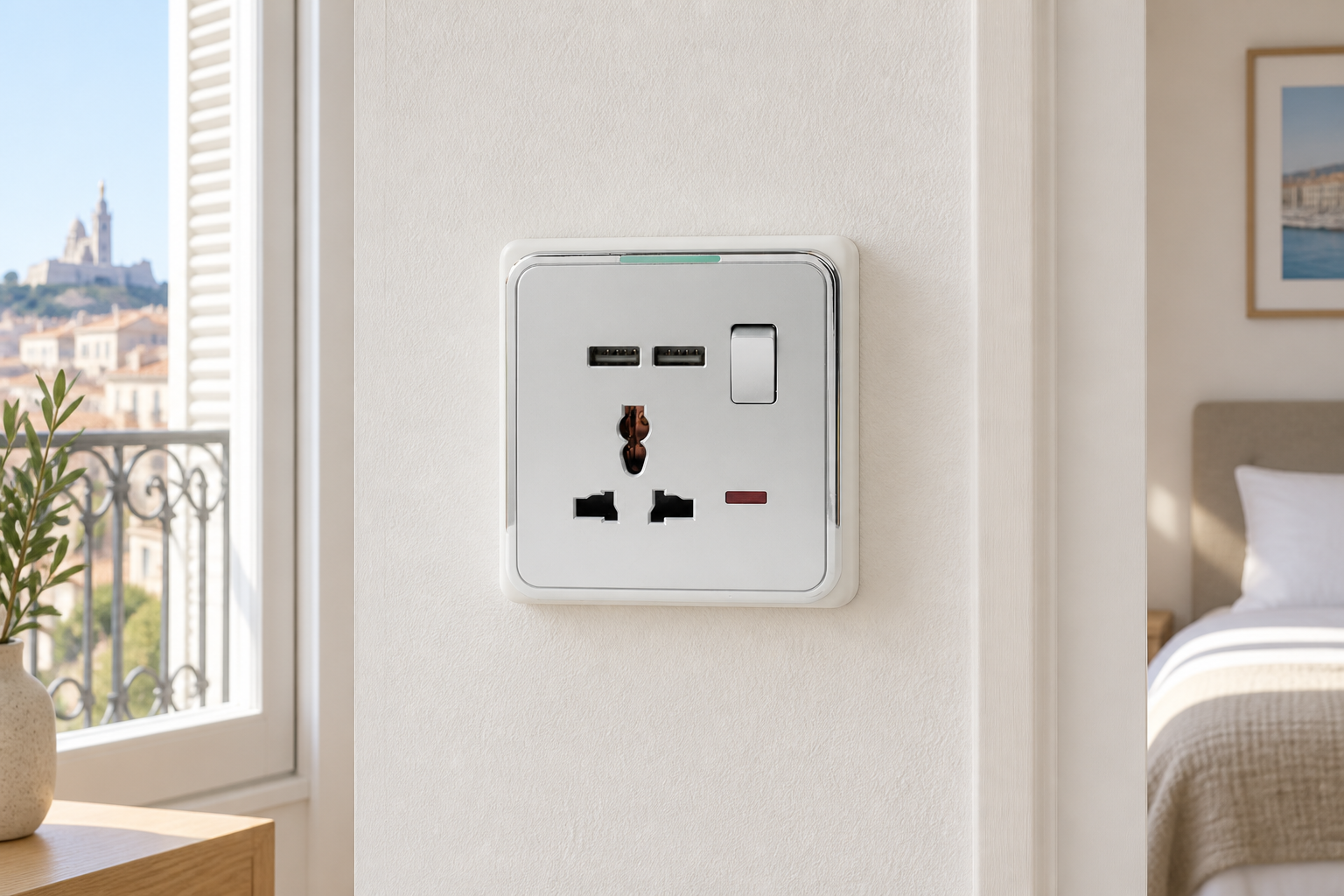
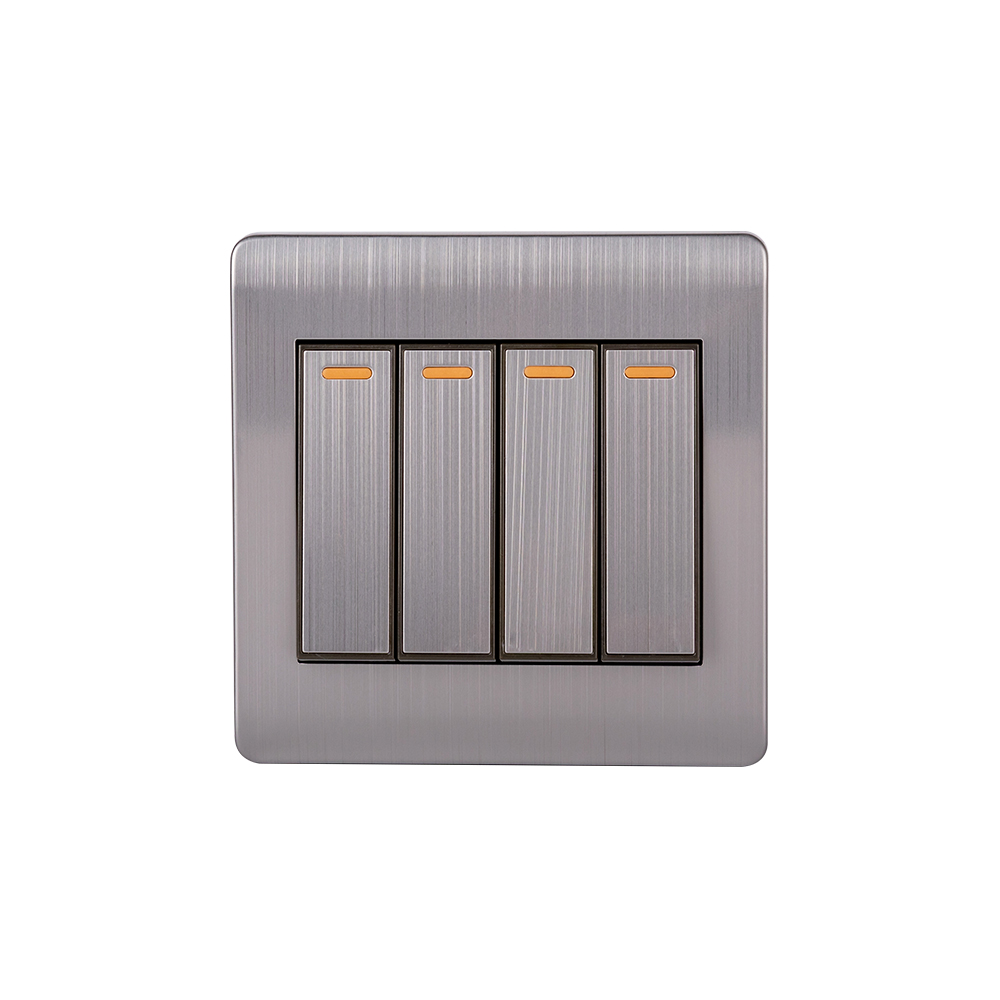
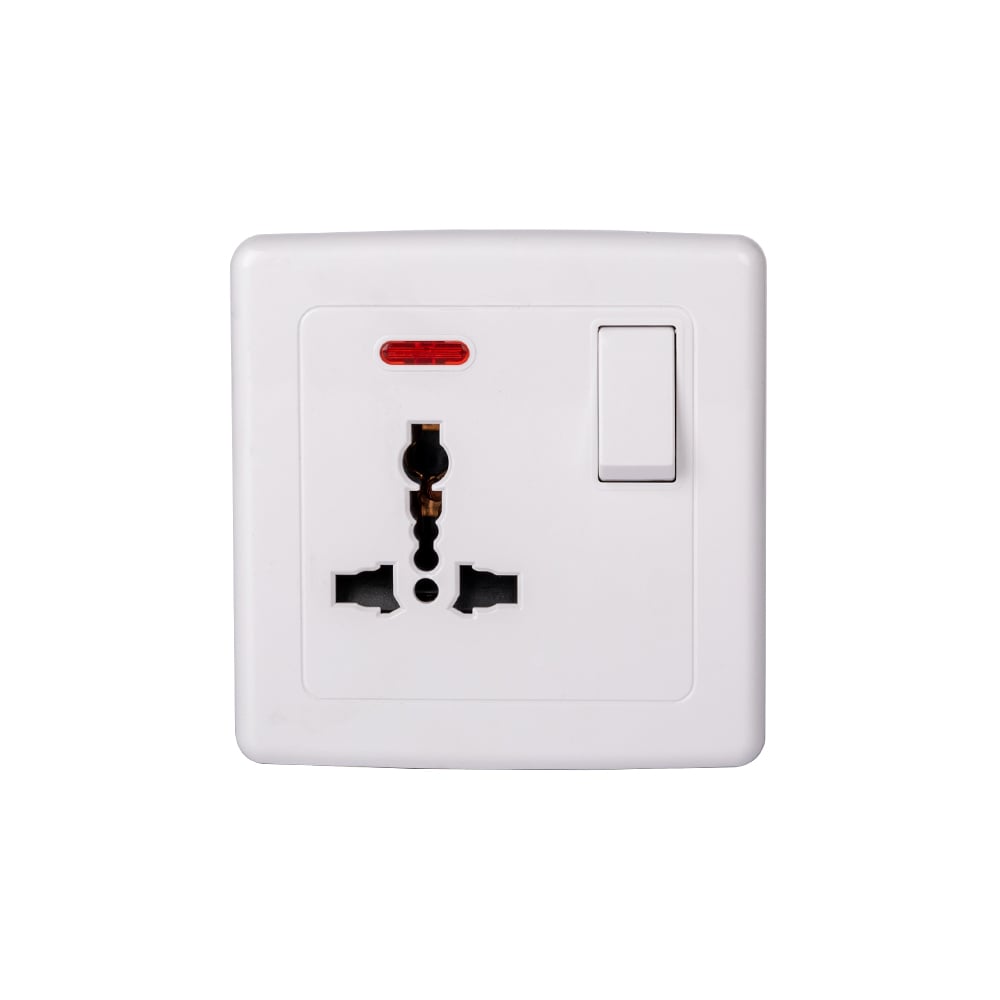
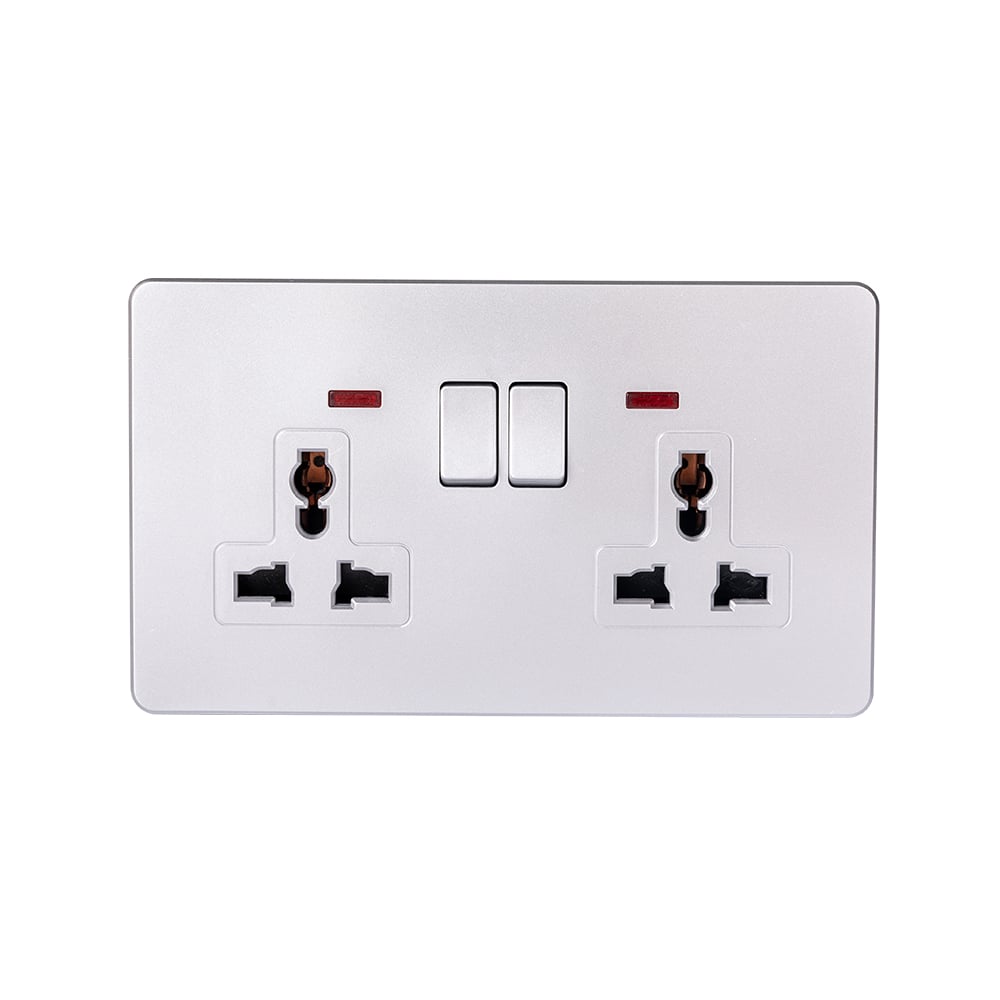
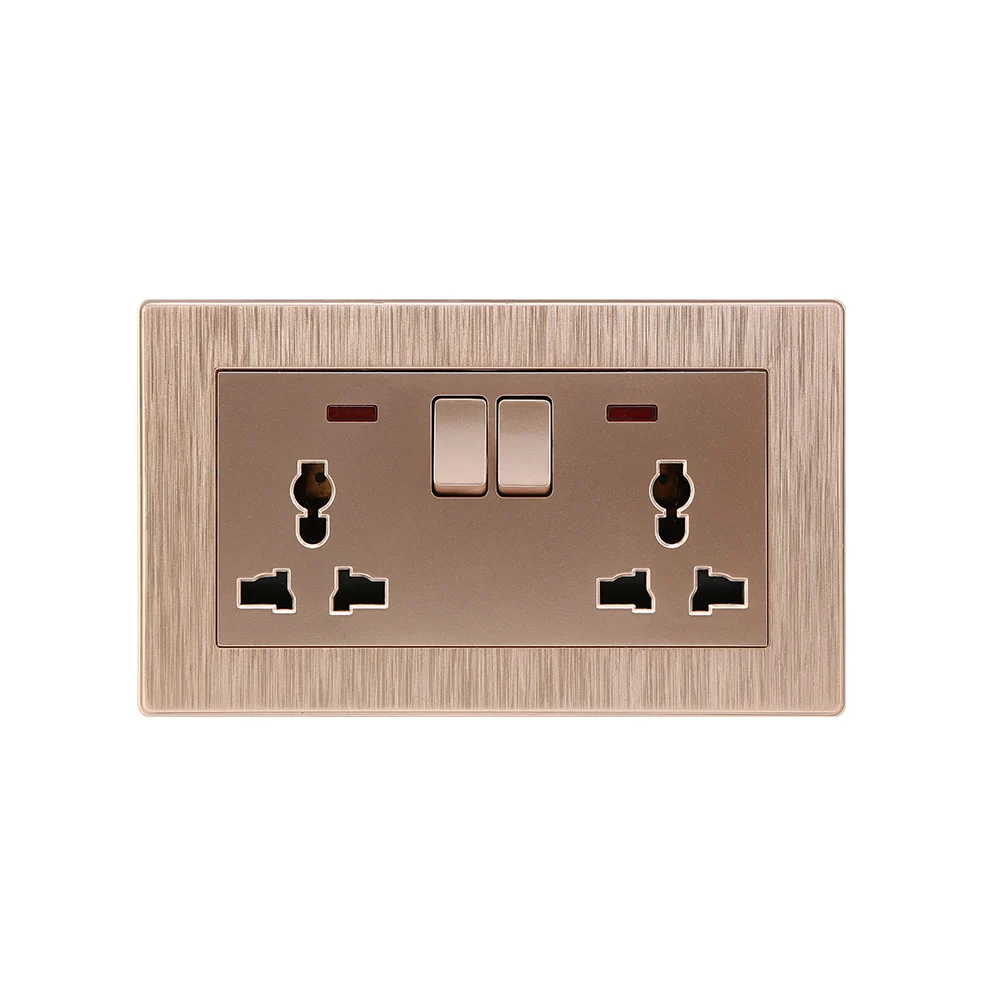
For a repeat order, retain photos of the plug face, rating marks and a sample fit in the target outlet. This makes the selection auditable and reduces returns, repacking and local sourcing. A wall switch socket range can help project teams compare installed-interface options before defining a country-specific bill of materials.
Which standards and compliance duties apply to France-bound equipment
- IEC 60038 defines standard voltage values, including the 230 V nominal basis; it does not certify an appliance.
- IEC 60083 covers plugs and socket-outlets for domestic and similar general use and helps describe the Type E/C interface.
- IEC 60884-1 specifies requirements and tests for plugs and socket-outlets for household and similar purposes; applicability depends on the accessory design and intended use.
- EU Low Voltage Directive 2014/35/EU applies to electrical equipment within its voltage scope placed on the EU market. It concerns safety obligations and conformity assessment, not a marketing claim that every adapter is approved for every load.
Importers should map these references to the exact product, destination, instructions and claims. Unsupported statements about certification, safety testing or universal compatibility can create compliance exposure and commercial disputes. Ask suppliers for the documentation that actually corresponds to the offered model, then have the responsible economic operator determine the applicable conformity route.
How buyers can specify equipment for French socket installations
- Read the appliance rating label for voltage, frequency, watts or amps, and insulation class.
- For Class I products, require a French grounded plug design with a continuous earth path; do not accept visual fit as proof.
- Measure the target outlet recess and test a representative adapter for seating, heat and strain relief under controlled conditions.
- Separate plug adaptation from voltage conversion and from site-level RCD protection in the purchase specification.
ABUK can support a disciplined sourcing conversation with product configuration details and documentation requests for the specified application. Buyers comparing regional interfaces may also find this Spain outlet type and plug socket guide useful when consolidating European requirements.
Frequently asked questions
What electric socket type is used in France?
The France electric socket type is generally Type E, with Type C two-pin plugs commonly used for appropriate unearthed equipment. Type E outlets include a projecting earth pin, so grounded equipment needs a compatible earth arrangement. Check the installed outlet and the appliance class before selecting accessories.
Will a Type E plug work with Type F sockets in France?
France is primarily associated with Type E outlets, while Type F is more common elsewhere in continental Europe. A true E/F hybrid plug may fit both systems, but a Type F-only earth arrangement should not be assumed to make the protective-earth connection required by a Type E outlet. Confirm the plug’s pin receptacle and the actual installation.
What is the standard voltage in France?
The nominal supply is 230 V at 50 Hz, as reflected in IEC 60038. Use the appliance rating plate to determine whether it supports that input. A French plug adapter cannot make a 100–120 V-only appliance suitable for 230 V supply.
Can I charge USB devices in French outlets?
Usually, yes: many USB chargers are marked for 100–240 V, 50/60 Hz and only need a properly rated physical adapter. Read the label, avoid stacked accessories, and use an adapter that seats safely in the recessed French outlet.
References
- Electrical Safety First France.
- IEC 60038.
- IEC 60083.
- IEC 60884-1.
- European Commission Low Voltage Directive (Directive 2014/35/EU).
In cross-border electrical procurement, a plug that fits is only the beginning; the defensible choice is the one whose voltage, current, earth path and use case all fit together. When your specification is ready, explore ABUK’s product categories and contact ABUK to discuss the appropriate configuration and documentation for your project.