
 Wenzhou Lita Electric Co., Ltd.
China Electric Plug Types: Sockets, 220V Voltage and Adapters
When a facilities engineer in Shanghai encountered repeated charger dropouts during an illustrative hotel review, Daniel inserted a two-flat-pin charger into a multi-format outlet and saw power fail within minutes. The root cause was selection, not simply a defective charger: loose universal contacts and an unchecked input rating had been treated as one “plug compatibility” question.
Summary: Mainland China generally supplies 220 V at 50 Hz and commonly presents outlets associated with Types A, C, and I. A China plug adapter changes physical fit; it normally does not convert voltage, prove earthing, or establish current capacity. Before travel, installation, or procurement, verify the device nameplate, pin pattern, earth path, outlet condition, and the applicable GB/T and certification scope.
For business buyers, a sound specification separates geometry, supply, load, protective earthing, product standard, and documentation. IEC 60038 provides voltage context, while IEC 60083 catalogs national plug-and-socket systems; neither certifies a particular item.
How to identify the Type A, C and I interfaces encountered in China
The familiar shorthand is Types A, C, and I, but travel labels are not procurement standards. Type A uses two parallel flat blades, Type C two round pins, and Type I two angled flat current-carrying pins, plus a third earth pin on earthed versions. Socket combinations vary by building and outlet design.
| Travel label | Visible geometry | Typical limitation | Buyer verification |
|---|---|---|---|
| Type A | Two parallel flat pins | Two-pin fit does not provide protective earth | Confirm blade dimensions, polarization assumptions, rated current, and device class |
| Type C | Two round pins | Usually unearthed; fit can vary in combination sockets | Confirm pin diameter, retention, load, and whether Class II equipment is intended |
| Type I | Two angled flat pins; earthed form adds a vertical flat pin | Looks “flat-pin,” but it is not North American Type A geometry | Confirm orientation, earth contact, dimensions, polarity scheme, and cable exit |
Why a multi-standard socket should not replace a China site survey
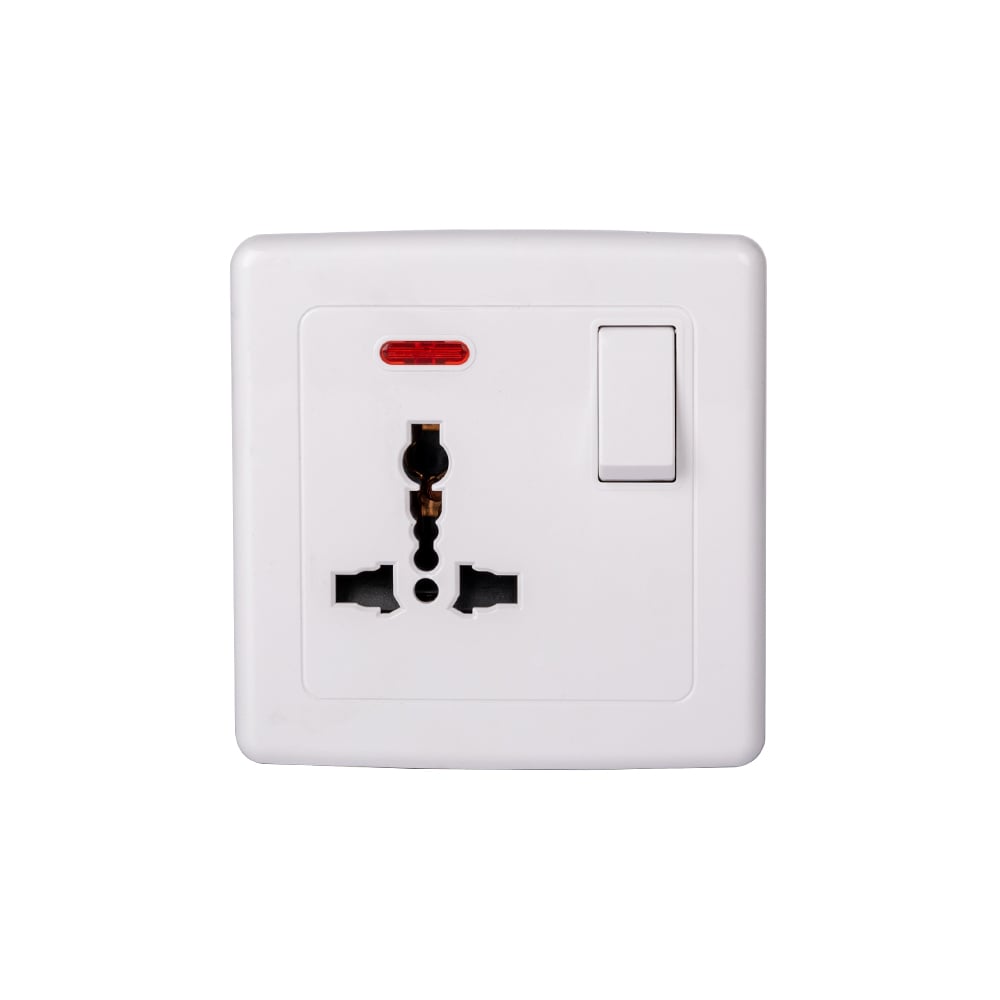
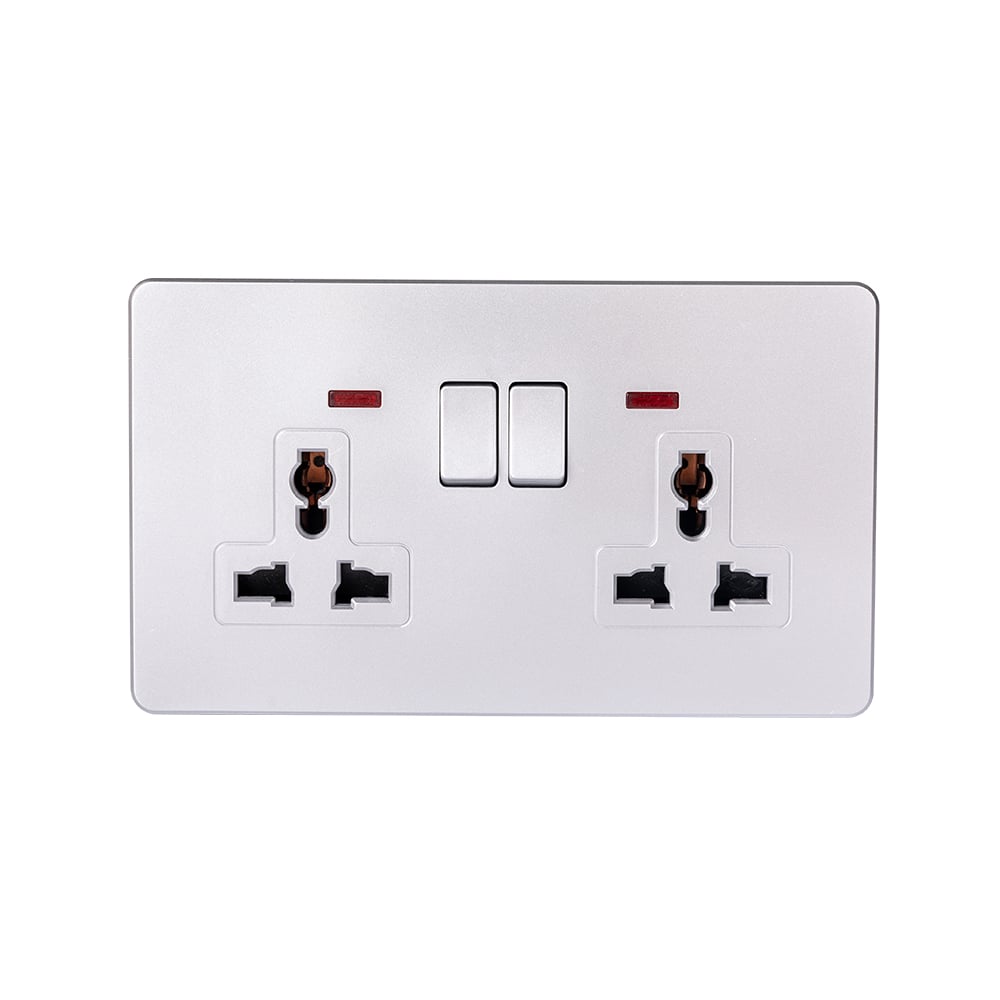
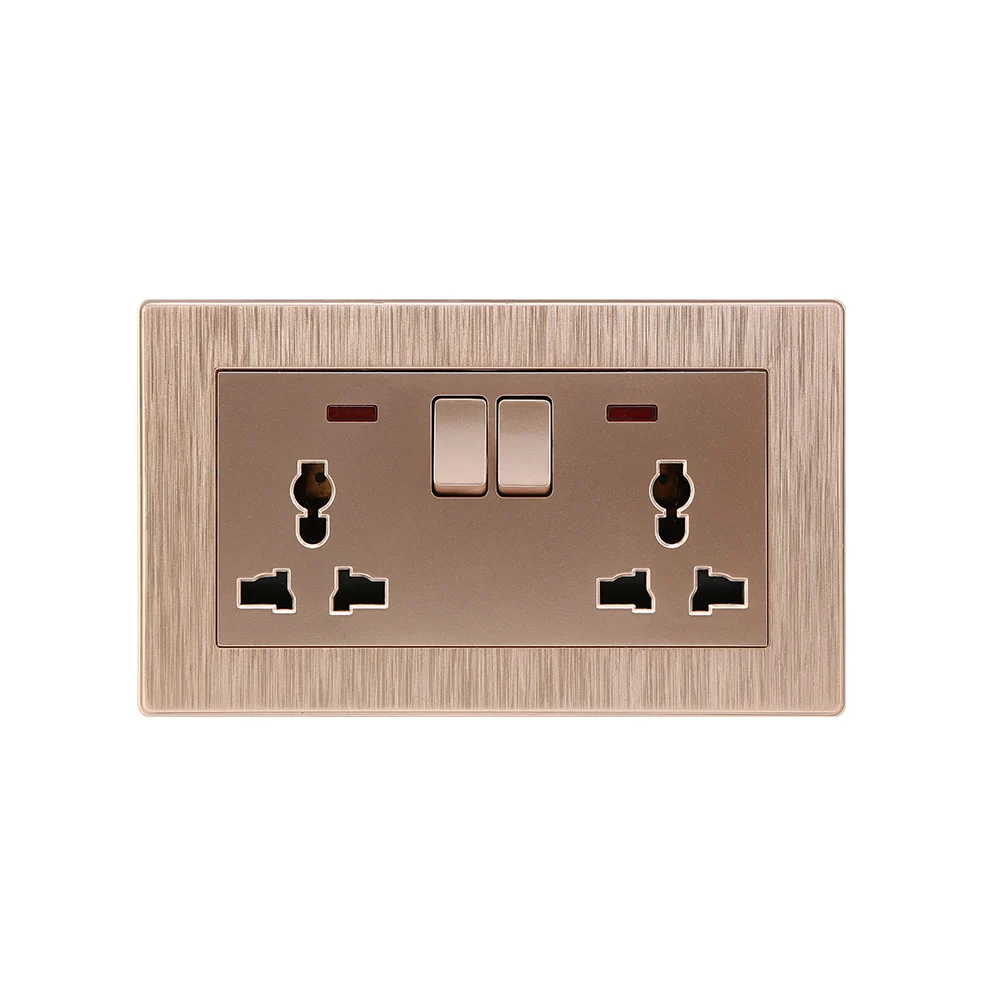
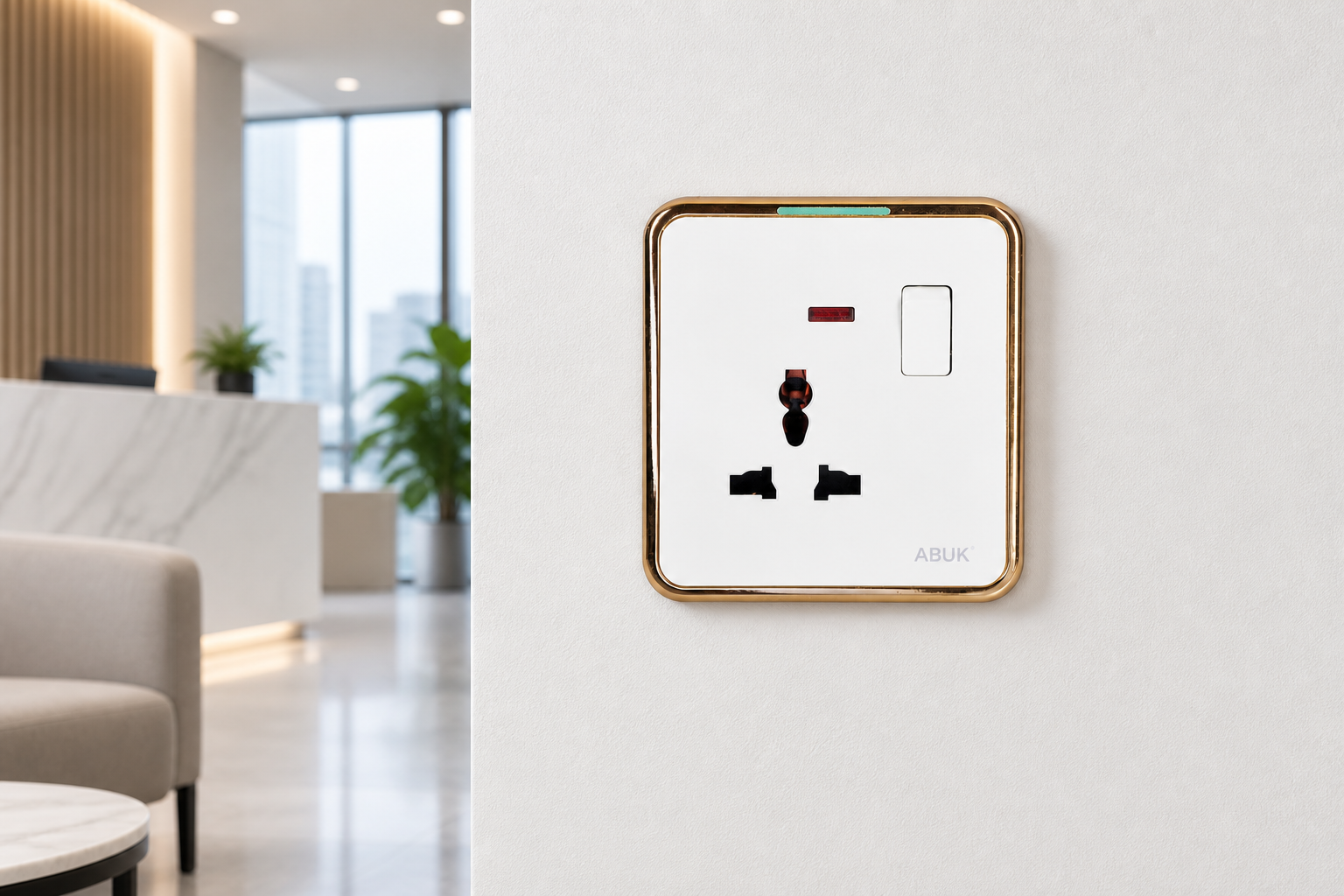
Search results often describe China as a Type A, C and I market, yet that description is only a starting point. A combination outlet can show more than one aperture pattern, but it does not confirm the rated current, protective-earth continuity, shutter arrangement or fit of a particular plug body. A European two-round-pin plug and a Chinese combination socket may look compatible while still requiring a check of pin size, depth and appliance class.
For a hotel, office or production site, survey representative outlet families rather than relying on one room photograph. Record the faceplate, recess, marking, circuit use and intended equipment; then approve the mating plug from a drawing and a controlled sample. This keeps “universal” language from becoming an unverified technical claim.
A controlled drawing is more dependable than a travel nickname. When sourcing a China electric plug assembly, place its dimensions, terminals, conductor size, load category, and mating socket on one approval sheet.
How China’s 220 V, 50 Hz supply affects imported equipment
Mainland China’s commonly cited utilization supply is 220 V, 50 Hz for ordinary single-phase use. That is materially different from nominal 120 V, 60 Hz service familiar in the United States. IEC 60038 helps frame standardized supply voltages, but the device nameplate and the actual site design remain controlling inputs.
Read the complete input marking. “Input 100–240 V~, 50/60 Hz” covers both nominal systems within that declared range and may need only a mechanical adapter. Equipment marked only “110 V” or “120 V” generally requires a correctly sized converter or transformer, not merely a China plug adapter. Review motors, clocks, heaters, and tools for frequency and inrush current too.
Do not infer compatibility from a USB connector. Check the power brick, appliance inlet, and load separately. Before energizing fixed equipment, have a qualified professional confirm circuit voltage, protection, conductor capacity, and earthing.
Why a plug that appears to fit may still be unsuitable for the load
A plug that enters an outlet may still have weak blade engagement, no effective earth path, or an inadequate current rating. Type I current-carrying pins are angled, whereas North American Type A blades are parallel. Up/down appearance in a photo is less useful than the contact drawing and terminal identification.
Mixed hotel sockets accept several shapes, but worn internal springs can create uneven pressure. If a plug sags, cuts out, discolors, crackles, or becomes unusually warm, disconnect it; never bend pins or hold it in place. A China power socket specification should identify intended mating interfaces rather than promise every foreign plug will work.
Relevant evaluations include temperature-rise, dielectric-strength, mechanical-strength, withdrawal, and abnormal-use tests. Test names are not results; files should identify the model, standard edition, conditions, issuer, date, and report scope.
How site variation changes commercial risk and total cost
Loose contacts create service calls, adapters disappear, and incomplete evidence delays shipments. Total cost includes sample review, inspection, cable compatibility, replacement labor, downtime, returns, and document correction. An illustrative 500-room evaluation should compare adapter replacement and maintenance events—not assume a universal faceplate lowers lifecycle cost.
| Use case | Preferred approach | Primary risk | Documentation priority |
|---|---|---|---|
| Short business travel | Certified or otherwise properly documented destination adapter matched to the device | Voltage mismatch or loose hotel outlet | Adapter rating and charger input range |
| Hotel or serviced apartment | Dedicated compliant outlets plus managed charging options | Worn universal contacts and repeated misuse | Outlet test report, installation record, maintenance plan |
| OEM appliance export to China | Approved plug, cord set, and appliance inlet as a system | Component scope does not cover the finished assembly | Model-specific drawings, reports, declarations, and change control |
| Commercial fit-out | Project-specific socket schedule and qualified installation | Mixed interfaces, earthing gaps, and undocumented substitutions | Bill of materials, inspection criteria, circuit records, approvals |
Which standards, CCC checks and documents support a China specification
For household and similar single-phase plugs and socket-outlets, check the current scope of GB/T 1002 and the relevant GB/T 2099 general safety requirements. GB/T 1003 addresses three-phase interfaces. Because editions change, confirm them in China’s official standards platform rather than copying an old datasheet.
CCC applies only where a product falls within the current compulsory catalogue and rules. A component certificate does not automatically cover every assembly, variant, factory, or claim. Confirm classification with the competent authority or body; retain the matching number, model list, factory, validity status, and change records.
- GB/T 1002: dimensional and basic parameter reference for relevant single-phase household and similar interfaces.
- GB/T 1003: corresponding reference for relevant three-phase interfaces.
- GB/T 2099 series: safety requirements and test methods for household and similar plugs and socket-outlets; use the part and edition applicable to the product.
- IEC 60038 and IEC 60083: voltage and national-system references, not product approval marks.
Unclear scope can cause rejected samples, retesting, installation delays, and unsupported claims. This article summarizes public sources; it does not determine whether a specific SKU requires CCC or satisfies a project.
How buyers can approve China-ready plug and socket assemblies
- Freeze the application. Record country, indoor or outdoor use, portable or fixed installation, load type, voltage, frequency, rated current, earth class, environment, and expected mating cycles.
- Approve geometry from controlled documents. Compare the plug and socket drawings against the applicable GB/T edition. Do not approve a China power socket from a faceplate image alone.
- Test the complete interface. Review retention, terminal security, temperature rise, dielectric strength, mechanical durability, cable anchorage, and actual mating samples under the relevant method.
- Build a traceable file. Request model-specific drawings, bill of materials, test reports, declarations, certificate scope where required, inspection criteria, packaging marks, and engineering-change control.
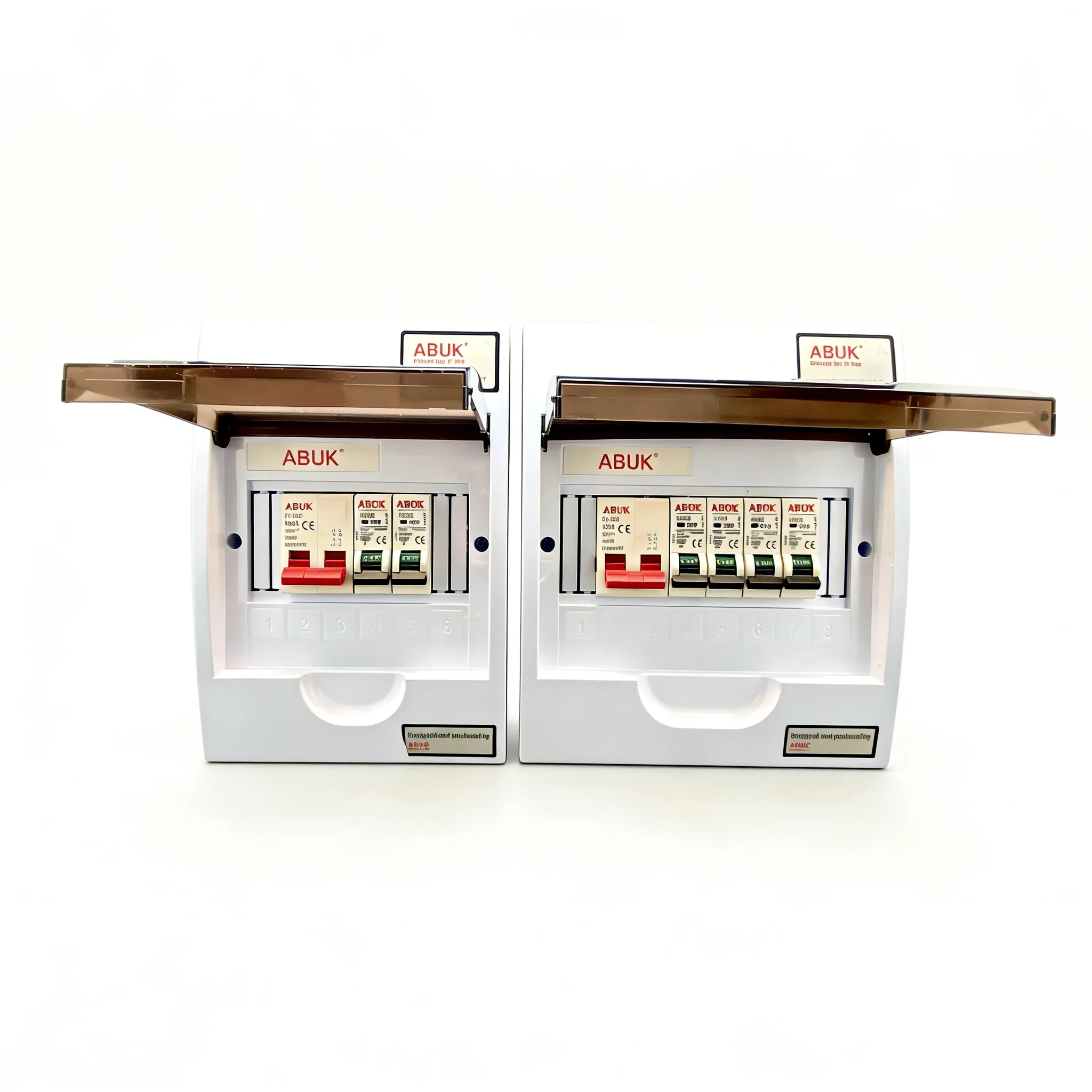
- Separate market claims. ABUK can support B2B buyers with configurable electrical equipment discussions and project documentation, but CE, RoHS, and GCC should be treated as product- and destination-specific evidence requests. Never infer them from a logo, a supplier profile, or an unrelated model.
Purchase the China plug adapter only after checking the nameplate and adapter load rating. For OEM or fit-out work, approve the sample and documentation before volume production.
Frequently asked questions
What electric plug types are used in China?
Types A, C, and I are the commonly cited China electric plug formats. Real outlets may be dedicated or combination designs, so confirm the exact socket drawing, condition, and earth contact rather than relying only on the letter label.
Does China use 220V or 110V electricity?
Mainland China generally uses 220 V at 50 Hz for ordinary single-phase supply, not the US norm of 120 V at 60 Hz. Always check the site and device nameplate; a China power socket shape does not tell you that a 110 V-only appliance is suitable.
Can US Type A plugs fit Chinese outlets?
Some two-flat-pin plugs may physically fit some outlets, but fit is not guaranteed and does not provide protective earthing. Do not confuse parallel Type A blades with the angled blades of Type I, and stop using any connection that is loose, hot, damaged, or intermittent.
Do I need a power adapter for China?
You need a China plug adapter when the plug geometry does not match the available outlet. If the device is not rated for 220 V, 50 Hz, you may also need a properly sized voltage converter or different power supply; an adapter alone does not convert electricity.
References
- IEC 60038, IEC standard voltages — voltage-system reference; confirm the current edition and national application.
- IEC 60083, plugs and socket-outlets for domestic and similar general use standardized in IEC member countries — system catalog, not certification of a product.
- National Public Service Platform for Standards Information, China — official lookup source for GB/T 1002, GB/T 1003, and GB/T 2099 status; full-text access can vary.
- Certification and Accreditation Administration of China (CNCA) — authoritative starting point for the current CCC catalogue and implementation rules; product classification still requires scope review.
- Electrical Safety First: travel adaptor guidance for China — practical secondary guidance for travelers, not a Chinese product-approval source.
The practical rule is simple: match the interface, verify the electricity, and document the exact product—never let visual fit substitute for engineering evidence.
For project sourcing, review ABUK’s electrical equipment solutions, then contact the team with your destination, application, ratings, drawings, quantities, and required evidence. That brief lets the supplier evaluate the correct China electric plug, China power socket, or China plug adapter path without implying certification before scope is verified.