
 Wenzhou Lita Electric Co., Ltd.

US Outlet Voltage Explained: 120V, 240V and Amperage Basics
When a procurement manager in Dallas encountered repeated breaker trips during a tenant-improvement project, he first blamed a defective batch of receptacles. The failure appeared as soon as cleaning equipment and break-room appliances were connected, but the root cause was circuit selection: 15 A and 20 A outlet types had been mixed without checking load profile, branch rating and appliance nameplates.
Summary: US outlet voltage in a typical American building comes from a nominal 120/240 V split-phase system—not from one universal outlet rating. Everyday loads commonly use 120 V, while dryers, HVAC equipment and other dedicated loads may use 240 V. Before buying or installing, compare the appliance nameplate, branch-circuit rating and exact NEMA configuration; voltage alone is not enough to select a receptacle.

Confusion often starts with language. People still say 110 V, 115 V or 120 V interchangeably, yet current US residential supply is normally discussed as nominal 120/240 V. For sourcing, the equipment nameplate, circuit rating and plug pattern all have to align.
Why US buildings have both 120 V and 240 V circuits
A typical US residence receives split-phase service from a center-tapped transformer secondary. Each hot leg to neutral is nominally 120 V; the two hot legs measured together are nominally 240 V. That relationship lets lighting, electronics and small appliances use 120 V while dryers, ranges, condensers, workshop equipment and some EV supply equipment may use a higher-voltage dedicated circuit. NEMA ANSI C84.1 and IEC 60038 describe nominal voltage concepts; a field measurement can vary within the applicable service range.
110 V vs 120 V terminology and what buyers should assume
In casual speech, 110 V remains common because older systems and habits used nearby values such as 110 V, 115 V and 117 V. In current procurement documents, 120 V is the more useful reference for standard receptacle circuits, just as 240 V is more precise than the older 220 V shorthand. Therefore, the direct answer to “Is the voltage in the USA 220V or 240V?” is that modern split-phase systems are ordinarily specified as 120/240 V, with 240 V used between the two hot legs. For quotation reviews, confirm voltage, current, duty cycle and NEMA configuration from the nameplate rather than selecting by outlet appearance.
15 A and 20 A receptacles: amperage basics that affect projects
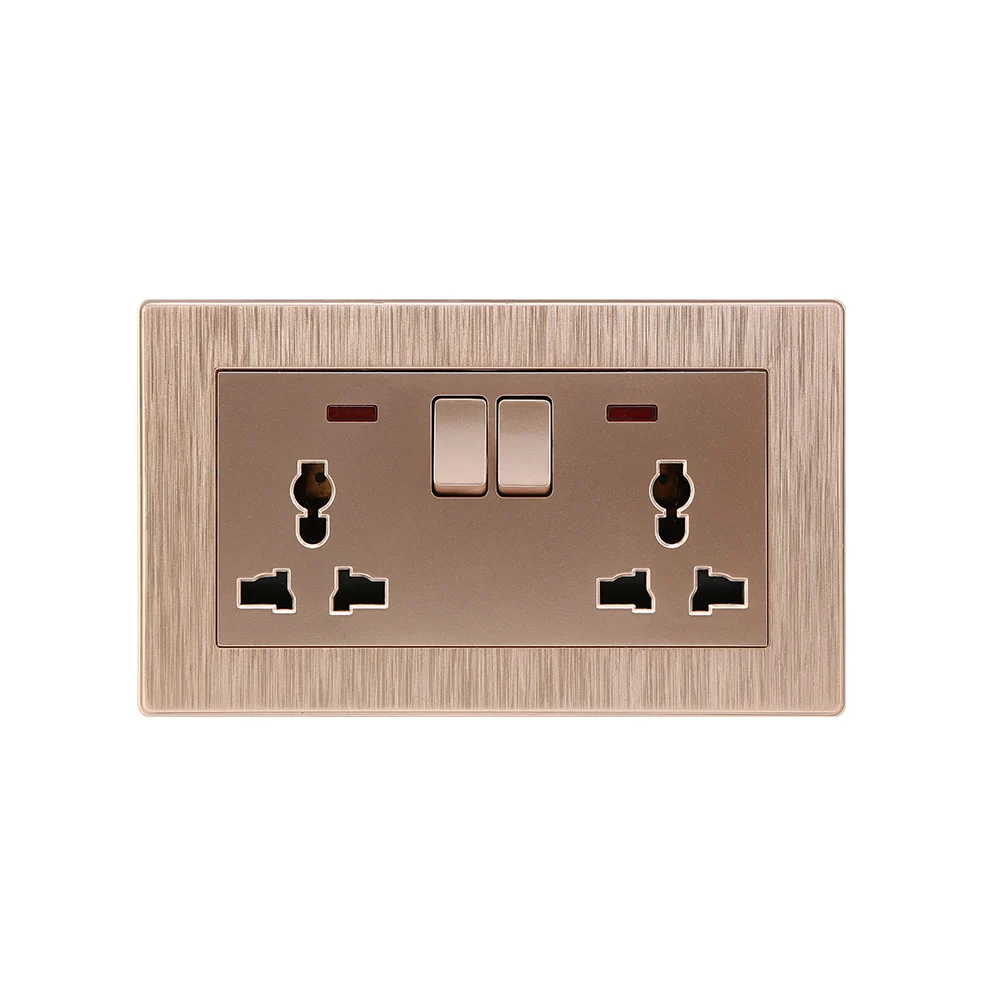
Many general-purpose wall receptacles are NEMA 5-15R, a 120 V, 15 A configuration. A NEMA 5-20R is a 120 V, 20 A configuration with a T-shaped neutral slot. For a quick compatibility screen, a 5-20R can accept a 5-15P or 5-20P plug; a 5-15R must not be assumed to accept a 5-20P, whose blade pattern differs. This is only a plug-and-receptacle check, not permission to change a circuit.
“What is the standard amperage of a US outlet?” has no single answer. The practical starting point is 15 A or 20 A for common 120 V receptacle circuits, but the branch breaker, conductor sizing, number of receptacles and connected equipment determine what is permitted. NEC Article 210 addresses branch circuits and receptacle ratings; UL 498 is a product test standard for receptacles and attachment plugs, not a blanket statement that a field installation is code-compliant. For a continuous load—one expected to run at maximum current for three hours or more—the NEC sizing rules commonly lead to a 12 A planning screen on a 15 A circuit and 16 A on a 20 A circuit, subject to the adopted code and equipment instructions.
NEMA configurations and appliance nameplate checks
NEMA WD 6 is the common reference chart for straight-blade plug and receptacle patterns in the US market. NEMA 5-15 and 5-20 are familiar 120 V options; NEMA 6-series patterns are often used for certain 240 V loads without a neutral, while some larger appliances use 14-series patterns with neutral capability. Crucially, a 240 V circuit does not itself identify the required receptacle: current rating, neutral requirement, grounding, plug pattern and manufacturer instructions still decide the configuration.
Nameplate checks should confirm rated voltage, current, phase, frequency and any dedicated-circuit instruction. A receptacle’s face rating is not the same thing as the branch-circuit rating, and neither is a substitute for the appliance nameplate. The expensive mistakes usually come from treating a “standard outlet” as a complete specification rather than verifying the load and installation conditions.
120 V versus 240 V outlet comparison
| Decision point | 120 V outlet context | 240 V outlet context | Commercial implication |
|---|---|---|---|
| Typical supply relationship | One hot leg to neutral on split-phase service | Two hot legs on split-phase service | Voltage source changes appliance compatibility immediately. |
| Common use | General receptacles, electronics, small appliances | Dryers, ranges, HVAC, some tools, some EV equipment | Load profile should guide specification, not habit. |
| Common receptacle families | NEMA 5-series | NEMA 6-series or selected 14-series | A 240 V circuit alone does not choose the pattern. |
| Common circuit ratings | 15 A or 20 A | Often 20 A and above, depending on appliance | Current capacity affects cable, breaker and outlet selection. |
| Continuous-load screen | 12 A planning screen on a 15 A circuit | Applies according to the circuit and load | Long-duration loads need code and equipment-instruction review. |
| Typical project risk | Overlooking shared branch loads | Choosing the wrong configuration or no dedicated circuit | Both errors create rework, inspection delays and nuisance trips. |
Application and configuration matrix
| Application dimension | Typical receptacle example | Nominal voltage | Common amperage context | Buyer check |
|---|---|---|---|---|
| Office electronics and chargers | NEMA 5-15R | 120 V | 15 A branch circuits are common | Check aggregate load on shared circuits. |
| Break-room appliances and heavier portable loads | NEMA 5-20R | 120 V | 20 A circuits are common where specified | Confirm plug shape, circuit rating and continuous-duty profile. |
| Small workshop equipment | NEMA 5-20R or selected 6-series | 120 V or 240 V | Varies by tool | Read the tool nameplate before ordering replacement outlets. |
| HVAC or dedicated equipment | Selected NEMA 6-series | 240 V | Often dedicated circuits | Verify whether neutral is required and whether the unit is single-phase only. |
| Ranges, dryers and similar larger appliances | Selected NEMA 14-series | 120/240 V or 240 V, depending on appliance | Higher current ratings are common | Match the exact configuration and breaker specification from the manufacturer. |

This matrix ties the outlet question to application rather than voltage alone. It also prevents a familiar-looking receptacle from being used as a shortcut for circuit design.
Standards and compliance points that matter in the US market
Several references apply, but they do different jobs. IEC 60038 explains standard voltages, NEMA WD 6 covers straight-blade configurations, NFPA 70 governs installation practice in the US, and UL 498 is a product test standard for receptacles and attachment plugs. The applicable NEC edition and local amendments are adopted by the authority having jurisdiction; they cannot be replaced by a catalogue claim.
GFCI and AFCI protection are installation questions, not a voltage label. NEC Articles 210.8 and 210.12 set requirements for particular locations and dwelling-unit circuits in the editions adopted locally, so a buyer should identify the occupancy, room or outdoor location before specifying protection. Field wiring, breaker changes and final compliance verification belong to a licensed electrician or other qualified installer under local rules. Unsupported claims about a receptacle, listing or compliance can lead to RFQ rejection, inspection questions and replacement cost.
How to select the right outlet for procurement or retrofit work
- Start from the appliance or equipment nameplate, not from the existing wall plate.
- Confirm whether the load is 120 V, 240 V, or a 120/240 V appliance with a specific configuration requirement.
- Separate five checks: branch-circuit rating, receptacle face rating, appliance nameplate, GFCI/AFCI protection, and local installation responsibility.
- Verify the exact NEMA pattern and whether a neutral, grounding connection or both are required; do not infer this from 240 V alone.
- Have a licensed installer confirm conductor, breaker and protection requirements under the locally adopted code before field work begins.
- Retain drawings, data sheets and test documents so contractors and distributors are working from the same specification set.
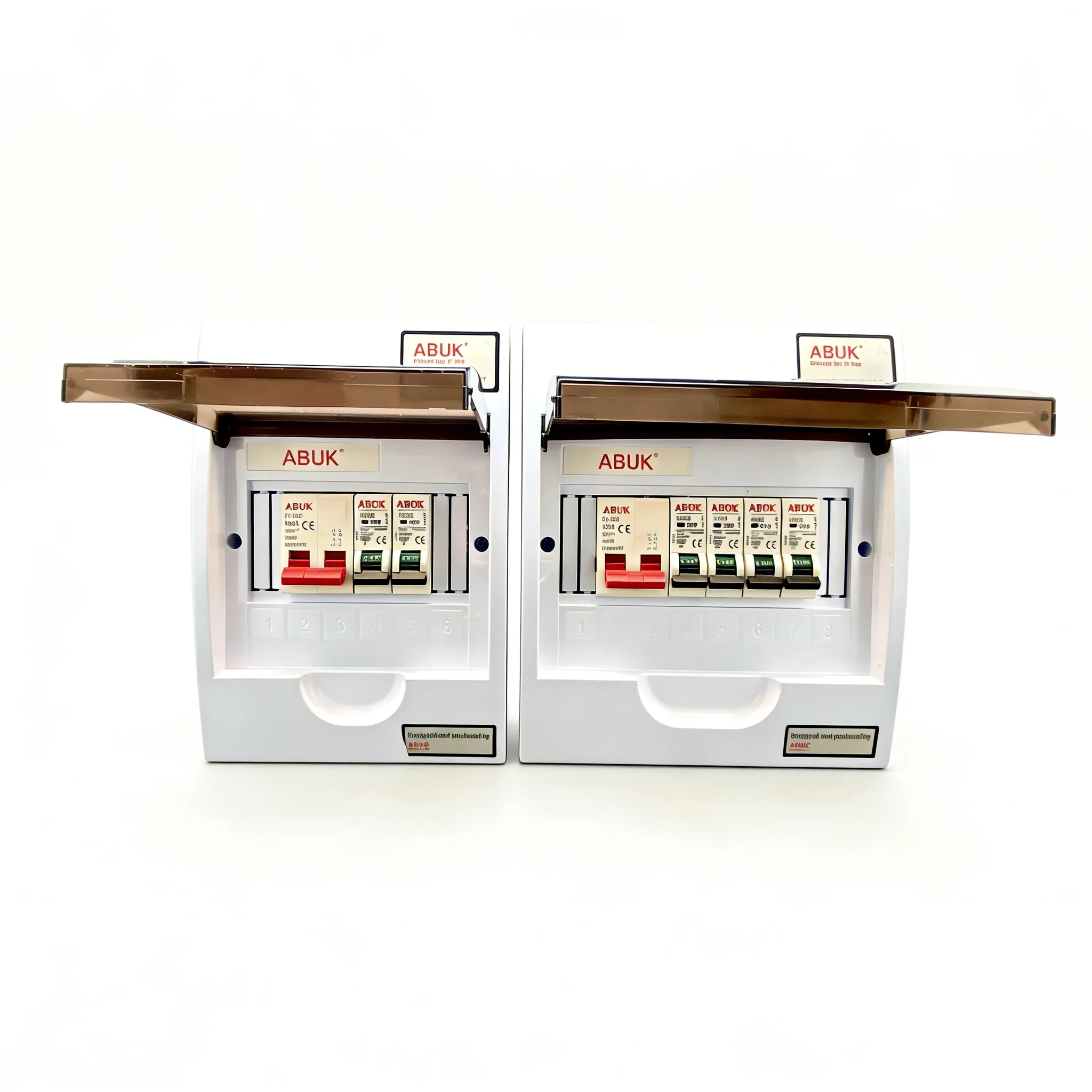
At this stage, ABUK can be introduced sensibly: as a China-based B2B electrical equipment solution provider, ABUK supports buyers sourcing configurable 120V outlet products and related accessories with documentation suited to destination-market review. For teams comparing regional assumptions in the same sourcing cycle, a 240V outlet discussion should remain distinct from Japan’s nominal 100 V plug-and-socket context.
Frequently asked questions
Are US outlets 110V or 120V?
In modern practice, 120 V nominal is the better reference, even though many people still say 110 V in conversation. For purchasing and installation, follow the stated nameplate and circuit documentation.
Is the voltage in the USA 220V or 240V?
For modern US split-phase service, 240 V is the normal nominal description for the voltage between the two hot legs. “220V” is widely understood informal shorthand, but procurement documents should state 120/240 V supply and then verify the appliance nameplate.
What is the difference between 120V and 240V outlets?
A 120 V receptacle typically serves one hot leg to neutral, while a 240 V circuit usually uses two hot legs in a split-phase system. A 240 V circuit does not, however, identify its receptacle configuration; the appliance’s current, neutral requirement and specified NEMA pattern still control.
What is the standard amperage of a US outlet?
There is no universal outlet amperage. General-purpose 120 V receptacles commonly appear in 15 A and 20 A contexts, but the branch circuit, receptacle rating, connected load and appliance instructions must be checked separately. Continuous loads require further sizing review under the locally adopted code.
Which appliances need a 240V outlet?
Common examples include electric dryers, ranges, some HVAC equipment, some workshop tools and certain EV charging equipment. The correct answer comes from the appliance nameplate and manufacturer instructions.
References and next step
- NEMA ANSI C84.1: Electric Power Systems and Equipment—Voltage Ratings (60 Hertz)
- NEMA straight-blade plug and receptacle reference chart
- IEC 60038: IEC standard voltages
- NFPA 70: National Electrical Code
- OSHA electrical safety overview
Good outlet decisions follow the same order every time: read the load, verify the circuit, then match the configuration. That habit turns a vague search term into a dependable specification step.
Explore ABUK’s electrical products and contact the team when a project needs destination-market socket, receptacle or accessory guidance.