
 Wenzhou Lita Electric Co., Ltd.
Why Does My Socket Spark When I Switch It Off?
Seeing a flash as a socket switch is turned off leaves an awkward question: was it a momentary contact arc, or the first sign of a fault? Flash size alone cannot answer that. Where it appeared, what appliance was running, and whether there was noise, heat or a burning smell all matter. Repeatedly pressing the switch to get a better look does not help establish that it is safe.
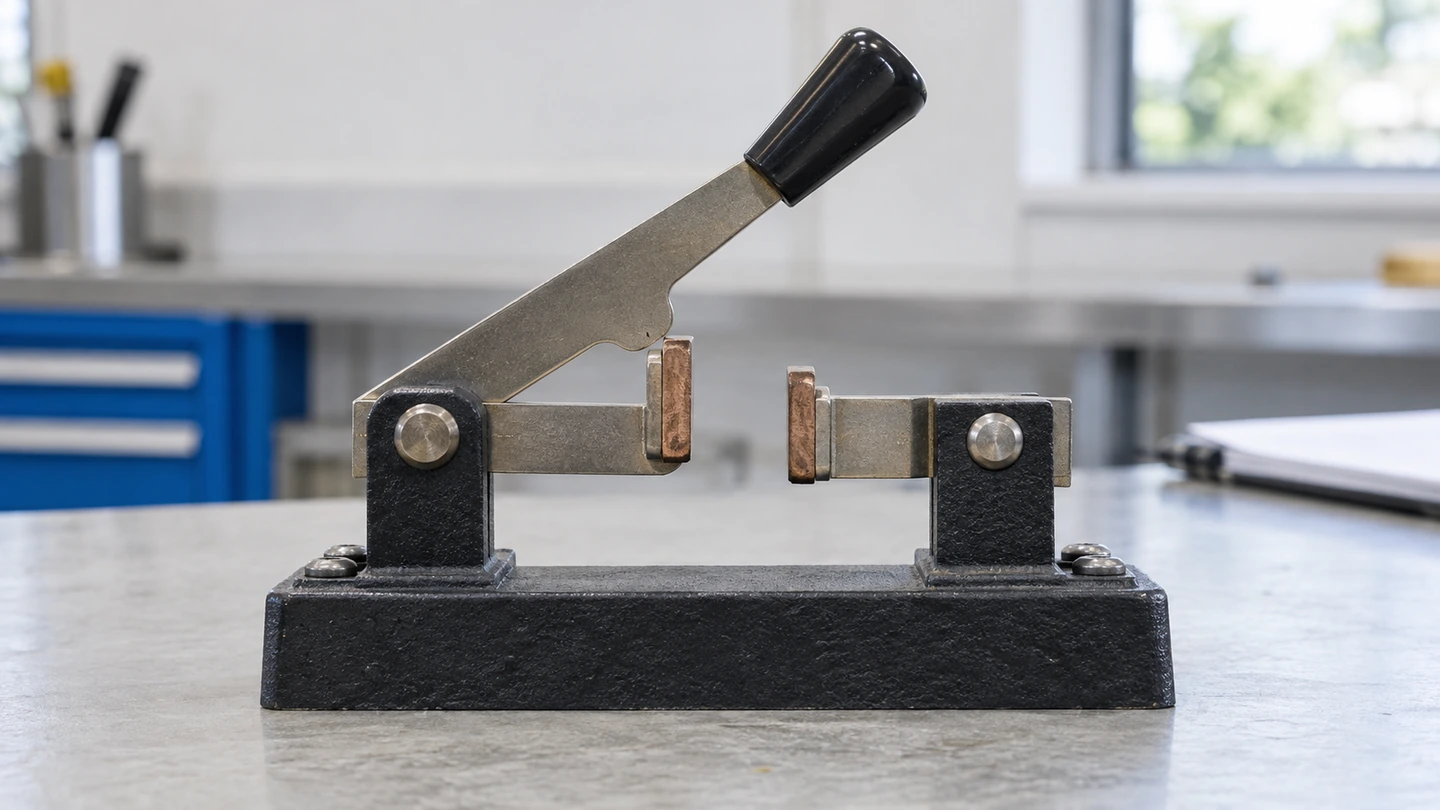
A switch can produce a brief internal arc when it interrupts a load. Repeated sparking, a flash outside the accessory, crackling, discolouration, unusual heat or a burning smell needs prompt professional assessment. Stop using the point if it shows danger signs, and isolate the affected supply only if that can be done safely. Smoke or fire calls for the site’s emergency procedure. IEC 60669-1:2017 and IEC 60884-1:2022 cover relevant product categories, but neither can diagnose a socket from a visible flash. The electrician must inspect the accessory, connected load and circuit.
Why can a switch spark at the moment it opens?
The contacts separate while current is flowing. Motors, transformers, compressors and electronic power supplies can behave differently from simple resistive loads because of how they store energy or draw current. The switch’s duty and contact condition therefore affect what happens at interruption.
A brief event inside the mechanism has a different context from a flash at a plug pin or along a faceplate edge. Worn contacts and connection faults can also produce arcing. That is why “it only happens when switched off” is useful information for the electrician, but not a reason to dismiss the symptom.
Why Does an Outlet Spark When a Plug Is Inserted?
If an outlet sparks when plugging in an appliance, the event occurs as the connection is being made, rather than broken at the switch. An electronic power supply can draw a short charging current as its input components energize; an appliance already switched on can also start drawing current as the plug contacts meet. That gives a momentary plug-in flash a different explanation from arcing that continues after the plug is seated.
The timing helps describe the fault, but it cannot certify the socket as safe. A loose grip on the plug, damaged pins, contamination or a poor connection can also produce plug socket sparking. A sustained flash, crackling, scorching, unusual heat or a burning smell means the point should be taken out of use and assessed. There is no dependable “safe spark” size or colour that a user can judge across different appliances.
When reporting the incident, distinguish “during insertion,” “while fully connected” and “when switched off.” Record the appliance and any extension lead involved without plugging it in again to recreate the symptom. This gives the electrician a more useful starting point than simply reporting that the outlet sparked.
Which signs mean the socket should not be used?
Heat, a burning smell, melting, scorch marks, persistent crackling or repeated tripping raises the urgency. Electrical Safety First lists unusual heat, burn marks and arcing sounds among warning signs around plugs and sockets. The appliance continuing to run does not clear the connection of a fault.
| What was noticed? | What it may involve | What to do |
|---|---|---|
| One small internal flash | Load interruption or contact condition | Do not repeat the operation to test it; seek review if it recurs |
| Repeated flash, loud snap or crackling | Contacts, connection, plug or load | Stop using the point and arrange inspection |
| Heat, burning smell or black marks | Overheating, damage or a poor connection | Keep people away and obtain urgent help; isolate safely |
| Smoke, fire or repeated tripping | An active or unresolved fault | Follow the emergency procedure and do not re-energize |
This article concerns wall power sockets. A search for “light socket with switch” can also mean a lampholder. Its mechanism and connections need their own assessment; advice for one accessory should not be transferred to the other.
Could the problem be a loose terminal rather than the switch?
Yes. A poor connection can heat up or make intermittent contact. The fault may be at the socket terminal, plug, flexible cord or an upstream connection. Replacing the rocker or faceplate without inspecting those parts can leave the cause in place.
It is not safe to remove the plate and tighten a screw while relying on the socket’s off position. HSE advises secure isolation and proving dead before work. The electrician also needs to check for conductor or insulation damage, rather than assuming that tightening alone completes the repair.
Does the connected appliance change the diagnosis?
It can. A heater, motor-driven appliance and electronic supply place different demands on sockets and switches. The appliance being started or stopped, and the load the switch is suitable for, belong in the inspection.
The supply arrangement matters too. An overloaded extension lead or unsuitable chain of adapters can be part of the problem. Electrical Safety First advises checking extension-lead ratings and avoiding leads connected in series. An accessory replacement does not increase the circuit’s capacity or correct an overloaded extension arrangement.
What information should be given to the electrician?
Record what happened once, then leave diagnosis to the person inspecting it. A useful fault report describes the appliance, the operation and the accompanying symptoms. It does not need an opened faceplate or a deliberately reproduced spark.
| Information | Useful detail | What to avoid |
|---|---|---|
| Appliance | Which equipment was connected and running | Reconnecting it just to reproduce the event |
| Location of the flash | Switch, plug or another visible area | Opening the accessory for a closer look |
| Other symptoms | Noise, smell, heat or visible marks | Touching a suspect hot or damaged fitting |
| Protective device | Whether a breaker or RCD operated | Repeated resets without finding the fault |
When is a replacement socket the right repair?
After the inspection establishes what failed. Worn contacts or a broken mechanism may require a new accessory. Heat-damaged cable, insecure mounting or an upstream fault may need additional work. A socket with a higher marked rating cannot upgrade the existing cable or protective device.
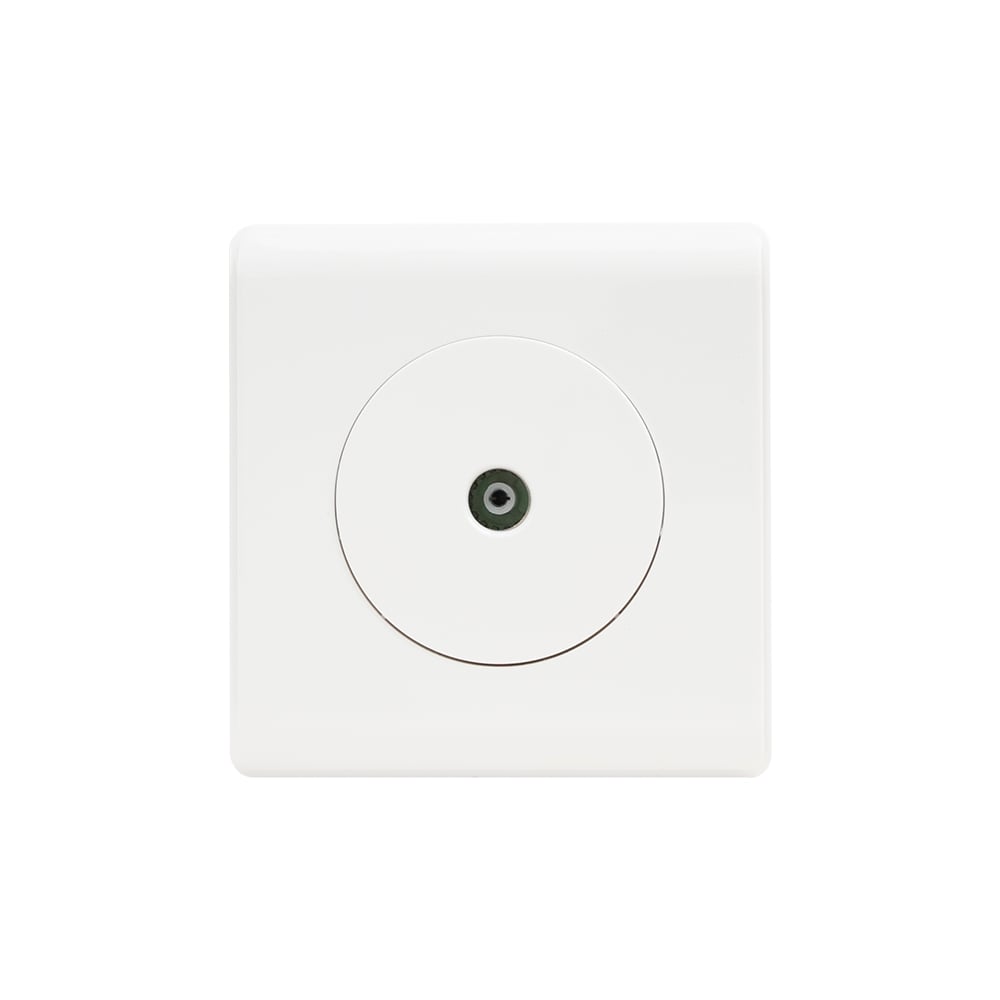
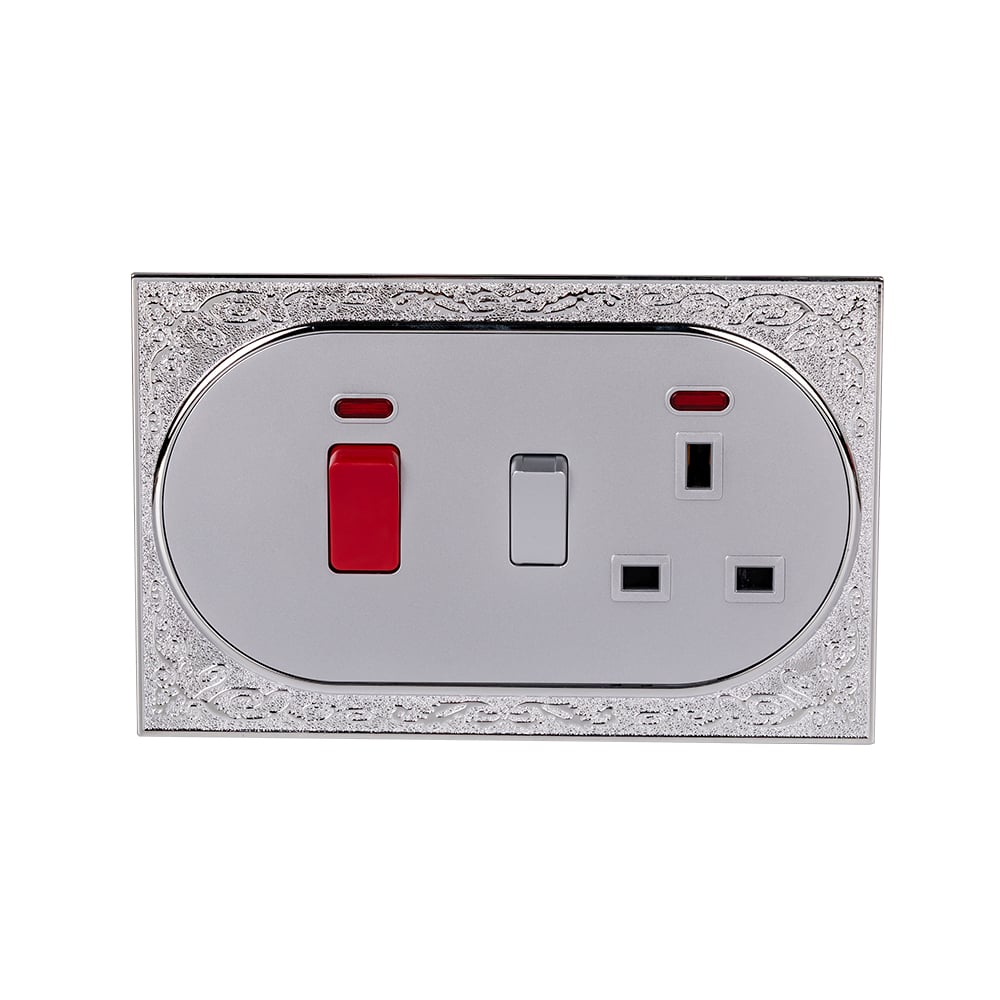
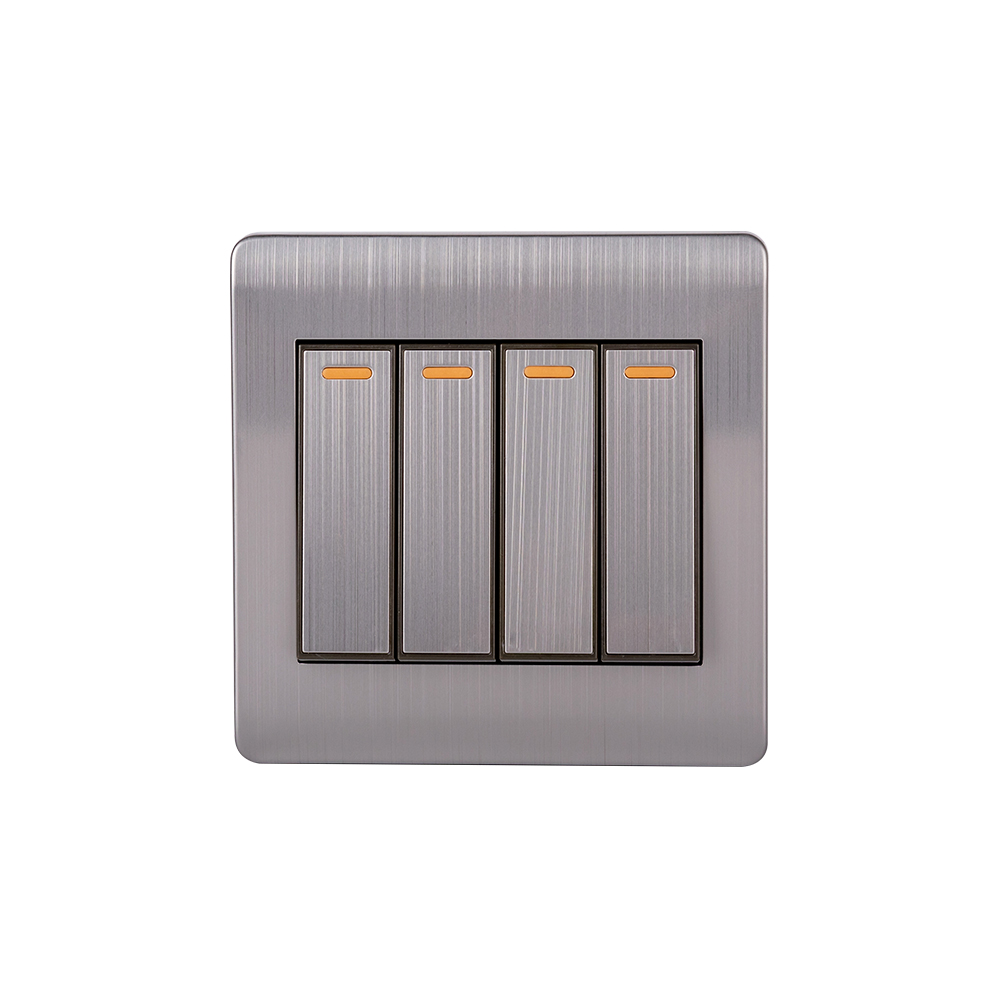
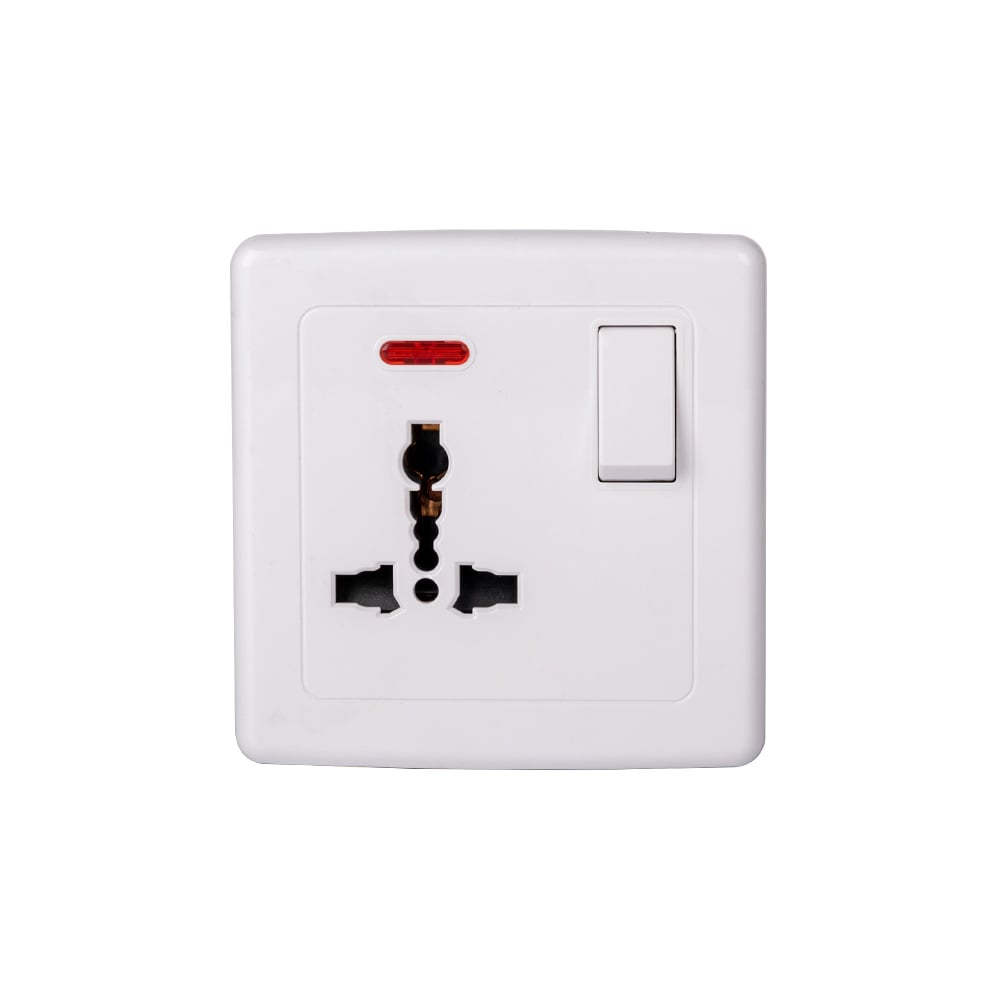
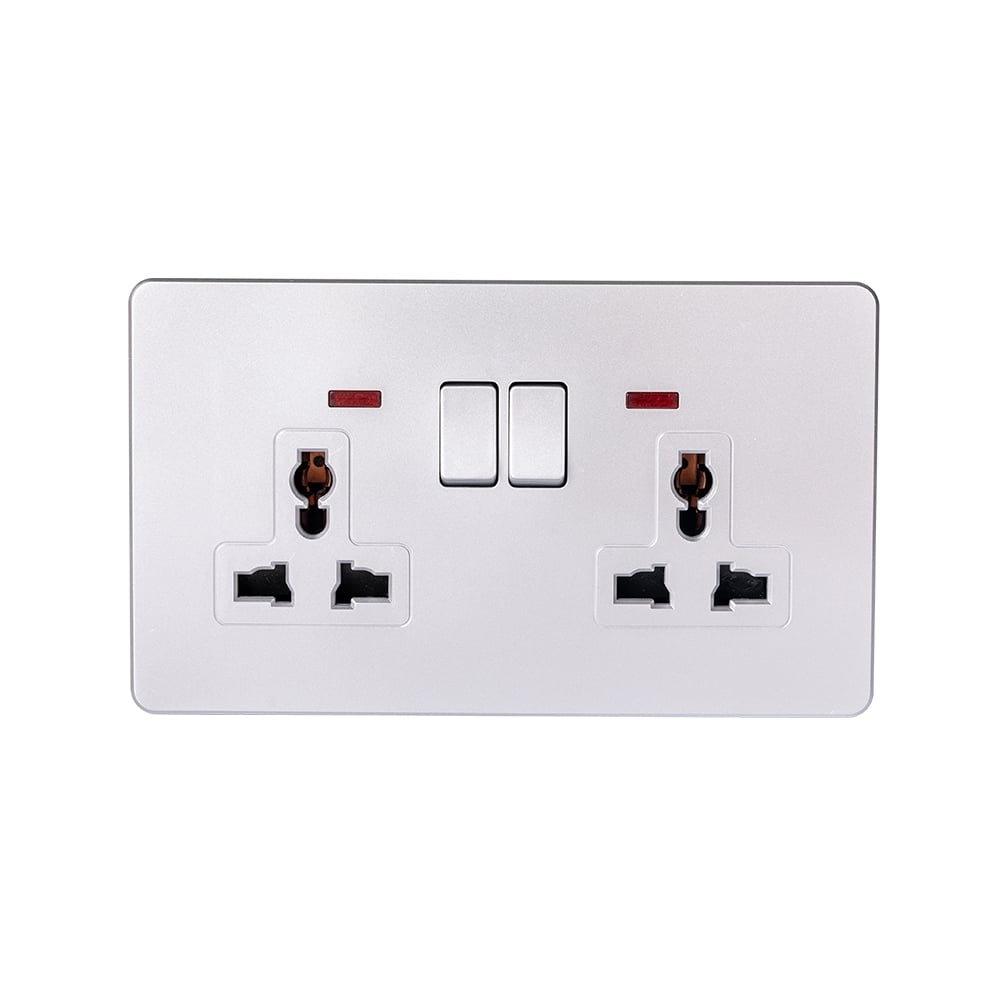
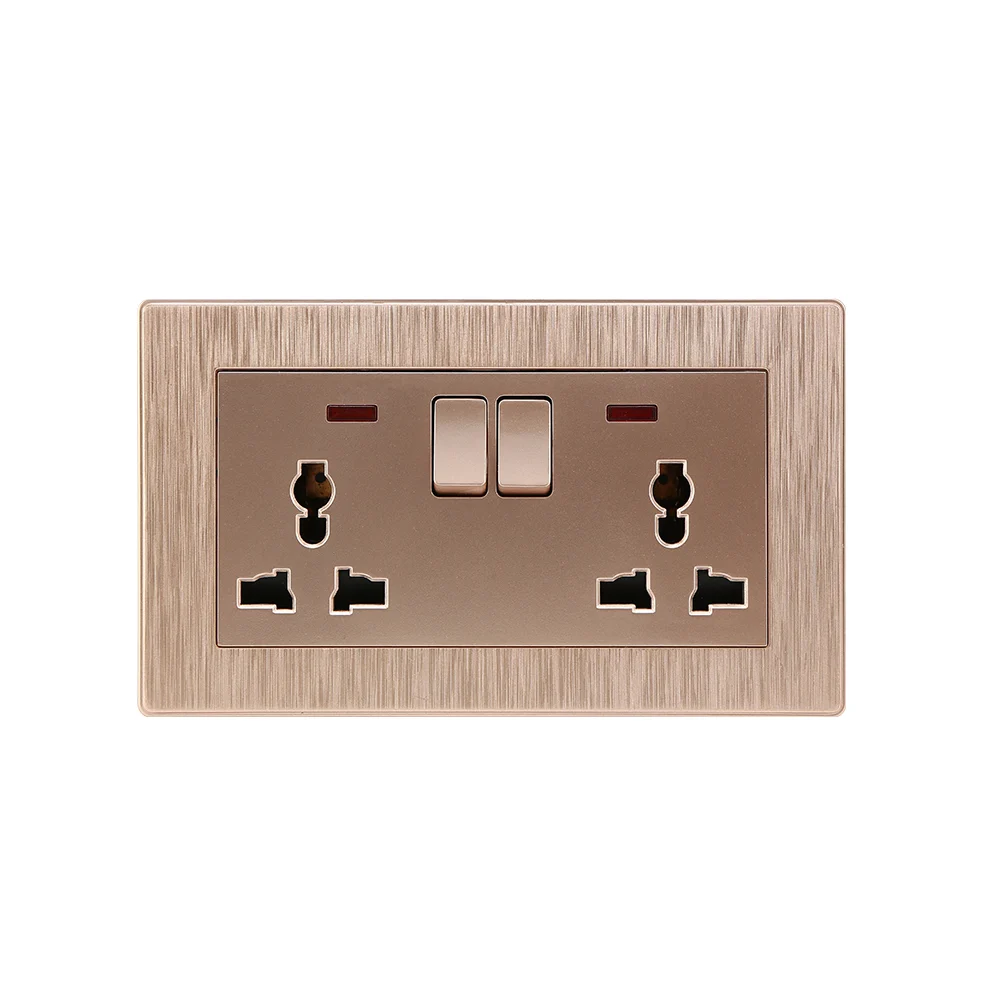
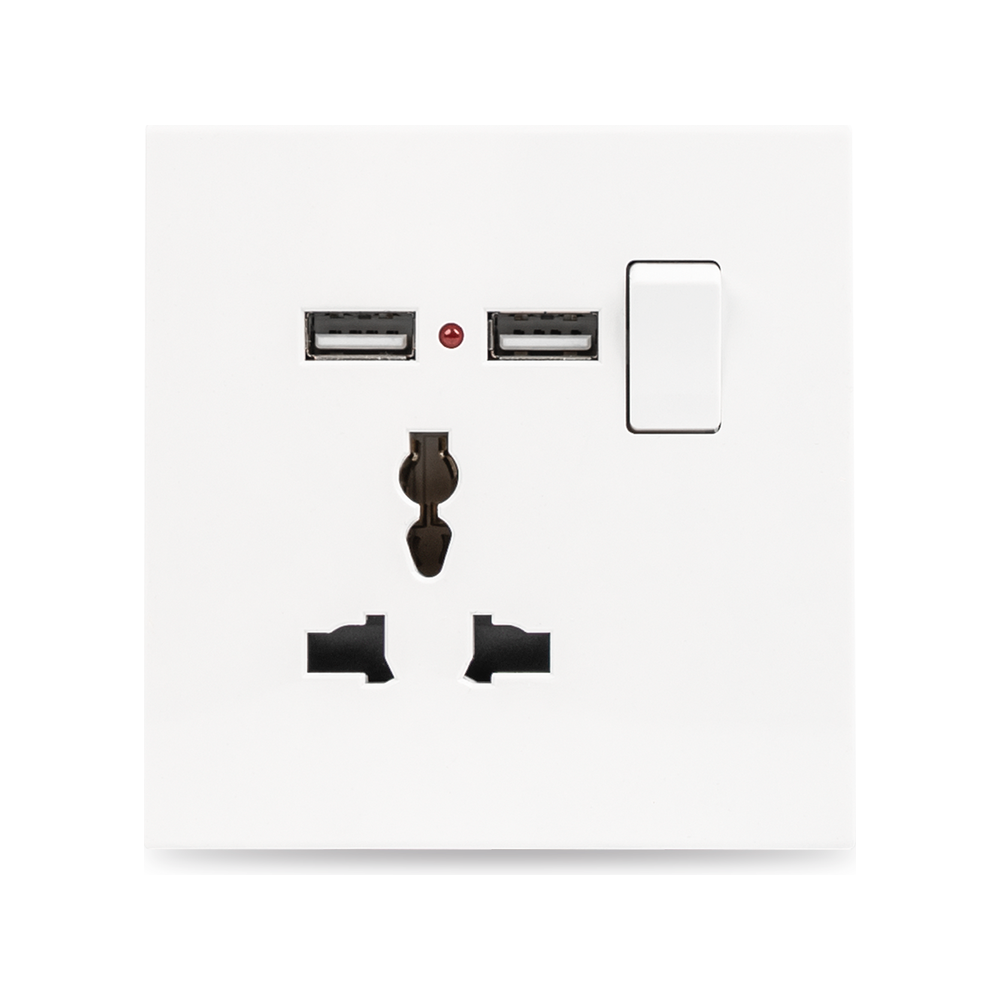
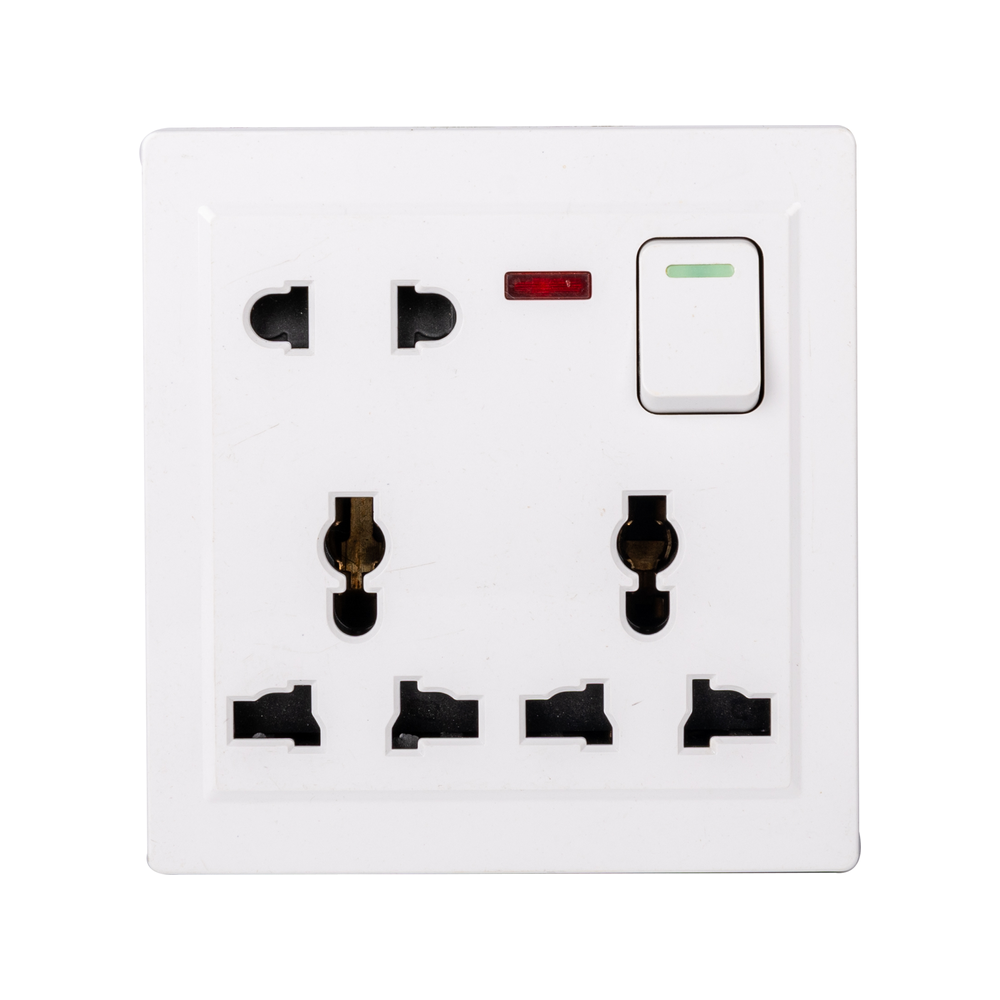
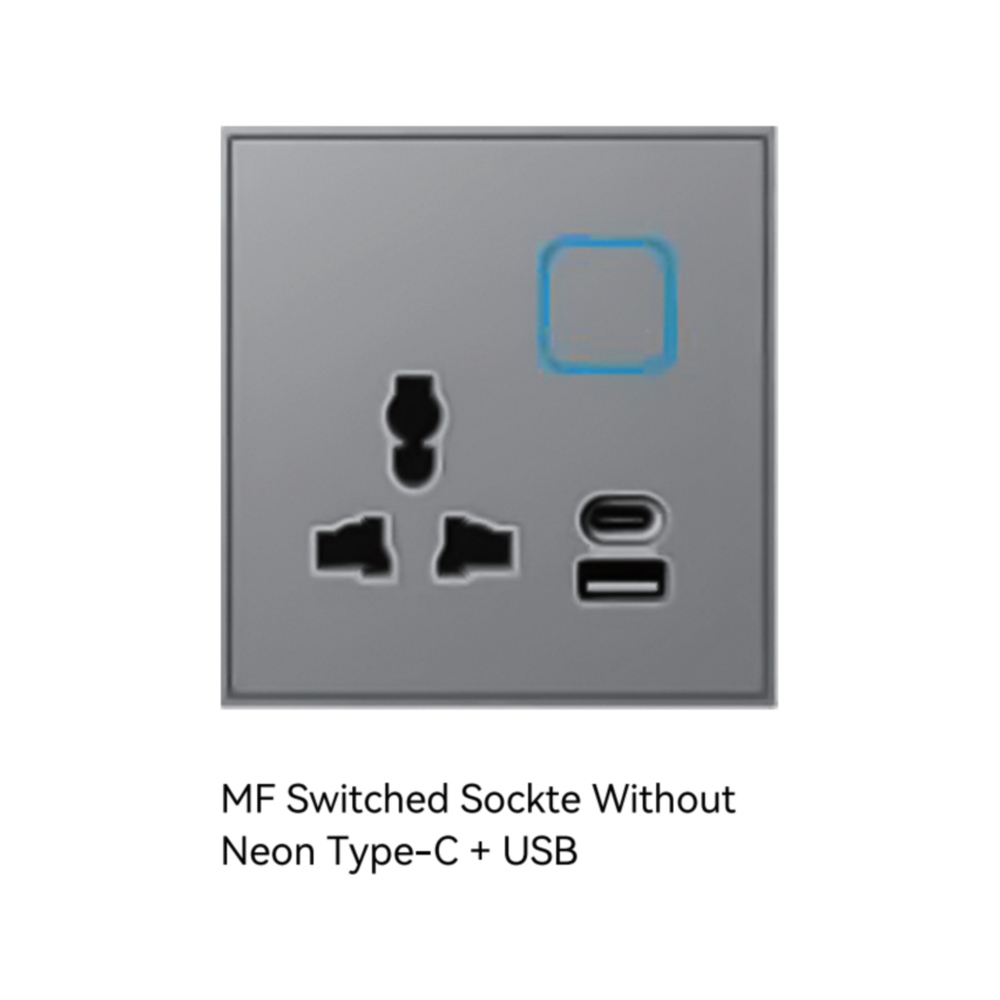
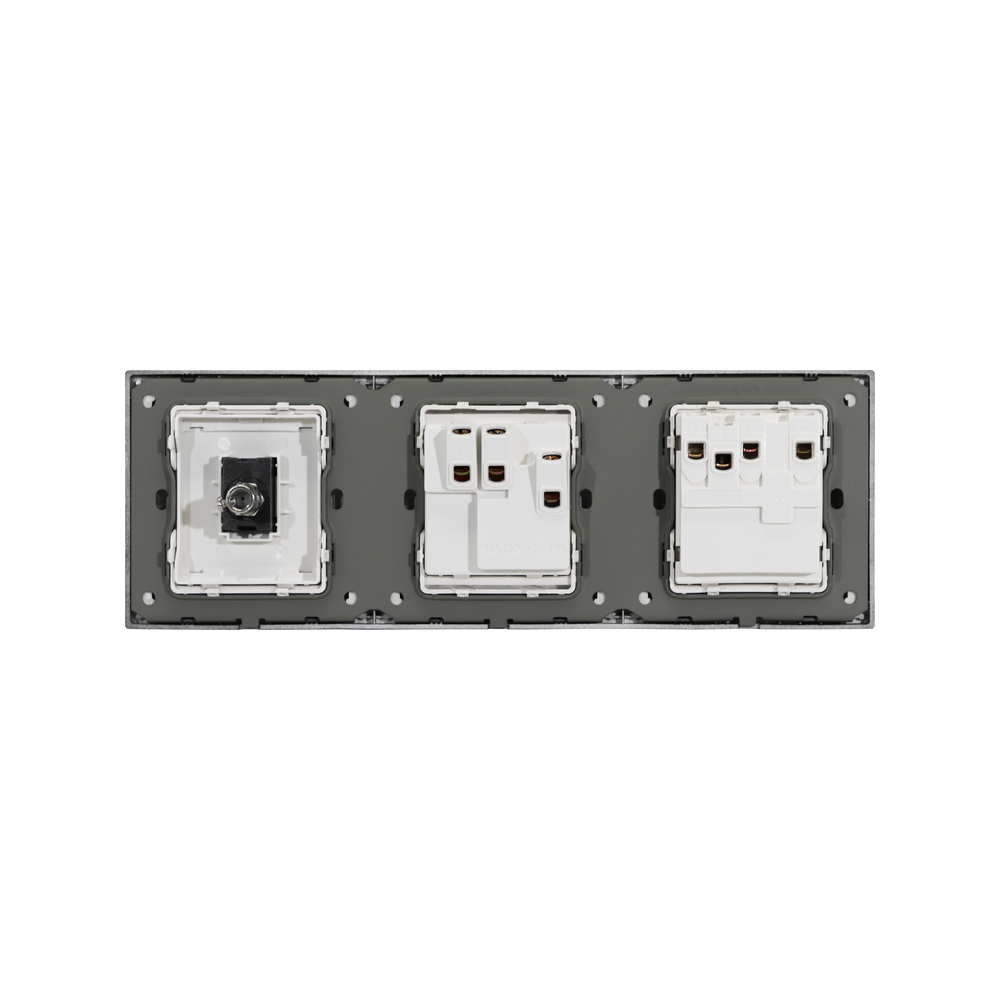
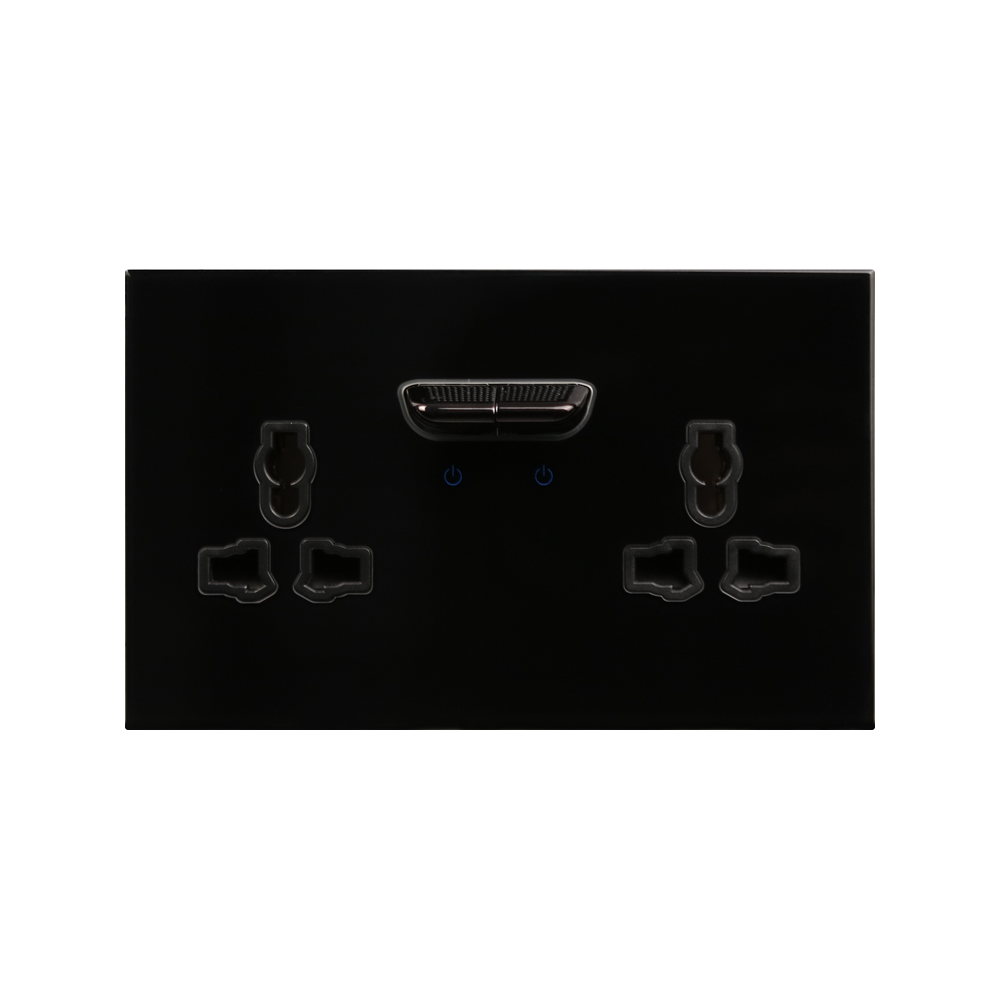
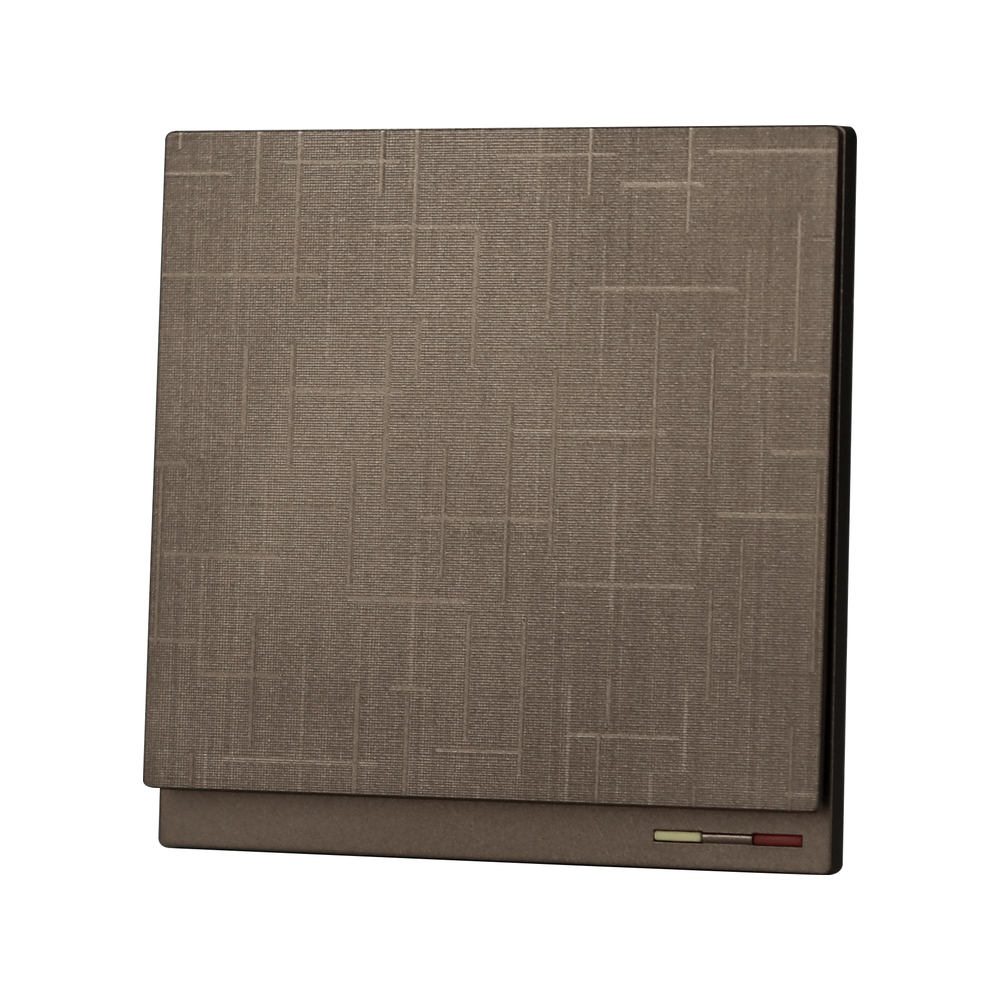
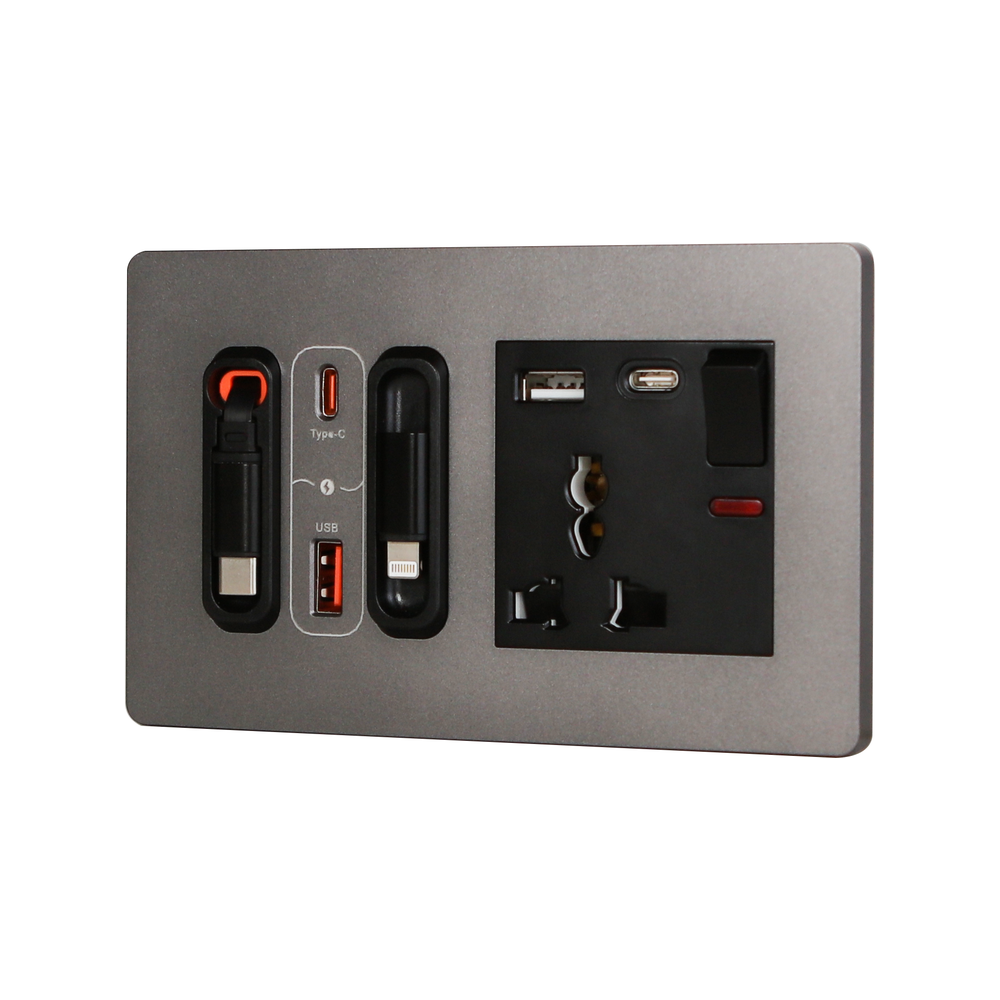
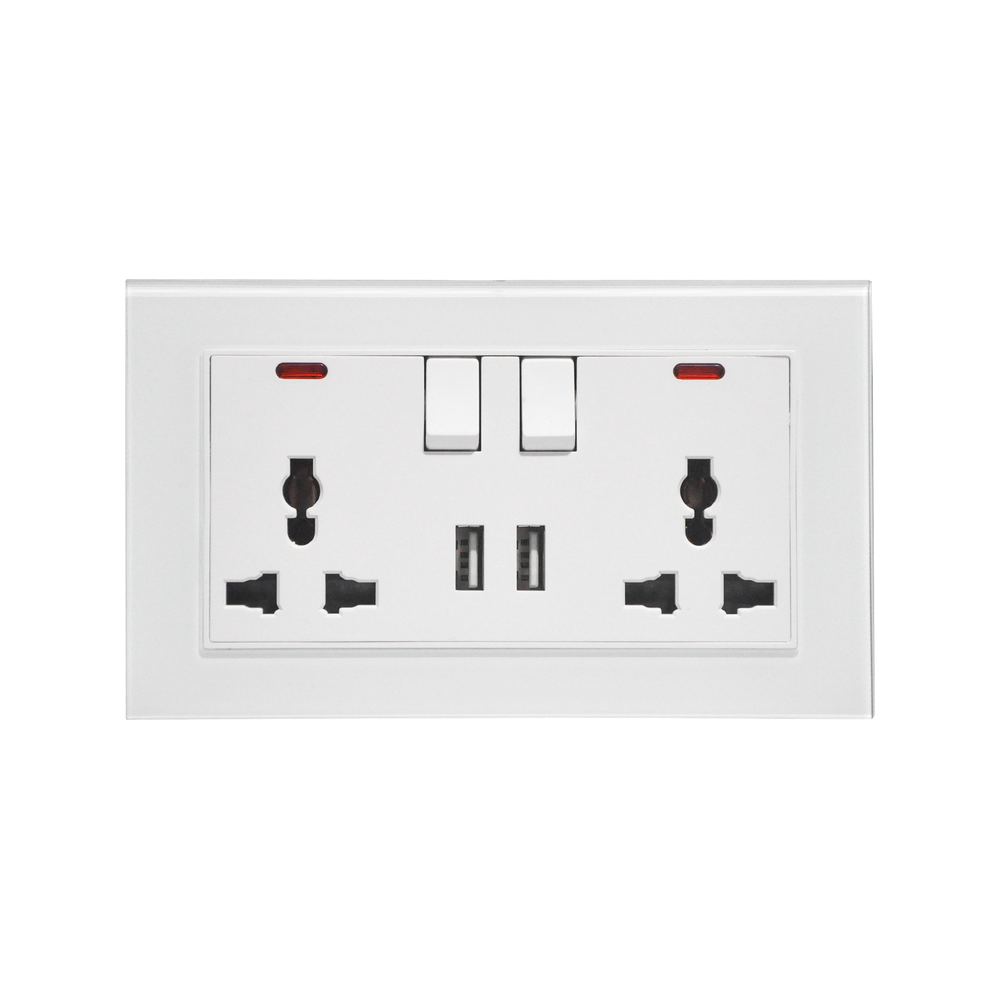
ABUK’s single power outlet with switch and twin electric outlet with switch are product options once the required replacement is known. The switched-outlet wiring guide explains the distinction between local socket control and a separate wall-controlled supply. Neither arrangement should be inferred from a symptom alone.
What else do users ask about a sparking socket?
Why does my socket spark when I switch it off?
Opening the contacts under load can produce a brief arc, but worn contacts, loose connections and damage can also cause sparking. Repeated or external sparking needs inspection.
Is a small spark at a socket switch normal?
A tiny internal arc can occur with some loads. It should not be declared harmless from appearance alone, particularly if it recurs or accompanies heat, noise, smell or visible damage.
What causes a switch to arc under load?
The contacts separate while carrying current. Load characteristics, contact wear and connection faults can influence the arc; the actual cause requires examination.
When is a sparking socket an emergency?
Smoke, fire, burning smells, melted material, loud arcing or repeated tripping calls for urgent action. Keep people away and follow the site’s emergency procedure without repeatedly operating or resetting the circuit.
Why does an extension lead spark when something is plugged in?
The same distinction applies: current starting to flow may cause a momentary event, while damaged contacts, a loose plug or an overloaded lead can produce a fault. Stop using a lead with heat, damage, burning smells or recurring arcing. Replacing it does not resolve a fault at the wall socket or appliance, so the complete connection needs assessment.
Sources
- IEC 60669-1:2017: fixed-installation switches.
- IEC 60884-1:2022: household socket-outlets.
- HSE electrical safety FAQs.
- Electrical Safety First: socket loading and warning signs.
The useful response to a spark is to note the circumstances and look for warning signs without trying to reproduce it. A working appliance and a small flash do not establish that the connection is sound. Have the fault identified before choosing a repair, including any damaged wiring or mounting behind the plate. If an accessory replacement is needed, ABUK’s socket catalogue can help identify the required format after the electrician has confirmed the load and installation requirements.