
 Wenzhou Lita Electric Co., Ltd.

How to Add an Outlet?
An extra outlet can remove an extension lead from a walkway or put a charger where it is actually needed. It does not give the room extra electrical capacity by itself. The new point will share a supply with other equipment unless the design provides a new circuit, so the first question is what will be connected and when those appliances will run together.
Adding an outlet means checking the existing circuit, choosing a workable cable route, fitting a suitable box and accessory, and completing the required tests. A competent electrician may be able to extend an existing circuit; a high-demand appliance, unsuitable wiring or a particular location may require another arrangement. IEC 60884-1:2022 concerns the socket product, while local wiring rules govern the extension. The useful plan includes both the load and the building work: where the cable can go, what wall access is needed and how the finished surface will be restored.
Can another outlet be added to the existing circuit?
Possibly, but the circuit needs assessment first. The electrician checks its protective device, conductor size, installation method, condition and existing demand. Neither a nearby socket nor an unused breaker position proves that an extension is suitable.
Describe the actual use. An occasional desk lamp and a regularly used high-demand appliance lead to different load questions. For illustration, a 2,000W resistive appliance at 230V draws about 8.7A. The electrician still has to consider other simultaneous loads and the conditions affecting the conductors and protection.
This is why adding more home electrical outlets can improve convenience without increasing the amount of equipment the circuit can safely supply. Electrical Safety First makes the same practical distinction for extension leads: their marked ratings still apply regardless of how many connection positions are available.

Where should the extra outlet be placed?
Start with the appliance and finished room layout. Check furniture, doors, heat, moisture and the route of the appliance lead. A socket hidden behind fixed cabinetry may create another access problem instead of solving the first one.
The proposed height needs to suit local requirements and accessibility, rather than a measurement copied from an unrelated project. The switch and outlet height guide explains common planning considerations. State the datum on the drawing, such as the accessory centre measured from the finished floor, so the position can be installed consistently.
How will the cable reach the new location?
A nearby outlet can look like an easy supply point while the wall between the two contains pipes, structural restrictions or construction that cannot simply be opened. The electrician needs a compliant route, protection appropriate to that route and access to make the connections.
Ask the quotation to separate electrical work from opening and restoring the wall. A masonry chase, an open partition and an outdoor route have different access and reinstatement needs. Agreeing those details early helps avoid a finished outlet surrounded by repair work that nobody included in the price.
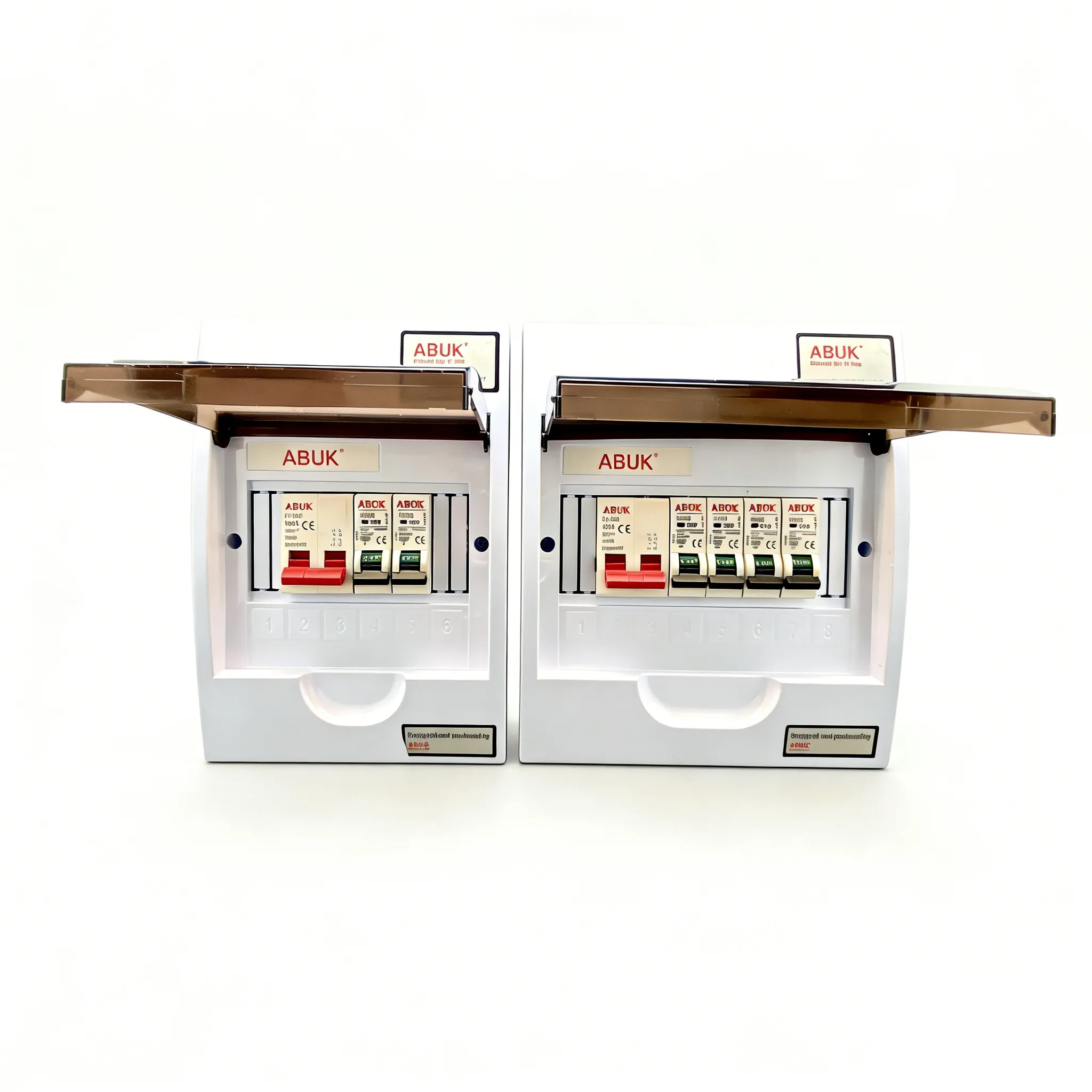
Does the extra outlet need new protection or a new breaker?
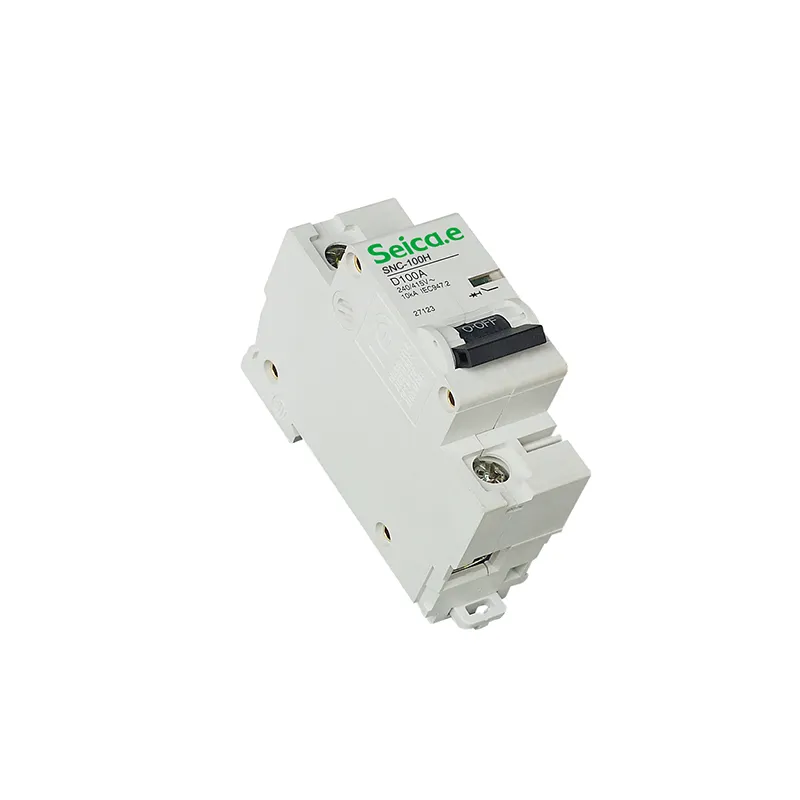
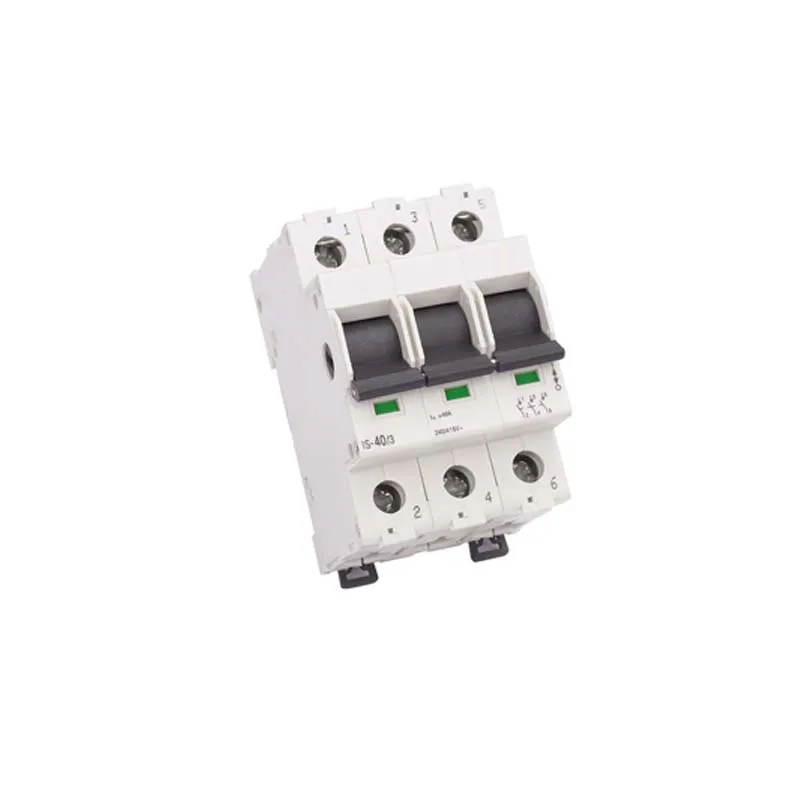
Not every additional point needs its own breaker. The decision follows the circuit design, load and local rules. A suitable existing circuit may be extendable; other work may need a dedicated supply or changes to protection.
RCD, RCBO, GFCI and AFCI requirements depend on the jurisdiction and installation. They should not be treated as interchangeable names or assumed from the socket’s appearance. A local rocker is an operating control, not an overload-protection device. HSE also notes that RCD protection does not prevent every shock or remove the need for safe isolation.
| Question | What the electrician checks | Why the answer can change the job |
|---|---|---|
| What will run here? | Appliance demand and simultaneous use | The load may need more than an extension of the nearest circuit |
| Where is the point? | Moisture, impact, outdoor exposure and access | The location may change the accessory or protection |
| What is the existing circuit like? | Conductors, protective device and condition | Repairs or a different supply may be needed |
| What must be tested? | Applicable continuity, polarity and protective checks | Commissioning is part of the work, not an optional extra |
What can make the job cost more than the socket?
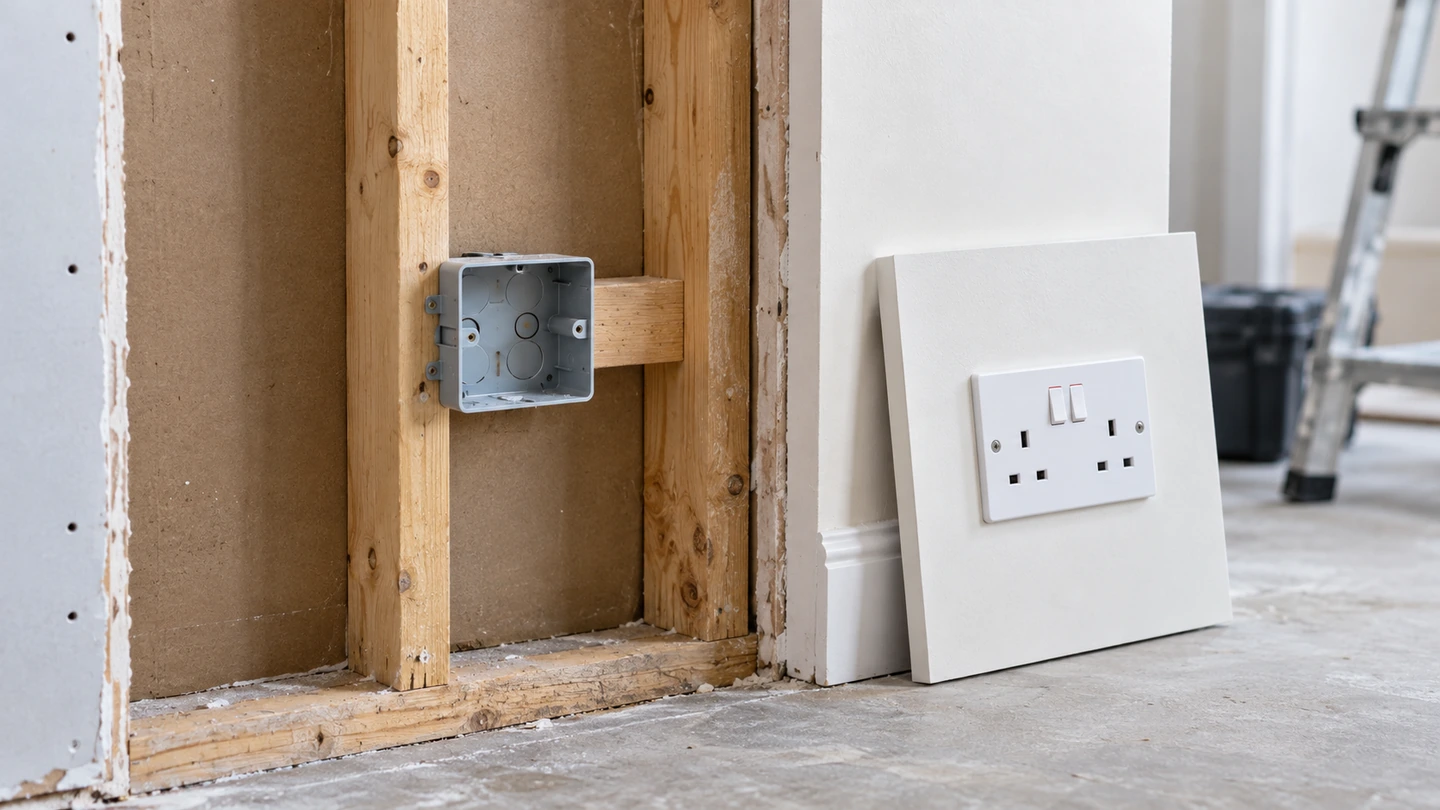
Access, box replacement and making good can account for substantial work even when the accessory itself is straightforward. Box space deserves an early check: the mechanism, conductor bends and connectors all have to fit without strain. USB and combination accessories can need a different recess from a plain mechanical socket.
| Item | Check before ordering | Work it can trigger |
|---|---|---|
| Back box | Depth, support and finished-wall position | Opening or rebuilding the recess |
| Terminals | Permitted wire type, size and number | A different accessory or connection arrangement |
| Cable route | Concealed services and protective details | A longer route or additional access |
| Wall finish | Who repairs plaster, paint or panels? | Separate making-good and decoration work |
How should the socket itself be selected?
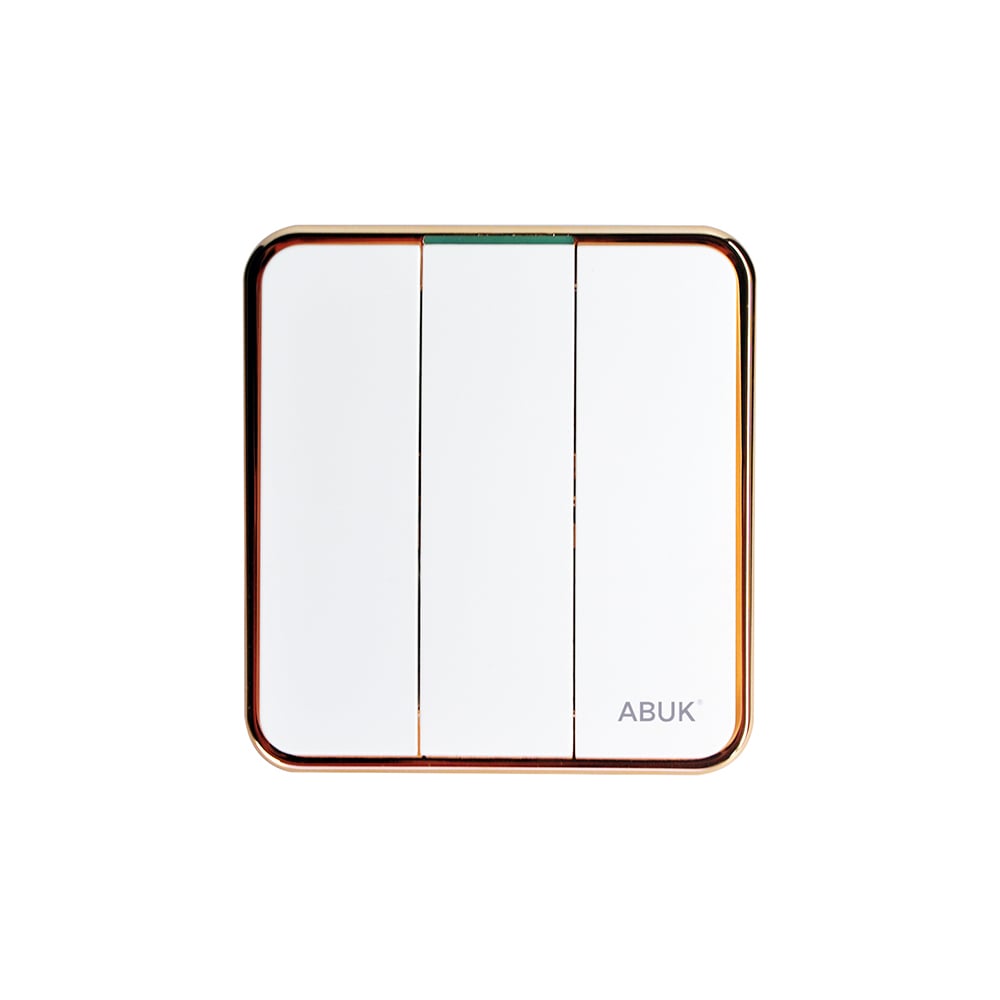
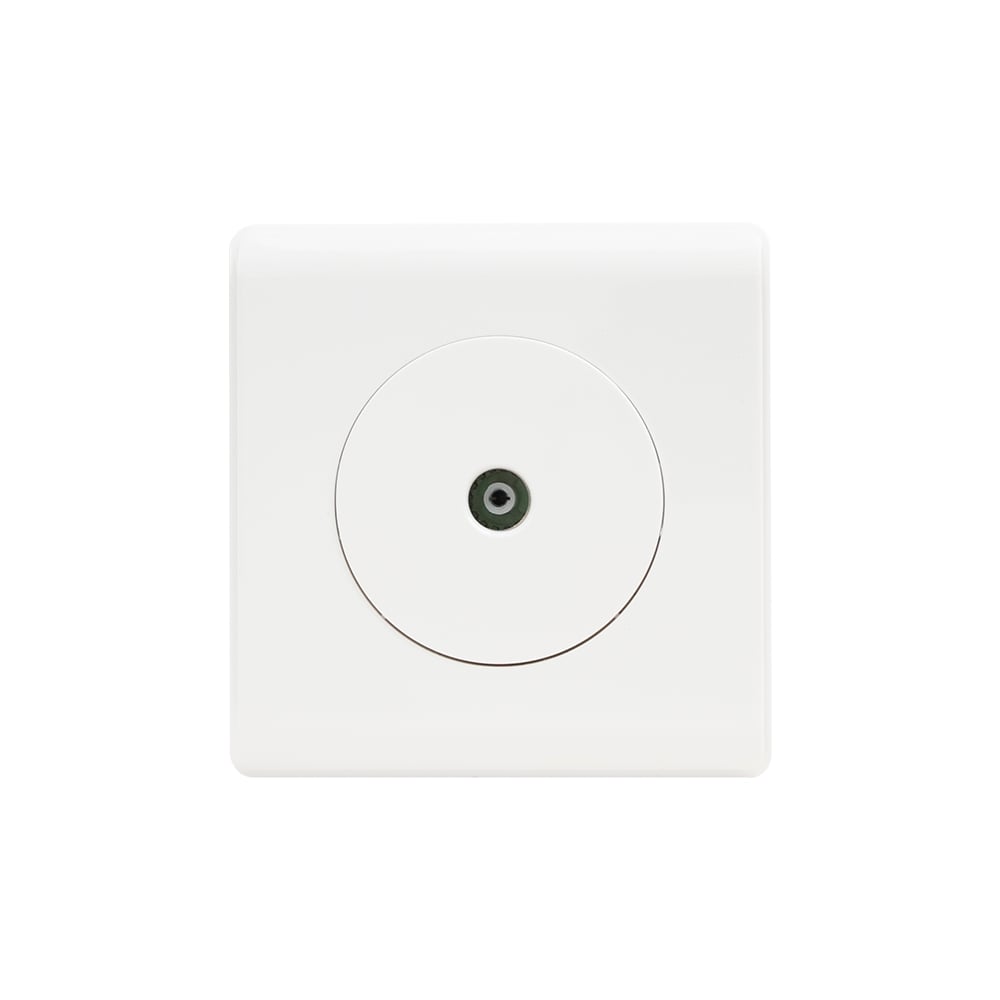
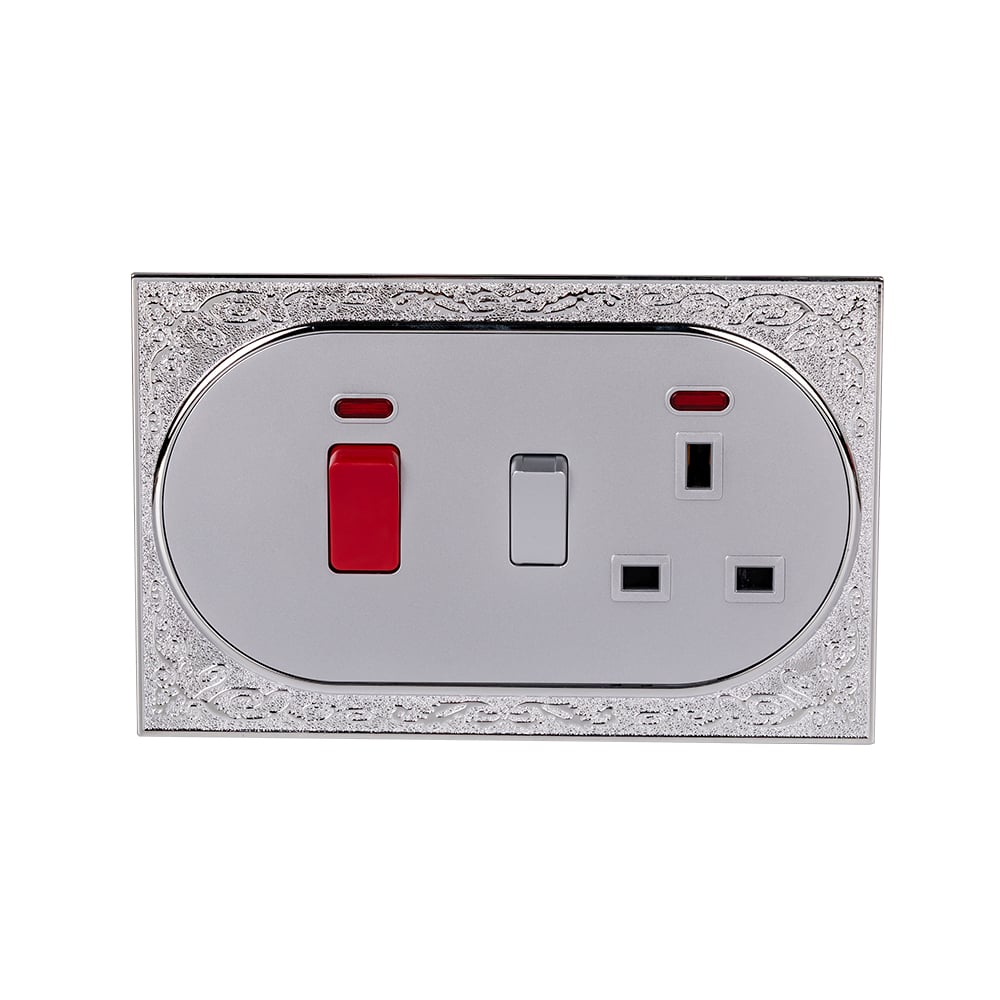
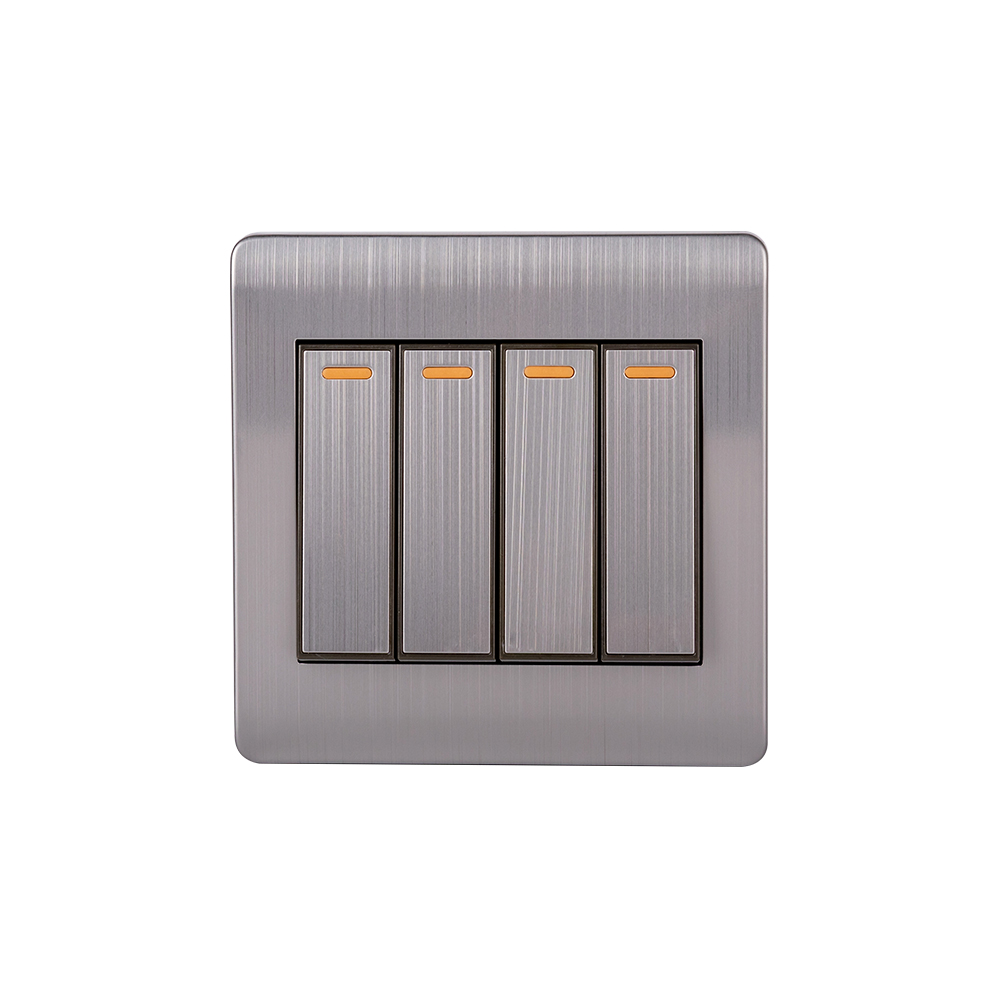
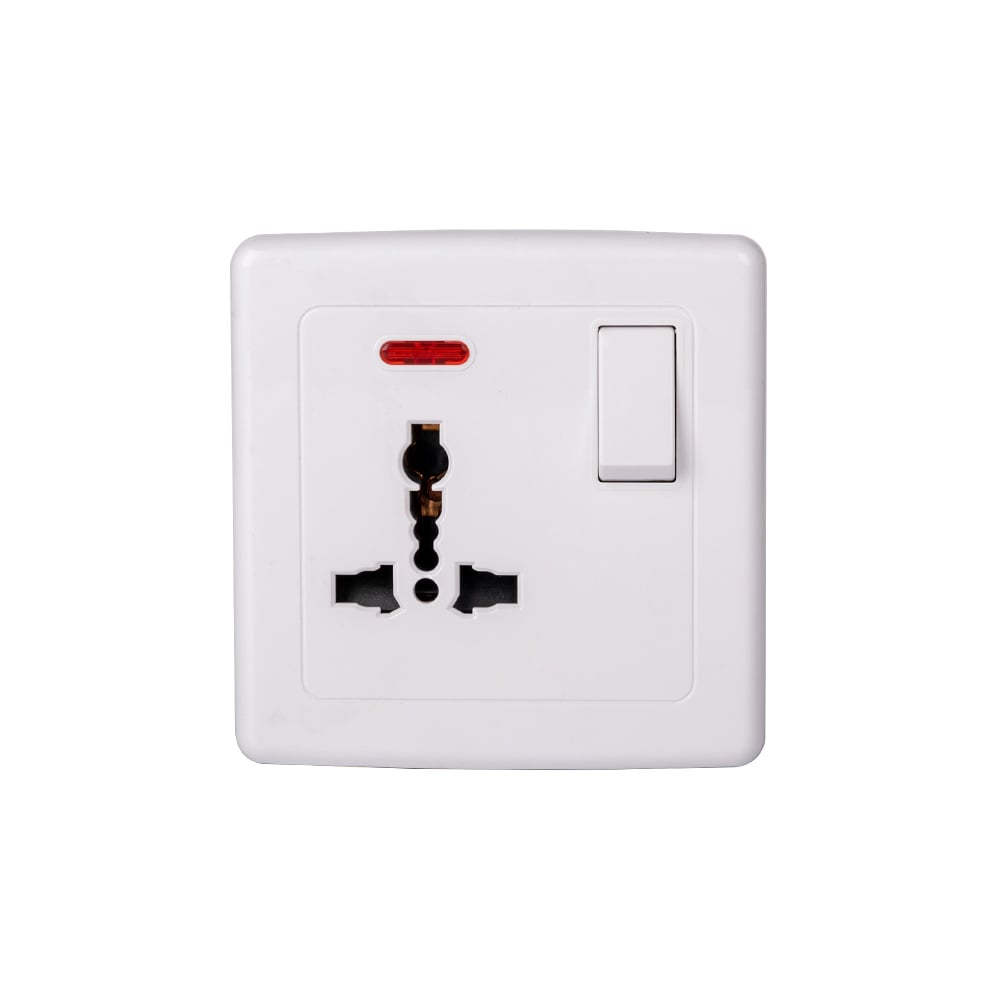
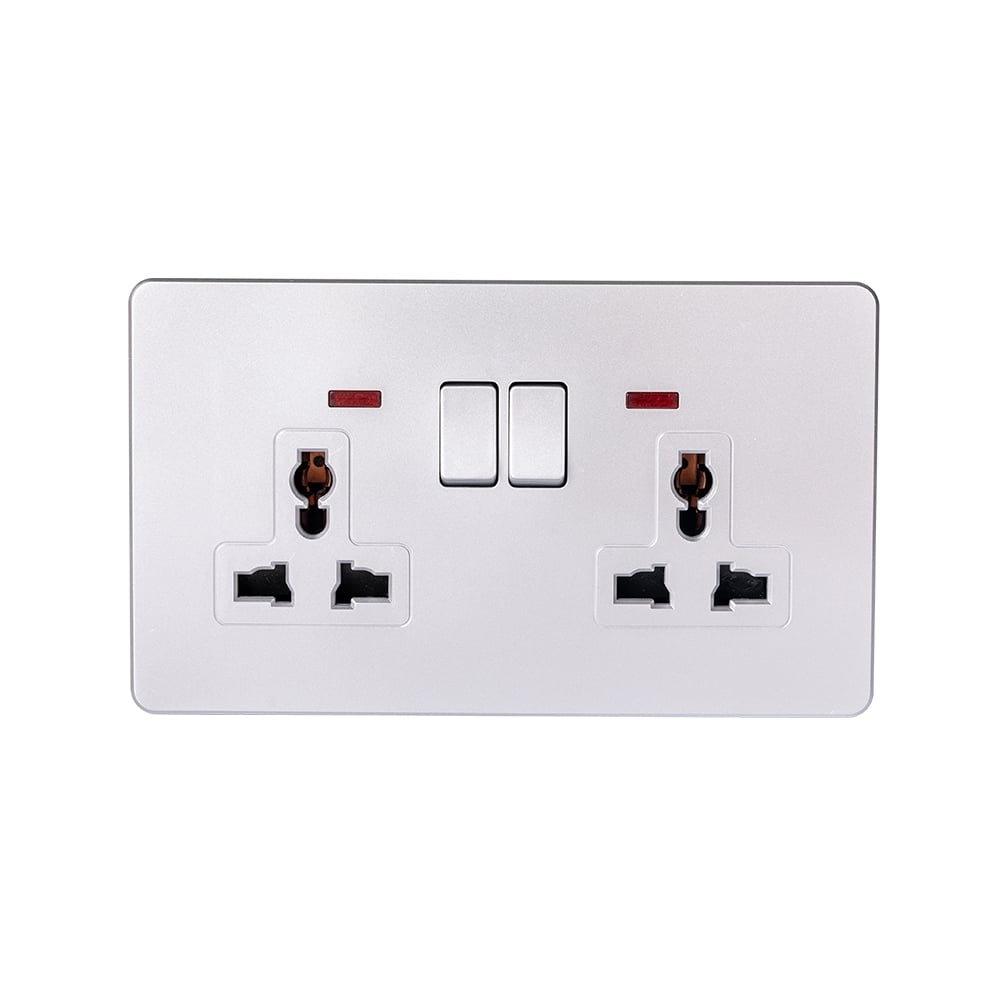
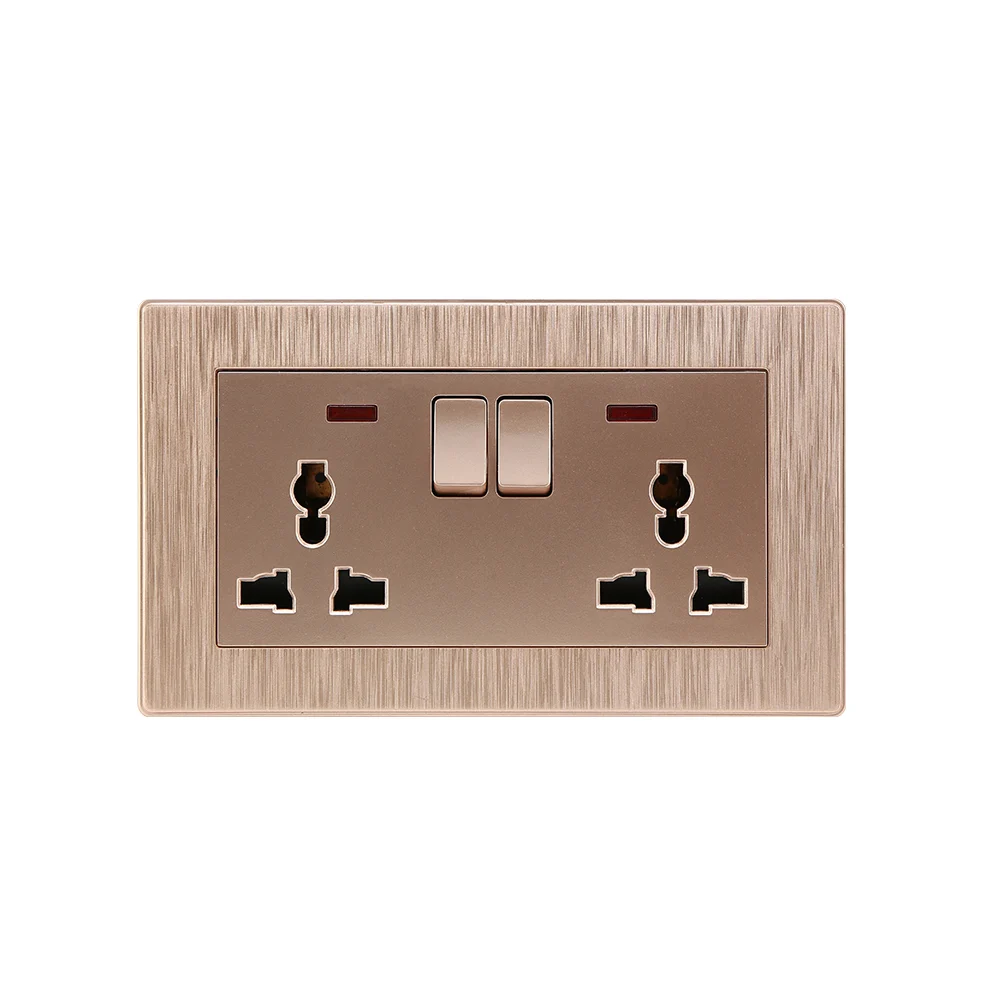
Once the circuit and location are established, choose the correct plug system, rating and control function. ABUK’s single wall socket and twin electrical socket outlets show two Series 10 formats. More connection positions do not increase the upstream circuit rating.
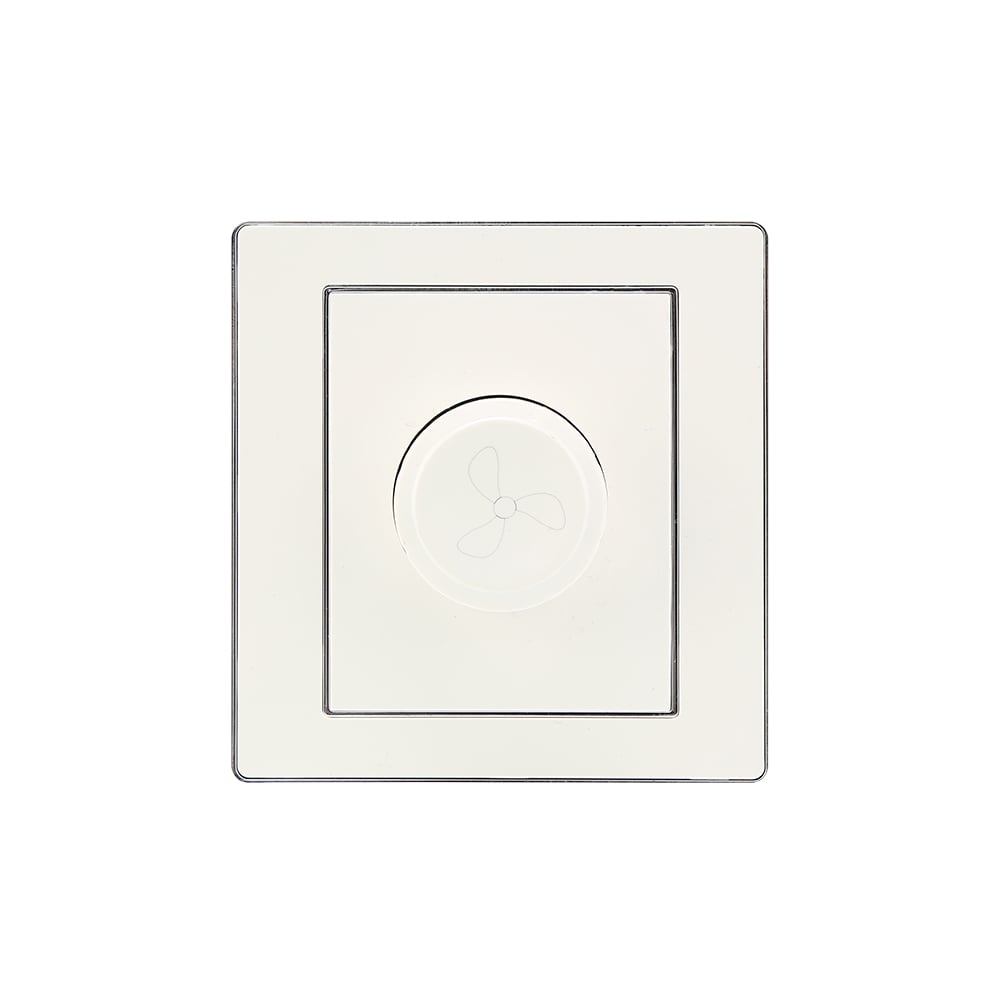
If a wall control should operate the new point, resolve that before the cable route is fixed. The switched outlet guide explains why the operating function affects the conductor arrangement.
The completed work needs the applicable inspection, tests and records. In England dwelling work, Approved Document P provides the building-regulation context; permit and notification requirements elsewhere follow the destination’s rules. An appliance working at the new outlet does not replace the required electrical checks.
What else should be asked before adding an outlet?
How do you add an electrical outlet safely?
A competent electrician assesses the circuit and route, isolates the work, fits a suitable box and accessory, and completes the required tests. Local approval or notification requirements also need checking.
Can I add a wall outlet to an existing circuit?
Possibly, if its design, condition, capacity and applicable rules allow it. Proximity to an existing socket is not enough to decide.
How do I calculate whether a circuit can support another outlet?
Assess the expected simultaneous loads alongside conductor and protection details under the local wiring rules. A watts-to-amps calculation for one appliance is only part of that assessment.
Does adding an outlet require a new breaker?
Not automatically. A suitable circuit may accept an extension, while a particular load, location or installation defect may require a different supply or protection.
Sources
- IEC 60884-1:2022: household socket-outlet requirements.
- HSE electrical safety FAQs.
- Electrical Safety First: socket and extension-lead loading.
- GOV.UK: Approved Document P.
Decide what the new point needs to supply before deciding where to connect it. Then agree the cable route, wall access, protection and making-good work with the electrician. That produces a more useful quotation than pricing the accessory alone and leaves fewer surprises once the wall is open. ABUK’s socket range can support selection after the installation requirements are known. Keep the final circuit and test record with the chosen model information for future changes.