
 Wenzhou Lita Electric Co., Ltd.
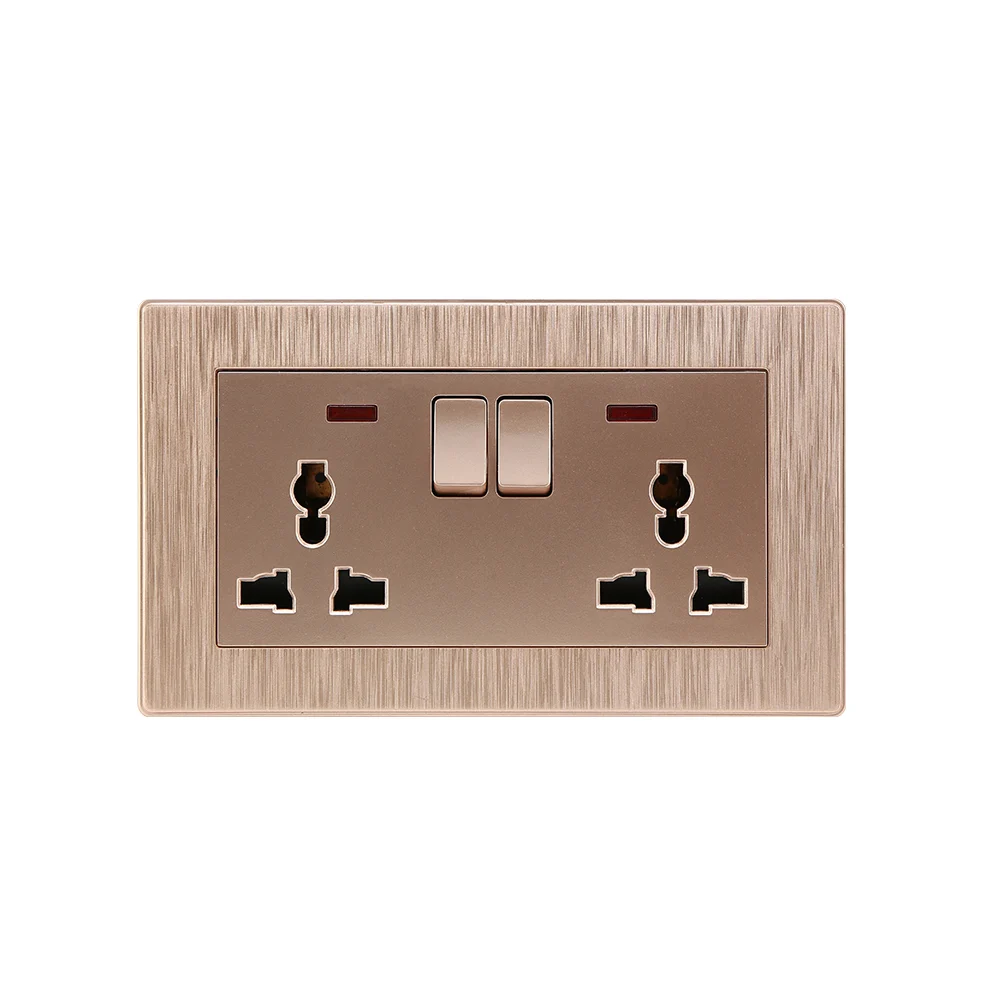
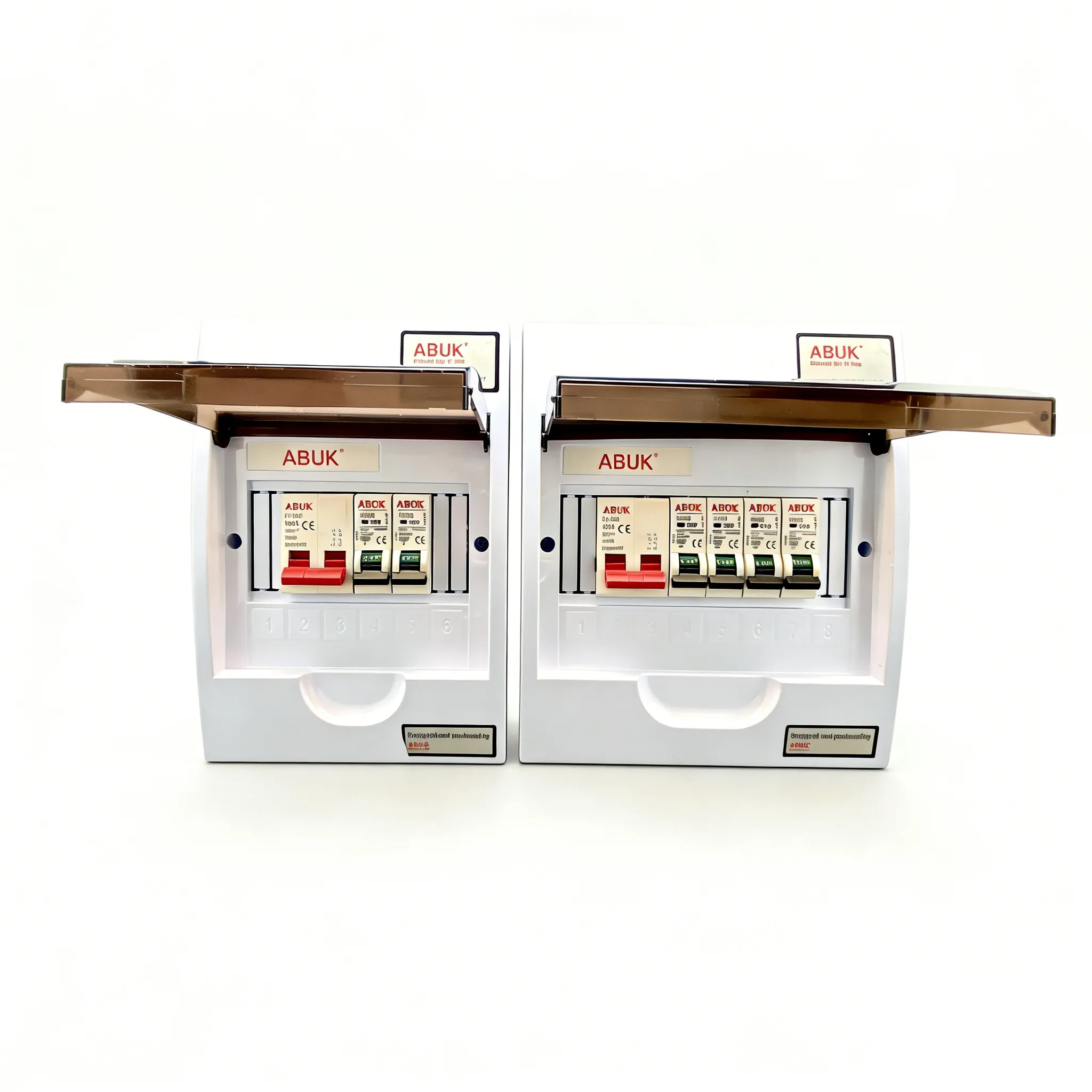

How to Wire a Switchable Outlet?
“Switchable outlet” can mean a socket with its own rocker, a receptacle controlled by a wall switch or an electronic outlet operated remotely. Those products may all turn a lamp off, but they do not use the same wiring arrangement. A replacement that looks right can leave the lamp permanently powered, switch the wrong receptacle half or remove a control the room previously relied on.
Before wiring a switchable outlet, establish exactly what should respond to the control. The electrician then identifies the supply, any switched line, neutral and protective grounding or earthing, and follows the selected model’s diagram. A half-switched duplex may use a removable connecting tab; a socket with a local rocker or electronic control may be entirely different. IEC 60884-1:2022 provides a household socket-product reference, while local wiring rules govern the circuit. The front plate cannot establish the conductor arrangement or tell the installer which links may be altered.
Where will the outlet’s on/off control be?
Start with how the room should work. A user may want to press a rocker beside the plug, operate a lamp from the door or use a compatible electronic control. Specify that behavior before choosing the accessory.
| Control arrangement | How it is used | What the wiring plan must resolve |
|---|---|---|
| Rocker on the socket | The user operates the socket locally | What the internal switch controls and its permitted load |
| Separate wall switch | The outlet responds to a control elsewhere | The supply route and identified switched conductor |
| Half-switched duplex | One receptacle half switches; the other stays powered | Device links and the continuous-power feed |
| Electronic control | The outlet responds through its specified interface | Supply, neutral, load and communication requirements |
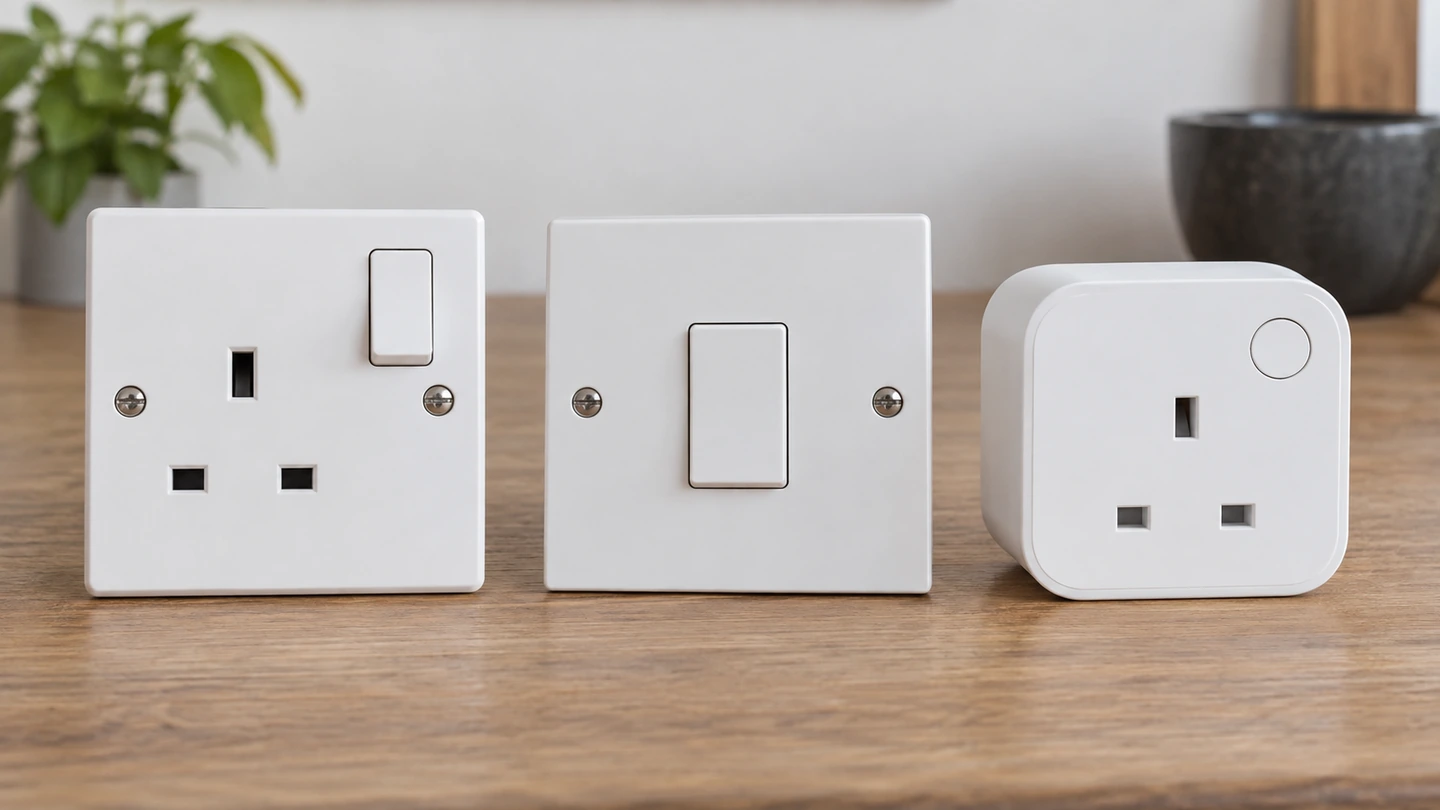
A smart plug is another possible control location, but it does not establish that the fixed wiring is sound. For electronic options, check what happens after a power interruption and whether manual control is available. A matching finish does not give a mechanical socket those functions.
Which wires does a wall-controlled outlet need?
In a conventional arrangement, the switch controls the intended line path to the receptacle. Neutral provides the load’s normal return path; protective grounding or earthing remains separate. The electrician needs to identify those functions in the actual circuit, including any continuous supply required at the outlet.
Wire colours are useful identification aids, but they are not enough to establish function in altered or older wiring. Neither is the position of a conductor on an old accessory. Circuit tracing comes before choosing the connections.
The switched outlet guide explains the distinction between a controlled supply and an always-live one. Safe work still requires secure isolation and proving dead, as HSE advises. A lamp going out when the switch is pressed does not establish that all conductors in the box are isolated.
When is a duplex outlet only half switched?
A half-switched outlet lets one receptacle respond to a switch while the other remains powered. That can serve a controlled lamp alongside equipment that should stay on. The installer must establish which half does which job and whether the selected device supports the arrangement.
On some devices, a removable line-side tab separates the receptacle feeds. It is not a universal feature, and its presence does not authorize every possible supply arrangement. The manufacturer’s diagram determines which link can be removed. The neutral side must follow the actual design rather than simply copying the treatment of the line side.
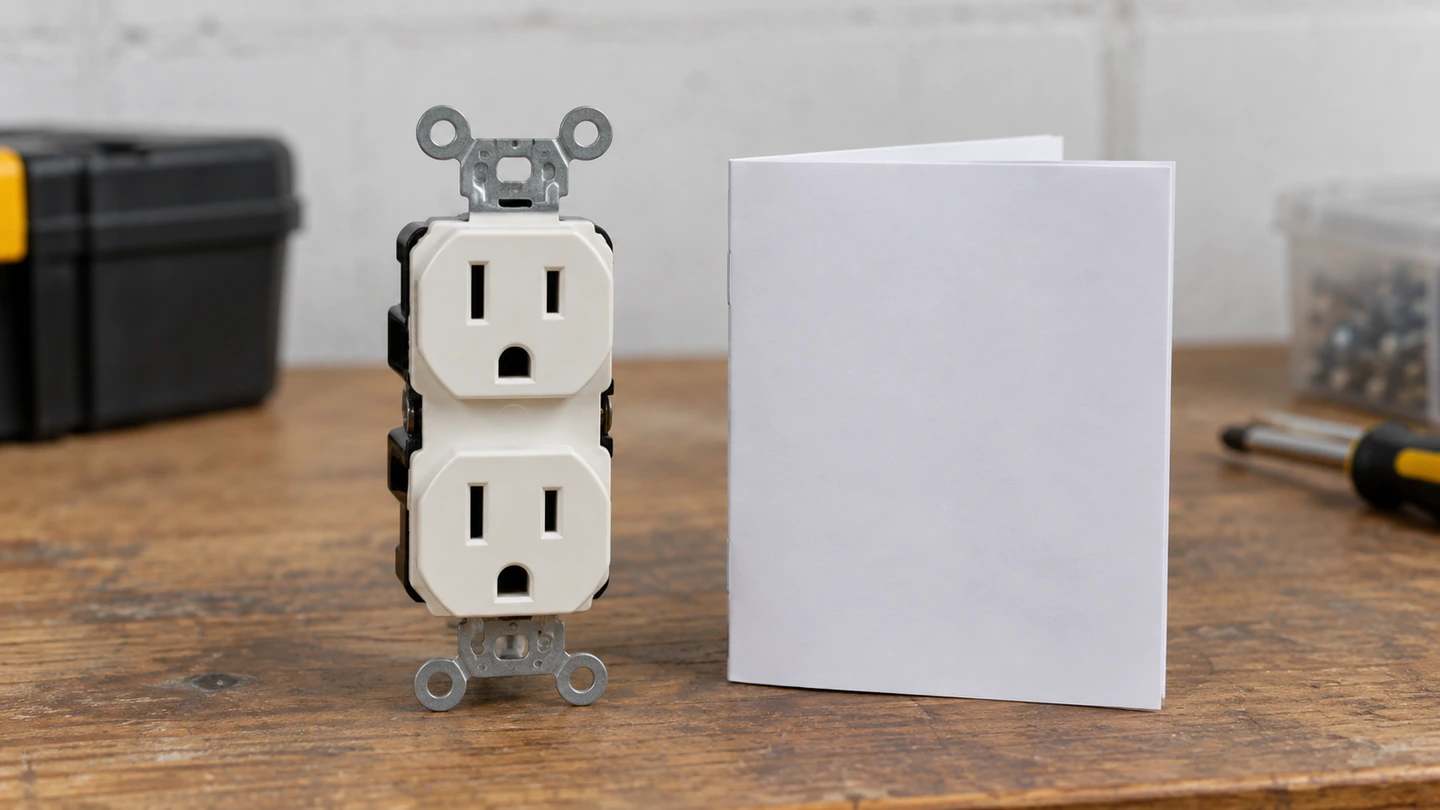
Leviton’s 5225-W combination-device page illustrates how specific these instructions are: it describes break-off links permitting separate feeds on that product family. It does not establish the tab layout of an unrelated duplex device or an ABUK socket.
If the proposal involves more than one circuit, shared-neutral and disconnection requirements need particular review under the local code. The handover information should make every supply identifiable to the next person maintaining the box.
Can a controlled outlet supply any appliance?
No. The switch duty, receptacle rating and connected appliance must suit one another. A desk lamp, heater, compressor and electronic power supply are different loads. An ordinary lighting dimmer should not feed a general-purpose receptacle unless a specifically permitted product and installation arrangement allows it.
Also consider what happens when someone turns the control off. A refrigerator, network device or monitoring system may lose service. If continuous operation is important, an easily pressed switch can be an operating problem even when the electrical installation is otherwise correct.
What should the electrician check before closing the box?
| Check | What needs to be clear? | Problem it helps avoid |
|---|---|---|
| Control function | Which outlet or half responds to which switch | A lamp that never switches or equipment that shuts down unexpectedly |
| Device diagram | Exact terminal functions and permitted links | Incorrect tab removal or a copied terminal arrangement |
| Neutral and protective connections | The continuity required by the actual design | An altered connection left unverified |
| Mounting and tests | Box space, secure fitting and required test results | Strained wiring or incomplete commissioning |
At handover, test the intended operating states as well as the required electrical protective measures. Show that the designated outlet switches and, where applicable, that the other half remains powered. The installation record should identify the model and circuit arrangement.
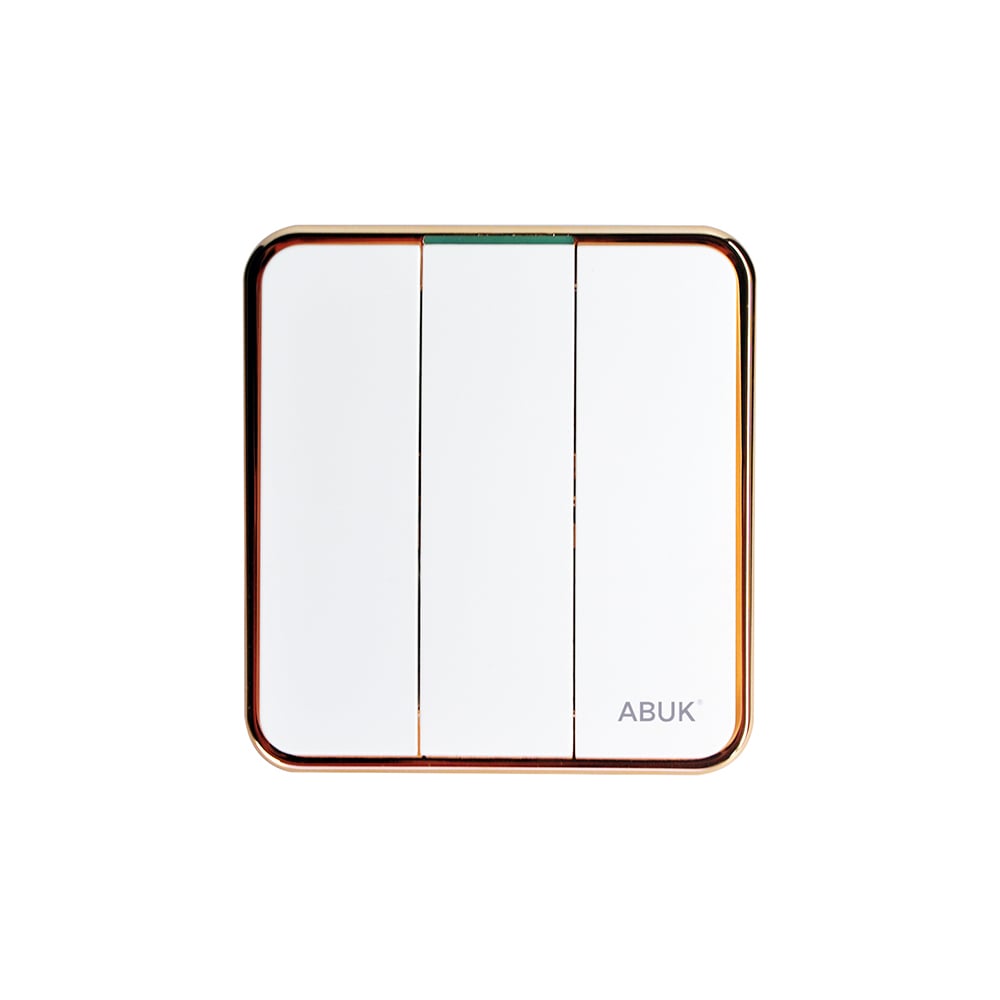
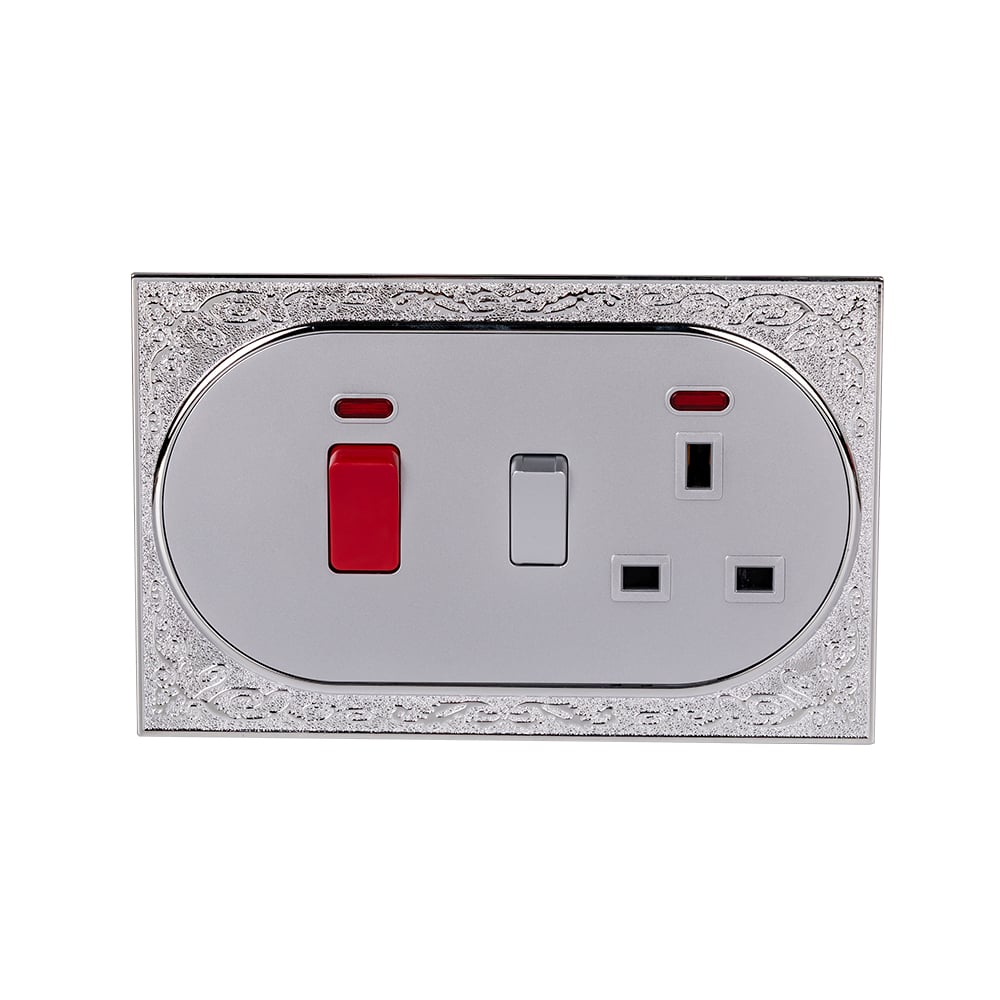
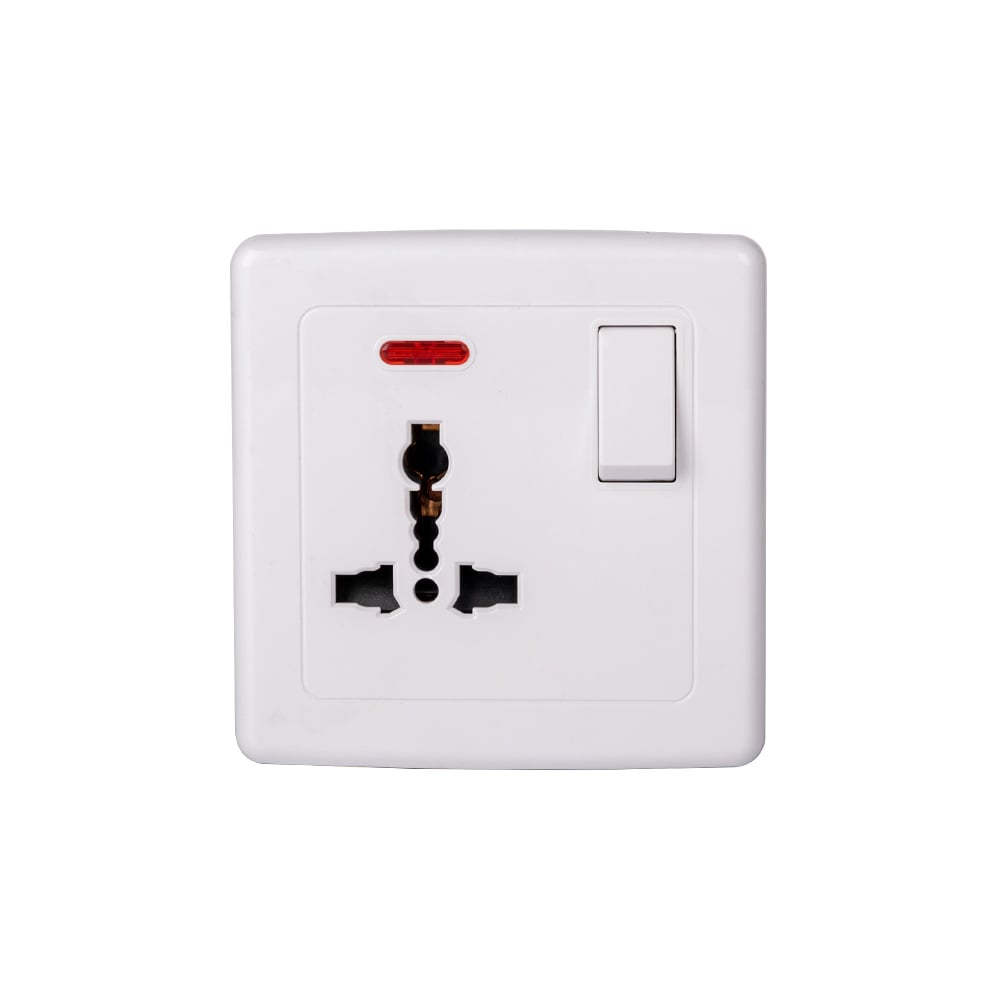
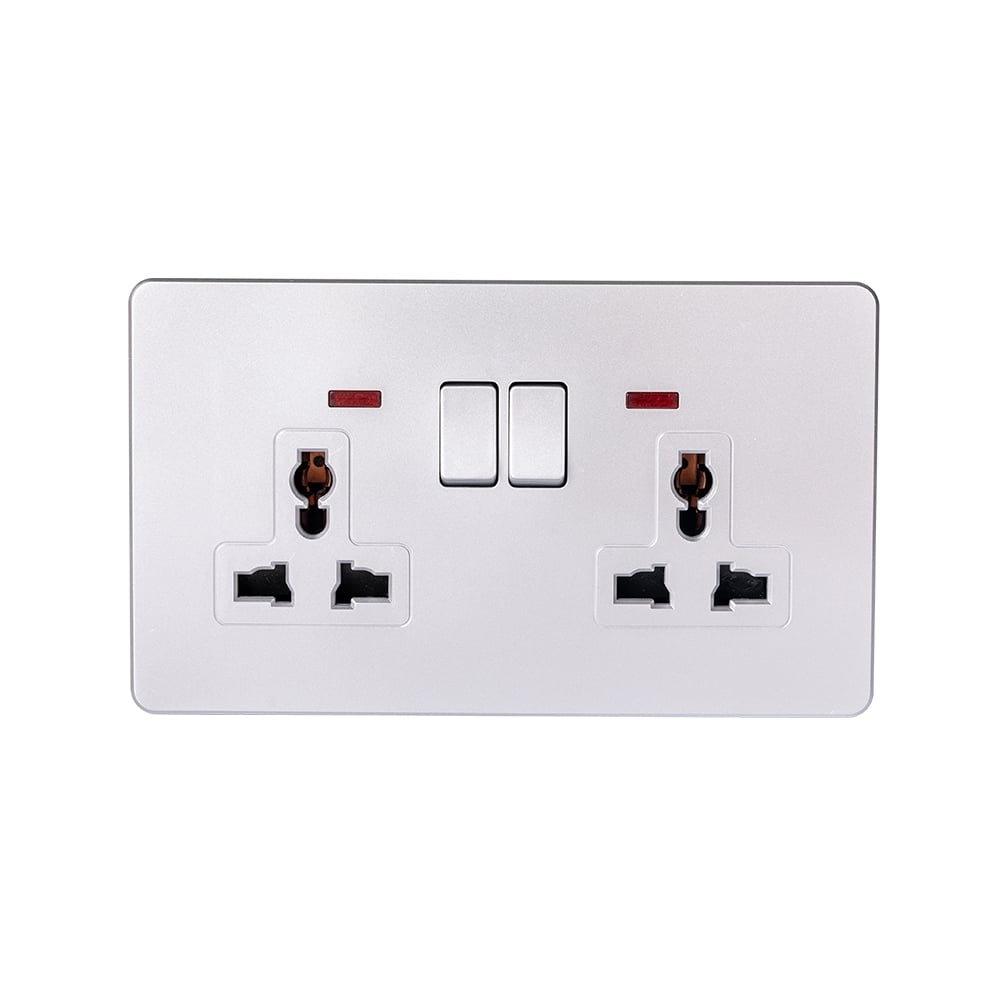
ABUK’s Series 10 single switched socket and twin switched socket are locally controlled formats. Their product pages do not establish a split-duplex or remote-control function. For a different objective, the always-live combination-outlet guide discusses keeping the receptacle powered while controlling a separate load.
What else do users ask about switchable outlets?
How do you wire a switchable outlet?
First define the control function, then have a competent electrician identify the circuit and follow the exact device diagram. Local rockers, remote wall switches and electronic outlets do not share one terminal layout.
What is the difference between a switchable and switched outlet?
“Switched outlet” usually describes a receptacle controlled by a switch. “Switchable” is broader informal wording that can include local, remote or electronic control. Describe the required behavior in the specification.
Can a switchable outlet control a lamp remotely?
Yes, when the arrangement includes a suitable separate wall switch or compatible electronic control. A rocker on the socket alone provides local control.
How do I wire a half-switched outlet safely?
The electrician must verify the duplex model, permitted links, feeds, neutral and grounding arrangement. A tab shown in another product’s instructions is not permission to alter this one.
Sources
- HSE: safe isolation and competent work.
- IEC 60884-1:2022: household socket-outlets.
- Leviton 5225-W: model-specific combination-device information.
- GOV.UK: Approved Document P.
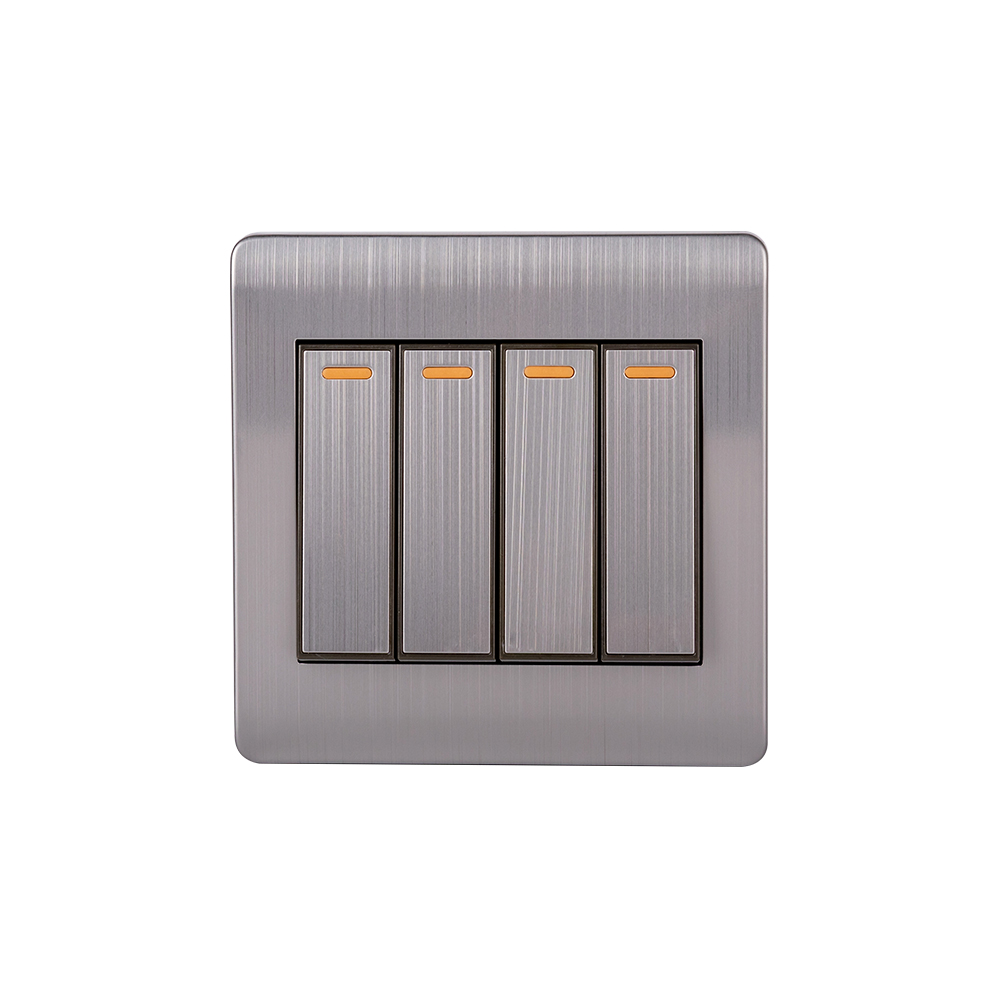
Write down what should happen when the control is operated: which lamp or receptacle turns off, and what remains powered. That simple description gives the electrician a useful starting point for the conductor and device checks. Follow the actual model diagram, especially for removable links and more than one supply, and retain the test record after installation. ABUK’s switch and socket catalogue can help identify local-control products once the required arrangement is clear.