
 Wenzhou Lita Electric Co., Ltd.





Can You Use a Dimmer Switch With Fluorescent Lights?
When a facilities buyer in Leeds considers dimming a meeting room with fluorescent strips, a new wall plate looks like the inexpensive part of the job. In an illustrative survey, however, the fixture schedule identifies the tube but says nothing about the ballast. Without that second model number, the contractor cannot tell whether the proposed control will do anything useful.
Summary: Fluorescent lights can be dimmed only when the lamp, ballast and control are designed to work together. Check all three. A standard on/off ballast is not made dimmable by changing the switch; a ballast marked 0–10 V needs a control and circuit arrangement suited to that interface.
Why is the ballast model more useful than the tube length?
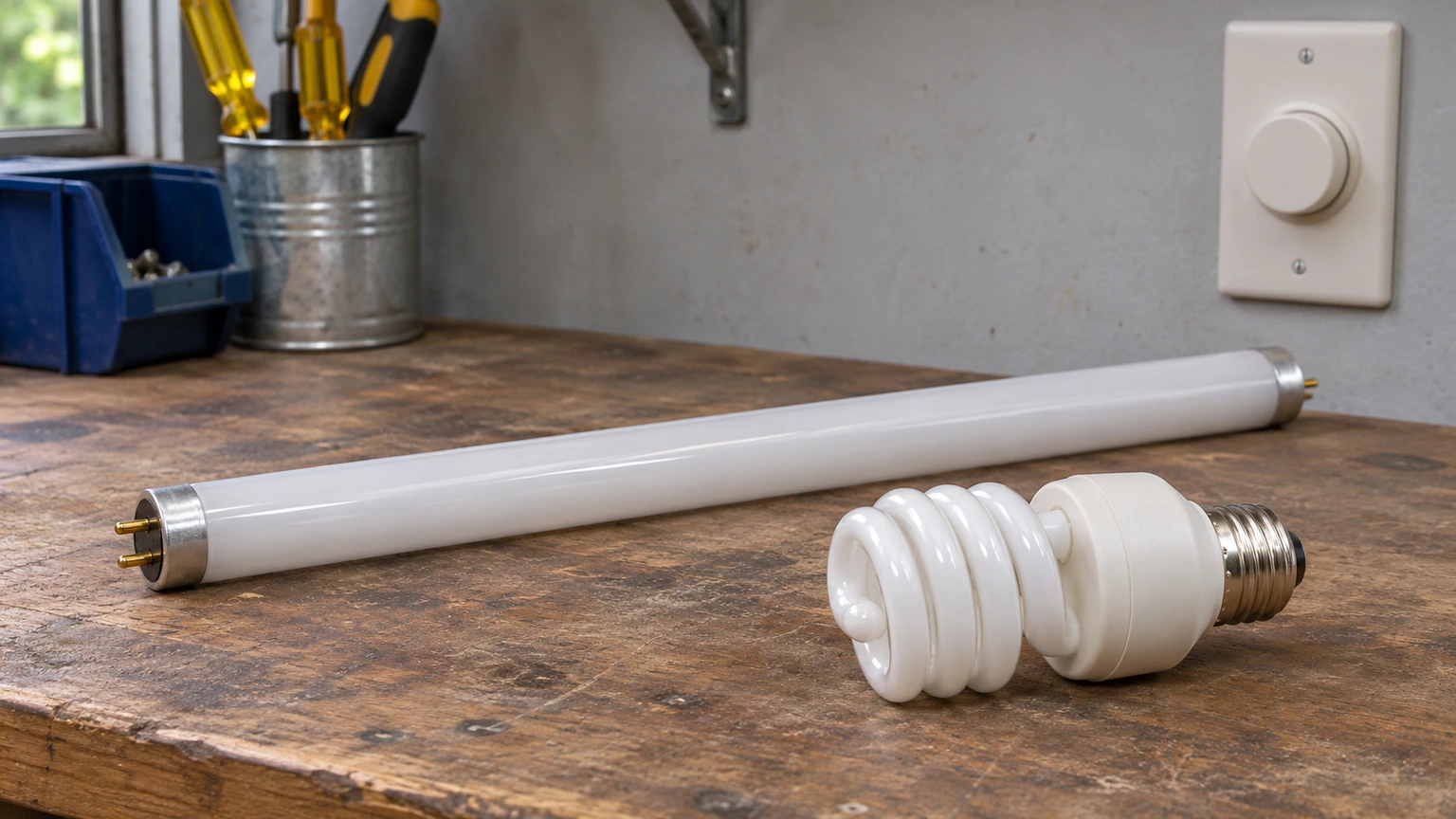
A fluorescent tube needs equipment to start the discharge and regulate its operating current. The ballast does that work. Two ceilings can contain tubes with identical dimensions and quite different control gear above the diffuser. Ordering from a photograph of the tube can therefore lead to a costly second visit.
Request the complete ballast reference, the approved lamp types and count, the supply rating and the published control method. Have an authorized technician identify equipment where the label is inaccessible. For a screw-in compact fluorescent lamp the ballast is commonly part of the lamp itself; the carton or manufacturer's sheet must explicitly permit dimming.
Which signal does the ballast expect?
A phase-cut wall dimmer alters the mains waveform. A 0–10 V system uses a control signal separate from the power feed. The two descriptions refer to different interfaces, even if both controls have a similar slider. Leviton's IP710-LFZ is a manufacturer example of a control intended for specified 0–10 V ballasts or drivers; that designation cannot be transferred to an ordinary domestic slider.
Check what “off” means in the proposed system, how the load power is switched, and how many ballasts one control may serve. A control's switching rating and the capacity of its control interface are different constraints. Ask the installer to identify both on the submitted design, particularly when several luminaires respond to one wall station.
When does it make more sense to replace the fixture?

Price three realistic alternatives: retaining the existing on/off equipment, replacing the ballast and adding a matched control, or installing an LED system with documented dimming. Compare installed work, ceiling access, control cabling, spare availability and disruption during working hours. A cheap control can be the most expensive choice if it requires opening a finished ceiling twice.
For a pilot room, start the lamps from off at the lowest intended scene, allow the equipment to reach normal operating conditions, then sweep through the range. Observe the whole group from the meeting table. A setting acceptable for a corridor can be distracting during a presentation, even when no component has technically failed.
Match the control to the complete fixture
| Equipment found | Possible approach | Evidence needed |
|---|---|---|
| Fixed-output fluorescent ballast | Retain switching or redesign | Ballast model and fixture documentation |
| Dimming ballast with control terminals | Specify a matched control system | Interface, control capacity and switching method |
| Screw-in CFL | Use a rated lamp/control pairing | Explicitly dimmable lamp and compatible dimmer |
How the quote changes with the project
| Project condition | Cost or acceptance question |
|---|---|
| Occupied meeting rooms | Can work be completed without repeated ceiling access? |
| Several luminaires on one zone | Will all start and track together at presentation level? |
| Proposed LED tube conversion | Is the replacement approved for the existing ballast or a different fixture arrangement? |
Which documents should travel with a ballast substitution?
Keep the luminaire identification, the ballast data sheet, the control instructions and any retrofit approvals together. A control sold for a North American voltage is an example of an interface, not a specification for a UK building. Where local wiring or emergency-lighting requirements apply, have the appointed contractor document how the proposed change preserves those functions.
For tube fittings, specify the dimmable fluorescent ballast and its signal first. For screw-in lamps, establish CFL dimmer compatibility from the lamp and control references instead.
Put the ballast reference on the enquiry
Require a supported lamp-and-ballast combination, documentation for the dimmer, and an acceptance test for the complete zone. For emergency lighting or controlled escape routes, involve the responsible lighting professional before changing operating behaviour. Ordinary dimming documentation does not establish emergency-mode performance or compliance with the local installation requirements.
A filament responds directly to reduced power; the discussion of incandescent bulb dimming explains why that familiar behaviour is a poor model for a fluorescent ballast. Two wall stations also require an appropriate 3-way dimmer arrangement, independent of the ballast protocol.
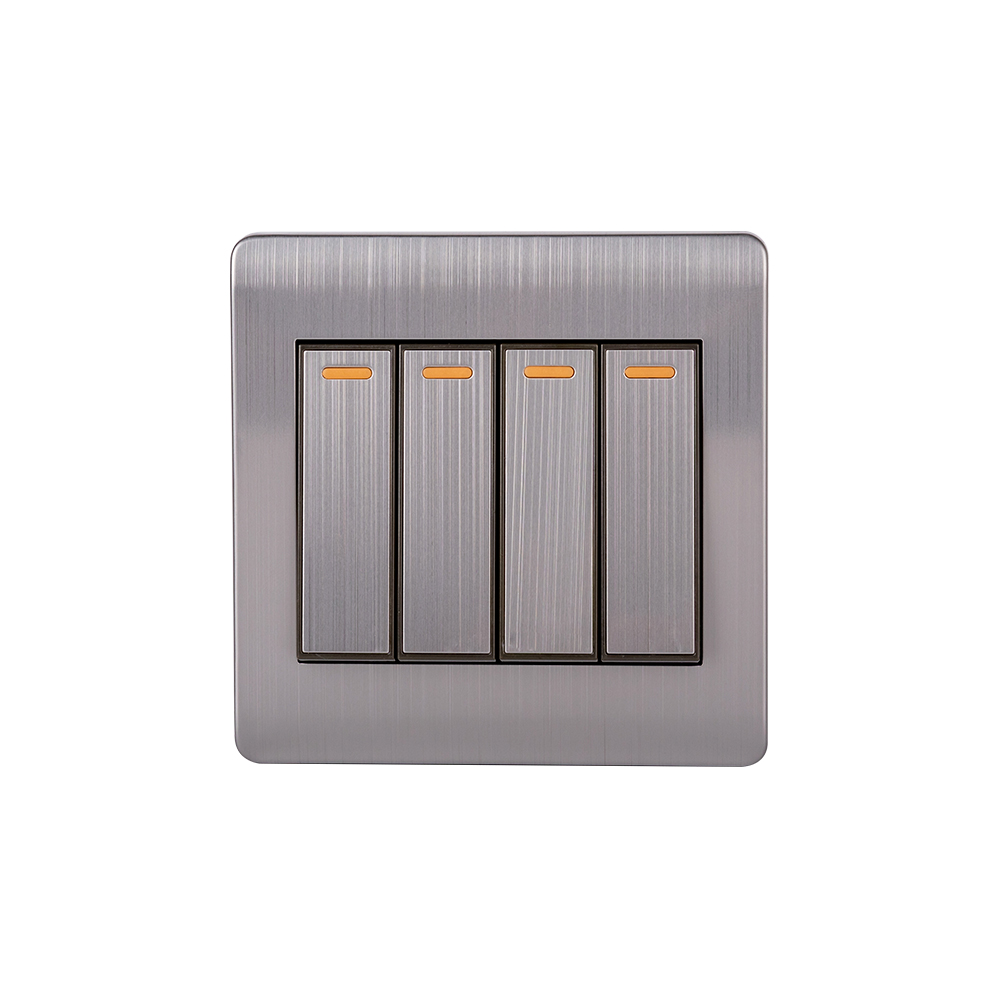
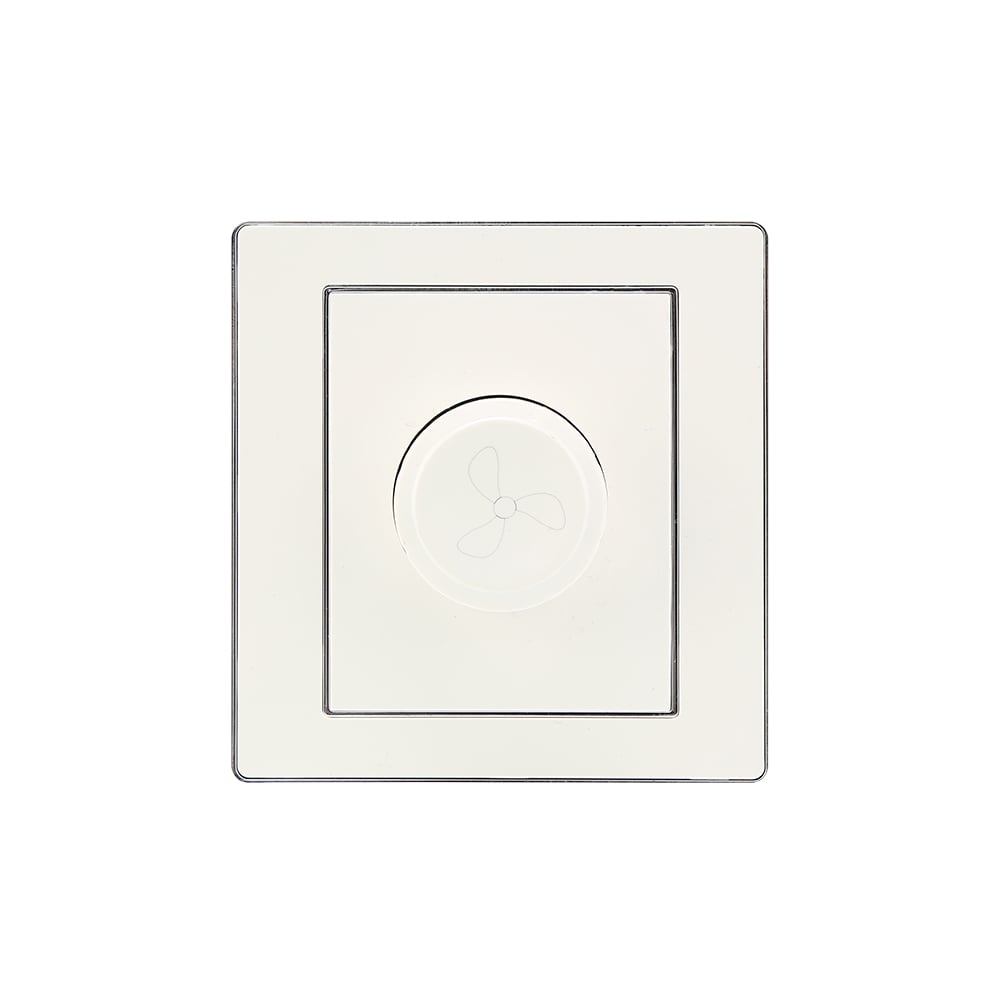
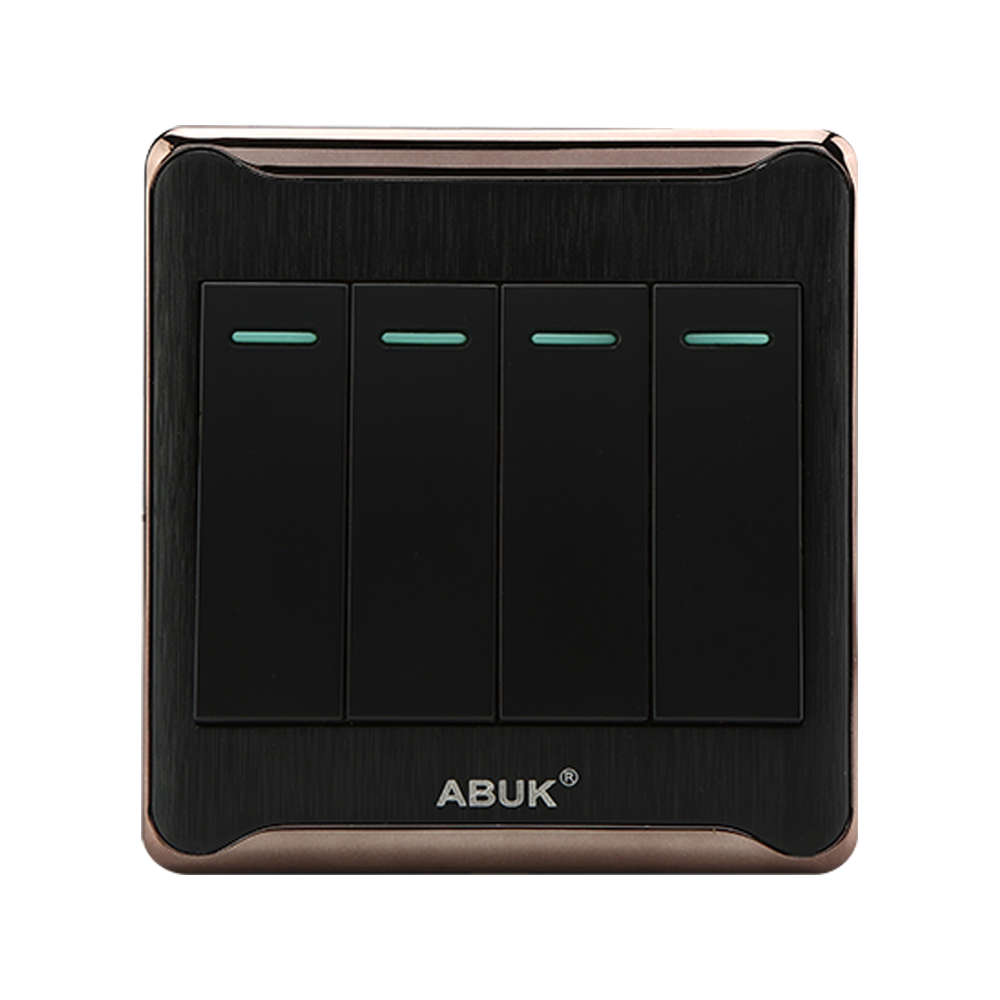
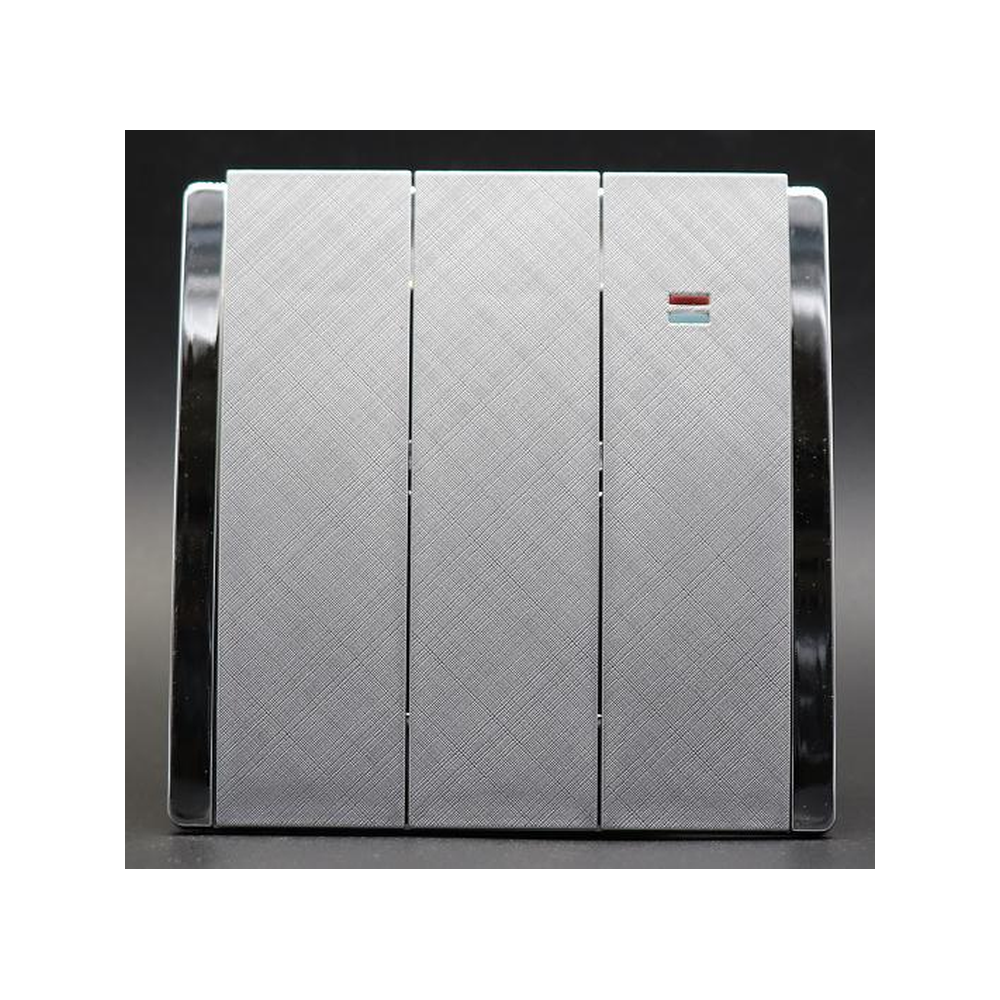
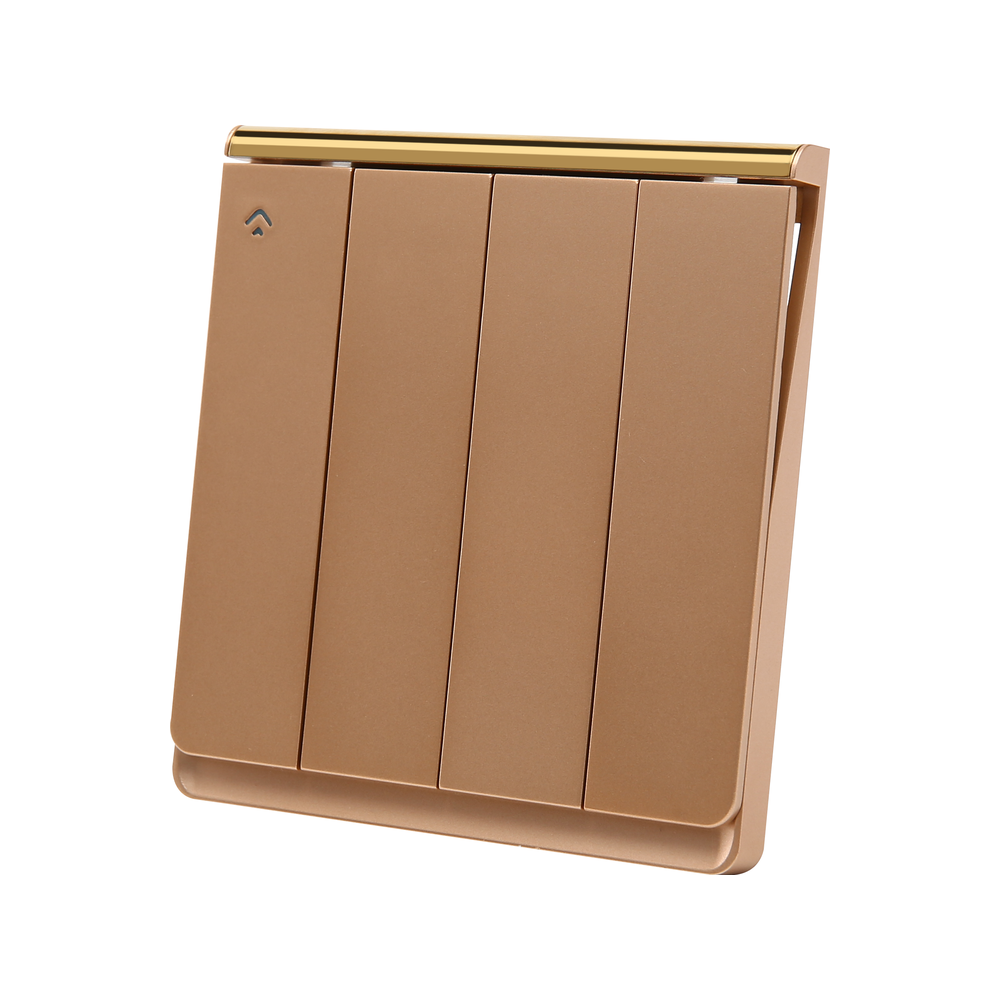
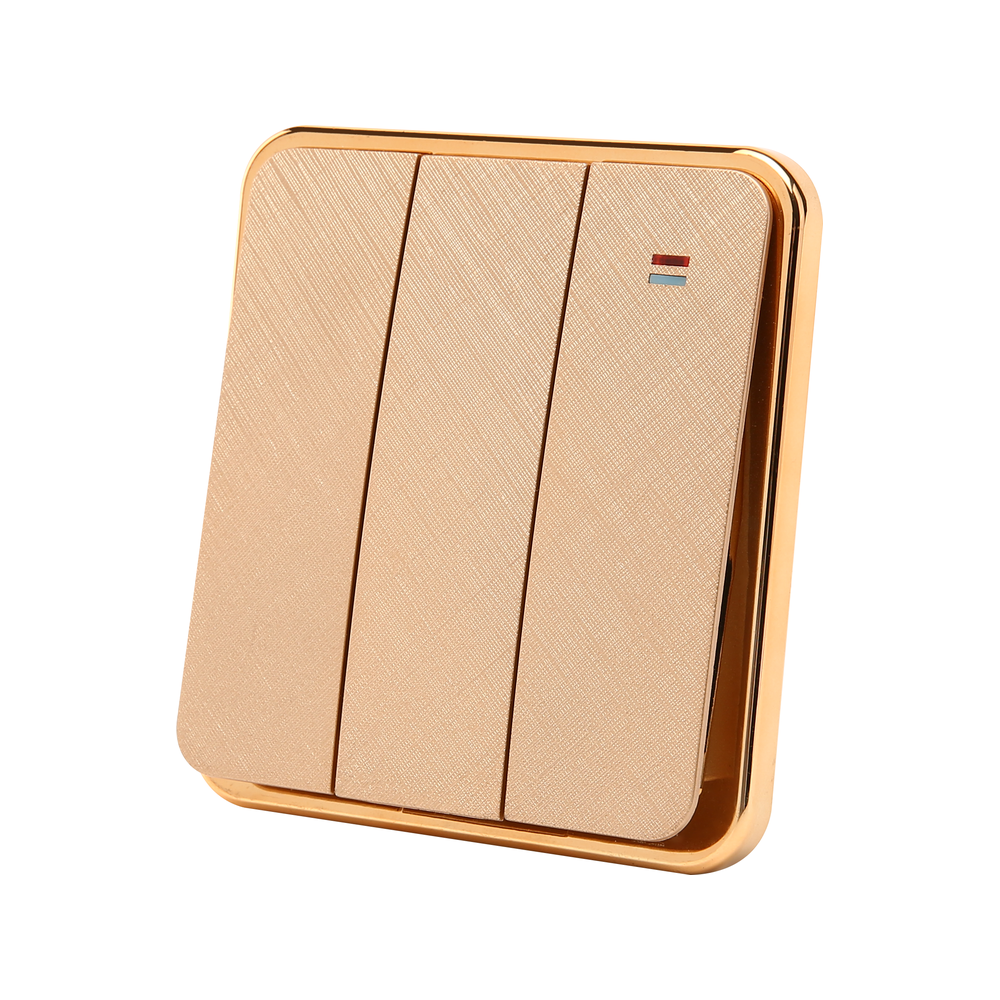
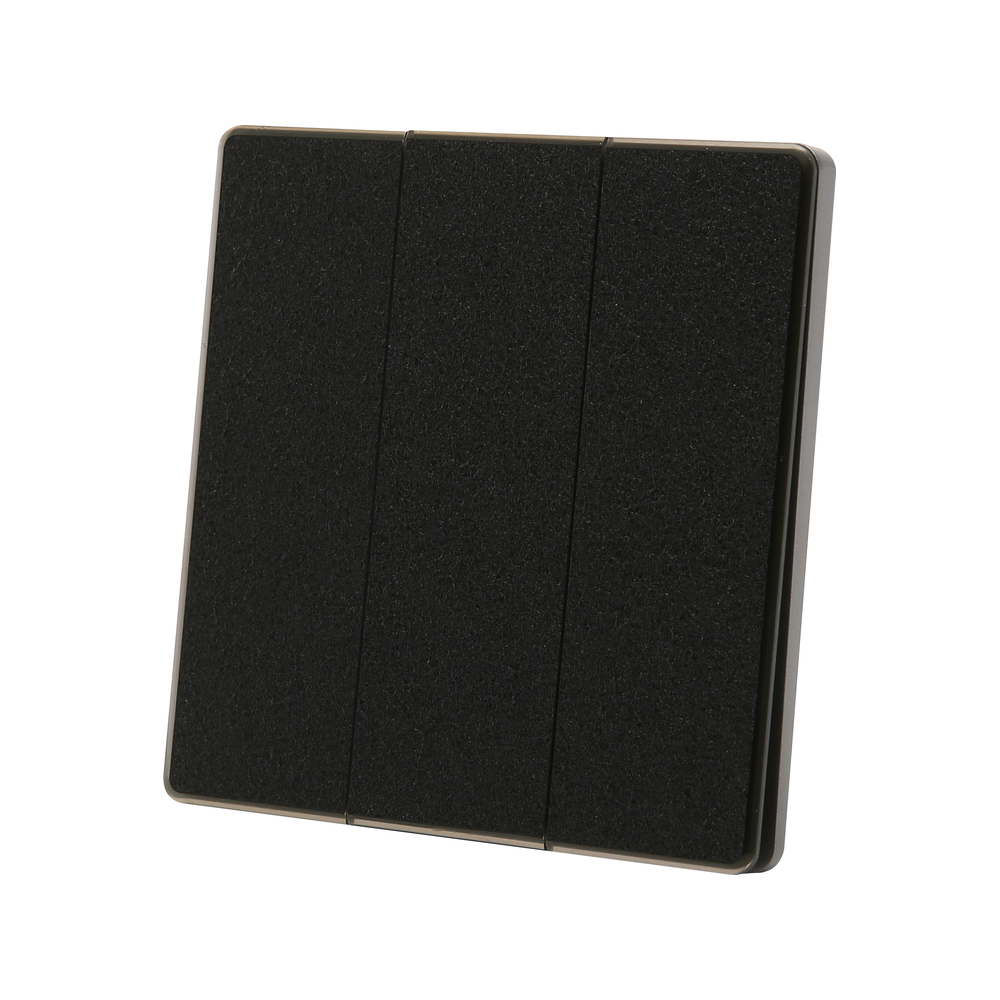
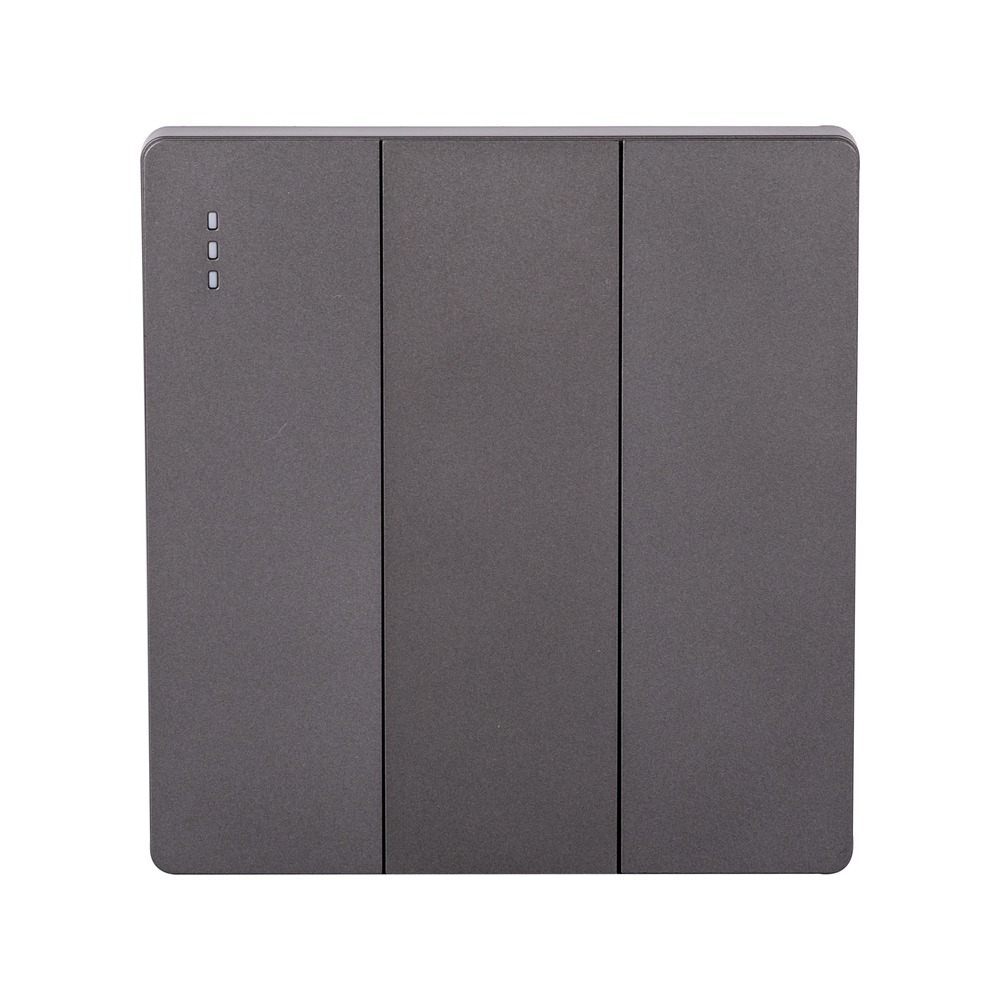
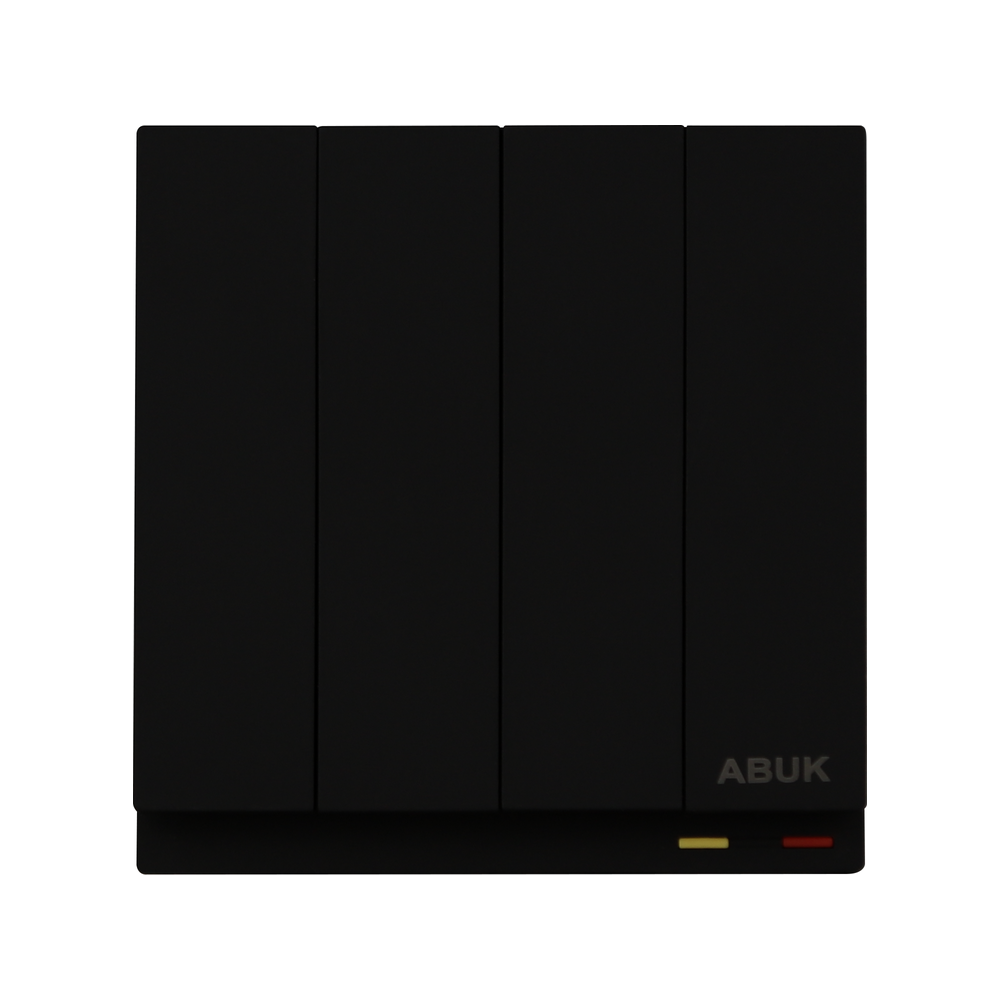
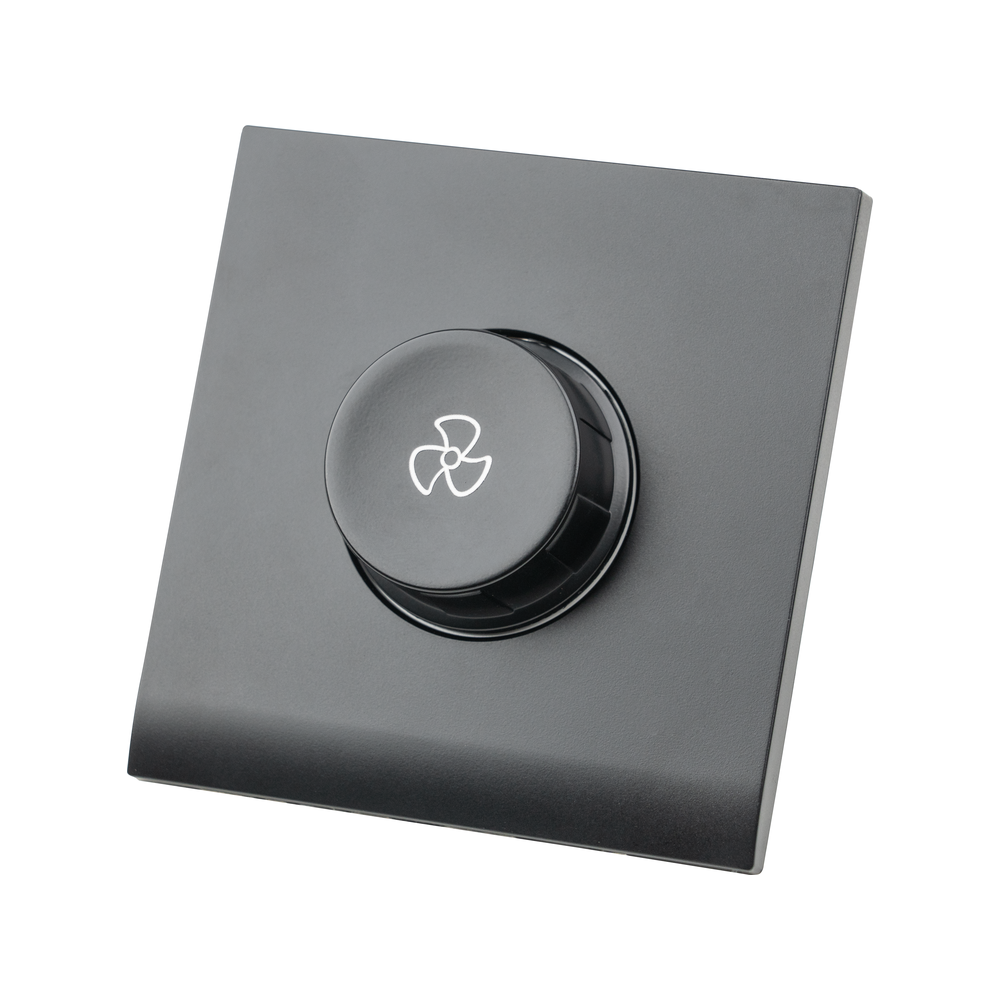
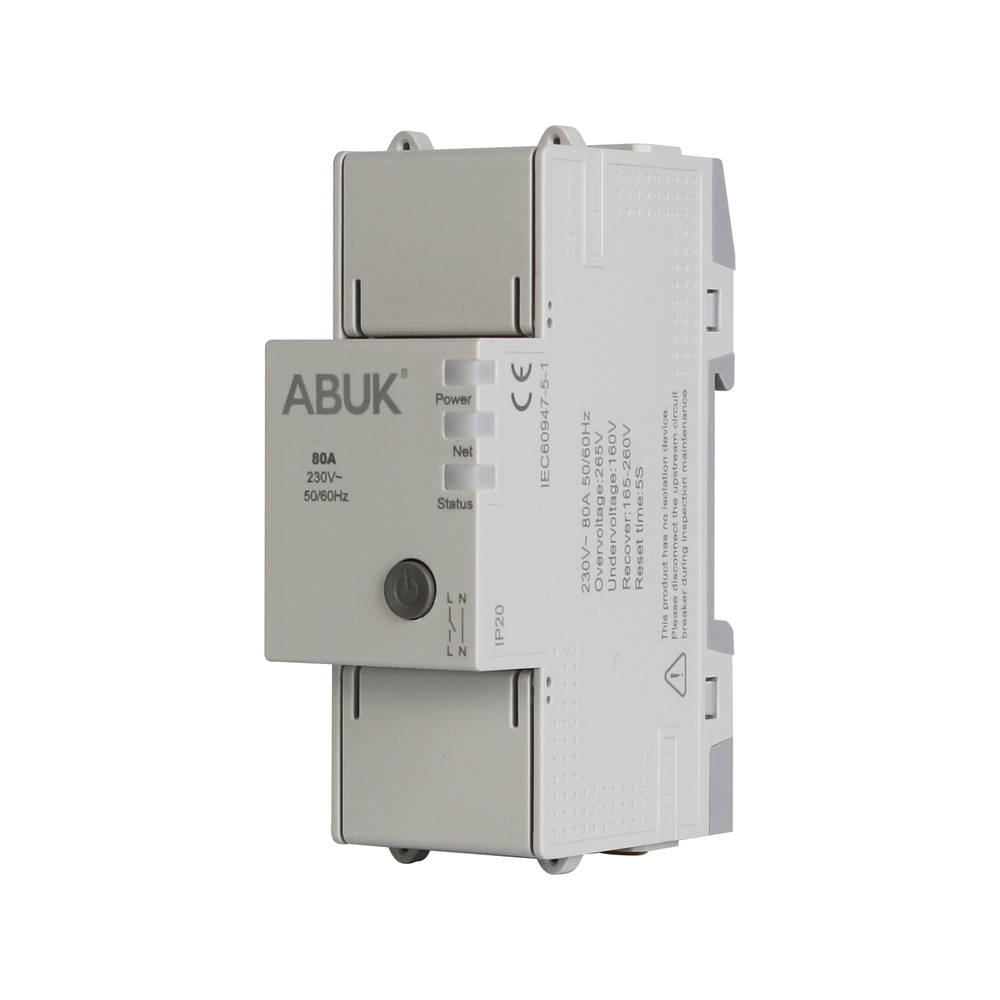
For an ABUK specification, identify the exact Series 08 dimmer switch in the enquiry and request its own data sheet. Ratings cited for other manufacturers do not establish compatibility for this model.
Frequently asked questions
Can a standard wall dimmer control fluorescent tubes?
Usually not. The ballast must explicitly accept that control method; an ordinary fixed-output ballast is not a compatible dimming load.
How can a dimmable fluorescent ballast be identified?
Obtain the complete model number from fixture records or an authorized inspection. Look up the manufacturer's sheet for control interface, lamp count and operating range.
Are all CFL bulbs dimmable?
No. A compact fluorescent lamp must be marked dimmable and paired with a control suitable for that lamp family.
Can a 0–10V dimmer control a fluorescent ballast?
Yes, if the ballast is designed for the matching interface and the control meets its electrical and switching requirements. A 0–10 V label alone does not establish every detail.
Why do fluorescent lights flicker when dimmed?
Possible causes include an incompatible ballast/control combination, operation below the supported range or a lamp near end of life. Record whether one lamp or the entire group is affected.
Can fluorescent tubes be replaced with dimmable LEDs without changing the controls?
Only when the LED retrofit documentation specifically supports the existing ballast and controls. Some replacements require a different driver or a professionally modified fixture.
References
- Leviton: IP710 control for 0–10 V lighting
- Leviton: SureSlide 6674 load ratings and installation options
- Leviton: LED bulb compatibility tool
A fixture schedule earns its keep when it identifies the equipment above the diffuser as well as the tubes below it. For a project quotation, browse ABUK’s electrical products and include the lamp schedule, site supply and intended control arrangement.