
 Wenzhou Lita Electric Co., Ltd.












Can You Move a Power Point in New Zealand Without Rewiring the Whole Room?
When a homeowner in Wellington encountered a power point hidden behind new cabinetry, moving it a short distance seemed like a minor finishing job. In this hypothetical renovation, the cabinet was fitted first; the electrician then found that the planned position left no practical cable route. The delay came from arranging the furniture before assessing the installation, not from needing to rewire every room automatically.
Summary: A New Zealand power point can often be relocated without rewiring the whole room, provided the existing circuit and proposed cable arrangement remain suitable. The Electricity (Safety) Regulations distinguish different kinds of electrical work and their certification requirements. Have an electrician assess the circuit, access and old socket position before closing walls or installing cabinetry.
A New Zealand power point relocation changes the position of an accessory; it does not necessarily replace all wiring serving the room. Whether existing cable can remain depends on its condition, route, length and suitability for the proposed work. A short physical move can still be complicated if those details are unknown.
What determines whether the existing circuit can be reused?
The electrician needs to establish which circuit supplies the outlet, what else it serves and whether its conductors, earthing and protection are suitable. A working socket is evidence that something receives power; it is not a condition report for the wiring behind it.
New Zealand’s usual nominal supply is 230V, 50Hz. The Electricity (Safety) Regulations cite AS/NZS 3000:2018 with Amendments 1, 2 and 3 and local modifications. Compliance depends on the installed arrangement and the work being performed, not on the number of centimetres the front plate moves.
If the circuit is sound and a suitable route exists, local alteration may be enough. Deteriorated insulation, unsuitable protection or other defects can expand the work. The contractor should explain the observed reason for any additional work rather than treating the age of the house as a complete diagnosis.
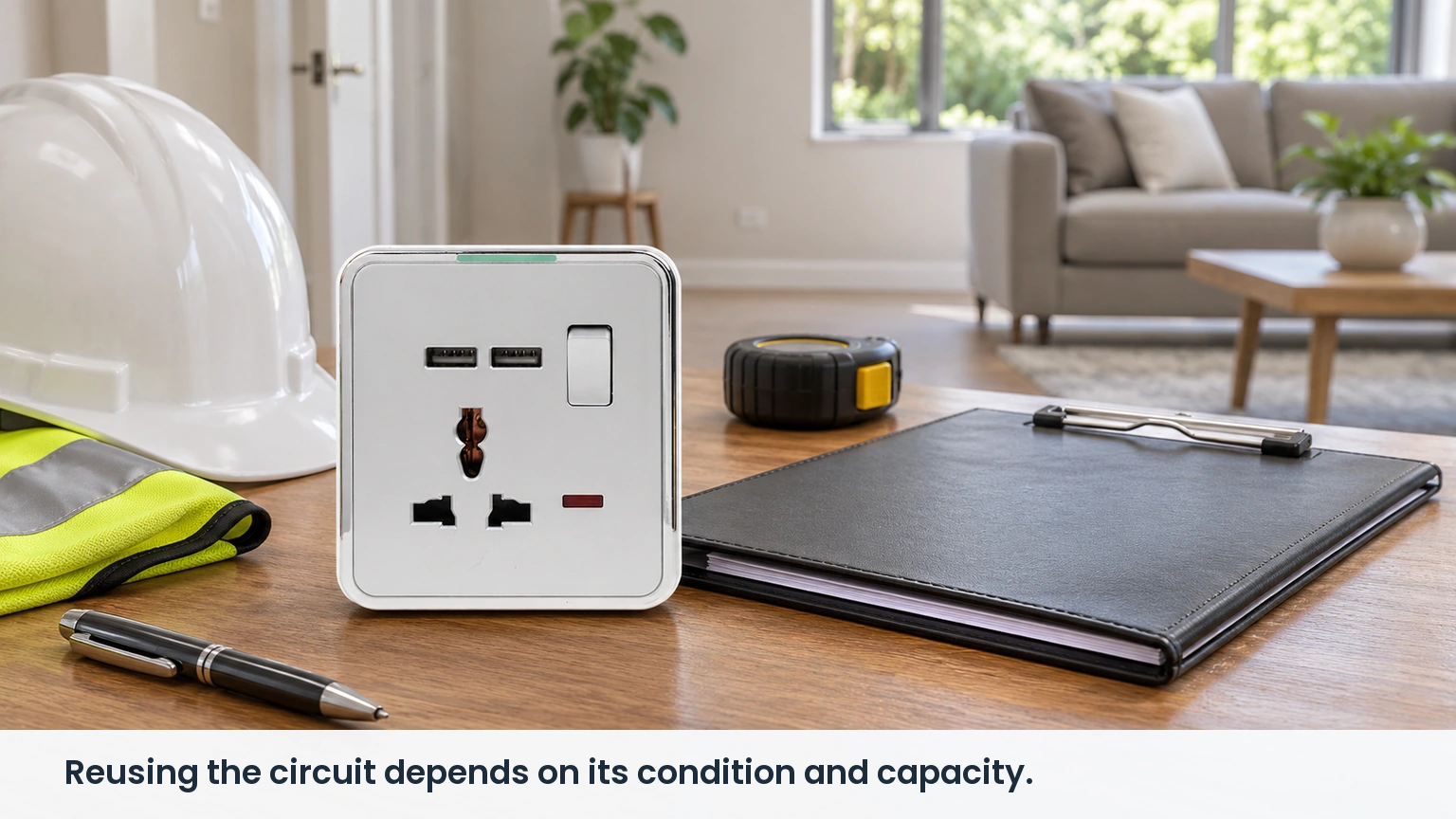
Can the existing cable reach the new position?
Sometimes a usable length of cable and a suitable route are available. In other cases, the electrician must provide a new cable section or use an appropriate connection arrangement. The decision includes mechanical protection, enclosure requirements and the manufacturer’s termination instructions under regulation 14A.
A connection must not simply be improvised and concealed behind a repaired wall. Whether an installed joint can be concealed depends on its approved construction and applicable rules; a generic assumption that every connector is suitable is unsafe. The electrician should decide how connections are contained and whether access is required.
Before quoting, the owner should describe both the old and new locations and any planned wall covering. A photograph taken from outside the accessory can help explain the layout. Removing a live faceplate to obtain a better photograph introduces a risk and is not necessary for requesting an assessment.
Why can a short move require more work than a longer one?
A move across a stud, tiled surface or concrete wall can be harder than a longer run through accessible roof space. The visible distance is only one part of the cable route. A flush finish may need construction work that a permitted surface-mounted route avoids.
TCCO’s Auckland installation guide gives NZ$300–600 including GST for a standard new power point, subject to assessment. That is not a relocation price or a national average. It illustrates why a local scope-based quotation is more useful than assuming that a move costs a fixed fraction of a new outlet.
The expected use can also change the answer. Moving a general socket to a position intended for a substantial appliance requires assessment of that load. Keeping the same accessory does not prove that the existing circuit is suitable for its new purpose.
Does moving a socket trigger a whole-room upgrade?
Not automatically. The contractor should separate work needed for the relocation from unrelated improvements and explain any defects that prevent safe completion. A room-wide rewire may be justified in some installations, but it should follow an assessment rather than a blanket rule.
The regulations’ general transition for previously cited standards ends at the close of 12 November 2026. Separate provisions address qualifying existing and in-process installations. This does not mean that every existing room must be rewired on that date; the electrician must determine the requirements applicable to the proposed alteration.
Owners should request a written distinction between necessary work and optional changes. For a renovation involving several future appliances, completing justified circuit work while access is available may reduce later disruption. Any claimed savings should come from the actual project quote, not a universal percentage.
Which relocation approach suits the building?
| Possible approach | When it may be considered | What still needs checking |
|---|---|---|
| Reuse suitable existing cable | The available route and length permit the move | Condition, protection and termination requirements |
| Install a local cable section | The circuit is suitable but the route needs alteration | Connection method, enclosures and access |
| Provide a new circuit | The intended load or existing installation warrants it | Distribution-board work and complete route |
| Use an agreed surface route | Concealed work is impractical or unnecessarily disruptive | Mechanical protection, finish and suitability |
What happens to the old socket position?
The old position needs an explicit plan. It may become redundant, remain in use if that is part of the design, or retain an appropriate accessible enclosure where necessary. The building finish must not hide equipment that requires access. The electrician should determine the electrical arrangement before a decorator closes the opening.
| Old-location outcome | Electrical decision | Finishing decision |
|---|---|---|
| Position removed | Safely deal with redundant conductors and connections | Agree patching and decoration after electrical completion |
| Accessible enclosure retained | Use an appropriate arrangement for the installed connections | Keep required access unobstructed |
| Original socket retained | Treat the project as an addition where applicable | Keep both accessories accessible for their intended use |
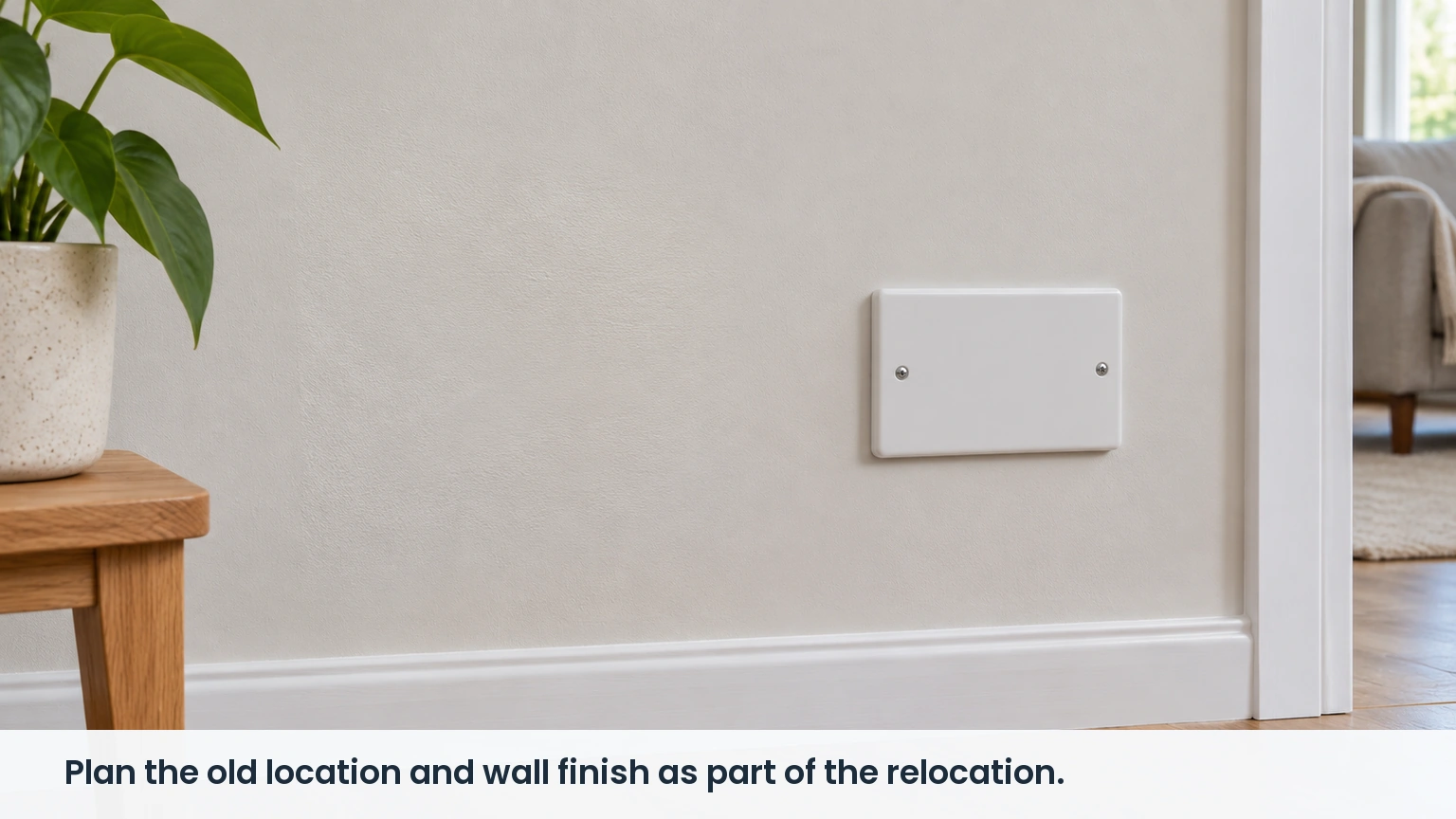
A marked-up photograph helps avoid disputes about the finish. Identify who supplies the blanking plate if needed, who repairs the wall and whether painting is included. This small agreement matters when the socket move is only one part of a larger kitchen or bedroom project.
Who may perform the work, and which records are needed?
New Zealand has limited owner-occupier exemptions; it is inaccurate to say that all owner electrical work is prohibited. Regulation 57 lists qualifying work and conditions, including specific relocation and circuit-alteration categories. Certain work requires testing and certification by a person authorized to inspect mains work before connection.
A licensed electrician is the practical choice for a relocation involving uncertain wiring or circuit changes. Certificate of Compliance requirements depend on the classification of work, while Electrical Safety Certificate obligations are considered separately. The New Zealand power point replacement guide explains why a limited exemption is not general permission to alter any property.
What should be agreed before cabinetry or decoration begins?
- Mark the new position against the final furniture and appliance layout.
- Have the circuit and cable route assessed before closing access.
- Specify the treatment of the old location and all wall repairs.
- Confirm testing, applicable documentation and variation terms.
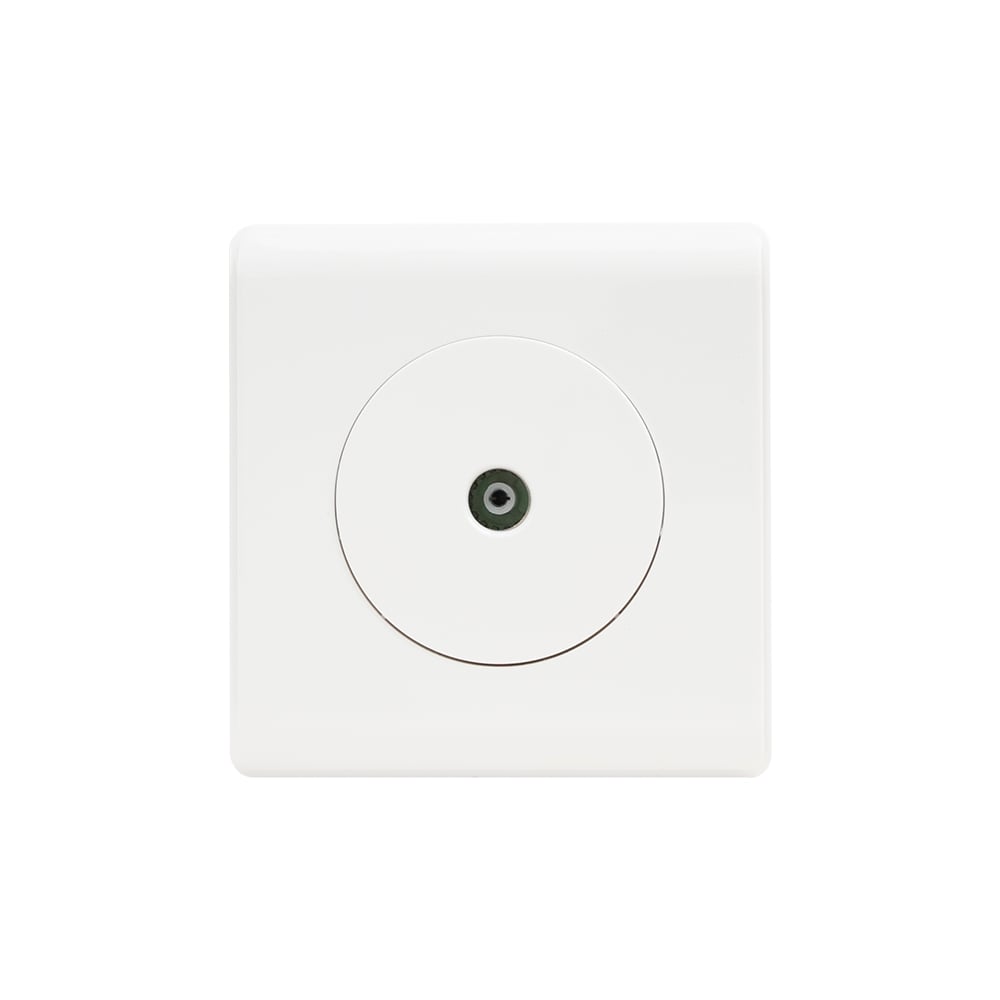
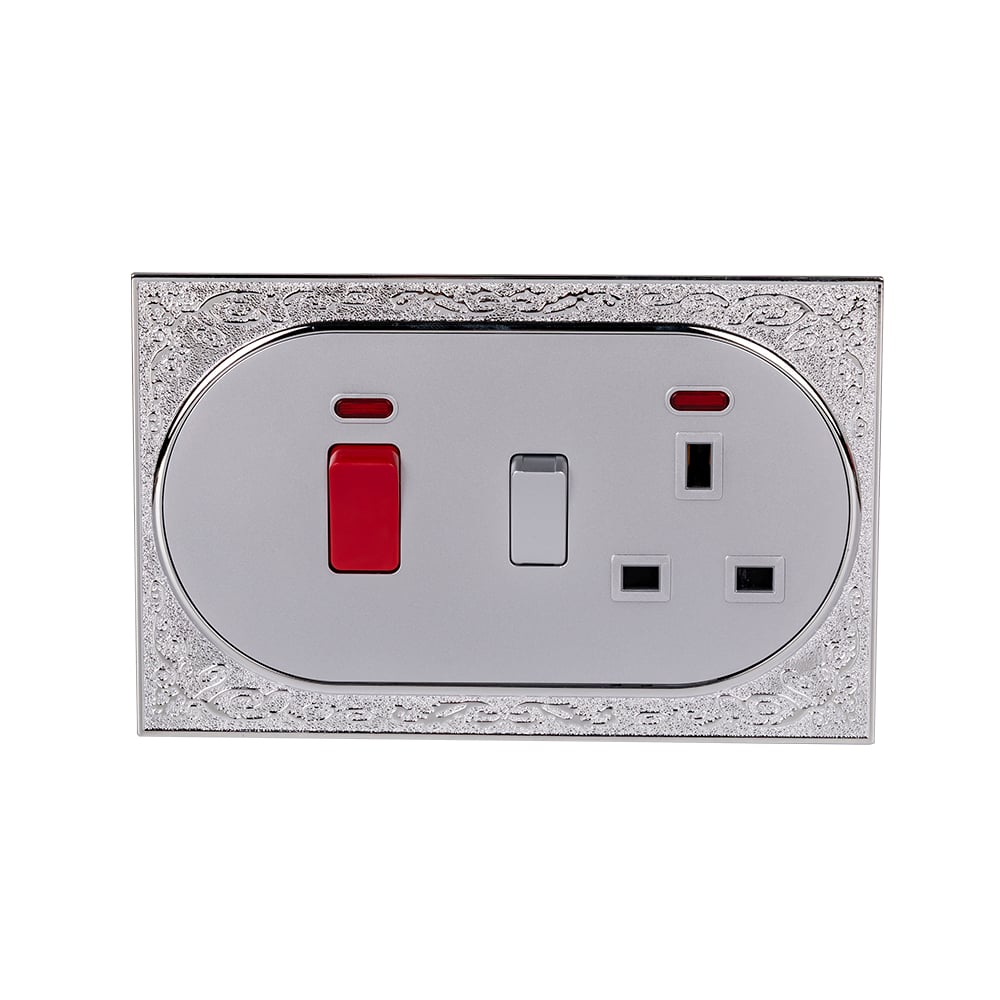
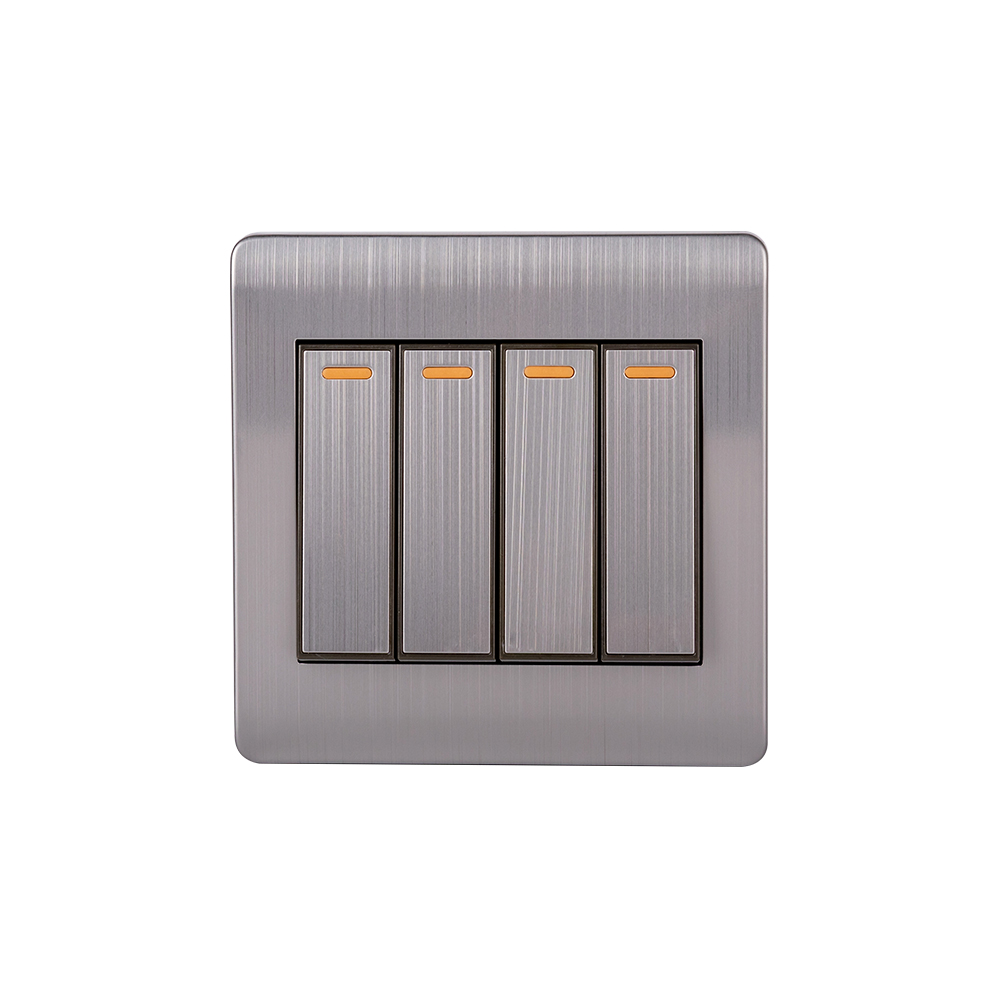
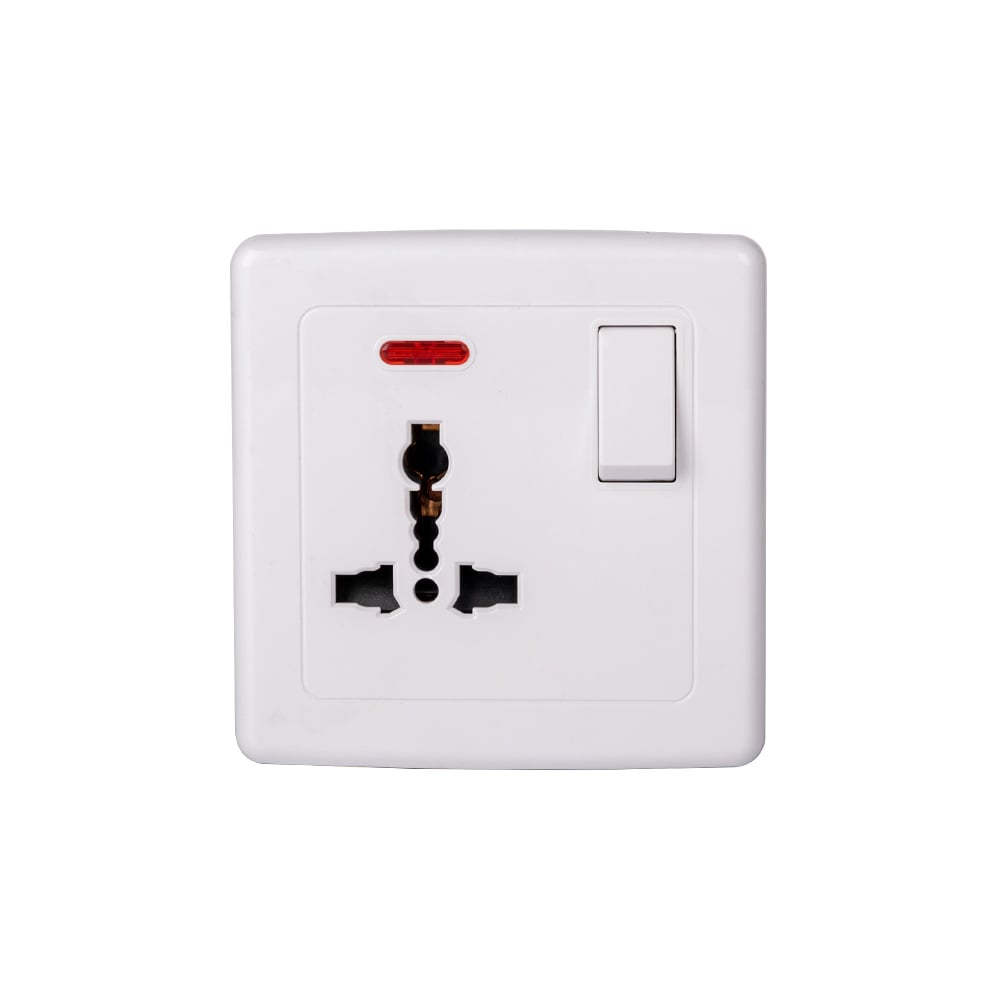
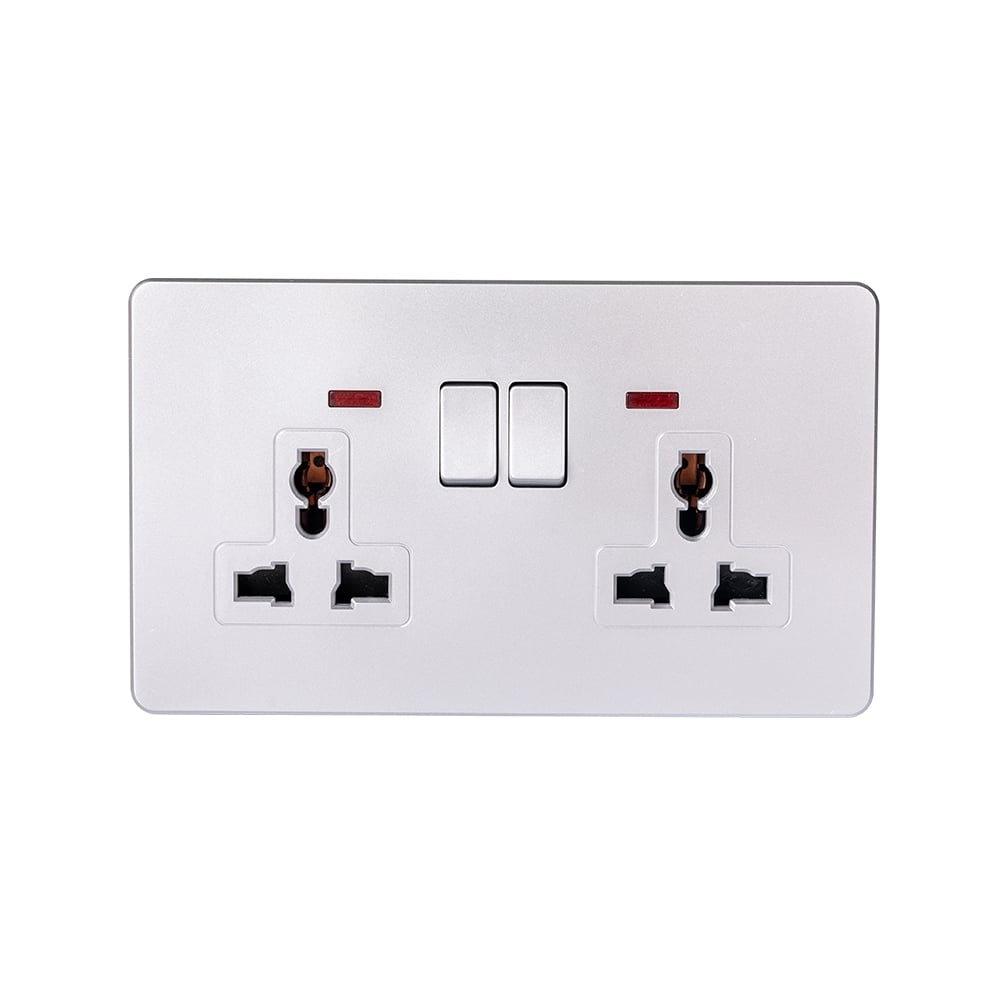
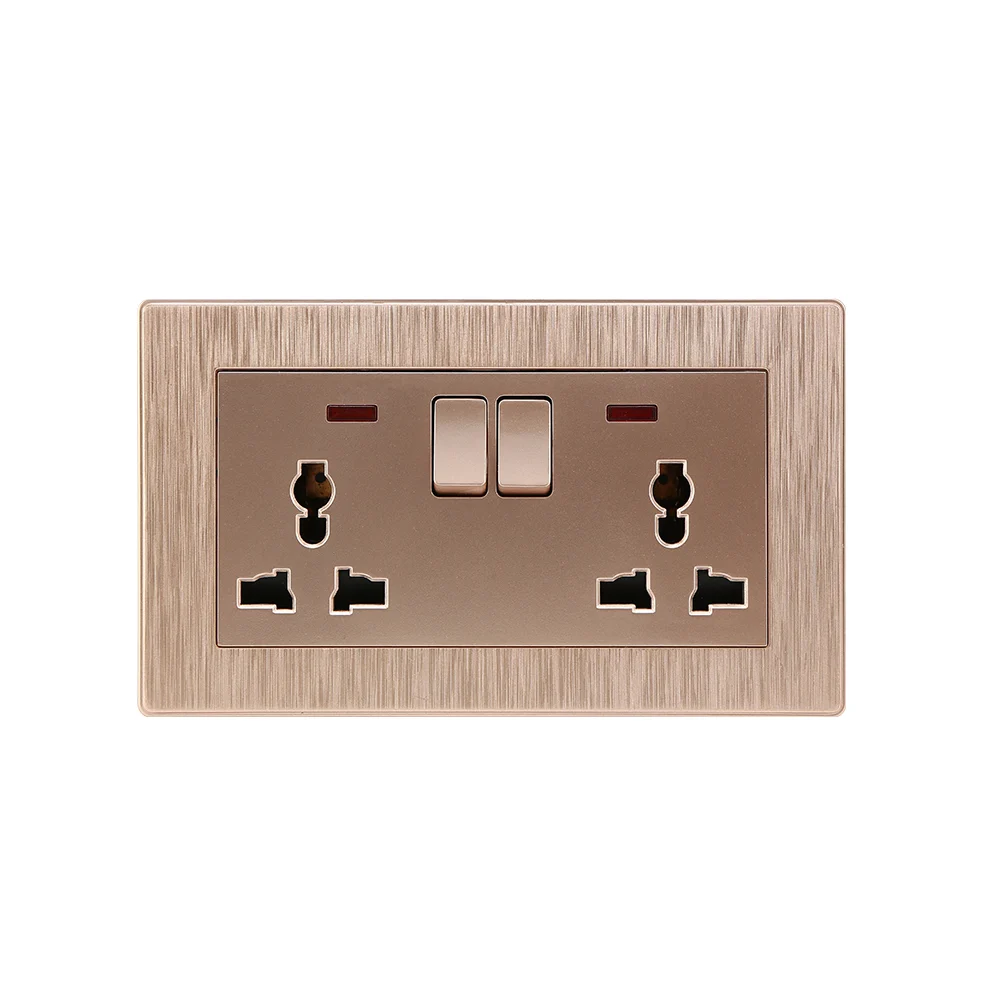
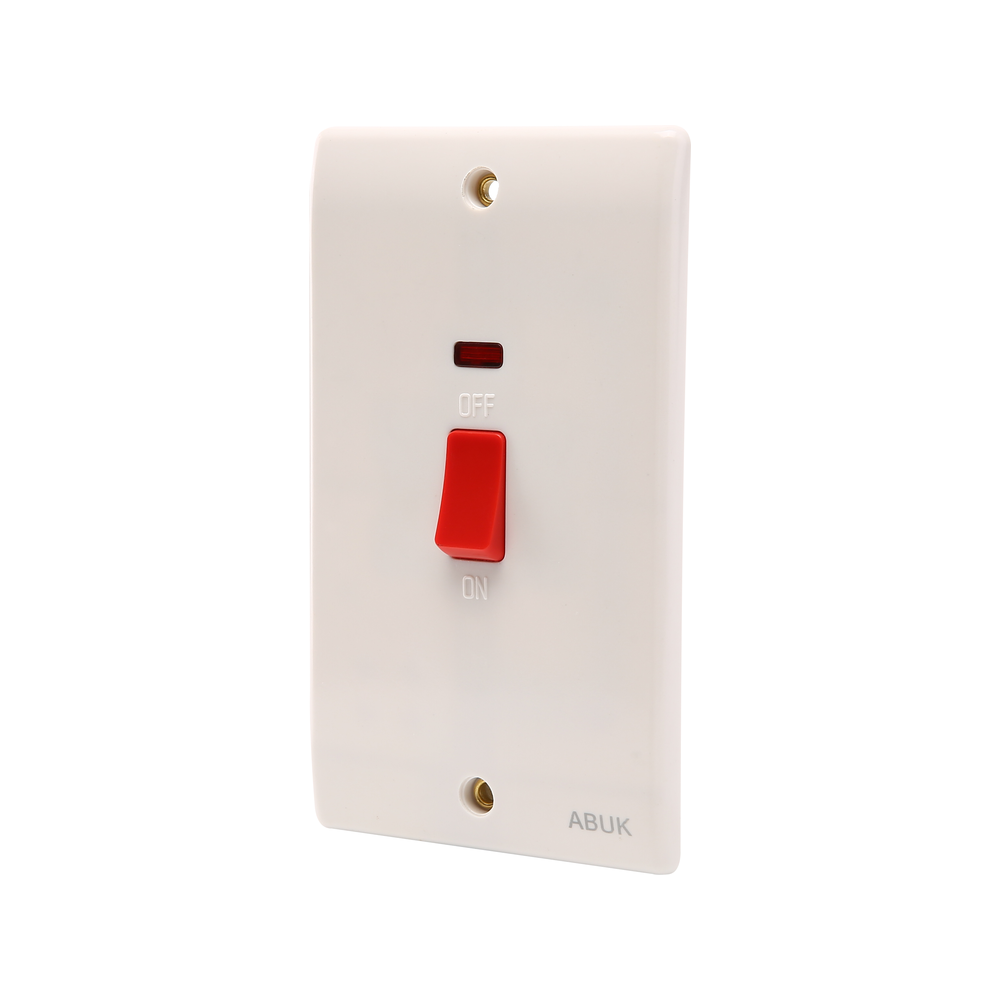
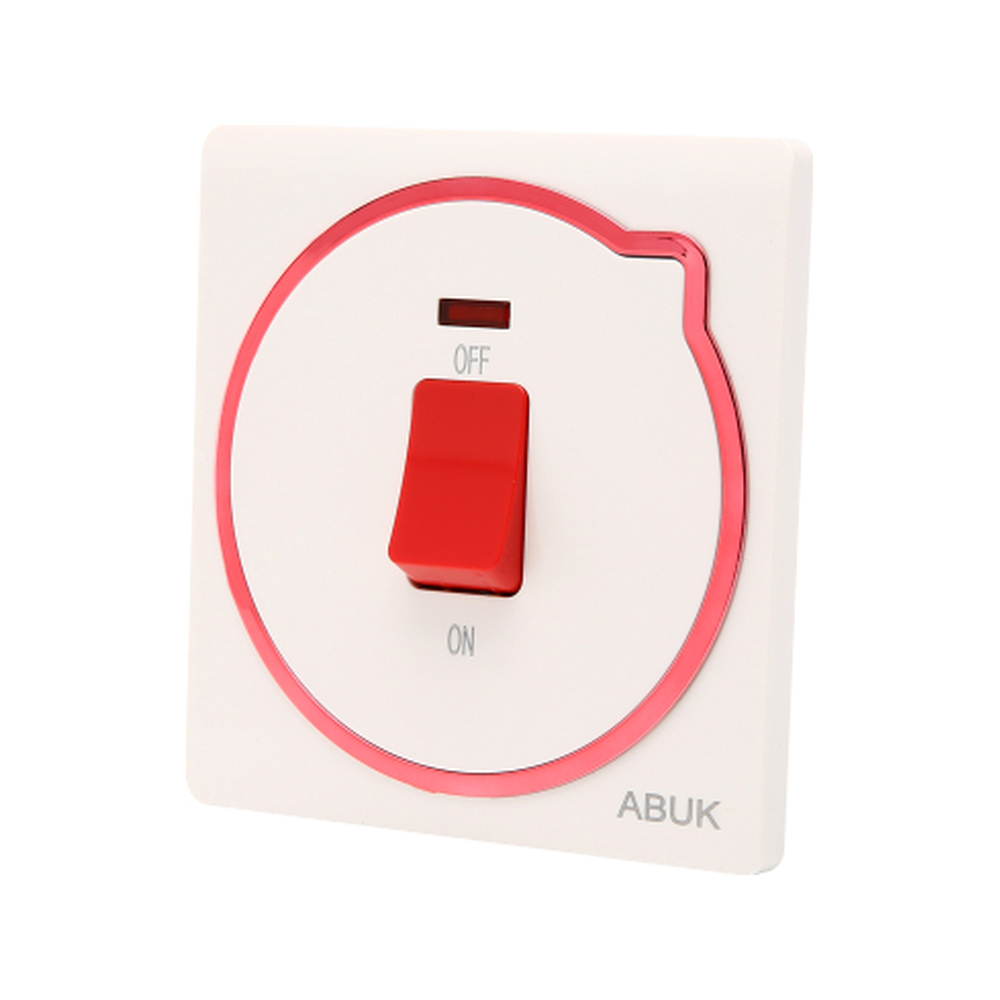
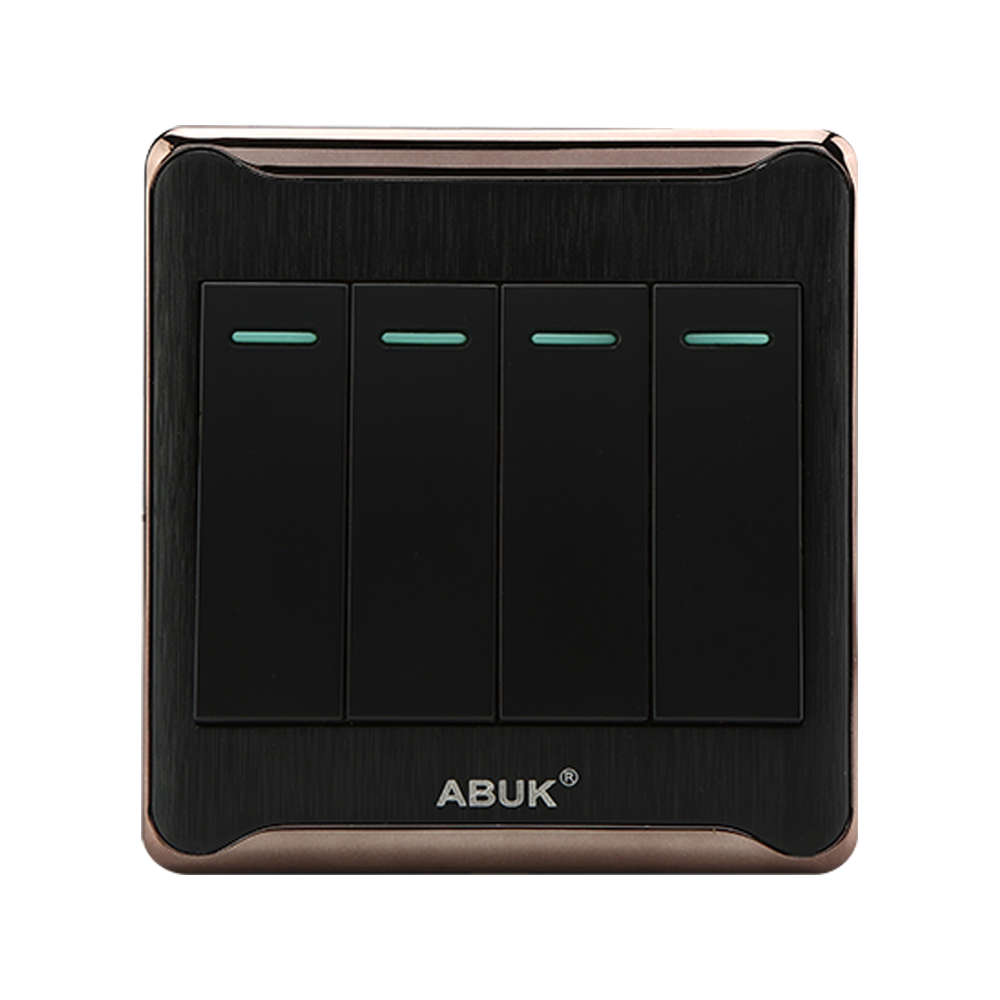
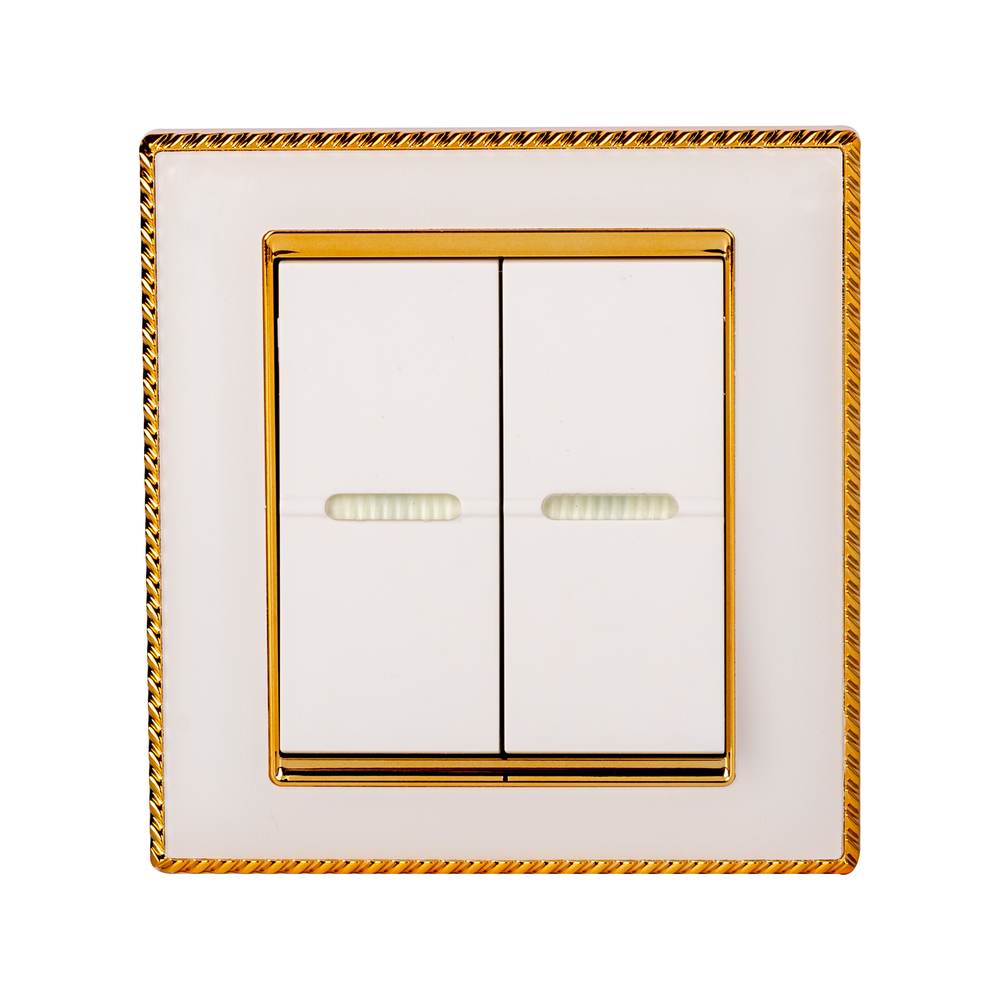
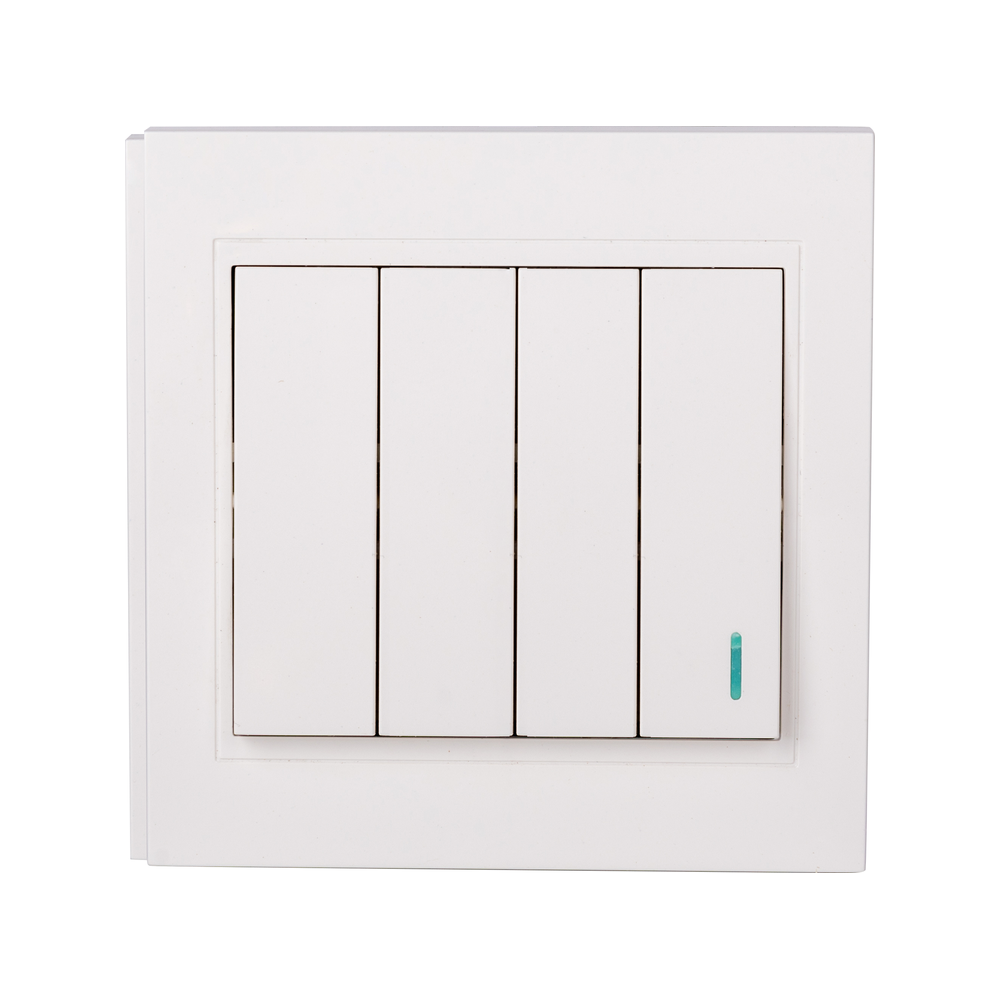
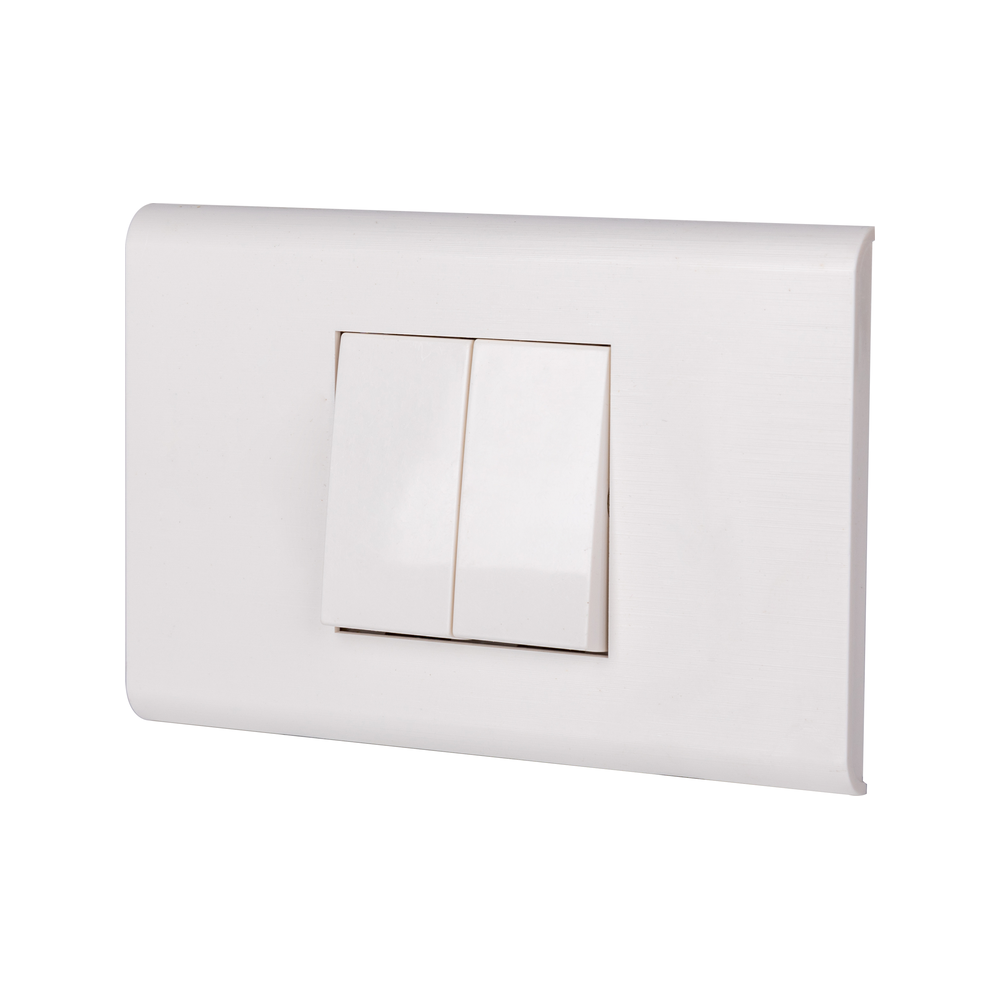
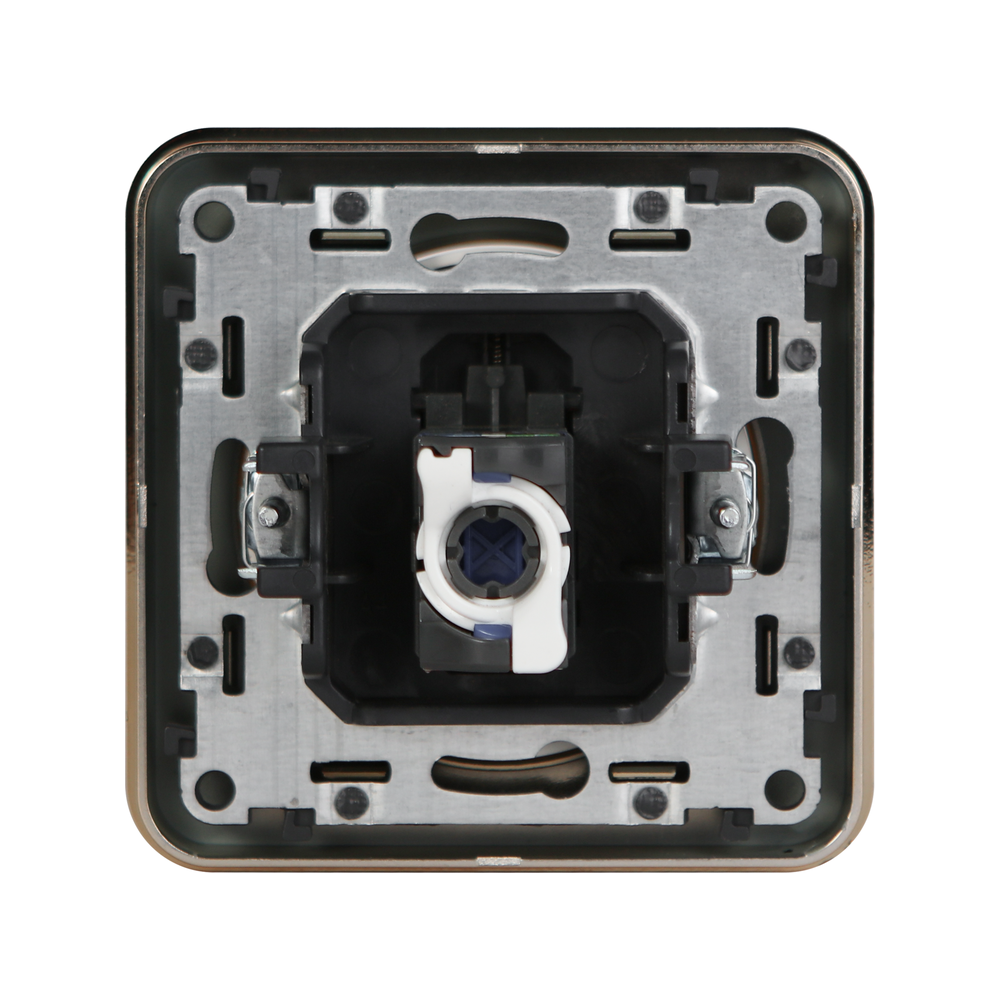
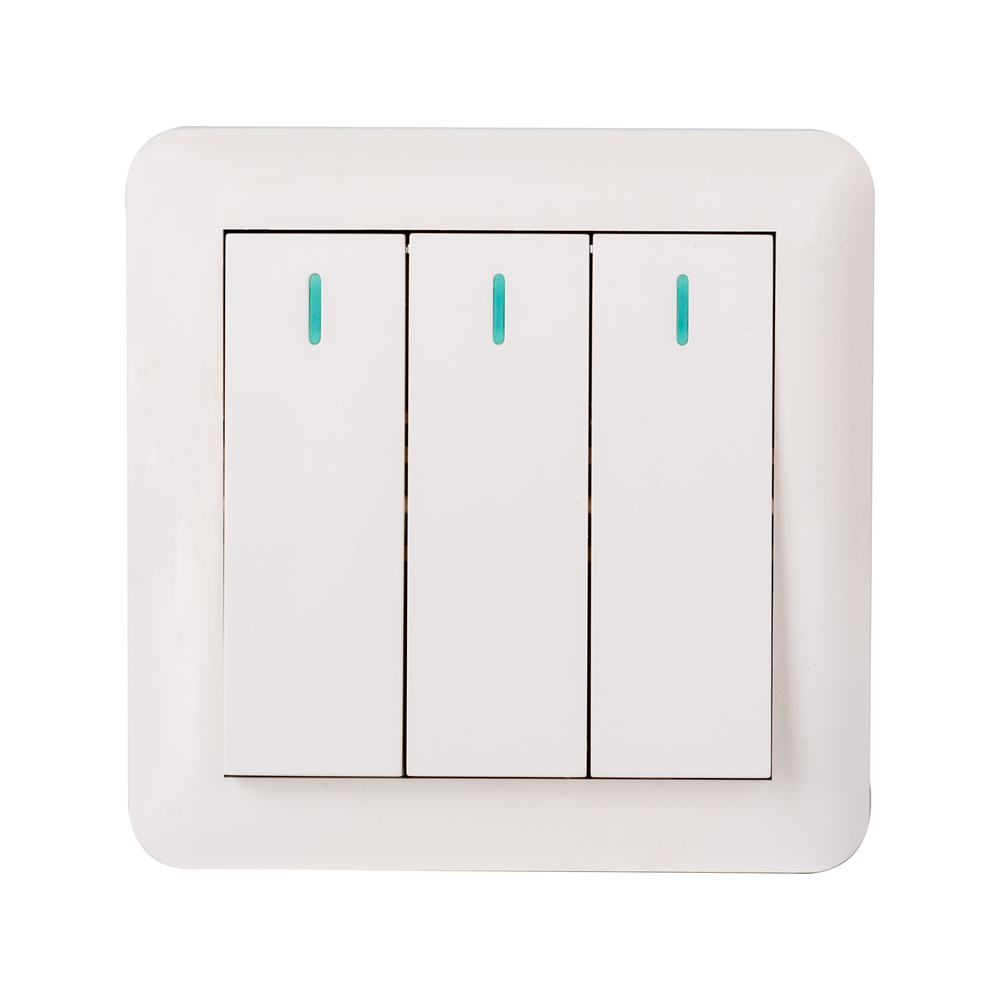
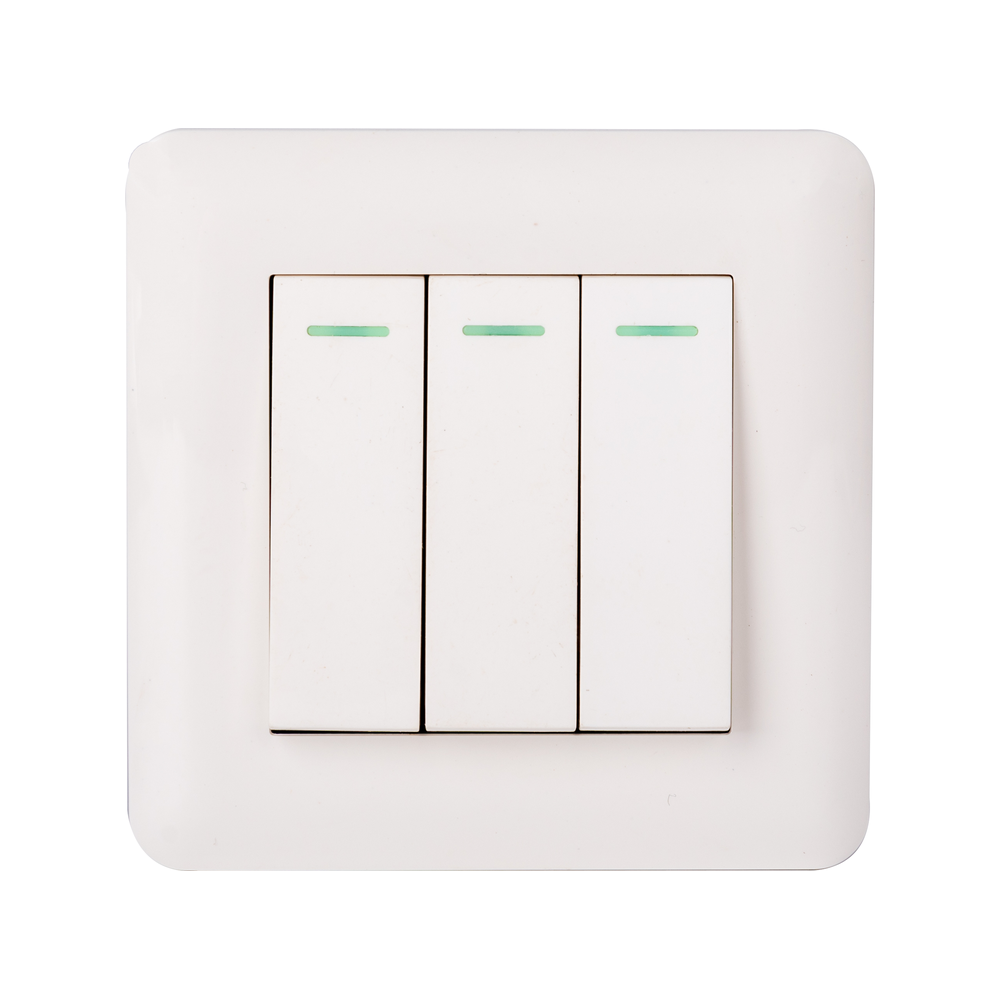
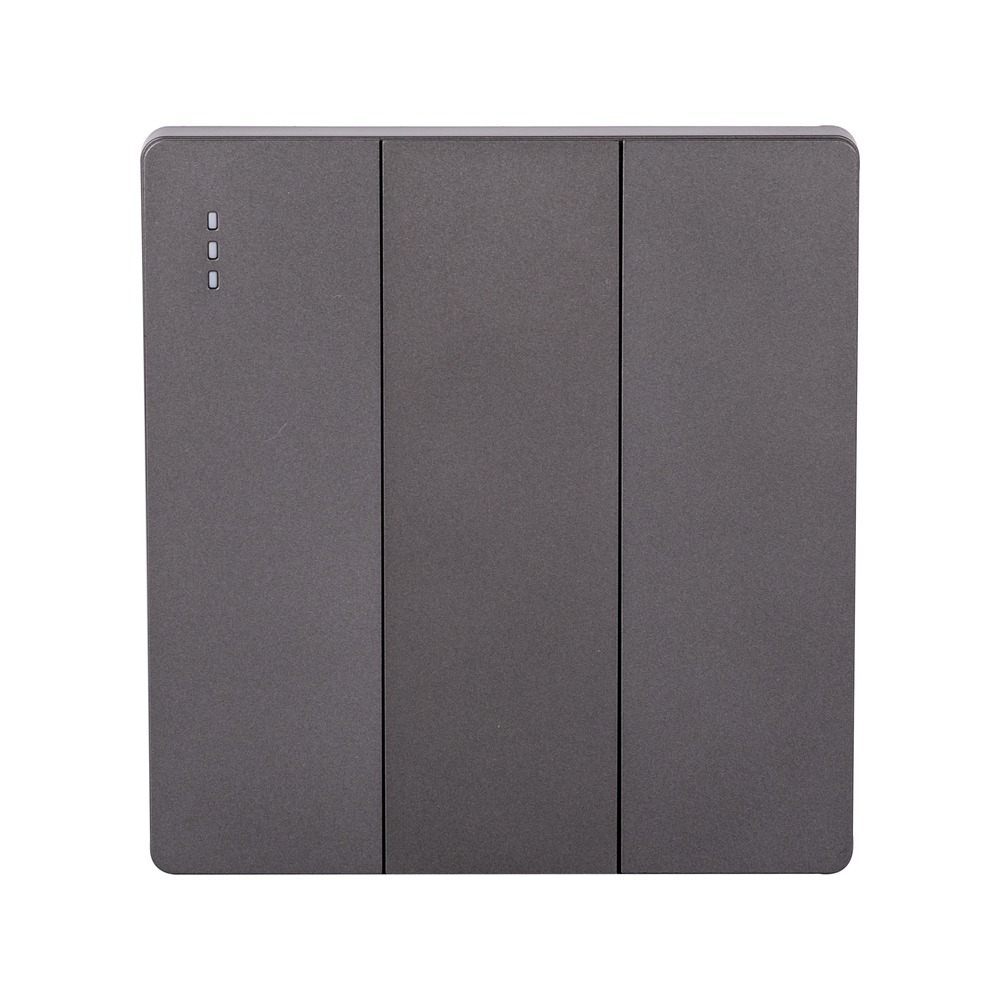
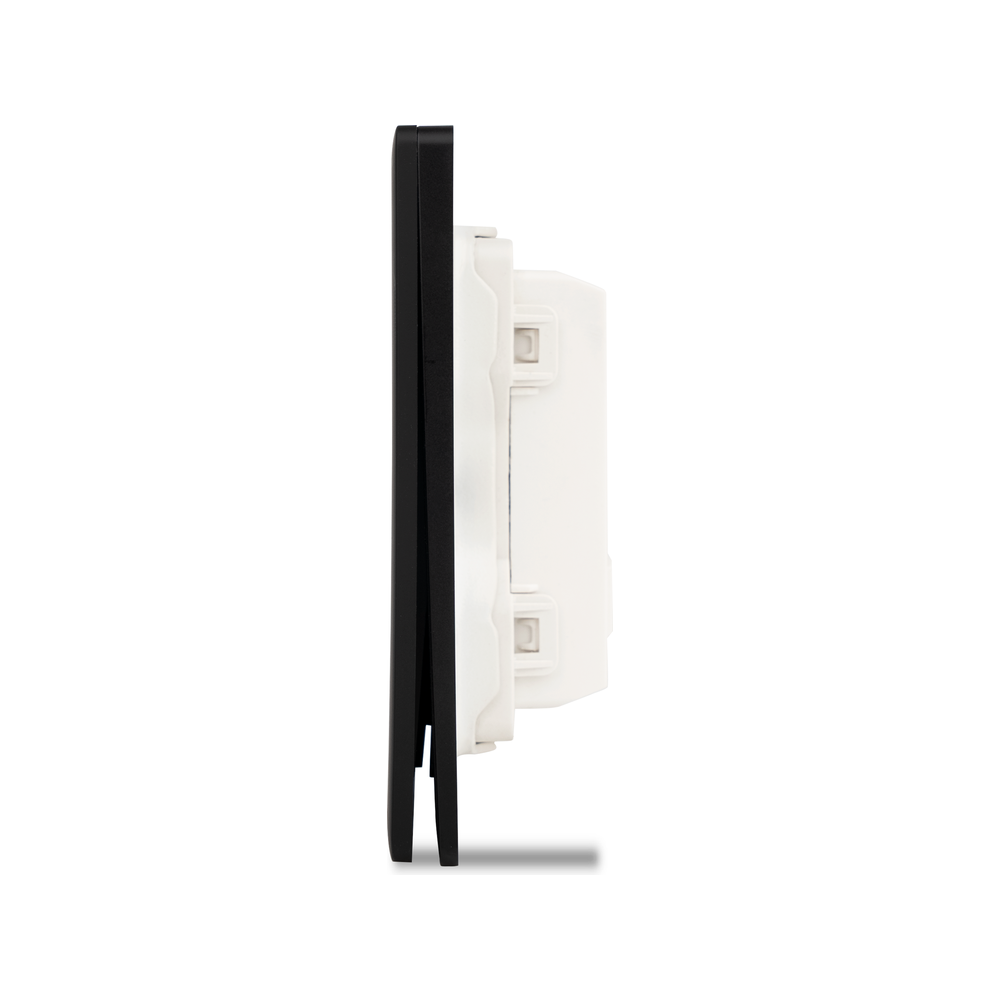
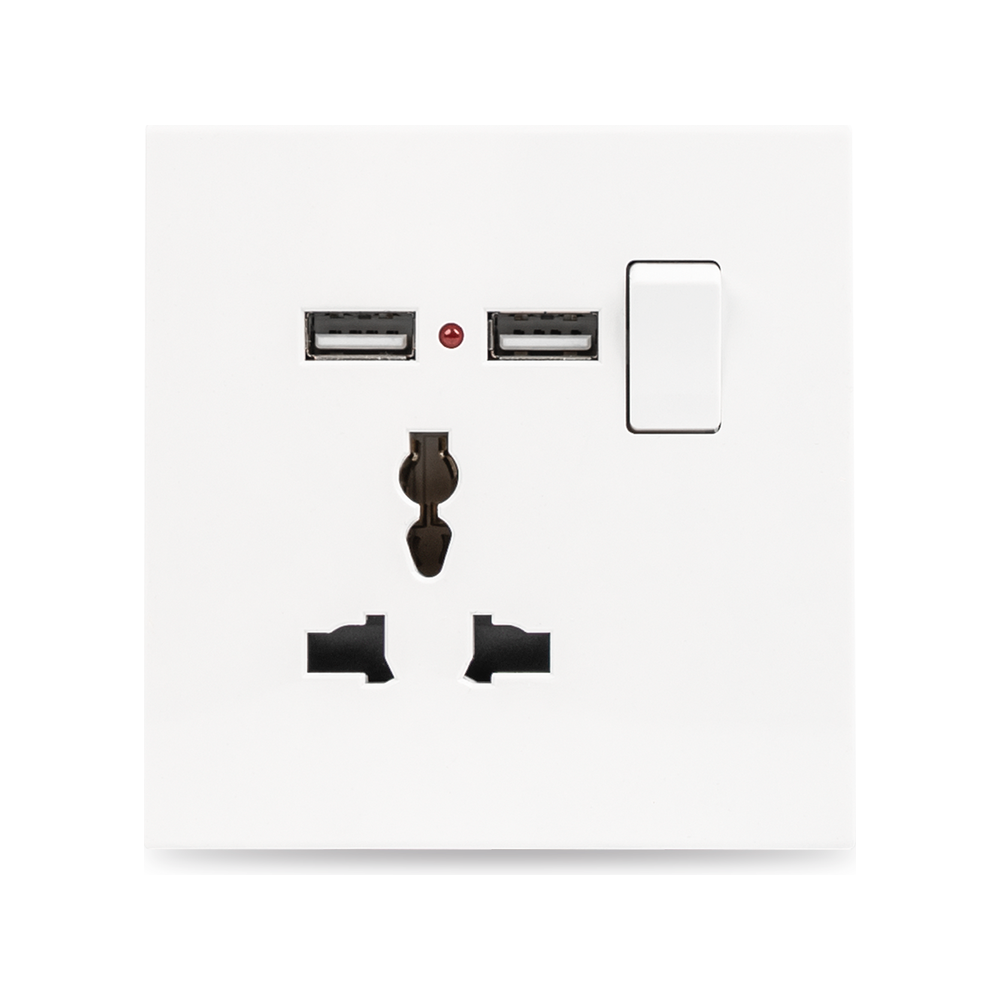
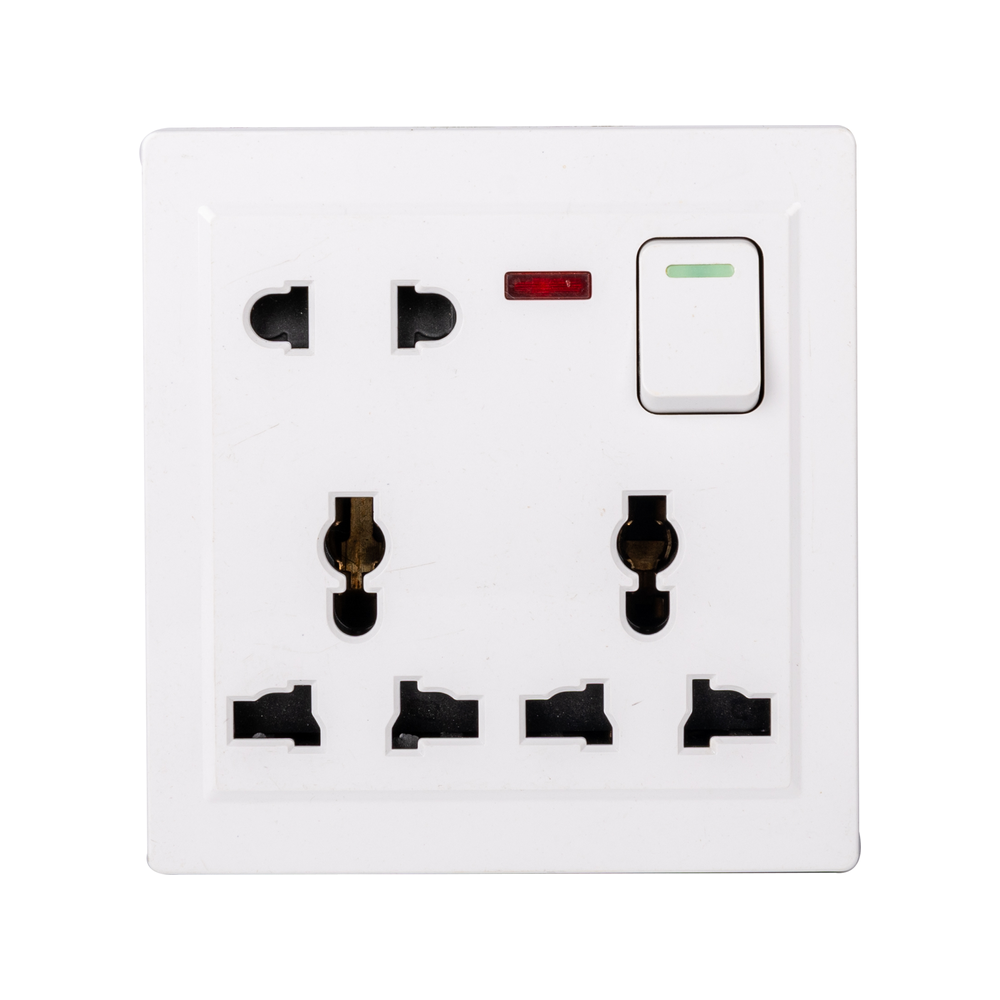
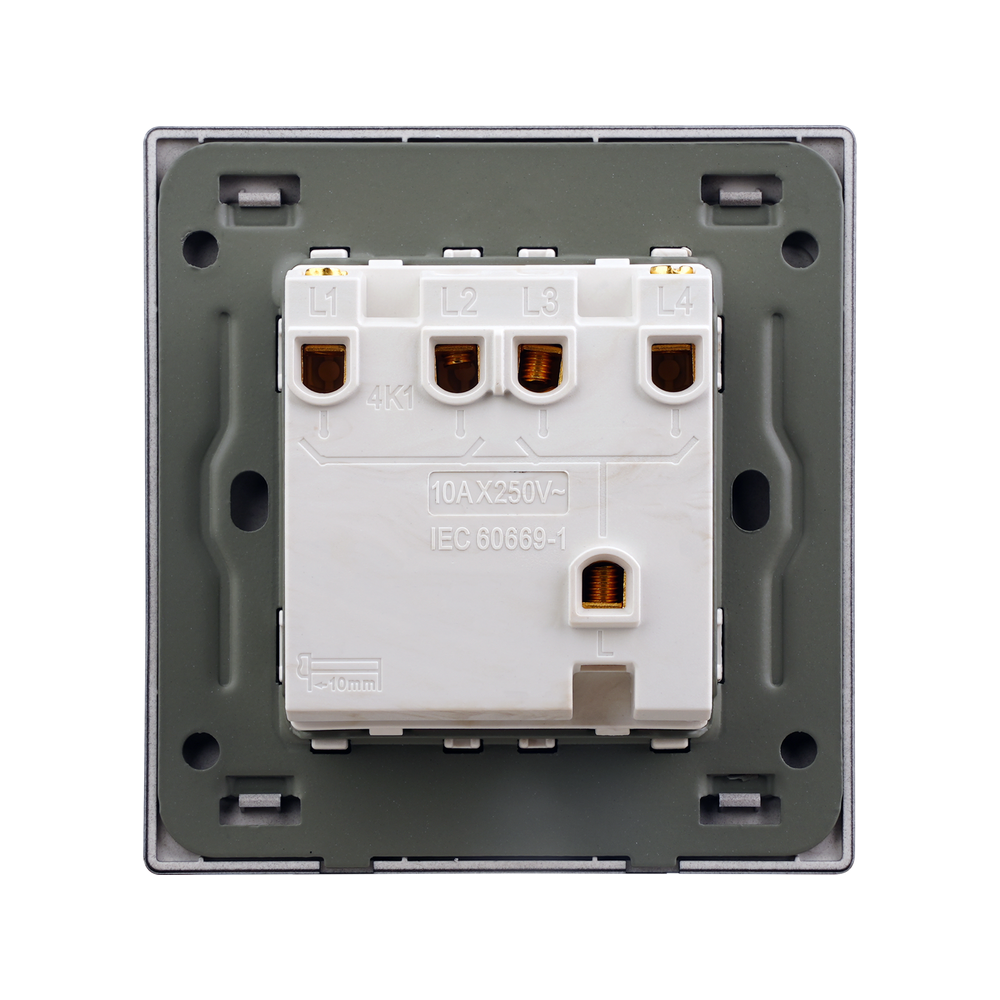
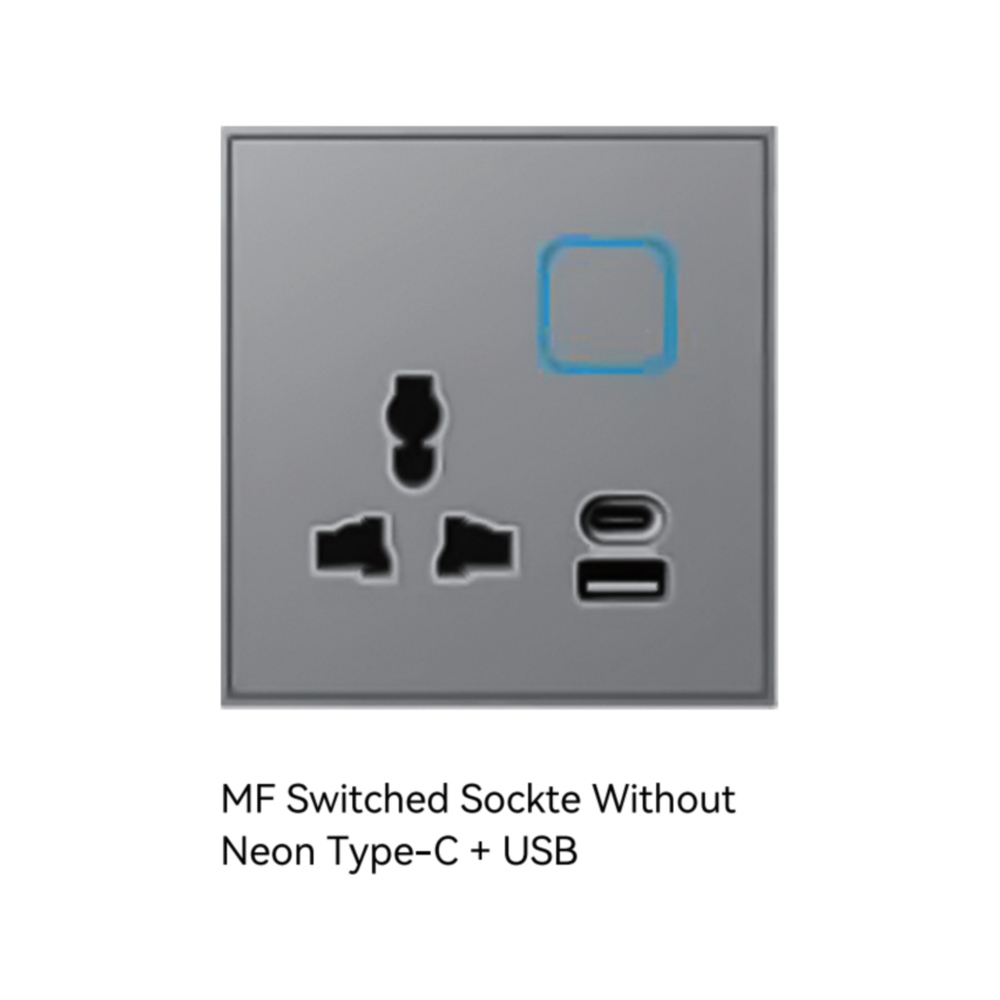
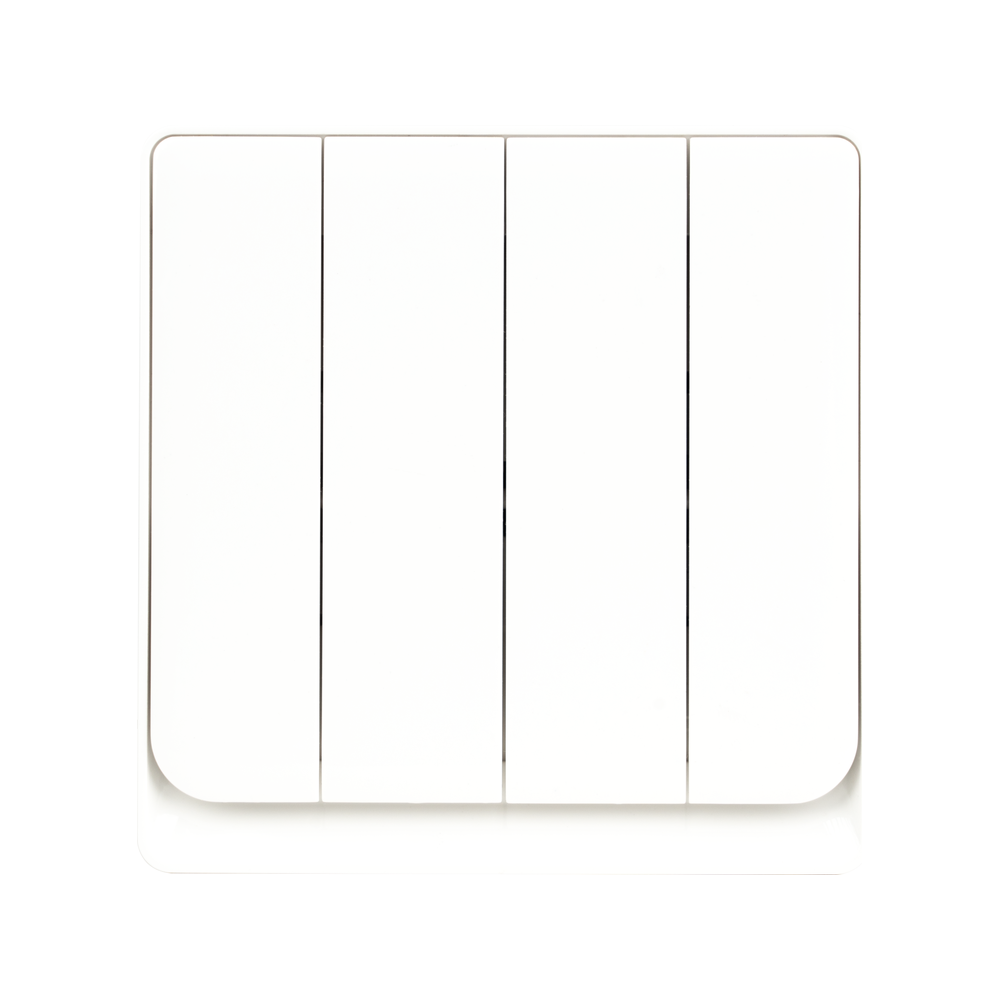
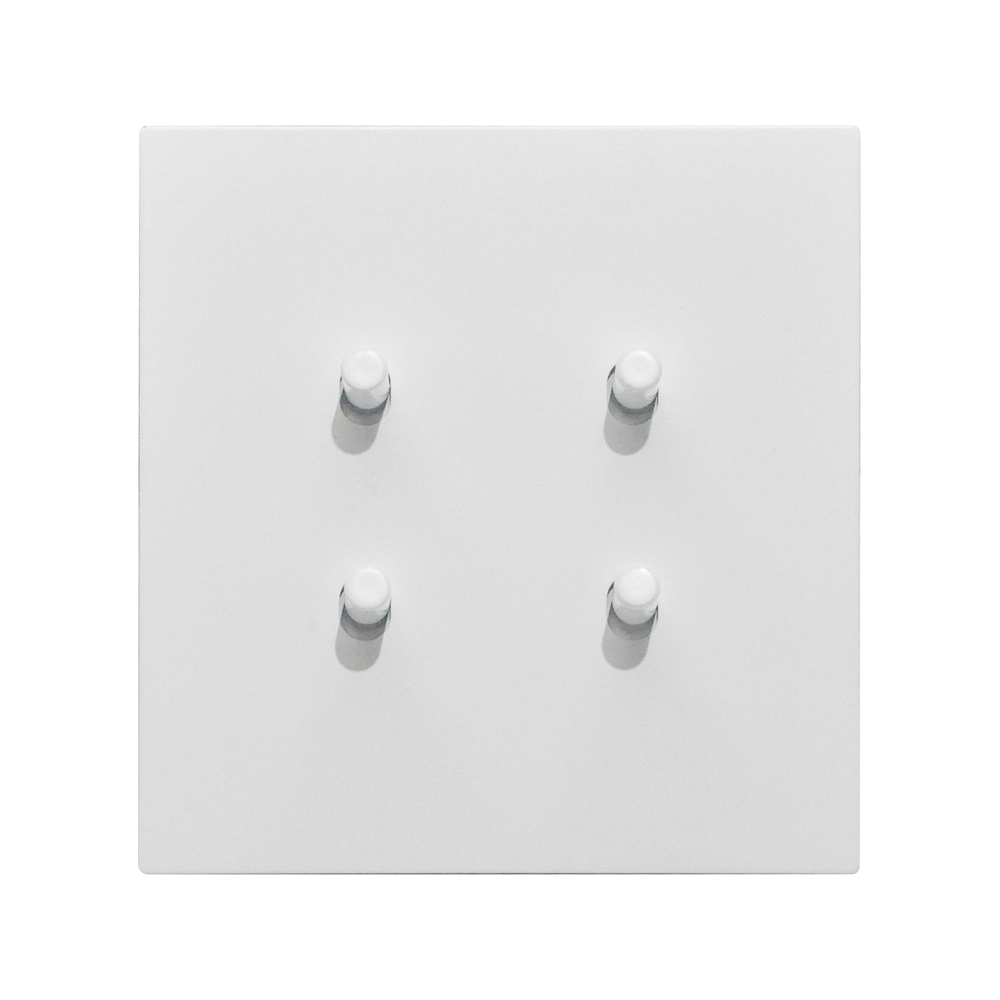
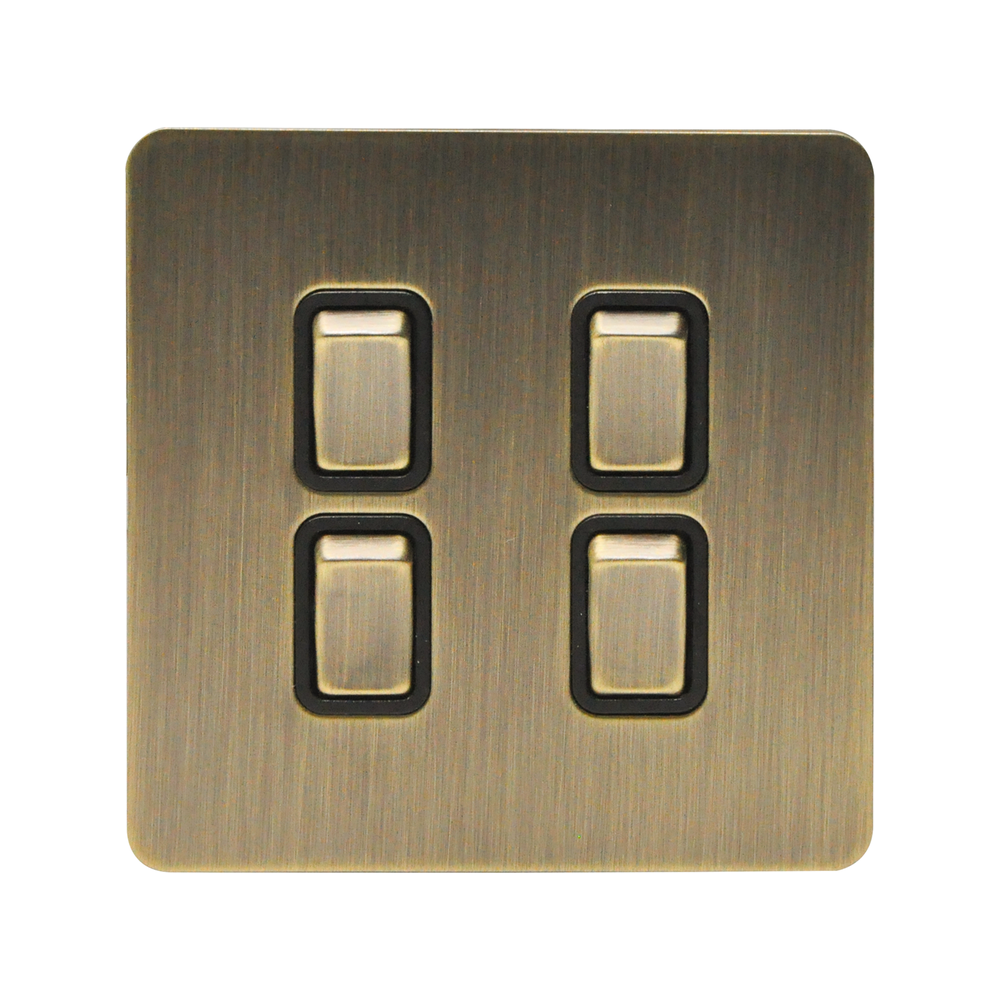
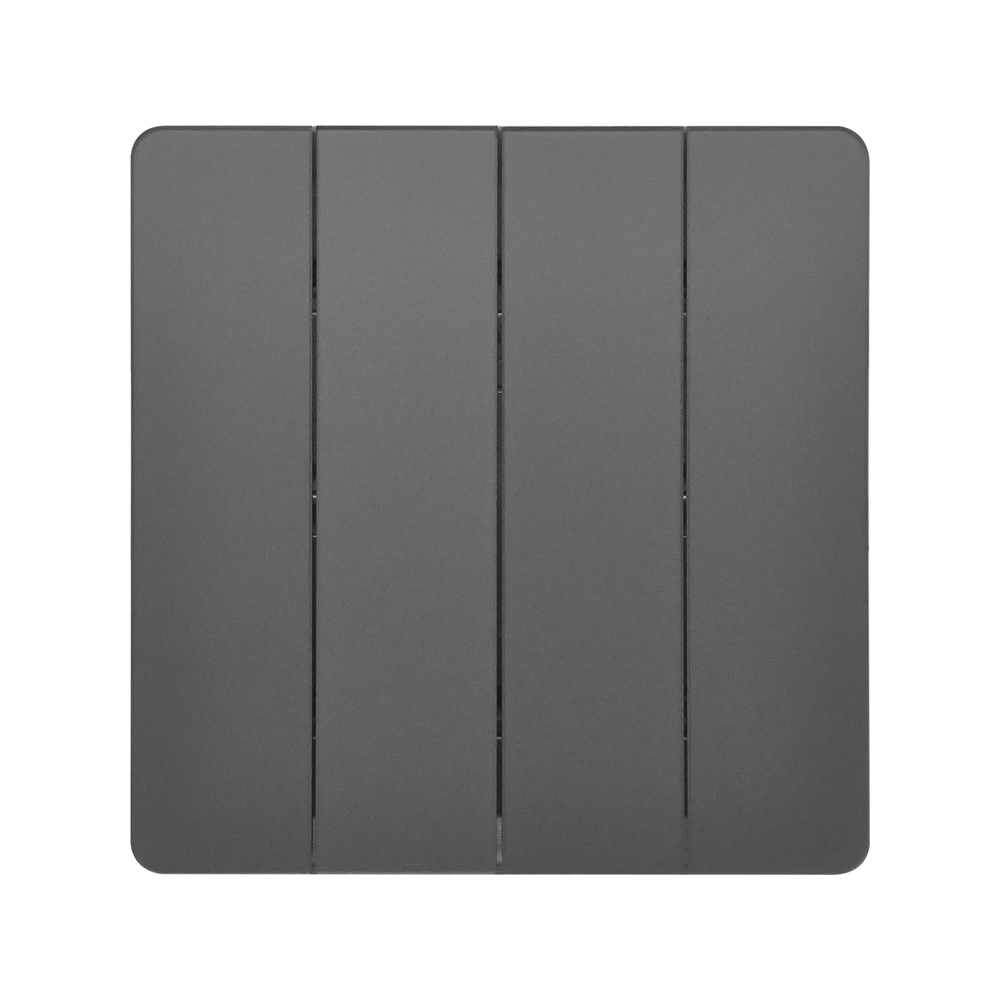
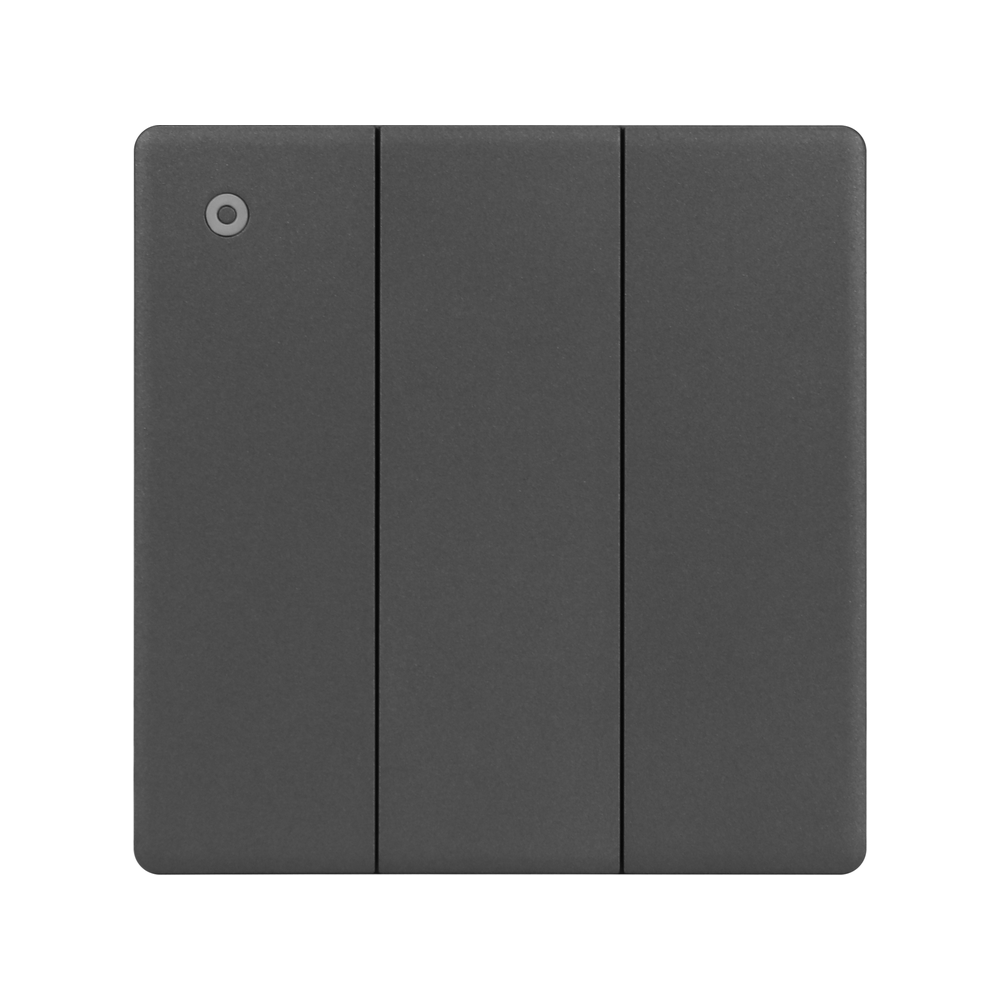
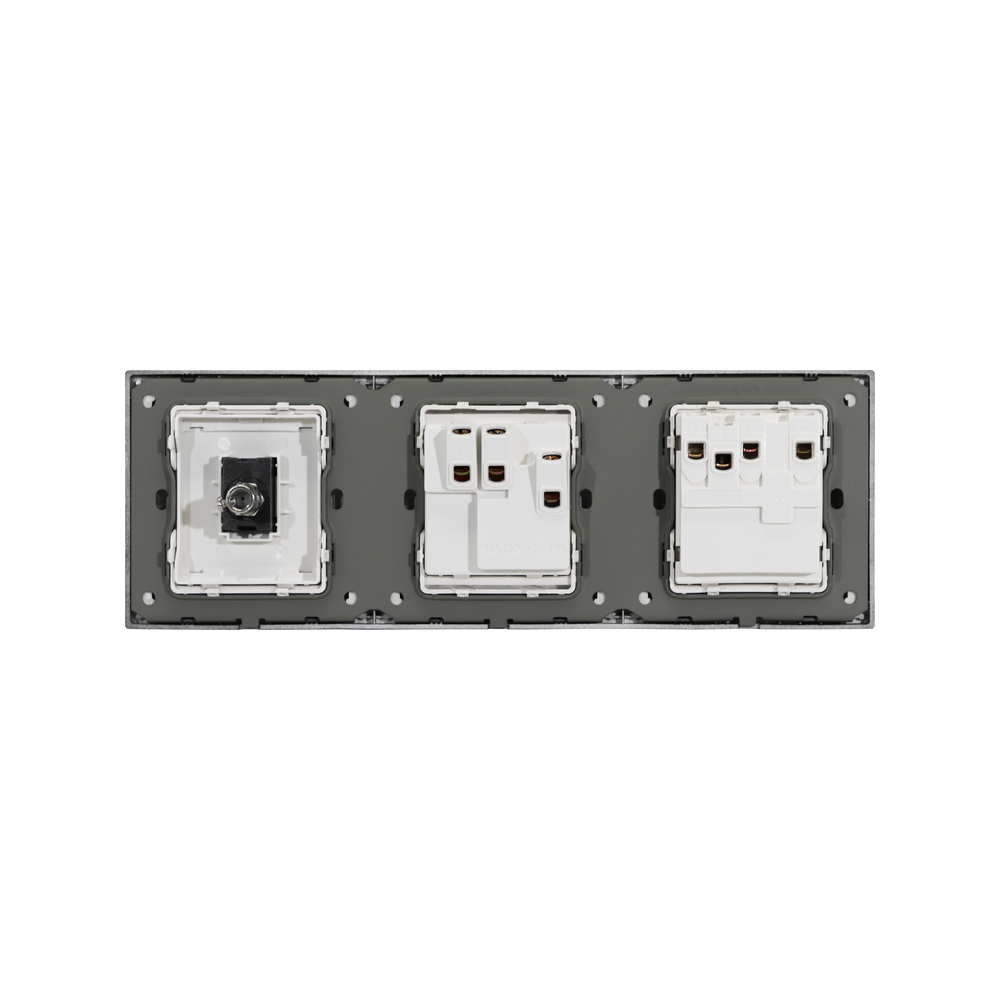
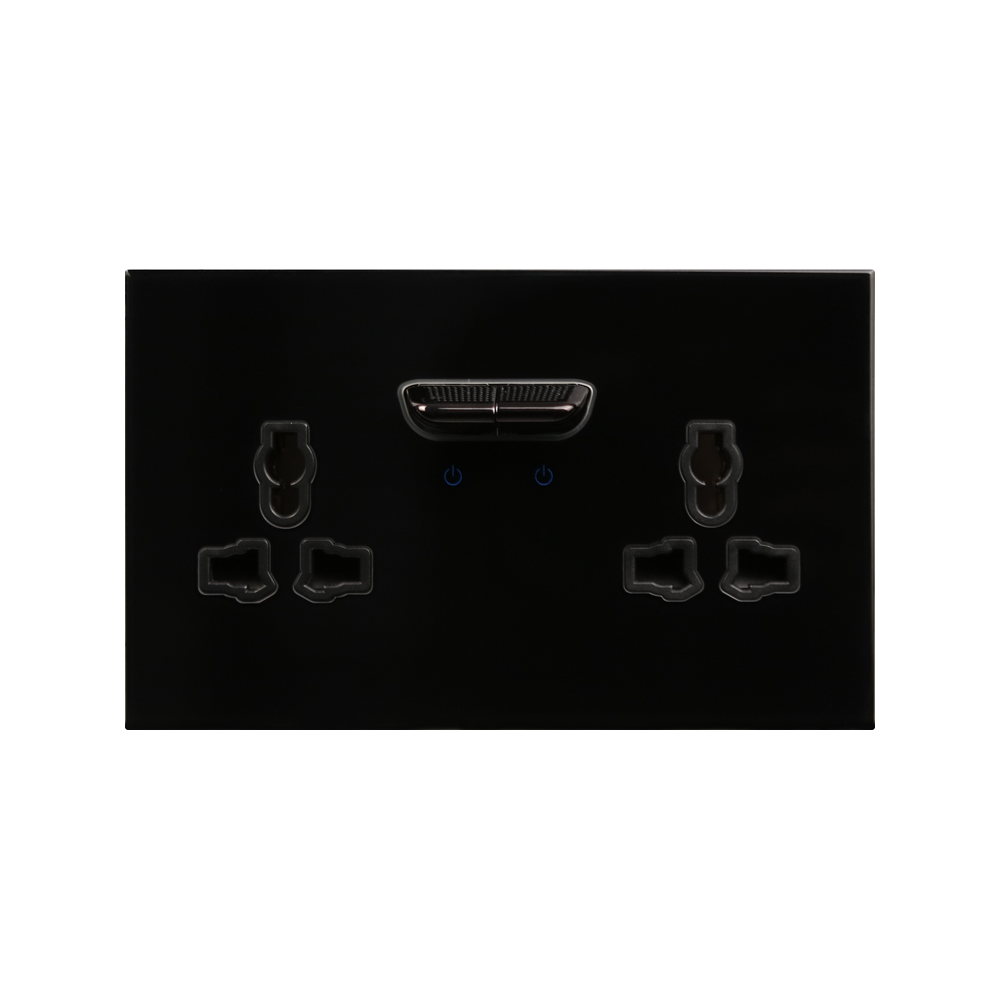
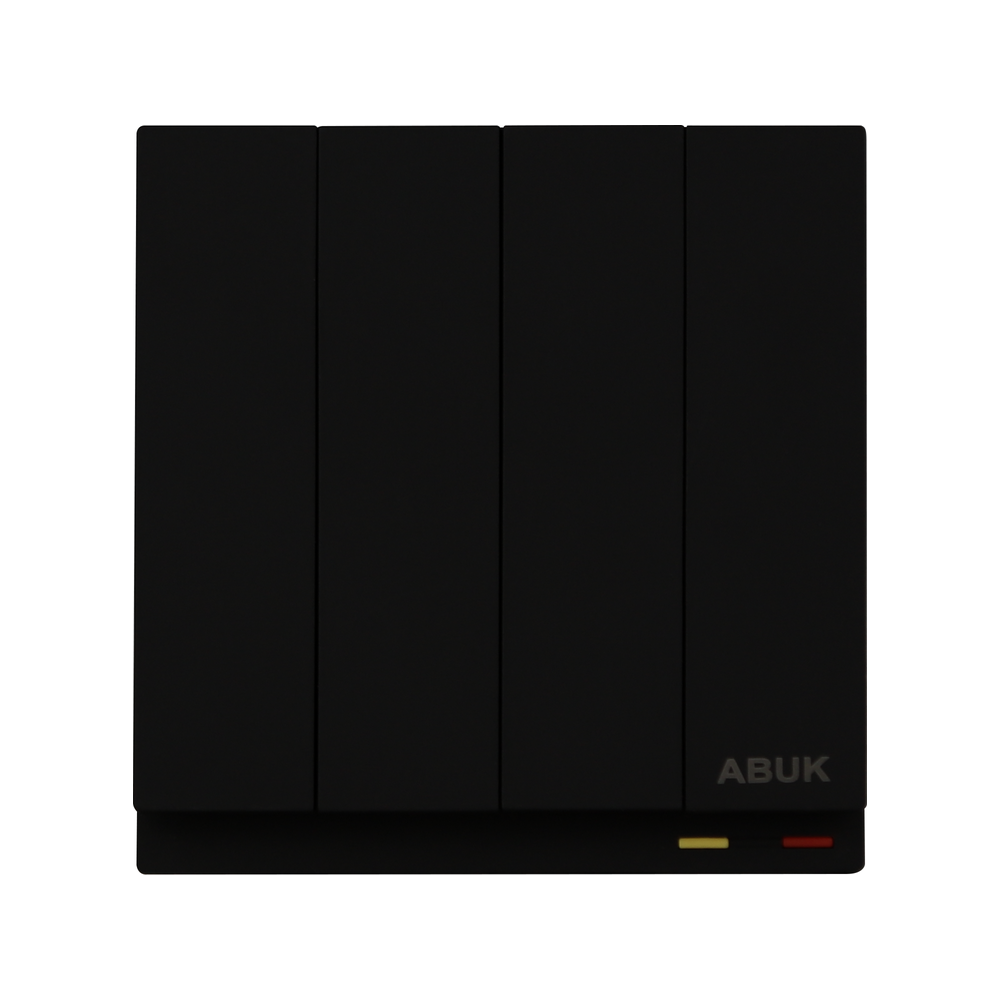
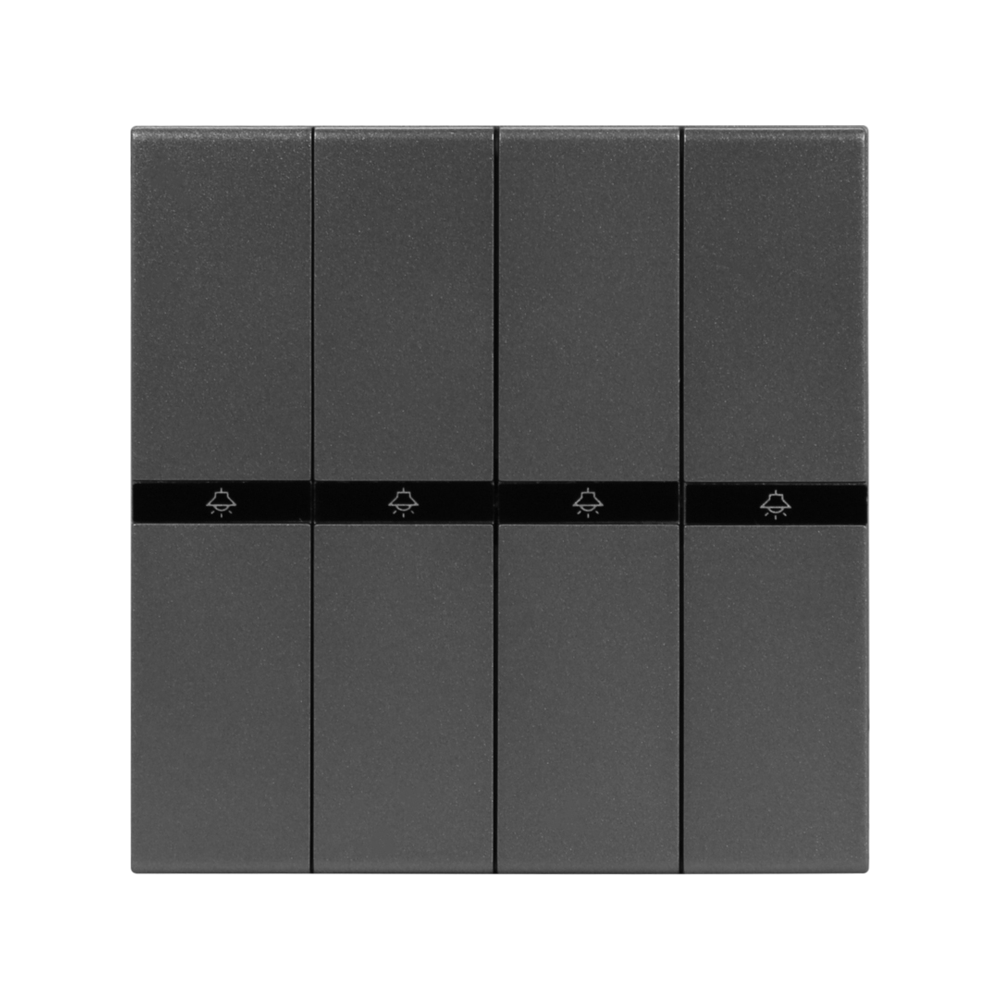
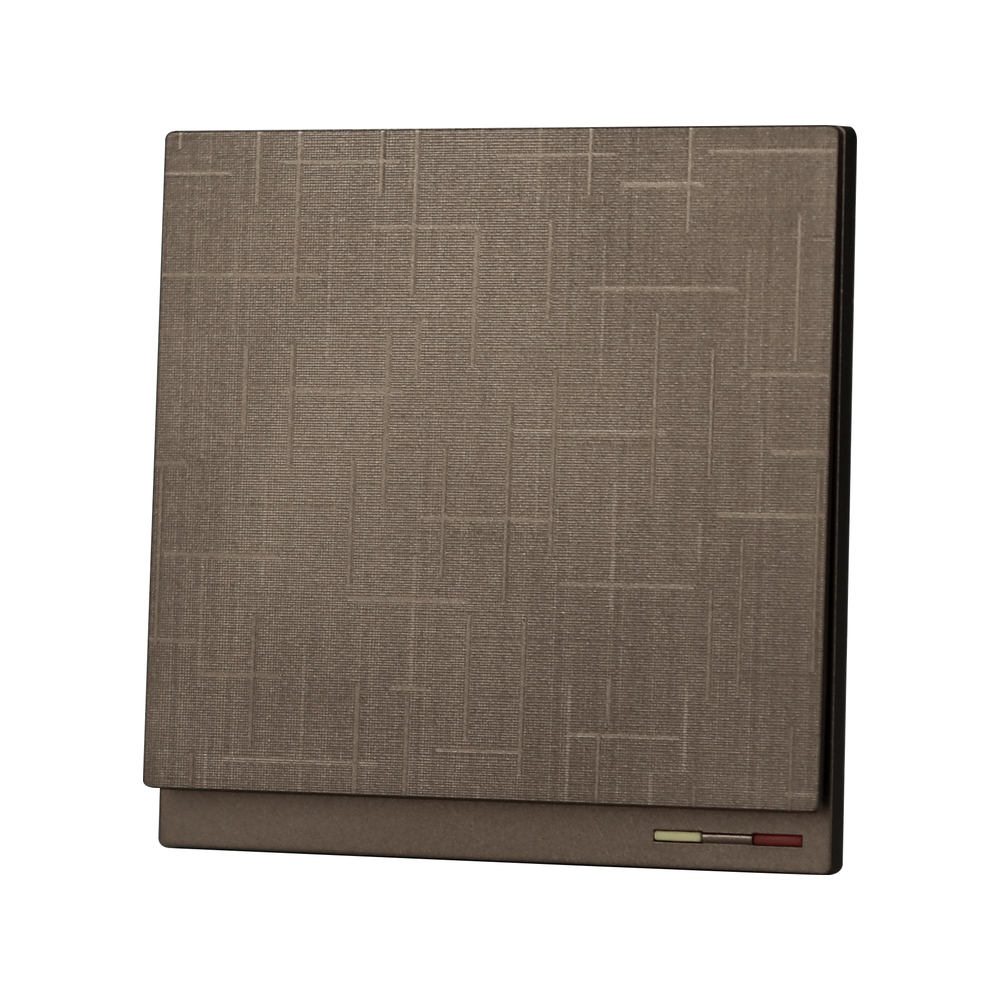
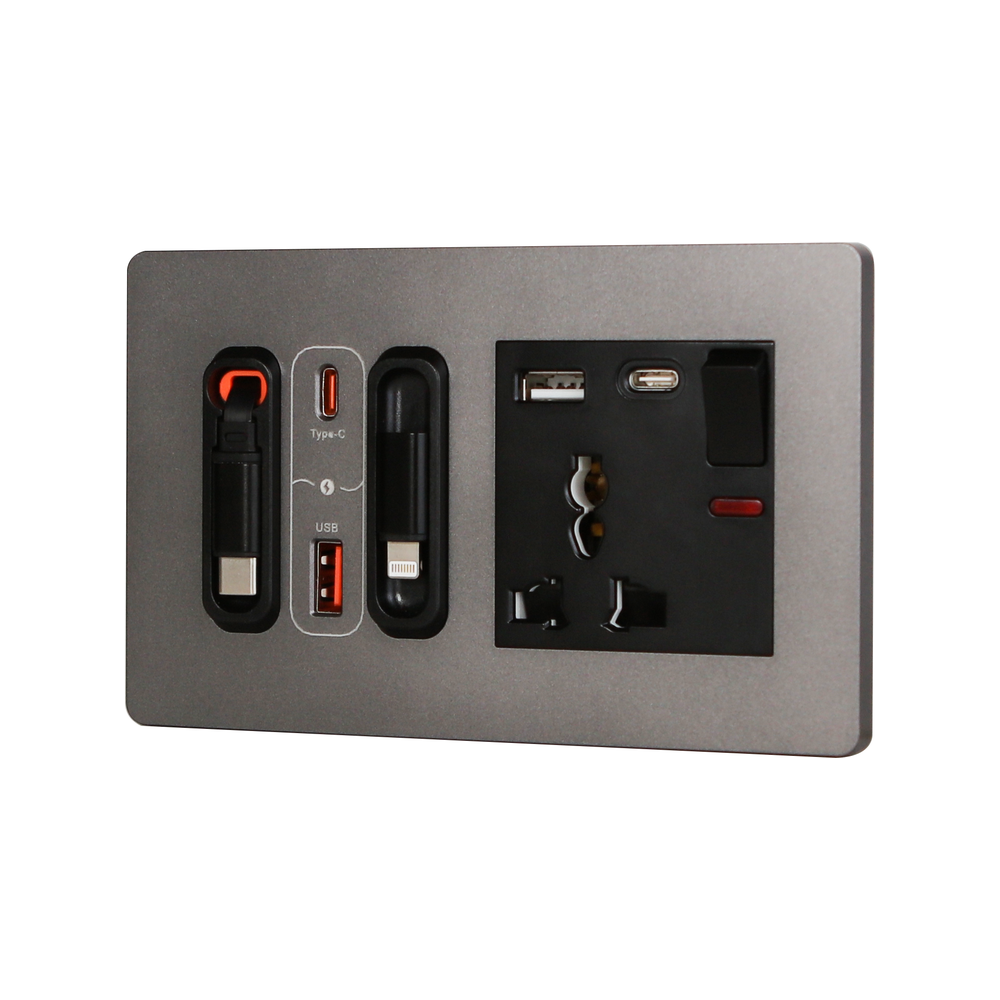
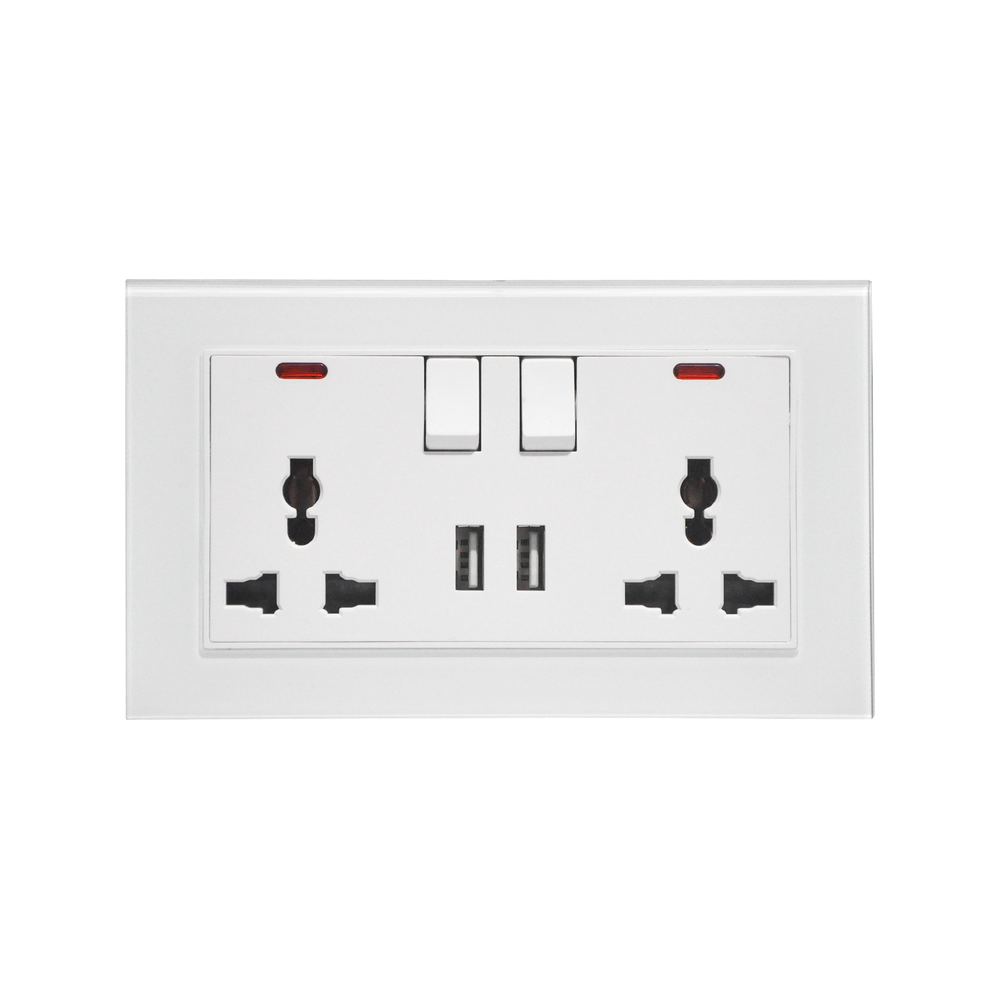
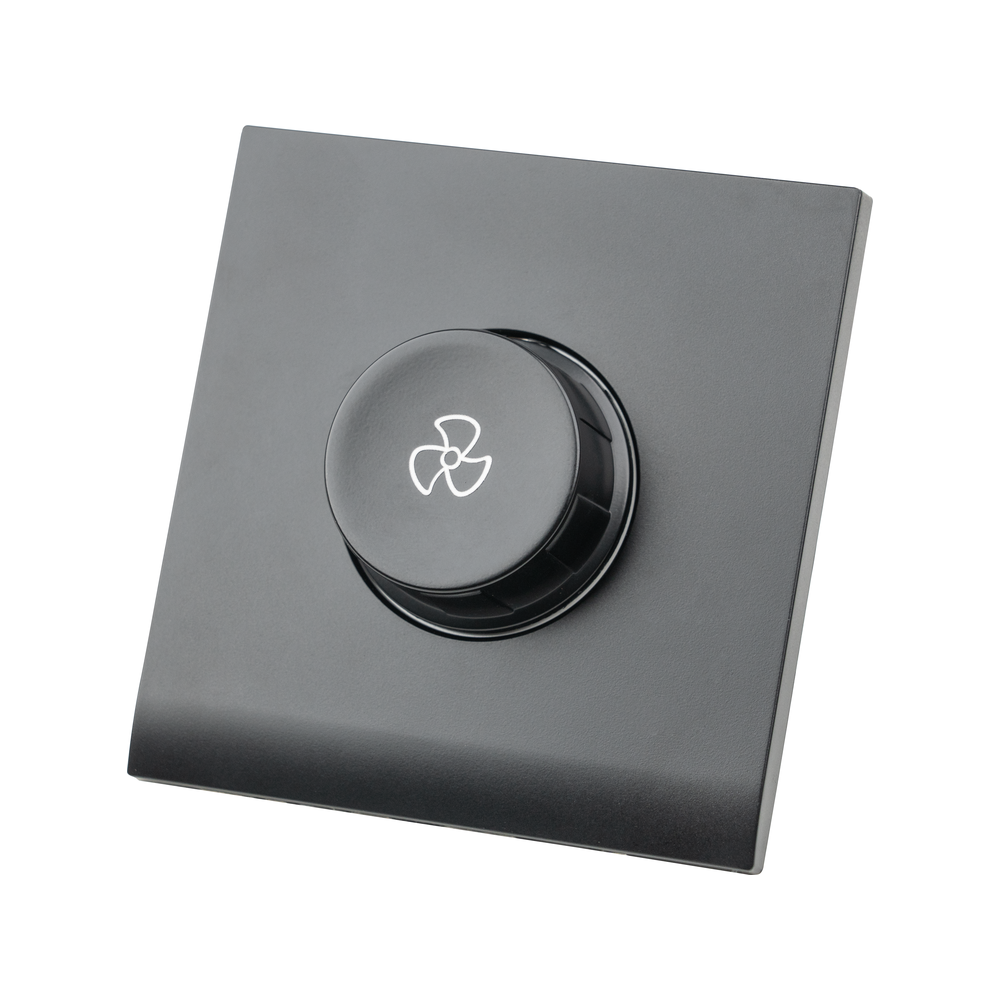
ABUK’s wall socket and switch options can be reviewed once mounting and destination requirements are known. Model-specific New Zealand evidence is needed; CE, RoHS or GCC documents are not substitutes. The related socket replacement planning guide helps distinguish an accessory change from a relocation.
Frequently asked questions
Do you need an electrician to move a power point in New Zealand?
A licensed electrician is the practical choice. Limited owner-occupier exemptions exist, but eligibility, work type, testing and connection conditions must all be satisfied.
Can a power point be moved without rewiring the whole room?
Often, yes. Local alteration may be sufficient when the existing circuit is suitable and a compliant route is available. Defects or changed loads can expand the scope.
How does an electrician determine whether the existing cable can be extended?
The assessment covers cable condition, circuit suitability, the proposed route and permitted connection arrangements. Available length alone is not enough.
What happens to the old power point location after it is moved?
It depends on the design. The position may be removed and repaired, retained as a socket, or fitted with an appropriate accessible enclosure. Electrical decisions come before decoration.
Can you move a power point yourself in New Zealand?
Only within the applicable legal exemption and its conditions. Advice about moving a power point in NZ must account for who owns and occupies the property, the work involved and the required testing.
What factors affect the cost of relocating a power point?
Access, cable route, wall construction, existing circuit condition, protection changes, testing and finishing all affect the quote. Agree the old location’s treatment as well as the new one.
References
- New Zealand Electricity (Safety) Regulations 2010
- TCCO: access and scope factors in power point installation
- HSE: general electrical maintenance and competence principles
A successful relocation is planned from the circuit to the finished wall. ABUK welcomes project socket specification enquiries once the intended position, accessory requirements and destination documentation are defined.