
 Wenzhou Lita Electric Co., Ltd.
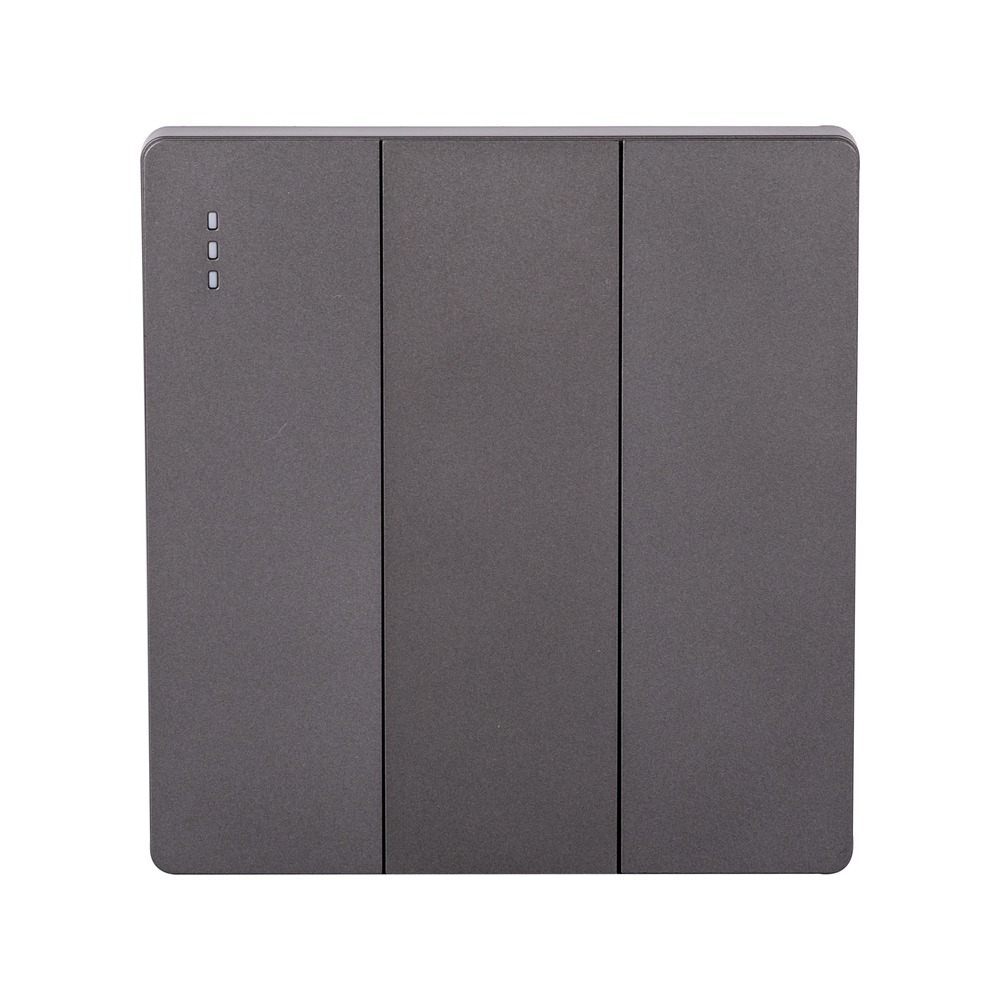
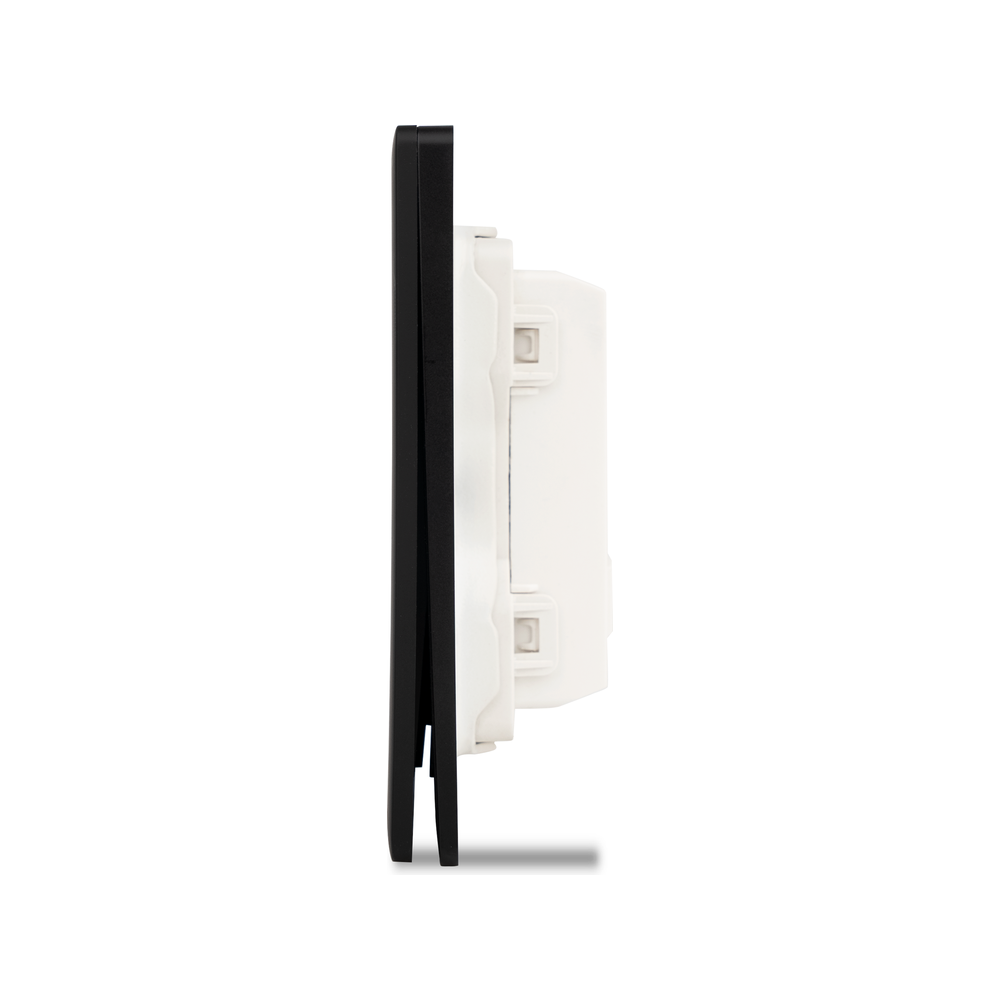
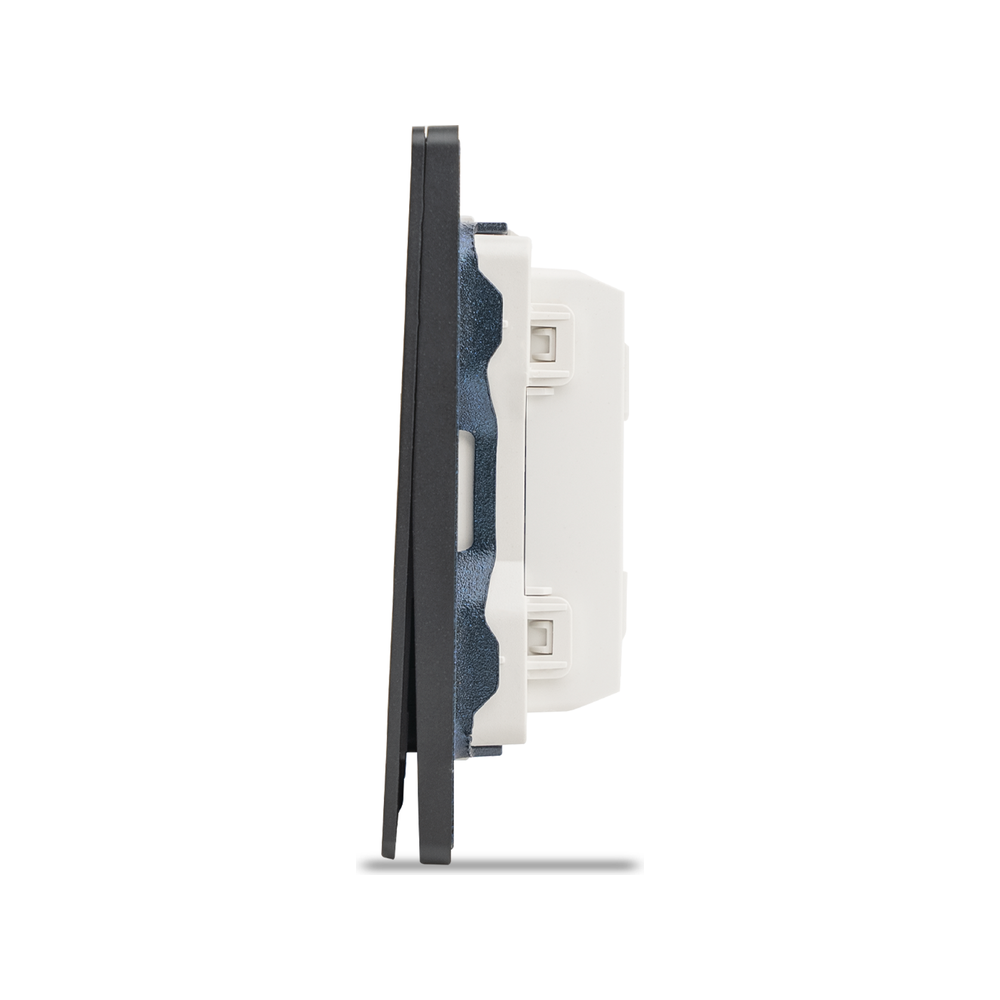
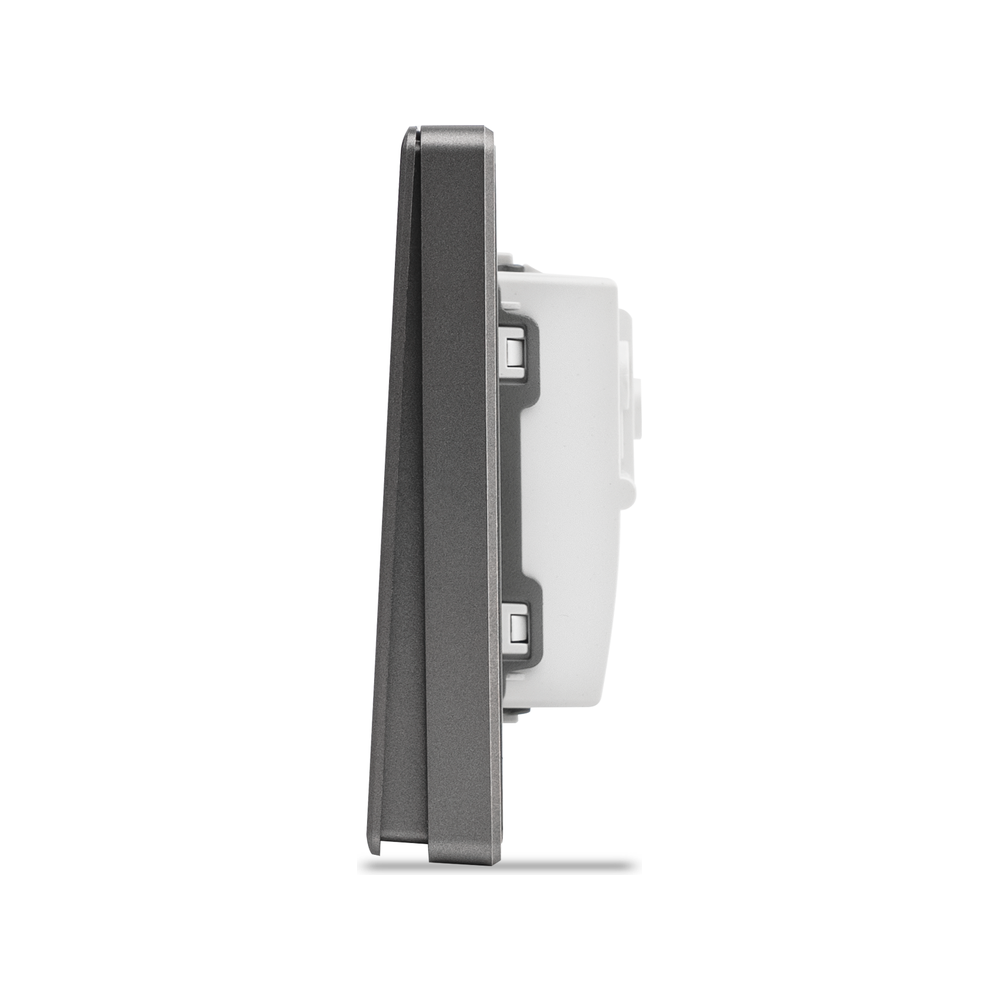
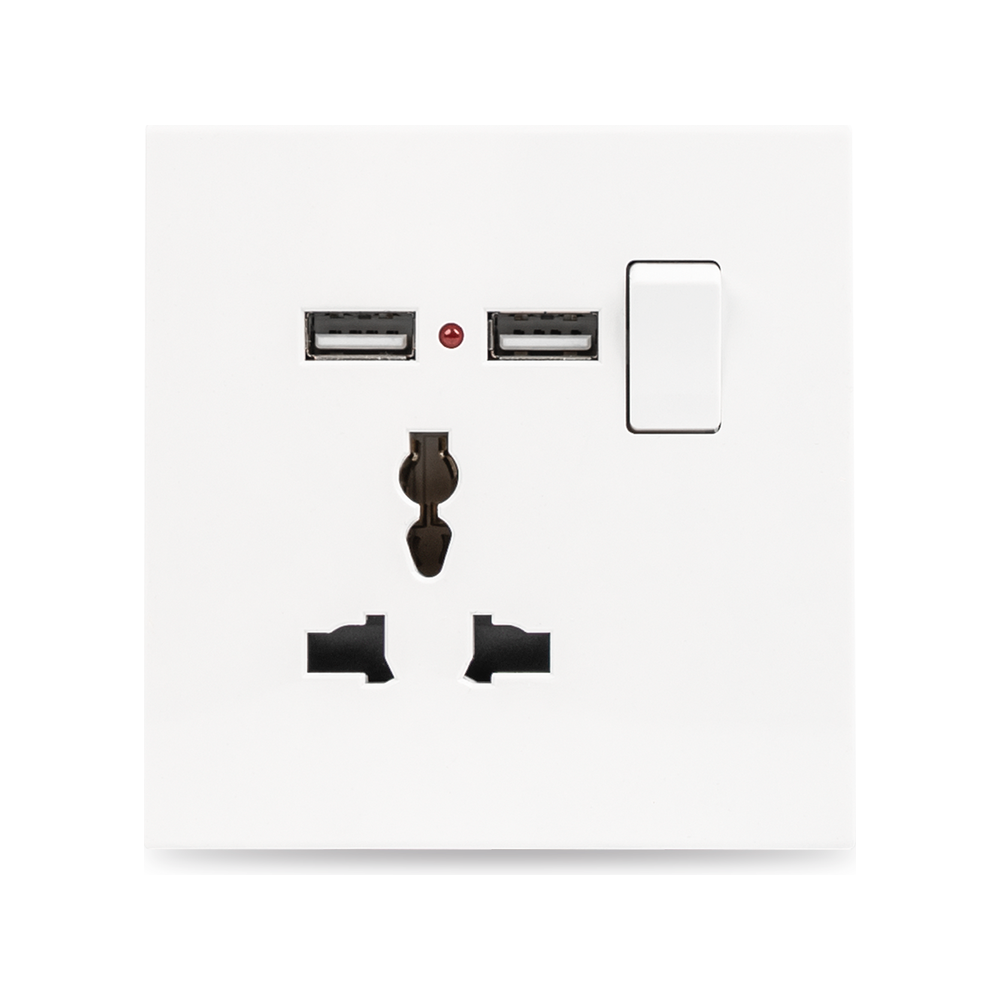
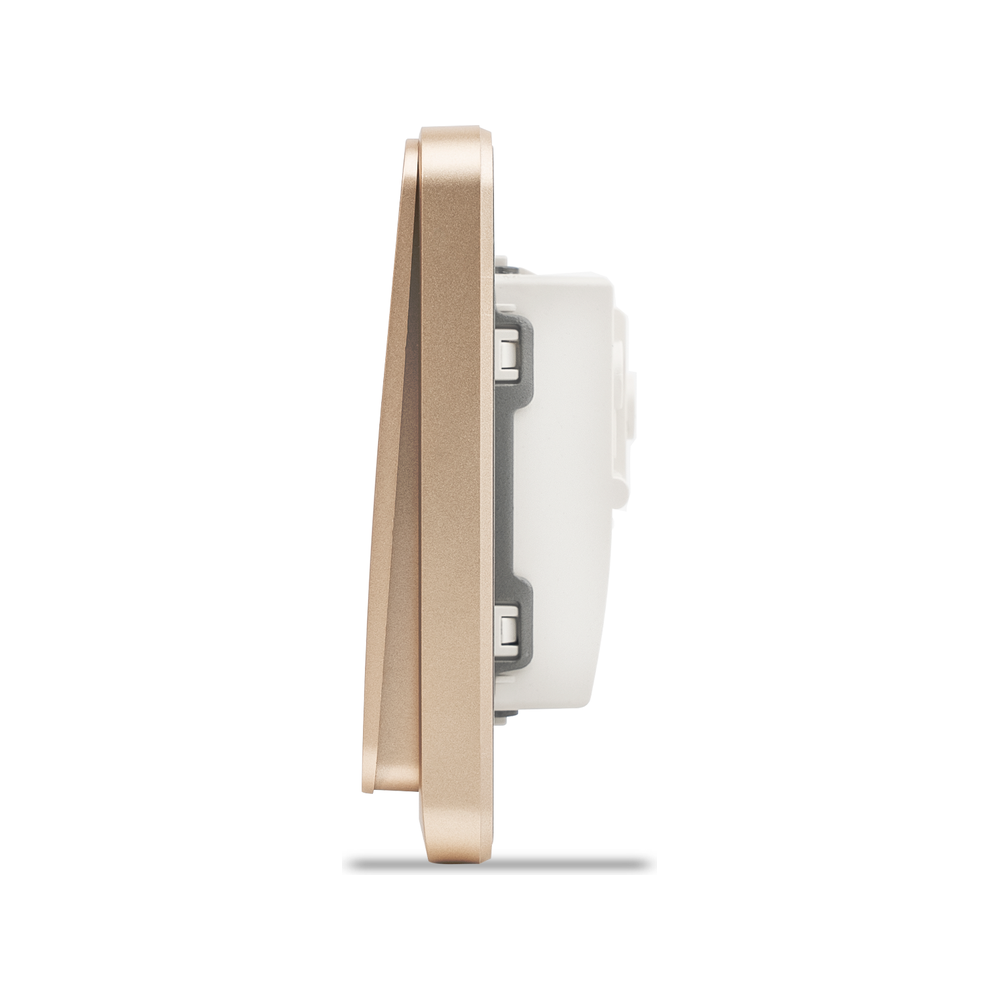
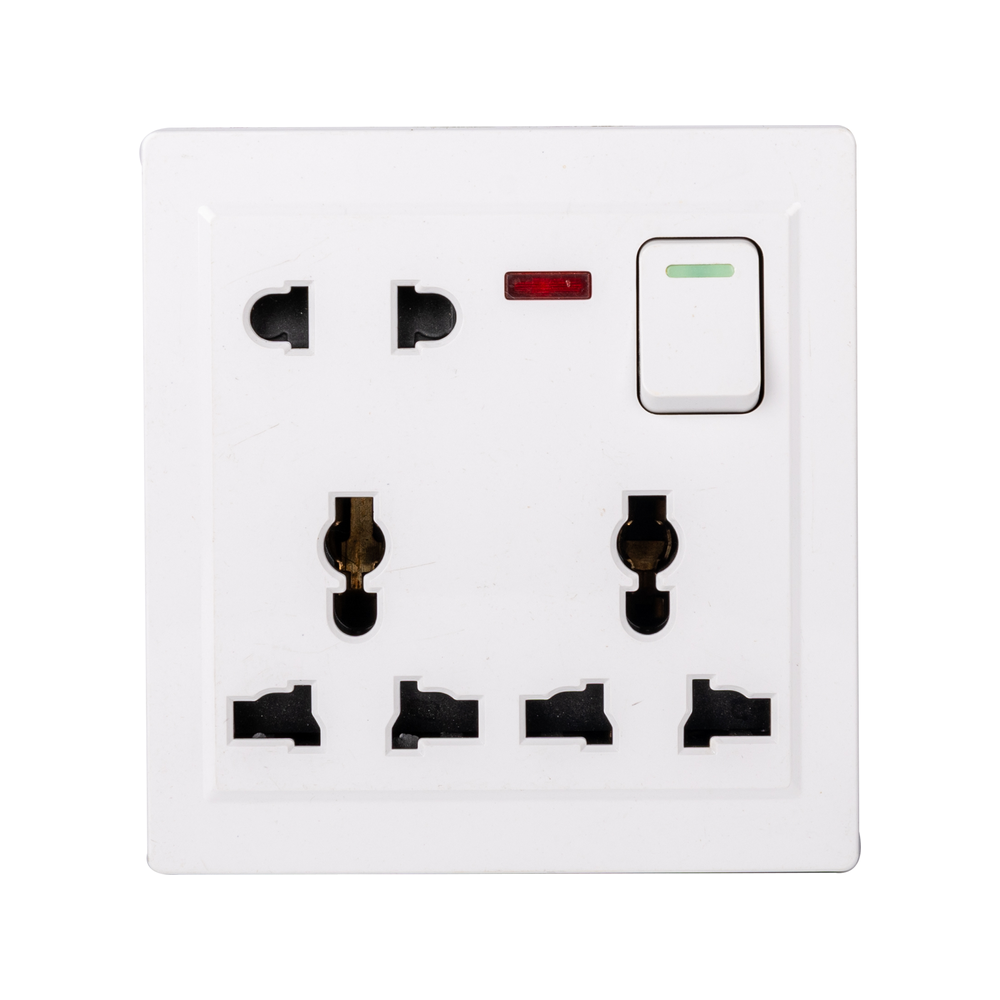

Why Are Irish Type G Plugs Larger Than European Plugs?
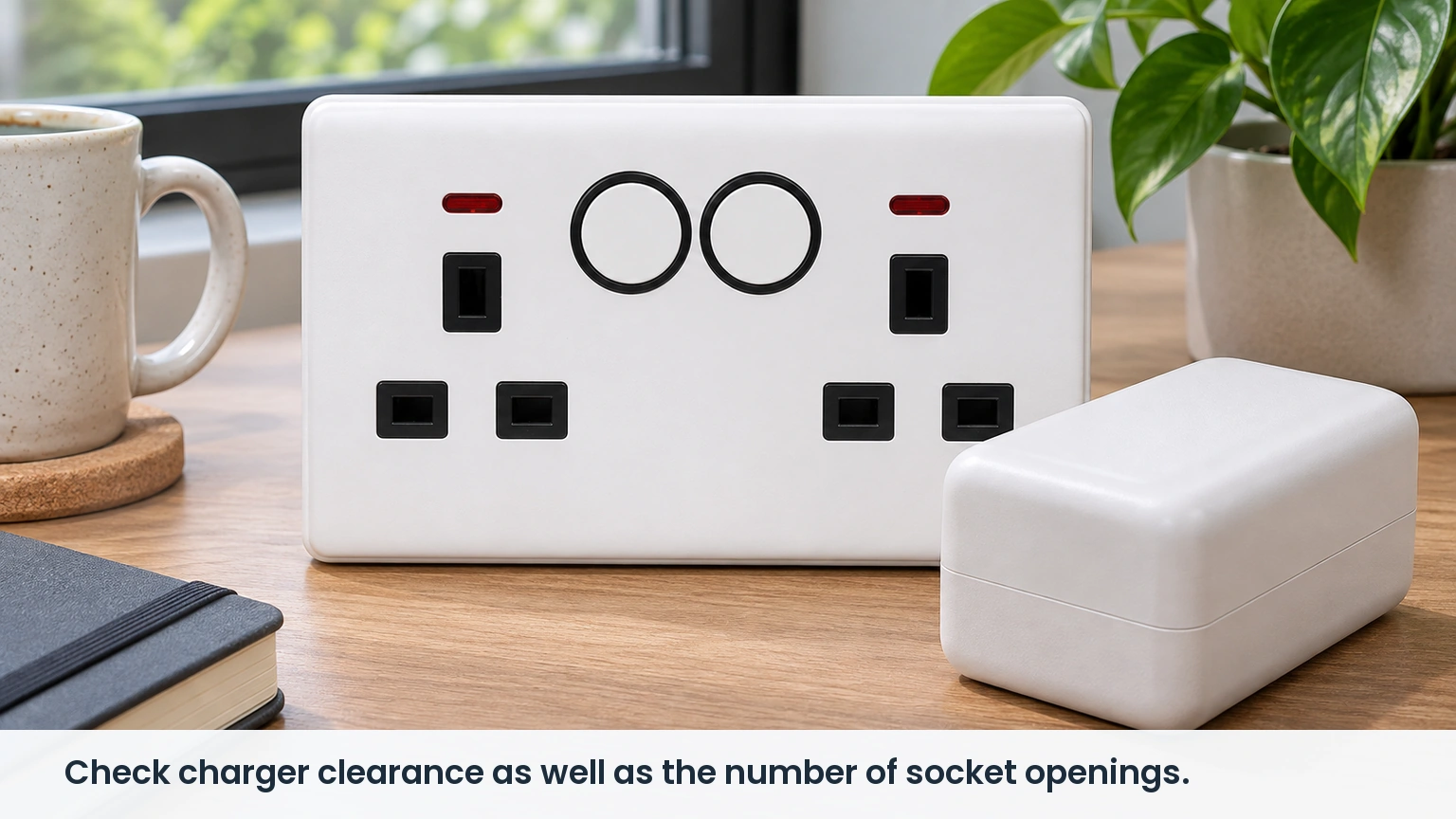
When a hotel buyer in Dublin encountered bedside chargers blocking adjacent socket openings, the double socket appeared to be undersized. In this hypothetical room trial, compact continental chargers had been replaced by larger Type G versions without checking clearance; the second outlet became awkward to use. The issue was the complete plug-and-charger envelope, not the number of openings in the wall plate.
Summary: Irish Type G plugs accommodate a fused 13A system, a defined three-pin arrangement, insulation and mechanical requirements. They are often larger than a small two-pin Europlug, but “European plug” describes several designs. Compare the actual plug or charger body, intended load and socket clearance instead of treating size as a safety ranking.
The usual Ireland plug socket type is Type G on a nominal 230V, 50Hz supply. BSI’s BS 1363-1 specification describes rewirable and non-rewirable 13A fused plugs. That defined system explains the outline more usefully than the claim that a large plug simply contains “more safety.”
What needs to fit inside a Type G plug?
A conventional rewirable Type G plug needs space for its fuse, terminals, conductor routing, cable restraint and insulating enclosure. A moulded plug packages those functions differently, but still has to satisfy the applicable product requirements. The fuse is a real component rather than a decorative feature of the familiar shape.
BS 1363-1 sets safety and dimensional requirements for the 13A fused-plug system. The 13A figure is the plug system’s rating; it does not mean every appliance should have a 13A fuse. The appliance manufacturer specifies the appropriate fuse for the intended flex and load arrangement.
The fuse helps protect the appliance flex under relevant fault or overload conditions. It does not regulate voltage, provide surge protection or act as a thermometer for every contact. An overheated or loose connection can still need attention even if the fuse remains intact.
Why are the pins different lengths and partly insulated?
The familiar plug has three rectangular positions arranged in a triangle. World Standards documents the earth pin as approximately 22.7mm long and the line and neutral pins as approximately 17.7mm long. The longer upper pin participates in the system’s connection and shutter-opening arrangement.
Line and neutral pin sleeves reduce the length of exposed conductive surface near the plug body during insertion and withdrawal. Their presence should not be taken as permission to handle a partially inserted plug or use a damaged accessory. BS 1363 dimensional conformity concerns the complete product, not just whether dark sleeves are visible.
Not every upper pin is an electrical earth connection. Some Class II appliances use a non-conductive shutter-opening pin because the appliance does not require protective earthing. That does not justify removing a grounding pin from equipment that does require it. Socket shutters also belong to the socket mechanism, not inside the plug body.
Are continental European plugs always smaller?
No. A small Type C Europlug is a poor stand-in for every continental design. It is a two-pin, unearthed connector commonly associated with lower-power Class II equipment; Type E and Type F arrangements serve different purposes and can have substantial bodies. A large power adapter can be bulky regardless of which mains pins it uses.
Type G’s 13A fused system and continental earthed systems use different standardized interfaces. Their safety depends on the correct installation, compatible equipment and product conformity, not the winner of a size comparison. A fused plug also does not prove that a particular Irish building uses a ring final circuit.
This distinction matters for procurement. Compare equivalent appliances and intended uses, not a small phone charger against a high-current appliance plug. For a furniture schedule, the useful dimension is the whole connected assembly: body, cable exit and the clearance needed to insert and remove it.
How does plug size affect the usable space around a socket?
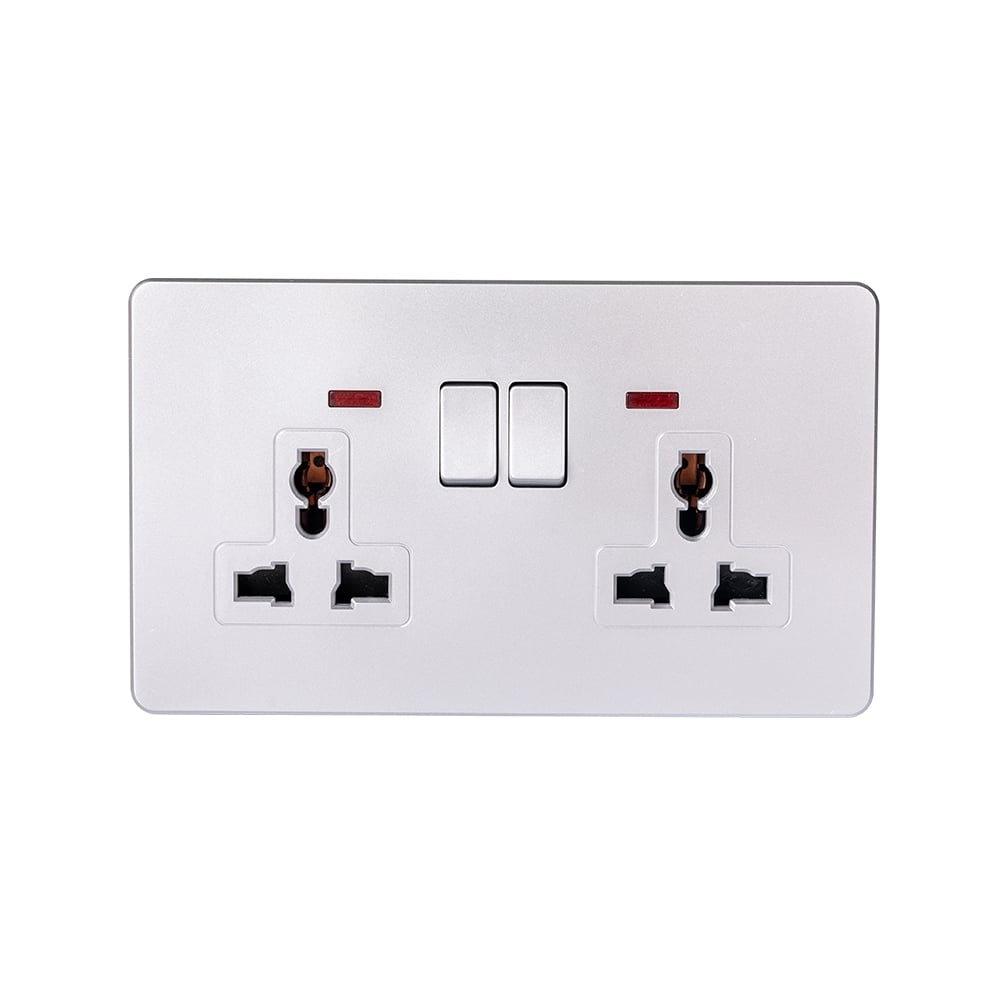
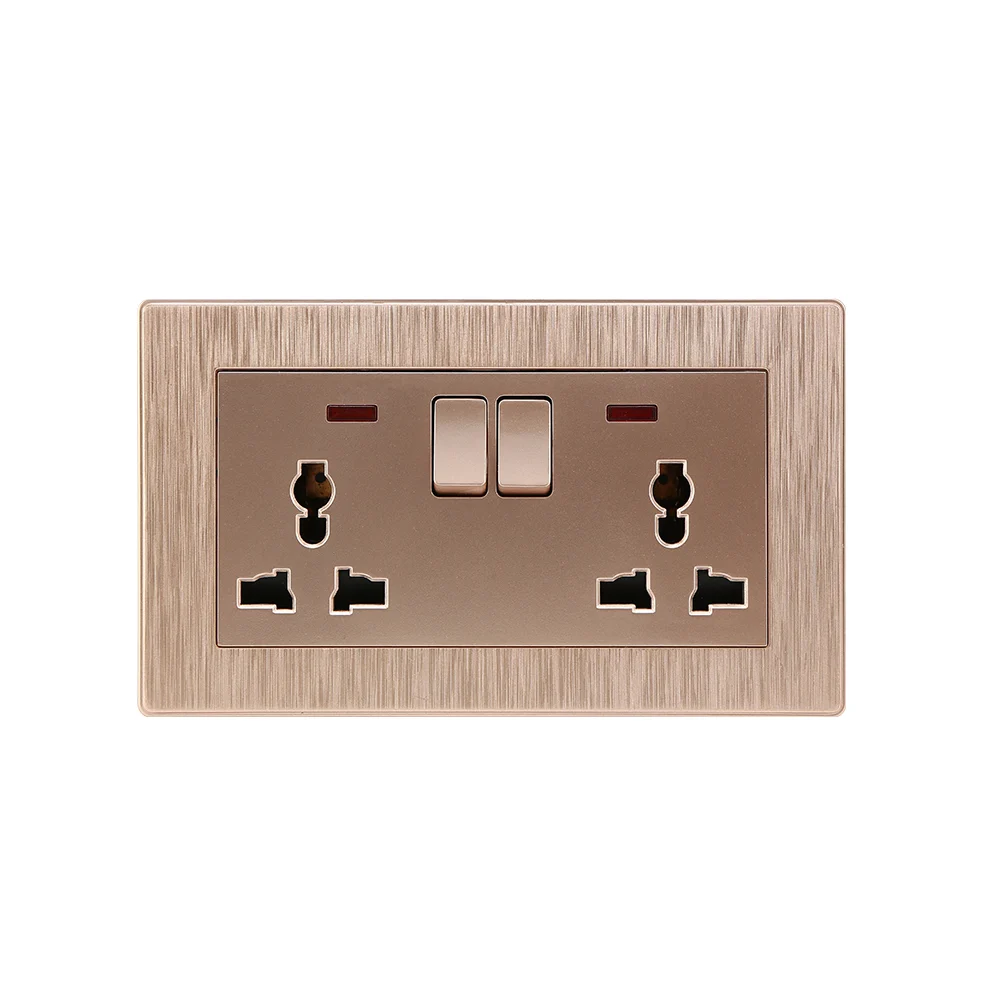
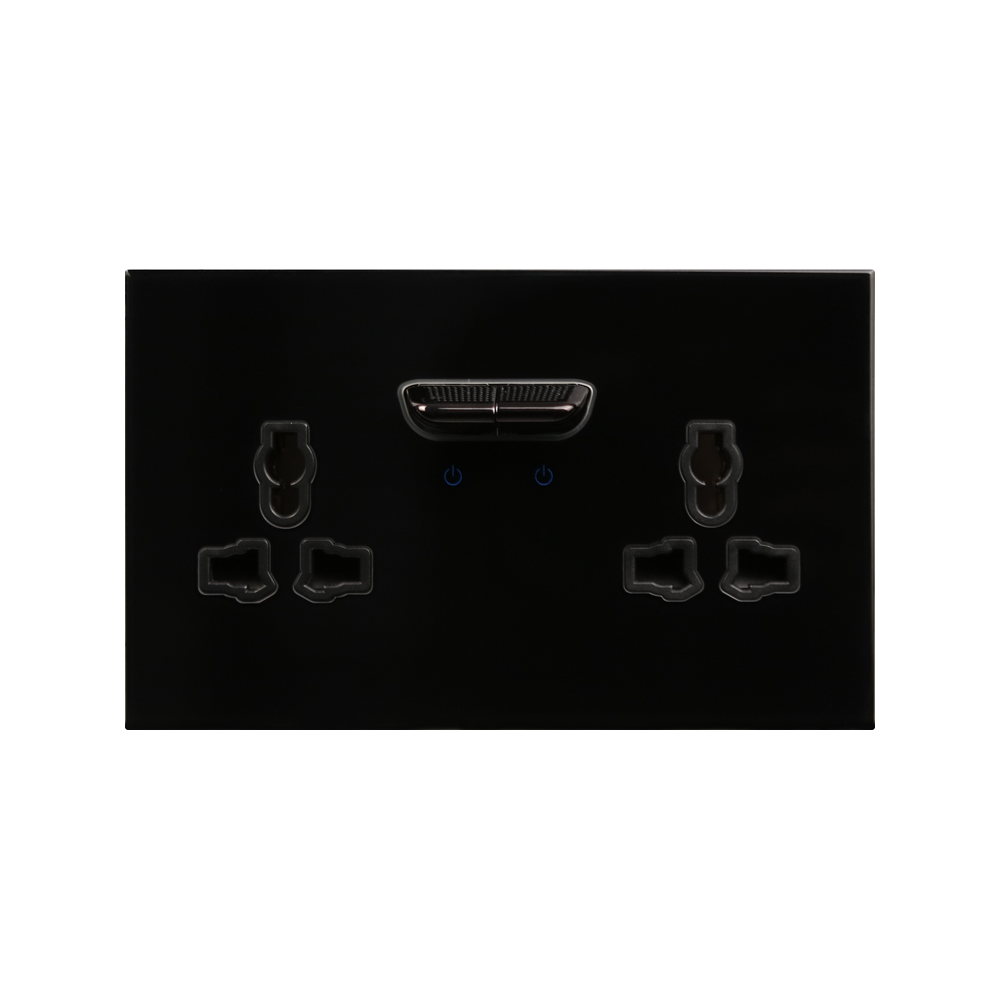
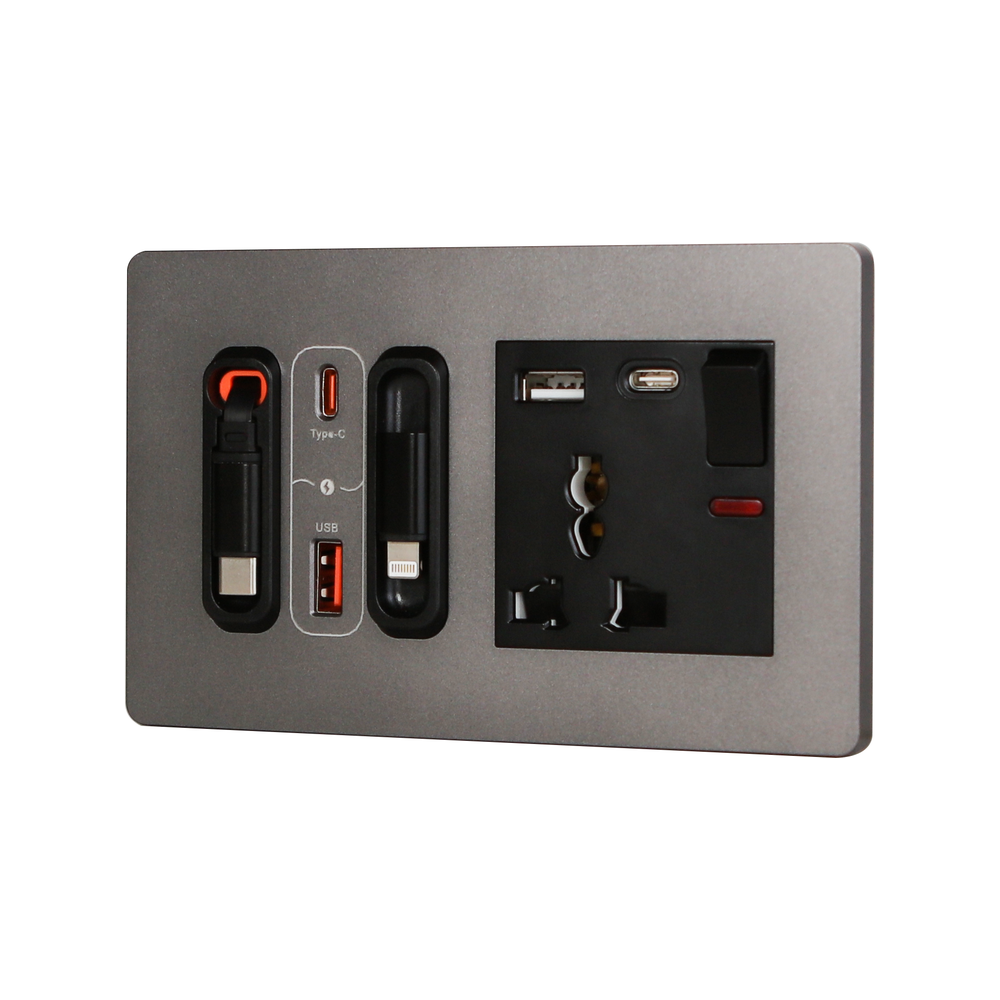
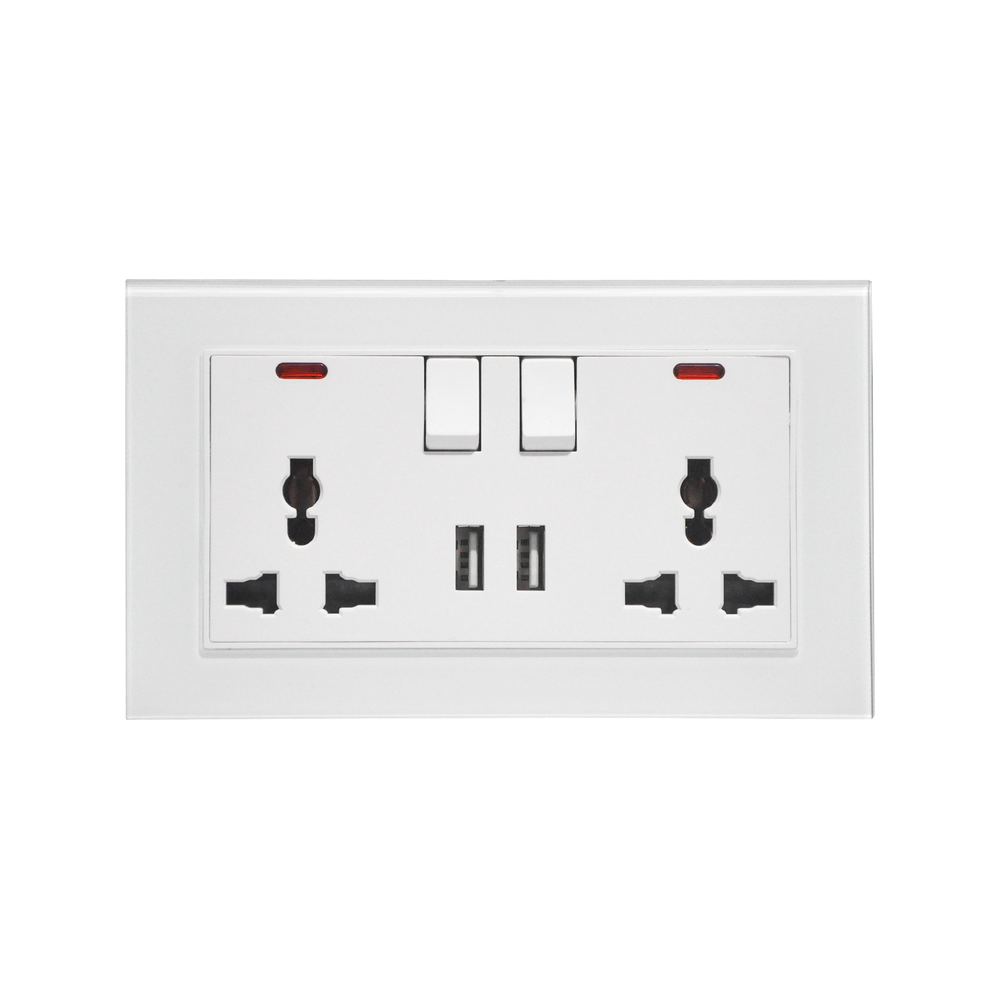
A double socket has two openings, but two bulky chargers may not be usable together in the intended orientation. Adjacent switches, furniture edges and a recessed enclosure can further restrict access. A physical trial with the actual accessories is more reliable than counting outlets on a drawing.
The BS 1363 interface establishes the mating arrangement, not the outer dimensions of every charger housing. For illustration, two chargers that fit individually can still interfere when used together. The problem can arise even when the electrical load is very small; clearance and load capacity are separate questions.
Keep the cable exit clear of tight bends and trapped furniture. A larger adapter projecting from a socket can also place extra mechanical load on the connection. The response should be a suitable accessory arrangement, not forcing the body sideways or leaving the pins partly inserted.
Which differences matter when comparing plug systems?
| Feature | Irish Type G system | Continental comparison |
|---|---|---|
| Plug protection | Fuse within the compliant plug arrangement | Different systems use different protective arrangements |
| Pin configuration | Three rectangular positions | Type C, E and F are distinct designs |
| Protective earth | Required where the appliance design needs it | Small unearthed plugs are not substitutes for earthed equipment |
| Physical clearance | Check complete plug or charger body | Charger housings can be bulky in any system |
Why does a travel adapter need more than the right shape?
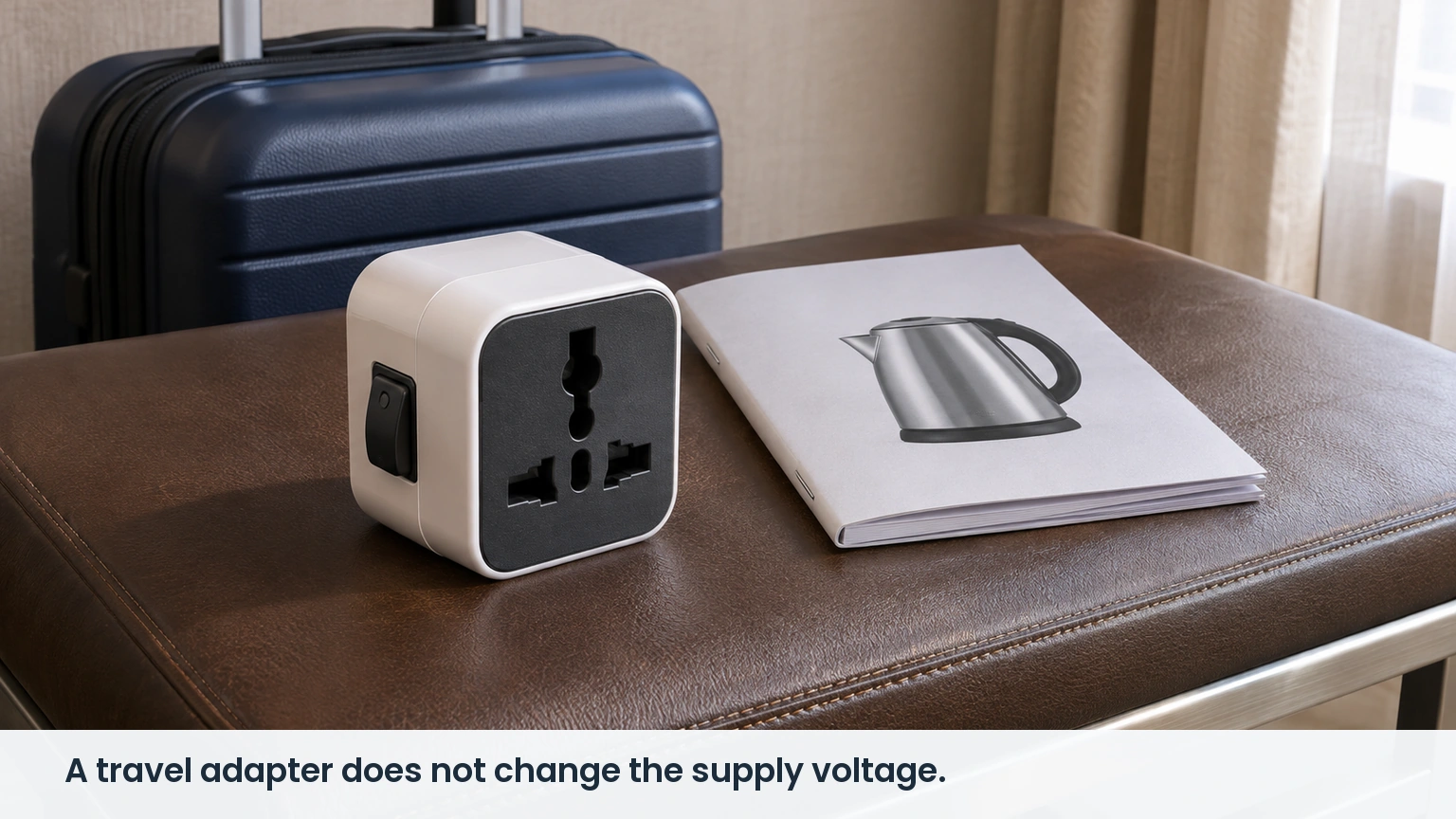
An adapter must suit the destination interface, appliance rating and required earth path. It does not change Ireland’s nominal 230V supply into 120V. A charger labelled 100–240V is a different case from a single-voltage appliance, even if both can be made to fit physically.
World Standards’ Type G guidance describes the fused system; the actual adapter’s instructions and applicable product requirements determine its suitability. A “universal” label is not evidence that every input configuration preserves every required connection. Never bypass shutters or alter pins to obtain a fit.
| Use case | Check first | Often overlooked consequence |
|---|---|---|
| Hotel bedside charging | Two actual chargers fitted together | Adjacent socket or switch becomes inaccessible |
| Travel appliance | Voltage range and adapter suitability | Shape conversion mistaken for voltage conversion |
| Desk behind furniture | Projection and cable clearance | Plug partly withdrawn by furniture pressure |
| Appliance replacement | Correct fuse and intact flex | Old plug faults carried into a new arrangement |
What conformity claims should a buyer verify?
BS 1363-1 concerns plugs; other parts of the family address related accessories. Irish destination requirements and the exact product’s documentation remain relevant. CE, RoHS and GCC documents address different scopes and should not be presented as interchangeable plug-safety certificates. A dimensional resemblance or a visible fuse does not establish conformity.
How can a project avoid wasted socket positions?
- Trial the intended chargers and appliance plugs together.
- Confirm access after furniture and cable management are fitted.
- Check model-specific ratings, fuse requirements and destination documents.
- Include replacement access and spare availability in the selection.
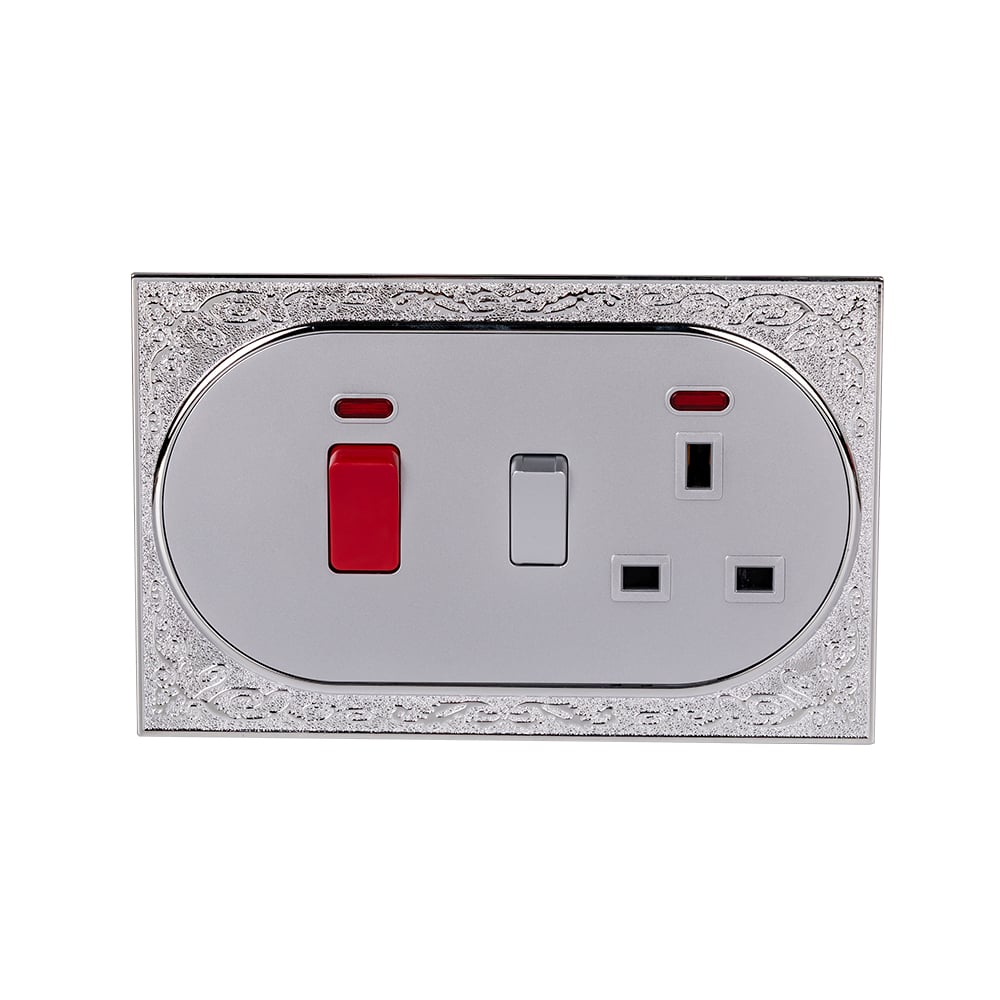
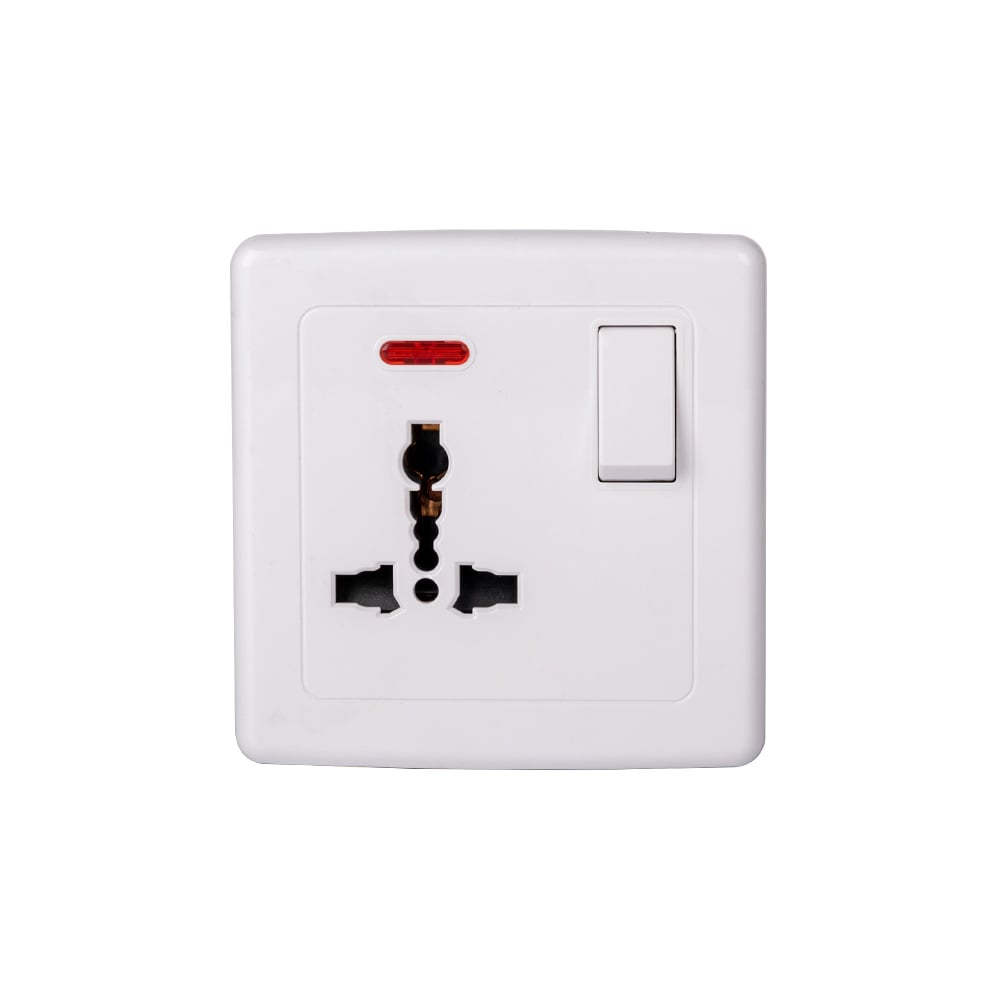
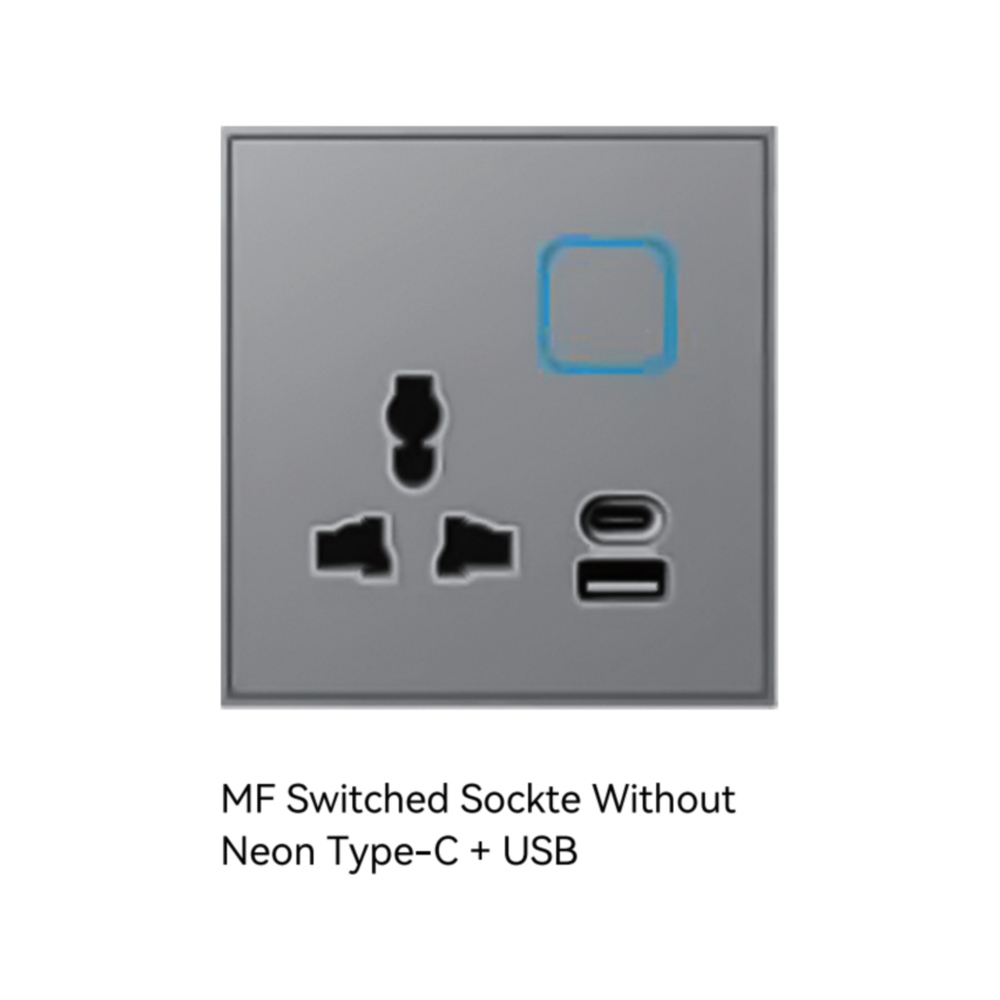
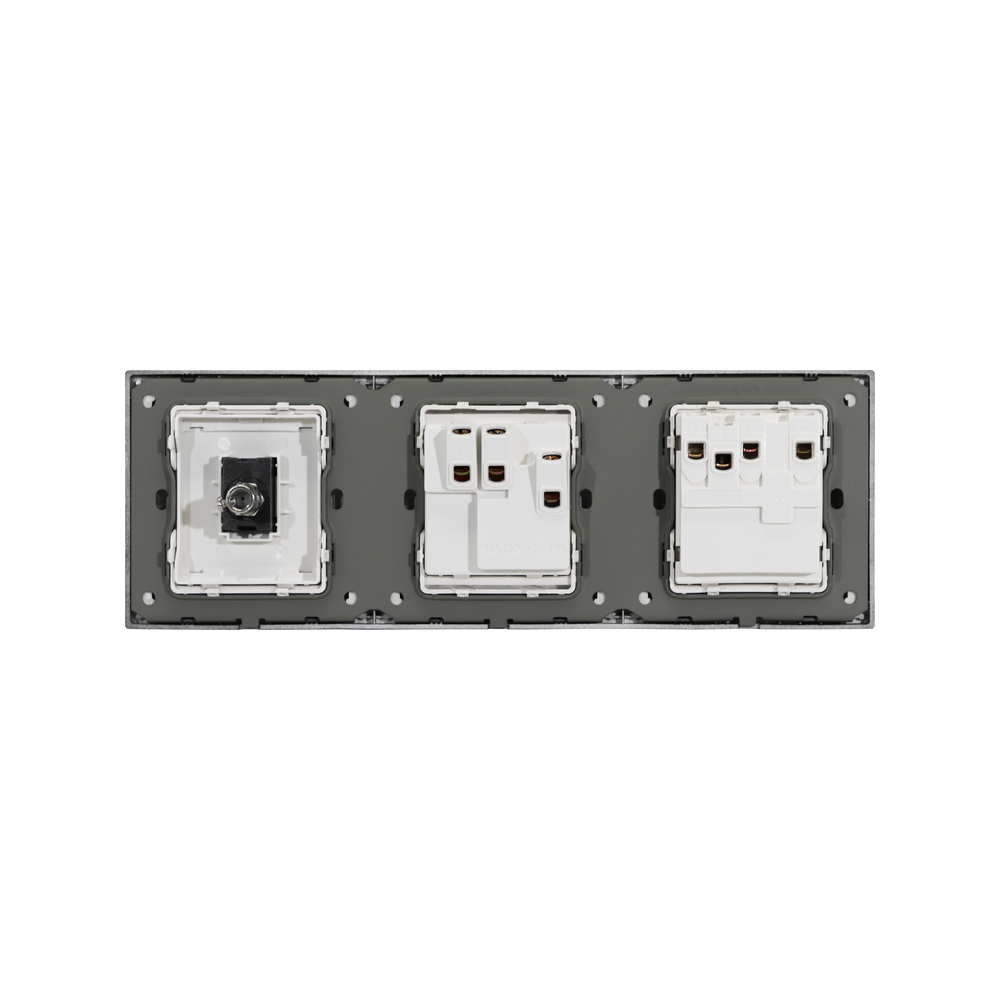
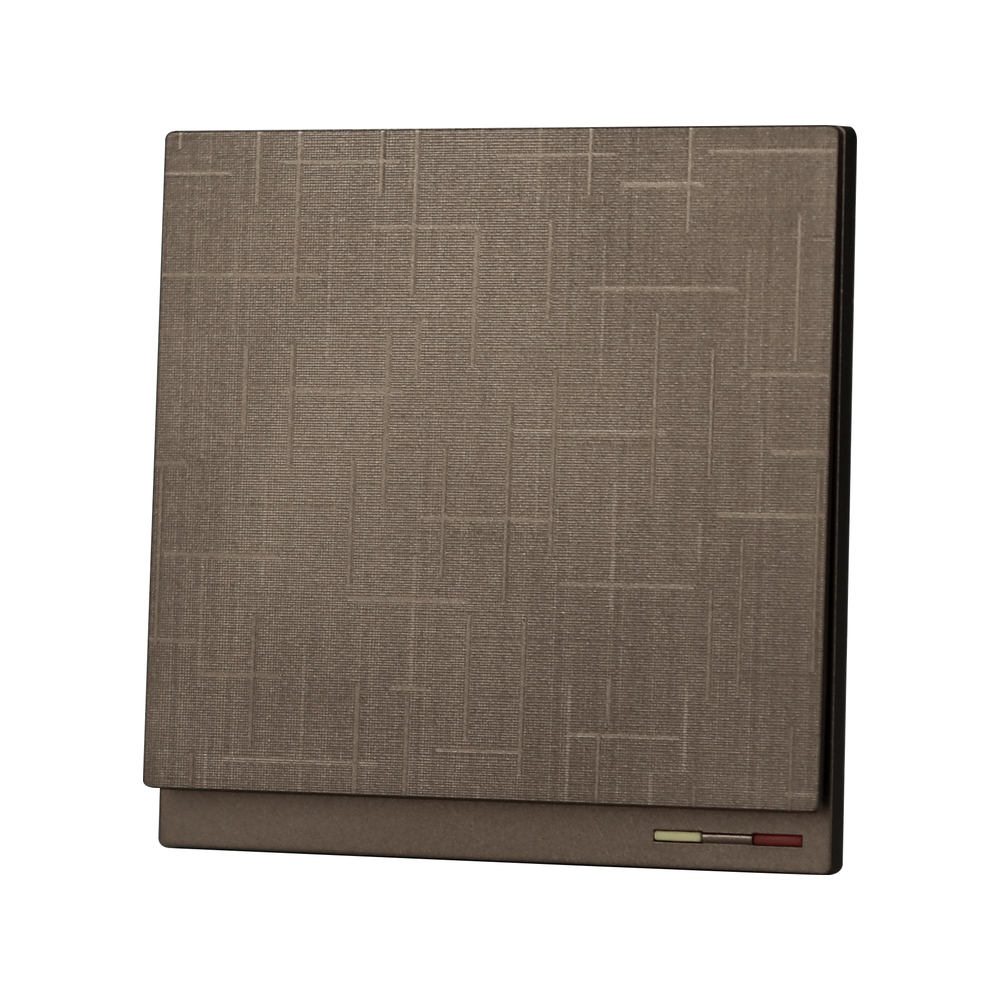
ABUK’s switched socket range can be assessed against the room layout and approved specification. The switched plug socket guide explains the practical role of local controls without assuming every accessory switches its outputs in the same way.
Frequently asked questions
Why are Type G plugs larger than European plugs?
Their fused system, defined pin arrangement and mechanical requirements need space. The comparison depends on which continental plug or charger is being considered.
Which countries use a Type G plug?
Examples include Ireland, the United Kingdom, Malta, Cyprus, Singapore and Malaysia. Always check the destination supply and actual installation as well.
Are UK and European plugs the same?
No single plug covers Europe. The UK uses Type G, while many continental destinations use Type C with country-specific earthed systems such as E or F.
Is Type G a British plug?
It is commonly called the British-style plug and is associated with BS 1363. It is also used in Ireland and several other markets.
Why does a Type G plug contain a fuse?
The fuse provides protection for the appliance flex within the intended arrangement. Its rating should follow the appliance instructions, not automatically be 13A.
Why are the pins on a Type G plug thick and partly insulated?
The pins follow the system’s mechanical and dimensional requirements; sleeves on line and neutral reduce accessible conductive surface near the body. Damaged pins or insulation still require replacement.
References
- BSI: BS 1363-1 fused plugs
- World Standards: Type G dimensions and use
- London Fire Brigade: electrical accessory condition and loading
Usable outlets depend on the space around the connection as well as the connection itself. Send ABUK the room layout and accessory requirements when selecting project sockets.