
 Wenzhou Lita Electric Co., Ltd.






Can You Put a Dimmer on a 3-Way Switch?
When a project manager in Chicago asks for “a dimmer at each door” in a hotel corridor, the distinction matters before anyone orders hardware. Consider this illustrative snag: two identical dimmers arrive, but their instructions show each as the only dimmer on the circuit. The delivery matches the quantity on the drawing; it does not match the way the guest needs to use the lights.
Summary: Yes. A North American 3-way lighting circuit has two control locations. Use a dimmer explicitly designed for that arrangement and the second device its instructions specify. Decide first whether guests need to adjust brightness at both doors or simply turn the lights on and off at either door.
What should each doorway let the occupant do?
A guest who sets a comfortable level on entering a room may only want an off switch at the far door. A conference host, by contrast, may need to lower the lights from the lectern and raise them again at the entrance. These requests can look identical on a floor plan. Write the expected action beside each location before specifying devices.
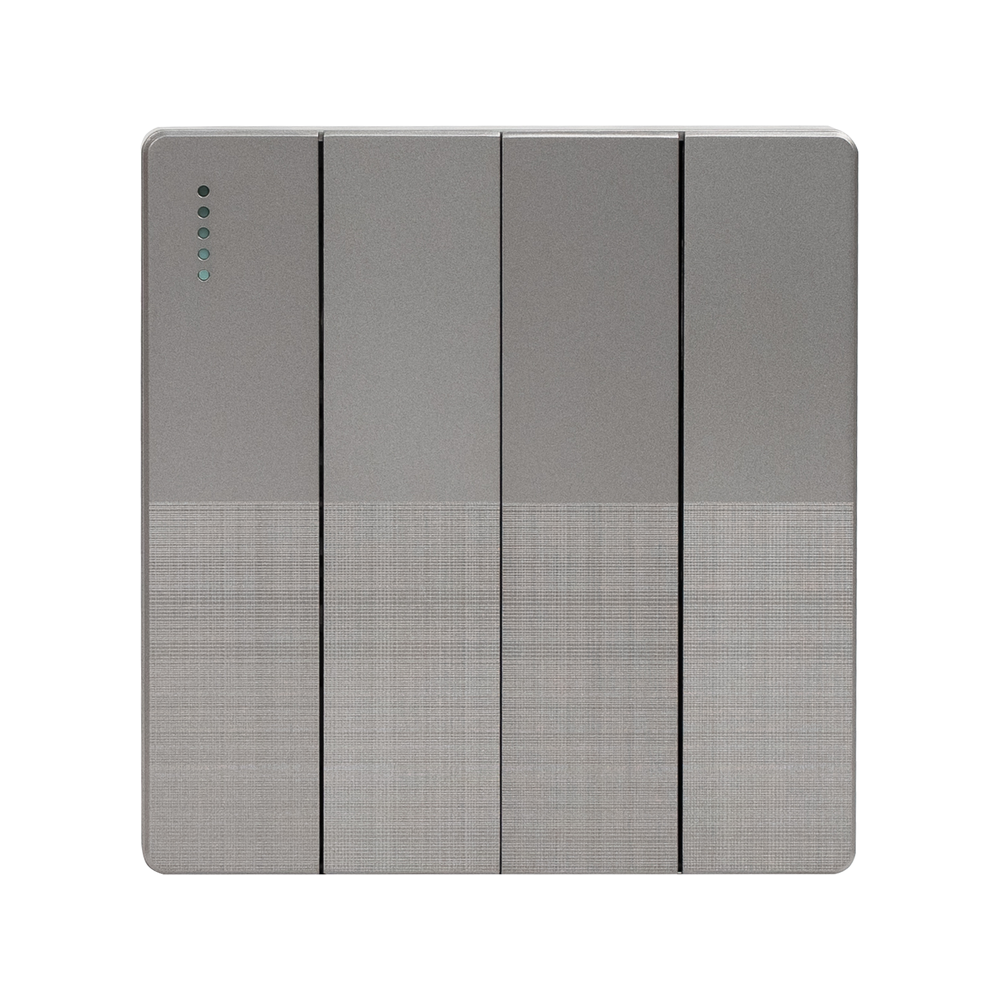
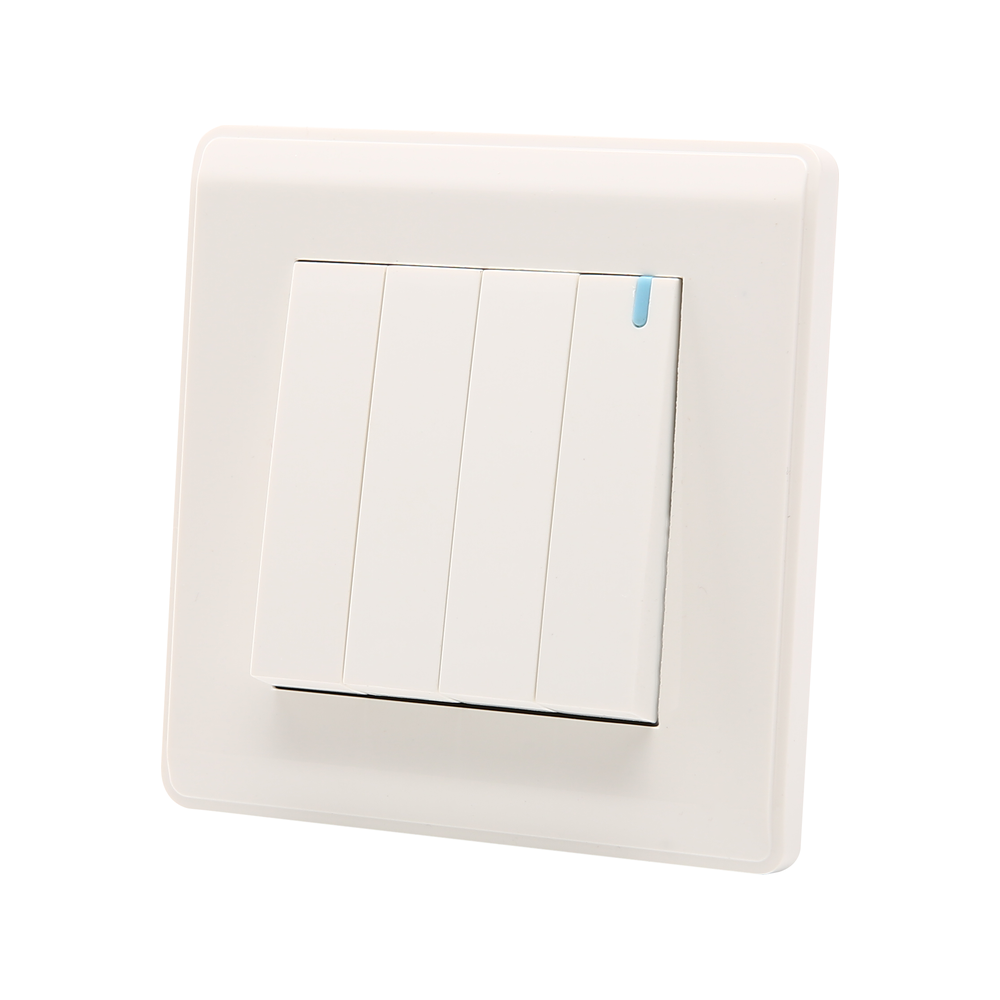
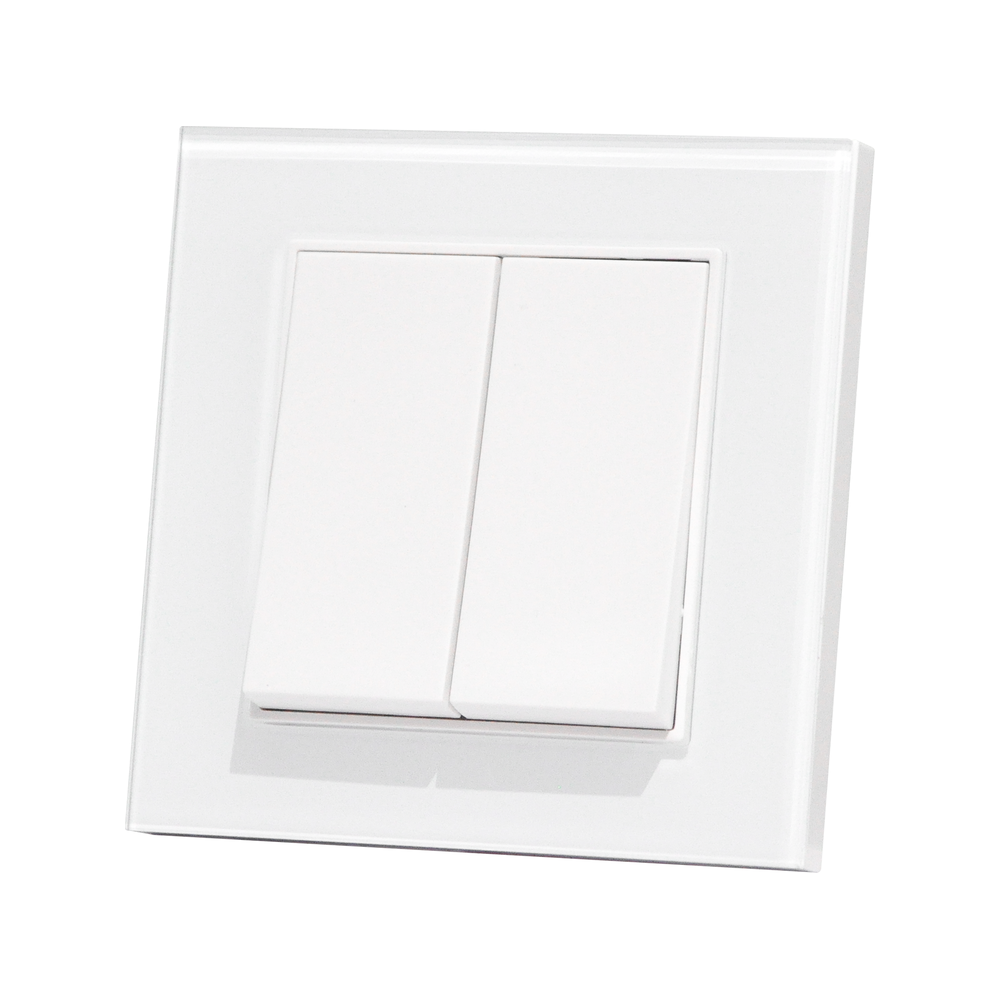
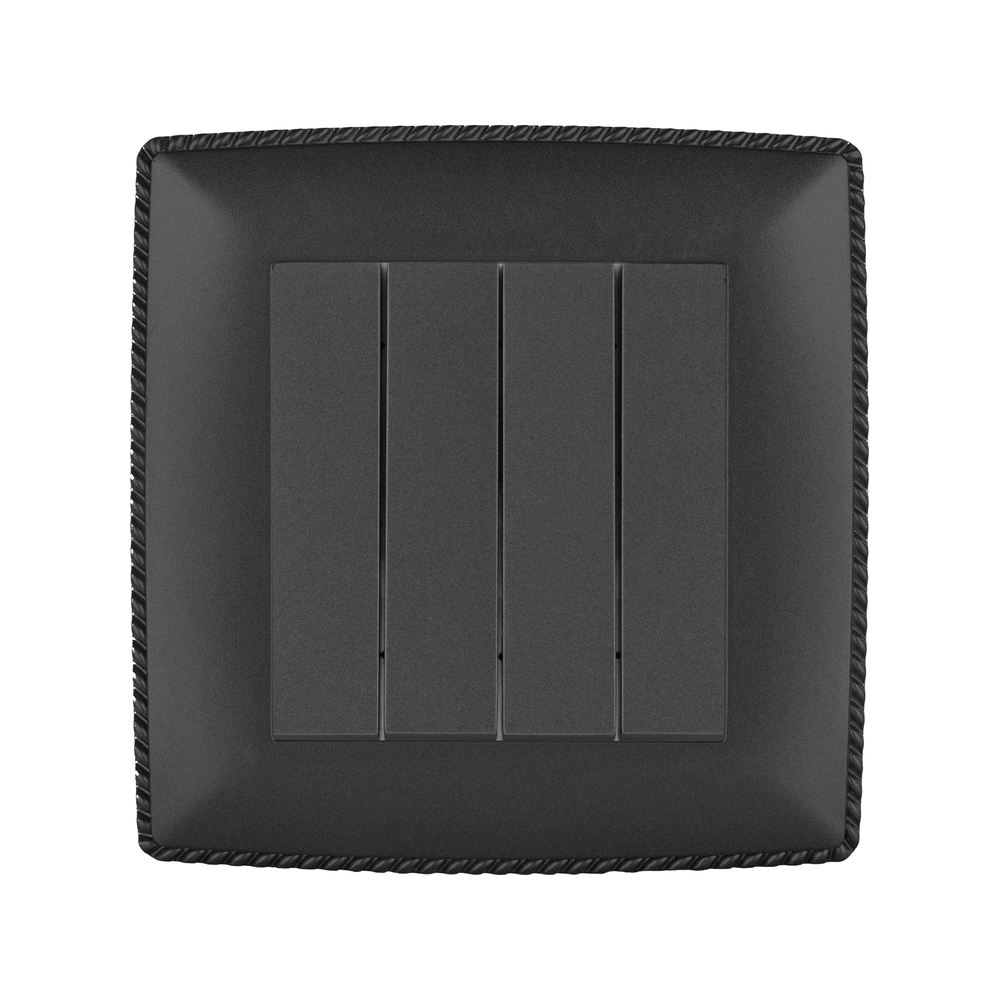
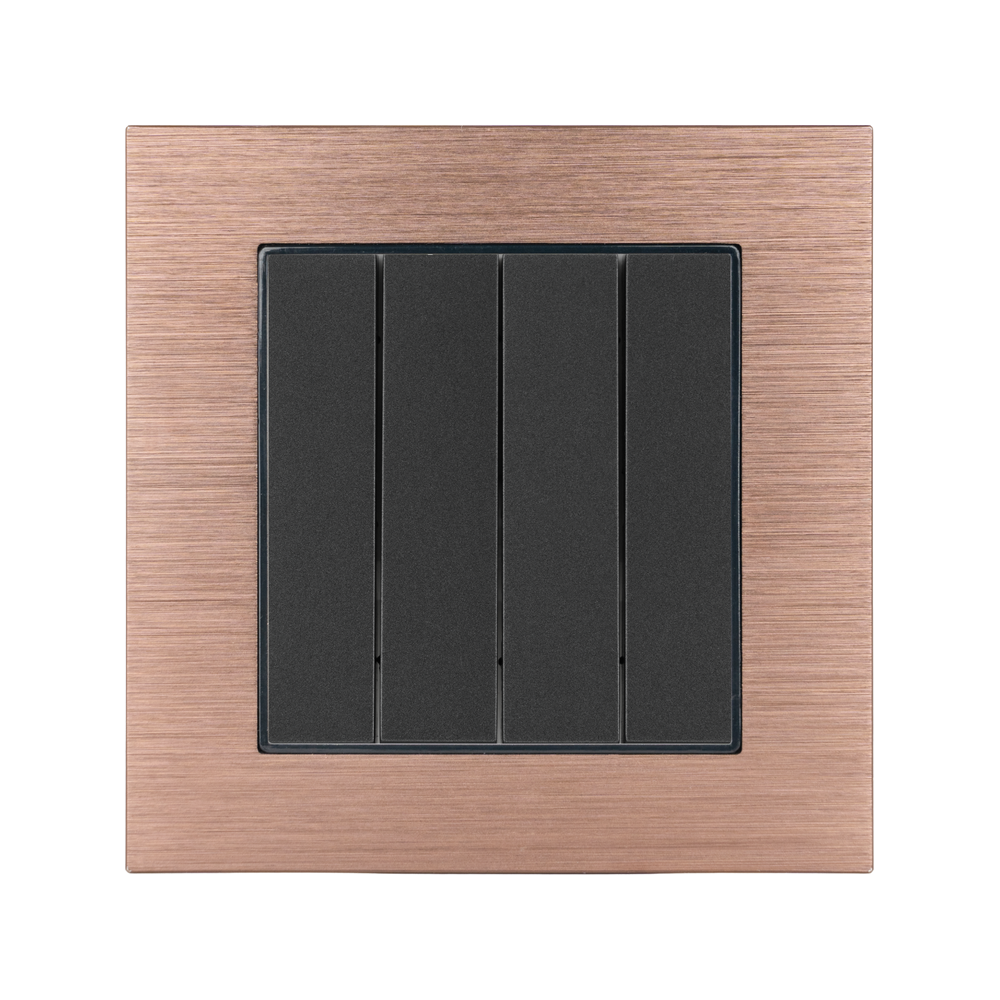
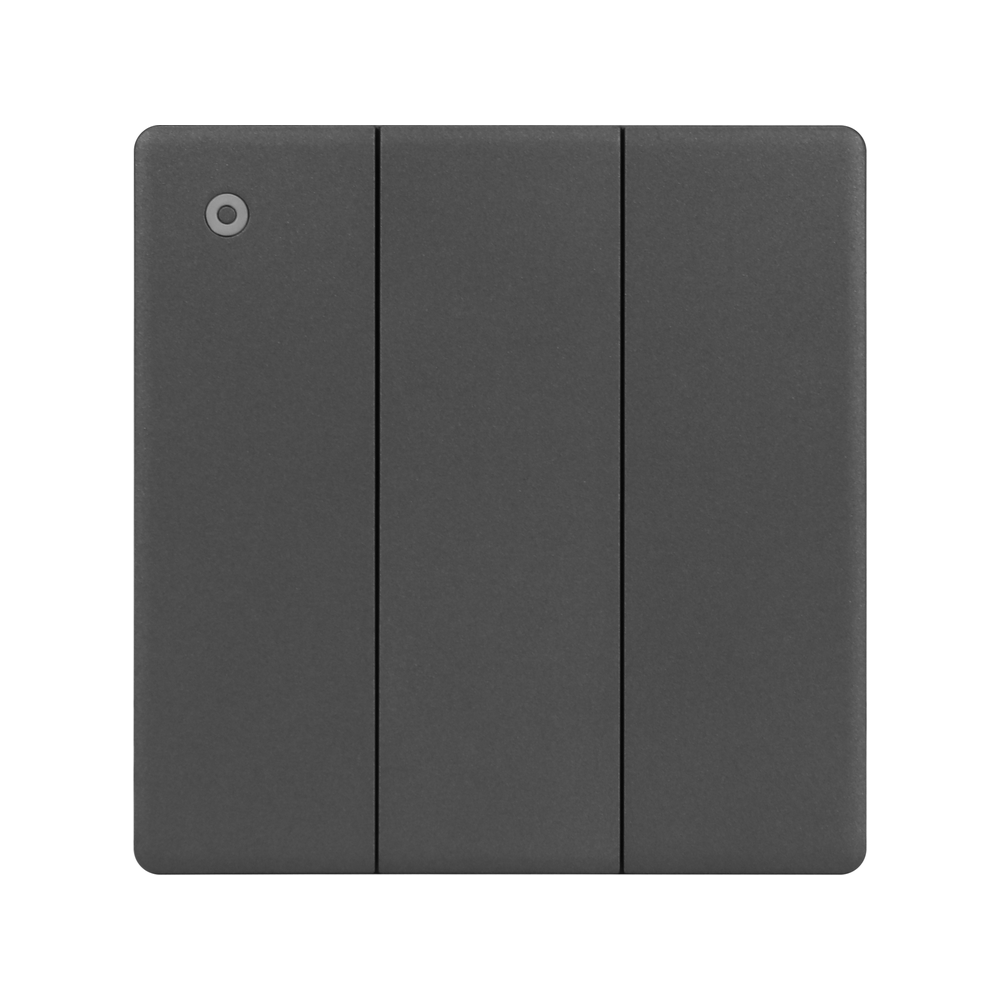
“Three-way” describes a switching arrangement in North American terminology. It does not mean three dimmers or three brightness levels. A single plate can carry several independent controls, so counting buttons on one wall tells very little. Ask the contractor which positions currently operate the same group of lamps and whether any other controls, sensors or building automation equipment are involved.
Which second control belongs with the dimmer?
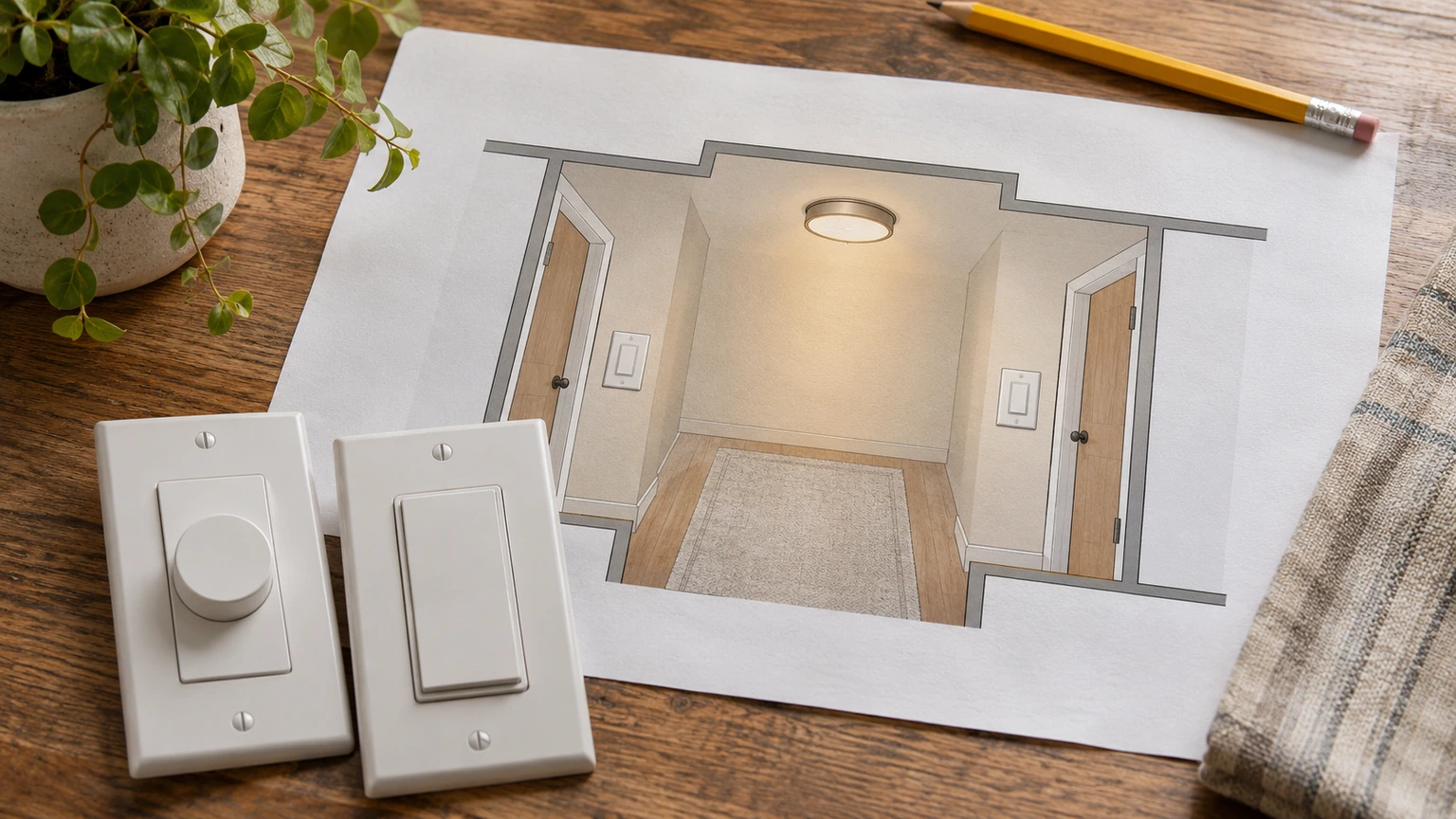
Some 3-way dimmers work with a conventional mechanical 3-way switch. In that arrangement one station adjusts brightness and both operate the light. Other families use a main dimmer and a matched companion; the companion sends commands rather than independently regulating power to the same lamps. “Companion” is a product-family designation, not a promise that any accessory bearing that word will work.
Leviton's 6674-P0W is one example of a device sold for single-pole or 3-way installation; the manufacturer's DD00R is an example of a separate dimming companion. Those facts do not make the two a matched pair. Use the pairing chart for the exact master model, including its suffix, and check the neutral and location requirements for each station.
How should a two-location installation be accepted?

Start with the room dark and the brightness preset near its intended minimum. Have one person enter from each direction in turn. The light should start reliably, and the person leaving should be able to turn it off without returning to the first wall. Then try the sequence in reverse and repeat at the upper setting. A lamp that fades down smoothly once may still fail to start at that same low level.
If a station works only when the other switch is in one position, record that exact combination. It gives the electrician better information than “dimmer broken.” Do not use conductor colour to guess the common connection or substitute a spare switch to see what happens. Have the installed layout checked against the diagram for that model with the supply safely isolated.
What the quote must deliver
| Requested behaviour | Control arrangement to investigate | Detail to confirm |
|---|---|---|
| Switch at either door; dim at one | 3-way dimmer plus listed mechanical switch arrangement | Which end accepts the dimmer |
| Adjust brightness at either door | Main dimmer plus compatible companion | Exact companion model and functions |
| Operate from more than two locations | Documented multi-location system | Permitted number and type of stations |
What to record during the walk-through
| Observation | Why it matters |
|---|---|
| Both stations switch; only one dims | May be exactly the specified behaviour |
| One position disables the other station | Check wiring arrangement and device pairing |
| All switching works; lamps drop out low | Investigate lamp compatibility and minimum setting |
What the wiring diagram does and does not establish
A manufacturer diagram establishes the combinations allowed for that device. It does not identify the conductors in an existing building. In North American projects, distinguish the device listing from the installation requirements of the locally adopted electrical code. A switch approved as a companion in one product family is not automatically suitable in another, even when the plates fit side by side.
The scope should distinguish multi-location dimming from simple two-location switching. A companion dimmer belongs on the bill of materials only when the system calls for it.
Specify the control at each door separately
Give the supplier the circuit description, mains supply, lamp models, lamp count and the intended action at each station. Request the instruction sheet for the proposed pairing rather than a photograph of two matching plates. An electrician must assess existing conductors, grounding and the applicable electrical code; a catalog description cannot establish that a particular wall box is suitable.
A single-pole switch description answers a different question: it identifies a load switched from just one location. Compare types of light switches before choosing a matching plate for the room.
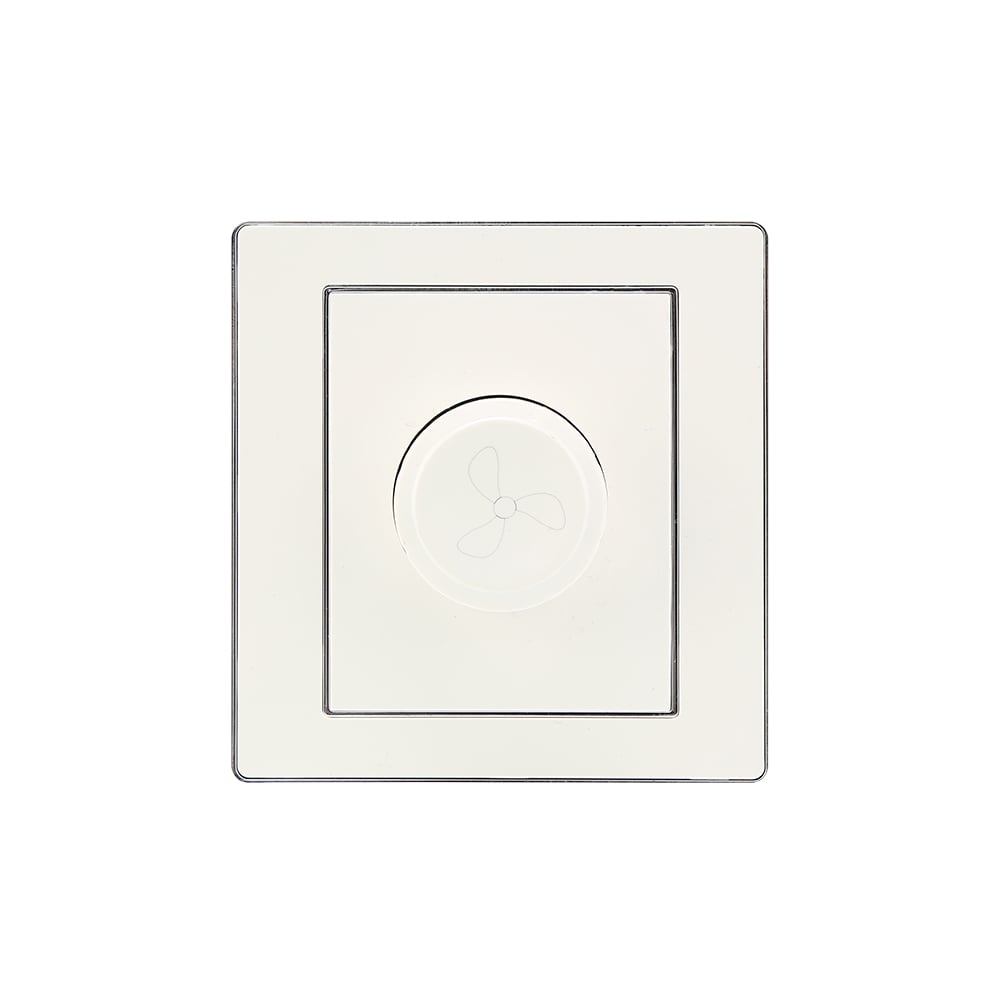
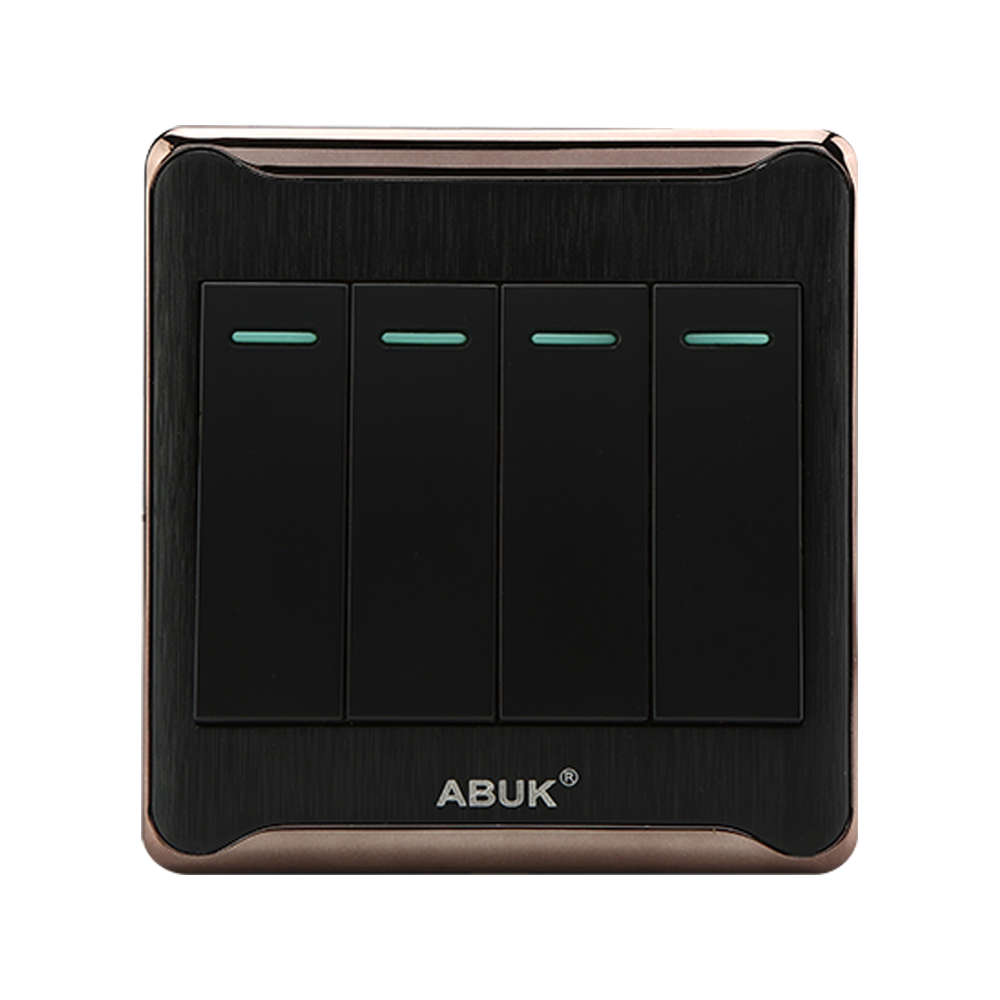
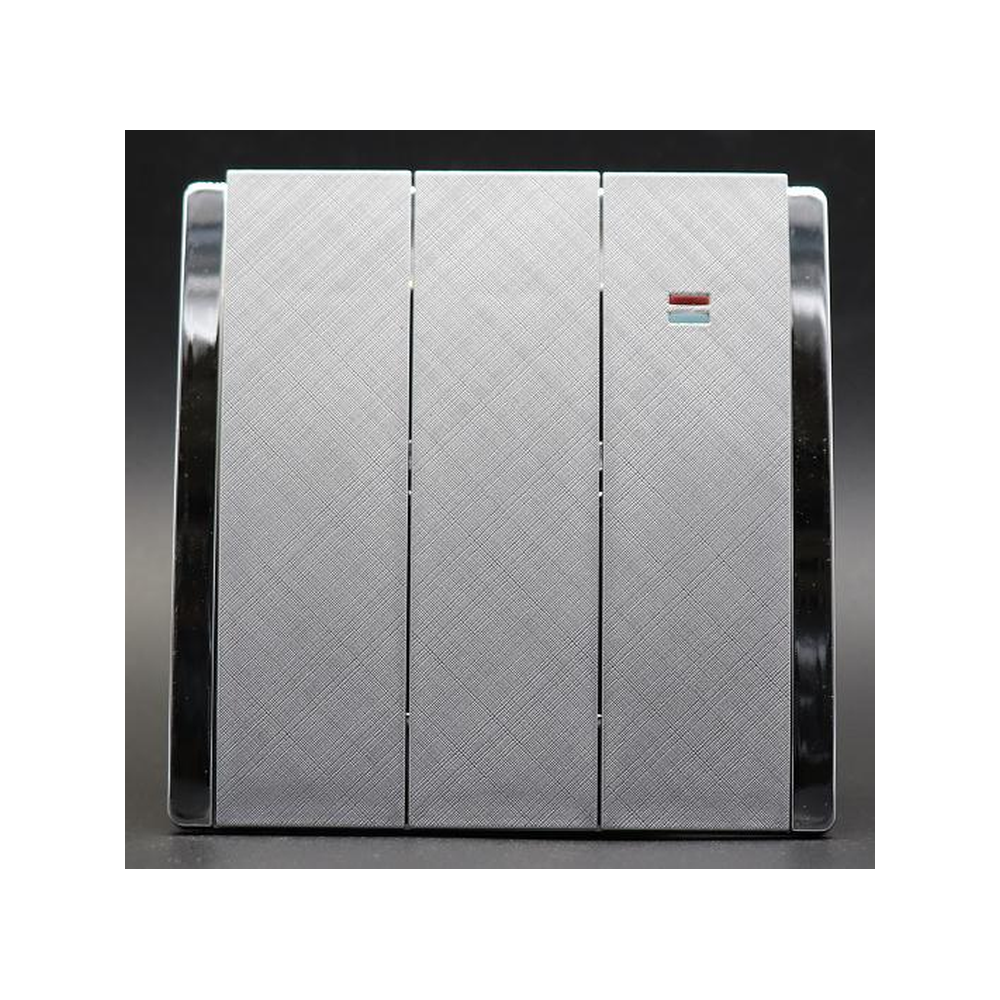
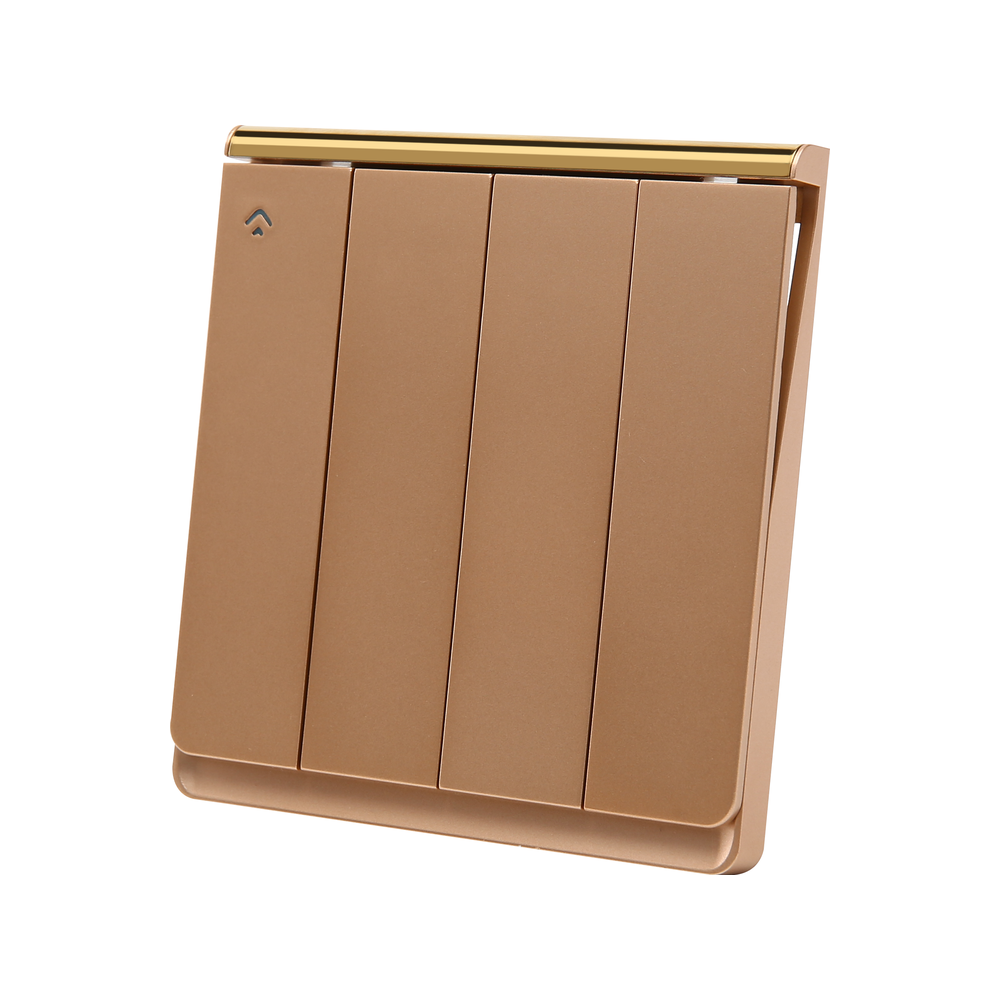
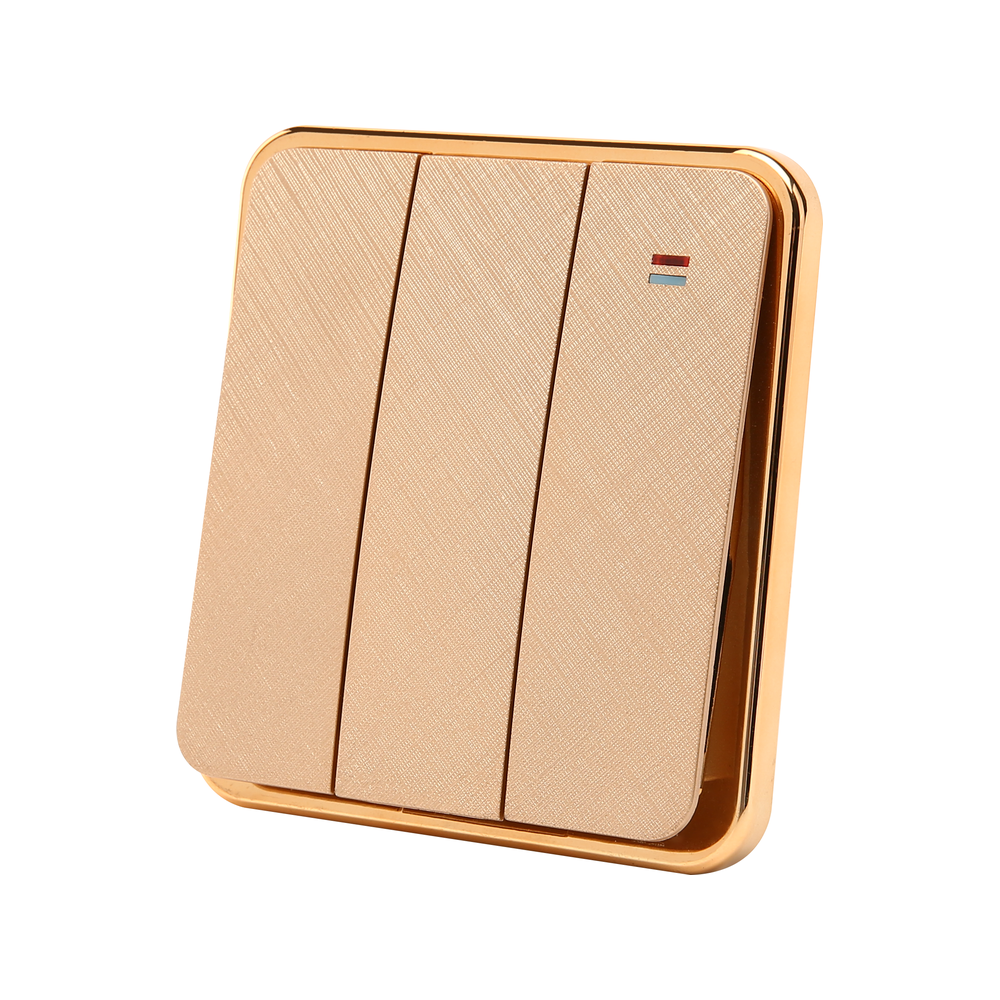
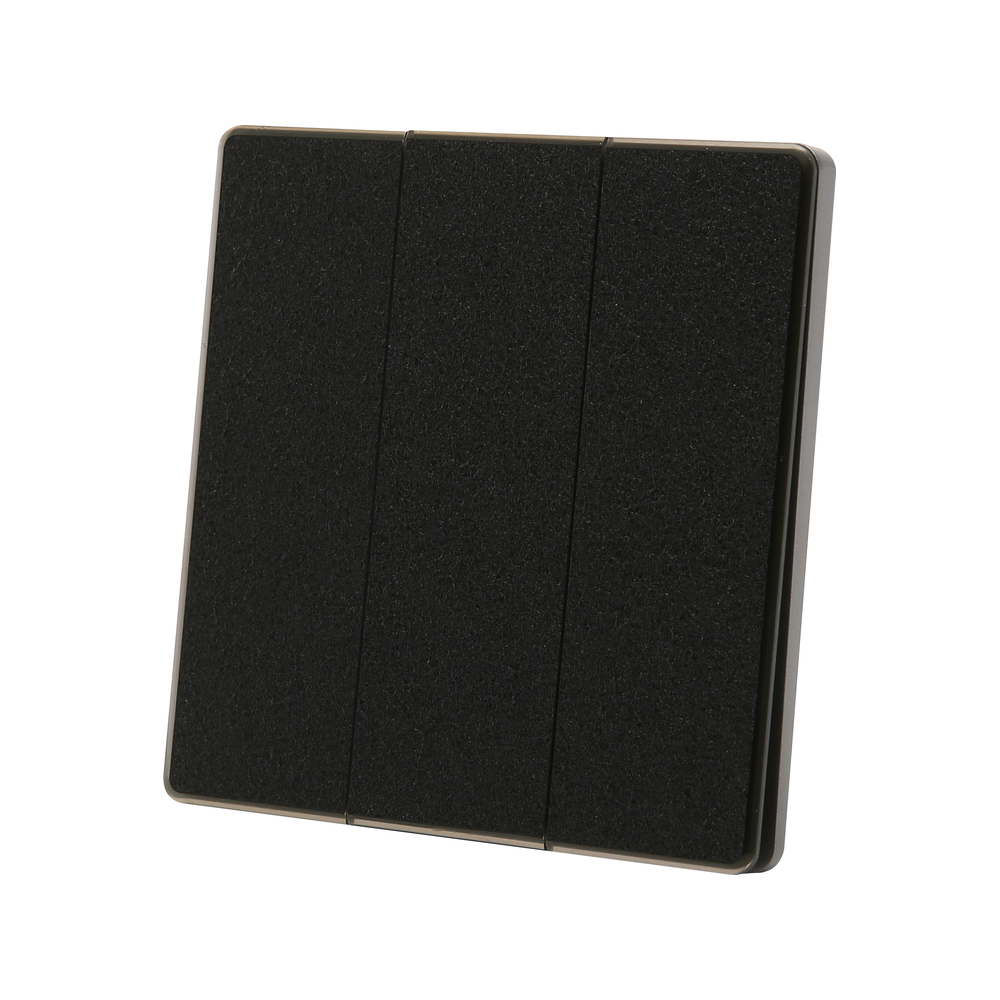
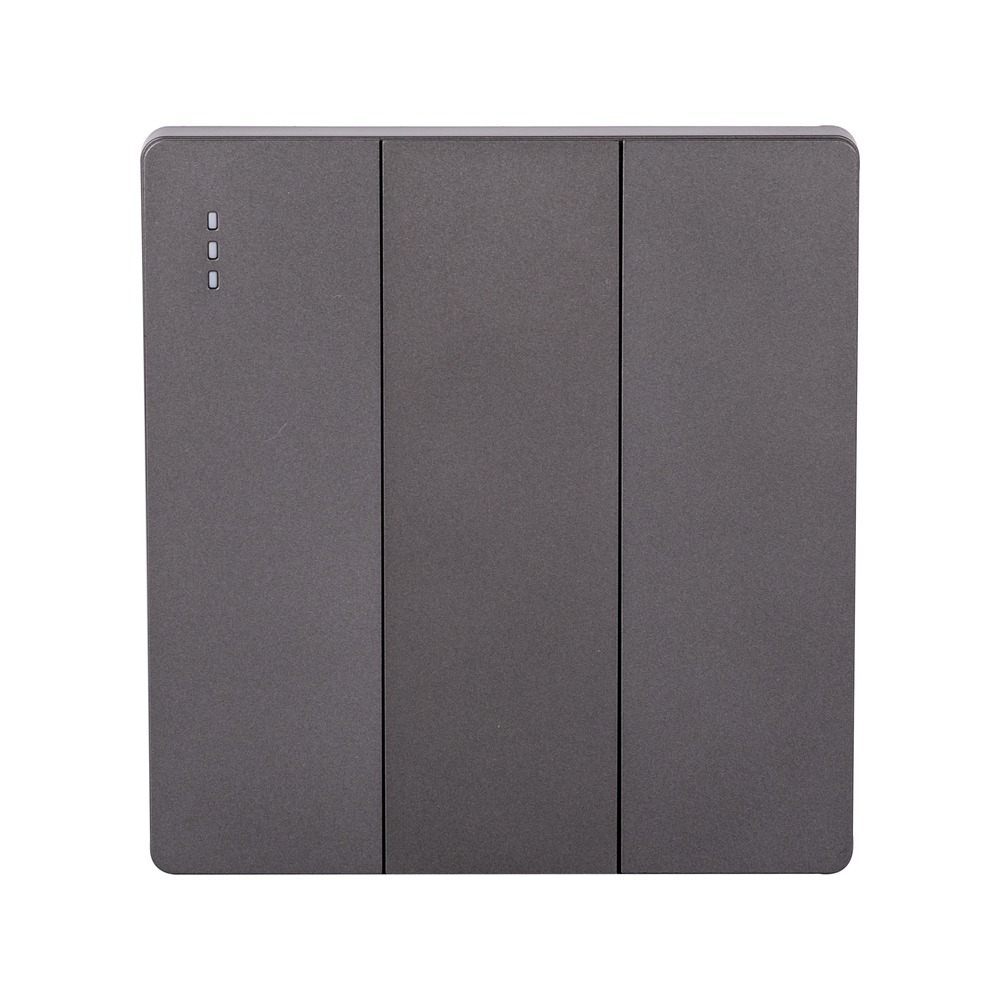
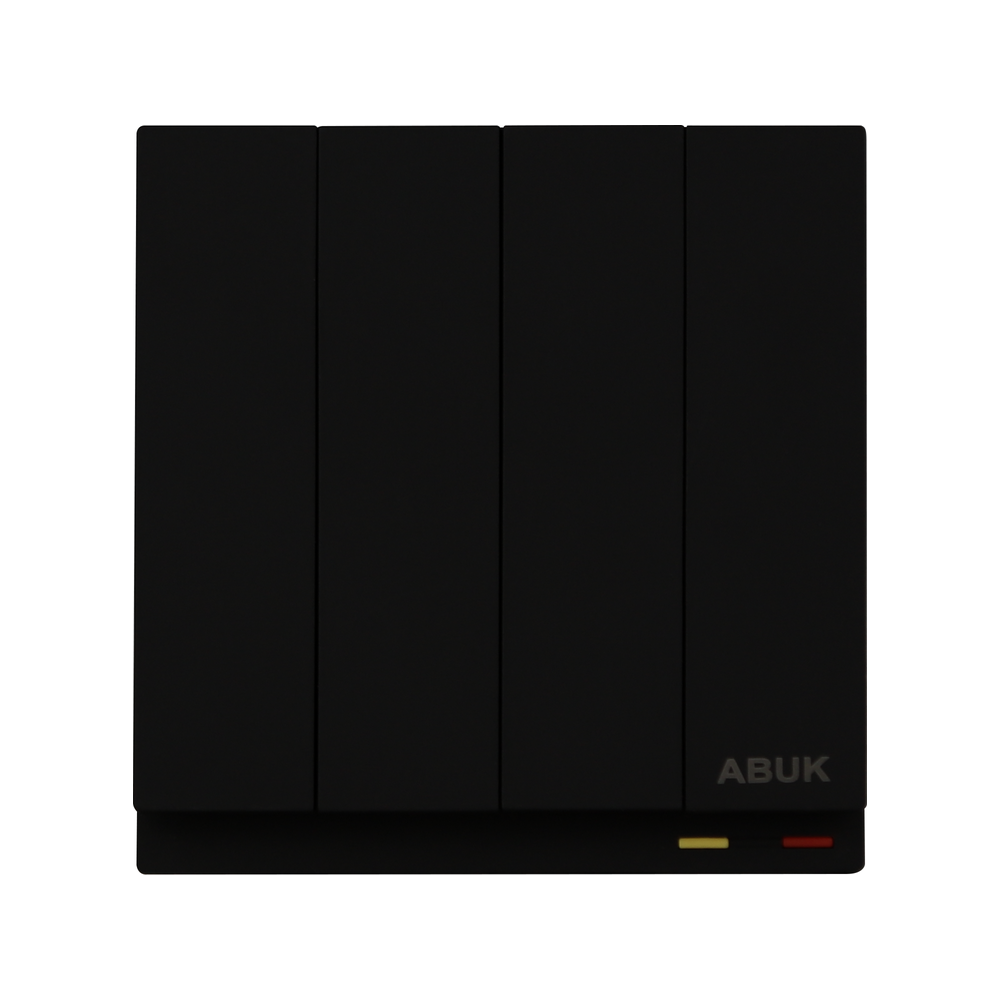
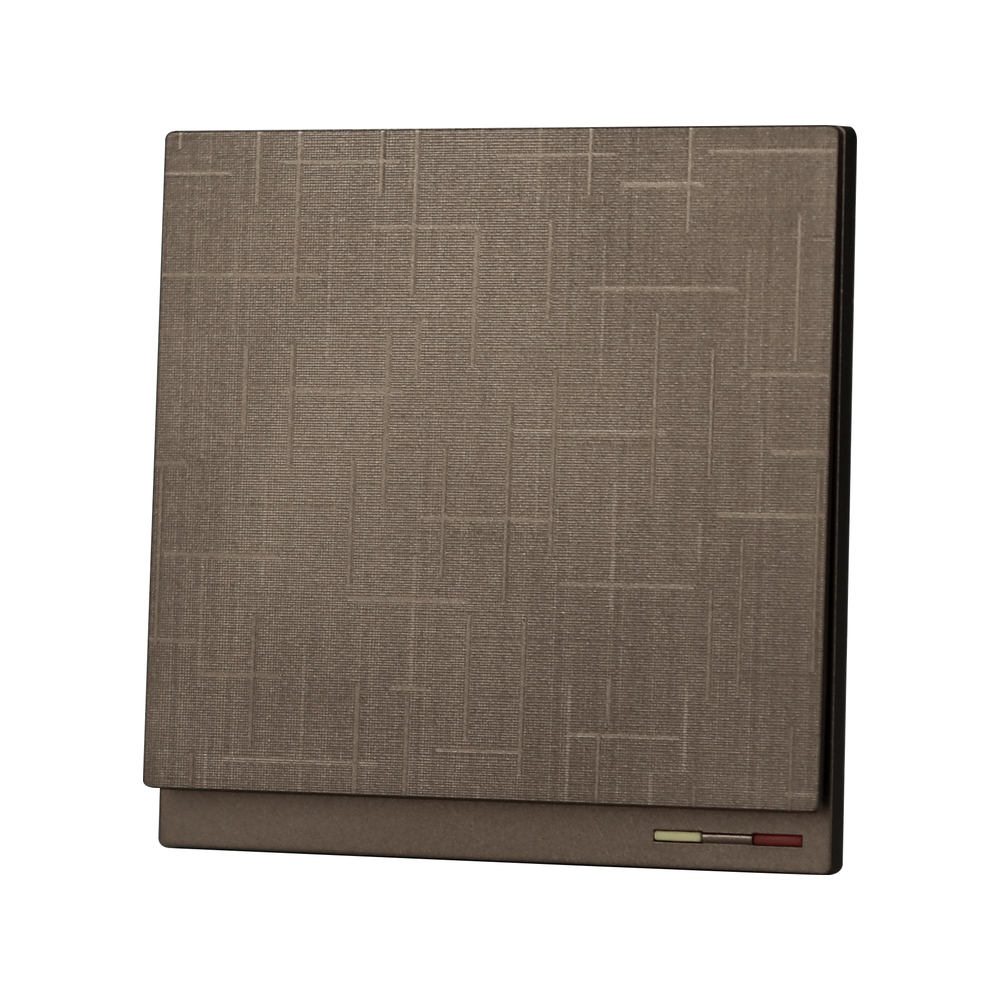
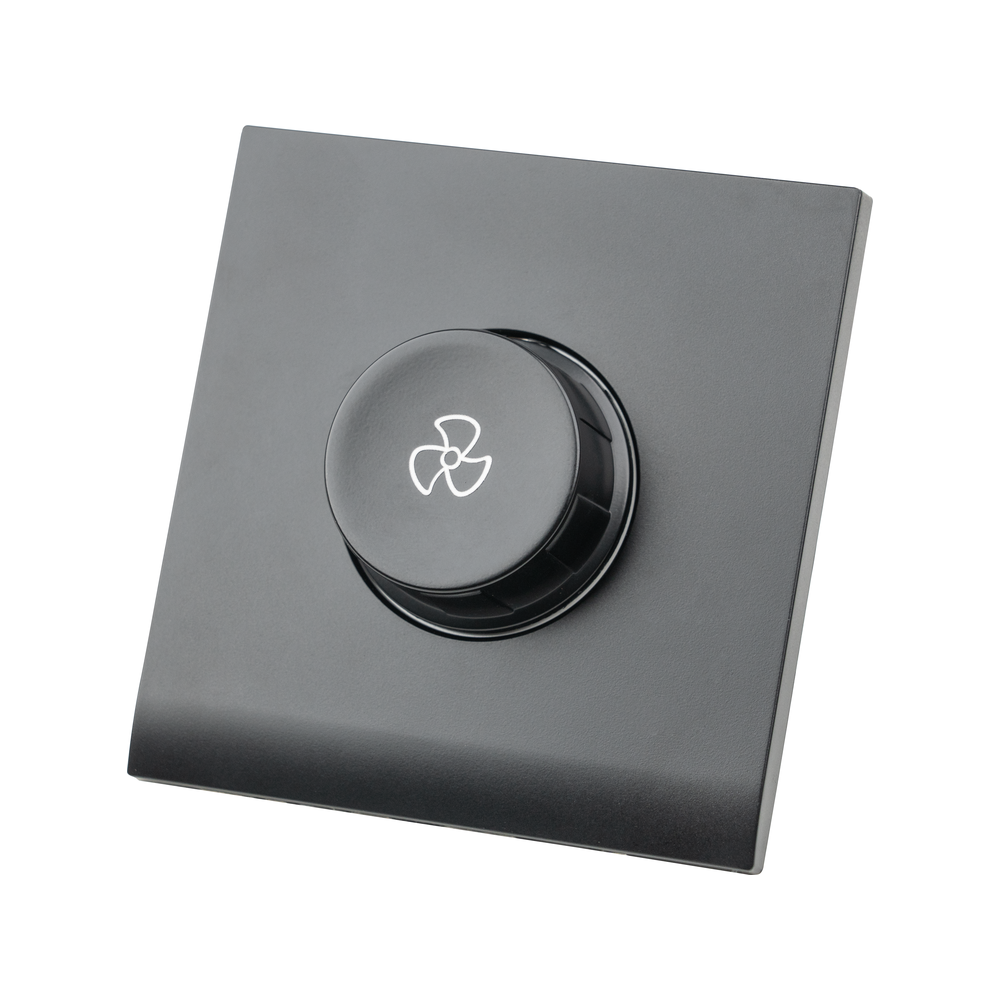
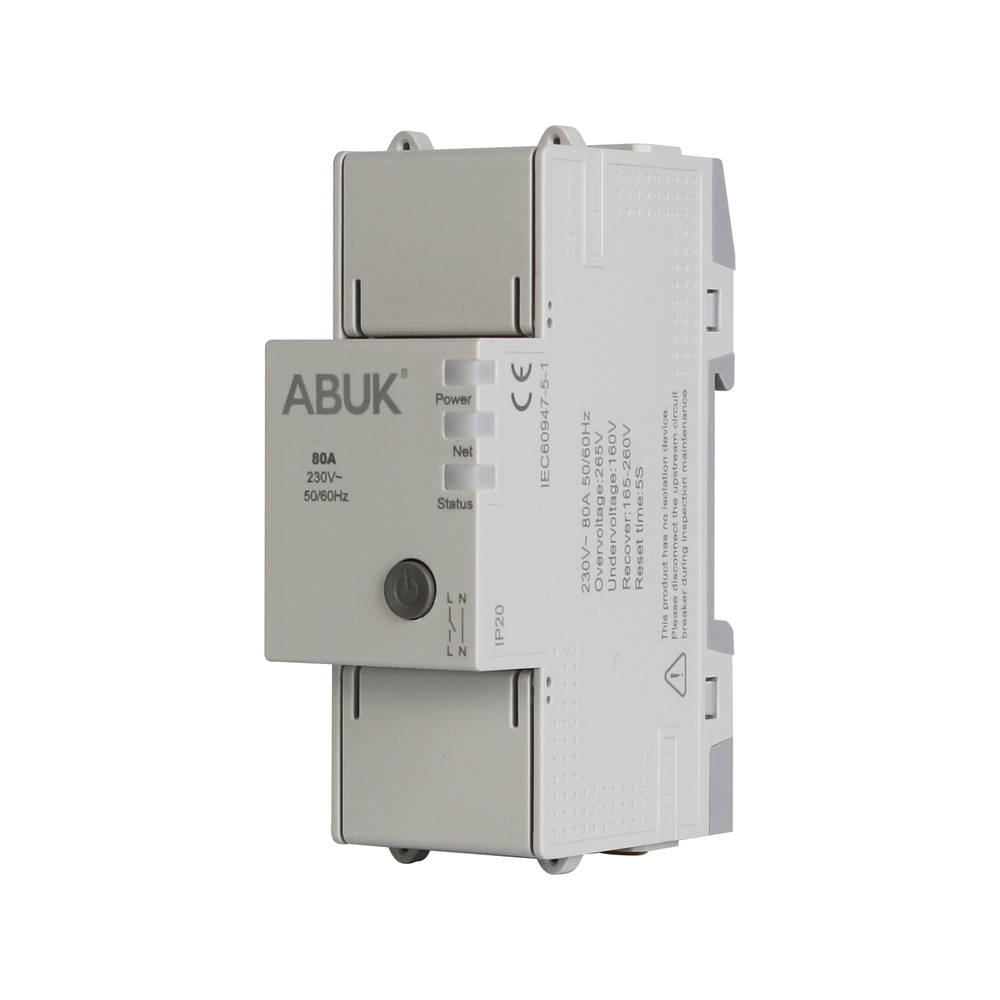
For an ABUK specification, identify the exact Series 08 dimmer switch in the enquiry and request its own data sheet. Ratings cited for other manufacturers do not establish compatibility for this model.
Frequently asked questions
Can both switches on a 3-way circuit be dimmers?
Only when the manufacturer supports that configuration, commonly a master and a specified companion. Two independent load-controlling dimmers are not a substitute for a listed pairing.
Does a 3-way dimmer need a neutral wire?
Some electronic models require a neutral; others do not. Verify the requirements at both the main and companion positions before ordering.
Can a 3-way dimmer work with an ordinary mechanical switch?
Yes, for models whose instructions explicitly show a conventional 3-way switch. The mechanical station normally switches the light without setting brightness.
Why does a 3-way dimmer only work from one location?
It may be designed to dim at only one station. If the second station cannot even switch reliably, have the installer verify the device combination and the circuit layout.
How can a 3-way dimmer be matched to LED bulbs?
Check the exact lamp or driver against the dimmer manufacturer's compatibility information. Test the installed number of lamps for reliable starting as well as smooth dimming.
What is the difference between a companion dimmer and a standard 3-way switch?
A companion is designed to communicate with a particular main control. A standard mechanical 3-way switch changes the circuit path and supplies no independent brightness adjustment.
References
- Leviton: DD00R matching dimming companion
- Leviton: SureSlide 6674 load ratings and installation options
- Leviton: LED bulb compatibility tool
The useful specification is what someone can do at each doorway. For a project quotation, browse ABUK’s electrical products and include the lamp schedule, site supply and intended control arrangement.