
 Wenzhou Lita Electric Co., Ltd.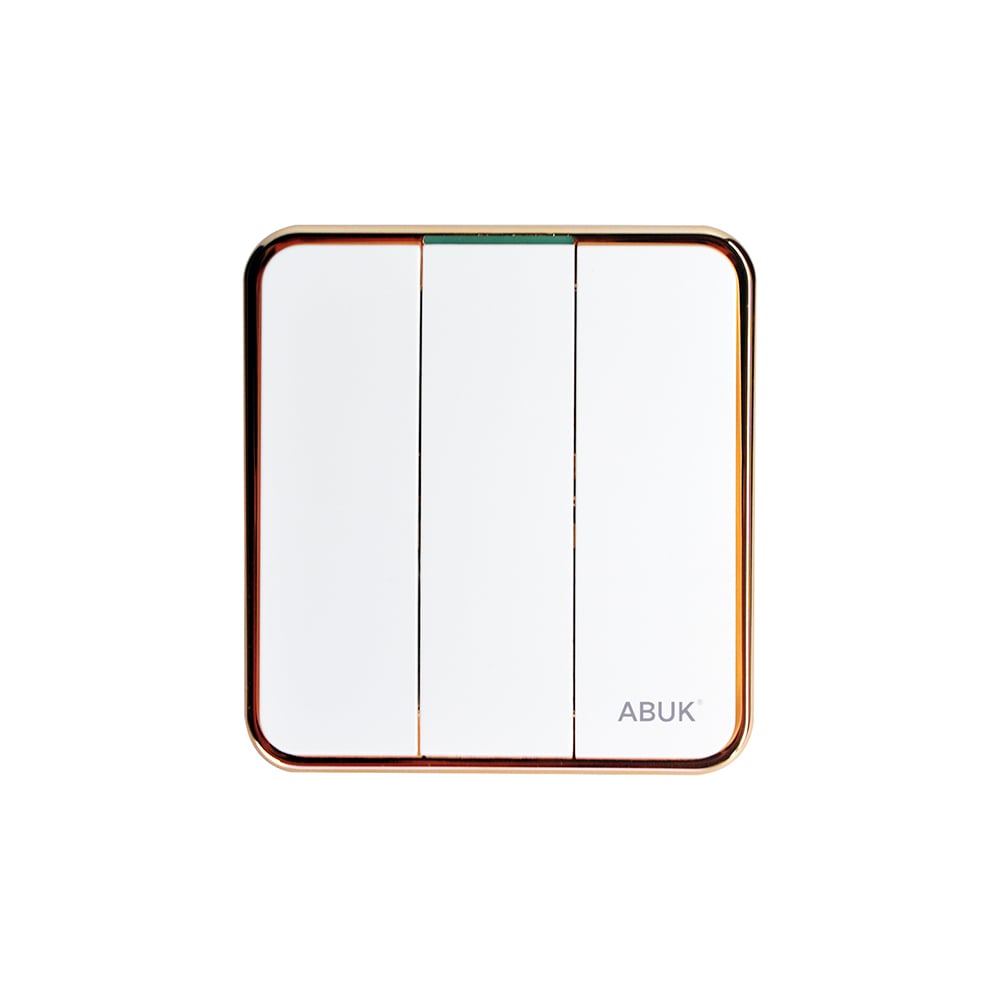

What Is a Single Pole Switch?
When a project manager in Dubai encountered a switch-selection dilemma, he watched a short installation tutorial, approved the quotation, and confidently released the wall-switch order. Within one morning, 18 corridor points had to be reopened because the crew had received one-location devices for circuits designed to operate from two locations. The switches were not defective—the control logic had been misunderstood. That expensive distinction begins with one question: what is a single pole switch?
Summary: A single-pole, single-throw device opens or closes one live conductor to control one circuit from one location. It normally has two current-carrying terminals plus a protective-earth connection. Before procurement, match pole and control method, voltage/current rating, load type, terminal capacity, and destination-market documentation; installation should be completed and tested by a qualified person under the local code.
The term describes circuit function, not appearance. In market terms, IEC 60669-1 covers manually operated general-purpose switches for household and similar fixed installations up to 440 V and 63 A—far wider than the familiar room-lighting application. Actual catalogue ratings are narrower, commonly 10 AX at 250 V~ in IEC-oriented projects or 15 A at 120/277 V AC in North American ranges.
How Does a Single-Pole Switch Control a Circuit?
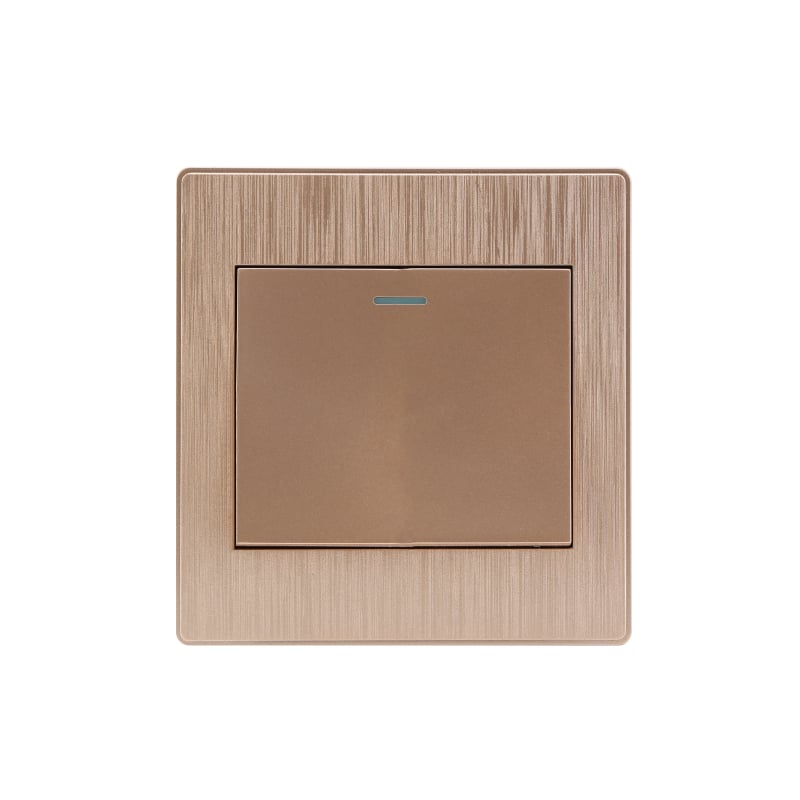
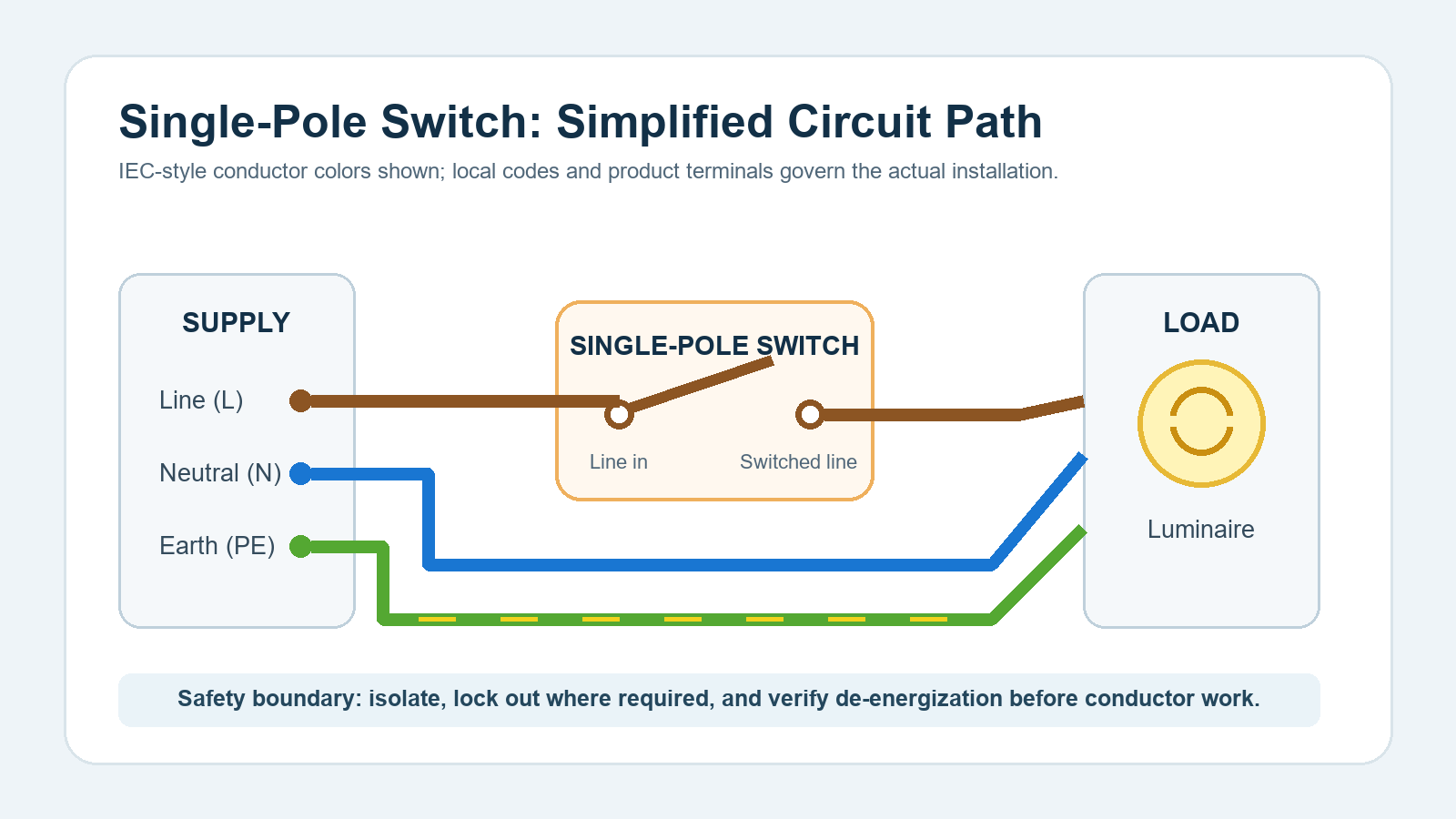
A single pole light switch is usually an SPST mechanism: one pole controls one circuit, while one throw provides the on/off path. Closing its two contacts completes the live path to the load; opening them interrupts it. Neutral normally runs directly to the luminaire, and protective earth remains continuous. IEC 60669-1 provides the product-safety framework, while the installation code determines conductor identification and switching arrangements.
Which Terminals and Ratings Matter?
A conventional single pole electric switch has two current-carrying terminals and an earth terminal where the product and local rules require one. Buyers should compare at least five items: rated voltage, rated current, load category, conductor range, and ingress protection. “10 AX” is significant because the AX designation addresses fluorescent or similar high-inrush lighting loads; a plain resistive ampere figure should not be treated as equivalent. For North American projects, UL 20 is the recognized product standard for general-use snap switches.
Single-Pole, Double-Pole, and Three-Way Are Not Interchangeable
A single-pole unit interrupts one conductor. A double-pole unit interrupts two conductors together and is often specified for appliance isolation or line-to-line circuits. A North American three-way switch has one common plus two traveller terminals—three current-carrying terminals—to control one load from two locations; the IEC/UK catalogue term is commonly “two-way.” The phrase switch single pole on a bill of quantities therefore needs a circuit schedule behind it.
What Does a Safe Wiring Workflow Look Like?
- Confirm that one control point is intended; otherwise select a two-way/three-way system.
- Isolate the circuit, apply lockout where required, and verify absence of voltage with an appropriately rated tester. OSHA 1910.333 requires qualified persons to verify de-energization before work.
- Identify supply line, switched line, neutral, and protective earth from testing and drawings—not color alone.
- Terminate within the maker’s conductor-size and torque limits; then refit the device without pinching insulation.
- Test earth continuity, insulation, polarity, and functional operation as required by the local installation standard.
Where Do Hidden Costs Appear?
The purchase-price difference is rarely the largest exposure. If 40 points are mis-specified and each correction consumes 0.75 labor-hour at a loaded rate of $35, rework labor alone reaches $1,050 before replacement devices, access repairs, retesting, and schedule delay. IEC 60669-1 conformity does not cure a wrong control topology; ROI begins with correct schedules, approved samples, and model-specific documentation.
Single-Pole vs. Other Switching Options: Value Comparison
| Dimension | Single-pole | Double-pole | Three-way / two-way |
|---|---|---|---|
| Control | 1 circuit, 1 location | 2 conductors together | 1 circuit, 2 locations |
| Current-carrying terminals | 2 | Typically 4 | 3 per switch |
| Installation efficiency | Lowest conductor count | More terminations | Traveller wiring required |
| Cost | Usually lowest | Medium | Medium plus cable |
| Compatibility | Single-location lighting | Isolation / line-to-line loads | Stairs, corridors, two entrances |
| TCO risk | High if two-point control was intended | Overspecification if only one line is switched | Higher first cost, lower retrofit risk where needed |
Application and Performance Matrix
| Application | Typical performance brief | Correct topology | Relative budget |
|---|---|---|---|
| Bedroom or small office | 10 AX, 250 V~; indoor grade | Single-pole / one-way | Low |
| LED-heavy retail circuit | Verified inrush compatibility; 10 AX or project-specific | Single-pole if one control point | Low–medium |
| Stair or corridor | Two control positions | Two-way / three-way | Medium |
| Outdoor or wash area | Project-specified IP rating, often IP44 or higher | Topology plus enclosure protection | Medium–high |
| Appliance isolation | Load-specific current and disconnection rules | Often double-pole, not single-pole | Medium–high |
Standards, CE, RoHS, and GCC Compliance
- IEC 60669-1: product construction, marking, endurance, temperature rise, and electrical safety for fixed-installation switches.
- CE / Low Voltage Directive 2014/35/EU: applies within 50–1,000 V AC; CE is the manufacturer’s conformity declaration against applicable EU legislation, not an independent quality award.
- RoHS 2011/65/EU: restricts 10 substances; maximum concentration is generally 0.1% by homogeneous material, with cadmium at 0.01%.
- GCC requirements: Gulf projects should verify the applicable GSO technical regulation, G-Mark scope, national deviations, plug/switch conventions, and registered conformity body before shipment.
Non-compliance can cause customs holds, rejected inspections, product recalls, tender disqualification, and field replacement. Certificates should match the exact model, factory, standard edition, rating, and destination—not merely a similar faceplate.
Selection Guide: Five Checks Before a Purchase Order
- Count control locations before counting gangs; “three-gang” and “three-way” describe different things.
- Match voltage, current, AX/load category, conductor size, and terminal method to the circuit schedule.
- Specify mounting box depth, faceplate dimensions, ingress protection, color, and accessory compatibility.
- Request model-linked declarations, reports, labels, and shipment documents for the destination market.
- Approve a sample and wiring diagram before mass production; the honest answer is that a low unit price cannot recover a failed inspection.
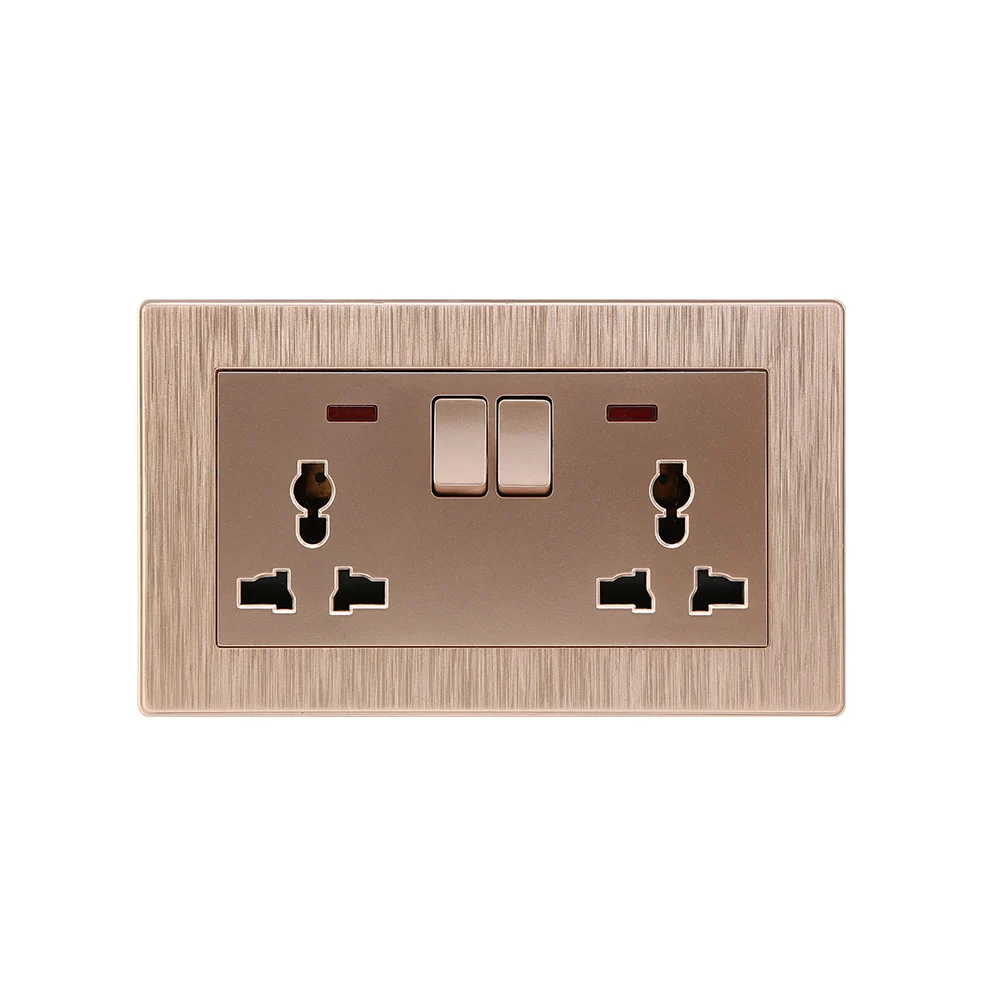
ABUK provides single pole electric switch options and related mechanical wall switches with CE, RoHS, and GCC certification documentation for specified models and markets, subject to project-level verification. For buyers comparing a single pole light switch, the useful supplier response is a traceable datasheet and compliance pack—not a generic certificate image.
Frequently Asked Questions
What is the difference between a 1 pole and 2 pole switch?
A 1-pole switch opens one conductor; a 2-pole switch opens two conductors simultaneously. Double-pole devices commonly serve isolation or line-to-line loads. The circuit diagram and local code decide which is required.
How do you wire a single pole light switch?
After isolation and verified de-energization, a qualified person connects supply line to one switching terminal and switched line to the other, maintains protective-earth continuity, and keeps neutral outside the ordinary switching contact. The model instructions for the chosen single pole light switch take precedence.
What is a single pole vs. 3 pole light switch?
In household searches, “3 pole” often means “3-way.” A single-pole device controls from one location; a 3-way pair controls from two. A true three-pole device switches three separate poles together and is not the ordinary two-location wall-light solution.
How to connect a single pole switch?
Connecting single pole switch terminals means placing the incoming line and outgoing switched line on the two specified terminals, then bonding earth as required. Power must be isolated and tested first; conductor color alone is not proof of function.
How to wire a single pole switch with two wires?
In a traditional switch loop, the two insulated conductors may be line in and switched line out; neutral may remain at the light. Before anyone attempts to wire a single pole switch, both conductors must be identified by testing, and an earth connection must not be omitted where required.
How to hook up a single pole light switch with 3 wires?
The third wire may be protective earth, neutral, or another switched/traveller conductor—the cable count does not identify function. If the device needs only line and switched line, any neutral should remain correctly joined and insulated according to the approved diagram.
How to wire up a 3 switch light switch?
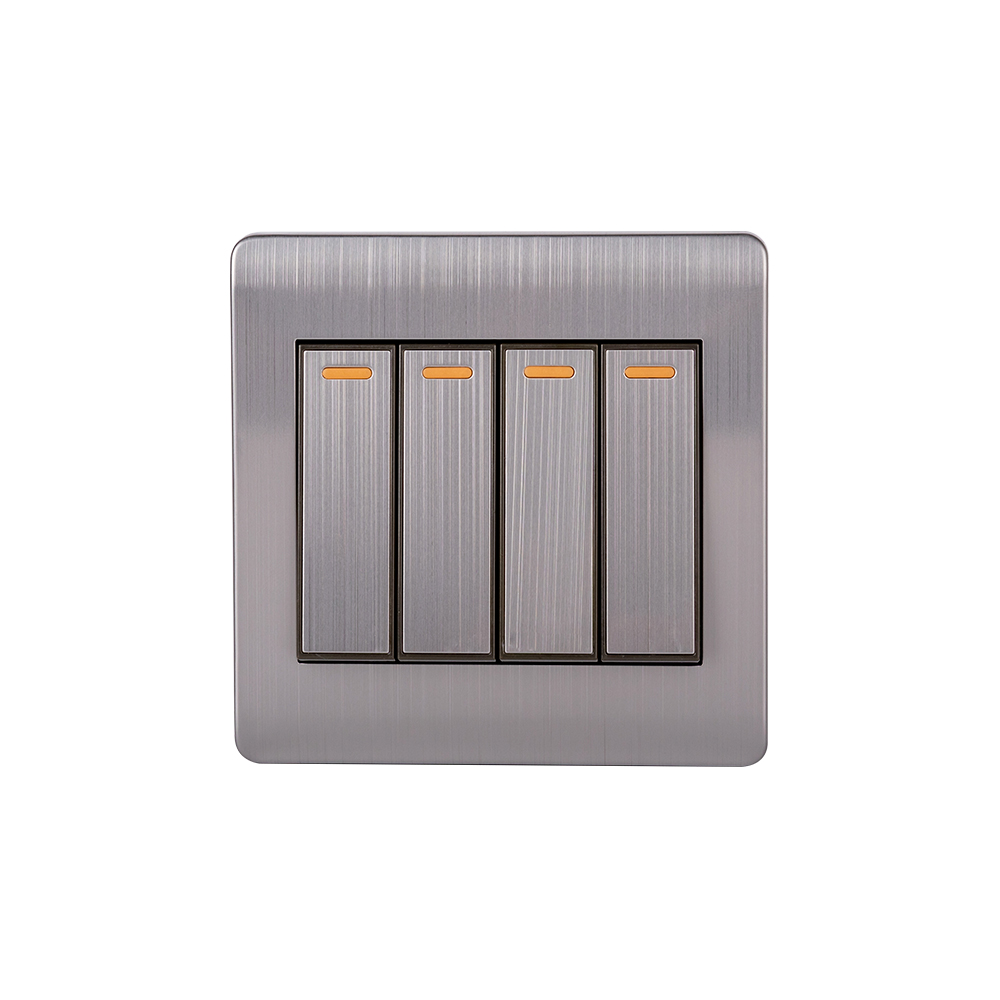
The phrase may mean a three-gang plate or a three-way circuit. A three-gang unit contains three separate mechanisms; a three-way circuit uses common and traveller terminals. Likewise, how to wire a 3 pole light switch and a single pole breaker wiring diagram are different design questions and should not be used as substitute instructions.
References
- IEC 60669-1:2017 — Switches for household and similar fixed electrical installations
- U.S. OSHA 29 CFR 1910.333 — Selection and use of work practices
- European Commission — Low Voltage Directive
- EUR-Lex — Directive 2011/65/EU (RoHS)
- GCC Standardization Organization — Gulf Conformity Mark
The practical lesson is simple: a switch is inexpensive, but a misunderstood circuit is not. Good procurement turns a symbol on a drawing into the correct control function, verified rating, documented conformity, and testable installation.
ABUK builds mechanical wall-switch solutions for that moment—when a project team needs the product, documents, and destination requirements to agree. Review the 1 Gang Rocker Switch — Series 10, see the premium residential wiring solution, or contact ABUK with the circuit schedule and target market for a model-specific recommendation.