
 Wenzhou Lita Electric Co., Ltd.









What Happens If You Use a Non-Dimmable LED Bulb With a Dimmer Switch?
When a hotel engineer in Bristol sees an inexpensive replacement LED light up on a guest-room dimmer, it is tempting to approve the carton. In this illustrative room, the new lamp appears normal until housekeeping lowers the slider. The decisive information was on the carton all along: the bulb was sold for on/off use.
Summary: A non-dimmable LED is not a suitable load for an ordinary phase-cut dimmer, even if it lights at the top setting. There are two reliable choices: retain dimming and select a verified dimmable lamp, or retain the lamp and use an appropriate on/off control. Do not treat a short trial at full brightness as approval.
Why can the lamp light up and still be incompatible?
The screw base establishes a physical connection. The small power supply inside the bulb determines how it responds electrically. A conventional wall dimmer changes the portion of each mains cycle delivered to the load; a driver intended for normal mains input may not interpret that change as a request for lower brightness.
The visible result varies. One sample may pulse, another may buzz, and a third may stay bright until it cuts out. None of those observations establishes a safe minimum slider position for a non-dimmable model. A useful inventory entry contains the manufacturer, product code and explicit dimming statement, not an employee's recollection that the bulb worked overnight.
What should a buyer make of flicker, buzzing or early failure?
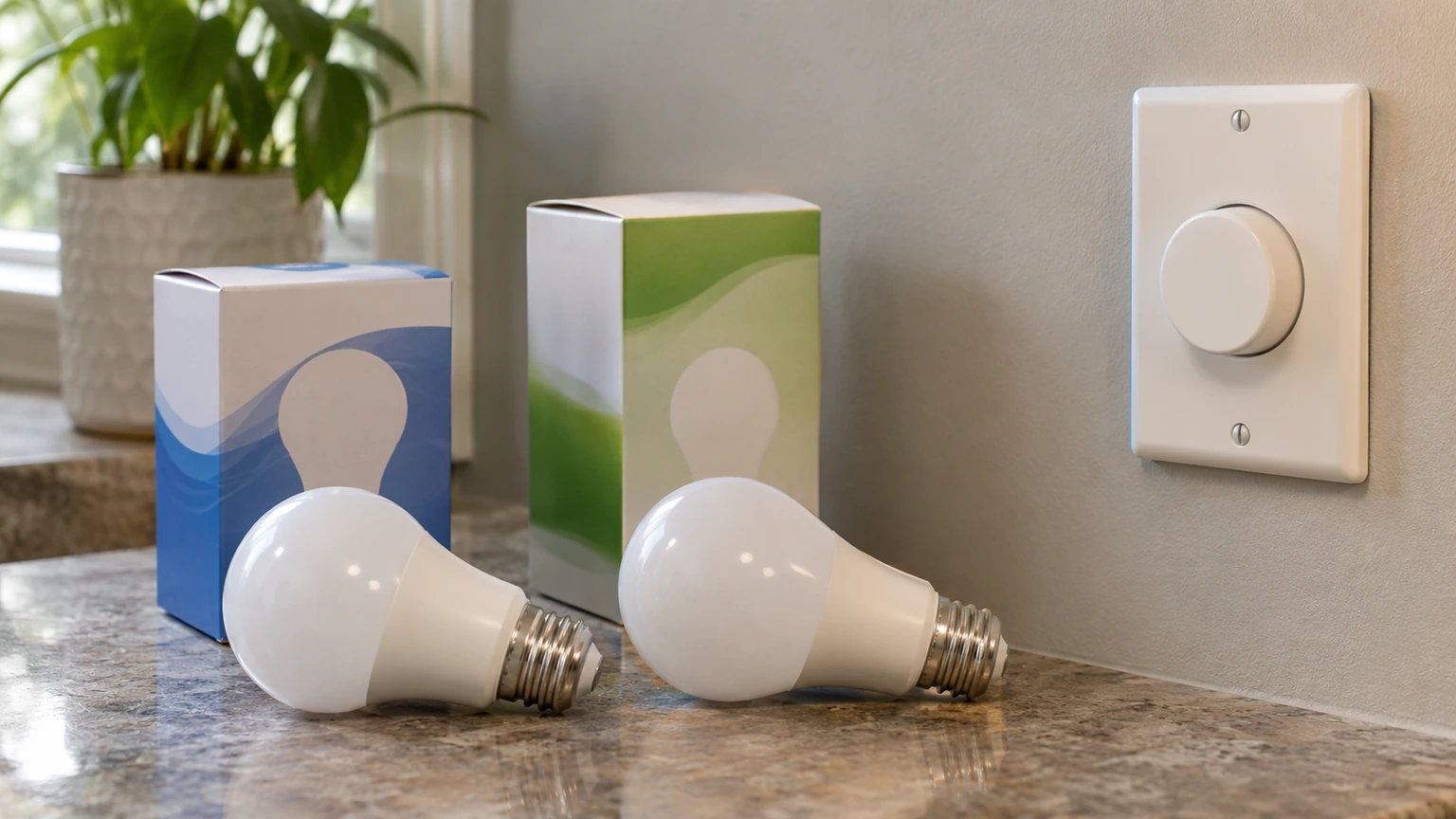
Noise and unstable light can indicate a poor match, but they do not identify which component has failed. A buzzing lamp is not a test instrument. Check the packaging and the control specifications before opening a warranty claim; where the lamp is explicitly non-dimmable, the mismatch is enough reason to discontinue that combination.
Keeping the control at maximum is not a dependable workaround. Manufacturer specifications generally describe permitted load types, not a slider position at which unlisted loads become acceptable. The control could also be moved by a guest or recalled at a lower scene later. The best fix removes the mismatch for the next occupant as well as for the person reporting it.
When should the bulb change, and when should the control change?

Start with the room's job. A bedside reading light may need dimming for guest comfort. If the bulb is replaceable, choose a dimmable model with the correct base, supply, size and fixture suitability, then check it against the control. A storeroom with no need for dimming may be better served by an ordinary switch installed by an electrician.
Integrated luminaires are a different purchasing decision: the light source and driver may not be separately replaceable. Identify the fitting before promising a bulb-only fix. Also check the full group. Changing one troublesome lamp leaves a mixed circuit if identical non-dimmable replacements were already fitted elsewhere.
Choose the remedy by the room's actual requirement
| Requirement | Practical route | What to verify |
|---|---|---|
| Guest-adjustable brightness | Use compatible dimmable lamps | Exact model and usable low level |
| On/off operation only | Specify a suitable switch | Load type and existing controls |
| Sealed integrated fitting | Review the driver or luminaire | Manufacturer-approved service options |
What procurement can verify without energising a sample
| Evidence | Decision it supports |
|---|---|
| Explicit lamp marking or data sheet | Whether dimming is permitted at all |
| Control manufacturer's compatibility information | Whether the particular combination is supported |
| Fixture instructions and physical envelope | Whether the permitted lamp also suits the fitting |
Which document settles a substitution dispute?
Use the instructions for the exact lamp and control sold into the destination market. If a buyer requests a deviation from the approved lamp schedule, ask for evidence covering dimming and the intended fixture, not just matching voltage and wattage. A general conformity mark does not turn a lamp marked non-dimmable into a suitable phase-controlled load.
Establish LED bulb dimmer compatibility before testing the sample at different levels. A non-dimmable LED belongs on a suitable switched circuit.
Prevent the next carton from undoing the repair
Separate on/off-only stock from lamps approved for dimmed circuits. Give both an unambiguous stock code, even if their light output, colour and base are identical. In a multi-room project, record the acceptable replacement and the control used in the sample room. That small purchasing change can prevent repeated callouts without replacing the rest of the installation.
If every lamp is marked dimmable but the group still pulses, the guide to LED dimmer flicker covers pairing, minimum load and trim. For circuits controlled from two doors, identify the 3-way dimmer switch as well as the lamp reference.
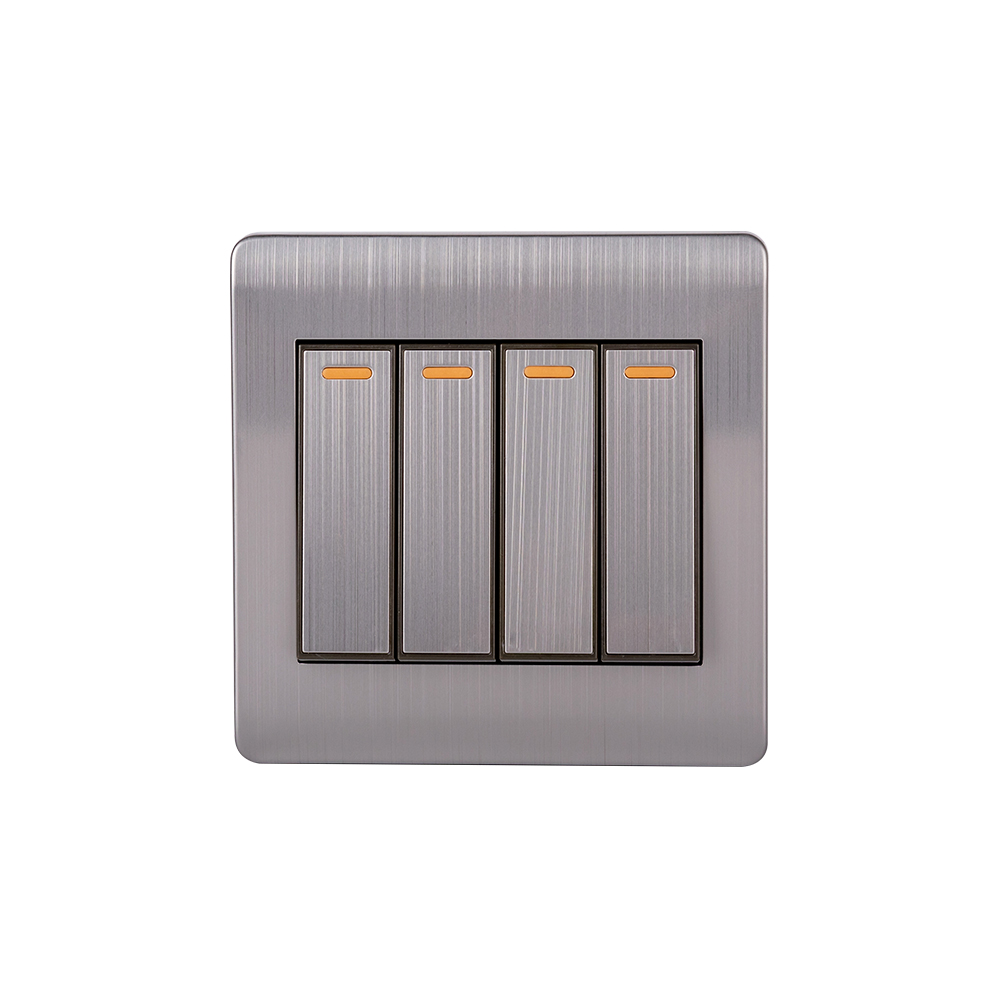
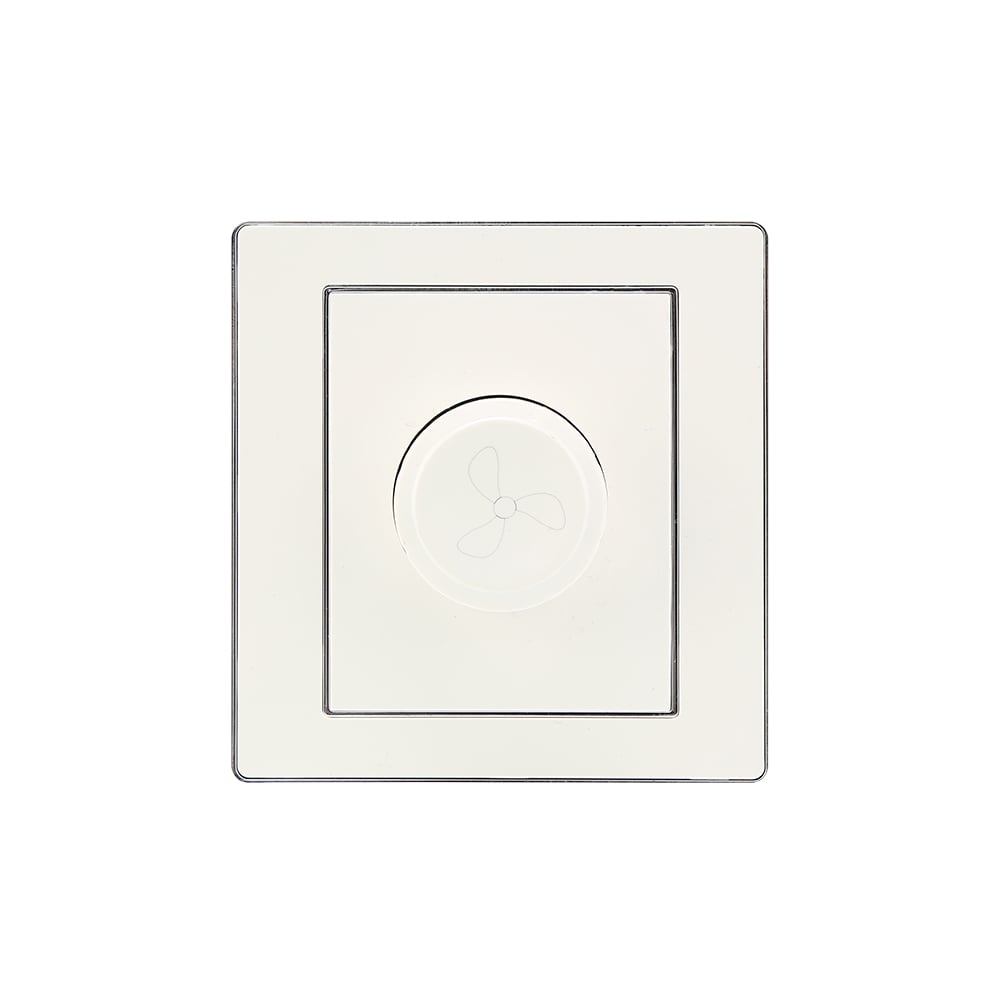
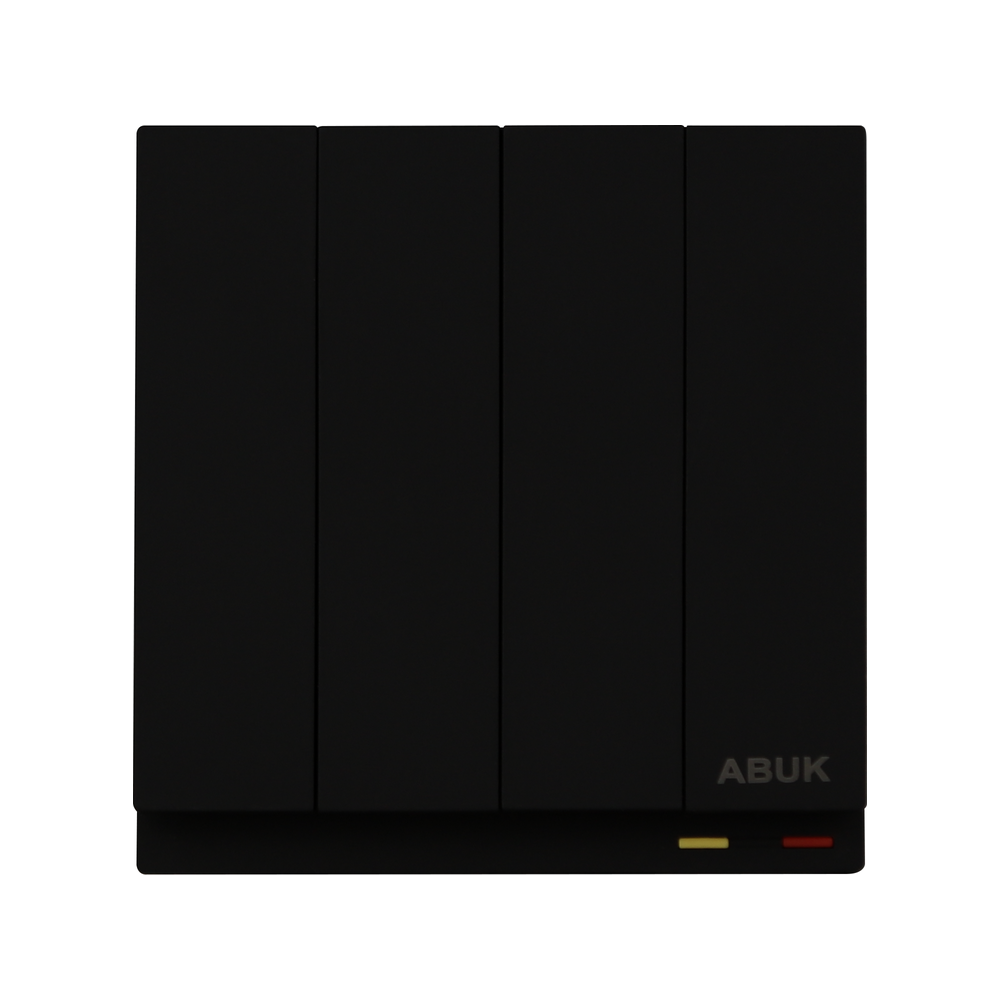
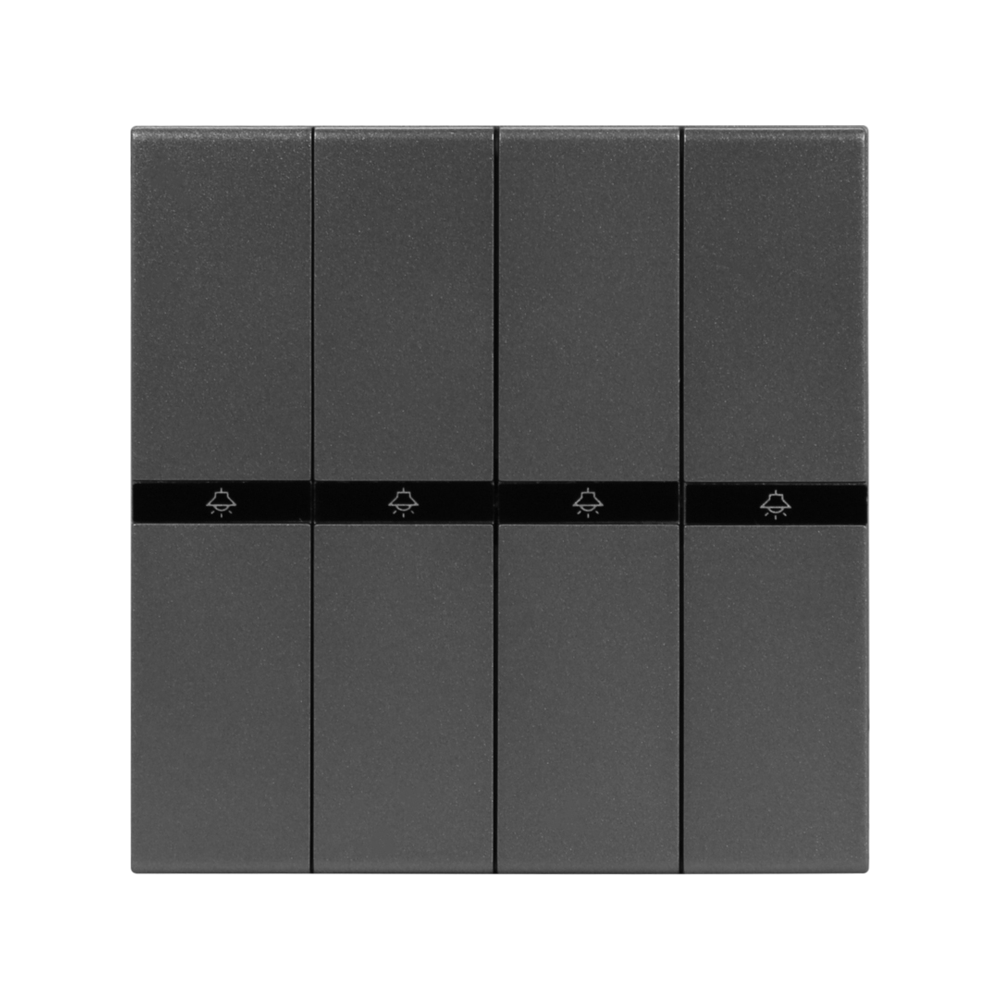
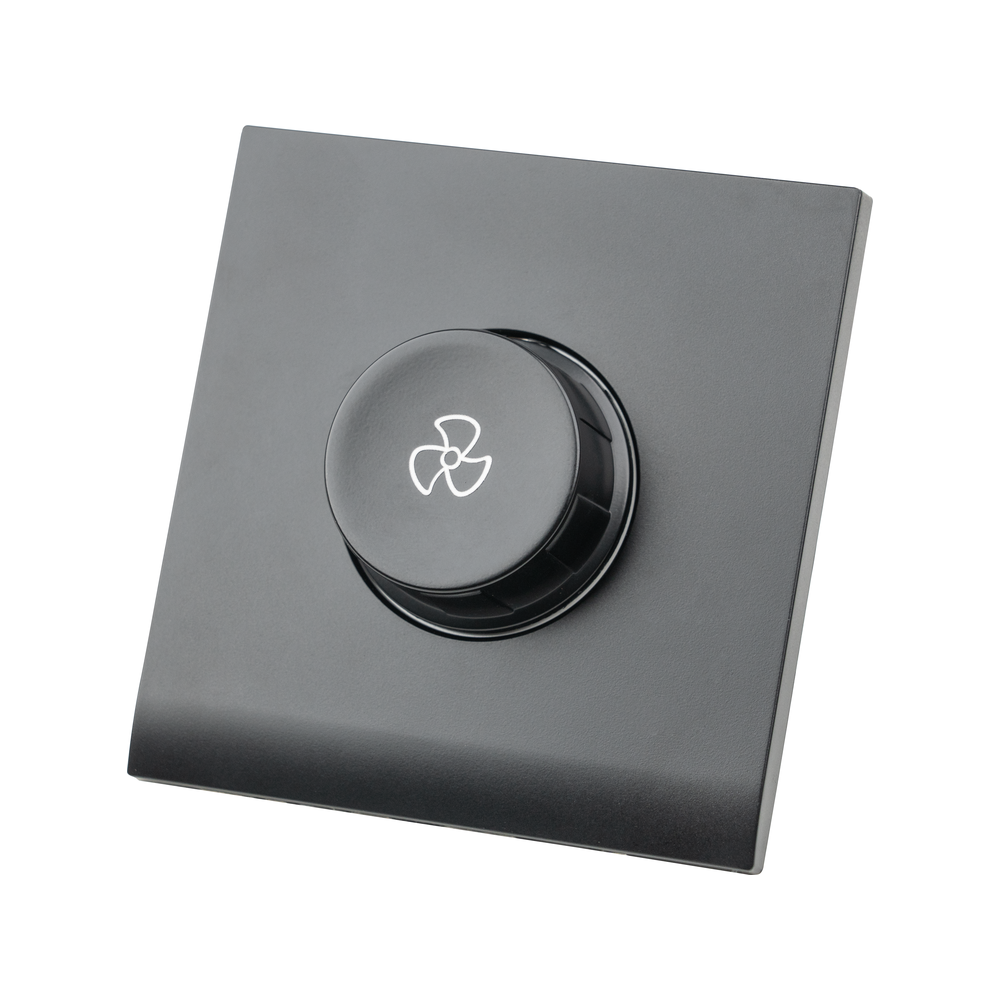
For an ABUK specification, identify the exact Series 08 dimmer switch in the enquiry and request its own data sheet. Ratings cited for other manufacturers do not establish compatibility for this model.
Frequently asked questions
Can a non-dimmable LED be used with a dimmer set to full brightness?
Do not rely on that setting. Unless the manufacturers specifically support the combination, use an appropriate switch or a compatible dimmable bulb.
Can a dimmer damage a non-dimmable LED bulb?
An incompatible combination can lead to erratic operation or premature failure. The precise outcome depends on the electronics; a lamp that survives one test is not necessarily suitable.
How can a dimmable LED bulb be identified?
Look for an explicit dimmable marking and check the exact model's data sheet. A familiar shape, LED filament or standard screw base is not enough.
Why does a non-dimmable LED buzz on a dimmer?
Its driver may respond poorly to the waveform supplied by the dimmer. Discontinue the incompatible pairing rather than trying to find a quieter slider position.
Should the bulb or the dimmer be replaced first?
If dimming is required and the lamp is replaceable, look for an approved dimmable replacement first. Where only switching is needed, have the control assessed for replacement instead.
Can dimmable and non-dimmable LEDs be mixed on one dimmer?
Do not put non-dimmable lamps on a dimming circuit because the other lamps are compatible. Every lamp on the controlled output must be suitable for the intended operation.
References
- Leviton: SureSlide 6674 load ratings and installation options
- Leviton: DSL06 Decora Slide specifications and instructions
- Leviton: LED bulb compatibility tool
A reliable spare is one the next person can identify without trying it on the circuit. For a project quotation, browse ABUK’s electrical products and include the lamp schedule, site supply and intended control arrangement.