
 Wenzhou Lita Electric Co., Ltd.




GFI vs GFCI Outlets: What’s the Difference?
When a hotel maintenance manager in Miami encountered repeated bathroom-outlet complaints, he watched a reset tutorial, ordered “GFI replacements,” and confidently handed them to the contractor. The inspection still failed because several circuits had ordinary receptacles downstream of an undocumented protective device, while another area required protection that was absent. The products were not renamed by different safety functions—GFI and GFCI were two labels for the same ground-fault concept. That confusion leads directly to gfi vs gfci outlets: what’s the difference?
Summary: GFI and GFCI normally mean the same personnel-protection technology; “GFCI” is the current code and industry term. A Class A GFCI trips when ground-fault current is approximately 4–6 mA under UL 943. Buyers must distinguish a GFCI receptacle from a GFCI circuit breaker, verify LINE/LOAD wiring, location requirements, self-test status, rating, UL listing, and destination compliance.
What is a GFI? It is common shorthand for ground-fault interrupter. what gfci outlet specifications describe is a ground-fault circuit interrupter installed at a receptacle. The typo “gcfi” appears frequently in search queries, but it does not identify another device. In practical gfi vs gfci comparisons, both sense imbalance between outgoing and returning current; the GFCI term is simply more precise and appears in NEC Article 100 and UL 943.
How Does Ground-Fault Protection Work?
Current leaving on the ungrounded conductor should return on neutral. A sensing transformer detects the difference; a Class A device tested to UL 943 trips around 4–6 mA, typically fast enough to reduce shock risk. It does not replace overcurrent protection—the branch breaker still protects conductors against overload and short circuit. This is the technical core of gfi vs gfci outlet terminology.
GFCI Receptacle or GFCI Breaker?
A receptacle protects its own face and correctly connected LOAD terminals; a GFCI breaker protects the entire branch circuit from the panel. NEC 210.8 defines locations requiring personnel protection, including many bathrooms, kitchens, garages, outdoors, basements, and laundry areas. The correct choice depends on accessibility, downstream loads, panel compatibility, neutral arrangement, and maintenance strategy—not on whether a package says GFI vs GFCI.
How Can an Outlet Be Identified?
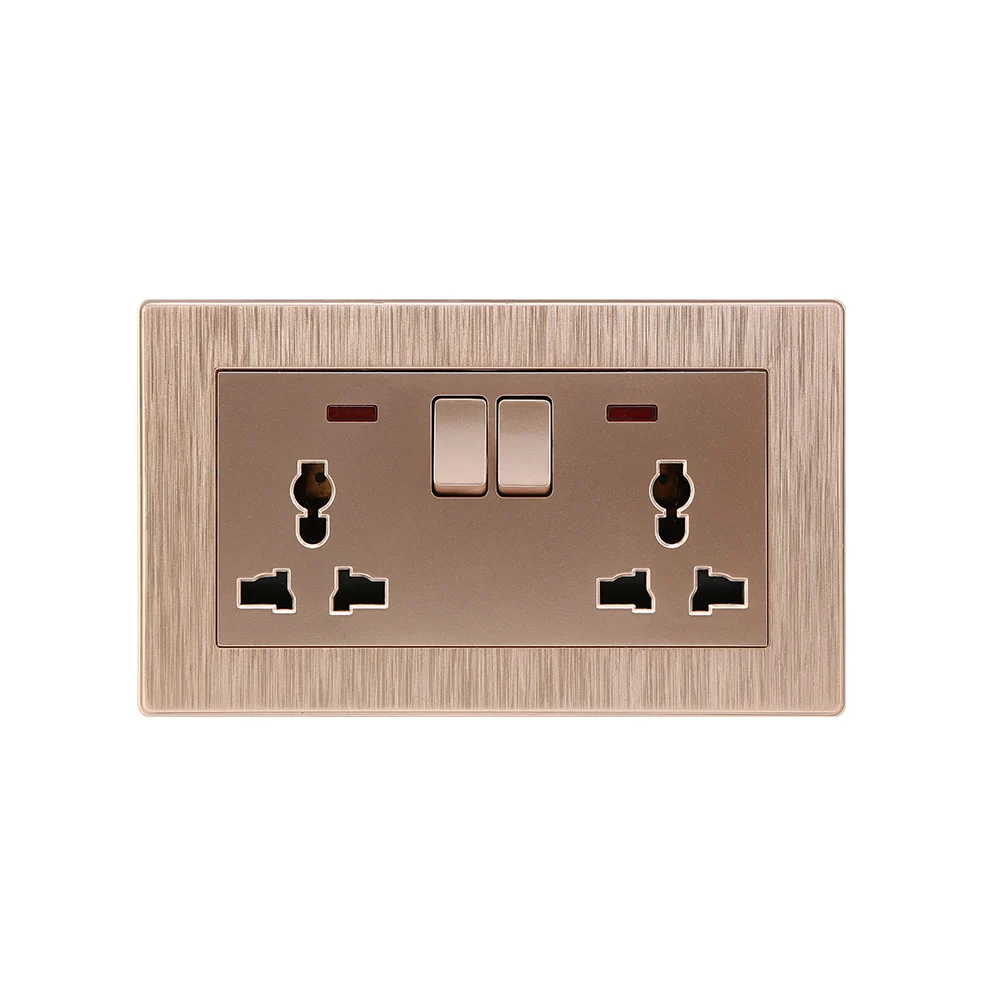
A GFCI receptacle usually has TEST and RESET buttons plus status indication. Yet an ordinary-looking outlet may be protected upstream. To tell if outlet is GFCI protected, the qualified tester should locate the controlling device, operate its TEST function, verify power loss at downstream points, and document the protection boundary. A plug-in tester is useful but does not replace inspection of wiring and instructions.
Where Do Hidden Costs Appear?
If 80 rooms require tracing and each undocumented circuit consumes 0.5 labor-hour at $40 per hour, investigation alone costs $1,600. Miswired LINE and LOAD terminals can also leave downstream outlets unprotected or prevent resetting. Self-test devices, accurate schedules, labels, and accessible reset locations therefore create measurable lifecycle value.
GFI vs GFCI Value Comparison
| Dimension | GFI | GFCI receptacle | GFCI breaker |
|---|---|---|---|
| Meaning | Common shorthand | Code/industry term | Branch-circuit device |
| Typical trip range | Same technology | 4–6 mA, Class A | 4–6 mA, Class A |
| Protection scope | Depends on actual device | Face + LOAD terminals | Whole branch circuit |
| Reset location | Varies | At receptacle | At panel |
| Installation cost | Not a separate category | Low–medium | Medium–high |
| TCO risk | Ambiguous schedule | LINE/LOAD error | Panel compatibility/service access |
Application Matrix
| Location | Typical strategy | Key check | Rule signal |
|---|---|---|---|
| Bathroom | GFCI receptacle or breaker | Accessible reset and full coverage | NEC 210.8 |
| Kitchen | Location-based GFCI coverage | Countertop and sink-related rules | NEC 210.8 |
| Outdoor | GFCI + WR device/enclosure | Weather-resistant construction and cover | NEC 406.9 |
| Export IEC project | RCD/RCCB/RCBO strategy | 30 mA or project threshold | IEC 61008/61009 |
Standards and Compliance
- UL 943: GFCI performance and self-test requirements.
- NFPA 70: installation locations and branch-circuit rules.
- IEC 61008-1 and IEC 61009-1: RCCB and RCBO requirements for IEC markets; they are not identical to UL 943 devices.
- CE, RoHS and GCC/GSO: confirm the exact model, market, voltage, residual-current rating, and conformity route.
Noncompliance may cause inspection rejection, shock exposure, recalls, or replacement across an occupied building.
Selection Guide
- Write “GFCI” in specifications and define the product standard.
- Choose receptacle or breaker protection from the complete circuit layout.
- Verify voltage, current, trip class, self-test, feed-through, TR/WR features, and panel compatibility.
- Require labels and testing records for downstream protected outlets.
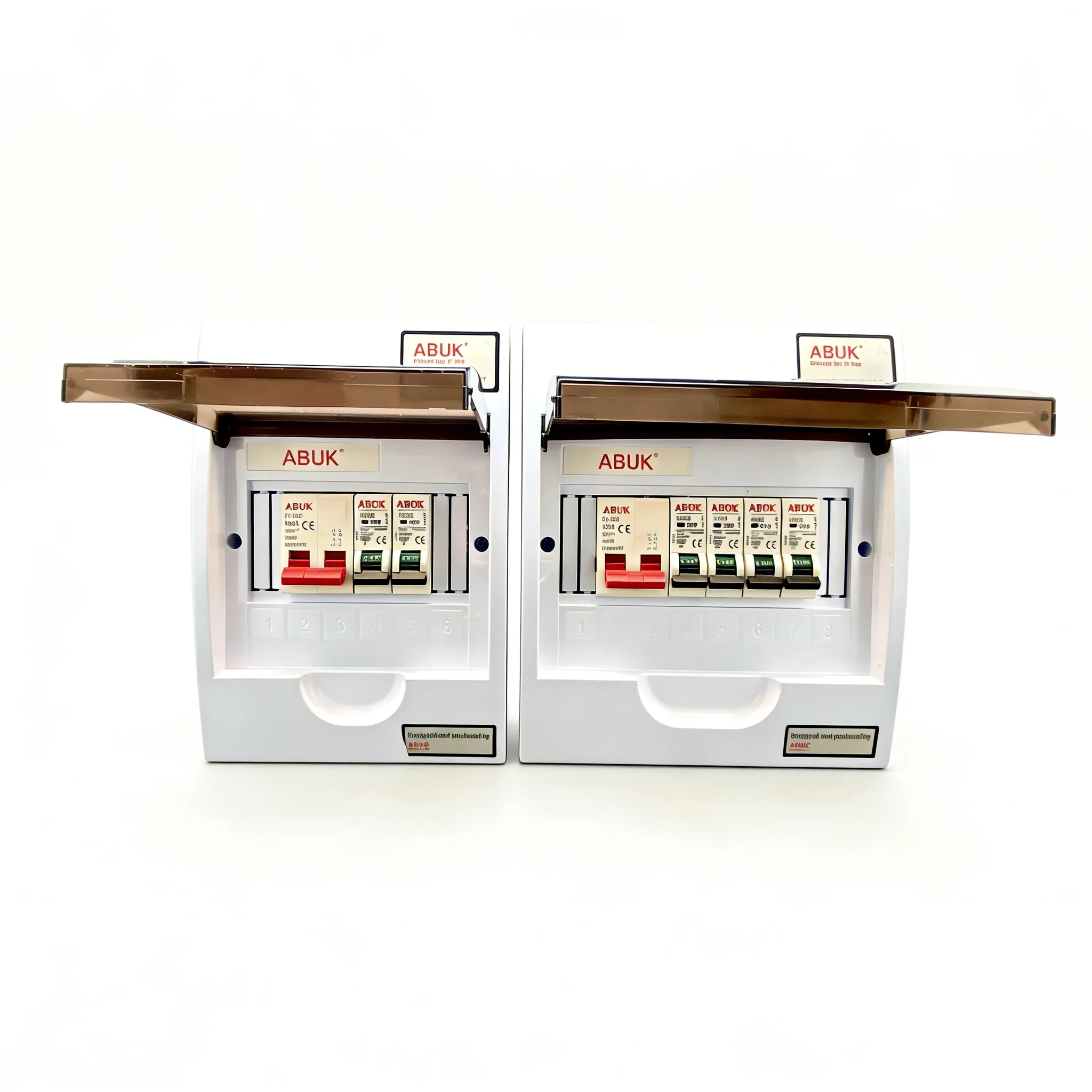
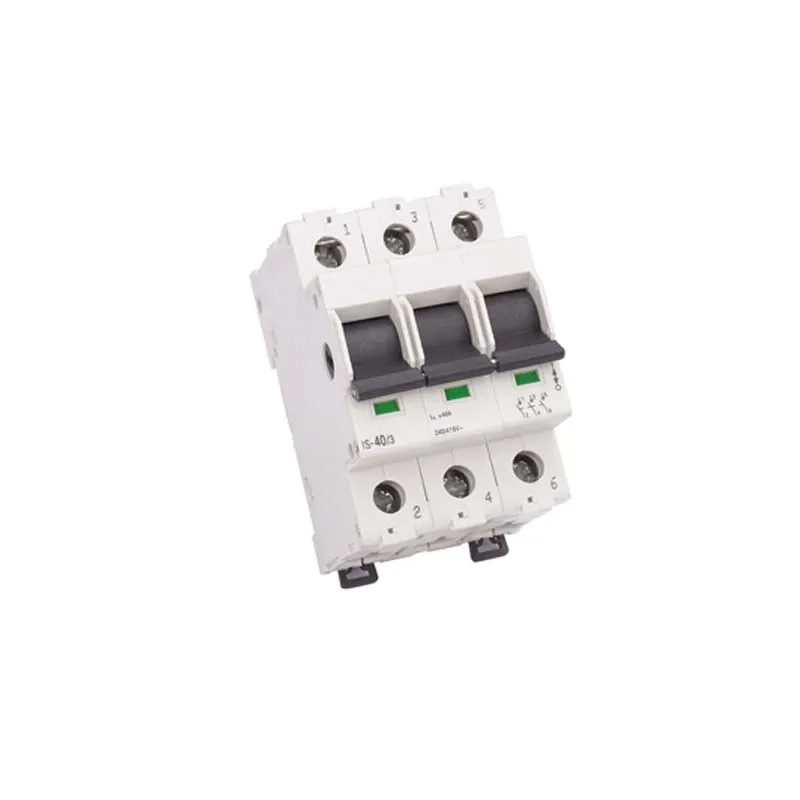
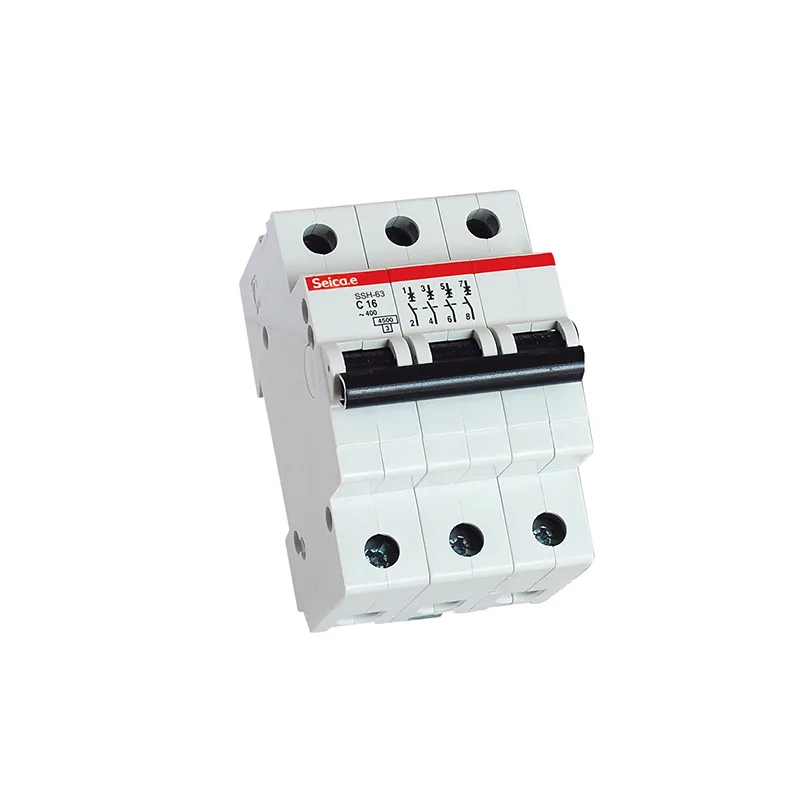
ABUK provides gfci breaker or gfci outlet alternatives through residual-current protection products, with CE, RoHS, and GCC documentation for specified models and markets, subject to project-level verification.
Frequently Asked Questions
What is a GFI?
GFI is common shorthand for a device that interrupts a ground fault. In current North American specifications, GFCI is the preferred term.
What is a GFCI outlet?
It is a receptacle with integral ground-fault sensing, TEST/RESET controls, and optional downstream protection through marked LOAD terminals.
Is GFI the same as GFCI?
Yes in normal usage. The gfi vs gfci difference is terminology, not a different shock-protection principle.
How to tell if an outlet is GFCI protected?
Look for TEST/RESET controls, then test the controlling receptacle or breaker and verify which downstream points lose power. Qualified inspection is recommended.
What is the difference between GFCI and GFI receptacles?
There is usually no product difference; “GFCI receptacle” is the standardized wording. A gcfi search is normally just a misspelling.
Is a GFCI breaker better than a GFCI outlet?
Neither is universally better. The breaker offers whole-circuit protection; the receptacle offers local reset access and selective downstream coverage.
References
- NFPA 70 – National Electrical Code
- UL 943 – Ground-Fault Circuit-Interrupters
- IEC 61008-1 – RCCBs
- IEC 61009-1 – RCBOs
The memorable rule is simple: the label can vary, but the protection boundary must be proven by wiring, testing, and documentation.
ABUK builds electrical-protection solutions for that moment. Review the product portfolio or contact ABUK with the single-line diagram and destination standard.