
 Wenzhou Lita Electric Co., Ltd.


US vs UK Voltage: Plugs, Power Ratings and Travel Adapter Tips
When a procurement engineer in London encountered a US equipment quotation, he accepted it after checking only the plug shape. At commissioning, the 230 V supply produced a failed test; the device was not defective—the selection review had missed its input rating. Plug format, nominal supply voltage, frequency and input range are separate checks.
Summary: In voltage us vs uk decisions, the comparison is 120 V/60 Hz in the United States and 230 V/50 Hz in the United Kingdom. IEC 60038 sets voltage context. Before purchase, read the rating label, match supply and choose an adapter only if it accepts that voltage.
Why the comparison matters in procurement and travel
Voltage is the electrical potential supplied to equipment; frequency is the supply-cycle rate. In a voltage us vs uk scenario, an adapter may make pins fit, but cannot alter 120 V to 230 V or 60 Hz to 50 Hz. A plug is a connection interface, not proof of compatibility.
The label or data sheet is the starting evidence: it should state a single input rating such as 120 V~ 60 Hz, or a range such as 100–240 V~ 50/60 Hz. A broad range may permit a physical adapter; a single-market rating needs a different configuration or correctly specified converter.
120 V versus 230 V: four checks before connection
Nominal supply voltage and frequency
IEC 60038 sets preferred nominal-voltage values for public supply systems. The US is commonly 120 V at 60 Hz, while the UK is commonly 230 V at 50 Hz. The marked input range decides whether connection is permitted.
Plug geometry is a separate issue
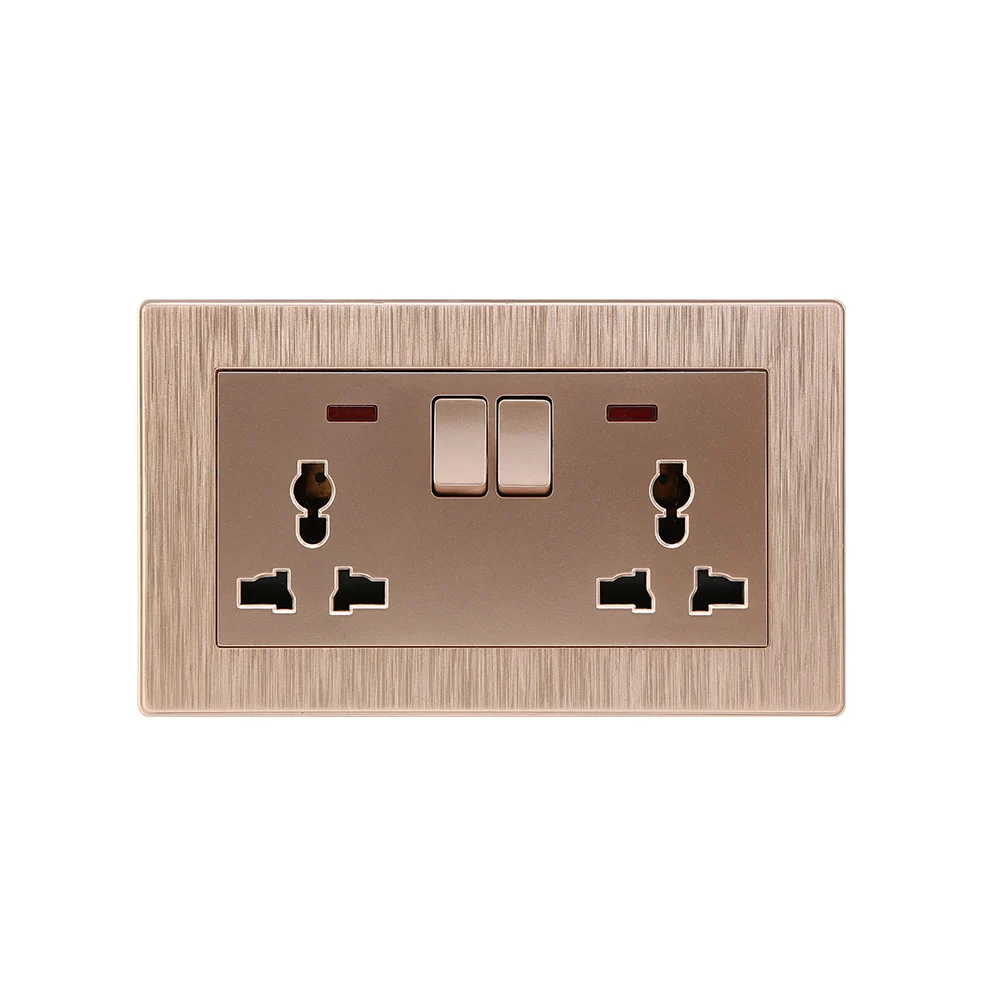
US Type A has two flat pins, while Type B adds a grounding pin. UK Type G uses three rectangular pins and is associated with BS 1363, including fused plugs. In voltage us vs uk planning, an adapter is required and leaves the supply voltage unchanged.
Power ratings do not translate automatically
Watts express power, while volts and amps describe supply and current. For a resistive load, the illustrative relationship is P = V × I; a familiar watt figure does not make a 120 V device suitable. Motors and electronic controls can be frequency-sensitive, so use the manufacturer’s specification and functional test procedure.
US and UK supply and plug comparison
| Decision point | United States | United Kingdom | Buyer implication |
|---|---|---|---|
| Common nominal supply | 120 V | 230 V | Confirm the marked input range before shipment or use. |
| Common frequency | 60 Hz | 50 Hz | Check frequency where motors, clocks or transformers are involved. |
| Common plug types | Type A / Type B | Type G | Use a correctly rated physical adapter only after input compatibility is confirmed. |
| Socket and plug context | Local US requirements apply | BS 1363 context | Specify the destination-market plug, lead and socket interface. |
In voltage us vs uk decisions, the systems place different requirements on the connected device. For permanent work, specify the destination-market version rather than add travel accessories after delivery.
Device and adapter decision matrix
| Label or situation | Can it be used in the UK? | What to select | Important limitation |
|---|---|---|---|
| 100–240 V~ 50/60 Hz | Usually, subject to the product instructions | Type G travel adapter or UK lead | The adapter changes pin format, not voltage. |
| 120 V~ 60 Hz only | Not directly | UK-rated alternative or a correctly specified transformer/converter | Assess wattage, duty cycle, frequency sensitivity and manufacturer guidance. |
| 230 V~ 50 Hz UK configuration | Yes, when installed as instructed | Correct Type G/BS 1363 interface where applicable | Confirm destination-market conformity and intended-use conditions. |
| Hard-wired or high-load equipment | Case by case | Project-specific electrical design review | A travel adapter is not an installation solution. |
For a dual-voltage charger, an adapter may be sufficient. A single-voltage appliance needs a converter rated for its load. Request the label image and destination supply specification before purchase.
Standards, plugs and destination-market compliance
IEC 60038 concerns standard voltages, while IEC 60884-1 addresses household and similar plugs and socket-outlets; neither is blanket appliance approval. BS 1363 provides UK context for 13 A plugs, socket-outlets, adaptors and connection units. Retain product and intended-market documentation rather than treat a familiar plug as a compliance claim.
For equipment supplied in Great Britain, obligations depend on the product, intended use and supply method. CE, RoHS or GCC documentation alone should not be presented as establishing UK electrical compliance. Unsupported markings can delay acceptance and create liability.
A practical sourcing checklist
- Request the rating-label image and confirm voltage, frequency, wattage or current, and input range.
- State the final installation country, socket type and whether use is portable, travel-related or fixed.
- For controlled loads, confirm converter suitability with the equipment manufacturer before purchase.
- Review destination-market conformity evidence, lead configuration and documentation before release.
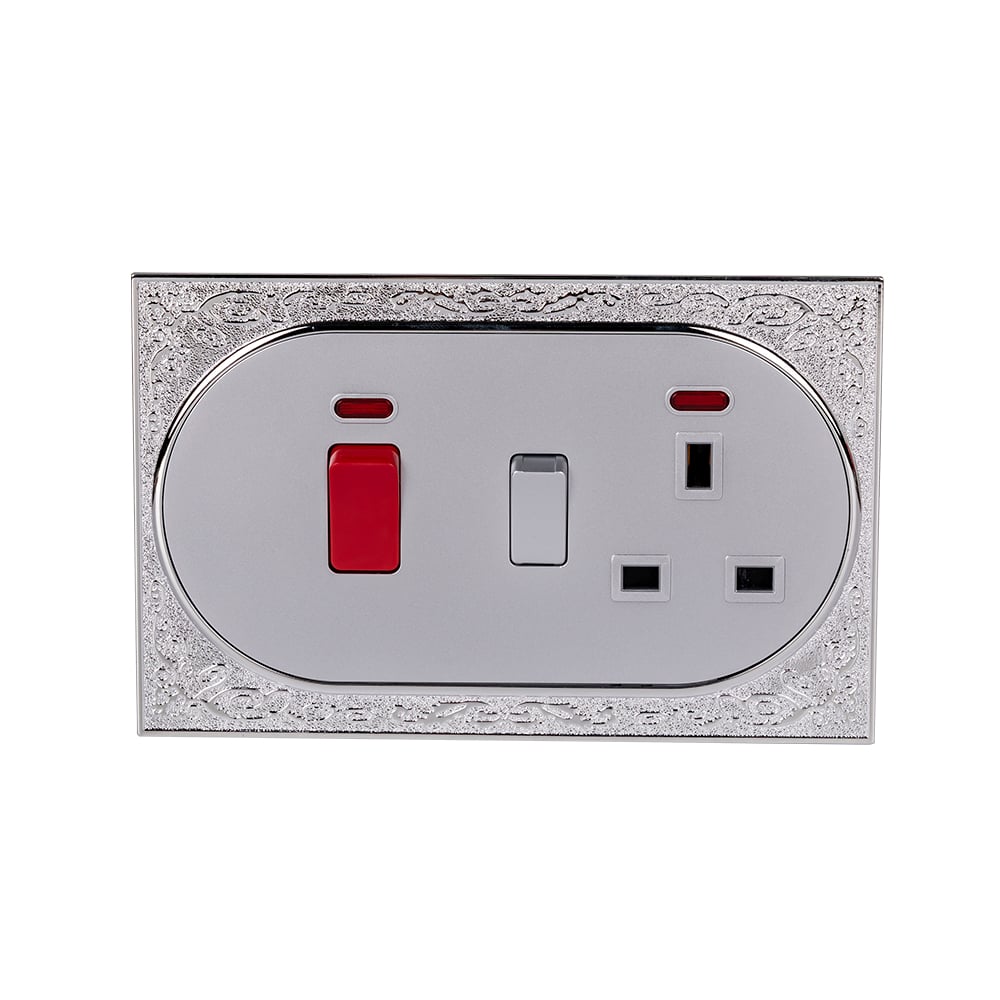
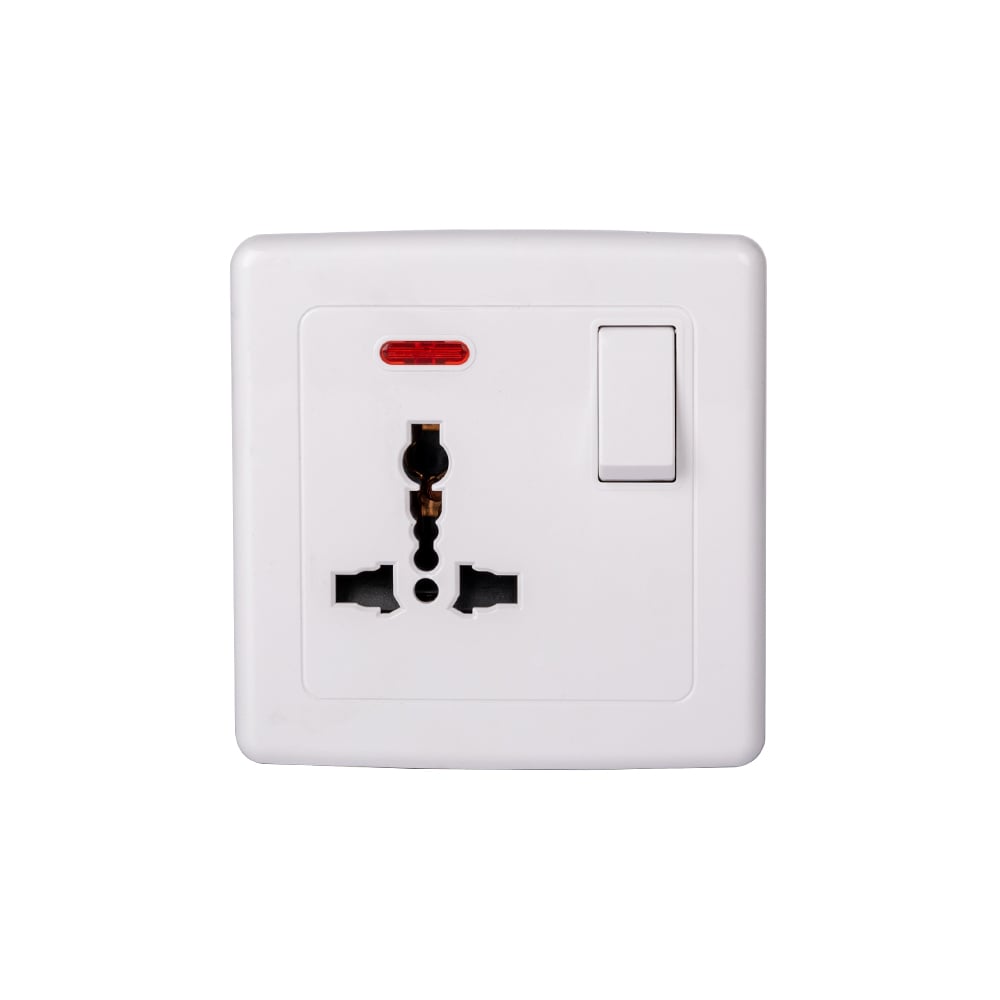
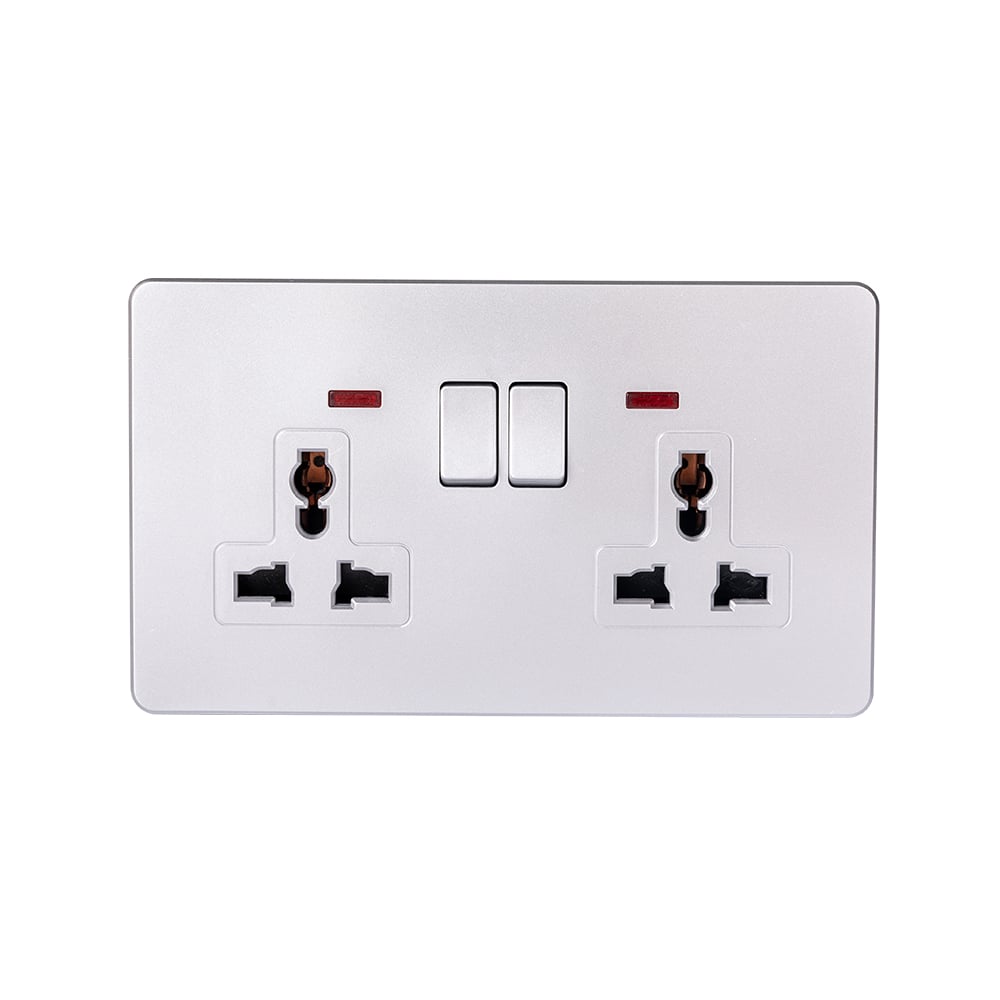
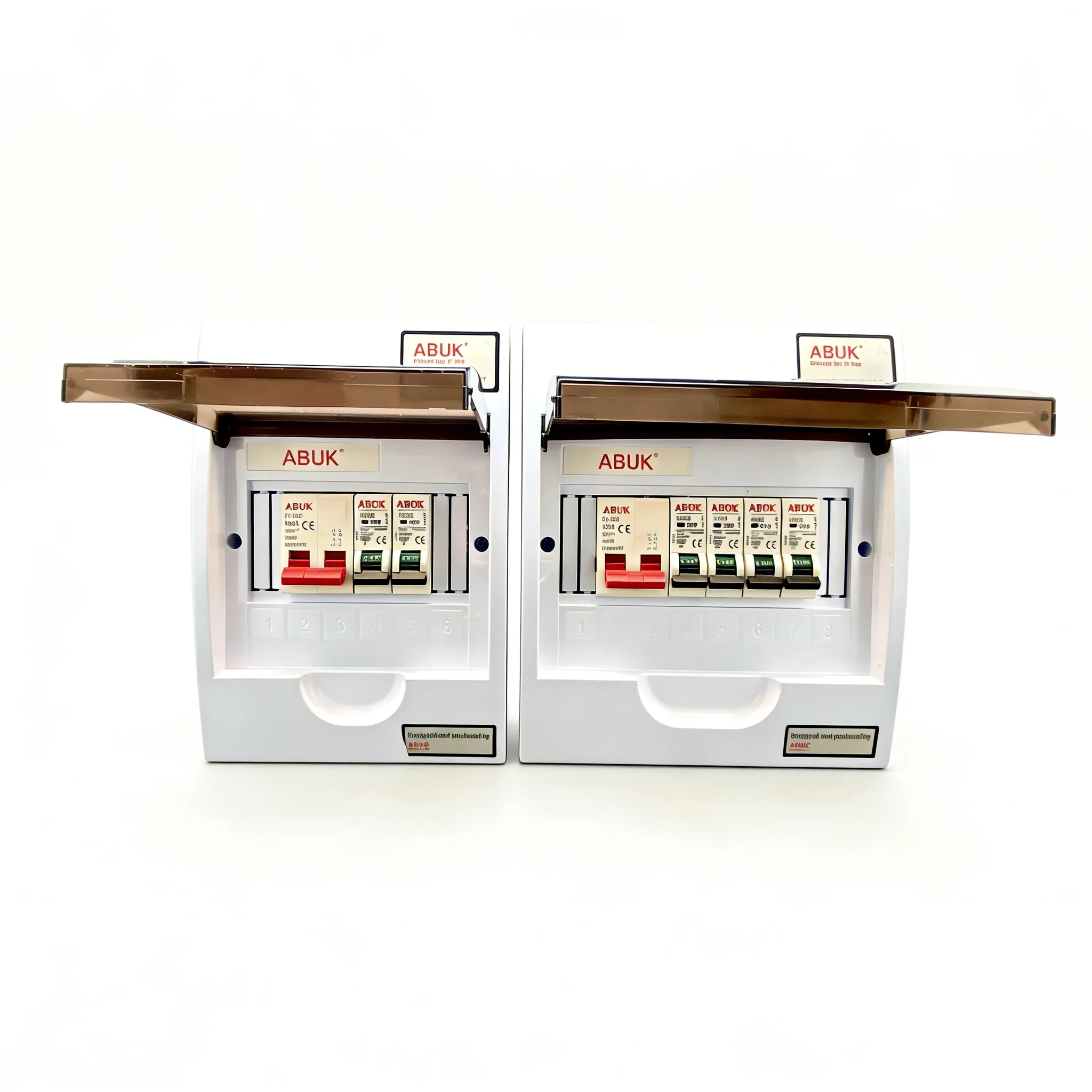
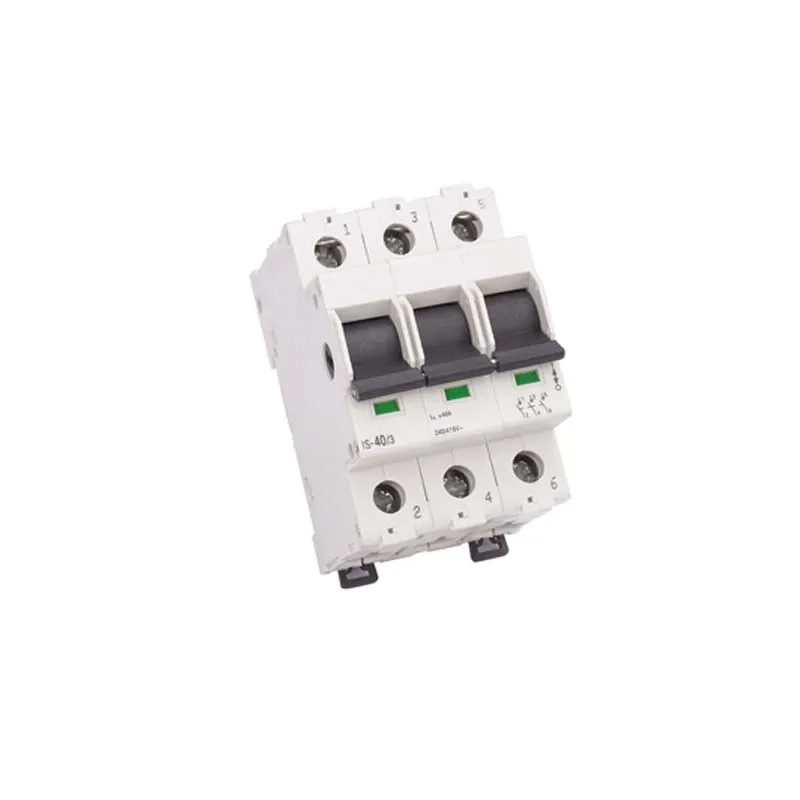
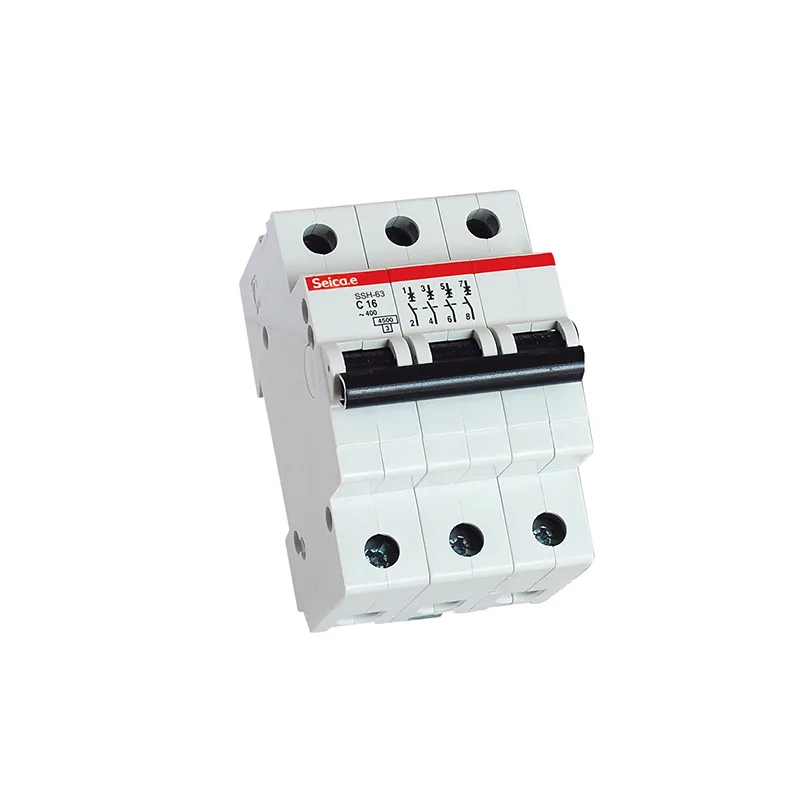
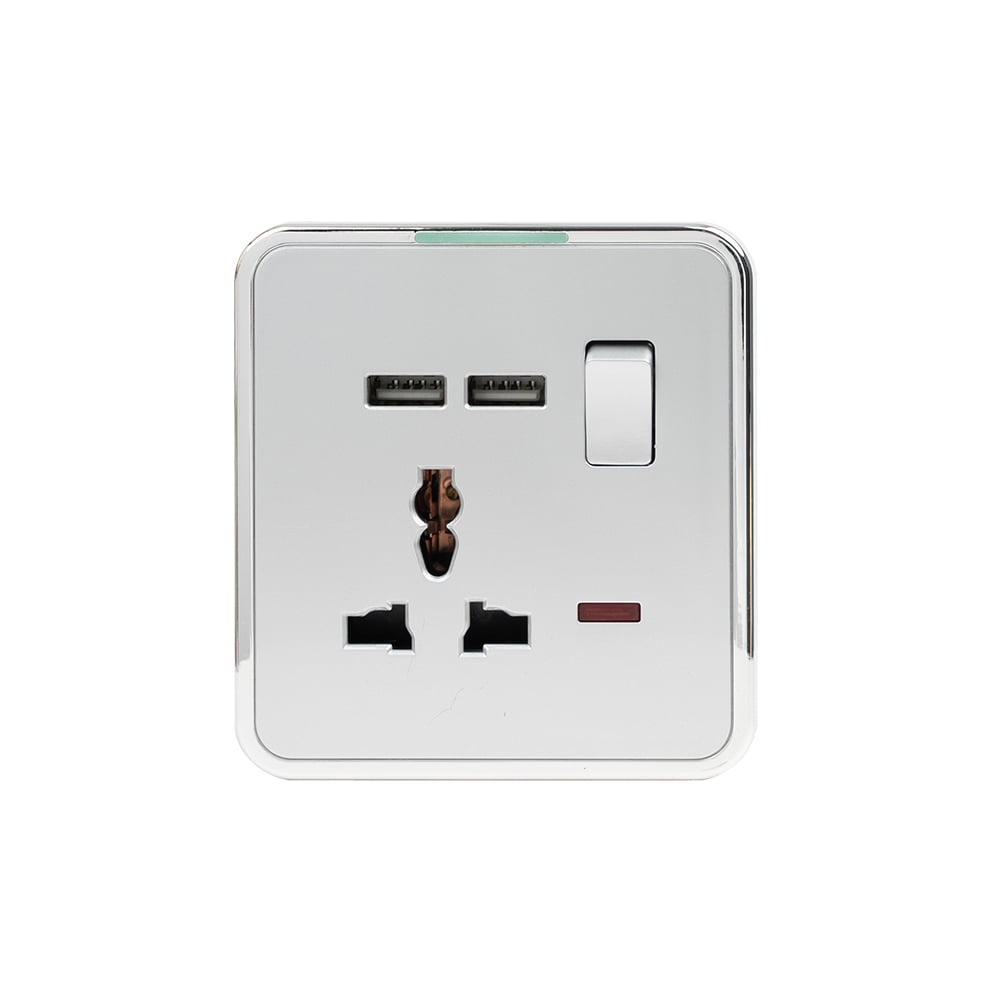
For buyers comparing wall switches and sockets, ABUK provides configurable wiring-device solutions with CE, RoHS and GCC documentation where applicable. Specify against the installation market and application, not a plug photo.
Frequently asked questions
What is the voltage difference between the US and UK?
The common comparison is 120 V at 60 Hz in the US and 230 V at 50 Hz in the UK. Suitability depends on the appliance input label, not its plug style.
Can I use a US appliance in the UK?
Use it directly only if its label accepts the UK supply, commonly 230 V and 50 Hz. A 100–240 V~ 50/60 Hz device normally needs only a suitable Type G adapter or lead; a 120 V-only device needs a compatible alternative or properly specified conversion.
Do I need a voltage converter for UK travel?
Not for a dual-voltage device whose marked range includes 230 V and 50 Hz; you need a physical adapter instead. A converter may be required for a single-voltage appliance, but its capacity and frequency compatibility must be confirmed for that appliance.
Are US and UK plugs physically compatible?
No. Type A/B and Type G have different pin shapes and arrangements, so a properly rated adapter is needed for portable compatible equipment. In voltage us vs uk travel decisions, never rely on an adapter to convert voltage.
References and next step
- IEC 60038: IEC standard voltages
- IEC 60884-1: Plugs and socket-outlets for household and similar purposes
- BSI: BS 1363 plug and socket-outlet standard context
- UK Government: electrical-equipment manufacturer responsibilities
Specify the supply first, verify the input rating second, and choose the plug interface last—that sequence turns voltage us vs uk from a travel surprise into a controlled sourcing decision.
Explore ABUK’s electrical wiring-device products and contact the team to discuss a destination-market configuration for your project.