
 Wenzhou Lita Electric Co., Ltd.
Can You Change a Power Point in NZ?
When a facilities coordinator in Wellington swapped a visibly cracked office socket for a similar-looking unit, the replacement appeared fine until the circuit supplied the same intermittent fault the next morning. The damage suggested a product problem, but the root issue was scope: like-for-like replacement, fixed-wiring work or fault diagnosis.
Summary: In New Zealand, a homeowner may be able to carry out limited work at their own home, but the safe and legal route depends on the exact job, competence and required verification. A simple replacement and a fault are not the same job: if there is heat, damage, changing protection, altered wiring, uncertainty about isolation, or an unexplained loss of supply, stop and use a licensed electrical worker. For anyone researching change a power point NZ, the practical decision is to classify the work before selecting a fitting—not to treat a socket faceplate as proof that the installation is safe.
This article concerns New Zealand domestic installations. It is not live-work instruction or legal advice, and it does not authorise work in rental, commercial or shared-building settings. New Zealand’s regime separates limited homeowner activity from electrical work performed and documented by authorised workers; WorkSafe New Zealand’s homeowner guidance is the starting point for current scope.
How to distinguish a like-for-like replacement, fixed-wiring change and fault
Use this framework before buying a replacement. It adds a useful distinction often missed in broad safety warnings: the visible outlet may be the item to change, the termination behind it may be part of fixed wiring, or the symptom may come from elsewhere on the circuit. Those categories demand different decisions; a change a power point NZ decision begins with that classification.
1. Like-for-like replacement
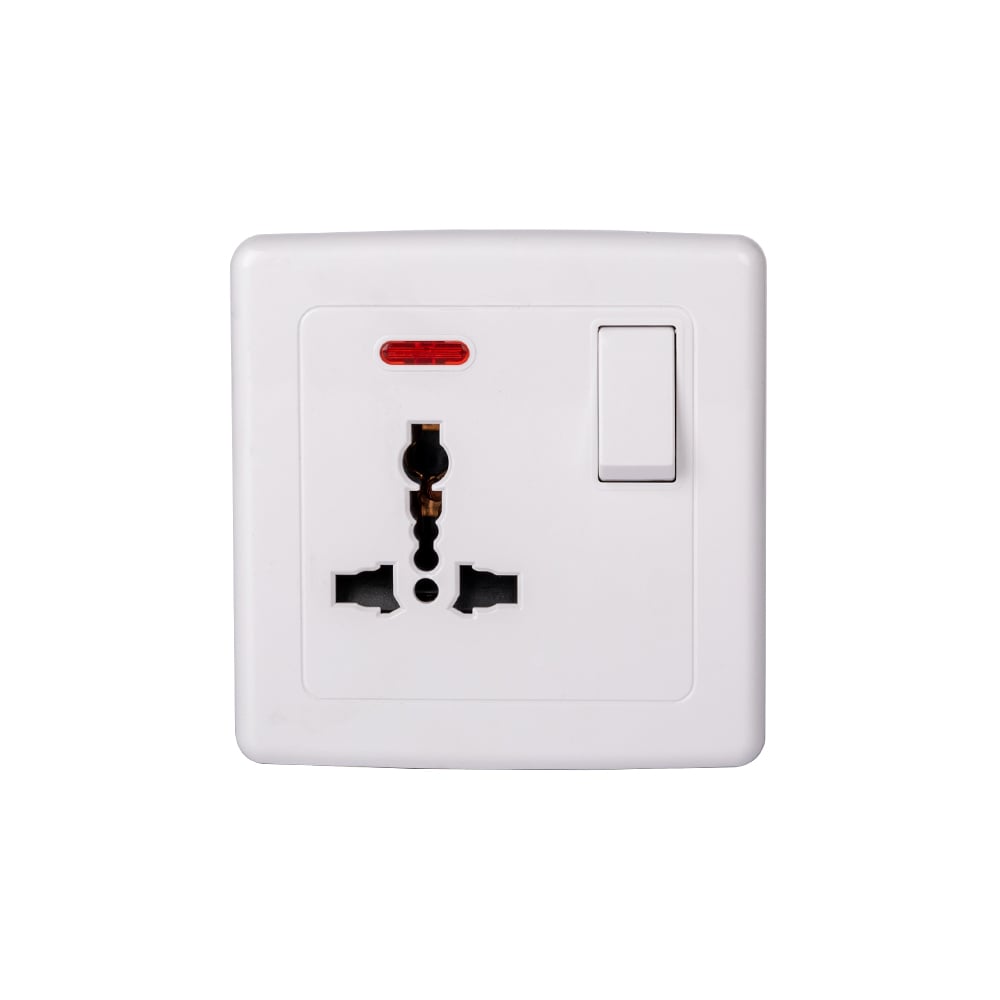
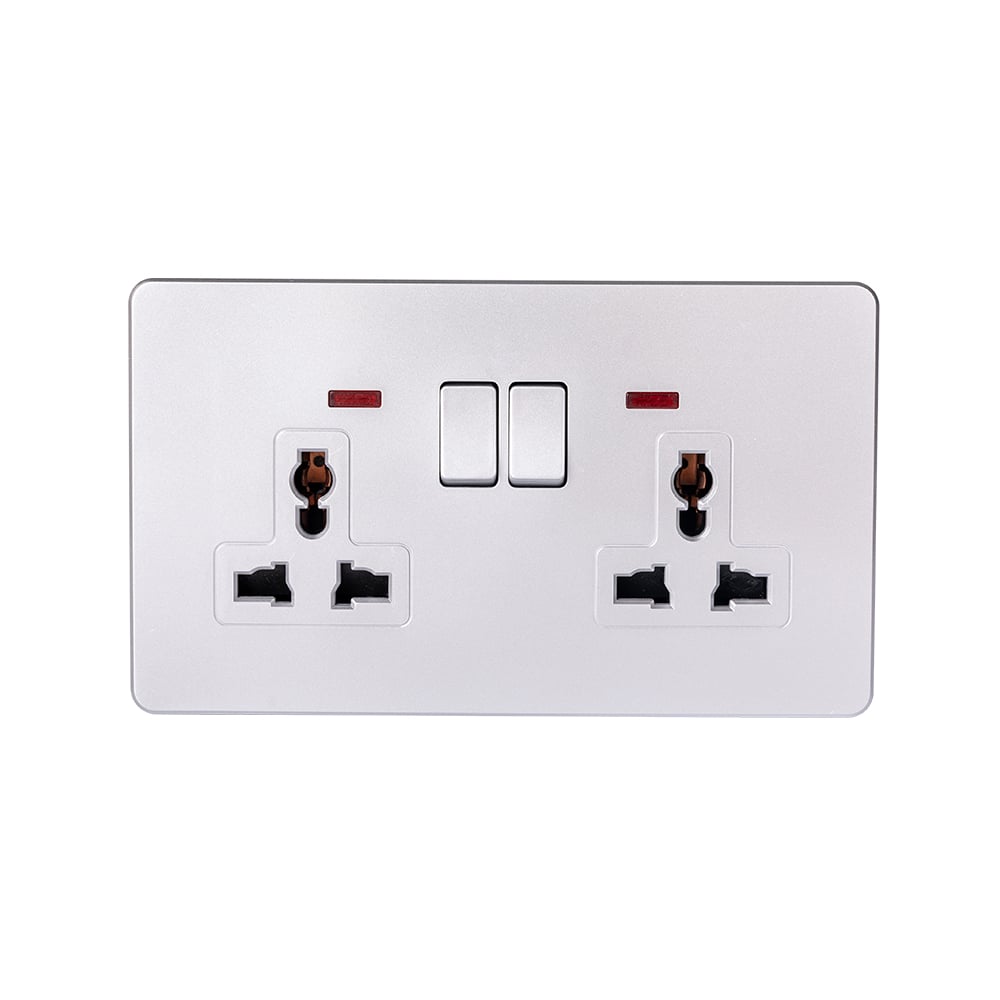
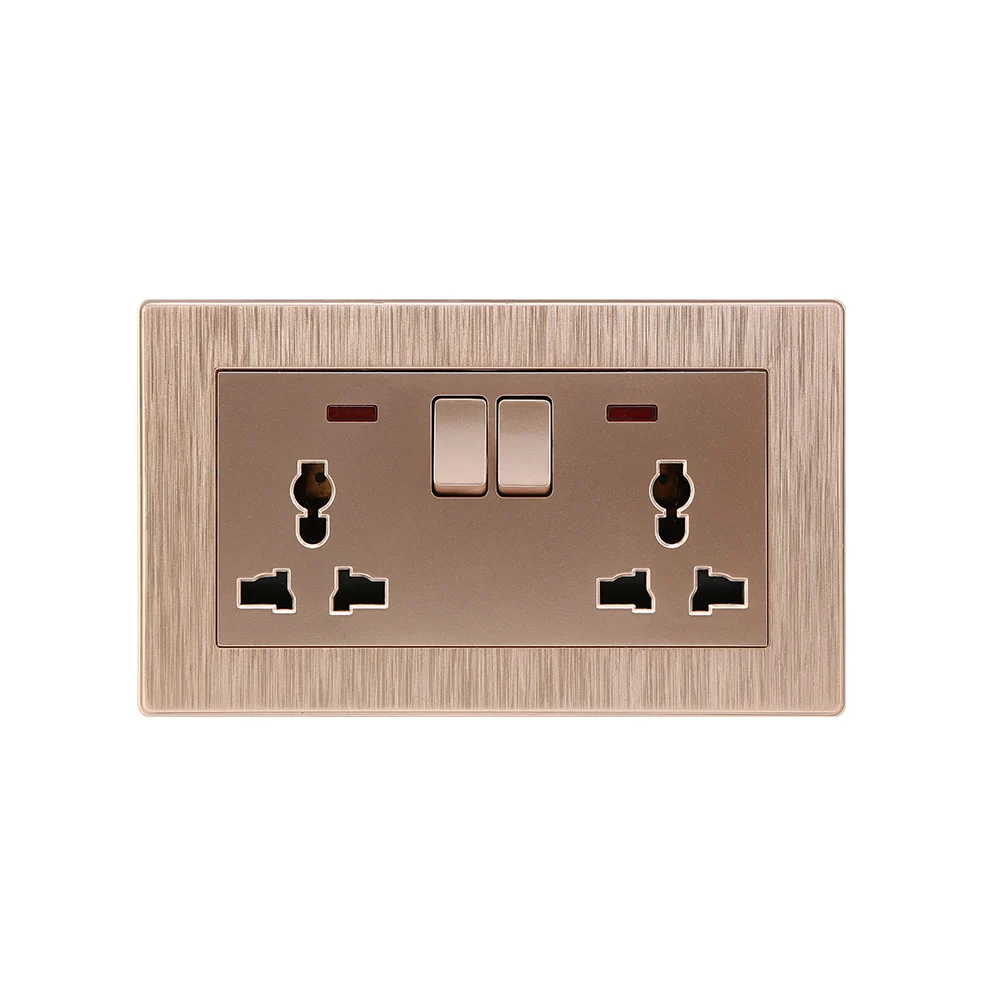
A like-for-like case is the narrowest category: the outlet is physically damaged or worn, the installation is otherwise known to be sound, and the intended fitting does not change the circuit’s function, rating, earthing arrangement, enclosure or location suitability. Even then, “looks alike” is not a technical specification. A purchaser considering NZ power point replacement products should confirm the product data, application and intended market before treating it as interchangeable.
2. Fixed-wiring change
Adding an outlet, moving one, changing cable routes, changing protective devices, correcting earthing, or adapting the point for a different load moves beyond a cosmetic replacement. These are fixed-installation questions. In New Zealand electrical work, the legal classification and documentation duties matter as much as the hardware choice; a licensed electrical worker can decide the applicable scope, carry out the work, test it and provide the documentation required for that work.
3. Fault diagnosis
An intermittent outlet, a breaker that trips, a buzzing sound or a warm cover is evidence of a condition to diagnose—not evidence that a replacement outlet is the cure. The safest procurement decision is to isolate the affected point from use and call a licensed electrician. Replacing the visible item can conceal a loose connection, overload, damaged cable or another fault without resolving it.
| Observed situation | Decision category | Appropriate next action |
|---|---|---|
| Known mechanical damage; no heat, supply issue or circuit change | Potential like-for-like replacement | Check homeowner scope and competence; otherwise arrange a licensed electrician. |
| New location, changed load, altered cable, protection or earthing | Fixed-wiring change | Specify the requirement and engage a licensed electrical worker. |
| Heat, discolouration, cracks, intermittent supply, buzzing or tripping | Fault diagnosis | Stop using the point; do not rely on a new outlet as a repair. |
How the homeowner exception differs from new or altered fixed wiring
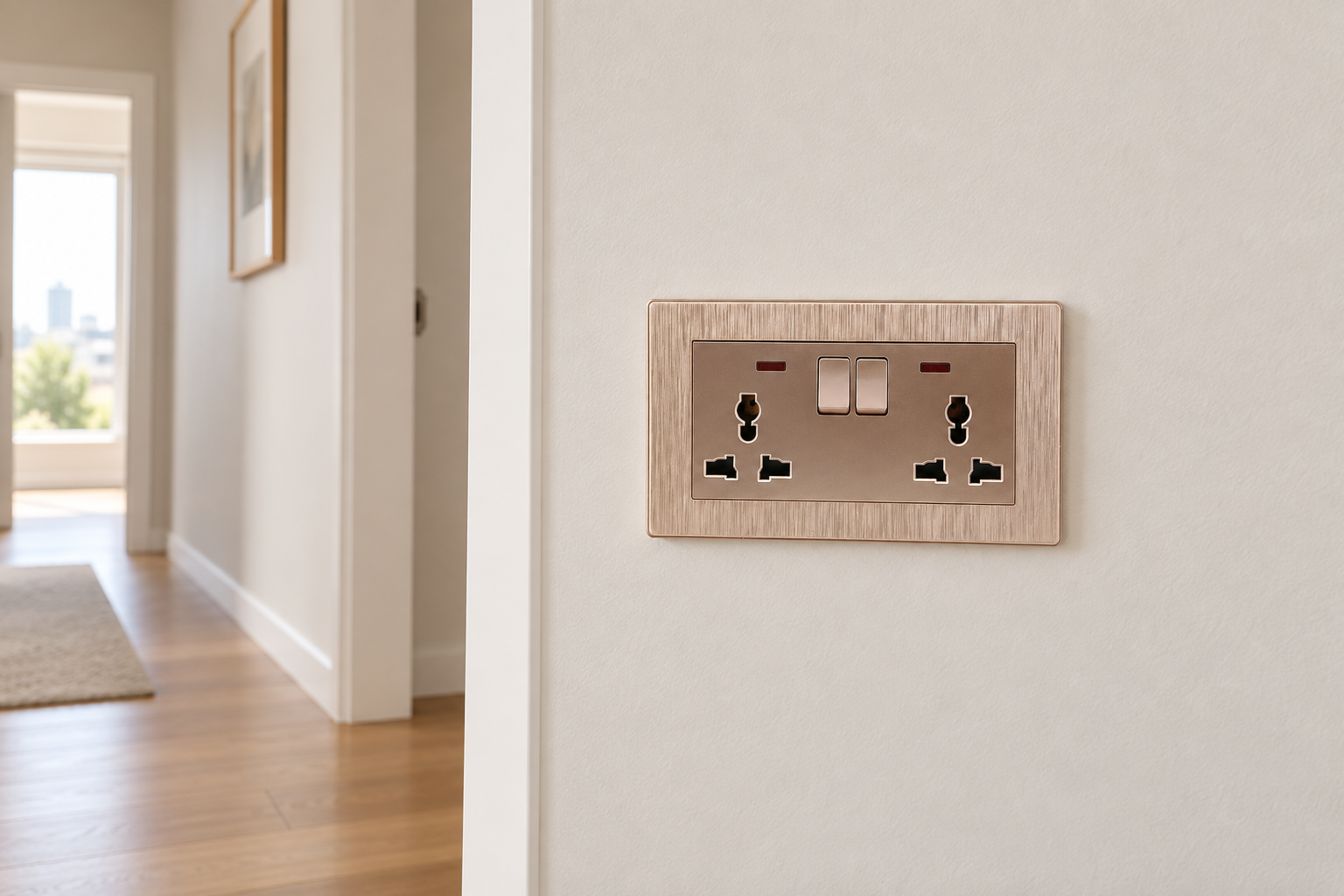
Search results often compress New Zealand’s homeowner exception into a broad “yes” or “no.” The useful boundary is narrower: WorkSafe’s current homeowner guidance should be checked against the exact task, while added, relocated or altered power points and work that changes fixed wiring should be referred to an authorised electrical worker. A product listing or a like-for-like appearance does not establish that the work is within a homeowner’s permitted scope.
For work performed by an electrical worker, the Electrical Workers Registration Board explains that fixed-wiring work, including fitting new power points, requires the appropriate documentation such as a Certificate of Compliance. Buyers should therefore plan the hardware, the electrician’s scope, testing and records as one package instead of treating the socket as a stand-alone purchase.
Why isolation is a boundary, not a how-to task
Electrical work is not made safe merely by turning something off. Correct isolation, prevention of inadvertent re-energisation and proving that conductors are dead require a competent process and suitable test equipment. Those controls are deliberately outside this article: do not attempt live-wiring work or use an online guide as a substitute for electrical training and job-specific risk assessment.
For a site manager, the useful handoff note is brief: identify the location, the symptom, when it occurs, connected equipment and any visible heat or damage. That gives the electrical worker a diagnostic starting point without inviting unqualified intervention. This is especially important where a report of NZ power point replacement follows a repeated trip or unstable supply.
Safety signs that turn a replacement into an urgent handoff
Do not use or continue testing a power point with heat, scorch marks or discolouration; cracking, looseness or a damaged cover; intermittent supply; arcing sounds; a burning smell; or a plug that will not hold securely. These signs can be associated with degraded contacts, mechanical damage or faults in the connected circuit. They do not identify the cause by themselves.
For business buyers, the hidden cost is downtime and repeated callouts. The lowest unit-cost socket is not a saving if the wrong device is specified for the environment or if a wiring fault remains. In other words, a change a power point NZ decision should start with condition and scope, then product compatibility, then purchasing—not the other way around.
How replacement costs compare with electrician attendance and risk
| Decision dimension | Like-for-like, within permitted homeowner scope | Licensed electrical worker attendance |
|---|---|---|
| Best fit | A narrow, known replacement at the owner’s own home | Uncertain scope, faults, fixed wiring, rentals and commercial sites |
| Technical assurance | Limited by the homeowner’s competence and permitted scope | Classification, testing and verification by an authorised professional |
| Documentation | Homeowner cannot self-certify electrical work | Worker can advise and issue required records for the work performed |
| TCO tendency | Lower immediate outlay; higher risk if the diagnosis is wrong | Higher initial visit cost; reduced risk of repeat work and unresolved defects |
When a power-point change requires compliance records and certified work
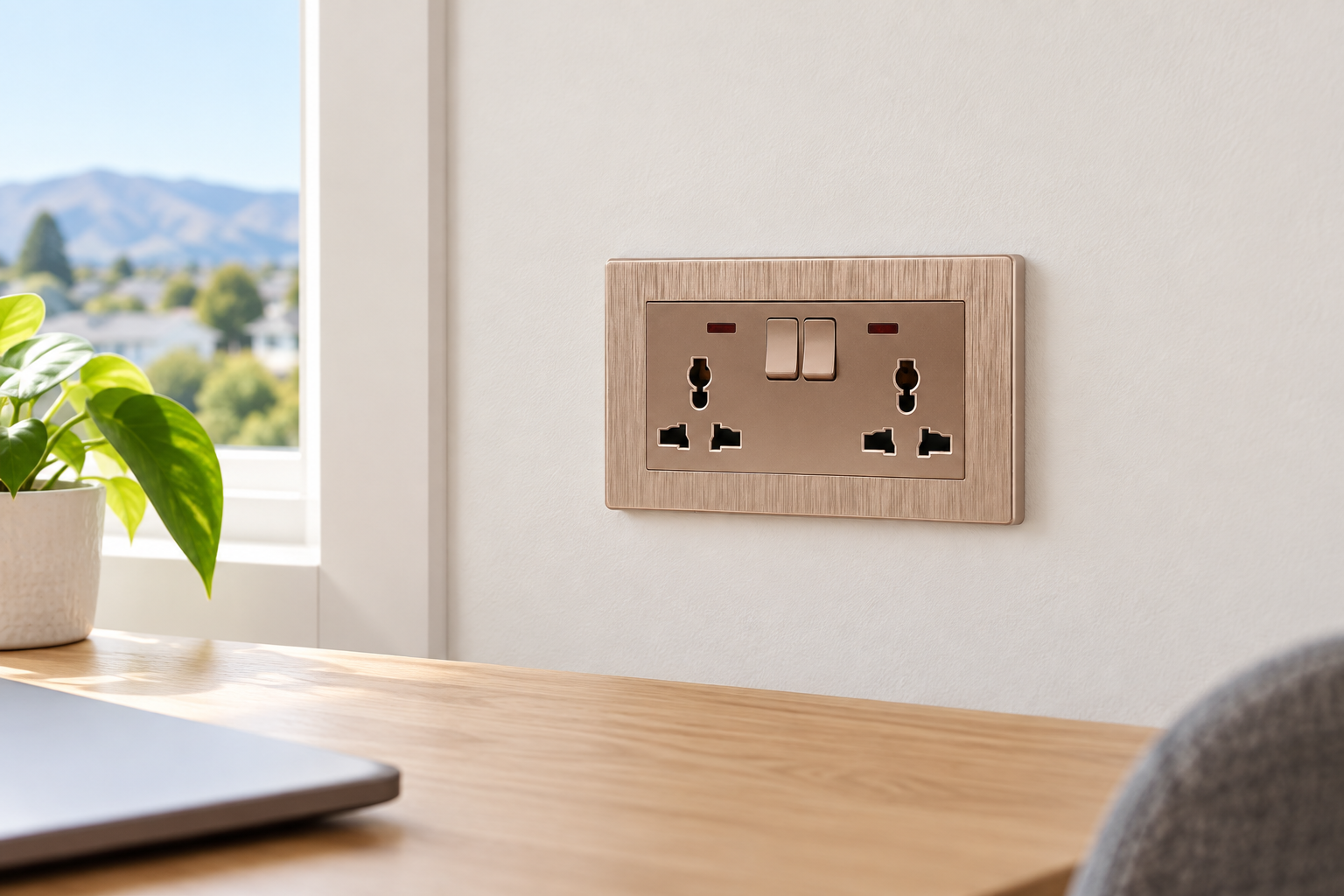
AS/NZS 3000, commonly called the Wiring Rules, sets installation requirements within its scope; it is not a generic product badge and a listing does not prove that an installed outcome complies. The applicable edition, installation type, location and work scope must be assessed by the responsible person. New Zealand electrical work must be assessed in its actual installation context; every New Zealand electrical work brief should preserve that scope. Refer to Standards New Zealand’s AS/NZS 3000 listing for formal scope and edition information.
Documentation is likewise work-specific. The Electrical Workers Registration Board explains the records electrical workers may need to provide, including Certificates of Compliance (CoCs) and Electrical Safety Certificates (ESCs) where they apply. Ask the engaged worker which documents apply to the actual work; do not accept a homeowner’s own note as a substitute for authorised certification. The EWRB’s certification guidance is the appropriate reference point.
That distinction protects both buyers and suppliers. A manufacturer can describe a product’s stated specification and intended use, but should not imply that a component is certified for every New Zealand installation, or that purchasing it eliminates the need for design, installation, testing or verification.
What buyers should specify before sourcing a replacement power point
- Classify a change a power point NZ job first: known like-for-like replacement, fixed-wiring change or fault diagnosis.
- Record the location, environment, visible condition and connected load; do not infer a rating from appearance.
- For an electrical-worker handoff, request the required scope, testing and documentation—not only a replacement fitting.
- For a product enquiry, compare configuration, mounting, intended market and technical data against the project specification; each NZ power point replacement needs a product-and-scope check.
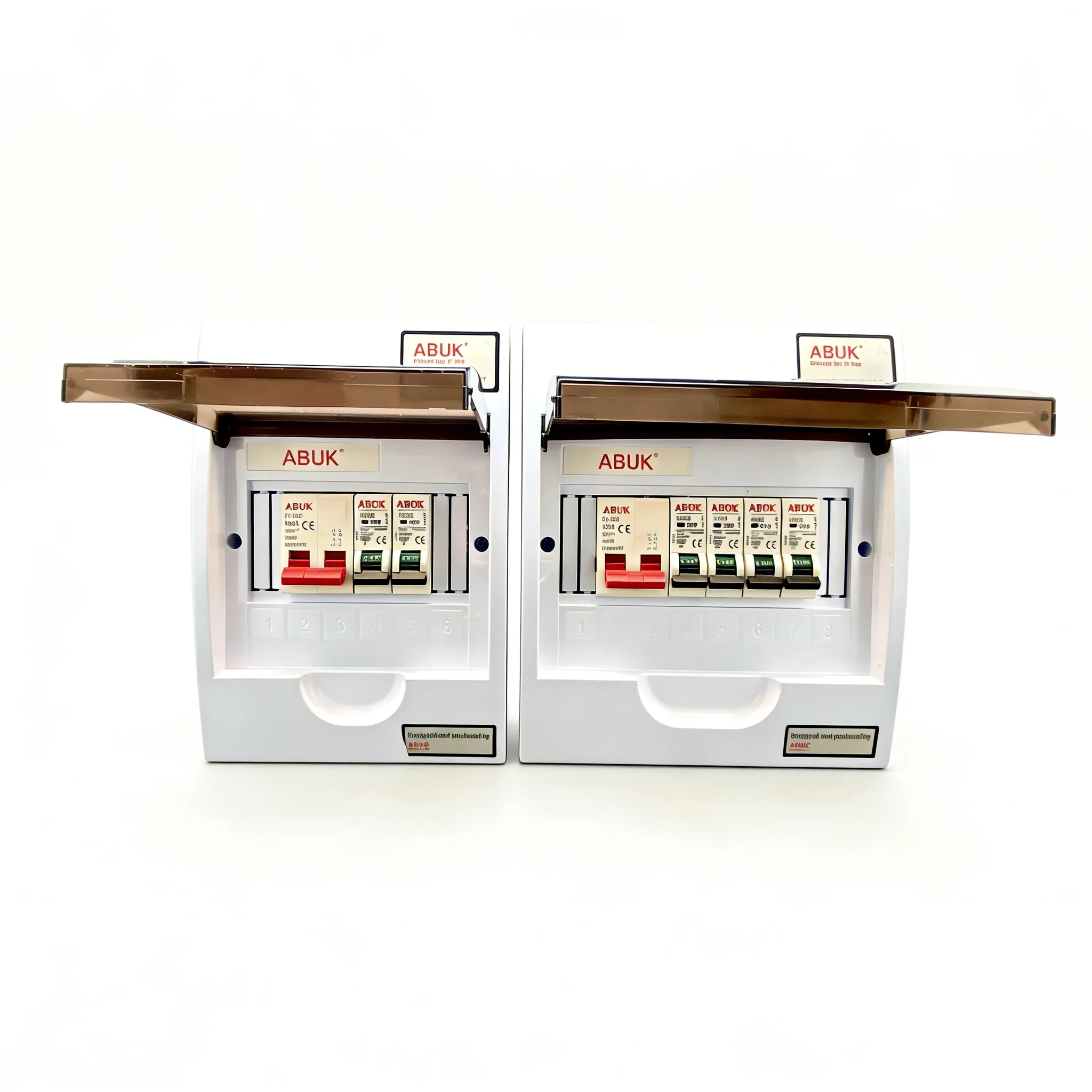
ABUK can support B2B sourcing discussions around wall switches and sockets, but product selection should remain separate from a claim that an item is compliant with a particular New Zealand installation. A New Zealand electrical work brief should state who owns the compliance decision. For related grounding context, see our explanation of grounding and switch safety.
Frequently asked questions
Can I legally change a power point in New Zealand?
Potentially, but only in the limited circumstances allowed for work on your own home and only if you are competent to do it. WorkSafe’s homeowner guidance sets the boundary; rented, commercial and uncertain-scope work should be referred to a licensed electrical worker. If the point shows a fault symptom, treat it as diagnosis rather than a simple change a power point NZ task.
Do I need a licensed electrician to replace a NZ outlet?
A licensed electrician is the appropriate choice whenever the work is outside the limited homeowner allowance, affects fixed wiring, involves a fault or needs professional certification. For NZ power point replacement in a business, rental or shared property, arrange a licensed electrical worker rather than assuming the homeowner rule applies.
What electrical work can homeowners do in NZ?
Homeowners may do only certain work in their own home, subject to competence and the conditions explained by WorkSafe. The practical limitation is important: New Zealand electrical work that changes the installation, requires testing or documentation, or cannot be confidently classified should be handed to a licensed professional.
How can I tell a power point is unsafe?
Heat, discolouration, cracks, looseness, burning smell, buzzing, sparking signs or intermittent supply are clear reasons to stop using the point and seek professional assessment. Do not dismantle it to investigate; the condition may involve conductors or components beyond the visible outlet.
References and the next safe step for a New Zealand power point
- WorkSafe New Zealand — Homeowners and electrical work
- Electrical Workers Registration Board — Certification
- Standards New Zealand — AS/NZS 3000:2018
The durable rule is simple: a matching faceplate does not establish a matching installation. If you are specifying products for a defined NZ power point replacement project, review the ABUK product range and contact ABUK for product and sourcing information; engage a New Zealand licensed electrical worker for the installation decision, verification and any required documentation.