
 Wenzhou Lita Electric Co., Ltd.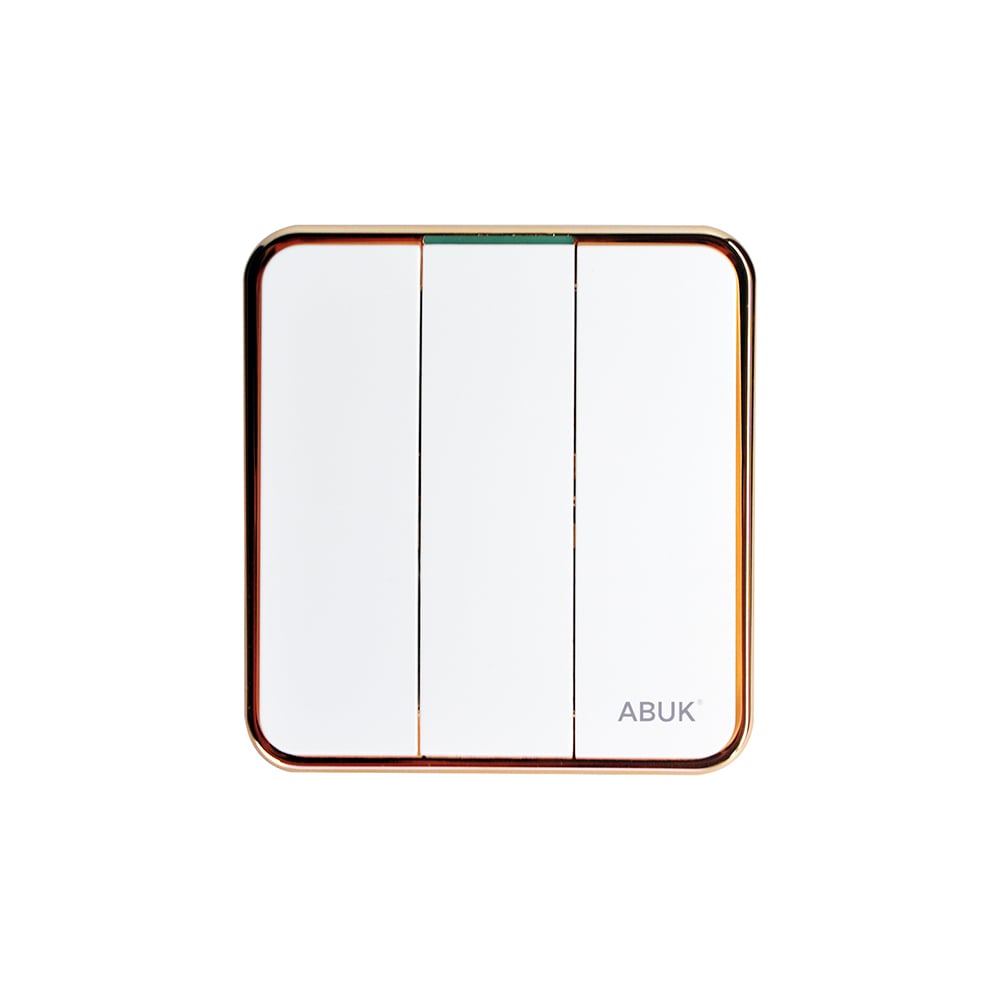

20A Switch Price: Cost Factors and Buying Guide
A distributor, contractor, or project buyer can receive several quotations for a “20A switch” and still be comparing different products. One may be single-pole, another double-pole; one may include an indicator and finished faceplate, while another excludes documents, packing, or freight. Choosing the lowest line item without normalizing those details can create approval delays, rework, or an unsuitable switch. This guide explains the unit quote, landed cost, installed cost, and the RFQ details needed for a firm comparison.
Quick Answer: There is no defensible universal 20A switch price. A usable comparison must hold constant the pole arrangement, rated voltage, intended load category, terminal and contact design, faceplate material and finish, indicator option, compliance evidence, order quantity, packaging, and destination. Compare three figures separately: the supplier’s unit quote, the landed cost after logistics and import charges, and the installed cost after labor and downtime. Before ordering, have a qualified electrical professional confirm the circuit load, conductor and terminal fit, enclosure or back-box fit, and local-code requirements.
What Does a 20A Switch Quote Actually Include?
The unit quote is the supplier’s price for a defined switch under stated commercial terms. It can change with quantity, finish, packaging, documentation, private labeling, payment terms, and Incoterm. Compare it only when configuration and quote basis match.
Landed cost adds transport, freight, insurance, duties, taxes, customs handling, and delivery as applicable under the agreed Incoterm. Installed cost adds inspection, electrician labor, accessories, site access, testing, rework, and circuit downtime.
Price-check method: Market offers reviewed on September 22, 2026 varied by pole configuration, indicator, voltage rating, faceplate material, brand, and installation scope. No sample supports a market-wide range. Record the vendor, market and currency, exact configuration, tax and freight treatment, and checked date; without them, an advertised 20A switch price is not a procurement benchmark.
Which Product Choices Change the Unit Quote?
A 20A marking addresses rated current, but it does not define the complete switching duty or installation. The required pole arrangement, voltage, load type, terminals, dimensions, accessories, and finish must be stated independently. These variables affect both technical fit and what a supplier must quote.
| Comparison point | Option or question | Why it affects the quote | What the buyer should verify |
|---|---|---|---|
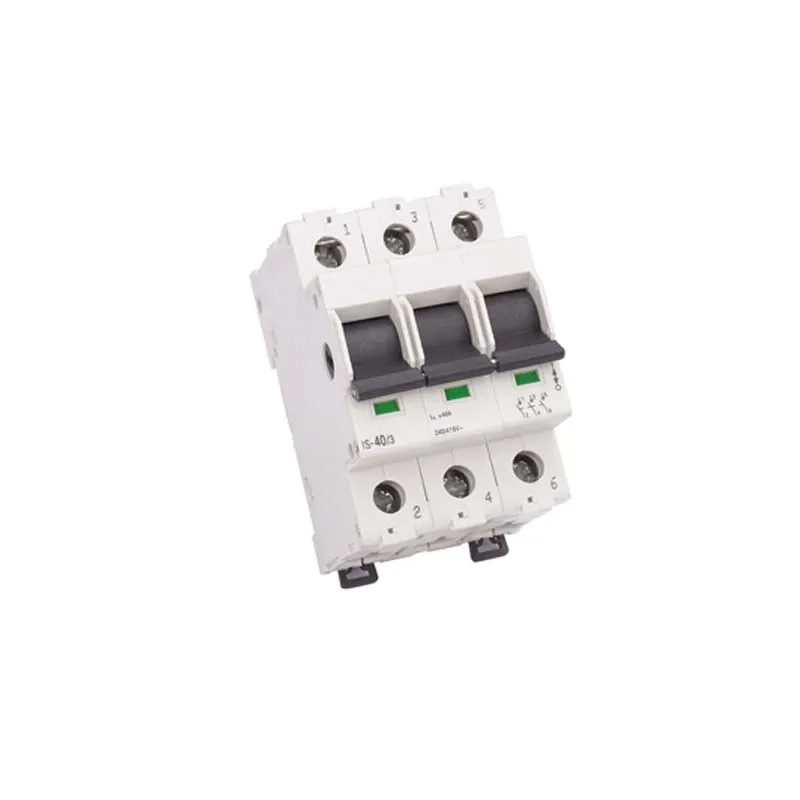
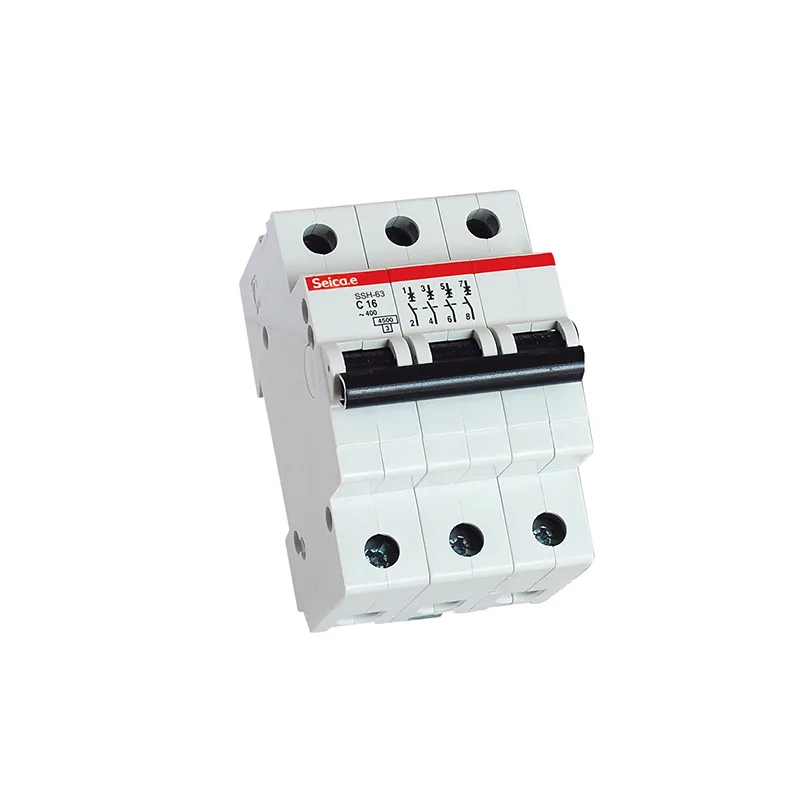
| Pole arrangement | Single-pole or double-pole | Double-pole switching is not interchangeable with single-pole switching merely because both are marked 20A. | Circuit diagram, isolation intent, local rules, and model file |
| Electrical duty | Rated current, rated voltage, frequency, and load category | A current rating alone does not establish suitability for every appliance or motor duty. | Load data, marking, datasheet, and test evidence |
| Contact and terminal design | Design, conductor type, capacity, and tightening method | Model-specific construction and installation requirements can change cost. | Drawing, conductor range/type, instructions, and sample |
| Faceplate | Material, color, texture, coating, and finish consistency | Decorative finishes and small custom batches require different controls. | Approved sample, finish code, tolerance, and replacement supply |
| Indicator | No indicator, pilot light, or neon option | An indicator changes the configuration and may change wiring. | Function, voltage, wiring diagram, visibility, and local suitability |
| Presentation and packing | Neutral, retail, project, or private-label packaging | Printing, labels, cartons, and pack quantities create setup costs. | Artwork, language, carton specification, and pack quantity |

Single-pole vs double-pole: which comparison is valid?
A single-pole switch interrupts one conductor; a double-pole switch operates two poles together. The correct choice depends on the circuit design and the required isolation function, not on which option costs less. Buyers should request a schematic and model-specific documentation, then have the intended arrangement confirmed against the destination’s wiring rules. Pole count must be treated as a mandatory RFQ field.
How Do Landed Cost, Installation, and Downtime Change the Decision?
The relevant question is what it costs to approve, receive, install, maintain, and replace the device across the project. A total-cost comparison makes exclusions visible before purchase.
| Cost driver | Unit quote impact | Landed or installed impact | RFQ evidence or control |
|---|---|---|---|
| MOQ and batch size | Setup is spread across the quantity. | Excess ties up cash; shortages trigger another shipment. | Price breaks, sample, production, and replenishment MOQs |
| Packaging | Boxes, inserts, labels, and branding add scope. | Cartons affect freight, handling, and storage. | Pack list, dimensions/weight, labels, and pallet plan |
| Compliance documents | Evidence may require testing or preparation. | Mismatched files can delay approval or acceptance. | Document, issuer, model coverage, edition, and market applicability |
| Freight and import | Often excluded from a unit figure. | Freight, duty, tax, clearance, and delivery change the comparison. | Incoterm, named place, currency, mode, and exclusions |
| Replacement consistency | Stable finish and fit may not be the cheapest offer. | Changes can force extra stock or accessory replacement. | Approved sample, revision control, supply horizon, and change notice |
| Installation and downtime | Usually outside the product quote. | Labor, testing, rework, and shutdown can outweigh a unit-price difference. | Trial installation, fit check, method, and labor estimate |

A practical comparison is: total evaluated cost = purchase value + logistics/import + approval/inspection + installation/downtime + replacement management. Buyers should insert their own quantities, labor rates, tax treatment, assumptions, and service conditions.
Which Ratings, Standards, and Local Rules Must Be Checked?
IEC 60669-1:2017 covers manually operated general-purpose functional switches for AC household and similar fixed electrical installations, within the scope limits stated by IEC. Its published scope reaches rated voltages up to 440 V and rated currents up to 63 A, while noting a 16 A limit for switches with screwless terminals. Those scope values are not automatic specifications for every 20A product. Buyers must verify the actual terminal design, marked rating, intended load, product evidence, and the edition adopted in the destination market.
A compliance statement should identify the exact model, standard edition, evidence, issuing body, and covered configuration. An IEC publication states requirements; it does not itself certify a supplier’s product. Local installation rules may add requirements.
Installation remains a professional boundary. The UK Health and Safety Executive’s electrical guidance emphasizes managing electrical risk and ensuring competent work, while the US Occupational Safety and Health Administration provides workplace electrical-safety requirements and guidance. For England, Approved Document P illustrates how national building rules can govern electrical safety in dwellings. These examples are not substitutes for the rules of the project’s own jurisdiction.
Before selection, a qualified electrician or designer should assess load behavior, circuit protection, conductor and terminal fit, earthing, isolation, back-box fit, environment, and code. A 20A label alone does not authorize use on a “high-load” circuit.
What Should a Buyer Put in the RFQ?
A complete RFQ is the fastest route to a comparable 20A switch price and a reviewable record.
- Electrical specification: single-pole or double-pole, rated current and voltage, frequency, intended load and use, indicator requirement, and circuit/isolation intent.
- Mechanical fit: dimensions, finish, back-box standard/depth, mounting, terminals, conductors, and accessories.
- Market evidence: destination, standard edition, required reports or certificates, marking, language, instructions, and approval sample.
- Commercial scope: quantity, MOQ, price breaks, sample, packaging, branding, currency, Incoterm/place, lead time, validity, and warranty.
- Lifecycle control: inspection, golden sample, revision notice, finish consistency, spares, replenishment, and replacement availability.
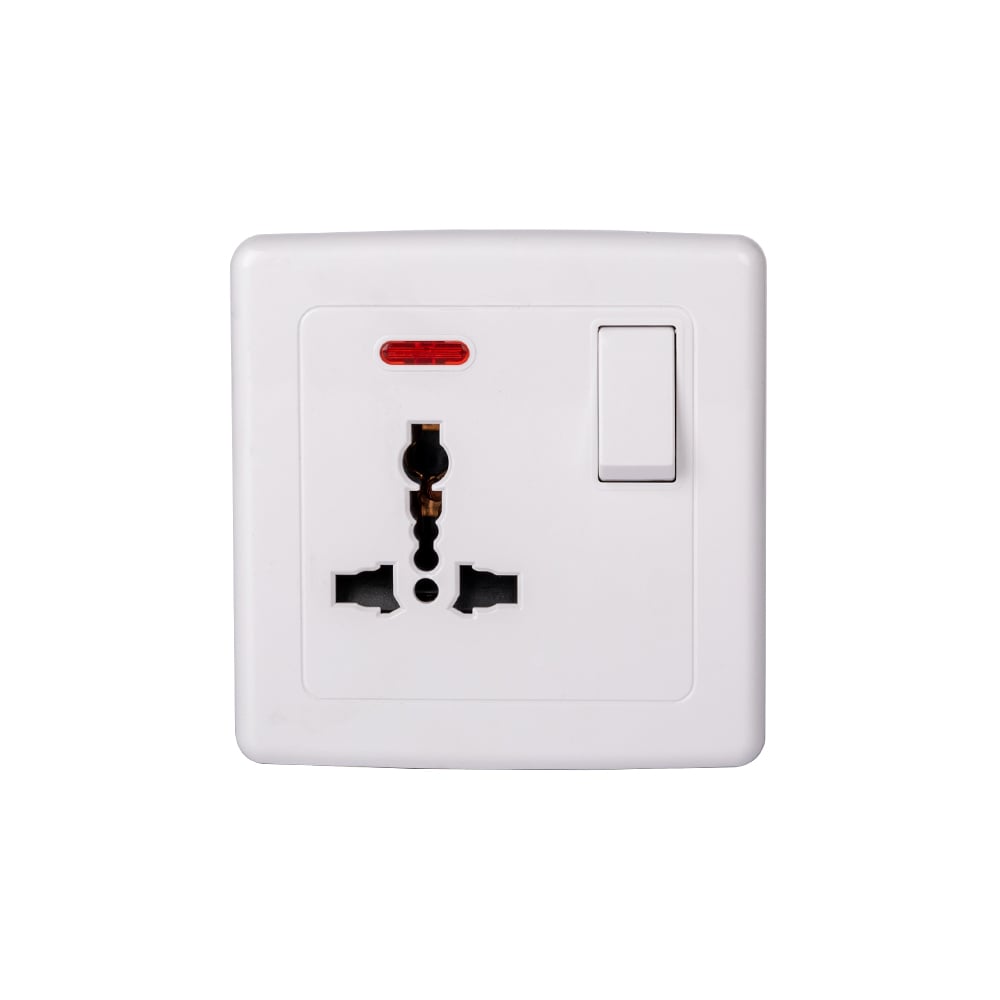
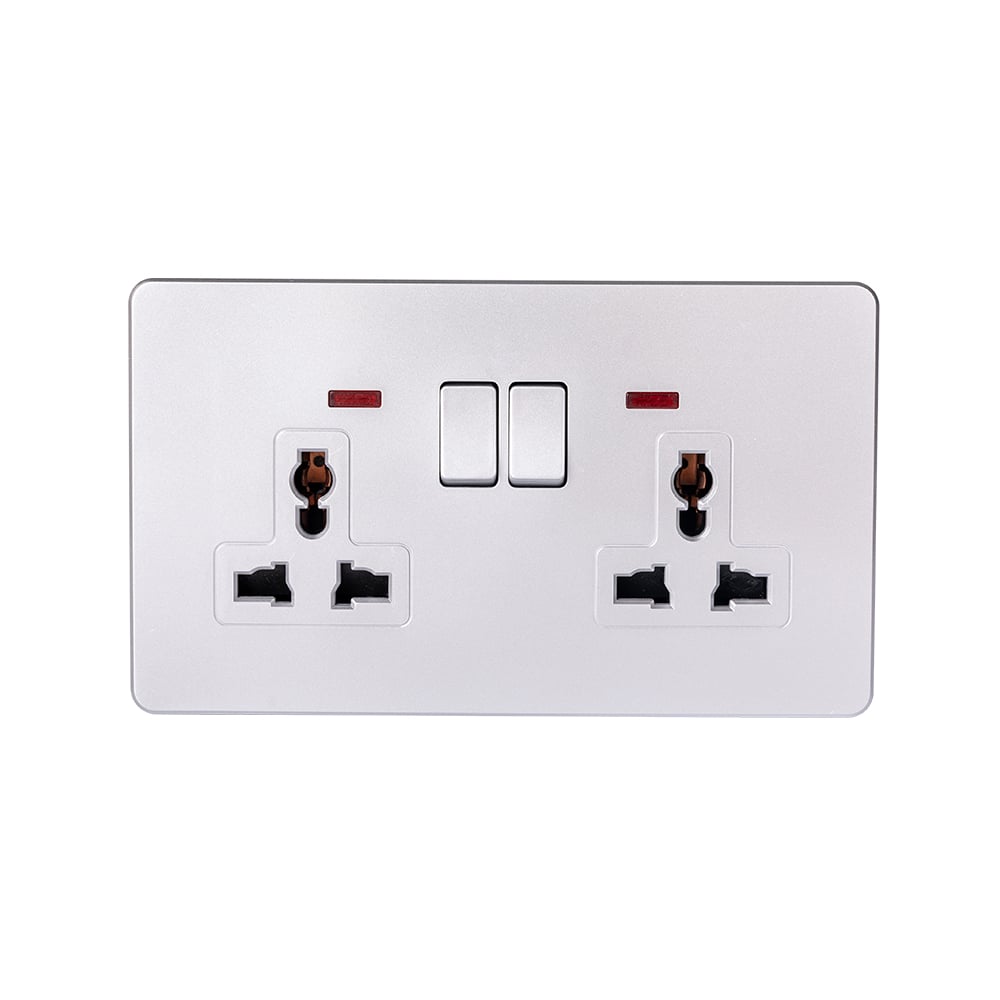
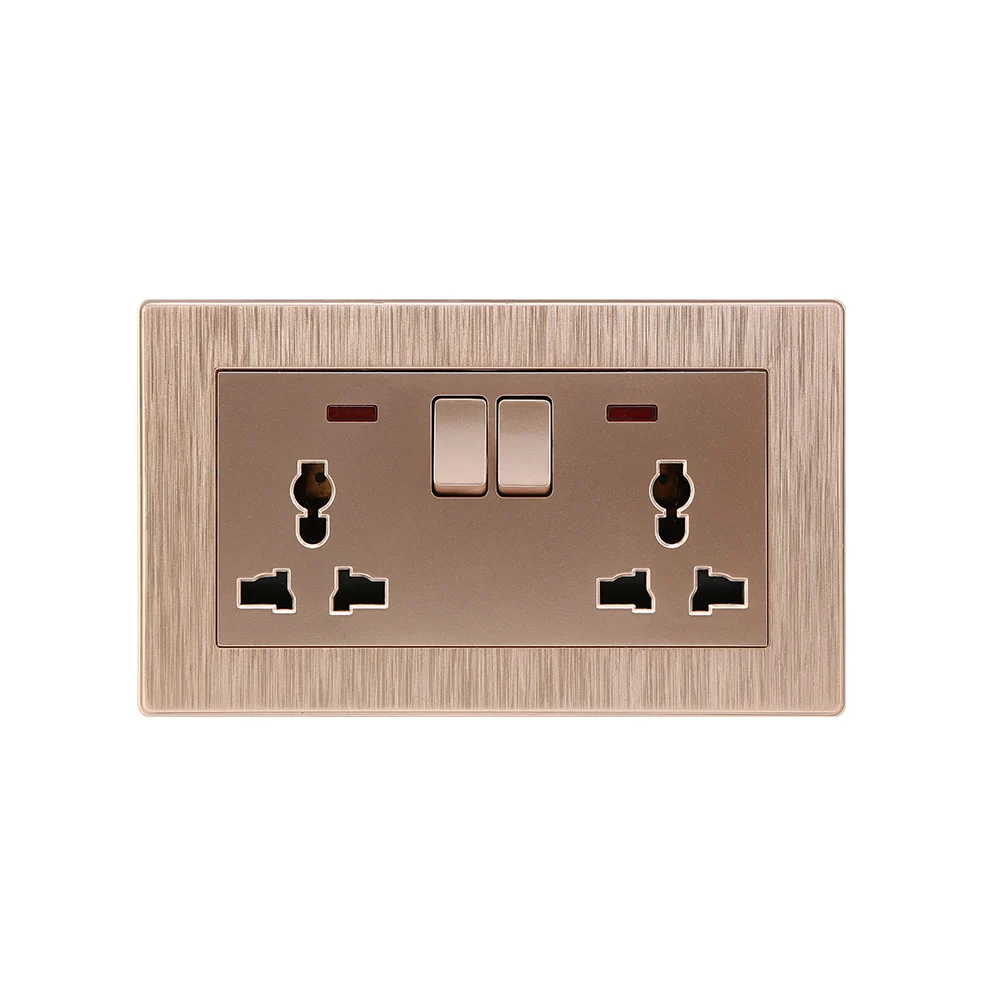
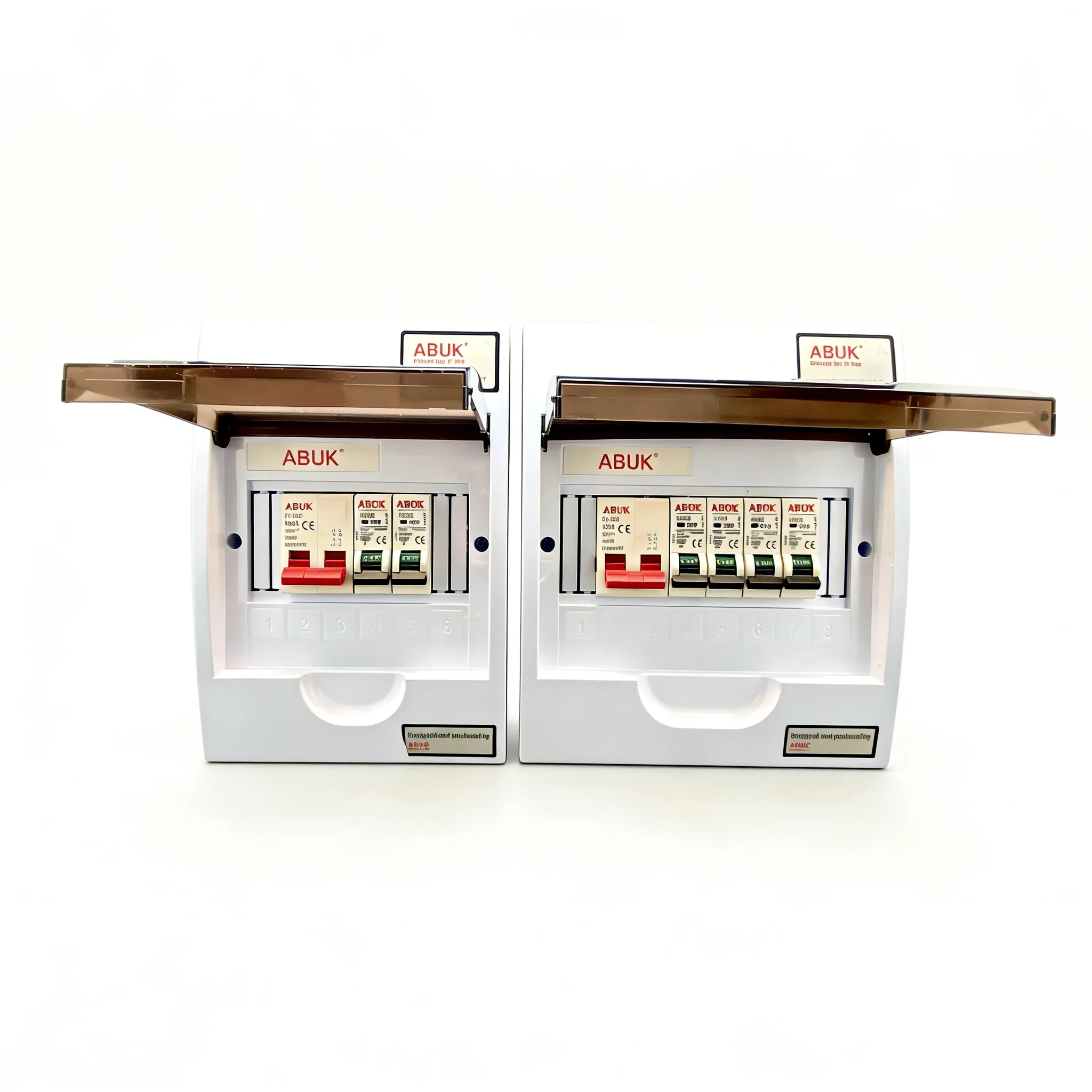
For a model-specific starting point, ABUK presents its 20A DP Switch Series 10 as a 20A double-pole switching or isolation-point product in a rose-brushed series. The page lists an 86 mm back-box format and a 250 V rocker rating where applicable, but instructs buyers to confirm application, terminals, certificates, packing, MOQ, and destination-market requirements. Those open fields should remain open in the RFQ until ABUK supplies model-specific evidence. Buyers comparing adjacent formats can also review the broader wall switch and socket range or the electrical product catalog.
Frequently Asked Questions
How much does a 20A switch cost?
There is no responsible universal price. A current quote must identify the vendor, market and currency, pole arrangement, voltage and load requirements, finish, indicator, documents, quantity, packaging, Incoterm, and checked date. Compare the unit quote, landed cost, and installed cost separately.
What affects the price of a 20 amp electrical switch?
Major variables include single- or double-pole design, voltage and intended switching duty, contact and terminal configuration, faceplate material and finish, indicator option, MOQ, packaging, required documents, freight, and branding. Replacement consistency, installation labor, and downtime may not change the unit quote but can change total ownership cost.
Is a 20A switch suitable for a high-load circuit?
Not automatically. Suitability depends on the actual load characteristics, rated voltage, switching category or documented intended use, protective device coordination, conductor and terminal fit, installation conditions, and local code. A qualified electrician or circuit designer should confirm the application rather than relying on the 20A marking alone.
Should I compare installation cost with product price?
Yes. A small unit-price difference can be overtaken by electrician labor, incompatible back boxes, accessory changes, testing, rework, or shutdown time. A trial installation and documented fit check are useful before a volume order.
References
- International Electrotechnical Commission, IEC 60669-1:2017, Switches for household and similar fixed-electrical installations — Part 1: General requirements, including corrigendum information shown on the official IEC page.
- UK Health and Safety Executive, Electrical safety at work, accessed September 22, 2026.
- US Occupational Safety and Health Administration, Electrical Safety and Health Topics, accessed September 22, 2026.
- UK Government, Electrical safety: Approved Document P, accessed September 22, 2026.
Conclusion
The useful answer to a 20A switch price query is not a universal number but a controlled comparison. First confirm pole arrangement, voltage, load duty, terminals, physical fit, finish, indicator, and destination rules. Next normalize quantity, documents, packaging, currency, Incoterm, freight, and taxes. Finally compare installation, downtime, and replacement consistency rather than treating the product line item as the whole cost. The electrical assessment cannot be skipped for convenience: a qualified professional must verify the load, circuit protection, conductor fit, isolation intent, and local code. Once those fields are defined, ABUK can respond to a model-specific procurement brief; buyers can contact the ABUK team with the configuration, quantity, destination, documentation, and delivery terms required for a comparable quotation.