
 Wenzhou Lita Electric Co., Ltd.
Thailand Electrical Socket Type: A Procurement and Installation Guide
When a procurement manager in Bangkok encountered repeated plug fit complaints during a hotel renovation, the visible failure looked like a defective outlet: some chargers sat loosely, while a grounded appliance could not be inserted. In this illustrative planning scenario, the reversal came after the team mapped the installed face patterns, checked nameplates and traced polarity. The root cause was mixed socket selection and incomplete specification, not one bad product. That distinction matters for contractors and distributors because a replacement order can correct a faceplate while leaving voltage, earthing or circuit risks untouched.
Summary: The practical answer to the Thailand electrical socket type question is “mixed installations, not one universal pattern.” Type A, B and C sockets are common, and Type O arrangements also appear in Thai projects. Supply is nominally 220–230 V at 50 Hz, so every appliance nameplate, protective device and earthing path should be checked before a socket is approved. Use an adapter only when the plug shape is the issue; use a correctly engineered voltage converter only when equipment is not rated for the local supply. For a project, record socket pattern, grounding, polarity, load, enclosure conditions and applicable standards before selecting a family of outlets.
Thailand’s building stock includes apartments, hotels, offices and retail spaces renovated at different times. A new wall plate may sit beside an older receptacle, and an imported appliance may carry a US, European or universal plug. The term “Thai electrical outlet” therefore describes a market context rather than a single face geometry. Procurement documents should state the intended plug compatibility and installation environment instead of relying on a country label alone.
Public plug-family lists also conflict because they mix different questions. One travel page may list A, B, C, F and O to describe plugs found, accepted or sold in Thailand; another may list only the national three-pin format. Type F can appear in imported equipment or compatible round-pin outlets, but that does not prove that every Thai room has a bonded Schuko earth contact. The same caution applies to searches asking whether Thailand is “the same as” the US, China, the Philippines or Europe: a shared pin shape is only a starting point, not a wiring or approval conclusion.
For a Bangkok socket type query, identify the building age, room function and installed circuit before naming a replacement. Type C compatibility can help with an appliance, while Type O documentation may govern a new project; neither label removes the need to verify the outlet and earth path.
Which plug and socket patterns appear in Thai projects?
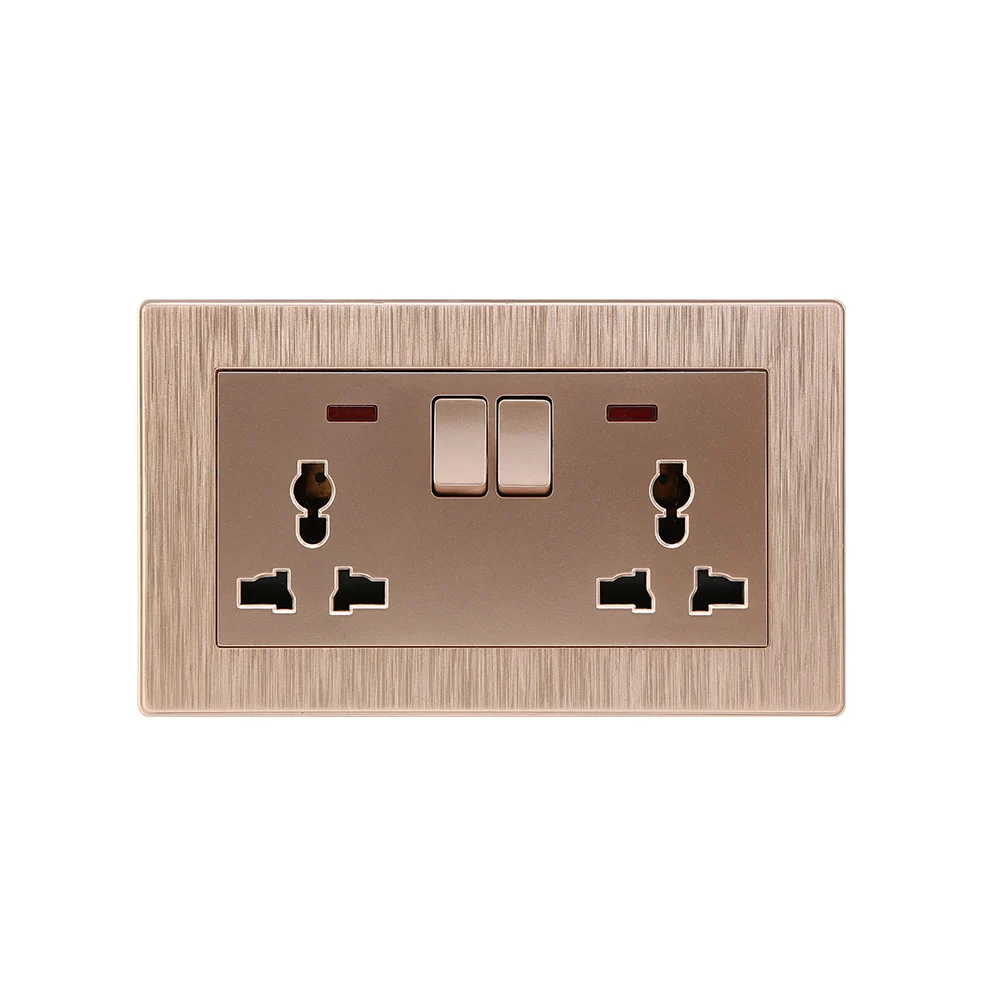
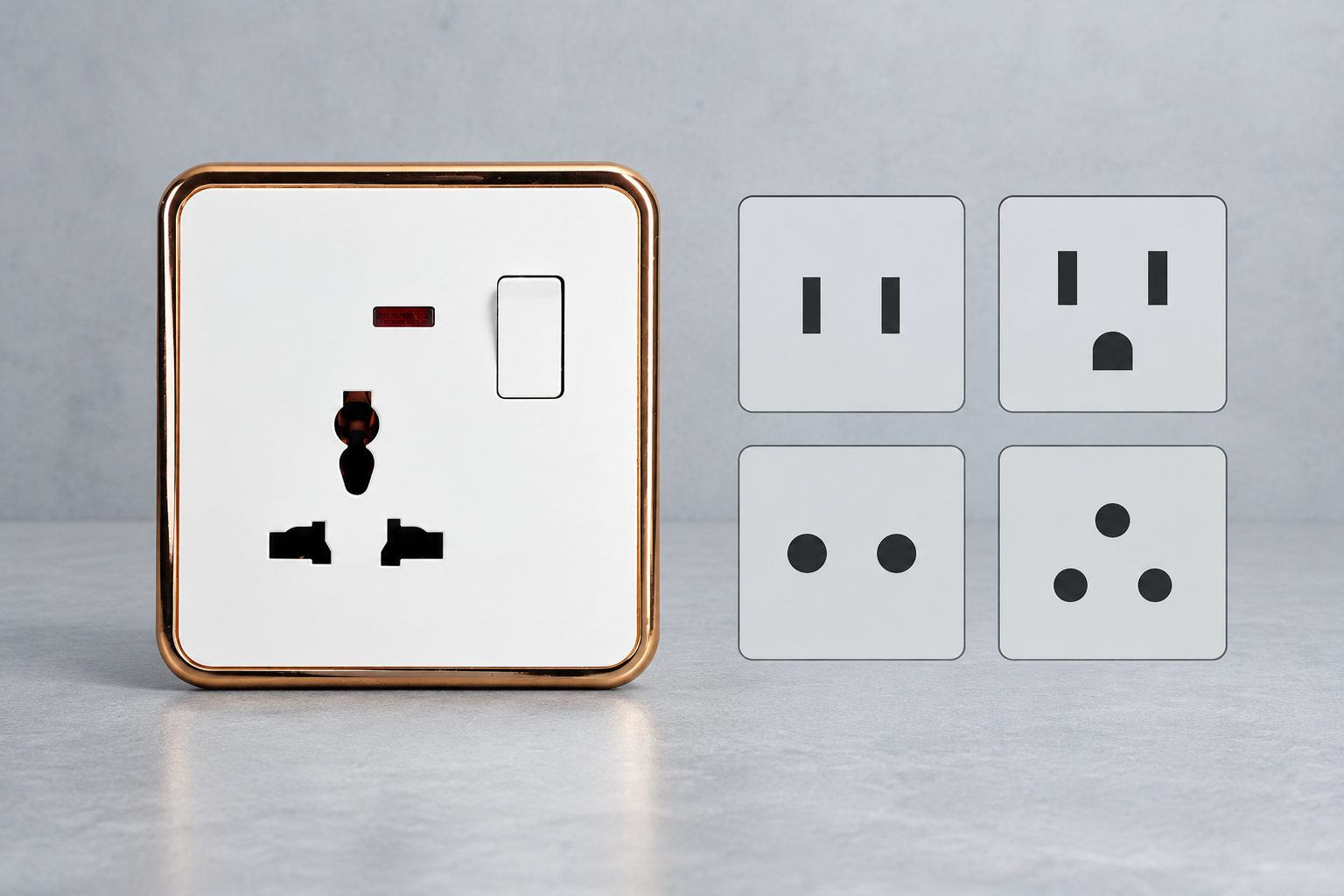
Thailand is often described with the terms Thailand plug type or “universal socket,” but the installation reality is more varied. Flat two-pin Type A outlets remain familiar, while Type B adds a protective earth pin. Round-pin Type C plugs are widely encountered in imported equipment, and Type O is the Thai standard format designed around line, neutral and earth contacts. The Thailand electrical socket type decision must therefore account for legacy and renovated areas.
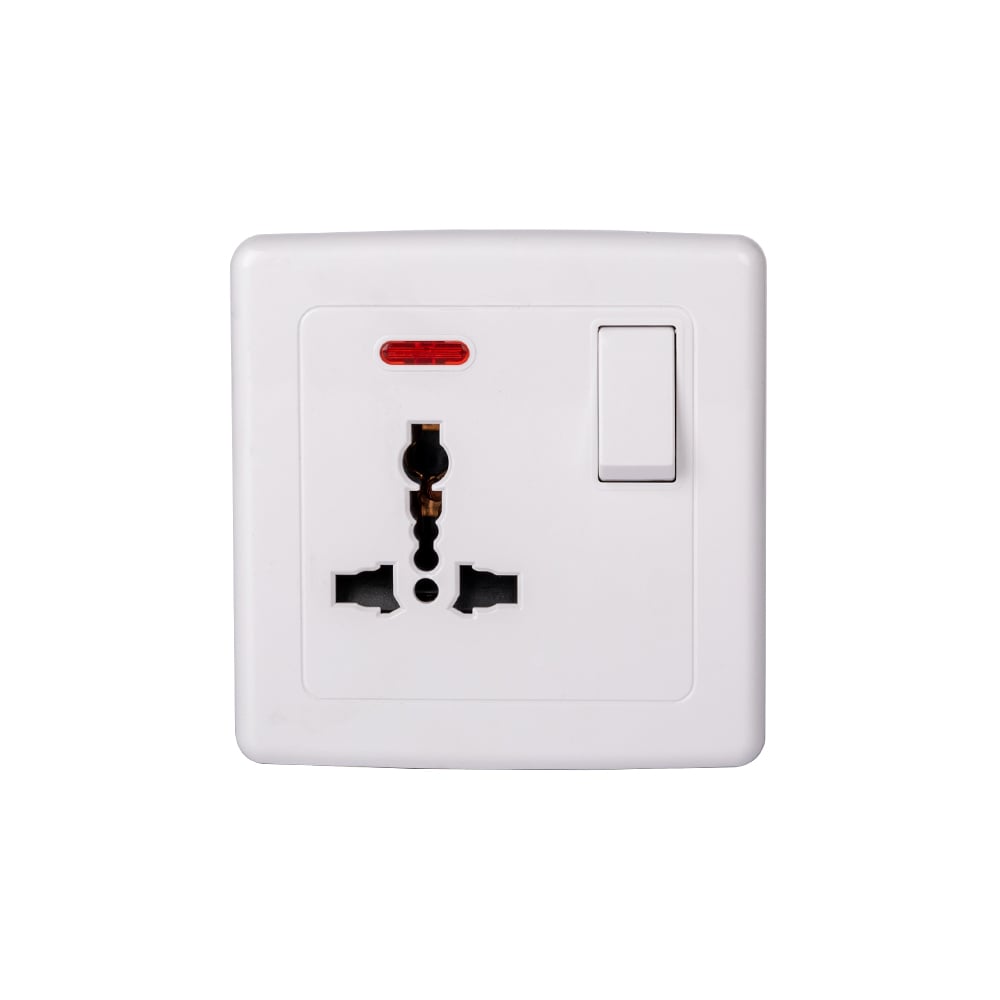
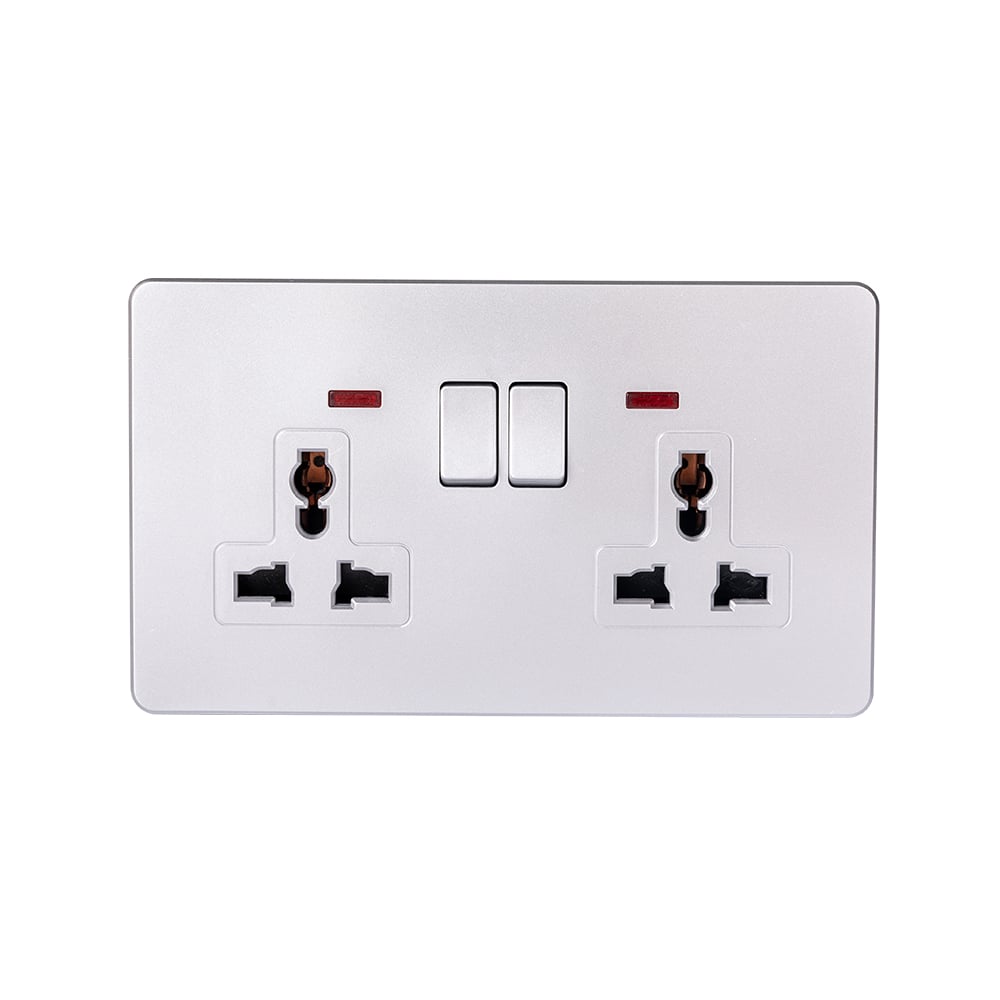
Compatibility is not the same as compliance. A socket that accepts a plug mechanically may not provide a reliable earth contact, correct polarity or sufficient contact pressure. “Universal” openings can also create a procurement trap: the face may accept several shapes, while the mechanism, shutter arrangement or terminal rating is unsuitable for the intended appliance. Ask for a product drawing, terminal layout and installation instructions before approving a mixed-format outlet.
| Pattern or term | What it describes | Procurement question |
|---|---|---|
| Type A | Two flat pins, commonly associated with ungrounded equipment. | Will the connected equipment require a protective earth elsewhere? |
| Type B | Two flat pins with an earth contact. | Is the earth contact actually bonded through the installation? |
| Type C | Two round pins used by many European appliances. | Does the outlet hold the plug securely and preserve clearance? |
| Type O | Thai three-pin arrangement with line, neutral and earth contacts. | Is the product and wiring specified for the local project standard? |
| Universal outlet | A face intended to accept several plug geometries. | What exact ratings, shutters, earth path and test evidence apply? |
How should procurement verify voltage, frequency, grounding and polarity behind the faceplate?
Thai low-voltage supply is generally described as nominally 220–230 V, 50 Hz. The two nominal figures in public sources reflect supply conventions and equipment tolerances; they are not permission to treat 220 V and 230 V as interchangeable for every device. A motor, heating element, charger or control power supply should be checked for its rated voltage and frequency, often printed as “220–240 V, 50 Hz” or “100–240 V, 50/60 Hz.” The relevant voltage family can be compared with the IEC 60038 standard catalogue, while the appliance manufacturer’s instructions govern the actual connection decision.
Grounding and polarity deserve their own inspection record. The protective earth conductor should terminate at the designated earth contact and continue to the project’s protective system; a three-pin appearance alone proves nothing. Line and neutral should be identified and verified by a qualified electrician using the project’s approved test procedure. For socket-outlet assemblies, IEC 60884-1 is a useful reference point for general requirements and test concepts, but it does not replace local installation rules, inspection, or acceptance testing.
Hotel and renovation work creates additional variation. Bedside outlets may be selected for charging convenience, while kitchen or plant-room outlets serve high-load equipment. Older circuits may lack the earthing arrangement expected by a new product. Record the existing conductor size, protective device, box depth, mounting method and environmental exposure before changing the faceplate. If the evidence is incomplete, treat compatibility as unverified rather than assuming the new outlet will solve it.
When is an adapter enough, and when is a voltage converter required?
An adapter changes plug geometry; it does not change voltage or frequency. A traveler bringing a correctly rated 220–240 V, 50 Hz charger with a foreign plug may need only a mechanical adapter. A 110–120 V-only appliance requires a properly sized converter or transformer, and the manufacturer must permit that method. For the Thailand electrical socket type decision, read the actual nameplate rather than infer capability from a USB port.
European compatibility needs the same discipline. A two-round-pin Type C plug may insert into several Thai outlets, but “European plug” is not one geometry: earthed Type F (Schuko), Type E and hybrid forms differ in earth contacts, diameter and clearance. If a hotel buys a socket because a European plug appears to fit in a showroom sample, the team still has to verify contact pressure, earth continuity and the manufacturer’s declared plug combinations.
Converters introduce their own constraints: continuous wattage, starting current, heat dissipation, duty cycle and earthing. A converter that is adequate for a small shaver may be inappropriate for a compressor, kettle or hair dryer. High-load appliances should normally be addressed through the project distribution design, protective devices and dedicated circuits—not through a travel adapter. Where a hotel operator wants a guest-facing universal outlet, document the connected load assumptions and the protective arrangement at the distribution board.
| Situation | Likely action | Do not assume |
|---|---|---|
| Appliance nameplate states 220–240 V, 50 Hz; plug shape differs | Use a suitable mechanical adapter or compatible socket. | That an adapter improves grounding or raises the circuit rating. |
| Appliance states 100–240 V, 50/60 Hz; plug shape differs | Use a mechanical adapter and confirm earth needs. | That every two-pin charger is double-insulated. |
| Appliance is 110–120 V only | Use an engineered converter/transformer only if approved and correctly sized. | That a compact travel adapter converts voltage. |
| Heating, motor or compressor load | Review circuit, protective device, inrush and continuous load with an electrician. | That a universal socket can carry any appliance. |
| Unknown or damaged installation | Pause installation and complete inspection/testing. | That a new decorative plate makes the circuit safe. |
How should teams control high-load circuits and hidden total-cost risks?
Socket procurement is often treated as a unit-price exercise, yet total cost of ownership is driven by fit, labour and rework. A low-cost faceplate that requires box modification, replacement adapters, complaints or repeat call-outs can exceed the initial saving. A product may accept a plug yet still miss protective-earth or shutter requirements.
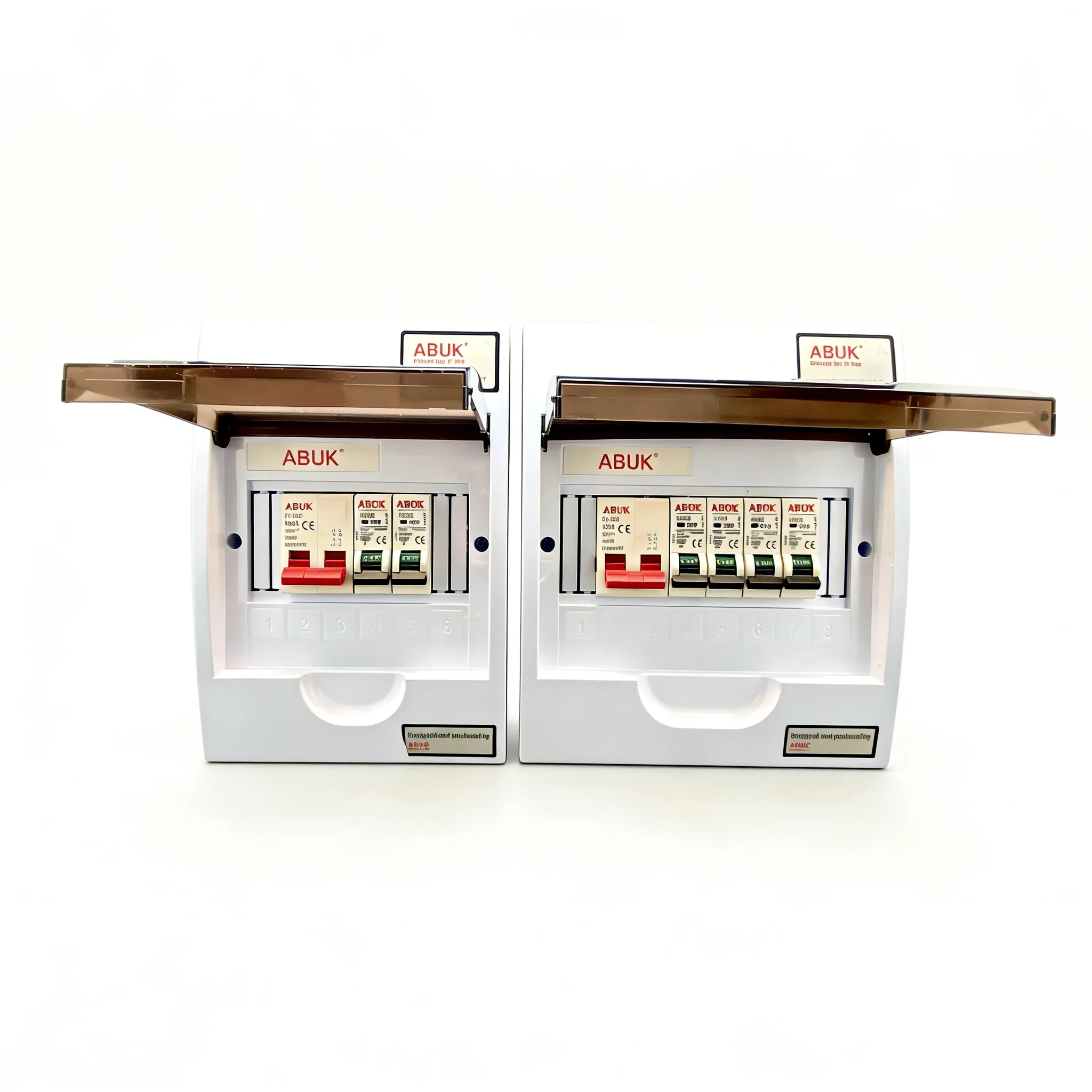
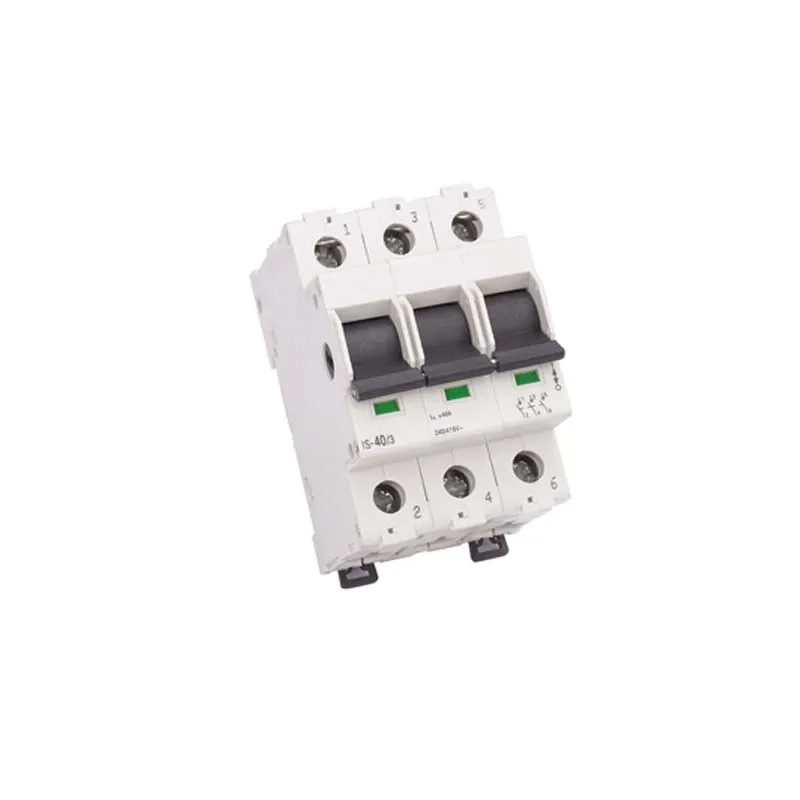
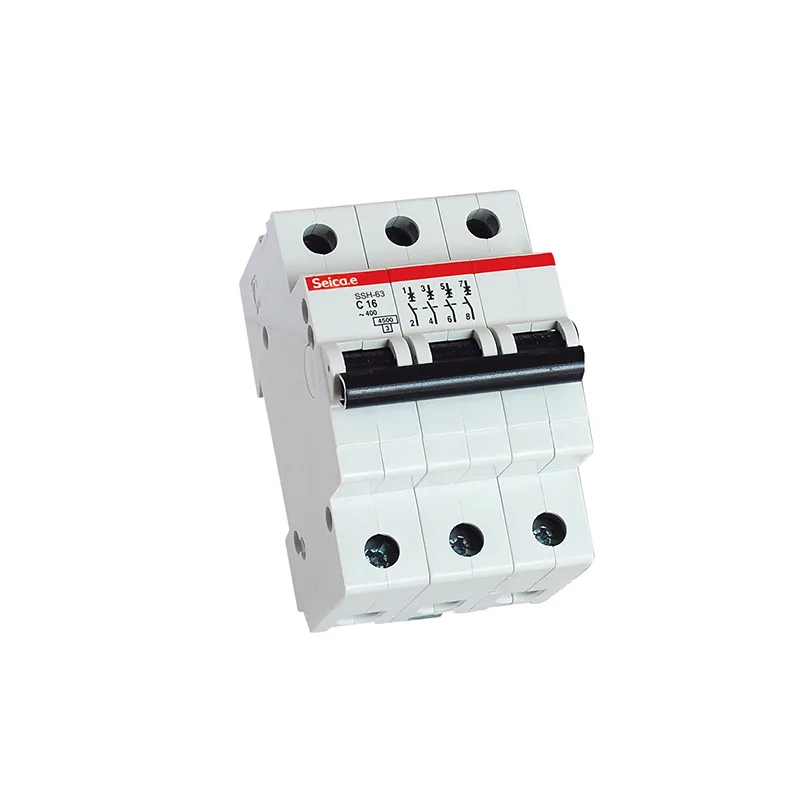
For high-load points, map the circuit purpose before selecting the outlet. A kitchen kettle, water heater, air-conditioner service point or laundry appliance may need a dedicated branch, a specified protective device and clear isolation. The socket manufacturer can state the assembly’s declared rating and installation limits; the designer or licensed installer must confirm that the complete circuit is suitable. Do not invent a current rating from the number of holes on the face.
The following matrix is a practical way to expose TCO drivers. The examples are illustrative rather than quotations or measured project results.
| Project dimension | Lower-risk decision | Typical hidden cost if skipped |
|---|---|---|
| Plug compatibility | Specify the exact plug families and approved alternatives. | Adapters, returns and room-by-room substitutions. |
| Grounding and polarity | Require inspection and documented test results. | Rework, delayed handover and safety escalation. |
| Mounting and box depth | Check drawings, fixing centres and conductor space. | Extra labour, damaged terminals and uneven plates. |
| High-load use | Coordinate outlet choice with circuit and protective-device design. | Nuisance trips, overheating investigation and downtime. |
| Replacement programme | Standardise a validated family and keep documentation. | Fragmented spares and future compatibility searches. |
Which standards and site-survey checks should procurement require?
Standards have different scopes. IEC 60884-1 addresses general requirements for plugs and socket-outlets for household and similar purposes; it is a technical standard, not a blanket claim that every installation is compliant. IEC 60038 provides standardised voltage terminology. Thailand’s Industrial Standards Institute (TISI) publishes national standards and conformity information that may apply to a product category, while project specifications and local authorities determine the approval path for a particular building.
Commercial documents should identify the destination market, intended use, test evidence and any marking or certification scope. CE, RoHS or GCC references may be relevant to a buyer’s export or project requirements, but they should not be presented as proof of Thai installation approval unless the applicable authority and product category confirm it. Unsupported compliance claims can create customs questions, rejected submittals, delayed handover and warranty disputes.
- Photograph each existing face pattern and label the room, circuit and intended appliance.
- Record the supply designation, frequency, nameplate range and whether the equipment needs earth.
- Ask the electrician to verify polarity, protective-earth continuity and the condition of terminals under the approved method.
- Confirm box depth, fixing method, environmental exposure, shutters and cleaning requirements.
- Match high-load points to the distribution board schedule, protective device and isolation arrangement.
- Keep the approved drawing, data sheet, test record and spare-part reference together for handover.
Site-survey evidence is especially valuable where online descriptions disagree. A dated photo set, room schedule, circuit reference and test record lets the buyer distinguish a Type C-compatible face from a properly earthed Type O installation. It also captures renovation boundaries: a guest-room wing may have newer boxes and protective conductors than a service corridor or older Bangkok apartment. If the survey cannot establish the installed conductors or polarity, write “not verified” in the submittal and hold the purchase decision at that point.
How can procurement teams select a socket family?
- Define the plug population. Separate guest, office, kitchen, maintenance and imported-equipment needs; do not let a generic “universal” line hide the actual mix.
- Set the electrical boundary. State nominal 220–230 V, 50 Hz, earth requirements, circuit duty and environmental conditions in the request for quotation.
- Review the complete assembly. Check mechanism, terminals, shutters, faceplate, mounting compatibility, markings and installation instructions—not only the front appearance.
- Request evidence by scope. Ask for applicable test reports, declarations and local conformity information; map each document to the exact model and market.
- Control the replacement path. Approve a family with traceable part numbers and retain samples so later renovations do not create a mixed, unserviceable estate.
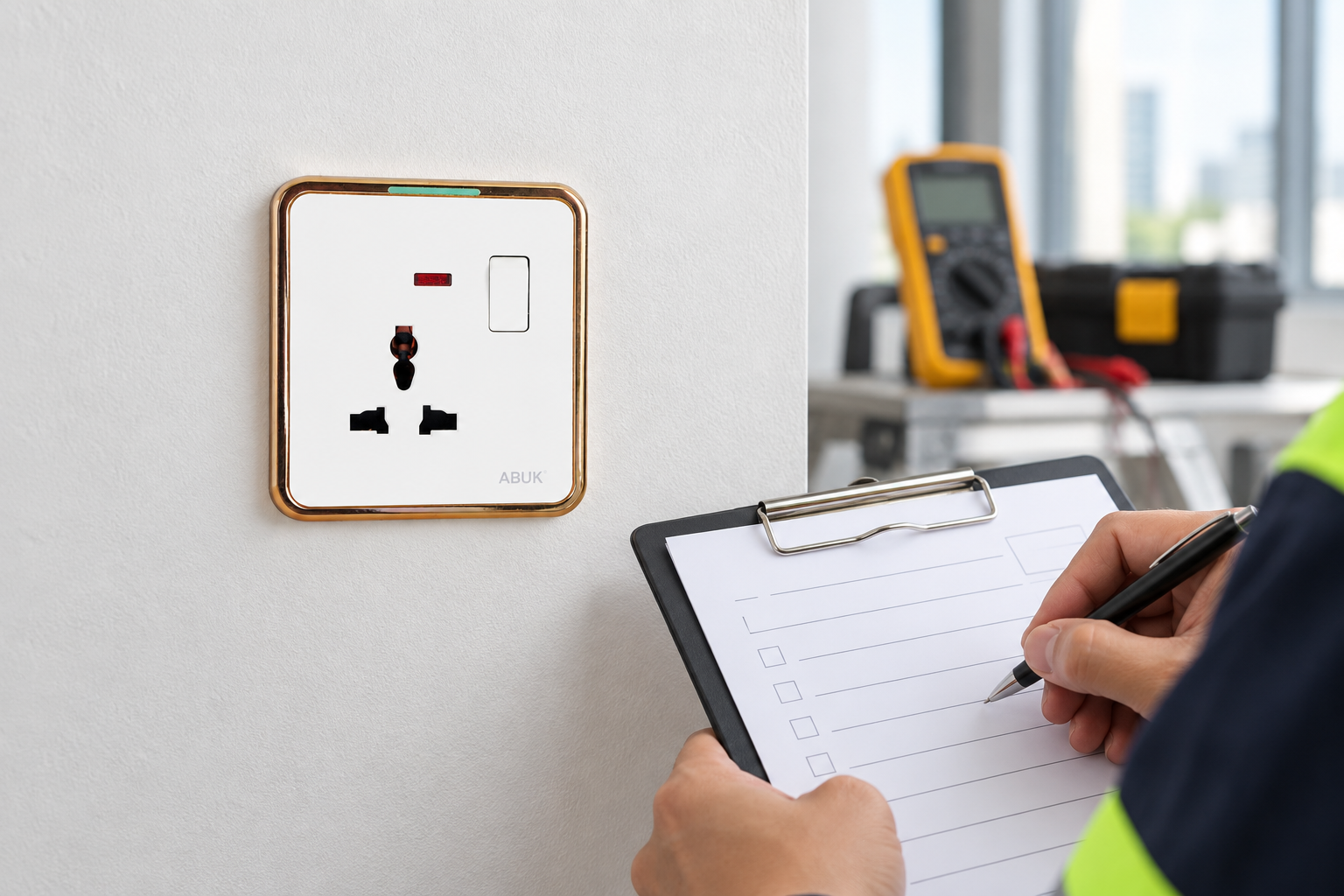
ABUK supplies wall switches, sockets and related electrical equipment for B2B project sourcing. Its product catalogue can be used as a starting point for comparing families and documentation; buyers should confirm the final model, local requirements and test scope during technical submittal. For wall-plate applications, the wall switch and socket range is more useful than selecting by face style alone. Any CE, RoHS or GCC reference should be read as a scope-specific claim, not an automatic substitute for Thai approval or site acceptance.
What Thailand socket questions should procurement answer?
What electrical socket type is used in Thailand?
Thailand uses mixed Type A, B and C arrangements, and Type O sockets also appear in local projects. The correct choice depends on the building, plug population, grounding arrangement and project specification. Survey the installed pattern and verify the complete assembly before ordering replacements.
Do Thailand outlets accept US and European plugs?
Some outlets accept common US-style flat pins, European round pins or several patterns through a universal face, but acceptance is not guaranteed in every room. Mechanical fit does not confirm earthing, polarity or current suitability. Check the socket drawing and the appliance plug before relying on an adapter.
What voltage is supplied by Thai wall sockets?
Thai wall sockets are generally supplied at nominal 220–230 V and 50 Hz. The equipment nameplate remains the controlling check because appliances may be rated for a narrower range or for 100–240 V input. A qualified installer should verify the project supply and protective arrangement.
Will a universal adapter work in Thailand?
A universal adapter may solve a plug-shape mismatch when the appliance is already rated for the Thai supply. It does not convert 110–120 V to 220–230 V, repair missing earth continuity or increase circuit capacity. Confirm the nameplate and use an engineered converter only when the appliance manufacturer and electrical designer allow it.
Does a three-pin Thai socket guarantee grounding?
No. The third contact and the protective-earth conductor must be continuous through the installation and verified by testing. A new faceplate cannot correct an absent, loose or incorrectly terminated earth path.
What evidence should support a final Thailand socket decision?
- IEC catalogue: IEC 60884-1, plugs and socket-outlets for household and similar purposes.
- IEC catalogue: IEC 60038, standard voltages.
- Thailand Industrial Standards Institute (TISI), national standards and conformity information.
- Energy Regulatory Commission of Thailand, energy-sector regulatory information.
The reliable Thailand electrical socket type principle is simple: identify the installed pattern, confirm the nameplate and circuit, then verify grounding, polarity and applicable approval before treating a socket as interchangeable. That sequence prevents an adapter decision from being mistaken for a voltage decision and keeps a decorative replacement from masking a circuit problem. For a Thai hotel, office or residential development, the best procurement file links the room schedule to the socket model, test evidence and replacement path. Once those boundaries are clear, ABUK’s electrical product range can be evaluated against the project brief, and the contact team can help clarify model documentation before a purchase order is released.