
 Wenzhou Lita Electric Co., Ltd.
Brazil Electrical Socket Type: Type N, Voltage and Procurement Guide
When a project manager in Campinas received a shipment of imported coffee machines, she matched the plugs to a familiar two-pin adapter and switched on the first break-room circuit. The breaker tripped, one machine would not start, and the installer discovered that the building’s outlets were grounded Type N while the equipment label allowed only a different voltage range. The reversal was useful: the sockets were not defective; the specification had ignored Brazil’s local outlet, voltage and grounding conditions.
Summary: Brazil electrical socket type decisions should start with ABNT NBR 14136 Type N compatibility, then confirm whether the site is supplied at 127 V or 220 V, both normally at 60 Hz. Type C legacy plugs may fit some receptacles but do not provide the Type N earth connection. We recommend recording the socket pattern, measured voltage, circuit rating and appliance nameplate before ordering; an adapter changes shape only, while a voltage converter changes electrical conditions and must be sized for the load.
For procurement teams, a Brazil electrical socket type specification should distinguish the Brazil plug type from the Brazilian electrical outlet fixed in the wall. The two must be checked together. City, utility service and building age can alter the practical answer, so a country-level assumption is not a substitute for a site survey.
How should buyers compare current Type N with legacy Type C and protective earth?
Brazil’s current household pattern is Type N, a three-round-pin system standardized through ABNT NBR 14136. The two current configurations are commonly identified as 10 A and 20 A; they use different contact geometry so that a higher-current plug is not casually inserted into a lower-rated receptacle. The central earth pin is part of the safety interface, not an optional third contact.
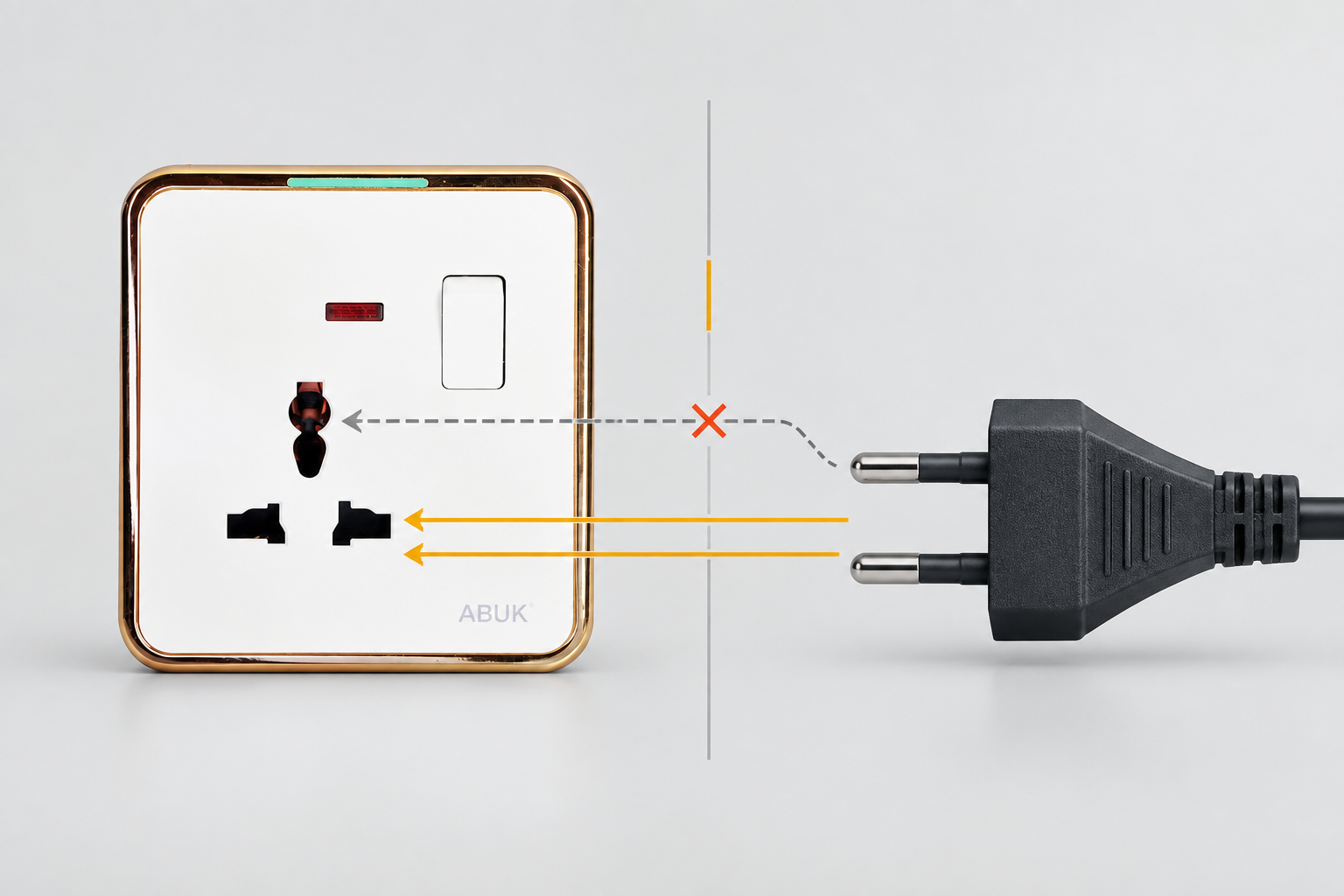
Type C is the older two-round-pin form encountered in legacy buildings, travel equipment and some low-power devices. A Type C plug can sometimes enter a Type N socket because the live and neutral positions are compatible, but the plug has no protective earth. That mechanical fit must not be treated as proof of electrical suitability, especially for metal-bodied appliances, surge-sensitive equipment or installations where the protective conductor is required by the design.
European plug assumptions create a similar trap. European devices may use Type C or Type F plugs, but neither should be assumed to be Brazil’s standard. Type N also appears in a limited number of other markets, yet a country list cannot confirm a Brazilian site’s voltage, earth continuity or current class. Ask for the exact plug drawing or a nameplate photo before ordering an adapter.
Pin geometry matters at replacement time. A buyer should specify the socket’s current class, shutter or child-protection requirement if applicable, terminal arrangement, earthing method and faceplate system rather than ordering a generic “Brazil outlet.” IEC 60884-1 provides the international framework for household and similar plugs and socket-outlets; the local product and installation requirements still govern the Brazilian project.
| Configuration | What the user sees | Compatibility implication | Procurement check |
|---|---|---|---|
| Type N, 10 A class | Three round contacts with a protective-earth position | Suitable only when the plug, appliance current and circuit design align | Confirm current class, terminal quality and NBR 14136 documentation |
| Type N, 20 A class | Heavier contact geometry for higher-current equipment | Does not make an undersized branch circuit safe | Coordinate socket, conductor, protective device and load schedule |
| Legacy Type C | Two round pins, no earth contact | May fit physically; grounding and polarization expectations differ | Use only after a qualified review of appliance insulation and site rules |
How should a Brazil project verify 127 V, 220 V and 60 Hz service?
Brazil operates at 60 Hz, but nominal voltage is not uniform nationwide. A site may provide approximately 127 V or 220 V, and two nearby buildings can differ because of utility service and local distribution practice. Some premises provide both voltages on separate circuits. The label “Brazil 127V/220V” therefore describes a market reality, not a promise that every receptacle offers both values.
Voltage changes the current drawn by a fixed-power appliance. As an illustrative calculation, a 1,200 W heater draws about 9.4 A at 127 V and about 5.5 A at 220 V, before considering starting behavior and power factor. That difference affects conductor sizing, breaker selection, socket current class and heat at terminals. The figures are educational, not a design approval; the responsible engineer must use the appliance nameplate and local installation rules.
Frequency is usually simpler: equipment designed for 50 Hz should be checked before use at 60 Hz, particularly motors, timers and synchronous devices. A universal-input electronic supply marked 100–240 V, 50/60 Hz generally needs only a mechanical adapter when the plug shape differs. A 120 V-only appliance on a 220 V circuit needs a correctly rated step-down transformer or converter; an adapter alone cannot prevent overvoltage damage.
When is an adapter enough, and when is a converter or site test required?
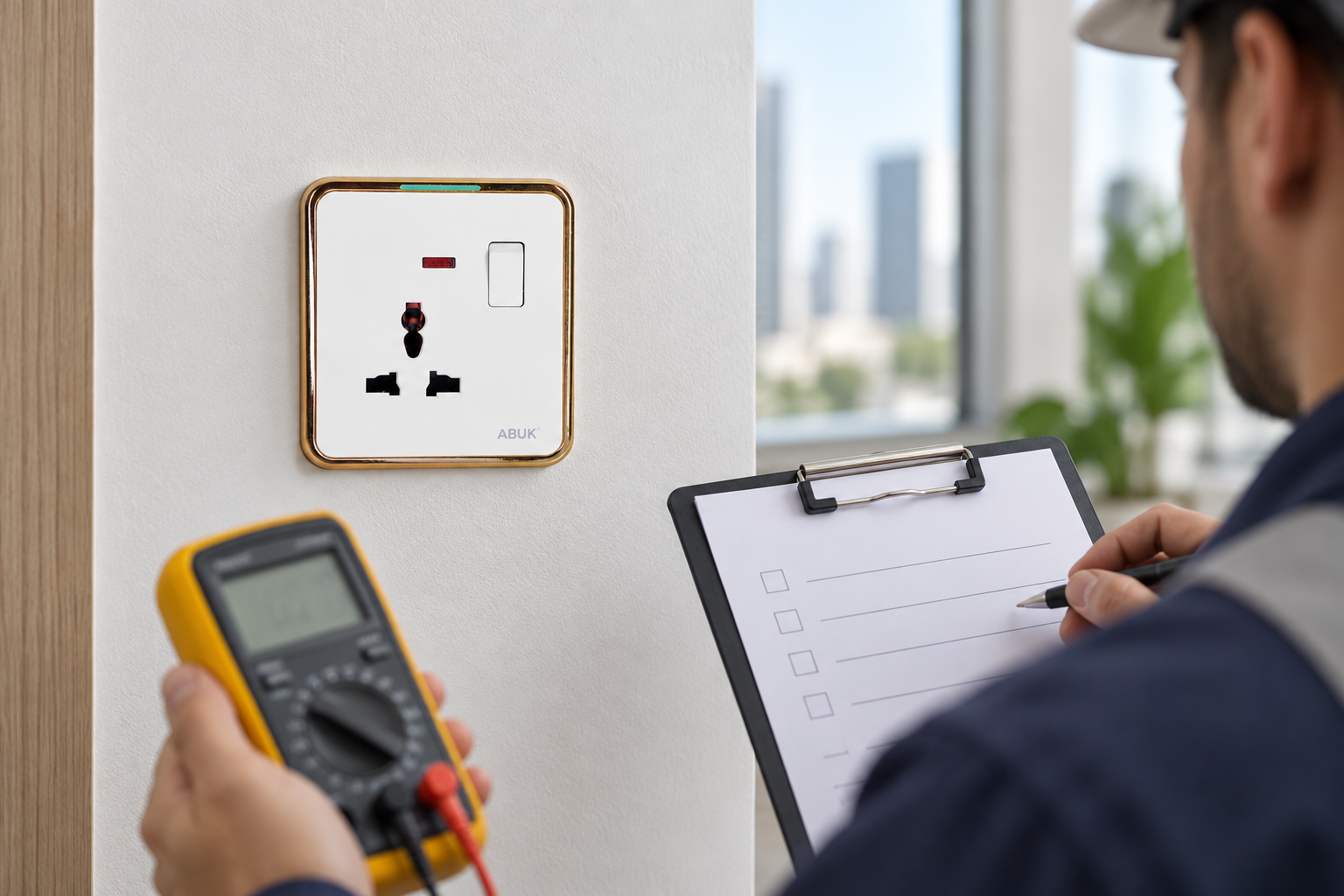
The honest answer to a compatibility question comes from four observations: plug shape, nameplate voltage, measured receptacle voltage and protective-earth continuity. A travel adapter addresses only the first observation. A converter addresses voltage but adds heat, losses, acoustic noise and a second failure point; its continuous rating should exceed the appliance’s running demand, with additional allowance for motor or compressor inrush.
For a dual-voltage European or US appliance, choose an adapter that preserves protective earth and grips the plug securely; a universal travel adapter is not automatically suitable for continuous commercial load. For a single-voltage appliance, size the converter from measured voltage and nameplate watts or VA, then check ventilation, duty cycle and maintenance access. For heaters, motors or compressors, confirm inrush rather than sizing from running watts alone.
- Read the nameplate: record voltage range, frequency, watts or VA, plug type and any earthing symbol. Do not infer rating from the country of purchase.
- Identify the circuit: ask the electrician whether the receptacle is on the 127 V or 220 V branch, and record breaker rating, conductor size and residual-current protection where specified.
- Measure before energizing: use a calibrated meter and a qualified person to confirm line-to-neutral and, where relevant, line-to-earth values; never rely on color alone.
- Confirm mechanical fit: verify Type N contact pattern, current class, box depth, faceplate and terminal capacity; do not force a plug or defeat the earth pin.
- Commission under load: check for abnormal heating, nuisance trips and loose termination after the equipment reaches normal operating conditions.
Hotels and temporary sites deserve extra caution. Guest-room outlets may be modern Type N, legacy Type C or a universal receptacle, while a plant room can have dedicated 220 V circuits. Ask facilities staff for the circuit schedule and test the exact outlet; a lobby demonstration outlet is not evidence for a production line.
How do socket choice and circuit coordination affect total cost?
Socket replacement is a system decision. A higher-current receptacle connected to an unchanged branch circuit can create false confidence, and a converter hidden behind furniture can become a thermal or maintenance risk. Include labor, adapters, converter losses, downtime, returned equipment, spare variants and documentation in the total-cost review. Record the Brazil electrical socket type with the circuit schedule. The following comparison is qualitative so it can be applied to different projects without inventing prices.
| Approach | Electrical change | Best-fit use | Hidden TCO exposure |
|---|---|---|---|
| Correct Type N socket, direct connection | None beyond verified site voltage and grounding | Appliance already matches voltage, frequency and current class | Lowest complexity; still requires installation inspection and spares |
| Mechanical travel adapter | Changes pin shape only | Short-term use of a dual-voltage, properly earthed device | Loose fit, lost adapters and missing earth can cause returns or downtime |
| Step-up/step-down converter | Changes voltage; frequency usually unchanged | Voltage-mismatched equipment where replacement is impractical | Converter cost, heat, standby loss, noise, inrush and maintenance |
| Reconfigure or replace equipment | Uses a native-rated appliance or approved input module | Permanent sites and repeat deployments | Higher initial spend may reduce variant count, service calls and failure risk |
An illustrative TCO model can compare one converter per machine with a standardized Type N installation: list equipment count, electrician hours, converter replacement assumptions, energy loss and the cost of a production interruption. Label every assumption as illustrative and validate it with the contractor; do not present a spreadsheet estimate as a guaranteed saving.
Which site evidence changes the procurement decision?
| Situation | Likely decision point | Evidence to request | Action before purchase |
|---|---|---|---|
| New commercial fit-out | Type N current class and local nominal voltage | Single-line diagram, load schedule and product conformity file | Approve socket, breaker and conductor as one coordinated package |
| Older hotel or residential renovation | Legacy Type C outlets and uncertain earth continuity | Inspection report and measured values at representative rooms | Plan phased replacement; keep guest adapters separate from fixed wiring |
| Industrial 220 V equipment | Dedicated branch, inrush and enclosure conditions | Nameplate, motor data and protection-coordination study | Use an electrician to verify isolation, terminals and heat under load |
| Imported US equipment | Type A/B plug and often 100–127 V assumptions | Full nameplate and manufacturer conversion instructions | Use a grounded adapter only when voltage matches; otherwise specify a converter or local model |
| Distributor replacement stock | SKU variants, documentation and returns process | ABNT/INMETRO evidence by exact model, not by catalogue family | Separate 10 A/20 A and voltage-related accessories in the ERP and labeling |
What do ABNT and INMETRO evidence actually prove?
ABNT NBR 14136 defines the Brazilian household plug and socket configuration; it is the first reference when specifying Type N products. IEC 60884-1 is a relevant international safety framework for plugs and socket-outlets, but a test method or international standard reference is not, by itself, evidence of Brazilian market conformity. INMETRO conformity requirements can apply to regulated electrical products and should be checked for the exact product category, model and import route.
Use the ABNT standards portal for current publication information and the INMETRO regulatory portal for Brazilian conformity rules. The IEC World Plugs reference is useful for cross-border plug comparisons, while IEC 60884-1 information can be checked through the IEC Webstore. Confirm the edition and scope with the compliance professional; requirements can change and may differ by end use.
Unsupported claims create commercial risk: customs delays, failed inspection, project rework, warranty disputes and returned stock. Keep the declaration, test reports, markings, traceability and installation instructions matched to the exact SKU. “CE,” “RoHS” or “GCC” documentation may support other destination markets, but it does not automatically replace an applicable Brazilian INMETRO process.
What should buyers document before ordering replacements?
- Write the schedule in pairs: socket pattern plus nominal voltage. Add 60 Hz and the required current class so a Type N part cannot be separated from its circuit context.
- Request drawings, terminal details, material declarations and conformity evidence for the exact model; avoid accepting a family-level certificate without a model mapping.
- Standardize faceplates and boxes where possible, but keep 127 V and 220 V circuits visibly segregated through labeling, schedules and commissioning records.
- For repeat projects, stock the approved socket and protective accessories together; record adapter and converter decisions so replacement teams do not recreate the original uncertainty.
- Use a qualified Brazilian electrician for testing and final sign-off, especially when changing a branch circuit, earthing arrangement or high-load appliance.
For replacement and spare planning, retain one approved sample, its model mapping, faceplate and box details, and the circuit notes. Keep 10 A and 20 A Type N parts, 127 V and 220 V accessories, and approved adapters in separate labeled stock locations. This prevents a familiar-looking spare being installed on the wrong branch and gives service teams a documented path for legacy outlets.
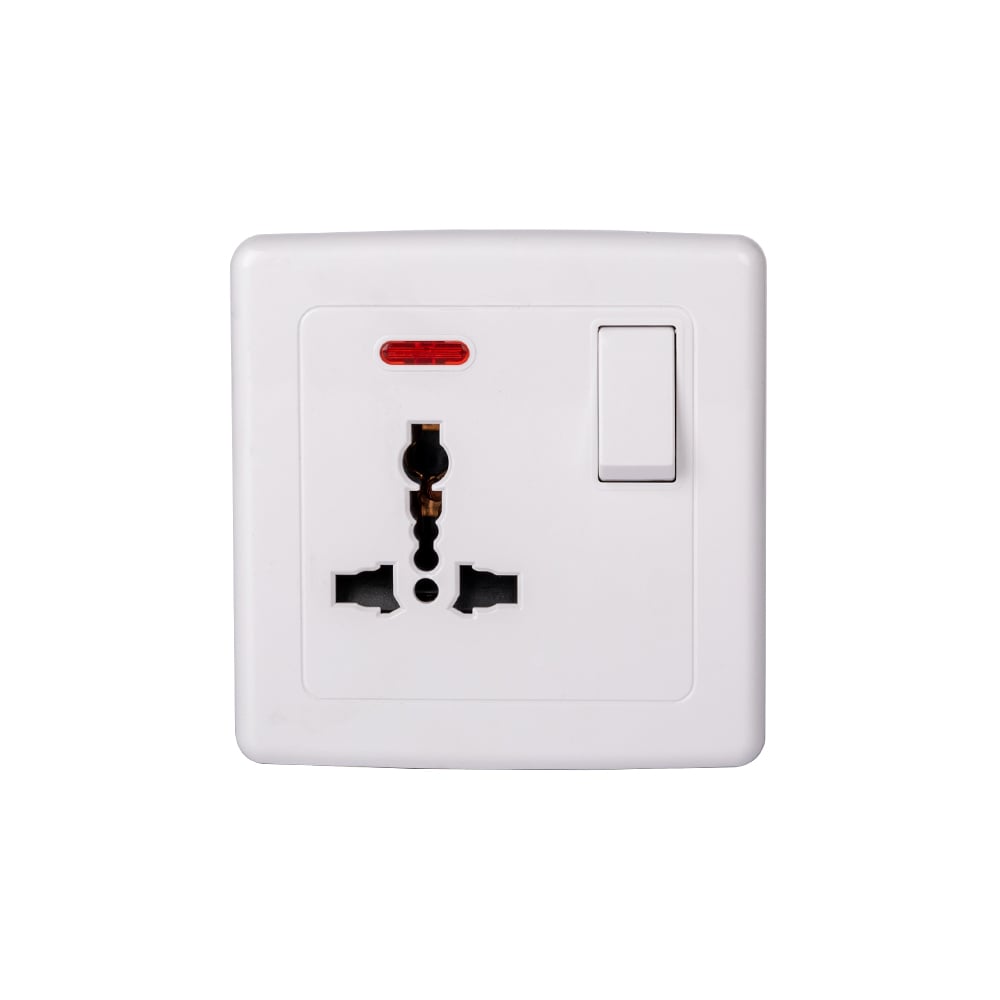
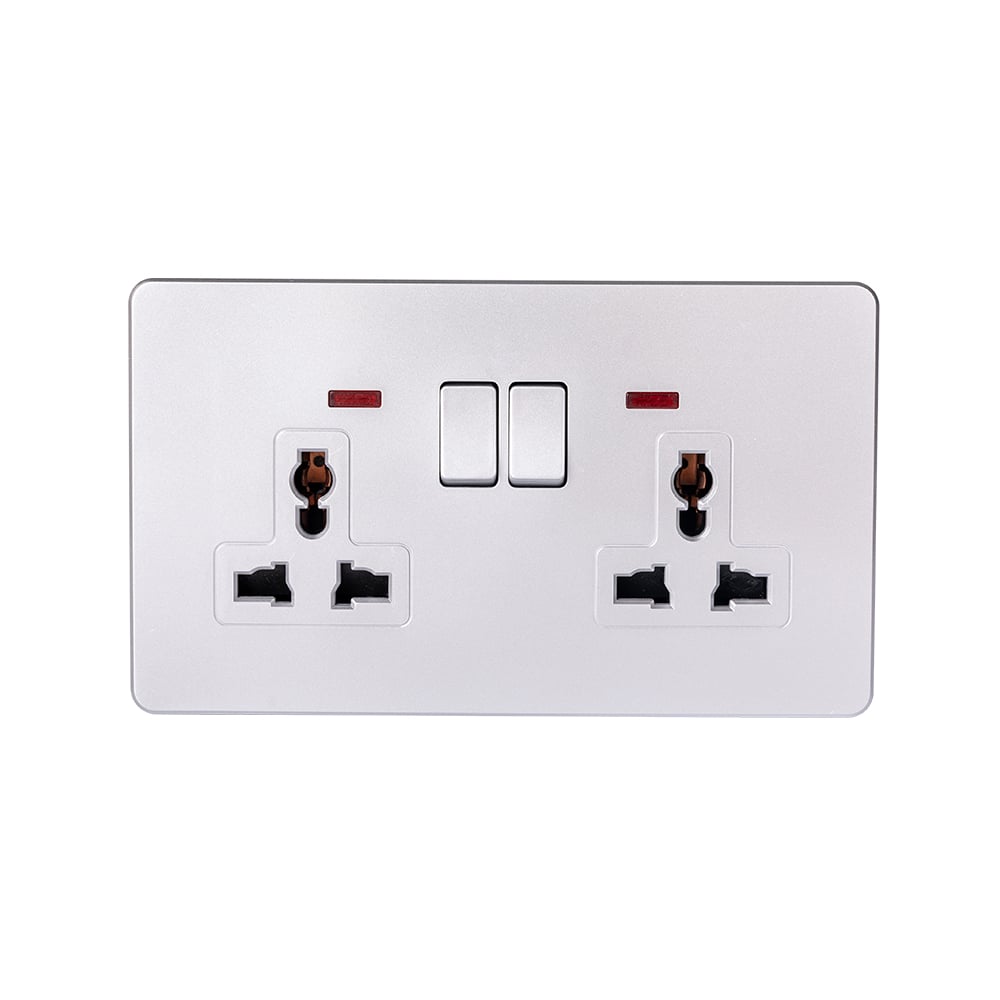
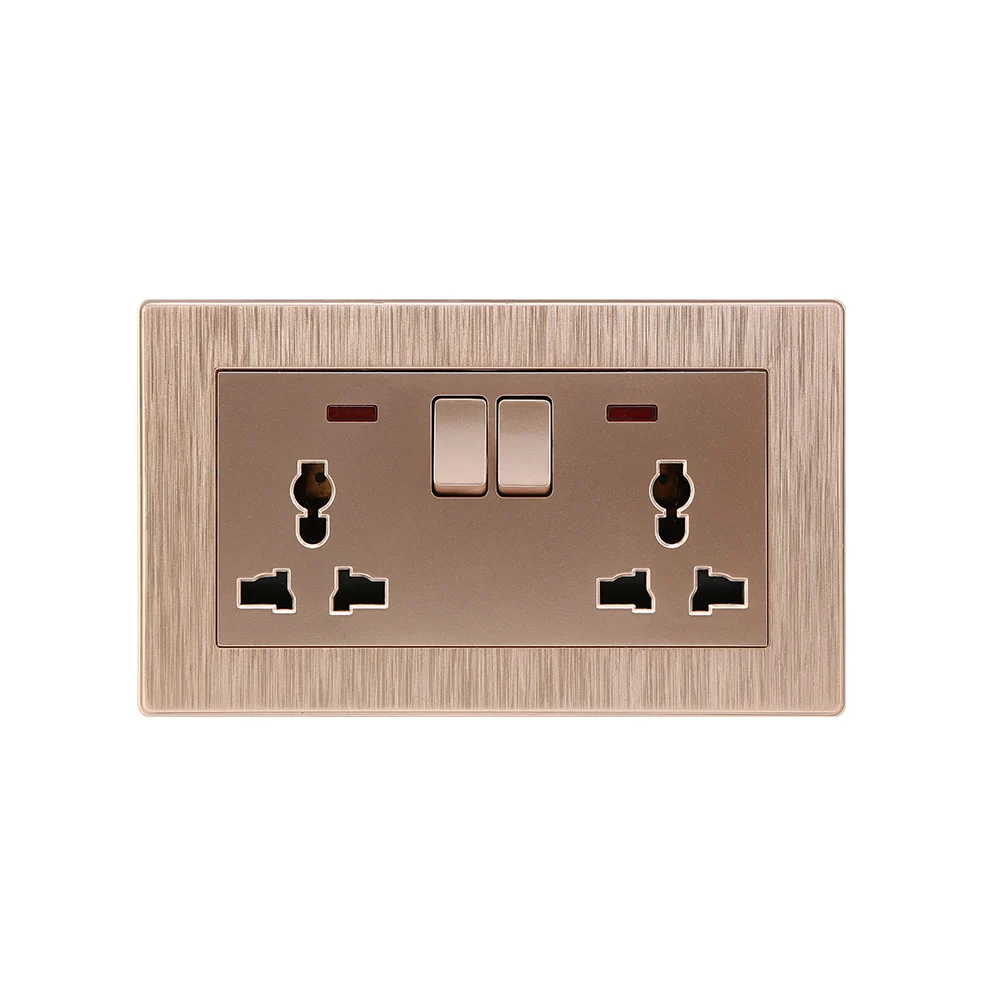
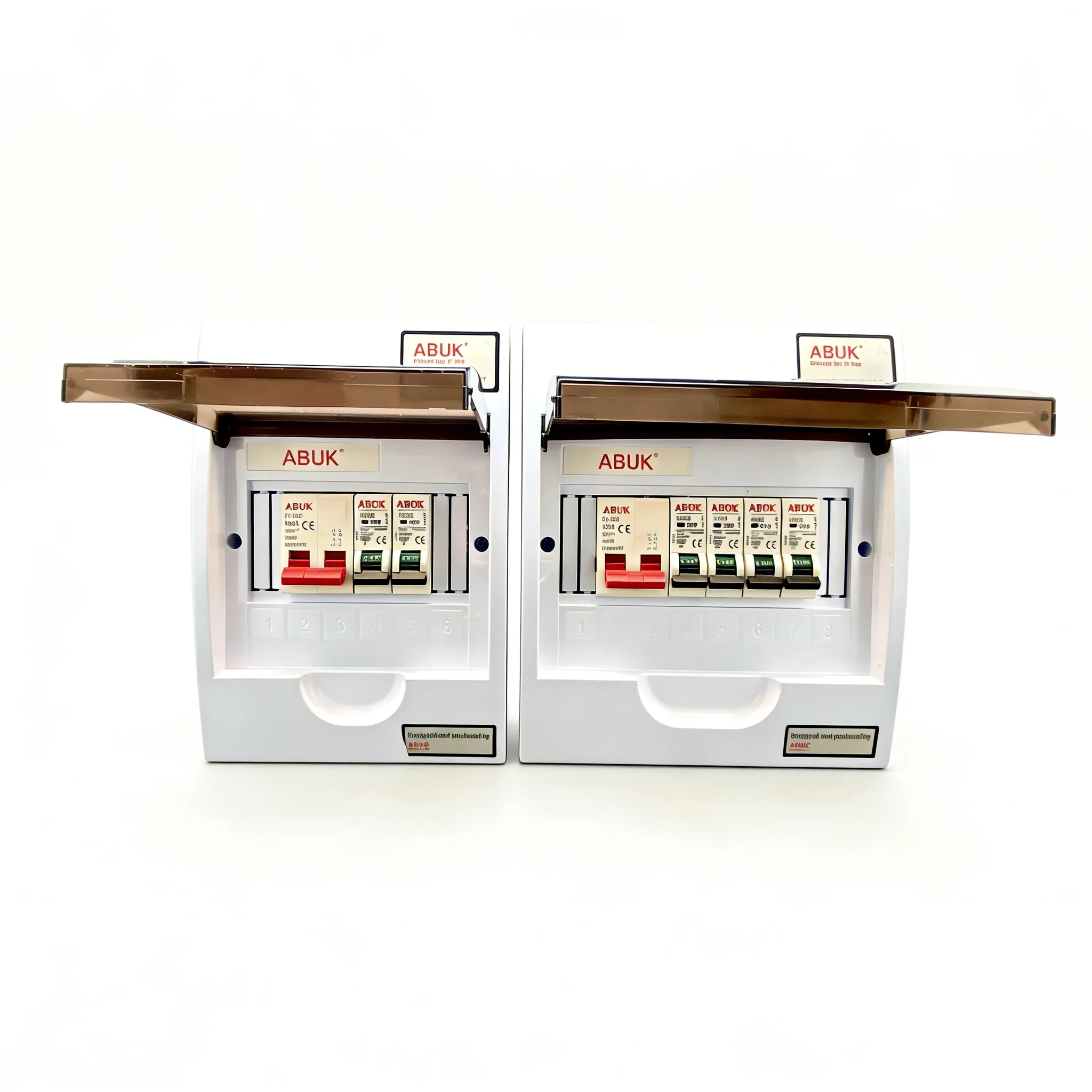
ABUK is a China-based B2B electrical equipment solution provider with wall switches, sockets, receptacles and distribution products that can be reviewed against a project schedule. Its stated CE, RoHS and GCC scope should be matched to each SKU and destination; buyers should still confirm Brazil-specific INMETRO applicability, test evidence and local installation requirements. For a wall-device shortlist, see the wall switch and socket range, then send the verified voltage, current class and documentation needs to the ABUK technical contact team.
Which Brazil socket questions should procurement teams answer first?
What electrical socket type is used in Brazil?
Brazil primarily uses the three-round-pin Type N system under ABNT NBR 14136. Older properties and imported devices may still show Type C two-pin arrangements. Confirm the exact receptacle and earth connection at the installation rather than relying on a travel chart.
Are Brazilian outlets Type N or Type C?
Current installations are generally Type N, while Type C remains a legacy or compatibility pattern. A Type C plug may fit some Type N sockets but lacks the protective-earth contact, so mechanical fit alone is not a safety approval.
What voltage differences exist across Brazil?
Nominal supply is commonly 127 V or 220 V, with both values present in different regions, buildings or circuits; frequency is normally 60 Hz. Measure the actual outlet and read the appliance nameplate before selecting an adapter, converter or replacement.
Can a US plug be used safely in Brazil?
A US Type A or B plug is not a direct Type N match. A grounded mechanical adapter may be acceptable only when the appliance is rated for the measured Brazilian voltage and frequency; a 120 V-only device on 220 V needs an appropriately sized converter or a local-rated replacement.
Are European plugs the same as Brazilian plugs?
No. Two-pin European Type C plugs may fit a Type N receptacle mechanically but do not bring the Brazilian protective-earth contact; other European plugs use different shapes. Check the exact plug, earth requirement, voltage and frequency.
What adapter do I need for Brazil?
Select an adapter that matches the appliance plug to the site’s Type N receptacle and preserves protective earth when the appliance requires it. An adapter changes geometry only, so confirm the measured 127 V or 220 V supply, 60 Hz rating and the adapter’s continuous current capability before connecting commercial or high-load equipment.
Do hotels always provide the same Brazilian electrical outlet?
No. Hotels can combine modern Type N, legacy Type C and universal receptacles, and room circuits may differ from service areas. Ask staff, inspect the outlet and use a meter or approved tester before connecting high-load equipment.
Which primary sources should support the specification?
- Associação Brasileira de Normas Técnicas (ABNT), standards catalogue and NBR 14136 publication information.
- Brazil INMETRO, conformity-assessment and regulated-product guidance.
- IEC World Plugs, international plug and socket reference.
- IEC Webstore, IEC 60884-1 standard information.
When a project treats socket shape, voltage, grounding and circuit capacity as one decision, the visible outlet becomes the final link in a documented power system—not a guess made at the wall. For a project-specific review of Brazil electrical socket type requirements, start with the ABUK product categories and contact the team with the site measurements and compliance scope.