
 Wenzhou Lita Electric Co., Ltd.
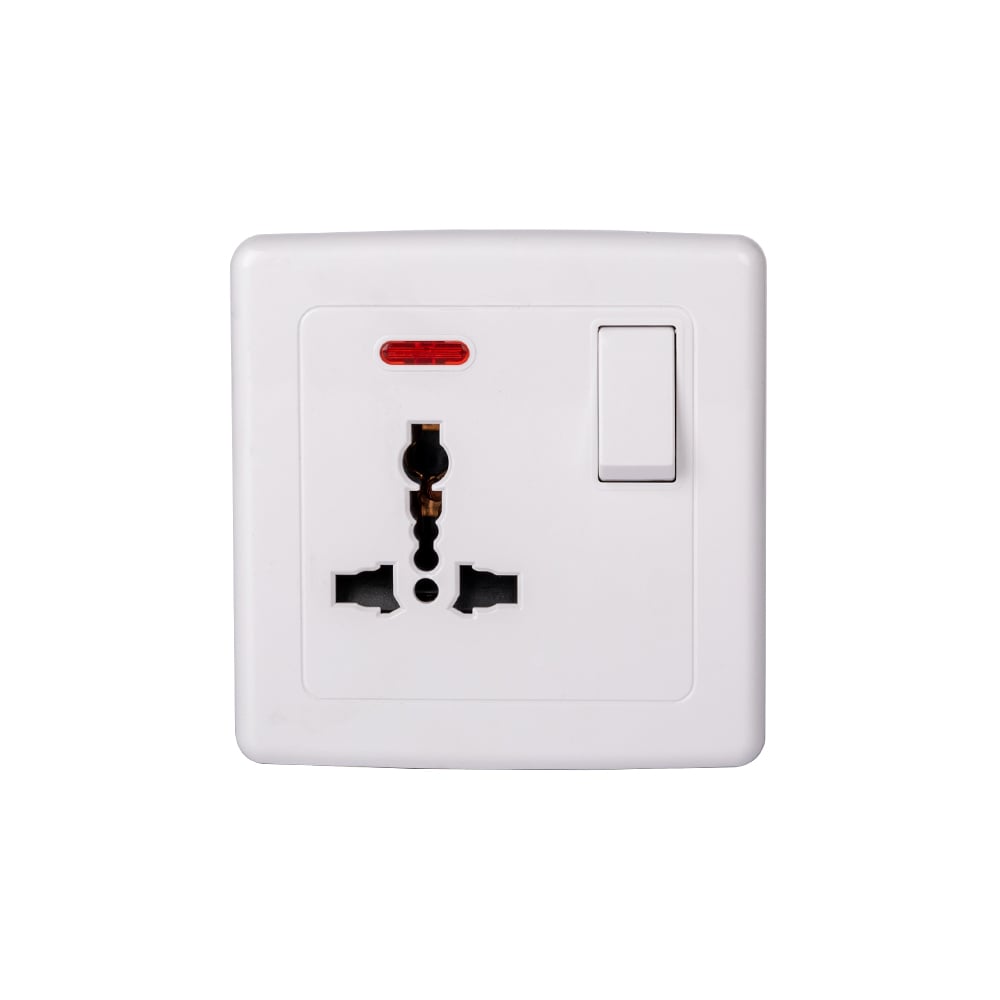
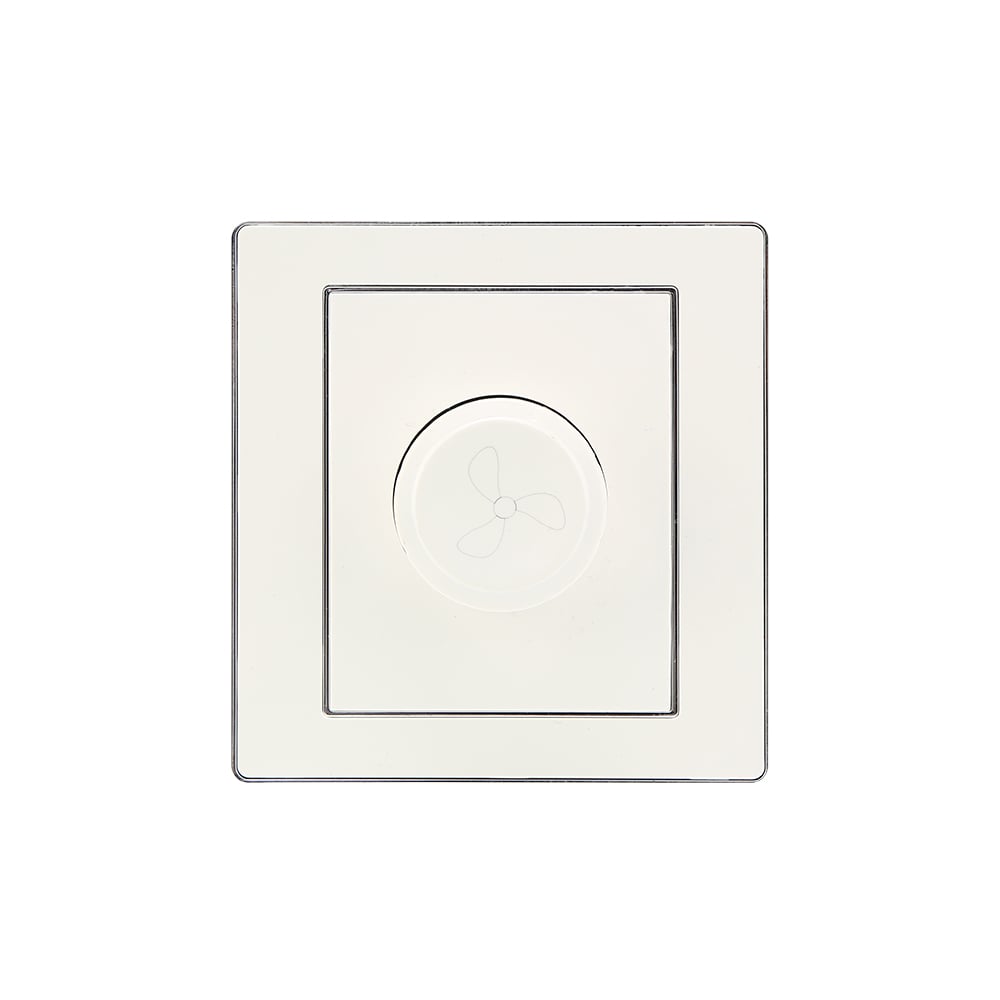
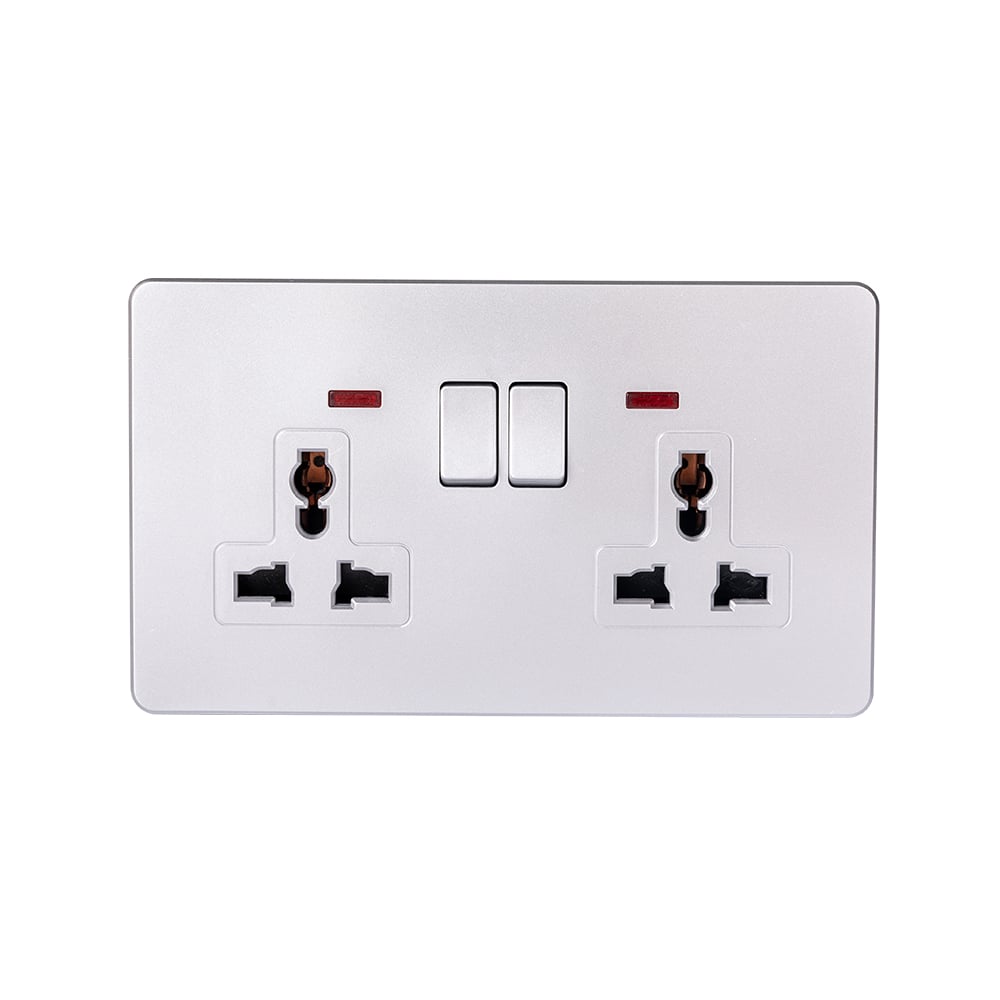
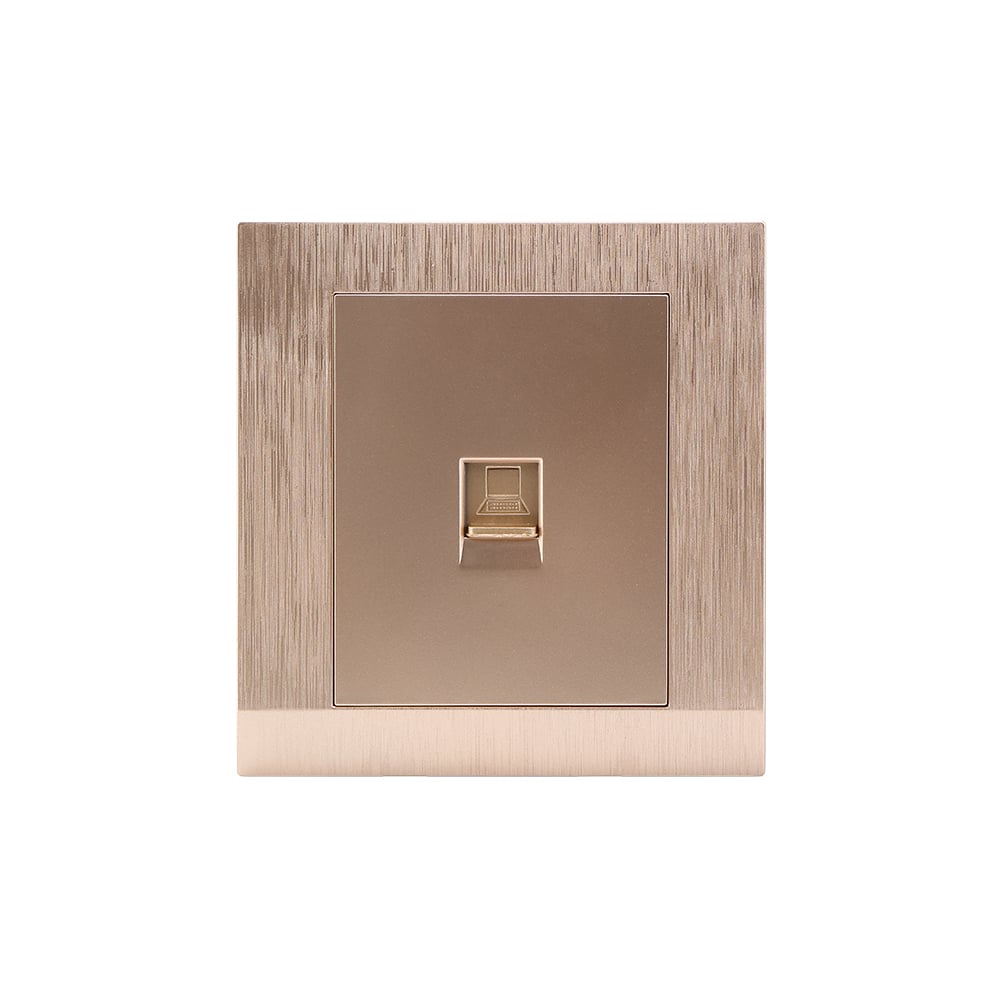

Different Types of Electrical Sockets
When a procurement engineer in Manchester encountered an unexpected launch delay, she had just approved a mixed socket package from faceplate drawings. Within minutes of the first loaded bench test, USB modules throttled and two smart outlets disconnected. The initial suspicion was defective hardware; the review instead found mismatched load categories, inadequate back-box depth, and incomplete protection specifications. The failure was selection, not simply product quality.
Summary: Choose the socket by protection function, electrical rating, environment, connected load and destination standard—not by appearance alone. IEC 60884-1 covers many household and similar AC plugs and socket-outlets up to 32 A and 440 V, but its scope is not a blanket product approval. Procurement teams should freeze the load schedule, protection scheme, enclosure and installation depth before requesting samples.
A useful socket taxonomy separates interface, protection, electronics and duty
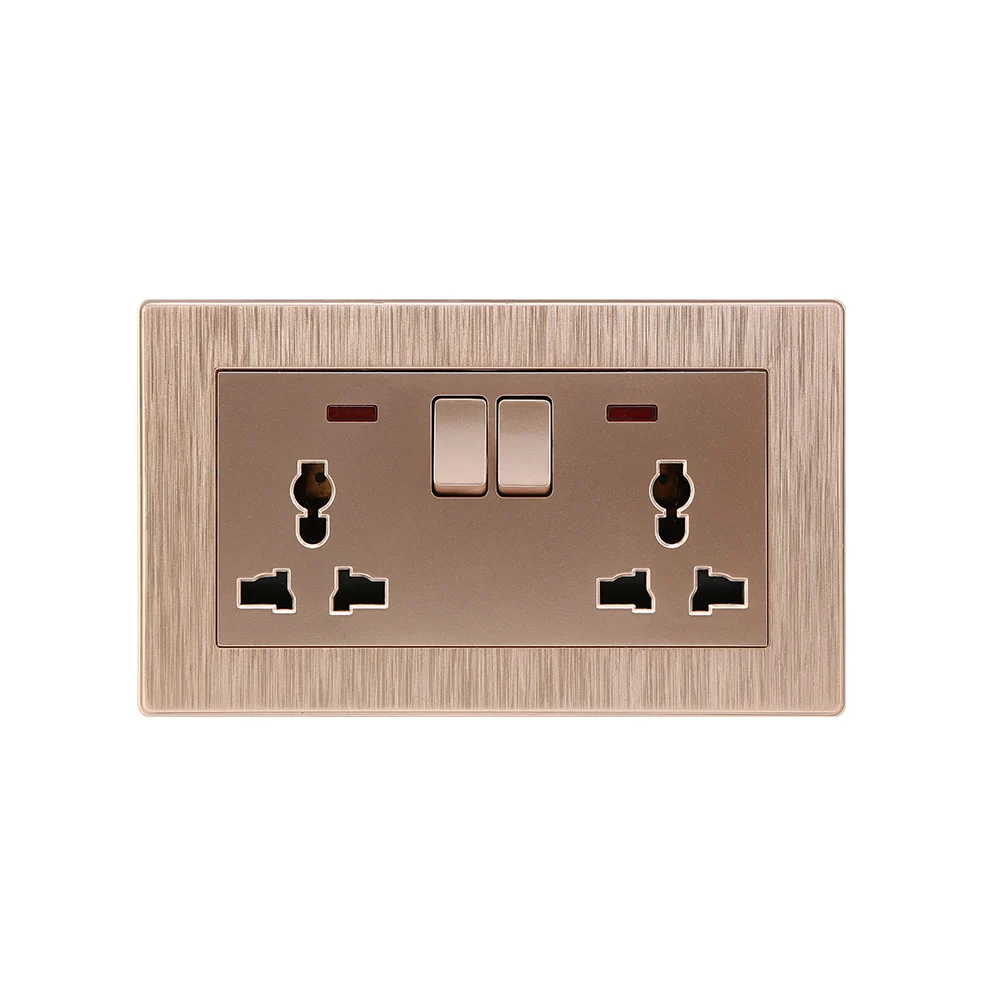
The different types of electrical sockets are easier to compare as four independent layers. The interface layer covers plug geometry, contact arrangement and earthing. The protection layer covers functions such as ground-fault, arc-fault or surge protection. The electronics layer includes USB power conversion, metering, relays and communications. The environmental and load-duty layer covers enclosure exposure, switching duty, inrush and the connected appliance. A single product can combine several layers, but one layer never proves the others.
For example, a conventional receptacle provides a connection point; a GFCI socket adds a defined protective function; a USB-C model integrates an AC-to-DC supply; and a smart socket adds switching and communications. Plug geometry answers only part of the compatibility question. Physical fit does not prove that voltage, frequency, earthing or allowable current is suitable, and an adapter does not convert voltage or add circuit protection. That distinction matters when a global project compares the GFCI socket against other socket types.
GFCI, AFCI and surge protection address different failure modes
A GFCI or locally specified RCD responds to current leaving the intended circuit path; its purpose and trip characteristics are not the same as overcurrent protection. An AFCI evaluates signatures associated with hazardous arcing that may lead to fire, while a surge protective device limits transient overvoltage. None of the three functions is a substitute for the other two, and a “protected outlet” description is incomplete unless the protection type and applicable device standard are named.
Protection location also varies. Depending on the destination market and system design, ground-fault or arc-fault protection may be built into a receptacle, installed in a branch-circuit breaker, or provided by a suitable upstream device. Surge protection may be coordinated at service, distribution and point-of-use levels. The faceplate therefore cannot confirm the complete scheme; buyers should review the single-line diagram, coordination assumptions, downstream coverage and prescribed test access.
In North American practice, Class A GFCIs are evaluated under UL 943, AFCIs within the scope of UL 1699 mitigate certain arcing-fault ignition risks, and surge protective devices fall under UL 1449. OSHA explains that a GFCI monitors current imbalance and can shut off power in as little as 1/40 second. Terminology and requirements change by market, so the schedule should state the destination wiring rule, device type, trip specification, installation location and commissioning test rather than treating “GFCI,” “RCD” and “AFCI” as interchangeable labels.
A USB-C opening does not prove Power Delivery capability
A USB-C wall socket combines a mains receptacle with a power-conversion module, but USB Type-C describes the connector rather than a guaranteed charging profile. Supported power depends on the source, cable, connected device and protocol negotiation. USB-IF states that USB PD Revision 3.1 can deliver up to 240 W through a compliant full-featured Type-C cable and connector; this ceiling does not mean every Type-C source supports Power Delivery or that wattage. Buyers should request per-port and shared-output ratings, supported voltage/current profiles, simultaneous-load behavior, cable requirements and test evidence.
Heat and space become installation constraints. Conversion losses generate heat, and deep modules may conflict with conductors or shallow back boxes. Sample checks should cover device depth, conductor bend space, terminal access and temperature rise when AC and USB loads operate together. A comparison of a USB-C wall socket should also include installation labor, output derating and replacement access.
A smart socket adds a relay, radio, firmware and standby power draw. Its headline current rating may describe a resistive load, while motors, transformers, LED drivers and capacitive power supplies can impose materially different inrush and switching stress. Procurement should confirm the relay load category, continuous and peak limits, switching endurance, fail-safe state after power restoration and whether a local button still operates when the network or cloud service is unavailable.
Network dependency changes acceptance testing. Record whether control is local, hub-based or cloud-dependent; which wireless bands and commissioning methods are supported; how credentials are reset; and how long security updates are promised. NIST IR 8259A treats device identification, configuration, data protection, interface access, software update and cybersecurity-state awareness as baseline capabilities to consider when acquiring IoT devices. Those questions belong in the product specification, not in an informal app demonstration.
Integrated electronics also change the expected replacement cycle. A passive receptacle can remain serviceable while its contacts, terminals and enclosure satisfy inspection and electrical requirements; an electronic socket may become operationally obsolete because a charging protocol, app, cloud service, radio ecosystem or firmware-support period has ended. For hotels and offices, specify replaceable modules where available, retain a manual operating path, document the support horizon and price lifecycle replacement labor into TCO.
Weather resistance depends on the complete installation
A weather-resistant socket normally uses materials and construction intended to tolerate exposure better than an ordinary indoor device, but the marking does not replace a suitable enclosure. IEC 60529 defines the IP Code for degrees of protection provided by enclosures: the first numeral concerns access and solid objects, while the second concerns water ingress. The required rating must match the actual exposure and installation orientation.
Tamper-resistant and weather-resistant are different claims. Shutters reduce access to energized contacts; they do not establish water resistance. Outdoor performance depends on the socket, gasket, box, entries, cover and workmanship as a system. Ask whether the IP rating applies to the product, closed cover or complete installed assembly—and request the test report.
Load-specific receptacles must match the appliance, not just the plug
An appliance receptacle should be specified from the equipment nameplate and circuit design: voltage, frequency, phase, current, poles, earthing, duty and expected inrush. A 16 A general-purpose outlet is not automatically suitable for a 16 A motor or heating load, because switching duty, sustained loading and local rules may differ. Dedicated appliances may require keyed geometry or a different arrangement to prevent an incorrect connection.
Use declared ratings and the applicable standard’s test sequence. IEC 60884-1 includes evaluations such as temperature rise, ageing, mechanical strength and normal operation within its scope. For an illustrative TCO review, compare landed cost + installation changes + commissioning + replacement labor + disruption. The lowest faceplate price may not be the lowest installed cost.
A functional comparison reveals the procurement trade-offs
| Socket category | Primary value | Key compatibility check | Maintenance and TCO implication |
|---|---|---|---|
| Standard receptacle | Simple AC connection | Plug system, voltage, current and earthing | Low complexity; protection may be upstream |
| GFCI receptacle | Local ground-fault interruption | Destination rules, trip specification and test access | Periodic functional testing and accessible reset |
| AFCI or dual-function protection | Mitigation of specified arcing hazards; dual-function devices may also provide ground-fault protection | Device standard, branch-circuit design, location and required functions | Commissioning must confirm each claimed protection function |
| Surge-protected point | Limiting transient overvoltage at a defined system location | SPD type, system voltage, upstream coordination and status indication | Protection components can degrade and require inspection or replacement |
| USB-C receptacle | Direct DC device charging | Power Delivery profile, shared output and box depth | Electronics age faster than a passive outlet |
| Smart receptacle | Remote control, schedules and monitoring | Load category, platform, radio and fail-safe behavior | Standby energy, software support and relay replacement risk |
| Weather-resistant receptacle | Improved performance in exposed locations | IP claim, enclosure, cover and cable entry | Inspection of seals, covers and corrosion paths |
The installation environment determines the useful specification
| Application | Likely configuration | Evidence to request | Common specification gap |
|---|---|---|---|
| Bathroom or commercial kitchen | Locally compliant residual-current protection | Device standard, trip test and installation instructions | Assuming a particular faceplate proves protection |
| Hotel, office or education fit-out | Standard outlet plus selected USB-C charging points | Port-output matrix, temperature-rise data and box dimensions | Ignoring simultaneous USB load and module depth |
| Managed smart-building endpoint | Smart socket with an approved relay load and local fallback | Inrush/endurance data, offline behavior, network architecture and update policy | Assuming the app, cloud service and firmware support will outlive the fit-out |
| Outdoor or wash-down area | Rated enclosure, suitable cover and weather-resistant device | IP test scope and installed configuration | Quoting an IP number without its enclosure condition |
| Motor, heater or dedicated equipment | Load-specific keyed or dedicated receptacle | Nameplate match, load category and endurance data | Matching amperes while overlooking inrush or duty |
Standards have limited scopes and direct commercial consequences
- IEC 60884-1 addresses plugs and fixed or portable socket-outlets for household and similar purposes within stated AC voltage and current limits. It is a product standard, not proof that every socket is approved for every country.
- IEC 60529 classifies enclosure protection through IP Codes. It does not establish electrical compatibility, UV life or suitability for a location by itself.
- UL 498, UL 943, UL 1699 and UL 1449 address receptacles, GFCIs, AFCIs and surge protective devices respectively within their stated North American scopes. Evidence for one function does not demonstrate the others.
- NFPA 70 (NEC) contains installation requirements for GFCI, AFCI and surge protection, including Articles 210.8, 210.12 and 242; the enforced edition and local amendments depend on the authority having jurisdiction.
- USB-IF specifications define USB interfaces and Power Delivery behavior. They do not replace the mains-side electrical safety evaluation of an in-wall product.
Unsupported markings can trigger tender rejection, customs delay, retesting or withdrawal. Check CE, RoHS and GCC-related documentation by exact model, declared use and destination; none is a blanket portfolio certification. Declarations, laboratory reports and third-party certificates are different evidence, so contracts should state what is required. A standard number on a quotation is not itself a certificate, and a component report does not automatically cover the assembled socket, enclosure or software-enabled function.
Choose among different types of electrical sockets with a controlled checklist
- Freeze the electrical schedule. Record supply, frequency, circuit protection, earthing and each connected load, including inrush-sensitive equipment.
- Define environmental conditions. State indoor or outdoor use, moisture, dust, cleaning method, mounting direction, enclosure and required IP condition.
- Separate mechanical and electronic requirements. Confirm faceplate dimensions, back-box depth, terminals, USB output, smart relay category and communication behavior.
- Build a destination evidence matrix. Map each SKU to the applicable product standard, installation rule, marking and required report for the target market.
- Approve representative samples under load. Check fit, conductor space, temperature rise, protective-device operation and recovery after power or network loss.
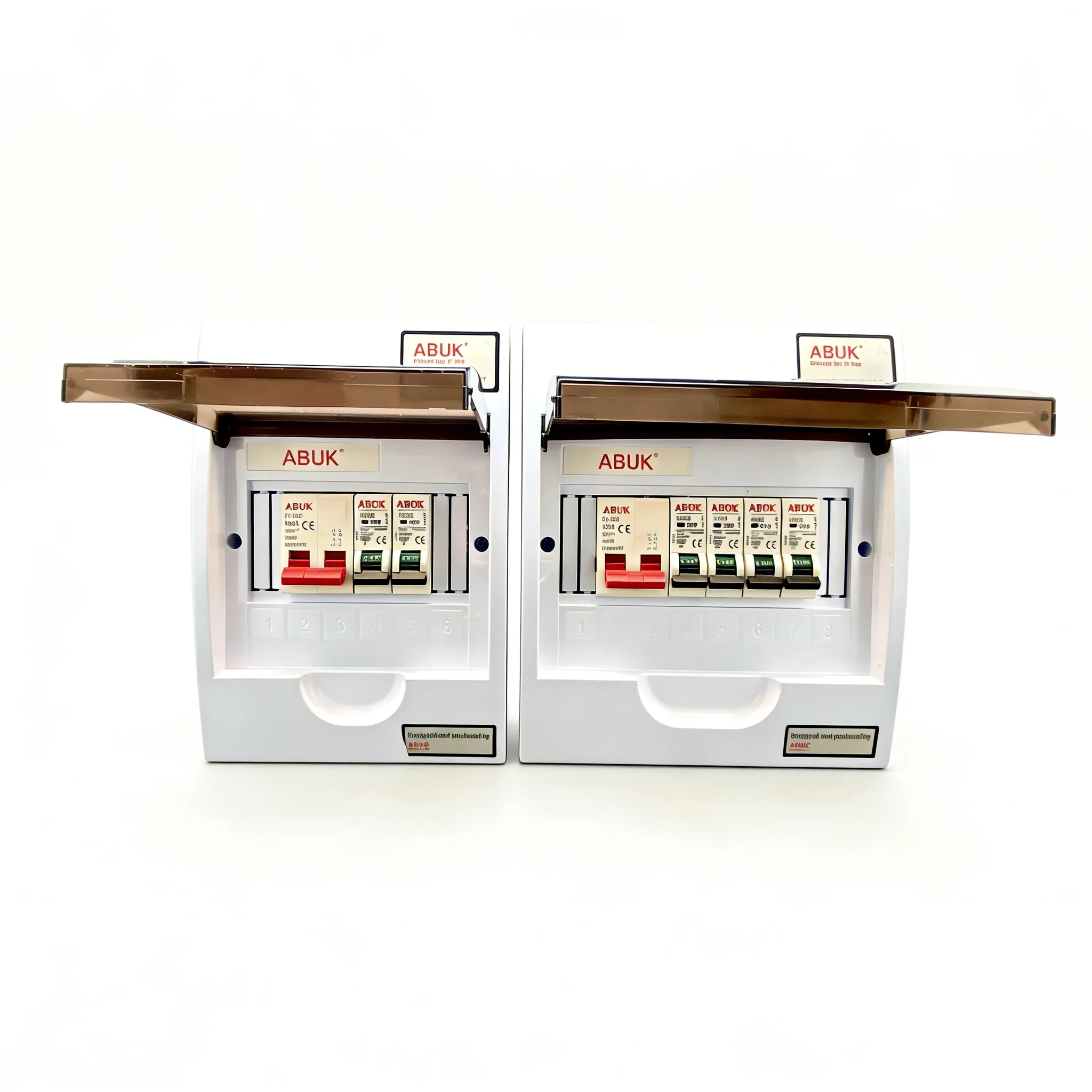
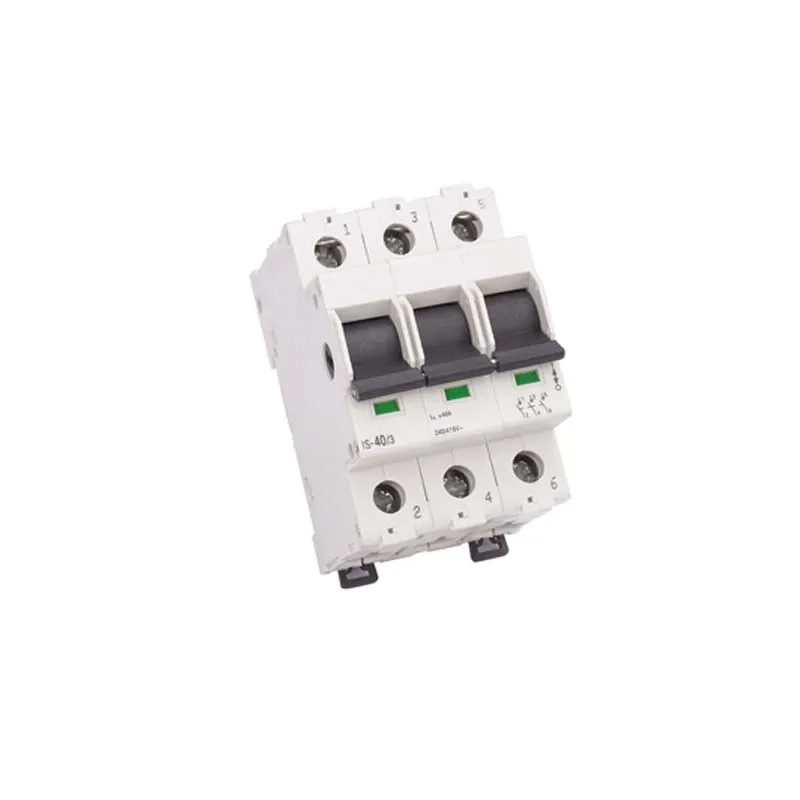
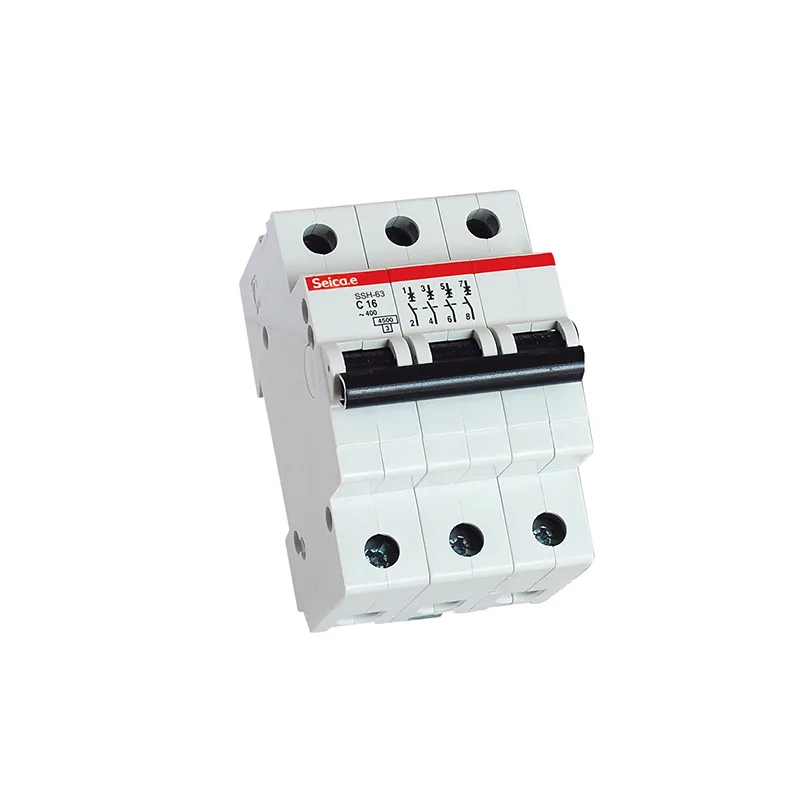
ABUK is a Chinese B2B supplier of mechanical wall switches, wall sockets and receptacles, distribution boards and related electrical products. Procurement teams can review the electrical product portfolio and the wall switch and socket range, then request model-specific dimensions, ratings and destination documents rather than relying on category-level assumptions.
Which procurement questions should be resolved before socket approval?
What are the different types of electrical sockets?
Common categories include standard receptacles, GFCI-protected outlets, USB or USB-C charging outlets, smart outlets, weather-resistant models and load-specific appliance receptacles. The useful classification is by function and rating, because plug shape alone does not establish voltage, current, protection or environmental suitability.
Which electrical socket is safest for a bathroom or kitchen?
There is no universal safest faceplate. Wet or damp locations generally require residual-current protection and location-appropriate equipment under the applicable national wiring rules; confirm whether protection is at the outlet or upstream and have the installation tested by a qualified professional.
What is the difference between GFCI, USB and smart sockets?
A GFCI receptacle detects specified current imbalance and disconnects power; a USB outlet converts mains AC to regulated DC; a smart outlet adds electronic switching and communications. One function does not imply the others, and combination products must be evaluated for every claimed function.
How do I choose a socket for a specific appliance?
Start with the appliance nameplate and installation manual, then match voltage, frequency, phase, current, plug geometry, earthing, load category and environmental conditions. For motors, compressors, heaters and other demanding loads, verify inrush or continuous-duty requirements rather than relying on nominal amperes alone.
Is tamper-resistant the same as weather-resistant?
No. Tamper resistance limits unintended access to live contacts, while weather resistance concerns exposure and material performance; an outdoor installation also needs the specified enclosure, cover, entries and sealing. Check the complete assembly’s test condition.
Primary standards and regulator sources support the specification
- International Electrotechnical Commission: standards and conformity-assessment context for IEC 60884-1, plus IP ratings under IEC 60529.
- UL Standards & Engagement: scopes for UL 943 GFCIs, UL 1699 AFCIs and UL 1449 surge protective devices.
- National Fire Protection Association: NFPA 70, National Electrical Code, and OSHA: Ground-Fault Circuit Interrupters.
- USB Implementers Forum: USB Charger and USB Power Delivery.
- NIST IR 8259A: IoT Device Cybersecurity Capability Core Baseline.
The durable procurement principle is simple: specify the protection, load and installation conditions before selecting the faceplate. To compare model options for an active project, review ABUK’s socket product category and contact the team with your destination market, quantity, load schedule and documentation checklist.