
 Wenzhou Lita Electric Co., Ltd.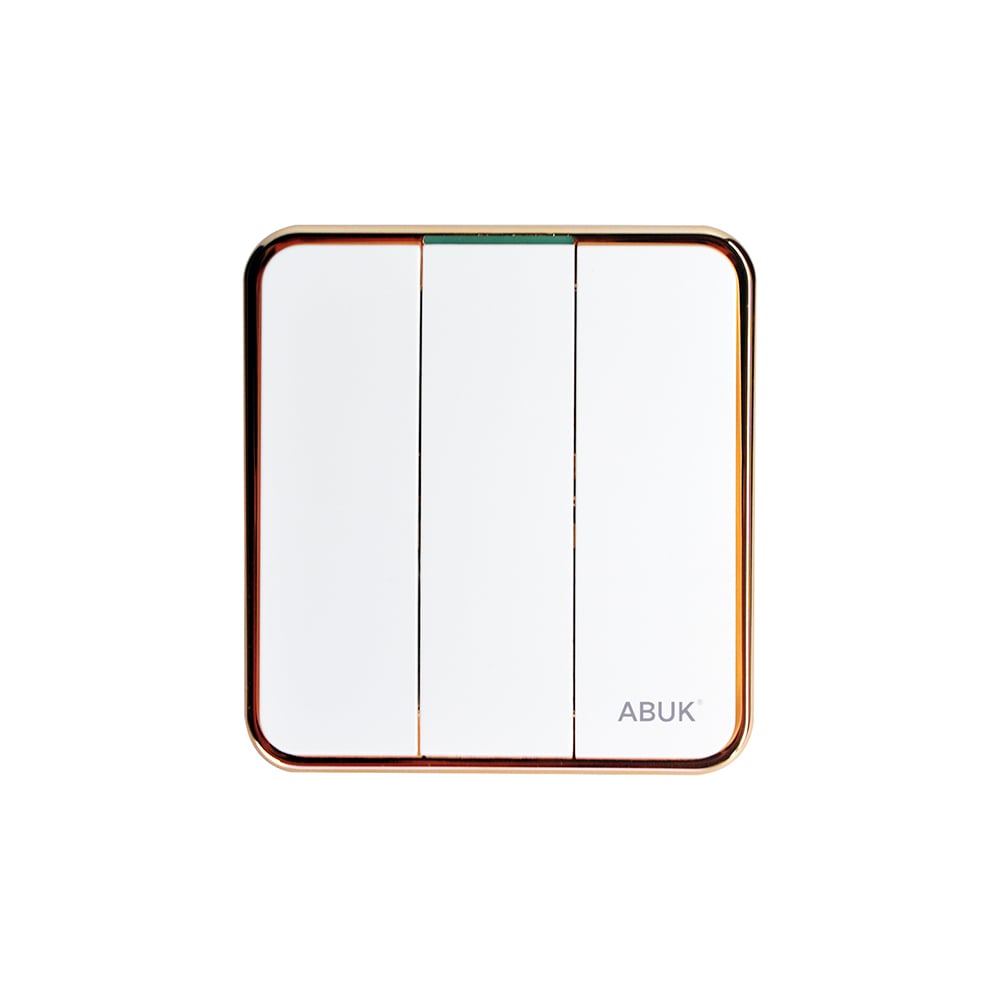

How Do You Select Wiring Devices?
When a procurement engineer in Kuala Lumpur encountered cracked socket faces during a hotel mock-up, Maya replaced the samples and accelerated installation; within days, switches ran warm and faceplates sat proud. The technical review reversed the diagnosis: selection errors in load assumptions, conductor preparation, box depth, and faceplate matching—not simply “bad products”—were the root cause.
Summary: The practical answer to how do you select wiring devices is to match duty, load behaviour, conductor, environment, wall box, and destination-market evidence—not just nominal voltage. IEC 60529 explains the two-digit IP classification, but an IP code does not prove switching endurance, UV resistance, or fire performance. Freeze a complete approved sample and its controlled bill of materials before production, require notification before any change, and retain batch-linked evidence.
A room and circuit schedule should define selection before a catalogue does.
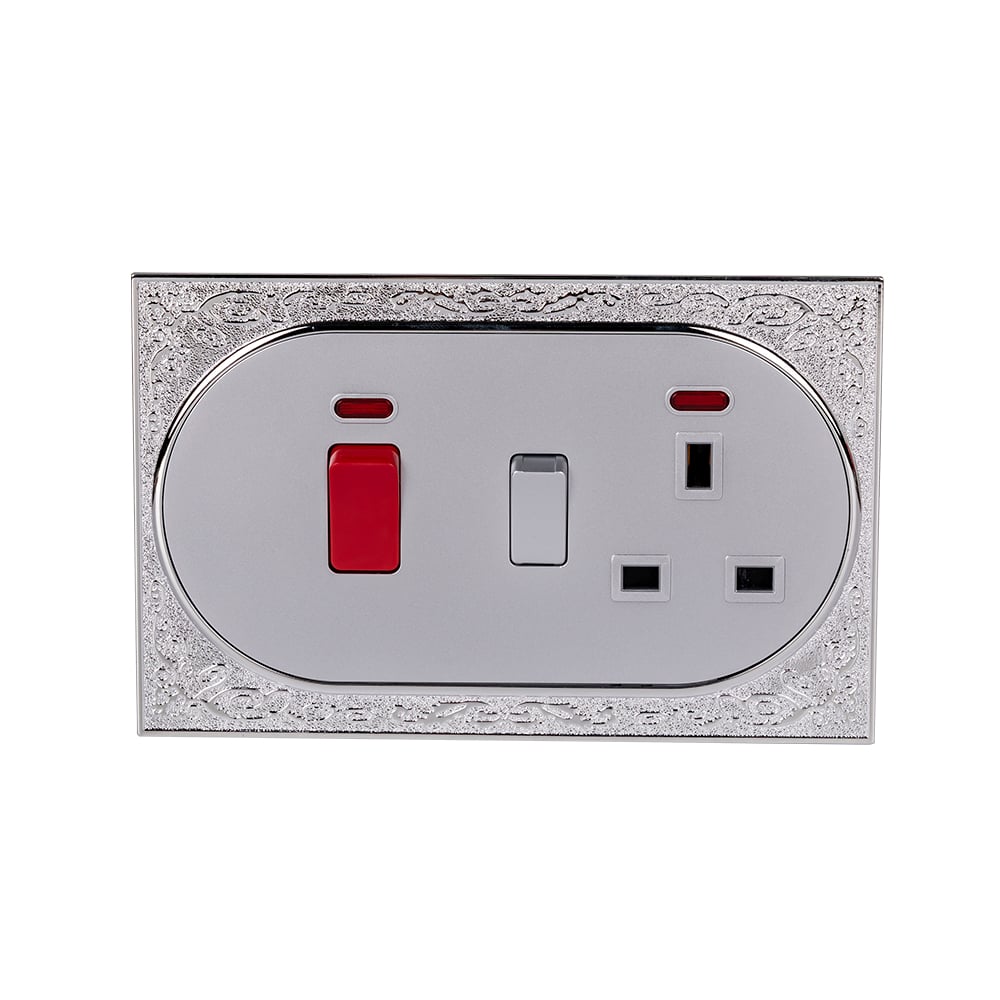
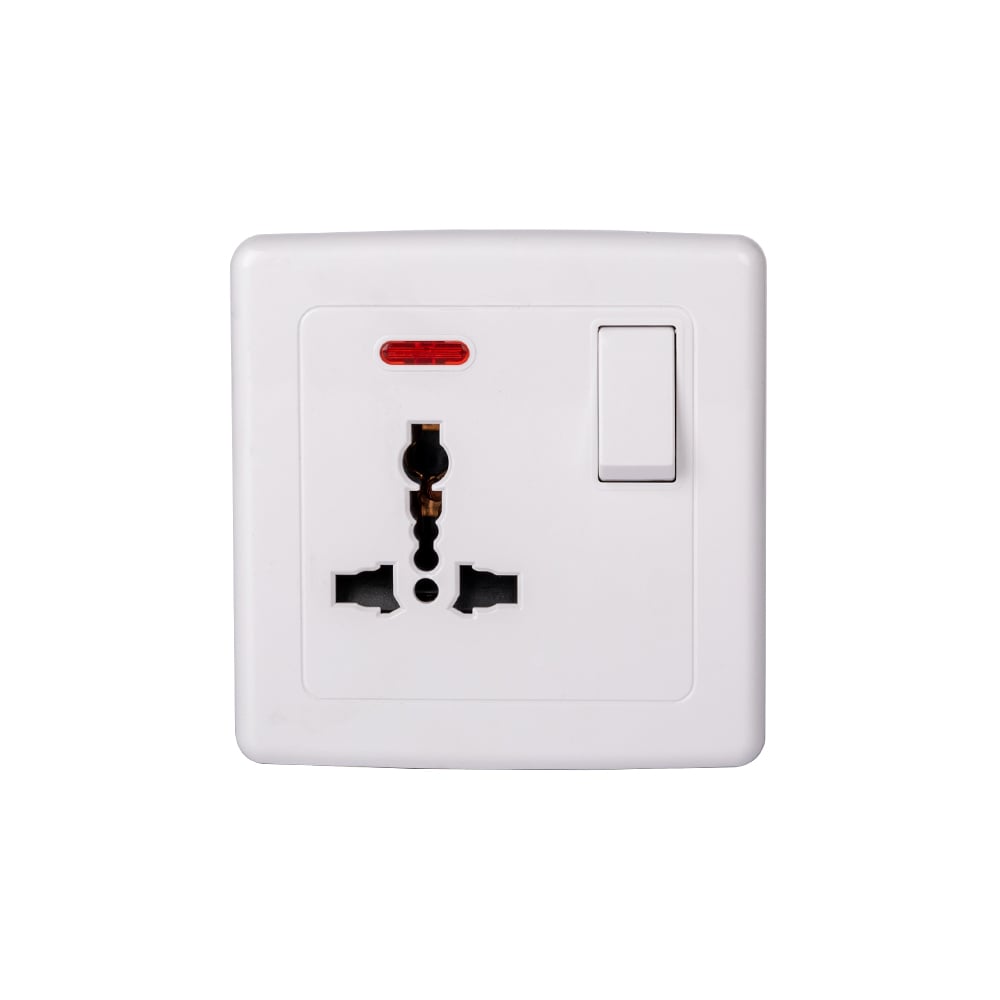
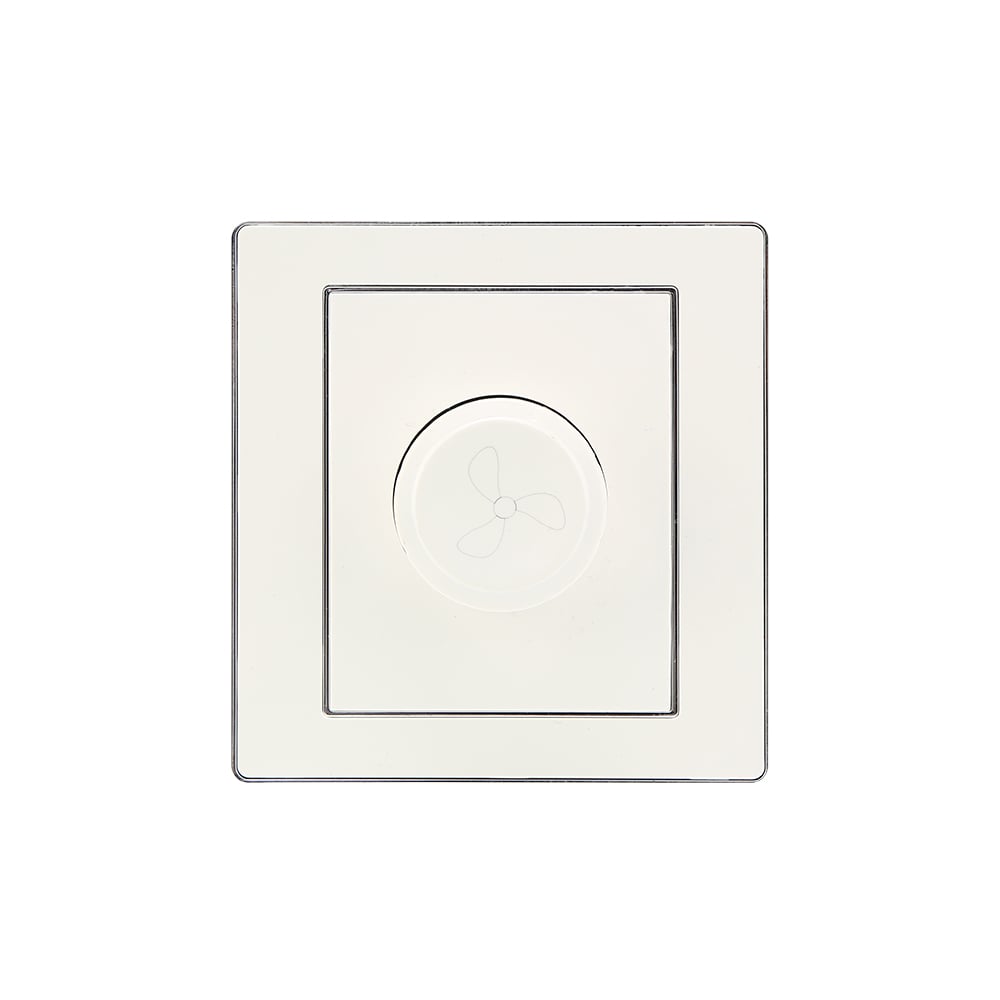
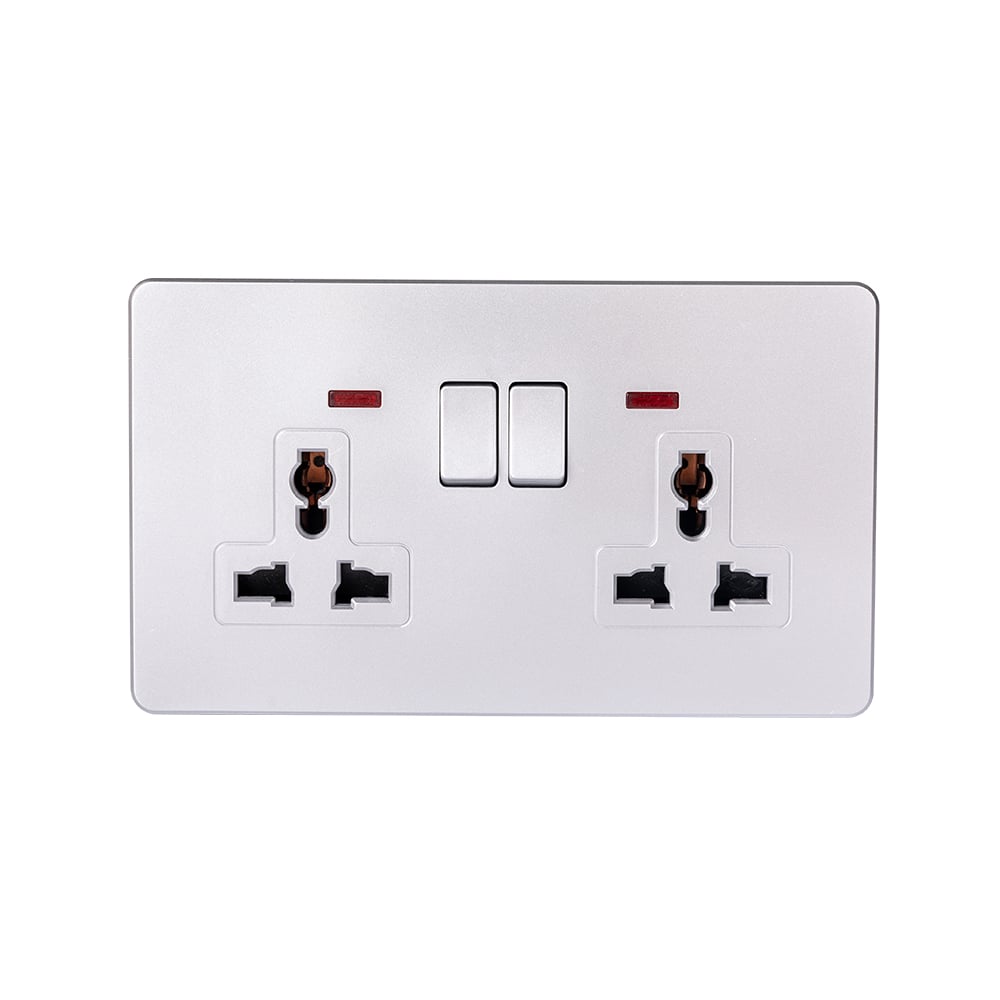
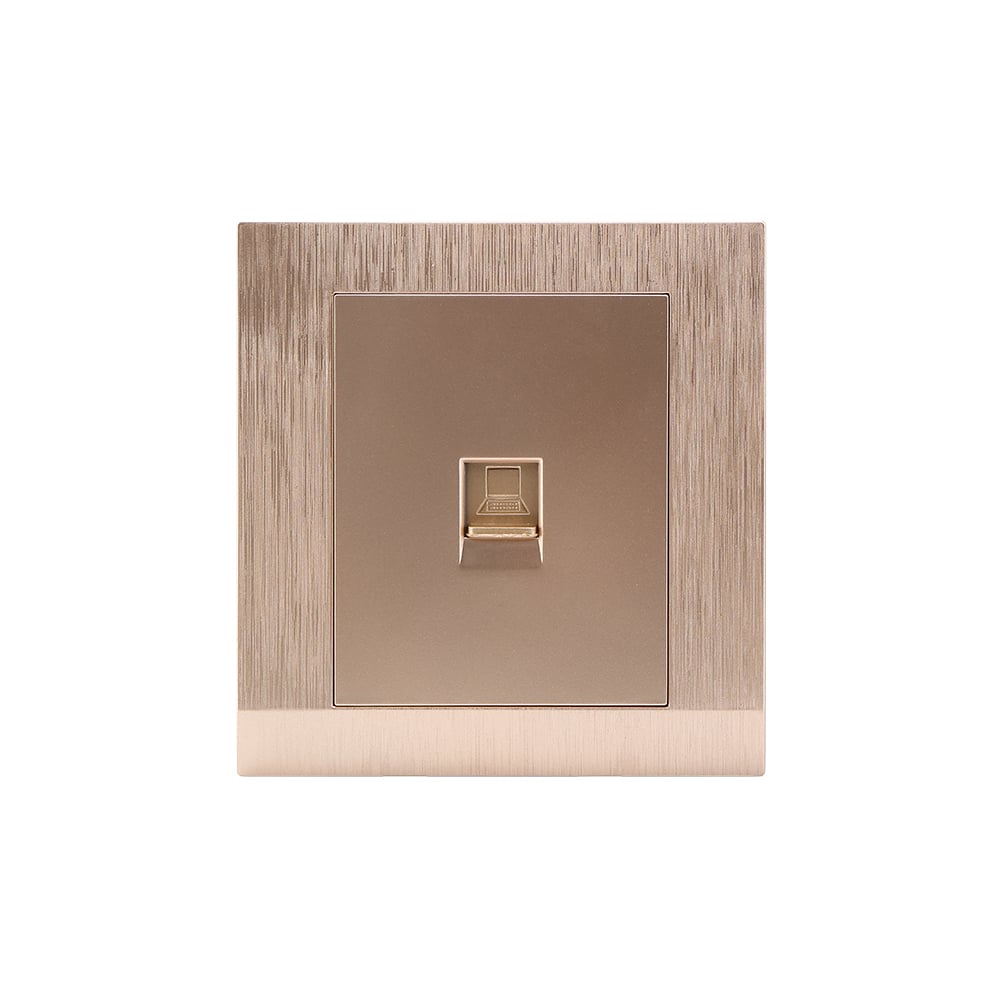
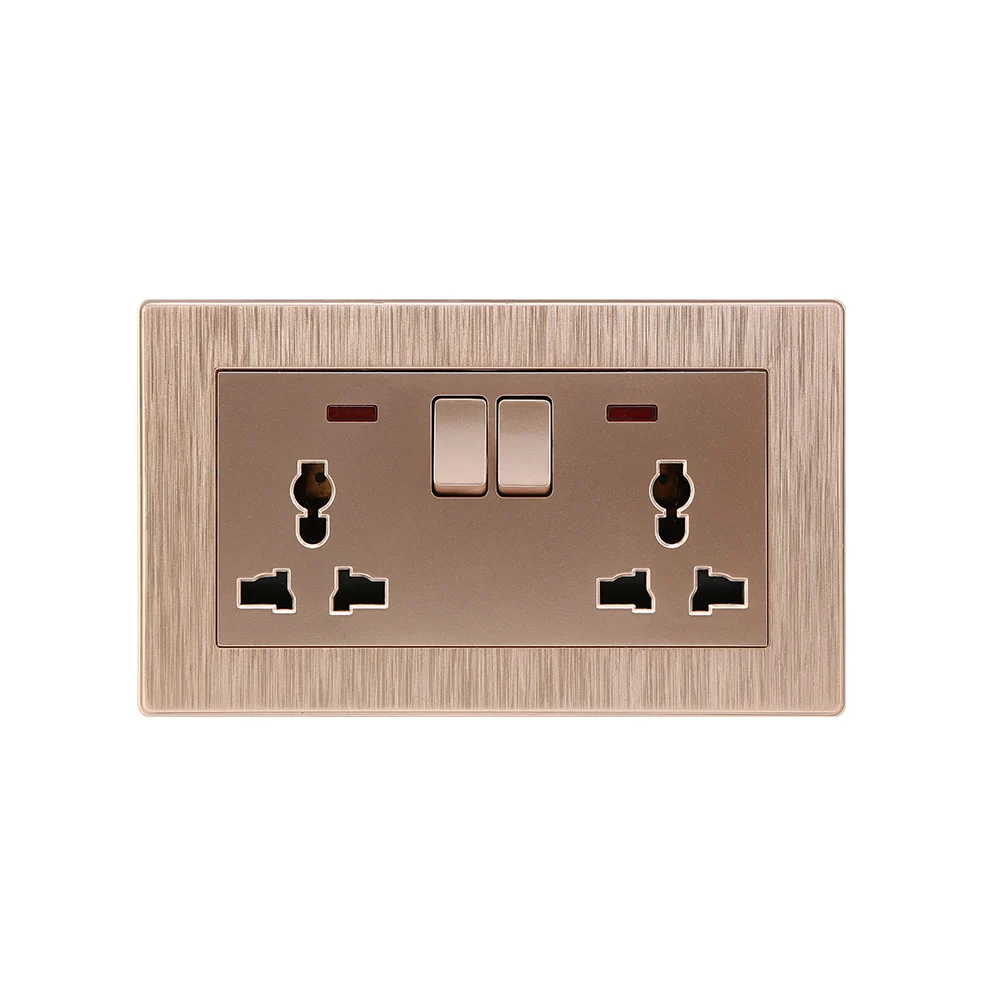
Wiring devices include switches, socket-outlets, connection units, dimmers, data outlets, and accessories interfacing with fixed wiring. Sound electrical switch and socket selection accounts for the load, conductor, box, faceplate, users, cleaning regime, and national installation rules. Finish is only one interface in a system that must remain safe and serviceable.
Begin with a room schedule recording supply, protection, connected equipment, switching frequency, conductor and earthing details, box dimensions, exposure, and maintenance constraints. Buyers can compare wiring devices, but the schedule—not appearance—should decide the shortlist and create a reviewable record across contractors and room types.
Residential, commercial, and industrial wiring devices are not interchangeable duty grades.
“Residential,” “commercial,” and “industrial” are project-duty descriptions, not universal certification grades. A bedroom may have modest use and controlled cleaning. A hotel, office, school, or shop adds frequent operation, public contact, cleaning, and faster repair expectations. Industry may add vibration, impact, dust, oils, corrosive vapours, washdown, abnormal temperatures, or motor starting.
Specify measurable conditions rather than a vague “industrial-quality” device: expected operations, users, environment, load category, enclosure, impact risk, terminal access, and replacement time. IEC 60669-1 and IEC 60884-1 address household and similar switches or socket-outlets; IEC 60309-1 covers plugs, socket-outlets, and inlets primarily intended for industrial use. These scopes structure a shortlist but do not make products interchangeable or replace local rules.
The load type can matter as much as the current rating.
Wiring device ratings include voltage, current, frequency, and sometimes a load designation; read them together. A heater is predominantly resistive, so its steady current is often the central switching consideration. A motor or transformer is inductive: starting current can be high, and the collapsing magnetic field challenges the contact when it opens. A switch suitable for one resistive current is therefore not automatically suitable for the same nameplate current on a fan, pump, or transformer.
LED drivers and other electronic power supplies commonly present a capacitive input. Their normal running current may be low while capacitor charging creates a brief inrush at closing; multiple drivers switched together can aggregate that stress. Fluorescent ballasts and other inductive circuits add different closing and opening conditions. Manufacturer engineering guidance on lamp characteristics likewise distinguishes steady-state power from switching behaviour, so buyers should request the switch maker’s stated load category or a test using a representative load instead of applying a universal derating percentage.
Start with the equipment nameplate and circuit design, then ask for permitted ambient conditions, switching frequency, and utilization information. Heat, clustered electronics, enclosed boxes, loose terminations, and repeated inrush can affect temperature rise or life. Record limits on driver quantity, motor size, or duty cycle; if the load is undefined, approval should remain conditional.
Terminals must match the conductor and the installer’s working method.
Verify conductor material, class, cross-sectional range, stripping length, conductors per terminal, and ferrule rules. Screw, cage-clamp, and push-in terminals require different preparation; acceptance of 2.5 mm² solid copper does not prove acceptance of an equivalent fine-stranded conductor. Instructions should state tightening torque where applicable and whether two conductors or looping are permitted.
Over-stripping exposes copper; under-stripping clamps insulation; fine strands can splay. During sample approval, terminate the project cable with normal tools, then inspect pull security, copper exposure, seating, bend radius, and rework access in a box containing the planned connectors and modules. This process check exposes conditions a product-only report cannot reproduce.
Environmental claims need evidence for the complete installed assembly.
Use IEC 60529 to specify protection against access, solids, and water. The first IP numeral concerns solid foreign objects and access to hazardous parts; the second concerns water. IP44 does not represent UV stability, chemical resistance, impact performance, corrosion resistance, or outdoor life. Confirm that the claimed level applies to the installed combination of device, gasket, box, cover, cable entry, orientation, and mounting surface.
IEC 60695 is a family of fire-hazard guidance and test methods. A glow-wire or related result should identify the exact part, method, severity, specimen condition, and criterion; a material-level result does not certify the complete device. Separately evaluate sunlight, salt, oils, cleaners, humidity, and corrosive vapours where they occur. For public or high-turnover sites, actuator contrast, shutters, labels, tool access, and resistance to misuse can be as important as the finish.
Standardizing the faceplate ecosystem reduces replacement cost and visual drift.
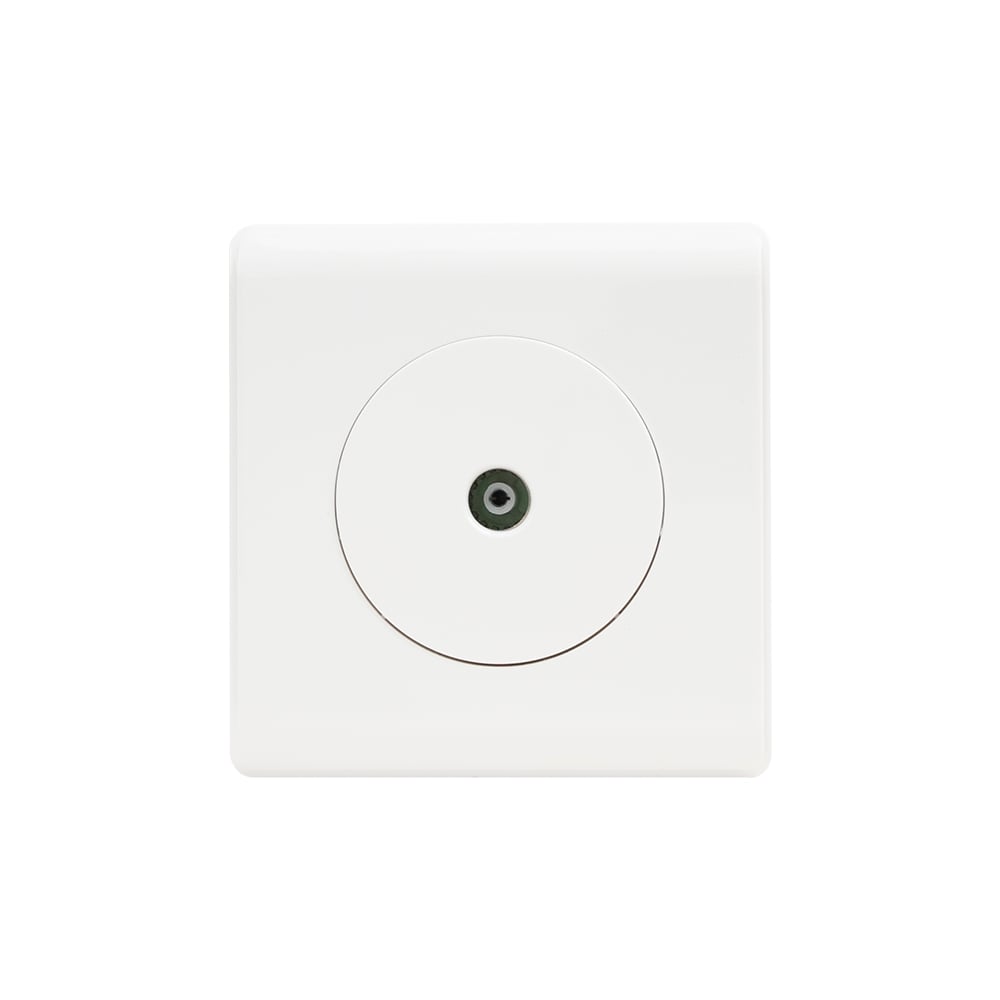
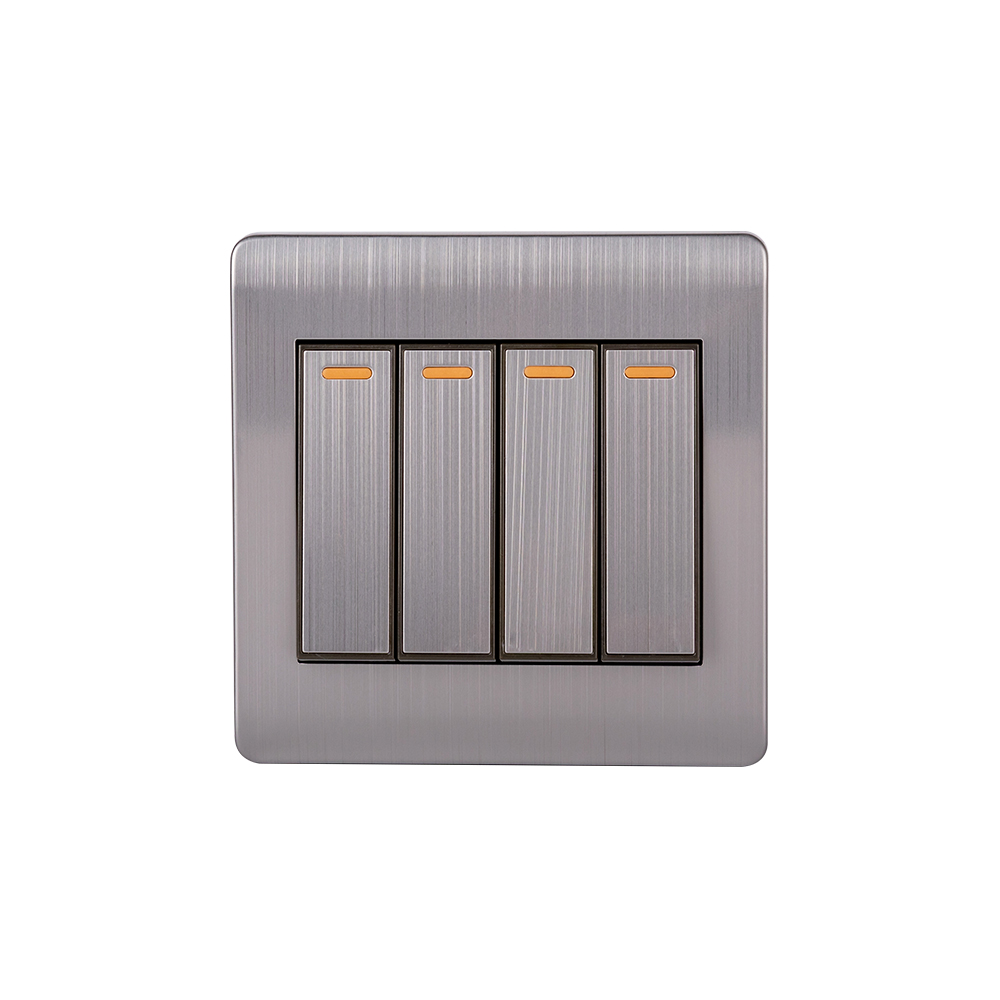
Modular wiring devices combine switches, sockets, data, USB, blanks, and controls in a frame-and-plate system. Flexibility comes with ecosystem dependence: module width, fixing centres, supports, clips, screws, wall boxes, and faceplates are not universally interchangeable. Approve the entire assembly rather than a loose mechanism or decorative plate.
Confirm box depth after allowing for the mechanism, conductor bend, connectors, electronics, and tool access. Before releasing finishes, install a sample in the actual wall build-up, including tile or panel thickness, multi-gang alignment, gasket, screws, and removal method. Record finish code, texture, gloss, and an approved physical sample under agreed lighting; catalogue names such as “white” or “champagne” are too broad to prevent visible batch differences.
Across multiple buildings, fewer frame families simplify schedules, training, spares, and replacement. Ask how long modules and plates should remain available, whether current modules fit earlier supports, and which finishes are batch-sensitive. Hold critical spares from the approved finish lot when later colour matching would be difficult. A discontinued plate can force complete multi-gang replacement.
A lifecycle comparison exposes costs that piece-price reviews miss.
| Decision factor | Traditional fixed configuration | Modular system | Procurement implication |
|---|---|---|---|
| Configuration | Defined functions per finished device | Functions combined in frames and plates | Modular bills of materials need tighter coordination |
| Compatibility | Usually fewer component interfaces | Module, support, box, and faceplate must match | Approve the complete ecosystem, not loose parts |
| Maintenance | Whole-device replacement may be straightforward | A failed module may be replaced independently | Confirm terminal access, spares, and backward compatibility |
| Finish consistency | One finished item can simplify matching | Frames, modules, and plates can age or vary separately | Control finish codes and retain approved samples |
| Unit-cost tendency | Potentially simpler for standard repetition | More components and scheduling effort | Compare installed cost, not piece price |
| Total cost of ownership | Can be low with stable, common configurations | Can reduce selective replacement cost | Availability and lock-in may outweigh savings |
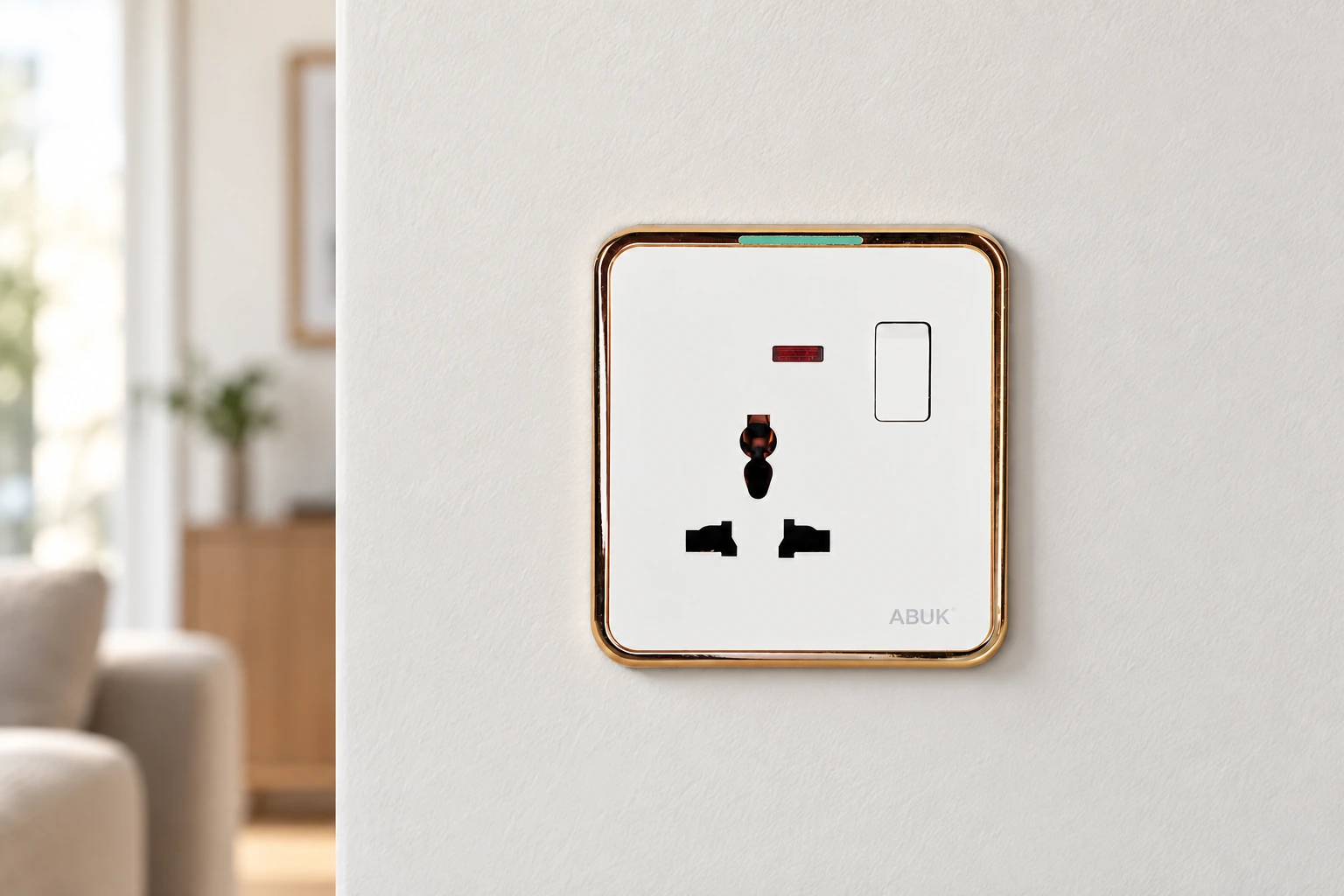
Illustrative TCO comparison—not a quotation: assume 500 installed points are evaluated over five years. Option A costs USD 3 less per point at purchase, saving USD 1,500 initially, but 25 replacements require USD 18 labour each and USD 8 in parts, while one finish discontinuation requires 20 complete USD 28 assemblies. Its illustrative added cost is USD 1,210, leaving only USD 290 of the initial saving before downtime, returns, and administration. Option B may therefore be preferable if its documented spare continuity and selective replacement reduce those risks. Replace every assumption with supplier quotations, site labour rates, expected failure data, and a defined analysis period before making a decision.
Application conditions determine which evidence belongs in the approval file.
| Application | Primary checks | Commonly missed exposure | Approval evidence |
|---|---|---|---|
| Home or apartment | Load, child-access provisions, box fit, user interface | Mixed LED-driver inrush and renovation box depth | Room schedule, installation instructions, fitted sample |
| Hotel guest room | Load type, multi-gang layout, box depth, user interface | Electronic-load inrush and replacement availability | Furnished-room mock-up and circuit schedule |
| Office, school, or retail | Operation frequency, modular changes, cable capacity | Frequent reconfiguration, misuse, cleaning chemicals | Approved assembly, terminal instructions, spares plan |
| Kitchen or wash area | Required IP level, location zones, earthing, shutters | Water ingress at cable entry and gasket interfaces | Installed-assembly IP evidence and local-code review |
| Workshop or industry | Load duty, enclosure, chemicals, mechanical protection | Motor inrush, vibration, dust, oils, and impact | Load-category evidence and site risk assessment |
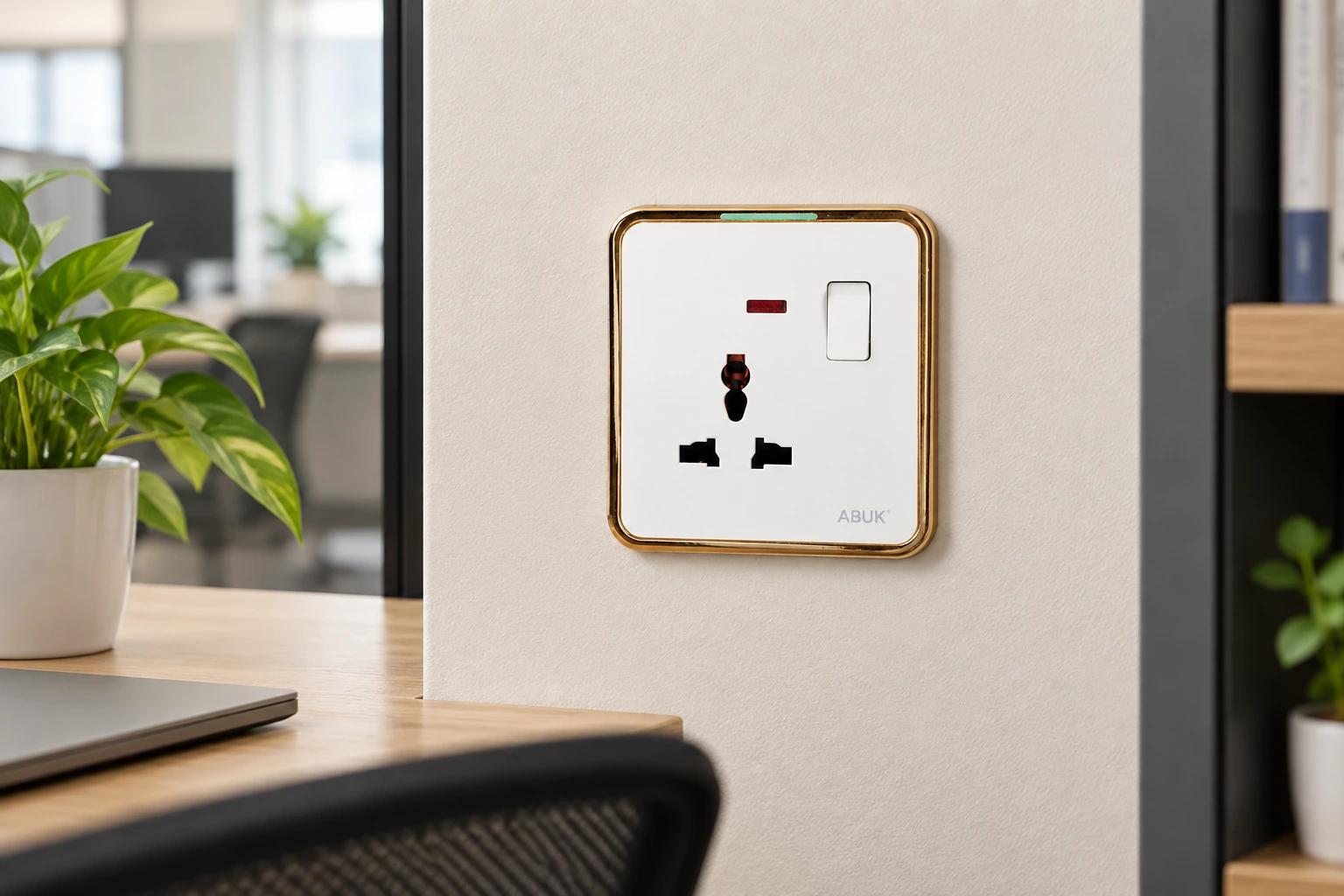
Standards define test scopes, while market access requires separate proof.
- IEC 60669-1: general requirements for switches for household and similar fixed electrical installations. Confirm the edition, product scope, national deviations, and declared load suitability.
- IEC 60884-1: general requirements for plugs and socket-outlets for household and similar purposes. National systems and market deviations may add or change requirements.
- IEC 60309-1: general requirements for plugs, fixed or portable socket-outlets, and appliance inlets primarily intended for industrial use. It is a separate scope, not evidence that a household-format device is industrial-duty.
- IEC 60529: the IP Code classification. It classifies specified enclosure protection; it is not a general outdoor-durability certificate.
- IEC 60695 series: fire-hazard assessment guidance and test methods. State the exact part and result instead of saying a product is simply “IEC 60695 certified.”
A standard specifies requirements or methods; certification is a separate conformity assessment under a defined scheme. Request a current datasheet, installation instructions, drawing, model-identified test report, applicable declaration, certificate and scope where claimed, manufacturing-site identity, marking artwork, and quality records. Check whether a report covers the finished device, a family extension, or only a polymer, component, or test configuration. Models, ratings, factories, and standards editions should agree across documents.
Regulatory applicability depends on destination, product function, voltage, intended installation, and the claim made. CE relates to applicable EU legislation rather than a universal quality mark; RoHS concerns restricted substances in relevant electrical and electronic equipment; GCC requirements depend on Gulf-market rules and product scope. Any claim should be qualified to the exact SKU and supply source. Unsupported logos or over-broad family claims can lead to customs delay, tender rejection, relabelling, recall, or a commercial dispute.
A controlled five-step selection process is practical to audit.
- Define duty: document supply, protection, load category, switching frequency, users, environment, and maintenance target.
- Verify interfaces: match conductors, terminals, wall-box depth, supports, modules, plates, finish codes, and adjacent services.
- Map compliance: identify destination-market rules and request model-specific evidence with traceable report numbers and stated scope.
- Approve a representative sample: install it using project cable, box, wall finish, and normal tools; sign, photograph, label, and retain the approved configuration.
- Control production and change: require batch or lot identity on delivery records and written notice before changes to contacts, terminals, polymers, frames, markings, factories, or critical suppliers. Define which changes trigger document review, a new sample, or retesting.
The approved sample is a configuration baseline, not proof every batch is identical. Link purchase order, model, finish, factory, batch code, inspection, and report scope so a complaint can be isolated. Agree how bill-of-material changes are reported before shipment and who approves them. For long projects, repeat fit, finish, marking, terminal, and functional checks at defined intervals.
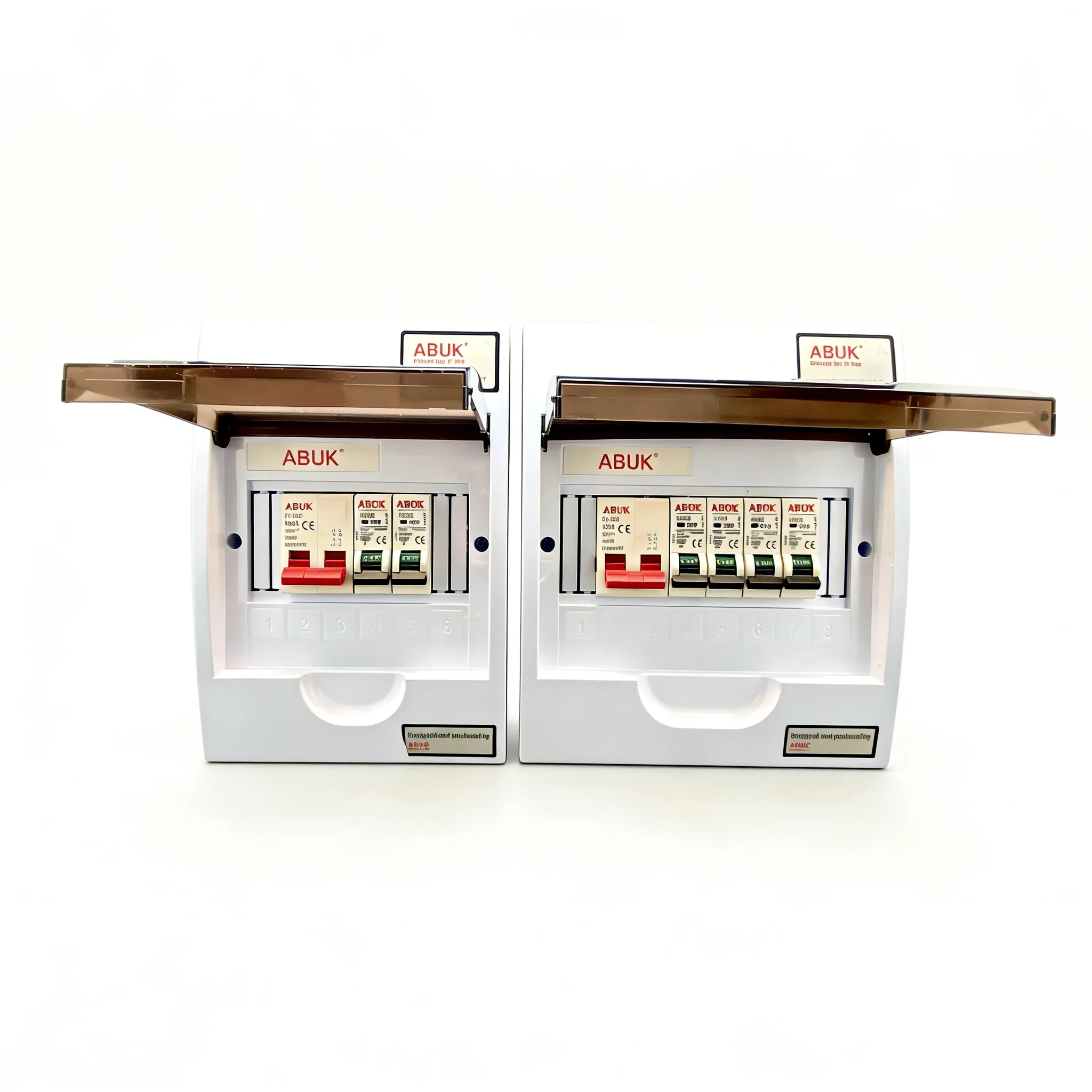
ABUK supplies mechanical wall switches, wall sockets and receptacles, distribution boards, and related electrical products for B2B sourcing. Buyers considering ABUK for electrical switch and socket selection should request exact-model documentation, spare-module planning, finish controls, and destination-market applicability. Any CE, RoHS, or GCC evidence should be verified for the specific SKU, manufacturing source, destination, and current production—not assumed across a family.
These buyer questions resolve the final wiring-device specification.
How do you select the right wiring devices?
Start with circuit voltage, actual load type and current, conductor details, wall box, environment, users, and local rules. Shortlist only products with matching ratings and traceable evidence, then install a representative sample and define change control before approving production.
What ratings should be checked before buying a switch or socket?
Check rated voltage, current, frequency, load category, ambient conditions, IP classification where needed, conductor range, and any manufacturer derating. For switches, pay particular attention to electronic, motor, capacitive, or inductive loads rather than comparing only steady-state amperes.
How do wiring devices match a building wiring system?
They must match the supply and earthing arrangement, cable material and size, terminal method, protective device, wall-box dimensions, and installation rules. Verify the assembled device in the actual box because conductor space and fixing geometry can invalidate a paper match.
Should I choose modular or traditional wiring devices?
Choose modular devices when mixed functions, future changes, or selective replacement justify the extra coordination. Choose a traditional fixed configuration when repetition and simplicity dominate; in either case, compare installed lifecycle cost, faceplate compatibility, finish continuity, and spare availability.
What documents should purchasers request from a wiring device supplier?
Request the datasheet, dimensional drawing, installation instructions, traceable test reports, applicable declarations or certificates, marking artwork, approved bill of materials, batch identification, and change-control procedure. Cross-check the exact model and factory on every record, and retain the approved sample and source file.
For additional socket terminology and application distinctions, review this wall socket type comparison.
Primary engineering references support a defensible purchase decision.
- International Electrotechnical Commission, IEC 60669-1, Switches for household and similar fixed electrical installations—Part 1: General requirements.
- International Electrotechnical Commission, IEC 60884-1 project information, Plugs and socket-outlets for household and similar purposes—Part 1: General requirements.
- International Electrotechnical Commission, IEC 60309-1, Plugs, fixed or portable socket-outlets and appliance inlets for industrial purposes—Part 1: General requirements.
- International Electrotechnical Commission, IEC 60529, Degrees of protection provided by enclosures (IP Code).
- Schneider Electric, Electrical Installation Guide: Characteristics of lamps, engineering discussion of operating and switching characteristics for lighting loads.
Ultimately, how do you select wiring devices? Freeze the electrical, mechanical, environmental, documentation, and maintenance interfaces before comparing prices—the cheapest item is rarely inexpensive after rework, returns, finish mismatch, or approval delays.
To review configurable options against your schedule, explore ABUK’s wall switch and socket range and contact the ABUK sourcing team with the destination market, quantities, circuit loads, conductor sizes, box drawings, faceplate plan, spare requirement, and required evidence.