
 Wenzhou Lita Electric Co., Ltd.
Can You Install a Power Point in a New Zealand Bathroom?
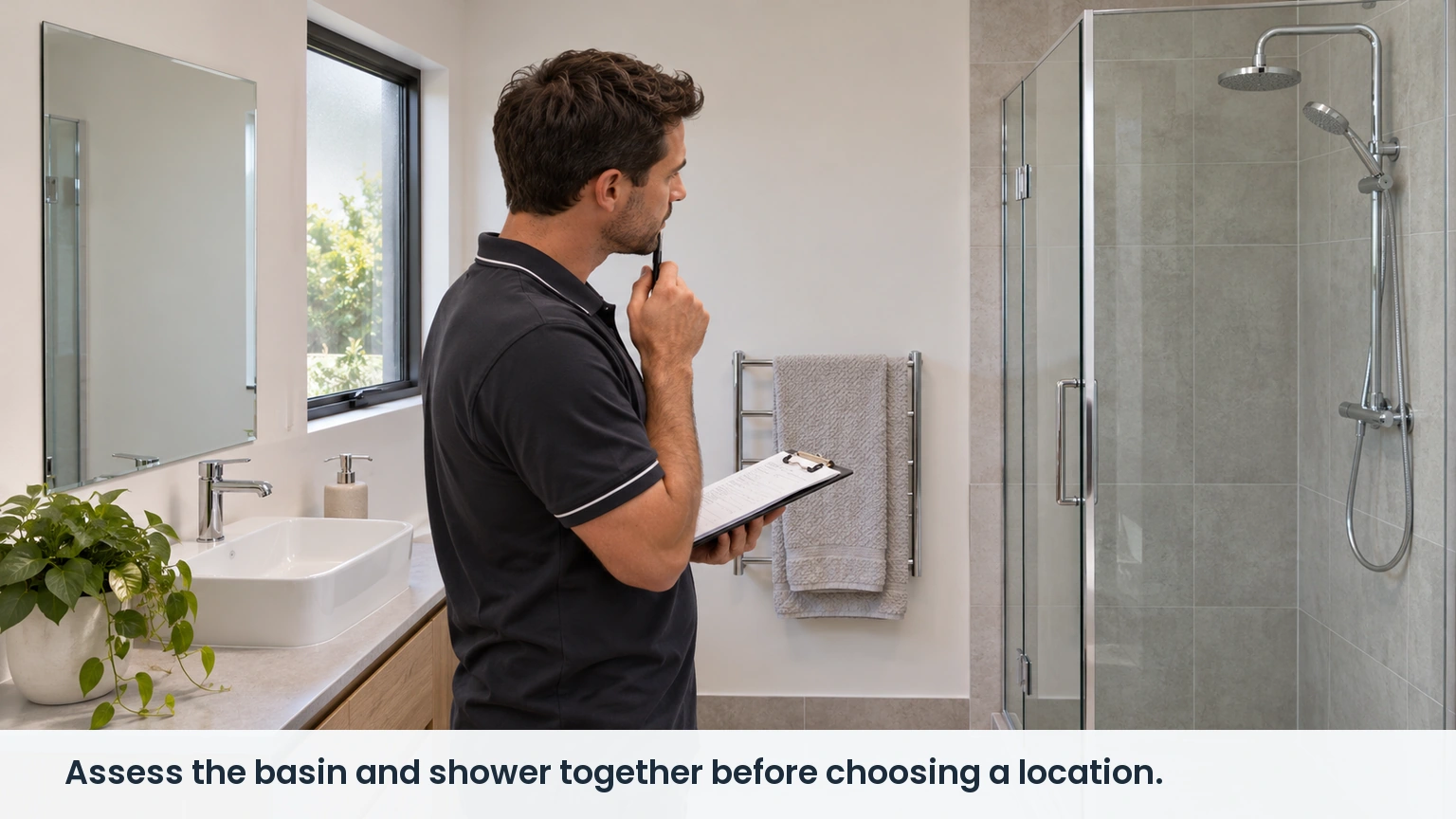
When a renovation coordinator in Christchurch encountered a request for a hair-dryer outlet beside a new vanity, a neat position on the joinery drawing seemed sufficient. In this hypothetical project, the cabinet was ordered before the electrician assessed the adjacent shower; the outlet location then had to change. The costly misunderstanding was treating the basin as the bathroom’s only electrical constraint.
Summary: A New Zealand bathroom can contain a power point when its position, supply and protective measures meet the applicable requirements. A 30mA RCD does not make every location permissible. Assess the basin, bath, shower, screens and intended appliance use together before fixing the cabinet layout or cutting tiles.
A bathroom power point in NZ is a location-specific design decision. New Zealand’s Electricity (Safety) Regulations cite AS/NZS 3000 with local modifications. The Conduction Company’s bathroom guidance highlights a frequent source of confusion: basin restrictions and shower zones are different, and an Australian or UK internet diagram may not describe the New Zealand installation.
Why is a single distance from the sink an unreliable rule?
Bathrooms contain several potential water sources. A shower’s arrangement, a bath edge, basin dimensions and fixed barriers can affect the permitted location. Measuring one horizontal gap from the tap ignores other relevant geometry, including height, reach and overlapping zones.
The Conduction Company’s explanation distinguishes zones 0 to 3 around baths or showers under the New Zealand provisions it describes. It separately discusses basin zones and the effect of basin size and outlet type. Its examples show why a number such as 150mm or 600mm cannot be transferred indiscriminately between a basin and a shower.
The practical approach is to have the electrician assess a dimensioned plan before the builder finalizes the work. Mark the actual fittings and screens, not just a symbol labelled “shower.” If the shower outlet, basin or cabinet changes later, the electrical location needs another check against the applicable AS/NZS 3000 requirements.
Does RCD protection make a socket acceptable near water?
No. Residual-current protection, permitted placement and enclosure protection address different issues. A 30mA RCD can provide additional protection under the specified conditions, but does not erase bathroom zones, make an ordinary accessory waterproof or justify using a damaged appliance.
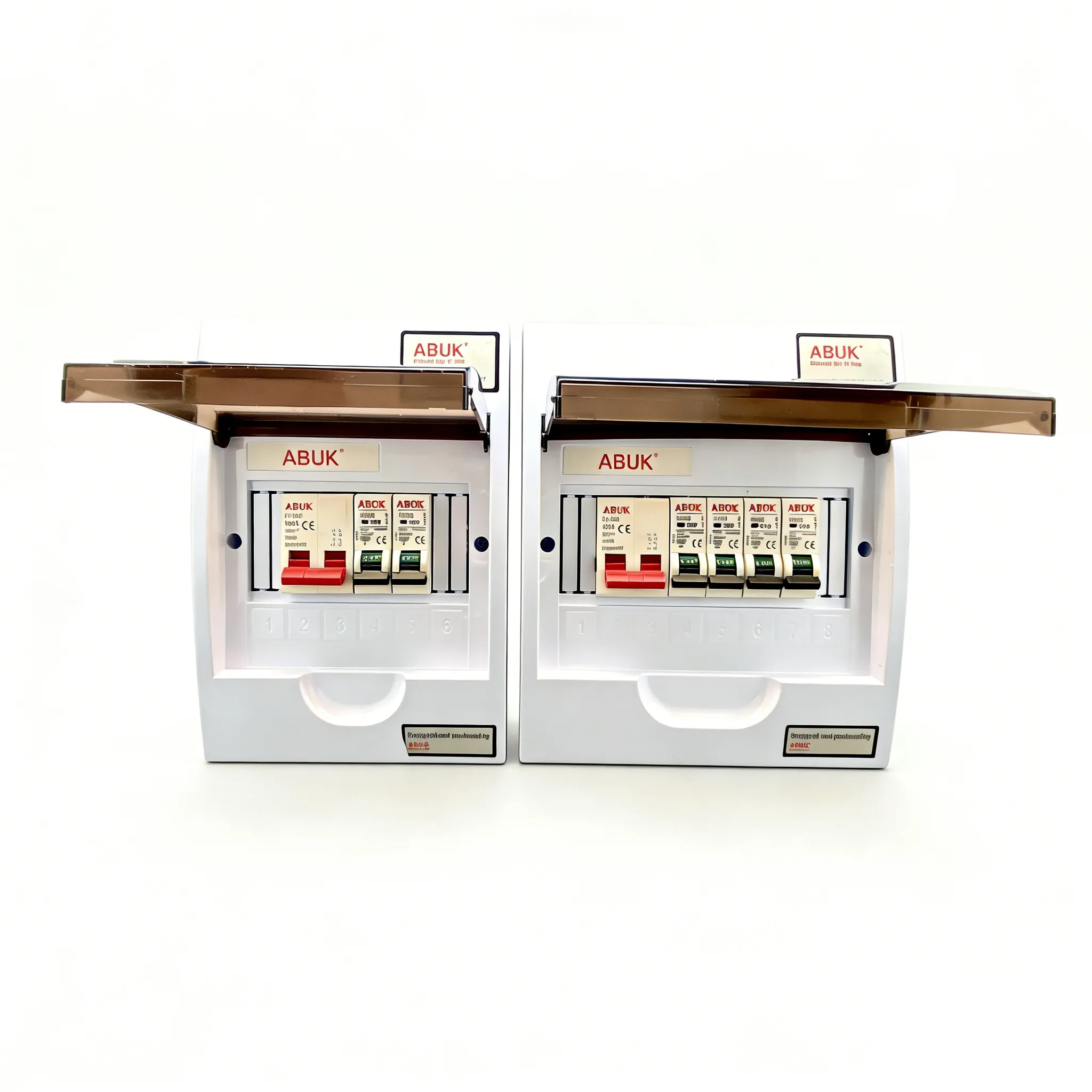
The cited Wiring Rules and their New Zealand modifications govern the installation. The electrician should establish where protection is located, which outlets it covers and whether the device type suits the loads. A socket without its own test button may be protected at the switchboard; a test button on a nearby accessory does not prove that every bathroom outlet is covered.
Bathrooms also need a practical use assessment. A permitted outlet can still encourage poor habits if the appliance cord crosses the basin or the only available shelf is wet. Planning a dry storage and operating area helps occupants use the installation as intended without claiming that any electrical protection eliminates all risk.
Does a cupboard make any socket position acceptable?
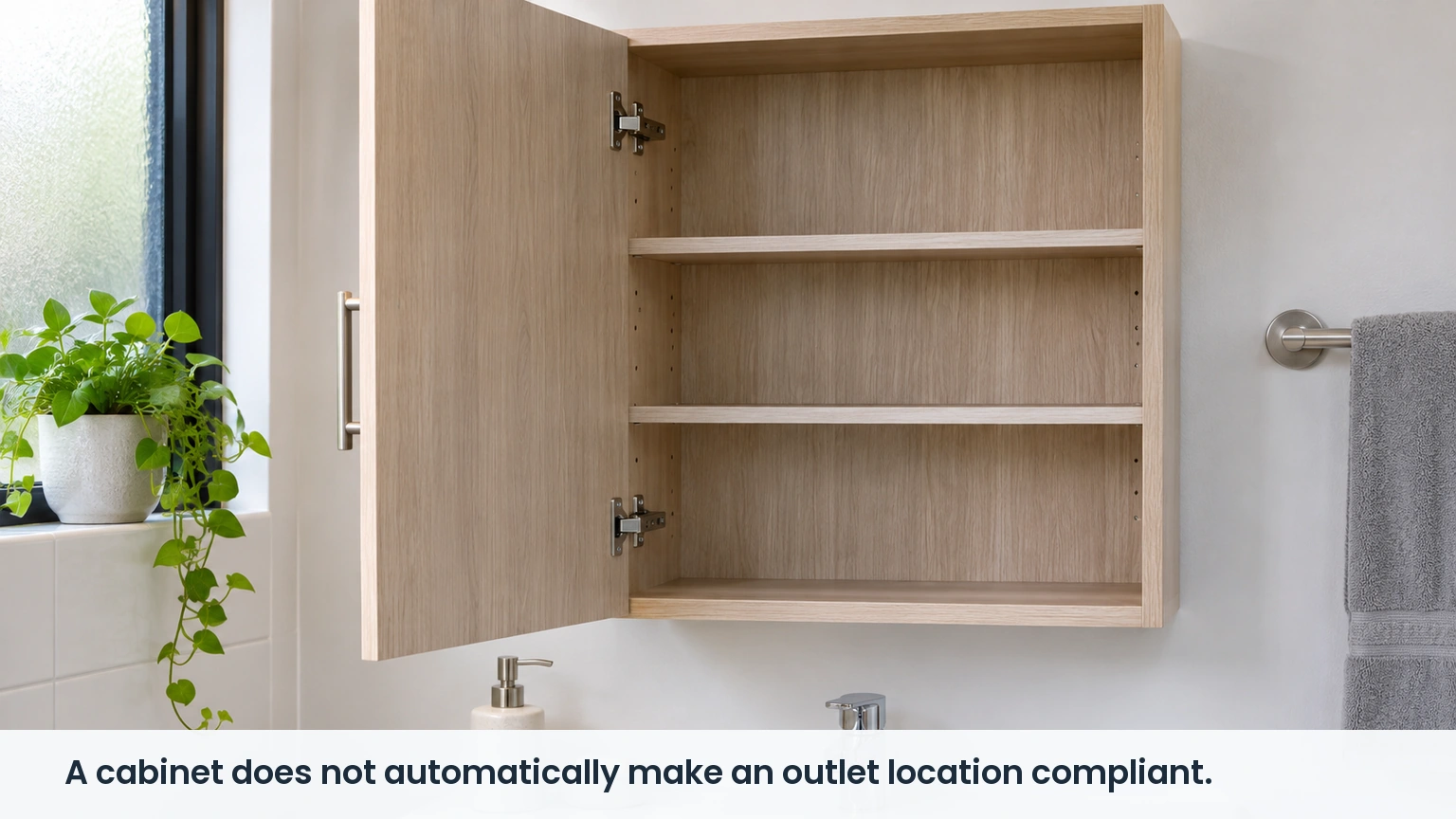
No. Some specific arrangements in the Wiring Rules permit a protected socket within a suitable enclosure or cupboard, subject to conditions. The Conduction Company’s zone explanation describes a socket on a 30mA RCD inside a cupboard that remains enclosed while in use. That is a defined arrangement, not a general exemption for any cabinet.
The cupboard must be considered in its real operating state. Will a charger fit without crushing the cable? Does a drawer strike the plug? Is the door intended to remain closed with the equipment connected? Is maintenance access practical? Those questions should be resolved with the cabinet maker and electrician, following the product instructions.
A shaver supply unit is a separate product category. The guidance identifies AS/NZS 3194 shaver units in permitted arrangements; their limited output should not be confused with a general-purpose outlet for a hair dryer. Replacing a shaver unit can therefore require a fresh circuit and location assessment rather than a cosmetic swap.
What should be agreed before the wall is finished?
Confirm the final basin, bath, shower and cabinet details; the intended appliance; the accessory model; and the electrical scope. New Zealand’s nominal 230V supply makes the intended use especially important when imported grooming appliances are considered. A physical adapter does not resolve an unsuitable voltage rating.
The regulations require relevant electrical work to be tested and documented according to its classification. A new circuit or alteration is different from replacing an existing fitting. Confirm who will arrange the electrical work and handover before plasterboard, waterproofing and tiling conceal access.
Late relocation can involve two trades or more: an electrician plus a joiner, tiler or decorator. A small accessory saving can disappear in that rework. The useful cost comparison includes access, sealing and making good, not only the price of the socket faceplate.
Which bathroom connection options serve different needs?
| Option | Intended role | Key limitation |
|---|---|---|
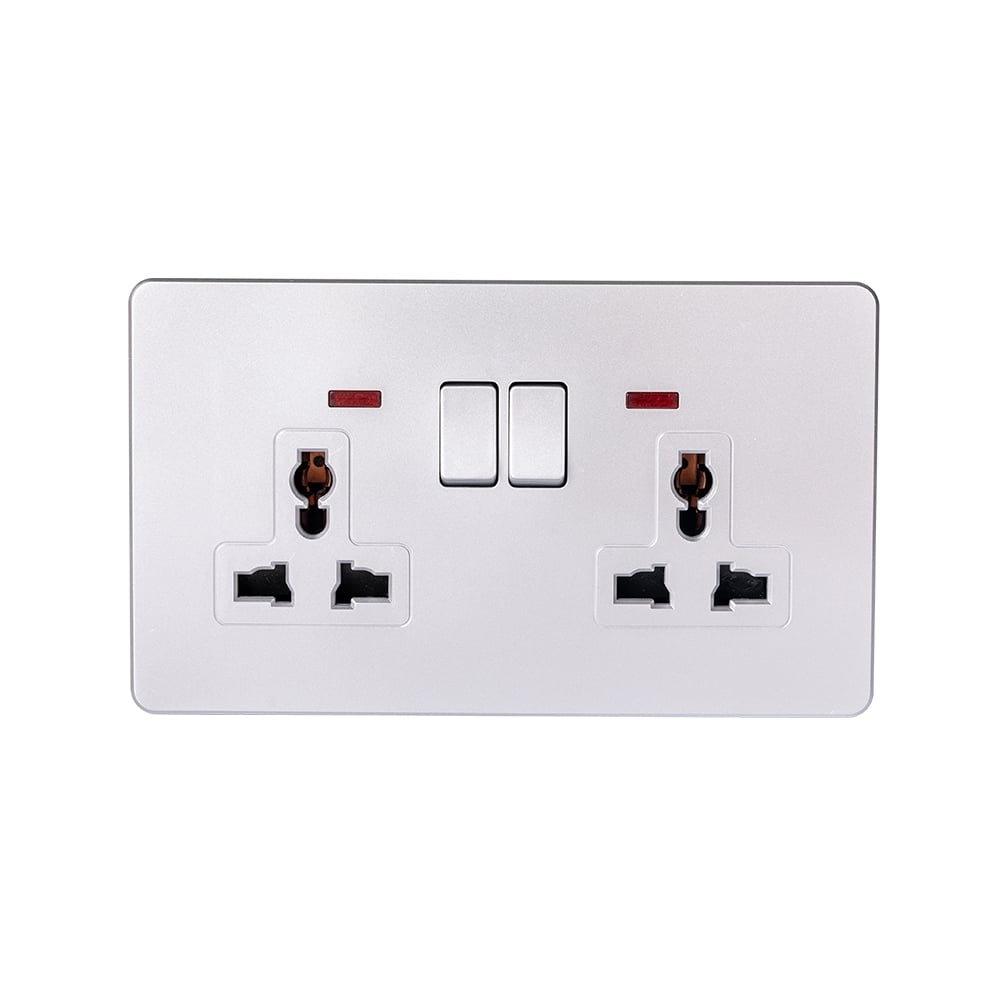
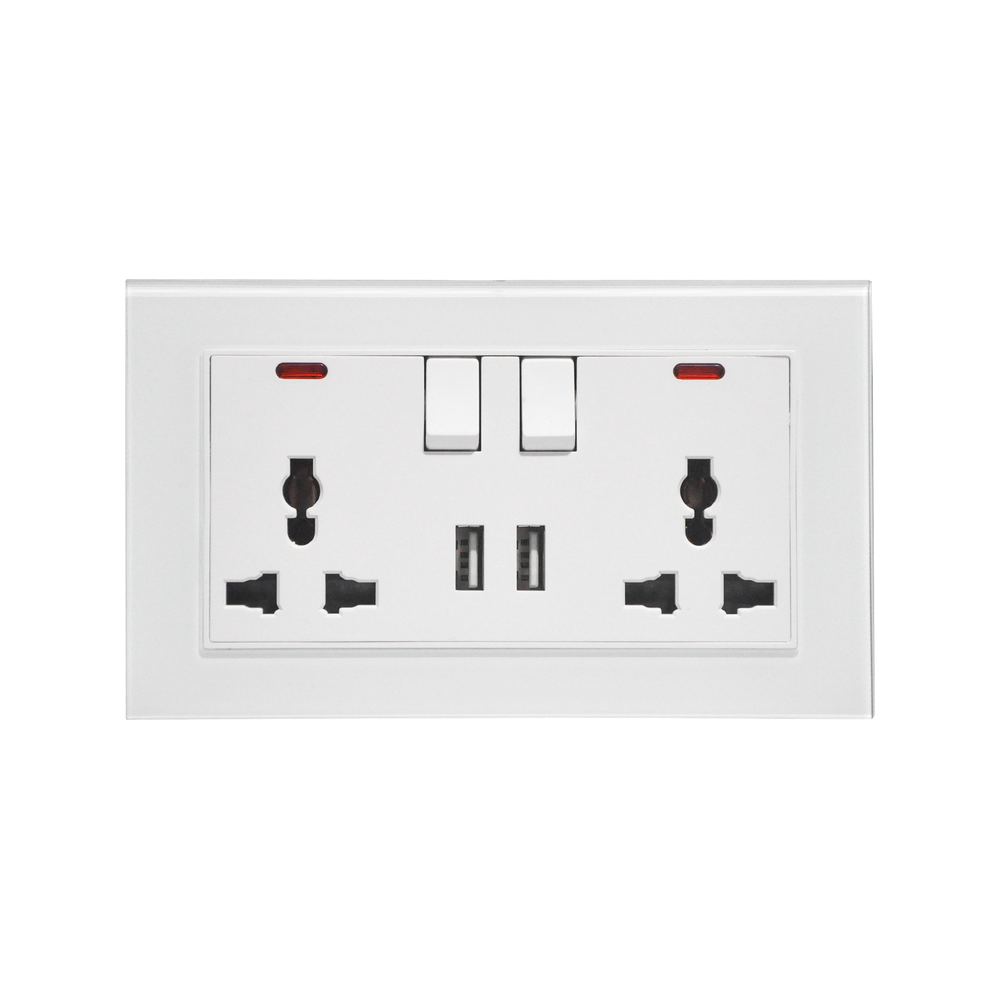
| General-purpose socket in a permitted position | Suitable appliances within its rating | Location, protection and appliance use still govern |
| Documented cupboard arrangement | Connection within an assessed enclosure | Conditions must remain satisfied during use |
| Shaver supply unit | Permitted low-power grooming appliances | Not a general hair-dryer or heater supply |
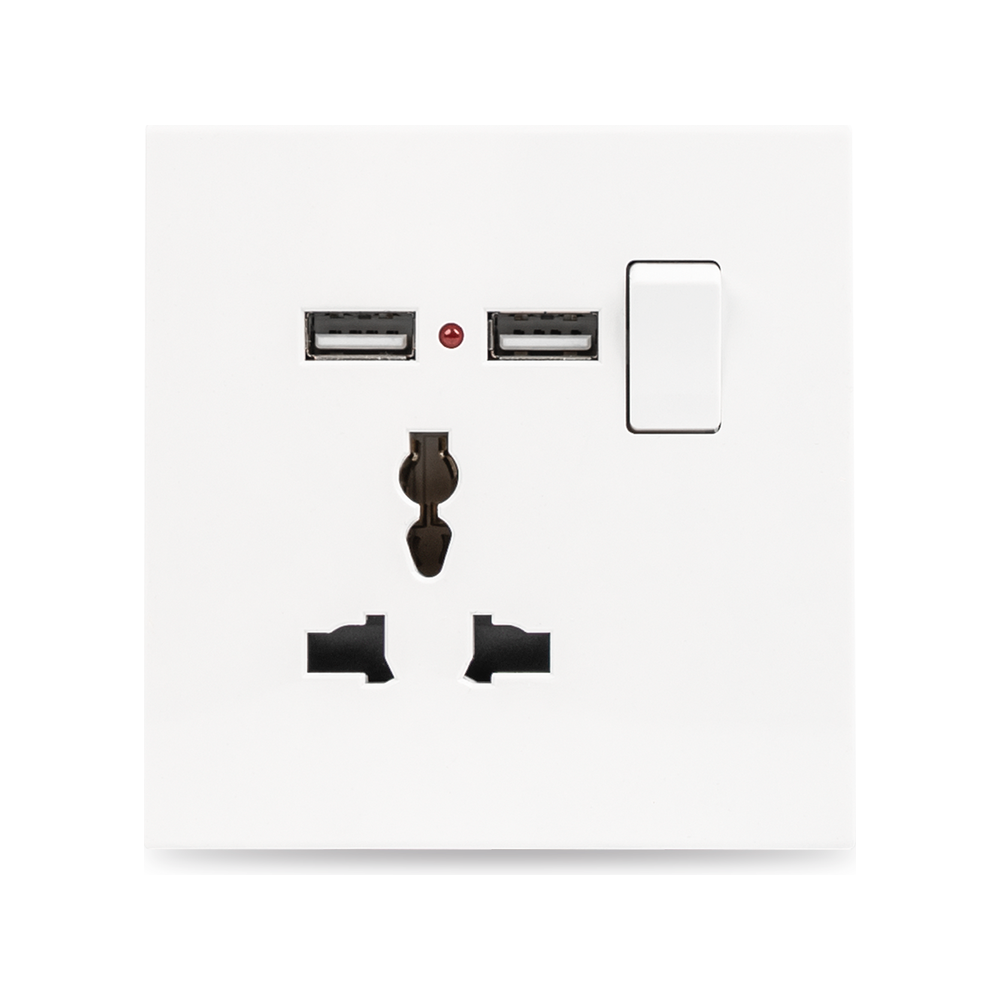
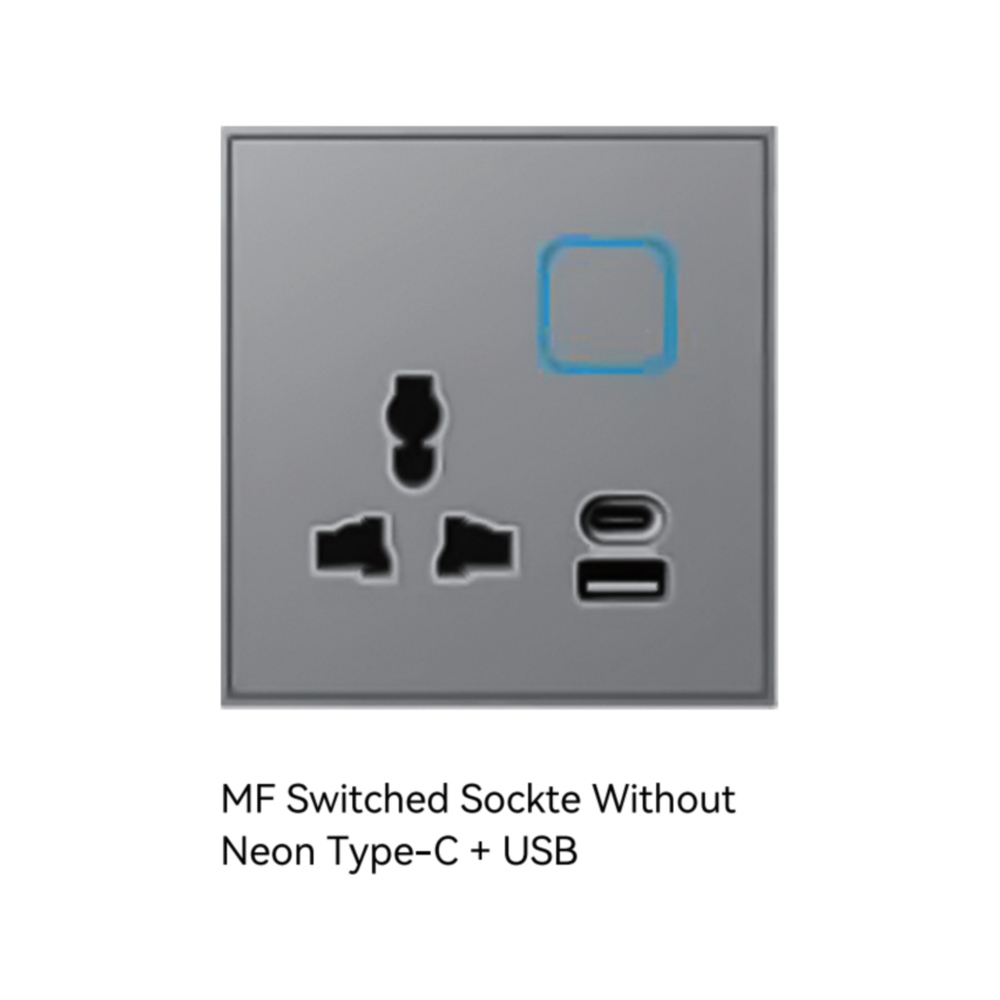
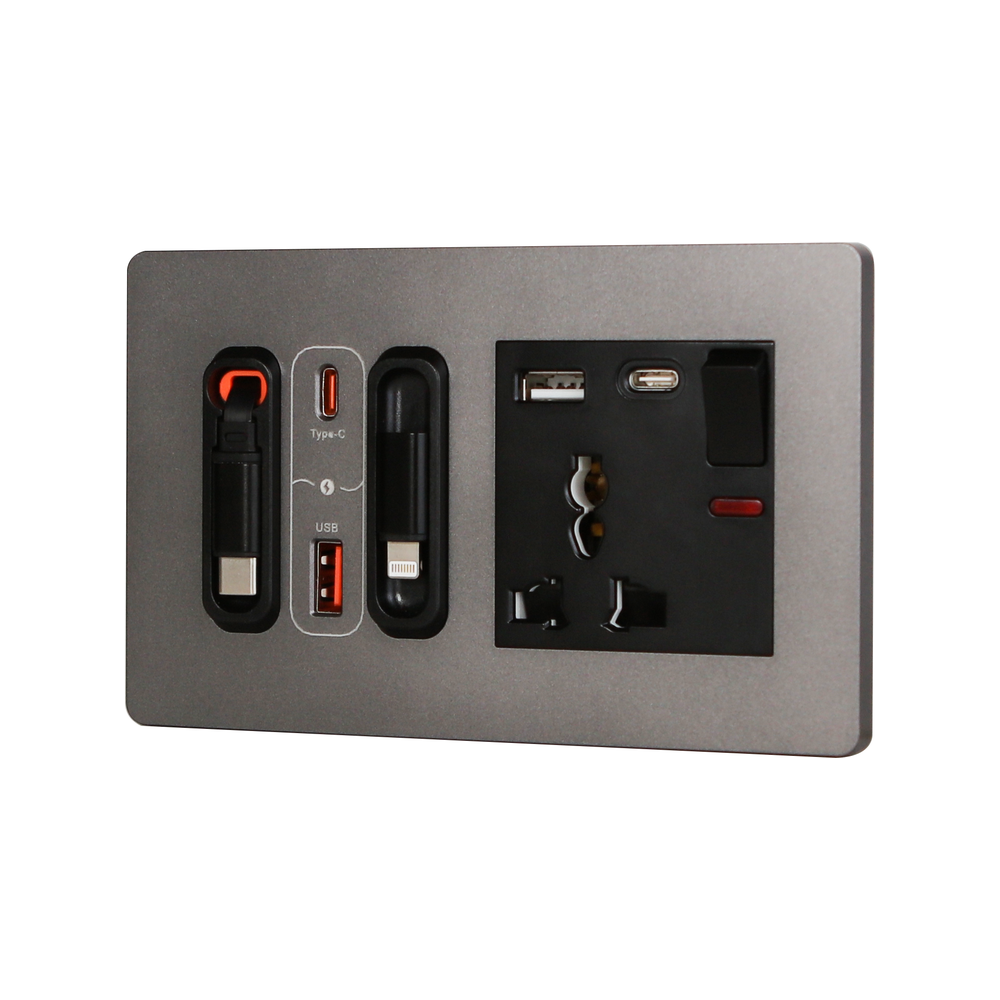
| Built-in USB charging accessory | Compatible low-voltage charging output | Mains-side location and installation rules still apply |
Which site details most often change the design?
| Detail | Why it matters | Information to provide |
|---|---|---|
| Shower configuration | Changes the relevant surrounding zones | Outlet position, enclosure and screen details |
| Basin and tap arrangement | Determines the applicable local assessment | Dimensions, capacity and outlet type |
| Cabinet use | Controls plug clearance and access | Internal layout and door or drawer operation |
| Existing wiring | May affect permitted load and protective work | Inspection findings and circuit identification |
Which version of the rules applies to a November 2026 project?
The current regulations cite AS/NZS 3000:2018, including Amendments 1, 2 and 3, with New Zealand modifications. The general transition to previous cited standards ends at the close of 12 November 2026; separate savings provisions cover qualifying existing and in-process installations. The designer must identify the applicable provisions rather than assume every older bathroom needs immediate rebuilding.
Destination-market product documentation is also necessary. CE, RoHS or GCC evidence does not replace New Zealand requirements or a location assessment. The New Zealand power point work guide explains why a limited owner exemption should not be treated as blanket authority for bathroom alterations.
How can a buyer avoid expensive layout changes?
- Obtain an electrical location review before ordering custom cabinetry.
- Specify the intended appliances and where they will be used.
- Confirm protection, exact accessory model and local product evidence.
- Include testing, documentation and wall-finishing responsibilities in the scope.
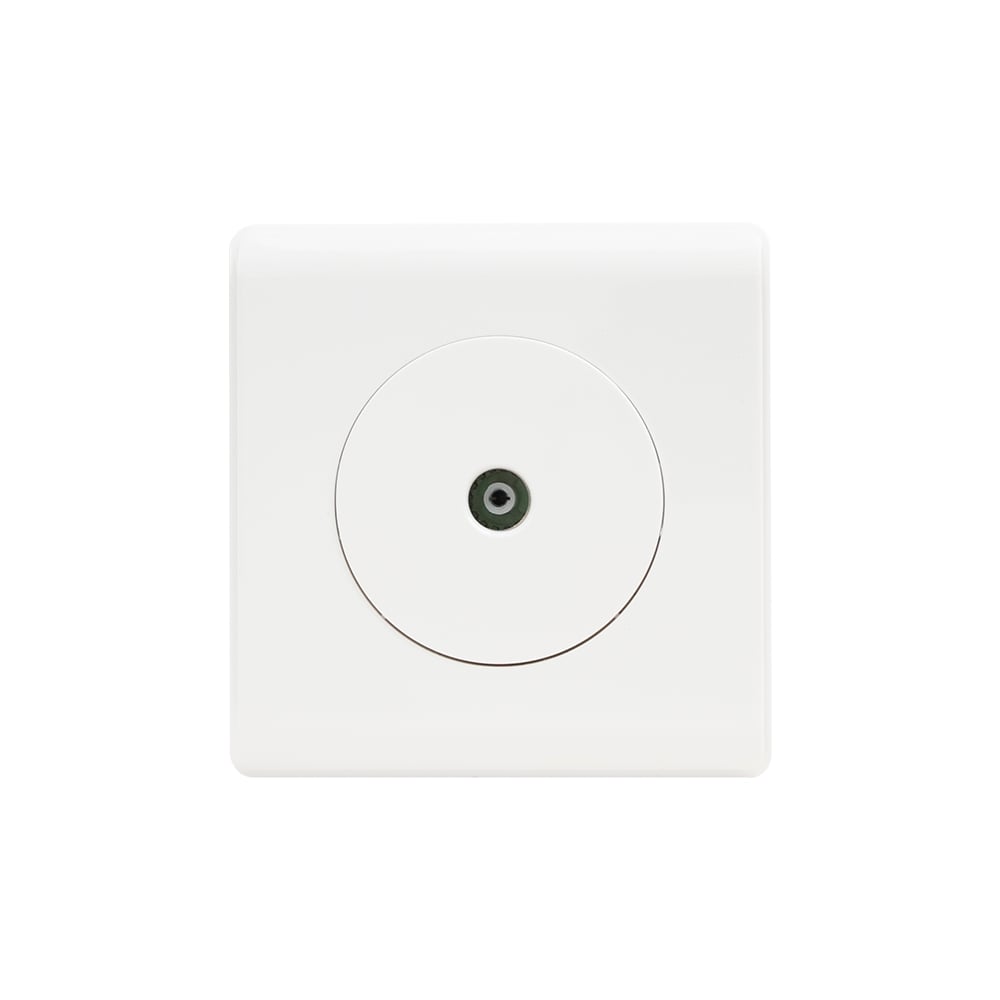
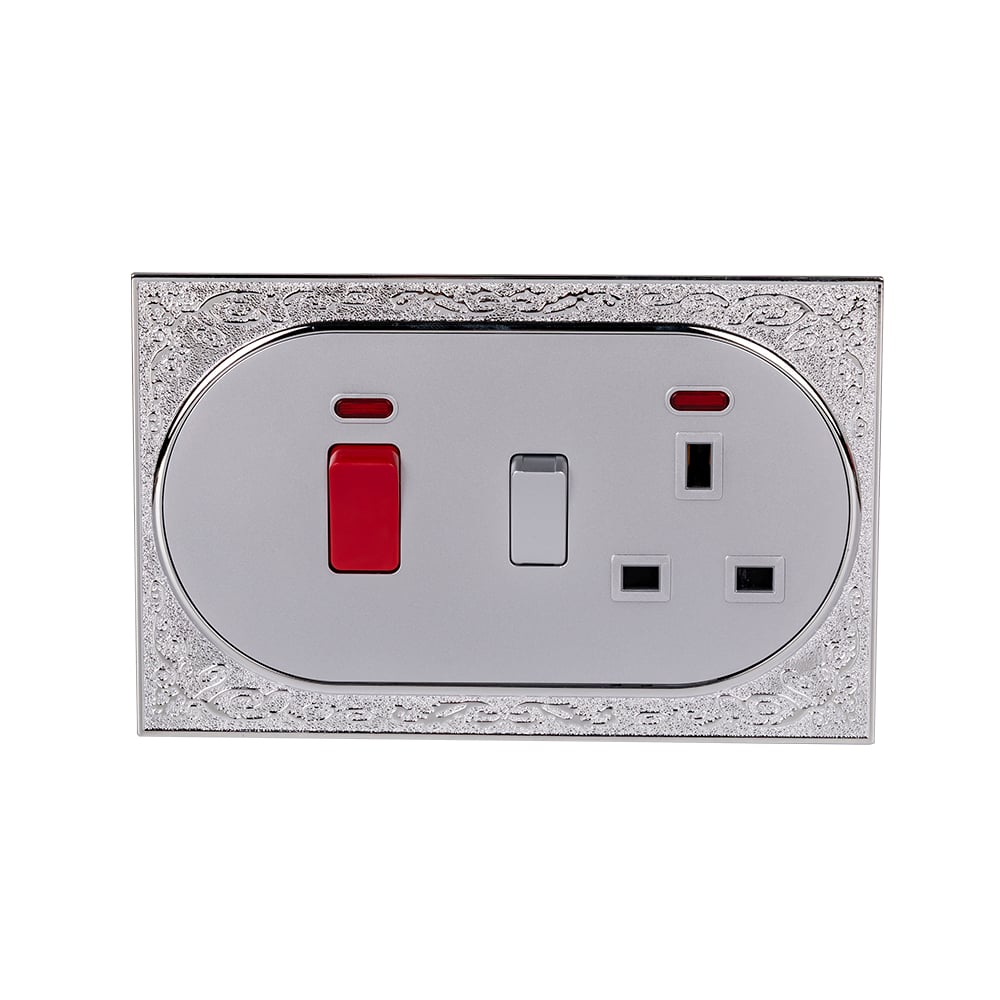
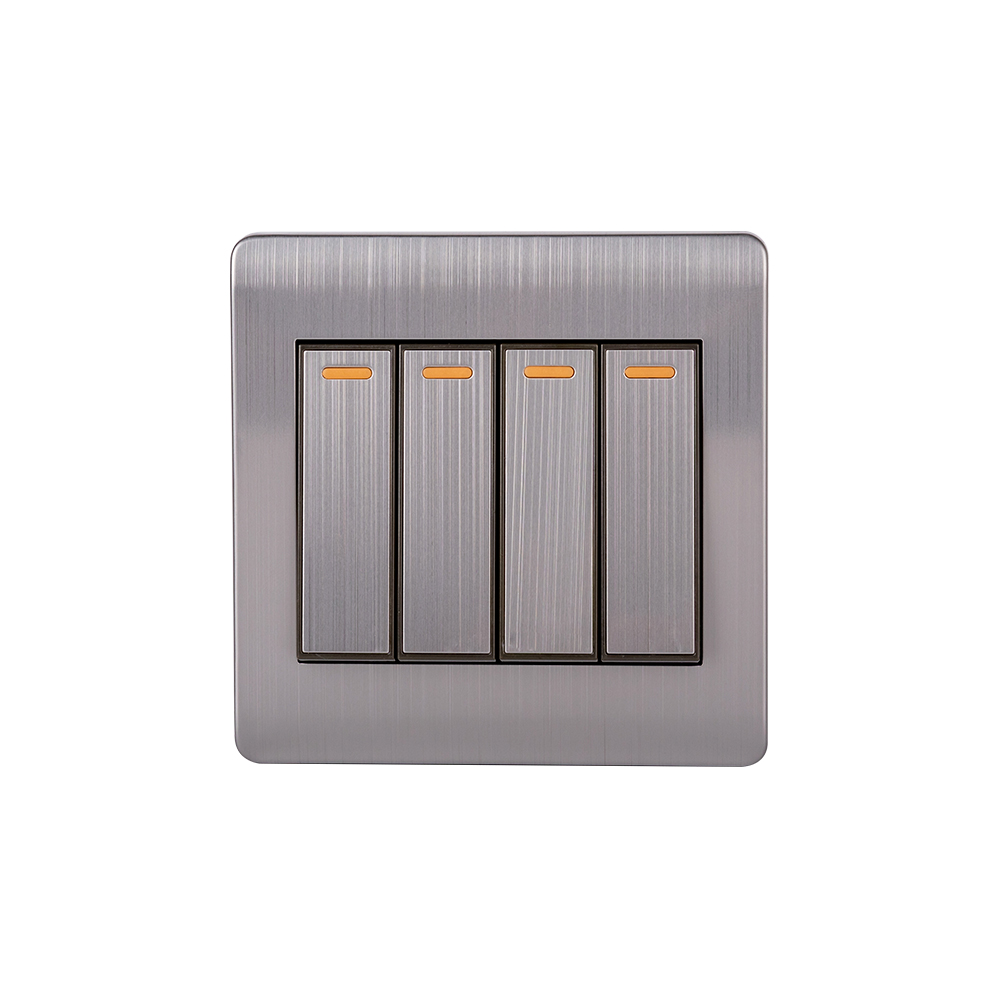
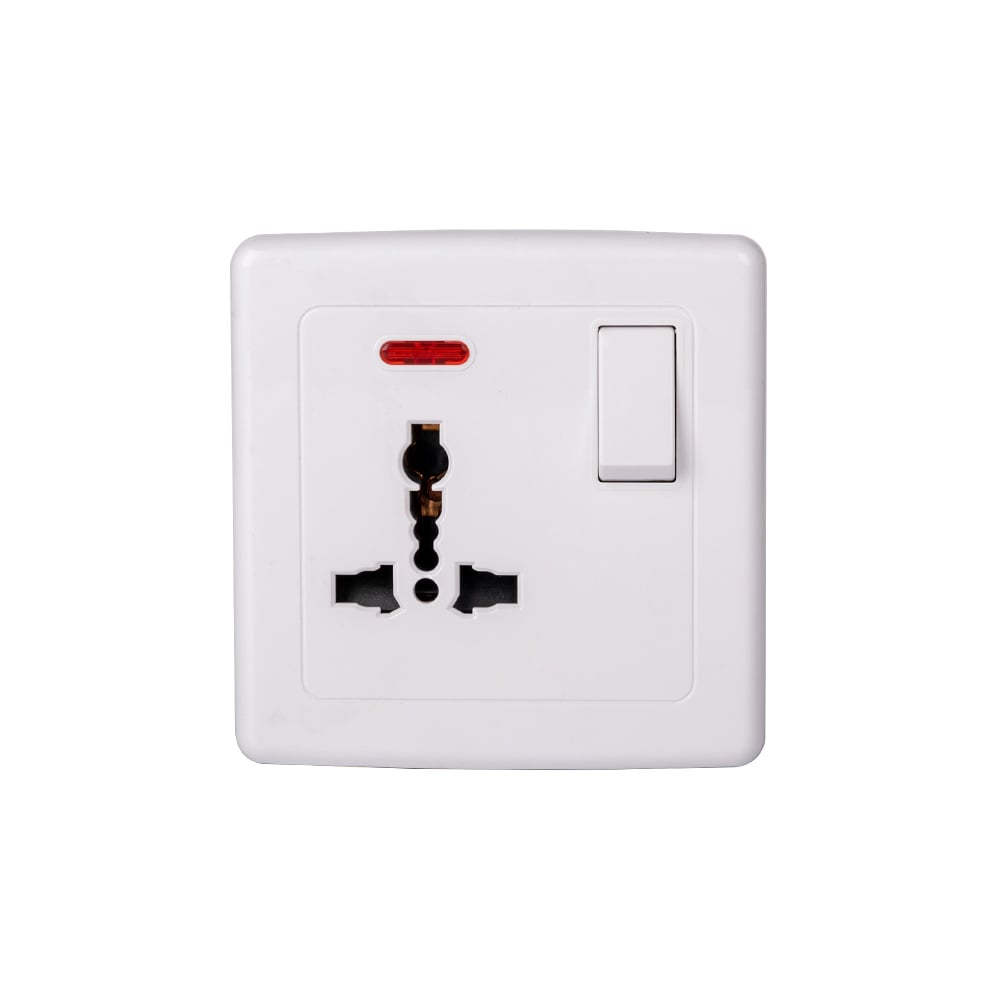
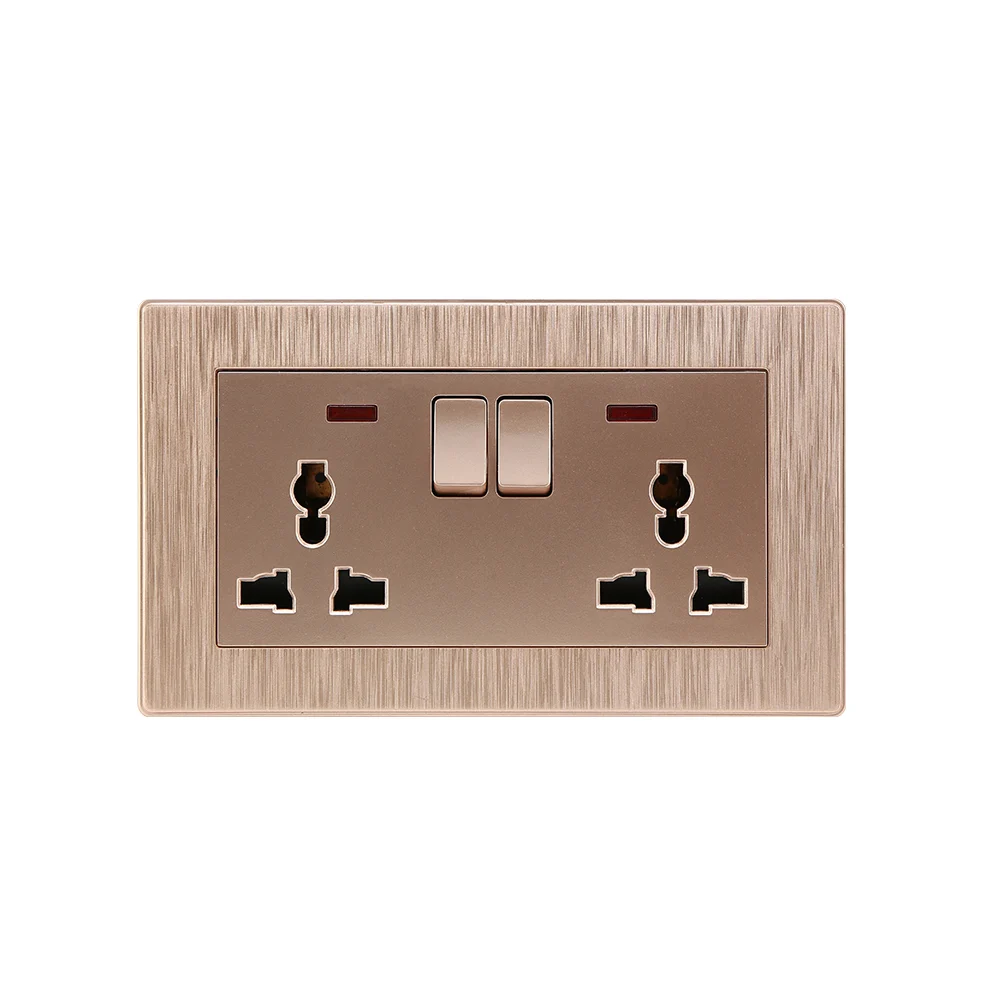
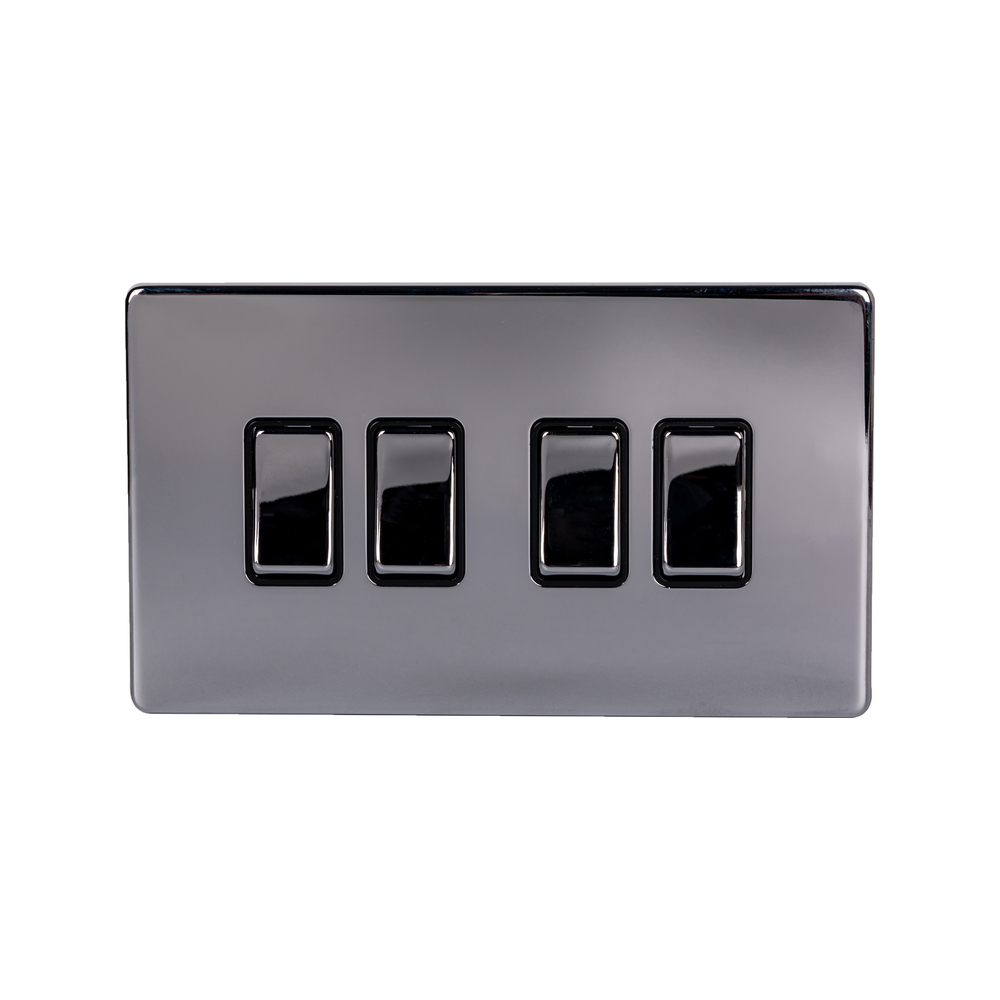
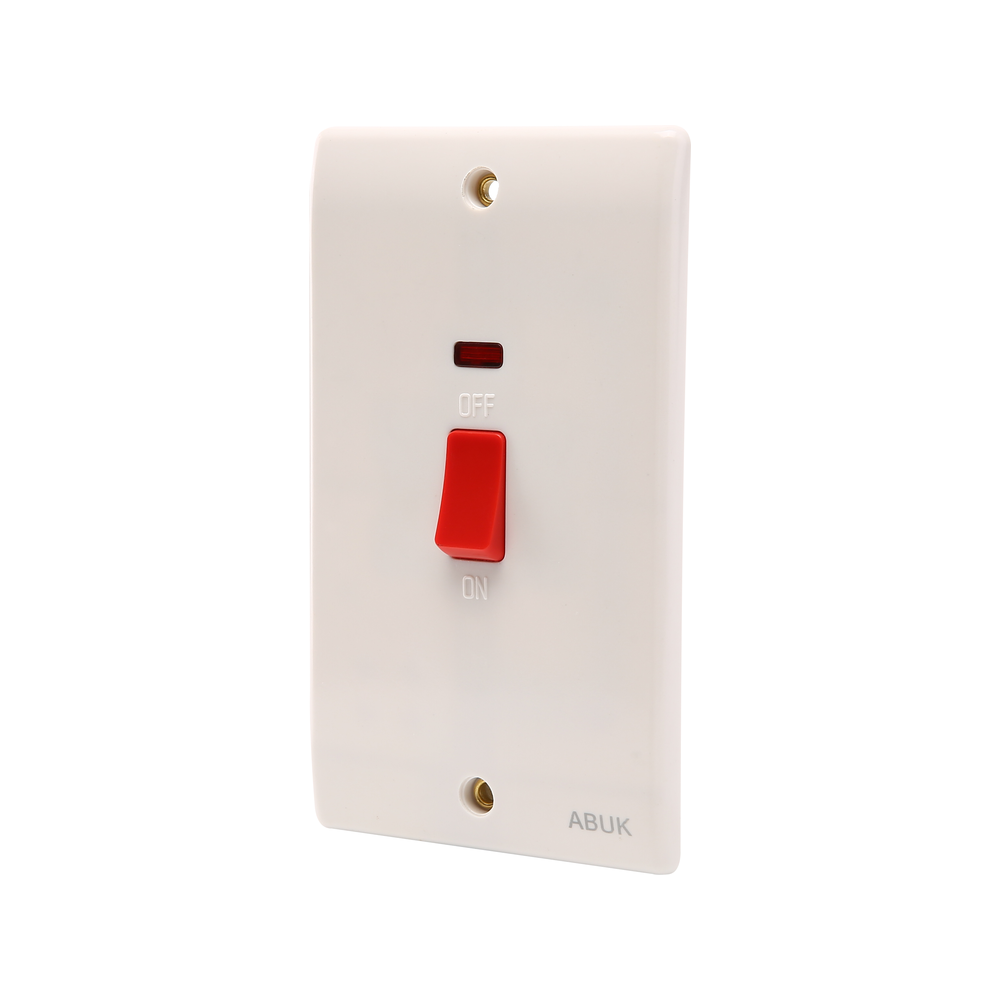
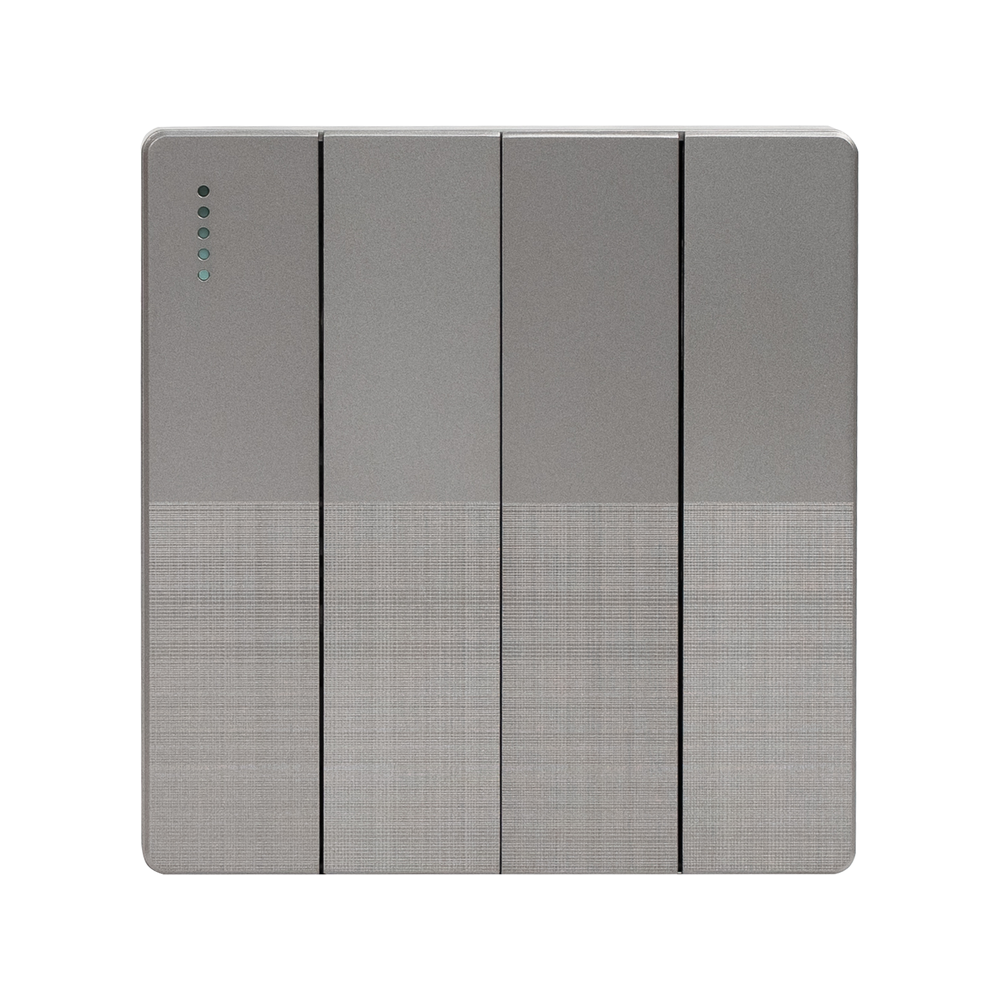
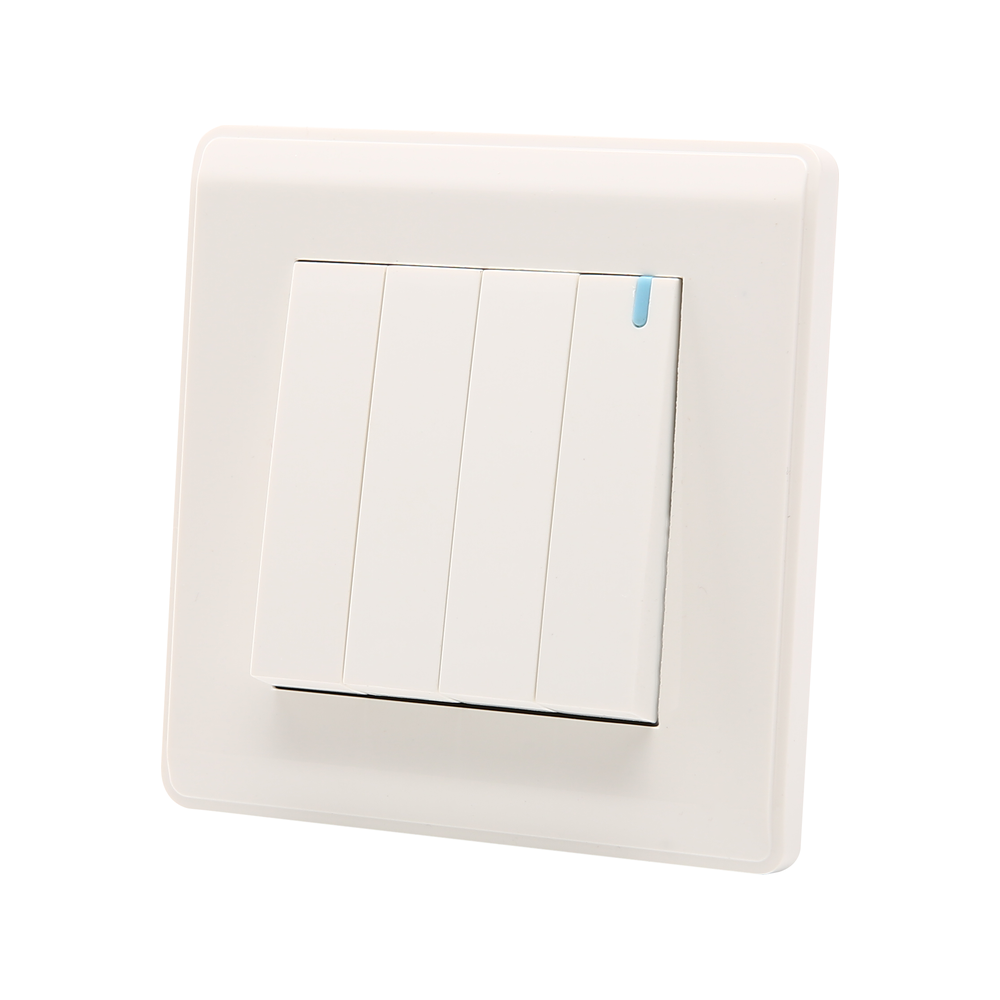
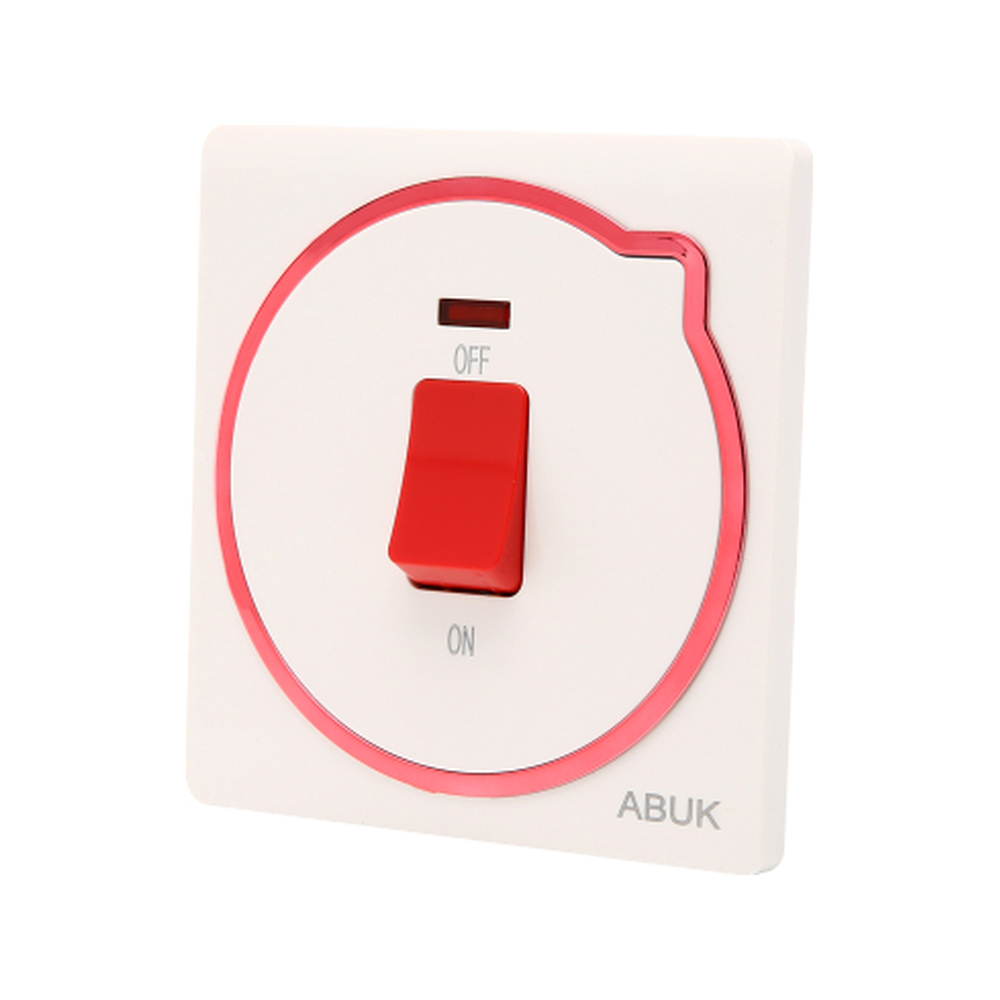
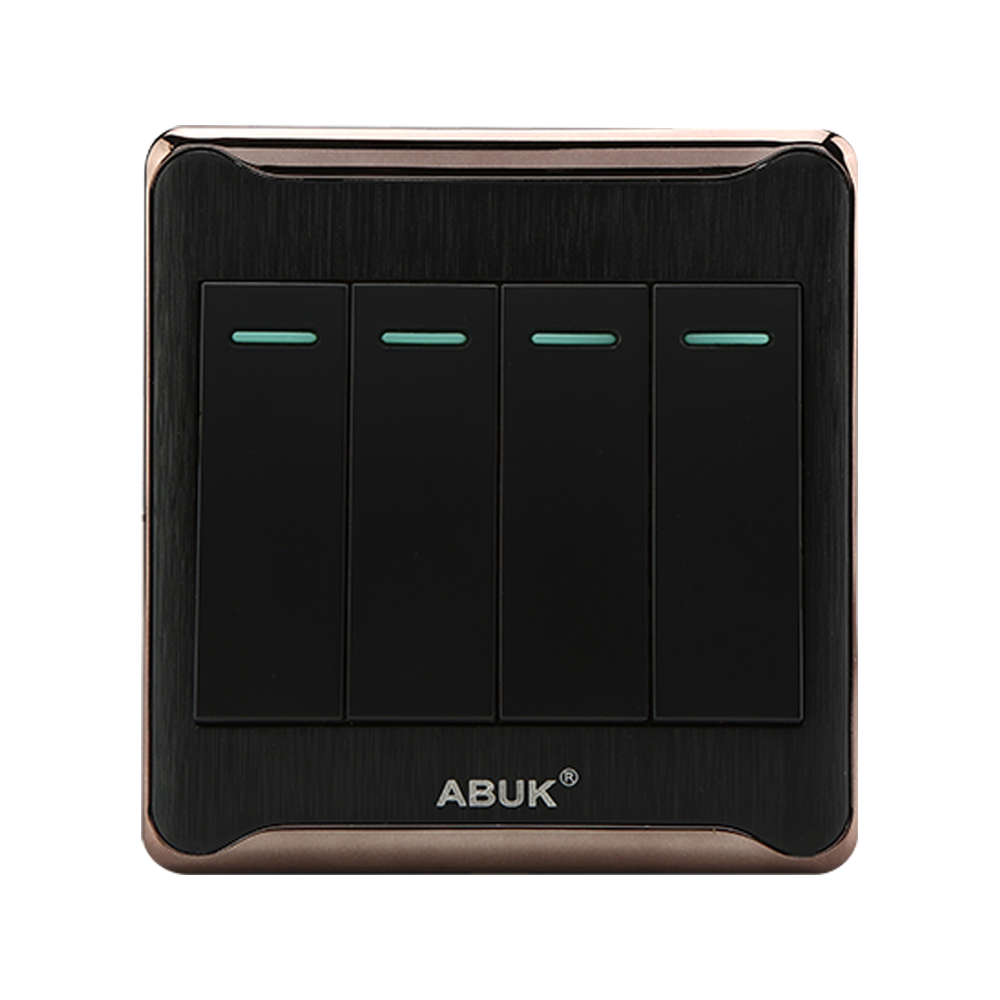
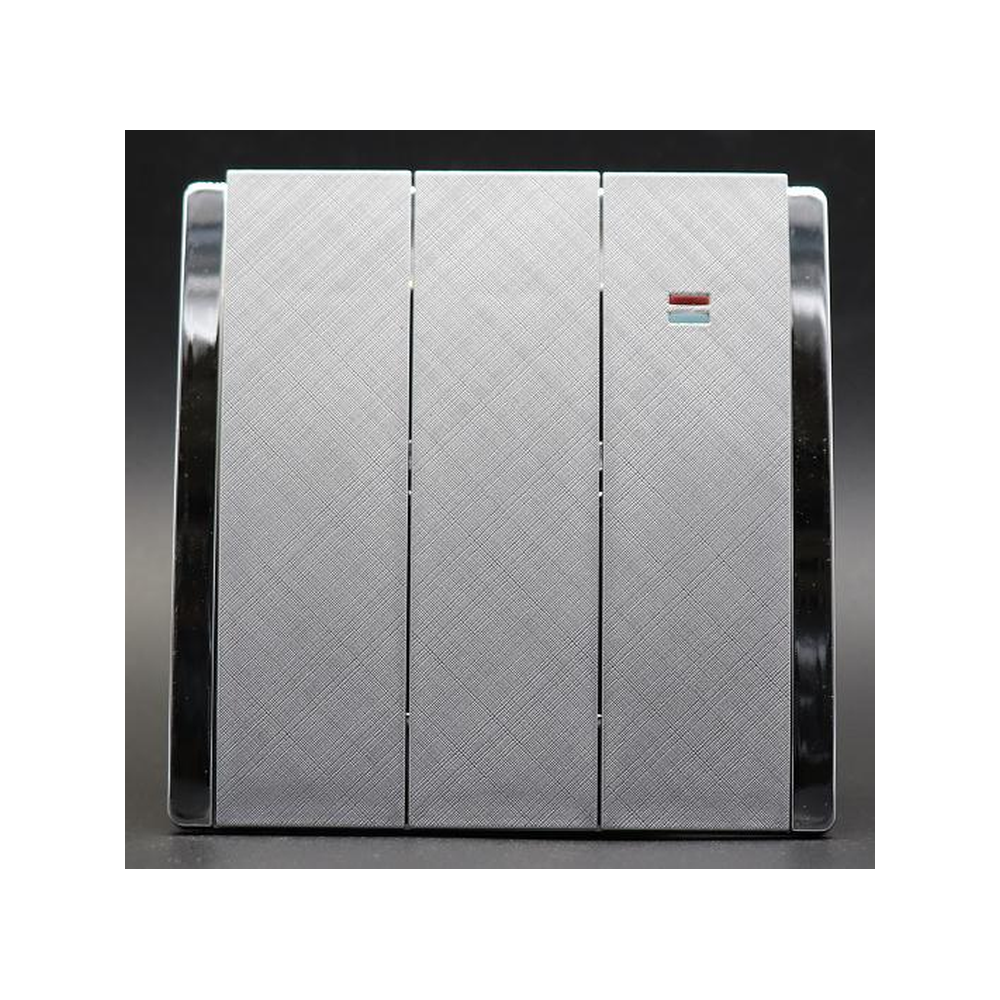
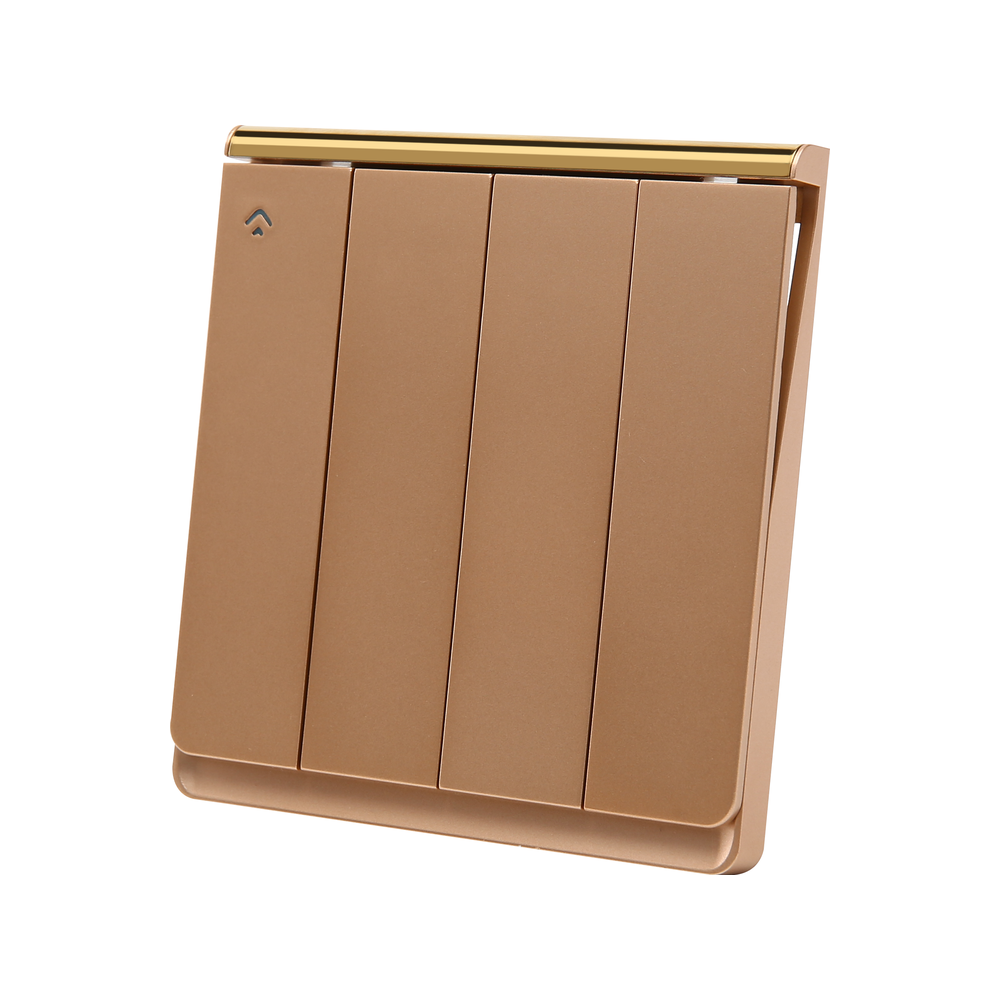
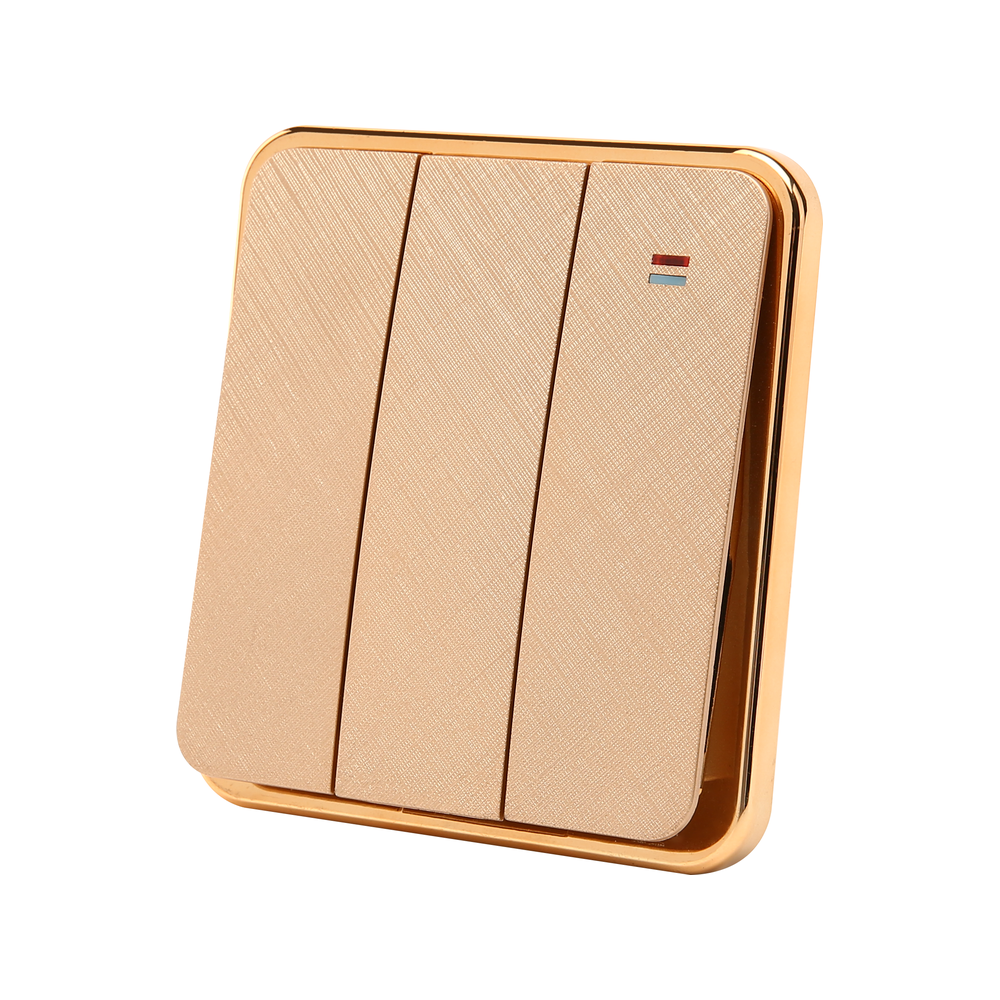
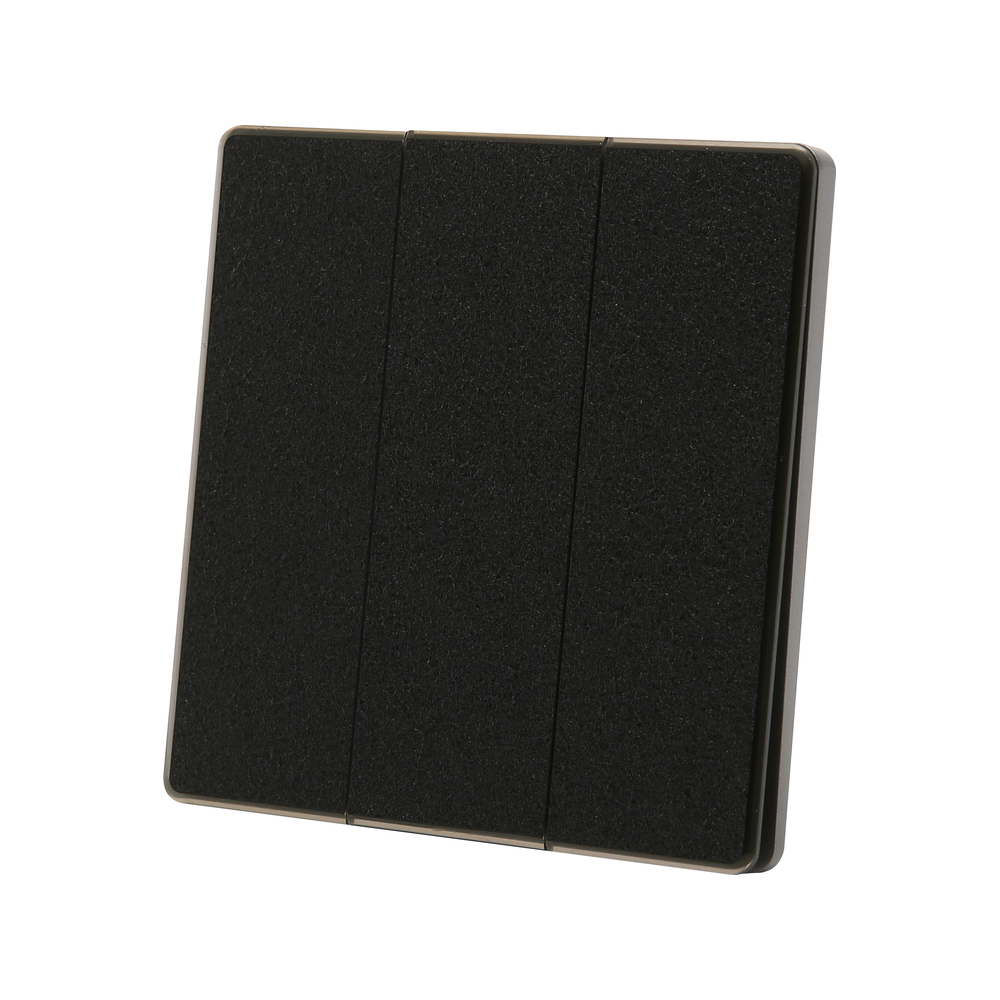
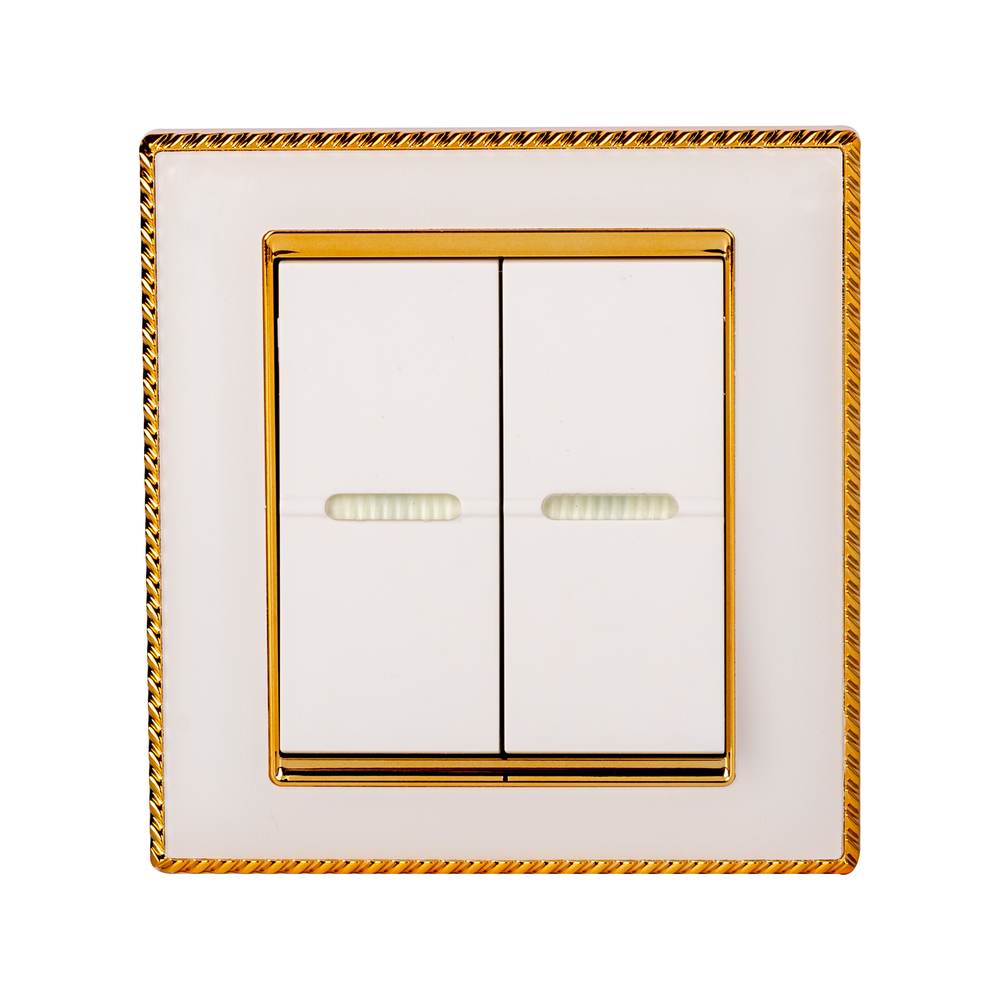
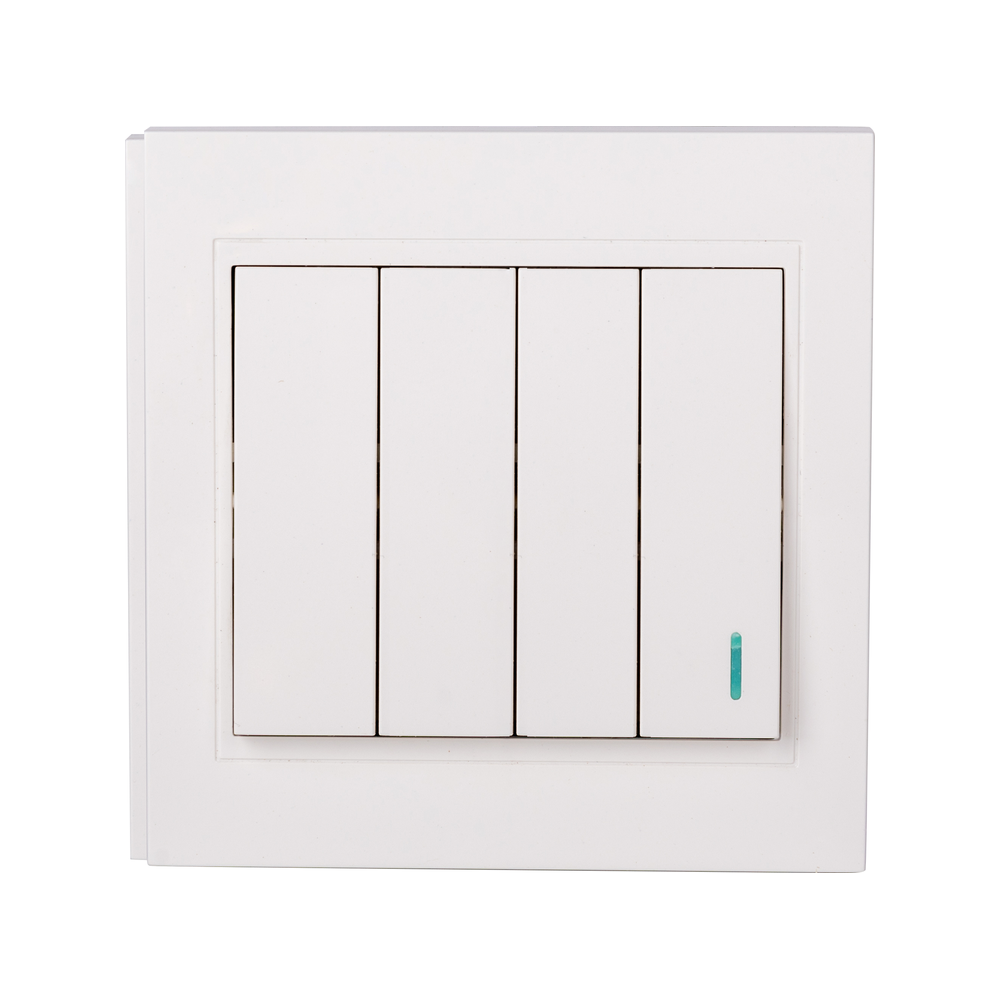
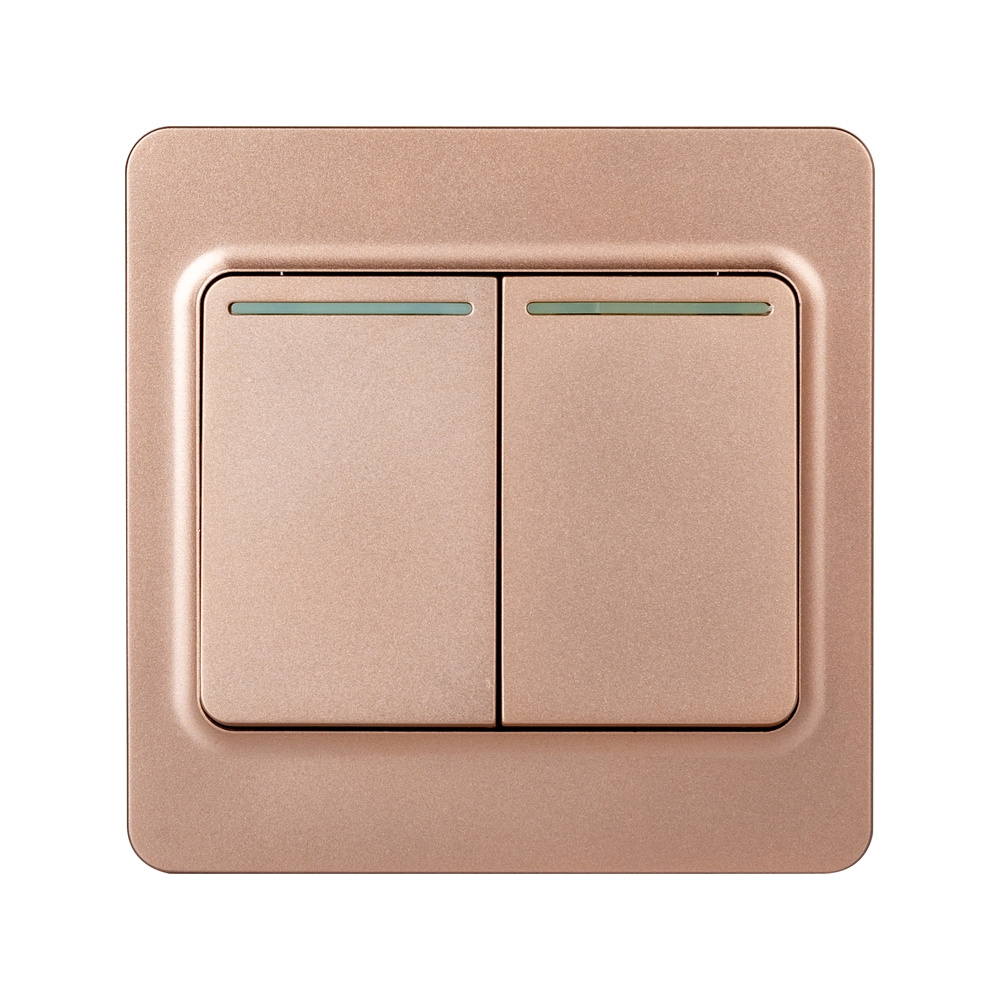
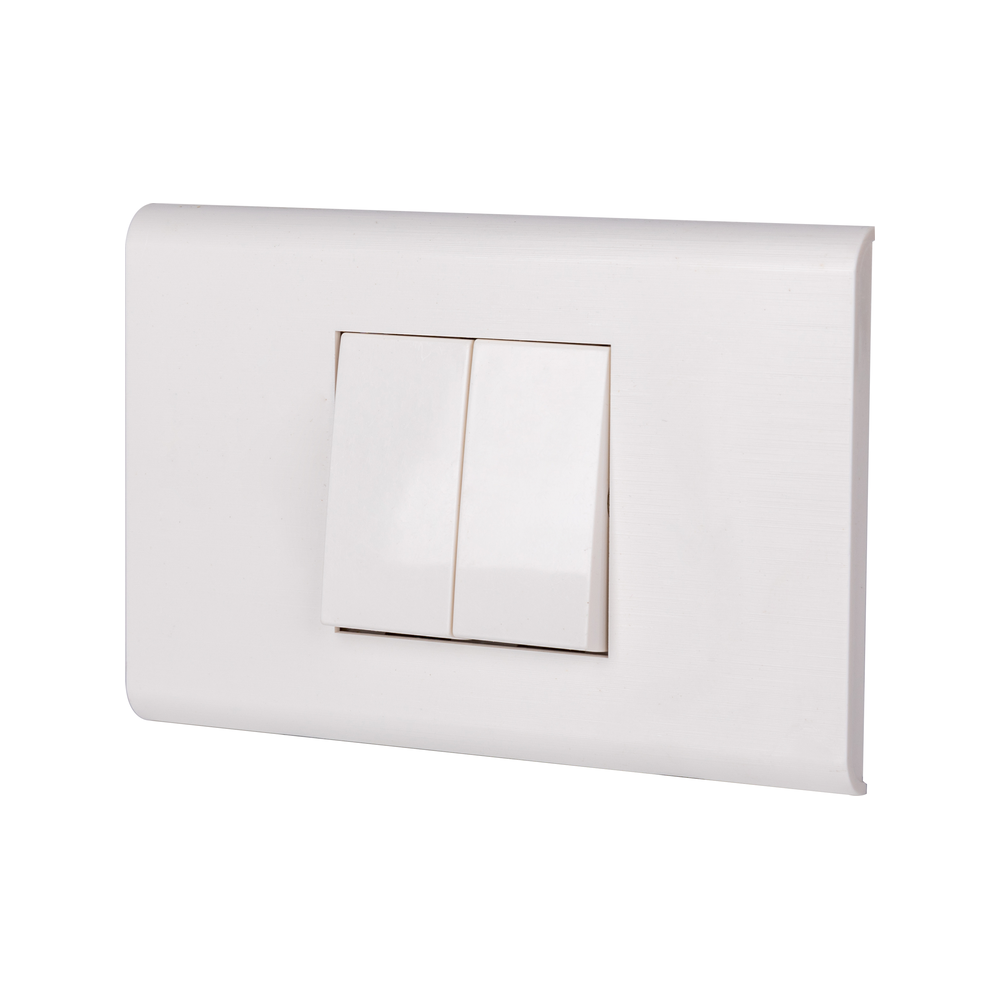
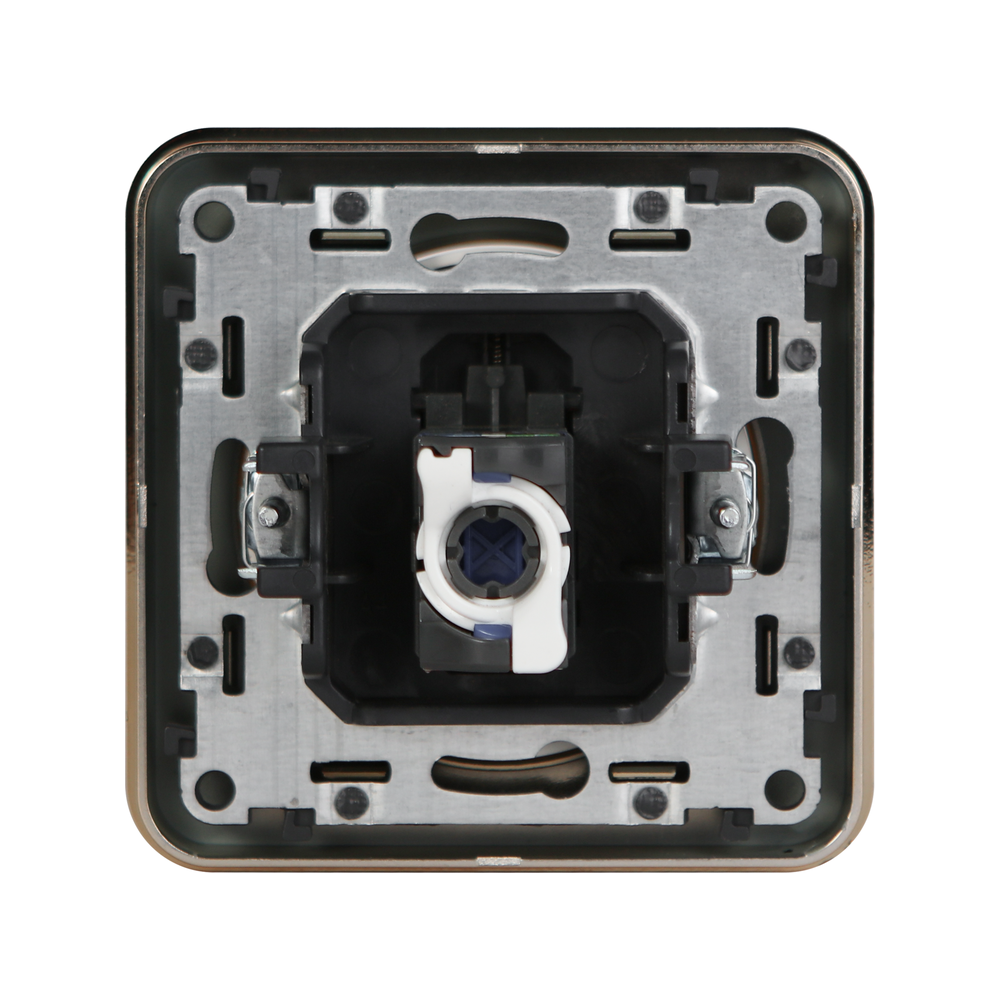
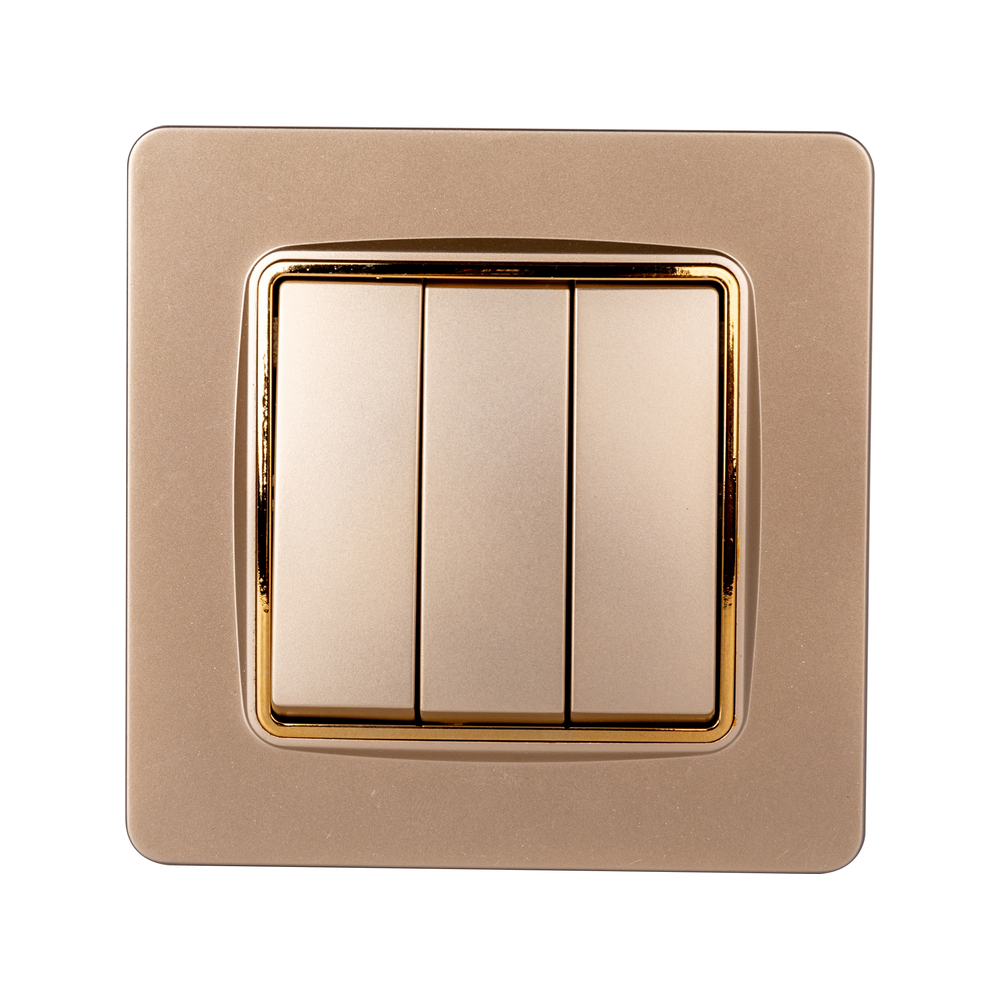
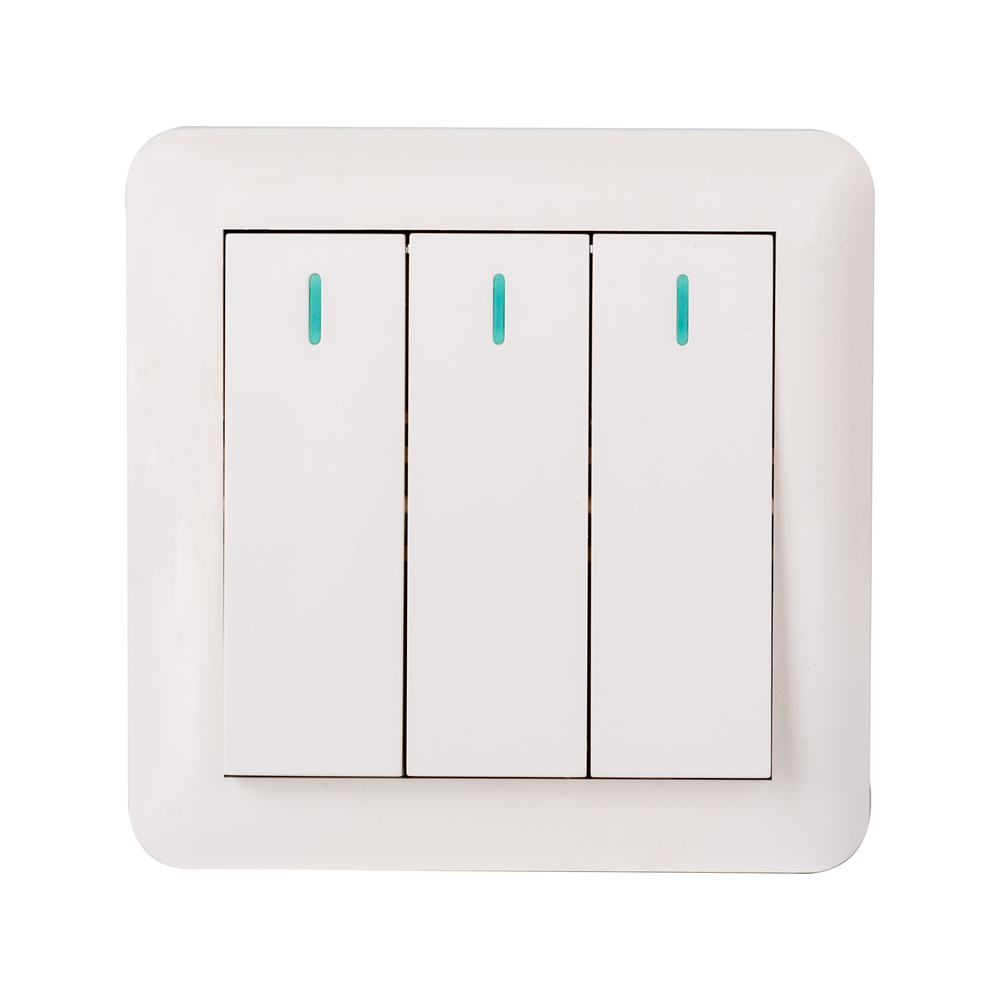
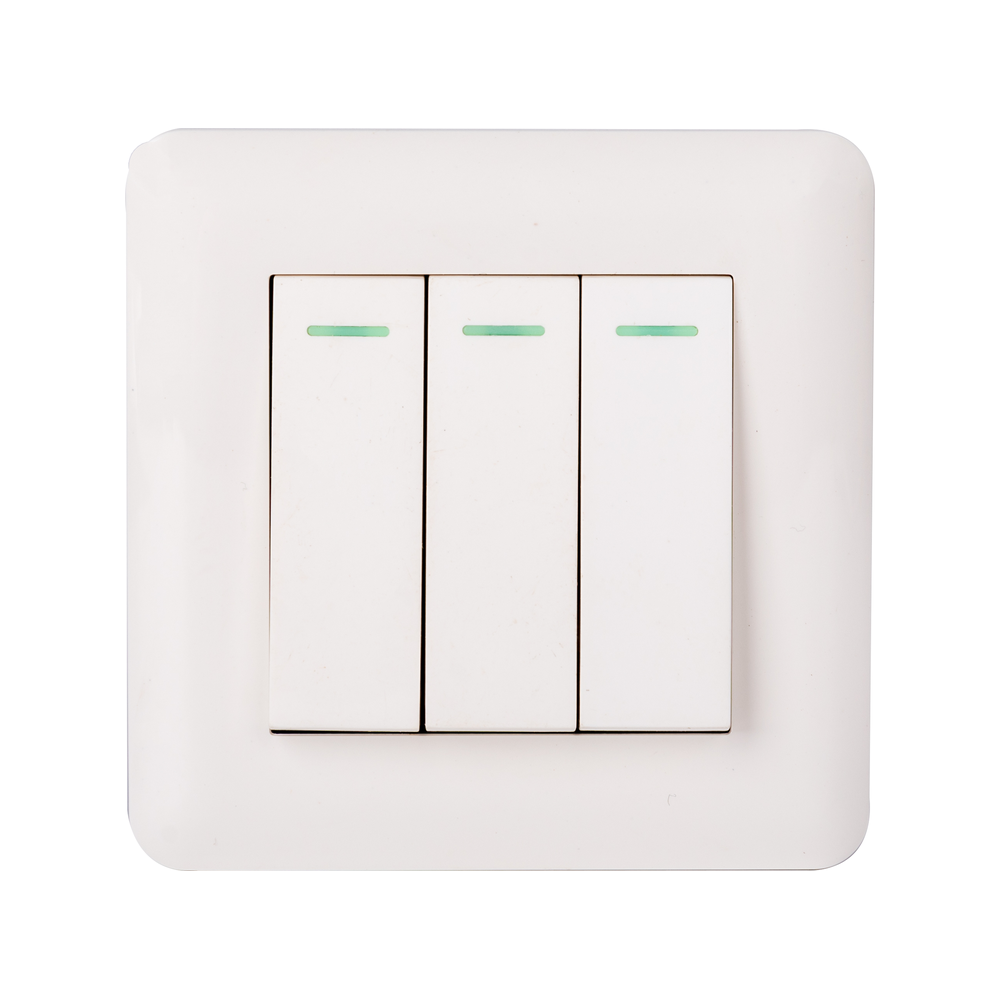
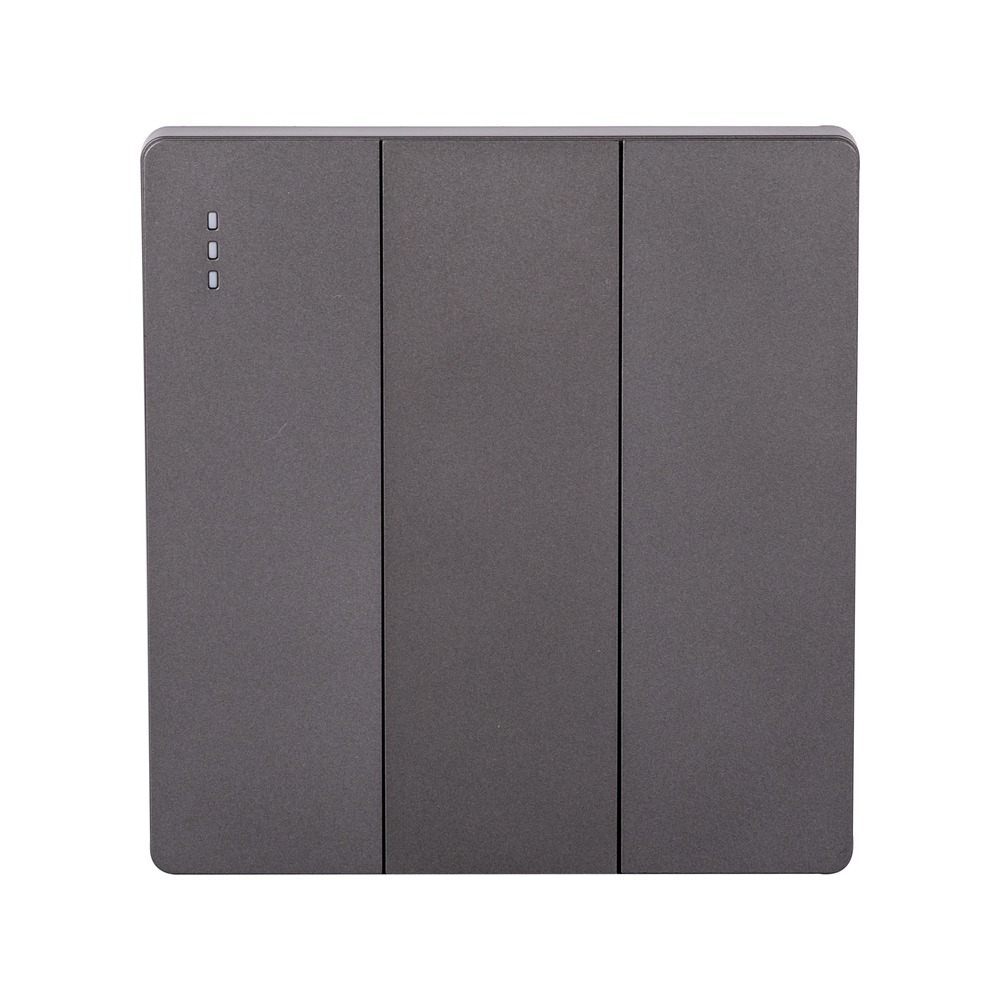
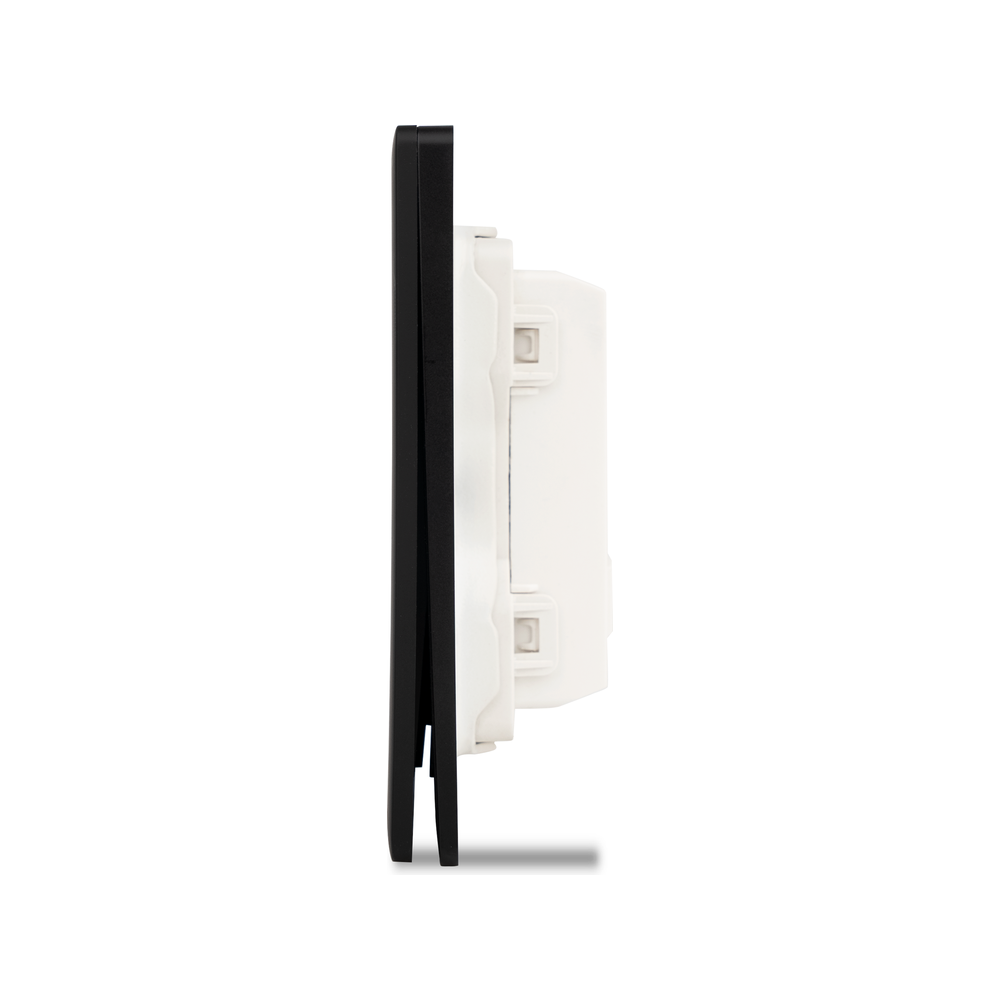
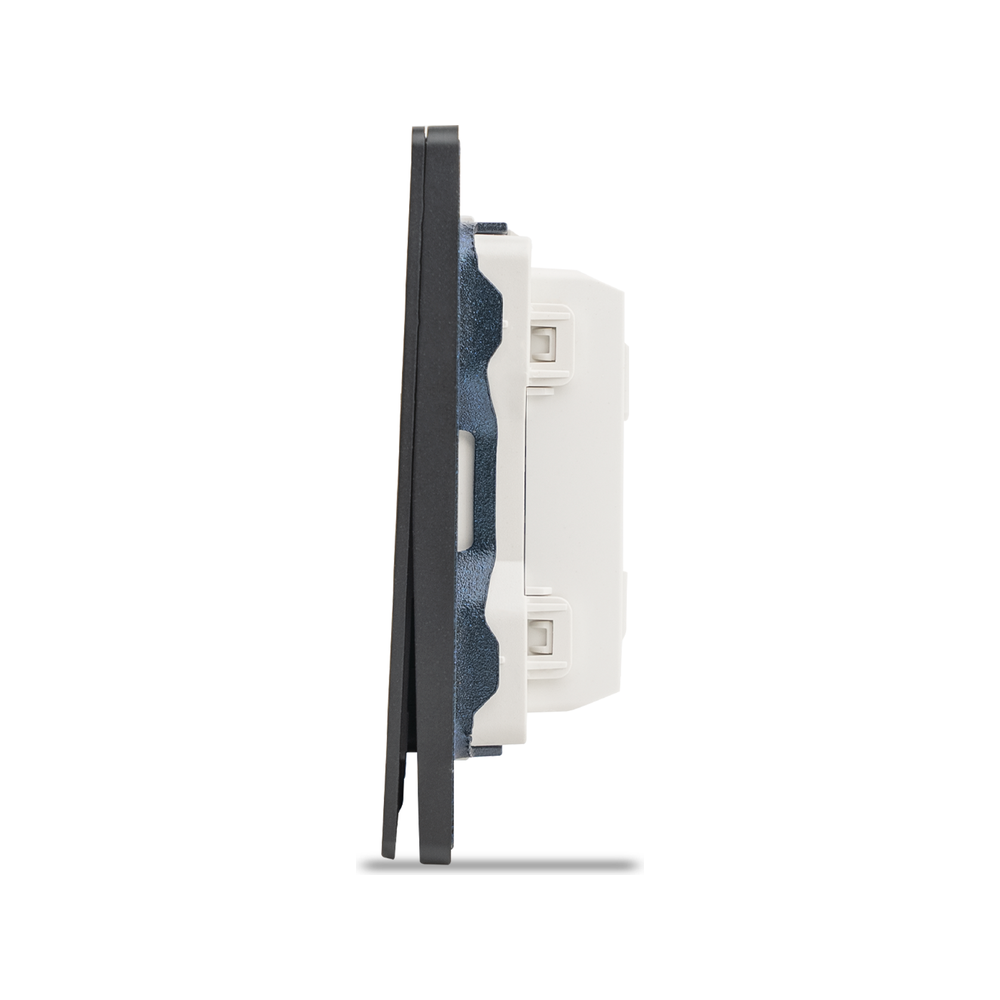
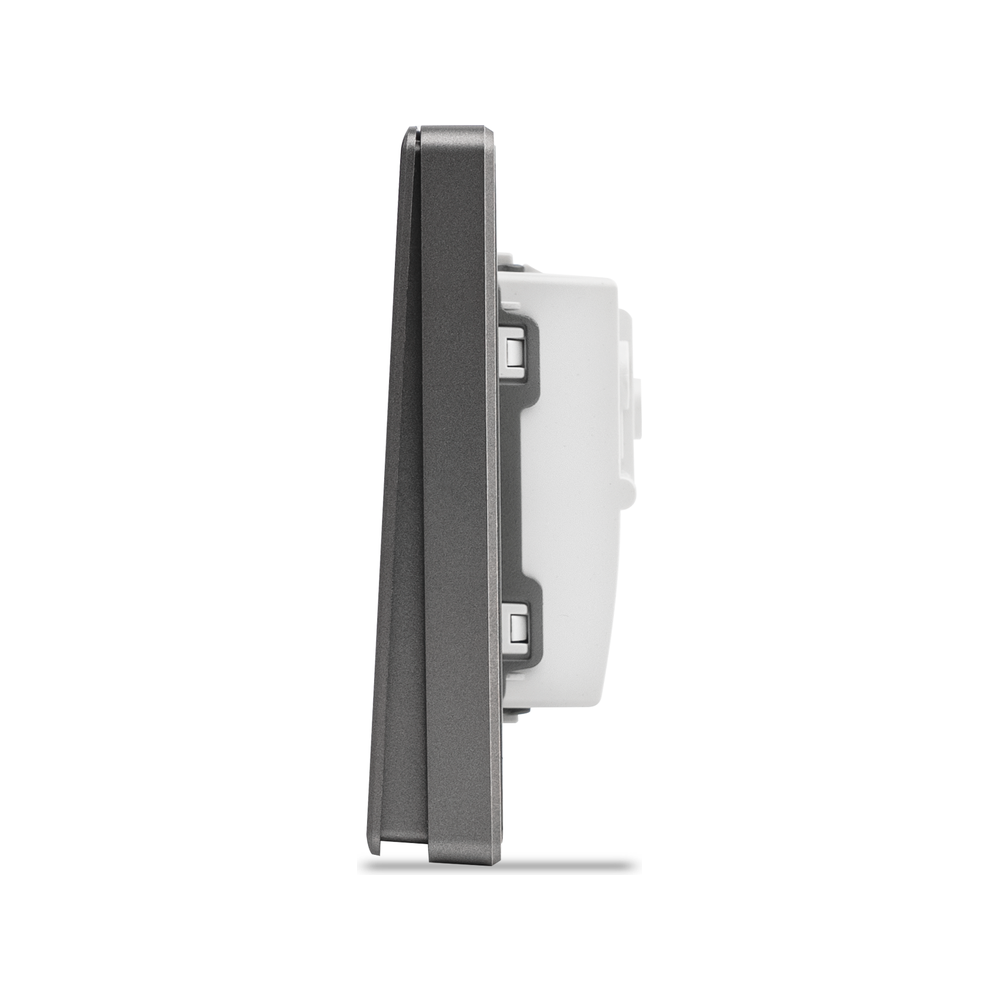
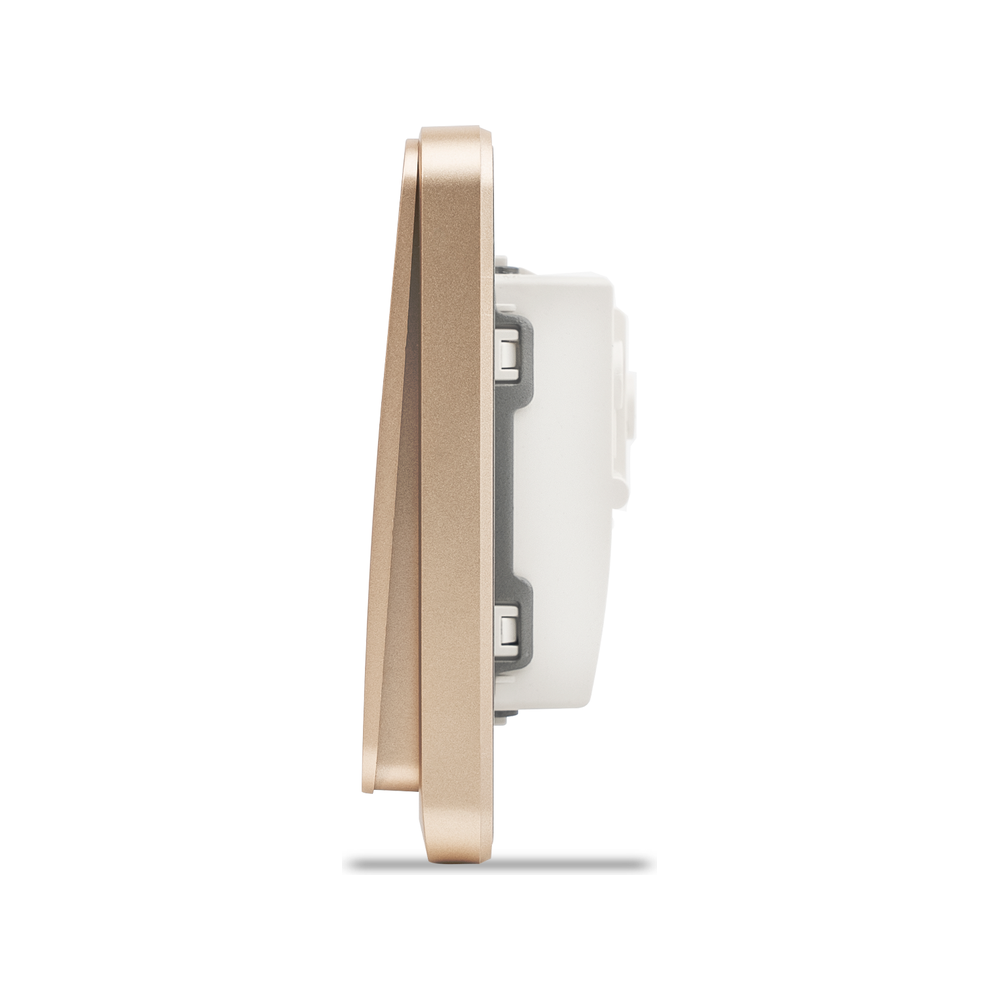
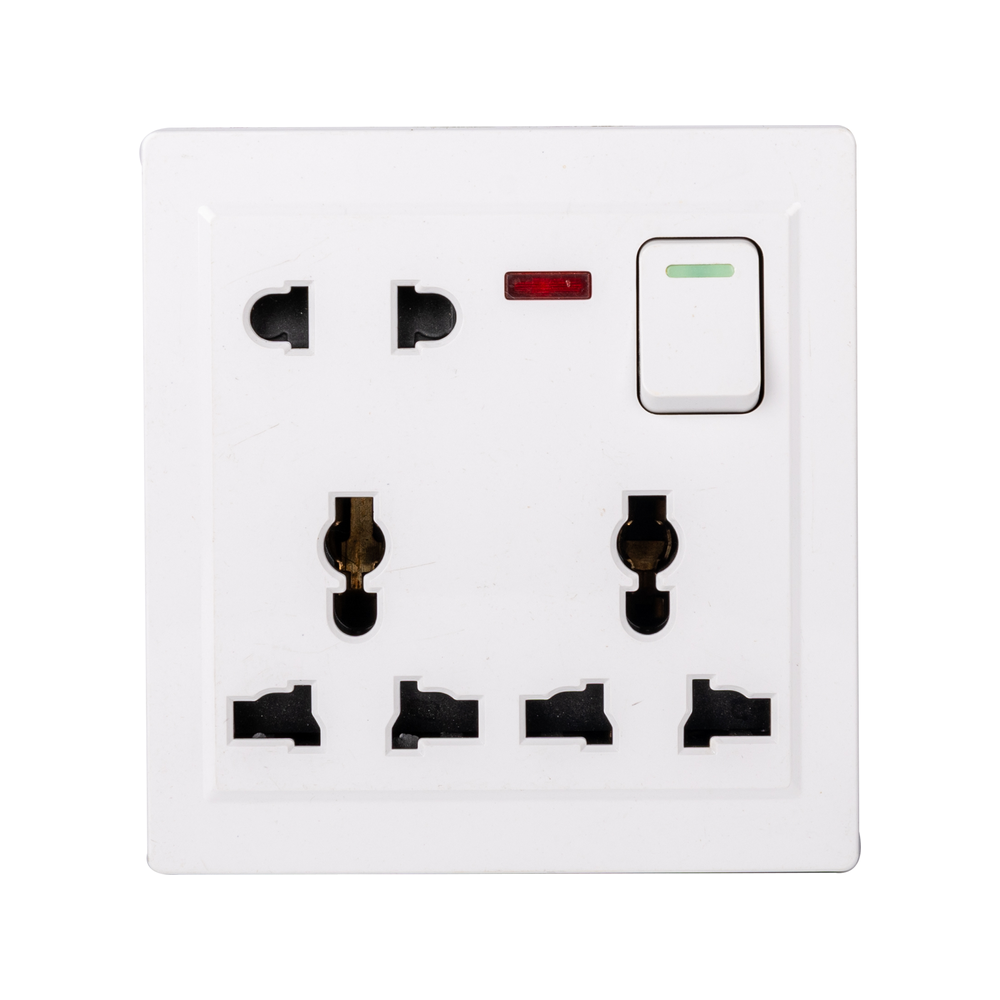
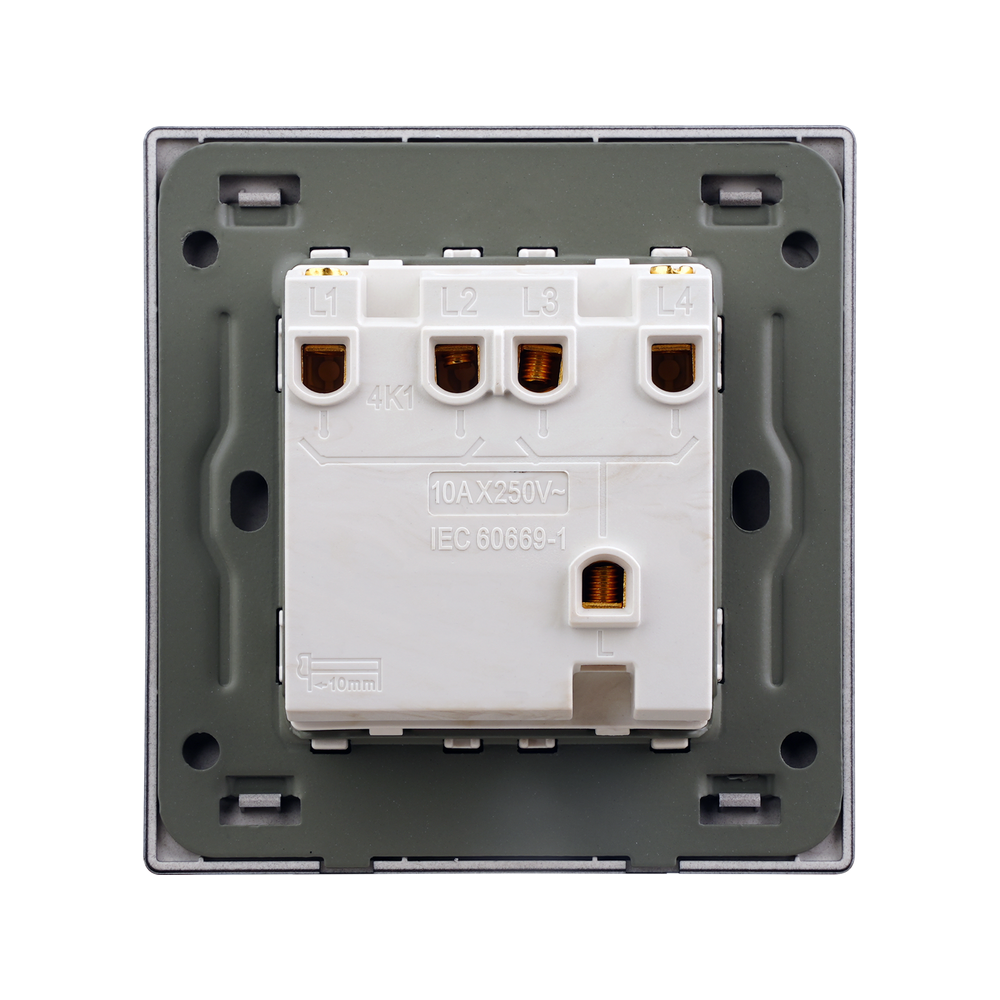
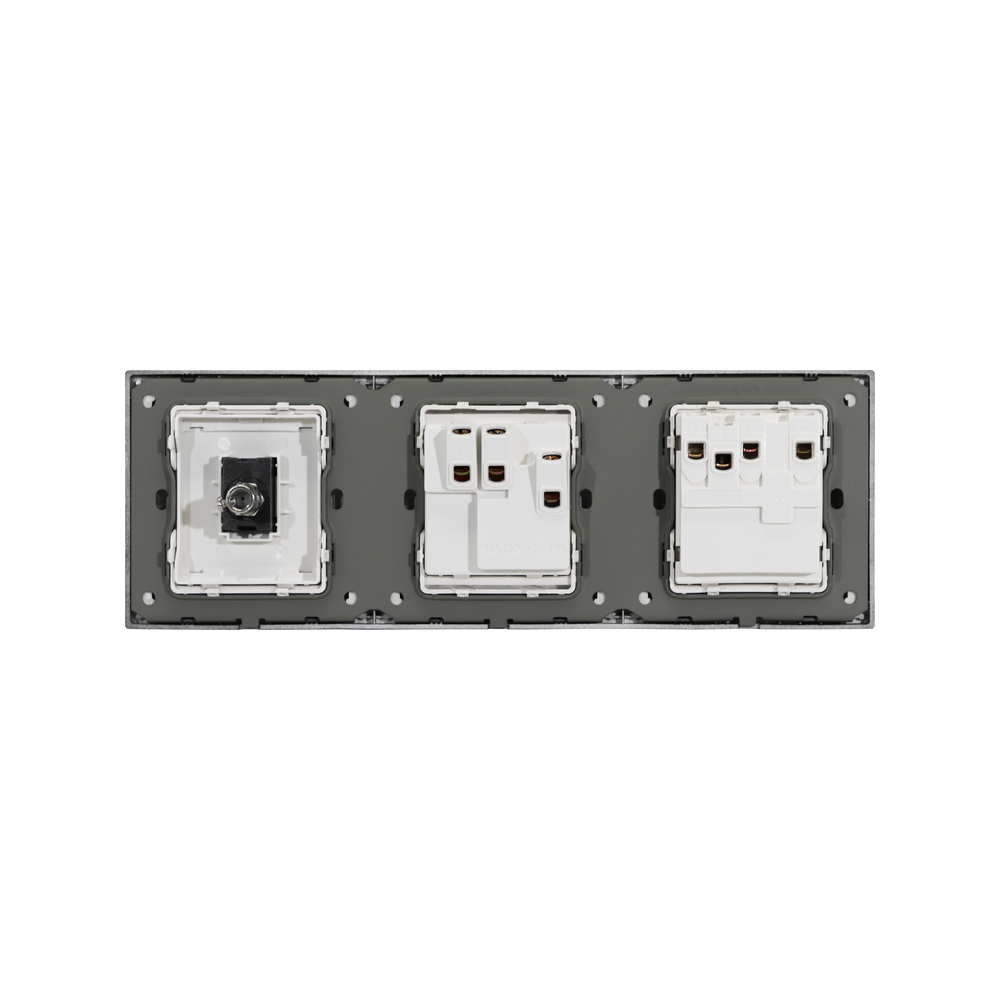
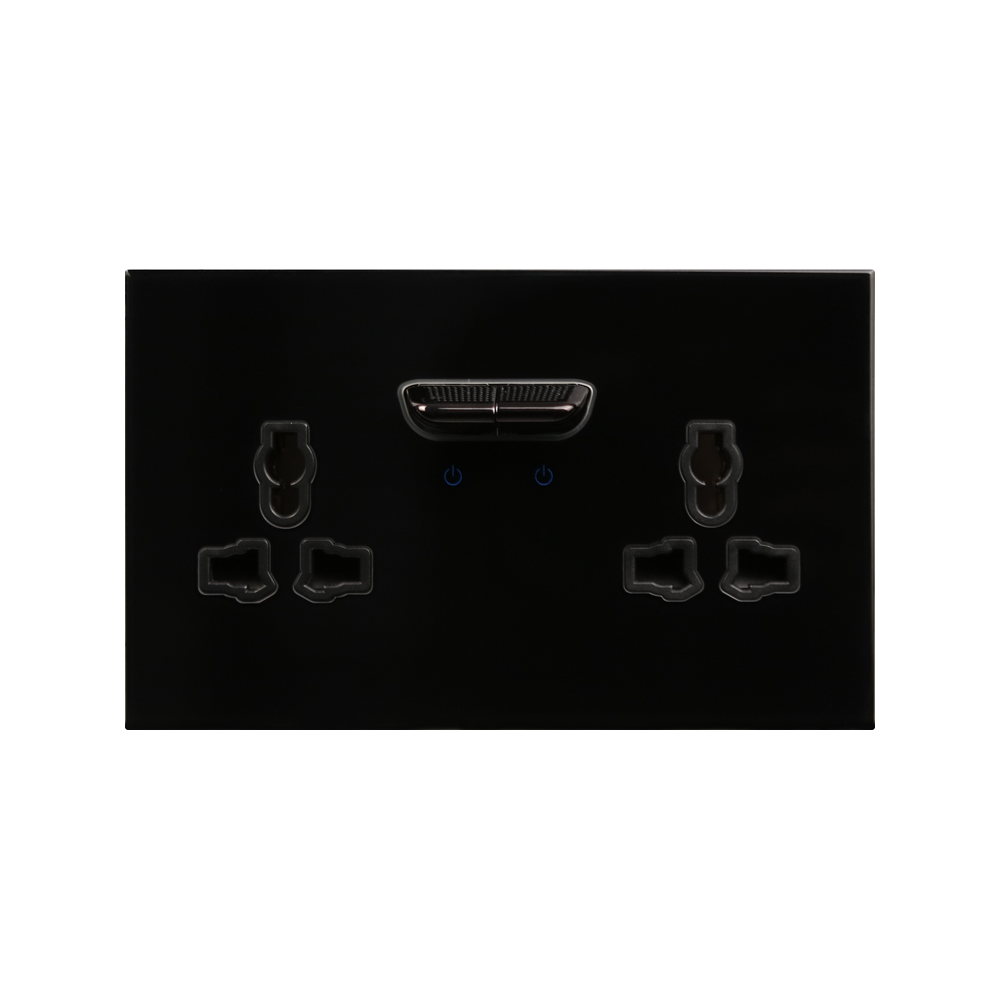
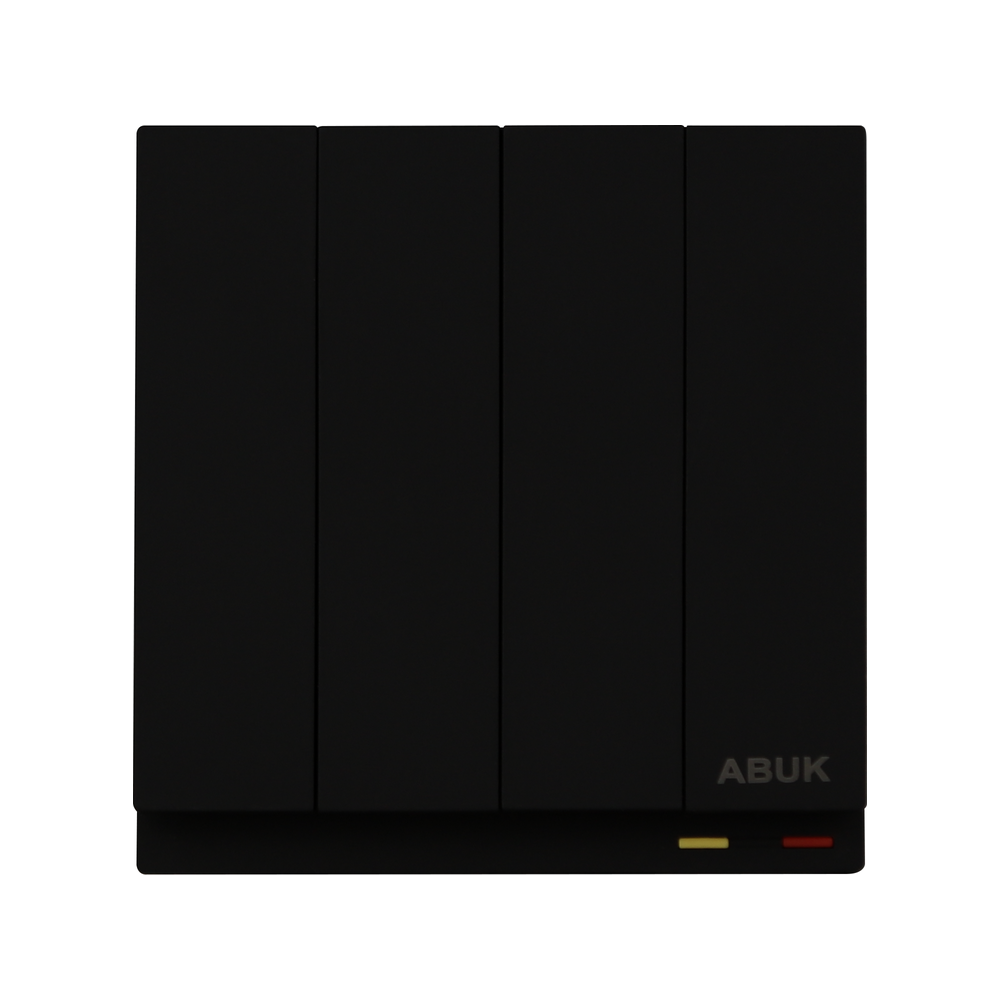
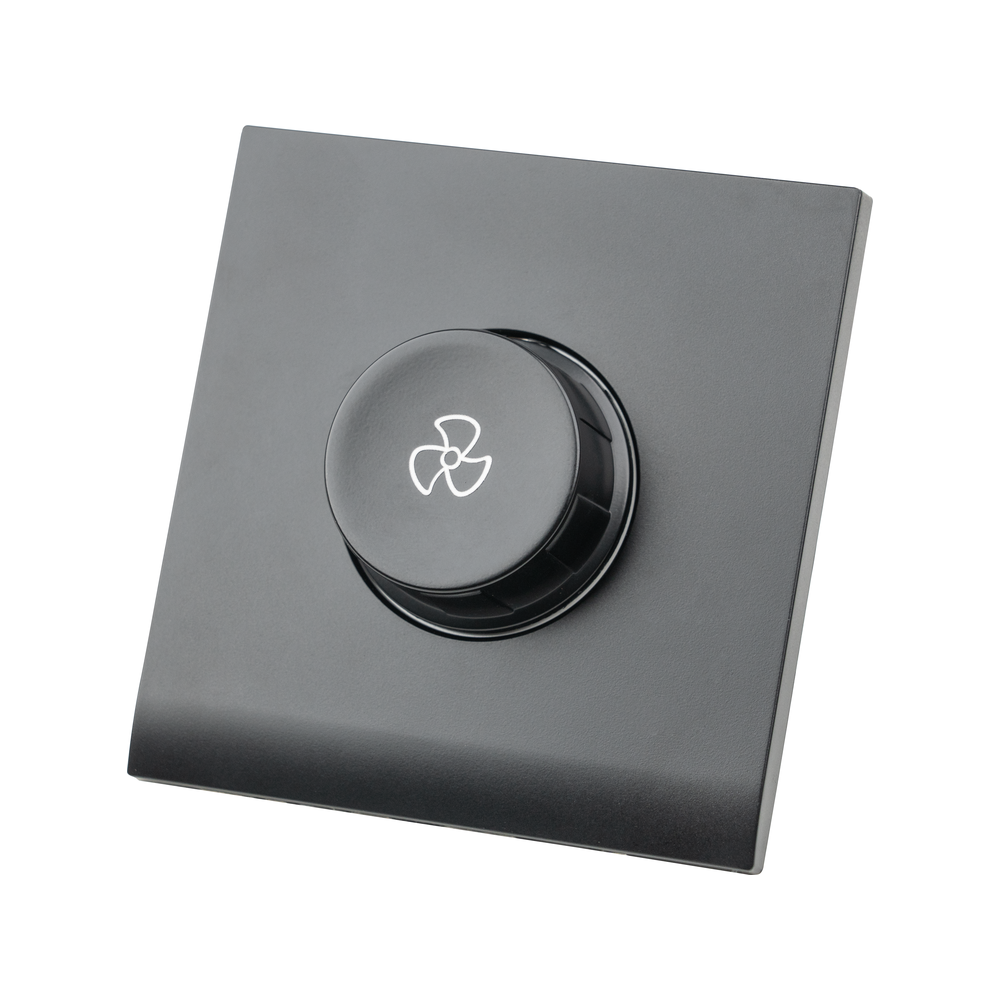
ABUK’s wall socket and switch options can be assessed after the location and technical requirements are defined. Decorative samples do not establish wet-area approval. If moisture has reached an existing connection, the water in a plug socket guide explains why safe isolation and assessment come before continued use.
Frequently asked questions
What are the regulations for bathroom power points in New Zealand?
The Electricity (Safety) Regulations and cited AS/NZS 3000 requirements govern location, protection and installation. New Zealand modifications and the project’s scope must be considered.
Can you have a power socket in a bathroom?
Yes, in a compliant arrangement. The answer depends on the exact position, surrounding water sources, protection and intended accessory.
What are the electrical requirements for bathroom plugs?
The appliance and plug must suit the supply, while the socket’s location and protection must meet installation requirements. A matching plug alone is insufficient.
How close can a power point be to a bathroom sink?
There is no single distance covering every basin and bathroom. Basin size, tap arrangement, surrounding shower zones and the proposed socket arrangement need assessment.
What are the electrical zones in a New Zealand bathroom?
The Wiring Rules define zones around water-containing fixtures. Their boundaries depend on the actual bath, shower, basin and barriers; a generic sketch cannot approve a location.
Does a bathroom power point need to be installed by a licensed electrician?
A licensed electrician is the appropriate practical choice. Limited owner-work exemptions have strict conditions and should not be assumed to cover a proposed bathroom alteration.
References
- New Zealand Electricity (Safety) Regulations 2010
- The Conduction Company: New Zealand bathroom zones
- HSE: general electrical safety and additional protection
A well-planned bathroom outlet is useful in the finished room, not merely convenient on a drawing. Send ABUK the approved accessory requirements when requesting product information.