
 Wenzhou Lita Electric Co., Ltd.
How Much Does It Cost to Install an Extra Power Point in New Zealand?
When a homeowner in Auckland encountered a shortage of sockets beside a new desk, the first estimate looked expensive compared with the accessory on a shop shelf. In this hypothetical example, a cheaper quotation was accepted before anyone checked the cable route; the job then needed another visit and wall repairs. The missing comparison was the installation scope, not the price of the plastic plate.
Summary: There is no single nationwide price for an extra New Zealand power point. Auckland contractor TCCO currently quotes NZ$300–600 including GST for a standard new installation, subject to assessment. Access, circuit condition, protection and wall finishing can change the total. Compare written quotes for the same work, including testing and applicable documentation.
Published figures for power point installation costs in NZ often mix three different jobs: replacing an existing accessory, extending a circuit to a new position and installing a new circuit. Their prices cannot be compared without identifying which work is included. The following framework separates those jobs before the buyer requests estimates.
What does a published installation price actually cover?
TCCO’s Auckland pricing page, updated in November 2026, gives the NZ$300–600 range for its standard new power point work. That is one contractor’s published guidance, not a regulated fee, a national average or a promise for an unseen property. It is useful as a starting point for a discussion about scope.
A nearby usable supply and accessible construction can make an addition straightforward. A long route, occupied rooms or inaccessible framing can make the same-looking socket considerably more expensive. Buyers should send photographs of the proposed position and explain the building layout; the electrician may still need a site visit.
Replacement prices should not be used to budget an addition. A replacement can retain a suitable existing position and supply, whereas an extra outlet introduces a cable route and a new installation point. The broader wall socket installation cost guide provides a useful comparison framework, but local quotes remain necessary.
Why does cable access change the installed price?
The route matters more than the straight-line distance between two outlets. Accessible roof or underfloor space may allow a cable run with limited disturbance. An insulated wall, concrete construction or obstructed cavity can require a different route, more labour or an agreed surface-mounted system.
New Zealand’s Electricity (Safety) Regulations cite AS/NZS 3000:2018 with Amendments 1, 2 and 3 and local modifications. The route must meet the applicable installation requirements; choosing the cheapest visible path is not enough. Existing and in-process work can have specific transitional treatment, so the electrician should identify the rules applicable to the job.
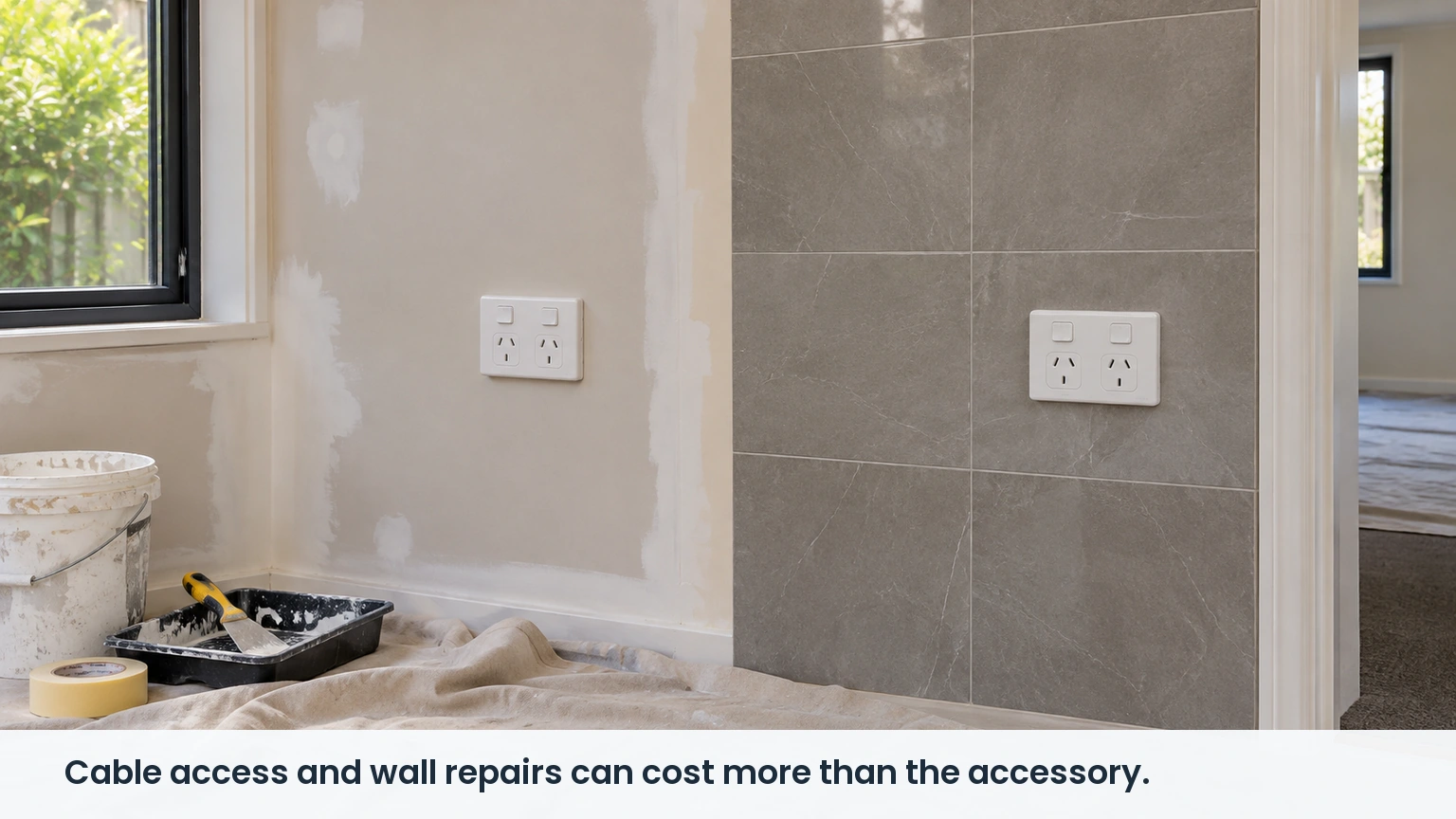
Ask who repairs the wall after electrical work. Cutting an opening, patching it, matching a textured finish and repainting a complete section are different tasks. A quotation that says “making good excluded” may be entirely reasonable, but its total is not comparable with one that includes those services.
Can the existing circuit support the proposed equipment?
An additional socket does not create additional circuit capacity. A desk charger and a portable heater present different demands, even if both use the same style of plug. The electrician should assess the expected equipment together with the existing load, conductors, earthing and protective devices.
New Zealand’s usual nominal supply is 230V, 50Hz under the regulations. As a simple illustration, a 2,000W resistive appliance draws about 8.7A at 230V. That calculation explains why intended use matters; it does not establish whether an existing circuit can safely accept that load.
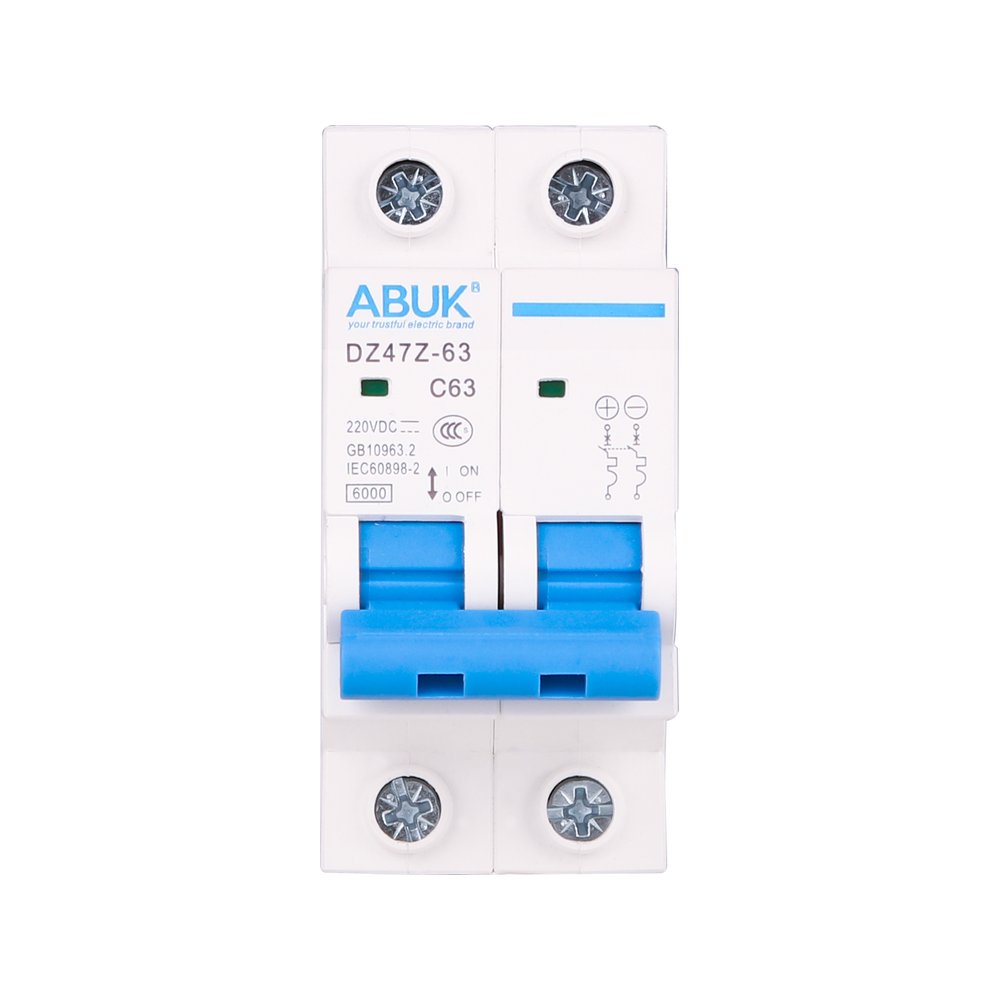
Protection changes or a separate circuit may be appropriate after assessment. Buyers should request an allowance or a clearly defined variation process for hidden defects. An unexplained “upgrade required” charge is difficult to evaluate; a description of the actual defect, necessary work and price gives the owner a useful decision.
Is surface mounting always cheaper than a concealed outlet?
Surface mounting can reduce chasing and wall finishing where an exposed route is acceptable. It still needs suitable enclosures, mechanical protection, secure mounting and an appropriate accessory. Regulation 14A requires attention to manufacturer instructions; the proposed combination must be suitable as an installed assembly.
A flush outlet may be economical when a wall is already open during renovation. Conversely, a short concealed relocation in a finished tiled wall can involve considerable building work. For a batch of 4 new positions, compare the complete route and finish strategy rather than multiplying the price of one easy installation.
The lifecycle cost also includes damage exposure and future changes. Surface equipment in a workshop may be easier to inspect and alter; a concealed arrangement may better suit a finished guestroom. Neither option has a universal price advantage across all buildings.
Which installation options should a buyer compare?
| Proposed work | Main cost drivers | Question before accepting |
|---|---|---|
| Replace an existing accessory | Condition, compatibility and labour | Is this only a replacement? |
| Add a point on a suitable circuit | Cable route, mounting and testing | Has circuit suitability been assessed? |
| Add a point with a new circuit | Longer wiring route and protection work | What makes a separate circuit necessary? |
| Add several points during renovation | Shared access, final locations and finishing | Are all positions and completion visits included? |
What must two quotes include before their totals are comparable?
The useful comparison is the completed, usable installation. A lower initial figure can exclude finishing, access equipment or a return visit; a higher figure may already include them. Both contractors should receive the same location plan and equipment list.
| Quote item | What should be stated | Why it changes the comparison |
|---|---|---|
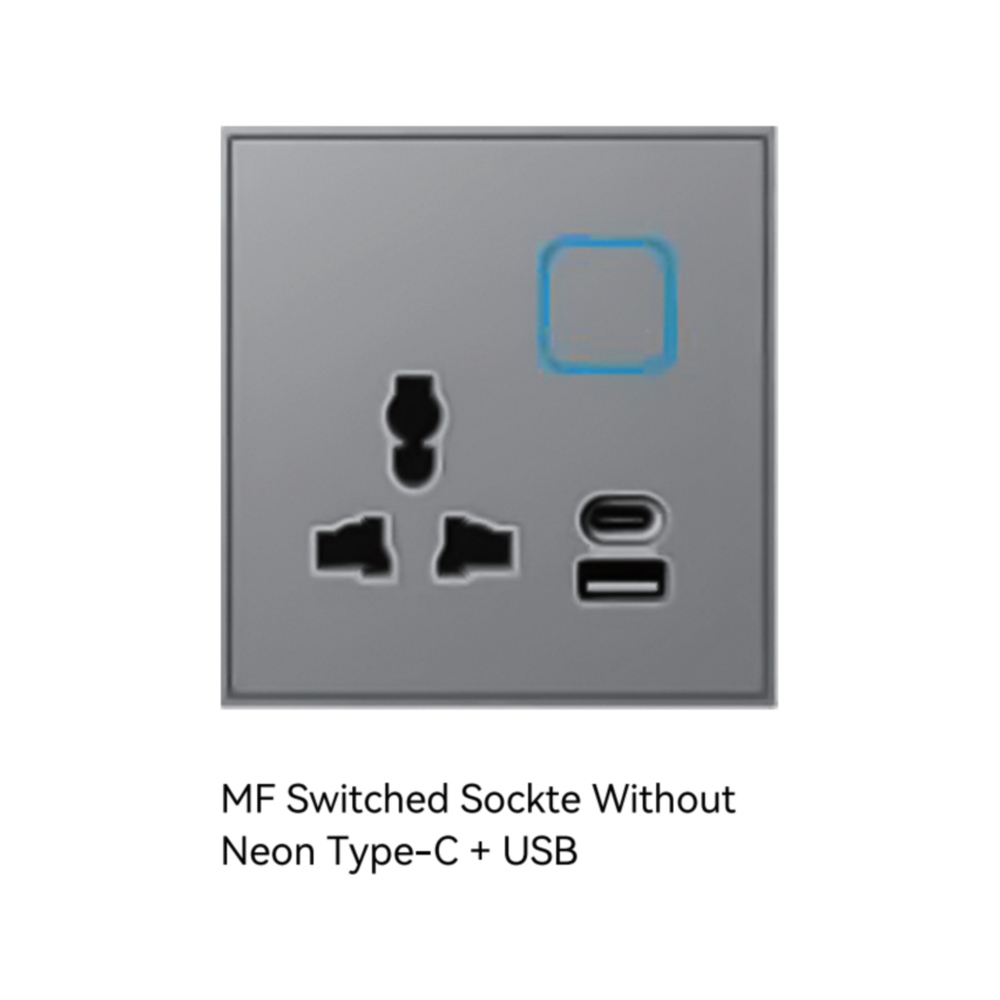
| Accessory | Model, finish and number of outlets | Plain sockets and USB combinations differ |
| Electrical work | Route, circuit work and protection | Hidden assumptions create variations |
| Completion | Testing and applicable certificates | The job includes more than physical fitting |
| Building work | Access holes, patching and painting | Another trade may be needed |
| Commercial terms | GST treatment, call-out, exclusions and variations | Totals need the same basis |
Which compliance costs belong in the installation scope?
Testing and applicable documentation should be discussed before work begins. Regulation 65 distinguishes work requiring a Certificate of Compliance from low-risk work for which that certificate is not obligatory. Electrical Safety Certificate obligations are a separate consideration; not every replacement and circuit alteration has identical paperwork.
For the accessory, CE, RoHS or GCC documentation does not independently establish New Zealand suitability. Buyers need evidence for the exact destination and model. The installer should also explain whether the quoted circuit work triggers protection changes, rather than assuming every older installation needs a wholesale upgrade.
How can the owner reduce avoidable installation costs?
- Confirm furniture positions and appliance use before the quotation.
- Group planned work into one site assessment where practical.
- Agree access, wall repairs and any return visit in writing.
- Compare the same accessory and GST basis, not just headline totals.
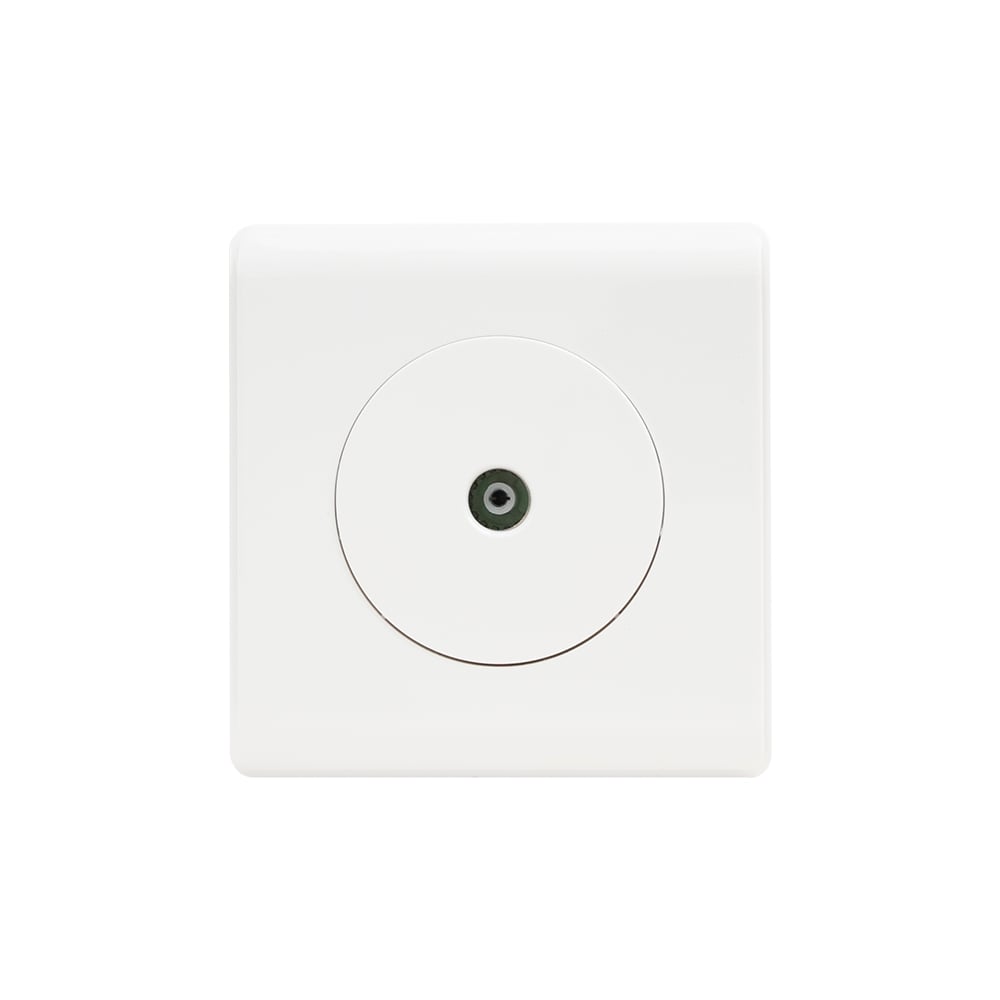
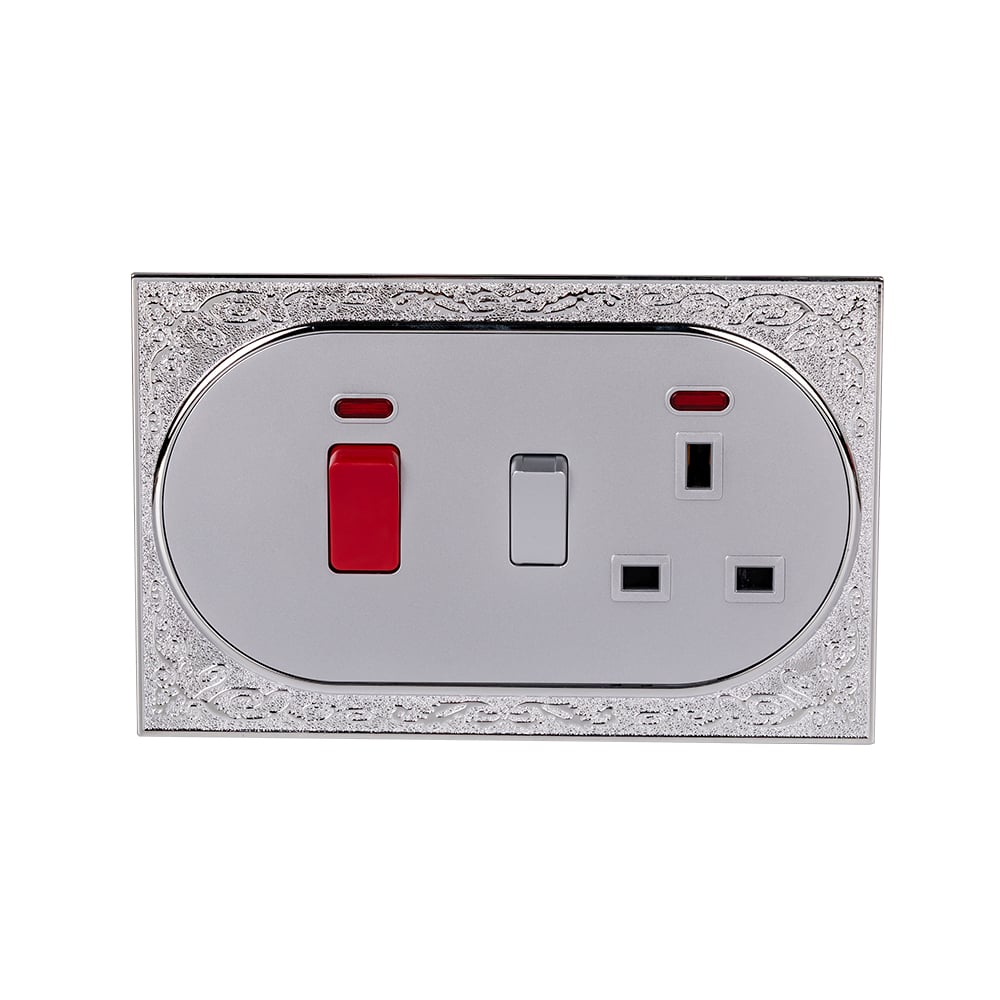
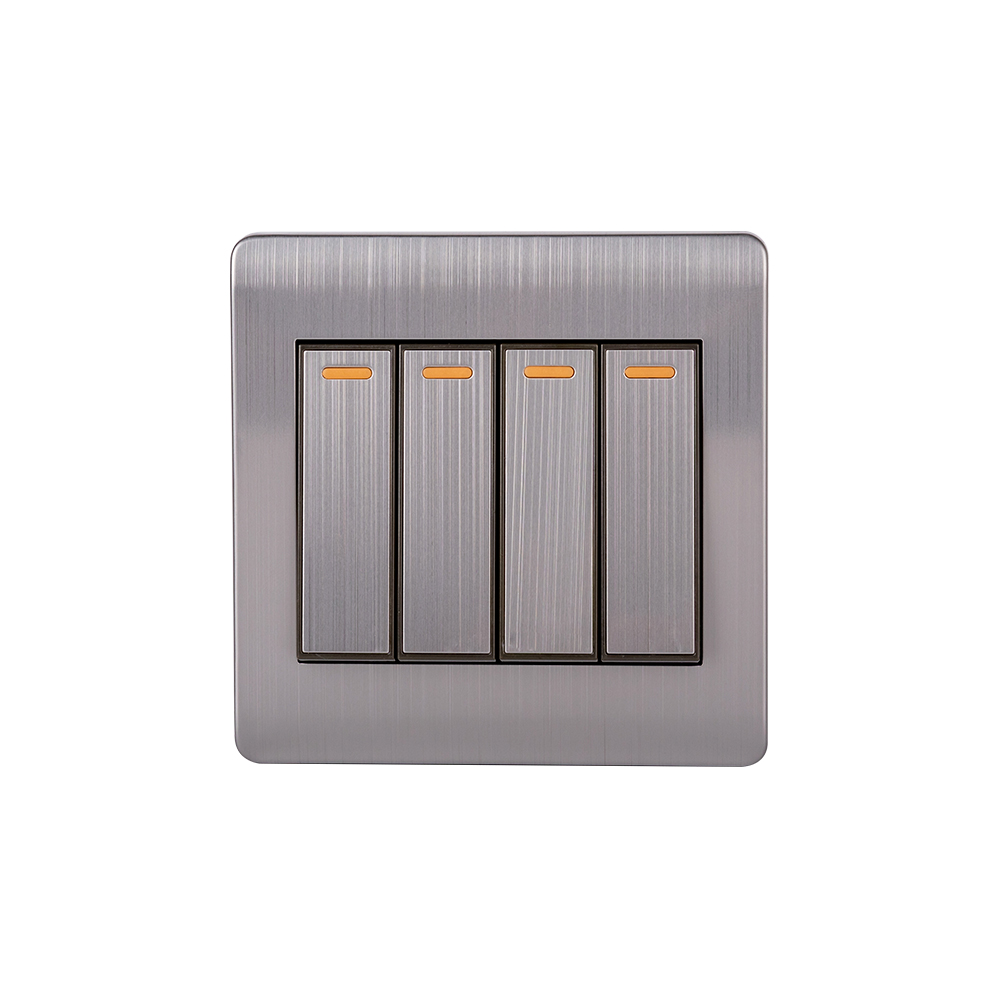
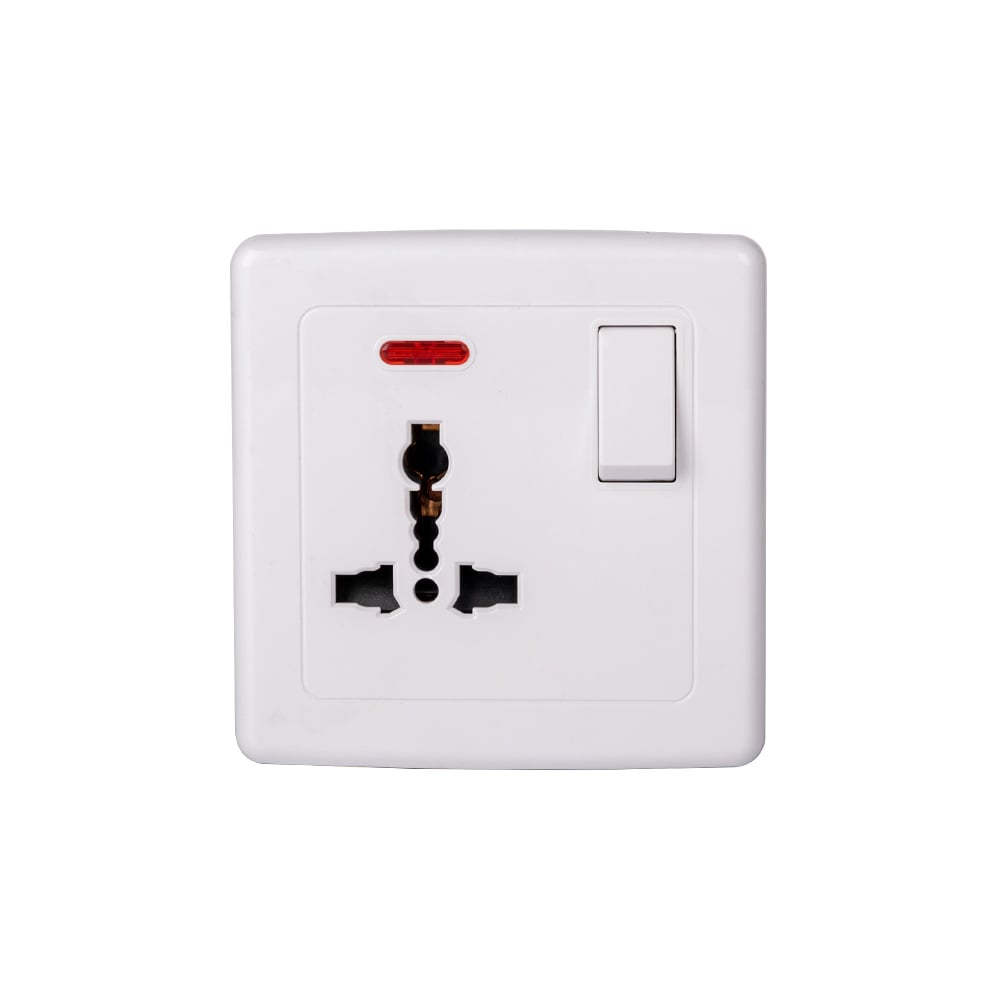
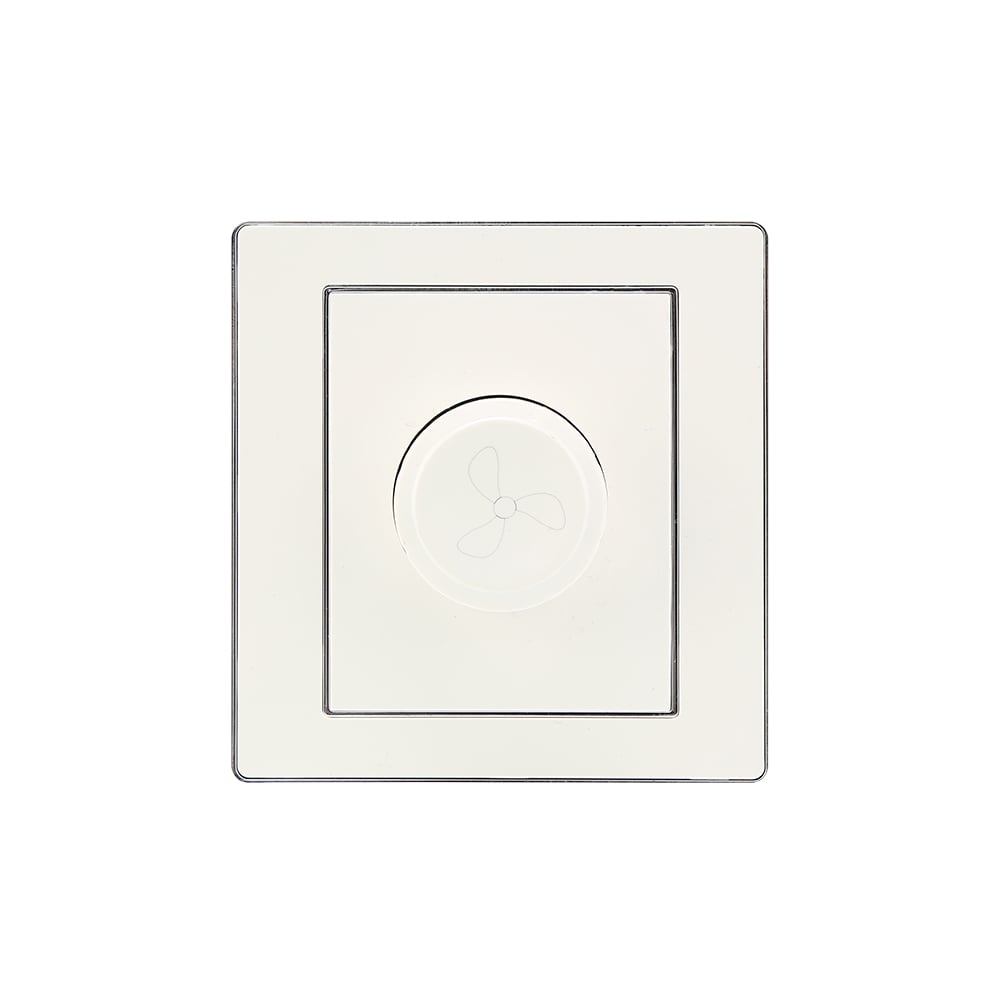
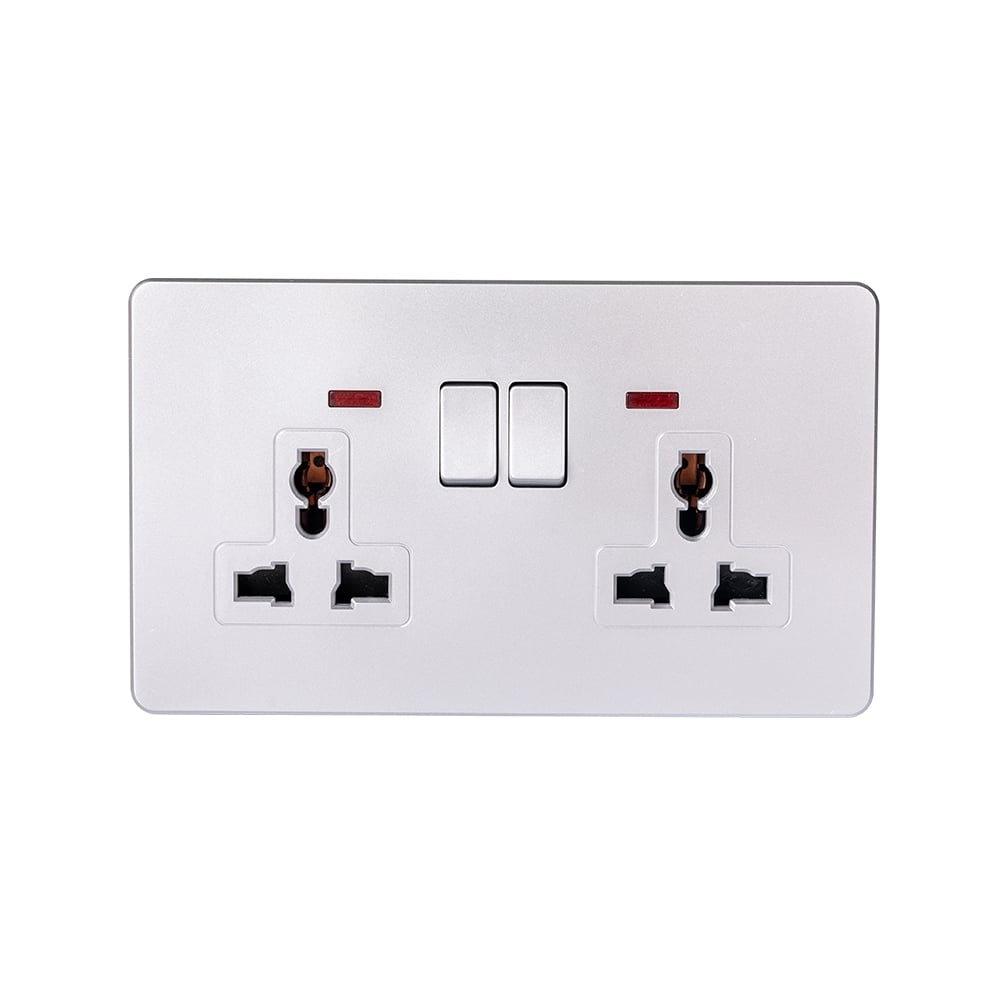
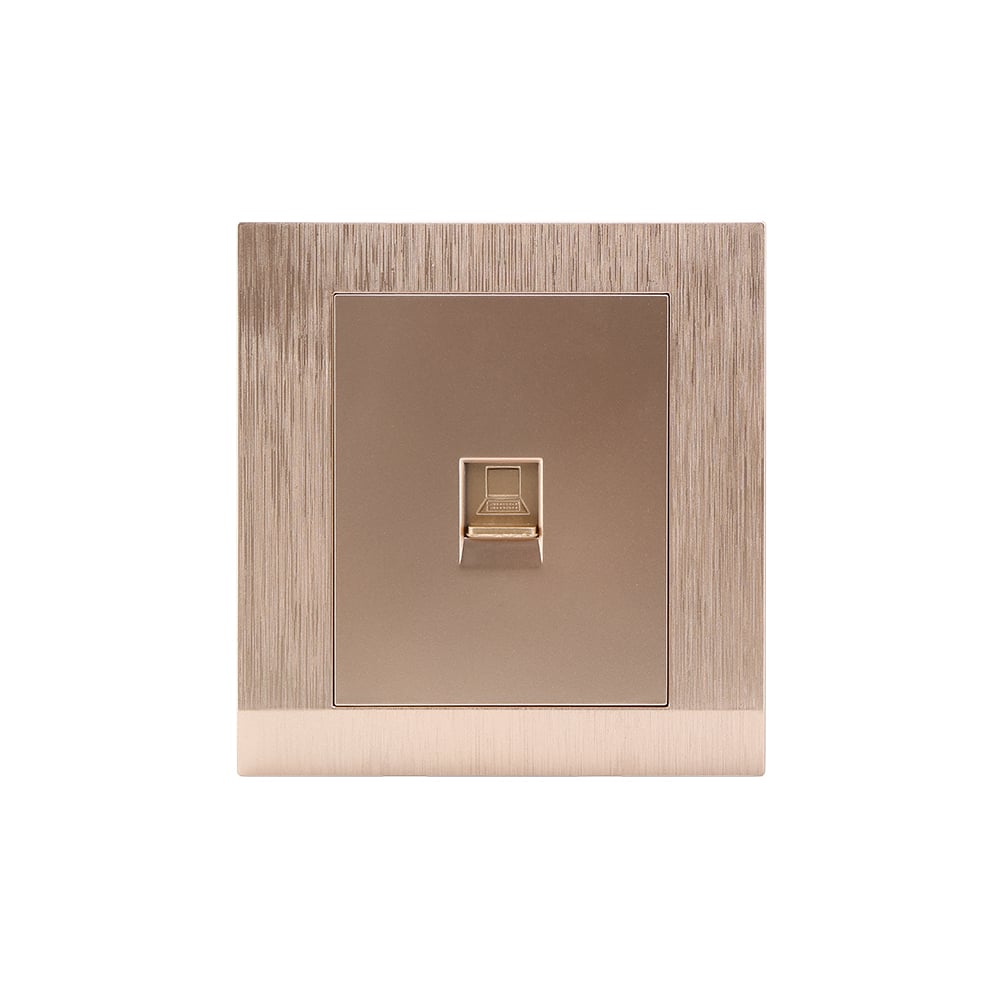
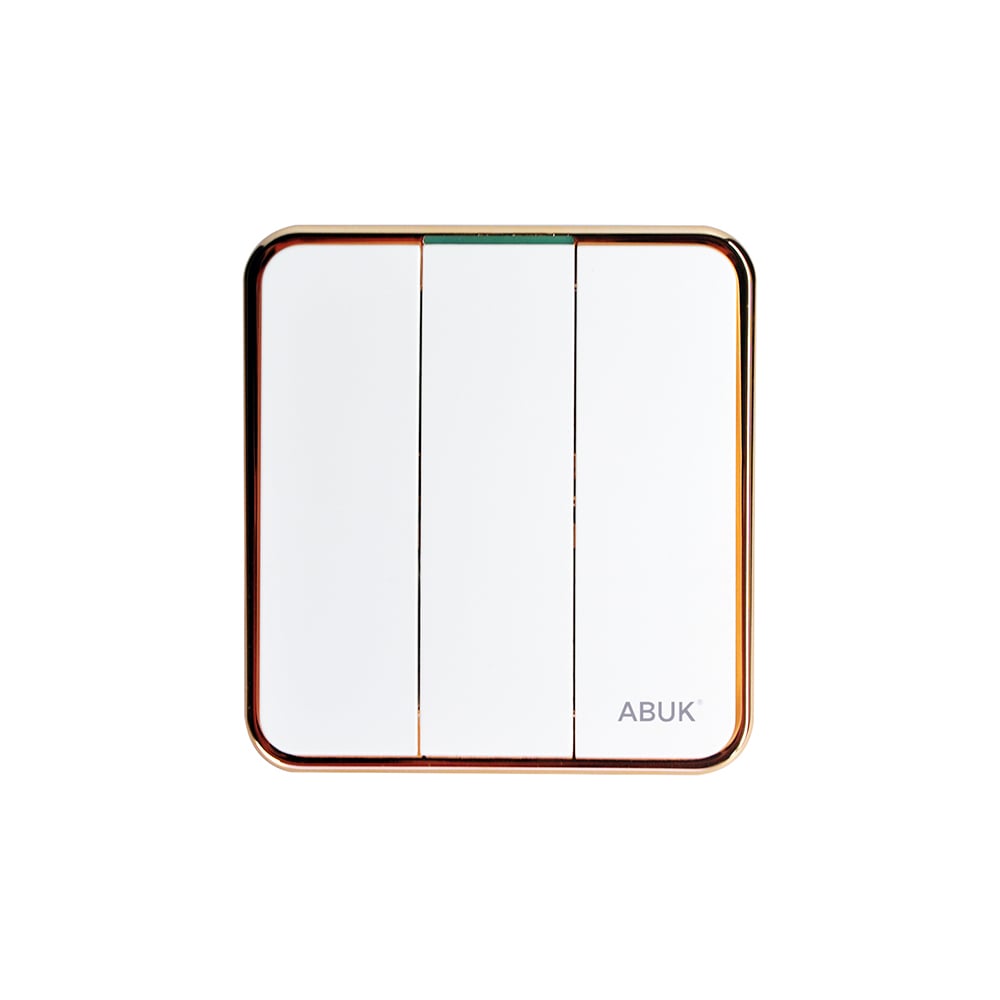
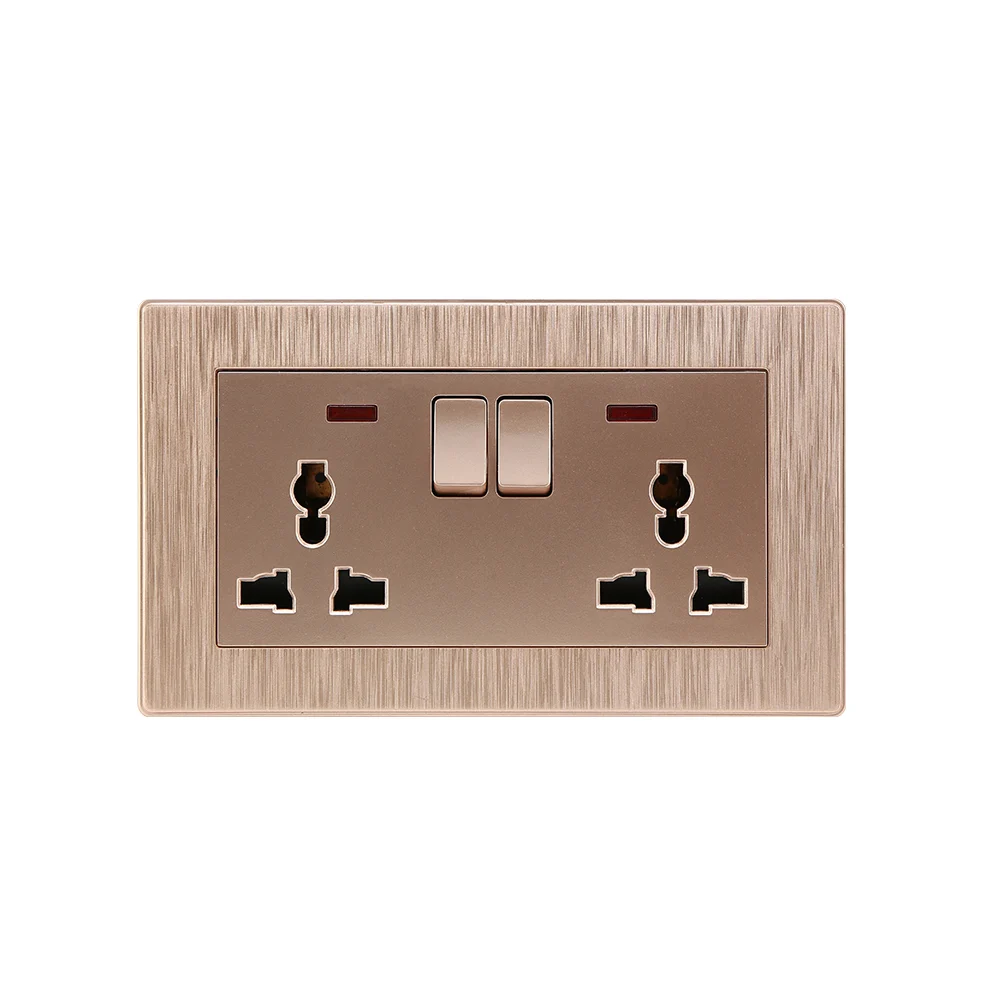
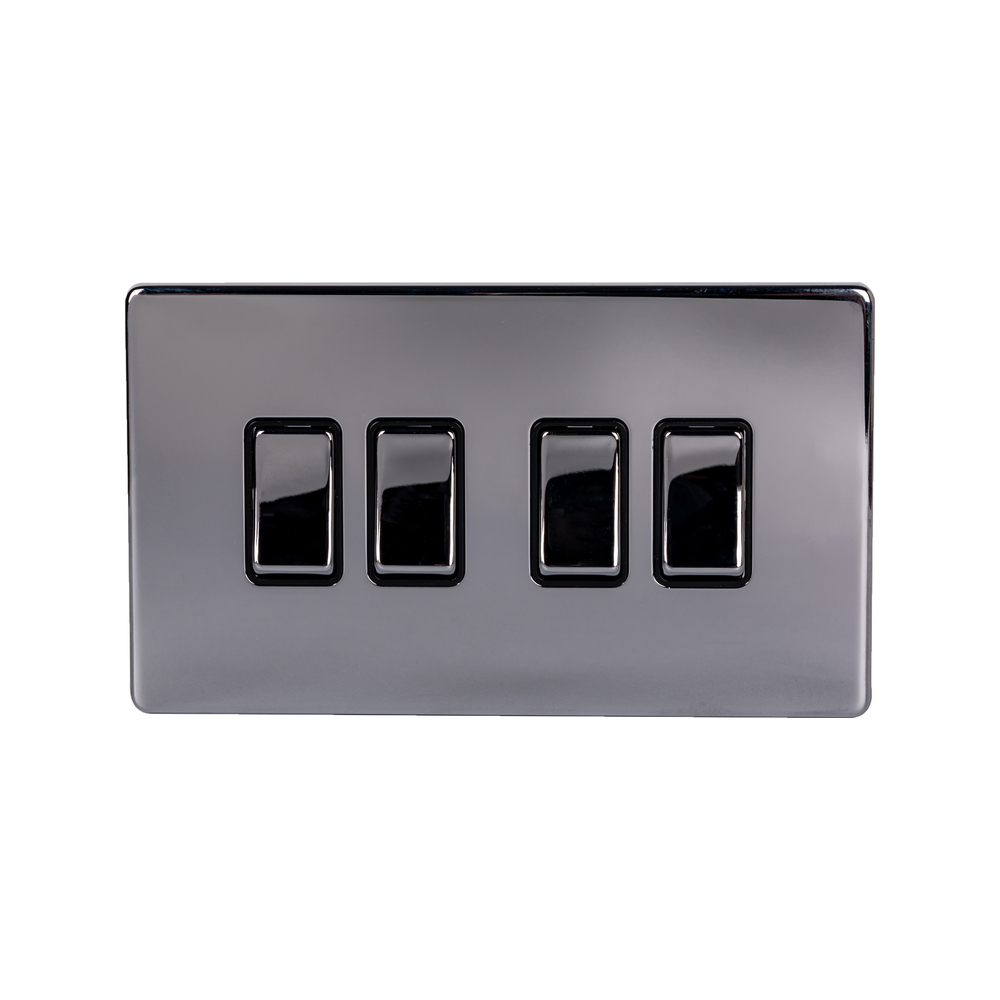
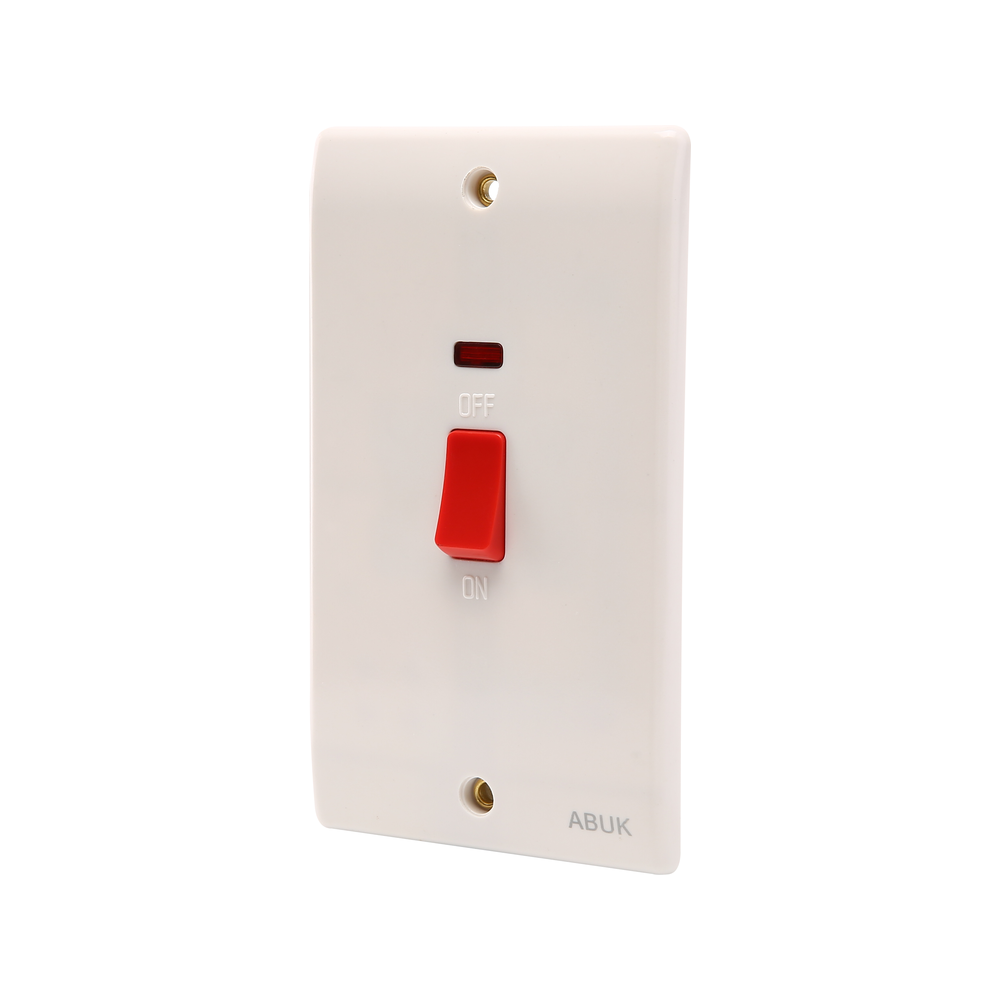
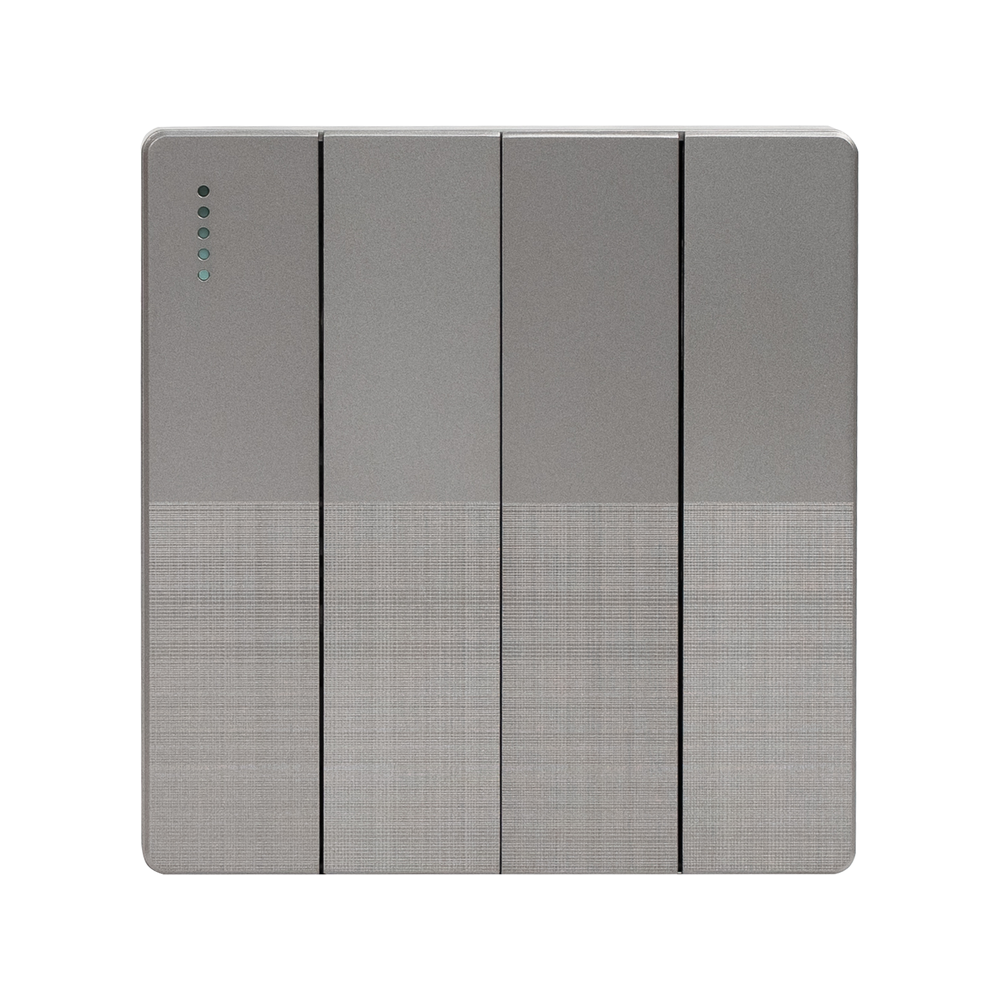
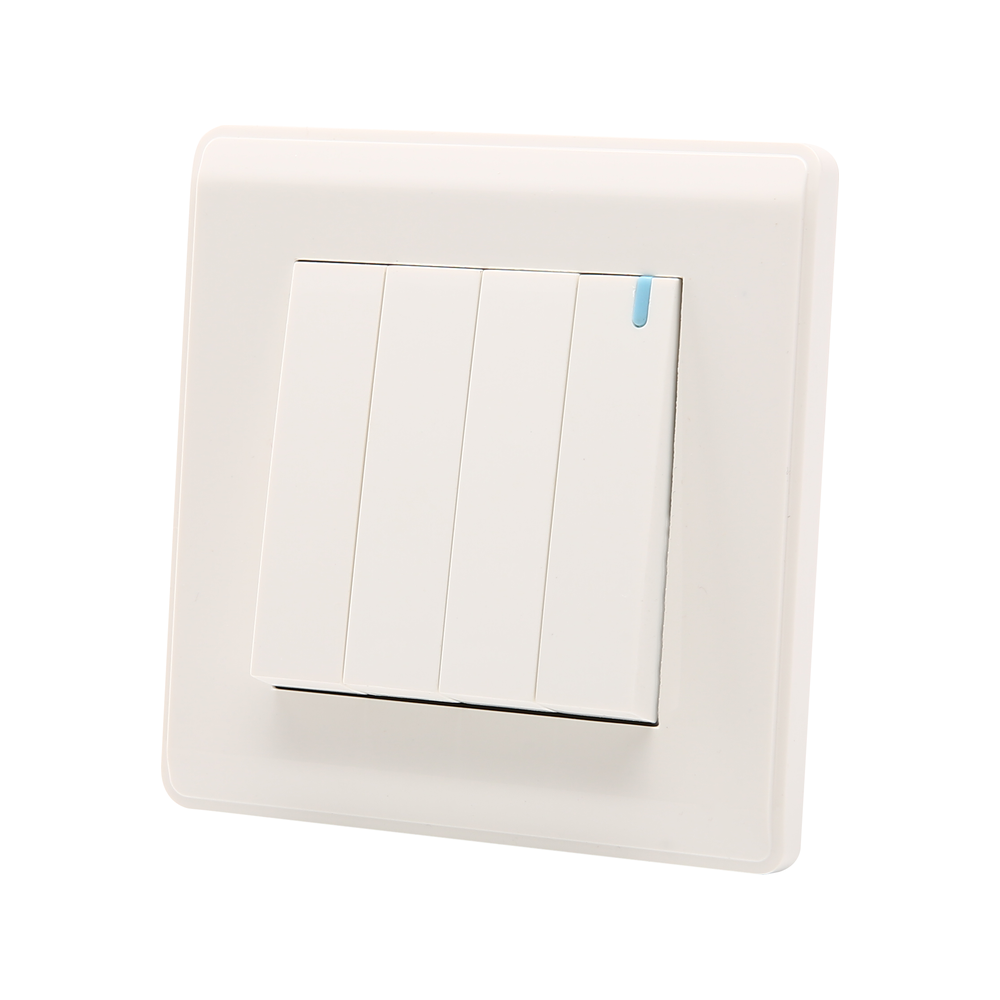
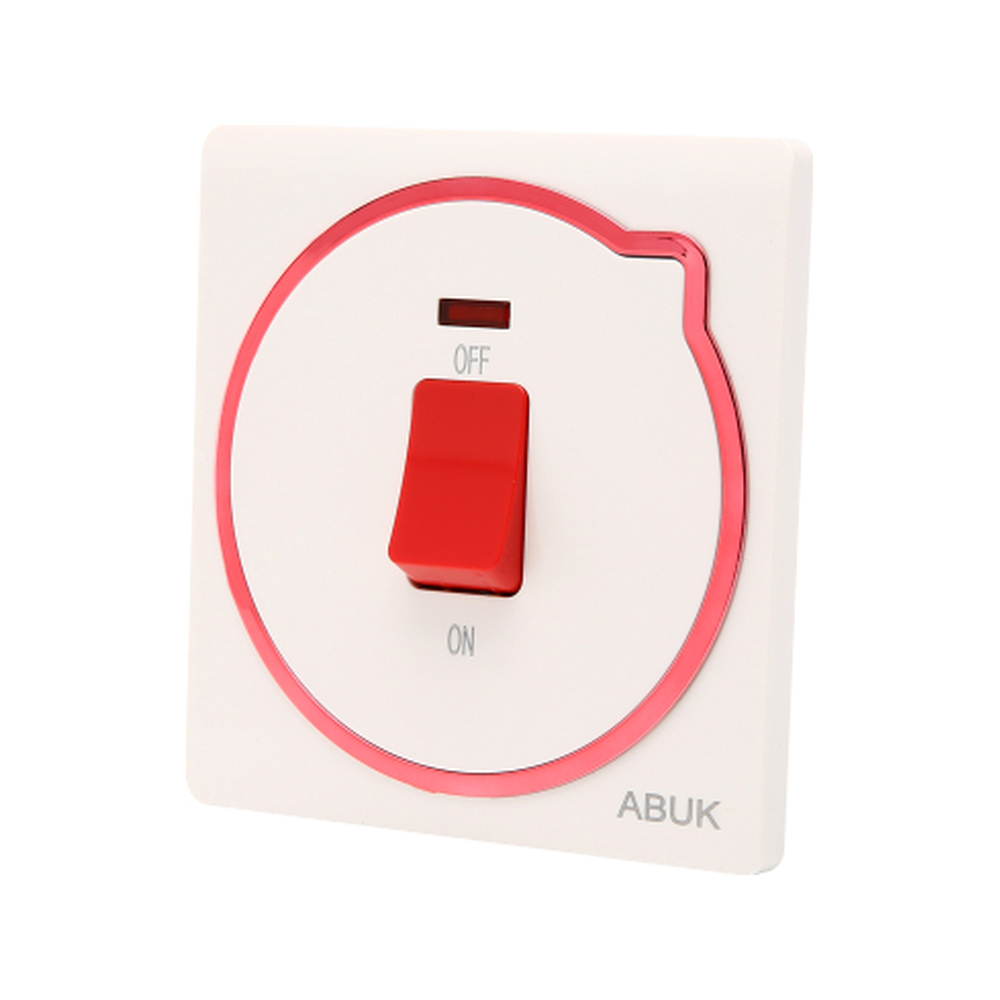
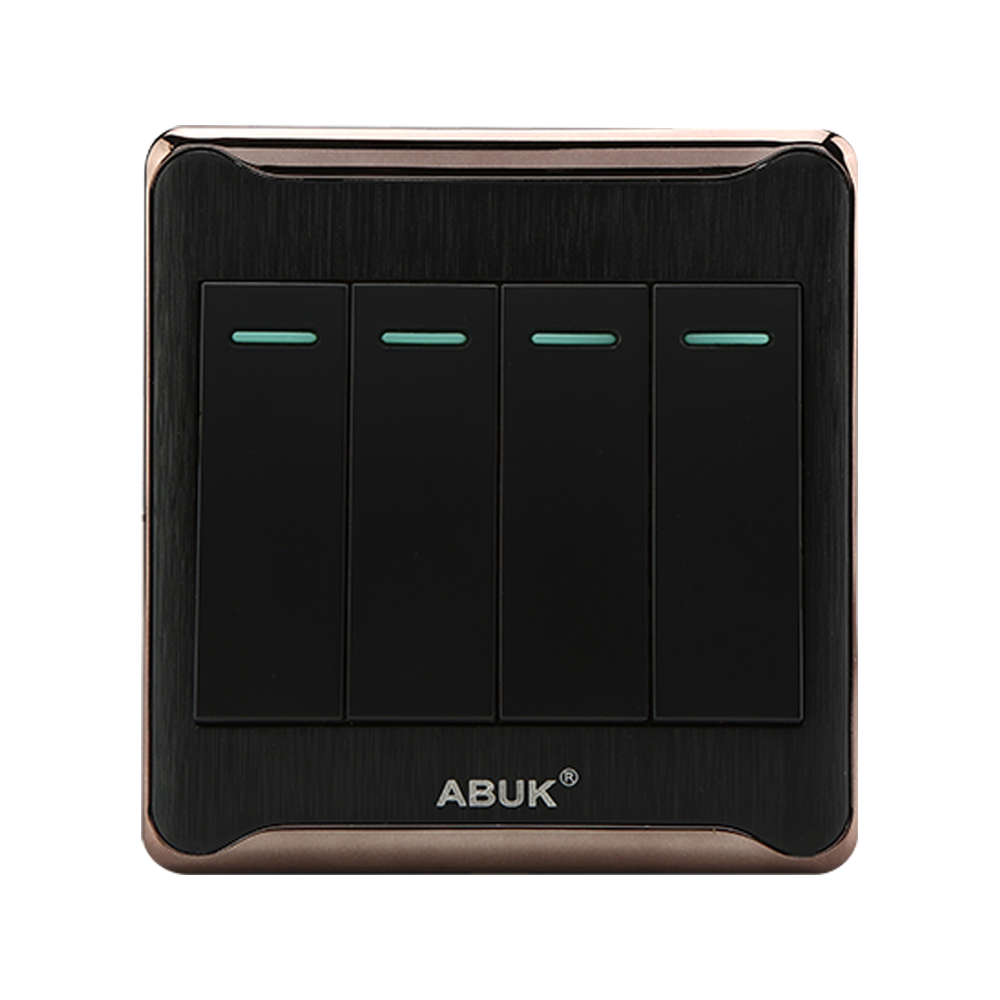
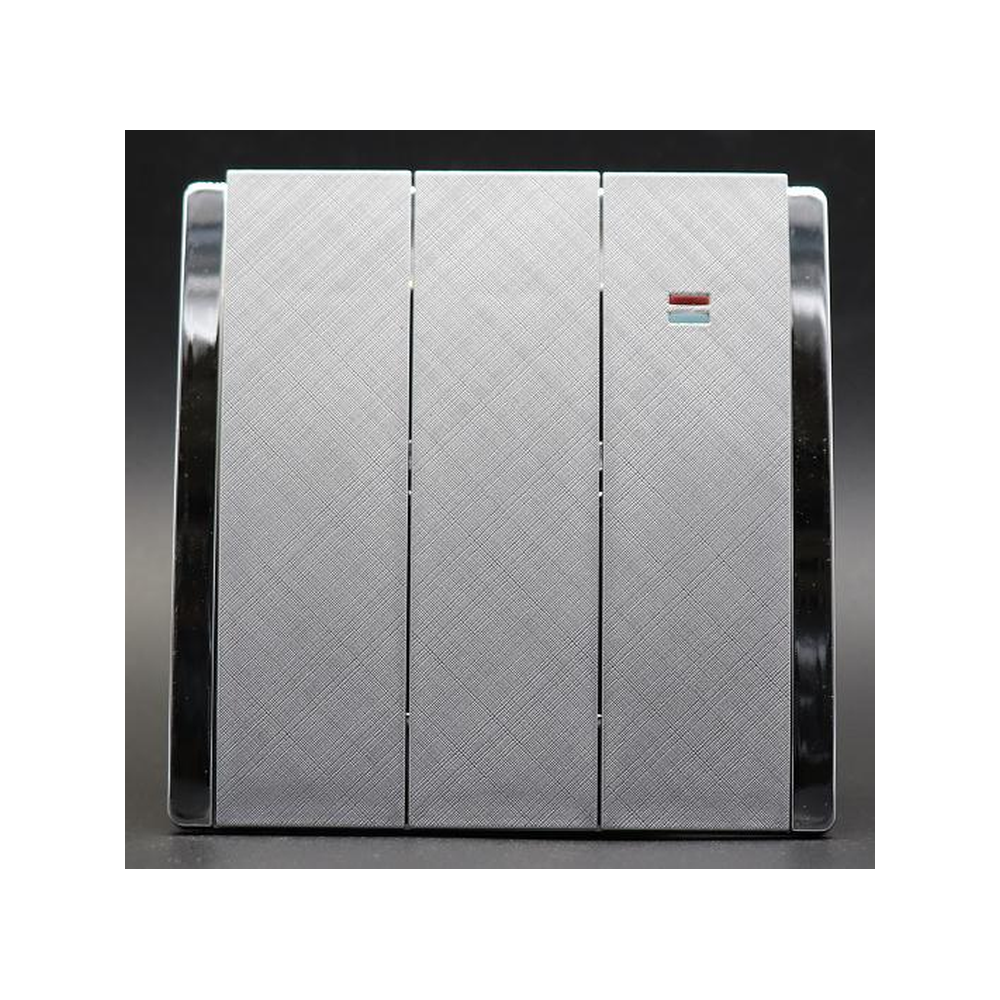
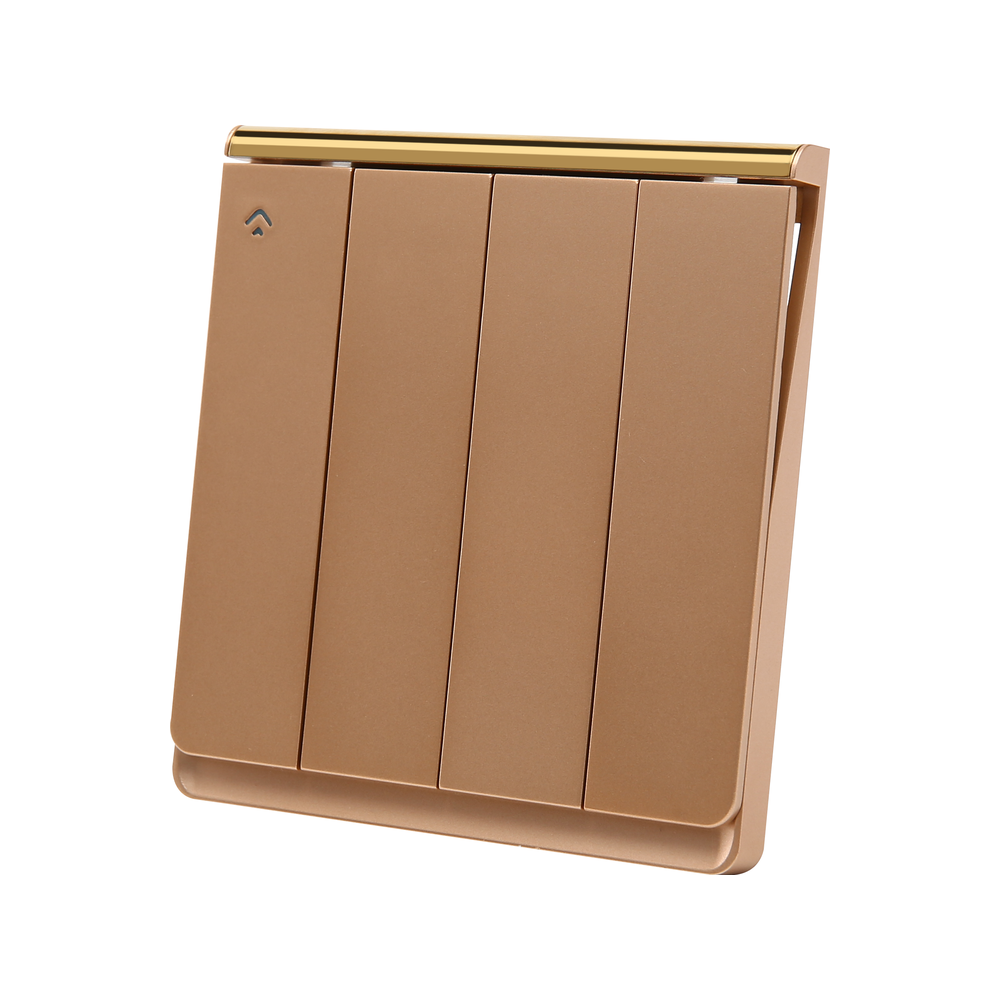
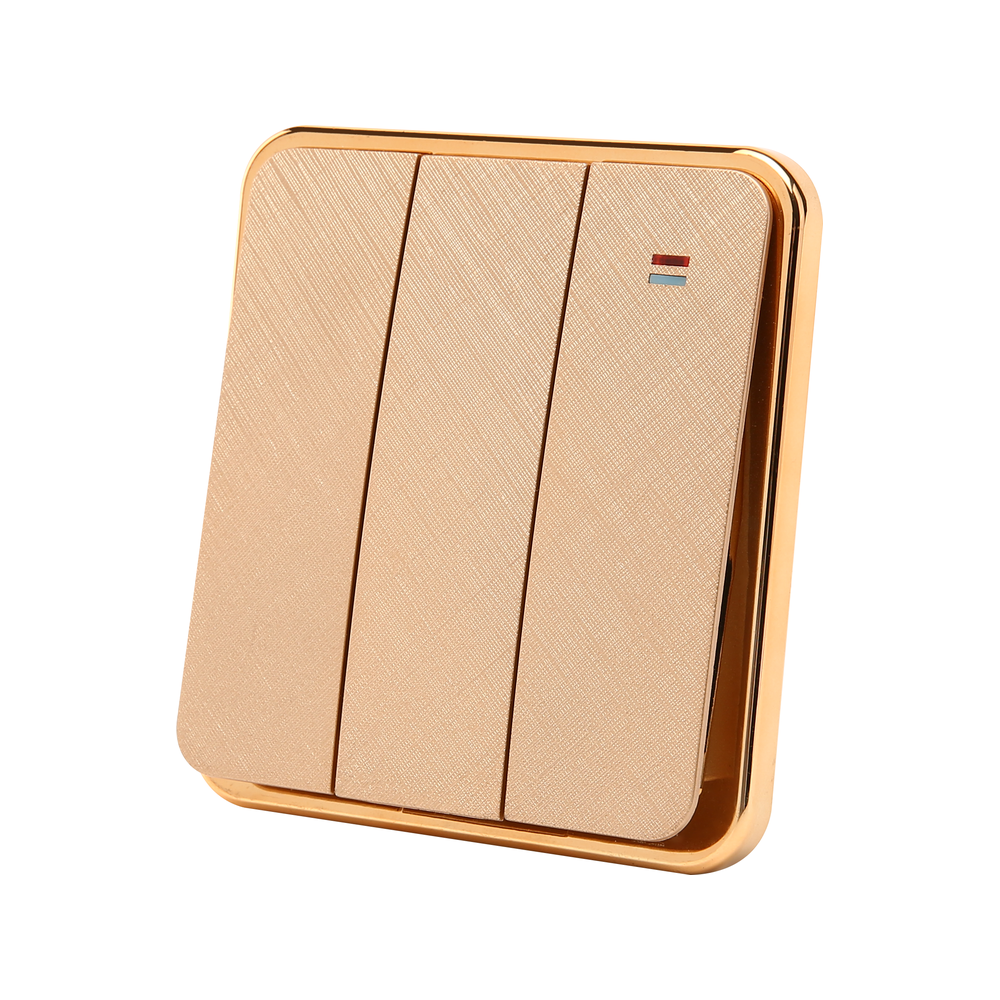
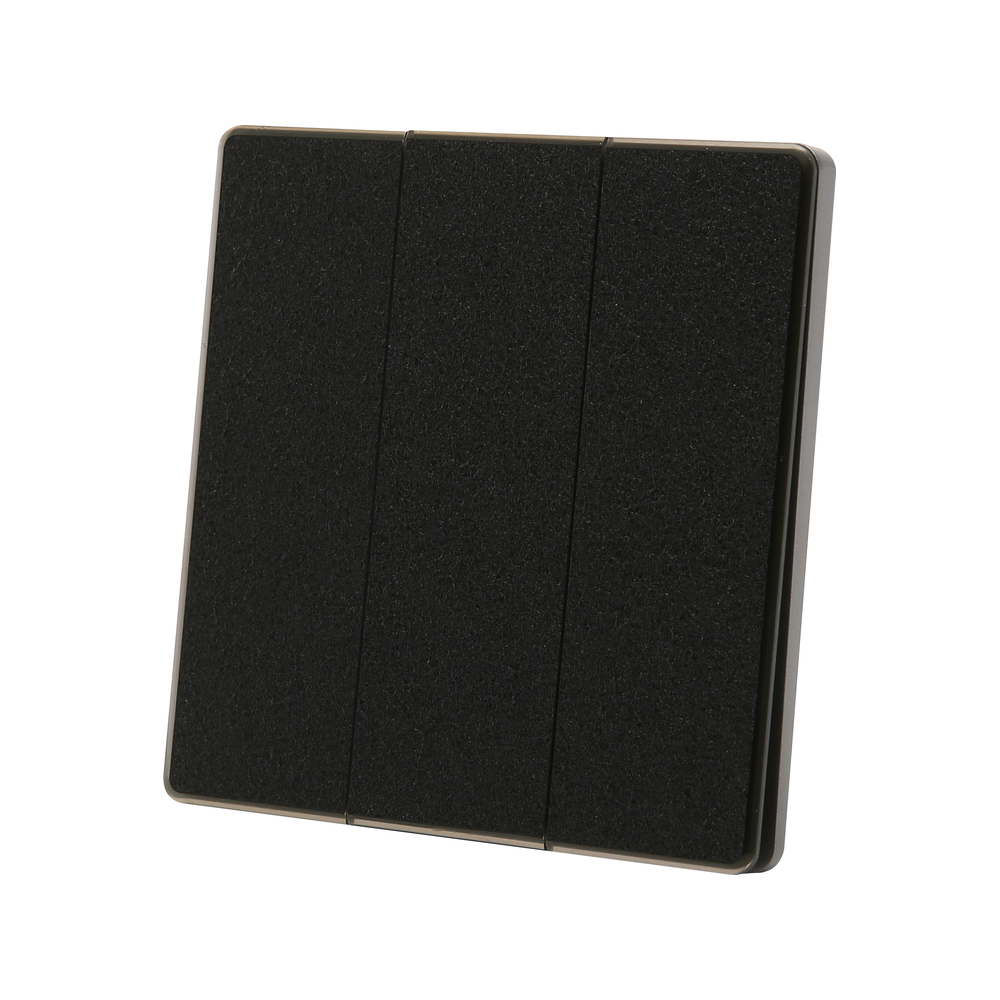
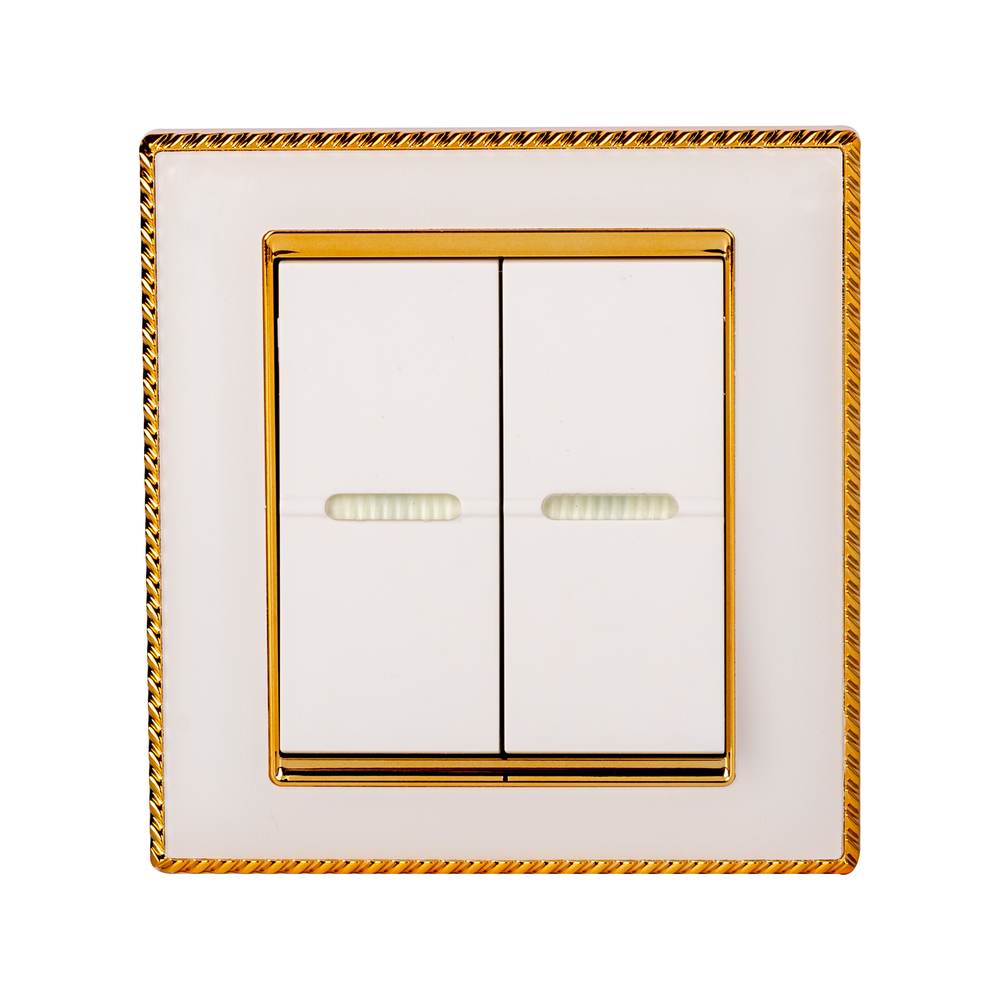
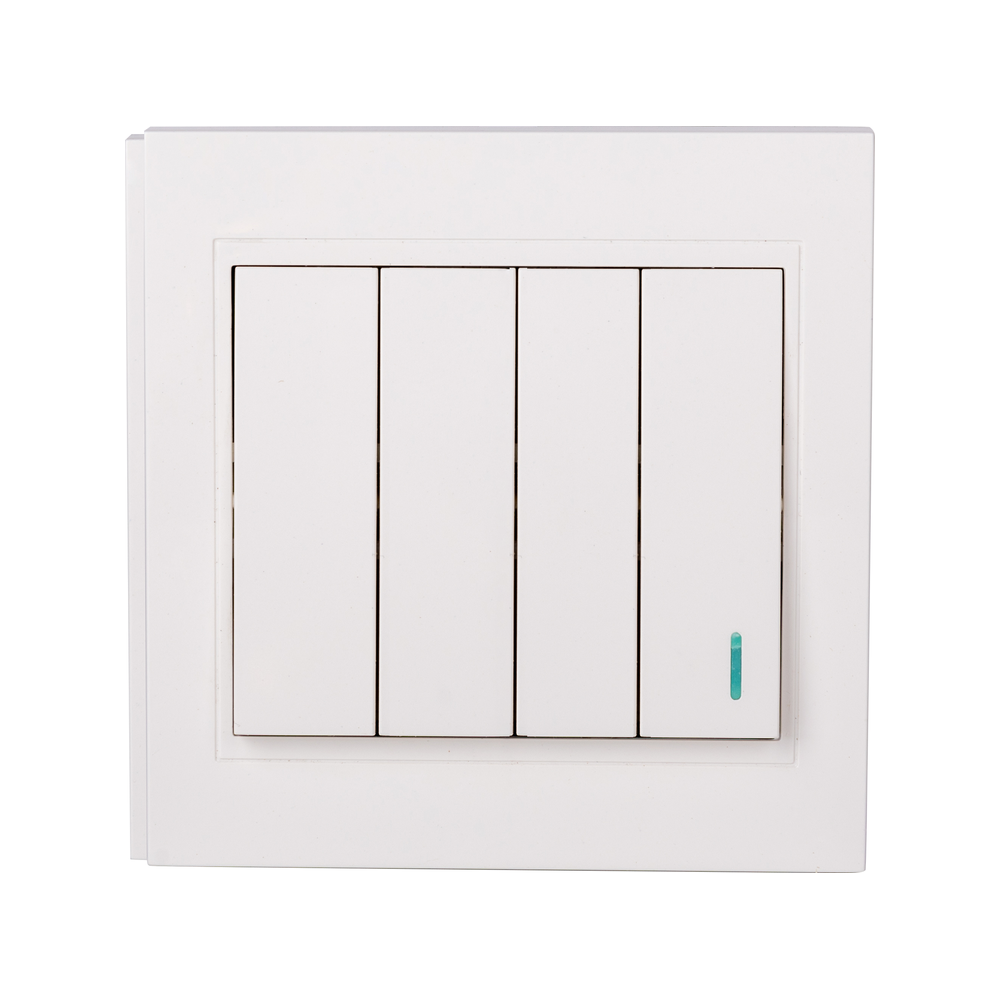
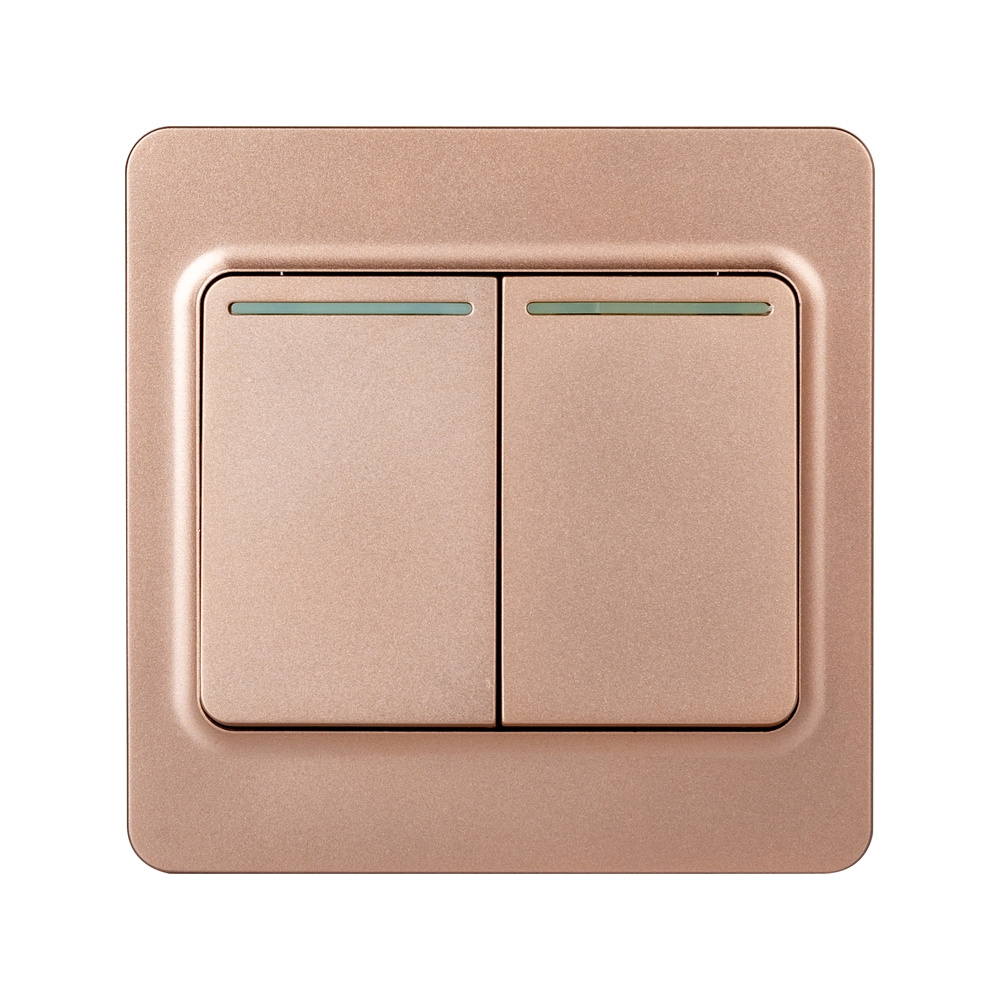
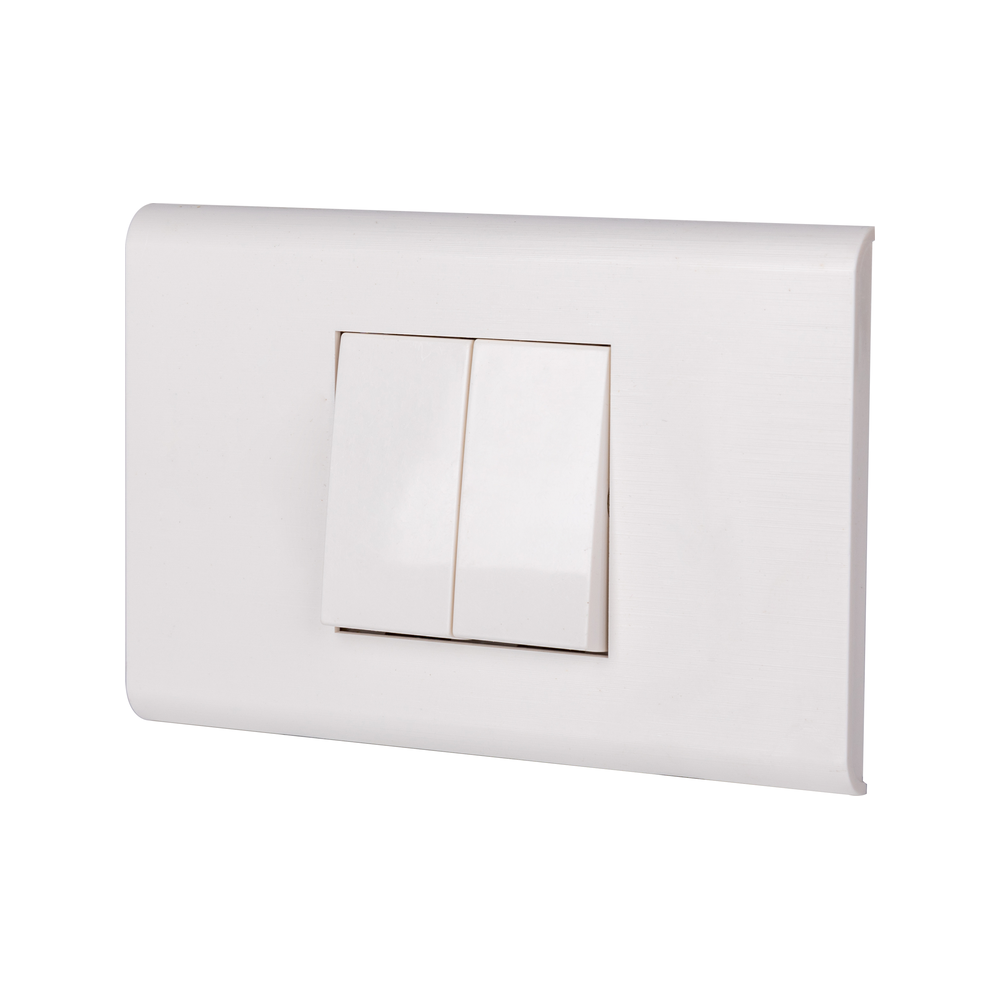
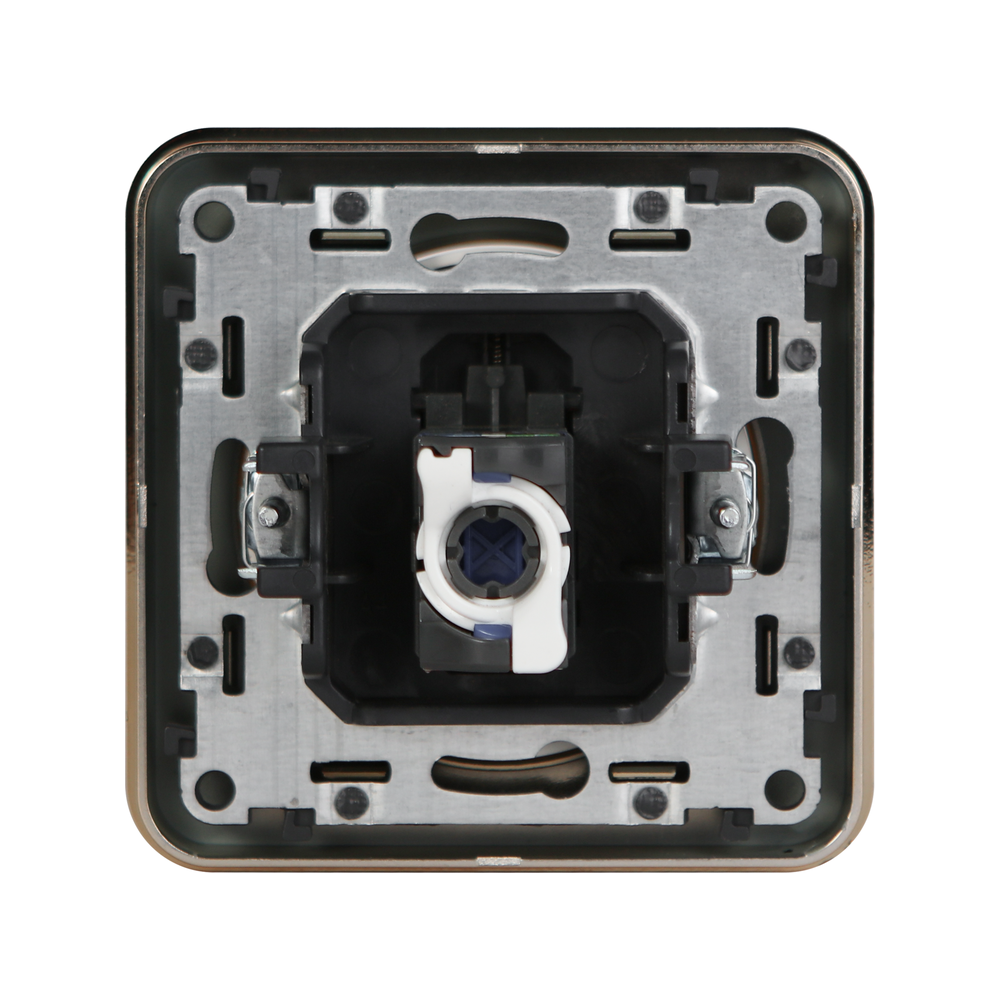
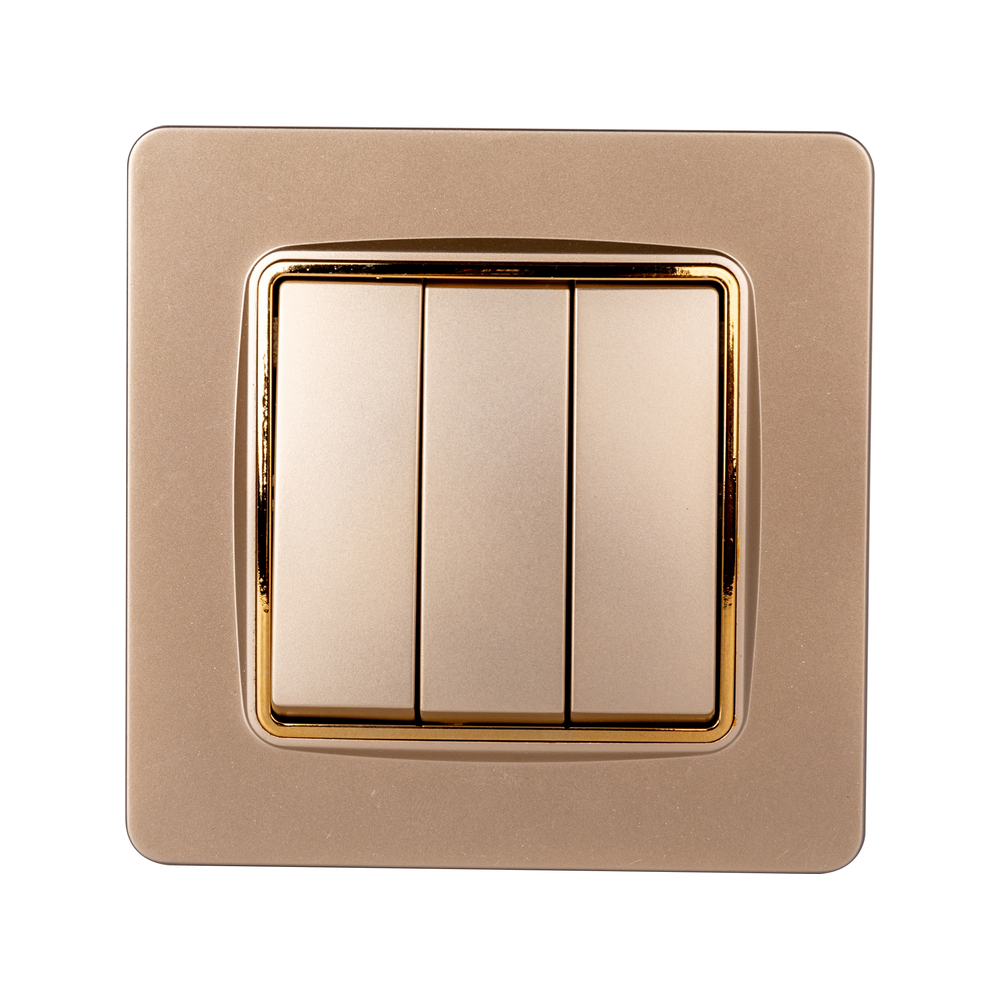
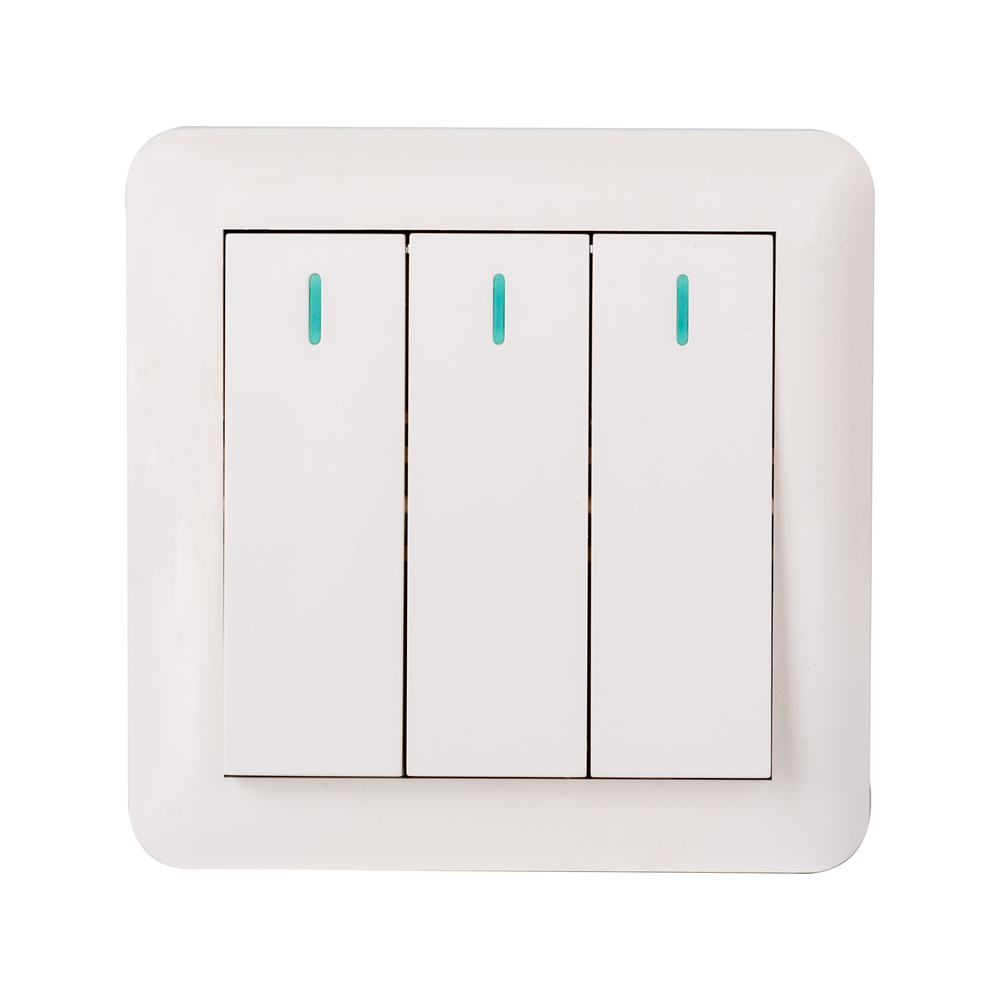
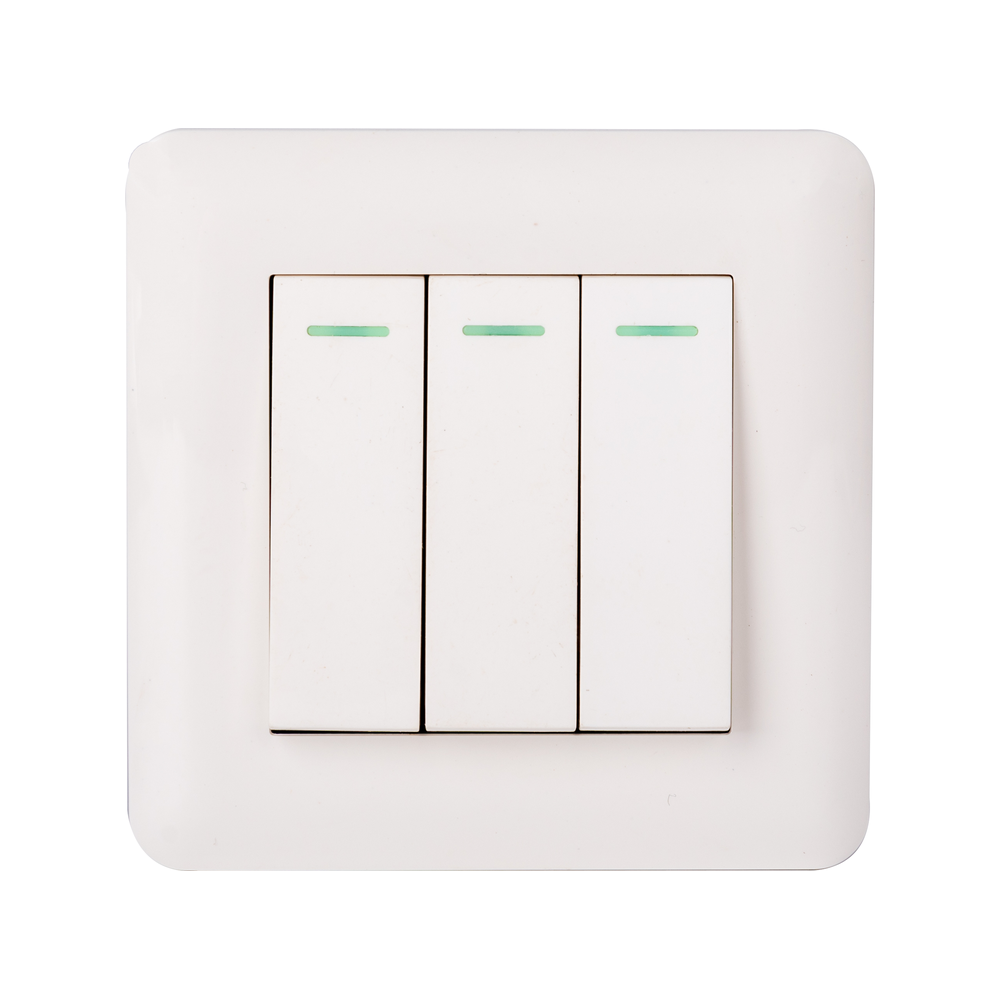
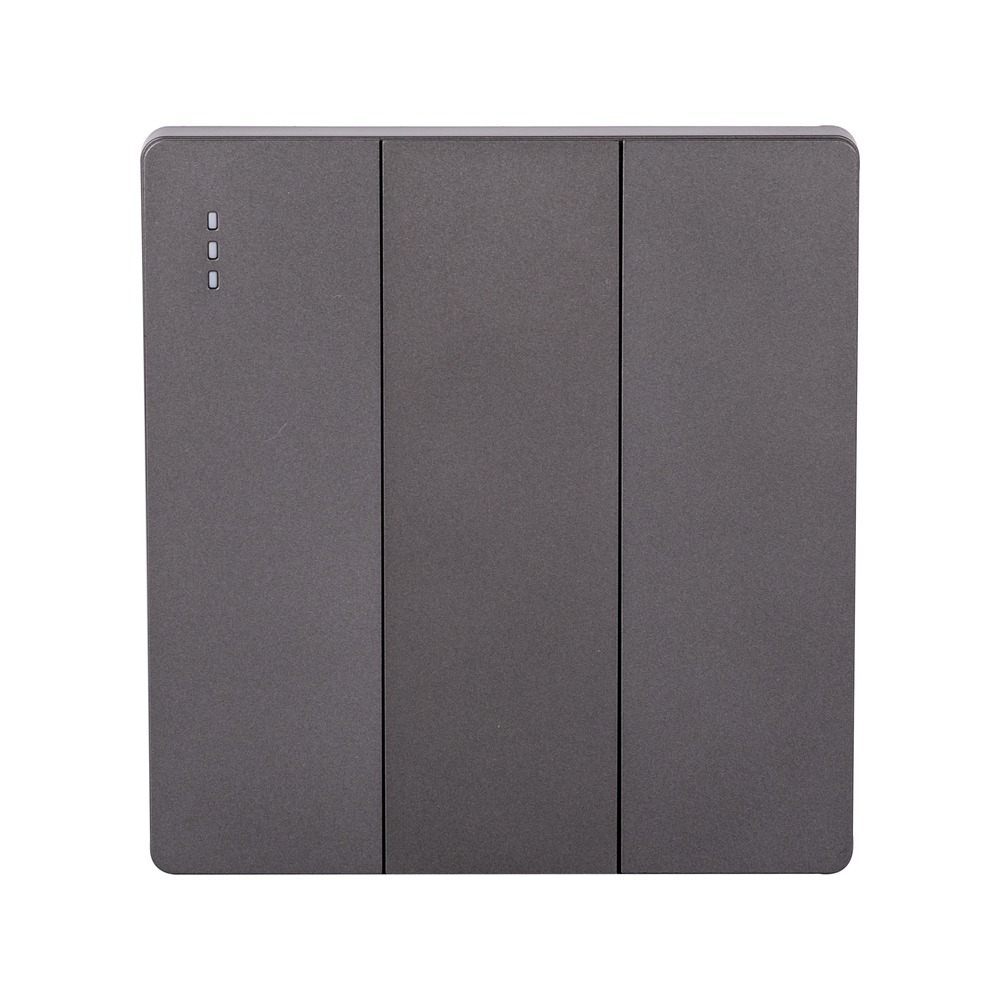
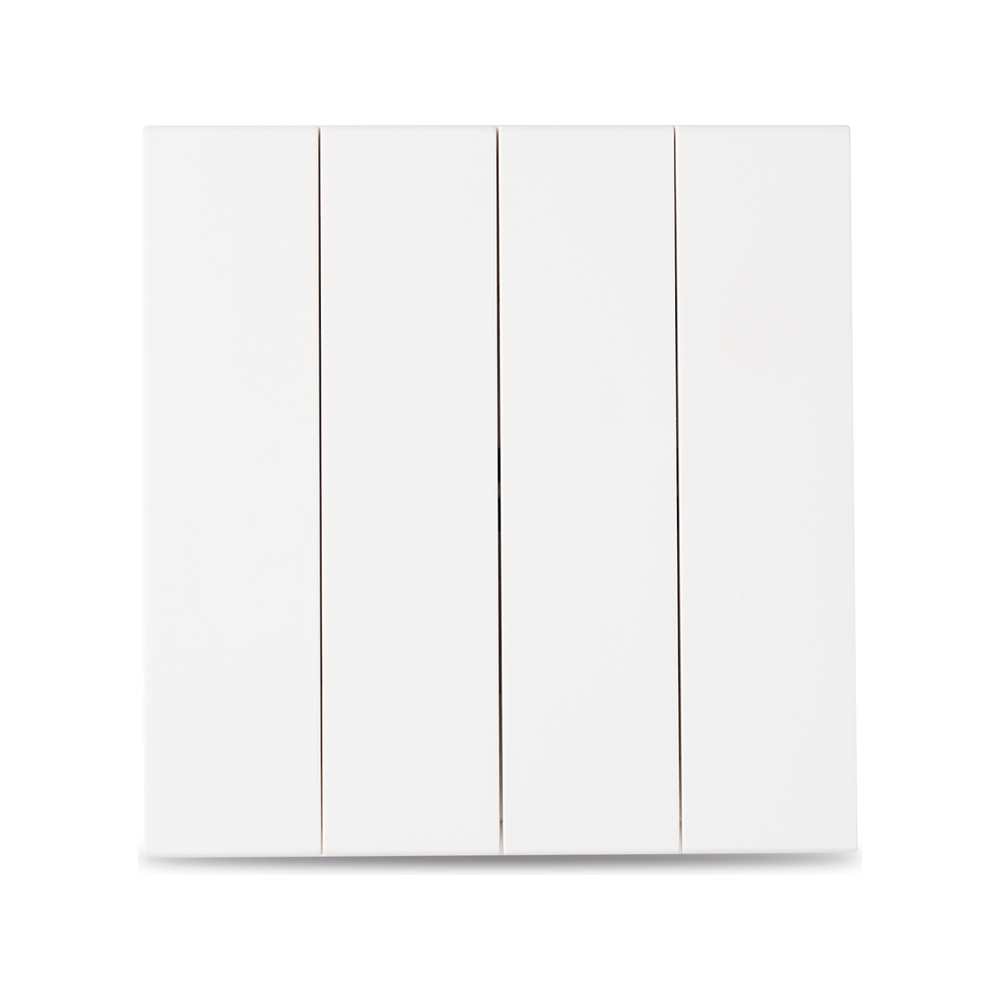
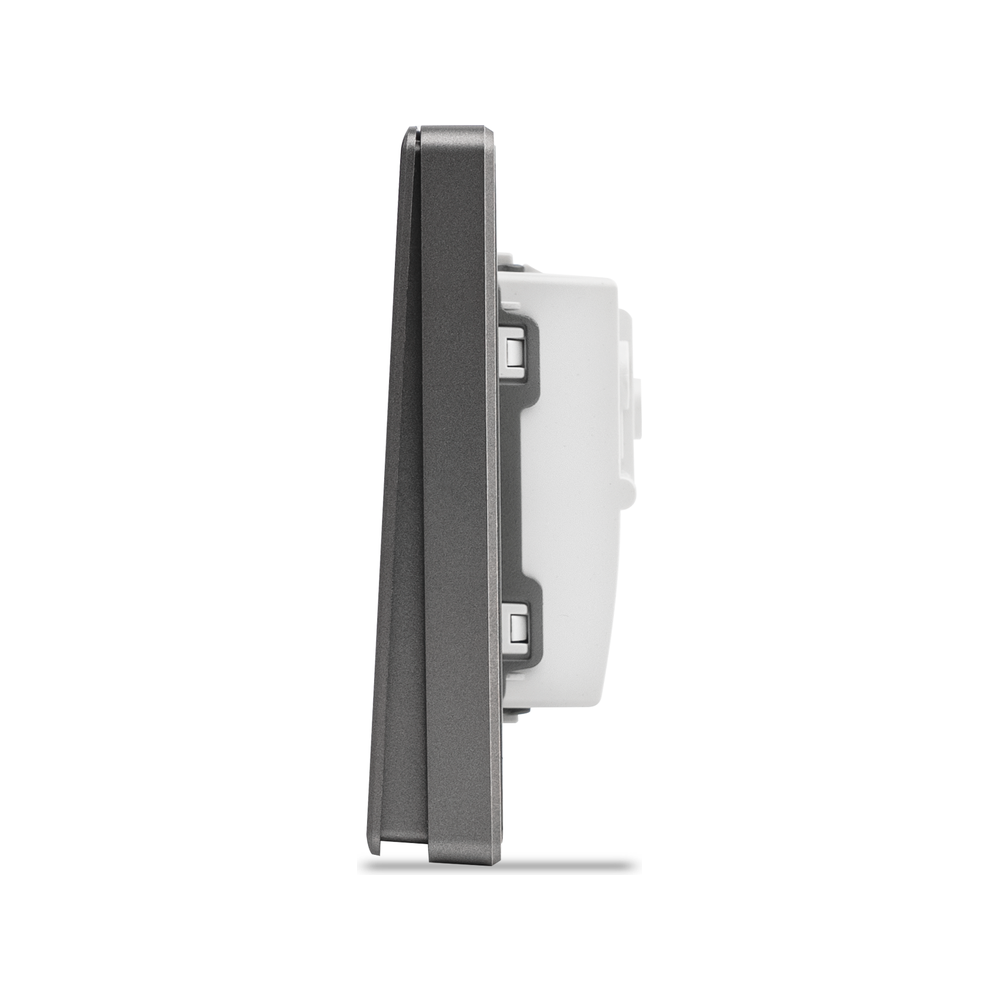
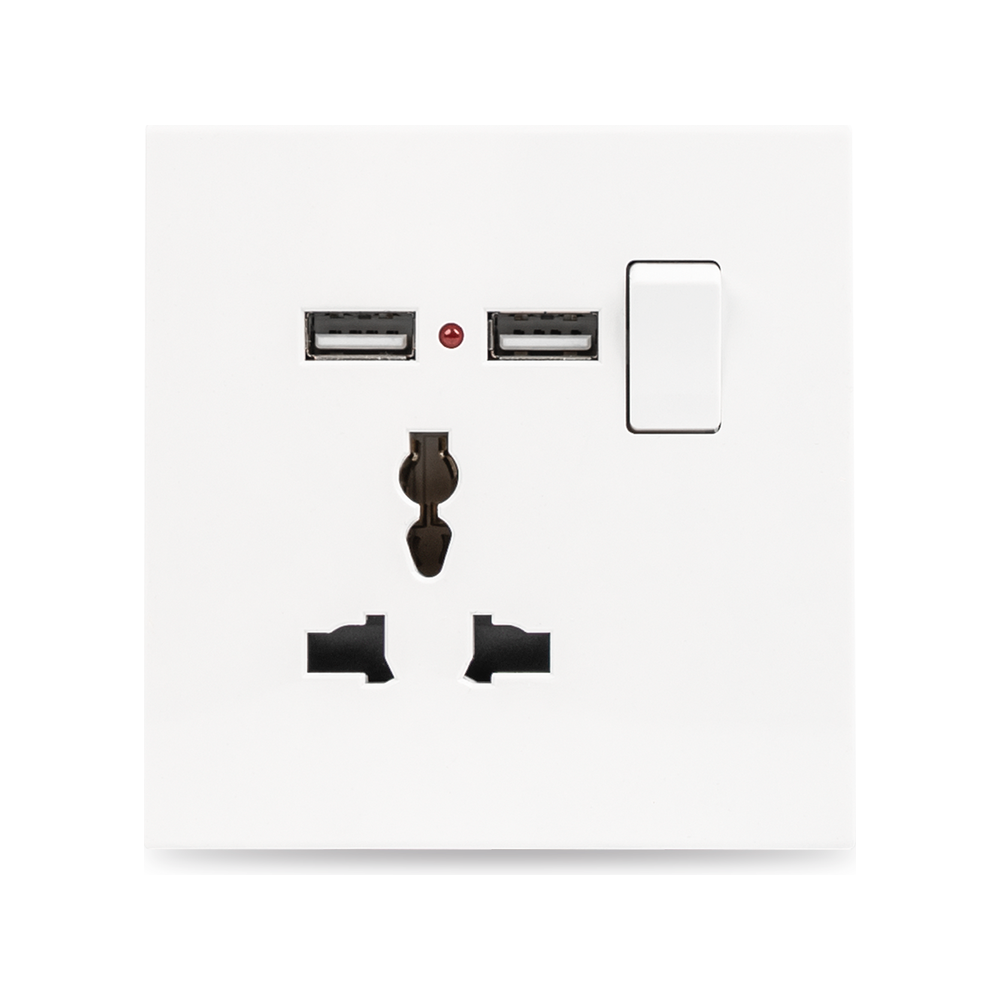
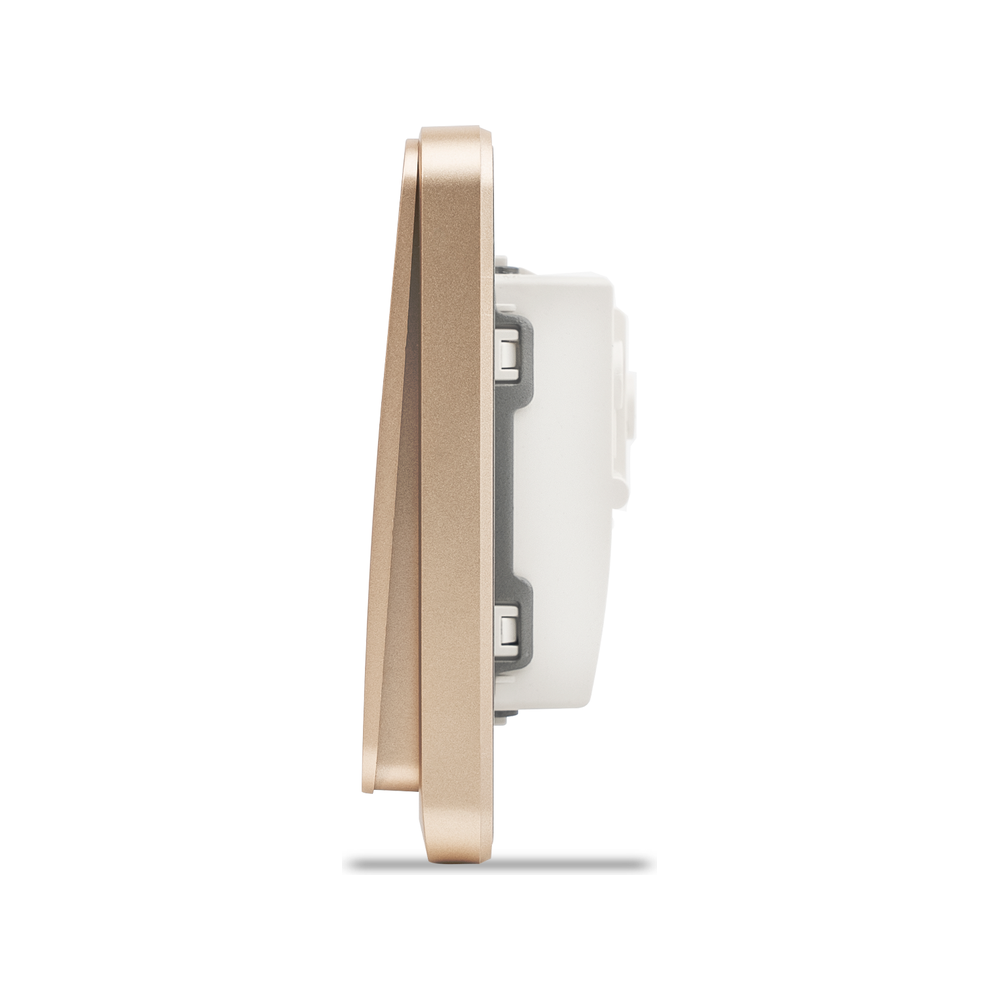
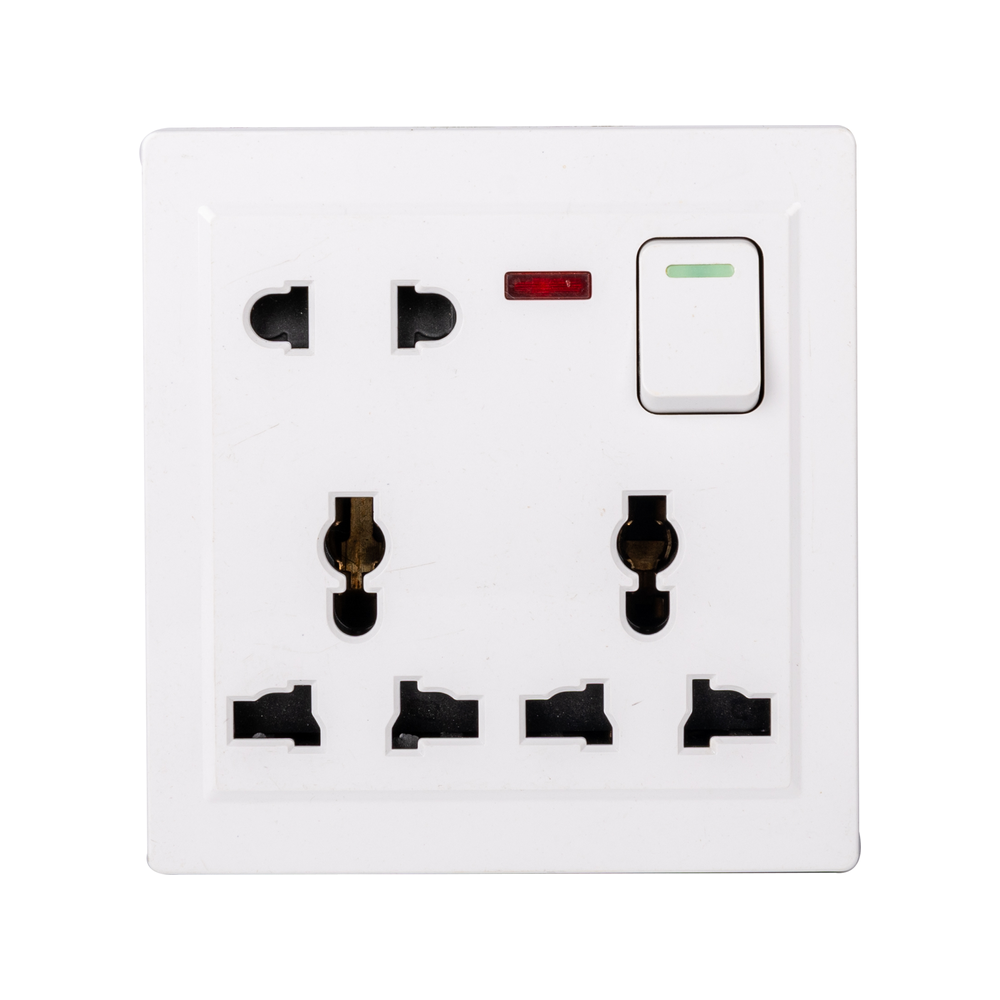
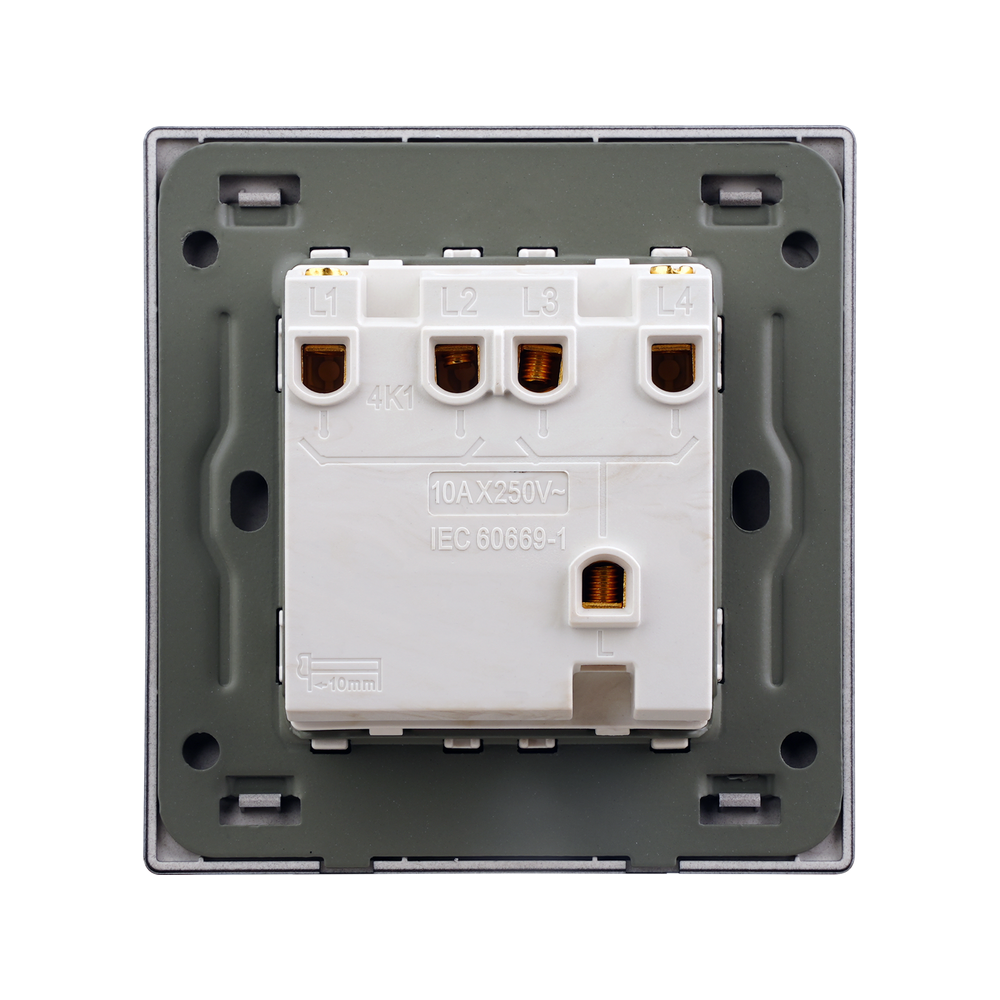
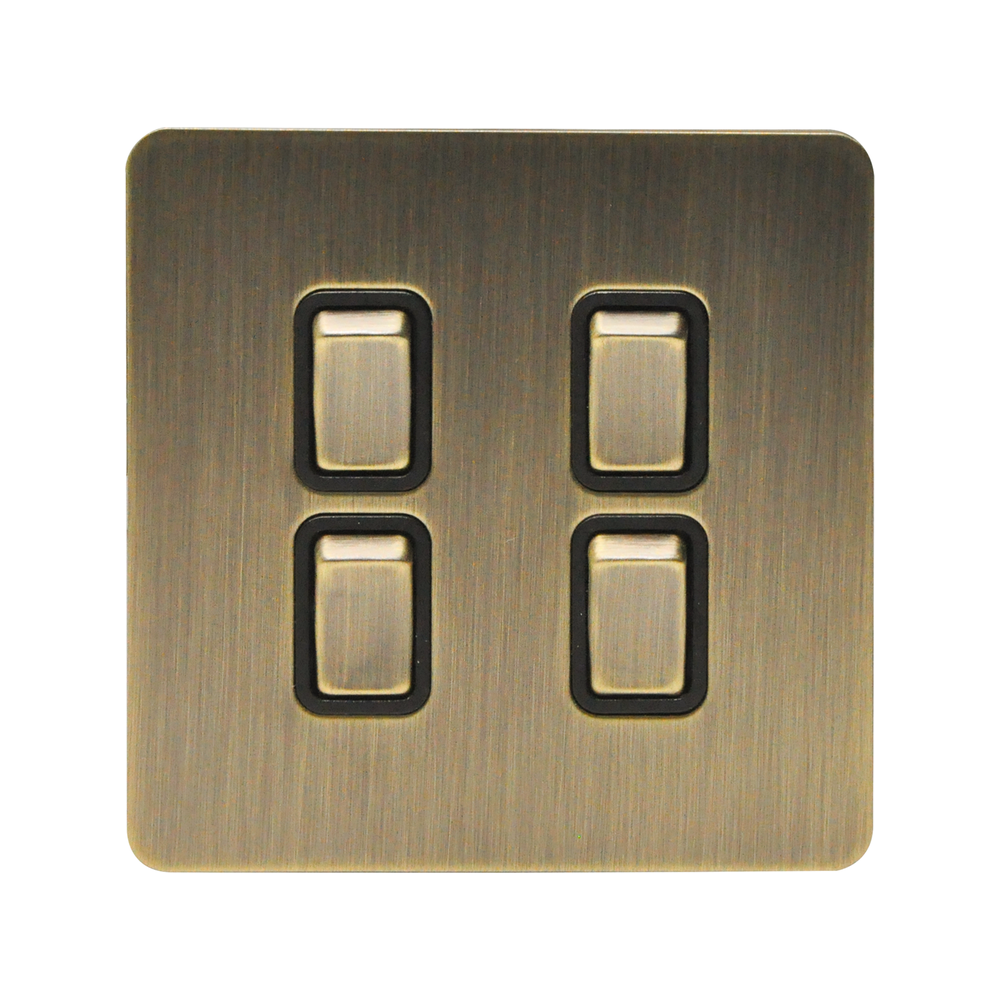
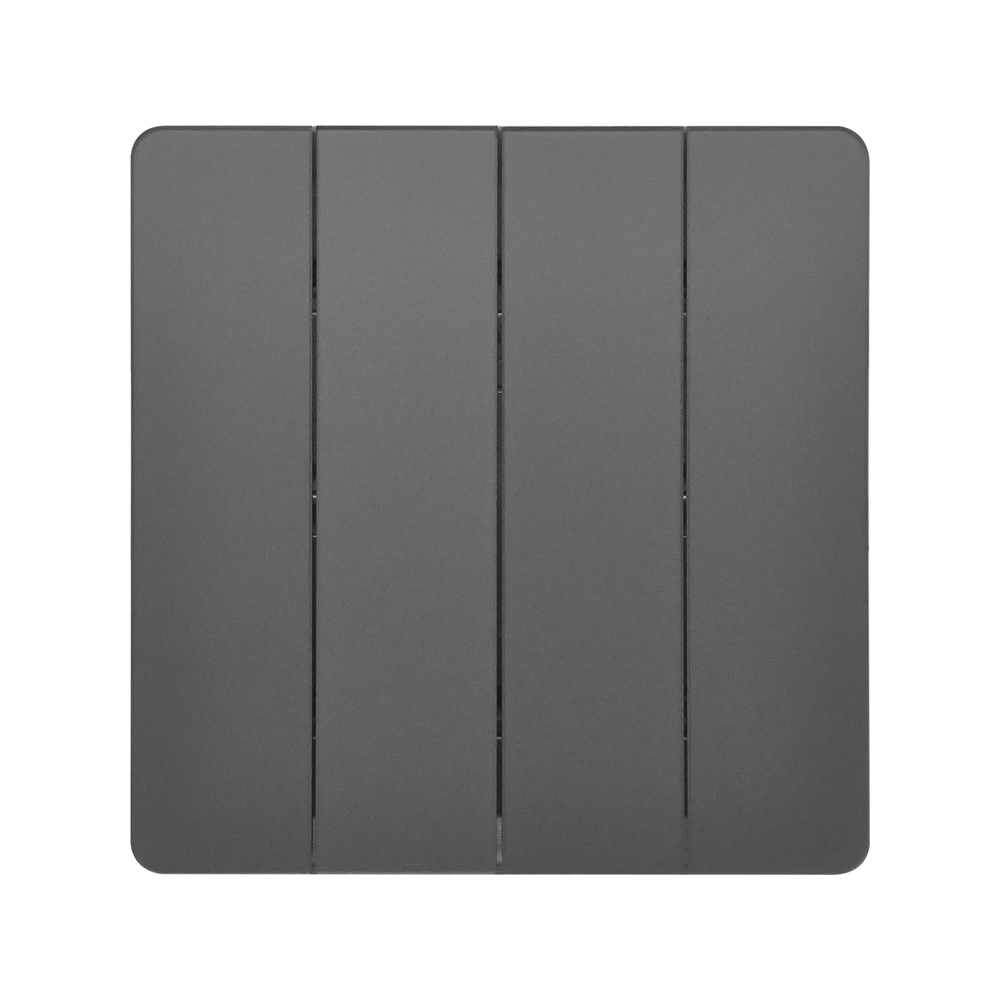
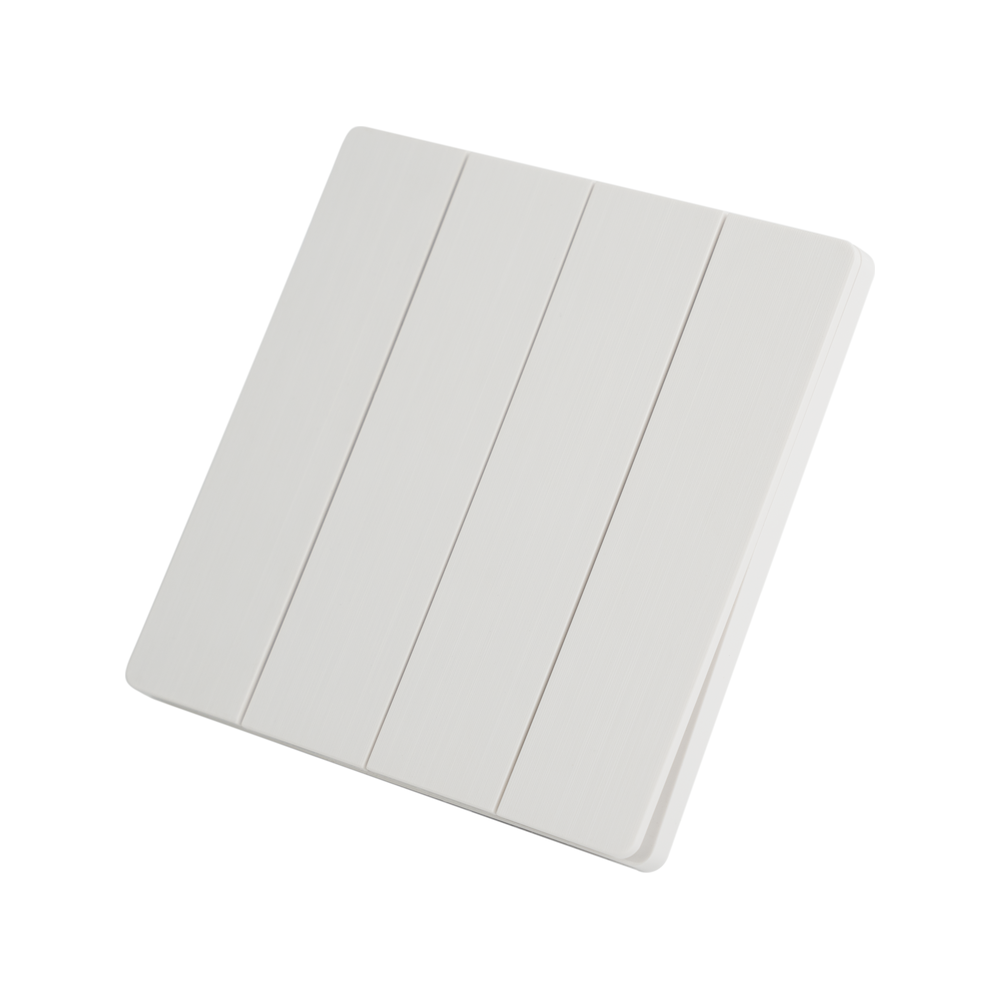
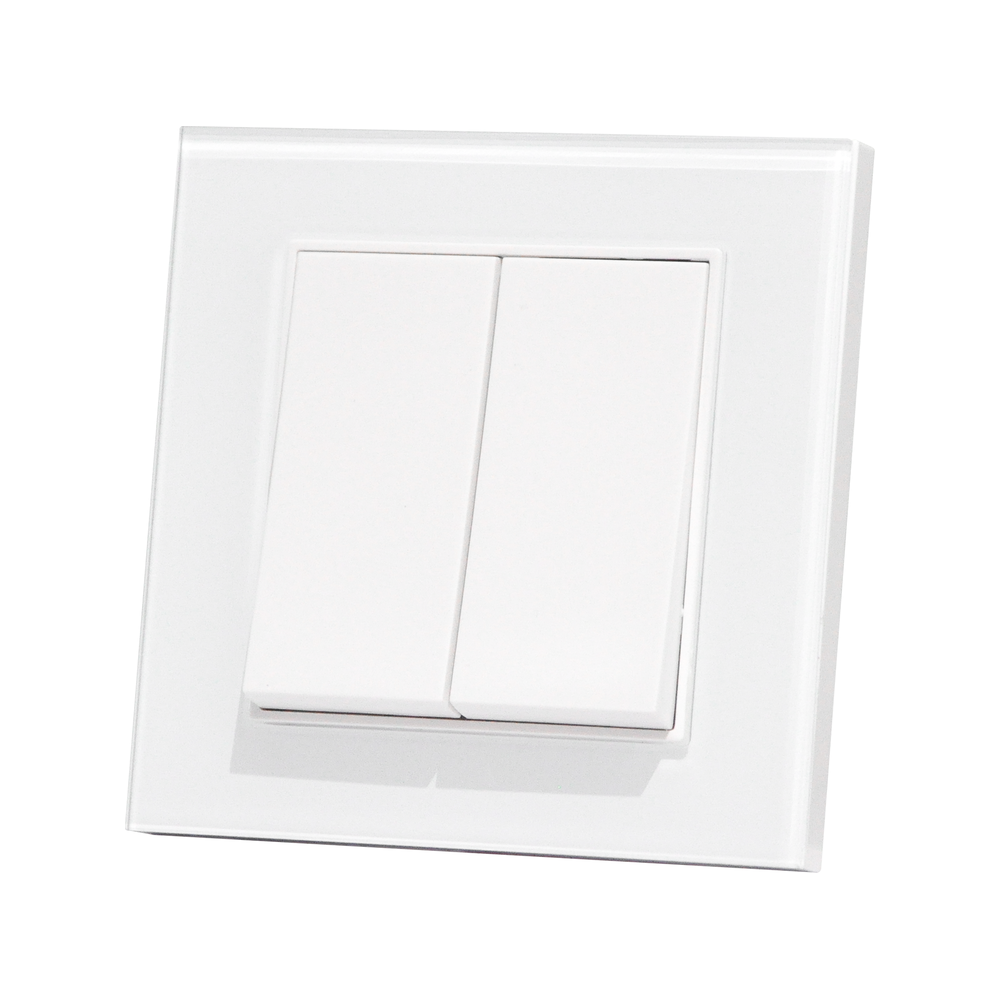
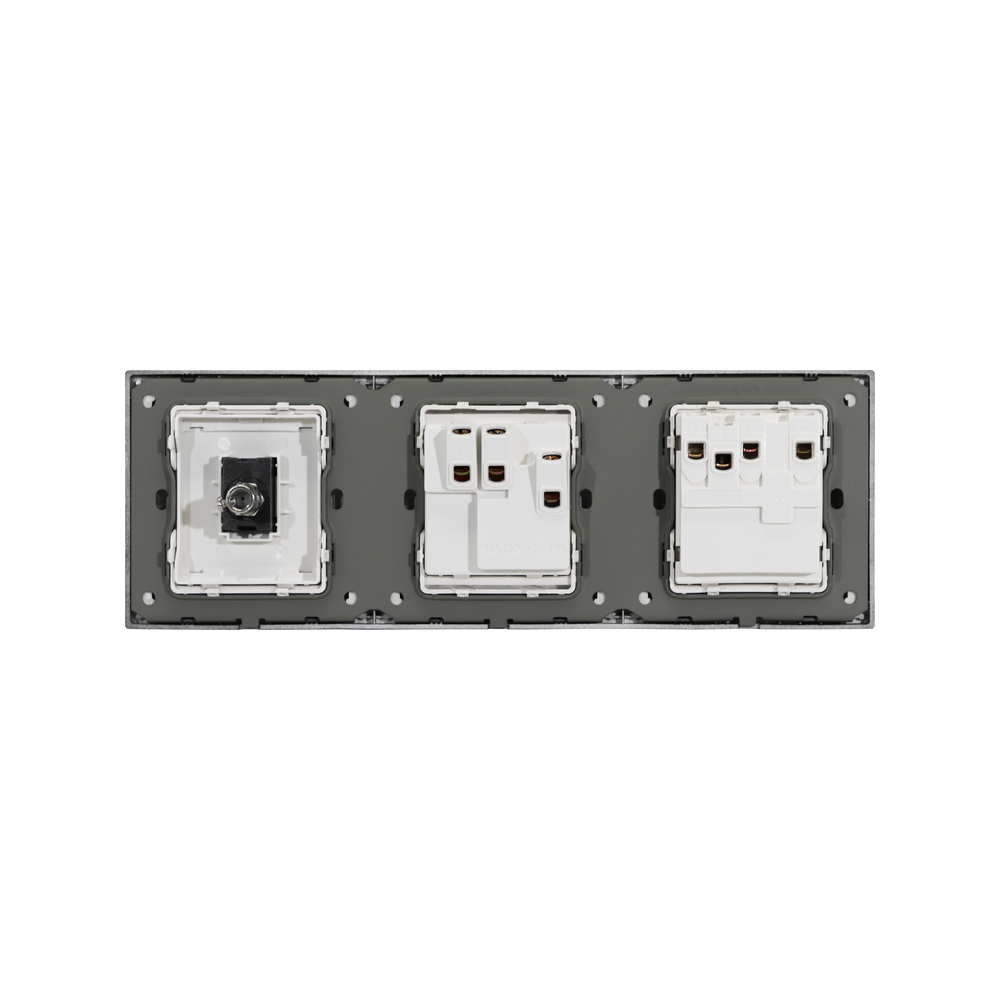
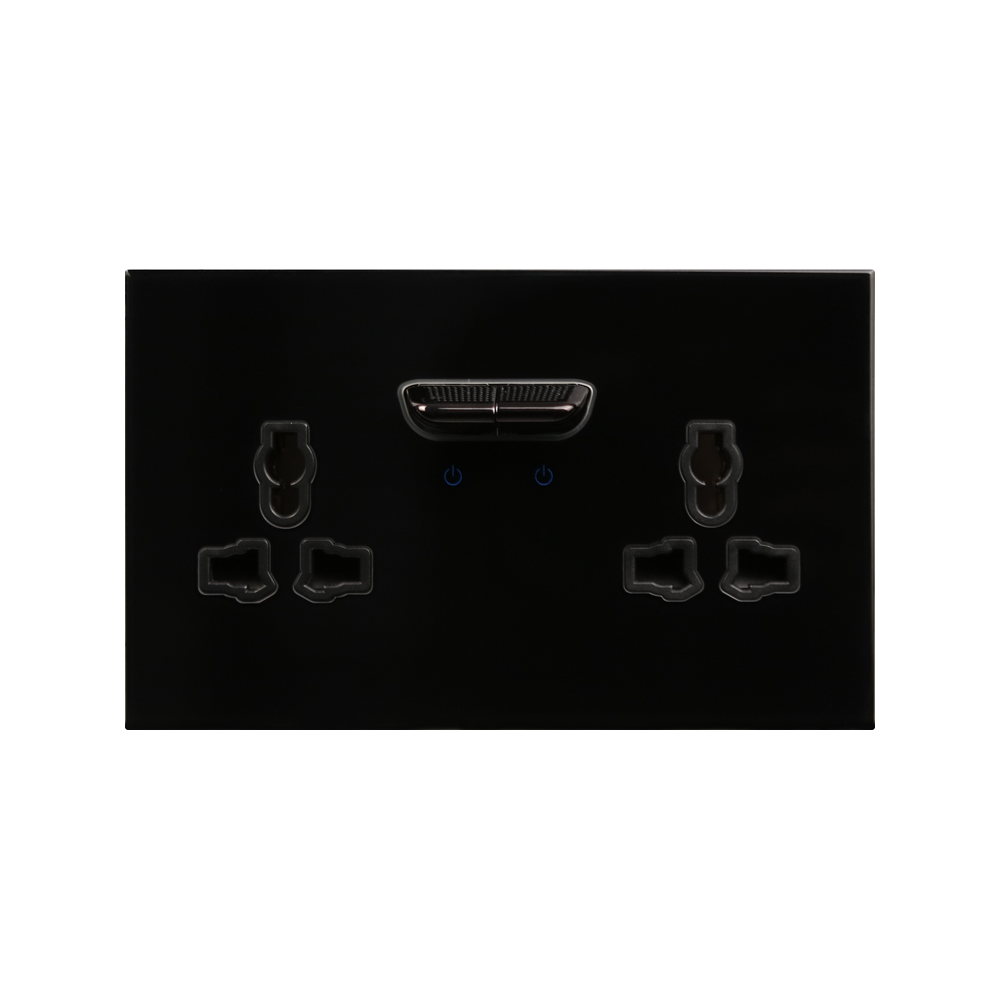
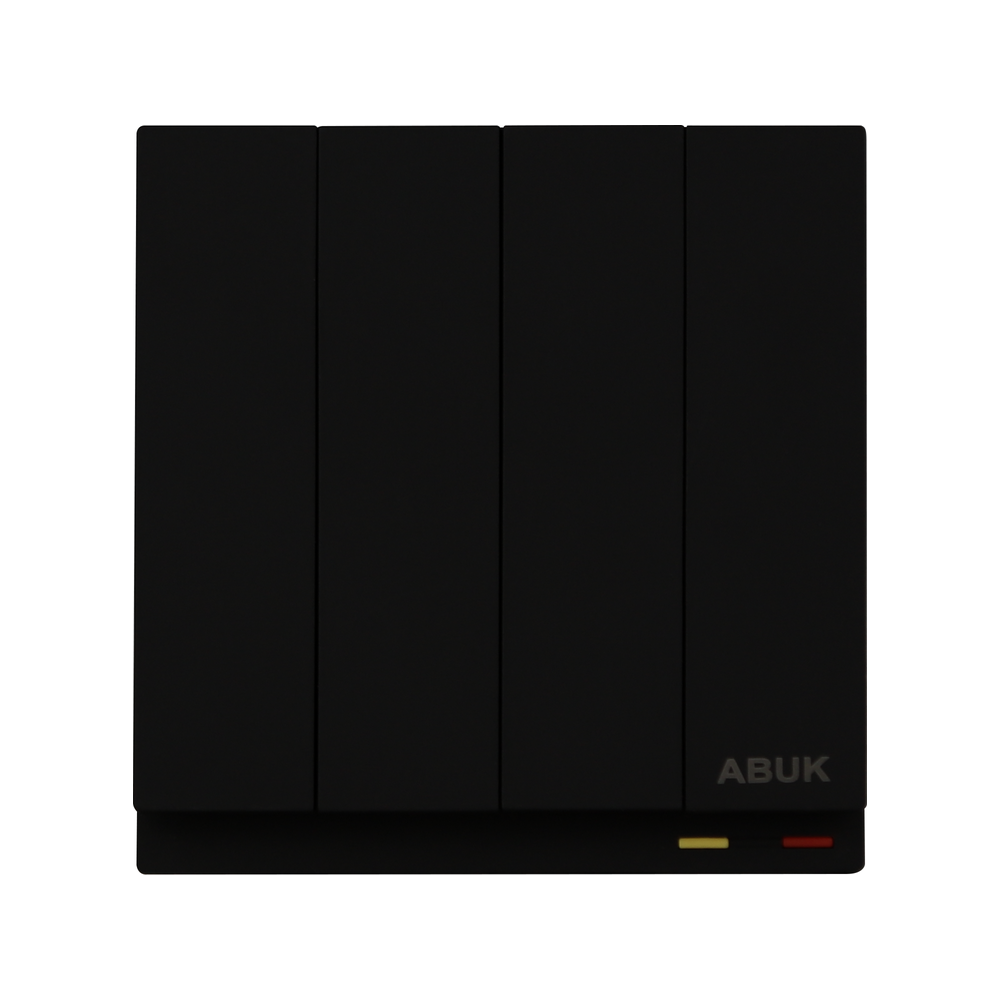
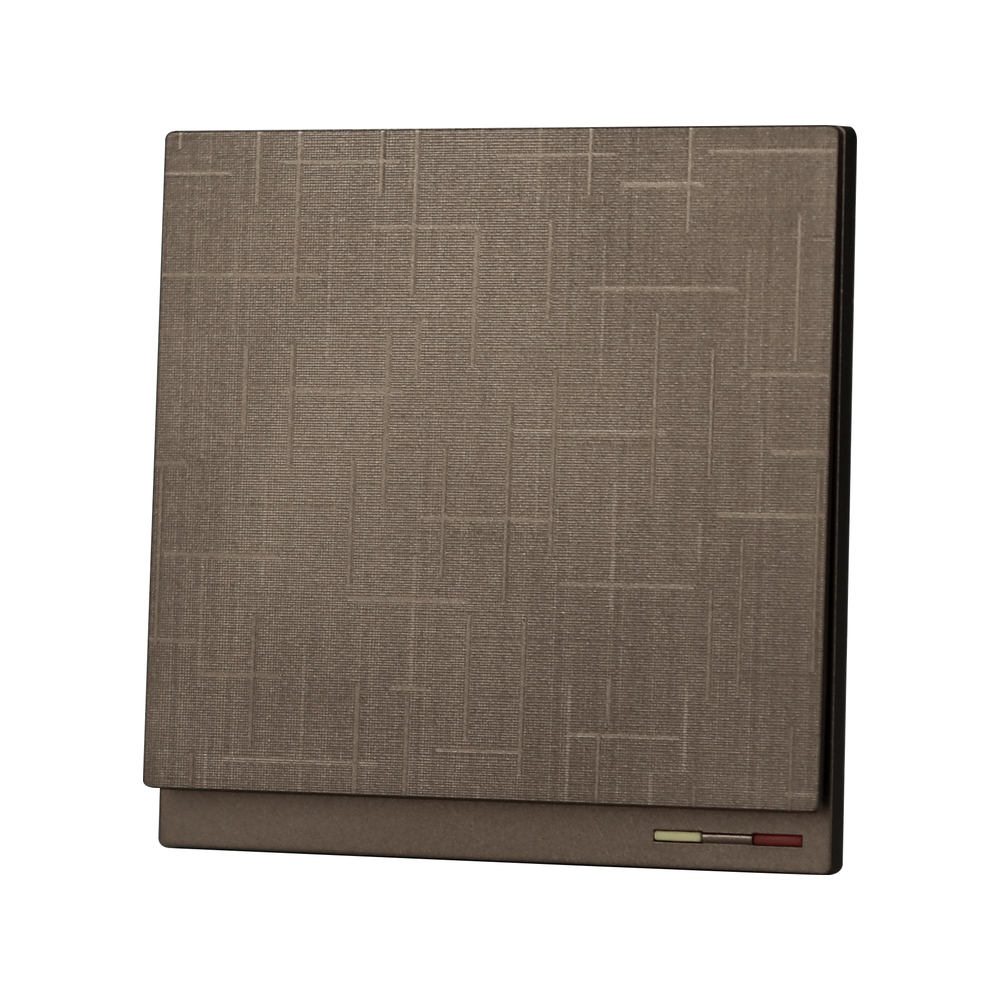
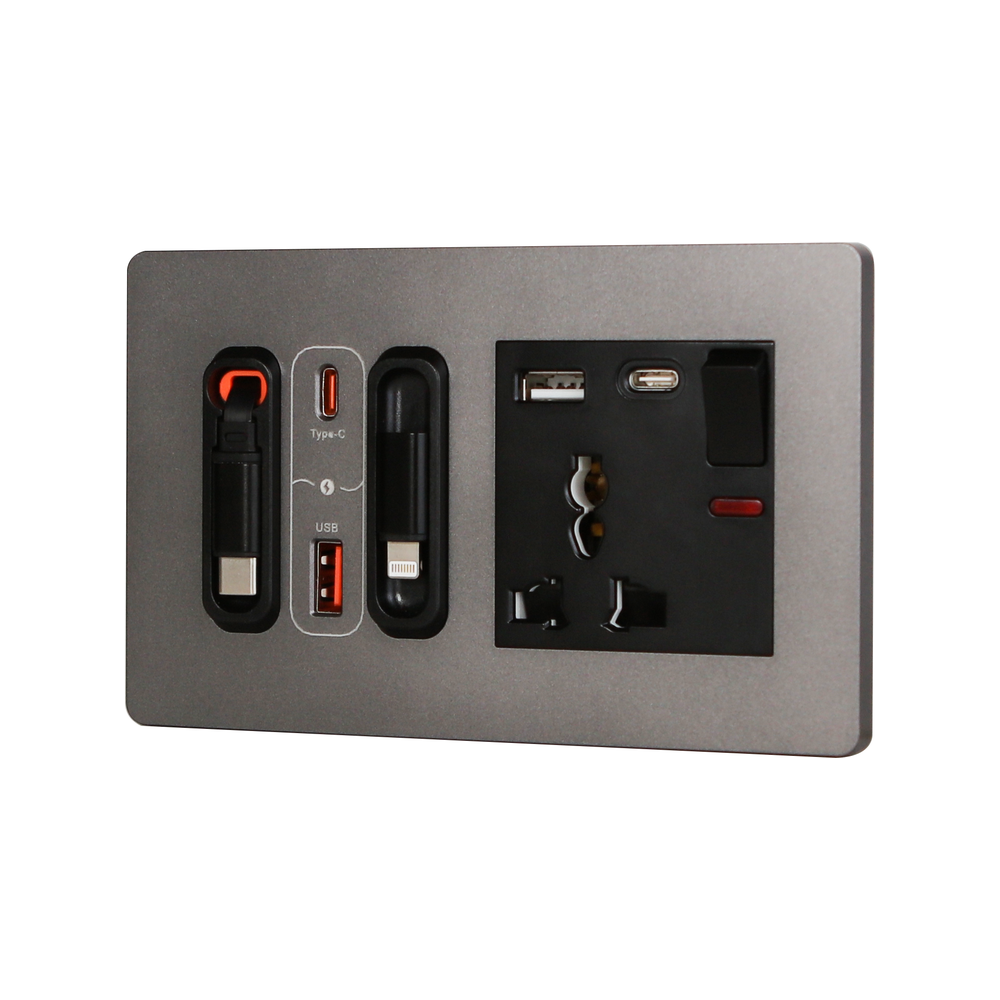
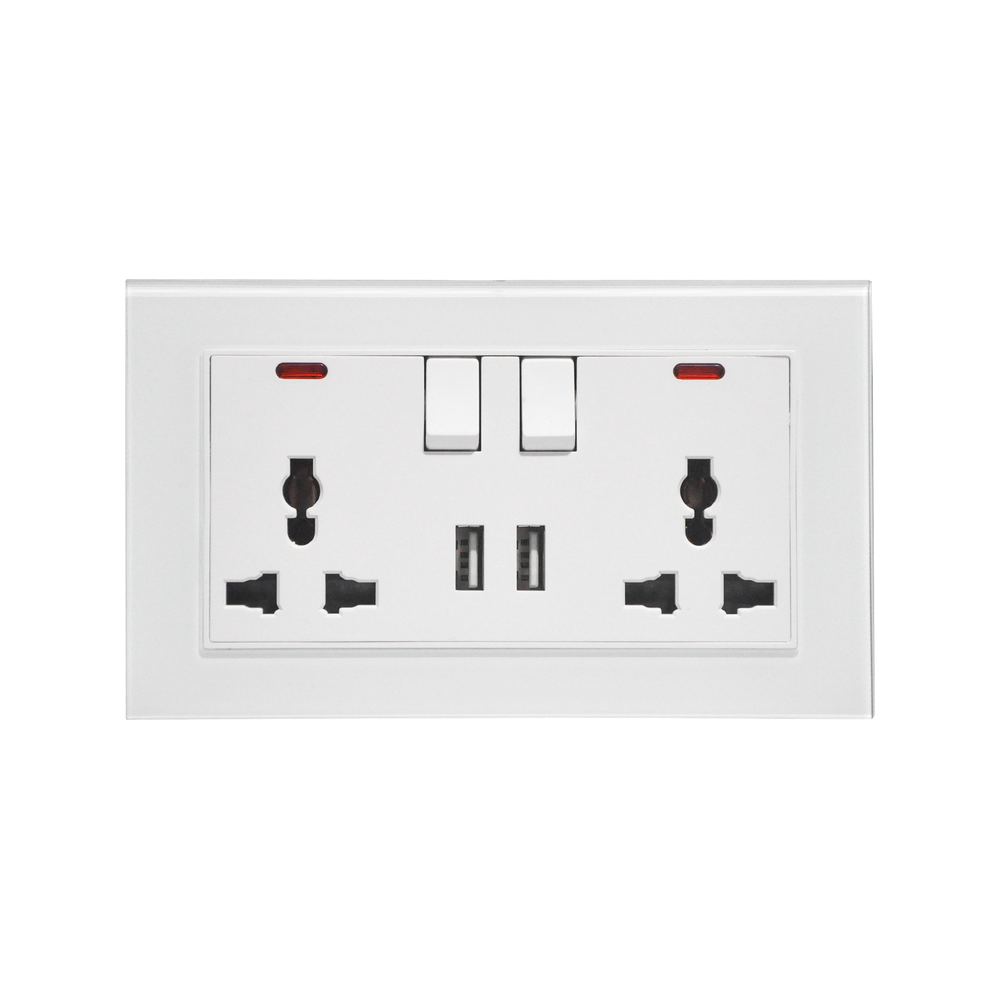
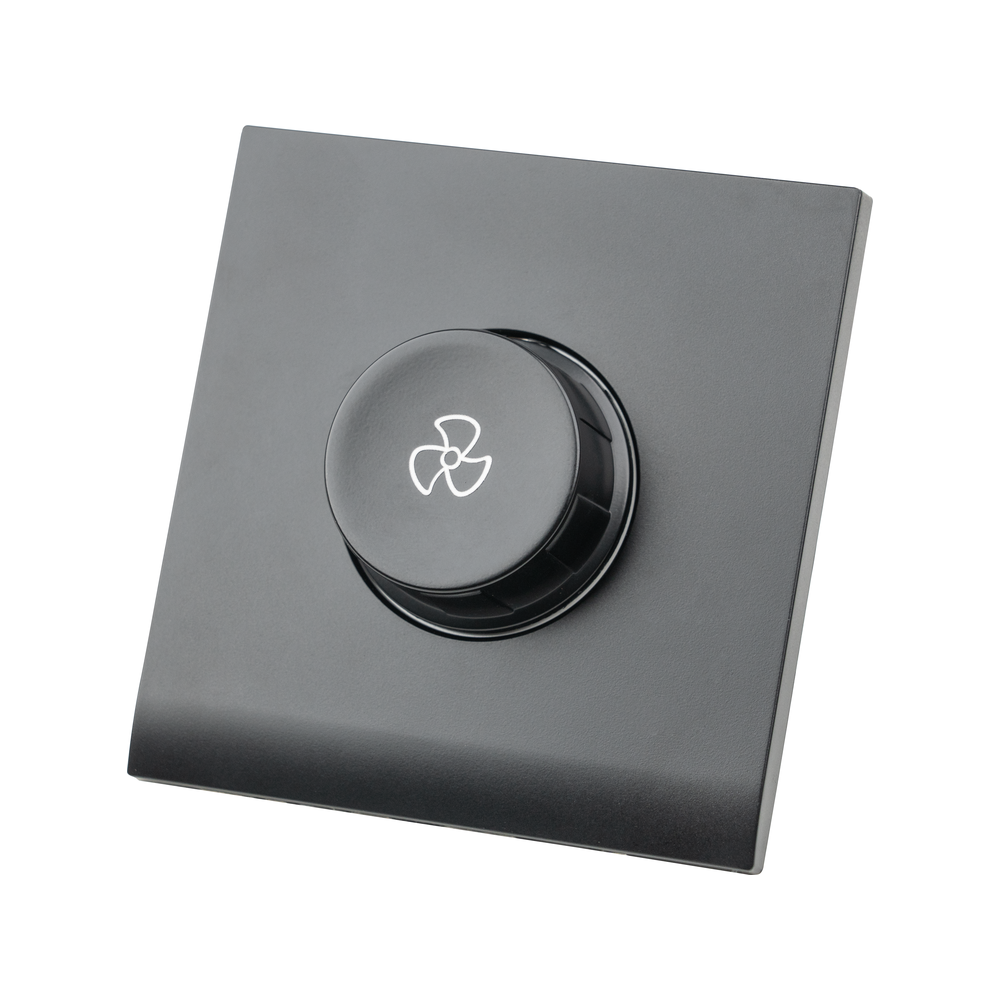
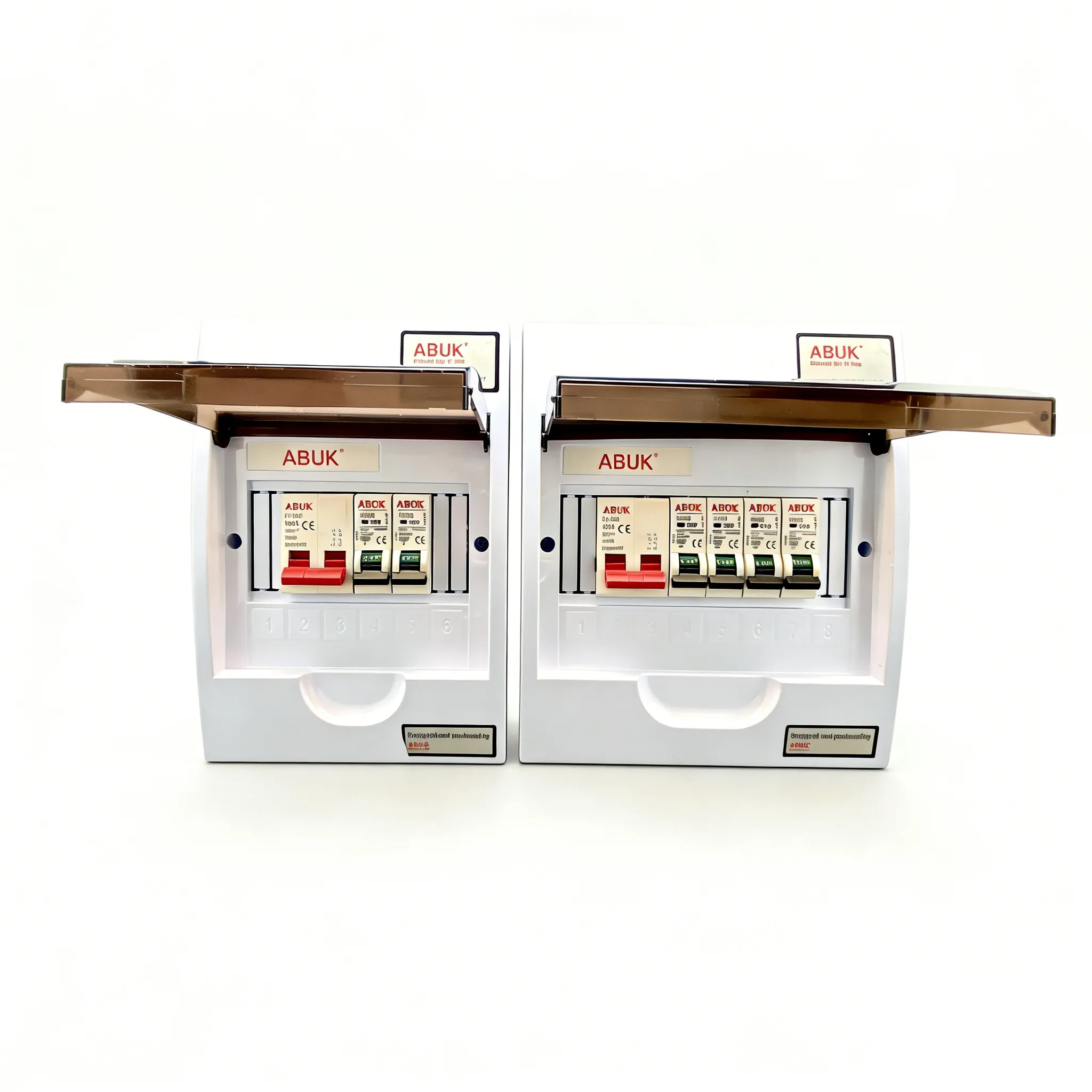
ABUK’s power point and wall switch range can support accessory selection, subject to model-specific destination evidence. The planning guide for an additional outlet helps buyers describe the intended work. Accessory selection is one component of the installed budget, not a substitute for the electrician’s assessment.
Frequently asked questions
How much does it cost to add a power point in New Zealand?
One Auckland contractor publishes NZ$300–600 including GST for a standard new installation. Actual quotes depend on access, circuit condition, protection and finishing; that range is not a nationwide tariff.
What factors affect the cost of installing an extra power point?
The main factors are cable access, distance, construction, accessory choice, circuit work and making good. Occupancy restrictions or additional visits can also affect labour.
How much does an electrician charge to add an outlet?
The relevant figure is a scoped job price or a clearly explained time-and-materials estimate. An hourly rate alone does not establish the total electrician cost in NZ; travel, materials and completion work also need to be understood.
Is it cheaper to install a surface-mounted or flush power point?
Surface mounting may reduce disruption in a finished wall. Flush mounting may be economical while a wall is open. Compare access and finishing, not the accessory price alone.
Can an existing circuit support another power point?
Sometimes. An electrician must assess the circuit condition, protection and intended loads; an unused socket position or a nearby supply does not prove spare capacity.
What should be included in a quote for a new power point?
Specify the accessory, location, route, circuit work, testing, applicable documentation, finishing, GST treatment and variation terms. Identify exclusions explicitly.
References
- TCCO: Auckland power point installation pricing
- New Zealand Electricity (Safety) Regulations 2010
- PDL: examples of distinct USB accessory specifications
A useful quote prices a finished installation, including the work hidden behind the wall. ABUK welcomes accessory specification enquiries with the project location, finish and required product documentation.