
 Wenzhou Lita Electric Co., Ltd.
Why Do LED Lights Flicker With a Dimmer Switch?
When a maintenance supervisor in Dublin sees a row of recessed LEDs shimmer at closing time, replacing the entire batch is an expensive first guess. Imagine that the same fixtures run steadily during the day. The useful clue is the change of setting: the evening scene asks the drivers to run at a level the daytime inspection never tested.
Summary: First record three things: the brightness setting, how many lamps flicker, and whether other circuits are affected. Flicker near minimum output can indicate a dimmer and driver operating outside their stable range. Flicker across several circuits, or accompanied by heat or a burning smell, calls for electrical investigation.
What does the pattern reveal before anyone opens the wall?
Stand where an occupant actually sees the problem. Check whether the light pulses continuously, flashes only when starting, or drops out near the bottom of the slider. Record whether moving slightly above that level restores steady light. A description such as “two of eight downlights blink when starting at the evening preset” gives technical support something it can reproduce.
A phone video can document the setting and which fittings are affected, but moving bands captured by a camera need not match what people see. Do not use a video alone as proof that a driver's light output meets or fails a flicker specification. If the project has a measured flicker requirement, agree on the metric, test conditions and instrument separately.
Why can a smaller LED load create a new problem?
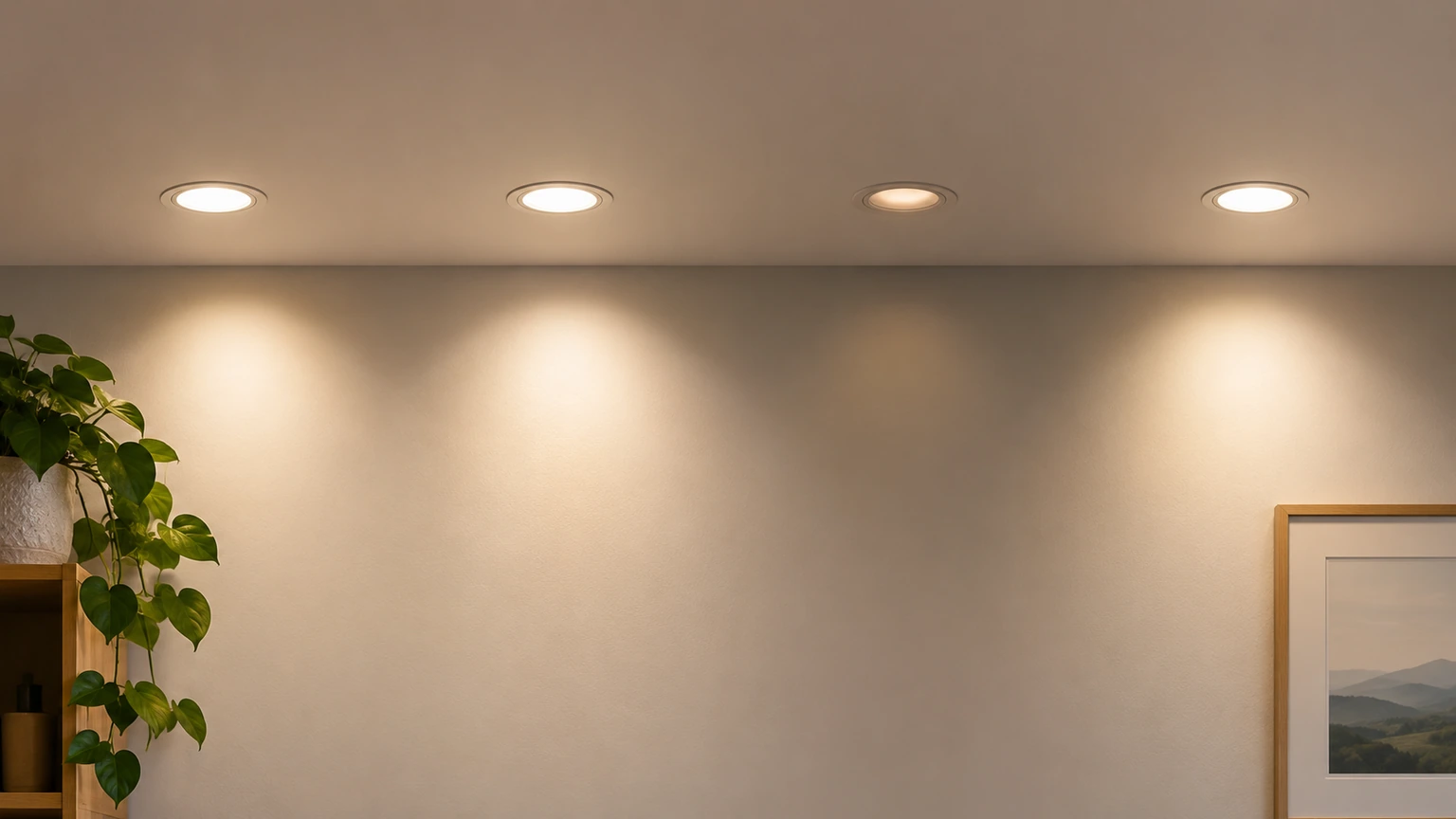
Replacing incandescent lamps often reduces the actual load on the control considerably. A legacy dimmer may need more current than the new lamps draw to operate consistently. At low settings, even a dimmable driver may stop regulating smoothly on a particular control. The combined wattage can sit below the dimmer's maximum and still be a poor match.
Compare complete model numbers, the number of lamps tested and the dimmer instructions. A manufacturer compatibility listing is a stronger starting point than “these are all warm-white LEDs.” If a room contains several batches or models, note which units misbehave. Replacing them all with another untested model merely changes the experiment.
When is low-end trim the right adjustment?

On a suitable dimmer, low-end trim sets the lowest output the user can request. It can exclude an unstable part of an otherwise usable range. It cannot make a non-dimmable bulb dimmable, repair a failing fitting or guarantee that a replacement driver will work. Use only the adjustment provided for the exact control and follow its instructions.
After setting the minimum, turn the group off and start again at that level. A lamp may fade down successfully after warming up but fail to start from cold. Check the room at its intended evening scene as well as at the technical minimum: a stable setting that is brighter than the customer wants does not meet the brief.
The scope of the symptom changes the next step
| Observed behaviour | Useful first check | Escalation |
|---|---|---|
| Whole group flickers only near minimum | Lamp pairing, load and minimum trim | Manufacturer if the approved range is unusable |
| One fitting flickers at ordinary levels | That fitting's lamp, driver and condition | Electrician if the fault persists |
| Several unrelated circuits fluctuate | Timing and other affected equipment | Electrical supply or installation assessment |
What to put in a support request
| Record | Why it helps |
|---|---|
| Dimmer model and settings | Separates trim behaviour from a fixed minimum |
| Lamp references and count | Allows a comparison with the tested combination |
| Cold start versus warm dim-down | Identifies two different test conditions |
What can a compatibility listing actually promise?
A tested pairing narrows the electrical uncertainty; it does not establish that every possible lamp count or user setting will work. Keep the control instructions with the accepted lamp and record the conditions of the trial. If the contract specifies a flicker performance threshold, agree on a measurement method rather than equating a visually satisfactory sample with a quantitative test result.
Check LED dimmer minimum load before changing settings. LED dimmer low-end trim is useful only if the basic lamp and control pairing is suitable.
Keep a useful fault record with the room schedule
Preserve one known combination and the accepted low setting before ordering replacements for other rooms. A technician can then distinguish a new fault from a change of lamp model. Stop using equipment that crackles, smells burnt or becomes abnormally hot. Fault finding on mains wiring belongs with a qualified electrician.
Check the 3-way dimmer switch as well if a fault depends on which entrance was used. An older system specified for incandescent bulb dimming may have been sized for a completely different load.
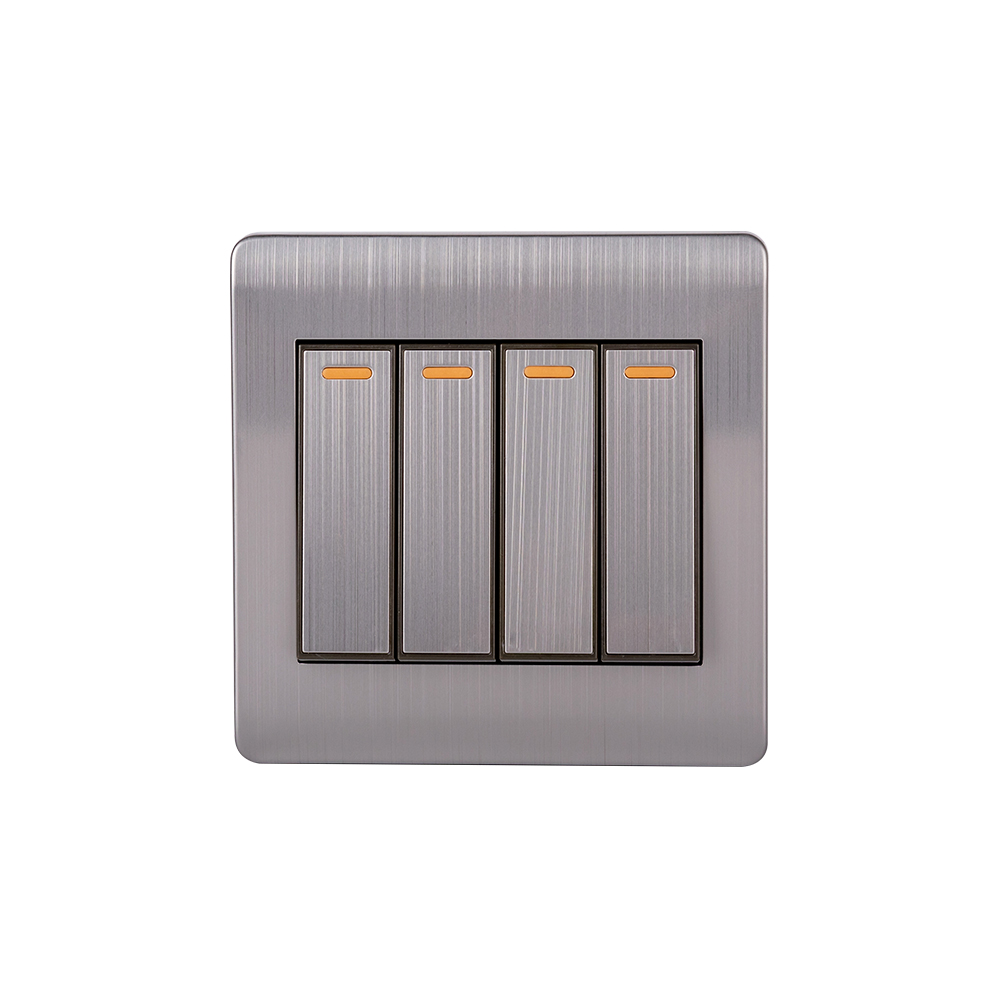
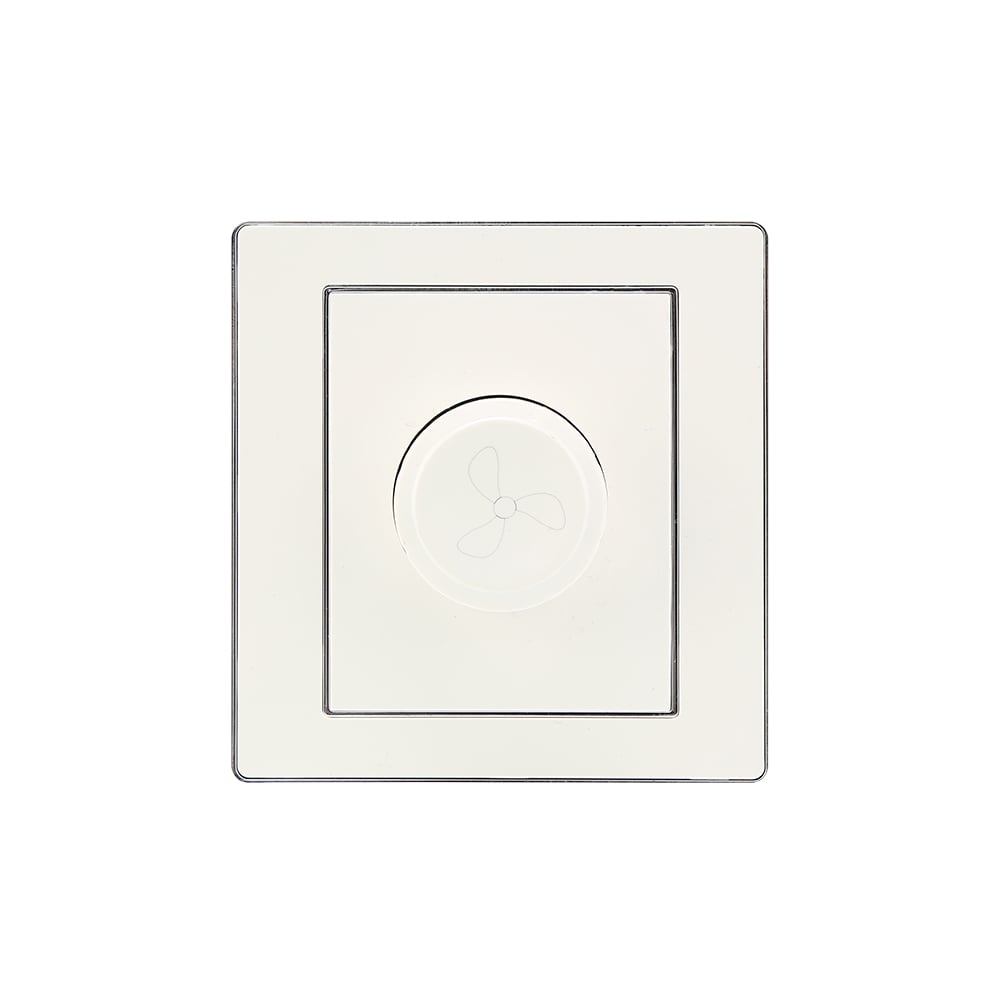
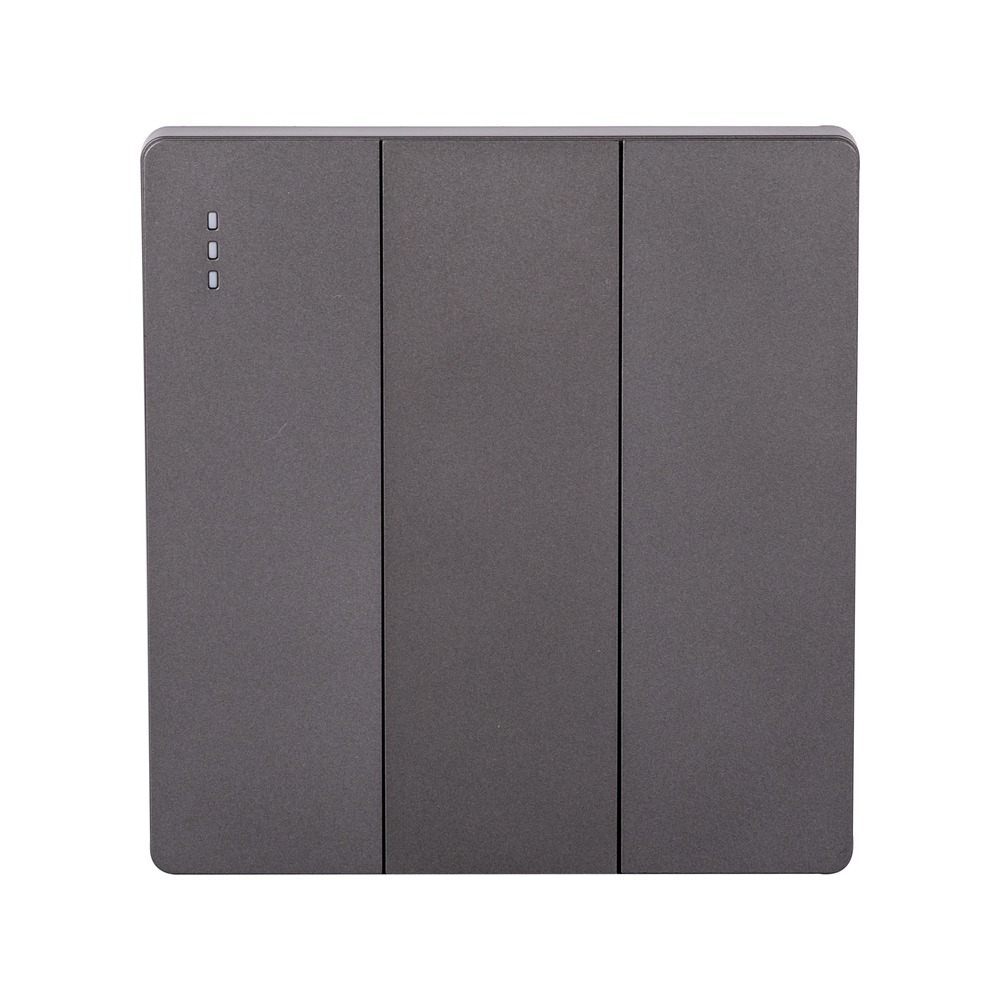
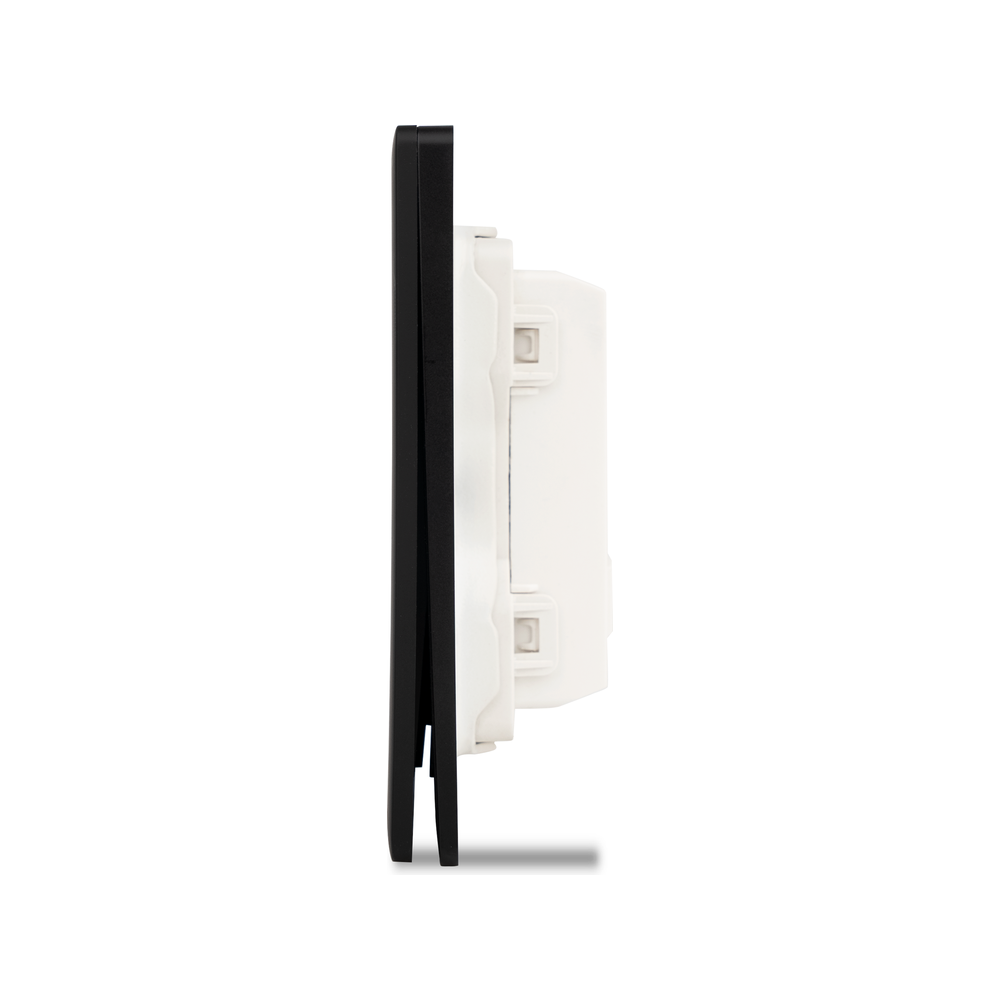
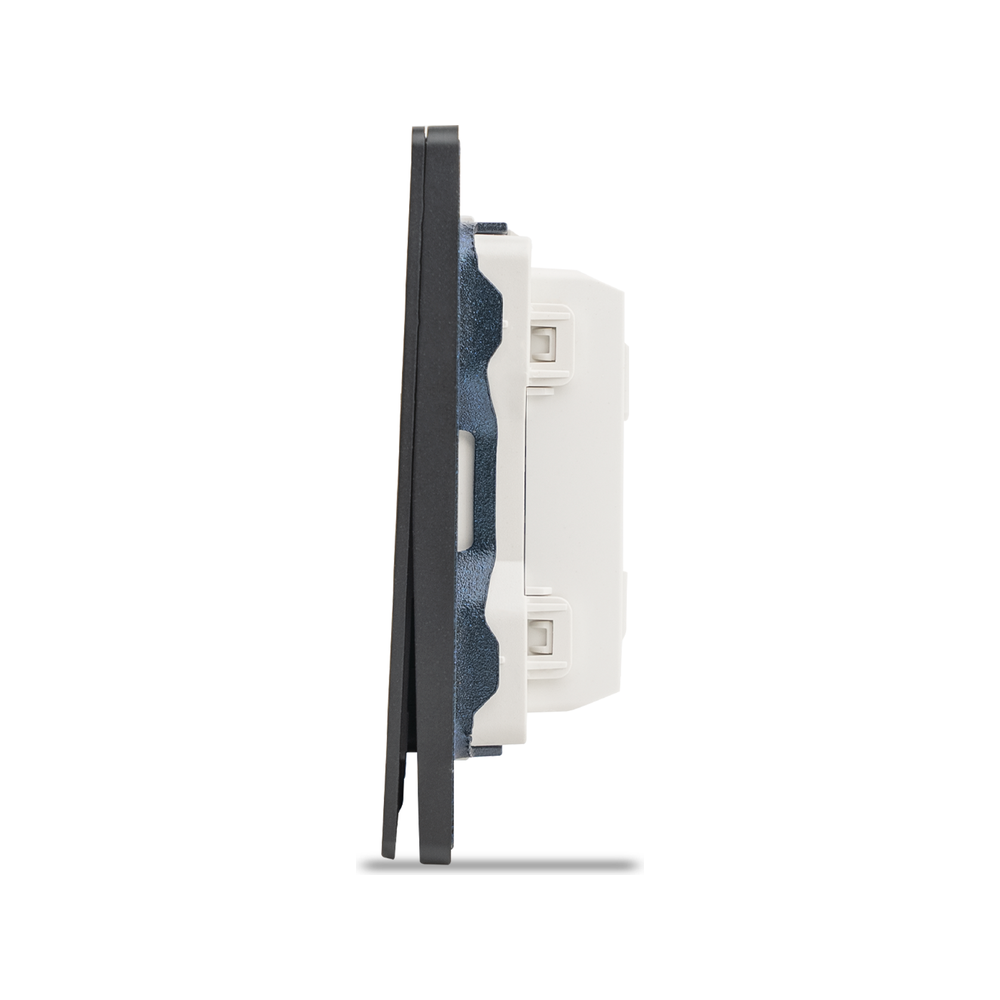
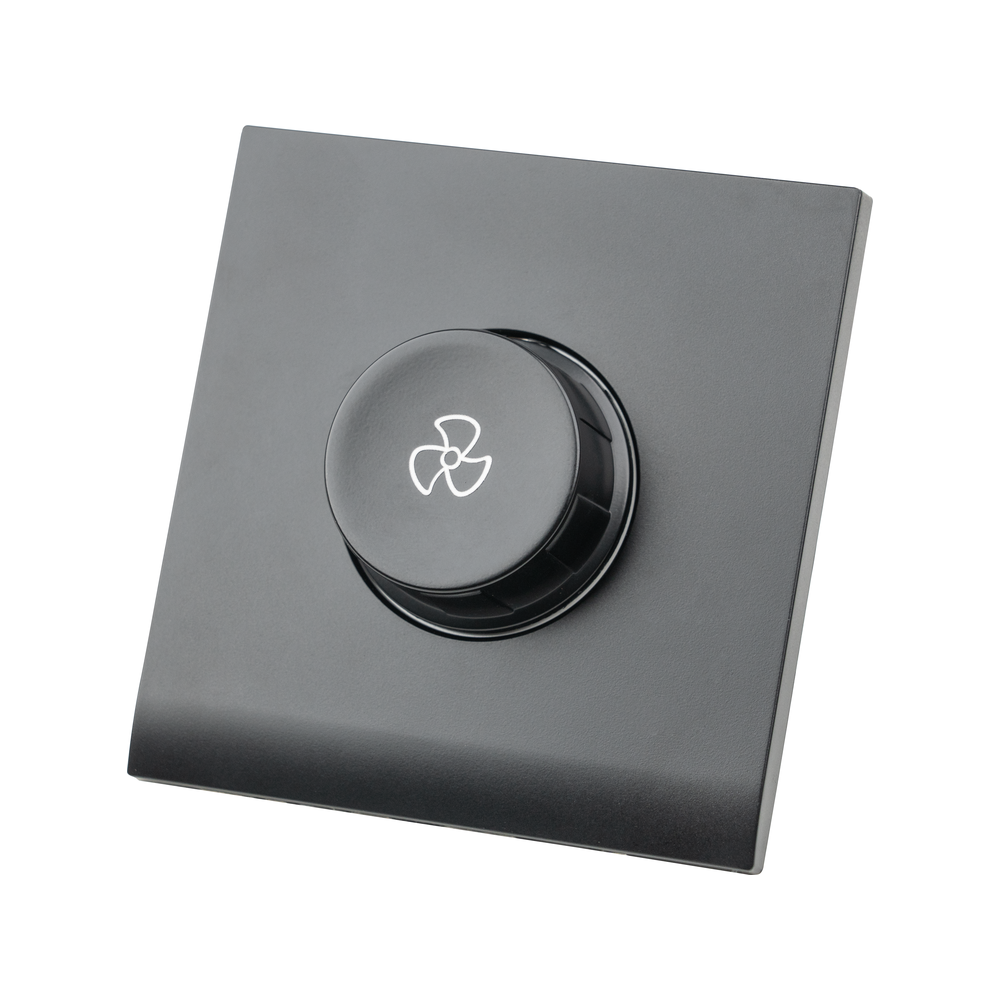
For an ABUK specification, identify the exact Series 05 dimmer switch in the enquiry and request its own data sheet. Ratings cited for other manufacturers do not establish compatibility for this model.
Frequently asked questions
Why do LED lights flicker only at low brightness?
At low output the driver may receive a waveform or current it cannot regulate steadily. Check the approved pairing and the minimum setting for that model.
Can an old incandescent dimmer cause LED flicker?
Yes. An older dimmer may not support electronic LED loads or may need more load than the lamps provide.
Can too few LED bulbs cause a dimmer to malfunction?
Sometimes. Check the documented minimum load or lamp count; do not add a makeshift load to force an unsuitable dimmer to work.
Does adjusting the low-end trim stop flickering?
It can help when instability occurs only below a usable level on a compatible combination. Retest starting from off after the change.
Why do several LED bulbs flicker differently on the same dimmer?
Drivers, model revisions or mixed lamp types may respond differently to the same waveform. Record the individual part numbers, not just the common wattage.
When should flickering lights be checked by an electrician?
Seek qualified assessment for sudden unexplained changes, symptoms across circuits, abnormal heat, burning smells or noise at a connection. Flicker at full brightness also deserves investigation beyond adjusting the minimum.
References
- Leviton: LED bulb compatibility tool
- Leviton: DSL06 Decora Slide specifications and instructions
- Leviton: SureSlide 6674 load ratings and installation options
The most useful service note names the setting that makes the fault repeatable. For a project quotation, browse ABUK’s electrical products and include the lamp schedule, site supply and intended control arrangement.