
 Wenzhou Lita Electric Co., Ltd.
Nicaragua Power Outlets and Voltage: Plug Adapter Guide
When a field-service coordinator in Managua encountered a failed setup, she had used a US plug compatibility chart to pack a tester, charger and radio. The plugs entered a loose two-slot outlet with no earth path. The concern was an incompatible supply; the reversal was that outlet condition and grounding verification—not a bad power supply—caused the failure.
Summary: Power outlets in Nicaragua commonly use Type A and Type B patterns with a 120 V, 60 Hz supply. A plug fit is only the first check: confirm input ratings, grounding continuity, circuit condition and surge protection before energizing business equipment. IEC 60038 supplies nominal-voltage context; it does not certify an installation.
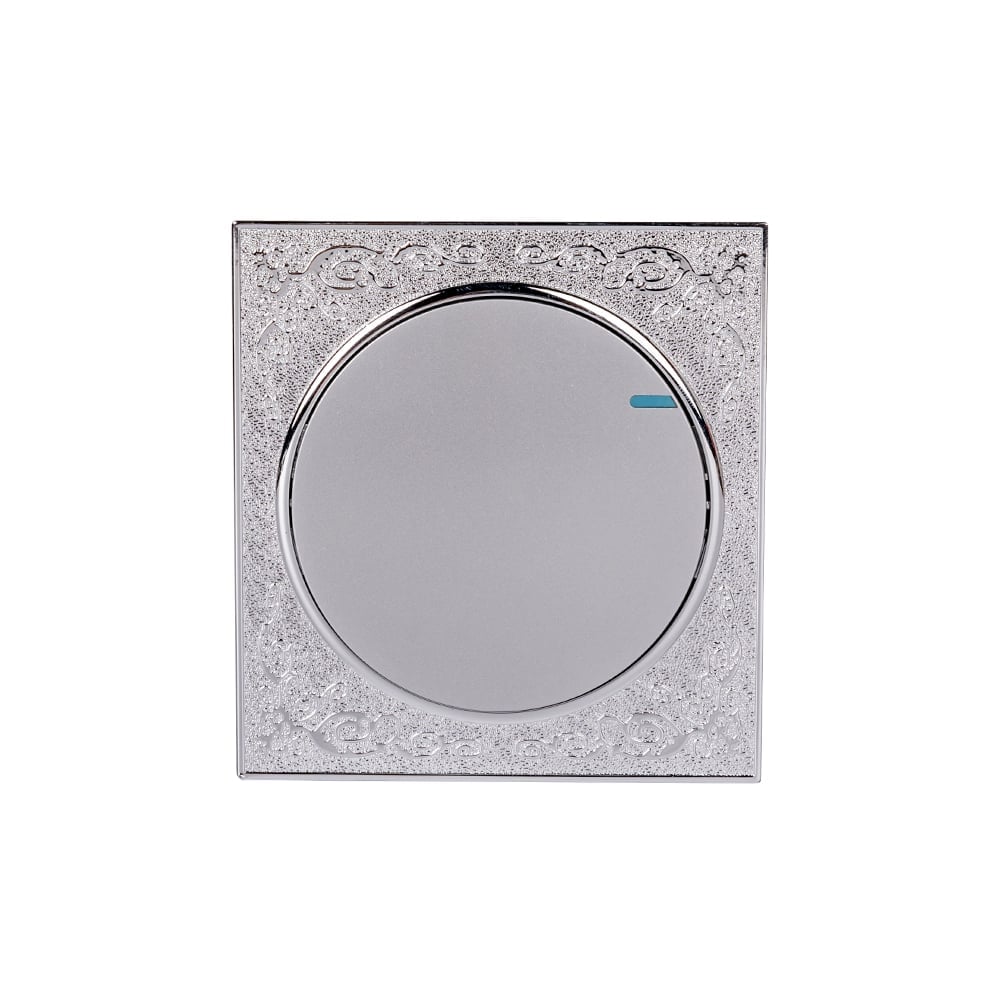
Power outlets in Nicaragua generally follow North American-style two-flat-pin and grounded three-pin arrangements. Devices designed for 120 V/60 Hz are often suitable, but site installations can differ. For context, see standard household outlet voltage.
Technical breakdown: five checks before connecting equipment
1. Physical interface
Type A has two parallel flat blades and is normally ungrounded; Type B adds a round grounding pin. A Type A plug may enter a Type B receptacle, but that does not create a protective-earth connection. Conversely, a three-pin Type B plug needs a compatible grounded receptacle; never defeat the ground pin to force a connection.
2. Voltage and frequency
For power outlets in Nicaragua, start with the nameplate: 120 V at 60 Hz is the usual reference. Equipment marked “100–240 V, 50/60 Hz” normally needs only the right plug interface; 220–240 V-only equipment needs a rated transformer or different supply. IEC 60038 frames nominal voltages; the input marking governs the device decision.
3. Protective earth and circuit condition
A ground pin is not proof of grounding. A qualified person should use an approved tester or continuity test to check polarity and protective earth, then inspect contacts for looseness or heat damage. This matters for metal-cased instruments and temporary workstations.
4. Surge and continuity risk
Adapters change geometry; they do not correct a circuit, restore earth or provide surge protection. Use a tested UPS where interruption has a material operating cost.
Outlet and voltage comparison
This matrix separates the common baseline from conditions that need building-by-building verification; a country plug list is not a guarantee.
| Decision dimension | Common Nicaragua reference | What the site team must verify |
|---|---|---|
| Receptacle pattern | Type A and Type B style | Actual slot shape, retention and damage |
| Nominal supply | 120 V, 60 Hz | Equipment nameplate and circuit measurement |
| Grounding | Type B may provide a ground contact | Earth continuity and correct wiring |
| Compatibility outcome | US-style plugs are often physically familiar | Fit, voltage/frequency, grounding and circuit condition separately |
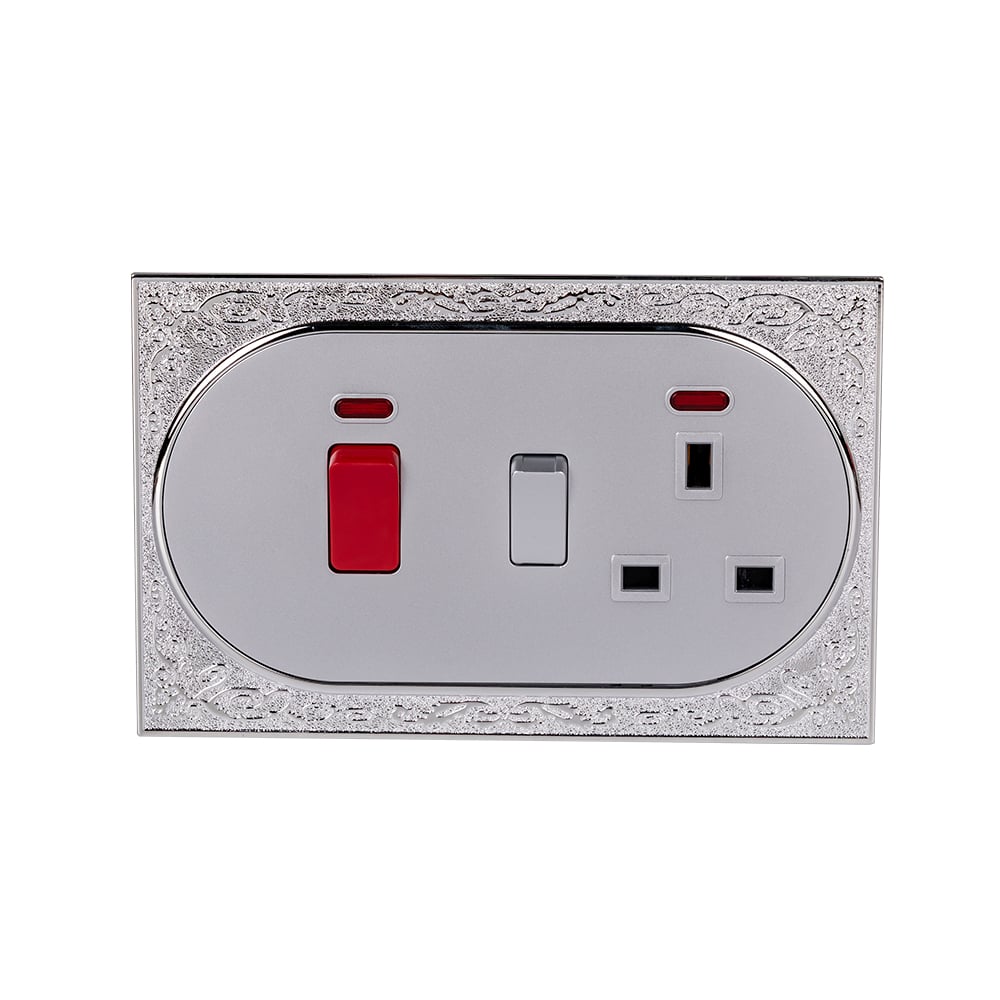
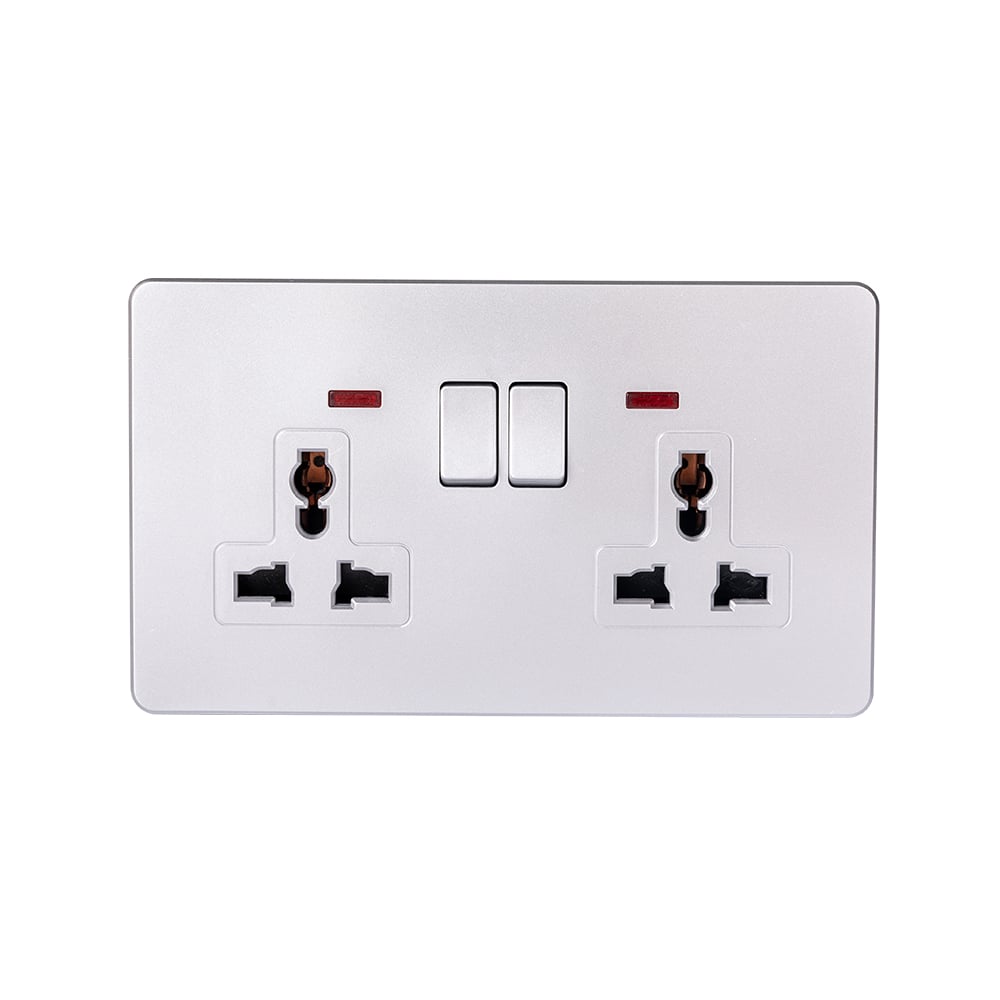
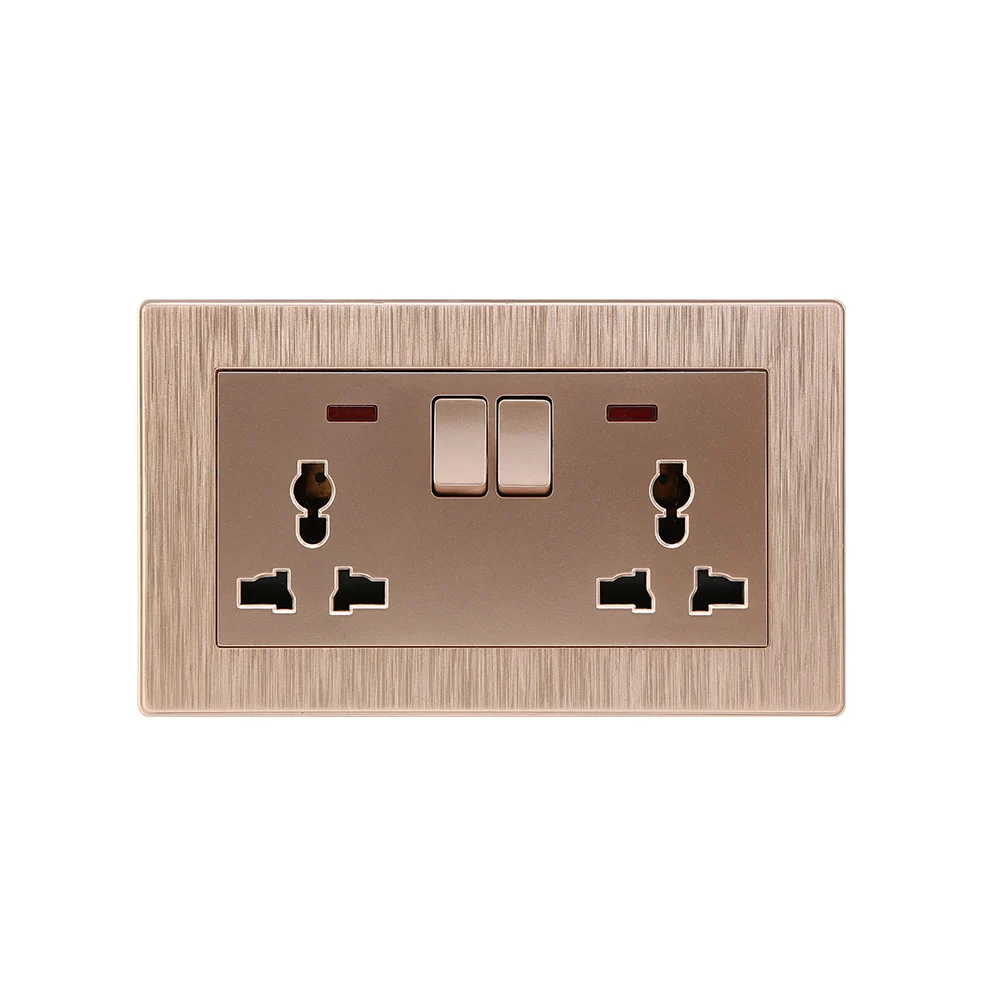
For teams specifying replacement devices, a duplex receptacle describes a two-outlet assembly; it does not by itself state voltage, grounding quality or installation compliance.
Device and adapter checklist
| Equipment or situation | Likely preparation | Do not assume |
|---|---|---|
| 100–240 V laptop charger | Read the label; carry a Type A/B-compatible adapter only if needed | That every outlet is grounded or tight |
| 120 V, 60 Hz US two-pin device | Inspect plug fit and outlet condition before use | That a two-slot outlet supplies an earth path |
| Grounded test instrument | Use a verified Type B receptacle; test continuity | That an adapter preserves protective earth |
| 220–240 V appliance | Use a rated transformer or an approved alternate supply | That a travel adapter converts voltage |
| Critical communications kit | Plan surge protection, UPS runtime and a spare approved lead | That voltage compatibility prevents interruption |
For procurement, the lowest-cost adapter is not a substitute for a verified power path. Teams sourcing power outlets in Nicaragua for projects should request drawings, local requirements and contractor test records before release.
Standards and compliance: what each reference actually covers
- IEC 60038 sets preferred nominal voltages for supply systems; it provides voltage context, not acceptance of a finished installation.
- IEC 60884-1 addresses plugs and socket-outlets for household and similar purposes; it is a product-requirements standard, not a statement that every installed outlet has a working earth.
- IEC 60083 covers plugs and socket-outlets for domestic and similar general use standardized in member countries; use it to understand interface scope, then verify the destination market and project specification.
Local rules, the authority having jurisdiction and destination-market requirements decide what may be installed and tested. CE, RoHS and GCC documentation do not determine Nicaraguan electrical compliance; local/destination-market verification remains necessary.
Selection guide for procurement teams
- Separate the four decisions in the purchase specification: plug fit, voltage/frequency, protective earth, and circuit/surge condition.
- Require the installer to verify polarity, continuity and secure contact before commissioning sensitive loads.
- Match the receptacle configuration and rating to the approved local design, not a traveller’s adapter chart.
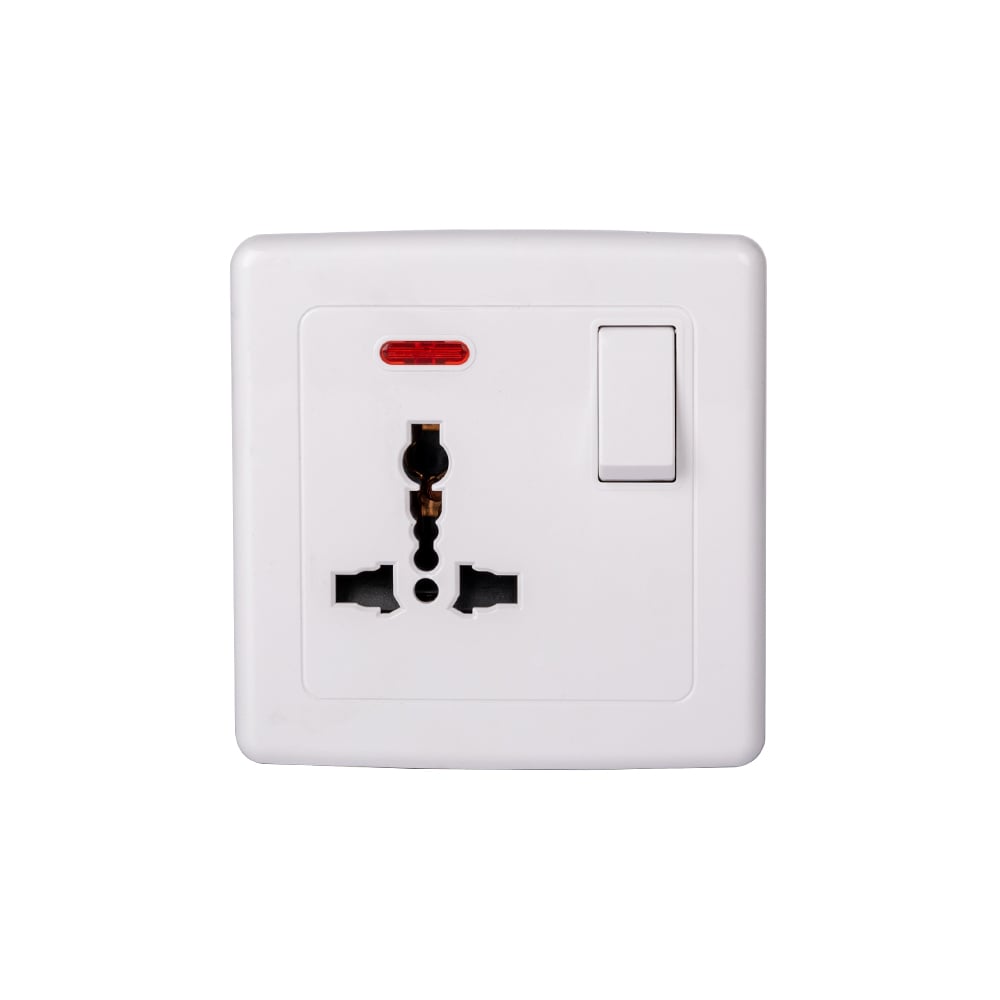
- For projects that need configurable assemblies, review wall switches and sockets alongside drawings and destination-market documentation.
ABUK provides configurable wiring-device solutions with CE, RoHS and GCC documentation where applicable. Buyers should still obtain local acceptance and test evidence.
Frequently asked questions
What kind of power outlets are used in Nicaragua?
Type A and Type B patterns are common: Type A has two flat blades and Type B adds a ground pin. Conditions vary by building, so inspect the actual outlet before use.
Does Nicaragua use 120V electricity?
Yes—120 V at 60 Hz is the common reference for ordinary power outlets in Nicaragua. Confirm the device label and circuit, especially for 220–240 V-only equipment.
Are US plugs compatible with Nicaragua outlets?
Many US Type A and Type B plugs are physically compatible with common local patterns. Fit alone is insufficient: Type A does not provide grounding, and a loose or incorrectly wired outlet should not be used.
Is a voltage converter needed for Nicaragua?
Not for a device marked 100–240 V, 50/60 Hz if its plug and circuit are suitable. A 220–240 V-only device needs a rated converter or alternate supply; an adapter does not convert voltage.
References, closing line and CTA
- International Electrotechnical Commission (IEC) standards catalogue — source for IEC 60038, IEC 60884-1 and IEC 60083 scope verification.
- National Electrical Manufacturers Association: attachment plugs and receptacles — interface terminology and standards context.
- OSHA 1910.304, Wiring design and protection — grounding and wiring protection reference.
Reliable power starts with a simple discipline: verify the path from plug to protective earth, not just the country label on an adapter.
When the sourcing decision is ready, explore ABUK’s wiring-device product range and contact the team to discuss a project’s configuration and documentation needs.