
 Wenzhou Lita Electric Co., Ltd.
Canada Electric Plugs and Voltage: US Compatibility Explained
When a facilities buyer in Toronto encountered a familiar US plug on a new appliance, he checked that it fitted the wall receptacle and approved the installation. The work stopped quickly: the electrician rejected it because the branch circuit and destination-market documentation did not match. The outlet was not defective; the issue was circuit and market specification, a distinction that matters whenever electric plugs for Canada are selected across the border.
Summary: Canada uses Type A and grounded Type B patterns with nominal 120/240 V split-phase supply; a plug that fits a 120 V receptacle does not prove the appliance, circuit, or approval marking is suitable. Confirm voltage, rating, grounding, and Canadian destination-market acceptance. IEC 60038 provides nominal-voltage context; installed systems follow applicable Canadian Electrical Code requirements.

For buyers sourcing electric plugs for Canada, visual similarity to US wiring devices is incomplete. A centre-tapped transformer provides 120 V from either line to neutral and 240 V line to line. NEMA WD 6 addresses connector geometry; installation and acceptance are separate questions.
Plug geometry, supply voltage, and installed circuits
Type A and Type B are connector patterns, not approval labels
Type A has two parallel flat blades; Type B adds a grounding pin for common 120 V branch circuits. A Type A plug may enter a Type B receptacle, but it does not create an equipment-grounding path. NEMA WD 6 defines dimensions, not Canadian product approval.
120 V outlets and 240 V appliance circuits serve different duties
A 120 V receptacle normally supplies lighting and small appliances. Larger dedicated loads—ranges, dryers, heating equipment, and some EV charging equipment—may use a 240 V or 120/240 V circuit. Pole count, conductors, and overcurrent protection are circuit-design issues; changing a receptacle does not convert voltage.
Winter appliance loads, such as space heating or heat tracing, require a load calculation and the circuit specified in equipment instructions. See the difference between 120 V and 240 V outlets.
Canada and US compatibility at a glance
| Selection point | Typical Canadian context | US cross-border implication | Buyer check |
|---|---|---|---|
| 120 V receptacle | Type A/B patterns; about 120 V line-to-neutral | Many 120 V US plugs physically fit | Read nameplate voltage, plug rating, grounding needs, and approval status |
| 120/240 V supply | Split phase: 120 V to neutral, 240 V line-to-line | Familiar North American supply architecture | Verify circuit, pole count, conductors, and load |
| 240 V receptacle | Dedicated circuit with configuration selected for the load | A familiar-looking US configuration may still be wrong for the installation | Match NEMA pattern, ampere rating, instructions, and local approval |
| Product documentation | Canadian destination-market requirements apply | US-market documentation alone may be insufficient | Obtain accepted certification/listing evidence before shipment or installation |
The cost risk is usually rework: a rejected device can delay commissioning. Treat the comparison as a compatibility screen, not an approval decision.
Application and selection matrix
| Application | Likely electrical arrangement | What plug fit does—and does not—show | Selection action |
|---|---|---|---|
| Office equipment or small tools | 120 V, grounded Type B where grounding is required | Shows possible mechanical connection; not nameplate or approval compliance | Confirm 120 V rating and grounding continuity |
| Kitchen or utility appliance | 120 V or dedicated 240 V/120-240 V circuit | Does not identify required branch-circuit ampacity | Use manufacturer instructions and circuit schedule |
| Heating or cold-weather support load | Often dedicated; voltage varies by equipment | Does not confirm continuous-load treatment or environmental suitability | Review load calculation and installation conditions |
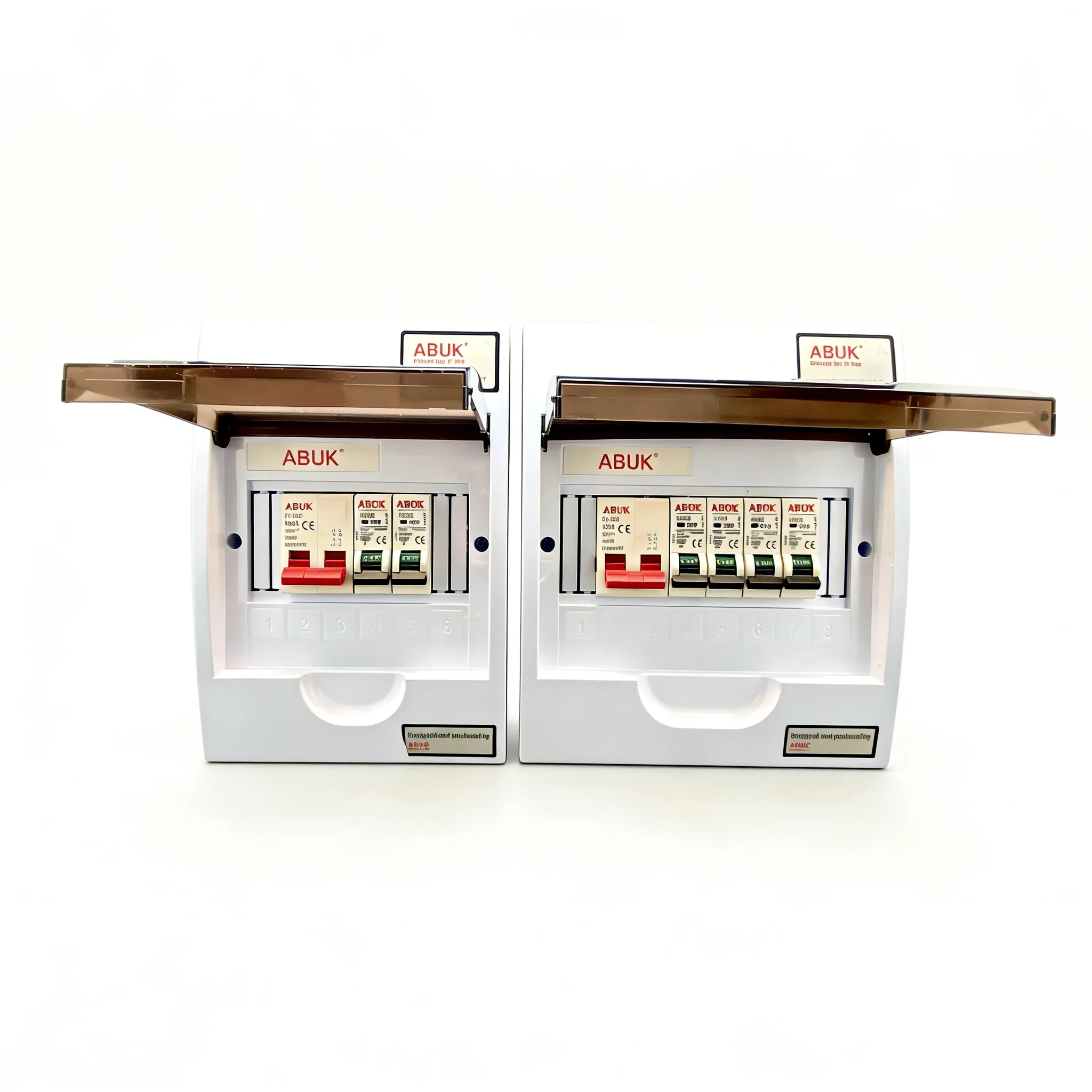
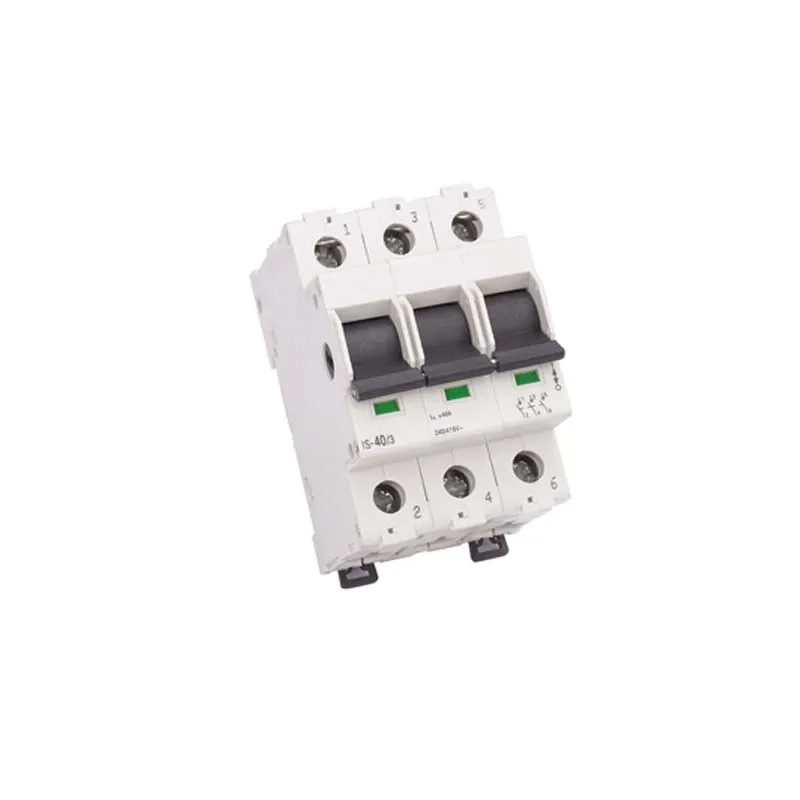
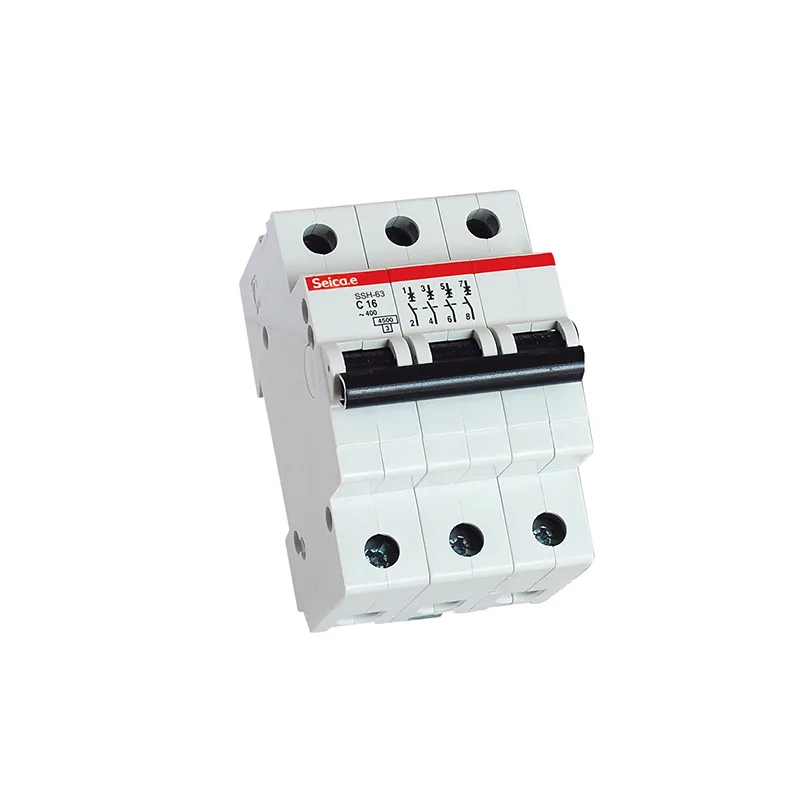
| Imported distribution equipment | System-specific, panel and feeder dependent | Does not prove Canadian field acceptance | Verify documents and coordinate with the authority having jurisdiction |
For baseline terminology, this normal outlet voltage guide distinguishes receptacle service voltage from the building supply behind it.
Standards and Canadian compliance context
IEC 60038 sets standard-voltage values; it does not approve a plug, appliance, or installation. NEMA WD 6 addresses wiring-device dimensions. In Canada, CSA C22.1 is the installation-code framework adopted or amended by provinces and territories; enforcement depends on the local authority having jurisdiction.
Verify electrical products for the destination market and intended installation, including locally imposed certification or field-evaluation requirements. Certification scope, equipment instructions, and circuit suitability must align. CE, RoHS, and GCC documentation do not by themselves establish Canadian compliance; unsupported claims can cause rejection or rework.
A procurement checklist for Canada-bound wiring devices
- Start with the nameplate: voltage range, frequency, ampere rating, and required neutral or equipment ground.
- Map the load to the installed branch circuit, not merely an outlet face; confirm 120 V versus line-to-line 240 V and overcurrent protection.
- Match the required NEMA configuration and grounding arrangement to the manufacturer’s instructions.
- Request destination-market documentation early and confirm acceptance expectations locally.
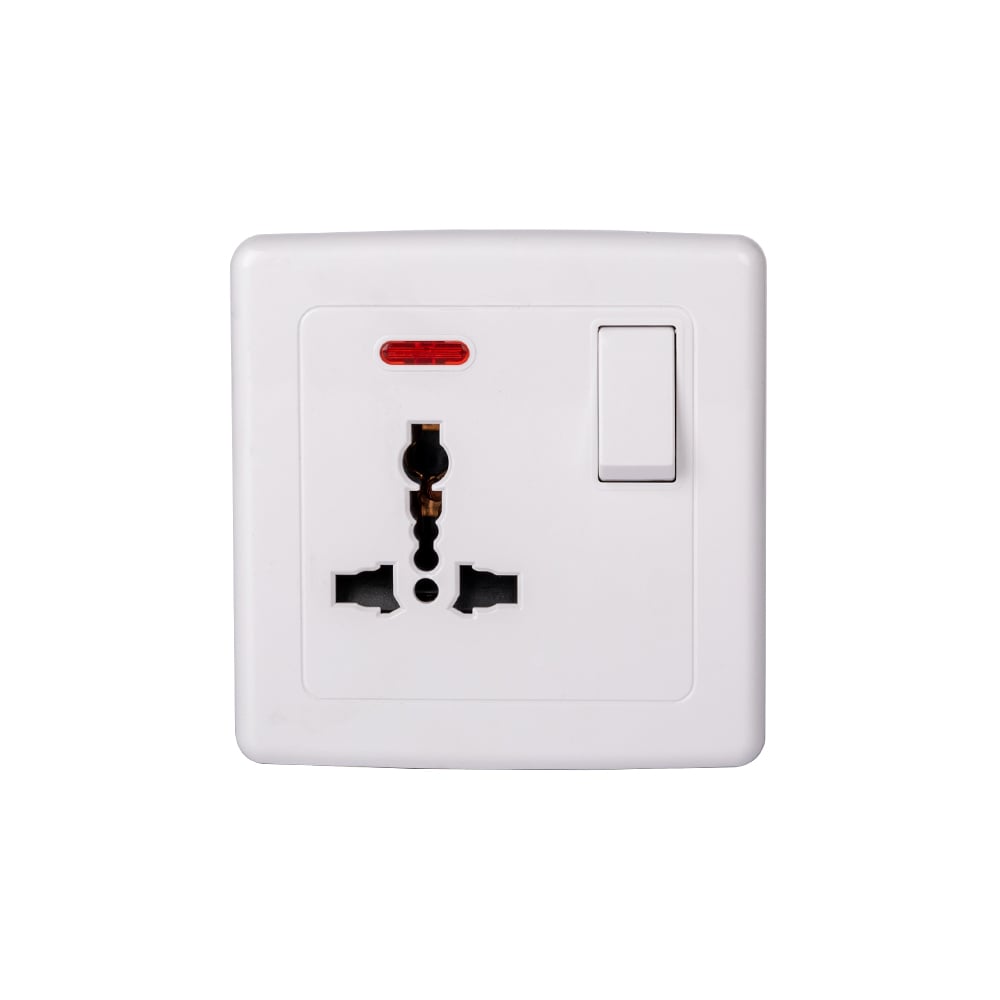
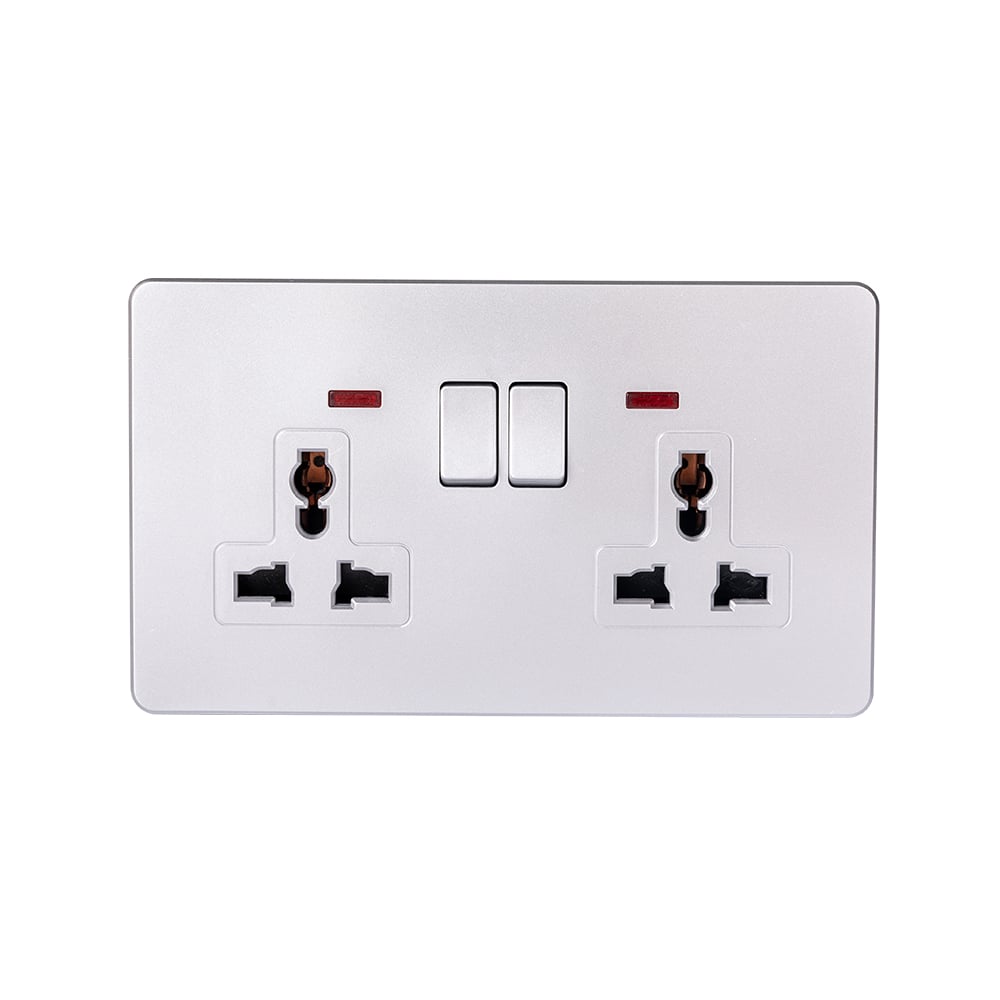
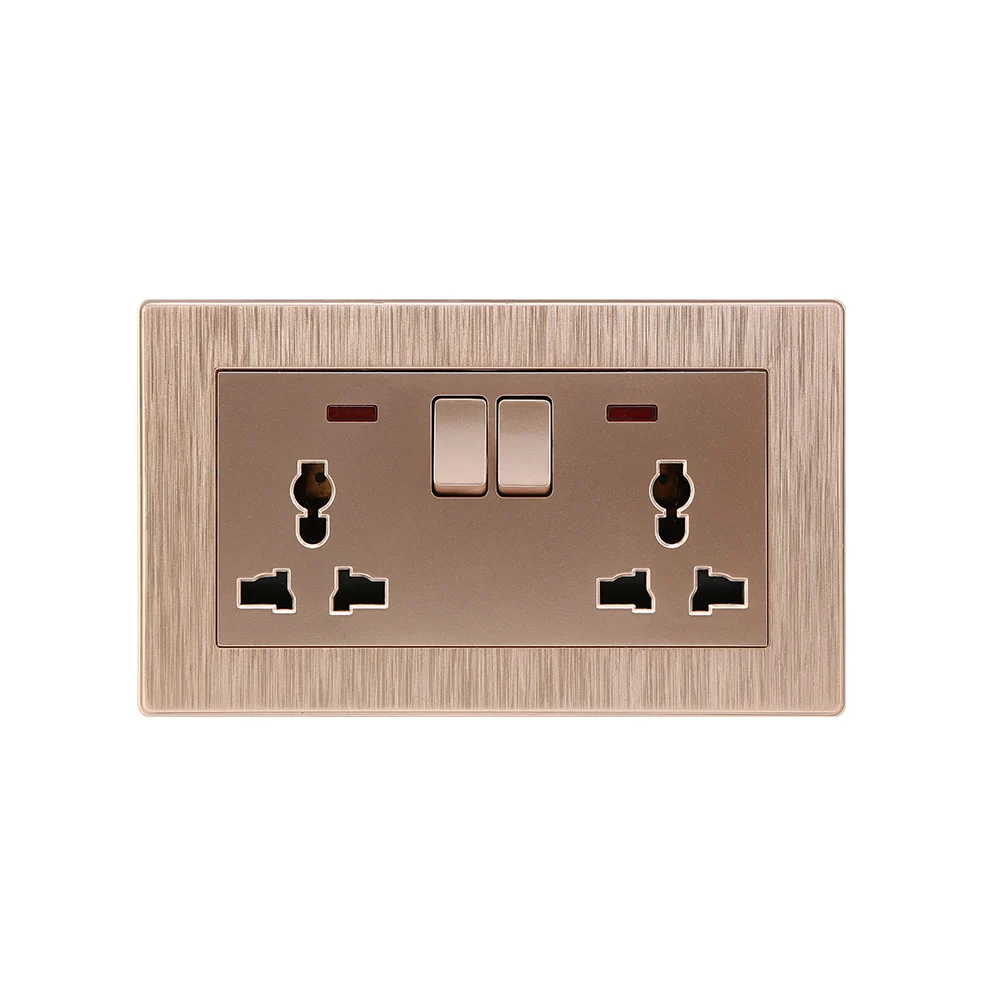
ABUK provides configurable wiring-device solutions with CE, RoHS and GCC documentation where applicable. For specification-stage comparison of electric plugs for Canada, buyers can review the wall switch and socket range alongside the destination-market checklist.
Frequently asked questions
Are Canadian outlets the same as US outlets?
Many common Canadian and US outlets use the same Type A and Type B physical patterns, so ordinary 120 V plugs often fit. However, physical fit does not confirm grounding, branch-circuit rating, instructions, or Canadian destination-market acceptance. Verify all of those before installation.
What voltage is used in Canada?
Common household receptacles are nominally 120 V line-to-neutral, supplied by a 120/240 V split-phase system. Dedicated equipment can use 240 V line-to-line, and actual voltage tolerances and equipment ratings should be checked on the nameplate and project documents.
Can US appliances be used in Canada?
Some can, especially when the voltage, frequency, plug configuration, grounding, circuit capacity, and instructions match. That conclusion must be separated from certification and local acceptance: a US appliance may need Canadian-recognized evidence or other approval before it can be installed.
Why are some Canadian outlets 240V?
Higher-power appliances need more power than a typical 120 V receptacle circuit can supply efficiently. A 240 V outlet uses the two hot legs of the split-phase supply and is configured for a specific load; it is not interchangeable with an ordinary 120 V outlet.
References and next step
- CSA Group: Canadian Electrical Code, Part I (CSA C22.1)
- NEMA: Wiring Devices—Dimensional Specifications (WD 6)
- IEC: IEC 60038 standard voltages
- Electrical Safety Authority: approved electrical products
Specify the circuit and market first; let plug geometry be the final confirmation, not the first assumption. When sourcing electric plugs for Canada, explore ABUK’s product range and contact the team to discuss the intended application and documentation needs for electric plugs for Canada.