
 Wenzhou Lita Electric Co., Ltd.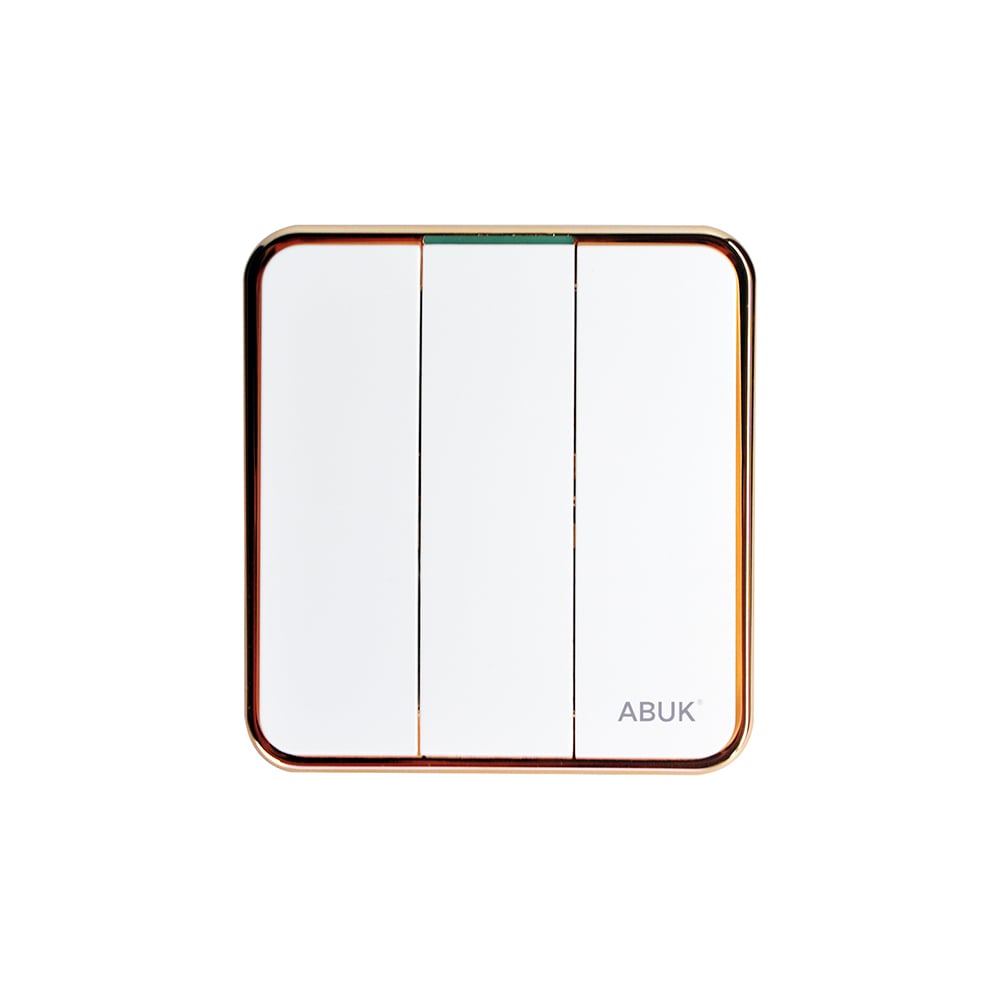
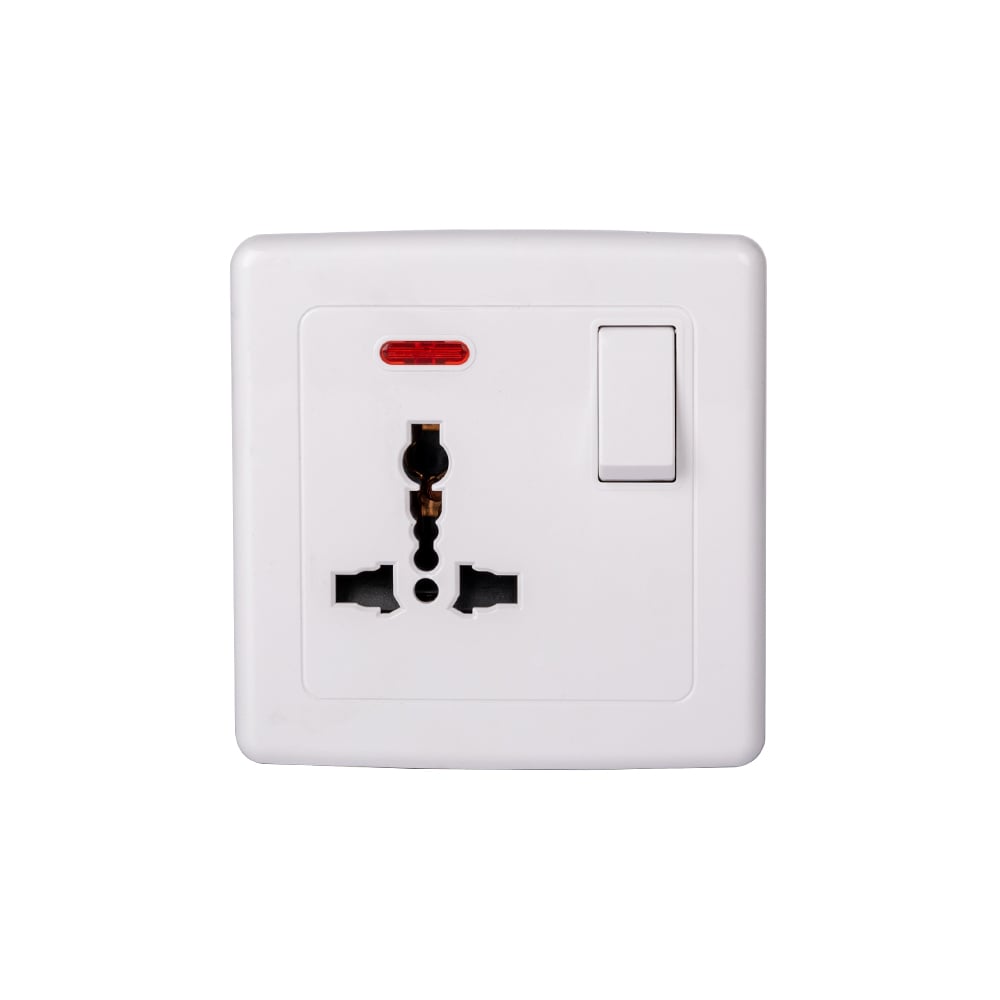
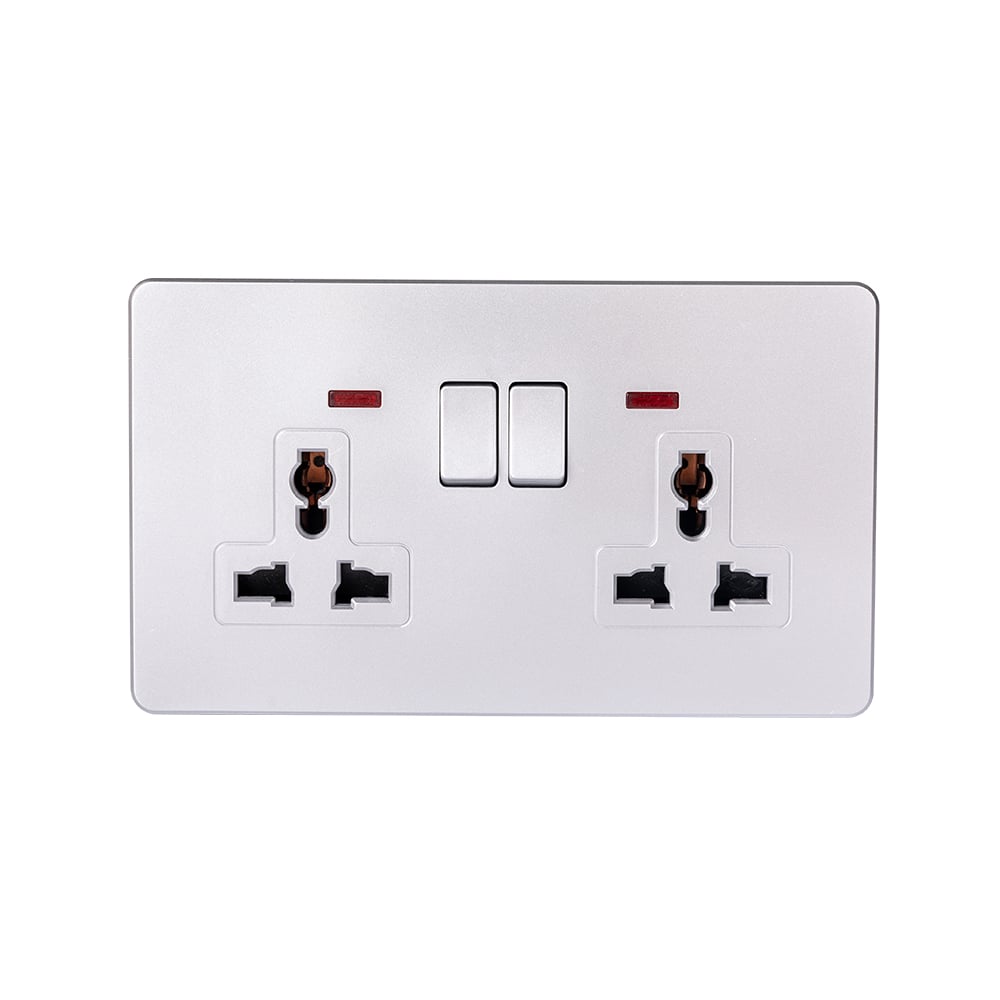

What Is a Duplex Receptacle?
When a facilities buyer in Austin encountered plug-fit complaints while approving replacements for a tenant build-out, she ordered visually similar outlets to keep the schedule moving; the first installation exposed a 20 A plug that would not mate with the chosen face, and the electrician had to stop work. The reversal was not a “bad outlet” finding: the bill of materials had not separated circuit rating, slot geometry, and intended use.
Summary: A duplex receptacle provides two plug-in connection points in one device, but the correct choice still depends on circuit rating, wiring arrangement, environment, and local enforcement. A NEMA 5-15R accepts 15 A parallel-blade plugs, while a 5-20R has a T-shaped neutral slot for compatible 20 A plugs; Texas projects should confirm the adopted requirements with the authority having jurisdiction (AHJ) before release. Specify the device, face configuration, and listing evidence together—not by appearance alone.
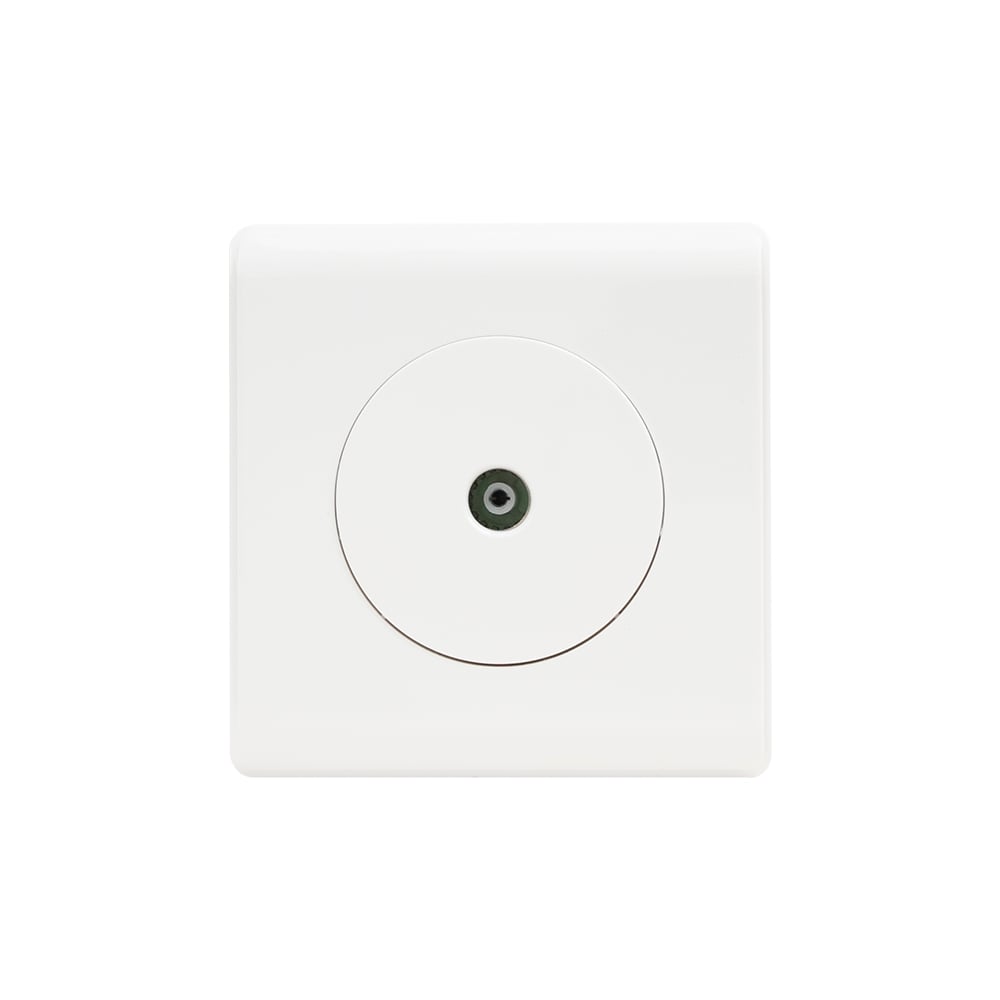
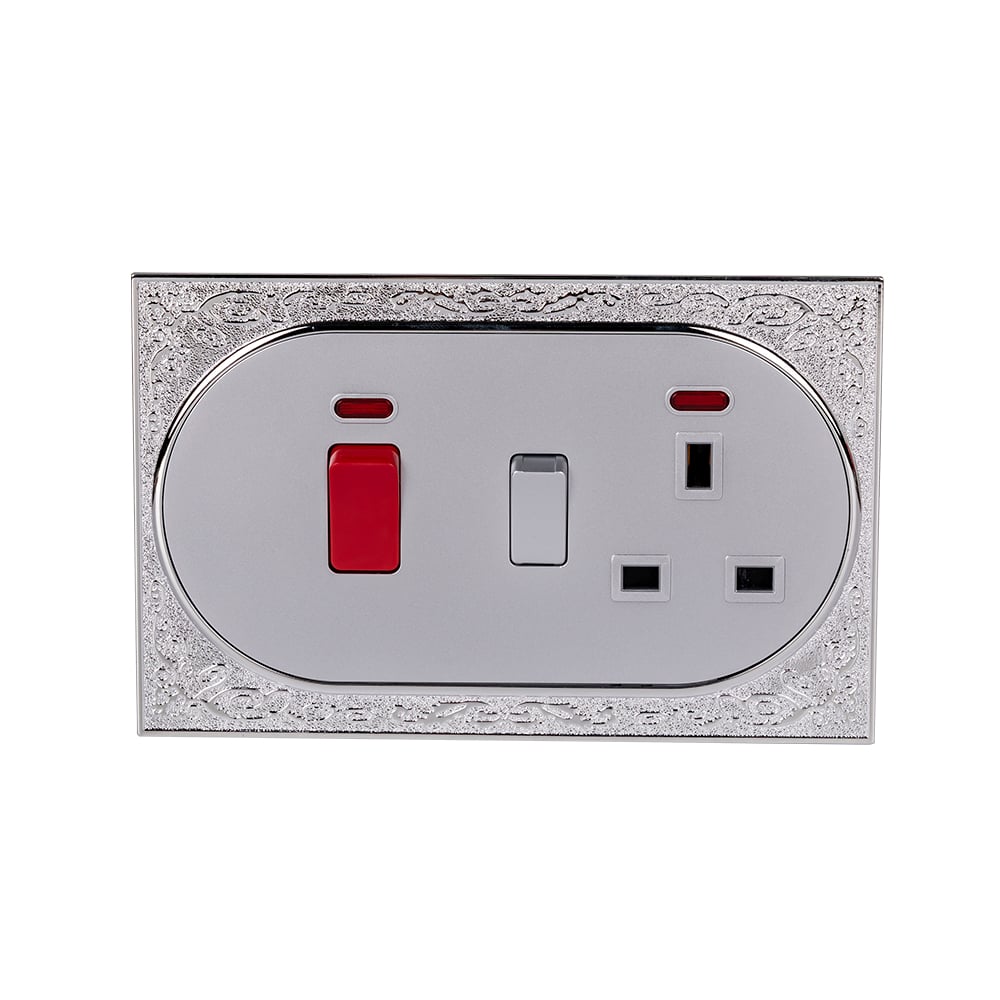
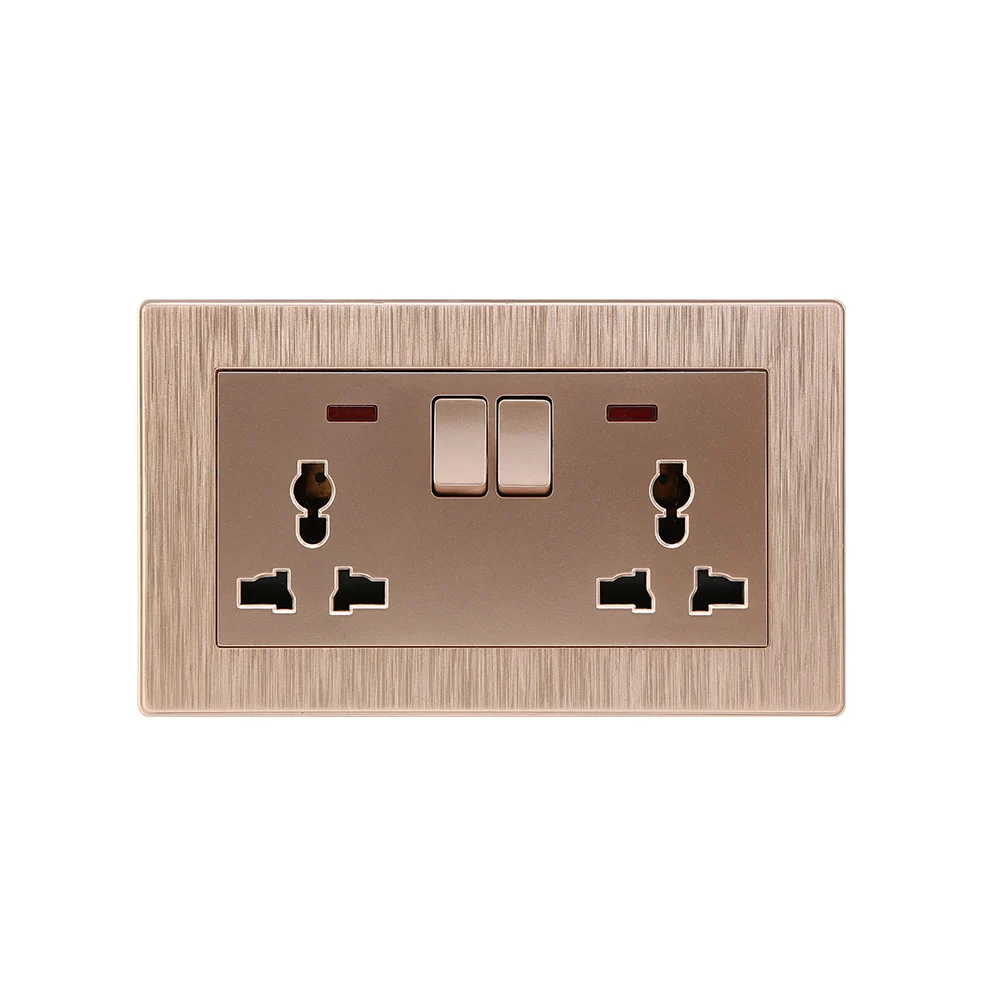
For buyers, the practical receptacle definition is an electrical wiring device that receives a plug and transfers power to branch-circuit conductors. A duplex receptacle outlet packages two such connection points behind one cover opening. Duplex receptacles concentrate access without automatically changing circuit capacity or protection requirements.
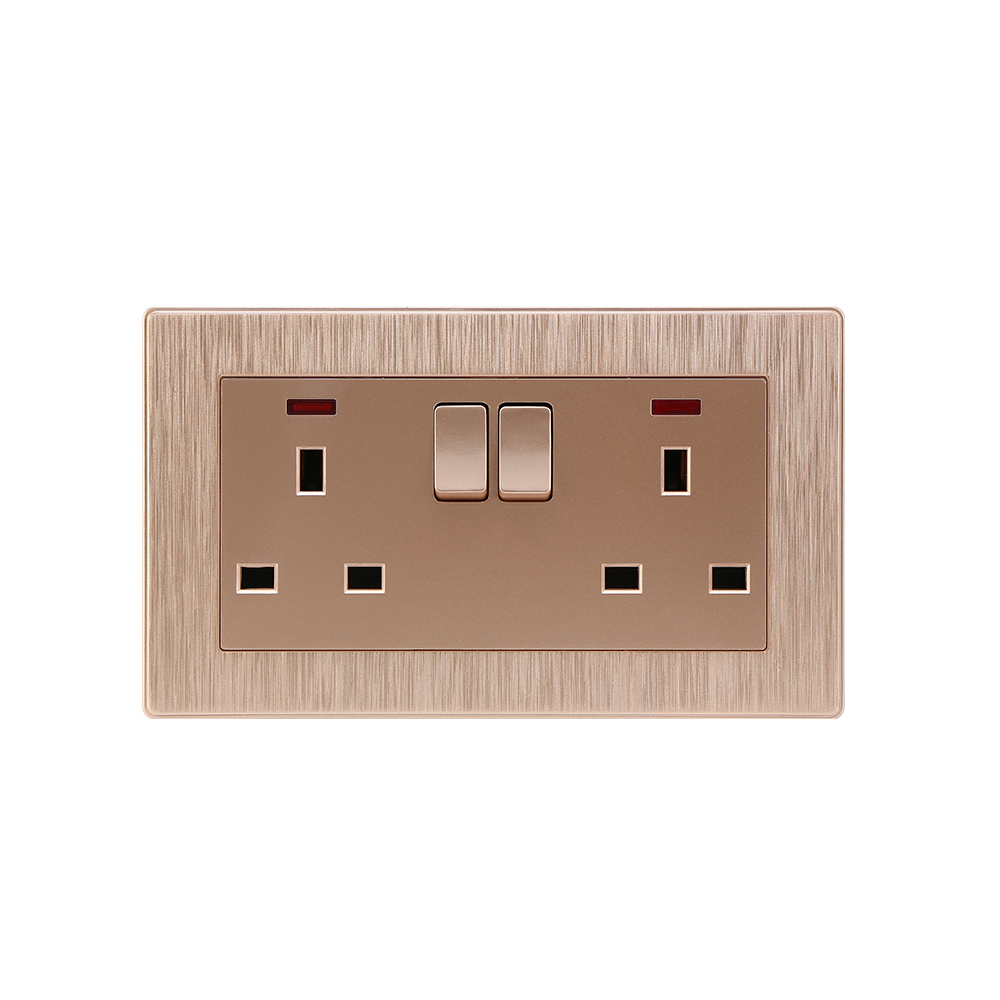
Duplex Outlet vs. Standard Outlet
A standard duplex receptacle is usually what people mean by a “regular outlet”: two vertically arranged plug faces, each with hot, neutral, and grounding contacts. In procurement language, however, “standard” is incomplete. The device may be 15 A or 20 A, tamper-resistant or weather-resistant, residential-grade or specification-grade, and wired as a common feed or as separately controlled halves.
The receptacle definition also distinguishes a device from the circuit behind it. A duplex electrical receptacle can offer two accessible faces while being supplied by one branch circuit; it does not promise two independent sources. Duplex receptacles should be checked against NEMA WD 6 dimensions and applicable listing evidence, not treated as an ampacity statement.
What are the three main types of outlets?
For a practical purchasing screen, group outlets into standard non-protective receptacles, GFCI receptacles, and specialized receptacles. The first group includes a duplex receptacle outlet for ordinary branch-circuit access. GFCI devices add personnel-protection functionality by monitoring imbalance; specialized devices include configurations such as 20 A, locking, isolated-ground, weather-resistant, or USB-equipped units. These categories can overlap, so an installation may need a GFCI-rated 20 A device rather than a generic alternative.
In North American 125 V applications, compare the slot pattern before substituting. A NEMA 5-15R uses two parallel blade slots plus ground; a NEMA 5-20R adds the T-shaped neutral slot and is intended to accommodate the corresponding 20 A plug. The wiring method and overcurrent protection must remain coordinated with the applicable installation rules.
Components, split wiring, and receptacle capacity
A duplex electrical receptacle contains two contact sets, terminal connections, a grounding path, a mounting yoke, and removable connecting tabs. With the tab intact, both halves normally share feed continuity. Removing the appropriate tab can support split wiring—for example, a switched half and an always-live half—when the circuit design, conductor identification, and isolation method support it. This is a wiring decision that should be documented for maintenance.
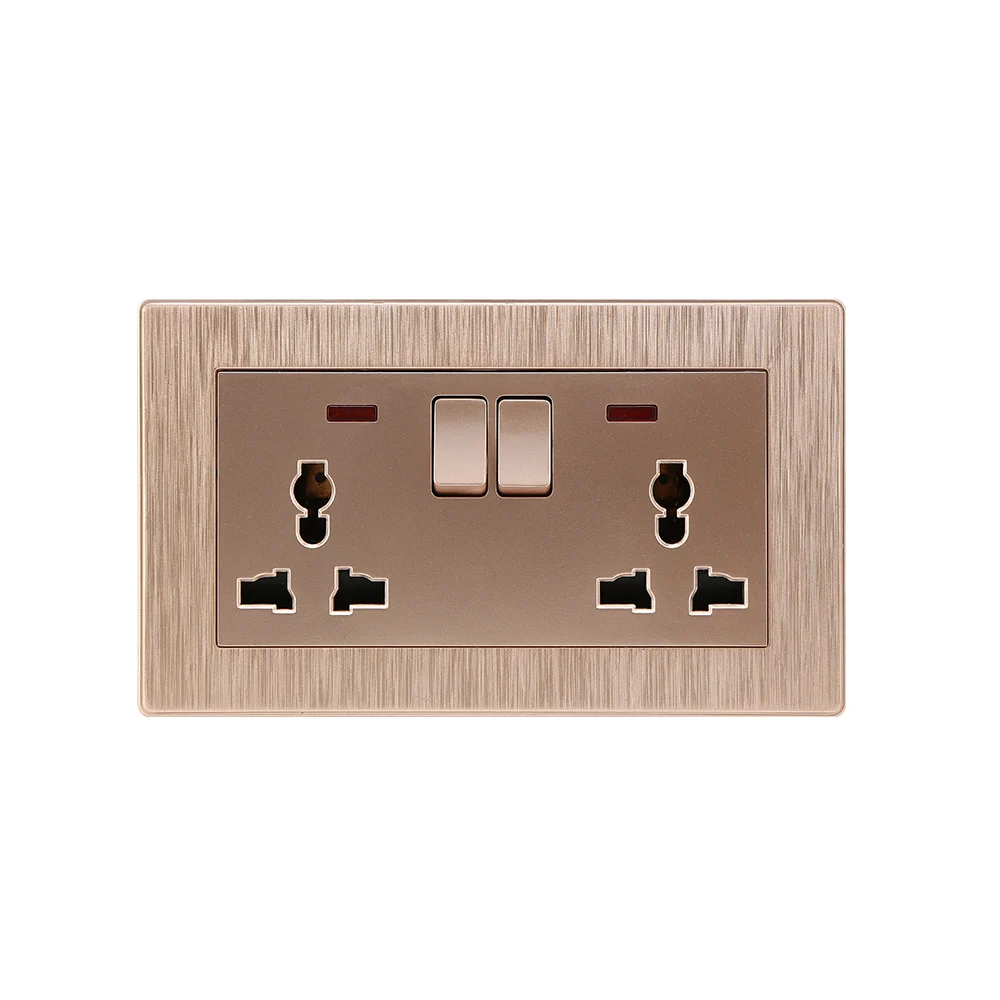
A double duplex receptacle is a four-face assembly, typically installed in a larger box or multi-gang arrangement. It improves access density, but it also increases box-fill, conductor-management, heat, cover-plate, and commissioning considerations. In a service call, distinguish it from one duplex electrical receptacle or two separately controlled devices; the visual result can conceal different wiring scopes.
GFCI boundaries and the hidden cost of a wrong choice
A GFCI is not merely another name for a duplex receptacle. It is a protective device evaluated for ground-fault circuit-interrupter performance, whereas ordinary wiring devices are evaluated to their relevant receptacle requirements. A duplex receptacle outlet may be protected upstream by a GFCI device, but that arrangement must be selected and tested as part of the installation—not assumed from its appearance.
The hidden cost is usually rework, not the unit price. An illustrative total-cost review compares device price with labor to reopen finished walls, lost tenant time, return handling, and retesting. Consistent markings and traceable documents can reduce wrong-item returns and substitutions.
Comparison: duplex outlet vs. alternatives
| Option | Access and wiring | Protection / compatibility | TCO consideration |
|---|---|---|---|
| Standard duplex receptacle | Two faces; common or split wiring where designed | Match NEMA 5-15R or 5-20R pattern and circuit | Efficient for common access; wrong specification can create rework |
| GFCI receptacle | Two faces with test/reset function | Ground-fault protection where required by installation rules | Requires documented testing and replacement planning |
| Double duplex receptacle | Four faces in a larger arrangement | Higher access density; confirm box and circuit design | May avoid extension cords but adds installation scope |
| Specialized receptacle | Configuration depends on intended equipment | May address locking, weather, isolated-ground, or 20 A needs | Value depends on avoiding incompatibility and downtime |
Application matrix for Texas procurement
| Application question | Specification check | Release action |
|---|---|---|
| General office workstations | Device grade, face configuration, shared versus split control | Align drawings, circuit schedule, and sample |
| Kitchen, wash, or exterior-adjacent areas | Whether GFCI and weather-resistance provisions apply | Confirm adopted rules and location with the AHJ |
| 20 A equipment load | NEMA 5-20R geometry, branch-circuit rating, plug type | Reject visually similar but incompatible substitutions |
| Tenant retrofit | Box condition, conductor count, tab removal, cover fit | Inspect and function-test before handover |
Standards and compliance: scope before claims
- UL 498 covers attachment plugs and receptacles; it is a product safety standard, not a blanket statement that every installation complies.
- UL 943 addresses ground-fault circuit interrupters, so it is relevant when GFCI functionality is specified.
- NFPA 70/NEC is an installation code framework; local adoption and amendments determine enforceable project requirements in Texas.
- IEC 60884-1 concerns plugs and socket-outlets for household and similar purposes; it does not make a North American configuration interchangeable by default.
CE and RoHS are market and product-scope declarations or requirements, not universal approvals; GCC conformity marking applies only within its relevant Gulf regulatory scope. Unsupported claims can delay customs, tender review, or project acceptance. For the GCC scheme, consult the Gulf Conformity Mark guidance for current scope and procedures.
Selection guide for purchasing teams
- Write the receptacle definition into the schedule: face pattern, amperage, grounding, grade, and intended environment.
- Ask whether each duplex receptacle needs common feed, switched control, or a split-wired arrangement; require labeled drawings for tab removal.
- For any double duplex receptacle layout, check box volume, cover compatibility, conductor routing, and servicing access.
- Confirm local code adoption and AHJ expectations before approving protection or location-specific substitutions.
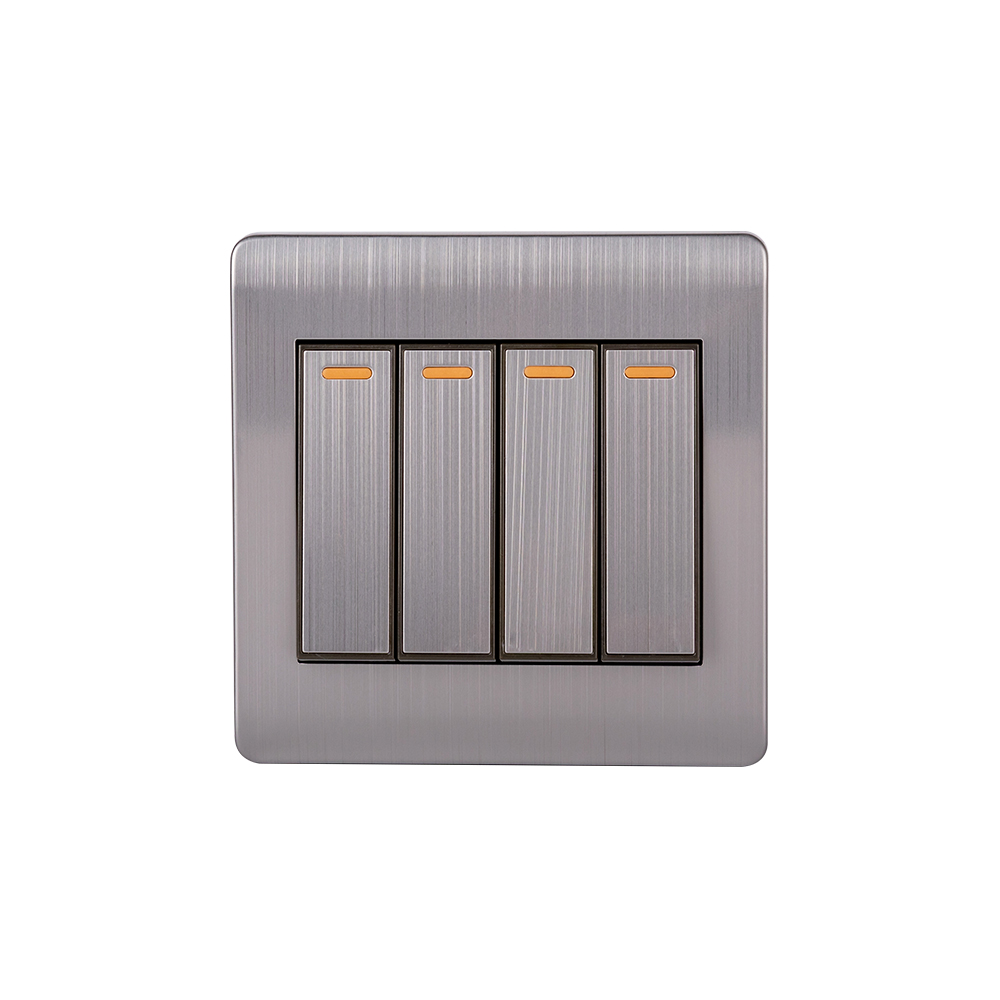
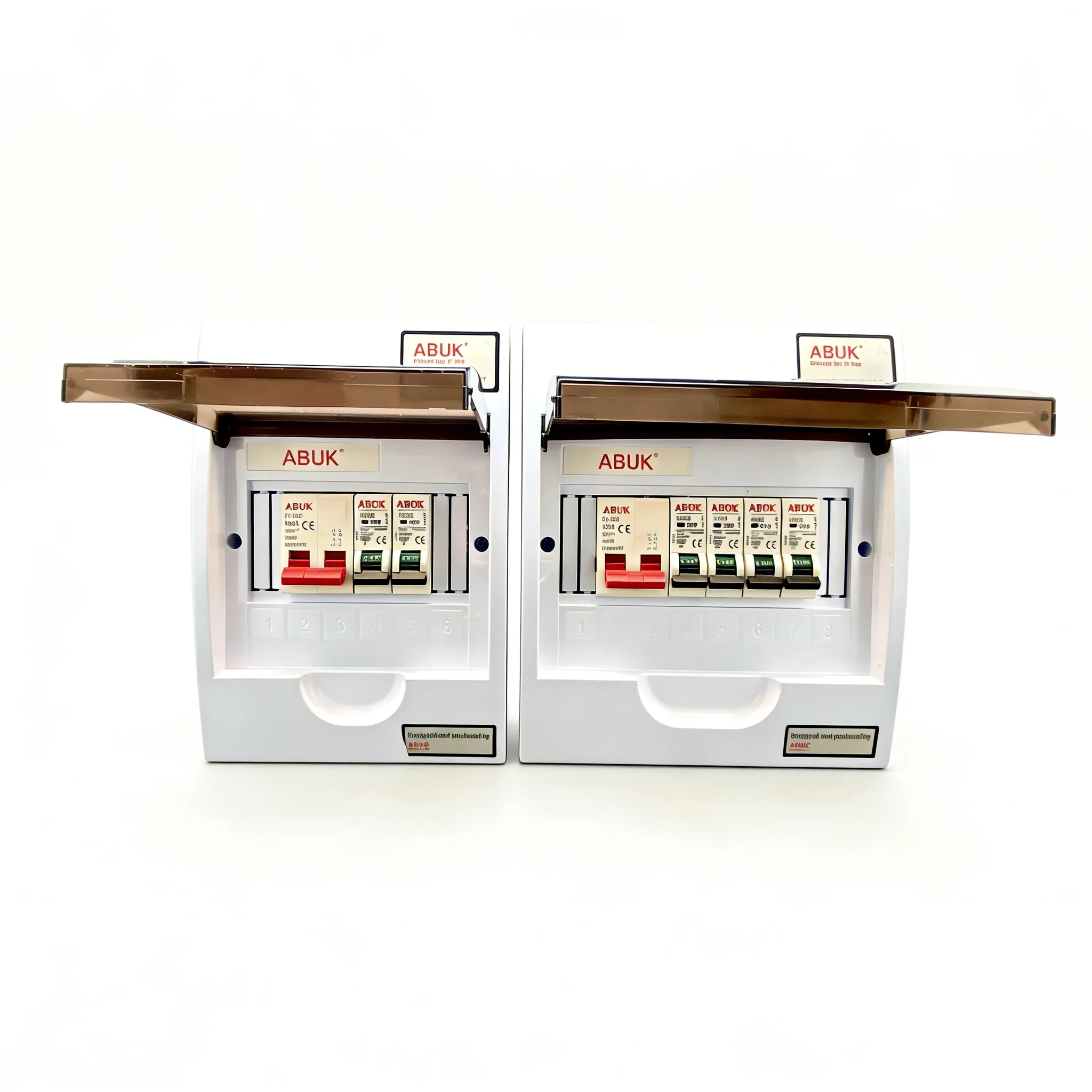
Review the wall switch and socket portfolio against those requirements. ABUK provides mechanical wall switches, distribution boards, and related electrical products with CE, RoHS, and GCC documentation for applicable models and destination markets.
FAQ
What is the difference between a single and duplex receptacle?
A single device presents one plug-in connection point; a duplex receptacle presents two. Both still require the correct circuit rating, grounding arrangement, and installation method, so face count should not be used as an ampacity shortcut.
How to connect a duplex receptacle?
De-energize and verify the circuit, then have a qualified installer follow the approved wiring diagram and local rules. Keep the connecting tab intact for a common feed unless the documented split-wiring design requires its removal; test polarity, grounding, and any protective function after installation.
What is another name for a duplex receptacle?
It is often called a duplex outlet or a standard duplex receptacle when referring to the common two-face configuration. The purchasing description should still state the NEMA pattern and whether protective or specialty features are required.
What is the difference between a duplex receptacle and a GFCI?
A duplex receptacle describes the two-face access format; a GFCI describes ground-fault protective functionality. A duplex receptacle can be upstream- or downstream-protected by an appropriate GFCI arrangement, but verification testing and project rules determine suitability.
Is a duplex receptacle considered two outlets?
In ordinary language it supplies two plug-in points, and some plans may describe those as two outlets. For load calculations, circuit design, and code interpretation, follow the adopted rules and the AHJ’s direction rather than relying on informal terminology.
What is the standard size of a duplex receptacle?
The face format commonly fits a standard single-gang opening, but dimensions vary with device design, cover, and box. Confirm the manufacturer drawing and NEMA configuration; four-face layouts need a different mounting arrangement.
References and next step
- NFPA 70/NEC
- UL 498
- IEC 60884-1
- Gulf Conformity Mark guidance
Specify the connection before you specify the cover: it is the small decision that keeps a large installation moving. Review the product range, learn more about the company, or contact the team with the circuit schedule and destination-market requirements.