
 Wenzhou Lita Electric Co., Ltd.
Are USB Wall Outlets Worth It? Pros, Cons and Buying Guide
When a procurement manager in Singapore encountered a hotel-room charging upgrade, she compared a low-cost wall outlet plug with USB against a branded specification, watched a replacement video, and confidently ordered 500 units. Within a week of the mock-up, phones charged slowly, deep plugs collided with the back box, and the consultant rejected the documentation. The devices were not all faulty—the buyer had compared connector count instead of power budget, protocol, thermal design, and certification. That experience answers the search: are USB wall outlets worth it?
Summary: A USB wall outlet is worth considering when it provides convenient, certified charging without adapters; it is poor value when ports share insufficient power, lack required USB-C protocols, or create replacement risk. Buyers should verify total watts, per-port behavior, Power Delivery profiles, standby consumption, electrical rating, box depth, temperature rise, safety listing, CE/RoHS/GCC scope, and upgrade strategy.
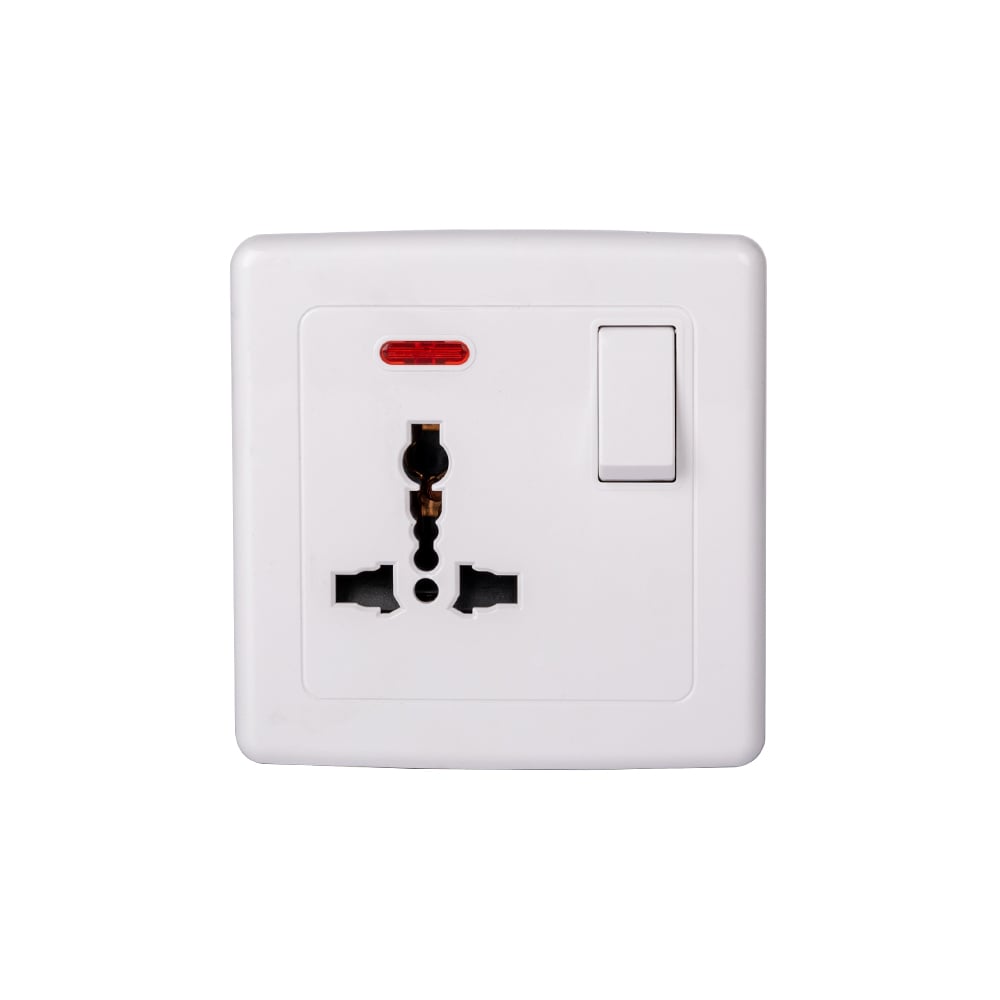
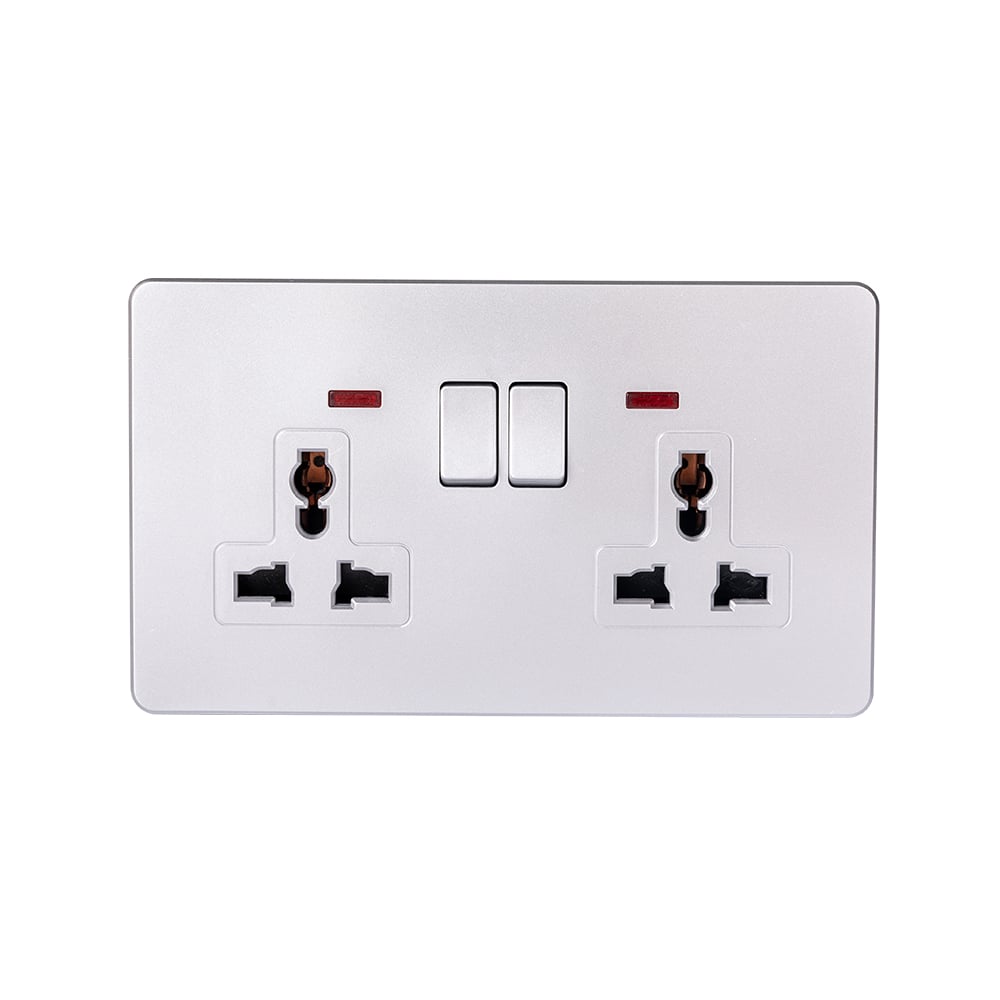
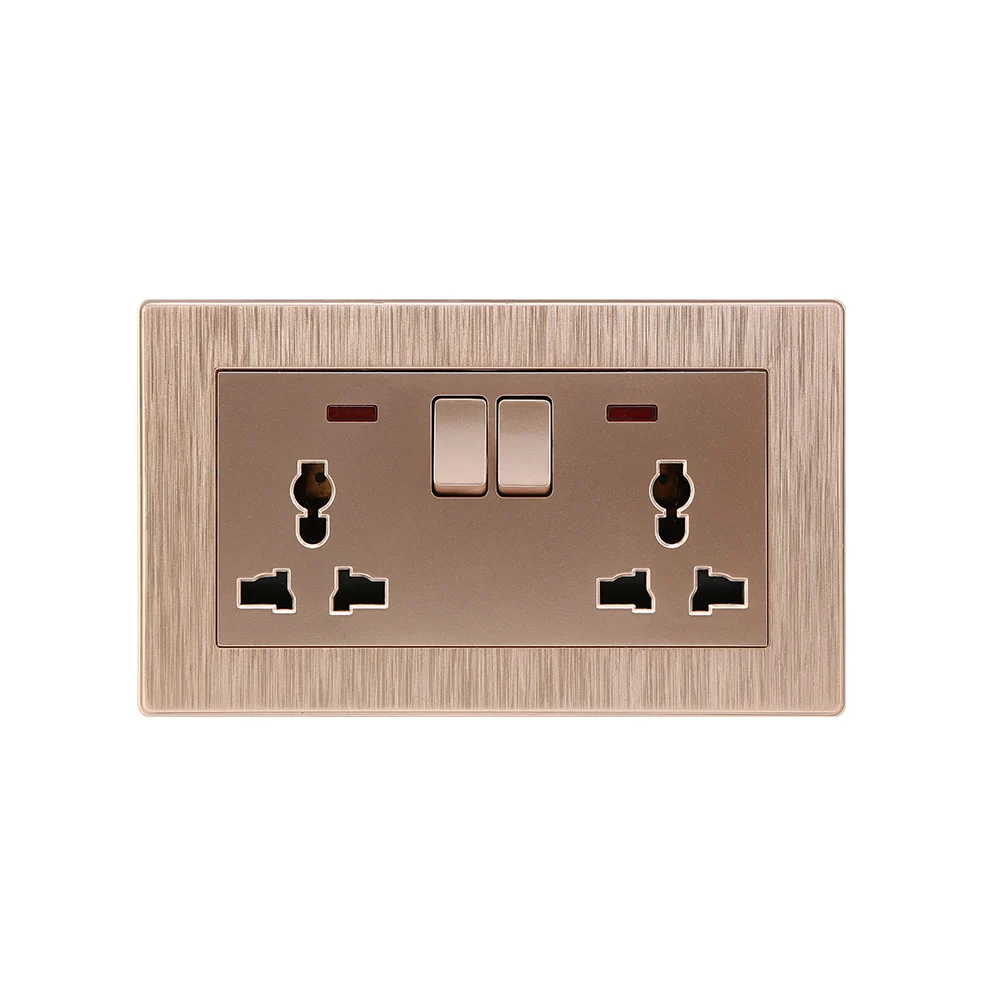
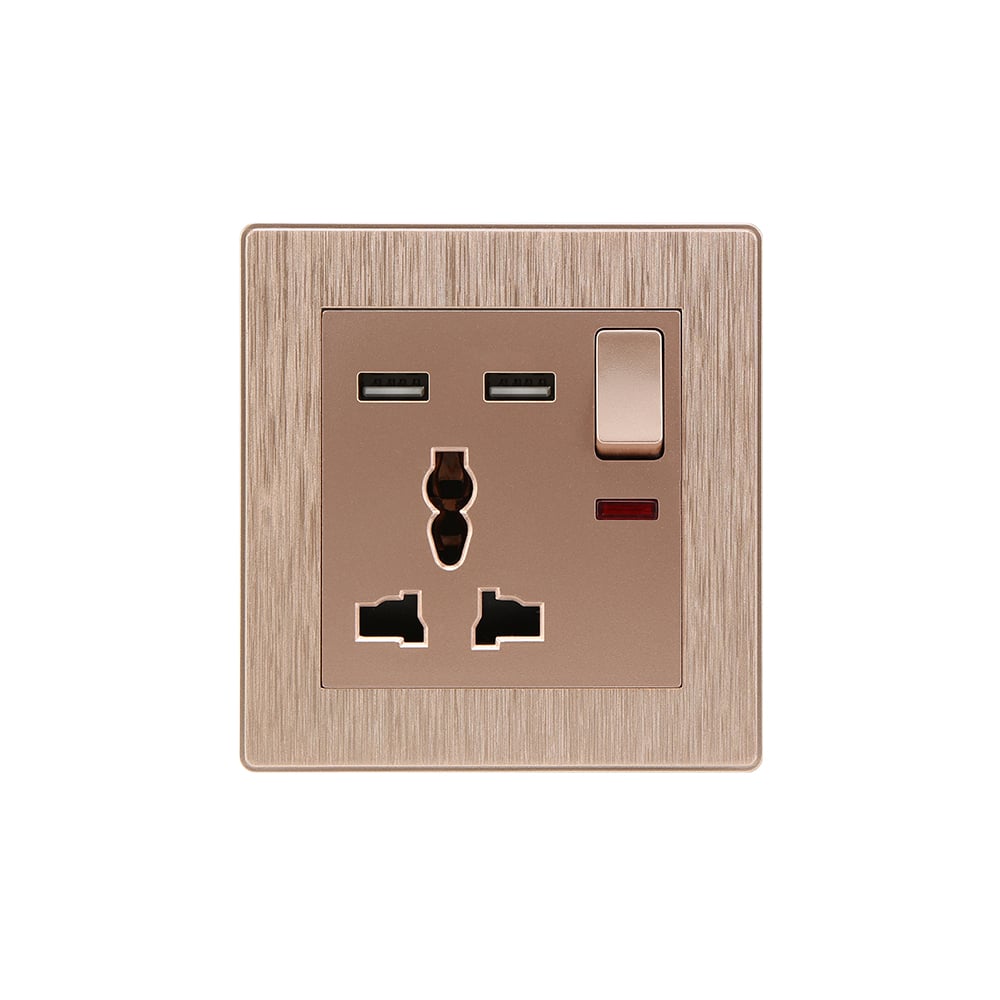
A usb wall outlet combines an AC receptacle or socket with an embedded AC-to-DC power supply. A usb power outlet wall product therefore behaves like a permanently installed charger: it converts mains voltage continuously when a device is connected, and it may draw a small standby load when idle. The commercial decision is less about removing an adapter and more about whether integrated electronics will remain compatible through the room’s service life.
How Much Charging Power Is Available?
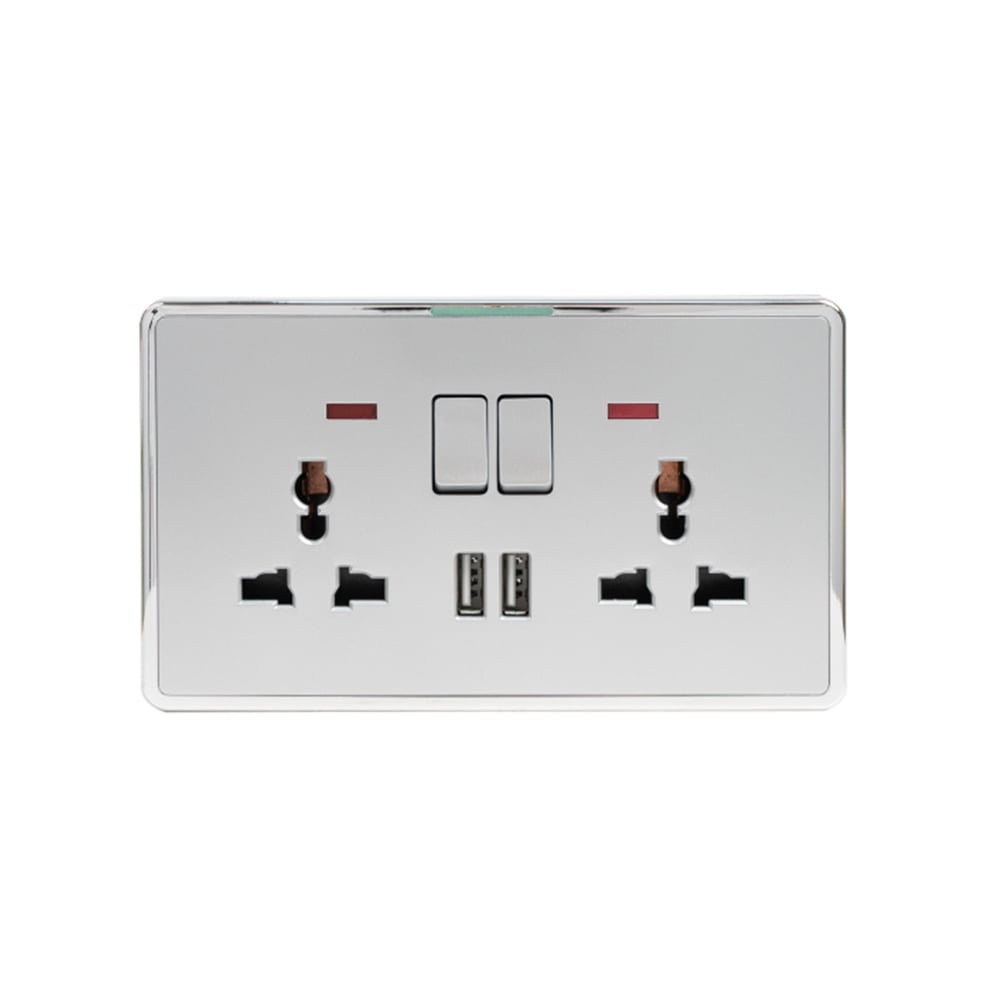
Legacy USB-A commonly supplies 5 V, while modern USB-C Power Delivery can negotiate higher voltages and power. A wall outlet USB label such as “5 V 3.1 A” represents about 15.5 W total, often shared across ports; it does not promise 15.5 W per port. USB-IF specifications define protocol behavior, and buyers should request the exact power profiles rather than accepting “fast charge” as a measurable claim.
Do USB Outlets Use Power When Idle?
Yes, the internal converter can consume standby power even with no cable attached, although efficient designs keep it low. If 500 rooms each use 0.1 W in standby, annual energy is about 438 kWh; at 0.5 W, it becomes 2,190 kWh. IEC 62368-1 addresses safety for audio/video and ICT equipment, while ecodesign rules and supplier test data help compare no-load consumption.
Are USB Wall Outlets Safe?
A properly evaluated unit should manage insulation, abnormal operation, temperature rise, fire enclosure, overcurrent, and output faults. Installation must also match box volume, conductor range, torque, grounding, and local code. A wall outlet with USB can run warmer than a passive receptacle because conversion electronics dissipate heat; independent listing and model-specific reports are more meaningful than a CE logo alone.
Where Do Hidden Costs Appear?
Integrated chargers reduce lost adapters and desk clutter but age faster than passive sockets as connector and protocol expectations change. If 300 rooms require a $35 replacement after five years, hardware alone is $10,500 before labor. A modular faceplate, adequate USB-C wattage, replaceable modules, and a documented warranty can improve ROI.
USB Wall Outlet Value Comparison
| Dimension | USB wall outlet | AC outlet + adapter | High-power USB-C outlet |
|---|---|---|---|
| Convenience | High | Medium | High |
| Typical power | 10–20 W shared | Varies by adapter | 30–65 W or more by profile |
| Standby load | Built-in converter | Only while adapter remains plugged | Built-in converter |
| Upgradeability | Whole device replacement | Replace adapter only | Whole device/module replacement |
| Installation cost | Medium | Low | Medium–high |
| TCO risk | Protocol obsolescence | Lost adapters and clutter | Heat, depth and higher first cost |
Application and Cost Matrix
| Application | Recommended brief | Cost driver | Compatibility risk |
|---|---|---|---|
| Hotel bedside | USB-C + legacy USB-A | Port count and replaceability | Guest device turnover |
| Office desk | 30–65 W USB-C PD | Power profile and thermal design | Laptop wattage |
| Residential retrofit | 15–20 W phone charging | Box depth and electrician labor | Existing wiring device standard |
| Public project | Robust shutters and documented output | Mechanical endurance and warranty | Misuse and cable damage |
Standards and Compliance
- UL 498 / UL 62368-1: relevant North American receptacle and electronic power-supply safety pathways, depending on product construction.
- IEC 60884-1 and IEC 62368-1: socket and embedded electronic safety frameworks for applicable markets.
- USB-IF specifications: define USB-C and Power Delivery negotiation; logo use should be verified.
- CE, EMC and RoHS: require the applicable EU conformity assessment and restricted-substance evidence.
- GCC/GSO: confirm plug/socket configuration, registration route, and model scope before Gulf shipment.
Noncompliance can cause overheating risk, failed inspections, customs holds, recalls, or expensive occupied-room replacement.
Buying Guide
- Specify total output and per-port output with all ports occupied.
- List USB-C PD voltage/current profiles and required cable capability.
- Verify standby power, temperature-rise evidence, back-box depth, wiring terminals, and faceplate compatibility.
- Require exact-model safety and EMC documentation; the honest answer is that port count is not performance.
- Plan replacement access and a five-to-ten-year technology refresh.
ABUK provides usb wall outlet and wall outlet with USB options with CE, RoHS, and GCC documentation for specified models and markets, subject to project-level verification.
Frequently Asked Questions
How to change a wall outlet to USB?
A qualified electrician should isolate and verify the circuit, confirm box depth and conductor condition, install the listed device to its instructions, torque terminals, and test polarity, grounding, AC output, and USB charging.
How many watts is a USB wall outlet?
It varies from roughly 10–20 W for basic shared USB-A designs to 30–65 W or more for USB-C PD models. The datasheet must state whether power is total or per port.
How to install a wall outlet with USB ports?
Installation follows the device instructions and local electrical code; mains wiring makes this qualified-person work, not simply a charger swap.
Are USB wall outlets safe?
They can be safe when properly listed, installed, ventilated, and used within rating. Model-specific temperature, abnormal-operation, insulation, and EMC evidence should be checked.
Do USB wall outlets draw power when not in use?
Usually a small amount because the internal power supply remains energized. Buyers should request measured no-load watts.
Do USB outlets charge faster?
Only if the wall outlet plug with USB supports the device’s required protocol and wattage. A phone may fall back to 5 V charging when negotiation is unavailable.
References
- USB Implementers Forum – USB specifications
- IEC 62368-1 – Audio/video and ICT equipment safety
- IEC 60884-1 – Plugs and socket-outlets
- European Commission – Low Voltage Directive
The best integrated charger is not the one with the most holes—it is the one whose power profiles, safety file, thermal design, and replacement plan still make sense after the room is occupied.
ABUK builds electrical-accessory solutions for that moment. Review the product portfolio or contact ABUK with the target plug standard, charging profile, and project quantity.