
 Wenzhou Lita Electric Co., Ltd.
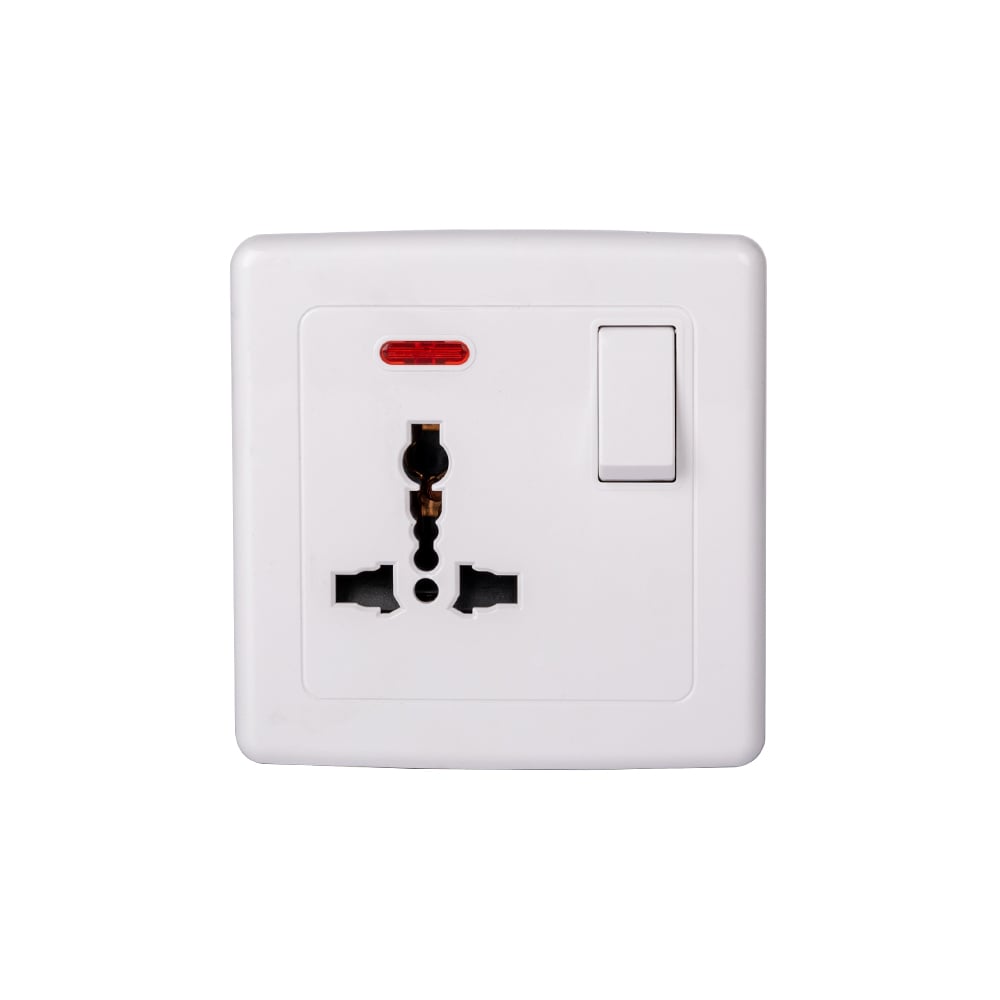
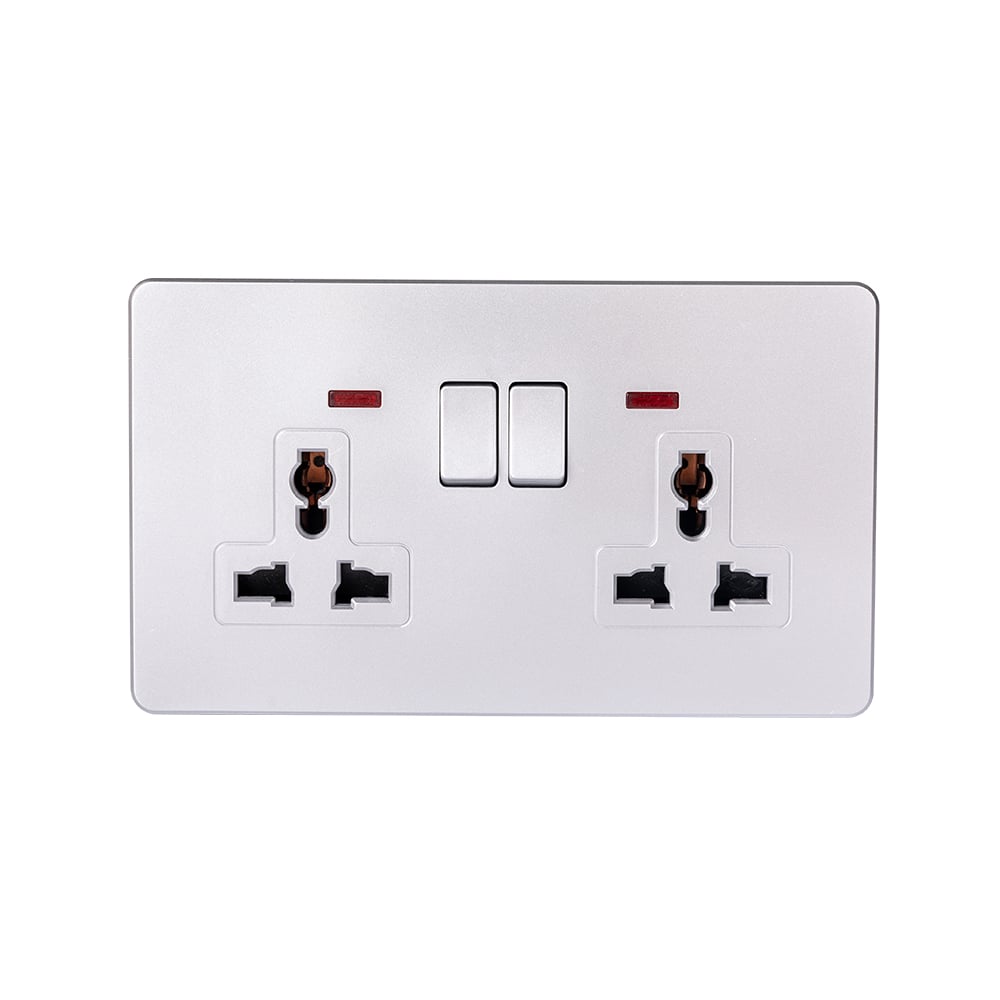
What Is the Standard Household Outlet Voltage?
When a procurement manager in Riyadh encountered a multinational hotel tender, she copied a 120 V room schedule from a U.S. project, selected familiar-looking sockets, and confidently released the order. The mock-up failed because the local system was 230 V at 50 Hz, the plug configuration was different, and several imported appliances were single-voltage. The products were not inherently defective—the schedule had treated one country’s nominal rating as universal. The question was: what is the standard household outlet voltage in each target market?
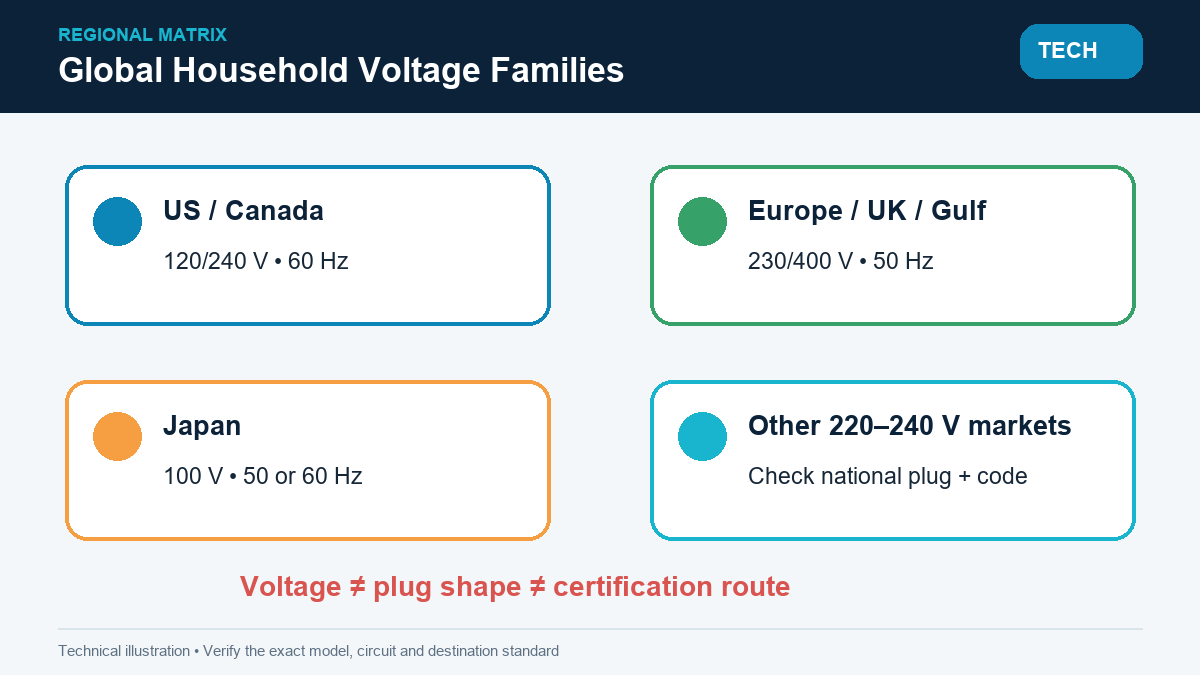
Summary: Standard household outlet voltage is not universal. The United States and Canada commonly use 120/240 V at 60 Hz; much of Europe, the United Kingdom, the Gulf region, and many Asian markets use about 220–240 V at 50 Hz; Japan uses 100 V with 50 or 60 Hz regions. Buyers must verify nominal voltage, tolerance, frequency, phase, plug configuration, grounding, current rating, and national conformity before approving sockets or appliances.
Standard household outlet voltage is a country-specific nominal system value, not an exact reading promised at every receptacle. IEC 60038 harmonizes many international values around 230/400 V, while ANSI C84.1 defines preferred 60 Hz ratings and ranges in the United States. Plug shape is a separate issue: two countries can use the same nominal voltage but different socket, earthing, shutter, and overcurrent arrangements.
What Is Standard in North America?
Most U.S. and Canadian homes receive a 120/240 V, 60 Hz split-phase service. General-purpose receptacles are typically 125 V-rated NEMA 5-15R or 5-20R devices supplied at nominal 120 V; larger loads may use 240 V circuits. ANSI C84.1 Range A service voltage for a 120 V nominal system is commonly 114–126 V, so the nameplate value and acceptable measured range should not be confused.
What Is Standard in Europe and the Gulf?
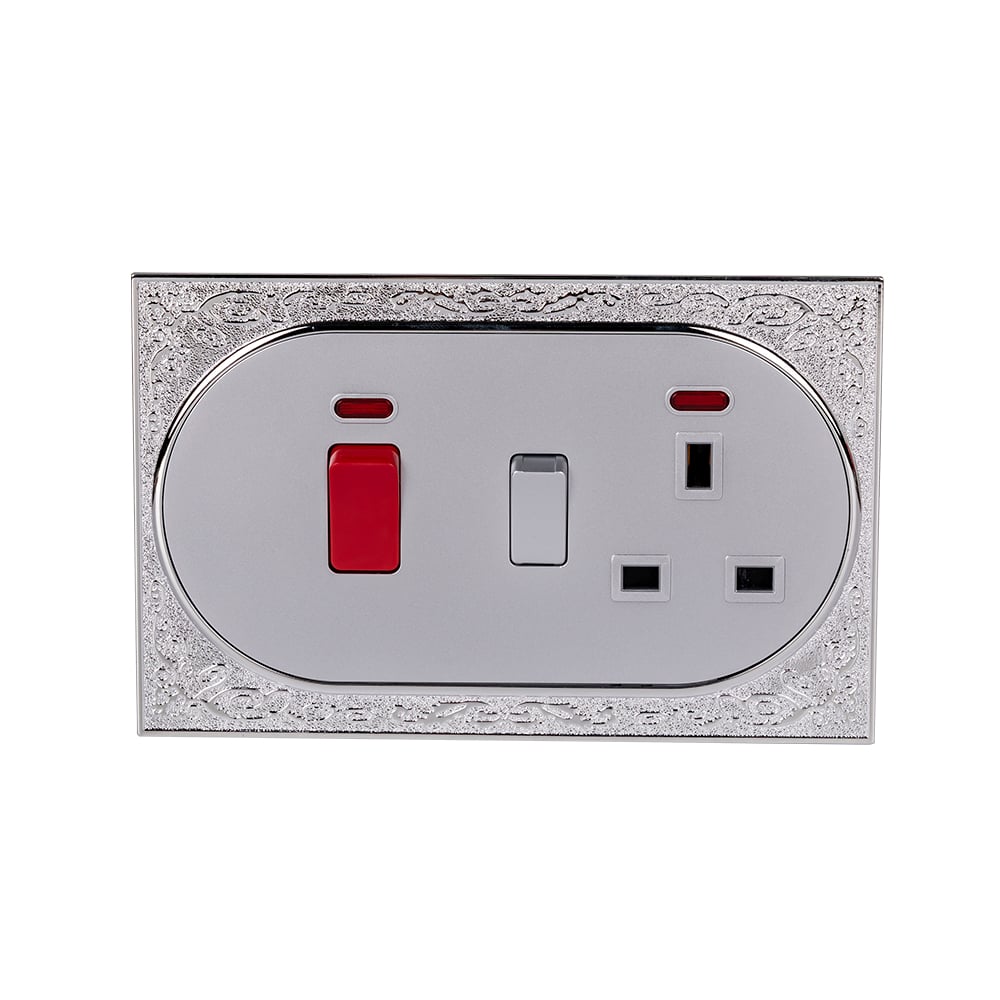
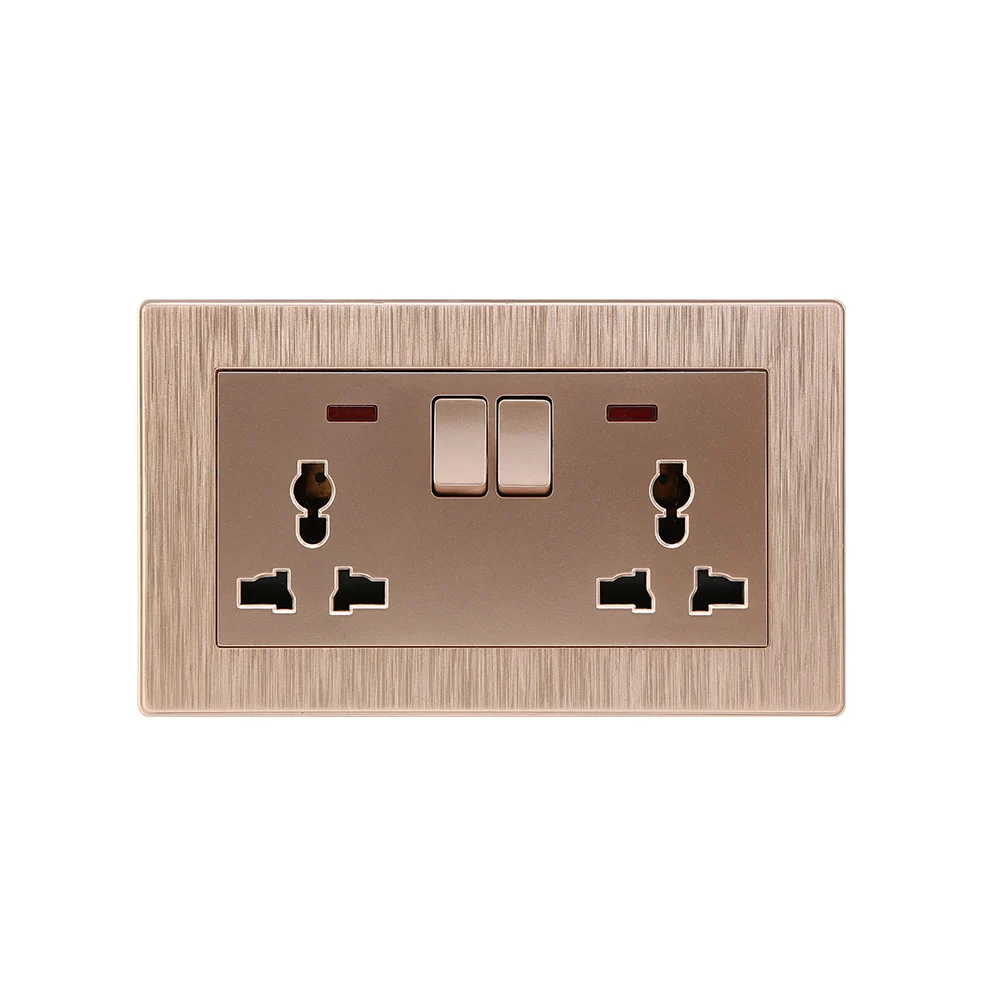
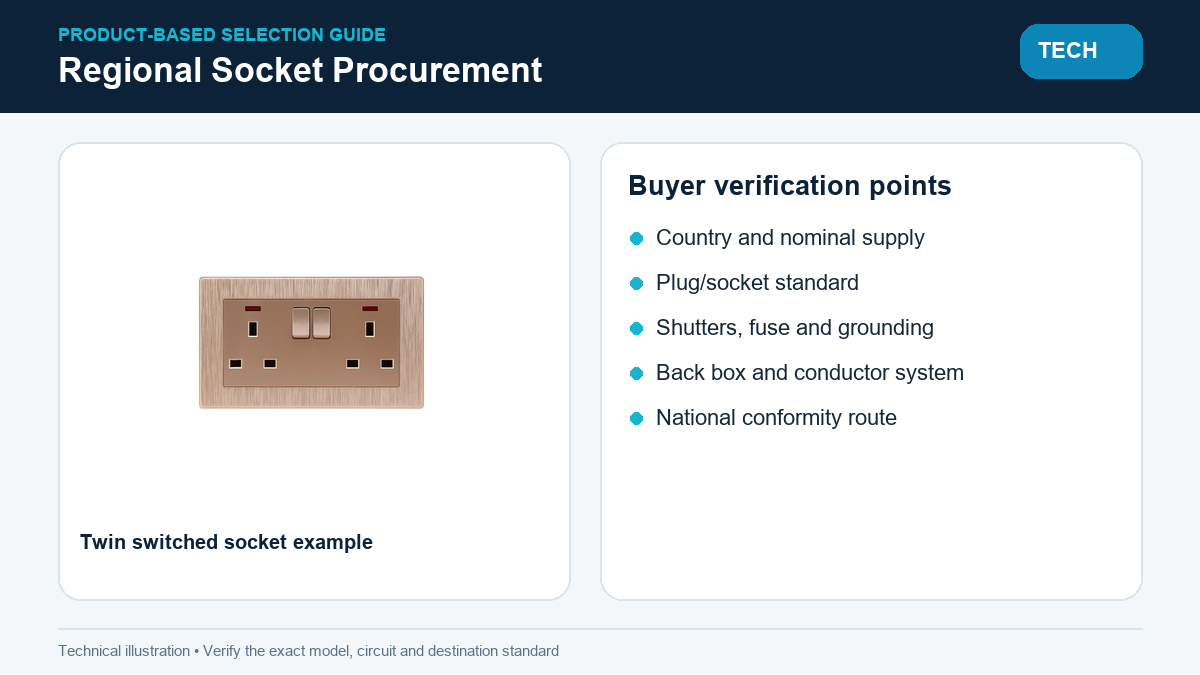
Many European and Gulf systems use nominal 230 V line-to-neutral and 400 V line-to-line at 50 Hz, aligned broadly with IEC 60038. However, socket systems differ: the United Kingdom commonly uses BS 1363, continental Europe uses several Type C/E/F arrangements, and Gulf markets combine national rules with GSO conformity routes. A 230 V label alone does not establish plug compatibility, shutter behavior, fuse arrangement, or certification acceptance.
Why Does Frequency Matter?
Resistive heaters are usually less sensitive to 50 versus 60 Hz, but motors, transformers, clocks, and some control gear may not be. Japan illustrates the point: nominal household supply is 100 V, while eastern and western regions use different frequencies. Modern electronic power supplies often accept 100–240 V, 50/60 Hz, but buyers must read the input nameplate rather than infer universal compatibility from a detachable cable.
Where Do Global Procurement Costs Appear?
If 400 hotel rooms receive the wrong socket module and each replacement requires 0.25 labor-hour at USD 40, labor alone reaches USD 4,000 before new hardware, customs, retesting, and delay. A regional bill-of-materials matrix costs little compared with a full-site conversion; the ROI comes from freezing voltage, frequency, plug type, and compliance route before purchase orders are released.
Regional Household Voltage Matrix
| Region example | Nominal household supply | Frequency | Common socket signal | Primary check |
|---|---|---|---|---|
| United States/Canada | 120/240 V | 60 Hz | NEMA 5 series for general use | NEC/CEC and listing |
| United Kingdom | 230 V | 50 Hz | BS 1363 | Fused plug and shutters |
| Continental Europe | 230 V | 50 Hz | Types C/E/F vary | National deviations |
| Gulf markets | Often 230/400 V | 50 Hz | Country-specific, often Type G | GSO/national conformity |
| Japan | 100 V | 50 or 60 Hz | Types A/B | Regional frequency |
| Australia/New Zealand | 230 V | 50 Hz | Type I | AS/NZS certification |
Specification Comparison
| Procurement field | Incomplete entry | Actionable entry | Risk avoided |
|---|---|---|---|
| Voltage | “Household” | 230 V nominal, stated tolerance | Insulation/rating mismatch |
| Frequency | Not stated | 50 Hz or 60 Hz | Motor/control malfunction |
| Socket | “Universal” | Named national configuration | Poor contact and rejection |
| Protection | “Safe type” | Grounding, shutters, GFCI/RCD strategy | Shock exposure |
| Documentation | CE logo | Model-linked reports and declaration | Customs/tender failure |
Standards and Compliance
- IEC 60038: standardized international voltage values.
- ANSI C84.1: preferred U.S. 60 Hz system ratings and ranges.
- NFPA 70 and national wiring codes: branch-circuit, receptacle, grounding, and location requirements.
- CE, RoHS, and GCC/GSO: applicable only when the exact model and destination conformity route are documented.
Using a 125 V receptacle on a 230 V circuit or relying on an unverified “universal” socket can cause insulation stress, loose contact, overheating, rejected inspections, and importer liability. The correct standard is the one adopted in the destination jurisdiction.
International Selection Guide
- Record country, nominal voltage, tolerance, frequency, and supply arrangement.
- Name the plug/socket standard; do not specify only a marketing type letter.
- Confirm current rating, grounding, shutters, box format, and protective-device strategy.
- Require model-specific reports, declarations, labels, and packaging language.
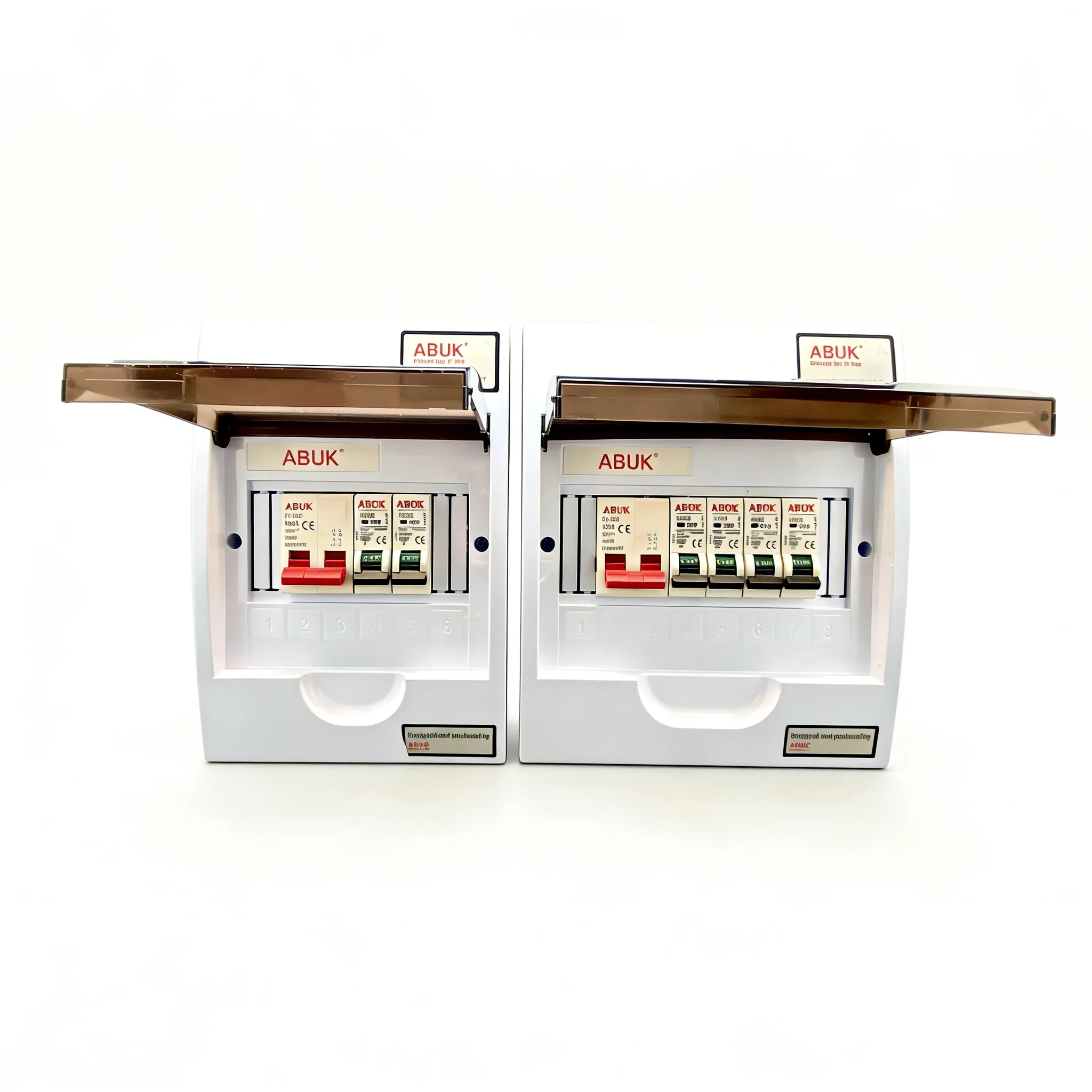
ABUK provides market-specific wall devices; its standard household outlet voltage selection support includes CE, RoHS, and GCC documentation for applicable models and destinations, subject to project verification.
Frequently Asked Questions
Are normal outlets 110 or 120 volts?
Modern U.S. systems are nominally 120 V. “110 V” remains a common legacy expression, while some equipment is nameplated 115 V for operation on a 120 V system.
What is the normal voltage of a house outlet?
It depends on the country: commonly 120 V in the United States and Canada, 230 V in much of Europe and the Gulf, and 100 V in Japan.
Is 240 volts a normal outlet?
Yes in many countries and for dedicated North American loads. It is not the standard U.S. 120 V general-use receptacle circuit.
What is the standard household outlet voltage in the US?
The standard household electrical outlet voltage is nominally 120 V at 60 Hz for general-use receptacles, with 240 V available for designated loads.
Can a 230 V appliance work on 120 V?
Only if its nameplate includes 120 V or 100–240 V input. A plug adapter changes geometry, not voltage.
Are all 230 V outlets the same?
No. Plug geometry, grounding, shutters, current rating, installation boxes, and certification rules vary by country.
References
- IEC 60038 — Standard Voltages
- NEMA — ANSI C84.1 Voltage Ratings
- NFPA 70 — National Electrical Code
- IEC — World Plugs and Socket Systems
The enduring lesson is that electricity crosses borders only after engineering translates the voltage, frequency, connector, protection, and compliance language.
ABUK builds regional wiring-device solutions for that moment. Review the united states household outlet voltage 120 v standard and other market configurations, or contact the technical team with the destination list.