
 Wenzhou Lita Electric Co., Ltd.
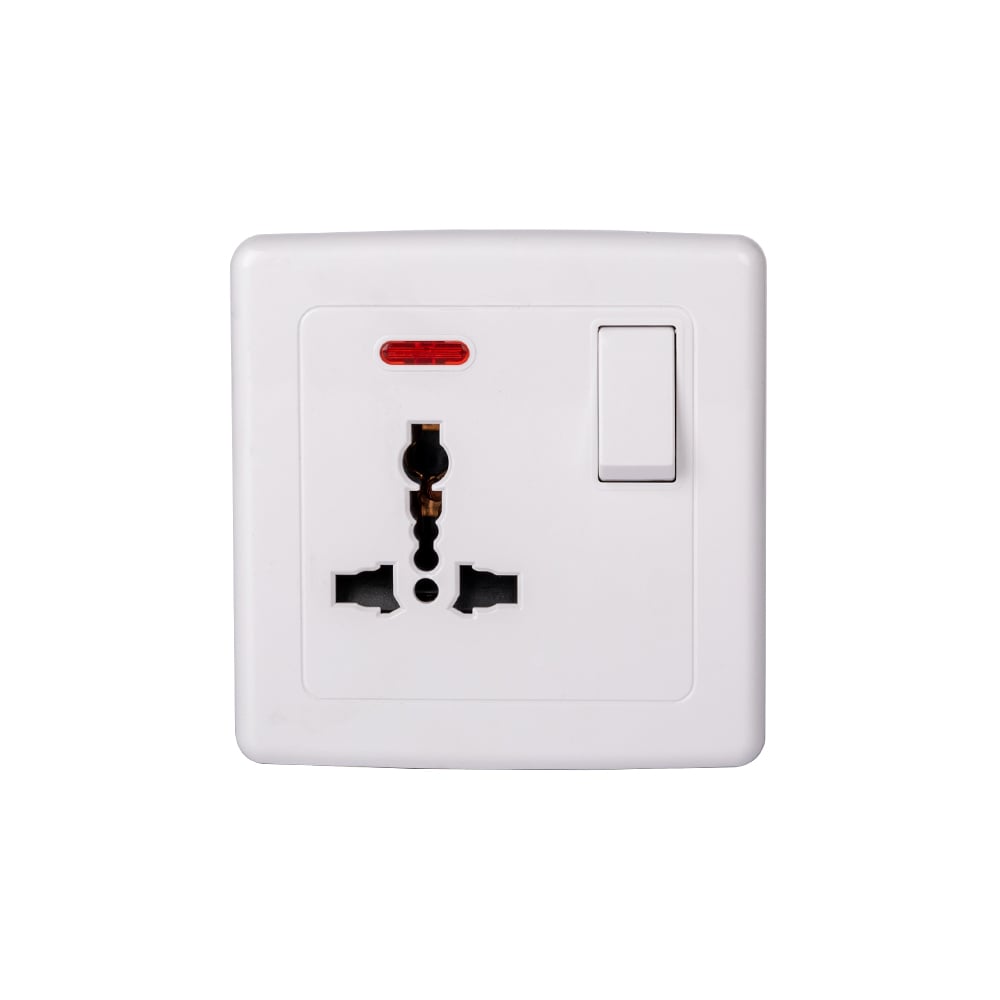
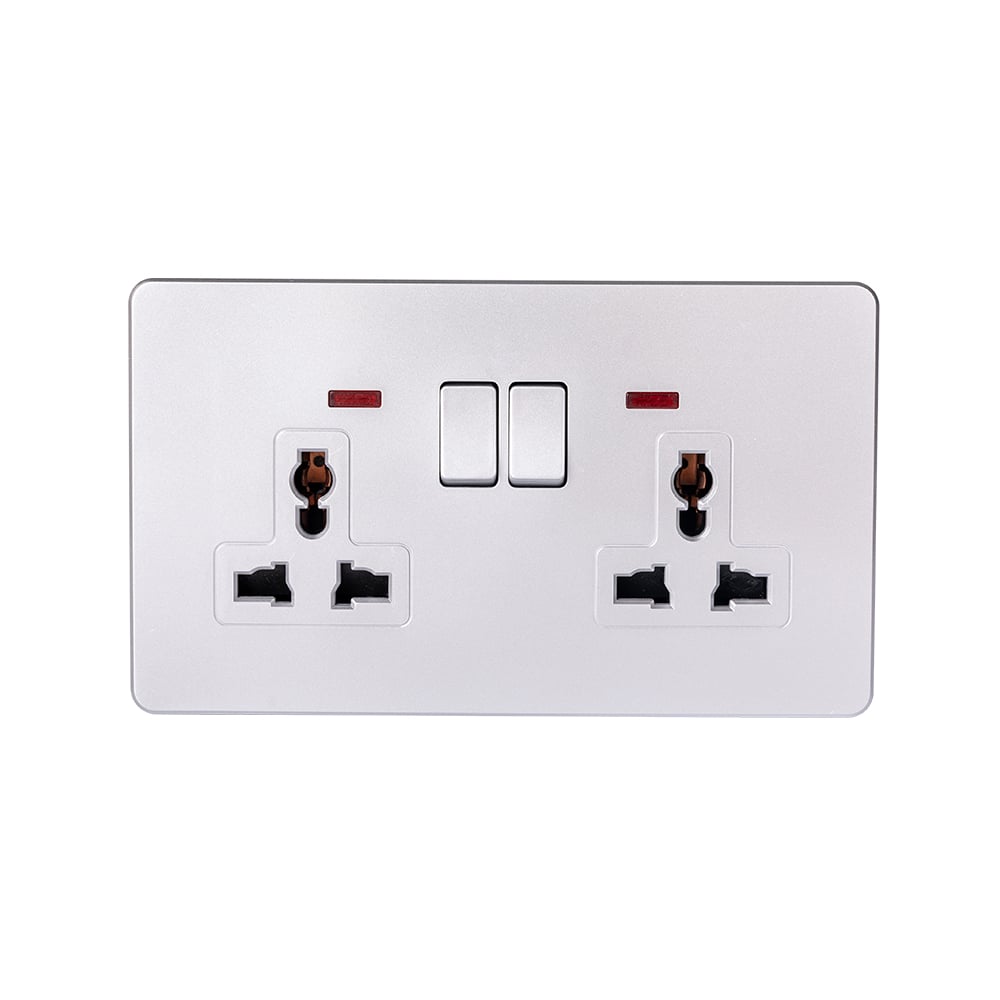


What Is a Tamper-Resistant Outlet?
When a school project manager in Toronto encountered a late receptacle substitution, she compared face colors, accepted the lower quotation, and confidently approved delivery. During inspection, the consultant inserted a single probe into one slot and the shutters opened; 280 devices were rejected. The outlets were not damaged—the ordered model lacked the coordinated internal barriers required for child-access protection. The issue raised the search question: what is a tamper resistant outlet?
Summary: A tamper resistant outlet contains internal shutters intended to open when comparable pressure is applied to both plug blades, while resisting access through one slot. “TR” marking and model-specific UL 498 evaluation matter; face appearance alone does not prove compliance. Tamper resistance does not replace GFCI shock protection, AFCI fire protection, weather resistance, grounding, or correct installation. Buyers should verify code location, voltage, amperage, plug configuration, shutter performance, listing, and destination rules.
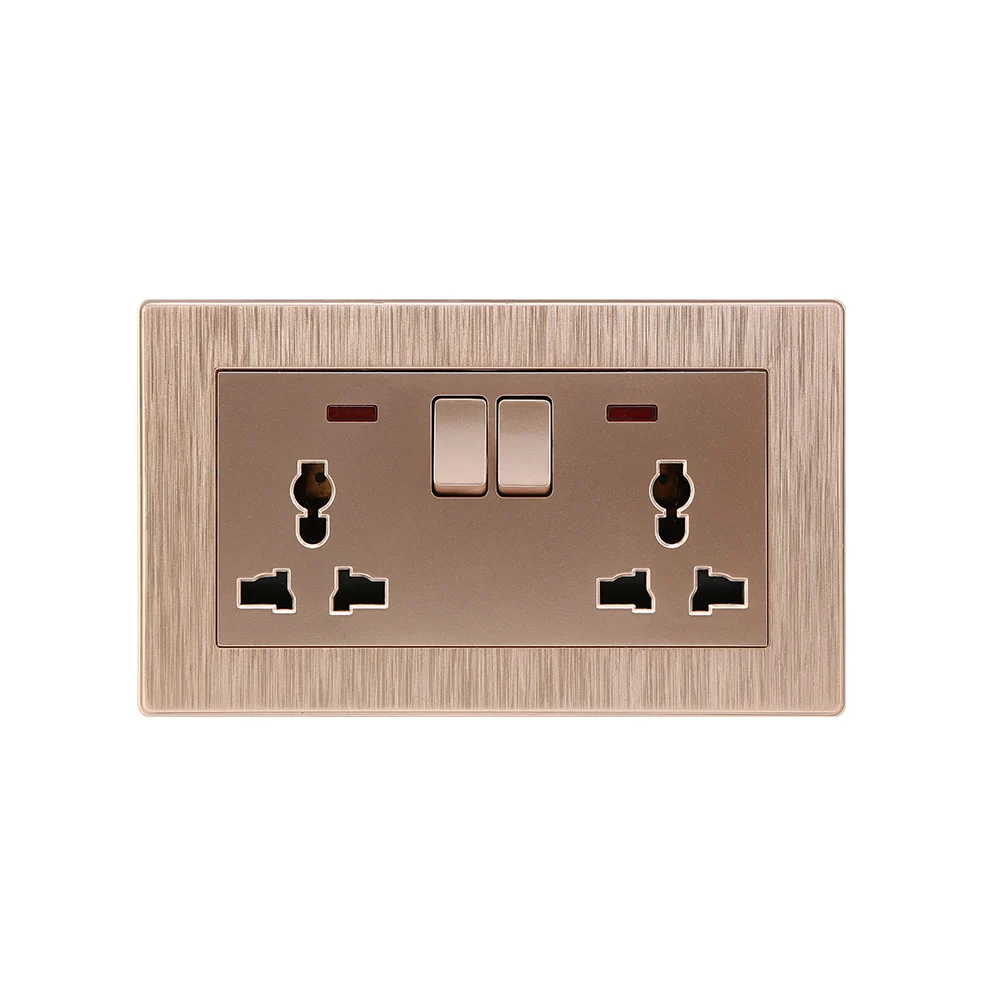
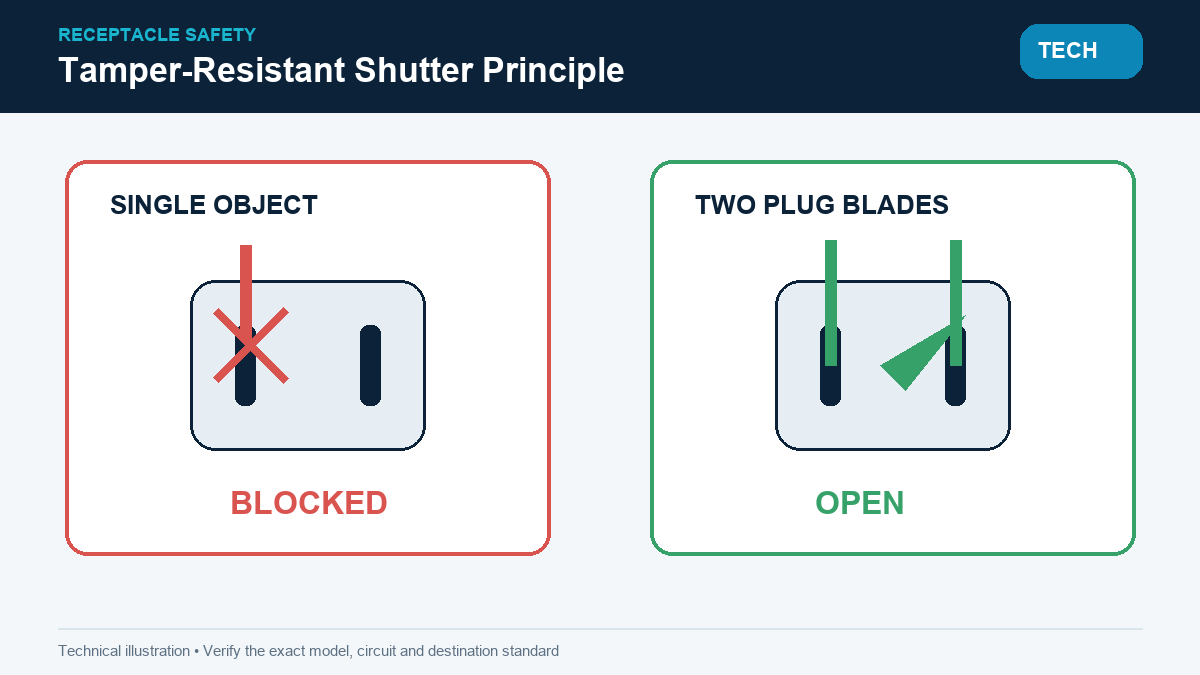
A tamper resistant outlet is a receptacle with an integral barrier system behind the line and neutral openings. When a proper plug enters evenly, both shutters move and the blades reach the contacts. A single object should not operate the mechanism as a normal plug does. UL 498 covers receptacle construction and testing, while NEC 406.12 identifies locations where tamper-resistant receptacles are required under the adopted edition.
How Do Tamper-Resistant Shutters Work?
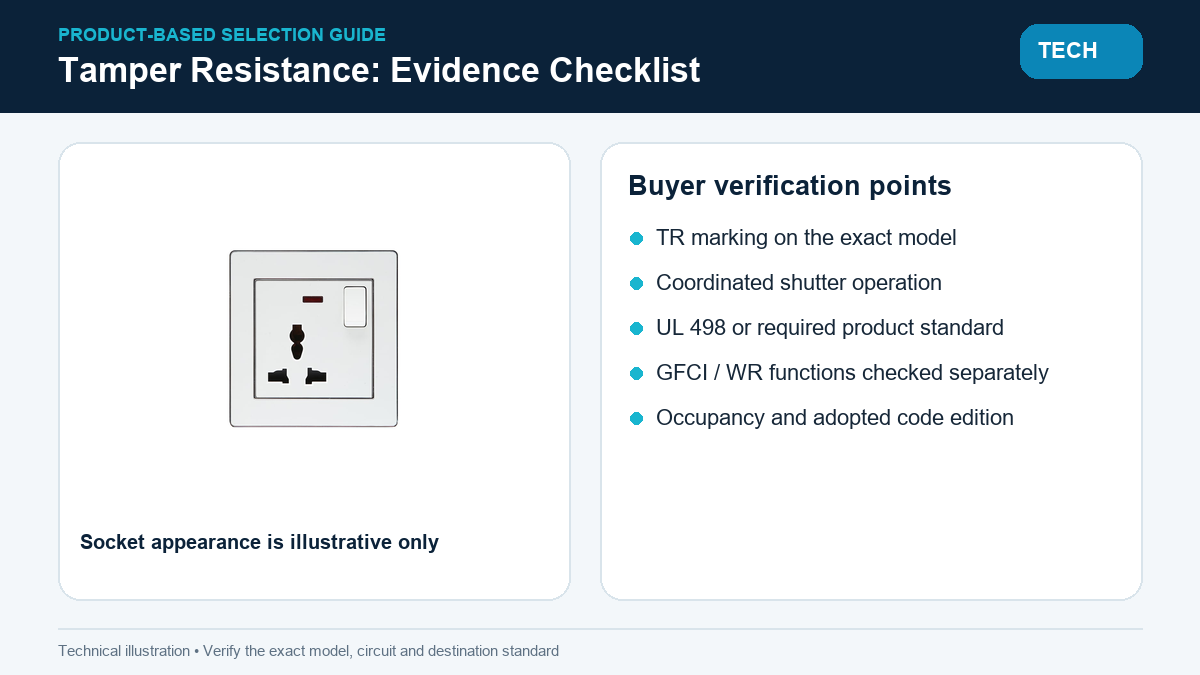
The shutter assembly sits behind the face and responds to coordinated blade insertion. Designs vary, but a compliant device must meet the applicable probe, abuse, retention, temperature, and endurance requirements of its product standard. No buyer should approve a model from a marketing cutaway alone; the “TR” marking, exact catalog number, and listing evidence should agree. Excessively stiff operation may indicate insertion angle, plug damage, paint contamination, or a poor mechanism, while a shutter that opens from one slot requires investigation.
Where Does Code Require Tamper Resistance?
NEC 406.12 requires tamper-resistant receptacles in dwelling units and additional occupancies and areas listed by the adopted edition, subject to stated exceptions. Requirements have expanded across code cycles, so a project should cite its jurisdiction and edition rather than copy a residential rule into every tender. Replacement work is also governed by NEC 406.4, which can trigger updated protection features when receptacles are changed.
Is Tamper Resistance the Same as GFCI?
No. The shutter reduces access to energized contacts; a Class A GFCI evaluated to UL 943 trips on a ground-fault imbalance of roughly 4–6 mA. One product can combine both functions and carry TR plus TEST/RESET markings. Likewise, weather resistance addresses moisture and material exposure, while AFCI protection responds to defined arcing conditions. Each function solves a different hazard.
Where Do Hidden Costs Appear?
If 300 devices are rejected and each replacement takes 0.20 labor-hour at USD 45 per hour, labor reaches USD 2,700 before new stock, room access, and retesting. The premium for compliant shutters is normally small compared with sitewide replacement; lifecycle value also depends on smooth plug insertion, contact retention, and low complaint rates in schools, hotels, and housing.
Outlet Protection Comparison
| Feature | Standard receptacle | TR receptacle | TR GFCI receptacle |
|---|---|---|---|
| Internal shutters | No | Yes | Yes |
| Ground-fault interruption | No | No | Yes, Class A where specified |
| Typical marking | Rating/listing | TR + rating | TR + TEST/RESET |
| First cost | Lowest | Low–medium | Medium–high |
| Main risk if misapplied | Access exposure | Missing GFCI function | LINE/LOAD wiring error |
Application Matrix
| Application | Typical feature set | Key check | Rule signal |
|---|---|---|---|
| Dwelling room | TR receptacle | Adopted NEC edition and exceptions | NEC 406.12 |
| Kitchen/bathroom | TR + GFCI | Protection location and accessibility | NEC 210.8, 406.12 |
| Outdoor area | TR + WR + GFCI | Cover, enclosure, weather exposure | NEC 406.9 |
| School/childcare | TR as jurisdiction requires | Occupancy scope and abuse resistance | Adopted local code |
Standards and Compliance
- UL 498: receptacle construction, endurance, contact, and tamper-resistance evaluation.
- NFPA 70, Article 406: receptacle installation, replacement, tamper-resistant, and weather-resistant rules.
- UL 943: GFCI performance when ground-fault protection is integrated.
- CE, RoHS, and GCC/GSO: relevant to specified export products but not substitutes for a required North American listing.
Missing or inaccurate TR documentation can cause inspection rejection, distributor returns, recalls, and exposure to preventable injury claims. Certification must match the model and destination rather than a visually similar product family.
Selection Guide
- Confirm the adopted code edition and occupancy before writing “TR required.”
- Specify voltage, amperage, NEMA configuration, grade, grounding, and shutter marking.
- Add GFCI, AFCI, and WR functions independently where the location requires them.
- Test representative samples for smooth, simultaneous blade insertion without accepting single-slot opening.
ABUK provides wall-device sourcing and configuration support; buyers can review the tamper resistant outlet requirements alongside CE, RoHS, and GCC documentation for applicable models and markets, subject to project verification.
Frequently Asked Questions
Why can’t I plug in a tamper resistant outlet?
Both blades must enter squarely and with even pressure. A bent plug, angled insertion, paint, debris, or a defective shutter can prevent opening; force should not be excessive.
Are tamper-resistant outlets code now?
They are required in many locations covered by NEC 406.12, but the adopted code edition, occupancy, and listed exceptions determine the project requirement.
How can someone tell if outlets are tamper resistant?
Look for “TR” on the face and inspect the catalog and listing. Visible barriers behind the slots support identification but do not replace documentation.
Is a tamper resistant GFCI outlet safer?
It combines shutter protection with ground-fault interruption, so it addresses two different hazards. It must still be correctly wired, tested, and installed in the proper location.
Can a standard outlet be replaced with a tamper-resistant outlet?
Usually yes when the new device matches the circuit, box, conductor, and protection requirements; a qualified installer should follow NEC 406.4 and the instructions.
Is a tamper resistant duplex outlet two receptacles?
Yes. A tamper resistant duplex outlet contains two receptacle contact sets on one yoke, and both faces should have the required shutter protection.
References
- NFPA 70 — National Electrical Code
- UL 498 — Attachment Plugs and Receptacles
- UL 943 — Ground-Fault Circuit-Interrupters
The best protective feature is the one the user never notices: it stays closed to the wrong object, opens smoothly to the right plug, and remains documented for the life of the building.
ABUK builds wall-device solutions for that moment. Compare tamper resistant gfci outlet requirements or contact the technical team with the occupancy and destination standard.